Wednesday, April 22, 2026
Home Blog Page 175

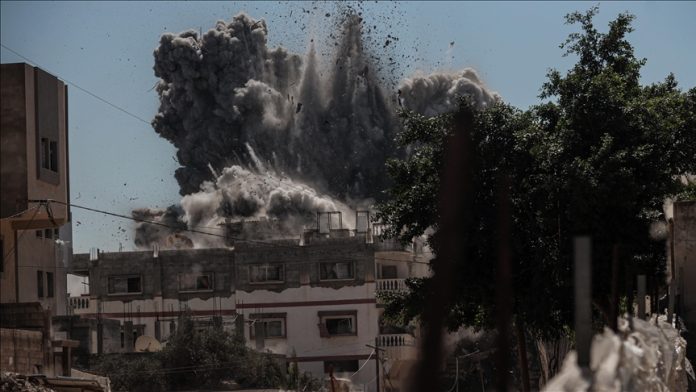
Israeli military destroys another high-rise building in Gaza City, forcibly displacing hundreds of civilians

Fighter jets bombed Burj Al-Nour in the Tel Hawa neighborhood, flattening the building, minutes after the army issued an immediate evacuation order.

Witnesses said hundreds of residents were left homeless following the attack that caused severe damage to dozens of nearby tents.

The Israeli army has been targeting high-rise buildings across Gaza City over the past week on claims of targeting Hamas infrastructure in the city. The military has ordered residents to move southward to a so-called “safe humanitarian zone” in Al-Mawasi, Khan Younis, which repeatedly came under Israeli fire more than 100 times, killing hundreds of civilians.

Israel’s Defense Minister Israel Katz confirmed the attack on the Burj Al-Nour Tower on X and threatened to continue strikes on the city.

“Hurricane continues to strike Gaza,” he stated.

Separately, Israeli warplanes carried out a series of strikes on the public prosecution building in the city’s Al-Rimal neighborhood. The building is surrounded by UNRWA schools that shelter thousands of displaced Palestinians, witnesses told Anadolu. There was no information yet on casualties.

The Israeli campaign comes under “Gideon’s Chariots 2,” a ground operation launched early Septemebr to occupy all of Gaza City. The push has stirred criticism inside Israel, with critics warning it could endanger the lives of soldiers and captives still held in the enclave.

Israel’s ongoing war on Gaza has killed more than 64,800 Palestinians since October 2023, devastating the enclave, which faces famine.

Trump issues Ukraine war ultimatum to all NATO members

In a post on Truth Social on Saturday, Trump rebuked NATO countries for what he called their unwillingness to go far enough to stop the hostilities between Moscow and Kiev.

“I am ready to do major Sanctions on Russia… when all NATO Nations STOP BUYING OIL FROM RUSSIA,” he wrote.

He argued that NATO’s commitment “to WIN has been far less than 100%, and the purchase of Russian Oil, by some, has been shocking,” adding “it greatly weakens your negotiating position, and bargaining power, over Russia.”

The US president also proposed that NATO members impose 50% to 100% tariffs on China, which he said would be lifted after the Ukraine conflict ends, portraying it as additional leverage on Russia to cease hostilities.

Since the escalation of the conflict in 2022, Beijing has positioned itself as a neutral actor, insisting that it provides no assistance to either side.

NATO officials and heads of the EU states have yet to comment on Trump’s appeal.

Trump’s post comes as the US has been pushing the EU to impose additional tariffs not only on China, but also on India, over their continued import of Russian oil.

In an interview with CNBC, a European Commission spokesperson didn’t disclose the details of ongoing talks, but said the EU “has engaged with all relevant global partners, including India and China, in the context of its sanctions enforcement efforts.”

Meanwhile, the EU is finalizing its work on a 19th package of sanctions against Russia. While its exact wording remains unclear, it is expected to target the country’s oil exports and its banking sector.

While the EU has pledged to completely phase out Russian fossil fuel imports by 2027, some of its members, most notably Hungary and Slovakia, have opposed the proposal, citing their countries’ reliance on crude supplied via the Druzhba pipeline.
Russia has denounced Western sanctions as “illegal,” stating that they have not only failed to derail the national economy, but have provided an impetus for domestic development.


Romania reports Russian drone in its airspace

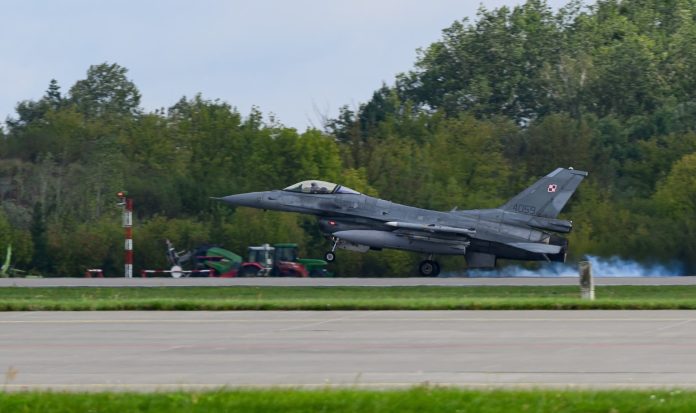
Romania’s defence ministry said on Saturday its airspace had been breached by a drone during a Russian attack on infrastructure in neighbouring Ukraine. Romania scrambled two F-16 fighter jets late on Saturday to monitor the situation after the strikes, the ministry said in statement.
The jets “detected a drone in national airspace” and tracked it until “it disappeared from the radar” near the Romanian village of Chilia Veche, it added.

Ukrainian president Volodymyr Zelensky warned that Russia was deliberately expanding its drone operations and that the west needed to respond with tougher sanctions and closer defence cooperation.

The latest drone incursions were “an obvious expansion of the war by Russia”, he said, adding, “The Russian military knows exactly where their drones are headed and how long they can operate in the air.”

What was required in response were fresh sanctions against Russia and a collective defence system, Zelensky argued.

“Do not wait for dozens of ‘shaheds’ and ballistic missiles before finally making decisions,” he warned.

Also Saturday, Poland said it and its NATO allies had deployed helicopters and aircraft when Russian drones struck Ukraine not far from its border.

Because of the drone threat, “Polish and allied aircraft are operating in our airspace, and ground-based air defence and radar reconnaissance systems have reached their highest level of alert,” the country’s military command posted in a statement on X.

Later on Saturday, Polish prime minister Donald Tusk announced that the high alert had been lifted, while cautioning: “We remain vigilant.”

Poland and its fellow NATO countries have been on their guard since Warsaw said nearly 20 Russian drones entered its airspace overnight Tuesday to Wednesday.

While Russia denies targeting Poland, several European countries including France, Germany and Sweden have stepped up their support for defending Polish airspace in response.

On Friday, Poland rejected Donald Trump’s suggestion that the incursions could have been a mistake, a rare contradiction of the US president from one of Washington’s closest European allies.
Iranian striker Mehdi Taremi shines in Olympiacos debut

In his first match wearing the club’s jersey, Taremi scored twice, helping his team to a strong performance.

After the match, he posted a video online, addressing the fans.

“We move forward step by step, we fight for you, and we try our best to make you happy”.

The post quickly gained attention from supporters and they praised his impact on the team in his very first appearance.

Taremi’s move to Olympiacos comes after leaving Inter Milan in Italy. His successful debut has already raised expectations for the rest of the season and strengthened the club’s attacking options.

Former Israeli army chief admits to 200k Palestinian casualties during Gaza war

Gaza War

More than 10 percent of Gaza’s 2.2 million population has been killed or wounded, or “more than 200,000 people”, Halevi told a community meeting in southern Israel earlier this week.

Halevi led Israel’s onslaught on Gaza for the first 17 months of the war before resigning as chief of staff in March over the massive security breach on 7 October 2023.

The figure is in line with estimates from the Palestinian health ministry in Gaza, which Israel has dismissed, though the United Nations and international humanitarian agencies regard them as reliable.

Multiple authoritative reports by Israeli, Palestinian and international human rights groups have concluded that Israel is committing genocide in Gaza, citing evidence of its acts of killing and destruction, as well as evidence of the intent to destroy Palestinians as a group in the besieged enclave.

Leading experts in international law and the Holocaust have also told Middle East Eye that Israel’s actions in Gaza meet the legal threshold for genocide.

“This isn’t a gentle war. We took the gloves off from the first minute. Sadly not earlier,” Halevi said, in a recording published by the Israeli Ynet news website.

Halevi insisted that the Israeli army abides by international humanitarian law, but said that legal advice had never restricted his actions.

“Not once has anyone restricted me. Not once. Not the military AG [advocate general Yifat Tomer-Yerushalmi] who, by the way, hasn’t the authority to restrict me,” he added.

In addition to the recording, Ynet separately quoted Halevi as stating: “There are legal advisers who say: ‘we will know how to defend this legally in the world’, and this is very important for the state of Israel.”

Last week, the world’s largest association of genocide scholars passed a resolution, endorsed by 86 percent of its members, saying genocide is taking place in Gaza.

The resolution states: “Israel’s policies and actions in Gaza meet the legal definition of genocide in article II of the United Nations convention for the prevention and punishment of the crime of genocide (1948).”

The International Court of Justice is also investigating Israel for genocide, while Israeli Prime Minister Benjamin Netanyahu and his former Defence Minister Yoav Gallant are facing arrest warrants from the International Criminal Court for war crimes in Gaza.

Last month, famine was officially declared in Gaza following months of total blockade and severe Israeli-enforced food shortages.

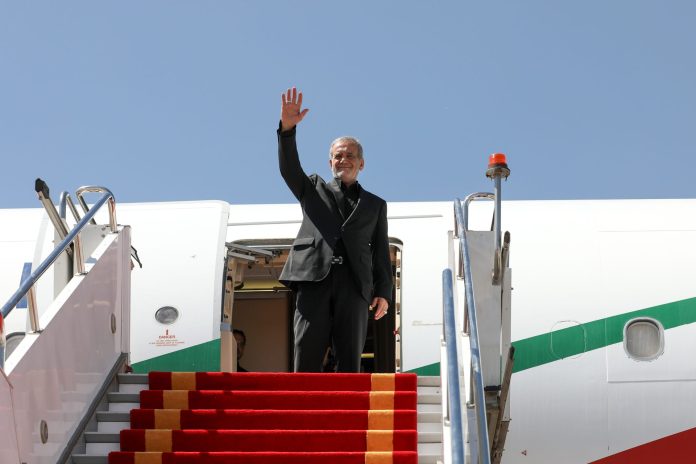
Iranian president to travel to Qatar, New York Monday        

Masoud Pezeshkian

The summit of Muslim countries’ leaders, including the Organization of Islamic Cooperation and the Arab League, is to be held to reaffirm support for the government of Qatar in the wake of the recent attack by the Zionist regime
and to condemn the crime. This emergency meeting will be held on Sunday and Monday in the Qatari capital.

After his stay in Qatar, the Iranian president will return to Tehran and then depart for New York to attend the United Nations General Assembly meeting.

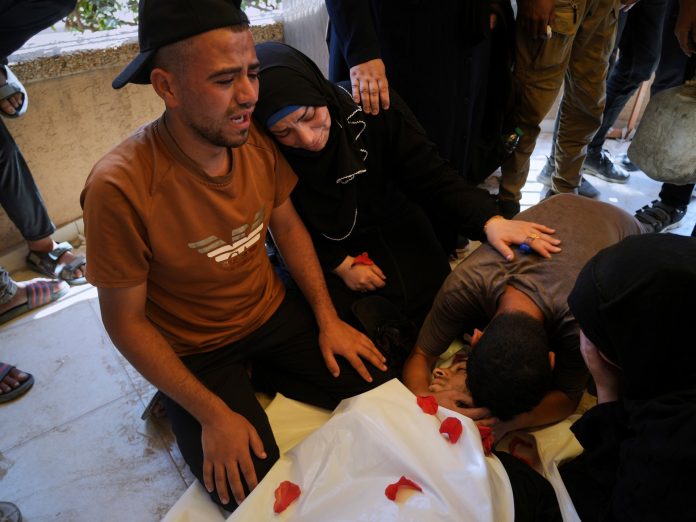
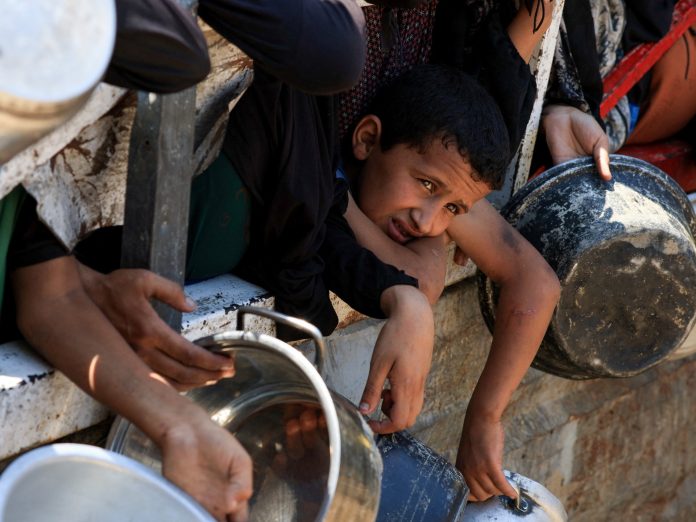
7 more Gazans die of malnutrition, taking toll to 420

Gaza War

Seven more Palestinians, including two children, died in Gaza over the past 24 hours due to Israeli-imposed famine, according to the Palestinian Health Ministry.

The latest deaths took the death toll from hunger and malnutrition to 420, including 145 children, since October 2023.

Famine has already been confirmed in northern Gaza and is projected to spread to Deir al-Balah and Khan Younis by the end of September, according to the Integrated Food Security Phase Classification.

The Israeli army has continued a deadly offensive on Gaza, killing more than 64,700 Palestinians since the Oct. 7, 2023 Hamas attacks. The military campaign has devastated the enclave.

Last November, the International Criminal Court issued arrest warrants for Israeli Prime Minister Benjamin Netanyahu and former Defense Minister Yoav Gallant for war crimes and crimes against humanity in Gaza.

Israel also faces a genocide case at the International Court of Justice over its war on the enclave.


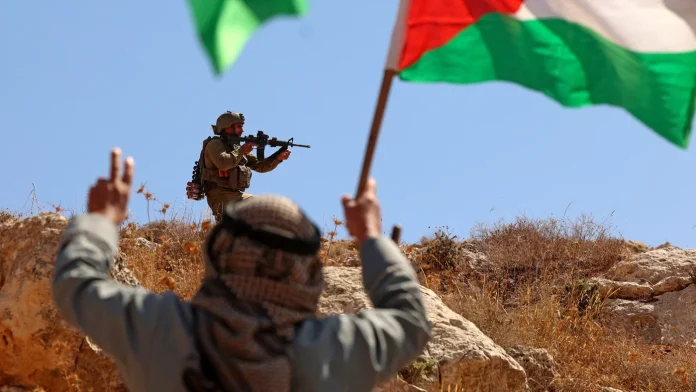
Recognizing Palestine within the Two-State Framework as a Prelude to Reclaiming Palestinian Land

West Bank
  1. Legal and Historical Foundations of Palestinian Rights

The right of the Palestinian people to an independent homeland is firmly rooted in international law. The UN Charter enshrines the principle of self-determination, while numerous UN resolutions—including Resolution 194 (1948) and Resolution 242 (1967)—call for an end to occupation and the right of return for refugees. Historically, Palestine has always been an Arab and Islamic land, where Muslims, Christians, and Jews coexisted without one group holding exclusive sovereignty. Thus, the legitimacy of Zionist claims rests not on history or law but on force and colonial support.

  1. The Two-State Solution: From a Western Concept to a Legal Tool

The two-state solution was initially proposed by Western powers as a way to end wars in the region while safeguarding Israel’s existence. It envisions two independent states, Israel and Palestine, living side by side within the 1967 borders. In practice, however, Israel has undermined this vision through continued settlement expansion and military occupation. Still, the significance of the idea lies in its recognition of Palestine as a political and legal entity. This recognition, albeit limited, provides a legitimate basis for expanding Palestinian rights and reclaiming occupied lands.


  1. Global Implications of Recognizing Palestine

Granting Palestine recognition as an independent state within international organizations and by individual governments carries several important consequences:

  • Undermining Israel’s occupation narrative: Israel has consistently denied Palestinian nationhood. Recognition exposes this denial and places Israel on the defensive.
  • Legal empowerment of Palestine: Statehood enables Palestinians to pursue cases against Israel in international courts and invoke global treaties to hold Israel accountable.
  • Strengthening Palestine’s diplomatic leverage: As a recognized state, Palestine gains greater bargaining power in negotiations and increased influence in global forums.
  • Widening cracks among Israel’s supporters: Recognition of Palestine by European and even some Western states adds political pressure on the U.S. and Israel’s close allies.
  1. The Limitations of the Two-State Solution

While recognition of Palestine is a step forward, the two-state framework does not represent full justice. It restricts Palestine to only part of its historical homeland—namely, the West Bank, Gaza, and East Jerusalem—while leaving 1948 lands and the refugee question unresolved. Thus, this framework should not be seen as an endpoint but as a platform from which Palestinians can continue to assert broader claims.

  1. A Phased Approach to the Palestinian Struggle

Recognition of Palestine under the two-state framework should be understood as an initial step, not the final goal. Such a phased approach allows Palestinians to benefit from international legitimacy while continuing resistance and demanding the recovery of their full historic rights. In other words, recognition provides a starting point for the movement forward—not a stopping point.

Today, more than 140 countries officially recognize Palestine. This growing global shift reflects changing public opinion and a rethinking of international responsibility. Recognizing Palestine within the two-state framework, despite its inherent limits, can strengthen the legitimacy of the Palestinian struggle and lay the groundwork for reclaiming all occupied lands. Ultimately, the only path to lasting peace and historical justice lies in the full restoration of Palestine to its rightful people. Every step toward recognition and support of Palestine thus represents a prelude to that return.

Seyed Parsa Alavi (Journalist)


Poll: 75% of Israelis approve of attacks targeting Hamas in Qatar

New polling released by Israeli daily newspaper Maariv conducted by Lazar Studies said that only 11 percent were opposed to the operation that targeted the Hamas political leadership.

Thirty-eight percent said they believed the action harmed the chances of securing a deal for the release of captives in Gaza, compared to 37 percent who thought it would be helpful.

Some 65 percent of those who support Prime Minister Benjamin Netanyahu’s government said they thought it would help reach an agreement, while 60 percent of opposition supporters said it would not.

Qatari Prime Minister Mohammed bin Abdulrahman bin Jassim al-Thani said Israel’s strikes on Qatari soil on Monday constituted “state terror” and that Netanyahu should be “brought to justice”.

In an interview with CNN on Wednesday, Thani stated that he had “no words to express how enraged we are”.

The prime minister added that he had met with the family of one of the Israeli captives the morning Israel launched the air raids and recalled how they told him they were “counting” on the mediation that Qatar was brokering.

“They have no other hope for that [release of captives]. I think what Netanyahu has done yesterday, he just killed any hope for those hostages”.

Netanyahu has expressed no regret for Israel’s attack and pledged to target Qatar and any country that harbours “terrorists”. He stated that if they didn’t bring them to justice or expel them, Israel would.

Israel’s strikes on Doha on Tuesday targeted a meeting of leaders from Hamas’s political bureau who were meeting to discuss a ceasefire proposal for Gaza, where nearly 65,000 people have been killed since the war broke out.

Israel’s war on the enclave has been deemed a genocide by scholars and human rights bodies.

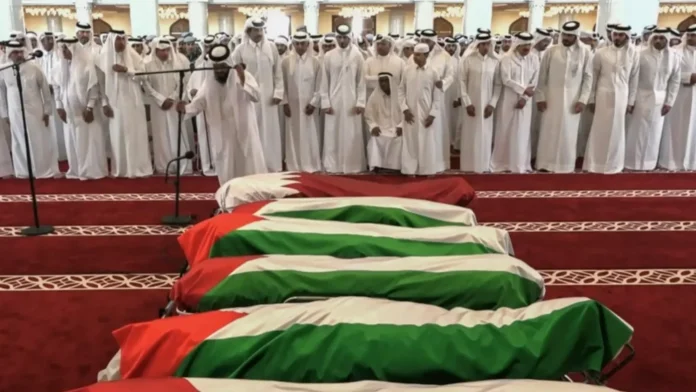
None of the Hamas leadership targeted in the strike was killed or wounded, but Hamas leader Khalil al-Hayya’s son, an office assistant and a Qatari security officer were among the six killed in the strikes.

Regional and global allies have rallied to support Qatar after the attacks.

The UN Security Council issued a statement ahead of Thursday’s emergency meeting, agreed to by all 15 members, including the US.

“The members of the Security Council expressed their condemnation of the recent strikes in Doha, the territory of a key mediator, on 9 September. They expressed deep regret at the loss of civilian life,” said the statement drafted by France and the United Kingdom.

“Ccouncil members underscored the importance of de-escalation and expressed their solidarity with Qatar. They underlined their support for the sovereignty and territorial integrity of Qatar, in line with the principles of the UN Charter,” it added.

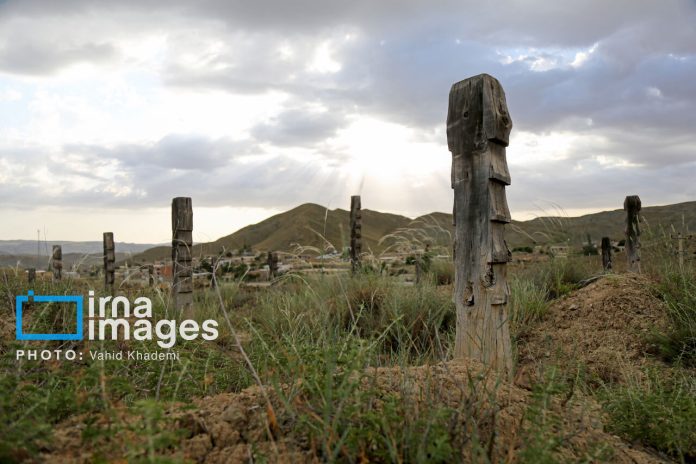
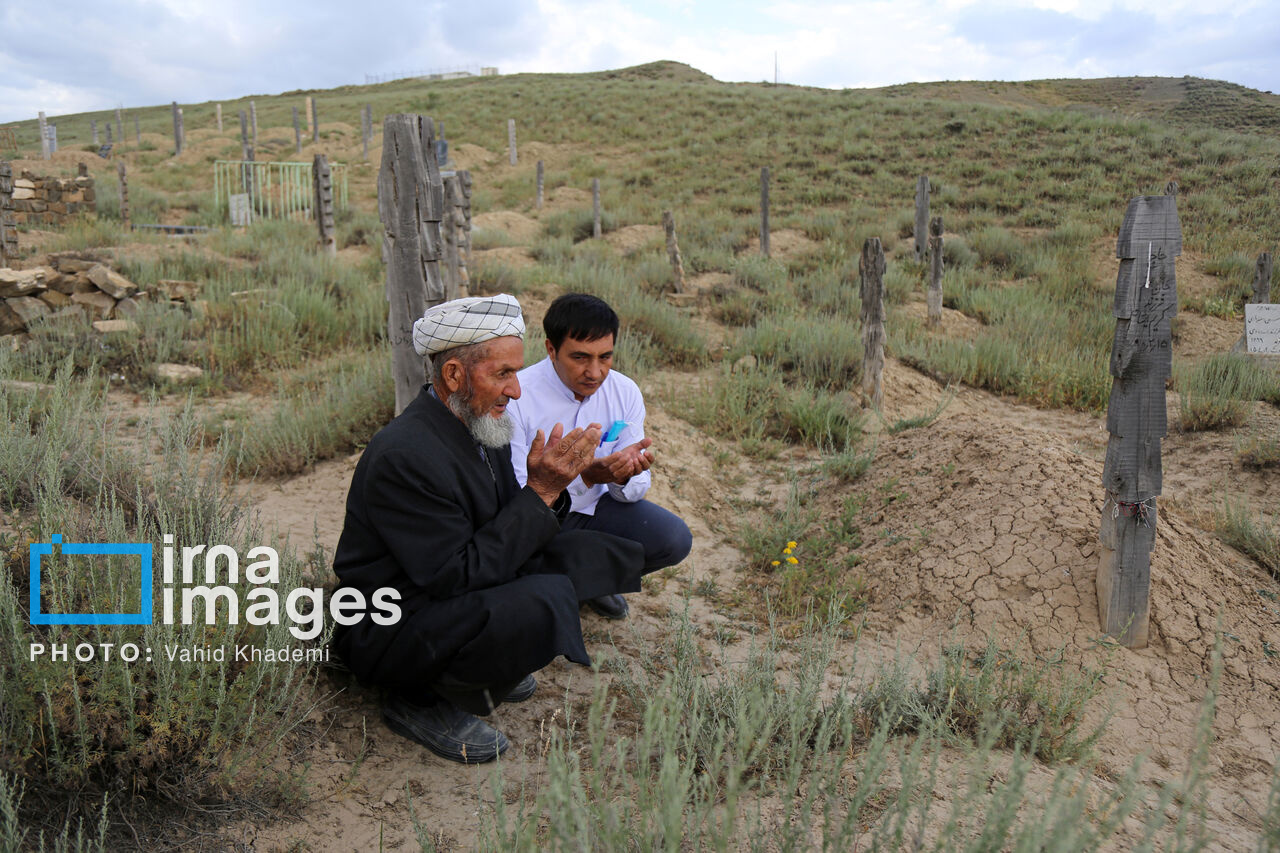
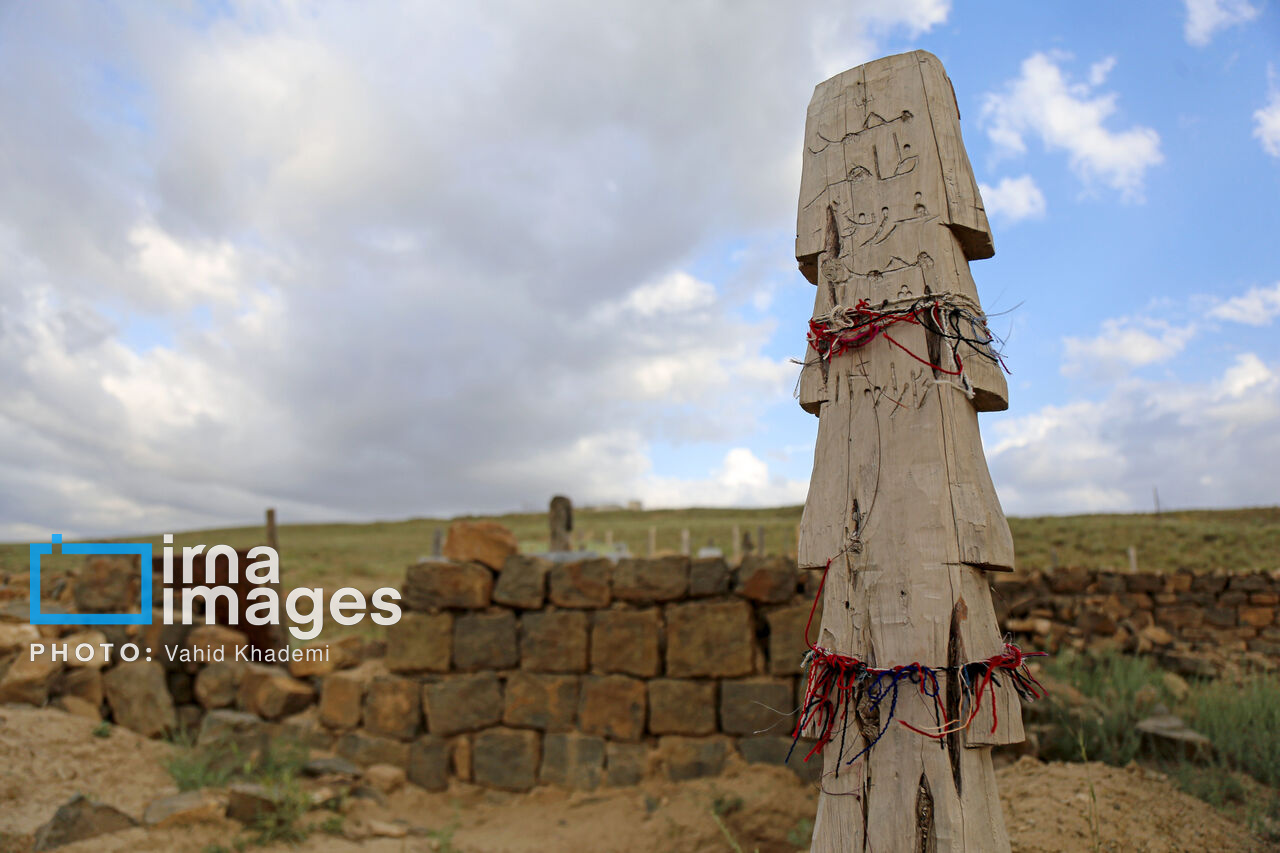
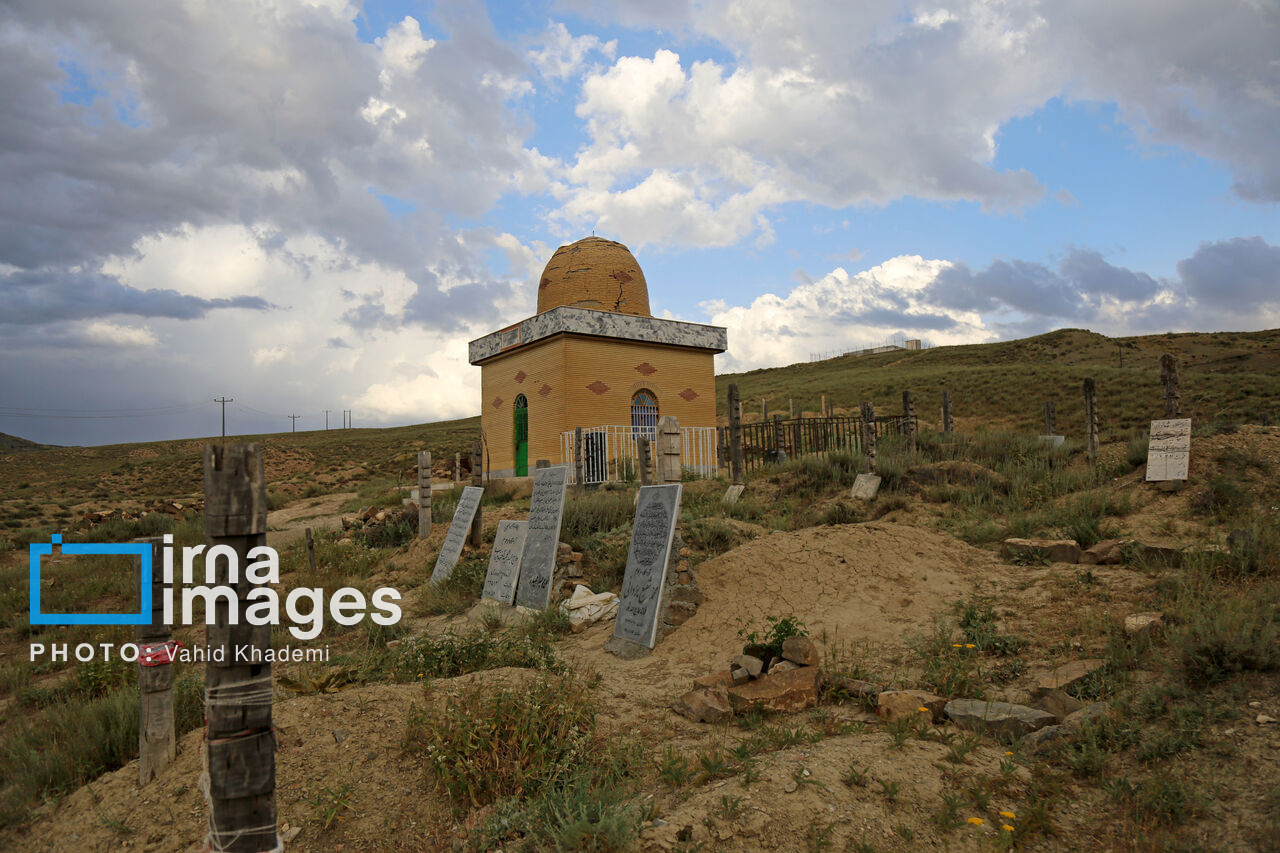
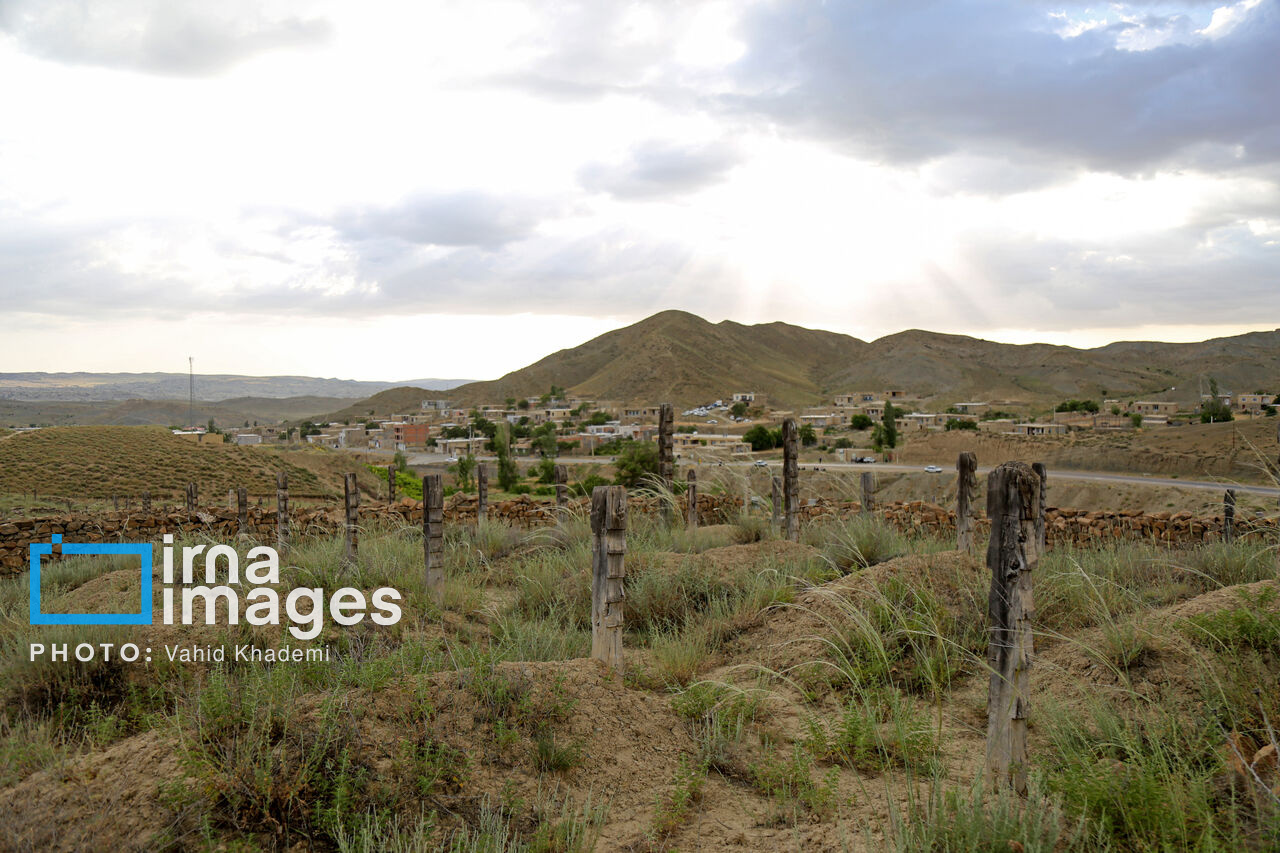
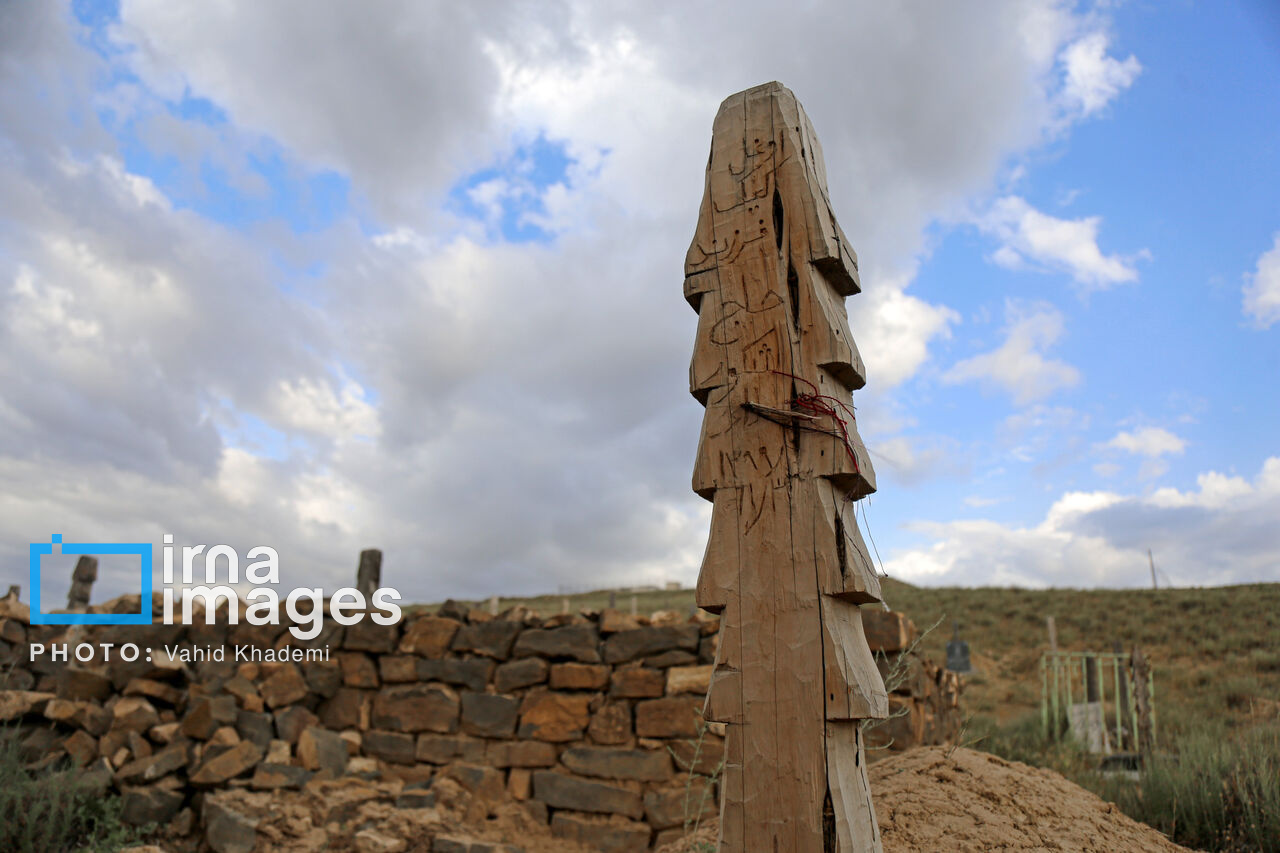
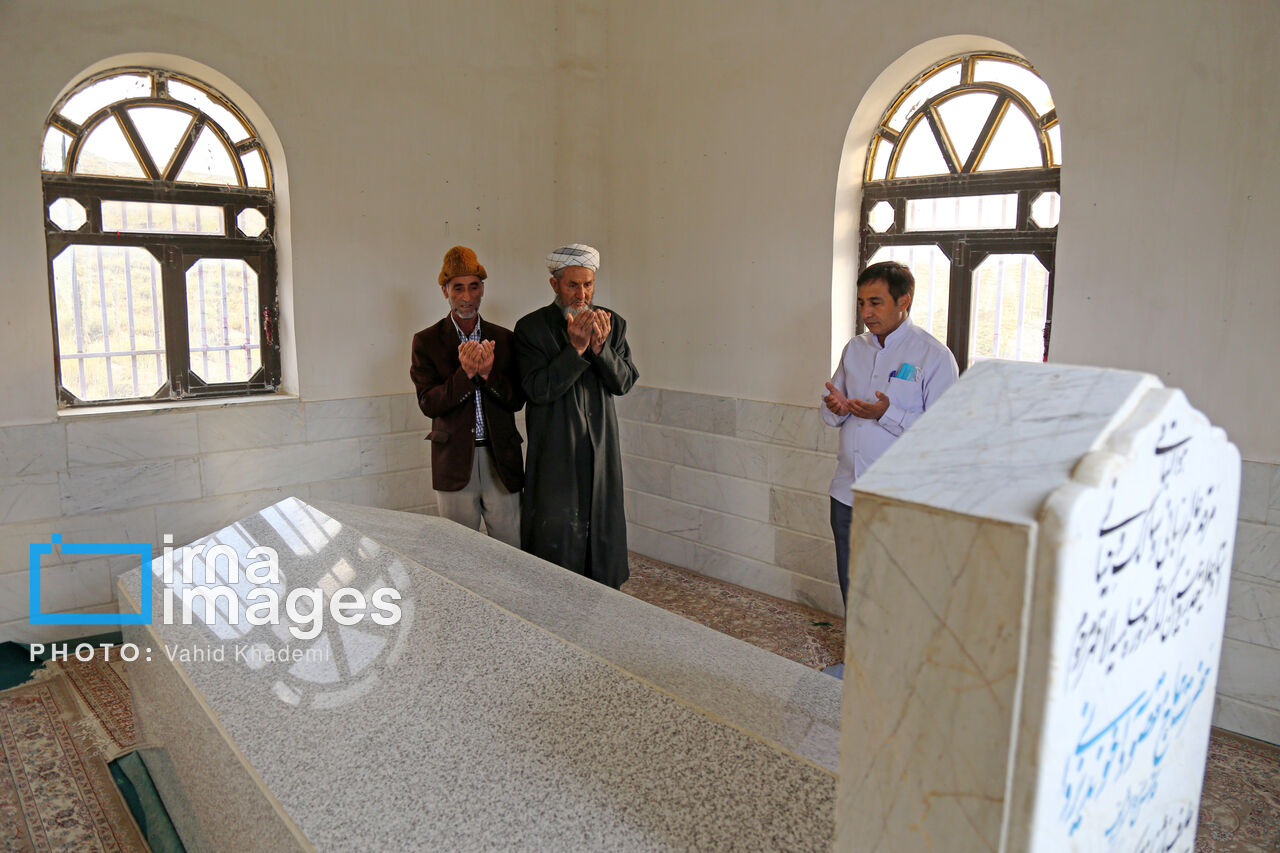
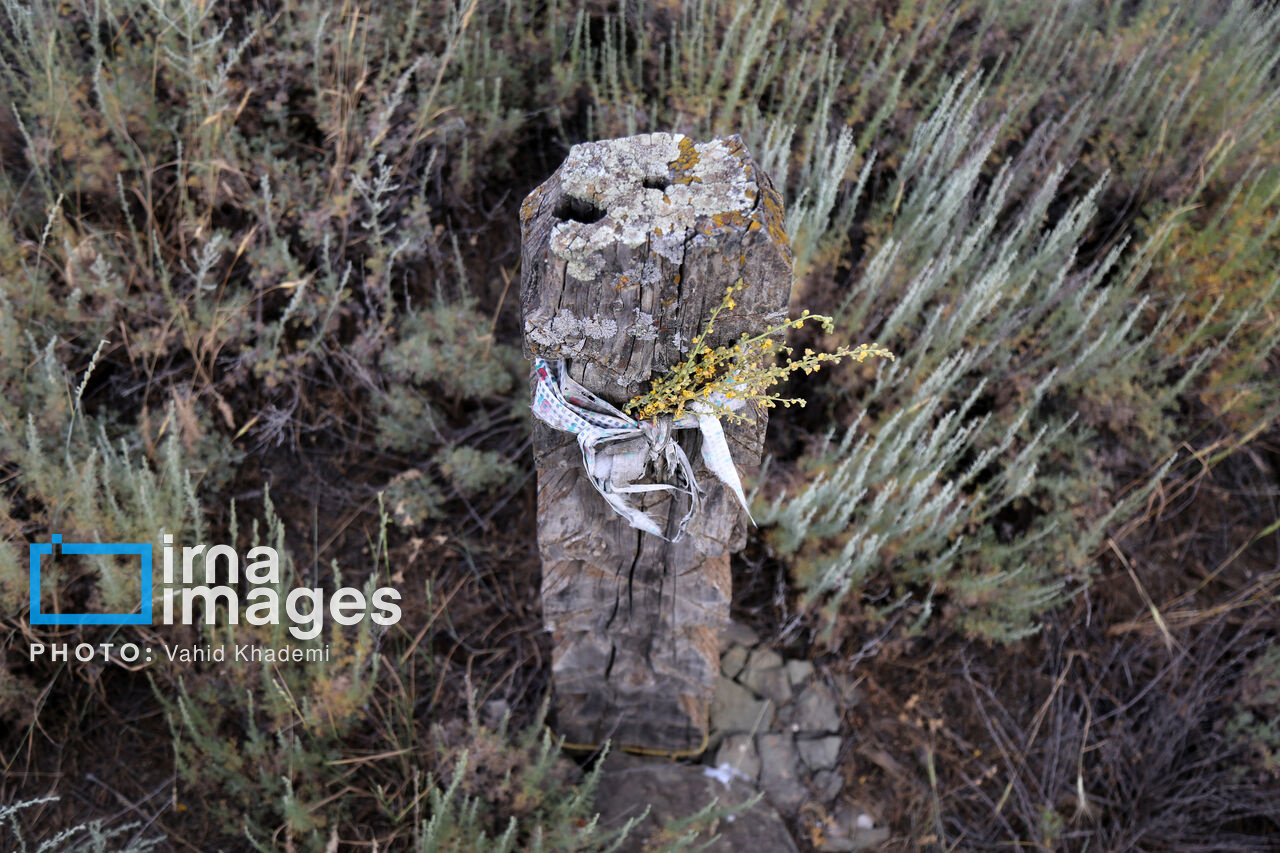
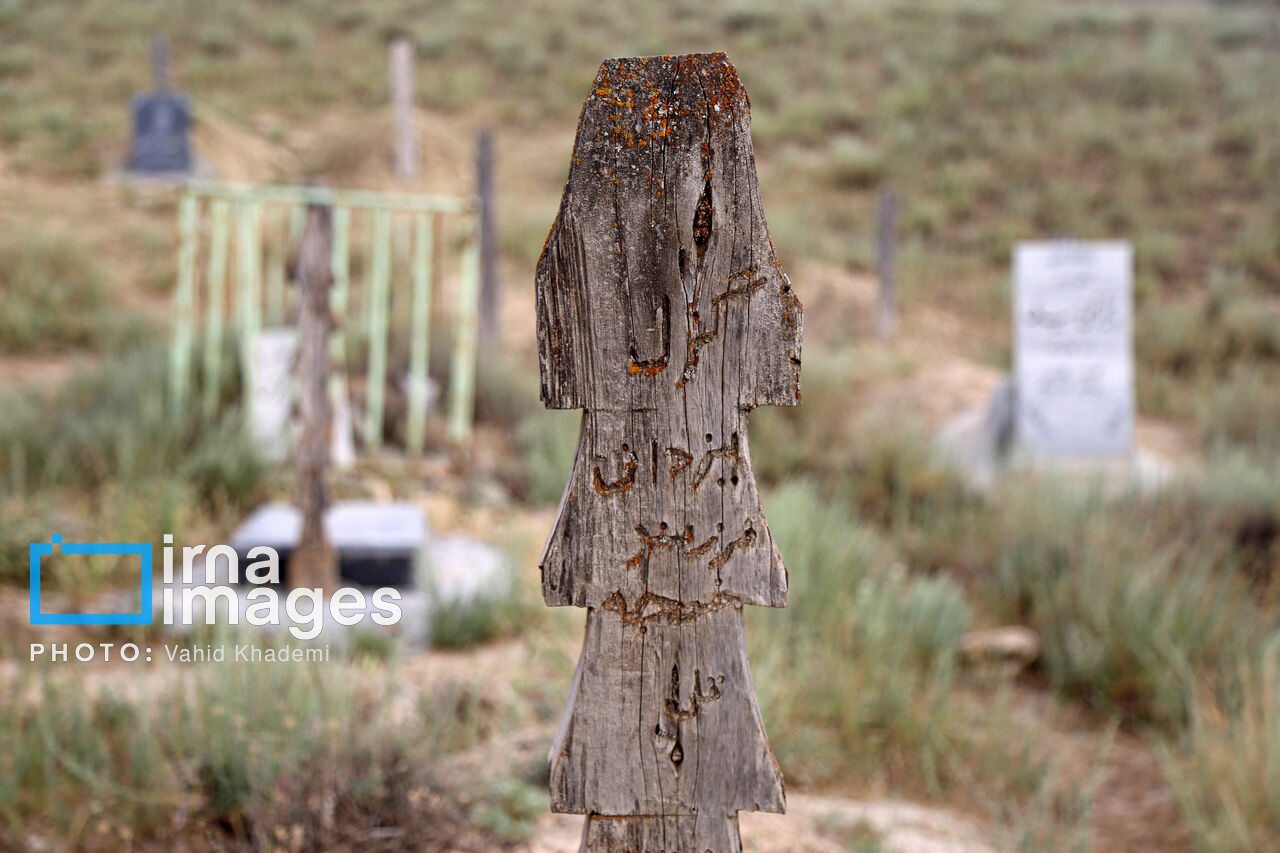
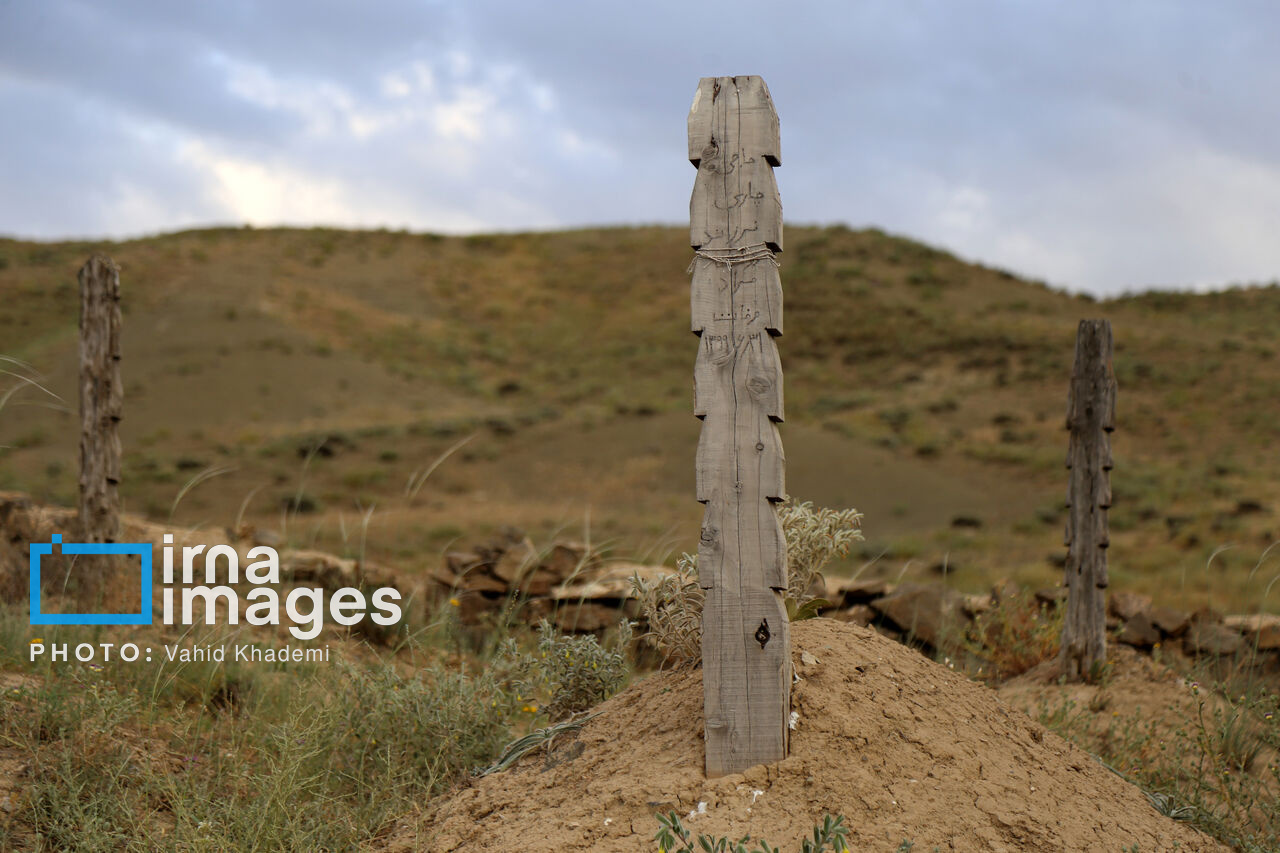
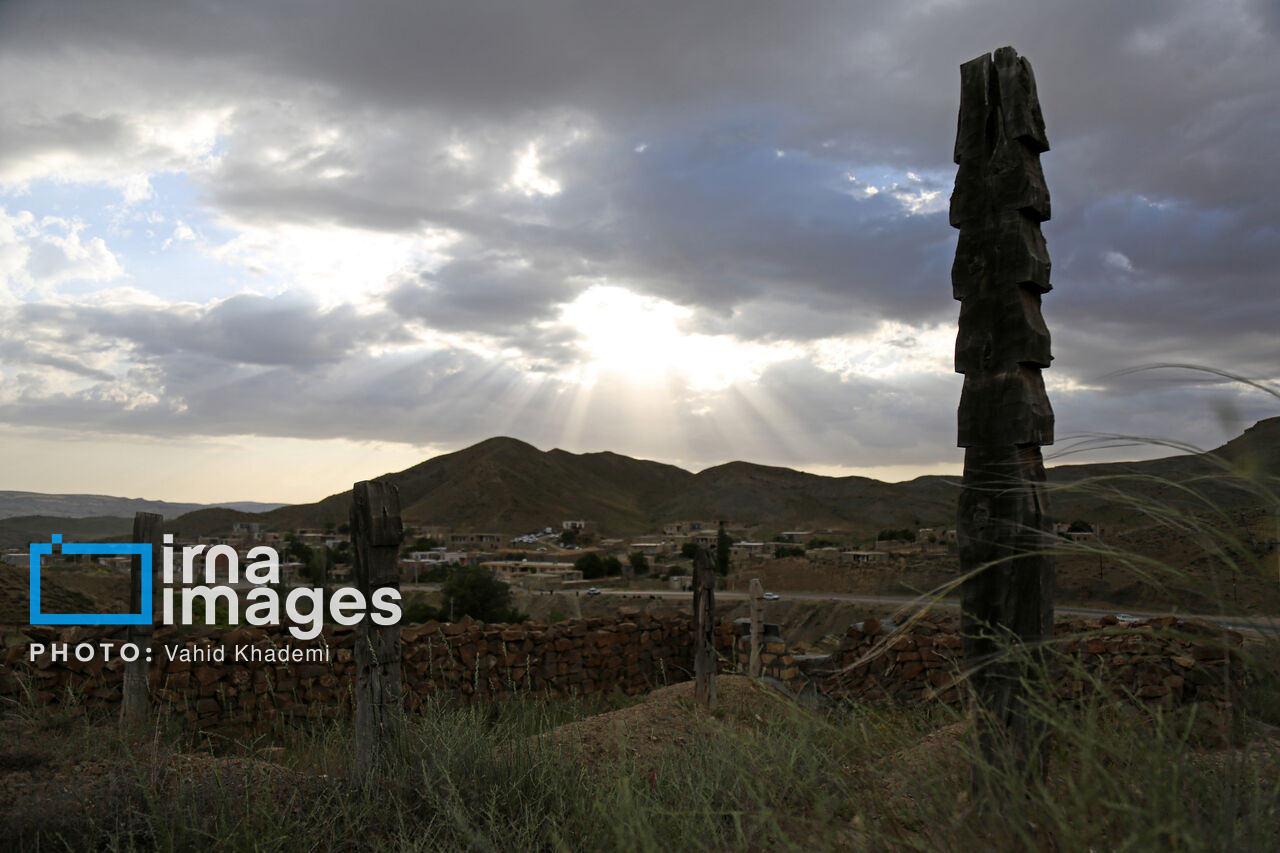
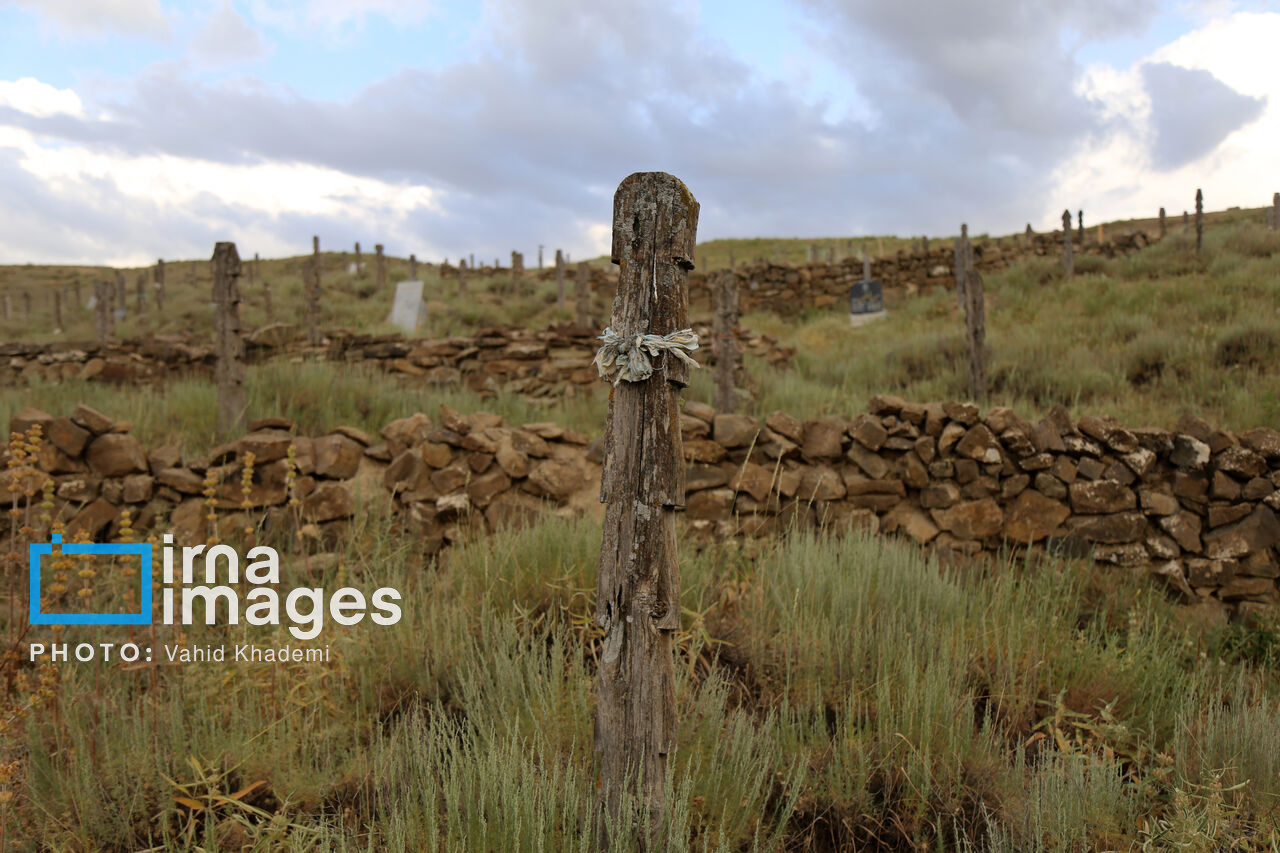
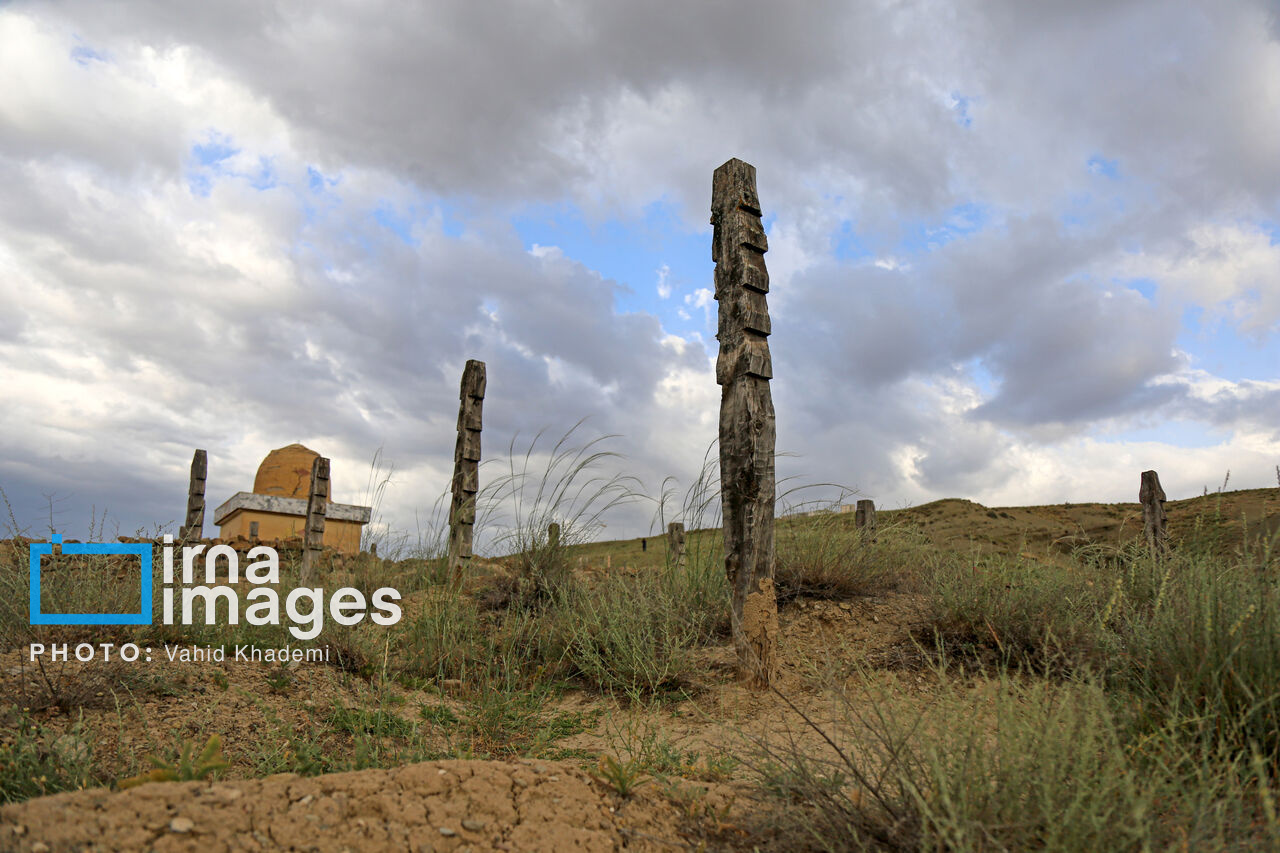
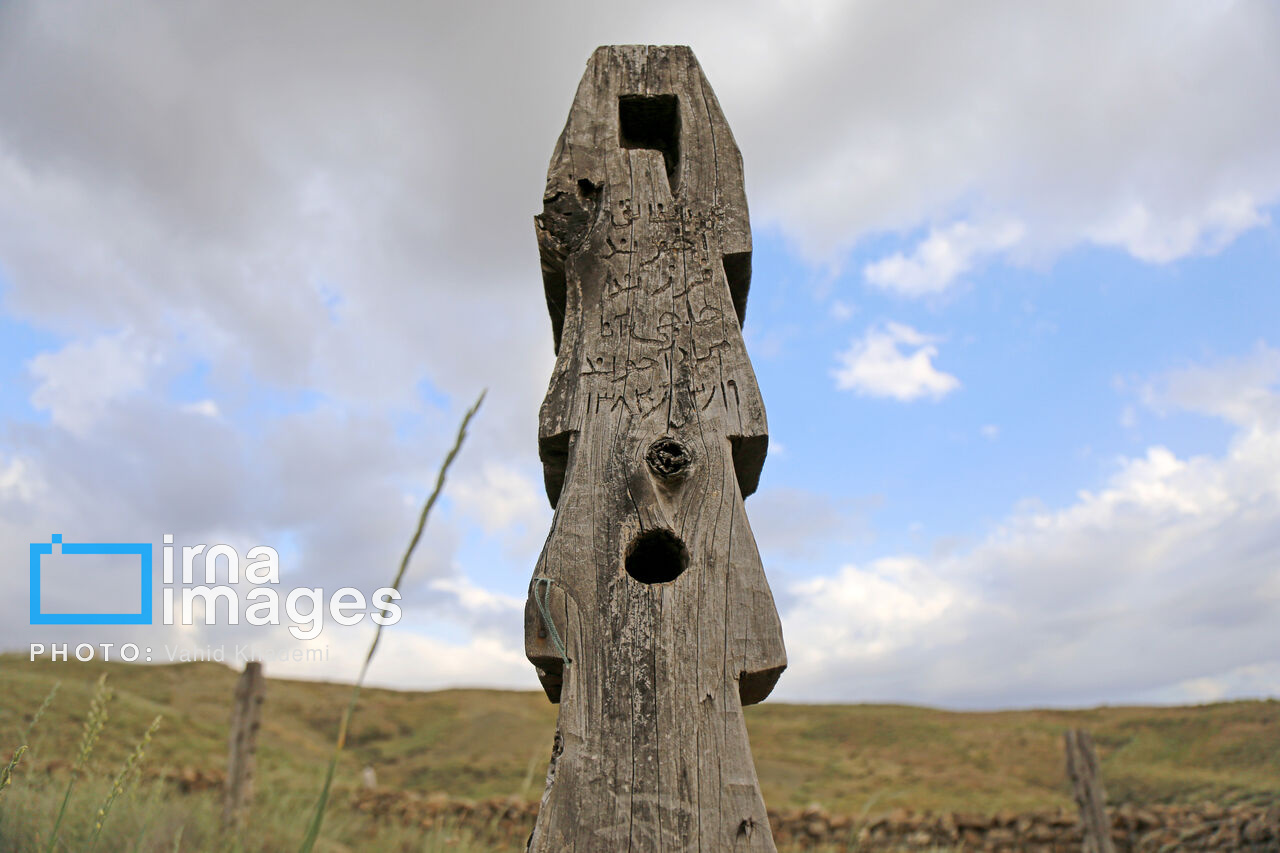
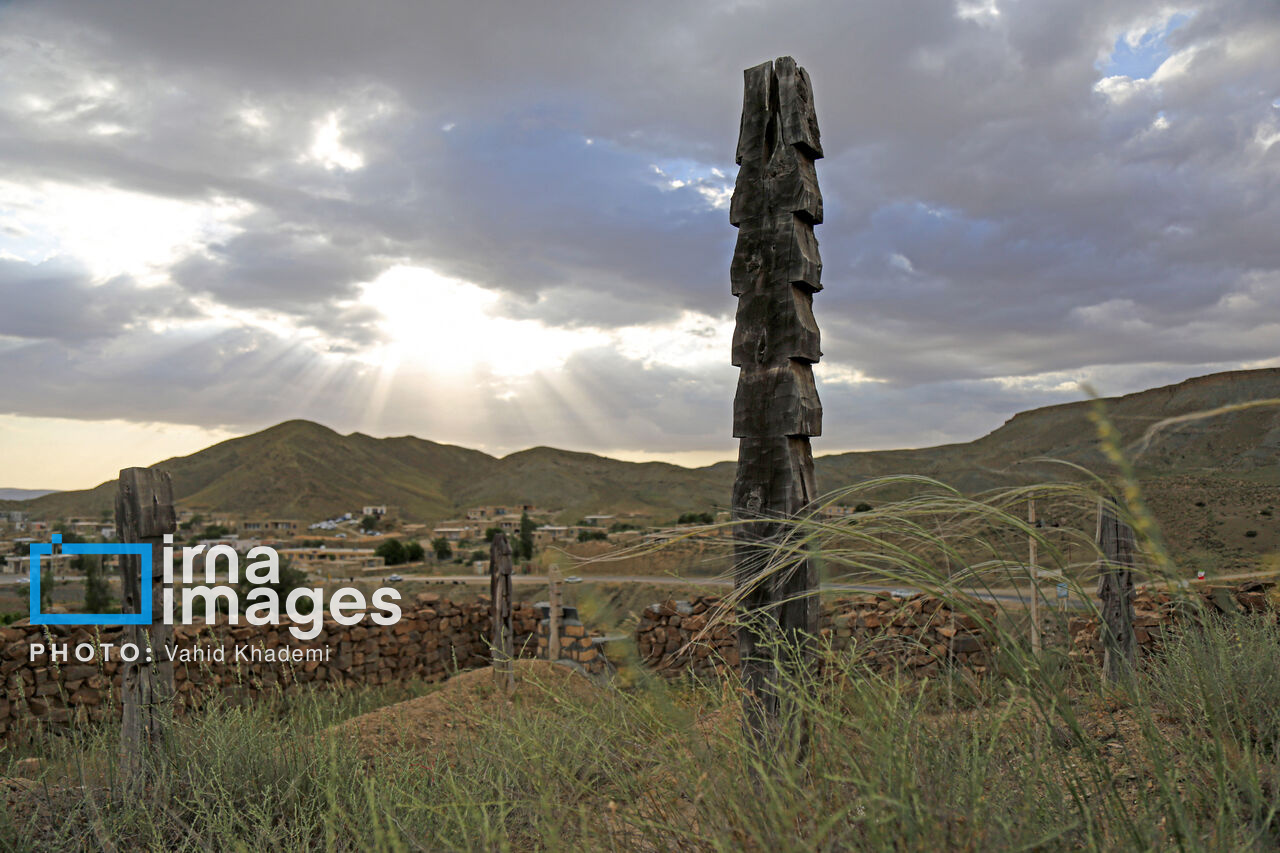
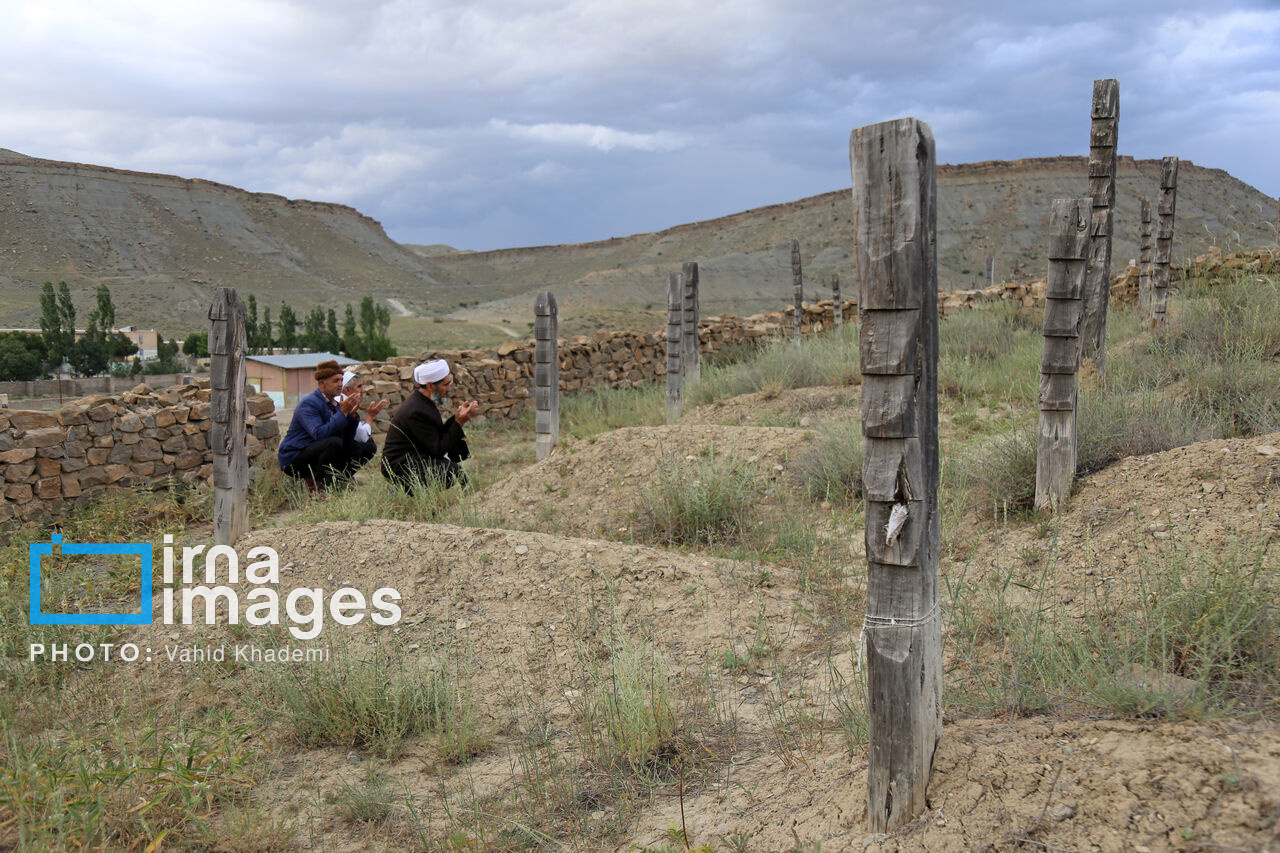
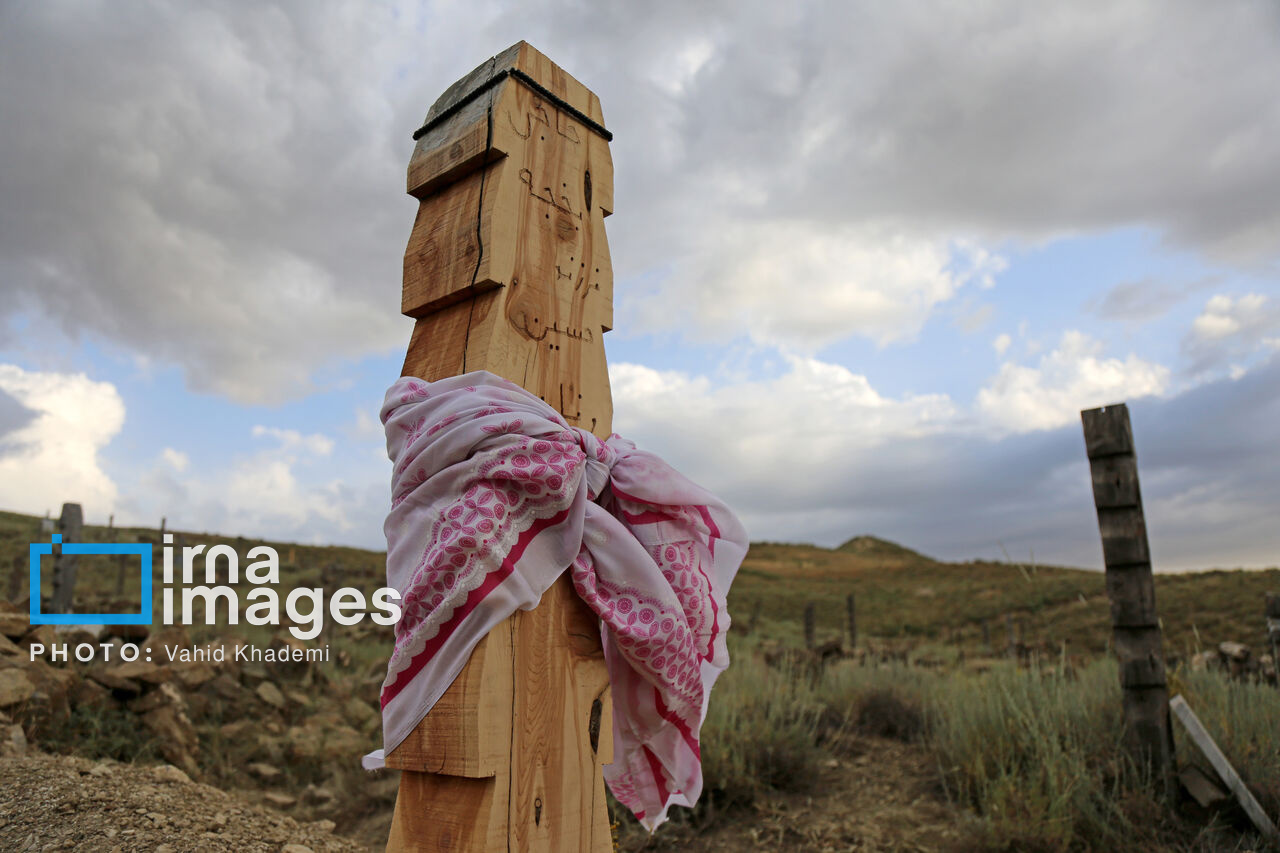
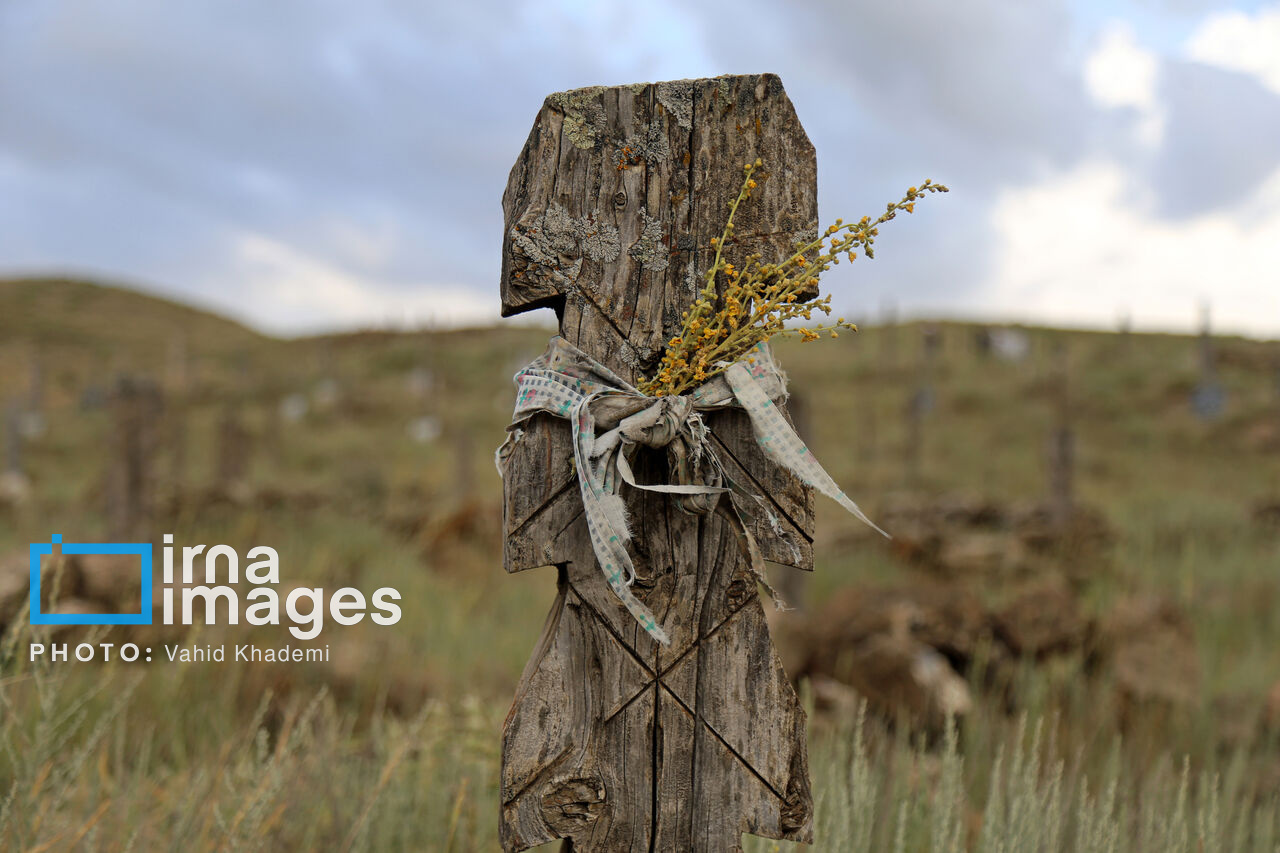
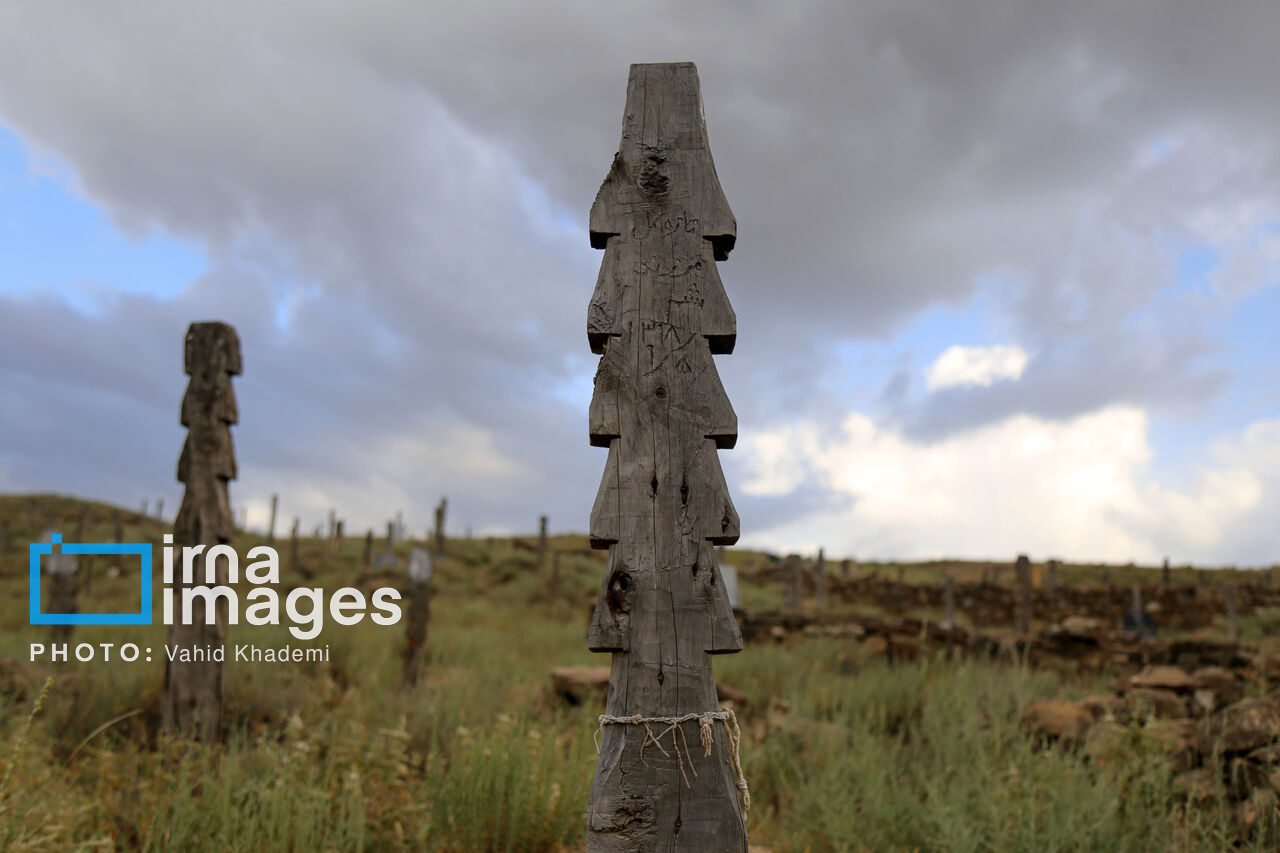
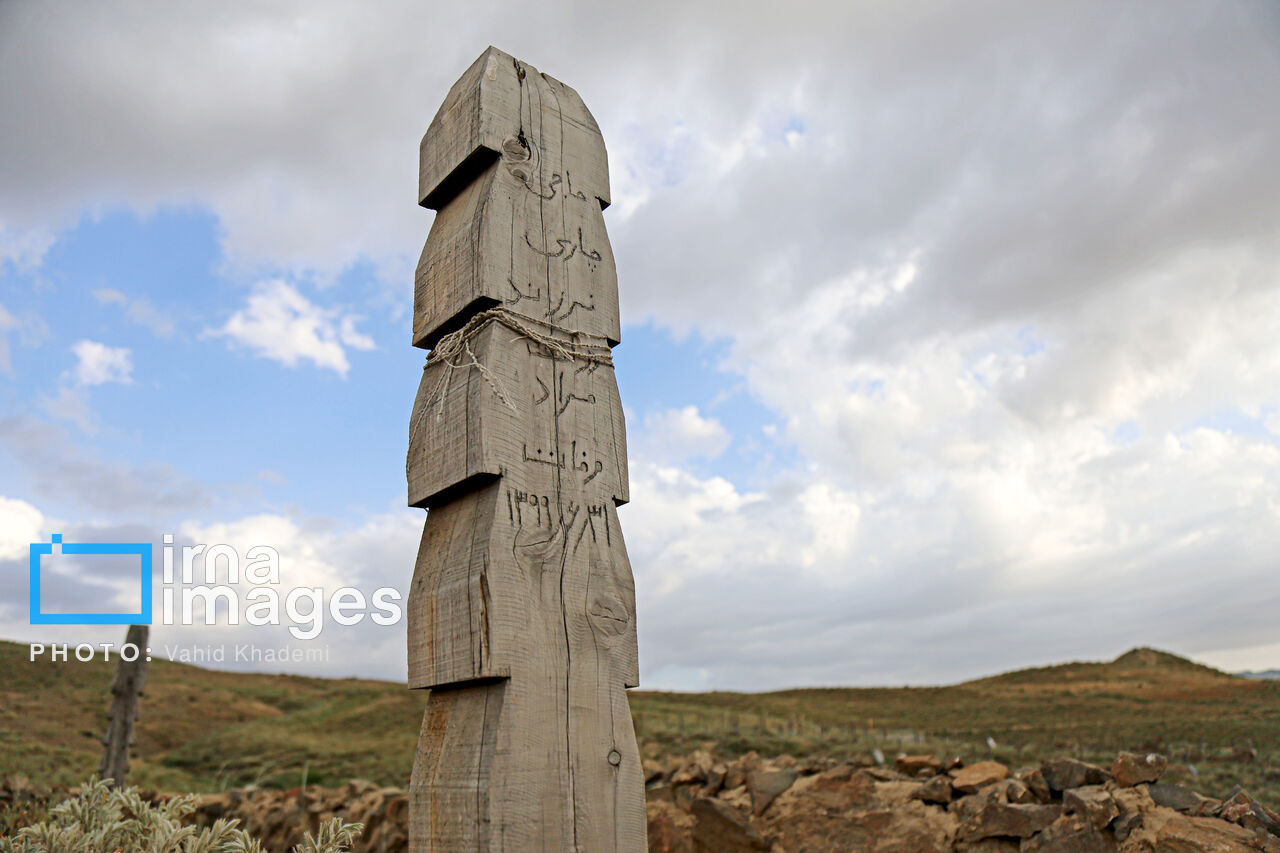
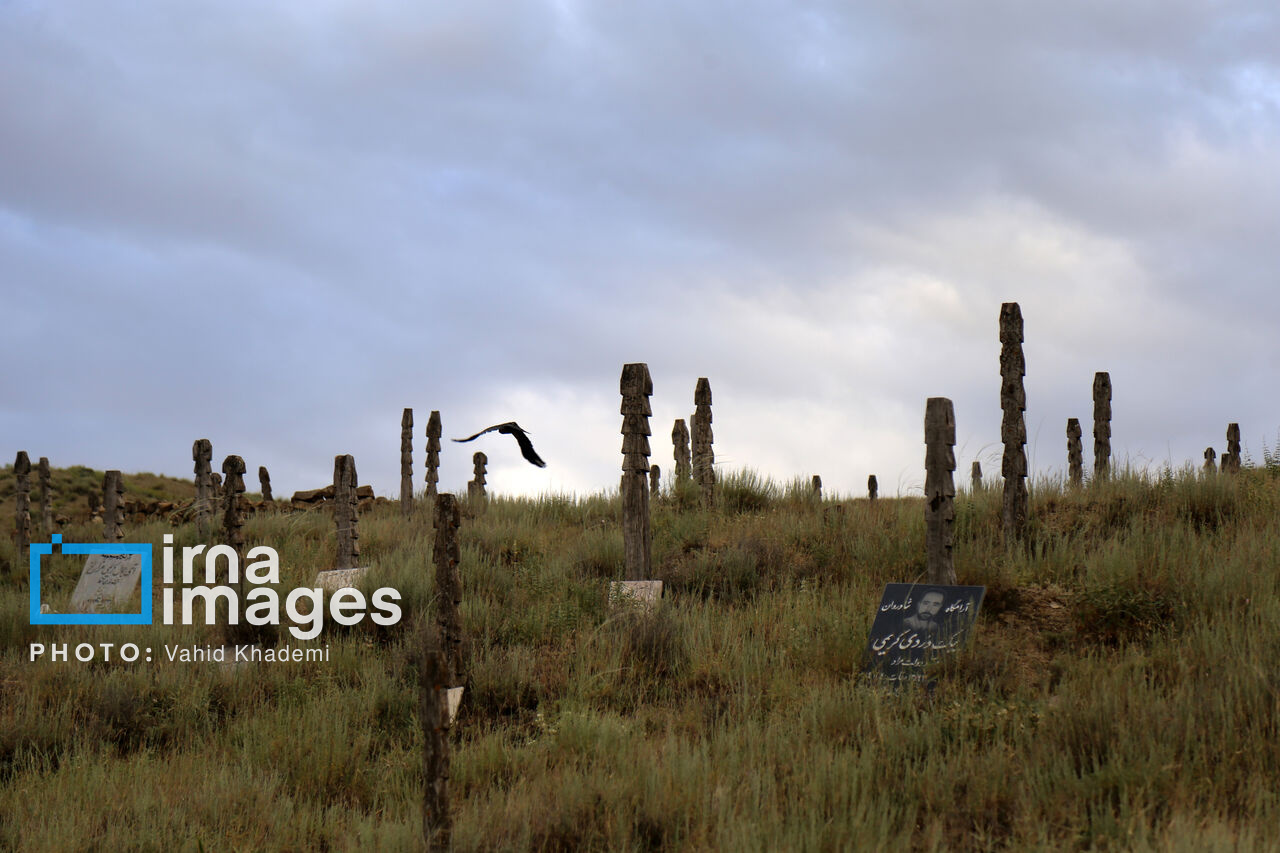
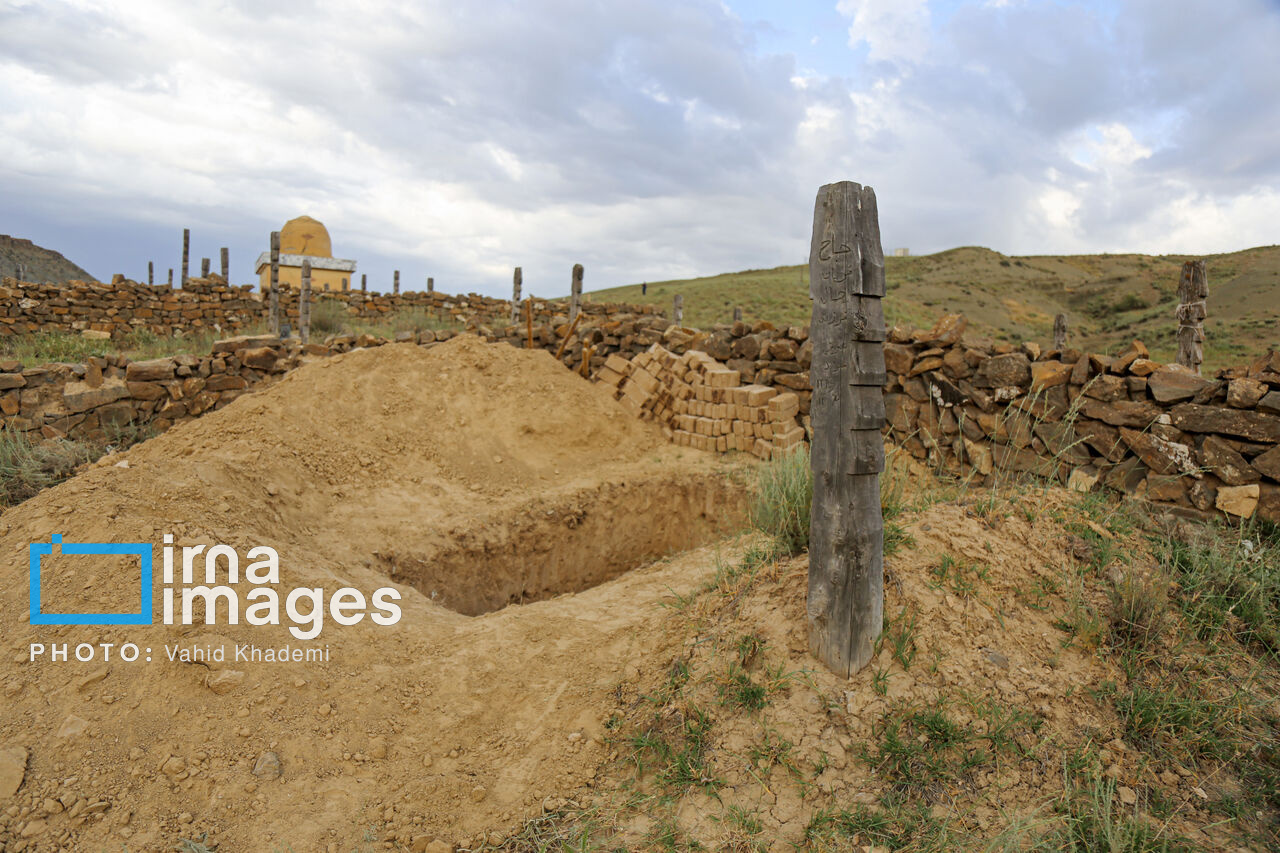
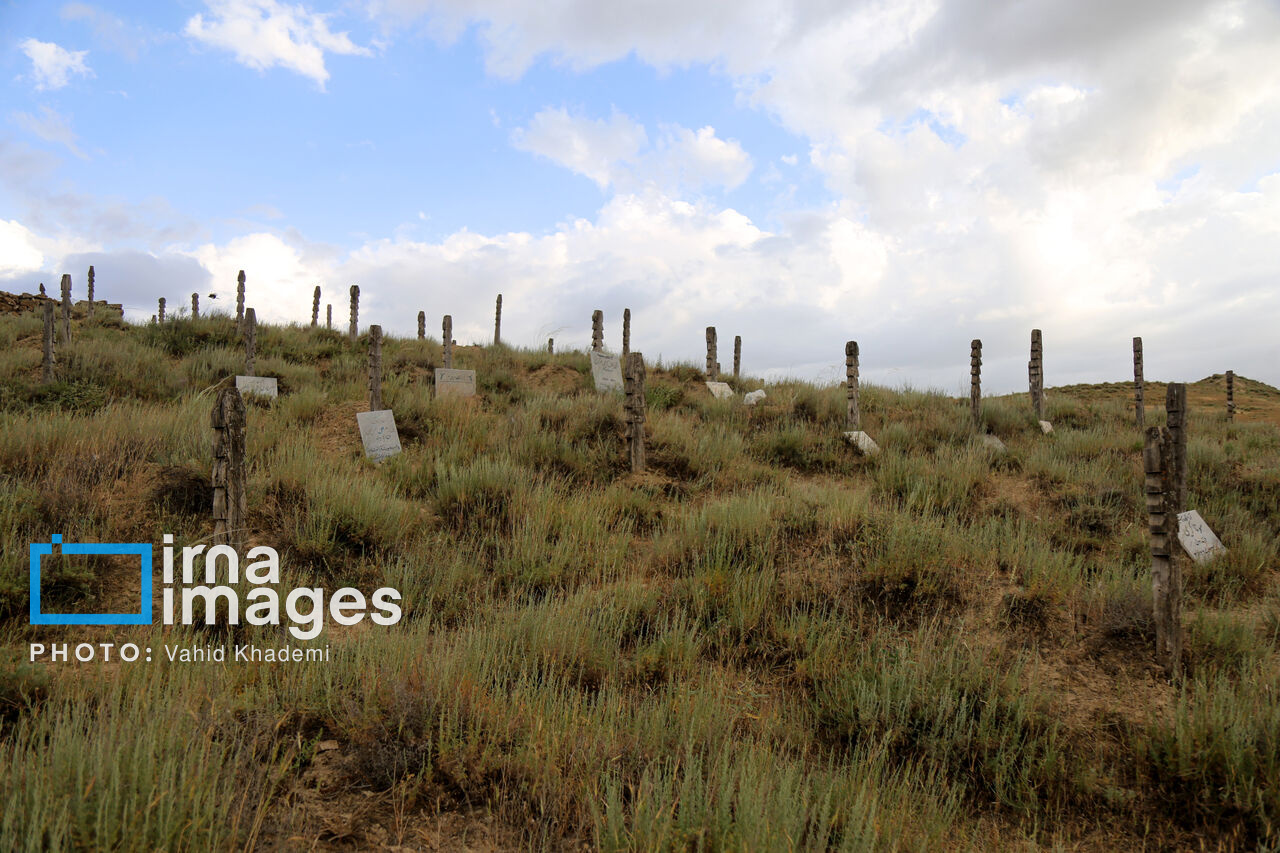
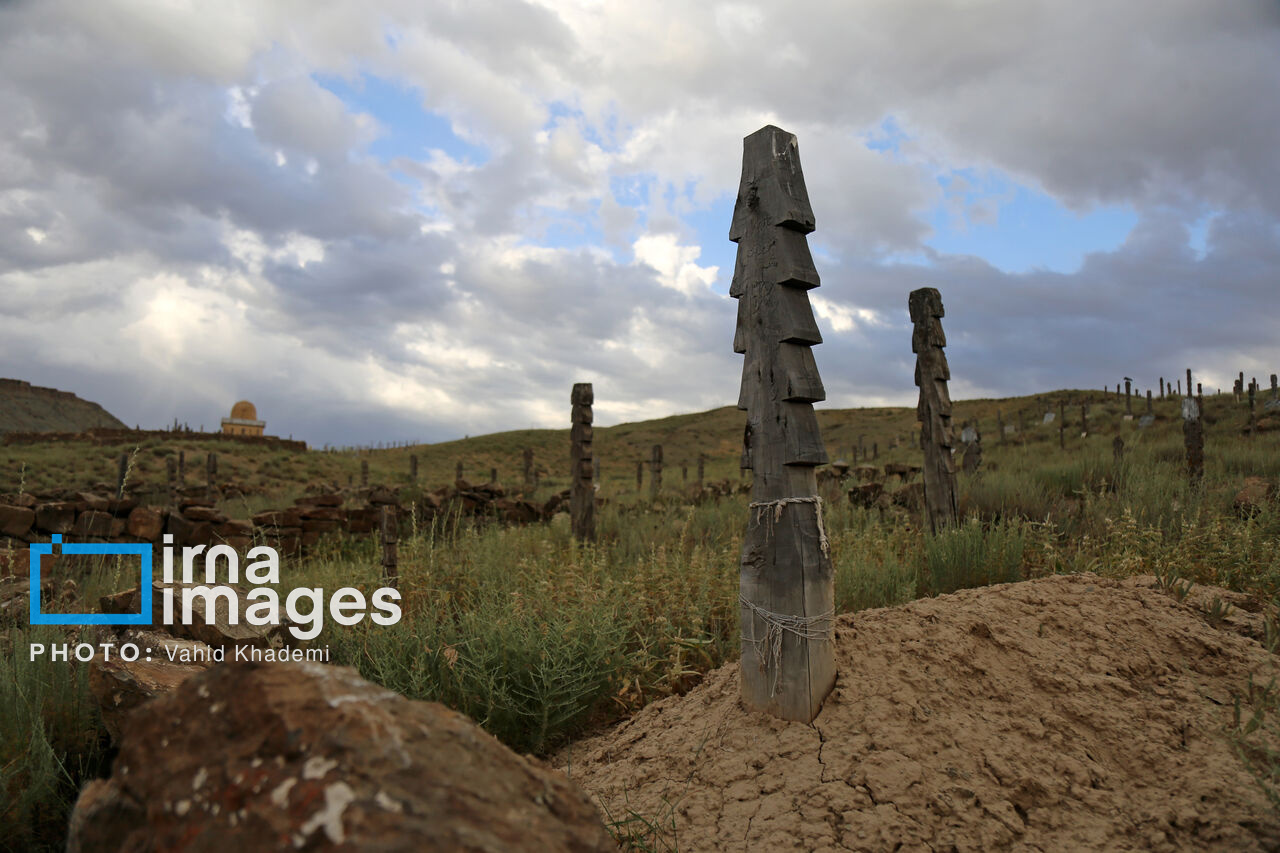
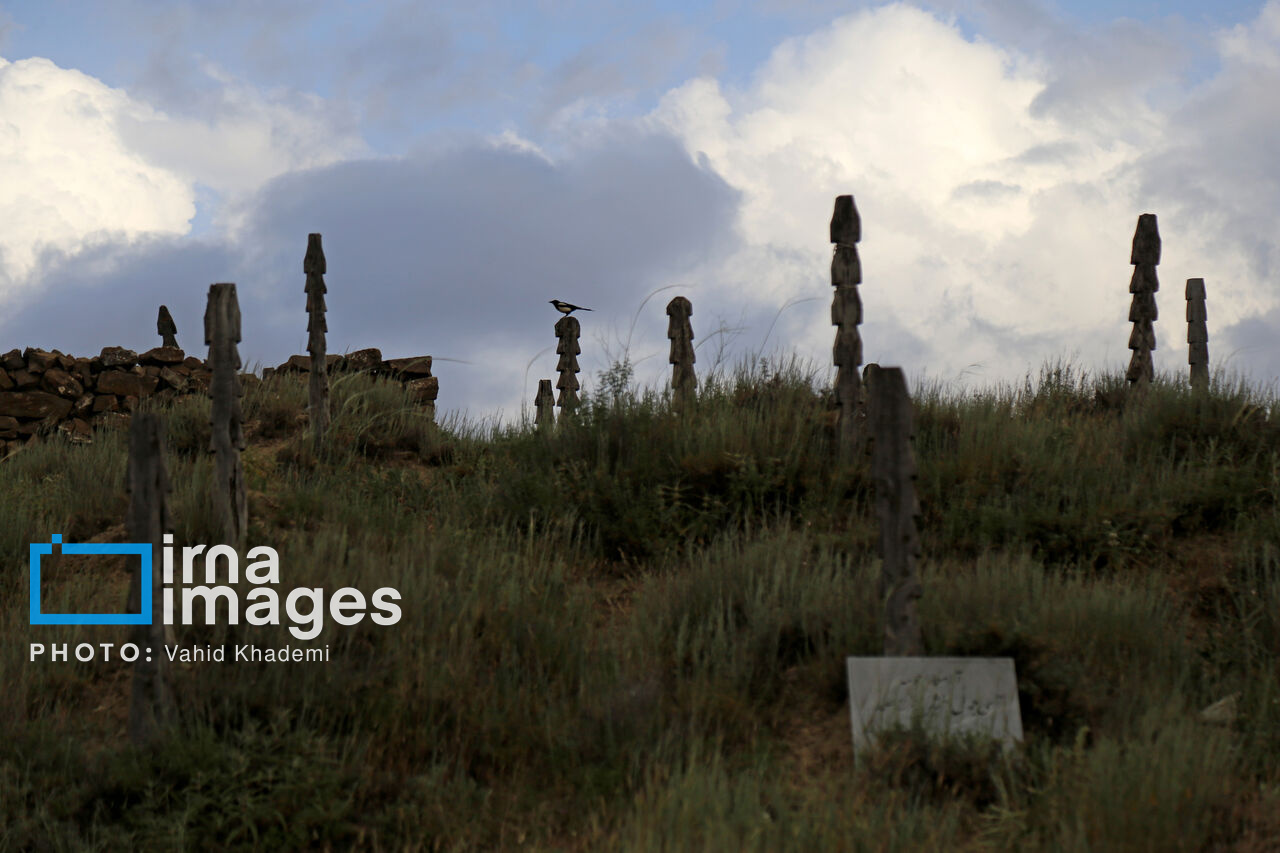
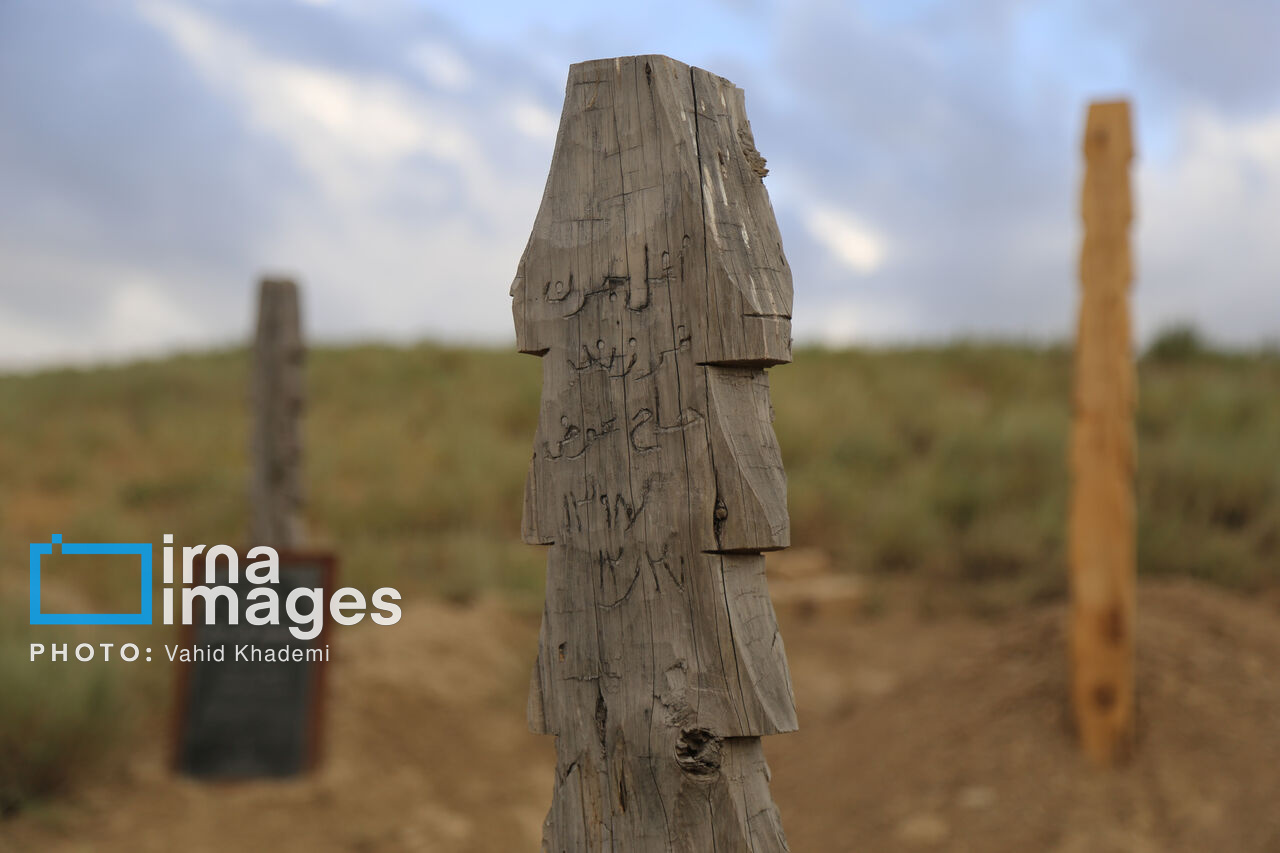
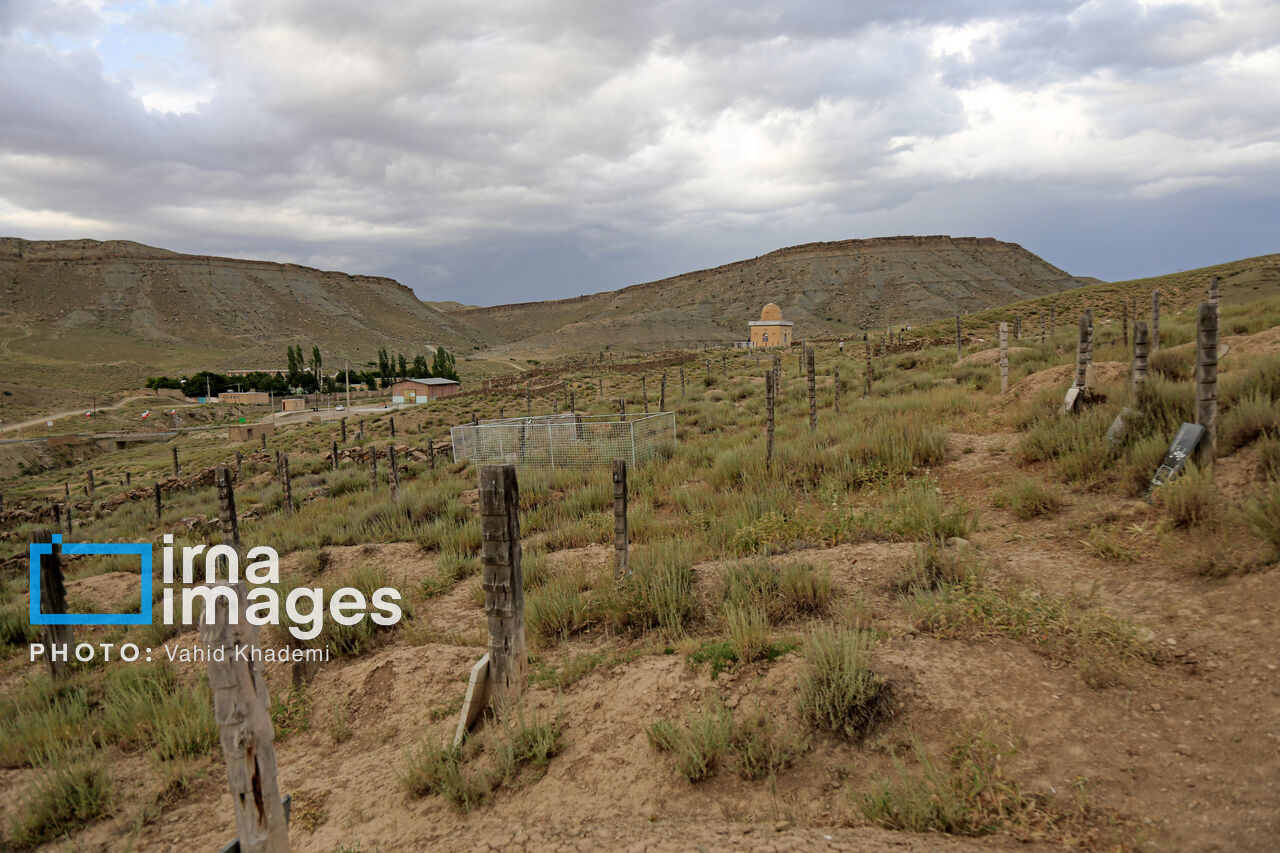
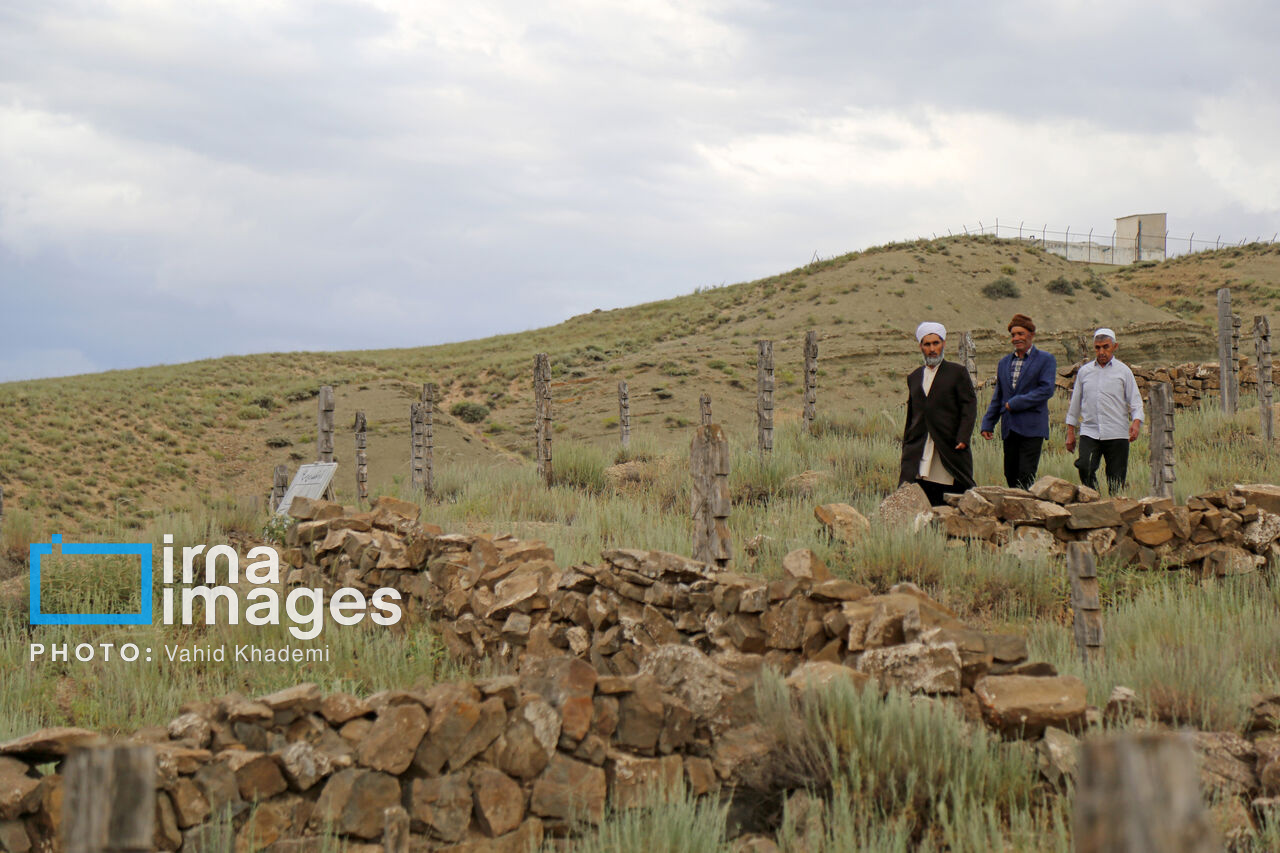
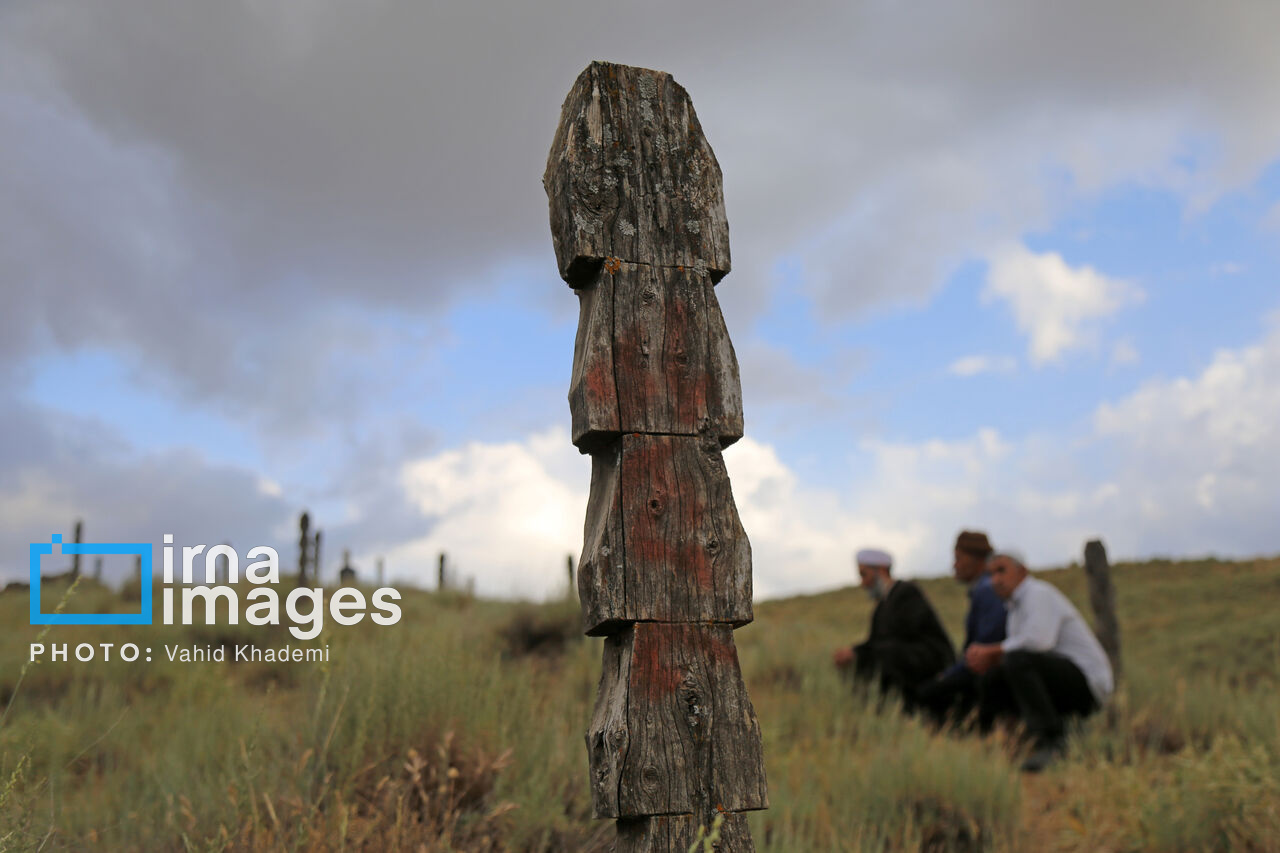
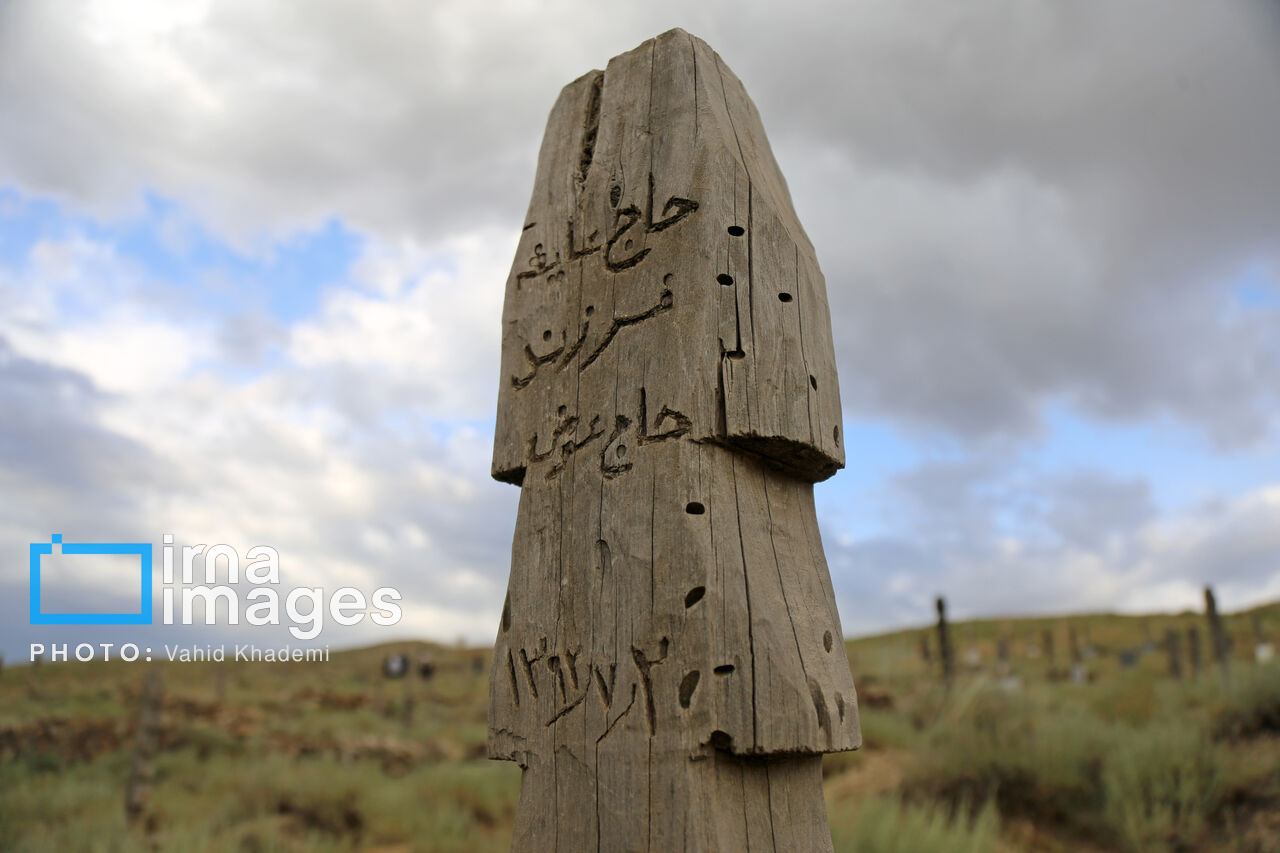
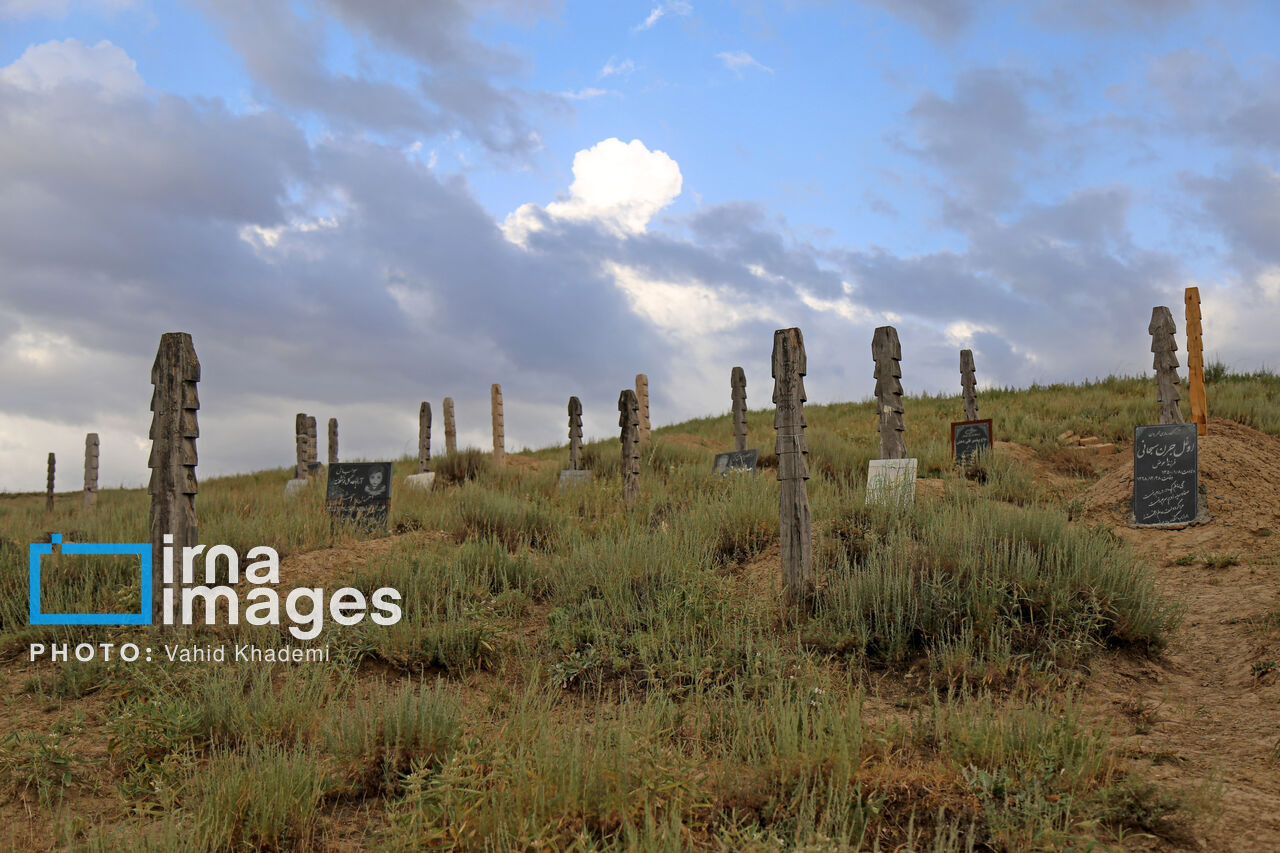
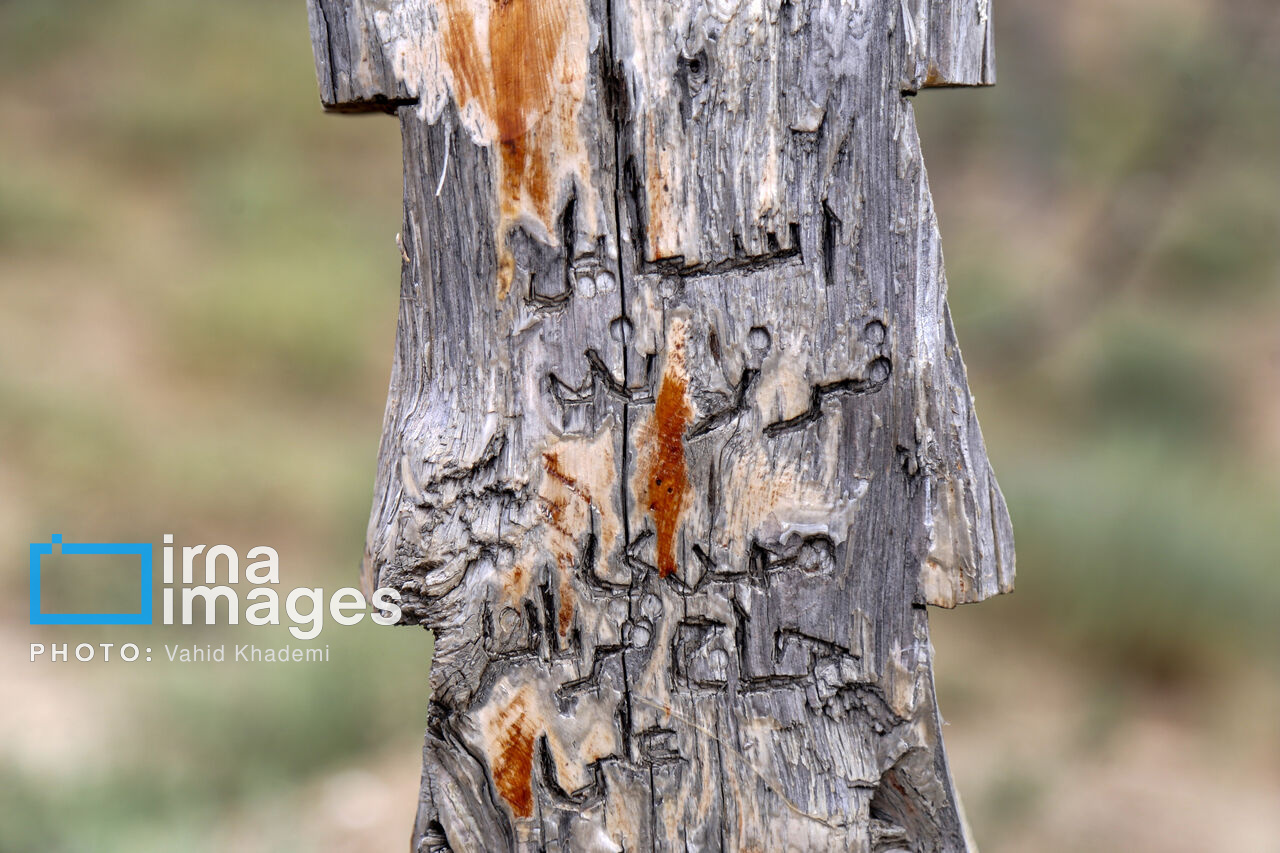
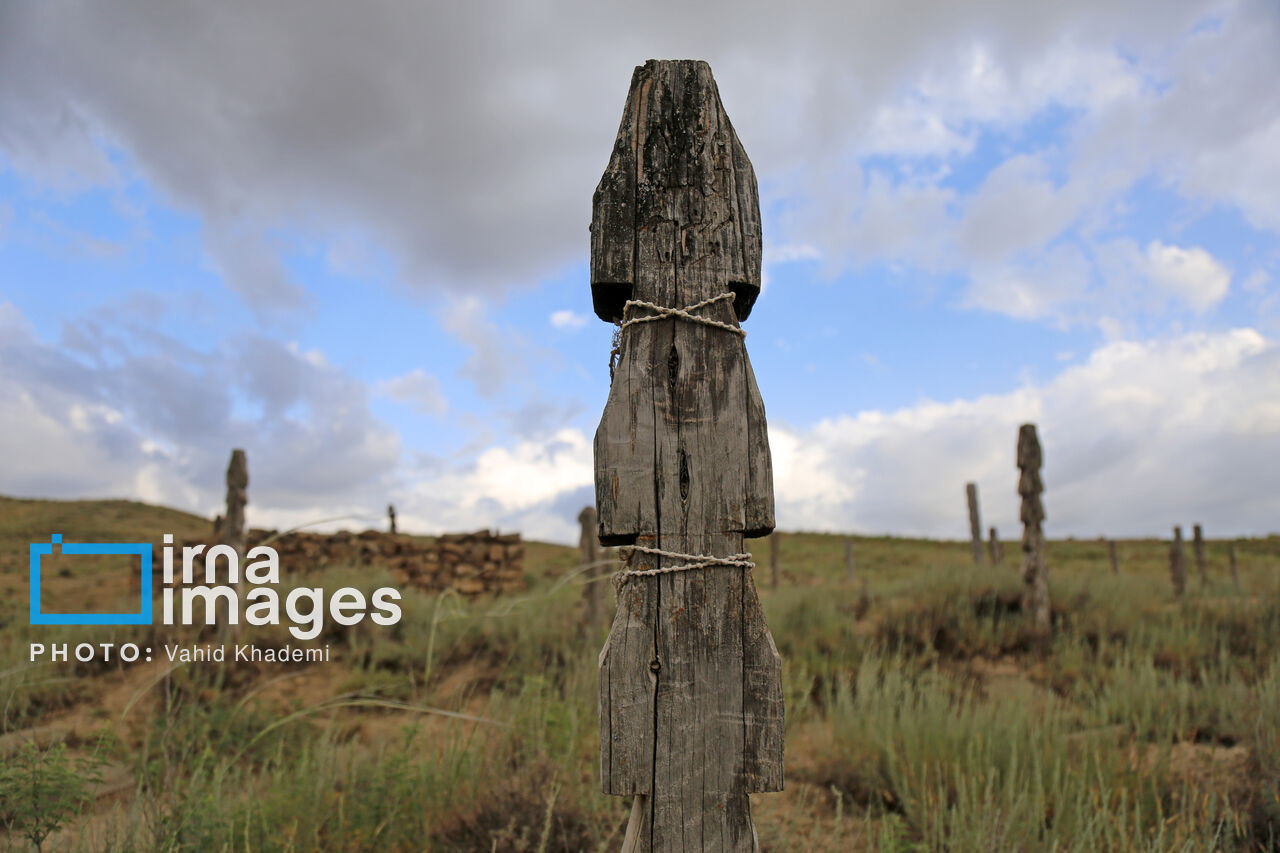
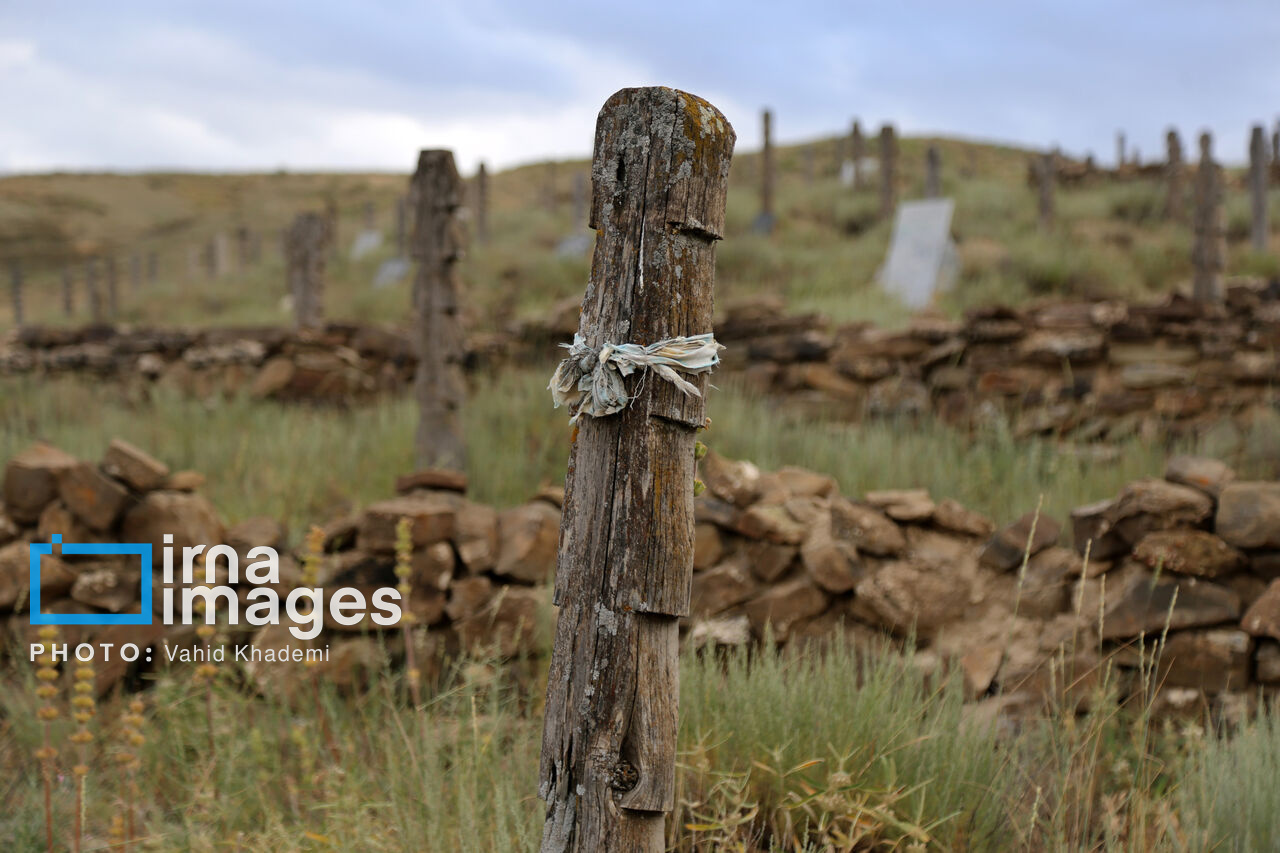
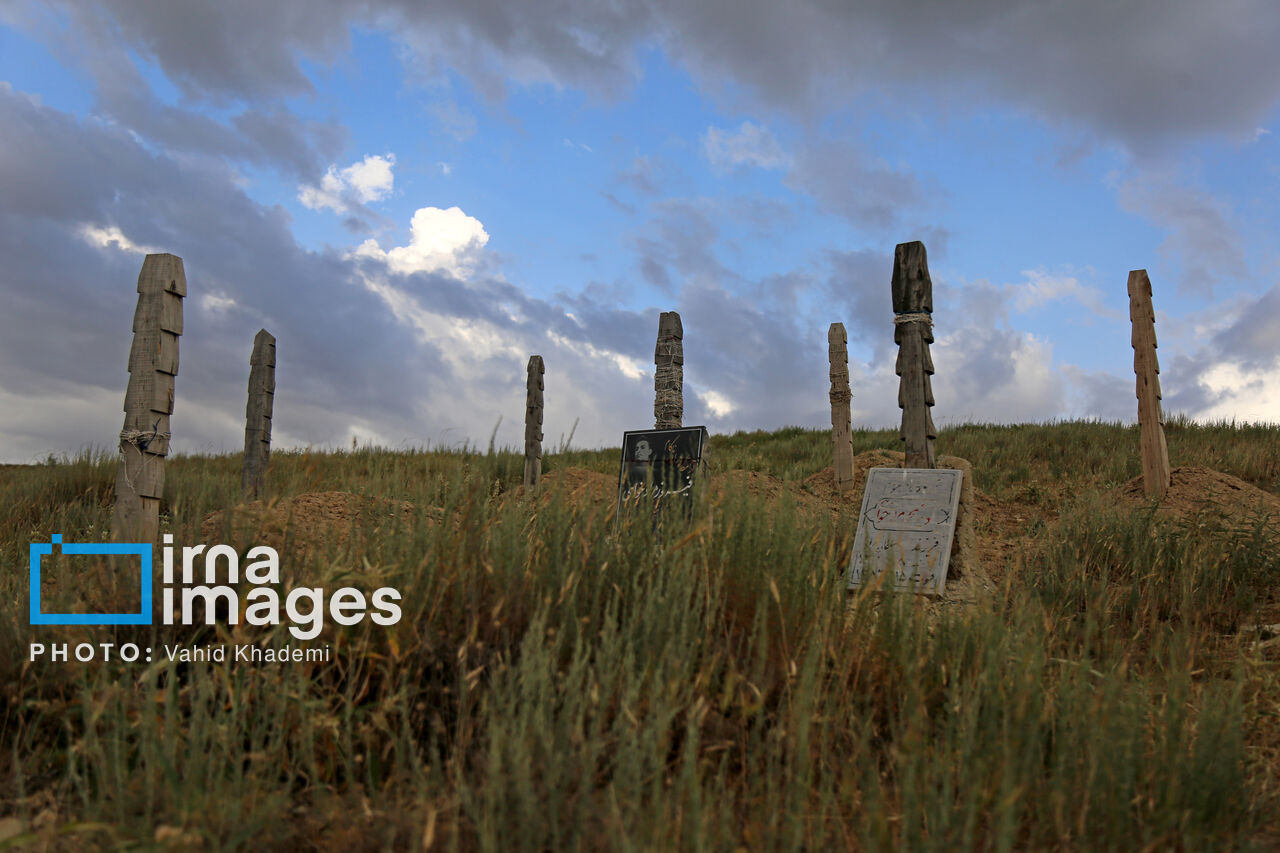
Baghlegh Wooden Cemetery in northeastern Iran                     

Instead of tombstones, simple wooden posts inscribed with the names and details of the deceased are placed on the graves, creating a landscape that resembles a garden filled with cut tree trunks.

More in this report: