Thursday, December 25, 2025
Home Blog Page 1335

Iran: Israeli minister presence in Al-Aqsa aimed at defiling Islamic sanctities

Nasser Kanaani

Nasser Kanaani, in a tweet on Thursday, added the action is part of the global scheme of the Zionists to violate Islamic sanctities, ” from the evil actions of burning the Holy Quran to the desecration of the first Qibla of Muslims.”

Kanaani strongly condemned the move.

Israel’s far-right national security minister Itamar Ben-Gvir led a group of more than one thousand ultranationalist Israeli settlers to the Al-Aqsa compound in occupied East Jerusalem on Thursday, his third such entrance to the site this year.

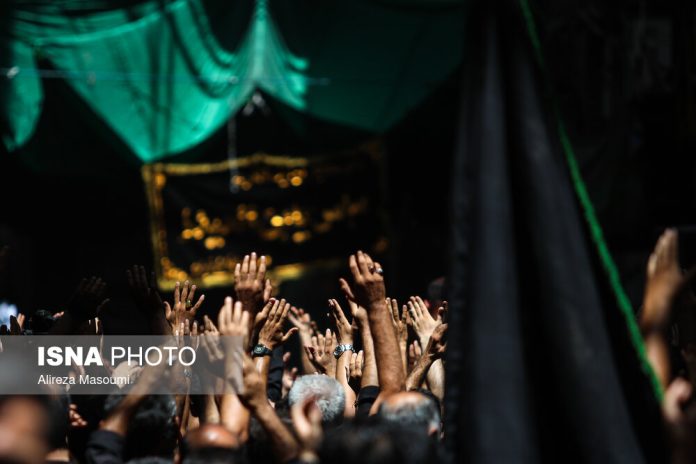
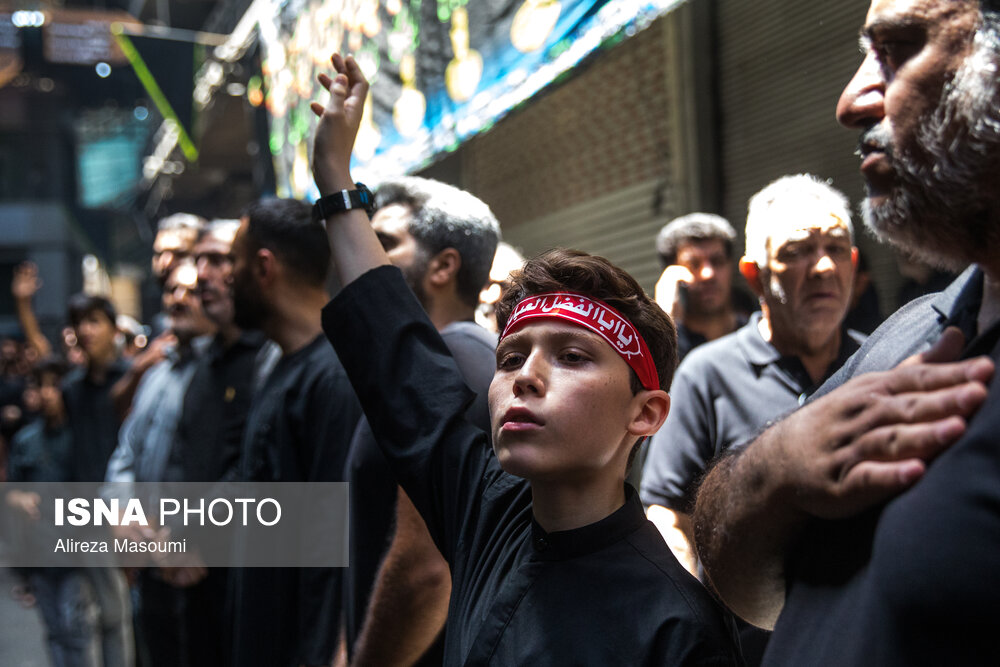
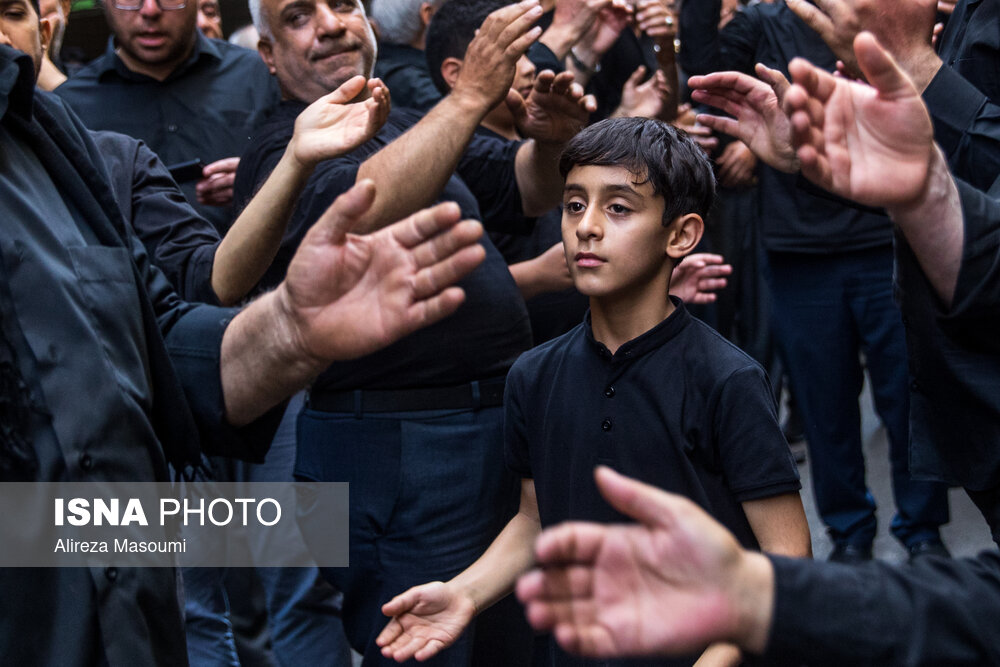
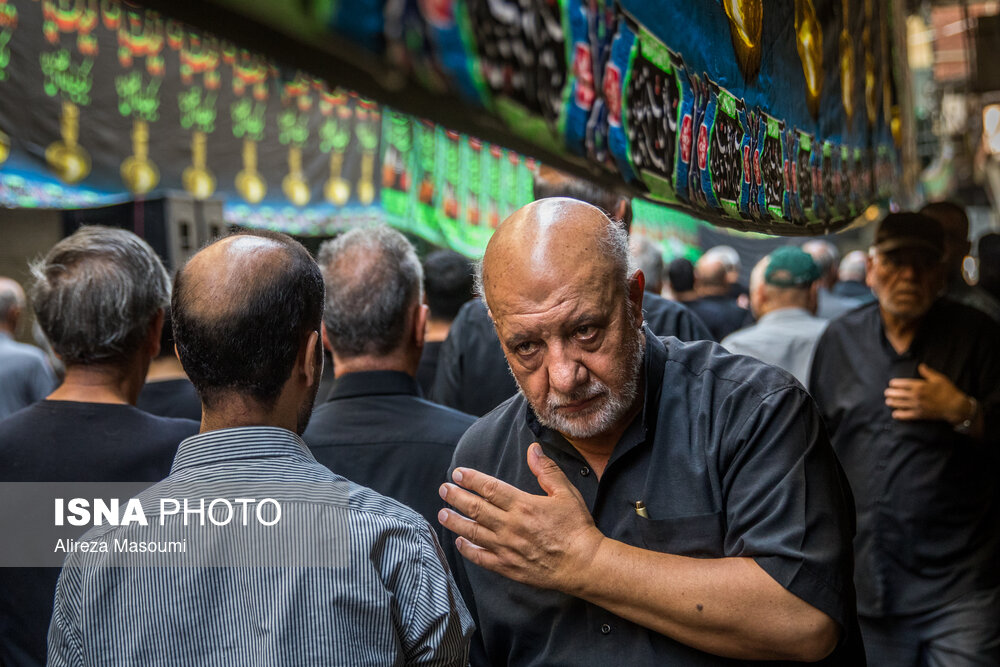
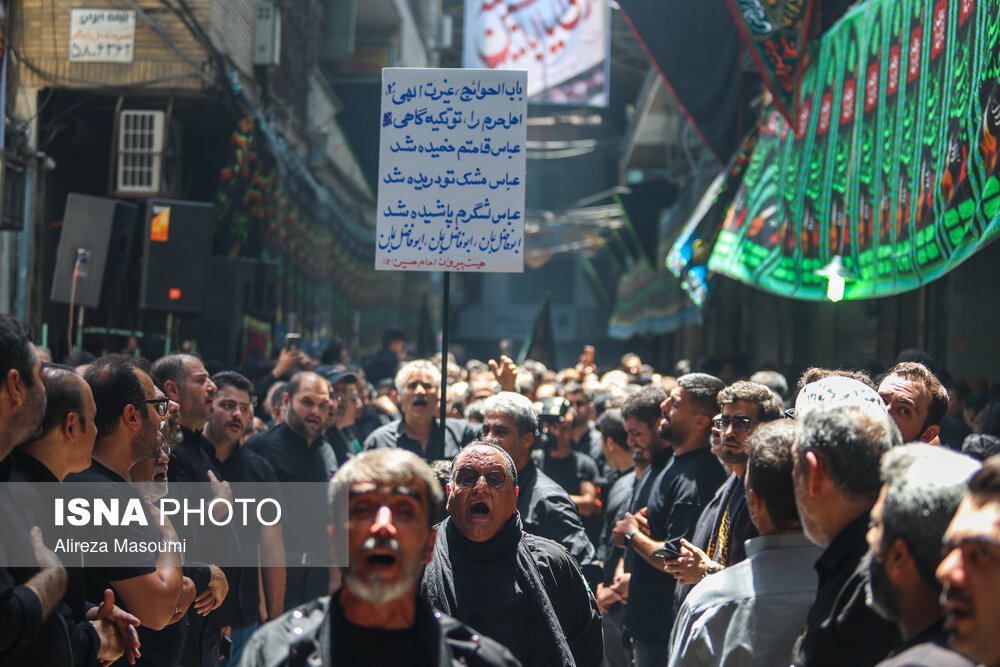
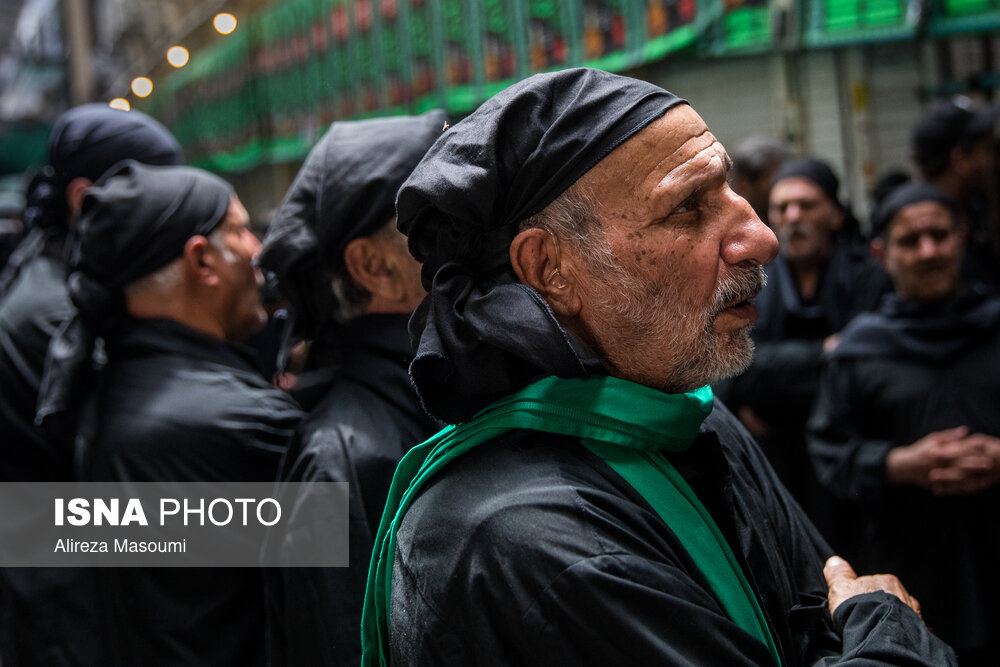
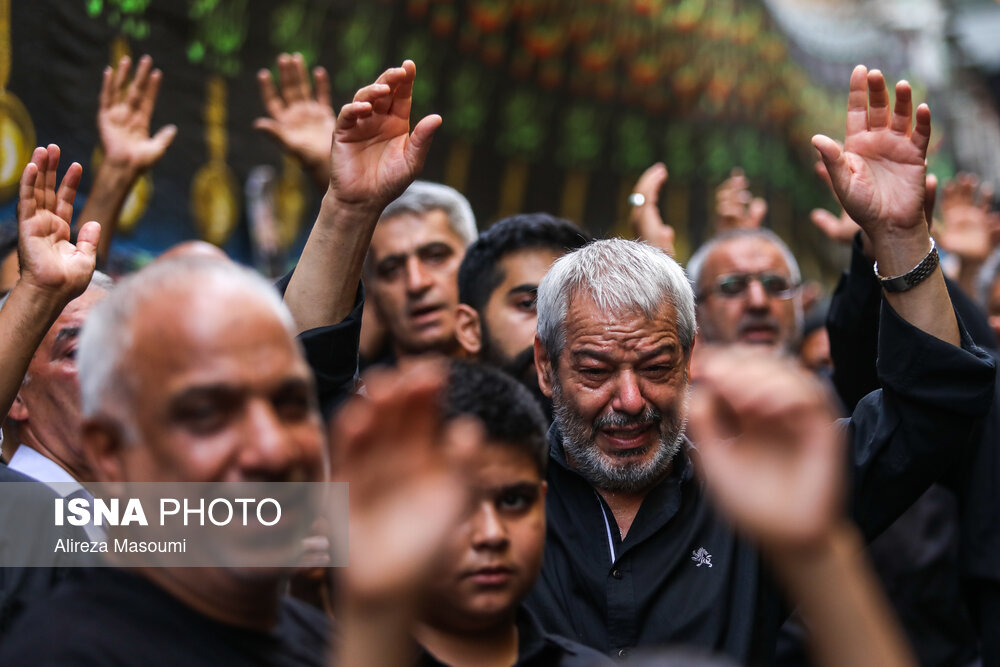
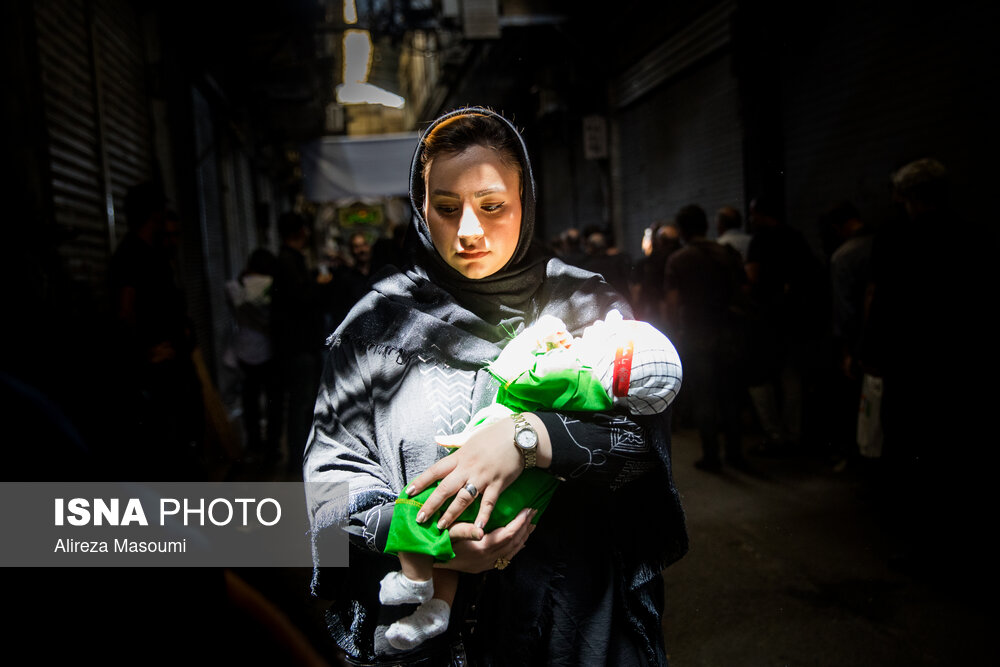
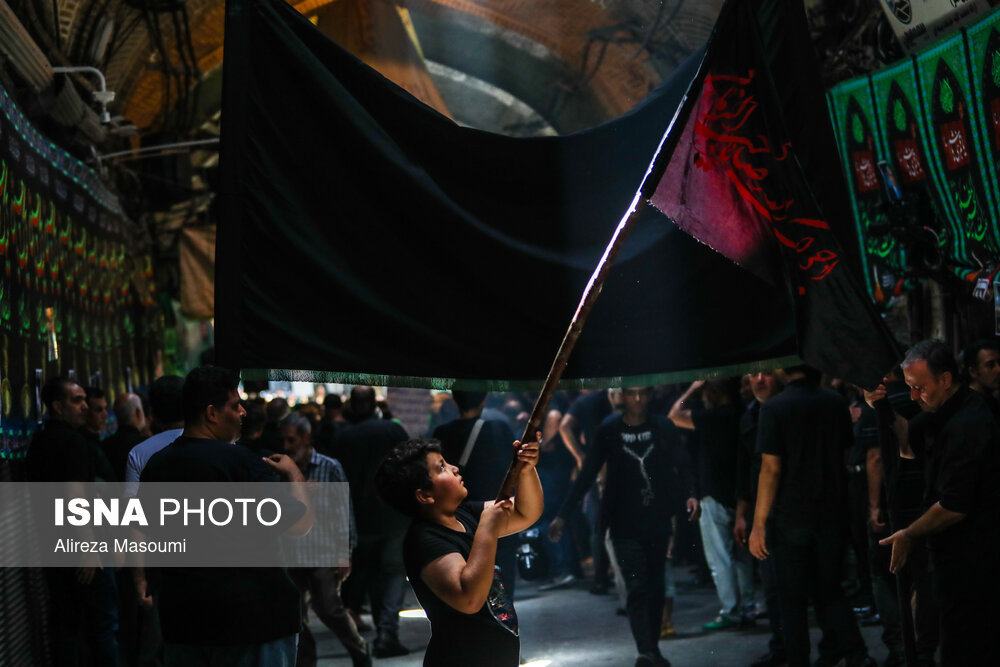
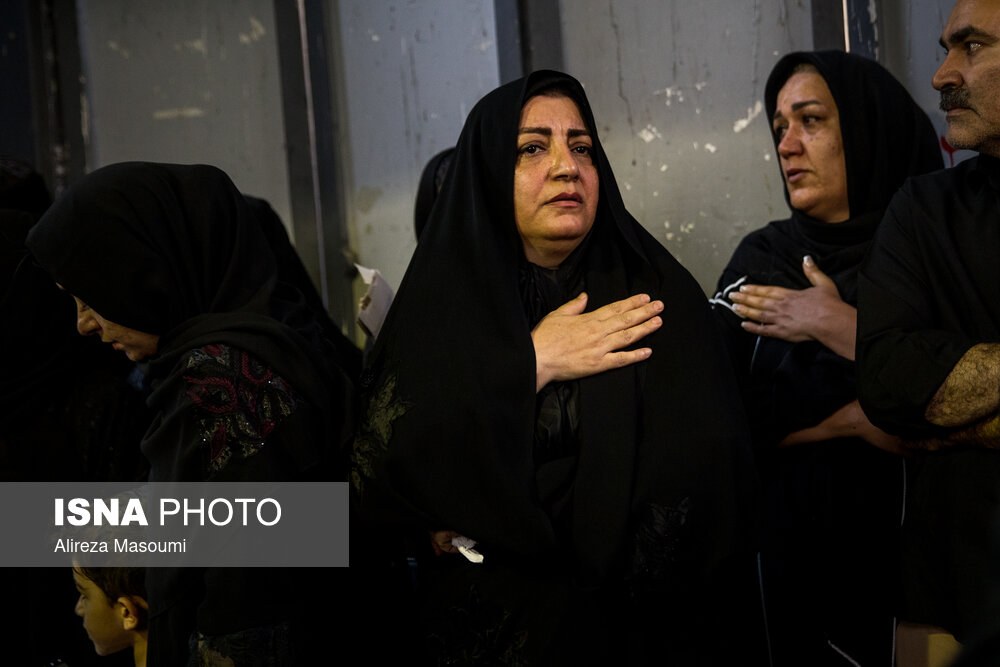
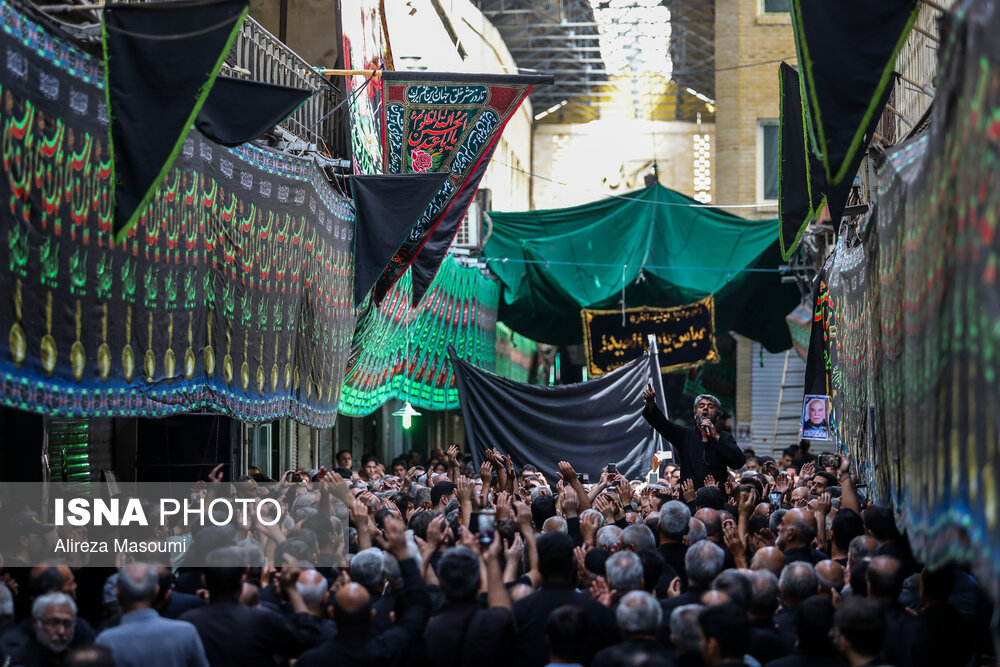
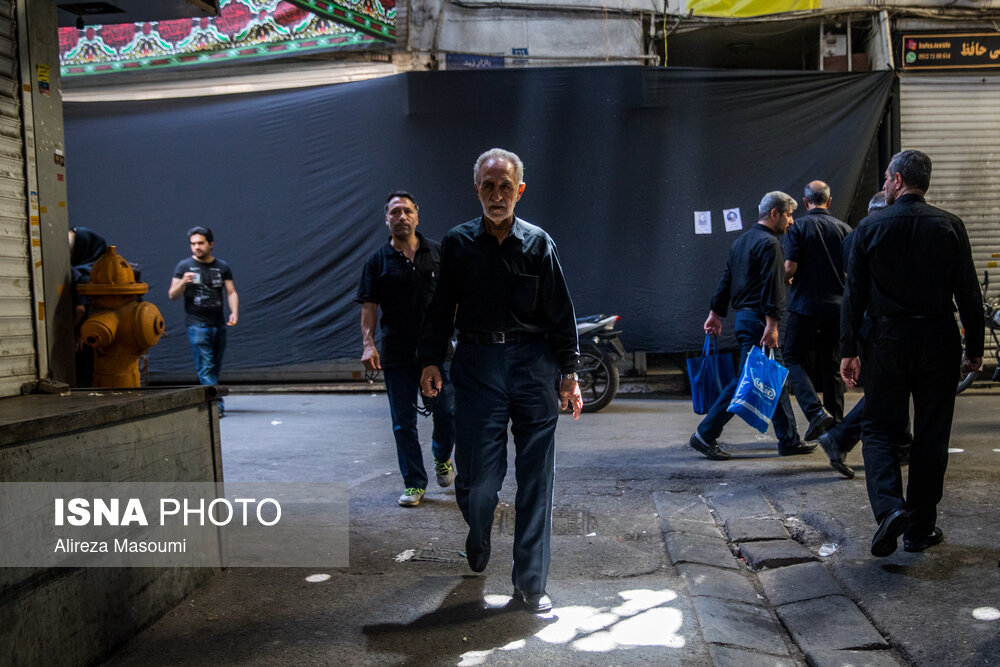
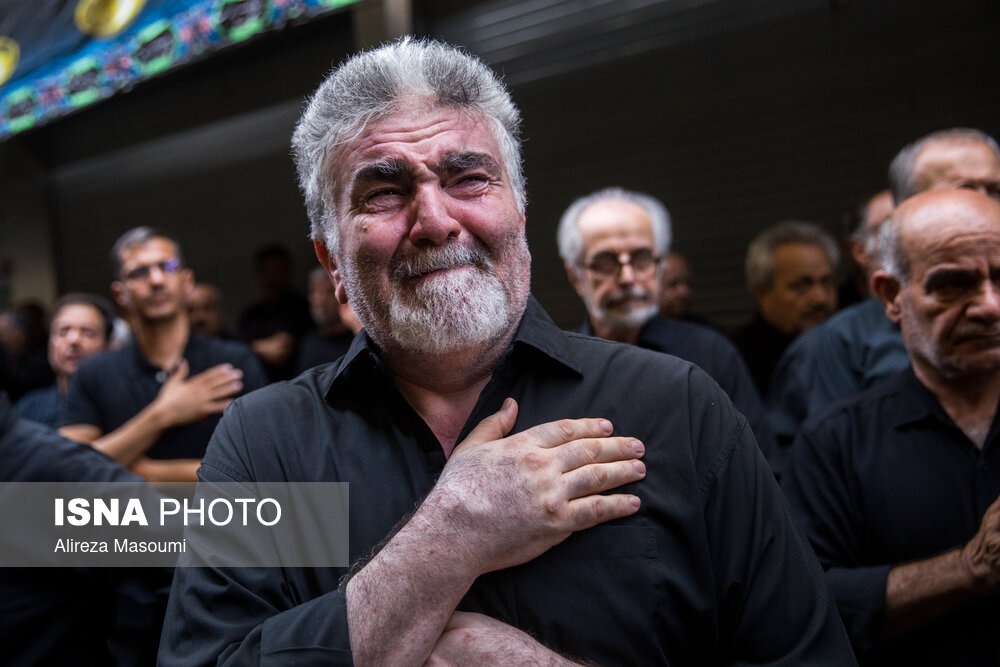
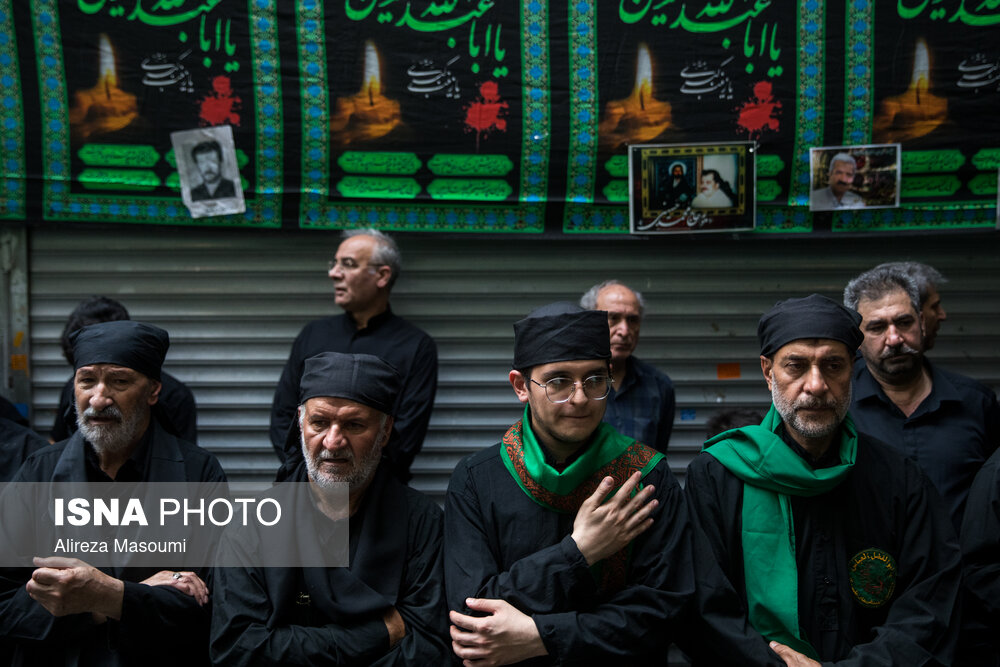
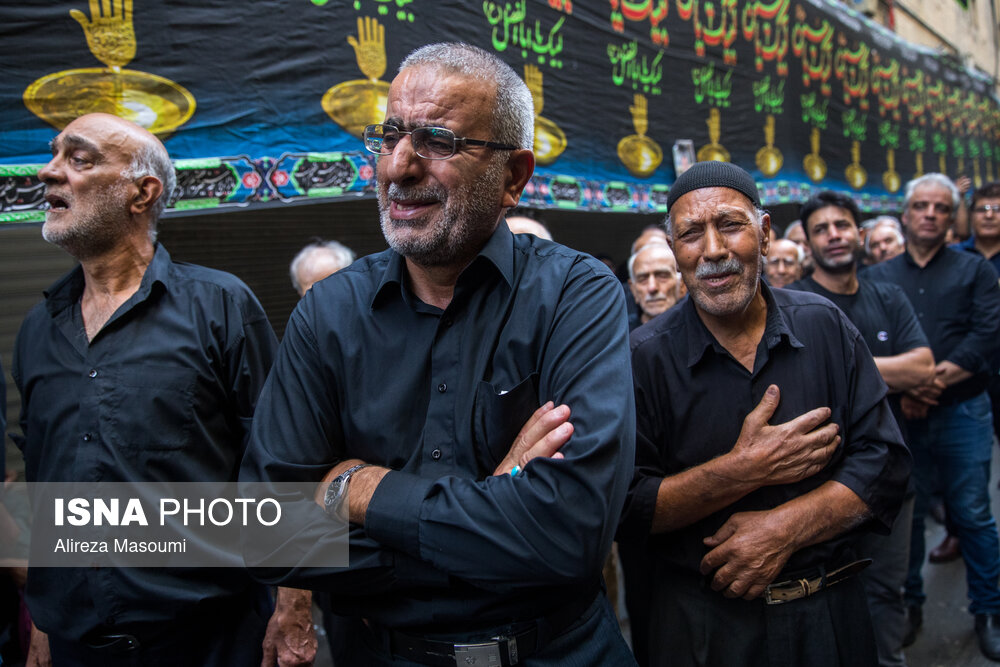
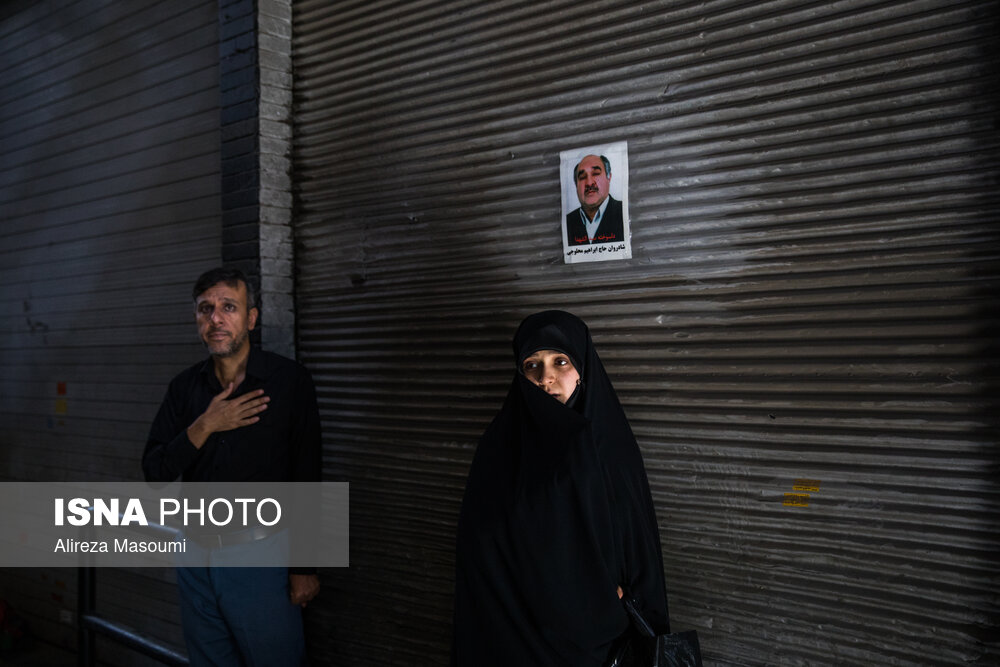
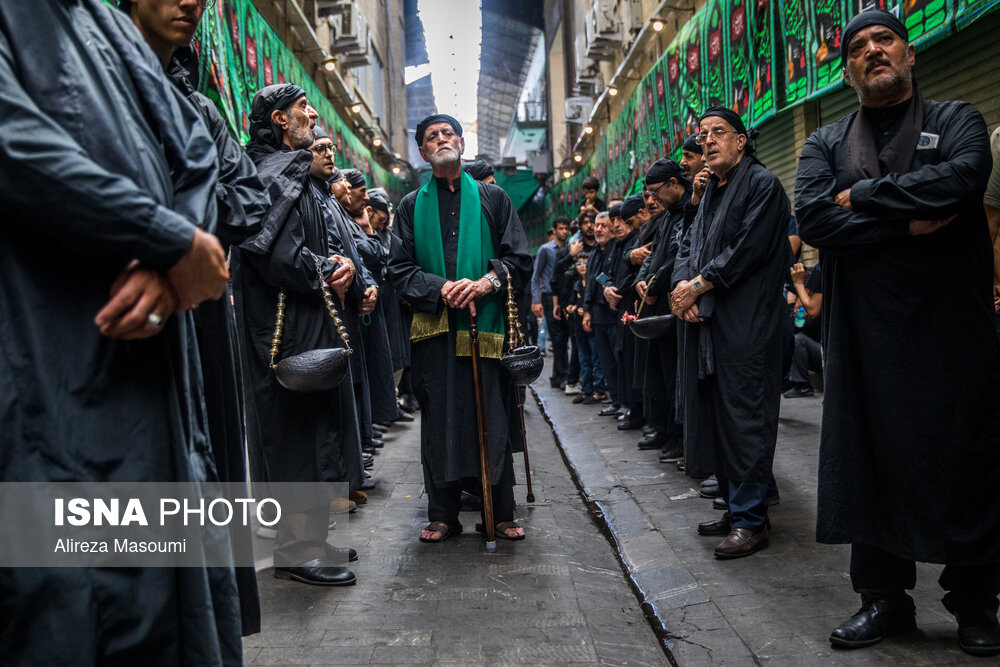
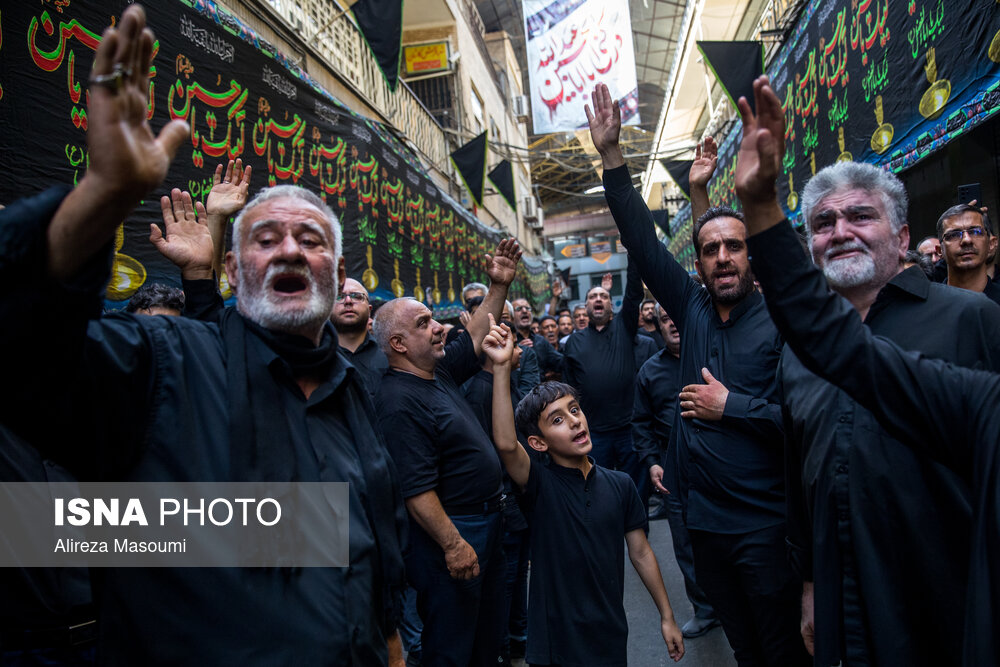
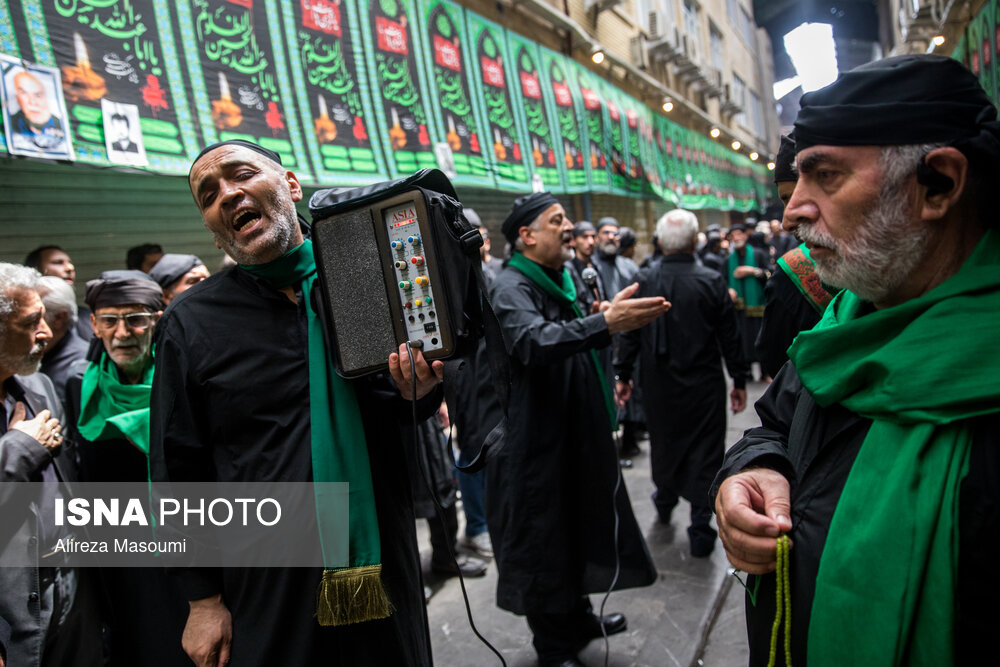
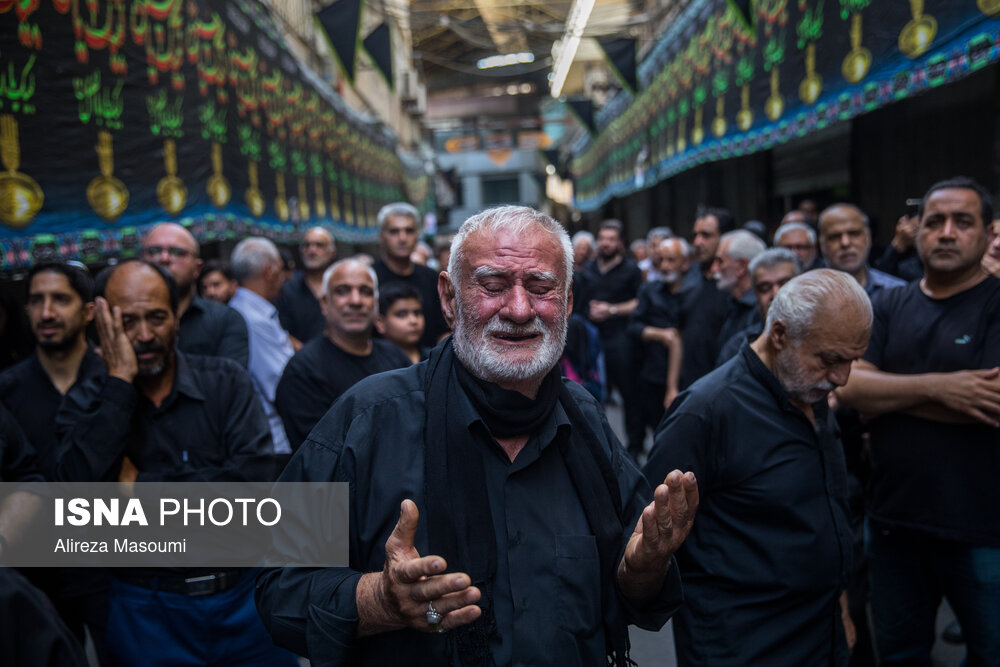
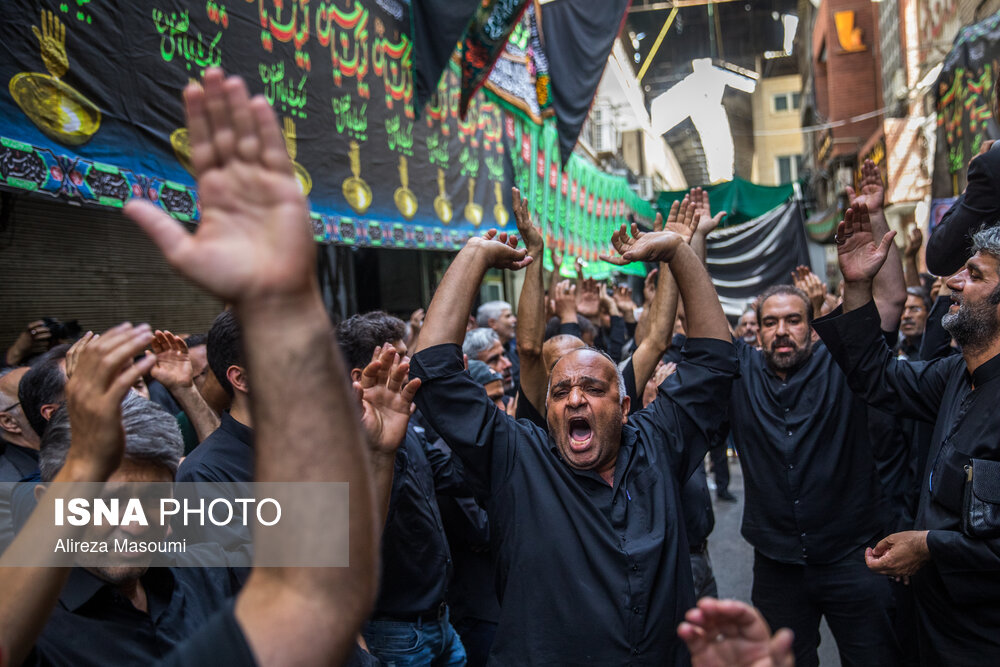
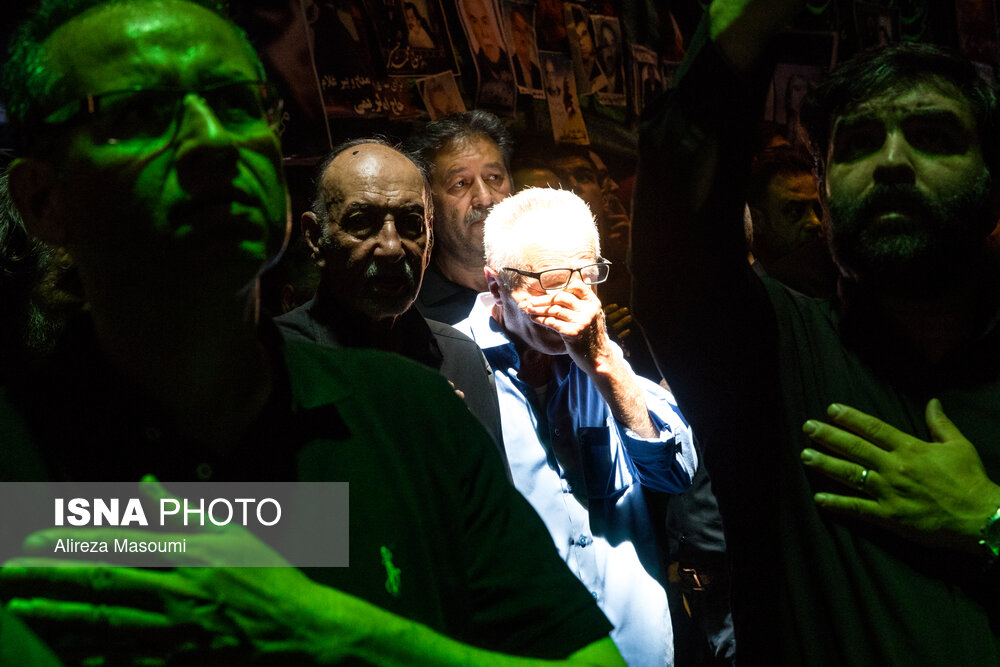
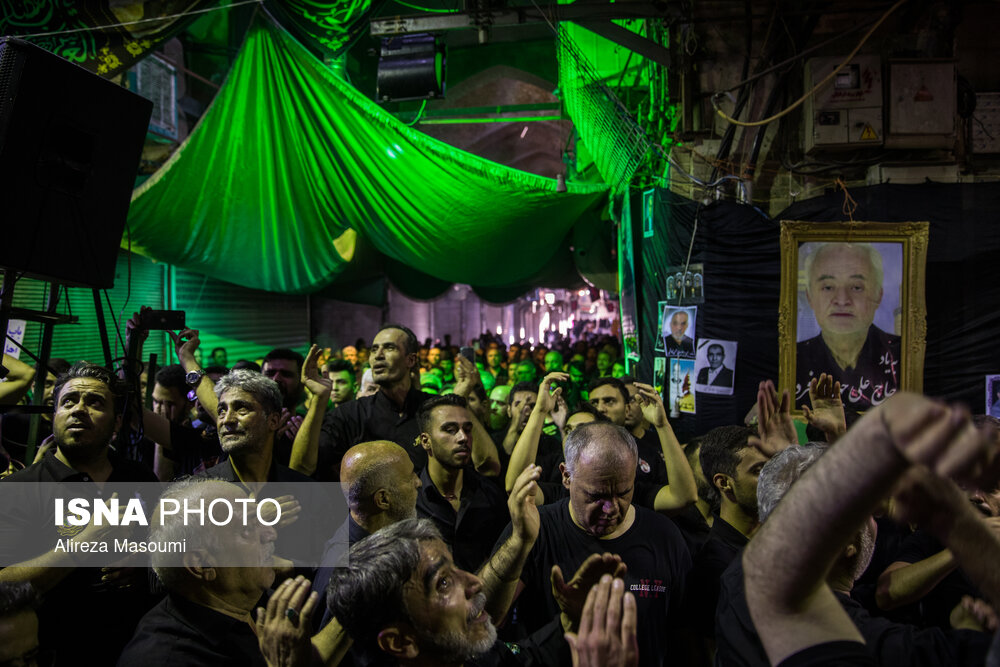
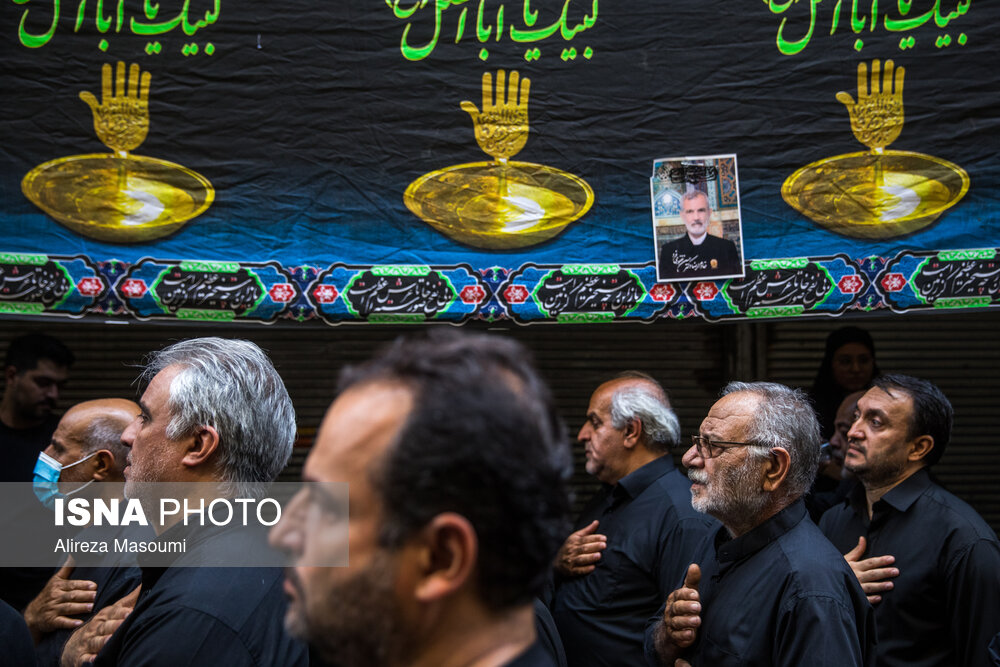
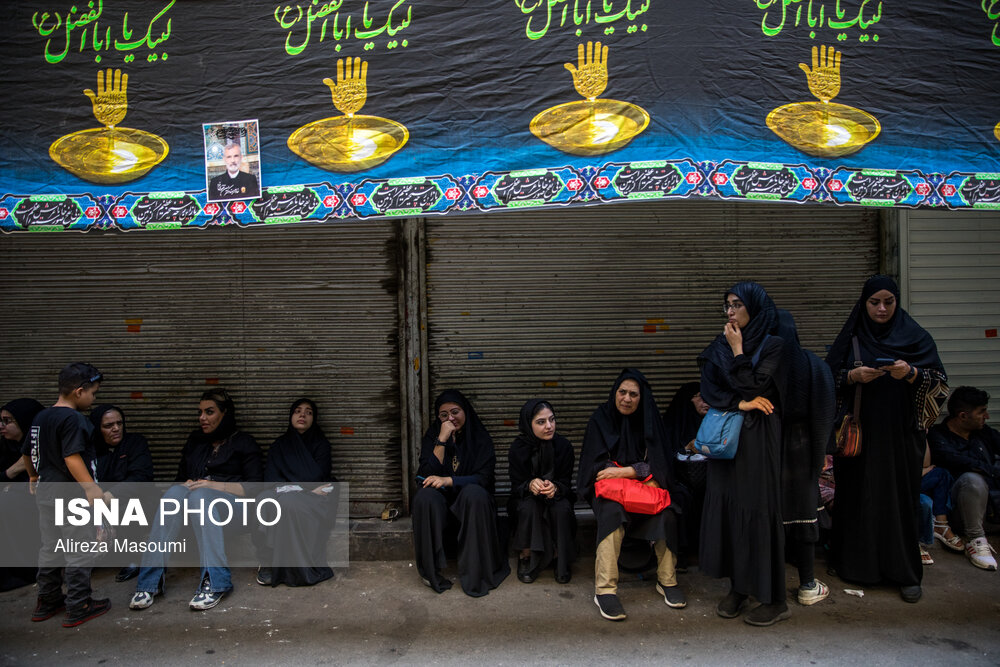
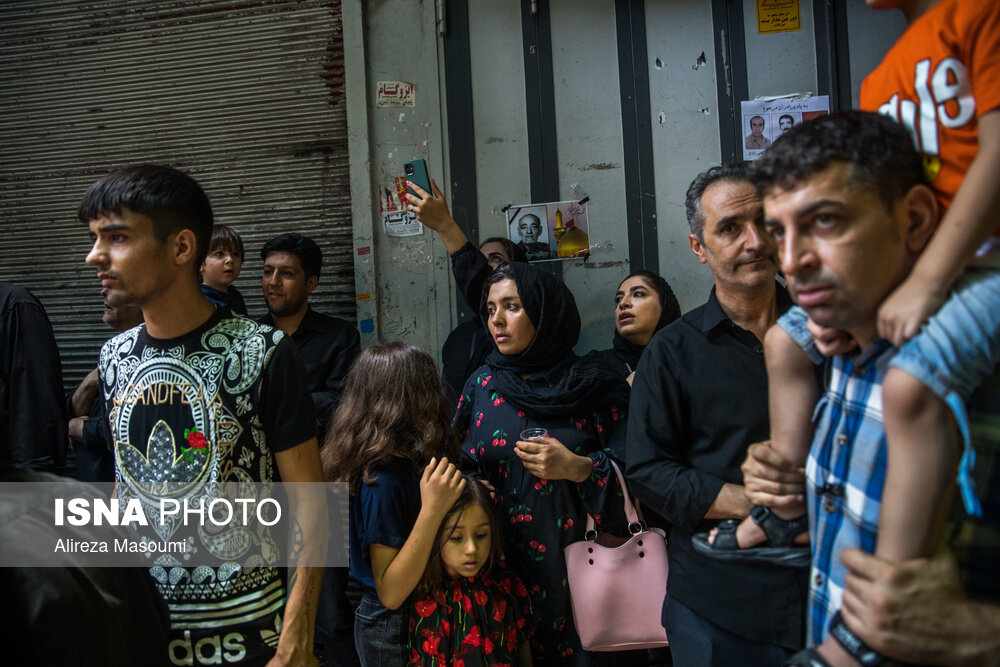
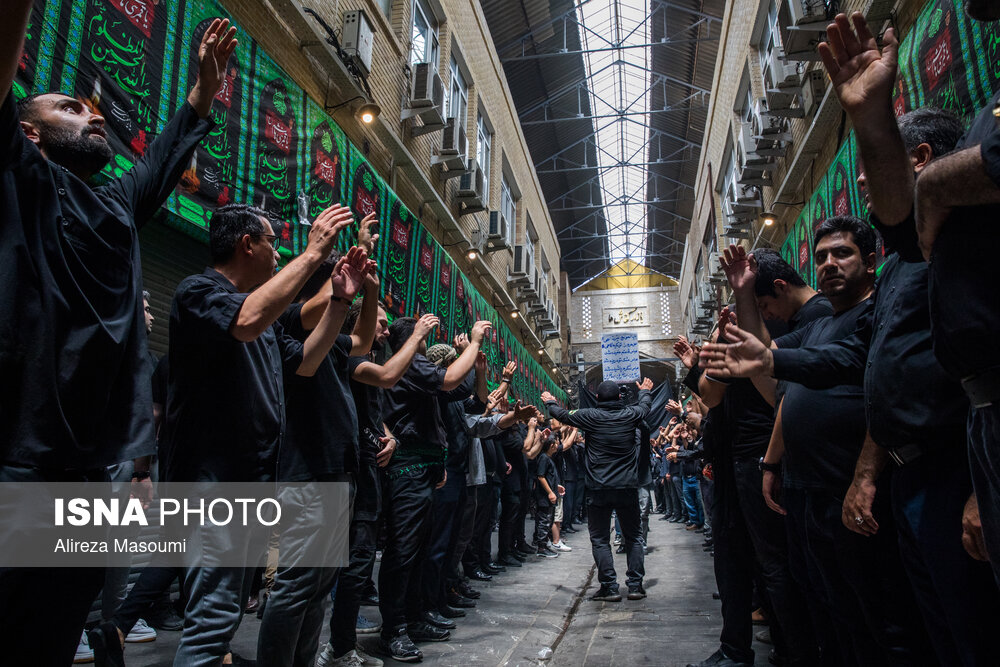
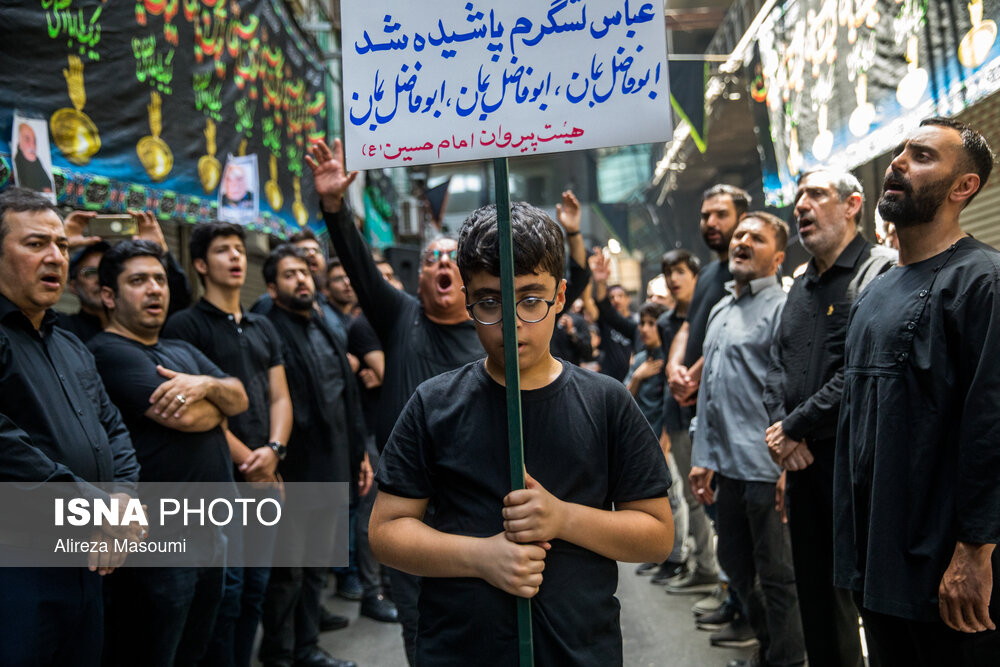
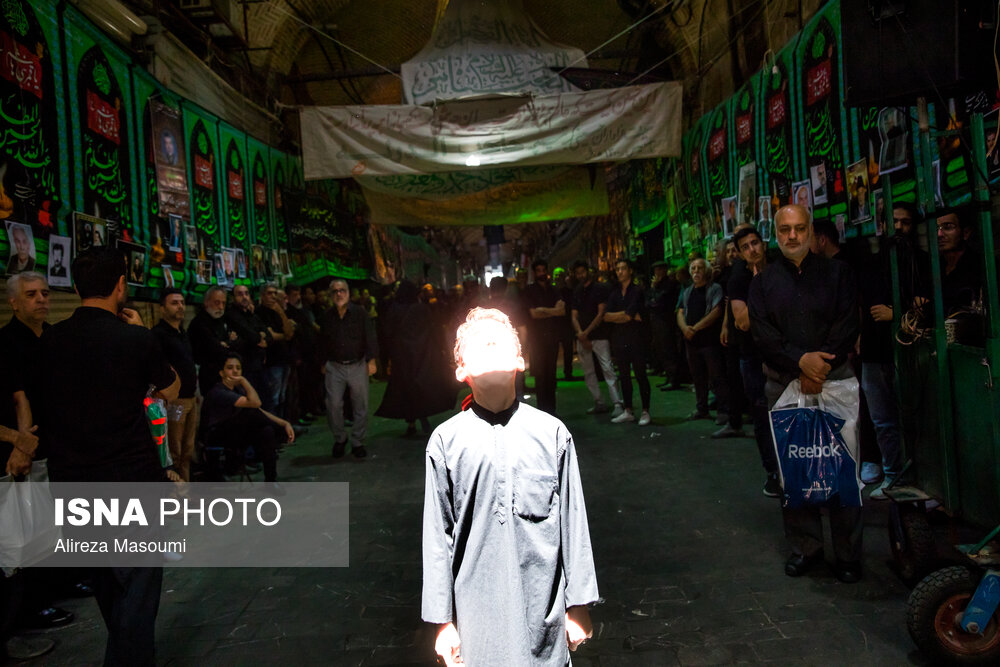
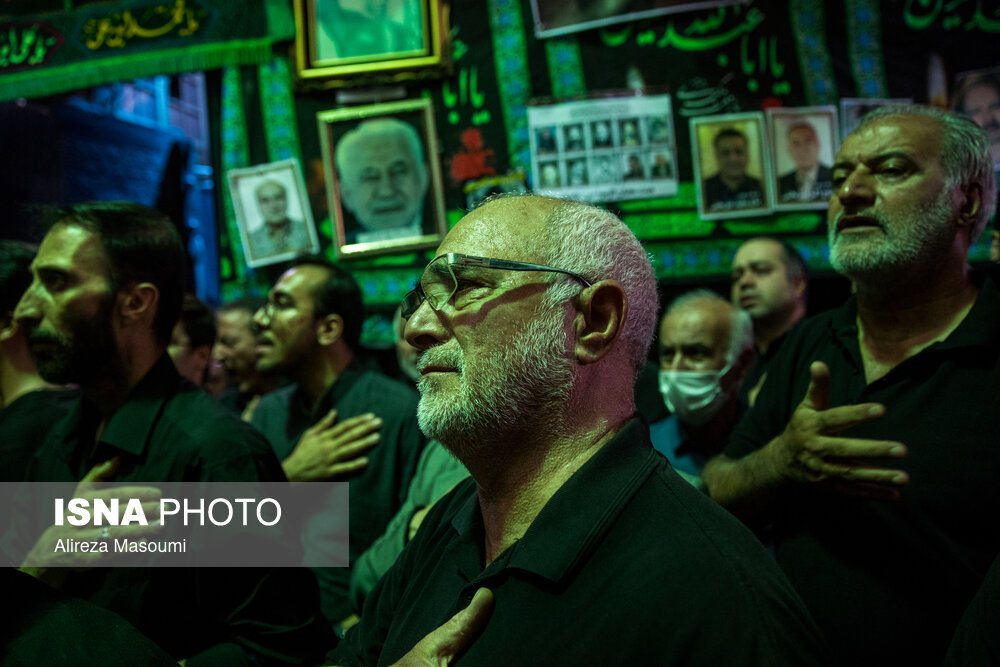
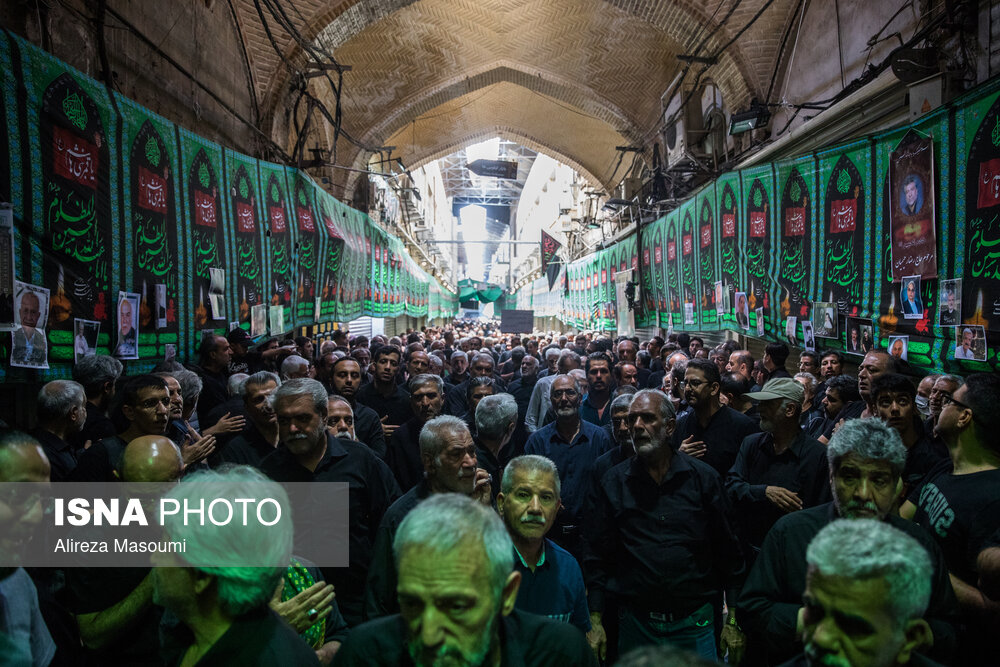
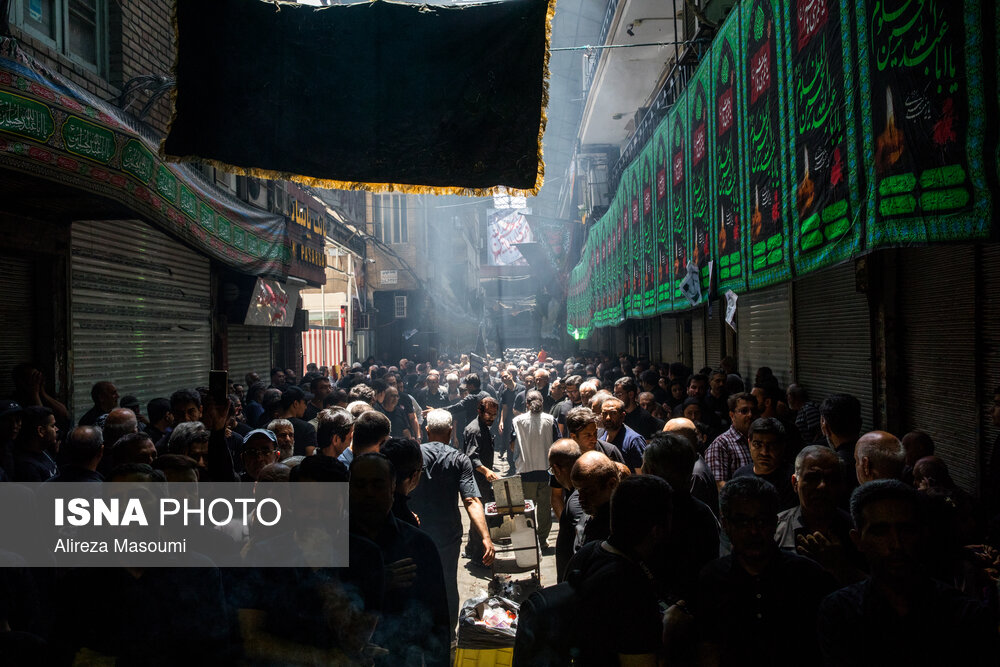
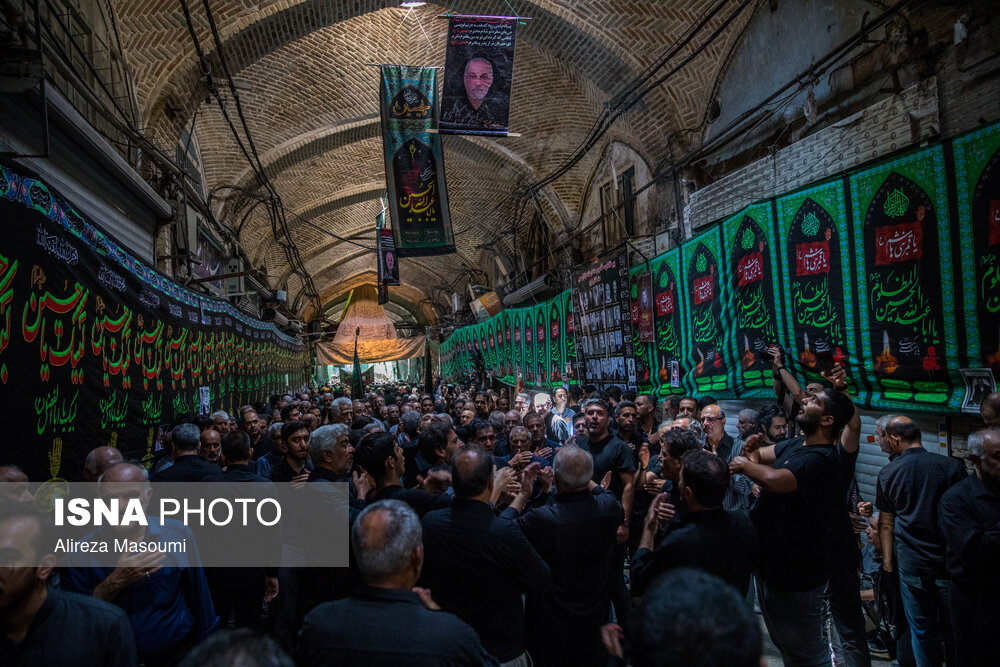
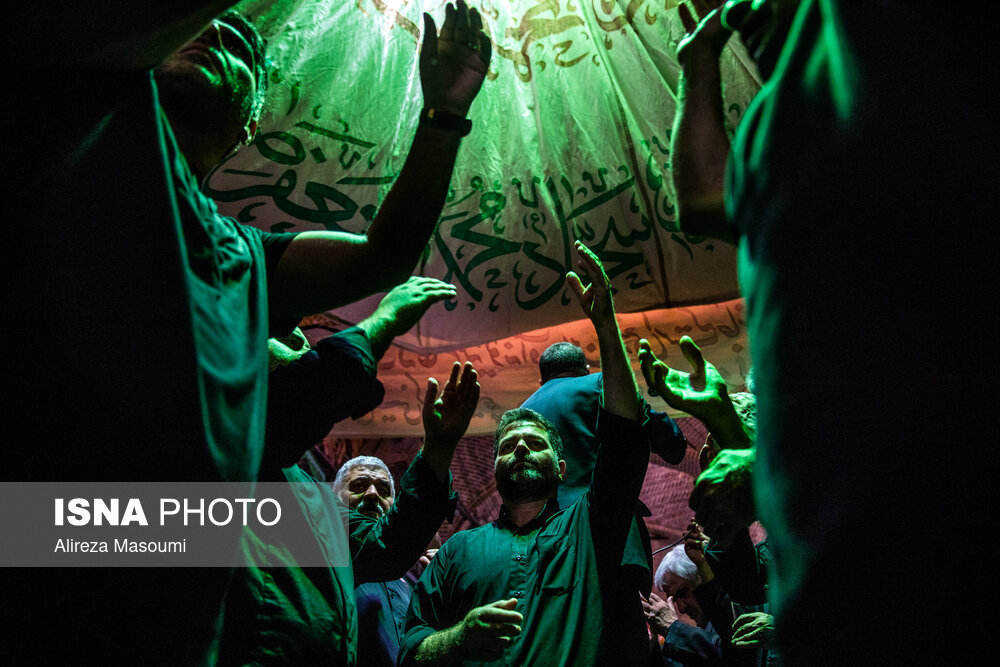
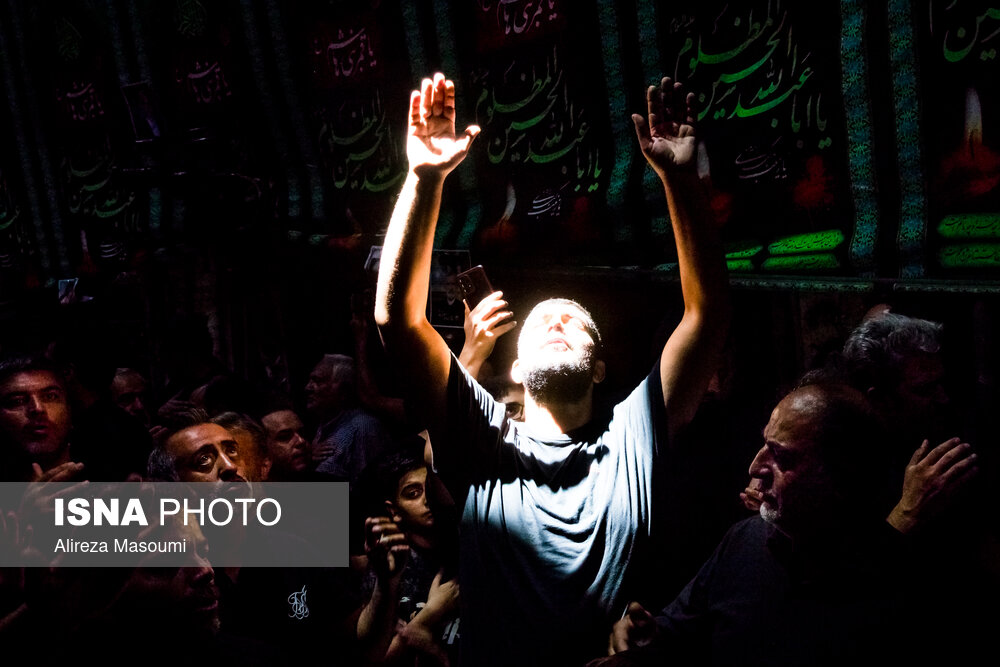
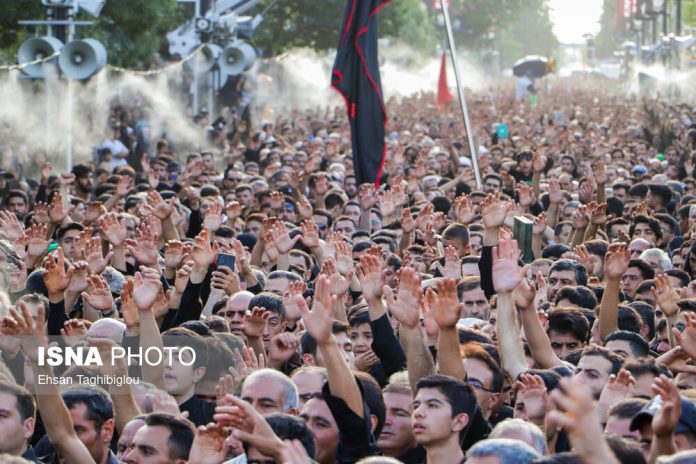
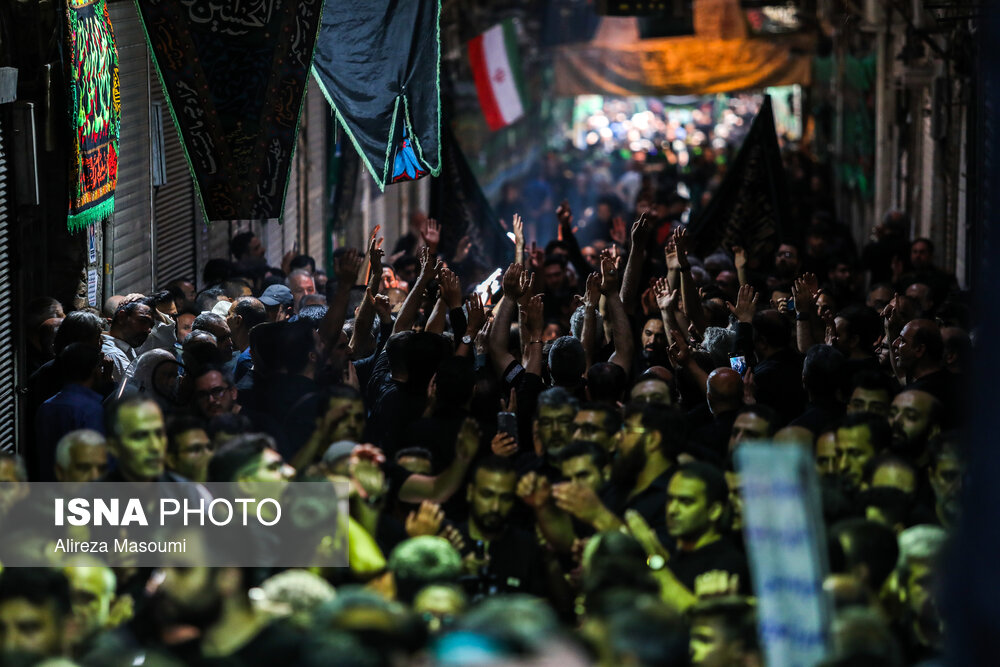
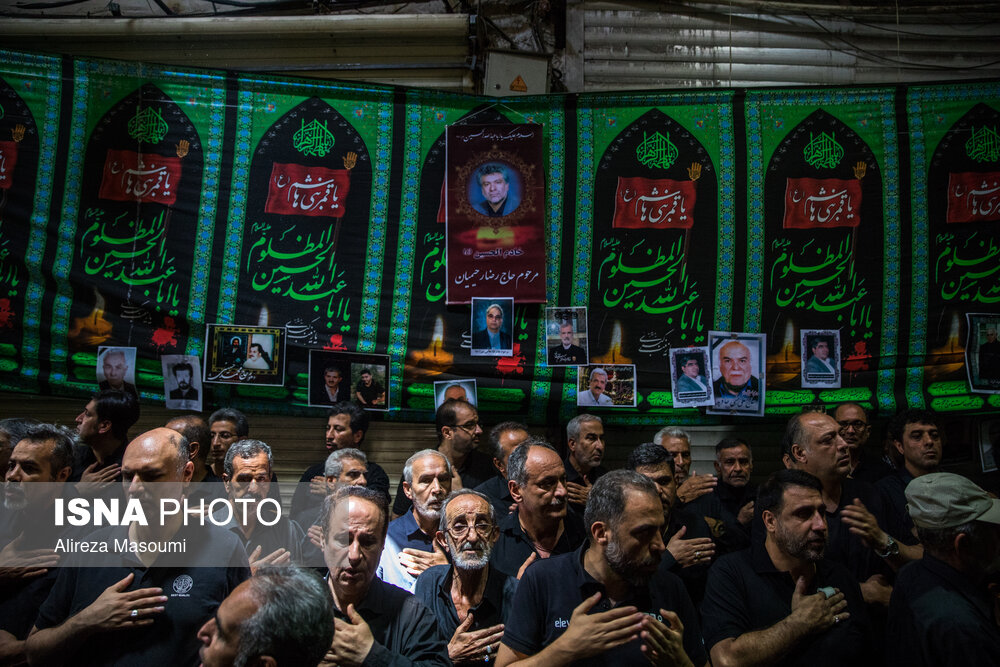
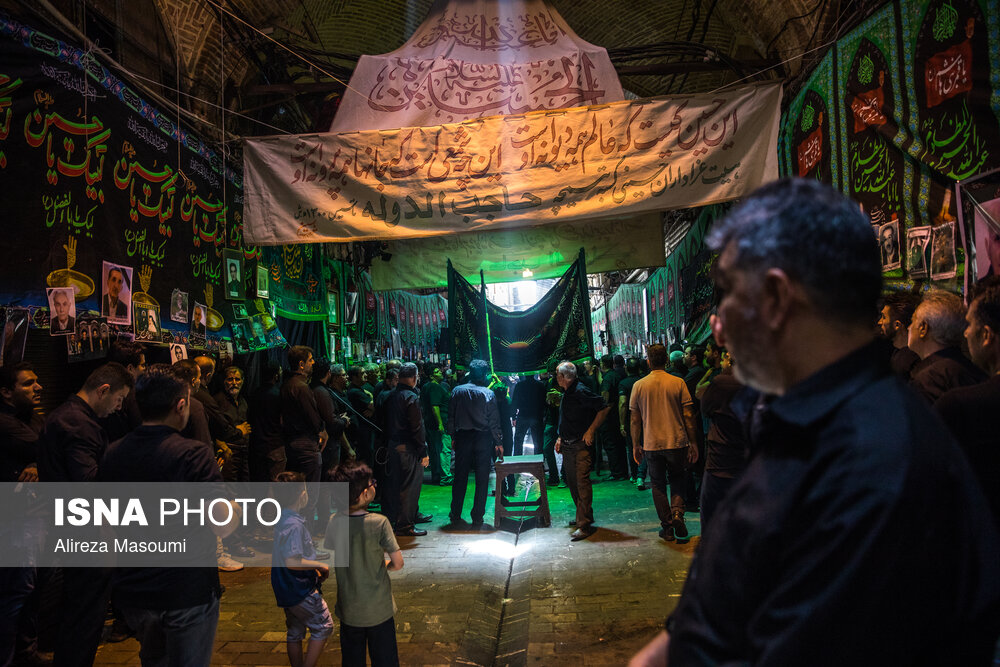
People observe Tasou’a in Tehran Bazzar in Honour of Imam Hossein

The ninth day of the Muslim-calender month of Muharram is called Tasou’a.

Every year during the first 10 days of Muharram, Iranians mark the martyrdom of Imam Hussein and his companions, who were killed by the forces of the tyrannical ruler of the time on the plains of the modern-day Iraqi city of Karbala around 1400 years ago.

More in pictures:

US and Taliban officials to meet in Qatar to discuss security and human rights

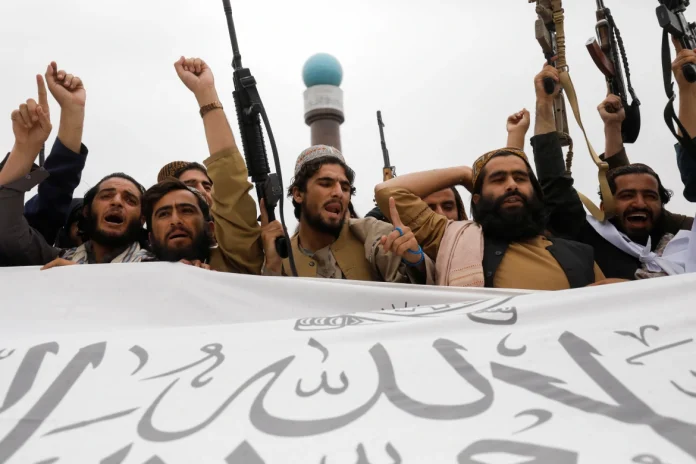
Taliban

The Joe Biden administration’s special representative for Afghanistan, Thomas West, and special envoy for Afghan Women, Girls, and Human Rights, Rina Amiri, will travel on Wednesday for visits to Astana, Kazakhstan, and Doha, Qatar.

US and Taliban representatives signed a peace agreement in February 2020. The Taliban, who waged a two-decade insurgency against the US, took control of the country in August 2021, after the US’s withdrawal.

In the agreement, the Taliban-run Islamic emirate government committed to counter terrorism threats, establish an “inclusive Islamic” government and respect human rights, including allowing women to attend school.

In December, the Taliban banned Afghan women from universities and employment at NGOs. The decision brought widespread condemnation from the international community, including from Muslim countries.

Since withdrawing from the country and the Taliban declaring victory and taking control of Kabul, Washington has had limited engagement with the Taliban. No country has yet to recognise the Taliban’s government.

The Biden administration froze $7bn in funds belonging to the Afghan central bank and announced in September 2022 that half of these funds would be distributed between the families of the victims of the 9/11 attacks, while the other half would be placed in an “Afghan Fund” and would be run by Swiss government officials and Afghan economic experts.

Afghanistan, meanwhile, is in desperate need of cash. The country’s gross domestic product plummeted 20 percent following the Taliban takeover after the US withdrawal.

Foreign aid, which accounted for 95 percent of the government’s budget under the previous administration, has dried up. It is estimated that 95 percent of the population does not have enough to eat.

The meeting comes as some experts have called for the US to reengage with the Taliban.

At an event hosted by the Middle East Institute in July, Douglas London, who formerly served as the CIA’s counterterrorism chief for South and Southwest Asia, said he “would like to see the United States have an official presence on the ground, not just in Kabul, but particularly in Kandahar, where leadership decisions are being made”.

There are also some signs that the Taliban are being courted by Washington’s top geopolitical foe.

In May, China’s then-foreign minister, Qin Gang, met Afghanistan’s acting foreign minister, Amir Khan Muttaqi, to make plans for Afghanistan to join the Belt and Road Initiative, a massive infrastructure project led by China that aims to stretch around the world.

But the Taliban remain isolated.

A UN-convened meeting on Afghanistan next month will not focus on the possible international recognition of the Taliban administration, a UN spokesperson has stressed, after comments by the deputy UN chief sparked concern and confusion.

After a senior UN official suggested that a UN meeting on the country could find “baby steps to put us back on the pathway to recognition” of the Taliban, a UN spokesperson said that was not the UN’s focus.

Temperament in traditional Iranian medicine

Humorism in traditional Iranian medicine

Given the popularity of traditional Iranian medicine among the Iranian people from various social classes, and its strong historical and cultural background, we have decided to introduce this medical tradition on Iran Front Page (IFP).

In the previous article, we presented a general introduction of traditional Iranian medicine. Here, we will be discussing the important topic of temperament, one of the most important pillars of that medicine.

What is the science of temperament?

Temperament is crucial to the identification of people’s physical and mental characteristics and can help diagnose and treat diseases. Also, the type of food that we eat can change the body’s general workings based on our humor.

Therefore, by correcting nutrition models, one can avoid food that would harm the body and instead prioritize food that is proportionate to one’s humor type.

Below, we will discuss humor and its different types:

The relation between temperament and general health in traditional Iranian medicine
In the nature, each plant and creature has a specific humor, and according to traditional medicine experts, food intake should be compatible with that humor. A case can be made that, by using temperament, one can fully control one’s temperament and physical health.

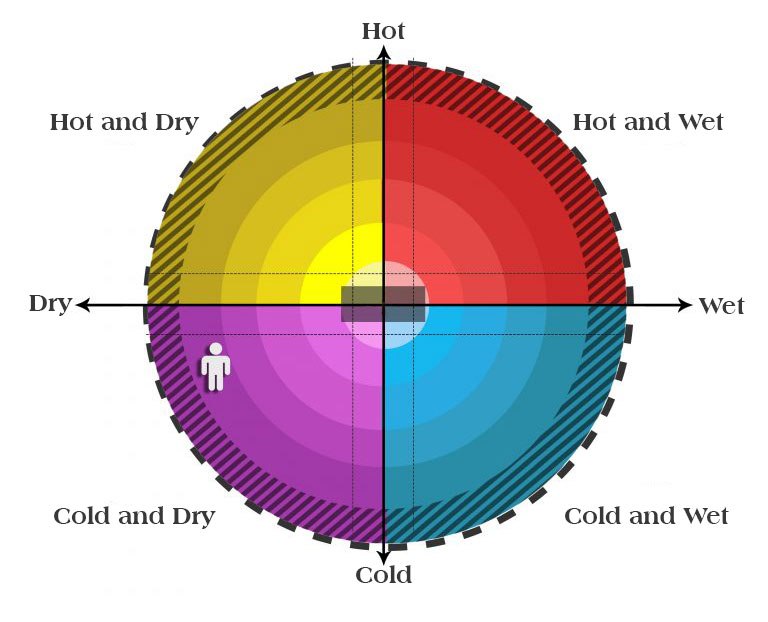
Based on the level of hot, cold, dry, and wet phlegm in one’s body, a person’s humor can be categorized into the four groups of hot/wet, hot/dry, cold/dry, and cold/wet.

Four compound humors in traditional Iranian medicine

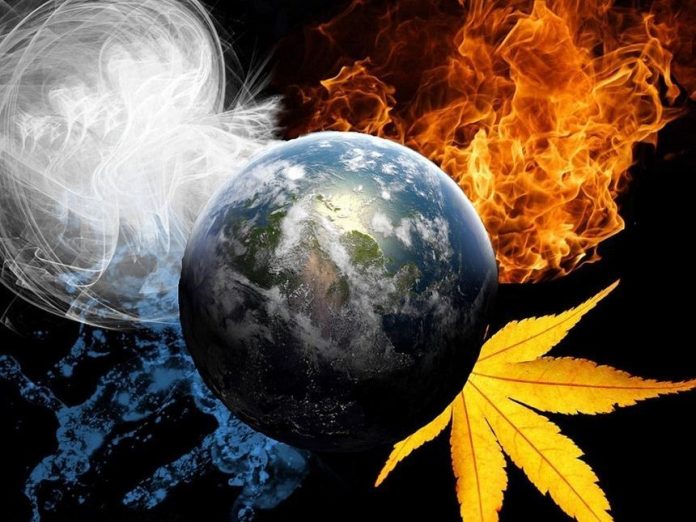
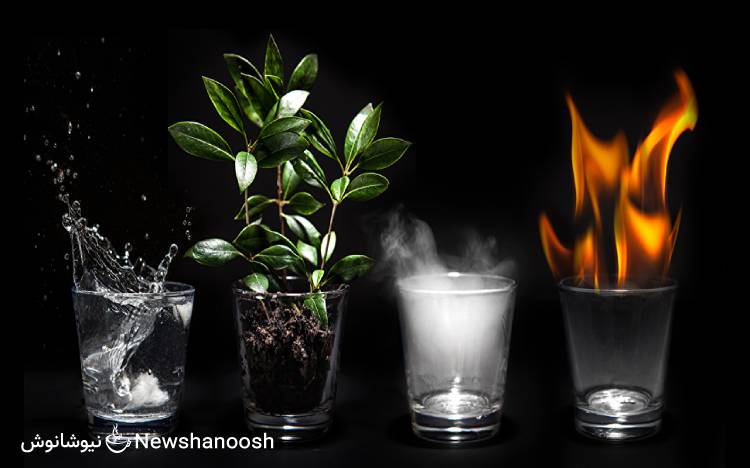
The body’s humors, which are based on the four classical elements, are: hot (fire), cold (earth), wet (water), and dry (air). There are four compound humors based on those:

  • Hot and dry: choleric
  • Hot and wet: sanguine
  • Cold and dry: melancholic
  • Cold and wet: phlegmatic

Four compound humors in traditional Iranian medicine

An individual’s humor can be identified via the following methods:

  • Touching the body
  • Examining the complexion and condition of the skin
  • Sleep condition
  • Examining the hair

Prescriptions for each humor

Temperament is founded not just on general advice but also specific guidelines related to nutrition and lifestyle for each humor. Thus, food that may be helpful to one individual could be harmful to another. In fact, any nutrition guideline and lifestyle, no matter how healthy, can harm one’s health if it is not compatible with that individual’s humor.

Temperament is a key topic in traditional medicine. By correctly identifying the humor, one can rightly pinpoint the cause of a disease and prescribe a treatment. Things such as the nutrition, amount of rest, and mental states of an individual are directly related to her humor.

Paying attention to such physical features as a person’s skin color, shape of hair, the growth level of hair, muscles mass, mental states, etc. can help identify a humor. Additionally, signs such as a pale or a red face, lack of sleep, boredom, a short temperament, facial blisters, etc. may be signs of malnutrition, requiring medical action.
Temperament in traditional Iranian medicine

Signs of a hot and wet humor

The most important physical and behavioral characteristics of people with a hot and wet humor are:

  • A heavy, muscular build, and a stout and fleshy body;
  • a reddish skin color;
  • thick, greasy hair;
  • a good memory;
  • a warm body with prominent capillary on the skin;
  • a soft and balanced skin;
  • and painful menstruation (in women).
  • Physically, they are active and have a good stamina.
  • Behaviorally, they are bold, emotional, humorous, dreamy, and happy, and they have a flexible, convincing, and friendly personality.

Signs of a hot and dry humor

The most important physical and behavioral characteristics of people with a hot and dry humor are:

  • Large, strong joints;
  • big eyes;
  • a dry skin;
  • and coarse, thin hair.
  • Physically, they are very active; and mentally, they are meticulous and methodical.
  • They have a good memory and appetite.
  • Behaviorally, they are generous, clever, and emotional. They have a short temper, and tend to be desultory in conversation.
The body’s humors, which are based on the four classical elements, are: hot (fire), cold (earth), wet (water), and dry (air).

Signs of a cold and dry humor

The most important physical and behavioral characteristics of people with a cold and dry humor are:

  • A thin and bony structure, with small joints;
  • a cold and dry skin, with fine texture;
  • small eyes, a low voice (they talk fast, though);
  • coarse, dark, dry, thin, hair;
  • a good short-term memory;
  • and a changing appetite.
  • Physically, they are stable and active. They tend to have insomnia.
  • Mentally, they have a restless quality, and are sensitive, fragile, timid, and anxious.
  • Women experience depression during menstruation.
  • Behaviorally, they have good management qualities, and are thoughtful and analytical.
  • They also have an artistic thinking, and are idealists.

Signs of a cold and wet humor

The most important physical and behavioral characteristics of people with a cold and wet humor are:

  • A heavy and portly build;
  • a cold, light, moist, and soft skin;
  • thin, greasy, and light hair;
  • large eyes, and a low-pitch voice;
  • and their main sign is that they are portly and have layers of fat. They have a tendency to gain weight.
  • They have a low stamina and are slow thinkers.
  • Behaviorally, they are timid, emotional, and bashful. They have a calm personality and are good listeners.

Next, we will present traditional Iranian medicine’s advice for each humor.


What are the 4 types of temperament?

  • Hot and dry: choleric
  • Hot and wet: sanguine
  • Cold and dry: melancholic
  • Cold and wet: phlegmatic
Israeli soldiers kill 14-year-old Palestinian boy in West Bank

Israeli Forces

The Palestinian health ministry named the victim as Fares Sharhabeel Abu Samra, who it said was shot in the head.

Israeli troops stormed a neighbourhood in the vicinity of Qalqilya, which led to confrontations according to the Palestinian news agency Wafa.

Israeli forces used live and rubber-coated metal bullets, stun grenades, and fired tear gas at residents.

The Israeli military said it fired into the air after “rioters” threw “stones and Molotov cocktails” at soldiers. It added that Abu Samra’s death was under investigation.

The military makes near-identical statements after killing Palestinian civilians in the West Bank, often claiming that soldiers reacted to an attempted attack against them.

It rarely investigates the killing of Palestinians by its troops and has been criticised by rights groups for its “shoot-to-kill” policy even when Palestinians pose no danger to soldiers.

A report in 2022 by the Israeli rights group Yesh Din found that less than one percent of soldiers accused of harming Palestinians between 2017-2021 were ever charged with crimes.

The military law enforcement authorities “systematically avoid investigating and prosecuting soldiers who harm Palestinians”, the group announced.

On Wednesday Mohammad Abdel-Hakim Nada, 23, was shot in the chest by Israeli gunfire and later died in hospital.

Israeli troops raided the Al-Ain refugee camp in Nablus in the late morning to arrest some Palestinians, local media reported.

At least 202 Palestinians have been killed by Israeli fire this year, including 35 children – a rate of nearly one fatality per day.

A total of 165 people have died in the West Bank and East Jerusalem, making 2023 one of the bloodiest years in the occupied Palestinian territories. Another 36 people were killed in the Gaza Strip.

Meanwhile, Palestinians have killed 25 Israelis in the same period, including six children.

EU’s Borrell censures Quran sacrilege amid growing Muslim outrage

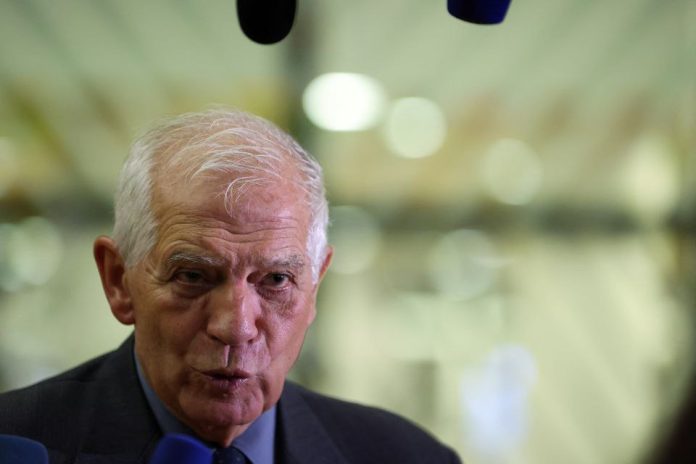
European Union Foreign Policy Chief Josep Borrel

Over the past month, the holy Muslim book has been subject to acts of desecration by extremist elements in three separate incidents in Sweden and Denmark, whose governments have sanctioned and justified such insults as “freedom of expression.”

“The EU reiterates its strong and determined rejection of any form of incitement to religious hatred and intolerance. Respect for diversity is a core value of the European Union. This includes respect for other religious communities,” Borrell said in a statement released on Wednesday.

A Sweden-based Iraqi refugee, identified as Salwan Momika, desecrated the Holy Qur’an first in front of Stockholm’s biggest mosque in late June. For the second time, he repeated the desecration act outside the Iraqi Embassy in the same city on Thursday, amid strict protection provided by the Swedish police.

And on Friday, members of an Islamophobic Danish group, called Danske Patrioter, desecrated Muslims’ holy book in front of Iraq’s Embassy in Denmark’s capital city of Copenhagen.

Also on Tuesday, the small far-right group set fire to copies of the Qur’an in front of the Egyptian and Turkish Embassies in the Danish capital, in another blasphemous act against the Muslim holy book.

“The desecration of the Quran, or of any other book considered holy, is offensive, disrespectful and a clear provocation. Expressions of racism, xenophobia and related intolerance have no place in the European Union,” Borrell added.

“We continue to stand up for freedom of religion or belief and freedom of expression, abroad and at home; but not everything that is legal is ethical,” the EU foreign policy chief stressed.

Borrell also called for standing together for “mutual understanding and respect”, emphasizing that such acts, committed by individual provocateurs, “only benefit those who want to divide us and our societies.”

The acts of sacrilege have opened the floodgates of protests across the Muslim world, including in Iran, with all Muslim countries issuing vehement condemnations of the reprehensible profanity.

North Korea’s leader meets Russian defense minister, first since Covid

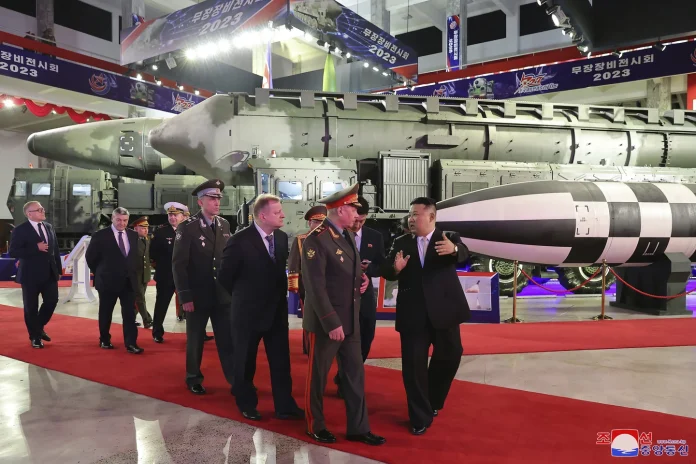
Kim Jong Un and Sergei Shoigu

Kim and Shoigu discussed “matters of mutual concern” related to defence and regional security and viewed an exhibition of weapons including ballistic missiles, North Korean state media reported on Thursday.

The meeting between the two men was an “important occasion in further developing the strategic and traditional DPRK-Russia relations as required by the new century”, the official Korean Central News Agency (KCNA) said, referring to the acronym of North Korea’s official name, the Democratic People’s Republic of Korea.
Kim led Shoigu on a tour of a display of new weapons and military equipment, KCNA reported, with pictures of the exhibition showing banned ballistic missiles, multi-axle transporter launchers and what appeared to be a new drone.
Shoigu also gave Kim a letter from Russian President Vladimir Putin, the KCNA said. Kim thanked Putin for sending a delegation led by Shoigu, who also held talks with North Korean Defence Minister Kang Sun Nam.

Shoigu’s trip to Pyongyang, the first known visit by a foreign dignitary in three years, comes as North Korea is marking the 70th anniversary of the armistice that ended hostilities in the 1950-53 Korean War.

A Chinese delegation, including Chinese Communist Party Politburo member Li Hongzhong, also visited Pyongyang for the celebrations.

North Korean authorities are expected to hold a large military parade in the capital on Thursday to mark the date of the end of the conflict, which saw China and the Soviet Union support the North against the United States-backed South.

Kim, the third generation of his family to rule the secretive North, has in the past used such events to display his goverment’s latest weaponry, including nuclear-capable missiles.

Russia and China are among a handful of countries that maintain friendly relations with North Korea, which is isolated on the international stage due to its development of nuclear weapons and missiles.

Pyongyang has backed Russia over the war in Ukraine, blaming US hegemony for forcing Moscow to invade its neighbour to protect its security interests. The administration of US President Joe Biden has accused North Korea of providing weapons to Russian forces in Ukraine, which Pyongyang has denied.

Moscow and Beijing have repeatedly blocked Western efforts to tighten sanctions against Pyongyang over its weapons programmes at the United Nations Security Council.

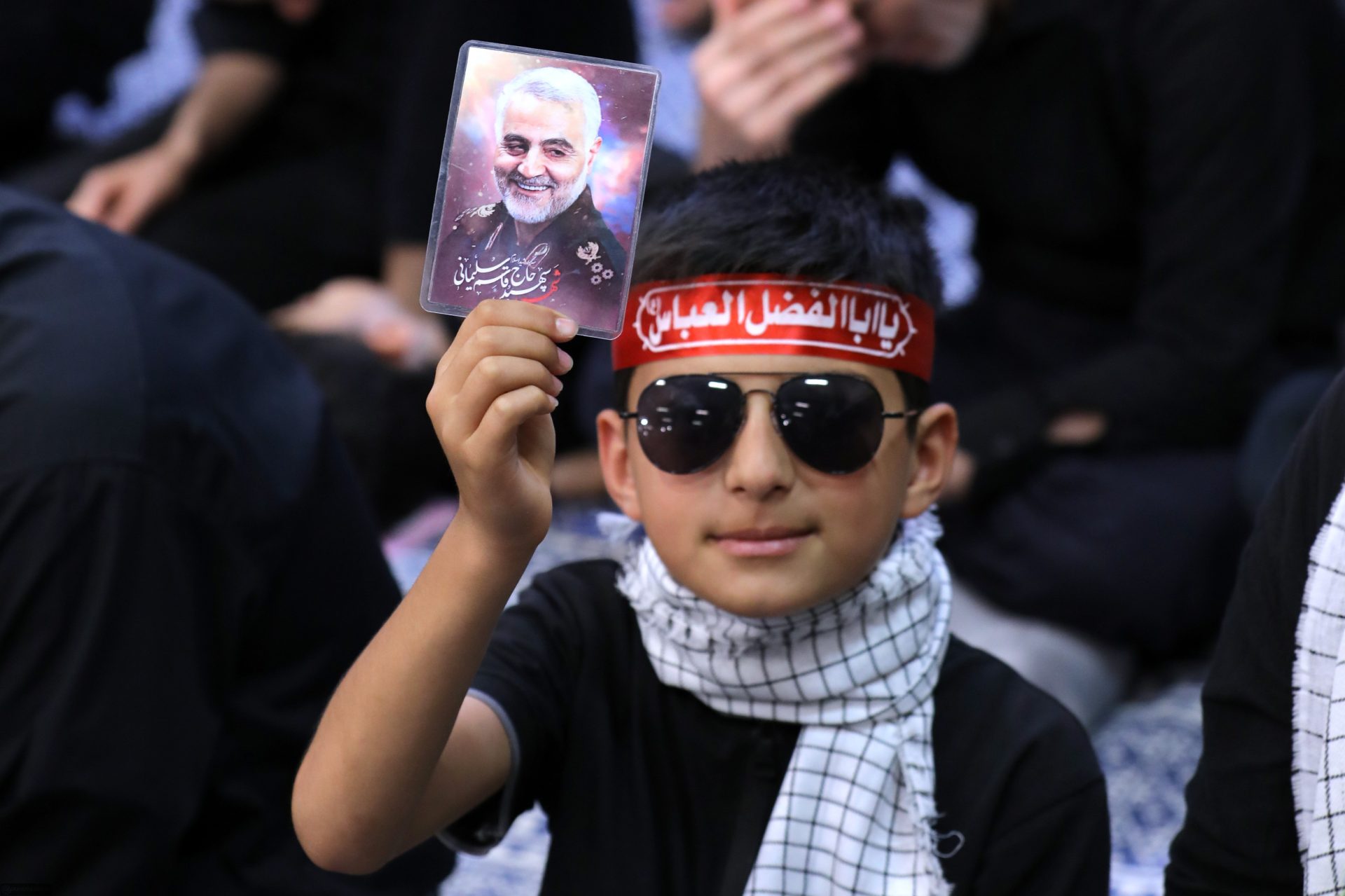
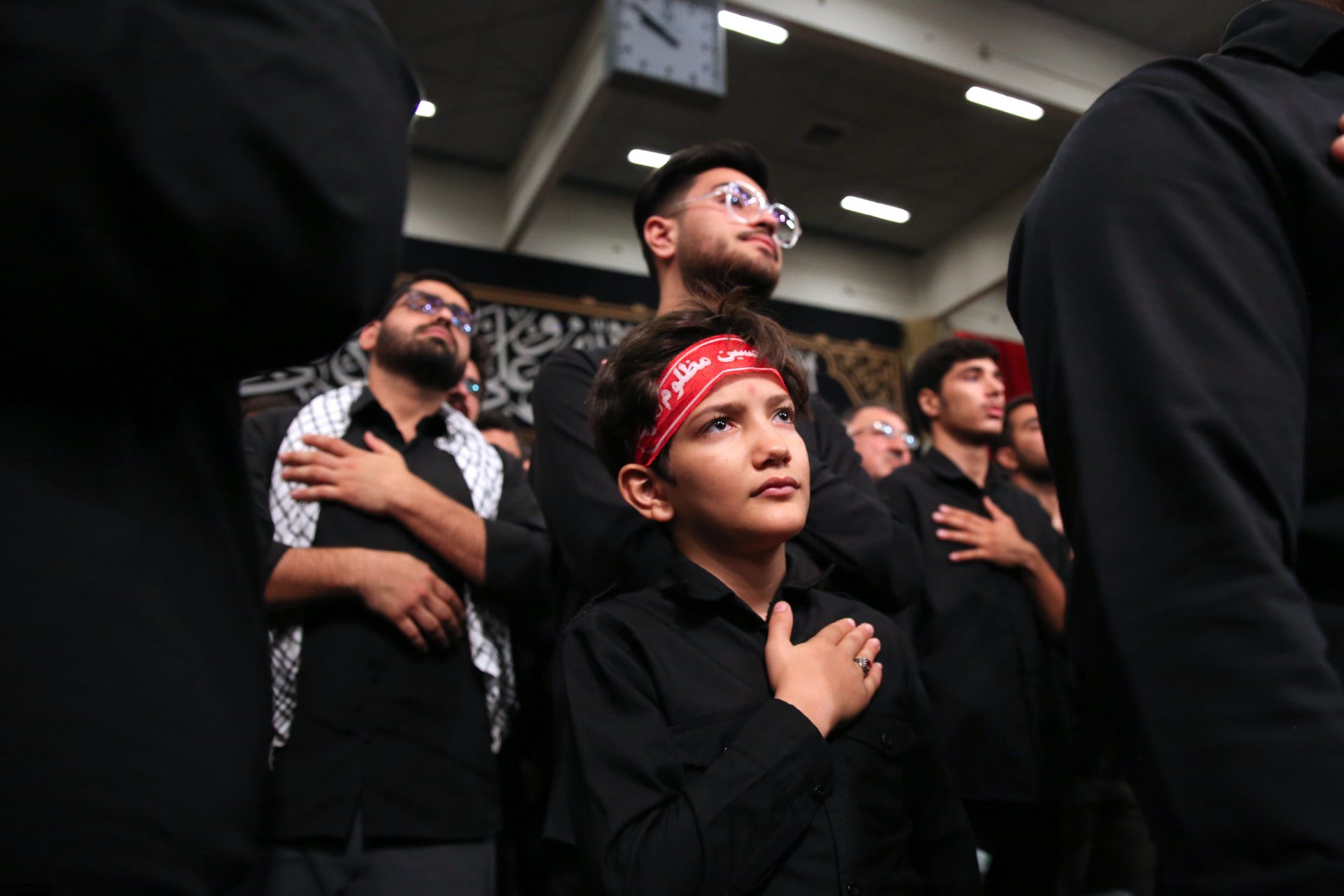
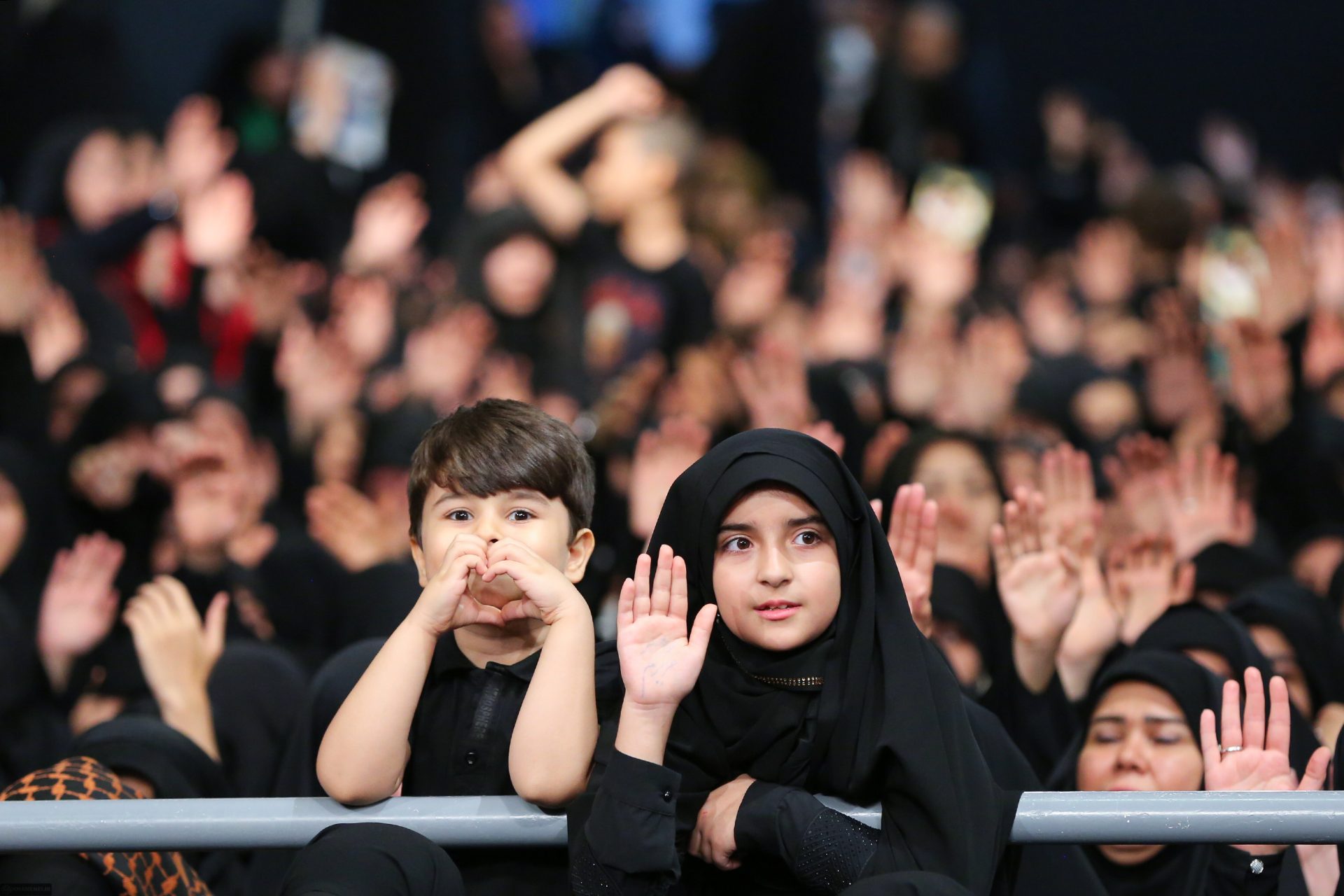
On eve of Imam Hossein martyrdom anniversary, Iranians marking Tasu’a 

Mourning ceremony for Imam Hossein

Iranians in cities, towns, and villages across the country are marking the day on Thursday by going to mosques or pouring into the streets and joining processions, beating their chests to eulogies, beating the back of their shoulders with light chains, etc.

Iranian people also traditionally cook and distribute charity food among their neighbors, family members, and the poor.

In 680 AD, Imam Hossein (PBUH) and 72 of his companions were martyred in the battle of Karbala in Iraq by the forces of the tyrant ruler of the time, Yazid, the second Umayyad caliph.

Tasu’a is most prominently known for the martyrdom of Imam Hossain’s half-brother, Abolfazl al-Abbas, who fought alongside the imam against the army of Yazid. Abolfazl is highly revered among Muslims as a symbol of loyalty.

The mourning ceremonies reach their peak on the 10th day of Muharram, or Ashura, when Imam Hossein (PBUH) himself was also martyred.

Rights groups say Saudi Arabia arrested 5 relatives of US citizen over failed lawsuit

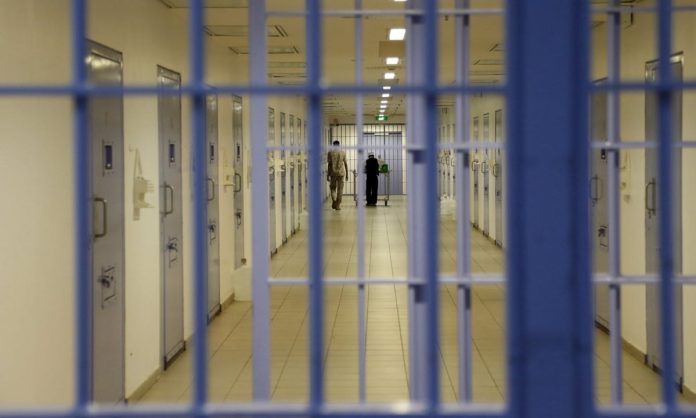
Saudi Prison

The Freedom Initiative, Democracy for the Arab World Now (DAWN) and ALQST for Human Rights said Saudi security forces had arrested four relatives of US citizen Rakan Nader Aldossari on May 11. An uncle was detained on April 9, the groups announced in a statement on Wednesday.

His grandfather’s wife, an aunt and two other uncles were detained in May and some were held in cold cells with no blankets or proper beds, the statement added.

The Saudi prosecutor’s office referred the five to the kingdom’s Specialized Criminal Court, which tries terrorism cases, on July 12, the rights groups said. They added that Saudi authorities had prevented the detainees’ lawyers from meeting with them or obtaining access to the charges against them.

Rakan’s father Nader Aldossari, a US resident, said interrogators told detained family members that they would not be released unless both Rakan, who is 15-years-old, and he returned to Saudi Arabia, the statement read. The groups listed the detainees’ relations to Rakan, urging Washington to intervene.

The Aldossari family filed a lawsuit in Pennsylvania in 2020 against the Saudi government after a long-standing commercial dispute over an agreement in 1994 to establish an oil refinery in Saint Lucia, a Caribbean Island.

Later that year, they named additional Saudi government defendants including Saudi Crown Prince Mohammed bin Salman. The lawsuit was dismissed for lack of jurisdiction.

Abdullah Alaoudh, Saudi Director for the Freedom Initiative, said the Aldossari case was an “egregious example of transnational repression by the Saudi government”.

Saudi officials say there are no political prisoners in Saudi Arabia.

The three organisations called on Washington to press the Saudi government for the release of the Aldossari family members.

“The United States has consistently underscored to the Saudi government the importance of fair and transparent judicial processes,” a department spokesperson said by email.

“We have also made clear that we take very seriously reports or threats of transnational repression, particularly when US citizens may be involved,” the spokesperson added.

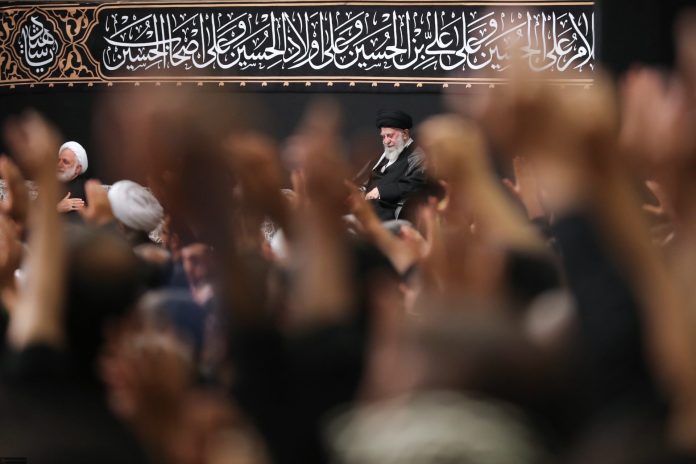
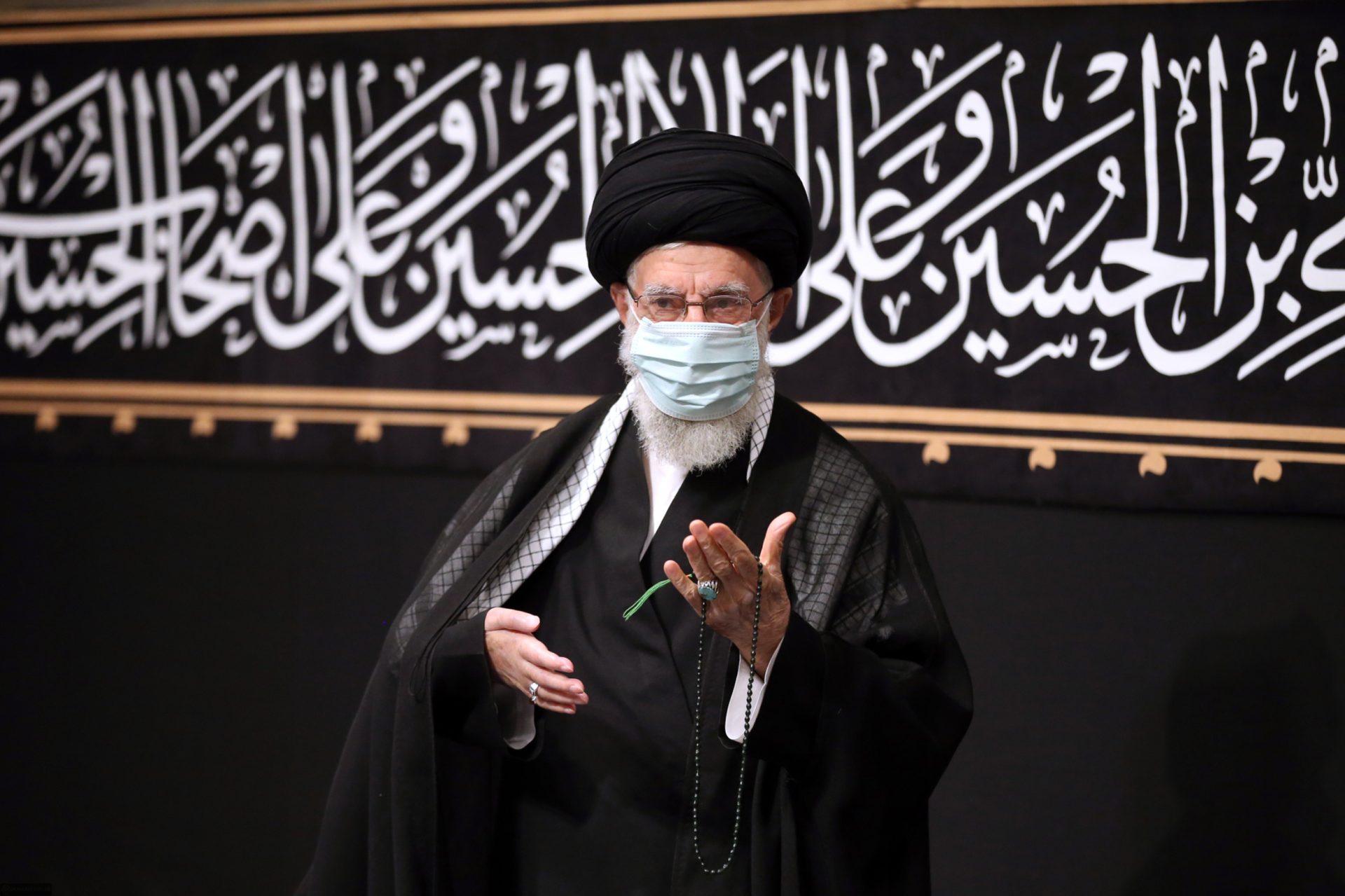
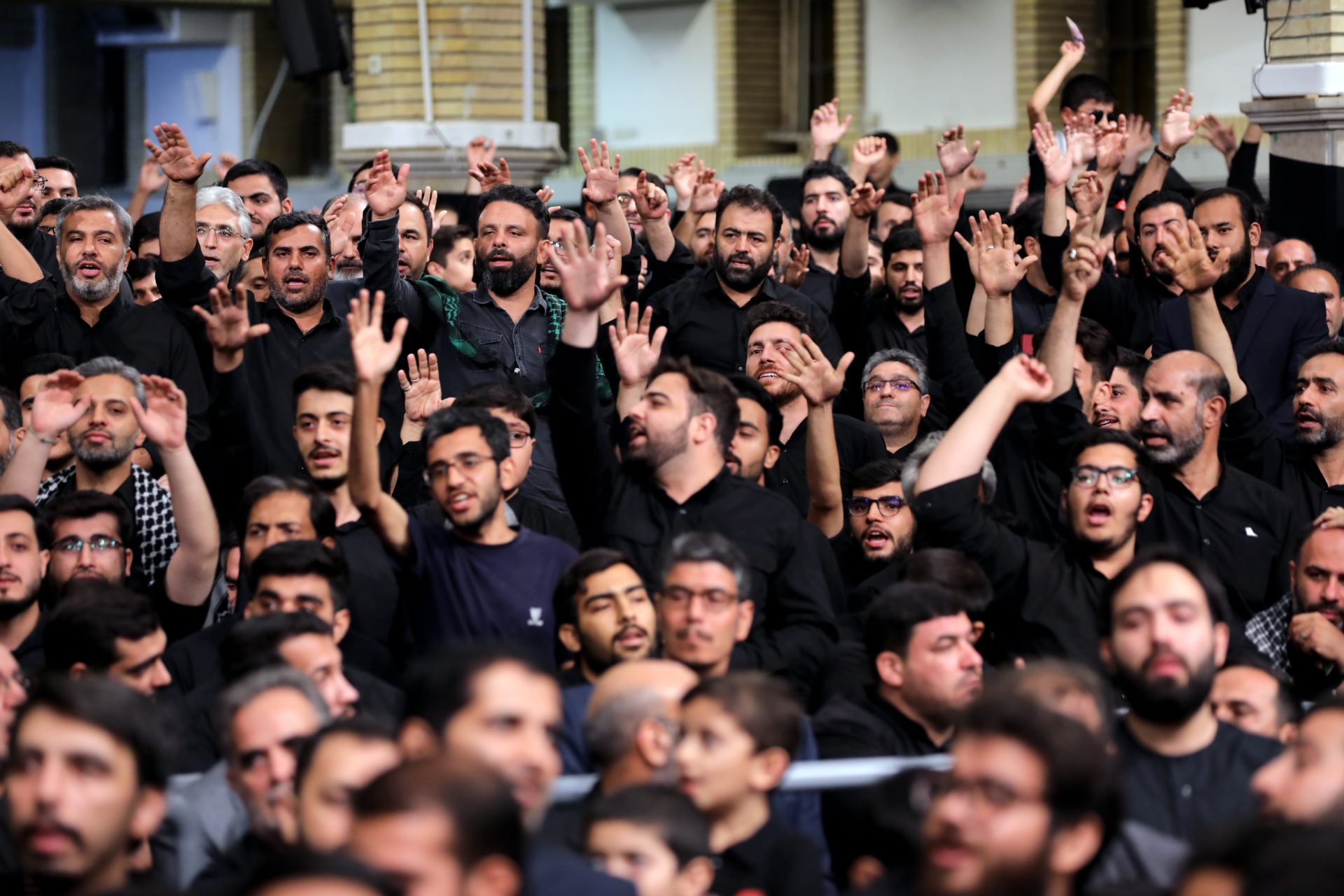
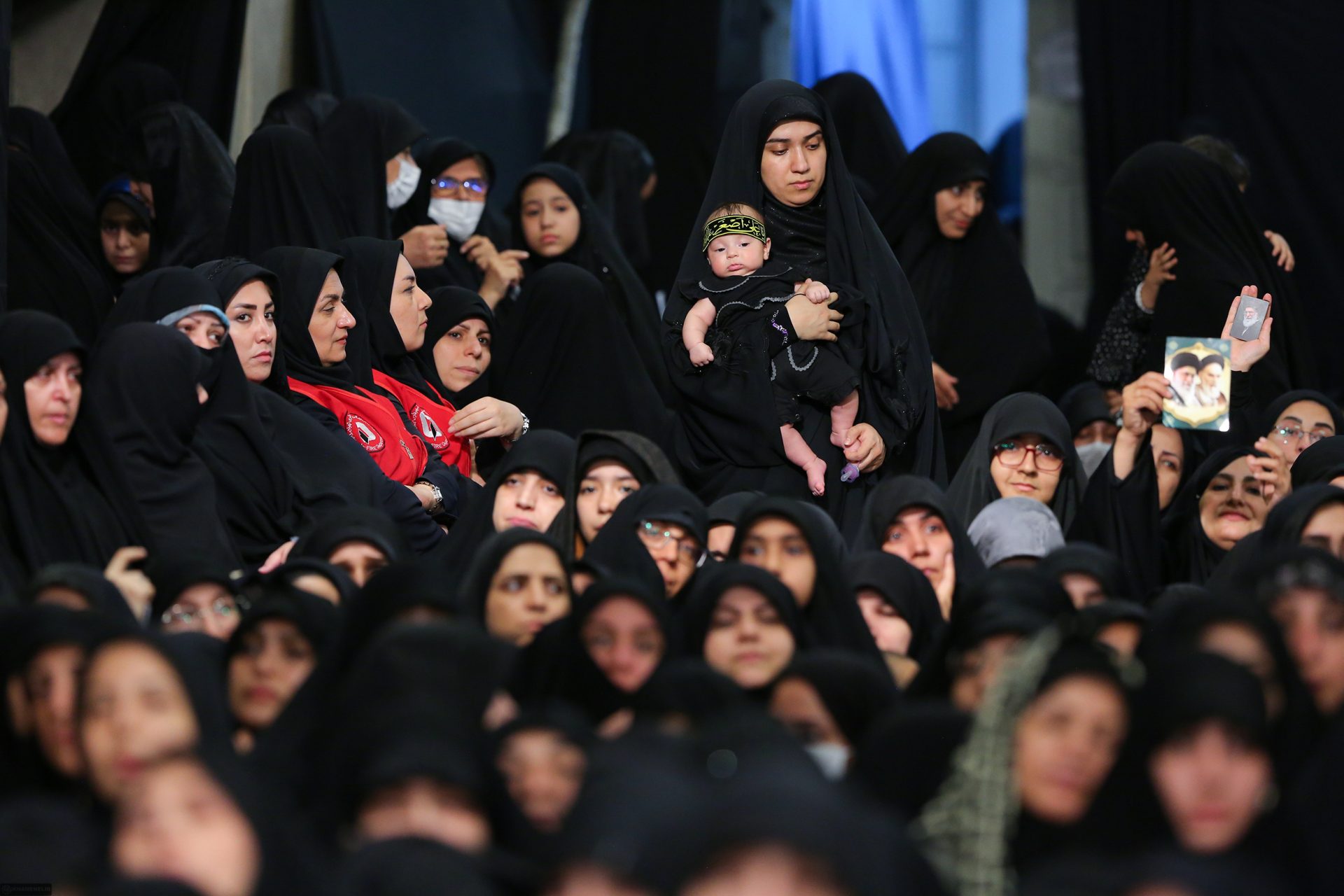
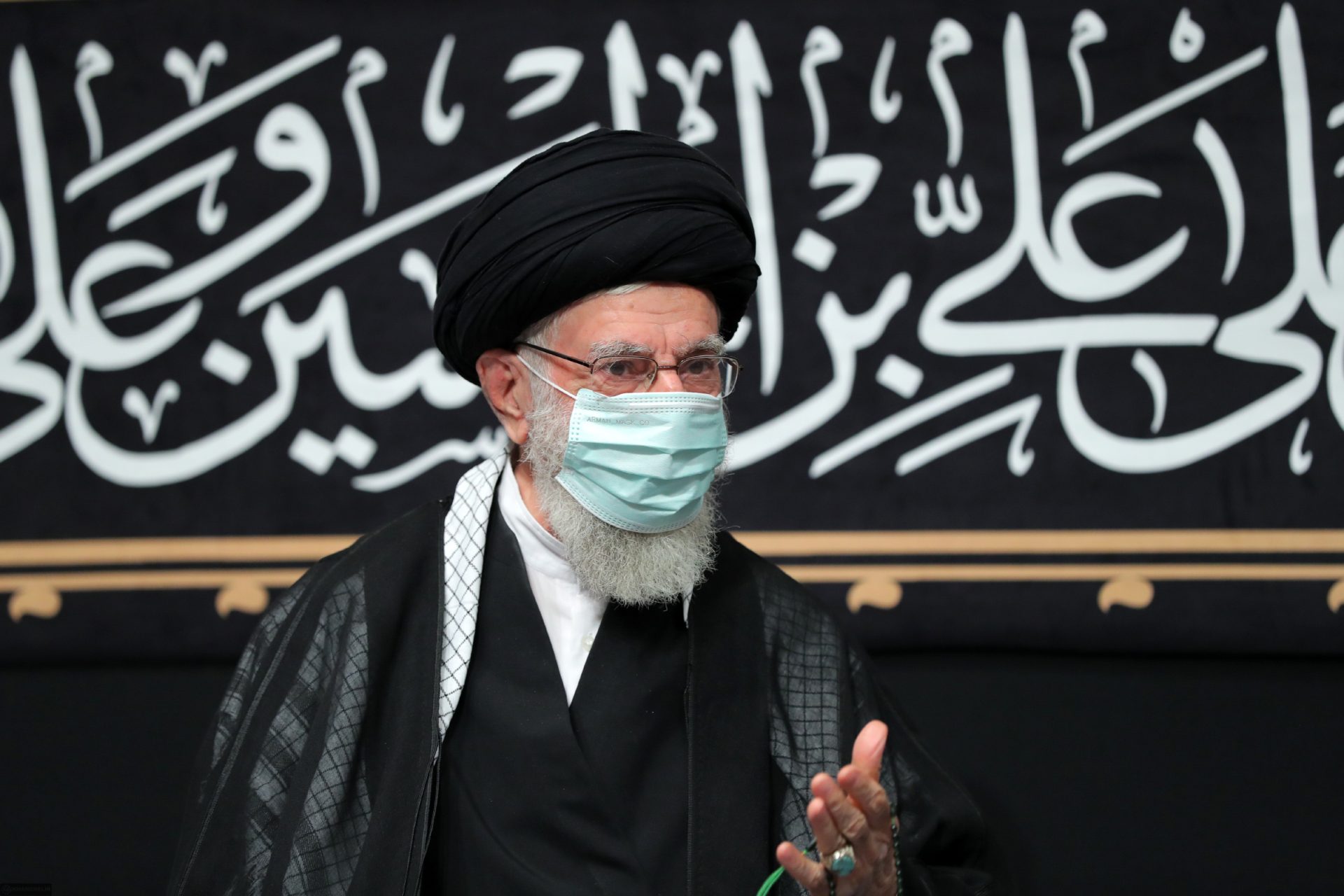
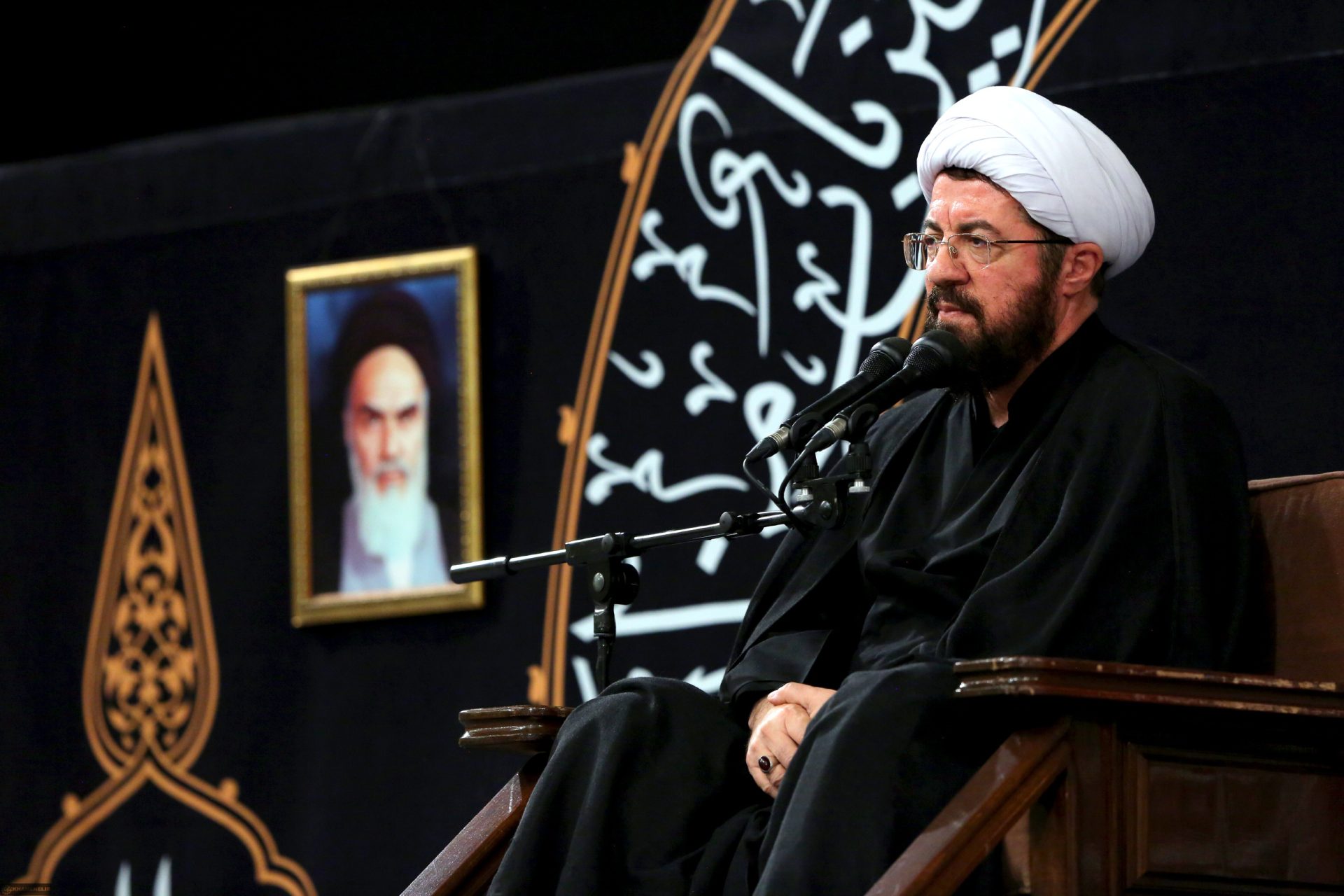
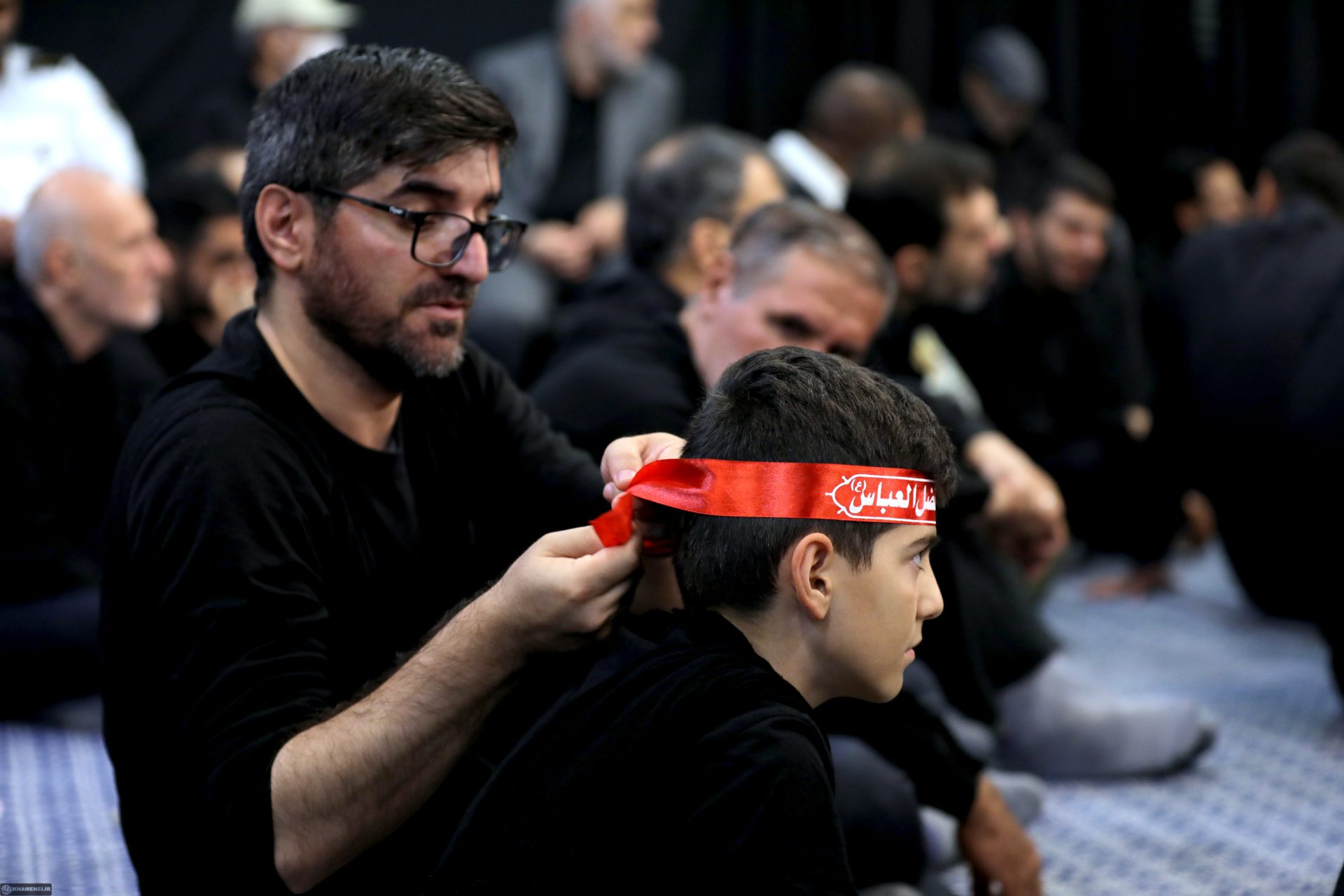
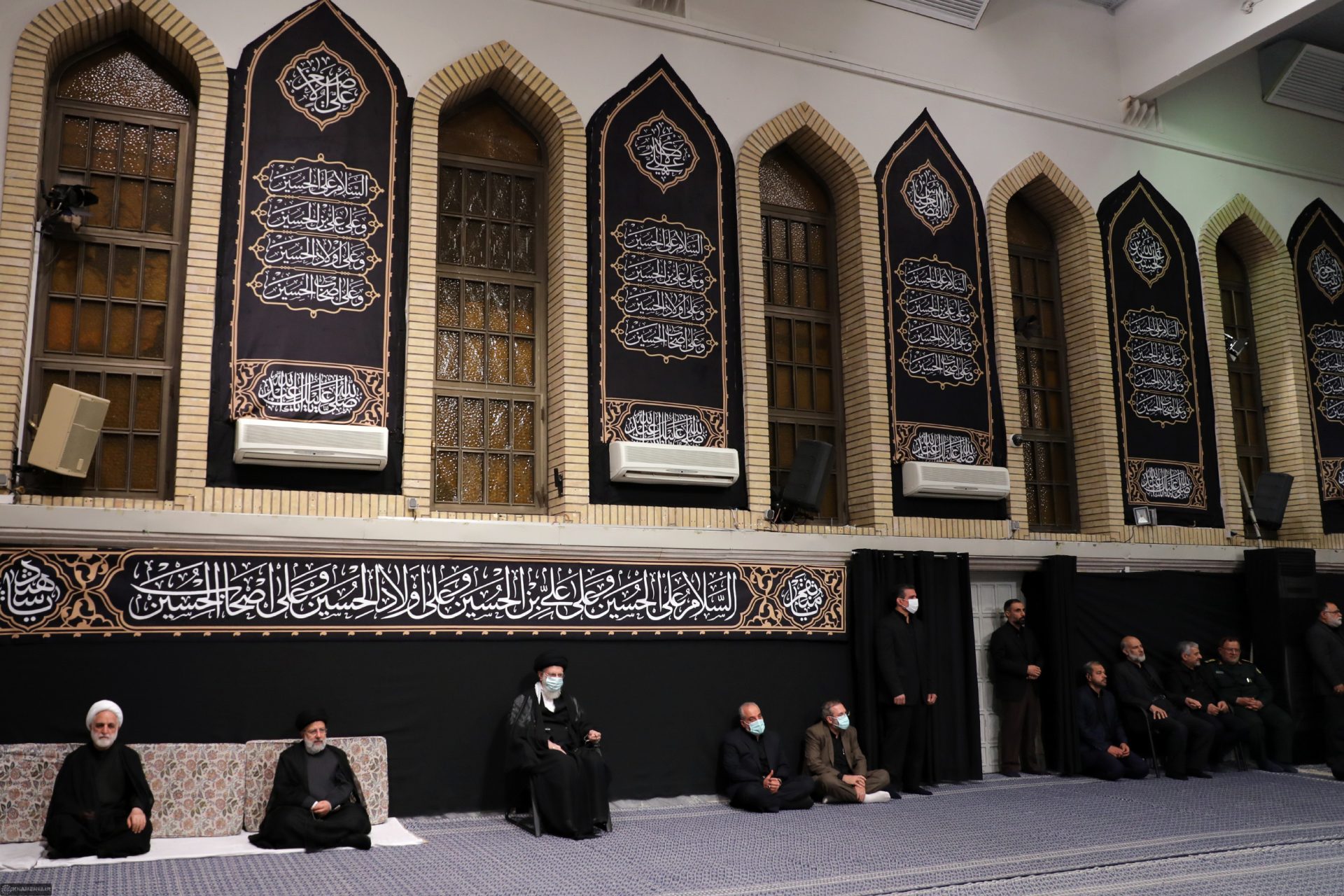
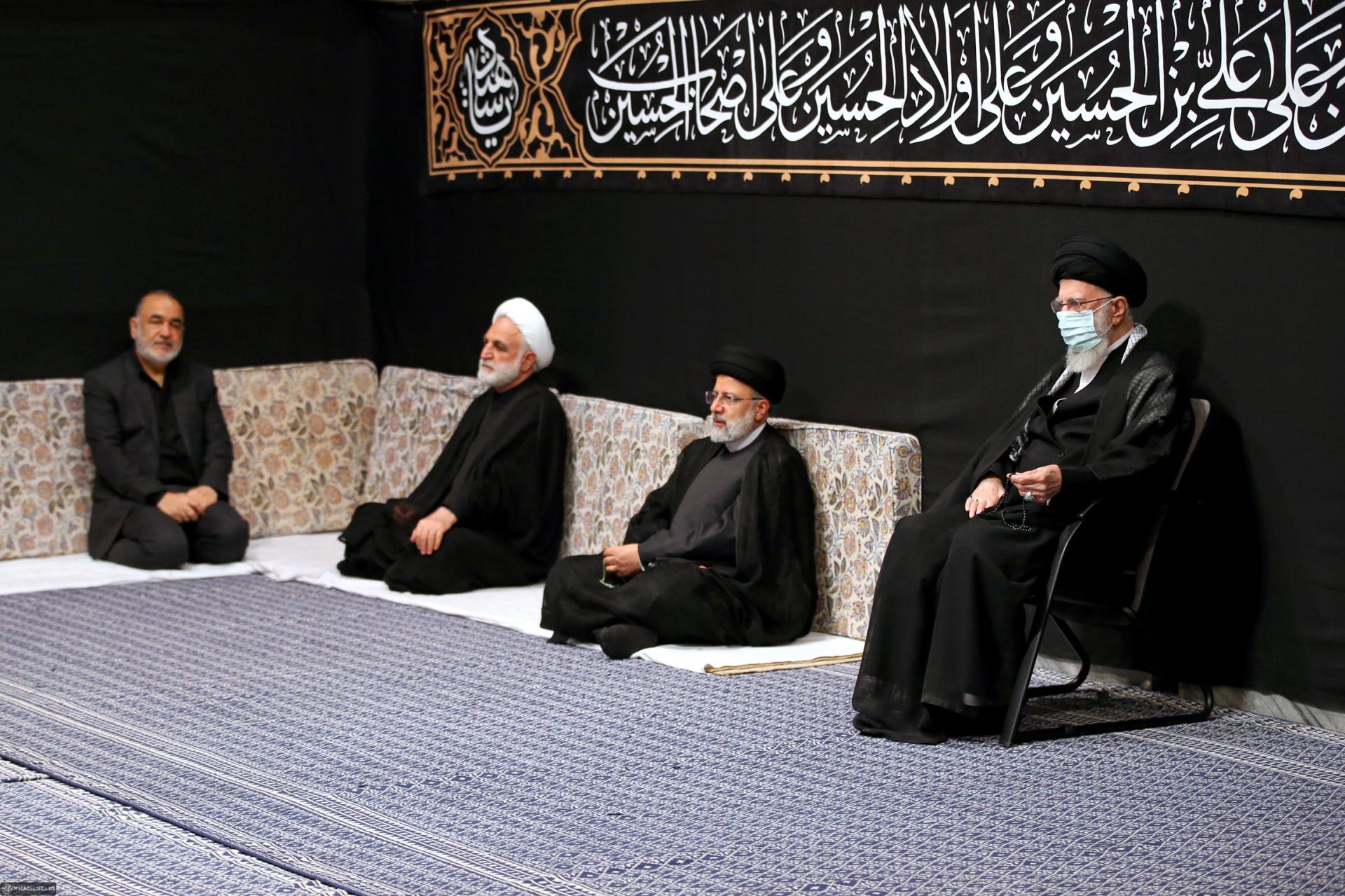
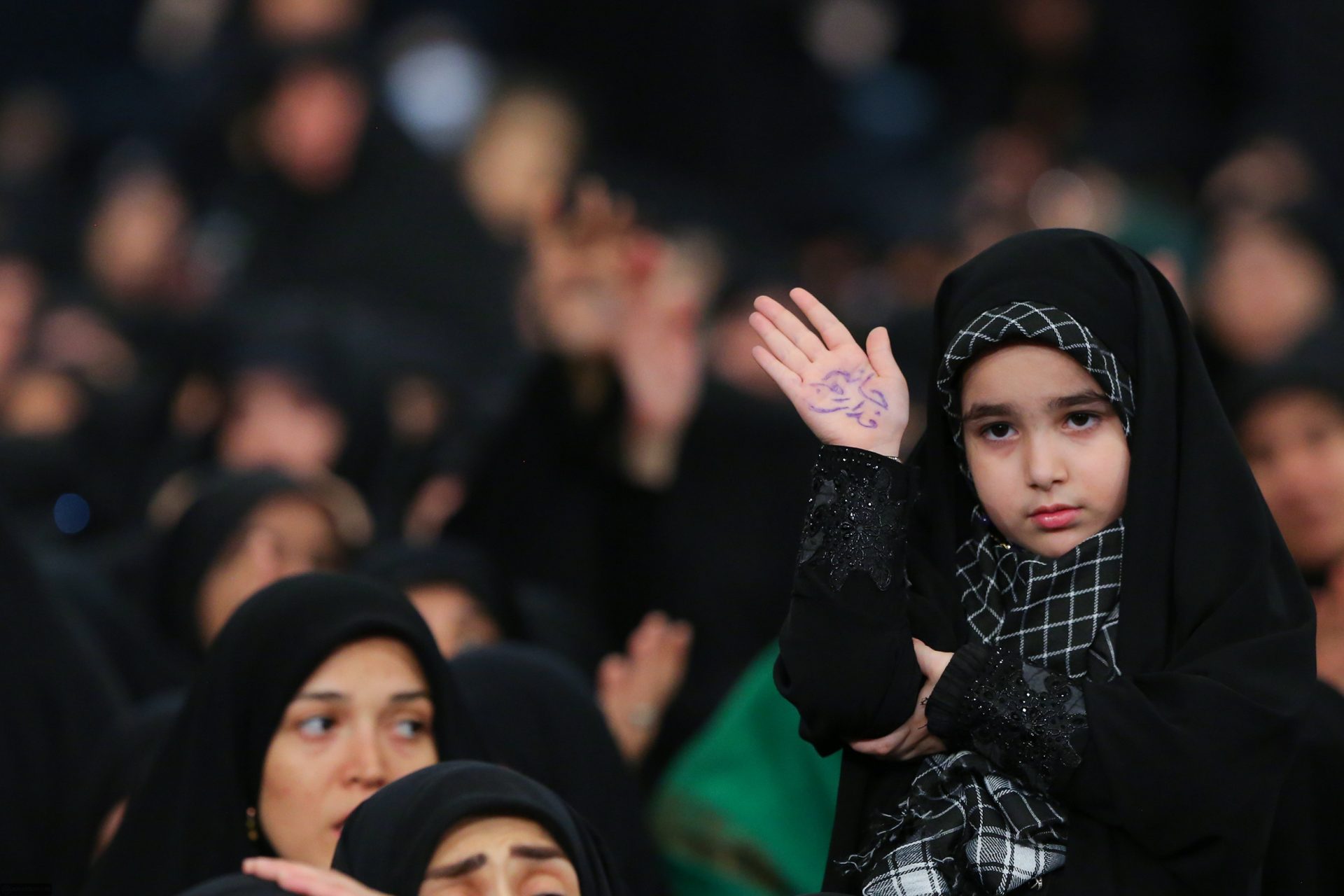
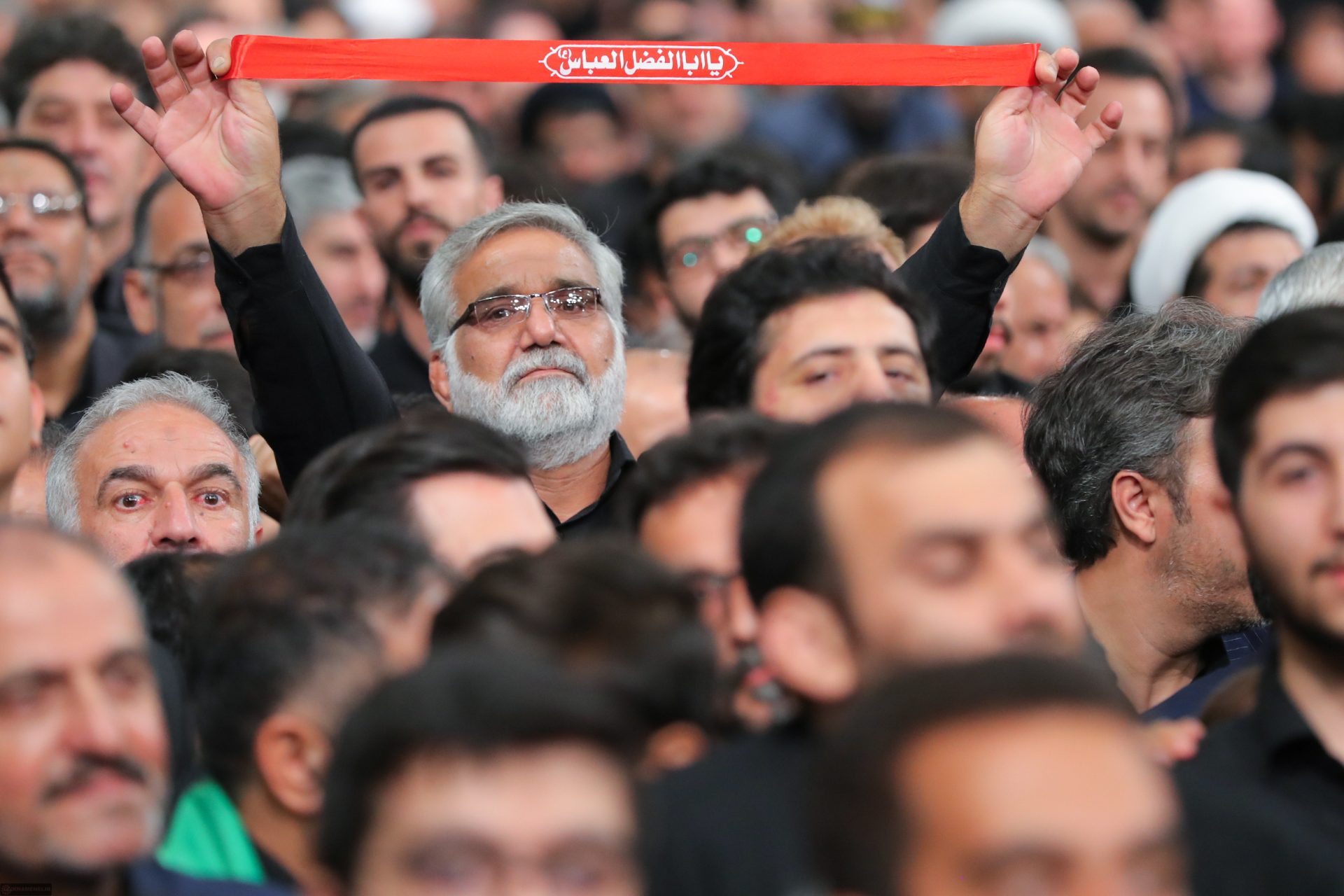
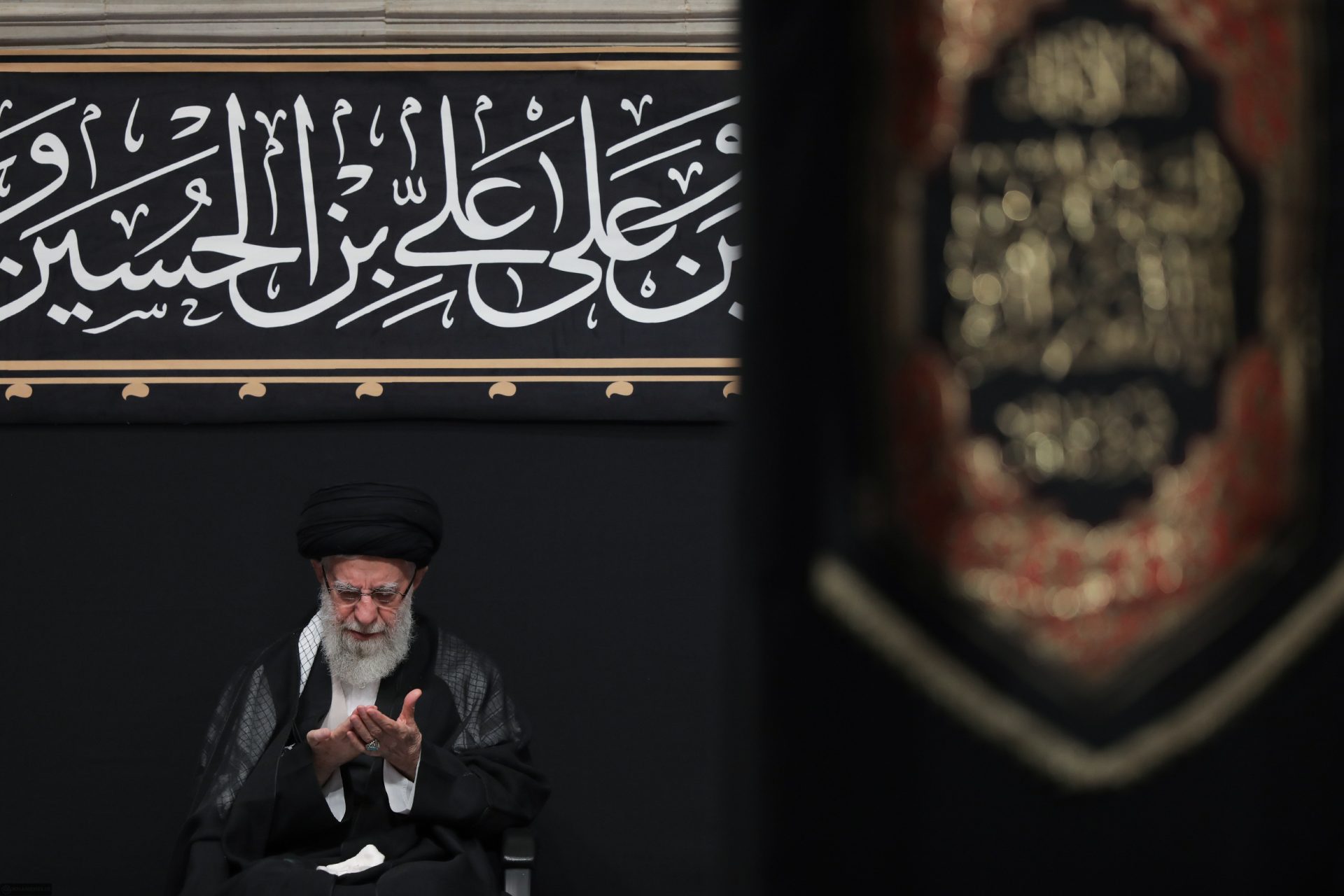
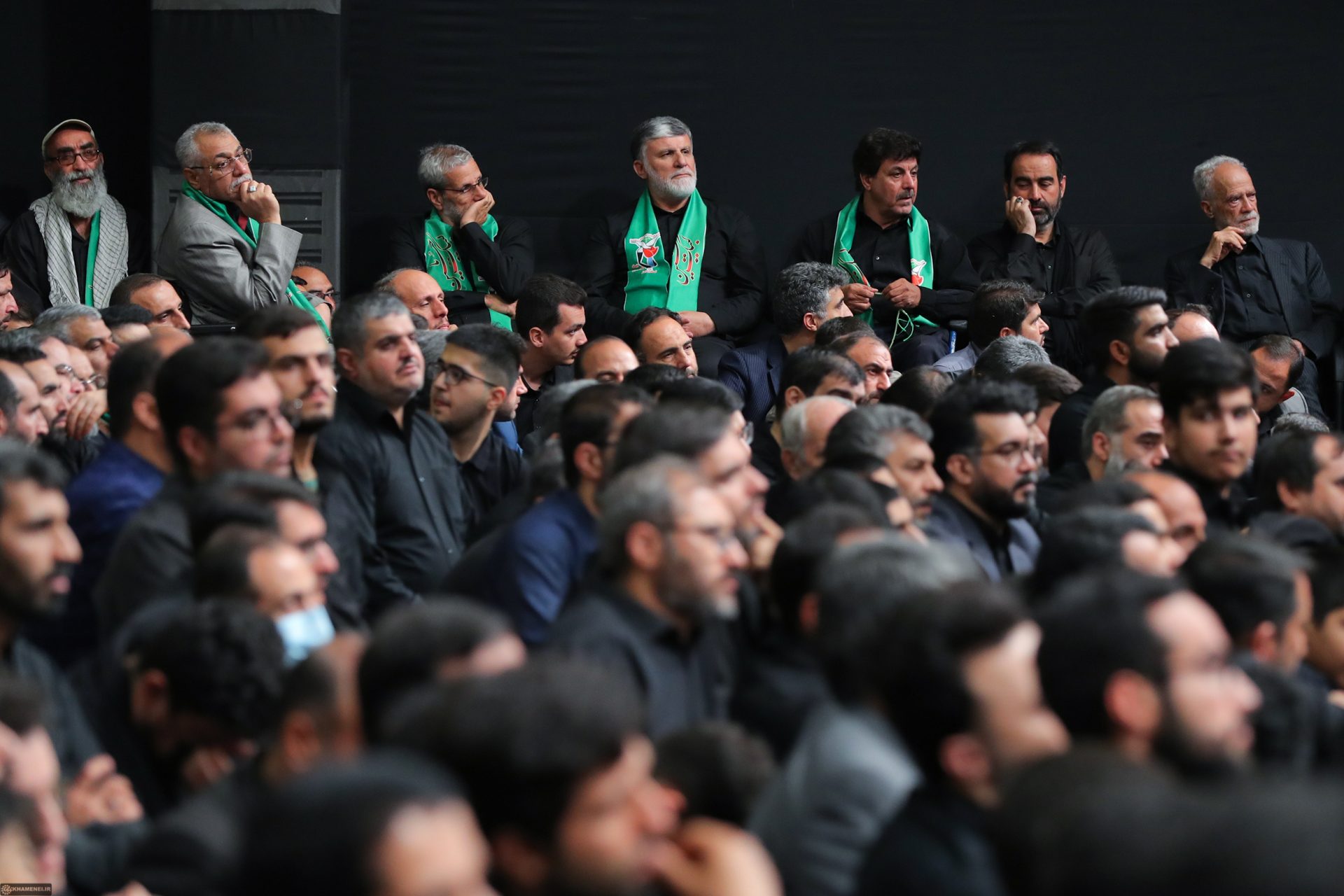
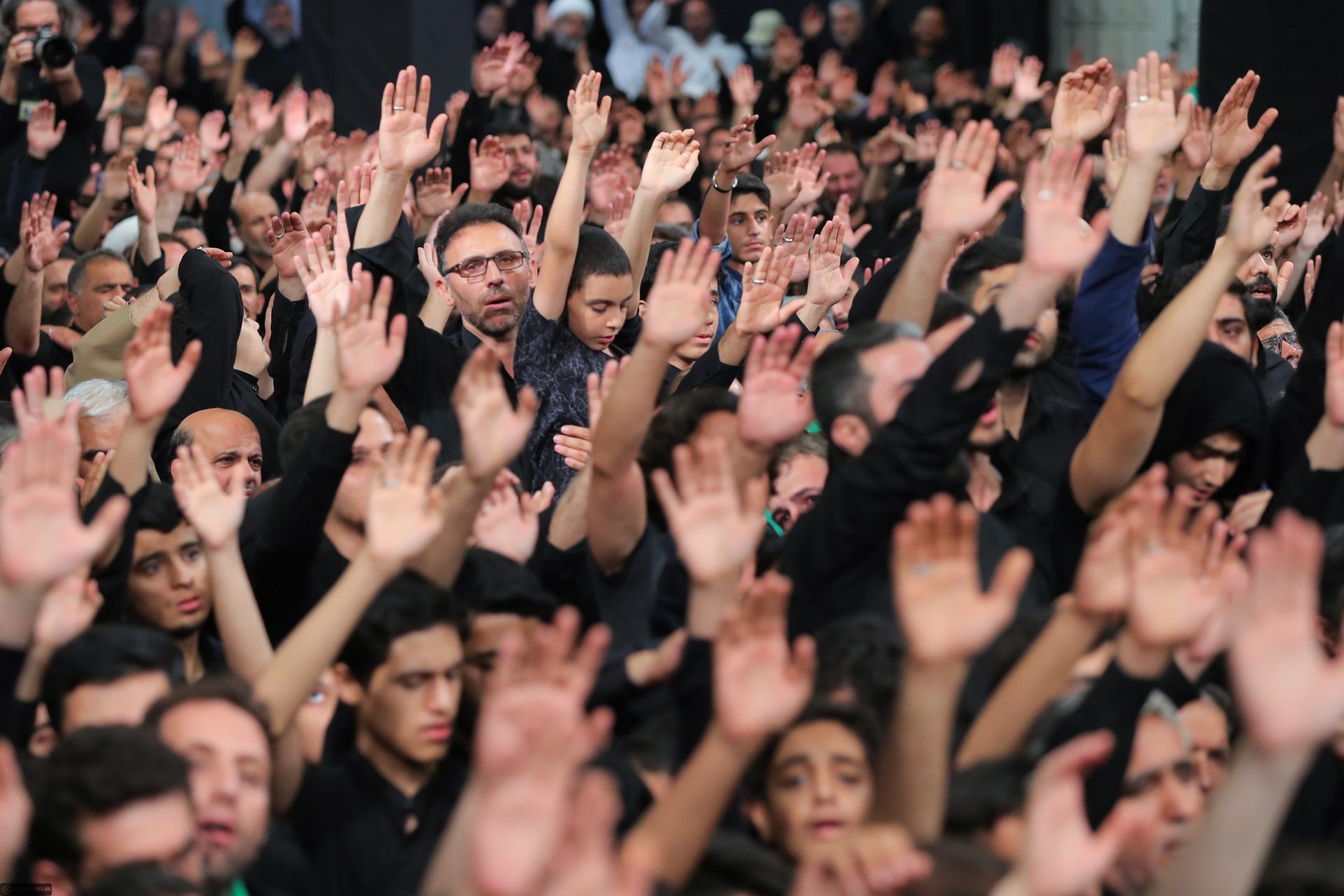
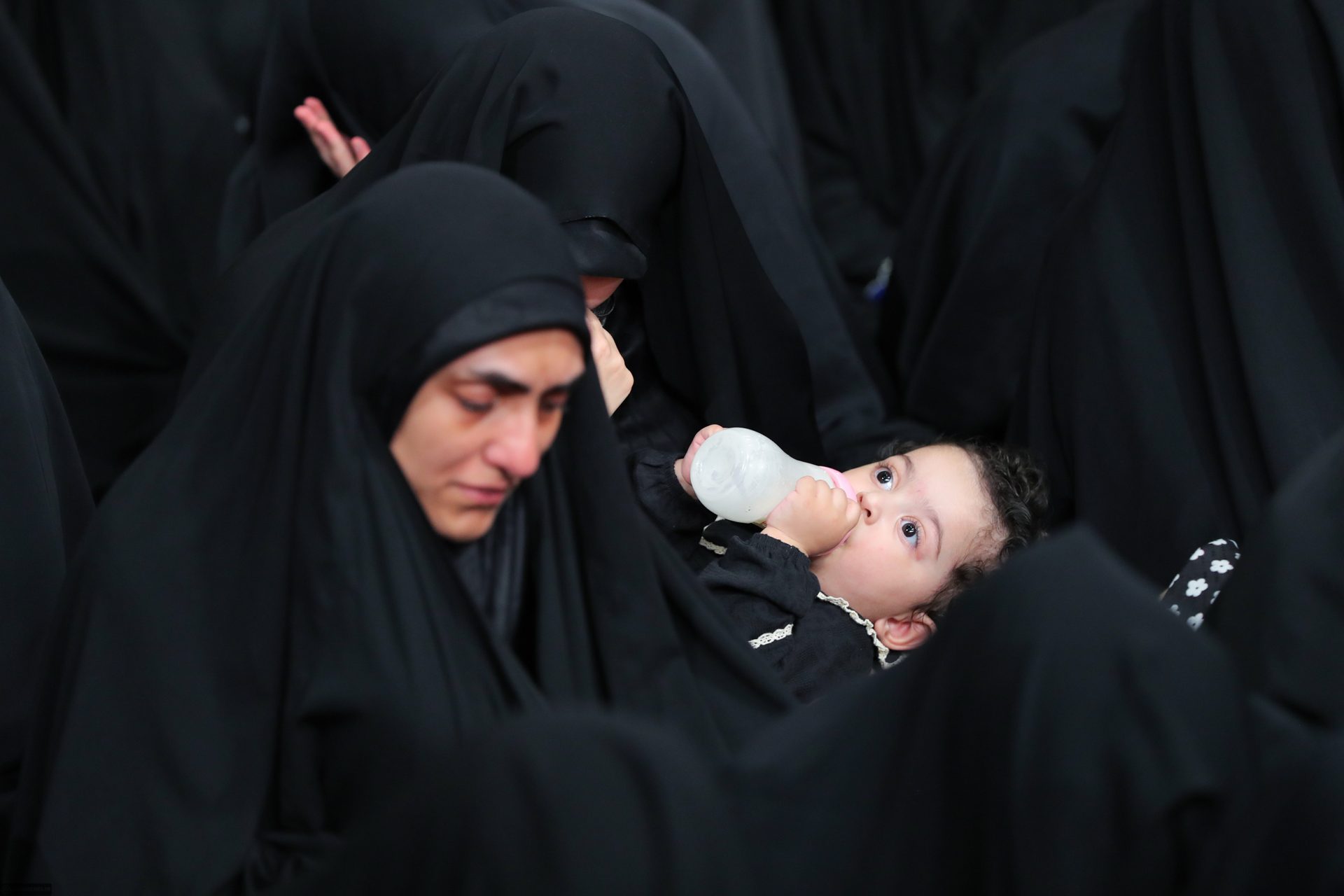
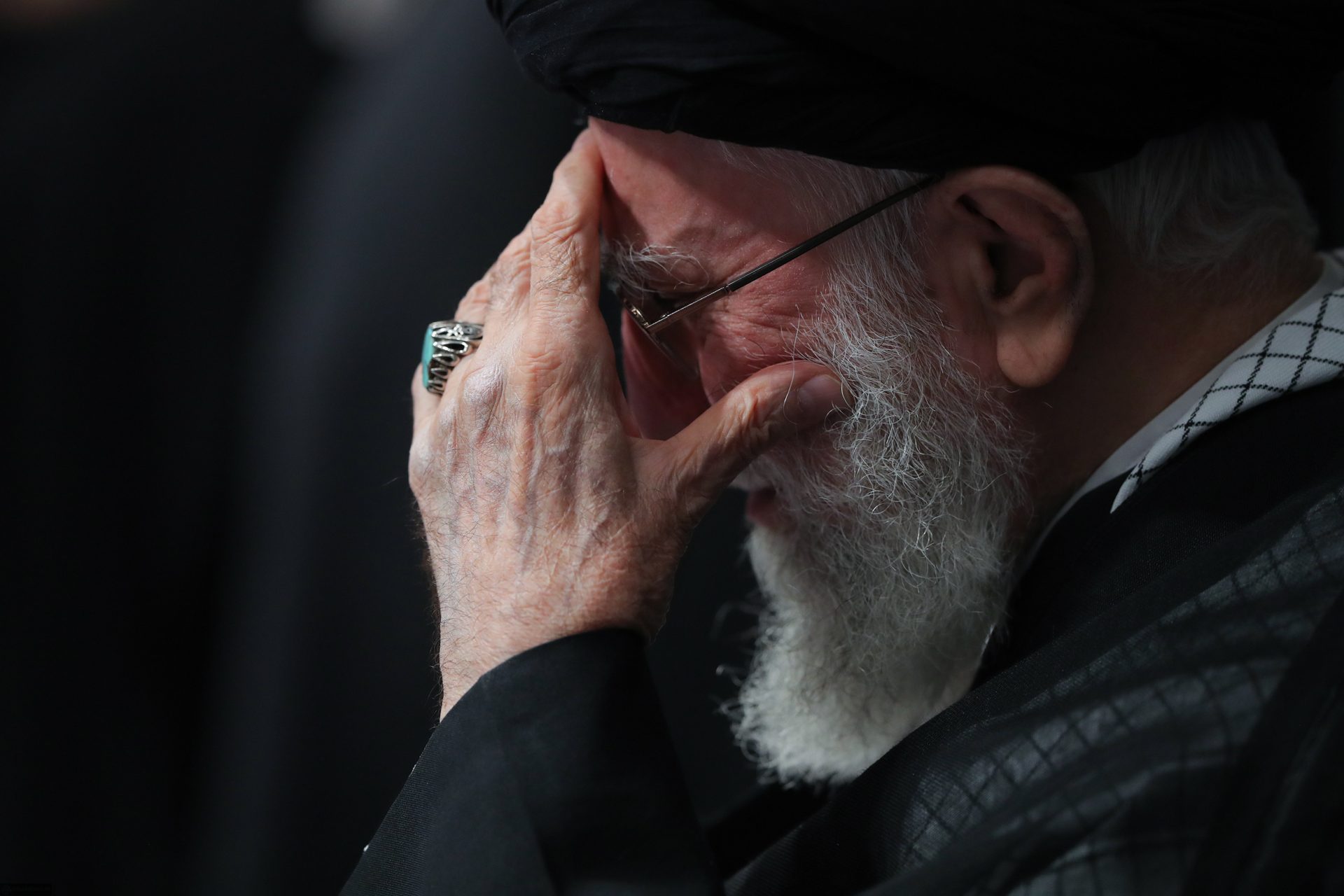
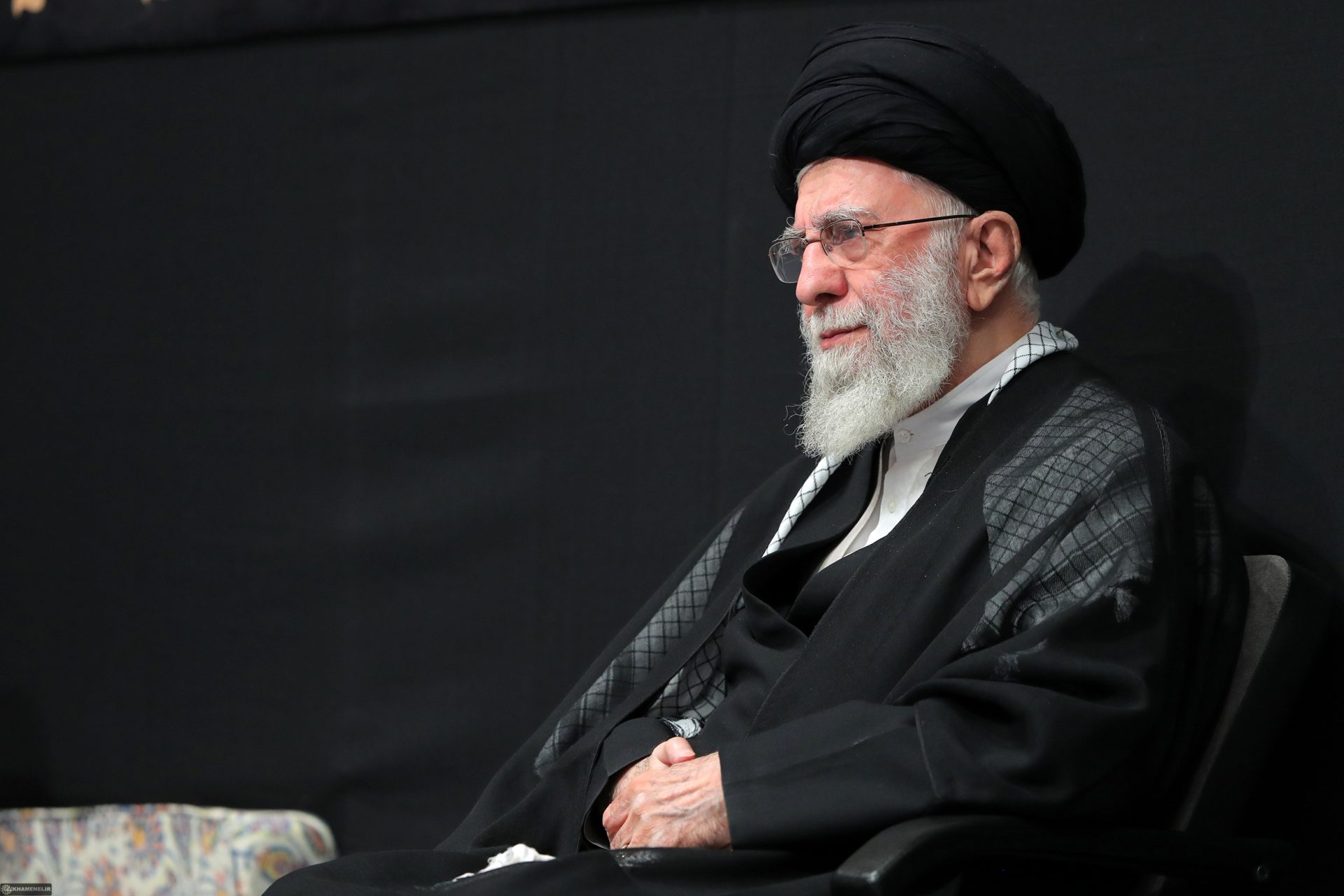
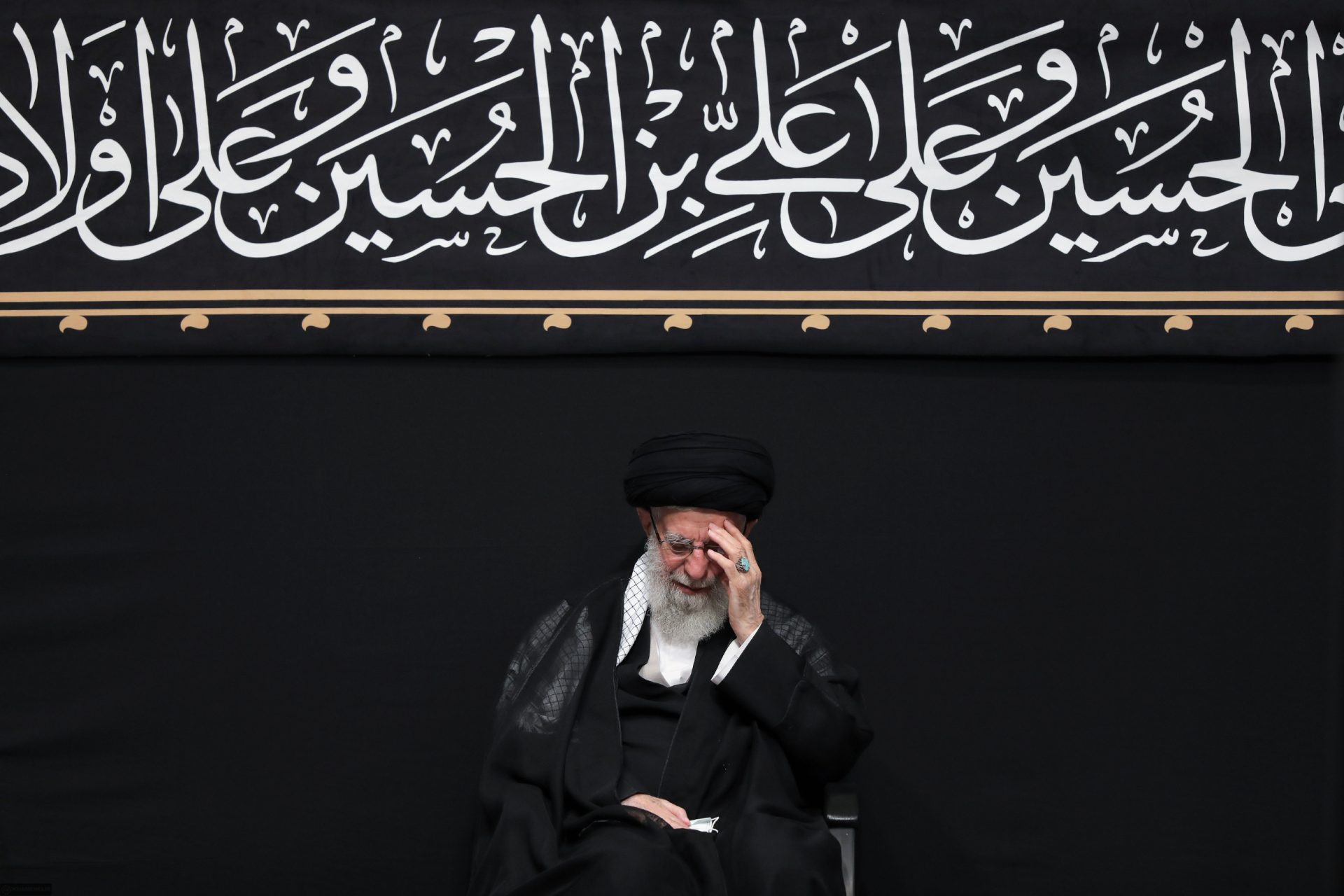
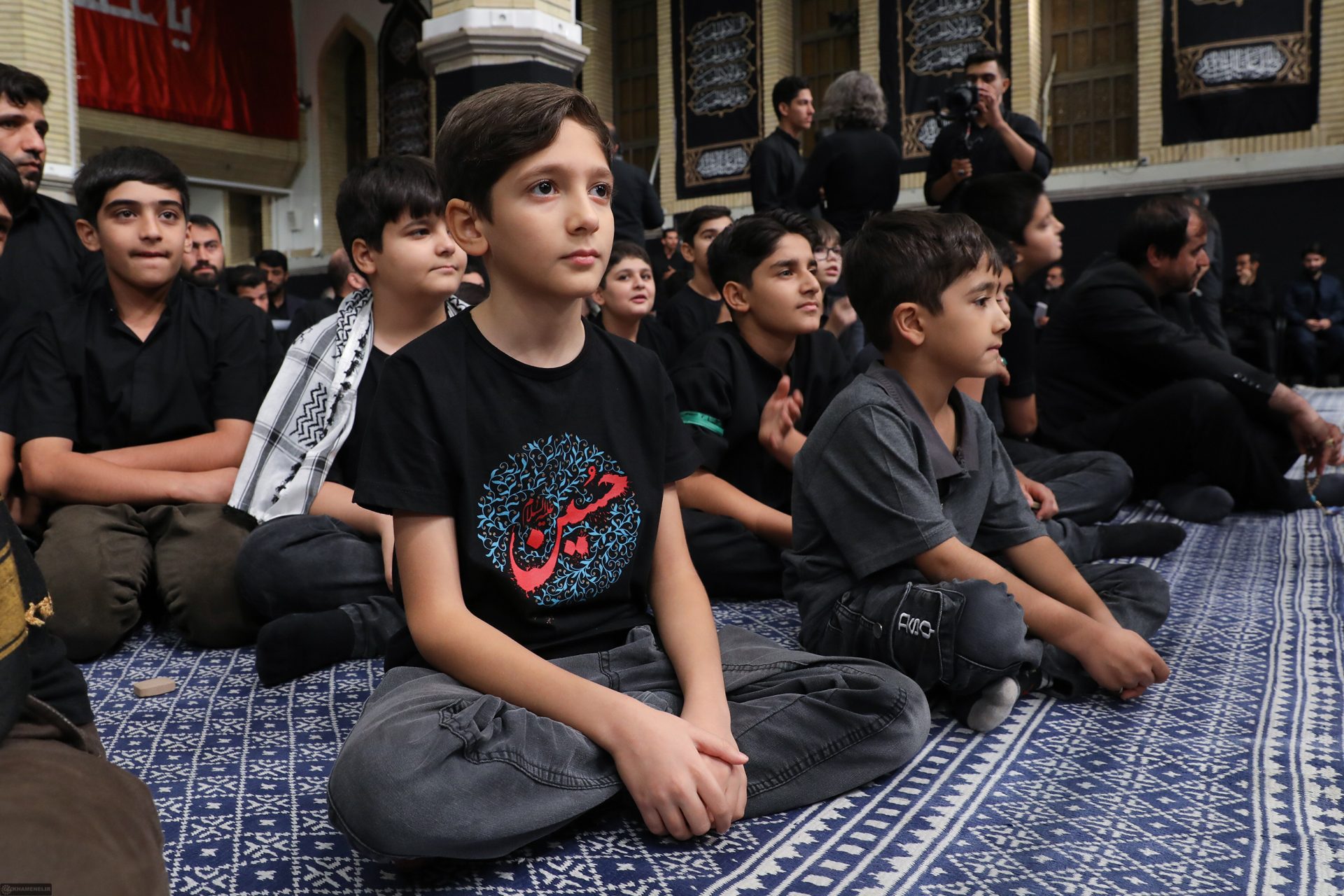
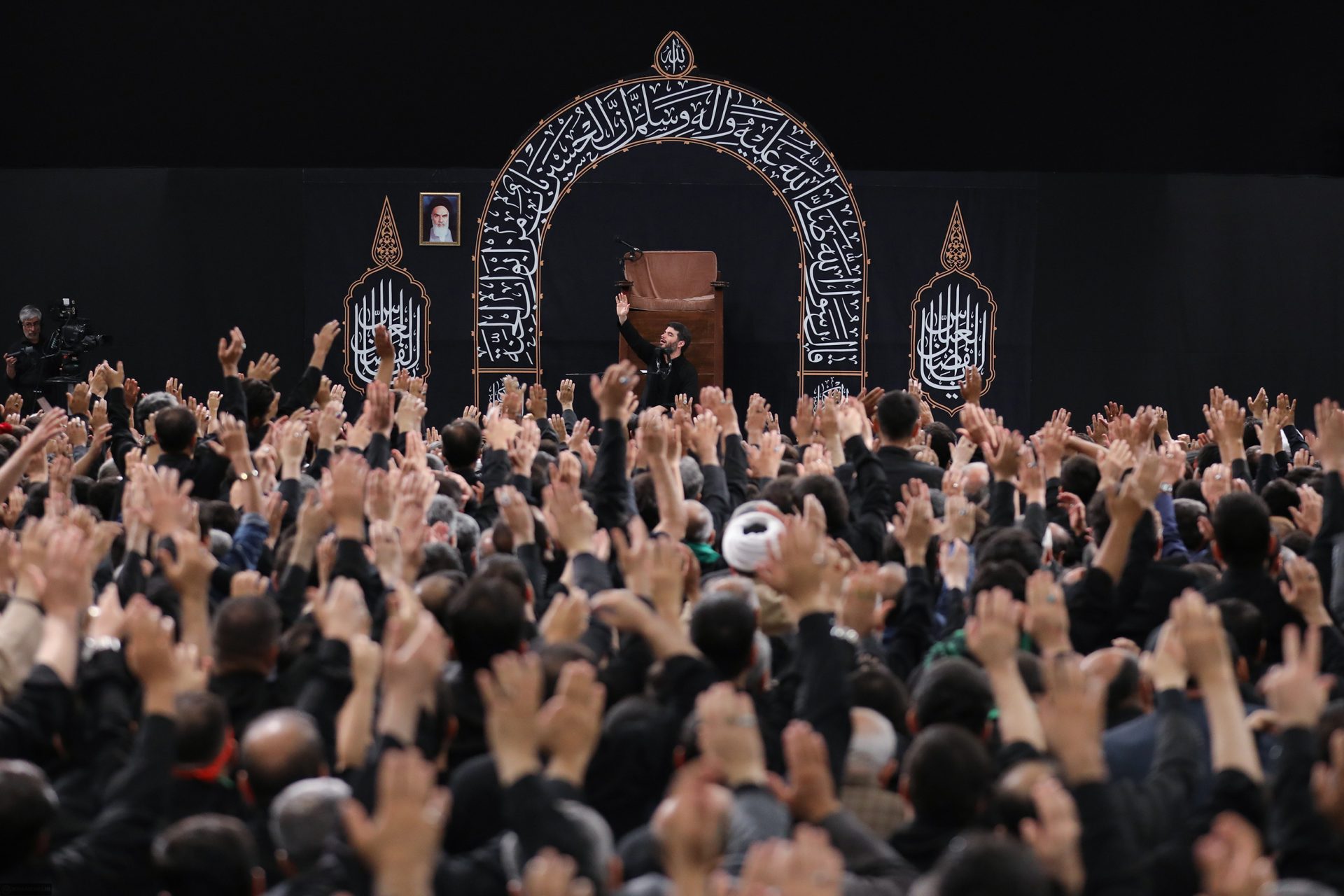
Iran Leader attends mourning ceremony for Imam Hossein

Iran Leader attends mourning ceremony for Imam Hossein

Here are photos from the ceremony: