Sunday, April 26, 2026
Home Blog Page 4310

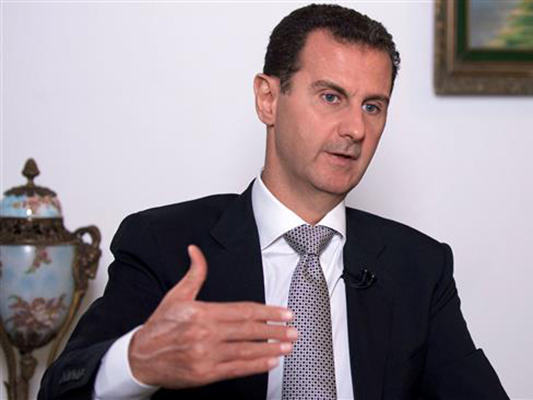
Saudis Asked Syria to Cut Ties with Iran If It Wants Riyadh’s Support: Assad

bashar-assad

“If we were to move away from Iran and announce that we were refusing all relations with Iran, they said they would help me,” Assad said in an exclusive interview with Russian-language tabloid newspaper Komsomolskaya Pravda released on Friday.

He went on to say the offer was made after the war in Syria began, as reported by Al Masdar and covered by Fars.

In the same interview he stated, “Terrorists must be either killed or returned to Turkey.”

He then emphasized how important the liberation of Aleppo is.

“It’s going to be the springboard, as a big city, to move to other areas, to liberate other areas from the terrorists. This is the importance of Aleppo now,” Assad said.

“You have to keep cleaning this area and to push the terrorists to Turkey to go back to where they come from, or to kill them. There’s no other option. But Aleppo is going to be a very important springboard to do this move,” he commented.

Iraq Visa for Arbaeen Processions to Be Issued in 16 Iranian Provinces

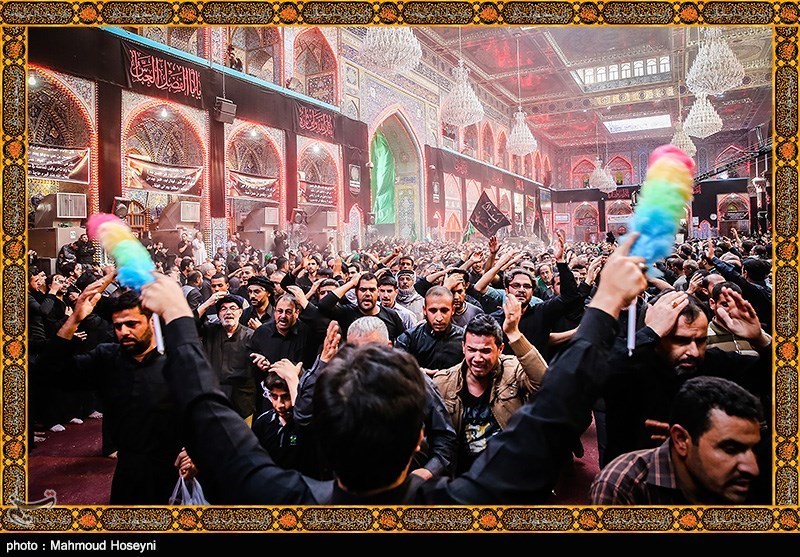
Arba'een Walk (62)

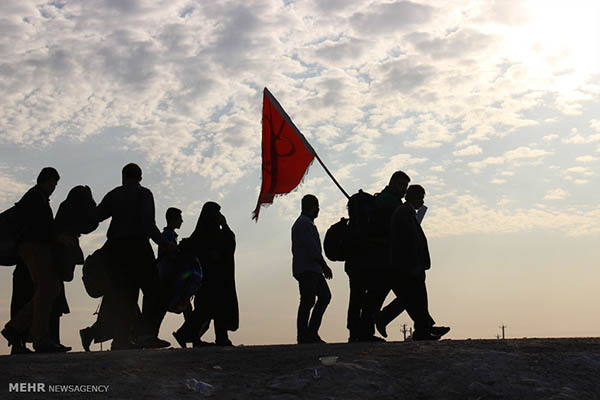
Hamid Mohammadi, the Deputy Head of Iran’s Hajj and Pilgrimage Organization, announced that Iranian pilgrims can obtain visa for their entry to Iraq on Arbaeen [the 40th day after martyrdom of Imam Hussein] in sixteen provinces as of Saturday, October 15.

According to a report by Mehr, as translated by IFP, Mohammadi said that currently the Iraqi consulate in Tehran, Mashhad, Kermanshah, and Ahvaz is issuing visa for Iranian citizens.

However, he added, pilgrims can obtain the visa in 12 other provinces as of Saturday.

He warned against possible fraud and blackmailing cases, and urged all pilgrims to register and apply for the visa only in the official website Samah.

“Only those pilgrims who have registered in Samah portal will be allowed to enter Iraq,” he emphasized.

260,000 pilgrims have so far registered in this website to obtain their visa for Arbaeen.

Arbaeen 

Visa Is a Must for Iranian Pilgrims Visiting Iraq for Arbaeen

Pilgrims are required to obtain Iraq’s visa for Arbaeen rituals due to the concerns about security risks and sovereignty issues in Iraq, an Iranian source said.

According to a report by Mizan, as translated by IFP, an informed source in Iran’s Hajj and Pilgrimage Organization said that it is a totally wrong impression that some people think the overcrowded border areas at the last days leading to Arbaeen will result in the lifting of visa requirement.

The source emphasized, “Due to security risks and sovereignty issues, in no way the lifting of visa requirement between Iran and Iraq is on agenda.”

Referring to the adoption of serious measures to prevent pilgrims from crossing the borders without visa, he said, “Normally, there are 12 gates in Mehran border, but the number of gates for Arbaeen increases to more than 90.”

The source stated, “There is no plan for issuing visa at border terminals; therefore, the pilgrims who have plans to travel to the Holy shrines should not count on getting visa at the border points.”

Elsewhere in his remarks, the source advised pilgrims to take actions to obtain the visa and not postpone it to the busy days leading to Arbaeen.

Under current circumstances, visa is issued in half a day without any trouble, he noted.

Speaking about the arrest of some Iranians without visa in the recent years, he said, “Since Iraq is faced with security risks, it is completely normal that Iraqi security officers control pilgrims’ visas.”

He stressed that consular measures have been certainly taken to release the arrested pilgrims, but according to the Iraqi law, people entering this country without a visa, even pilgrims, will have to serve a six-month prison term.

Arbaeen marks the 40th day after the martyrdom anniversary of the grandson of Prophet Muhammad (PBUH), Imam Hussein.

Each year, pilgrims travel long routes on foot to Karbala, where the holy shrine is located.

Iranian FM to Attend Syria Talks in Lausanne

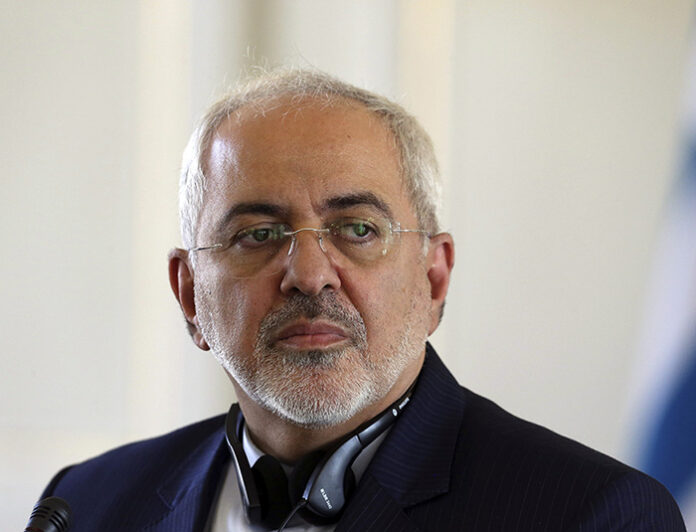
Mohammad Javad Zarif

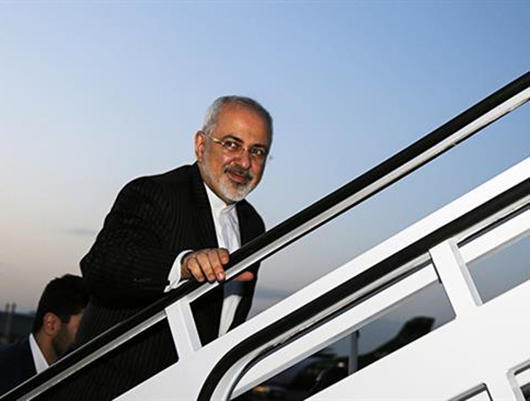
Although earlier media reports said that Iran is not going to send any representative to the upcoming round of multilateral talks on the future of Syria in the Swiss city of Lausanne, Iranian Foreign Ministry announced that Foreign Minister Mohammad Javad Zarif will join his counterparts in the talks.

The Iranian Foreign Ministry announced on Friday that Zarif will participate in the Lausanne talks, which will also see US Secretary of State John Kerry as well as foreign ministers from Russia, Turkey, Qatar, and Saudi Arabia in attendance.

According to a report by Entekhab, as translated by IFP, Deputy Foreign Minister for Arab and African Affairs Hossein Jaberi Ansari also confirmed in a post on his Telegram channel that Iran, Egypt, and Iraq will take part in the Lausanne talks.

The reports came after Russia’s Deputy Foreign Minister Mikhail Bogdanov said that Moscow supports the participation of Iran, Iraq, and Egypt in the Lausanne talks on Syria which are scheduled for Saturday.

Bogdanov said that it discussed the issue of their participation with the Americans, adding that Russia believes the settlement process must be launched by a small number of countries that have direct influence on Syrian sides, SANA reported.
Meanwhile, Russian Foreign Minister Sergei Lavrov said he has “no special expectations” for the talks, stating that Moscow has not yet witnessed reciprocal steps from its Western partners.

Addressing reporters in the Armenian capital Yerevan on Friday, Lavrov said Russia has no intention to introduce fresh initiatives during the meeting.

“We want to get down to concrete work and see how well our partners observe the UN Security Council resolution (on Syria). We are not going to propose anything else,” the top Russian diplomat pointed out.

On a relevant note, US State Department Spokesman Mark Toner said in a press conference that he doesn’t expect any breakthroughs at the Lausanne meeting, but that the US is working to rally joint efforts regarding Syria, adding that resuming cooperation with Russia in counter-terrorism is still on the table if the political process is revived.
Giant French Company to Build 100 Hotels in Iran

Ibis Hotel in Tehran

Christophe Landais, the chief executive of French multinational hotel operator Accor Hotels Group, says the company is pursuing a special mission in Iran and plans to implement various projects around the country within the next 10 years and perhaps build 100 hotels during this time.

In an interview with ISNA, as translated by IFP, Landais said the Accor Hotels is serious in making investment in Iran.

Referring to the two hotels built under Accor’s license in Iran [Ibis and Novotel], he pointed out, “Currently we are active in the Middle East with 36,000 rooms. Most hotels are luxurious. We have also recently received a request to build a luxury hotel in Dubai, but right now, we want to build hotels in Iran; we intend to develop our activities in this country.”

Addressing the foreign investors who had participated in an international conference on investment in Iran’s tourism industry, Landais added, “A decent project not only should be attractive but also be sustainable in terms of its operational time and the return of the desirable investment and profit.”

“Many investors tend to build luxury hotels in Iran, but they all should know that ground preparation is the most important thing in this type of investment. If you plan to run a project in Iran, then all circumstances should be taken into account and the project should be properly defined.”

Elsewhere in his remarks, Landais referred to the number of tourists and geographical features of the region and said, “You should exactly be aware that what kind of hotel and in which part of the county you want to build; as an example, the city of Mashhad, like Mecca, has 25 million pilgrims each year, so you can build hotels that meet the requirements of the pilgrims.”

The senior Accor official urged other countries to invest in Iran, and said, “It is a bit difficult for banks to participate in such projects in Europe, but it is so simple in Iran.”

The Accor Hotels Company currently holds 4,100 hotels with 57,000 rooms in 94 countries around the world operating in 18 brands. The complex has 240,000 staff welcoming 500,000 visitors every night.

The hotels earned €5,581 million in 2015. 54% of the Accor Hotels are in Europe and the rest in Asia. The group follows the ideology of inaugurating two hotels in three days.

The Accor investment group considers the 10 percent annual growth of Iran’s tourism industry and anticipates the arrival of 28 million tourists in 2035. Therefore, it plans to build 350 to 370 hotels with 60,000 rooms in the country, and create 800,000 jobs.

Iranian Powerlifter Receives Allianz Best Male Athlete of the Month

siamand-rahman

The Iranian powerlifter received 64 percent of the public votes and won the Best Male Athlete of the Month award.
Colombian swimmer Carlos Serrano and Belarusian swimmer Ihar Boki ranked second and third, respectively.

Swiss wheelchair racer Marcel Hug, Belgian table tennis player Laurens Devos and Australian wheelchair tennis player Dylan Alcott have also been nominated for the award.

Rahman had smashed the world record and won gold at the Rio Paralympics on September 14.

In his first attempt in the +107kg category, the Iranian Paralympian lifted 270 kilograms and broke the Paralympics record.

The 28-year-old Iranian then lifted weights of 300 and 305 kilograms to smash his own record of 296 kilograms again.

Rahman, who was representing Iran for the second time at the Paralympics, then requested for the weights to be set at staggering 310 kilograms, the equivalent of two baby elephants or a Siberian tiger, outside the three scoring competition lifts, and triumphantly repeated his astonishing success for a fourth time.

The IPC Athlete of the Month award for September was awarded in three different categories – Best Male Athlete, Best Female Athlete and Best Team – based on results at Rio 2016.

Nigeria Calls for Closer Cooperation with Iran in Mining Sector

Iran Nigeria

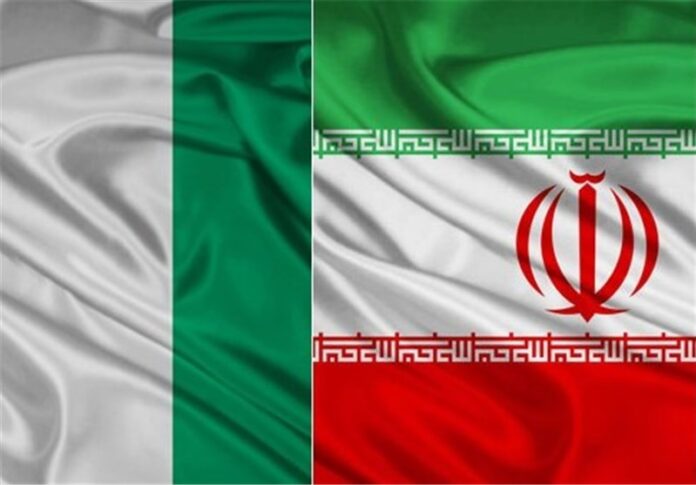
In a recent meeting with Iranian Ambassador to Nigeria Morteza Rahimi Zarchi, Bwari stated that Iran is advanced in coal to power and mining exploration which Nigeria could benefit from.

The minister said the two countries shared a lot in common as members of the Organization of Petroleum Exporting Countries (OPEC), in diversification of their economies due to the global fall in oil prices as well as in mining.

He added that Iran, in terms of mining technology, can impart Nigeria positively, AllAfrica reported on Friday.

Ambassador Rahimi Zarchi stressed that Nigeria and Iran are both exploring other sources of revenue by diversifying the economy in mining and agriculture, adding that Iranian investors were interested in partnering with Nigeria in the mining sector.

Iran Urges UN to Fight Extremism under Guterres’ Leadership

“At the critical time that you will assume the leadership of… [the UN], it is imperative that the United Nations engage in the crucial fight against all aspects of violent extremism and play effectively and efficiently its part in efforts towards finding peaceful and locally-owned solutions for the ongoing crises in Yemen and Syria,” read part of Zarif’s congratulatory message to the new UN chief.

The top Iranian diplomat also pointed to last year’s nuclear agreement between the Islamic Republic and the five permanent members of the UN Security Council – the United States, Britain, France, China and Russia – plus Germany, hoping that 67-year-old Guterres would play an active role in supporting the full implementation of the Joint Comprehensive Plan of Action (JCPOA), which resolved the long-running dispute over the Iranian nuclear program.

“Following the fruition of the JCPOA on Iran’s nuclear file, which enhanced hope in our region, we look forward to the United Nations, under your guidance, to help and follow up on the full implementation of the deal in its entirety by all parties,” the Iranian foreign minister’s message pointed out.

Under the JCPOA, which took effect in January, the Islamic Republic has agreed to roll back certain aspects of its nuclear program — including the volume of its uranium stockpiles enriched to the 20-percent level — and has provided international atomic monitors enhanced access to its nuclear facilities.

Guterres was appointed by the 193-member UN assembly to succeed Ban Ki-moon of South Korea on Thursday. The former Portuguese prime minister will take up the position on January 1, 2017, for a five-year term.

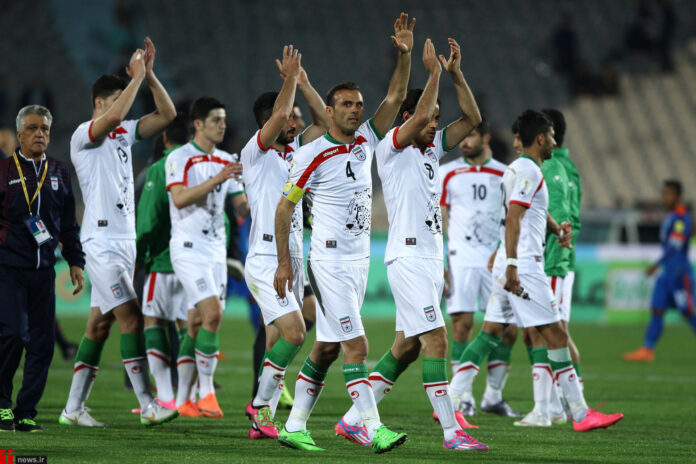
Iran’s Jalal Hosseini in France Football XI Team

Jalal Hosseini

Iran’s defender Jalal Hosseini opened Uzbekistan’s goal with a header in Tashkent last week in Group A of the 2018 World Cup qualifier.

He has also played a major role in helping Iran receive no goal in the FIFA World Cup Qualifiers.

“I am very happy to be part of the 11 players who have been selected as the best team of the week. I will continue to keep fighting for my country,” Hosseini told Tasnim.

‘France Football XI’ team:
Goalkeeper: Joe Hart (England)
Defenders: Jalal Hosseini (Iran), Mats Hummels (Germany), Toby Alderweireld (Belgium)
Midfielders: Benjamin Moukandjo (Cameroon) – Paul Pogba (France), Andres Iniesta (Spain), Arturo Vidal (Chile)
Strikers: Ciro Immobile (Italy), Robert Lewandowski (Poland), Cristiano Ronaldo (Portugal)

Blood Donation instead of Self-Flagellation in Ashura Mourning

Blood Donation

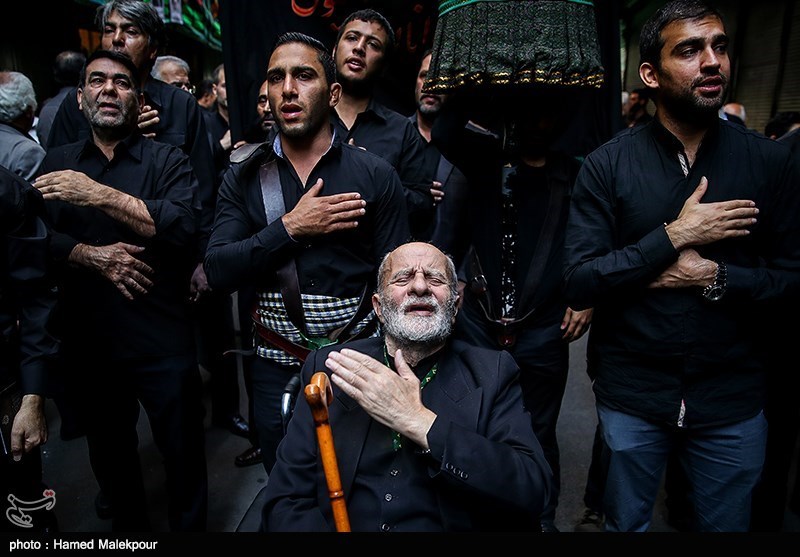
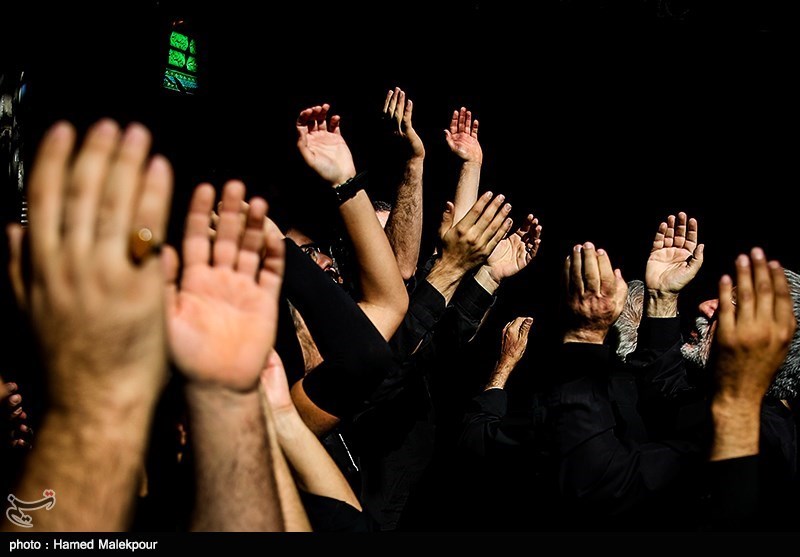
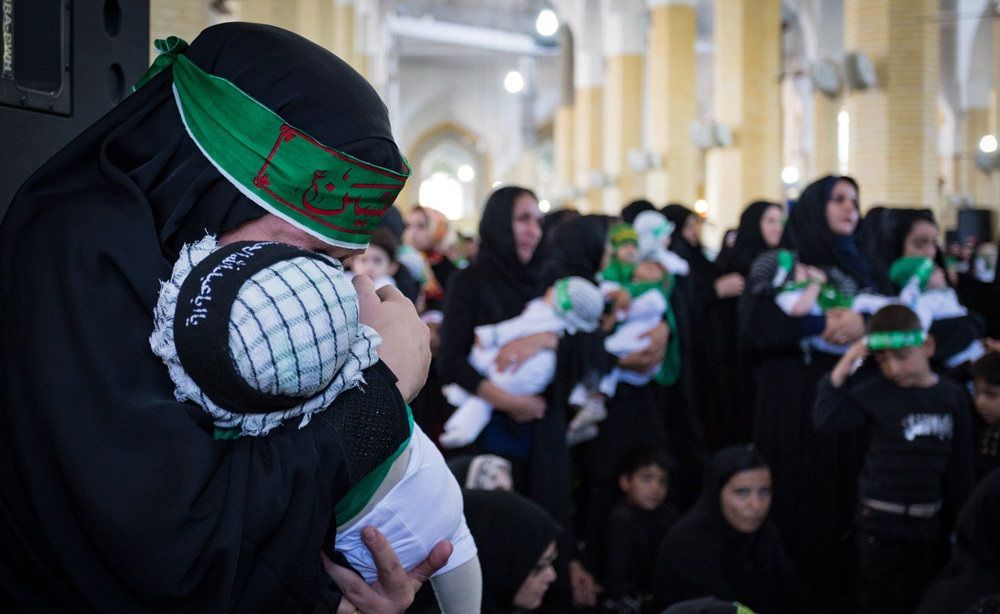
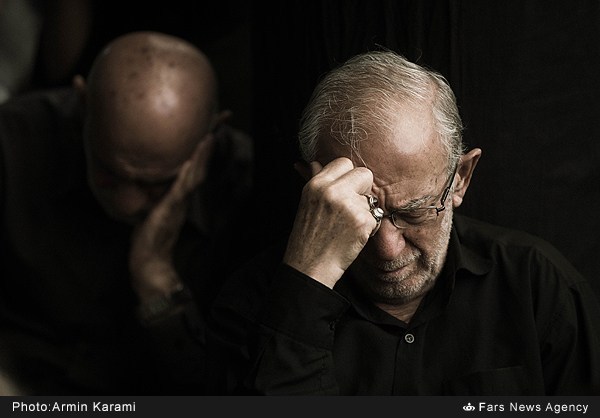
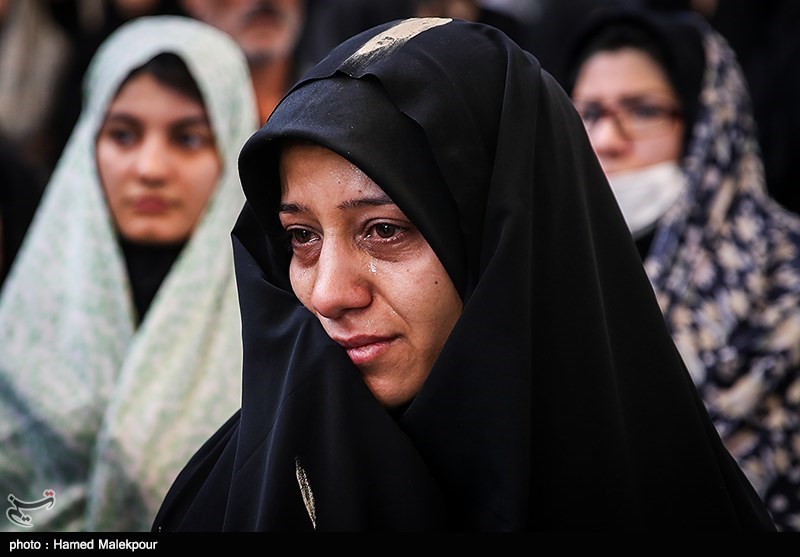
When users search for the words ‘Shiite’ and ‘Ashura mourning’ in Google, they usually find graphic photos of self-flagellation rituals in different parts of the world.

Blood Donation instead of Self-Flagellation in Ashura Mourning
Self-flagellation in Pakistan’s Karachi

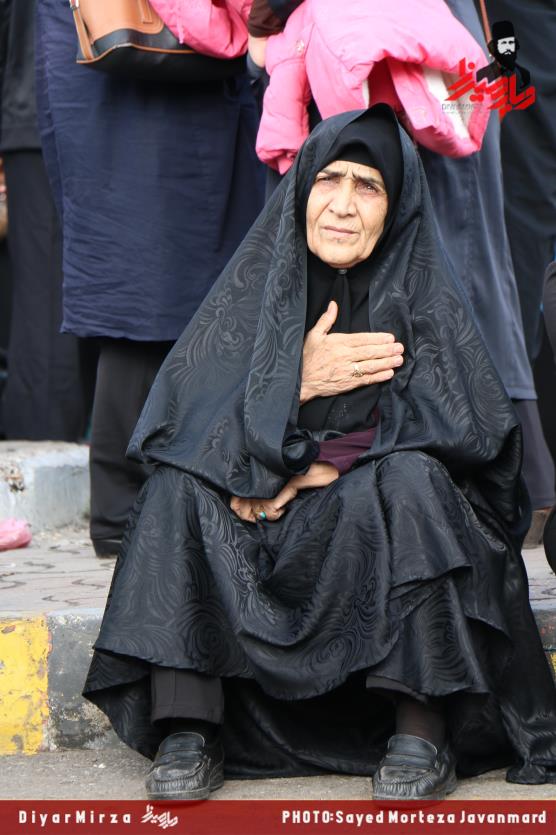
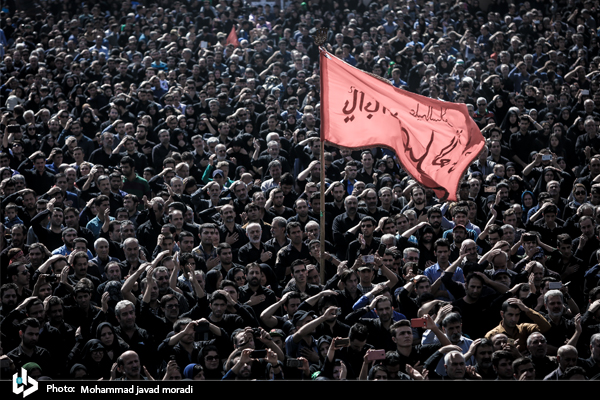
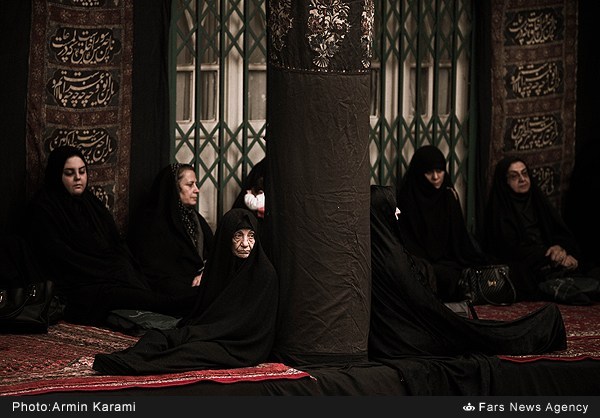
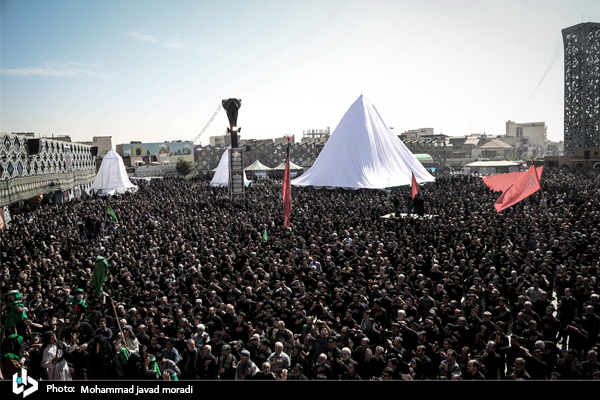
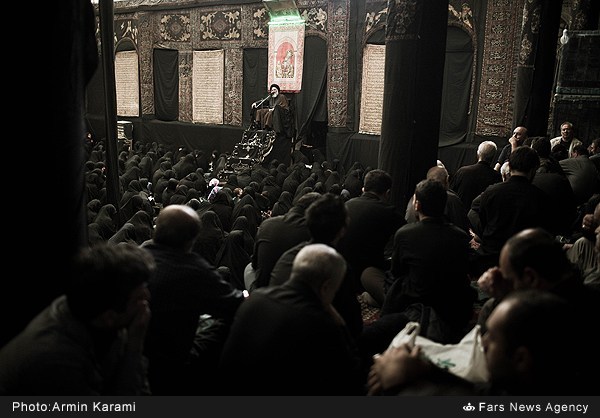
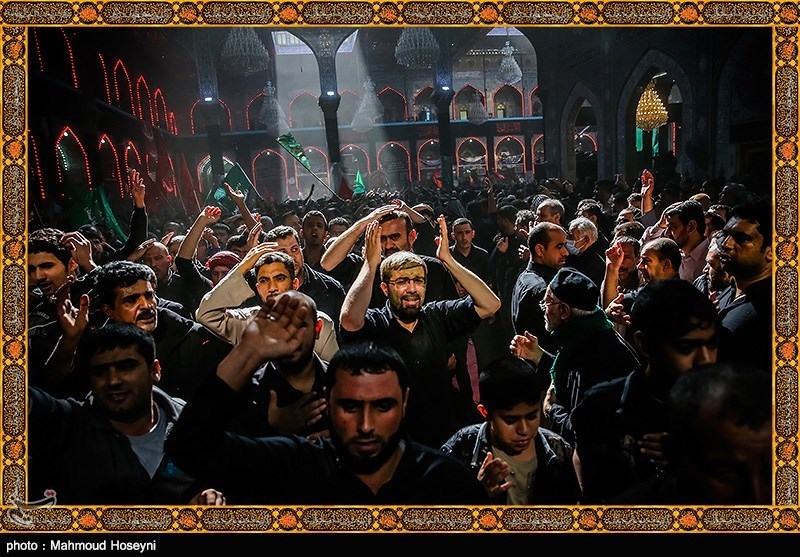
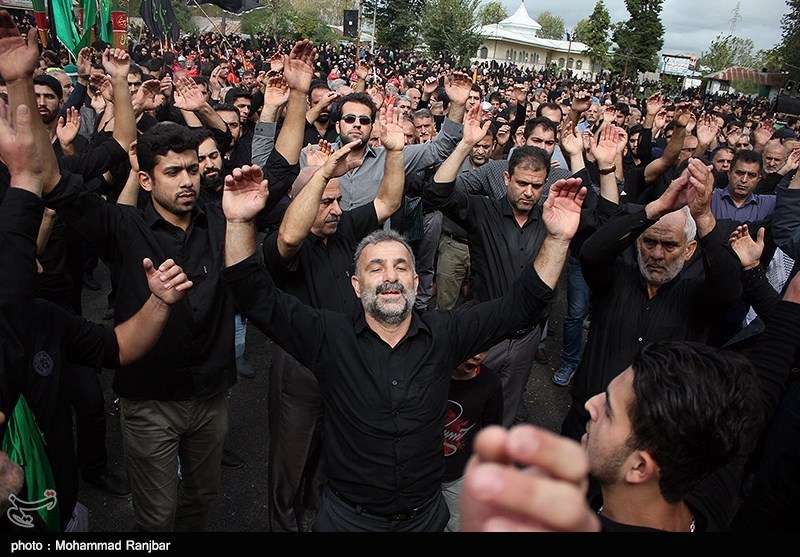
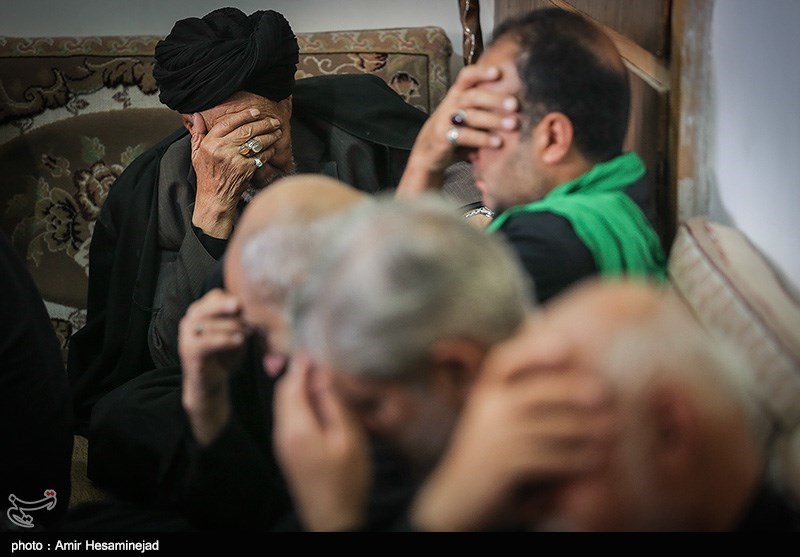
However, the culture of Ashura [the tenth day of Muharram when Imam Hussein (PBUH) and his companions were martyred] has taught great lessons to Muslims and even non-Muslims in the world.

The South African anti-apartheid hero Nelson Mandela is one of the non-Muslims who was inspired by the culture of Ashura.

“I have spent more than 20 years in prison, then on one night I decided to surrender by signing all the terms and conditions of government. But suddenly I thought about Imam Hussein and Karbala movement and Imam Hussein gave me strength to stand for right of freedom and liberation and I did,” Mandela says in his writings.

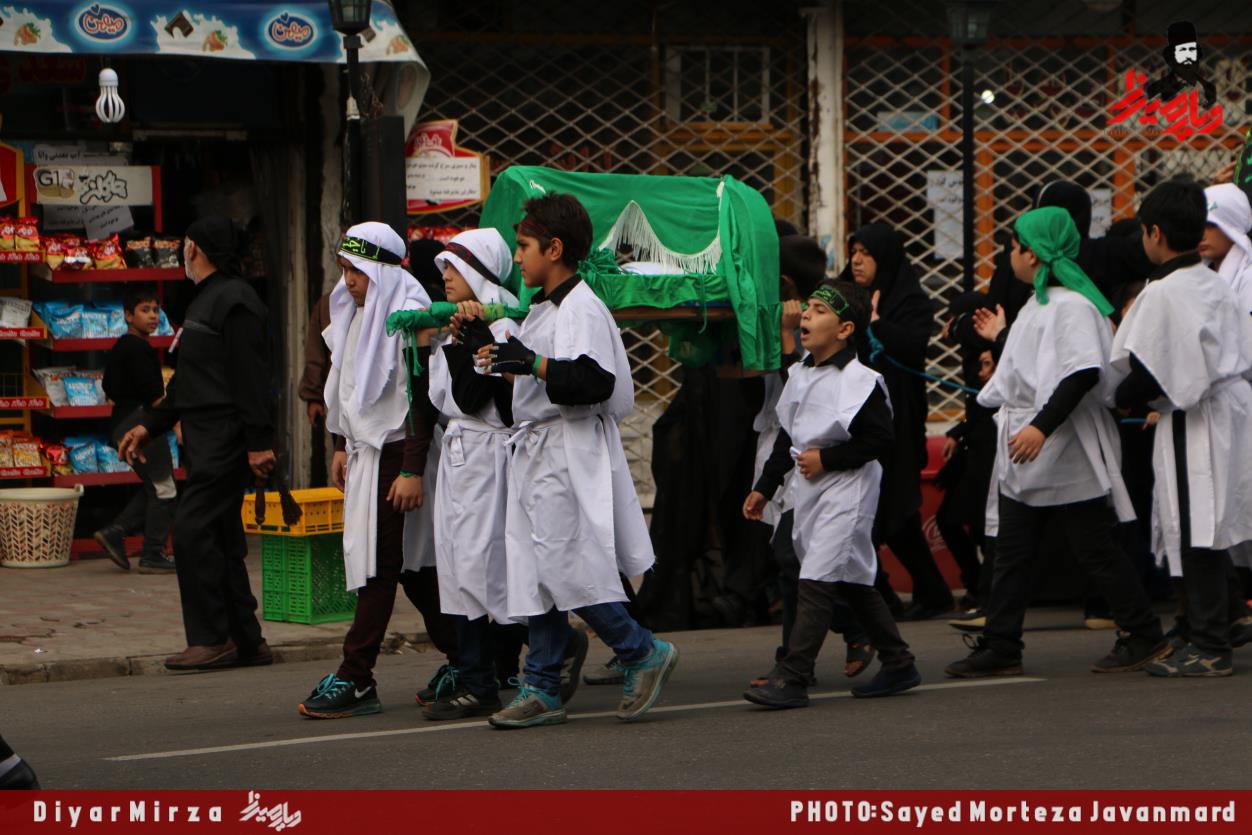
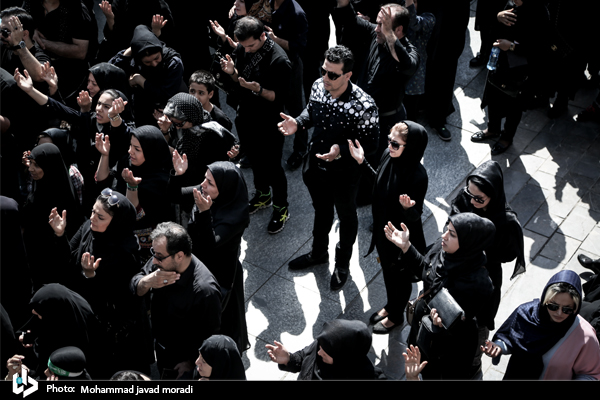
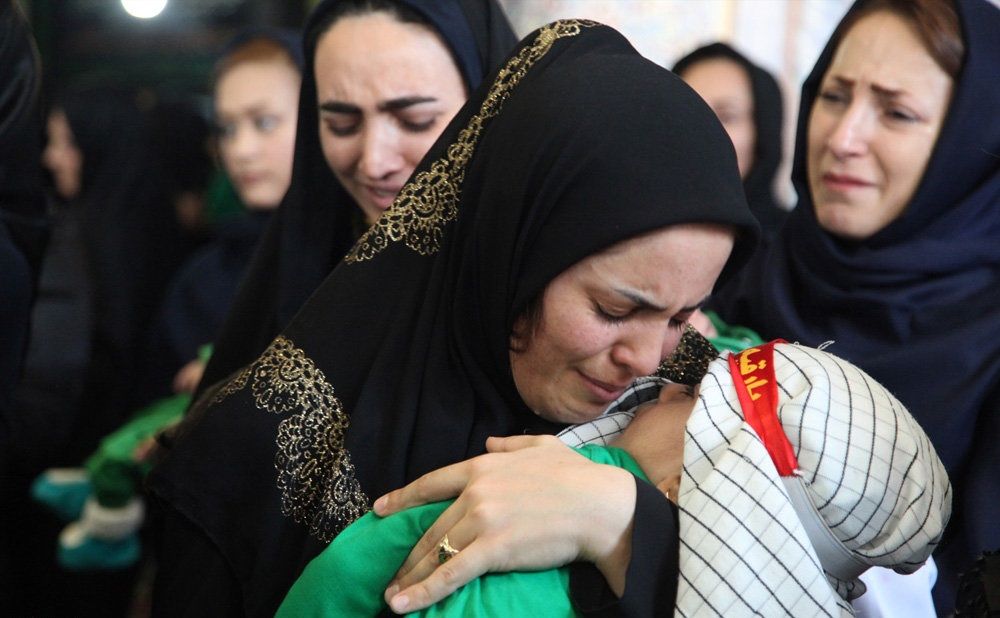
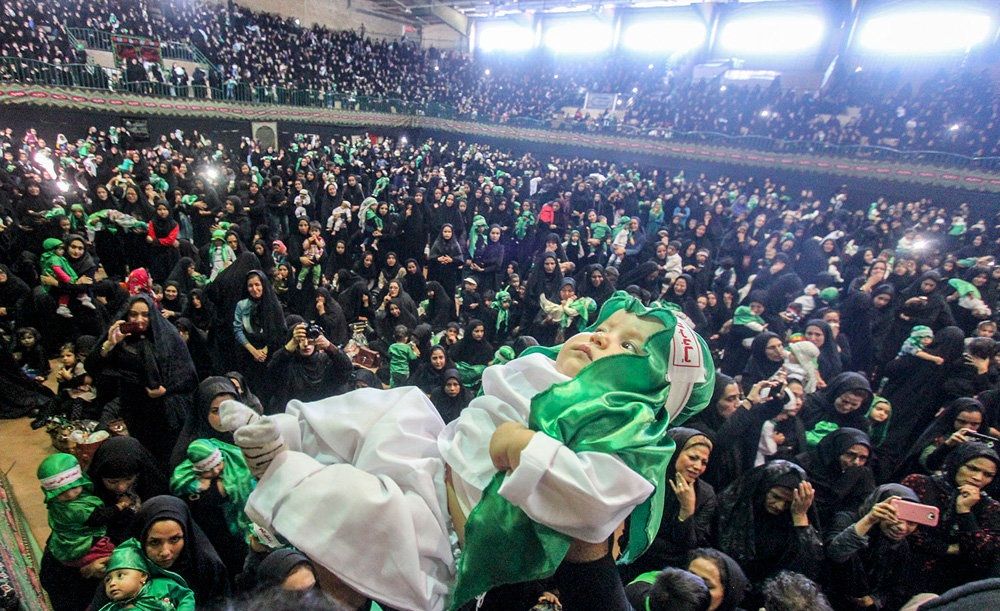
There are also many more rituals and ceremonies held across Iran and other parts of the world that demonstrate the positive image of Ashura.

These are just some of the aspects of the great day of Ashura and Muharram mourning, which is limited by some foreign media to the violent and forbidden act of self-flagellation.

Many Shiite scholars, including the Leader of the Islamic Revolution Ayatollah Seyyed Ali Khamenei, have declared that self-flagellation is banned in Islamic Sharia.

However, some Muslims still do the self-harm to mourn the martyrdom of Imam Hussein, the third Shiite Imam.

According to a report by Tasnim, the move is being used by non-Muslims as a pretext to display a violent image of Shiites. On the other hand, it is harmful to the bodies of Muslims, and is thus banned in Islamic Sharia.

Ayatollah Khamenei has clearly outlined that self-flagellation is haram or banned in Islam. “Not only isn’t it an act of mourning, it also spoils the image of mourning,” the Leader says.

Therefore, Ayatollah Khamenei stresses, all followers of Islam should obey the order and avoid such moves that harm the Ahl ul-Bayt’s school of thought.

Following the fatwa by Ayatollah Khamenei and many other scholars like Ayatollah Nasser Makarem Shirazi, Iran’s Judiciary system has announced that it will prosecute whoever self-flagellates during Muharram mourning.


In Muharram, Iranians Donate Their Blood as a Religious Vow

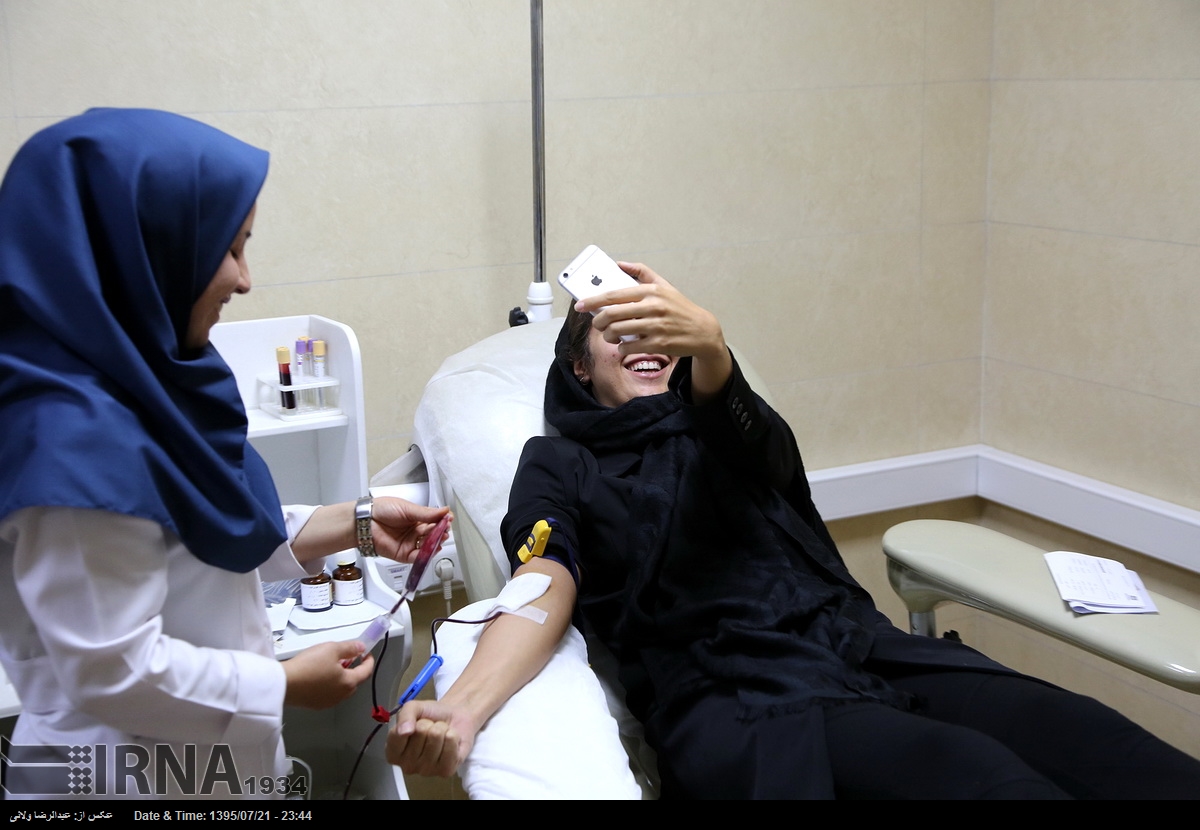
Iranian woman donating her blood as a religious vow in Muharram

Many of those who flagellate themselves during the days of Muharram do it as a religious vow they have made in return for the fulfillment of one of their wishes.

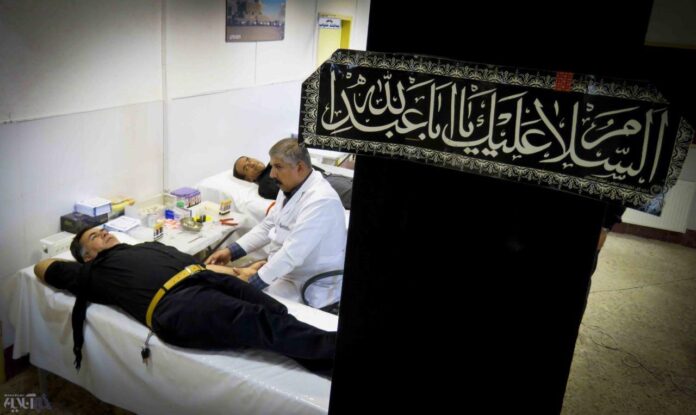
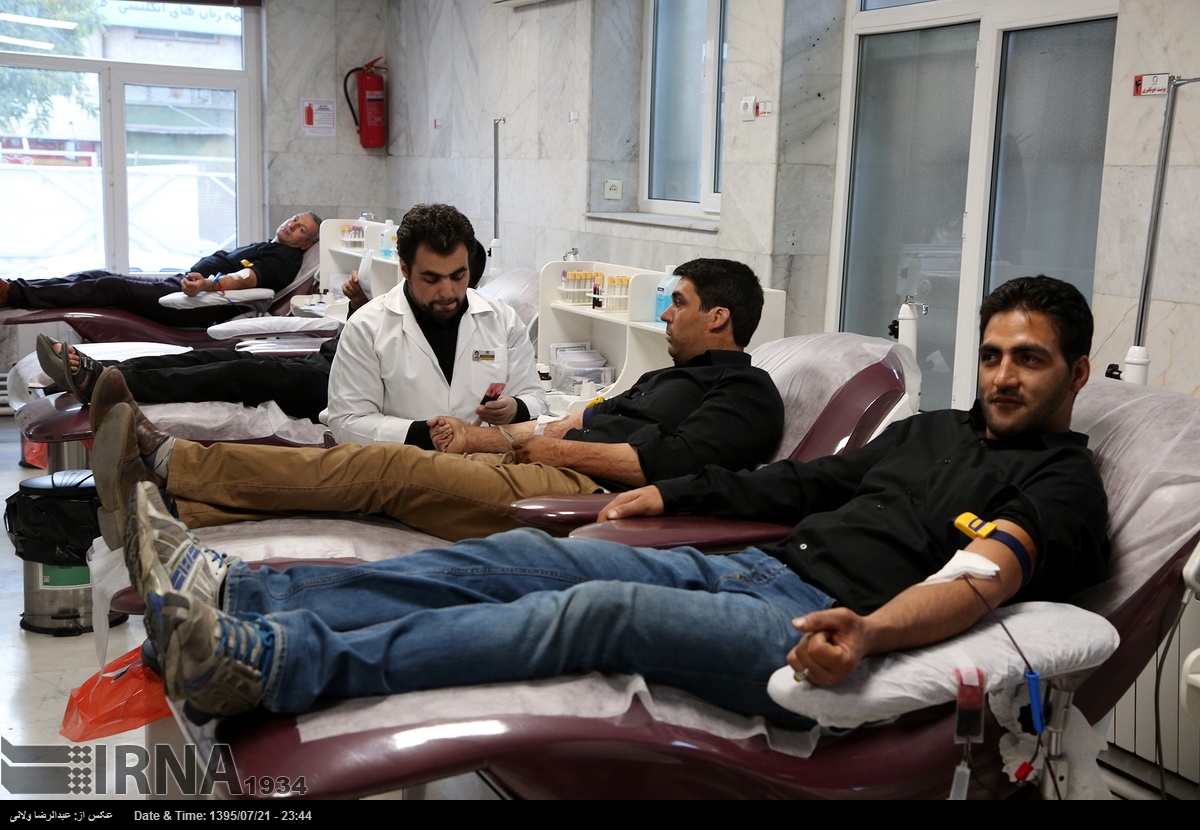
Instead of self-flagellation, however, Iranians are following a humanitarian tradition, which is blood donation as a religious vow.

People in many cities, including northwestern holy city of Mashhad and Western Kurdish-majority city of Sanandaj, flocked to blood donation centres during the mourning days to donate their blood as part of their religious vows.

Such moves can help improve the negative image of Shiites’ mourning rituals, which are sometimes depicted by Western media through the images of self-flagellation.

Blood Donation

US and Saudi Arabia Agree on Allowing ISIS Fighters to Escape Mosul

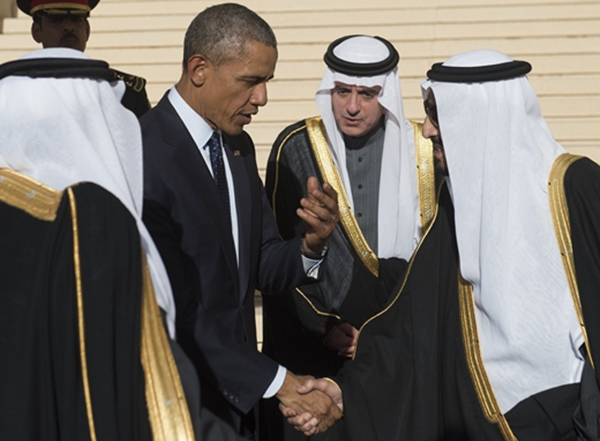
Image: SAUDI-US-ROYALS-DIPLOMACY-OBAMA

Saudi Arabia has reportedly struck a secret deal with the US which will enable the depraved death-cult to go to fight against the Syrian government.

The insider said, “More than 9,000 ISIS militants will be redeployed from Mosul to the eastern regions of Syria to carry out a major offensive operation, which involves capturing Deir ez-Zor and Palmyra.”

According to a report by Daily Express, as covered by Al Alam, the source added that the proposed siege of Mosul has been signed off by Barack Obama and is set to take place in October.

An additional 500 US troops will be sent to the strategic stronghold of Mosul to help in the fight against the twisted extremists, US Secretary of Defence Ashton Carter said.

Discussing why the US is willing to let ISIS terrorists walk free from the proposed onslaught, the insider hinted the move may be designed to “diminish” the importance of Russian forces in the region.

The source added, “Washington must somehow counter Russia’s achievements in Syria, try to diminish their importance.”

“Apart from the purely political dividends, the other purpose of this operation, obviously, will be to discredit the success of Russian Airspace forces. And, of course, it’s an attempt to undermine Syrian President Assad.”