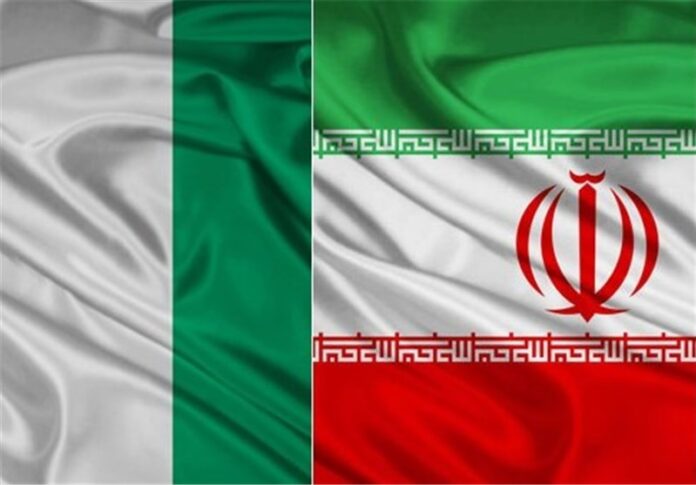
In a recent meeting with Iranian Ambassador to Nigeria Morteza Rahimi Zarchi, Bwari stated that Iran is advanced in coal to power and mining exploration which Nigeria could benefit from.
The minister said the two countries shared a lot in common as members of the Organization of Petroleum Exporting Countries (OPEC), in diversification of their economies due to the global fall in oil prices as well as in mining.
He added that Iran, in terms of mining technology, can impart Nigeria positively, AllAfrica reported on Friday.
Ambassador Rahimi Zarchi stressed that Nigeria and Iran are both exploring other sources of revenue by diversifying the economy in mining and agriculture, adding that Iranian investors were interested in partnering with Nigeria in the mining sector.
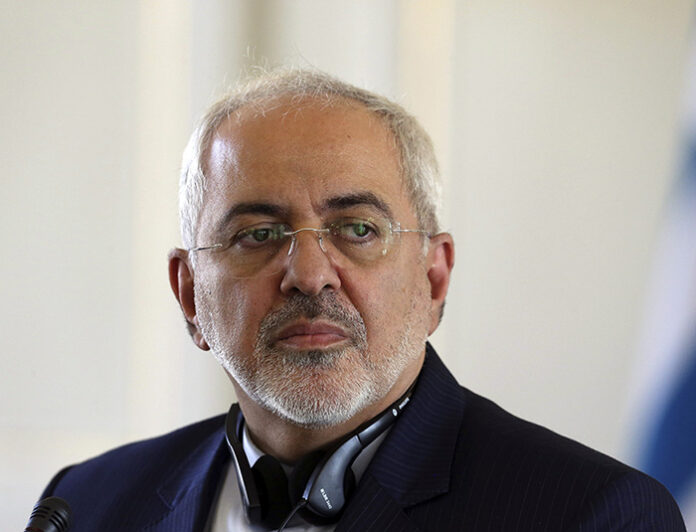
“At the critical time that you will assume the leadership of… [the UN], it is imperative that the United Nations engage in the crucial fight against all aspects of violent extremism and play effectively and efficiently its part in efforts towards finding peaceful and locally-owned solutions for the ongoing crises in Yemen and Syria,” read part of Zarif’s congratulatory message to the new UN chief.
The top Iranian diplomat also pointed to last year’s nuclear agreement between the Islamic Republic and the five permanent members of the UN Security Council – the United States, Britain, France, China and Russia – plus Germany, hoping that 67-year-old Guterres would play an active role in supporting the full implementation of the Joint Comprehensive Plan of Action (JCPOA), which resolved the long-running dispute over the Iranian nuclear program.
“Following the fruition of the JCPOA on Iran’s nuclear file, which enhanced hope in our region, we look forward to the United Nations, under your guidance, to help and follow up on the full implementation of the deal in its entirety by all parties,” the Iranian foreign minister’s message pointed out.
Under the JCPOA, which took effect in January, the Islamic Republic has agreed to roll back certain aspects of its nuclear program — including the volume of its uranium stockpiles enriched to the 20-percent level — and has provided international atomic monitors enhanced access to its nuclear facilities.
Guterres was appointed by the 193-member UN assembly to succeed Ban Ki-moon of South Korea on Thursday. The former Portuguese prime minister will take up the position on January 1, 2017, for a five-year term.
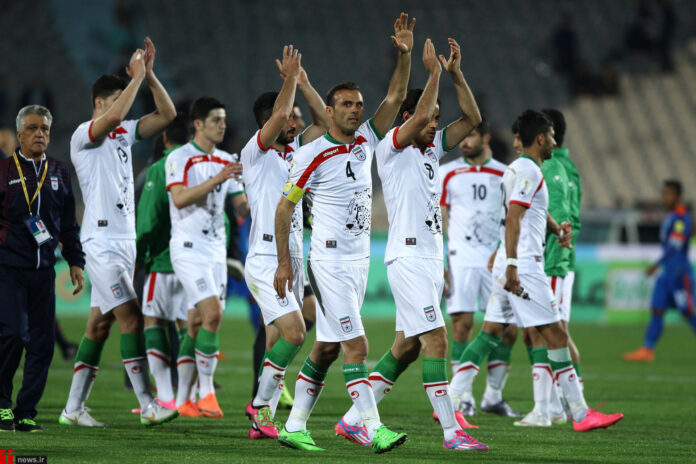
Iran’s defender Jalal Hosseini opened Uzbekistan’s goal with a header in Tashkent last week in Group A of the 2018 World Cup qualifier.
He has also played a major role in helping Iran receive no goal in the FIFA World Cup Qualifiers.
“I am very happy to be part of the 11 players who have been selected as the best team of the week. I will continue to keep fighting for my country,” Hosseini told Tasnim.
‘France Football XI’ team: Goalkeeper: Joe Hart (England) Defenders: Jalal Hosseini (Iran), Mats Hummels (Germany), Toby Alderweireld (Belgium) Midfielders: Benjamin Moukandjo (Cameroon) – Paul Pogba (France), Andres Iniesta (Spain), Arturo Vidal (Chile) Strikers: Ciro Immobile (Italy), Robert Lewandowski (Poland), Cristiano Ronaldo (Portugal)
When users search for the words ‘Shiite’ and ‘Ashura mourning’ in Google, they usually find graphic photos of self-flagellation rituals in different parts of the world.
Self-flagellation in Pakistan’s Karachi
However, the culture of Ashura [the tenth day of Muharram when Imam Hussein (PBUH) and his companions were martyred] has taught great lessons to Muslims and even non-Muslims in the world.
The South African anti-apartheid hero Nelson Mandela is one of the non-Muslims who was inspired by the culture of Ashura.
“I have spent more than 20 years in prison, then on one night I decided to surrender by signing all the terms and conditions of government. But suddenly I thought about Imam Hussein and Karbala movement and Imam Hussein gave me strength to stand for right of freedom and liberation and I did,” Mandela says in his writings.
There are also many more rituals and ceremonies held across Iran and other parts of the world that demonstrate the positive image of Ashura.
1 of 37
These are just some of the aspects of the great day of Ashura and Muharram mourning, which is limited by some foreign media to the violent and forbidden act of self-flagellation.
Many Shiite scholars, including the Leader of the Islamic Revolution Ayatollah Seyyed Ali Khamenei, have declared that self-flagellation is banned in Islamic Sharia.
However, some Muslims still do the self-harm to mourn the martyrdom of Imam Hussein, the third Shiite Imam.
According to a report by Tasnim, the move is being used by non-Muslims as a pretext to display a violent image of Shiites. On the other hand, it is harmful to the bodies of Muslims, and is thus banned in Islamic Sharia.
Ayatollah Khamenei has clearly outlined that self-flagellation is haram or banned in Islam. “Not only isn’t it an act of mourning, it also spoils the image of mourning,” the Leader says.
Therefore, Ayatollah Khamenei stresses, all followers of Islam should obey the order and avoid such moves that harm the Ahl ul-Bayt’s school of thought.
Following the fatwa by Ayatollah Khamenei and many other scholars like Ayatollah Nasser Makarem Shirazi, Iran’s Judiciary system has announced that it will prosecute whoever self-flagellates during Muharram mourning.
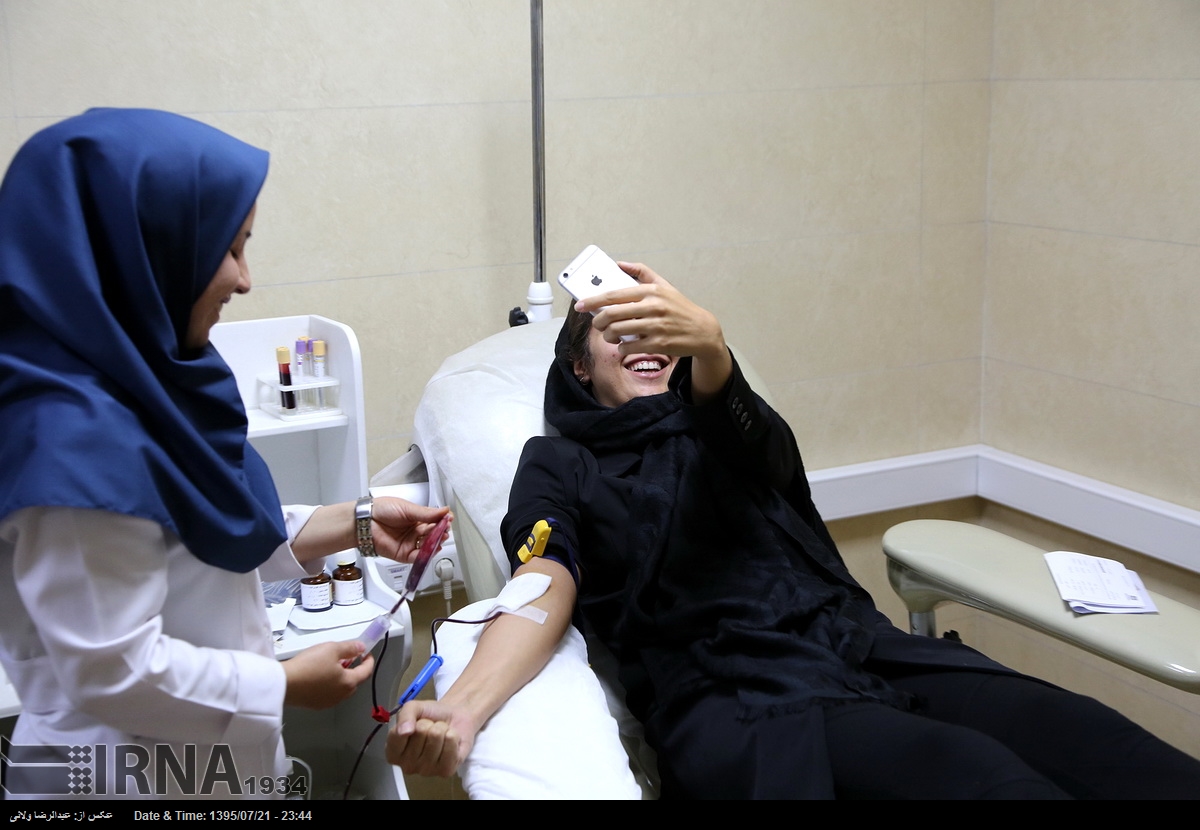
In Muharram, Iranians Donate Their Blood as a Religious Vow
Iranian woman donating her blood as a religious vow in Muharram
Many of those who flagellate themselves during the days of Muharram do it as a religious vow they have made in return for the fulfillment of one of their wishes.
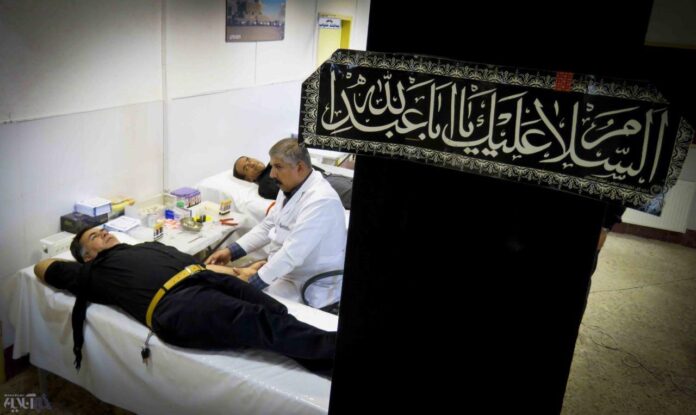
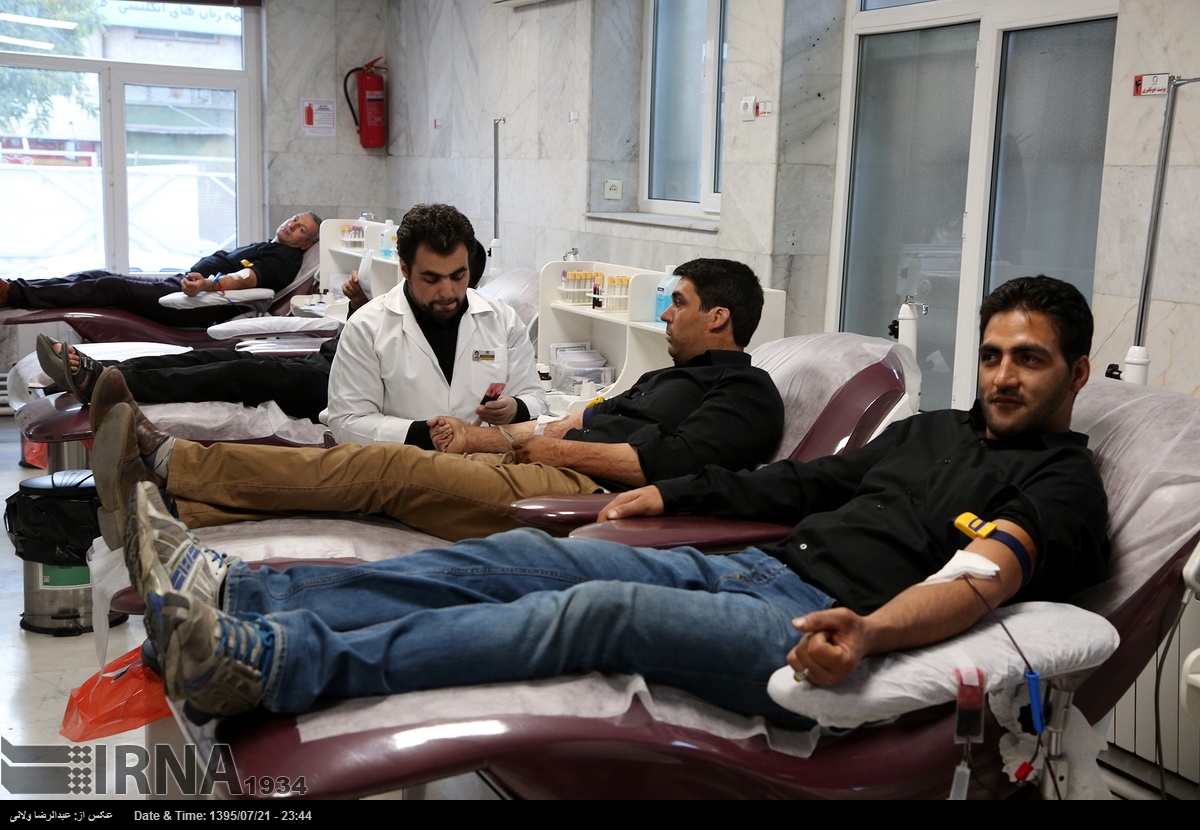
Instead of self-flagellation, however, Iranians are following a humanitarian tradition, which is blood donation as a religious vow.
People in many cities, including northwestern holy city of Mashhad and Western Kurdish-majority city of Sanandaj, flocked to blood donation centres during the mourning days to donate their blood as part of their religious vows.
Such moves can help improve the negative image of Shiites’ mourning rituals, which are sometimes depicted by Western media through the images of self-flagellation.
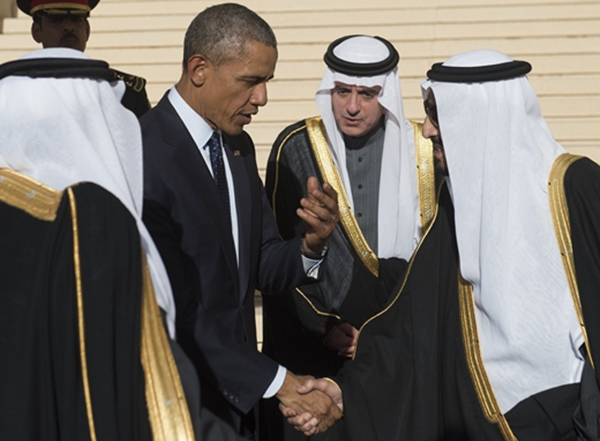
Saudi Arabia has reportedly struck a secret deal with the US which will enable the depraved death-cult to go to fight against the Syrian government.
The insider said, “More than 9,000 ISIS militants will be redeployed from Mosul to the eastern regions of Syria to carry out a major offensive operation, which involves capturing Deir ez-Zor and Palmyra.”
According to a report by DailyExpress, as covered by Al Alam,the source added that the proposed siege of Mosul has been signed off by Barack Obama and is set to take place in October.
An additional 500 US troops will be sent to the strategic stronghold of Mosul to help in the fight against the twisted extremists, US Secretary of Defence Ashton Carter said.
Discussing why the US is willing to let ISIS terrorists walk free from the proposed onslaught, the insider hinted the move may be designed to “diminish” the importance of Russian forces in the region.
The source added, “Washington must somehow counter Russia’s achievements in Syria, try to diminish their importance.”
“Apart from the purely political dividends, the other purpose of this operation, obviously, will be to discredit the success of Russian Airspace forces. And, of course, it’s an attempt to undermine Syrian President Assad.”
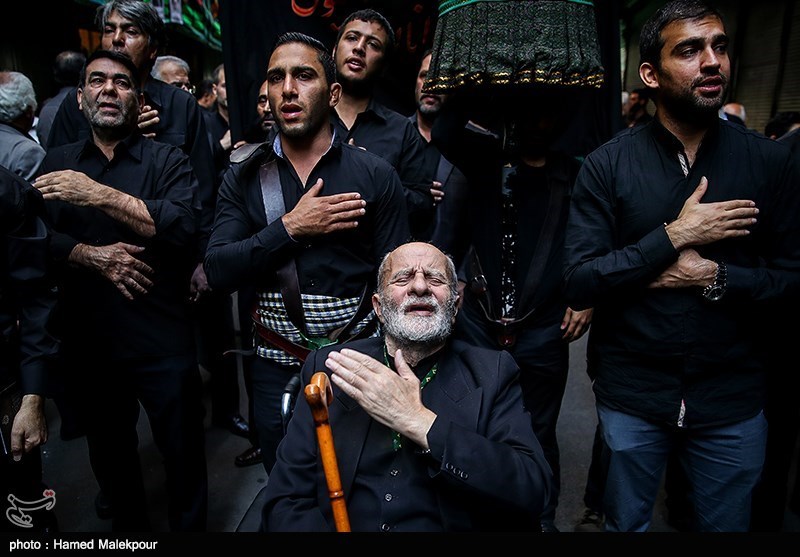
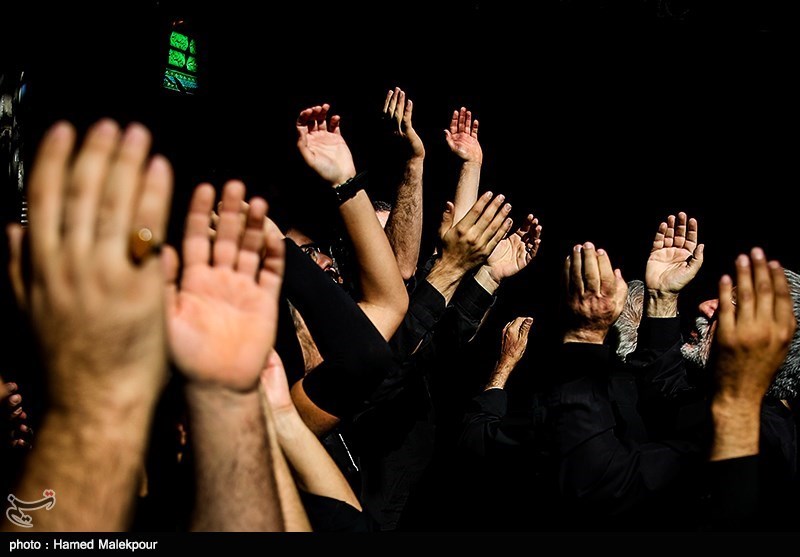
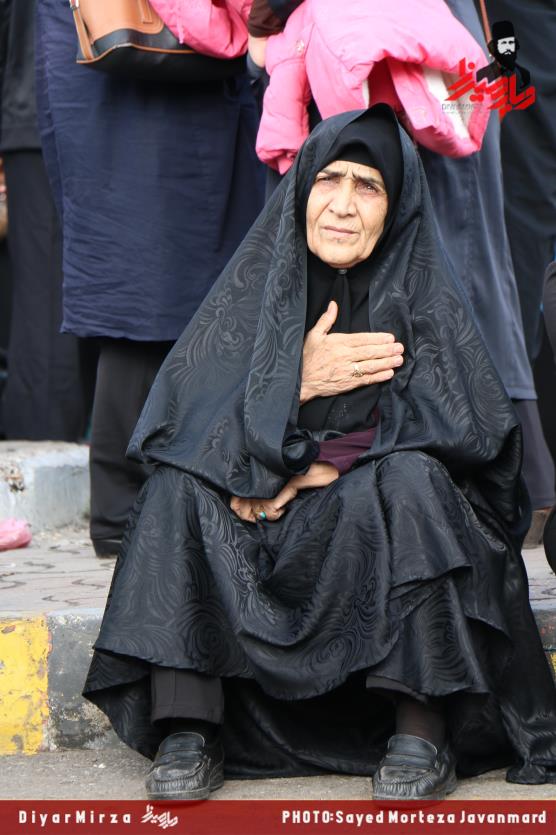
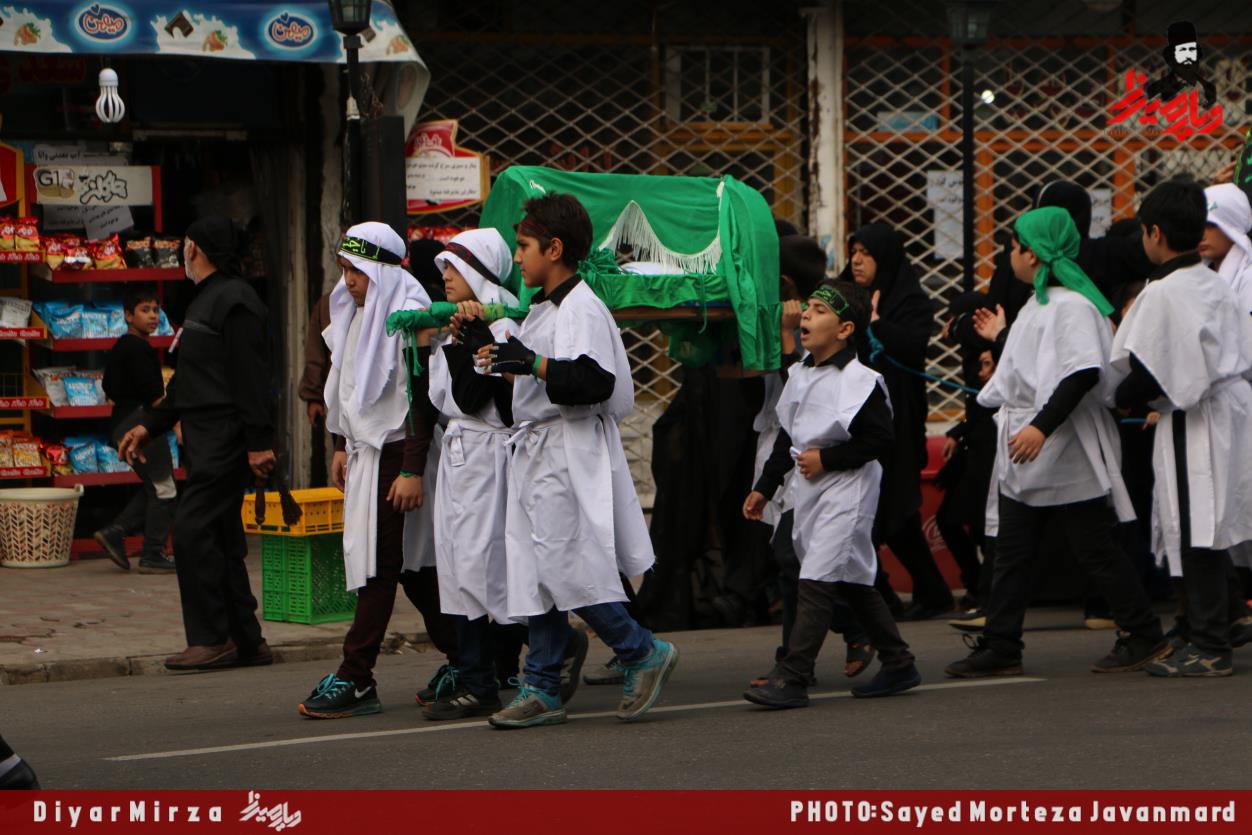
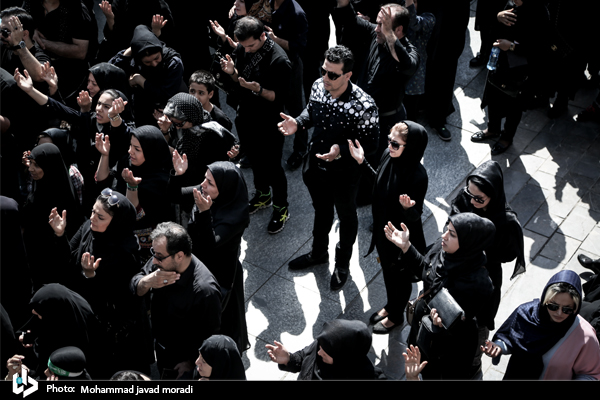
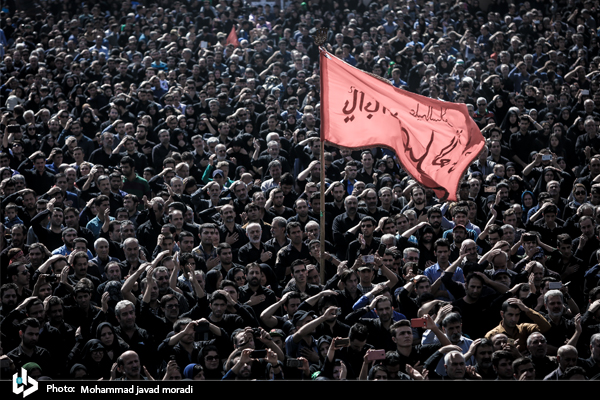
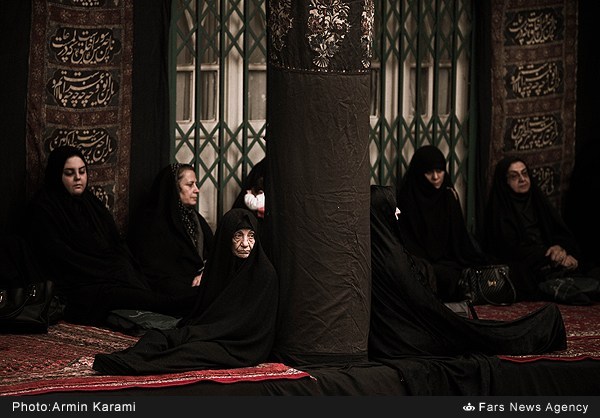
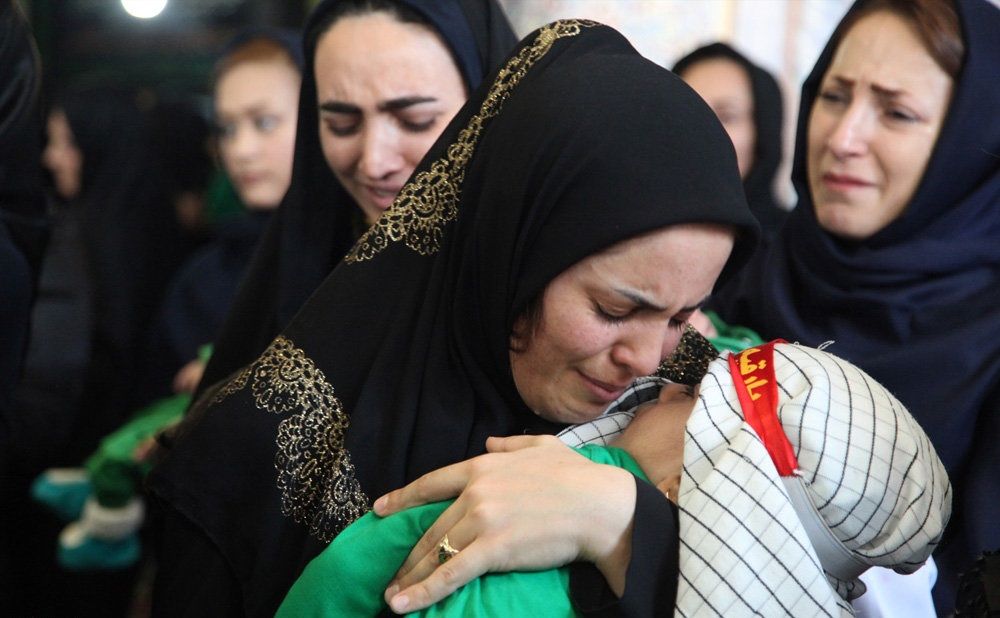
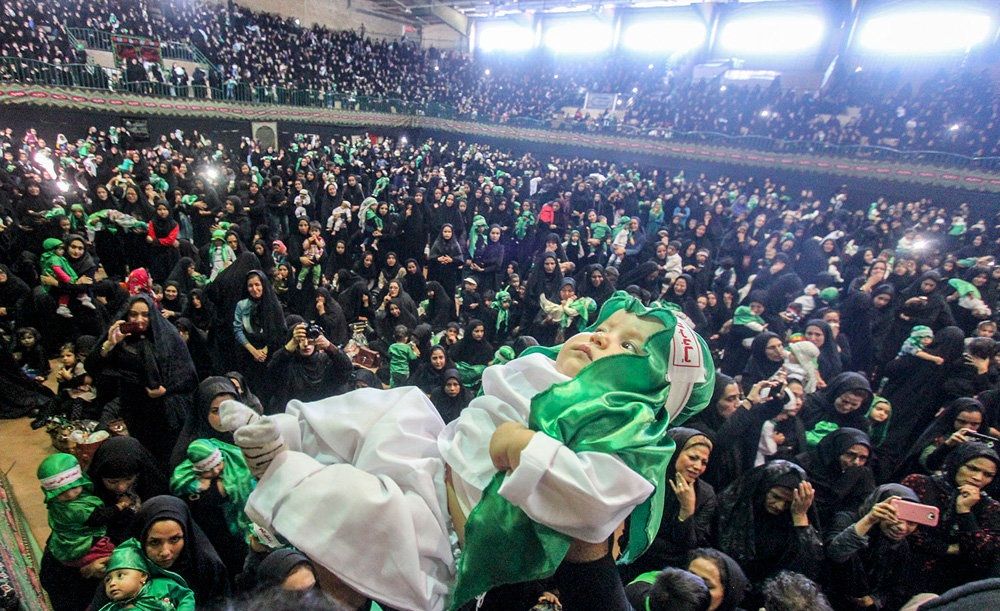
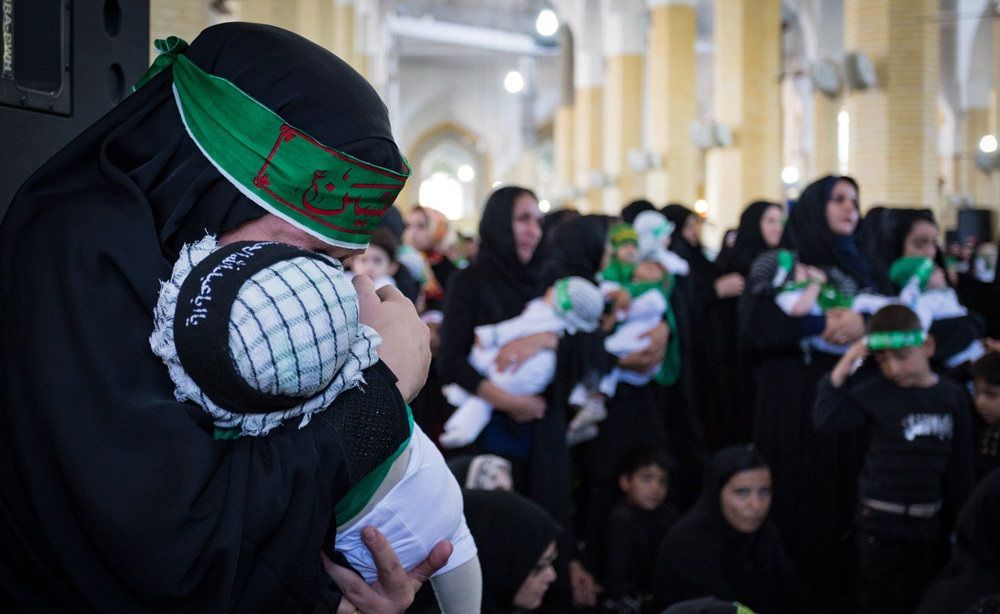
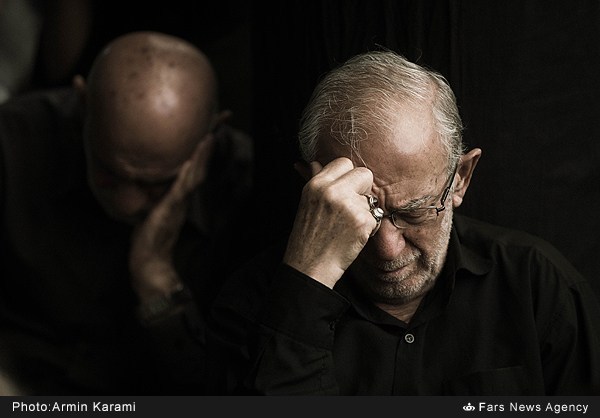
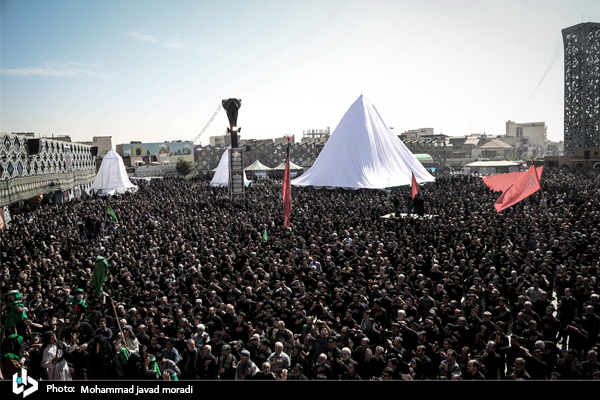
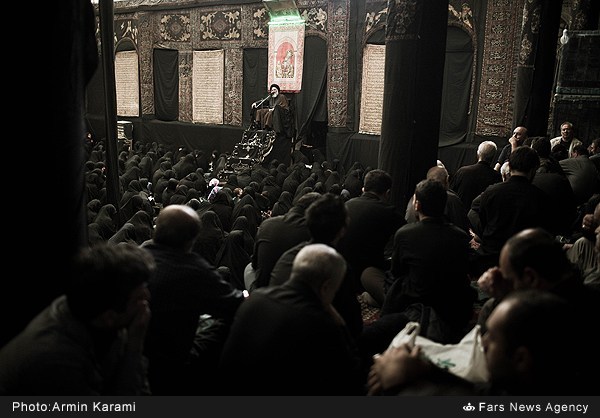
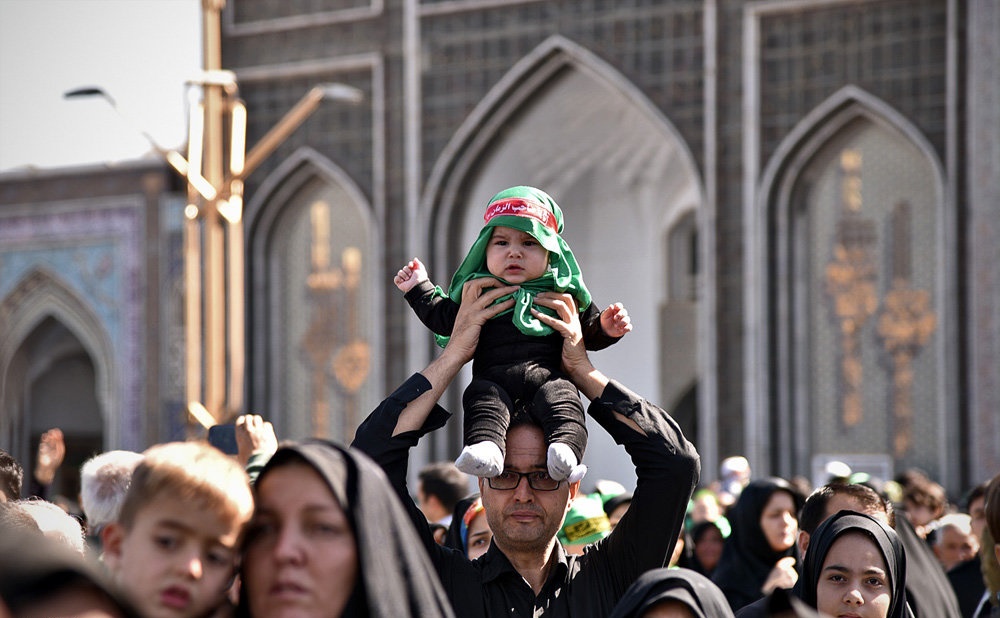
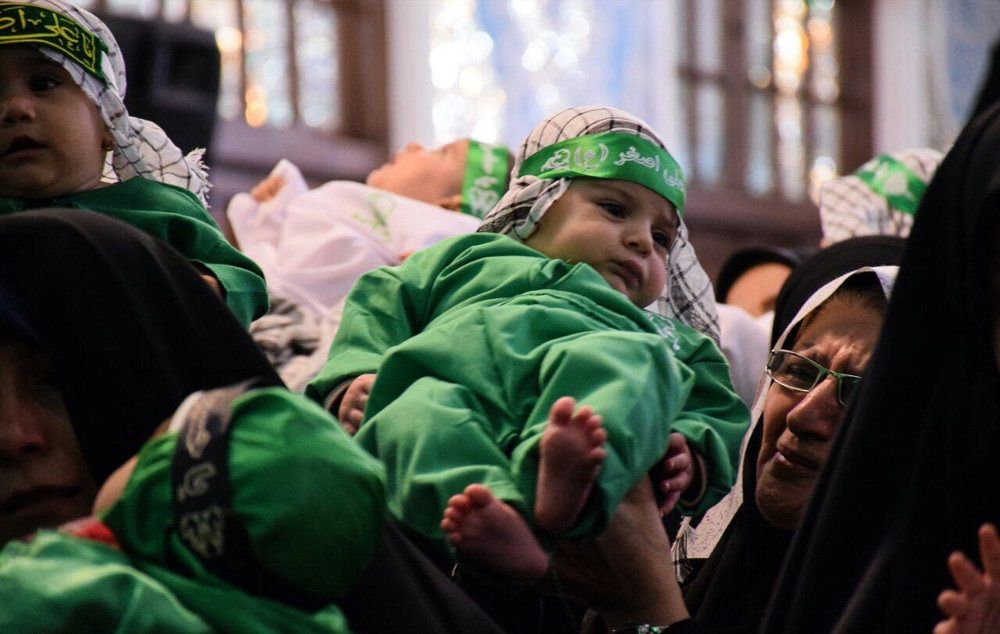
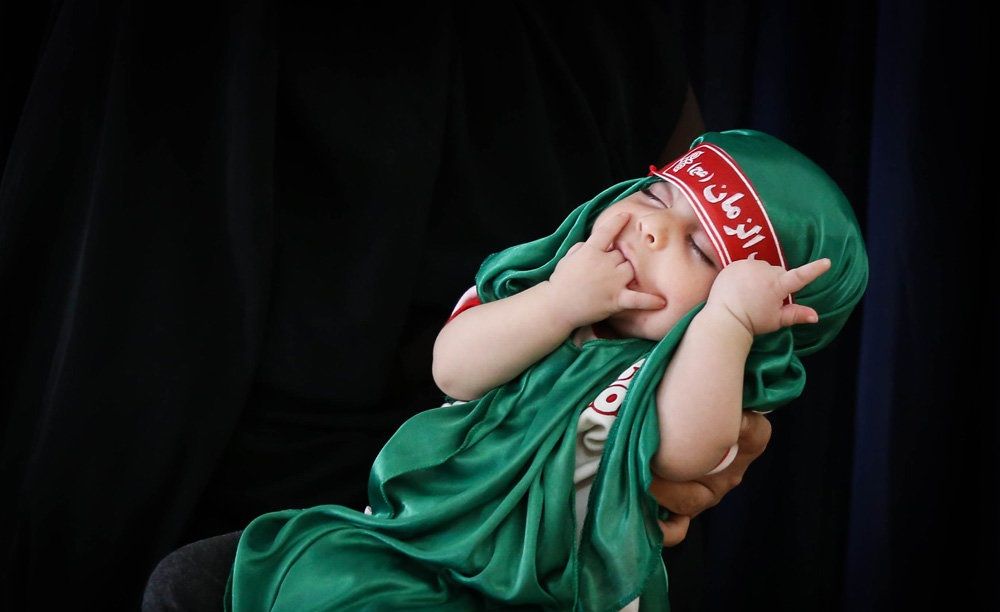
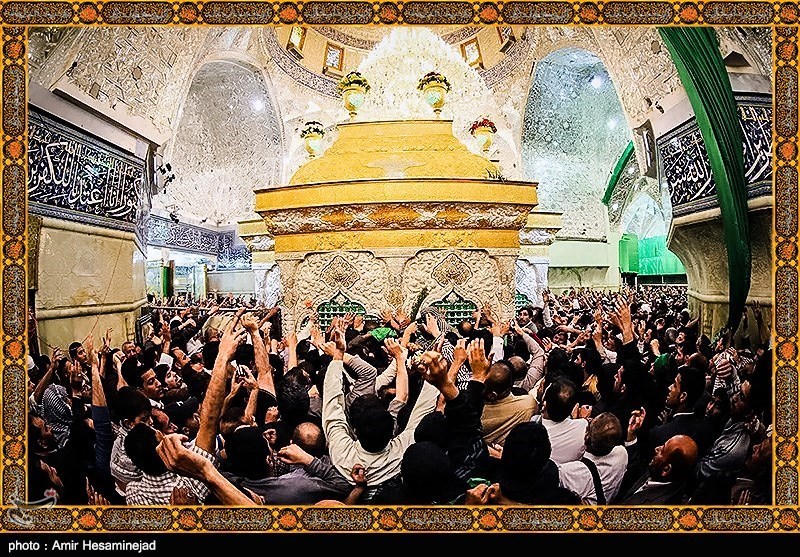
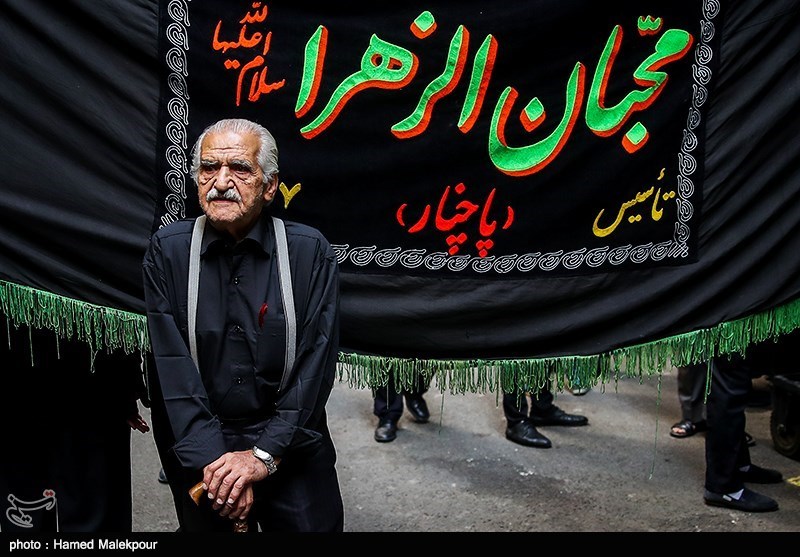
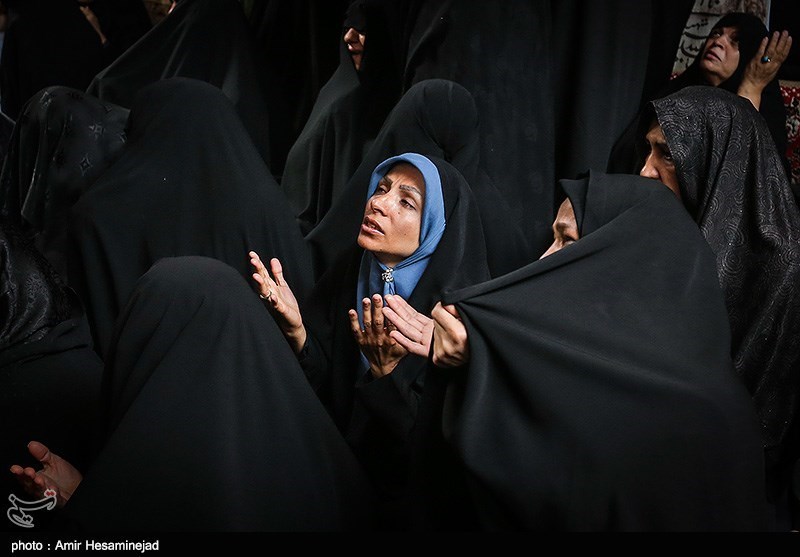
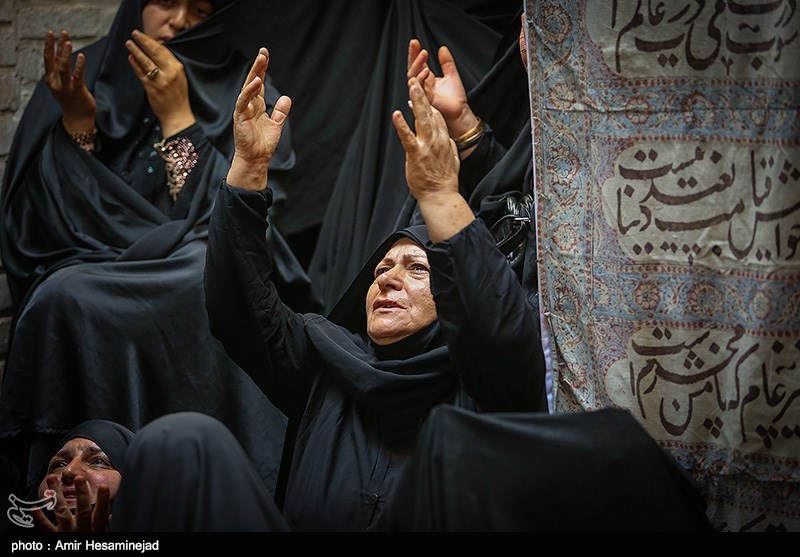
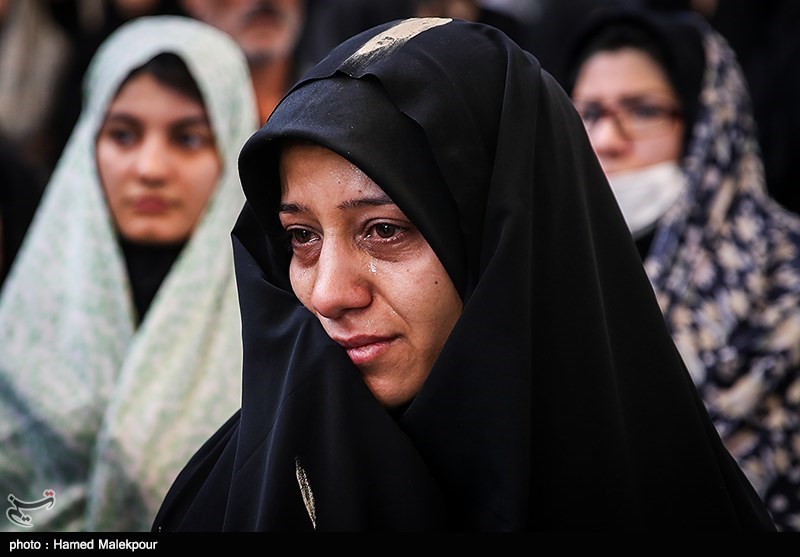
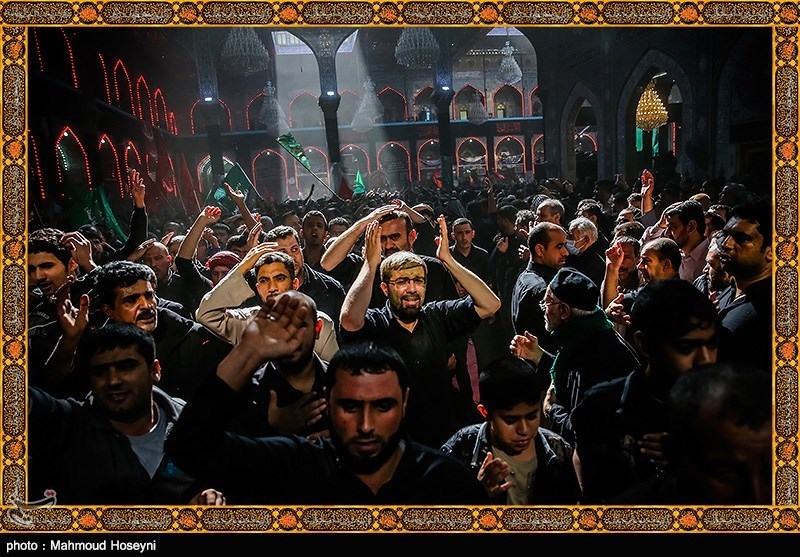
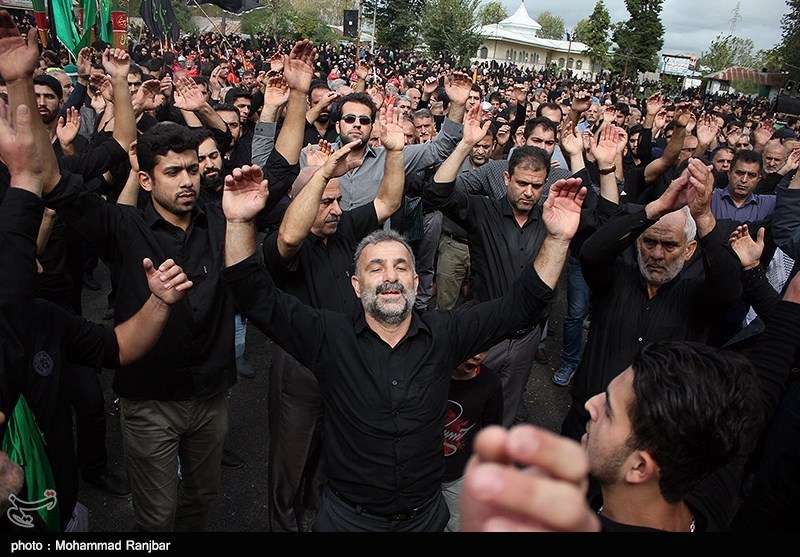
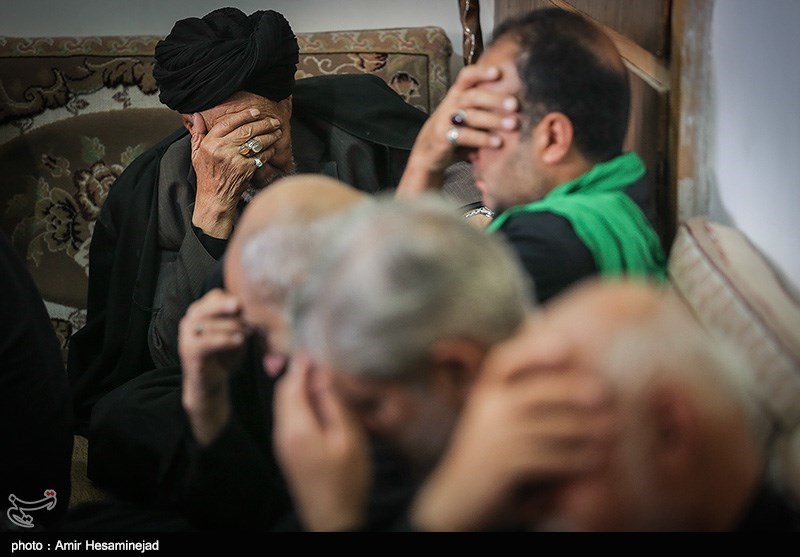
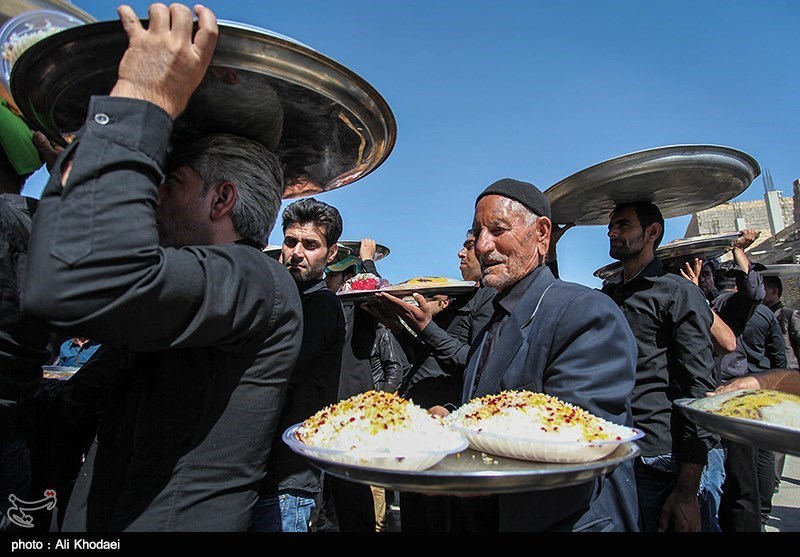
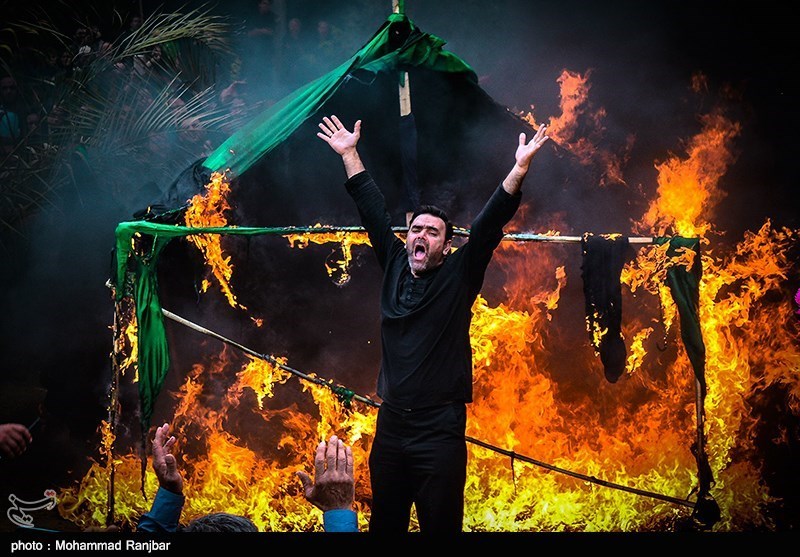
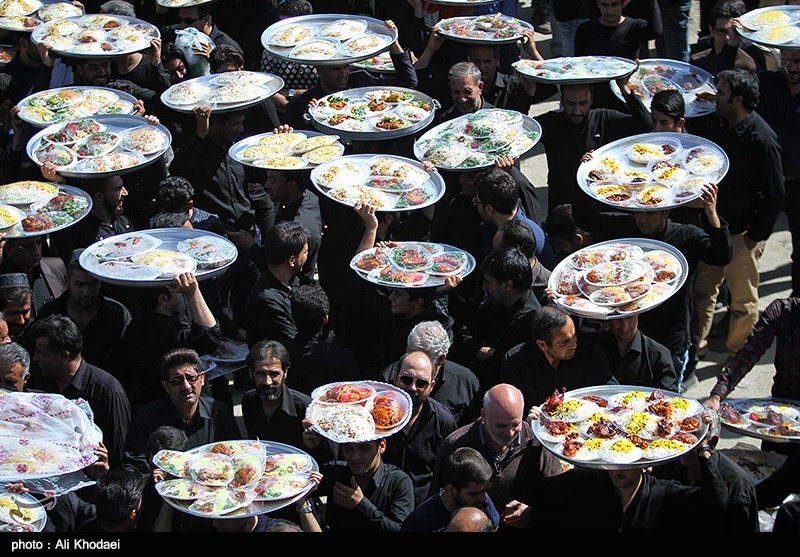
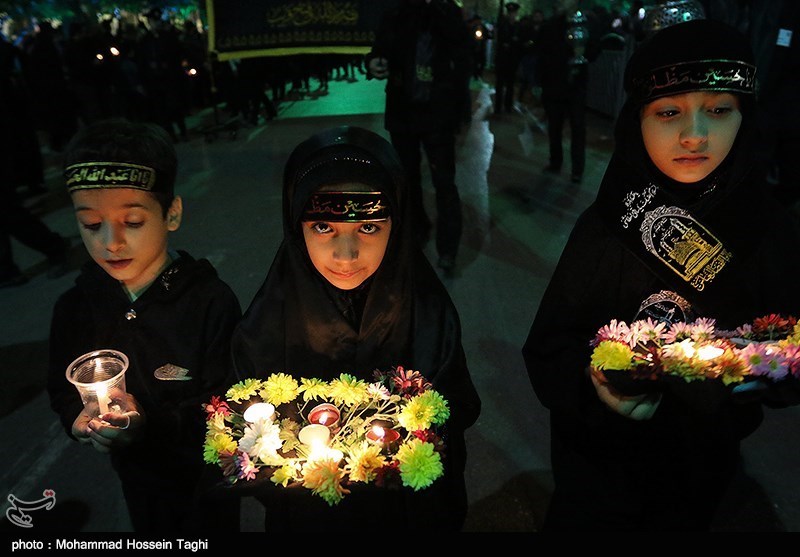
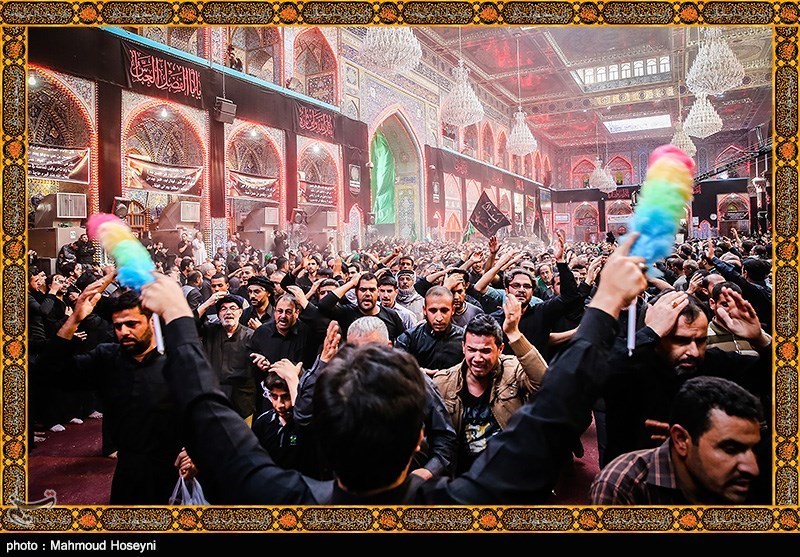
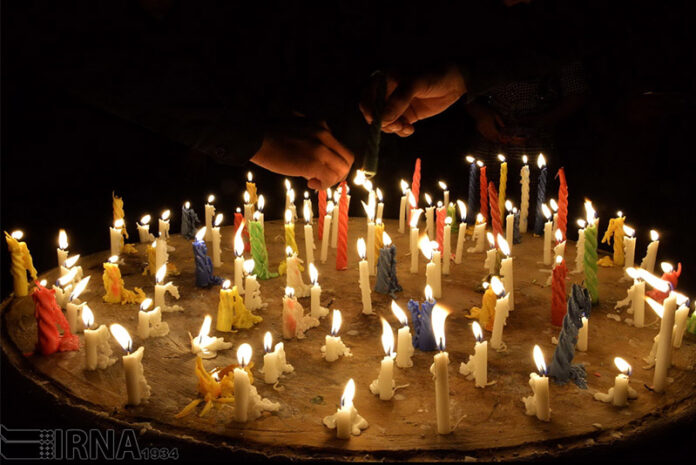
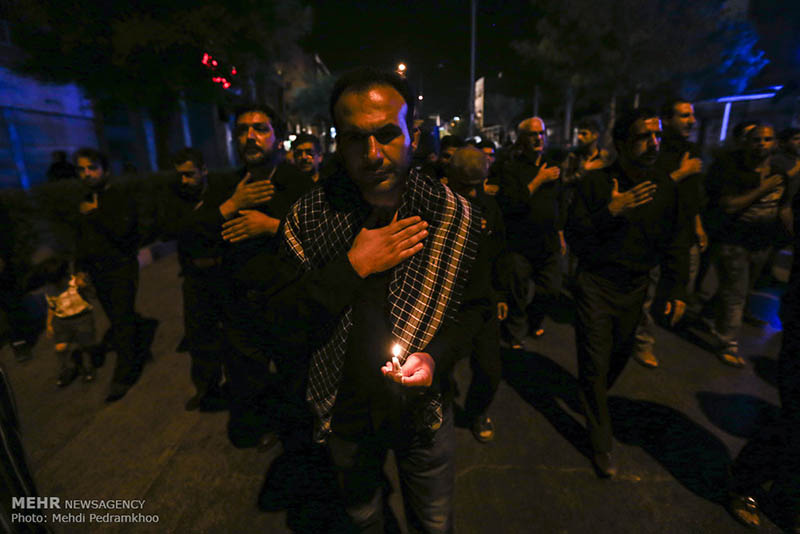
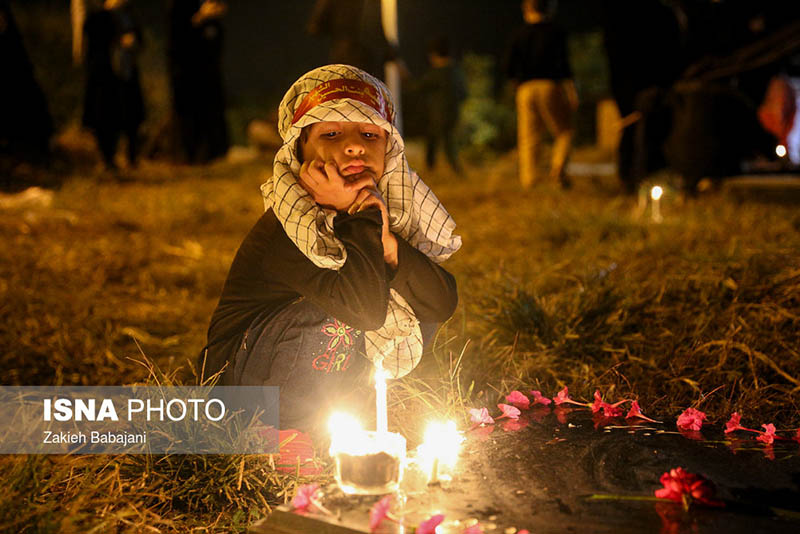
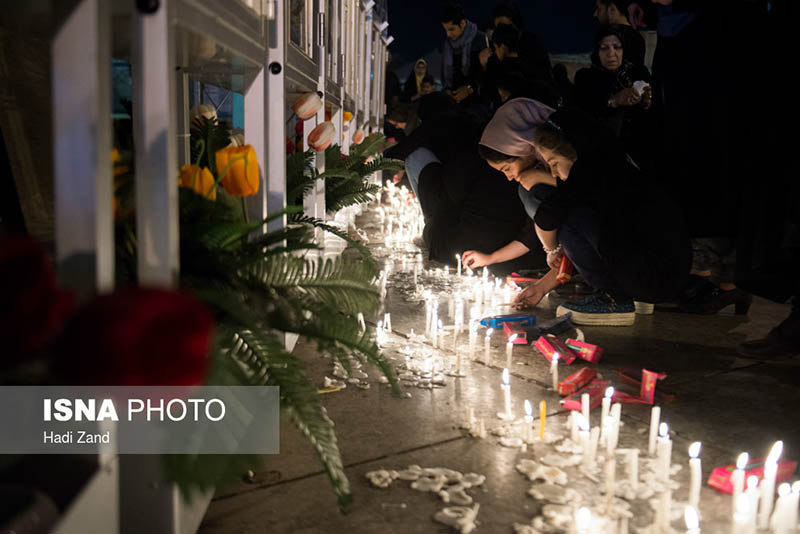
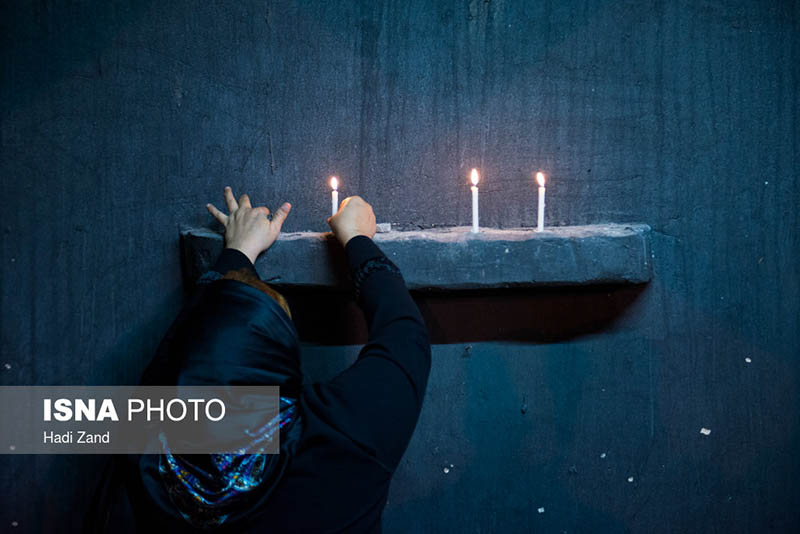
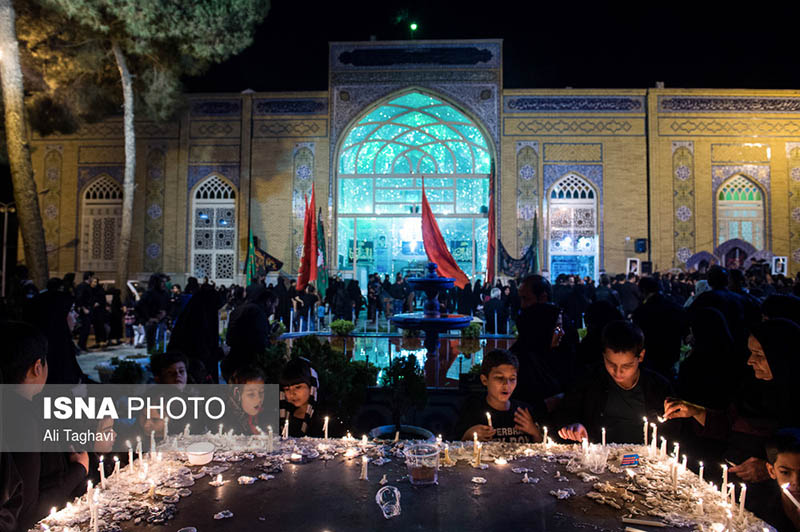
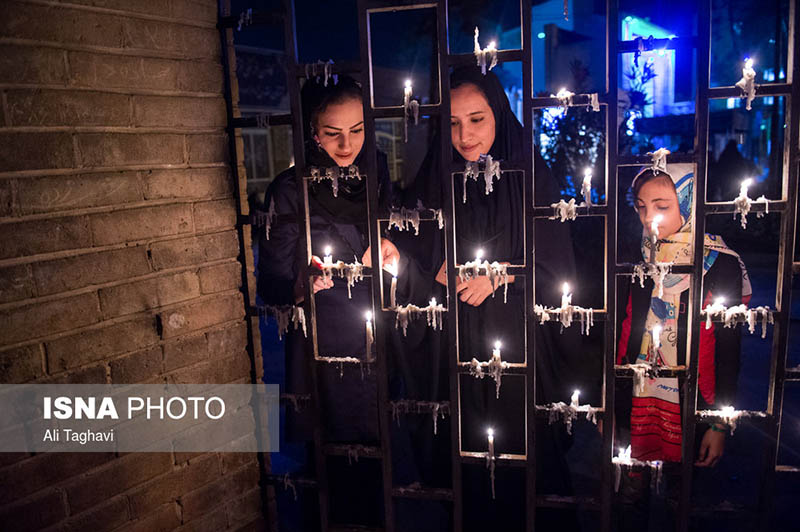
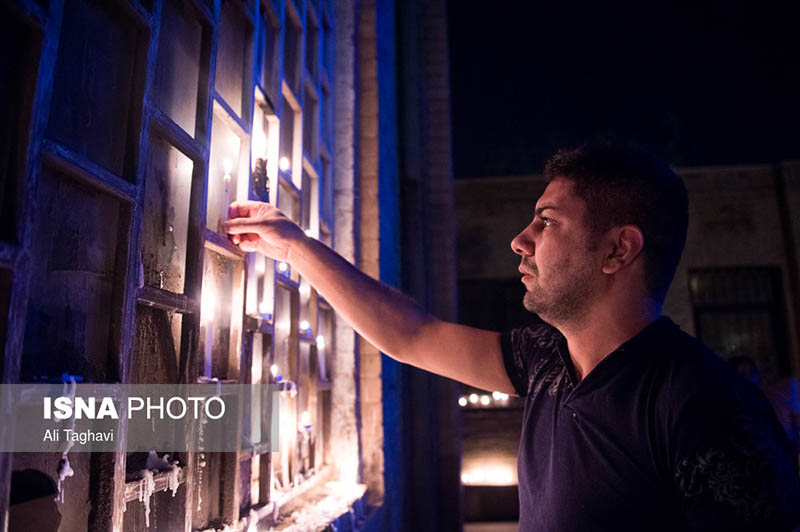
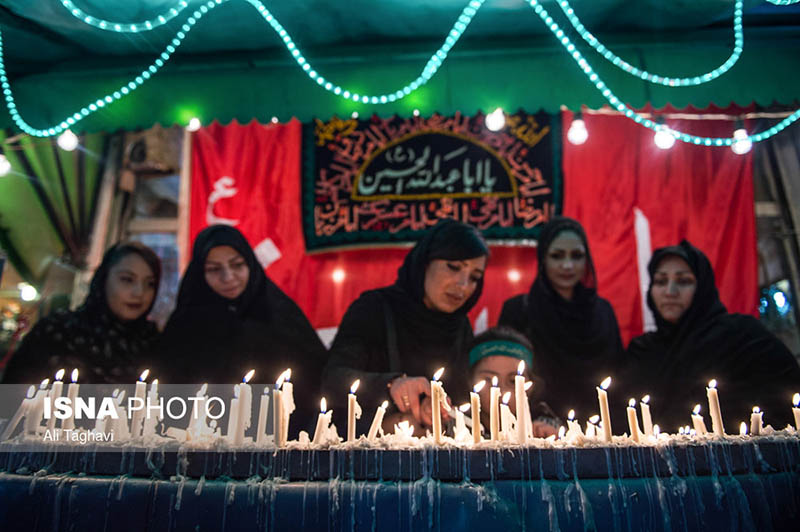
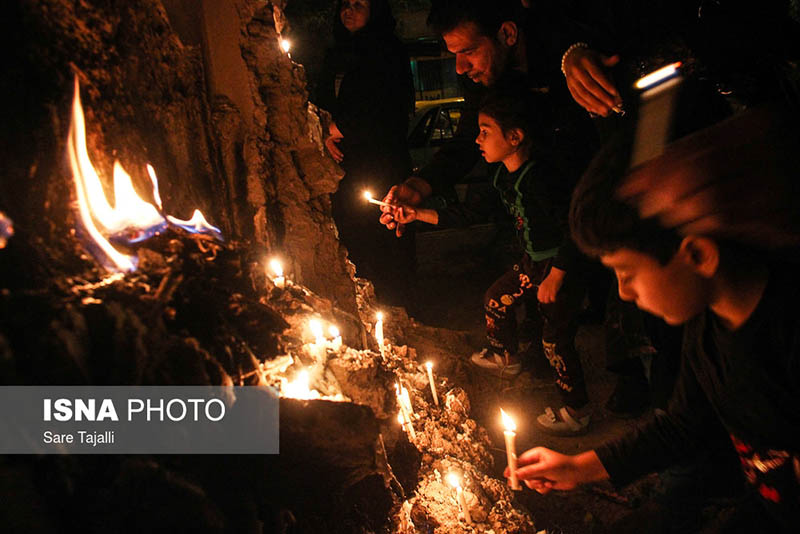
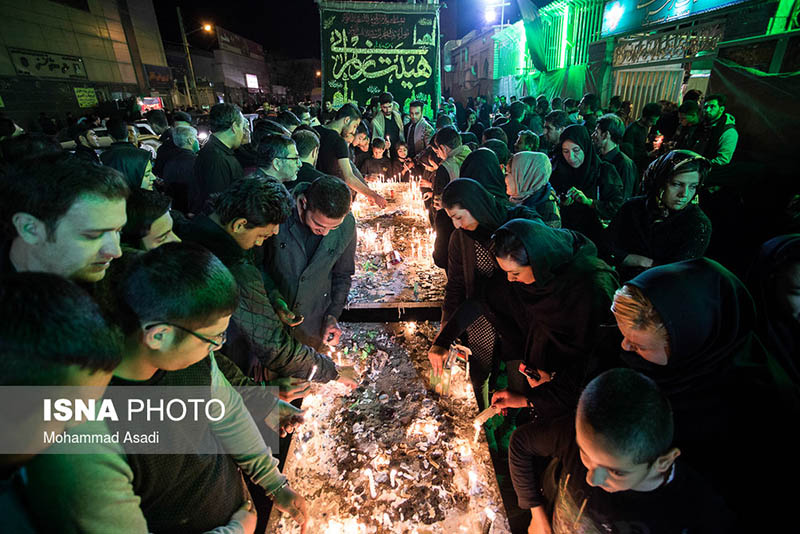
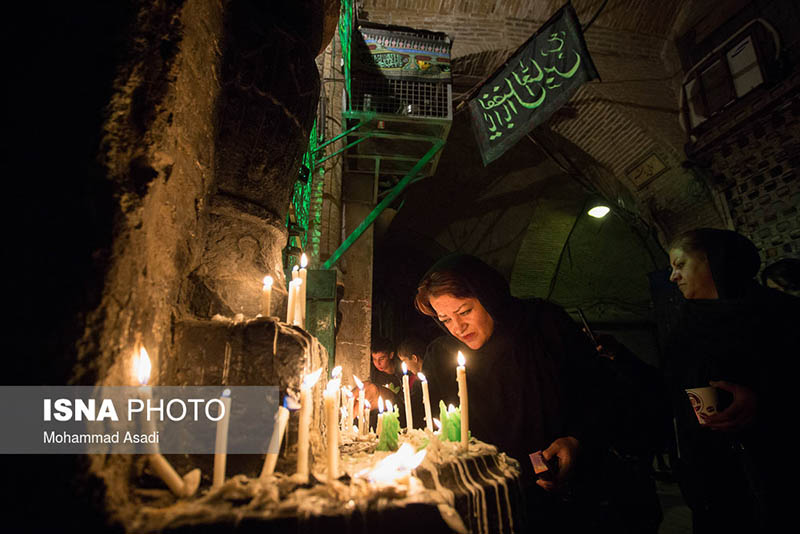
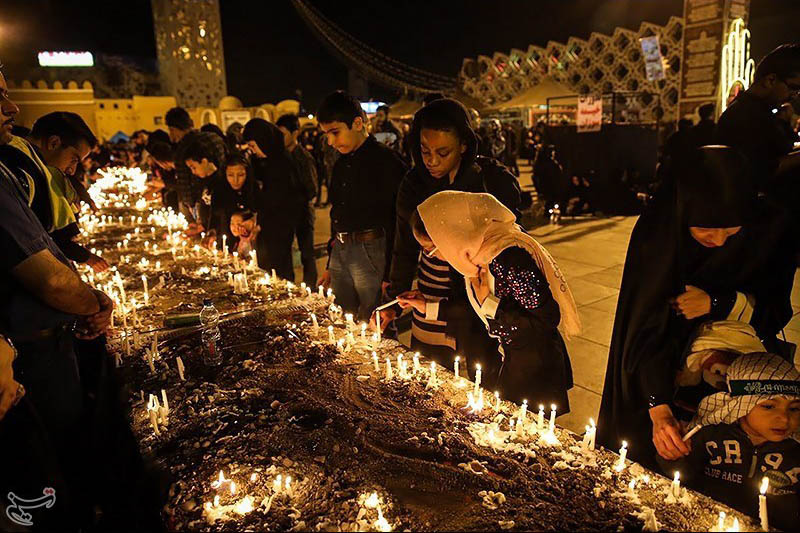
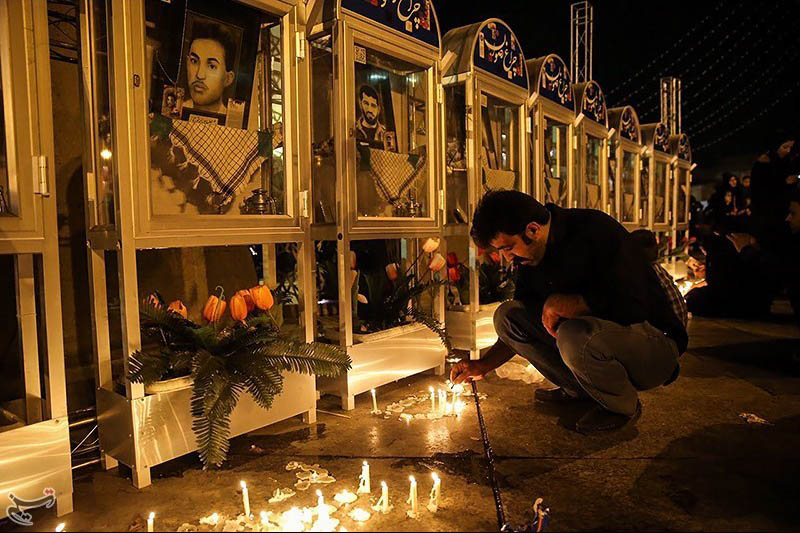
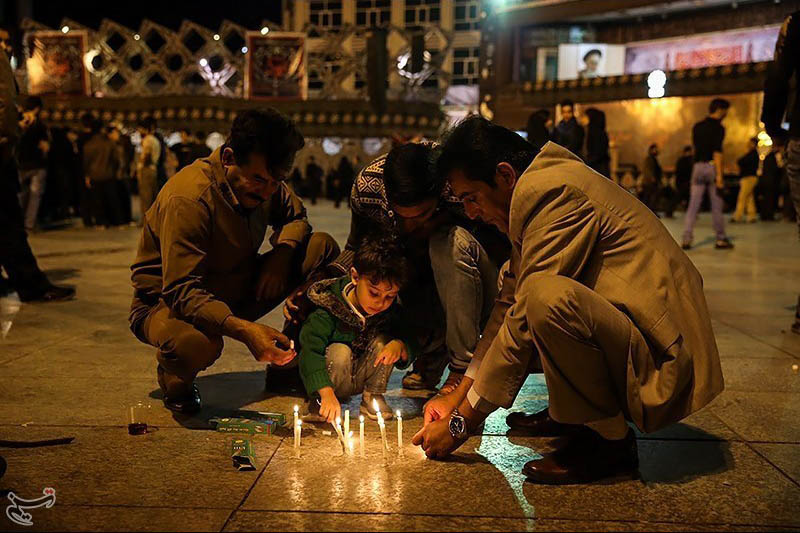
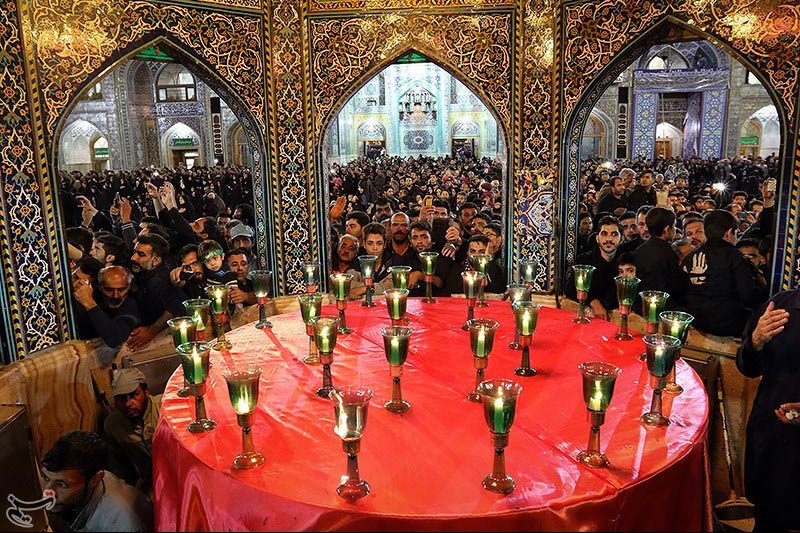
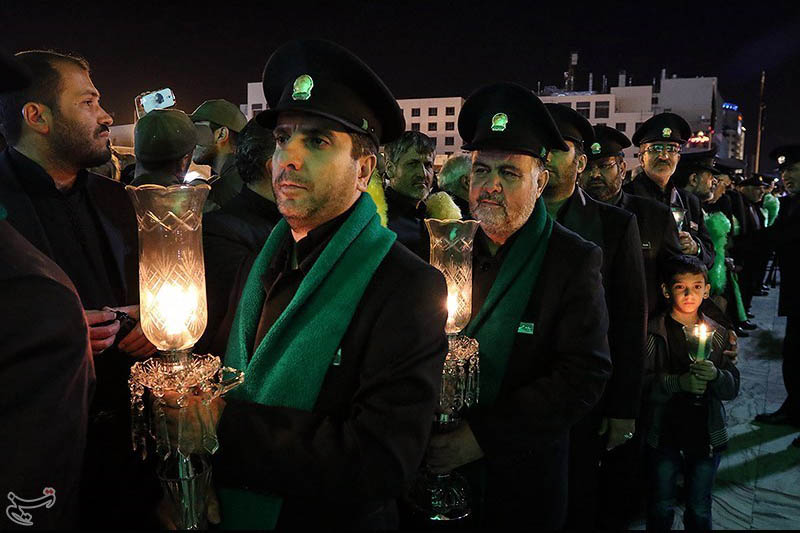
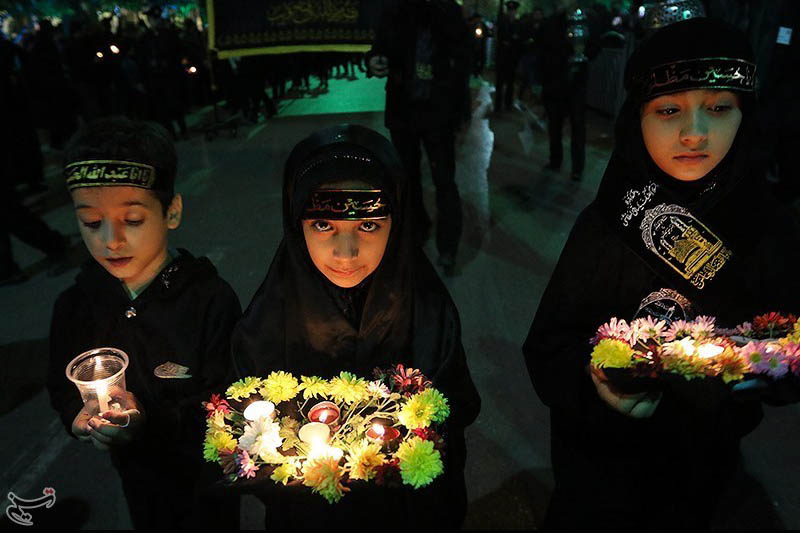
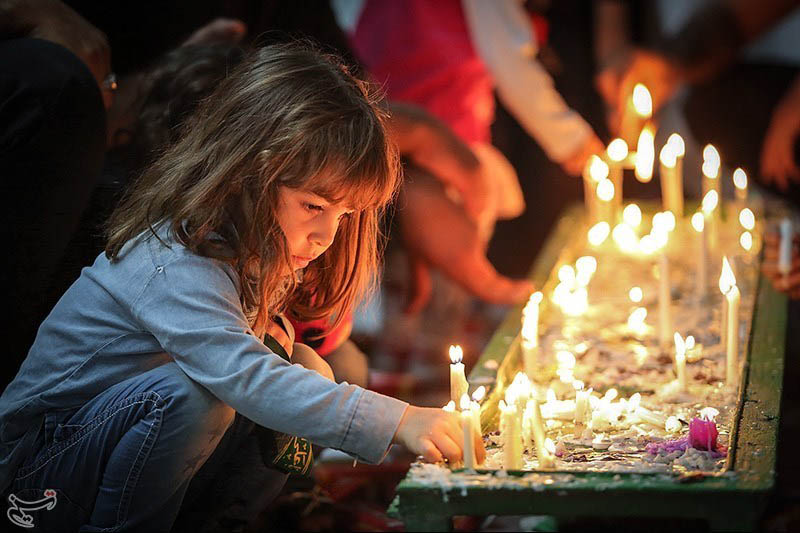
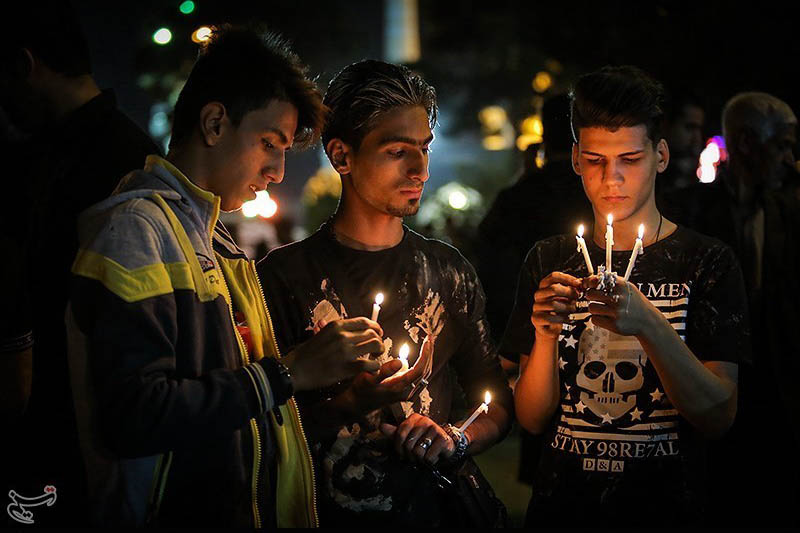
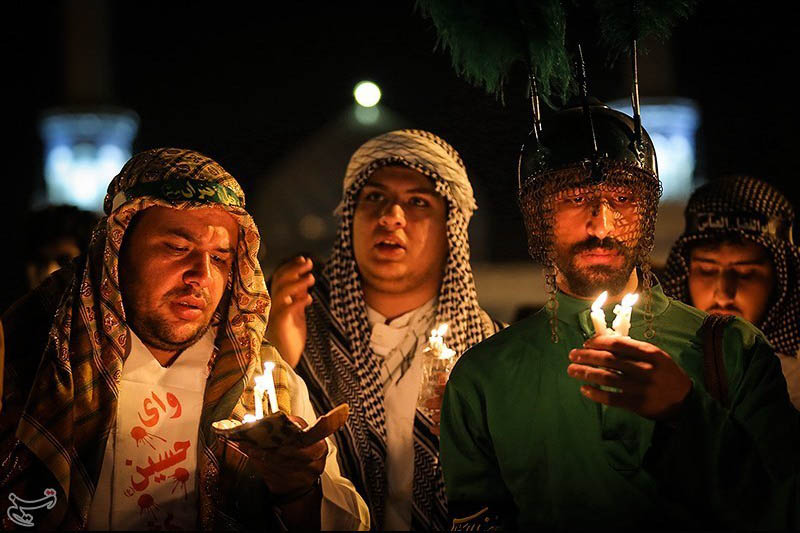
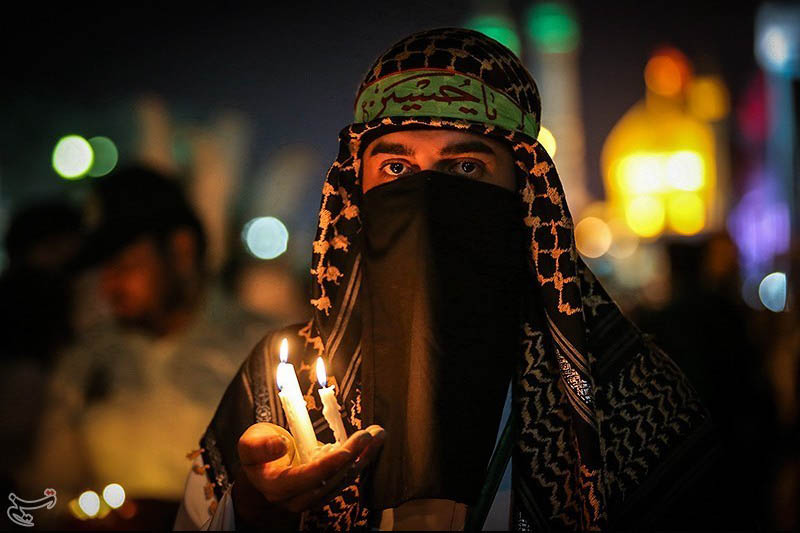
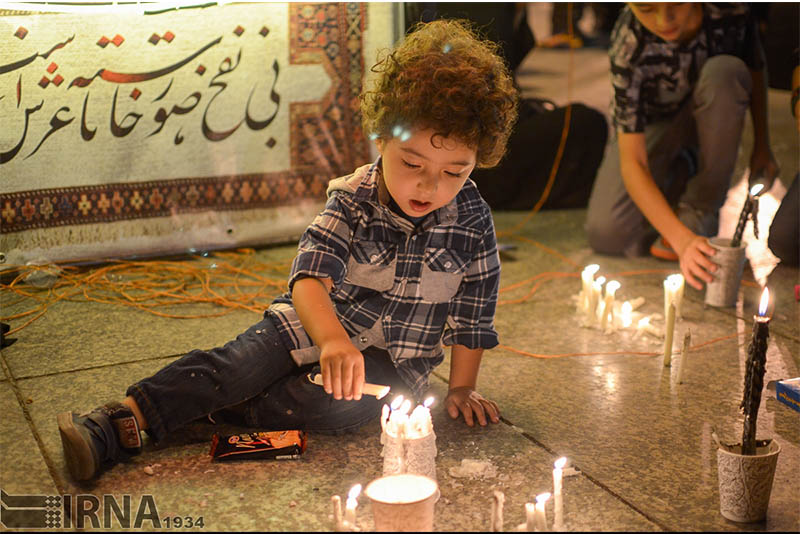
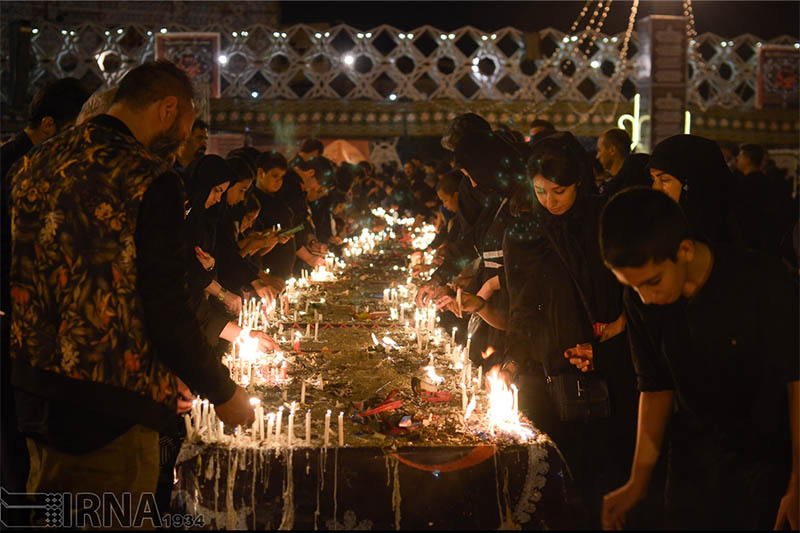
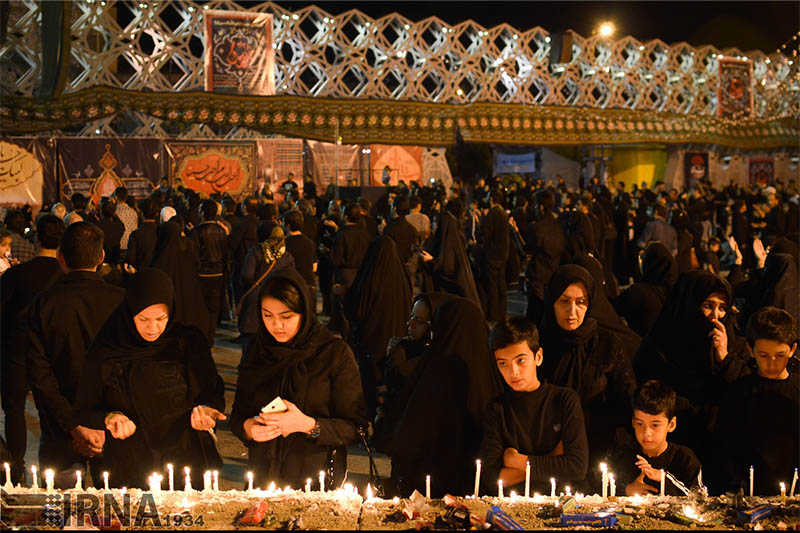
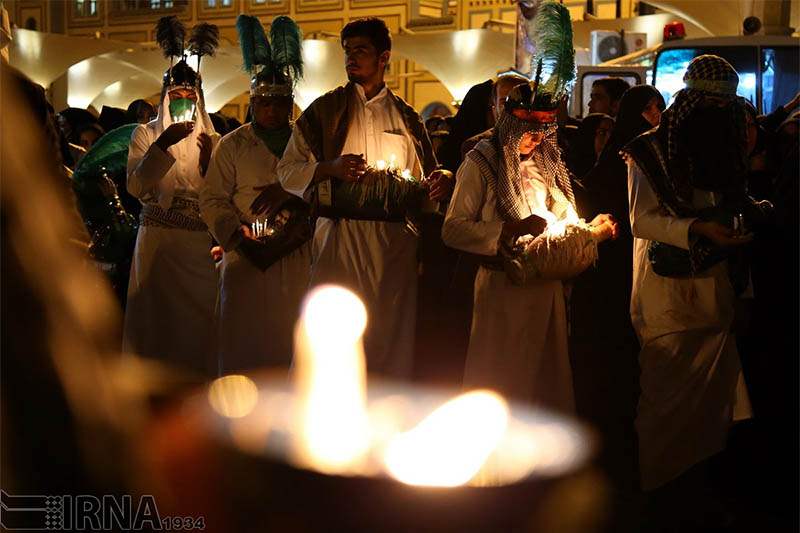
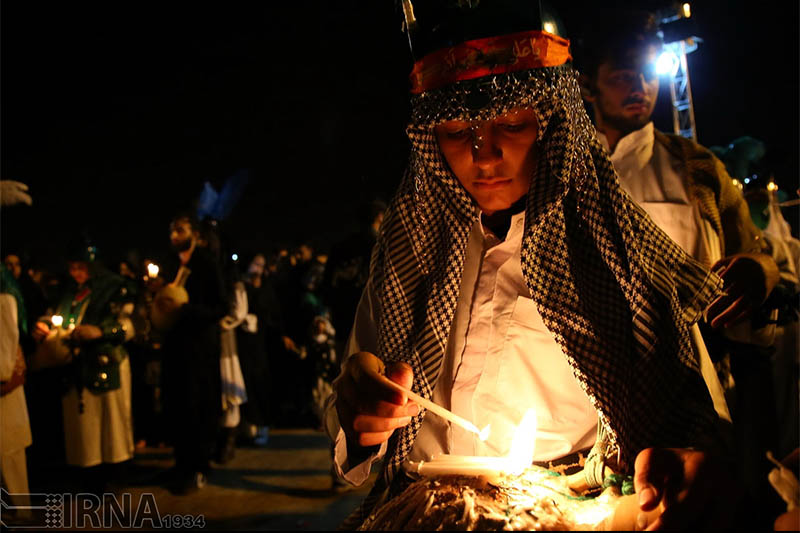
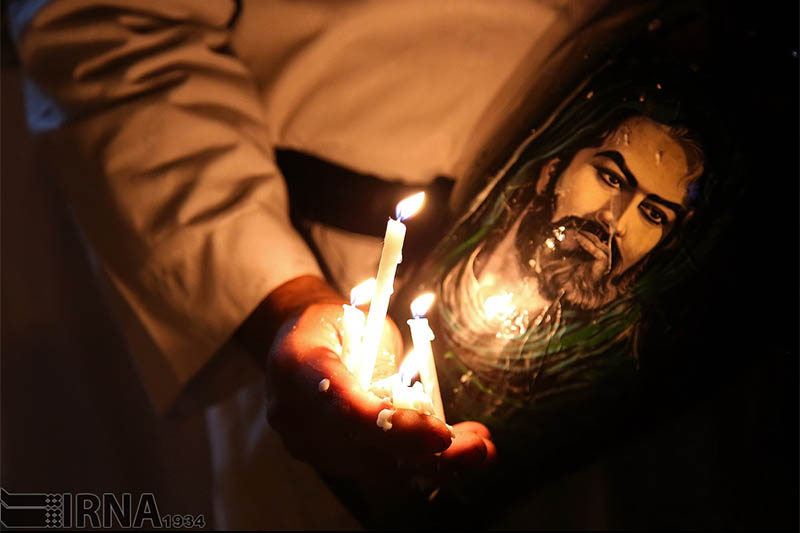
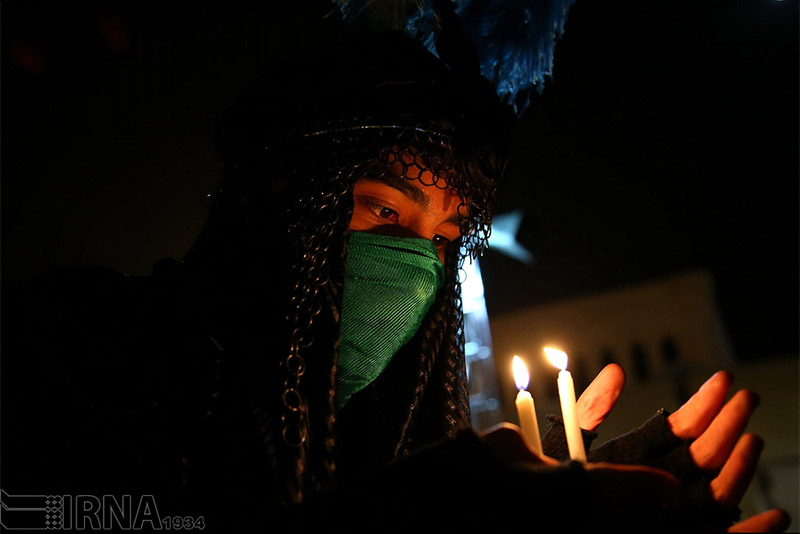
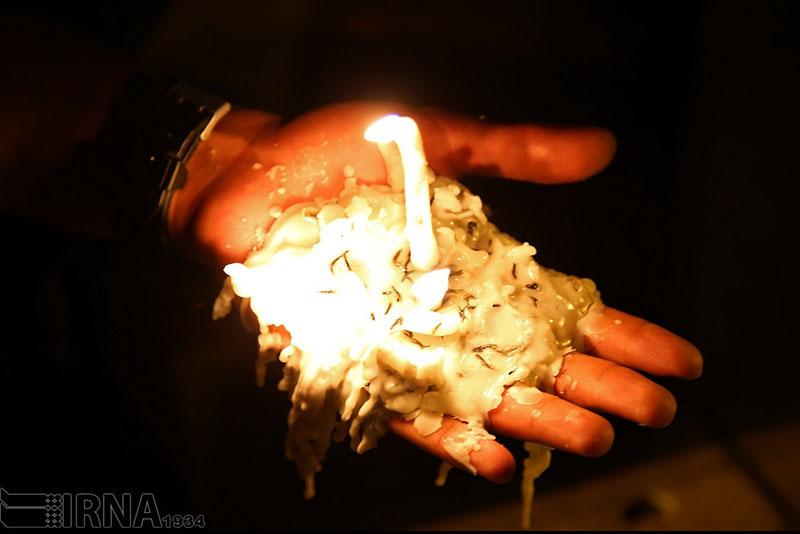
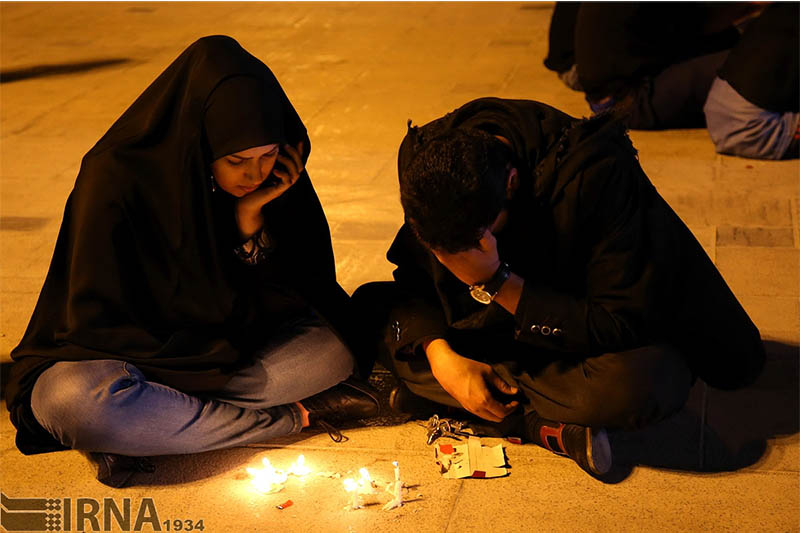
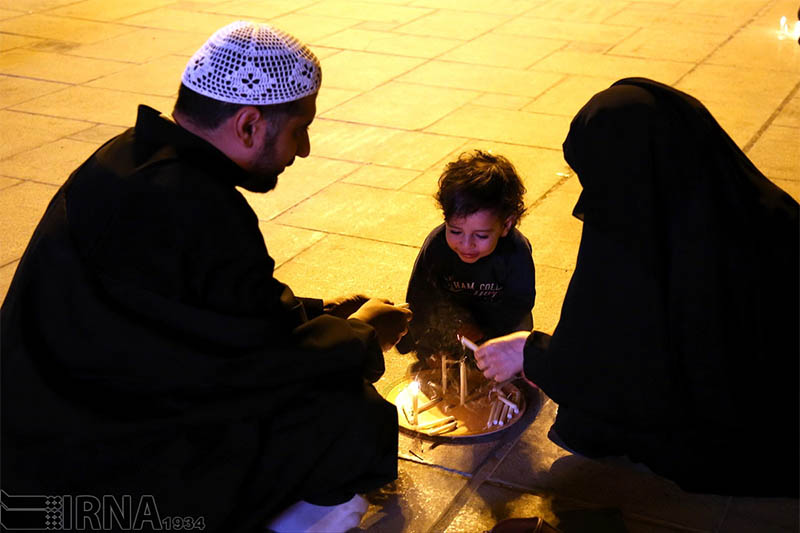
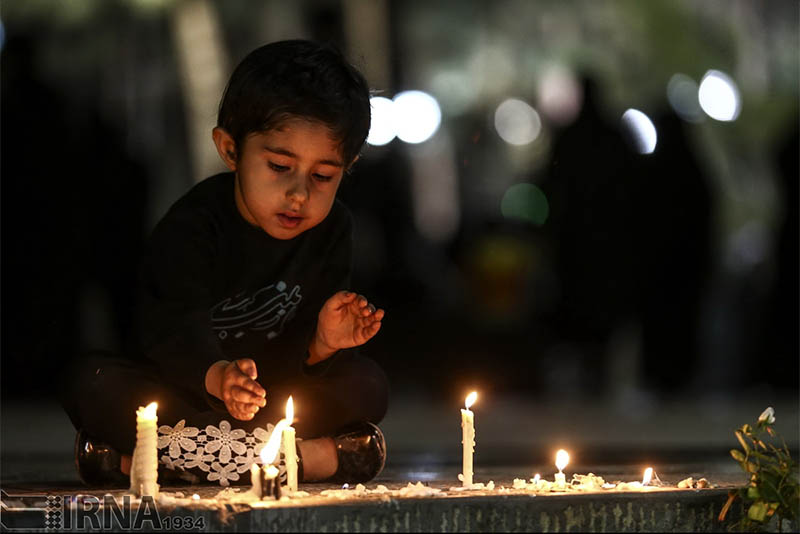
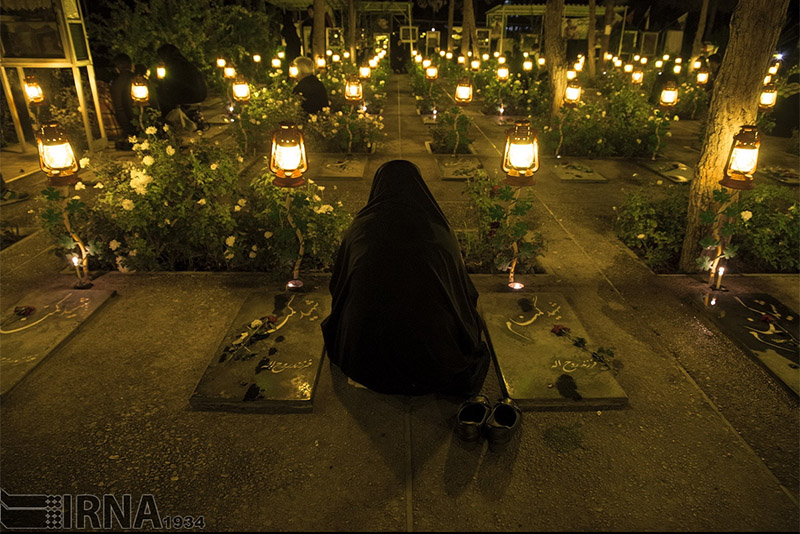
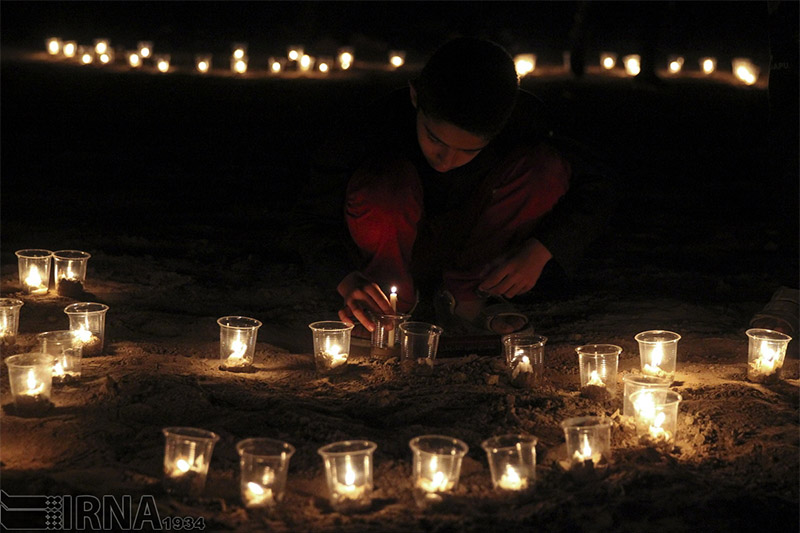
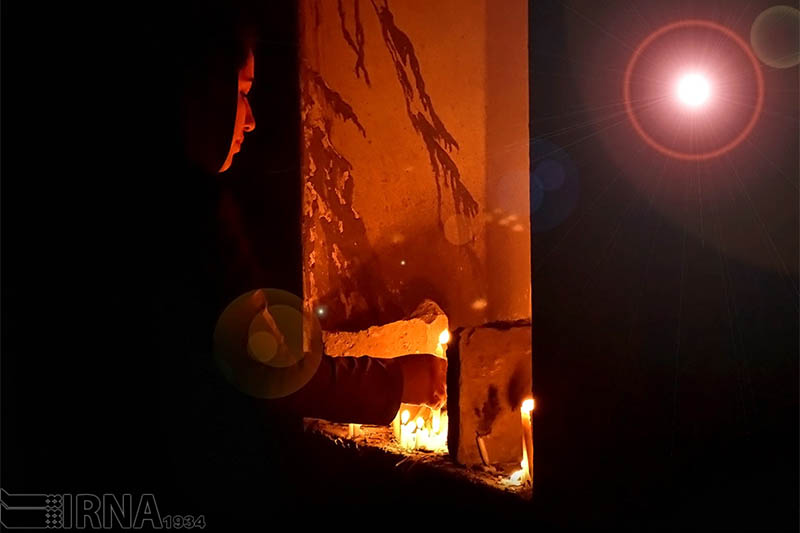
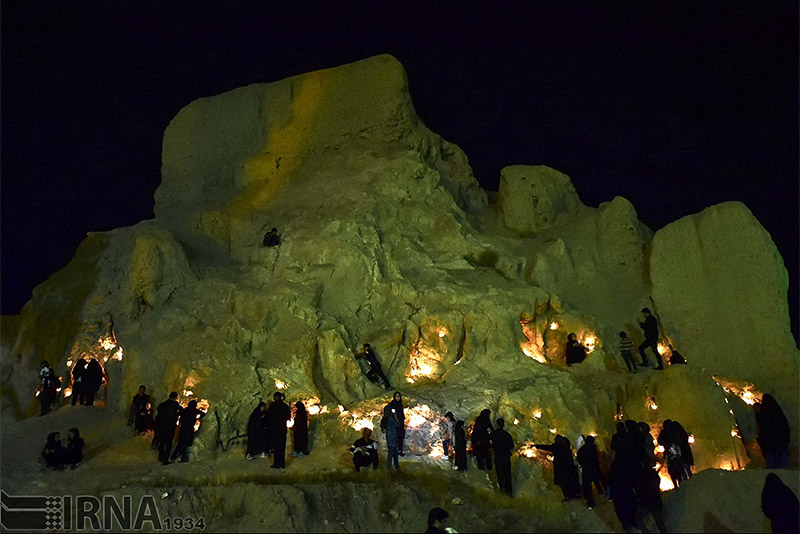
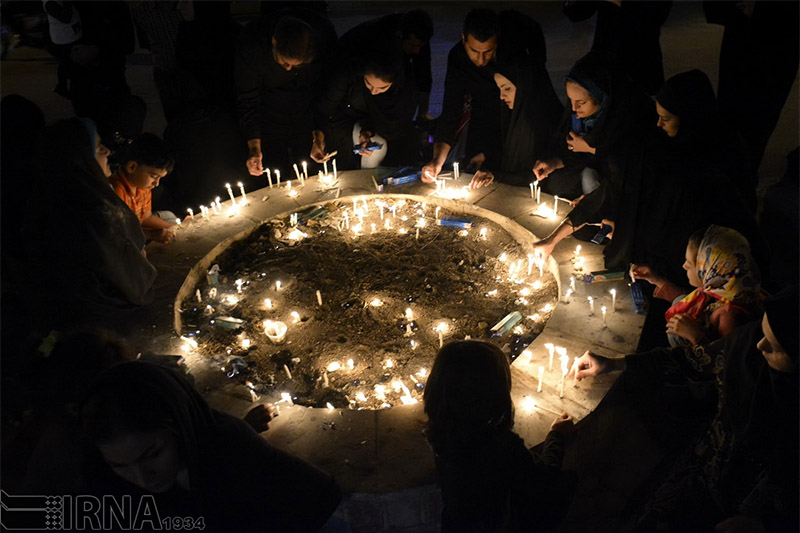
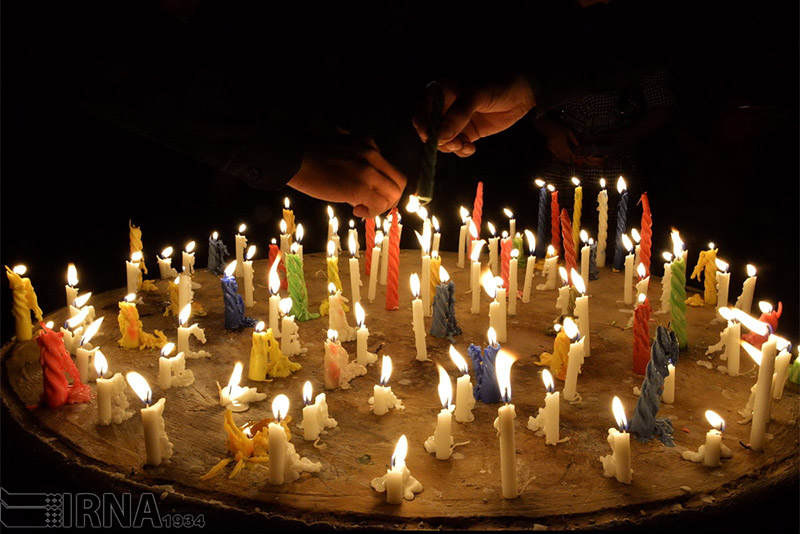
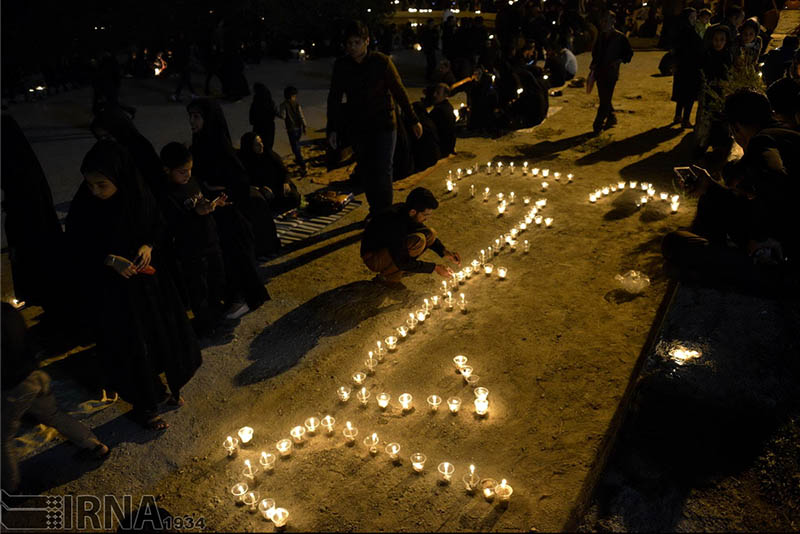
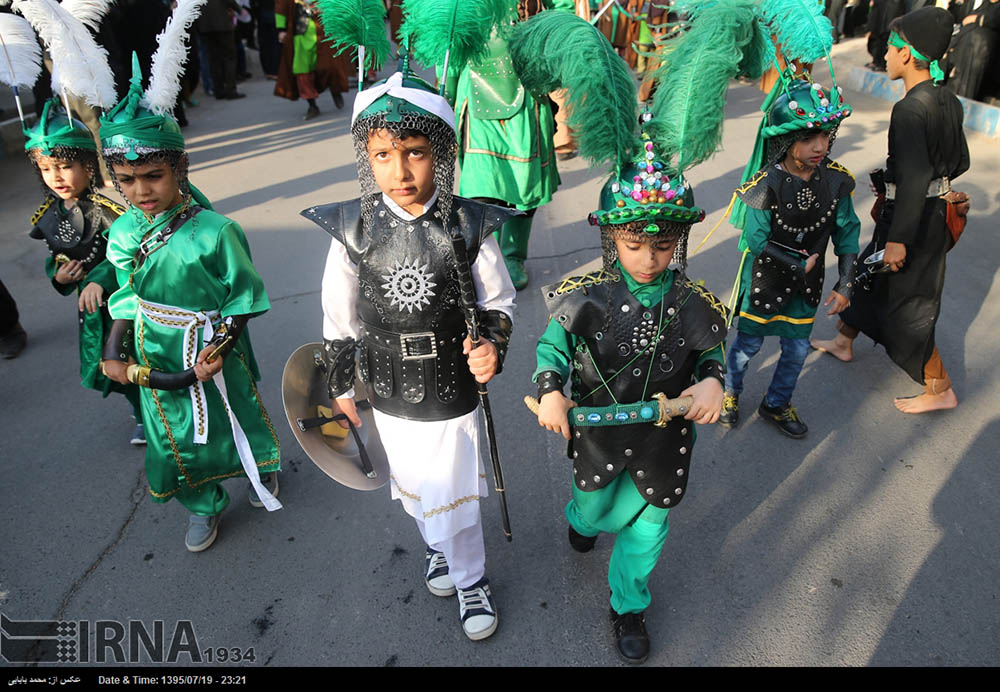
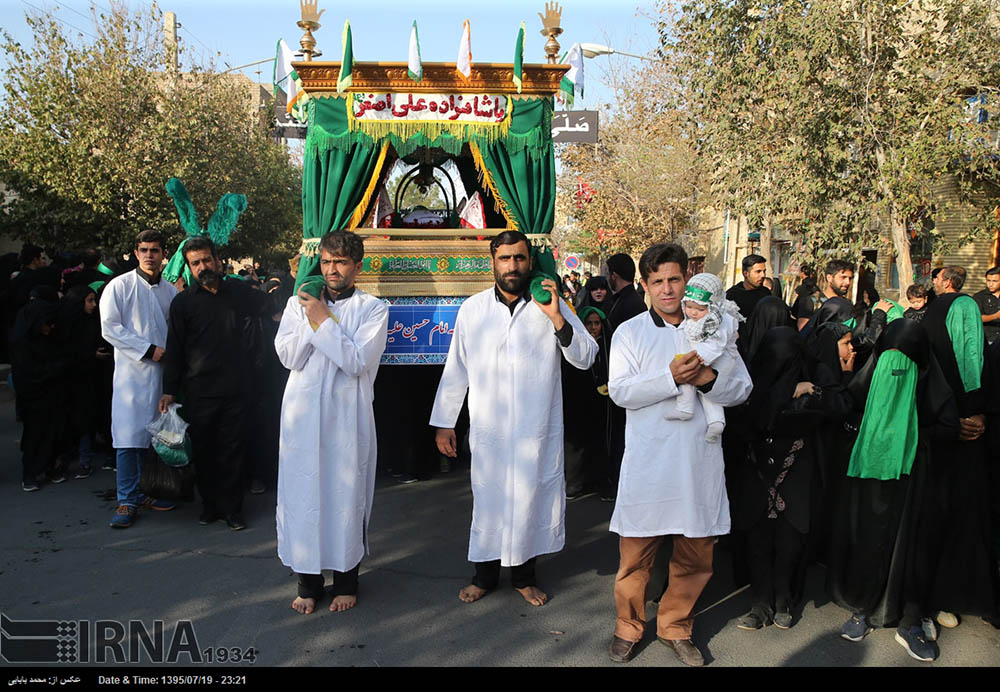
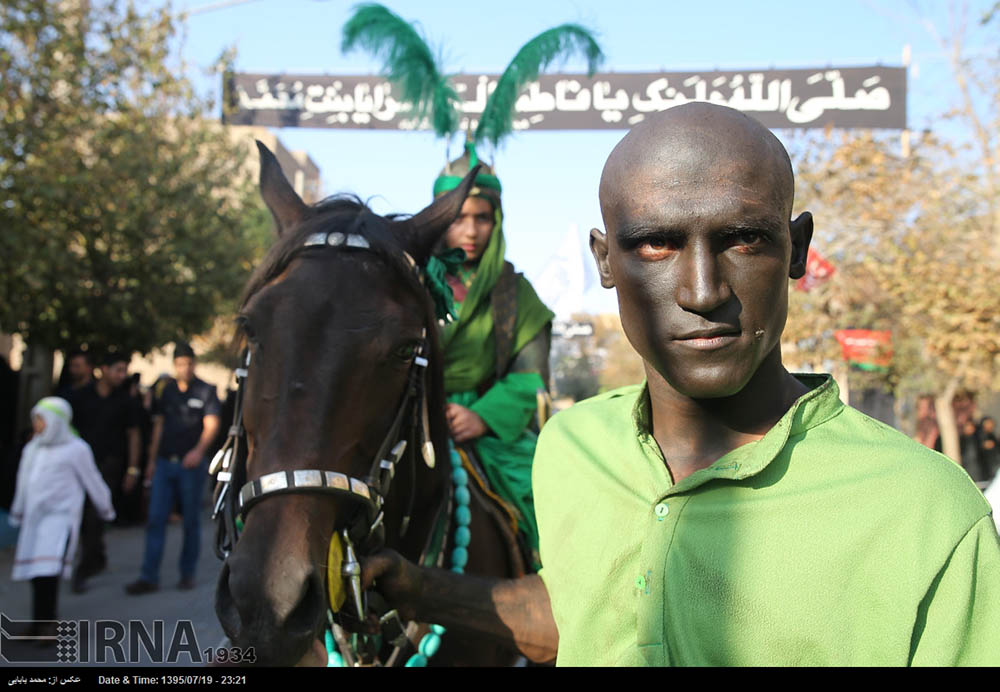
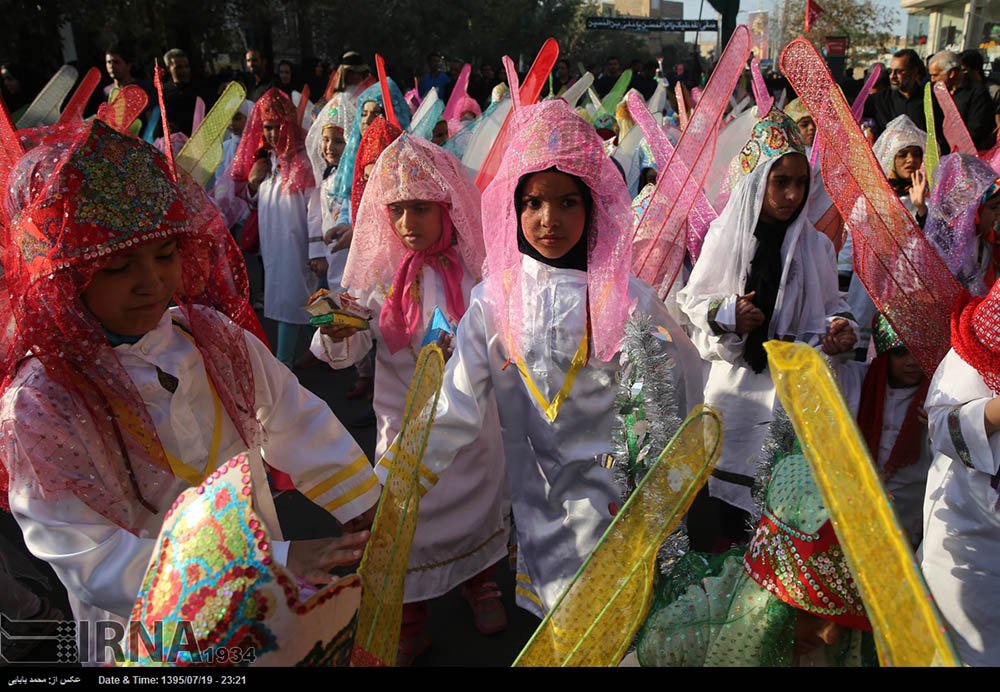
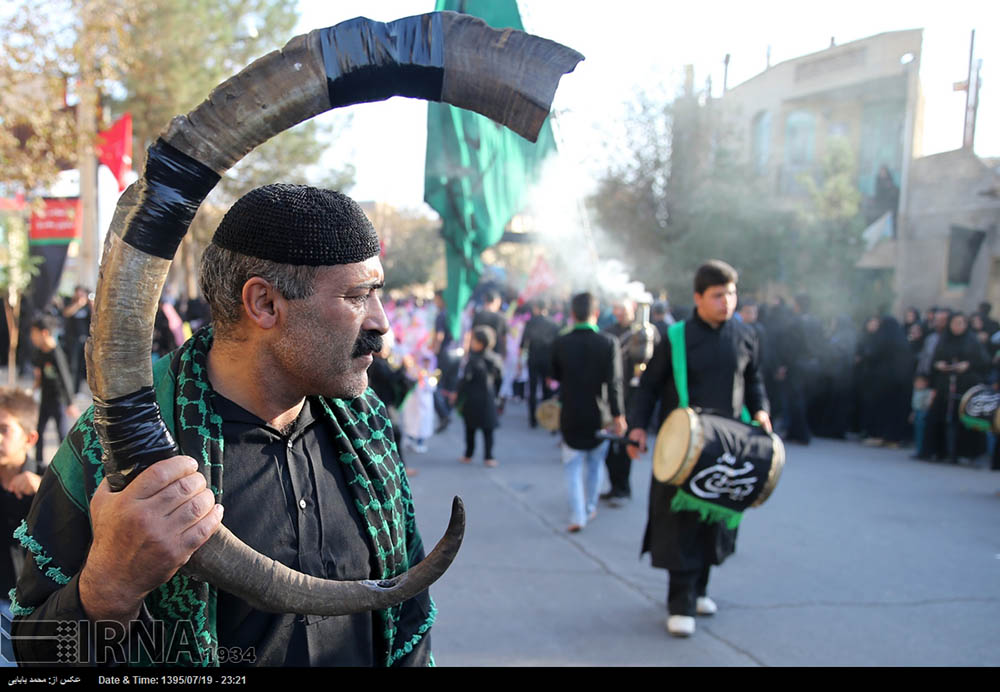
On the 10th day of first Islamic month, Muharram, which is known as Ashura, people in Iran and other parts of the world mourn for the martyrdom of Imam Hussein (PBUH) by lighting candles.
Last night [Wednesday, October 13] was the Sham-e Ghariban [literally the Night of Strangers]. In this ritual, mourners hold candles in their hands and symbolically search for the corpses of the fallen martyrs of the Battle of Karbala, where Imam Hussein and his companions were martyred by the army of Yazid I.
Here are photos of the ritual taken by different Iranian news agencies in different parts of Iran:
At least 11 people were killed and several others injured when Nigerian forces opened fire at Shiite mourners in the cities of Kaduna and Funtua on Wednesday.
According to the Press TV correspondent, troops fired tear gas and live bullets at the mourners in the two cities.
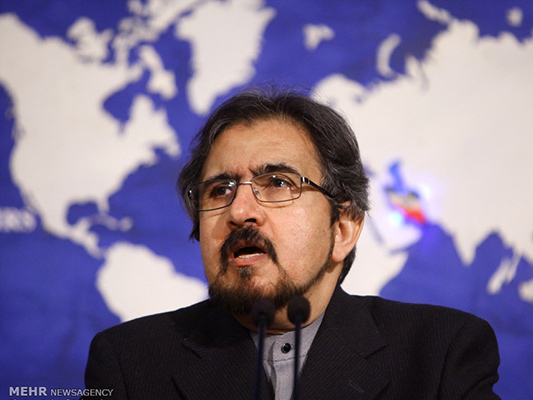
Iranian Foreign Ministry spokesman Bahram Qassemi condemned the attack and underlined the need for the perpetrators of the crime to be brought to justice.
“The violent and brutal measures by extremists and Wahhabi-affiliated forces against Shiites and mourners of Imam Hussein have to be stopped, and perpetrators of such acts need to be immediately arrested and brought to justice,” Qassemi said.
The Iranian official pointed to reported negligence of duty by the police forces to control the situation, and reminded the Nigerian government of its responsibility to ensure the safety of mourners attending such religious processions.
During the clashes between mourners and Nigerian forces, a house belonging to prominent Shiite cleric Sheikh Ibrahim Zakzaky was also set alight in Kaduna.
The clashes came as tensions are already running high between the regime and Nigeria’s Shiite Muslims who have been demanding the release of Sheikh Zakzaky, the leader of the Islamic Movement in Nigeria, who was arrested last December after his house was raided following deadly clashes that left hundreds of Shiites dead.
‘Afghanistan Attack Reveals Grudge against Muslims’
The Iranian official also condemned the deadly attacks against worshippers and mourners in Afghanistan over the past 24 hours, which killed over two dozen people.
“The massacre of defenseless mourners in Afghanistan reveals the insatiable grudge of terrorists and their supporters against the unity of the Islamic Ummah,” Qassemi said, calling on all international and regional players to seriously counter terrorism.
On Wednesday, at least 14 Afghan civilians were killed in a bomb blast outside a mosque in northern Balkh province.
The attack in Balkh, which targeted a group of Shias following ceremonies commemorating Ashura, came a day after a deadly gun attack on Shia worshippers at a shrine in the capital, Kabul, claimed the lives of 14 people.
The ISIS Takfiri terrorist group claimed responsibility for the mass shooting in Kabul.
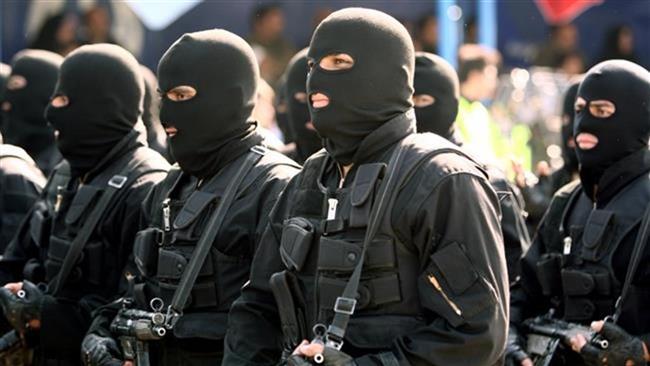
Iran’s Intelligence Minister Mahmoud Alavi says a Takfiri [extremist] terrorist plot has been discovered and thwarted in the southern province of Fars.
Alavi made the announcement on Wednesday, October 12, adding that during the operations, several foreign nationals were detained and around 100 kilograms of explosives were discovered.
He also said that the Takfiris had planned to carry out their plot during the mourning ceremonies commemorating the martyrdom anniversary of Imam Hussein (PBUH), the third Shiite Imam, as reported by Press TV.
The Takfiri terrorists’ plot in Fars indicates that they are extending the scope of their operations from border areas to the heart of Iran.
A few weeks ago, elements affiliated with the ISIS terrorist group had planned attacks in Semnan Province, central Iran, but their plot was foiled.
Also on June 20, Iran’s Intelligence Ministry announced in a statement that its agents thwarted a major plot by the Takfiri-Wahhabi groups for a series of bombing raids across the country during religious events in the holy month of Ramadan.
Later, Intelligence Minister Alavi said a series of operations to arrest the terrorists had begun on June 14 and continued until June 20, as reported by Tasnim.
According to the Minister, 10 Takfiri-Wahhabi terrorists were arrested in Tehran and three border and central provinces of the country, saying they had masterminded different operations including planting bombs, detonation of remote control bombs, suicide attacks, and blowing up explosive-laden vehicles.
The terrorists wanted to carry out bombing raids in crowded locations, and had located 50 targets, the Minister explained, saying they had even prepared the explosive material for some of the attacks and were preparing or receiving some for the others.
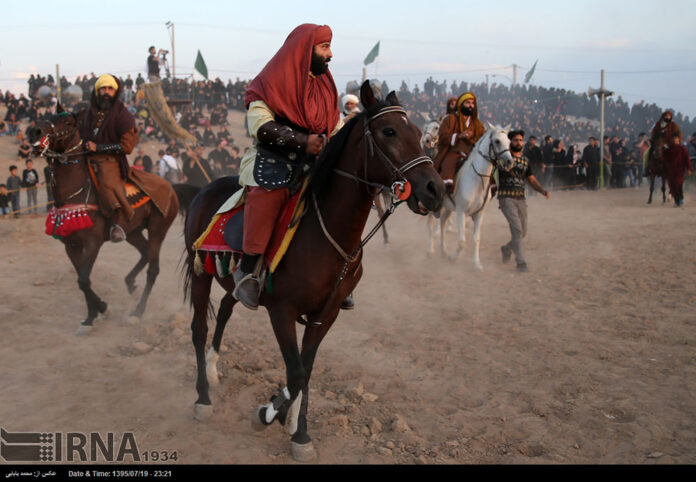
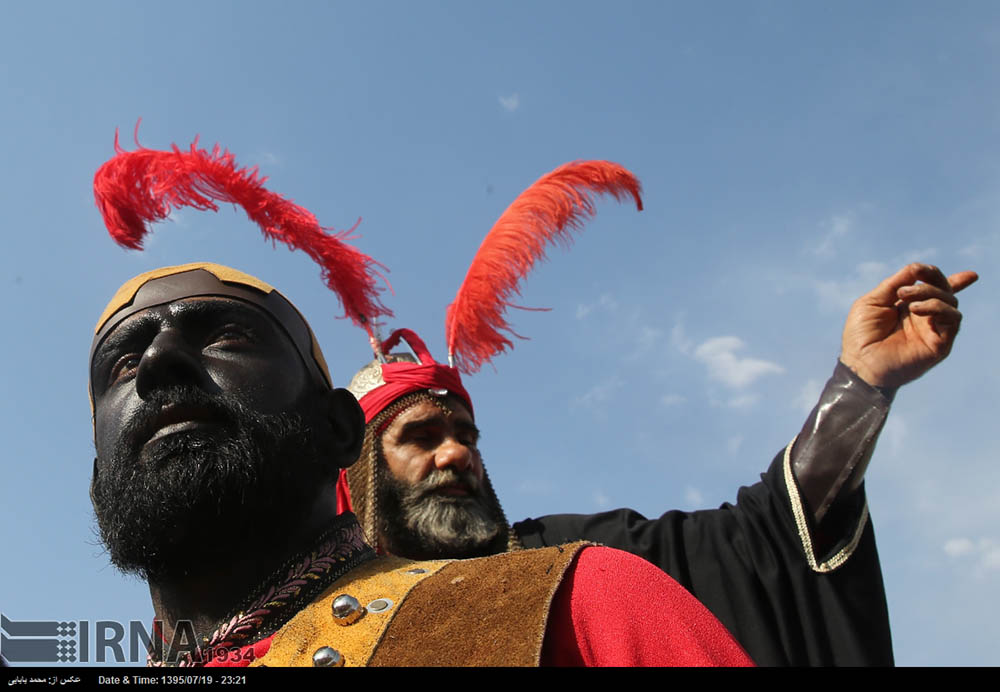
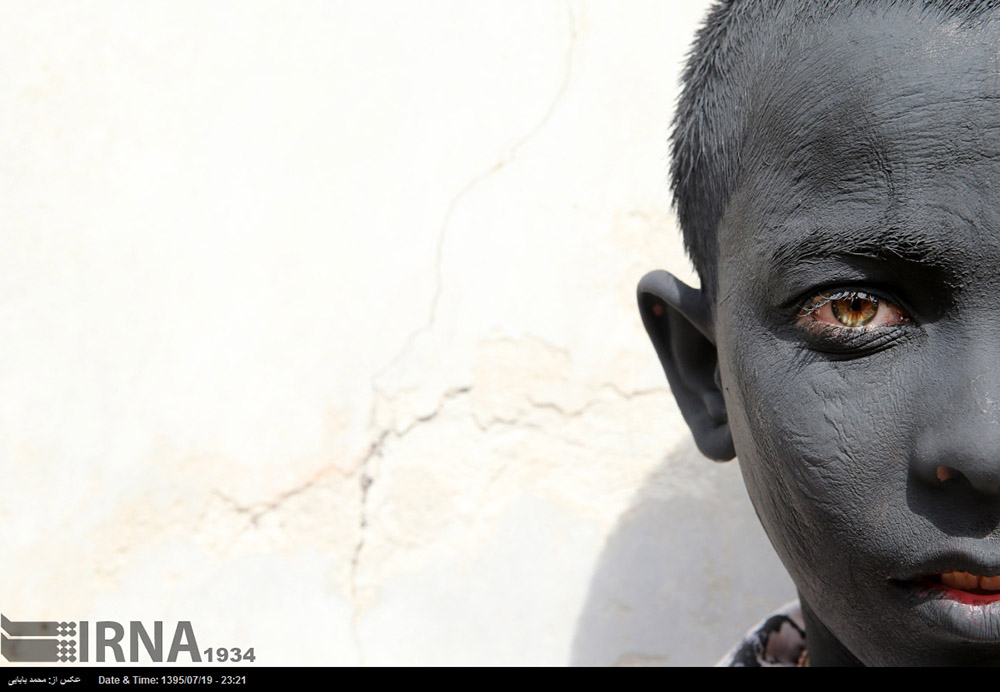
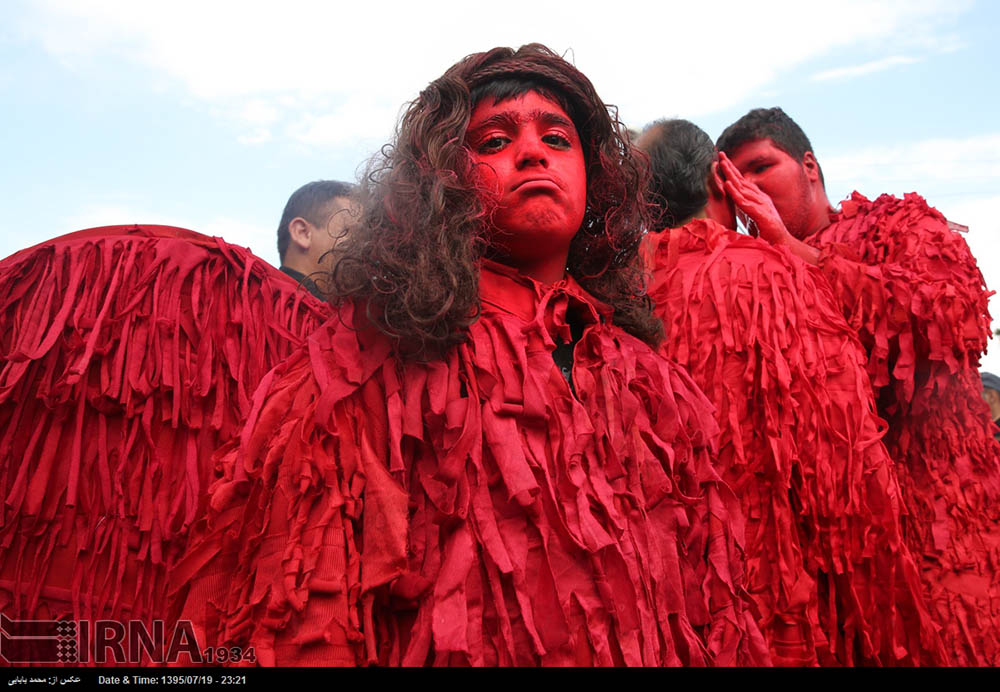
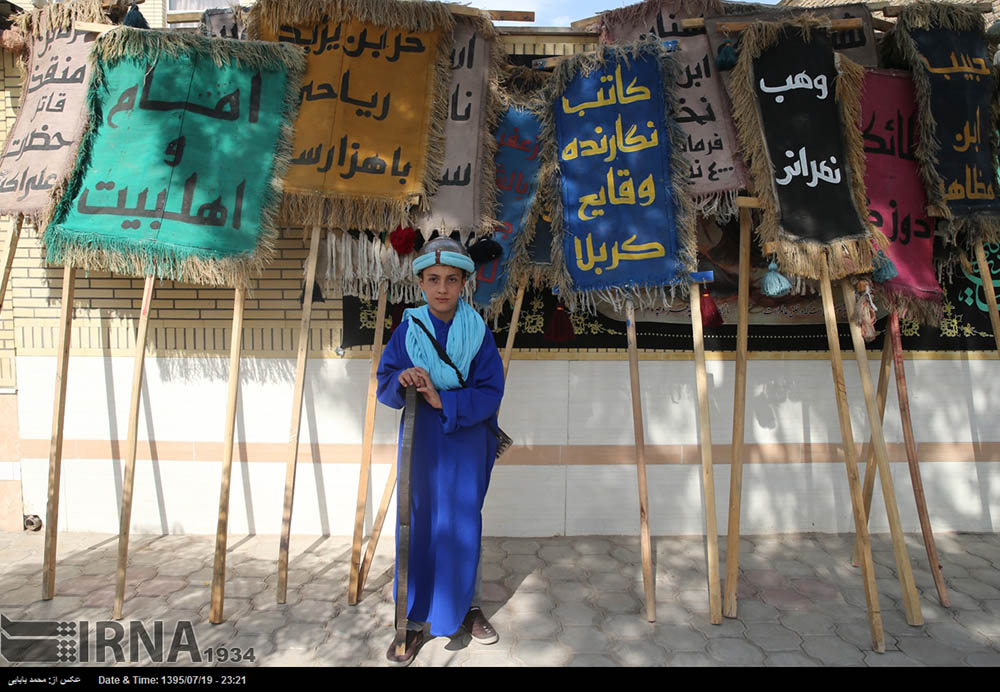
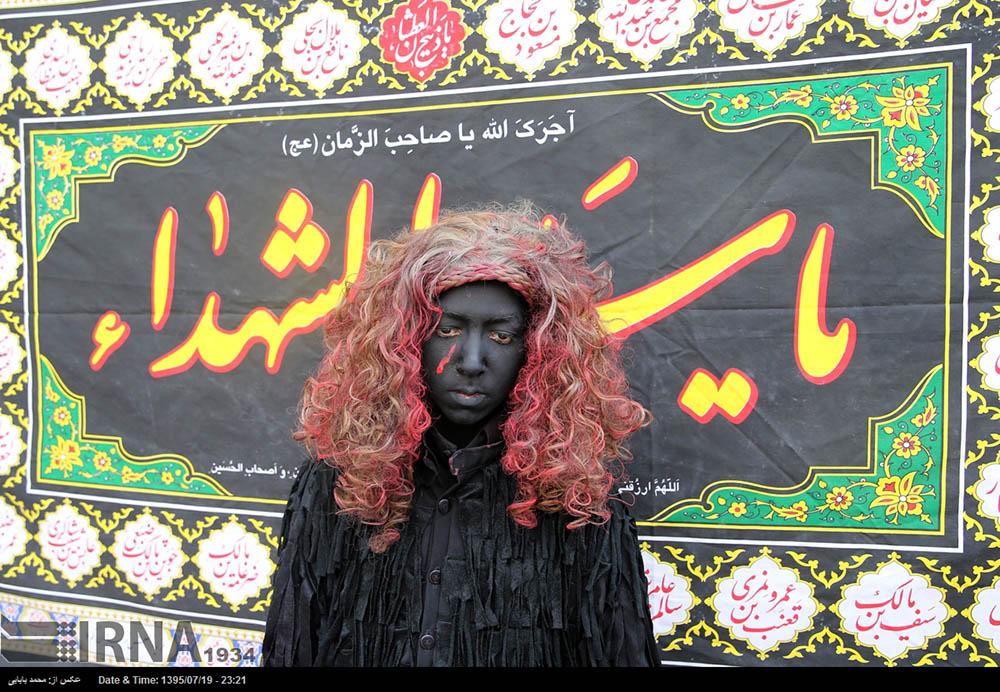
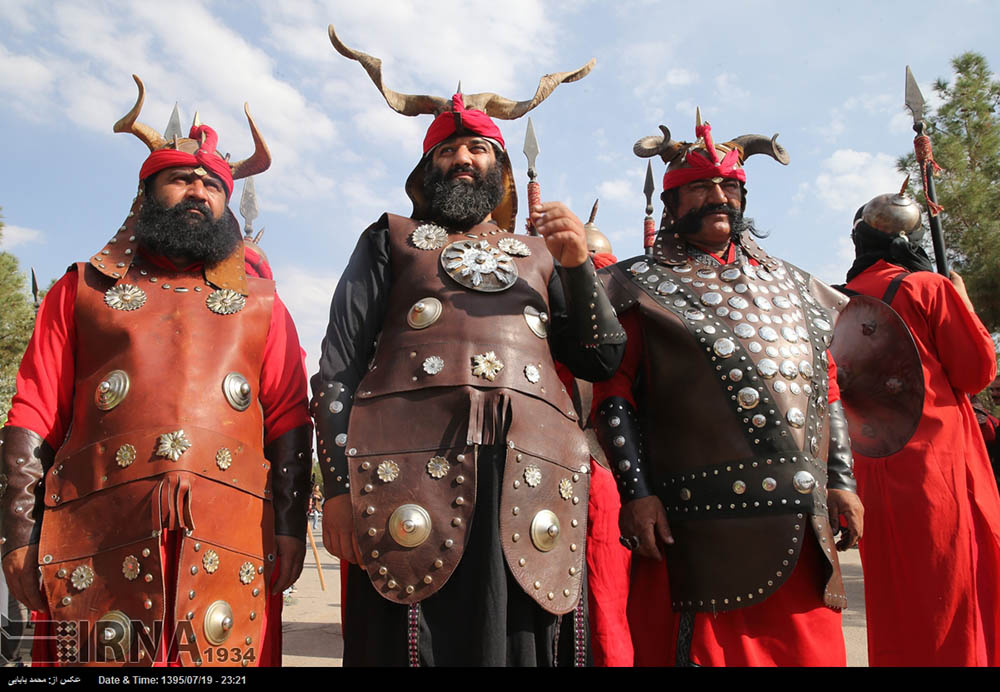
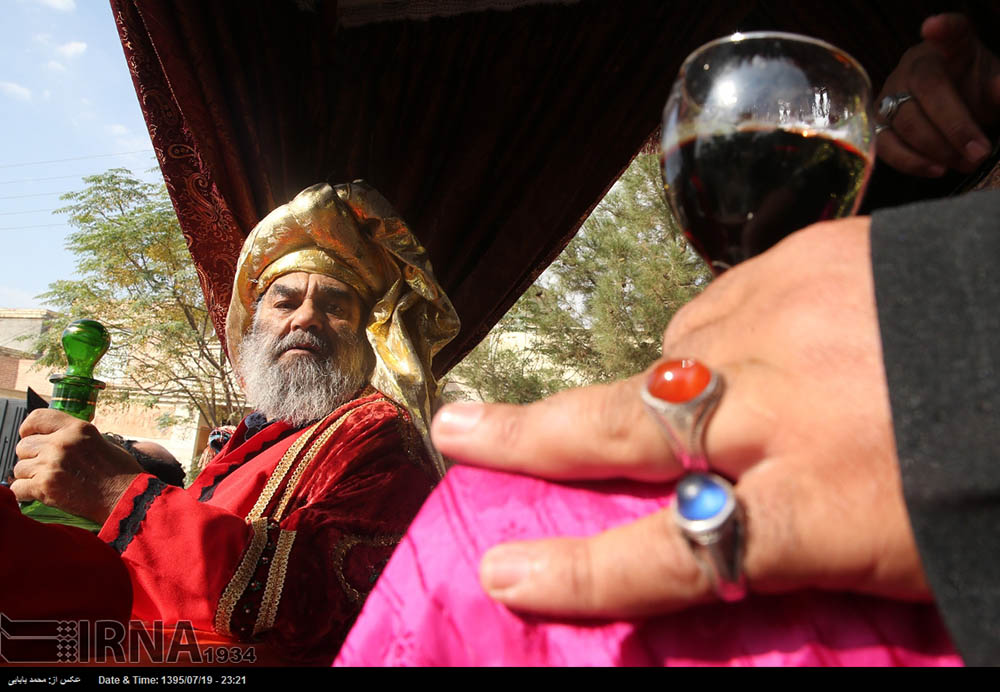
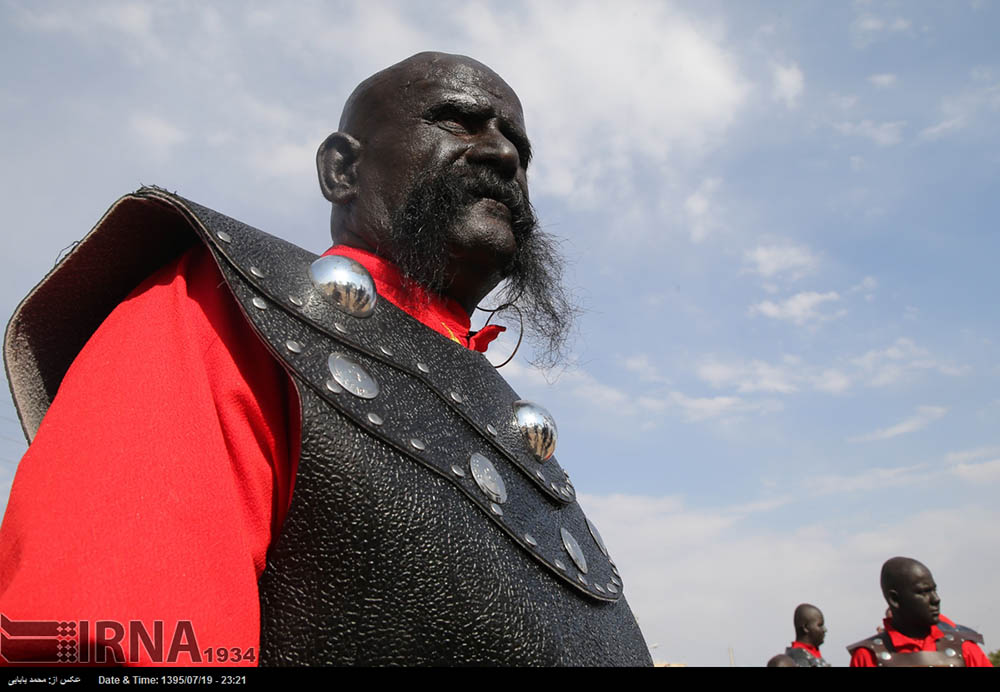
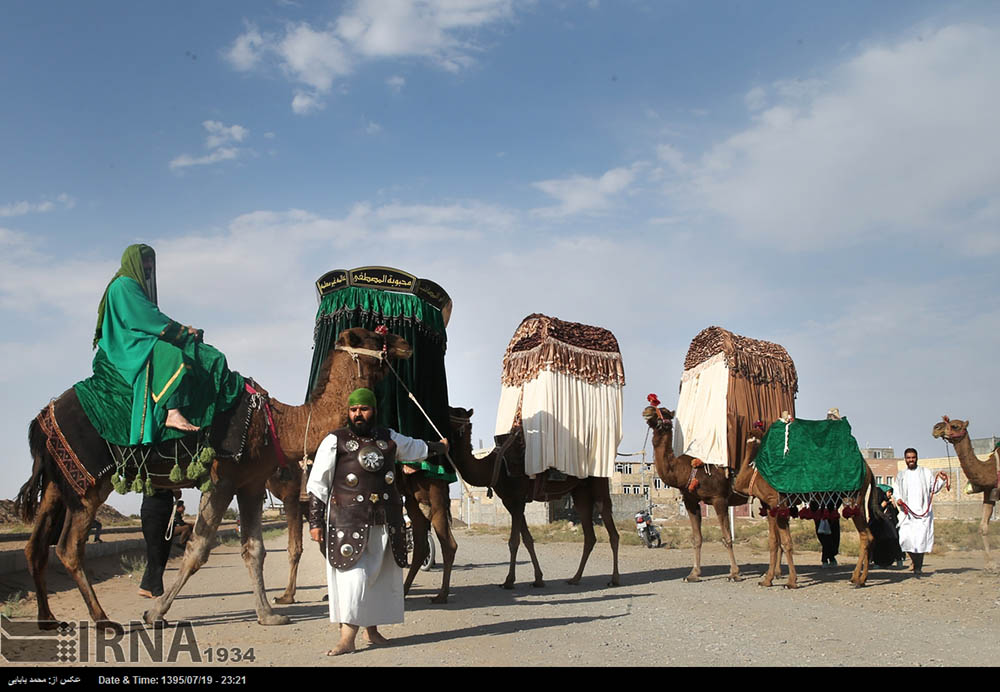
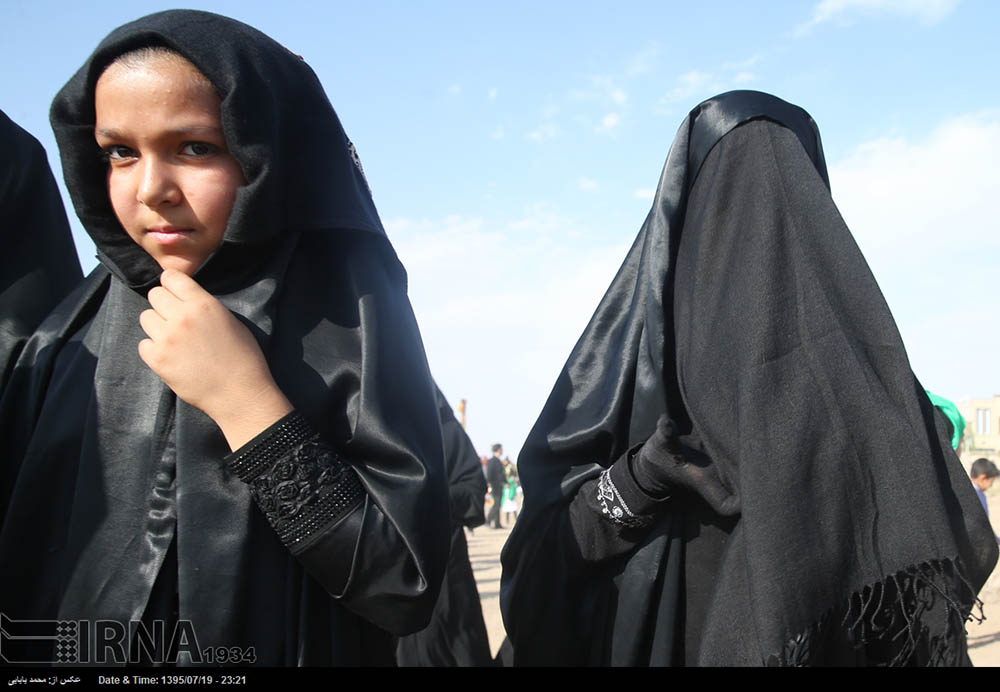
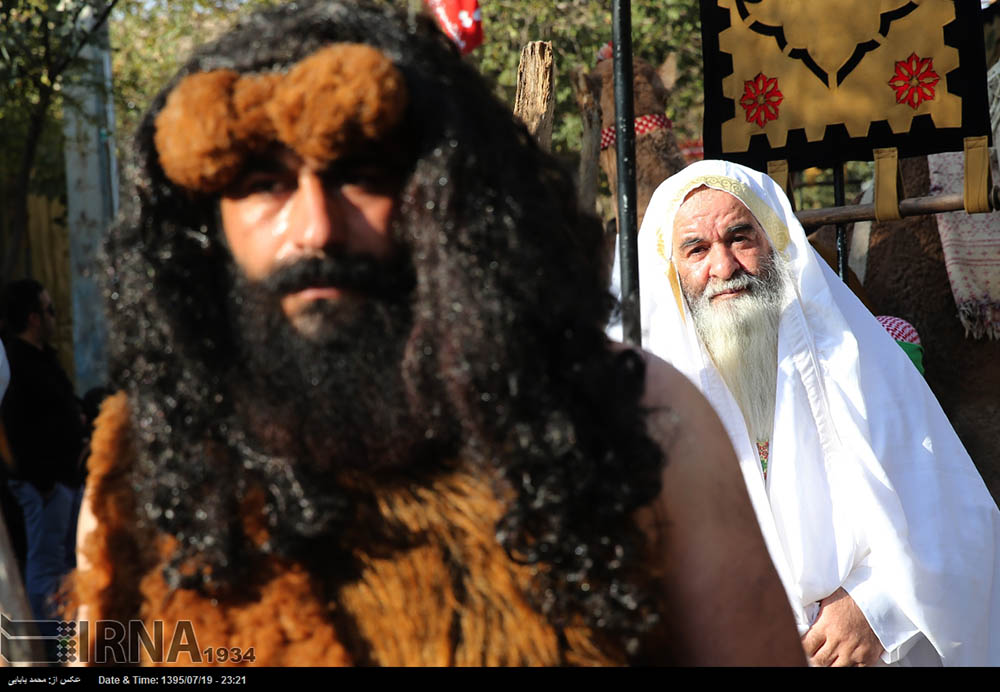
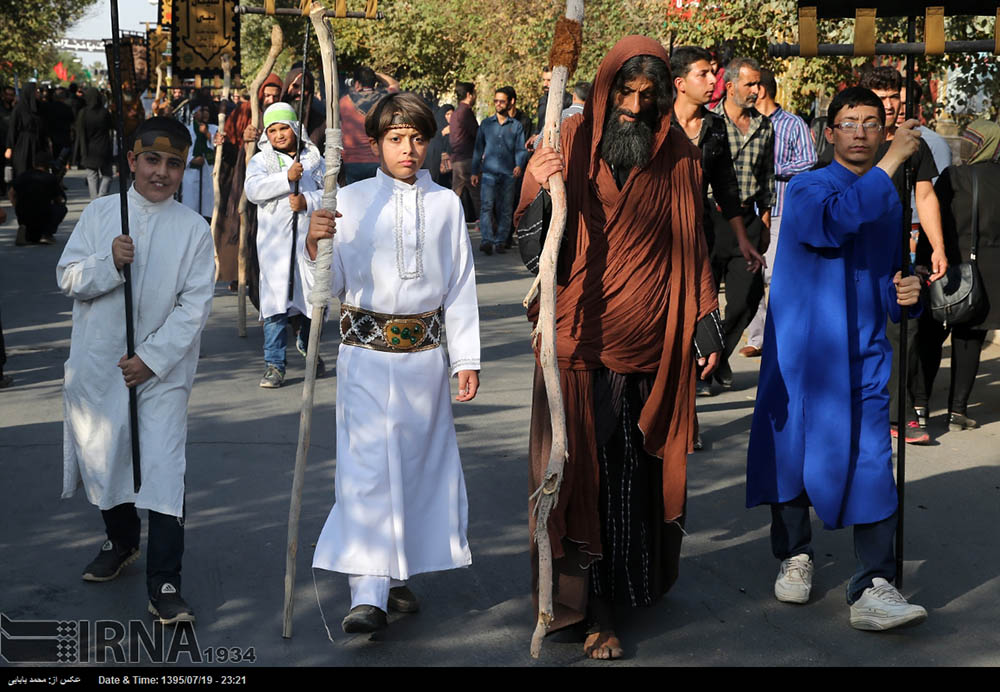
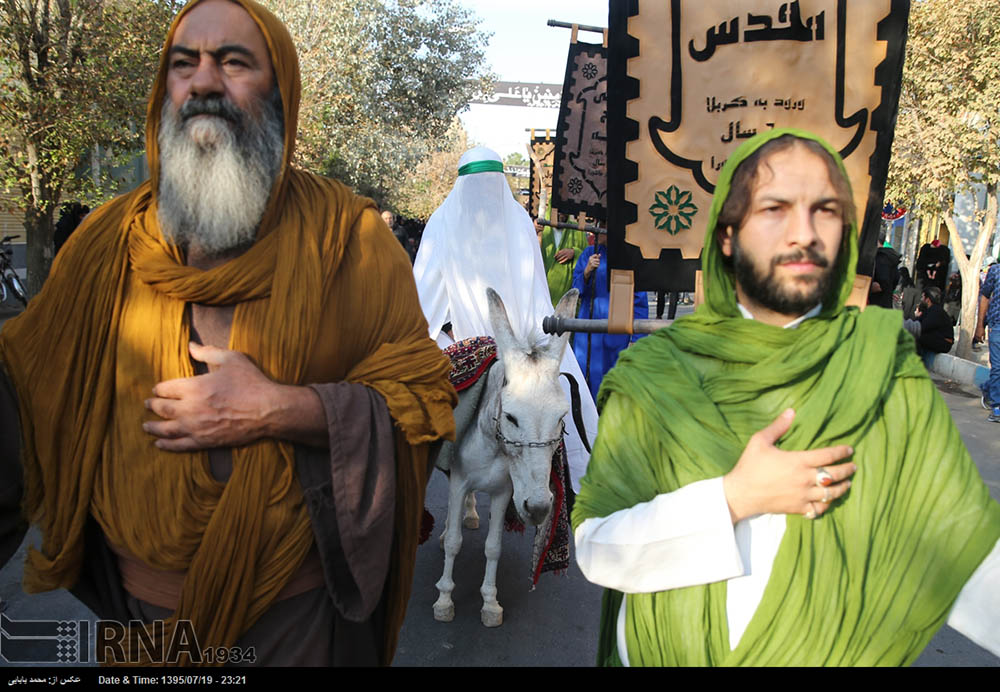
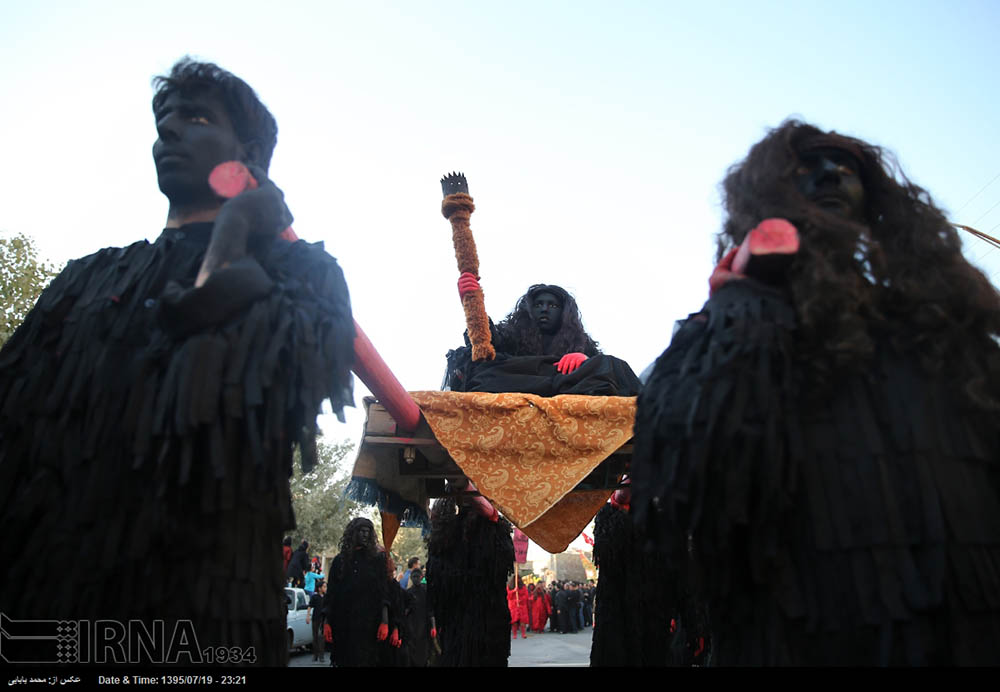
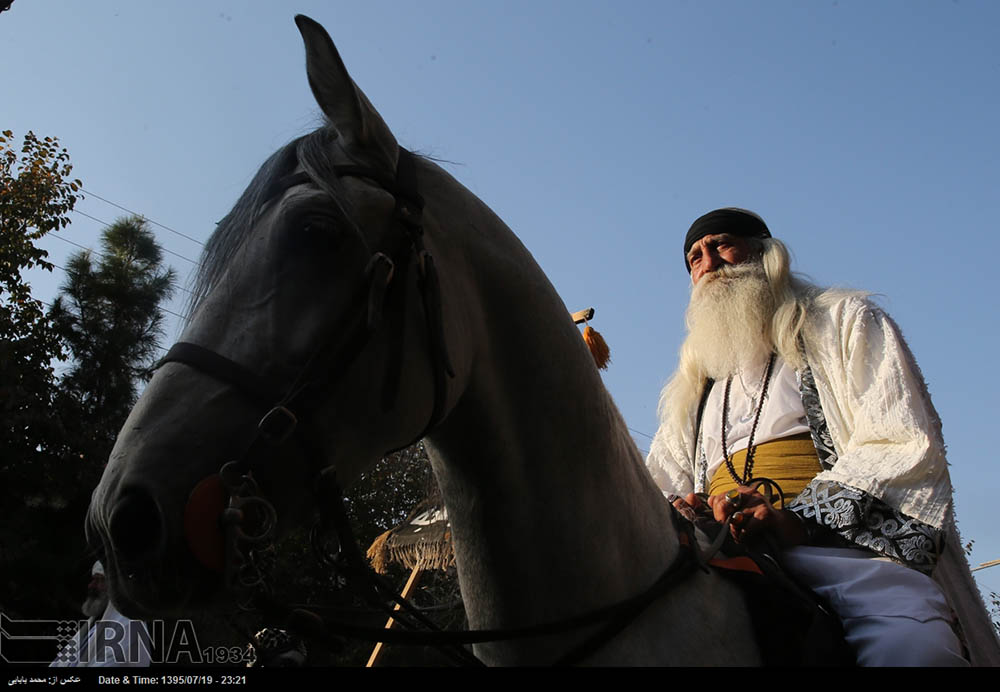
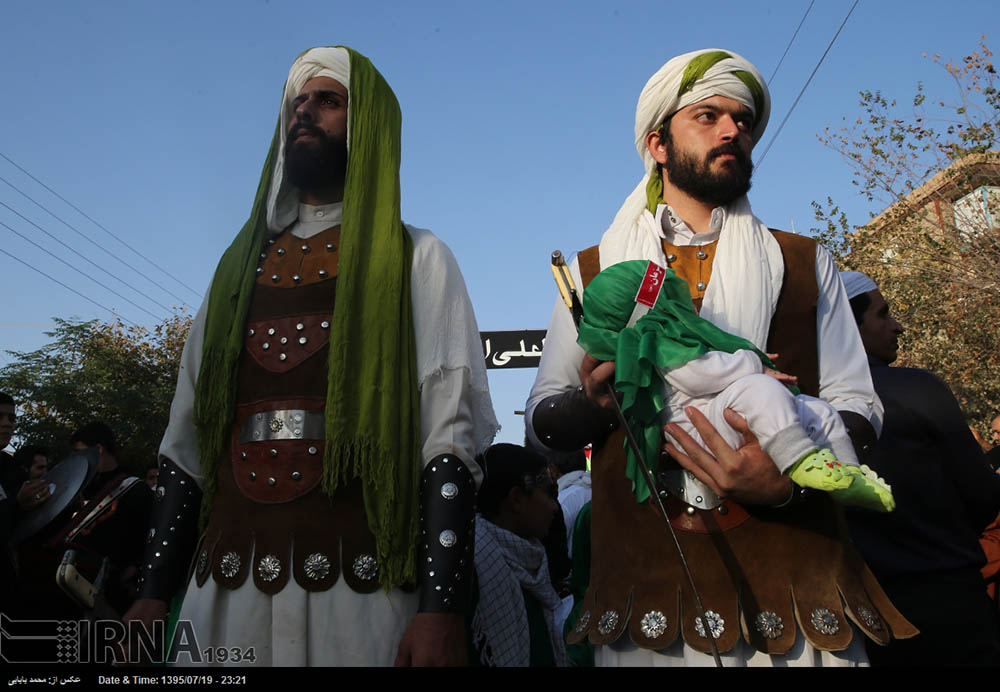
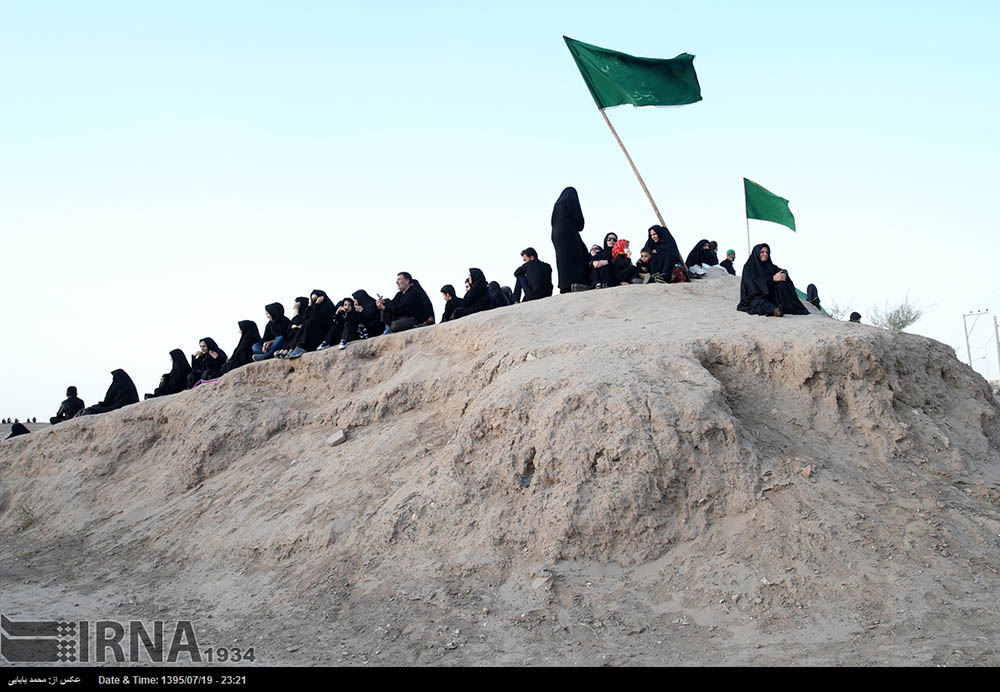
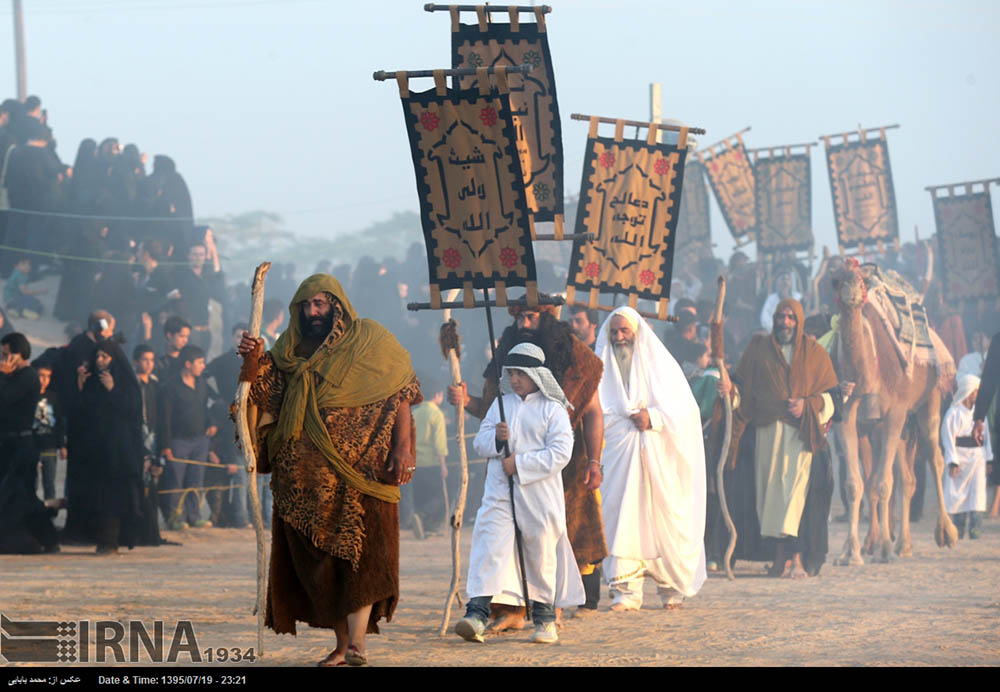
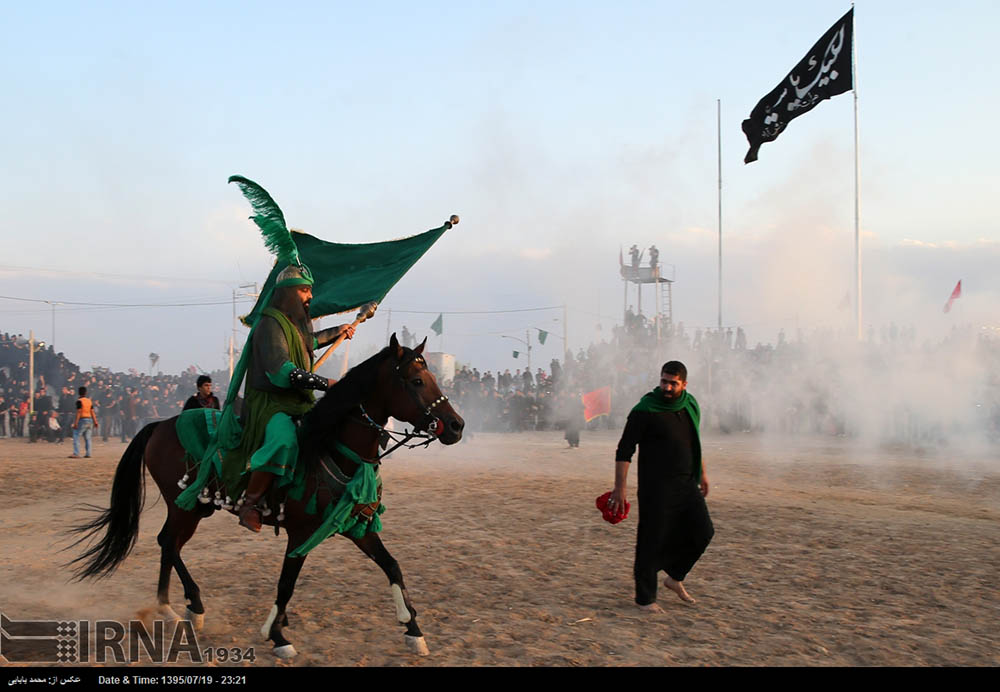
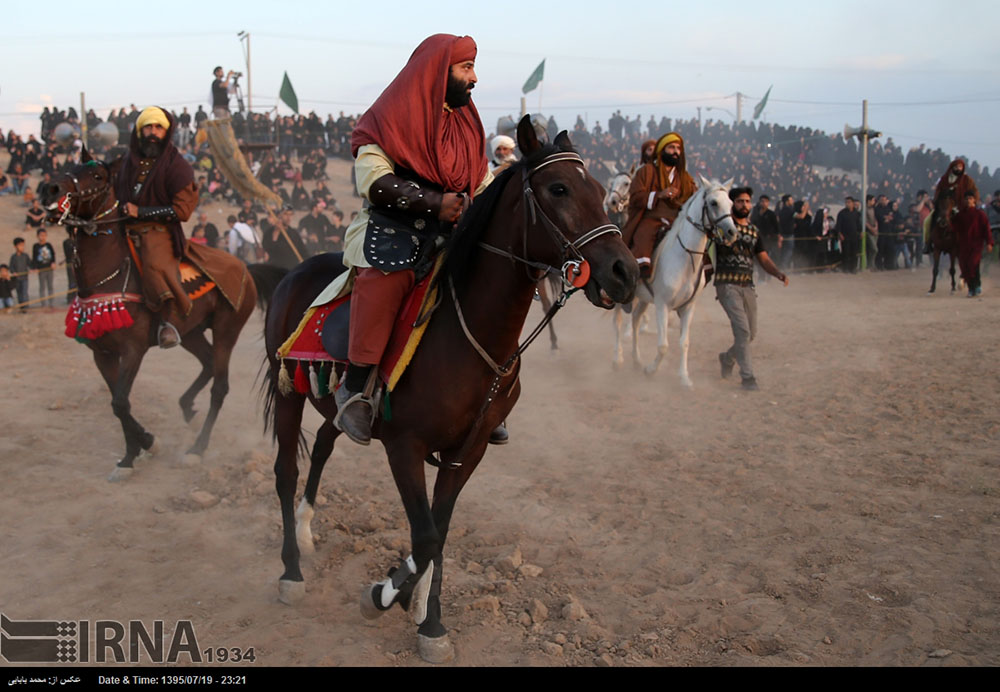
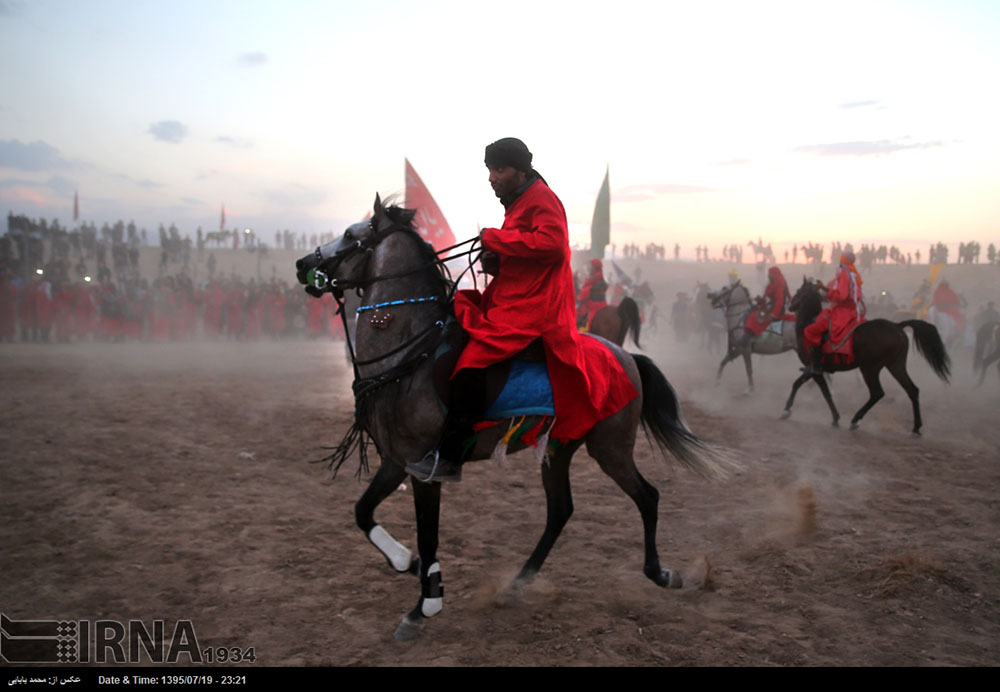
Ta’zieh [a type of condolence theatre or passion play] is one of the ways in which Shiites in Iran and other countries commemorate the tragic battle of Karbala.
In these plays, the actors play the roles of Imam Hussein, the third Shiite Imam, his companions, and his enemies.
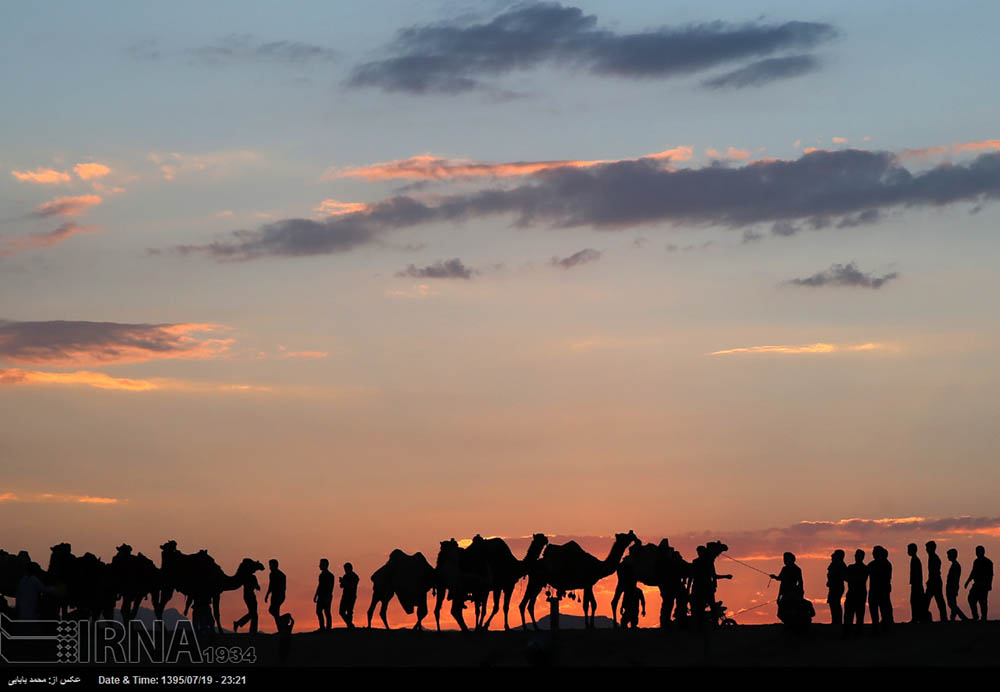
IRNA has published photos of a Ta’zieh in Nooshabad, north of Kashan, [239km away from Tehran], which depicts the arrival of Imam Hussein’s caravan in Karbala, where they were all martyred by the army of Yazid I:
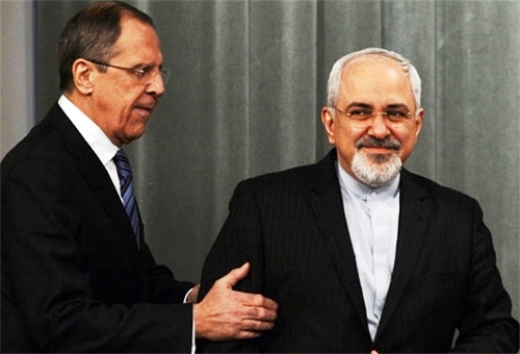
Iranian FM Zarif and his Russian counterpart Lavrov discussed the ongoing crisis in Syria in a phone conversation on Tuesday, during which both stressed that the only solution to the Syrian crisis is a diplomatic one.
Earlier, a senior advisor to Leader of the Islamic Revolution Ayatollah Seyyed Ali Khamenei said that Iran and Russia must strengthen their strategic cooperation on regional and international issues, especially the ongoing crisis in Syria.
“Strong and strategic relations between the two countries are very important in the establishment of regional peace and stability and the settlement of issues,” the Leader’s advisor on international affairs, Ali Akbar Velayati, said in a meeting with Russia’s special envoy for Syria Alexander Lavrentiev in Tehran.
Syria has been gripped by foreign-backed militancy over the past five and a half years, which has claimed the lives of around 400,000 people.