Thursday, January 1, 2026
Home Blog Page 4167

Aleppo Victory Major Step towards Syria Peace: Iran’s President

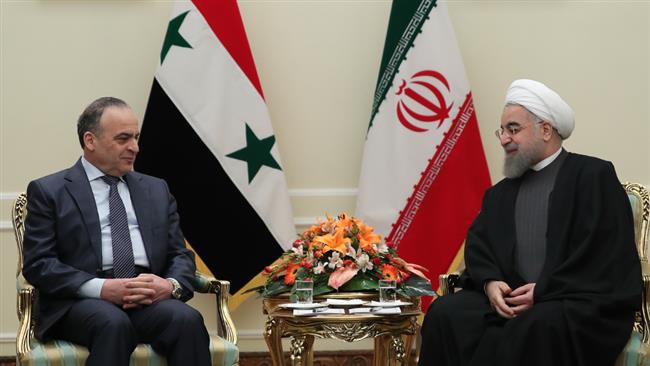
In a Wednesday meeting with visiting Syrian Prime Minister Imad Khamis, Rouhani said had the Takfiri terrorists and their supporters won in Aleppo, “a dangerous path would have opened up for the region and an uncertain future befallen it.”

Late last year, the army managed to liberate the eastern sector of Aleppo, the country’s second-largest city, which had fallen to Takfiri groups back in 2012. By doing so, the Syrian forces both restored the entirety of the city to government control and dealt the hardest blow to the militants since the onset of their campaign of foreign-fueled violence in Syria in 2011.

Government forces later secured the evacuation of remaining civilians and armed elements from the city under a ceasefire deal, brokered by Russia and Turkey, which were respectively representing the Syrian government and the armed factions. The Aleppo deal set the stage for a landmark all-Syria truce deal between Damascus and foreign-backed militant groups.

Rouhani further said the victory in Aleppo showed the world that “the Syrian people are capable of defending their homeland in the face of terrorists, and that the terror groups and their sponsors will never be able to achieve their goals.

The Iranian chief executive praised the Aleppo triumph as well as the Syria ceasefire as “two important steps towards establishment of peace and stability in the Arab country.”

This favorable opportunity should be seized to step up the fight against terrorists, said Rouhani, stressing, “What is sought by all of Syria’s friends is for peace and stability to return to the country so people can easily decide their future.”

“The Iranian government, people, and Leader [Ayatollah Seyyed Ali Khamenei] have always stood by the Syrian people and will always do so,” the Iranian president noted.

Khamis, for his part, said the Aleppo victory owes to the perseverance and resistance of the Syrian people and army as well as Iran’s unstinting support.

He asserted that the Syrians were intent upon returning security to their country.

Astana Talks ‘No Place for US’

Khamis also met with Ali Akbar Velayati, a senior advisor to Ayatollah Khamenei, who said the Islamic Republic is “vehemently opposed” to the US participation in the upcoming conflict resolution talks in the Kazakh capital of Astana.

Aleppo Victory Major Step towards Syria Peace: Iran's President

The negotiations will be held between representatives from the Damascus government and foreign-sponsored opposition groups on January 23.

They are mediated by Russia, Turkey, and Iran. Talks between the three have so far worked much in the way of bringing about the achievements on the ground.

“The talks will be the result of the victories of the Syrian government and people as well as their allies,” said Velayati, adding that the parties, which have long supported the terror groups and faced defeat on the battlefield, should not be allowed to “exploit the political arena and reap their desired results.”

The US has, from the start, insisted on deposing Syria’s legitimate government, he added.

The United States and its regional allies, namely Turkey, Saudi Arabia, and Qatar, have been lavishing financial and political support on anti-Syria terror groups since 2011, when the outfits unleashed their campaign of violence against the country.

Earlier, Iranian Foreign Minister Mohammad Javad Zarif also communicated Tehran’s opposition to Washington’s presence at the negotiation table.
US Not Invited to Astana Talks on Syria: Iran’s Top Security Official

Iran Urges Collective Cooperation to Tackle Regional Security Challenges

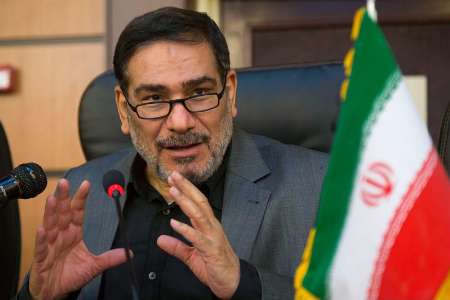
“Due to Iran’s objection to the US participation in the Astana gathering, Washington has been sent no joint invitation by the three countries, at whose initiative the meeting is to take place,” Ali Shamkhani, Secretary of Iran’s Supreme National Security Council said Wednesday.

The Kazakh capital is to host the negotiations between representatives from the Damascus government and foreign-sponsored opposition groups on January 23.

The talks are to be mediated by Russia, Turkey, and Iran.

The three countries have over the past several months been working together and holding trilateral talks aimed at improving the situation on the ground in the Arab country.

Last month, such efforts led to the conclusion of a deal enabling the evacuation of civilians and armed elements out of the northwestern city of Aleppo as it was being liberated by the Syrian Army.

Iranian officials, most importantly Foreign Minister Mohammad Javad Zarif, have voiced opposition to Washington’s attendance, citing its dedication to the ouster of the Syrian government thought supporting the terror groups.

Russian Foreign Minister Sergei Lavrov has, however, said he believes US representatives should be invited to the meeting.

The United States and its regional allies, namely Turkey, Saudi Arabia, and Qatar, have been lavishing financial and political support on anti-Syria terror group since 2011, when the outfits unleashed their campaign of violence against the country.

Shamkhani said the US may only be invited to the talks as an observer at the invitation of the host country, adding that Washington cannot play a part in “managing, leading and directing the current initiatives on the Syria crisis,” including the Astana talks.

He cited Washington’s record of reneging on its commitments and incompetence in bringing about truce and directing the warring parties towards negotiation.

“As the country, which has had the most important role in supporting the Syrian government in fighting terrorism, the Islamic Republic will also be having a notable and active role in the political process, including the Astana meeting,” the official noted.

Iran has been lending political and military advisory support to Damascus in its uphill battle against terrorism.

Shamkhani also said only the armed groups, which have signed the all-Syria ceasefire and announced their commitment to inter-Syrian talks, as well as the UN envoy for Syria Staffan de Mistura have been invited to the Astana talks.

Bus Crash in Iran’s Kerman Kills 6, Injures 16

Bus Crash

The tragic bus crash took place at 21:51 pm (Iran local time) on Tuesday, January 17, said Shahin Fathi, the deputy head of the Relief and Rescue Organization of Iranian Red Crescent Society.

According to Farsi report by Iran Online, following the accident, relief and rescue forces immediately arrived at the scene and took the necessary measures to save the victims.

22 people were on the bus, of which 16 suffered injuries and 6 were killed.

Iran Not to Lose Anything If Trump Scraps Nuclear Deal

“(US president-elect Donald) Trump’s stance on the nuclear agreement is negative and we do not take it seriously”, Salehi said in an interview with Al Jazeera news network on Tuesday.

Stressing that Iran will not be the first party to violate the accord, he added, “If Trump tears up the nuclear deal, we will not lose anything.”

Washington should accept the responsibility of its actions if the deal is rejected, Salehi went on to say.

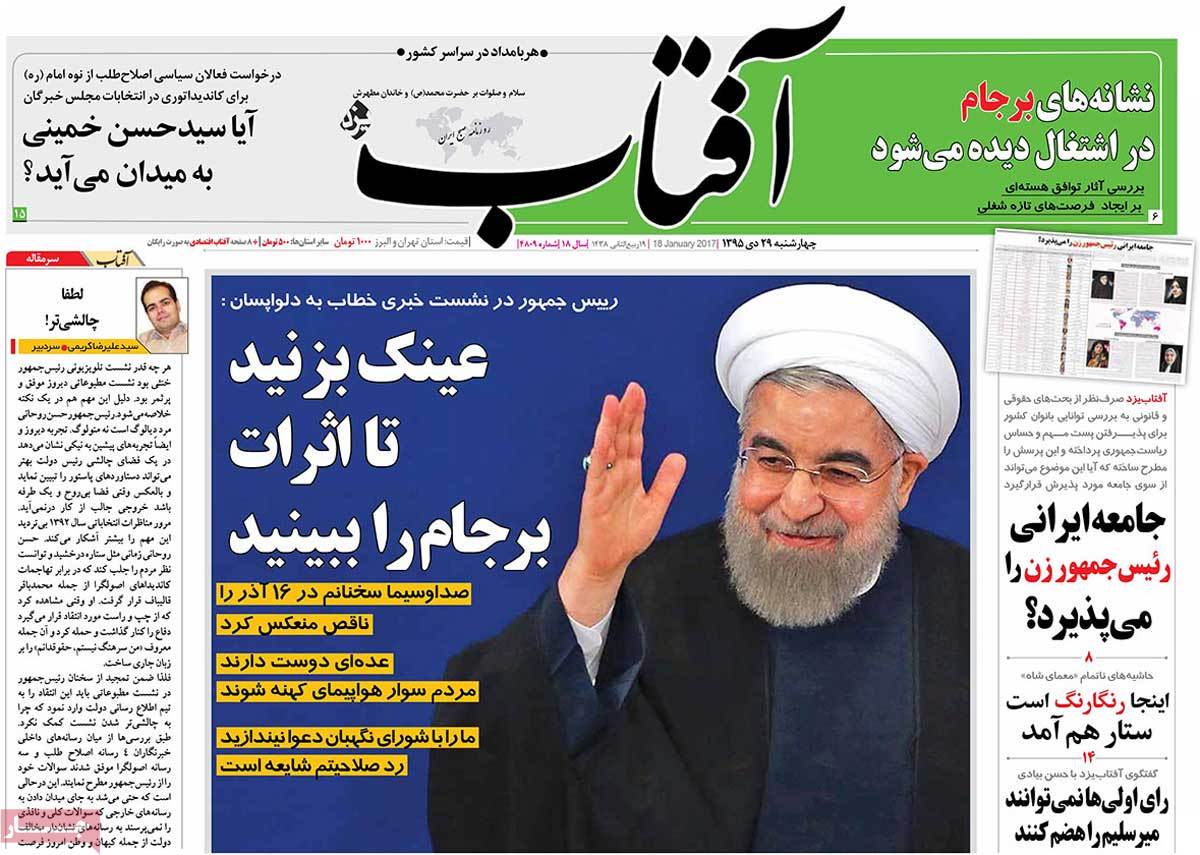
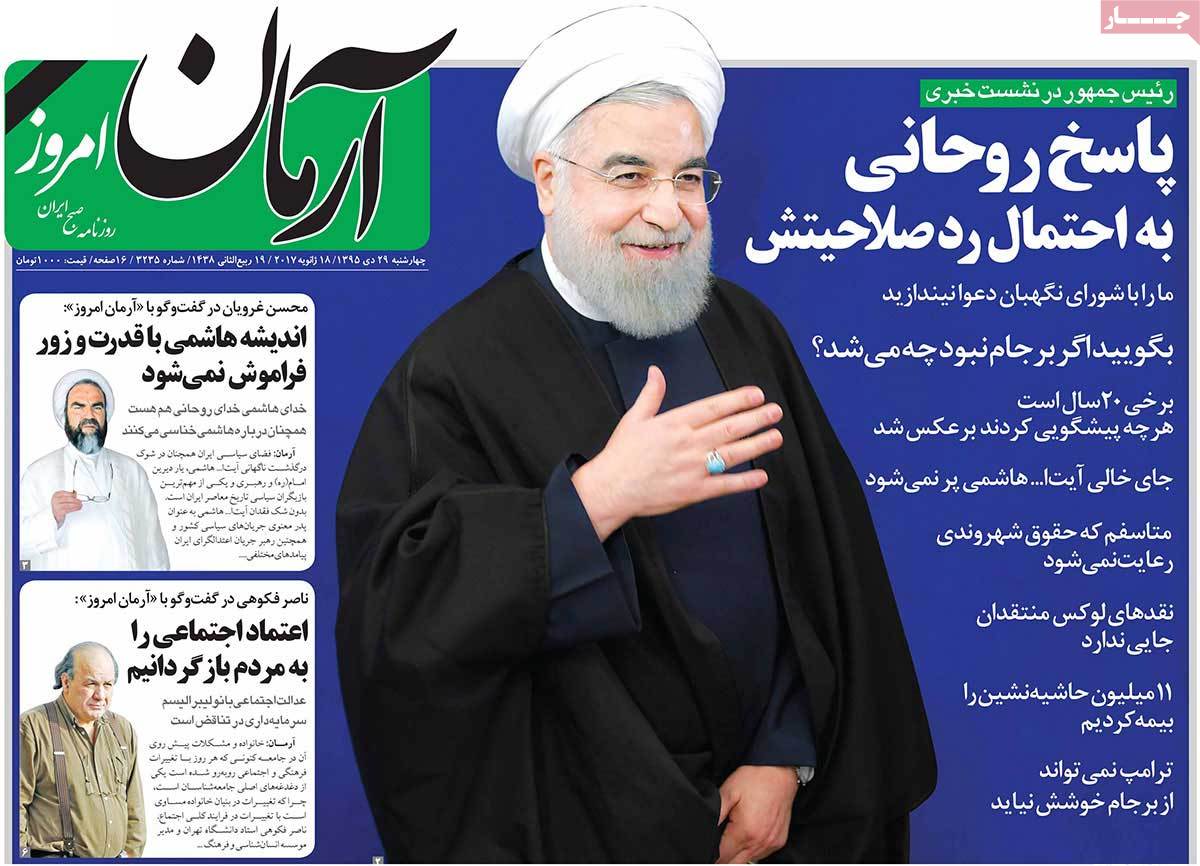
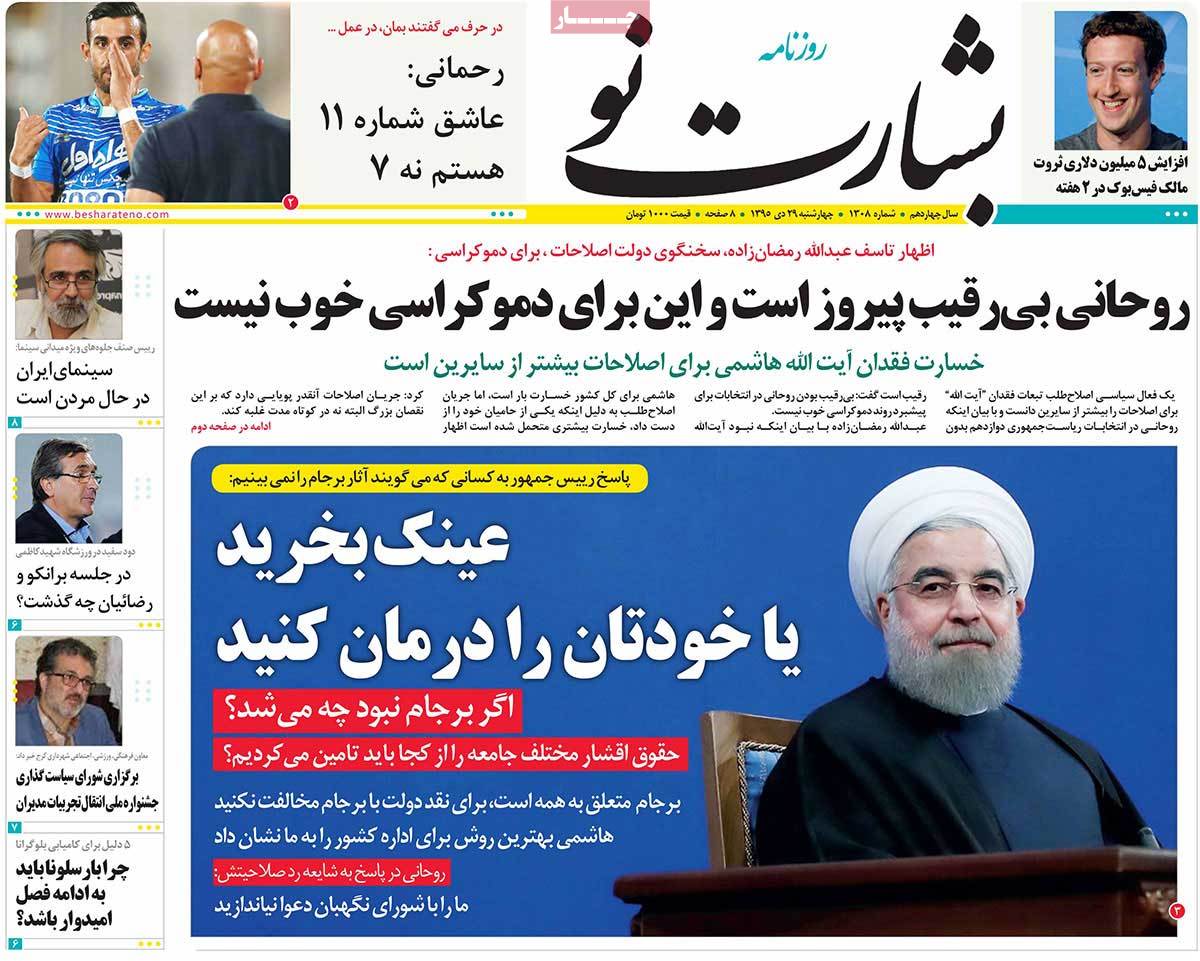
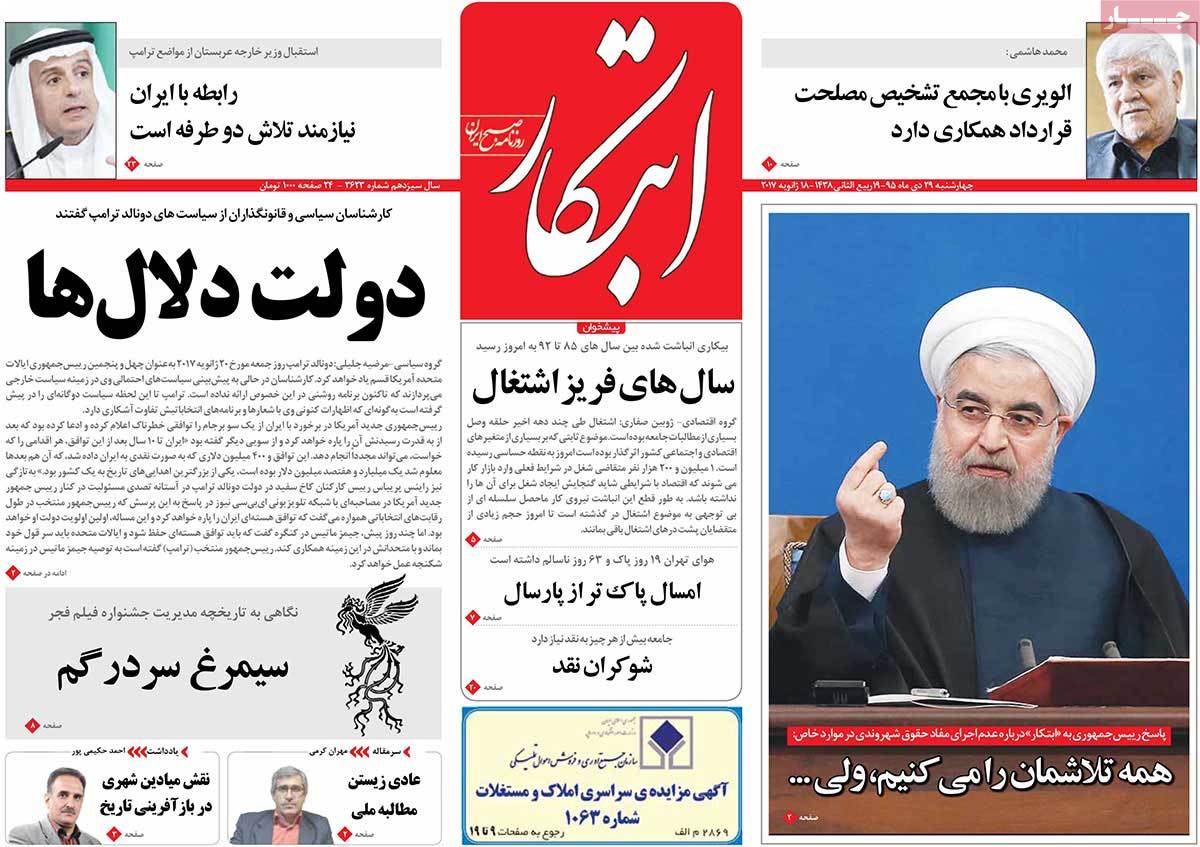
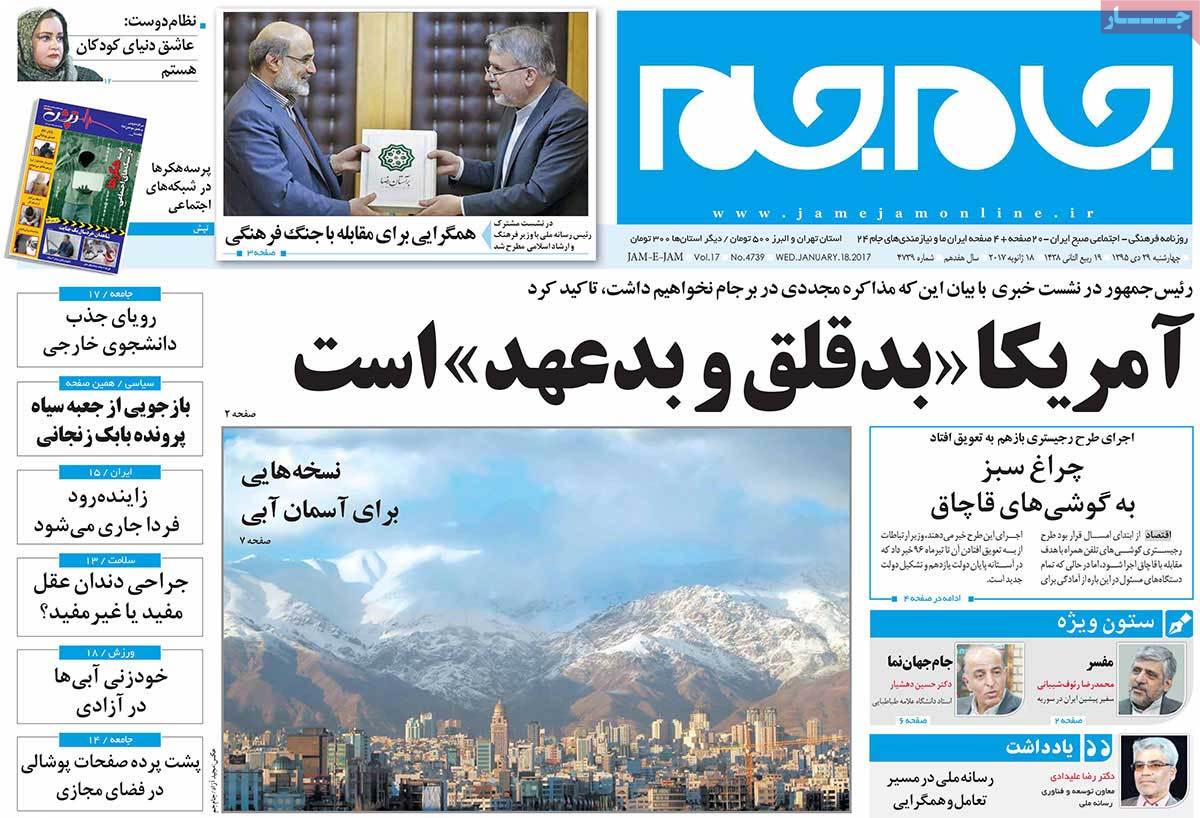
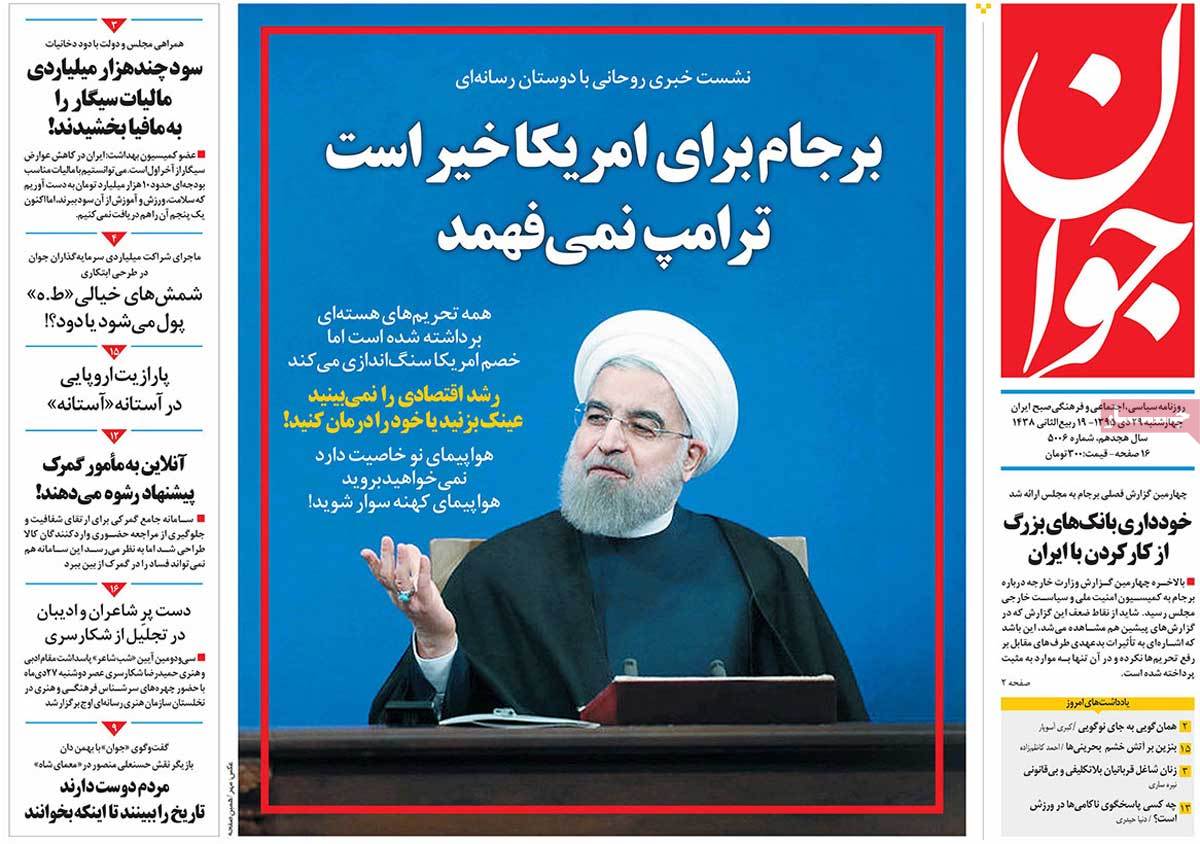
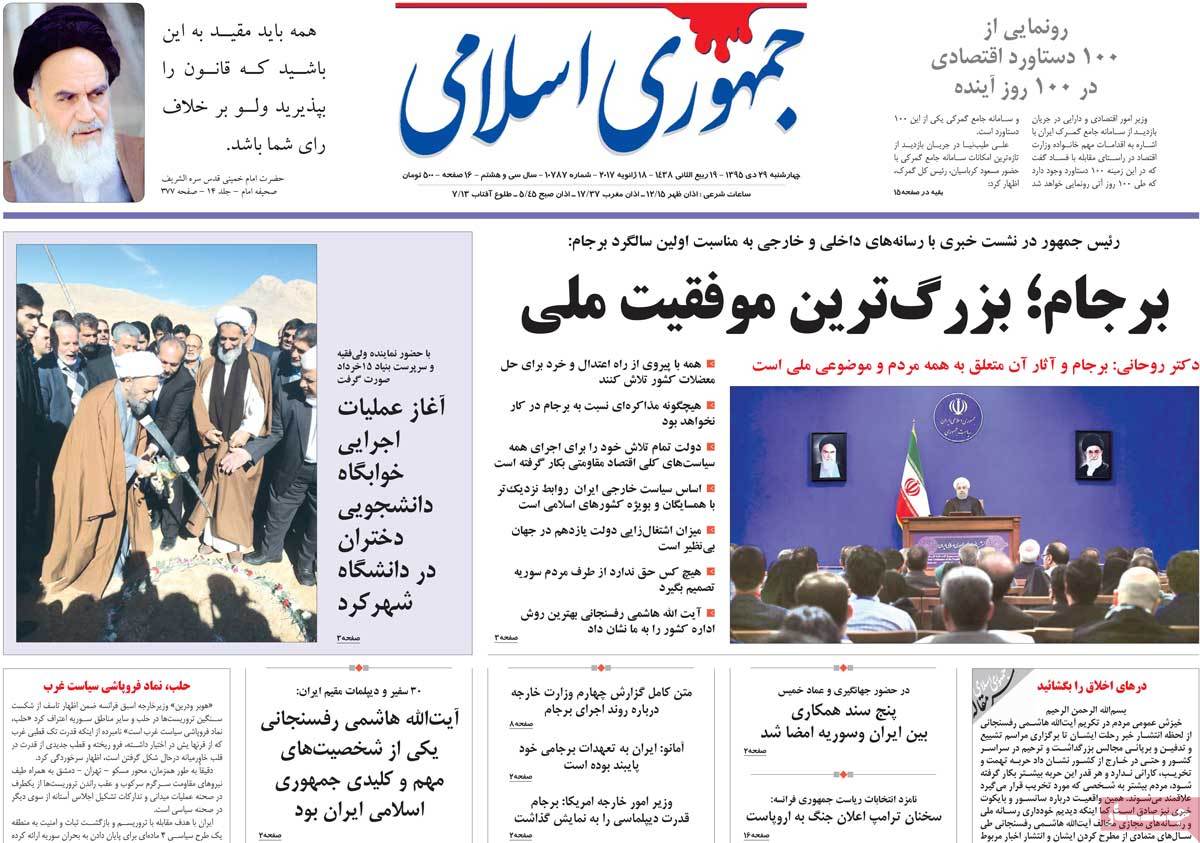
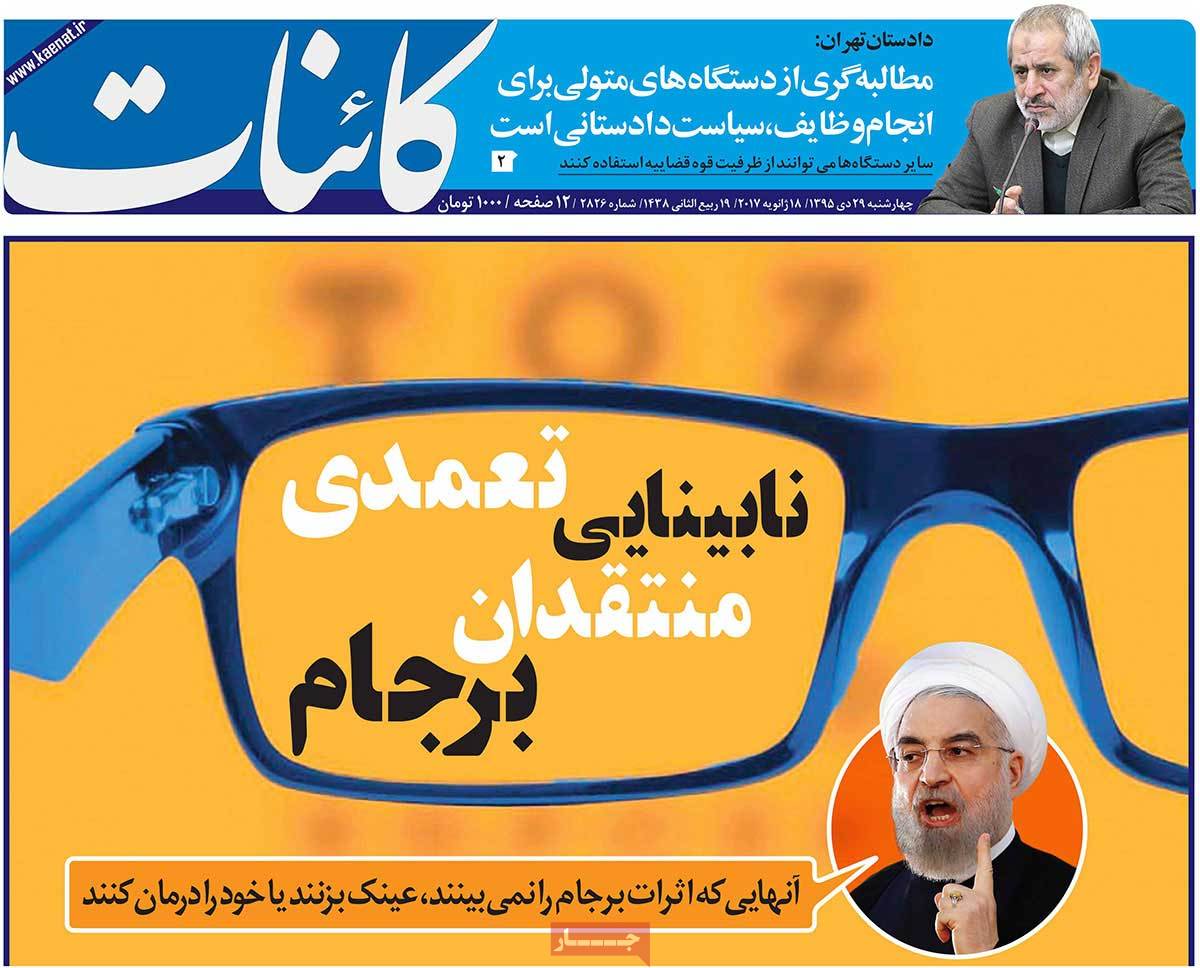
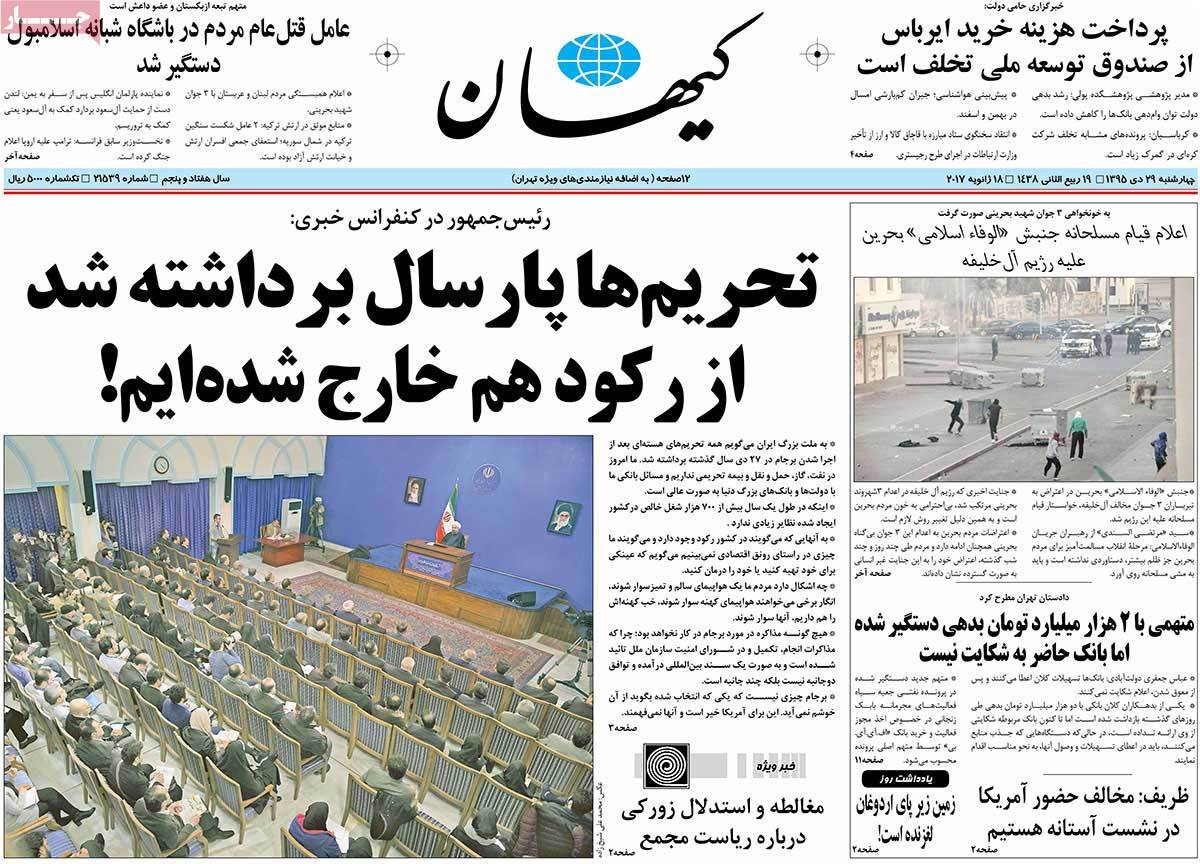
A Look at Iranian Newspaper Front Pages on January 18

A Look at Iranian Newspaper Front Pages on November 19

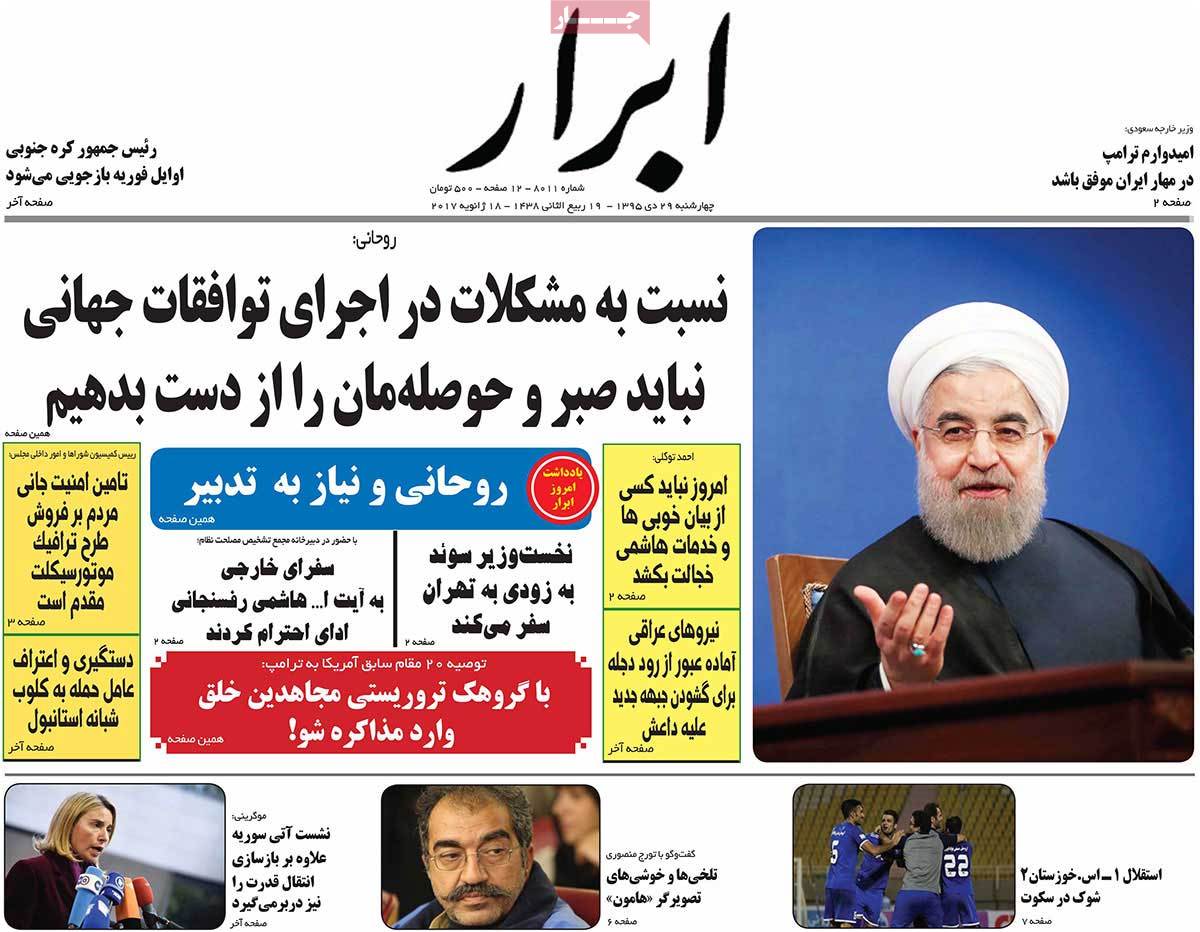
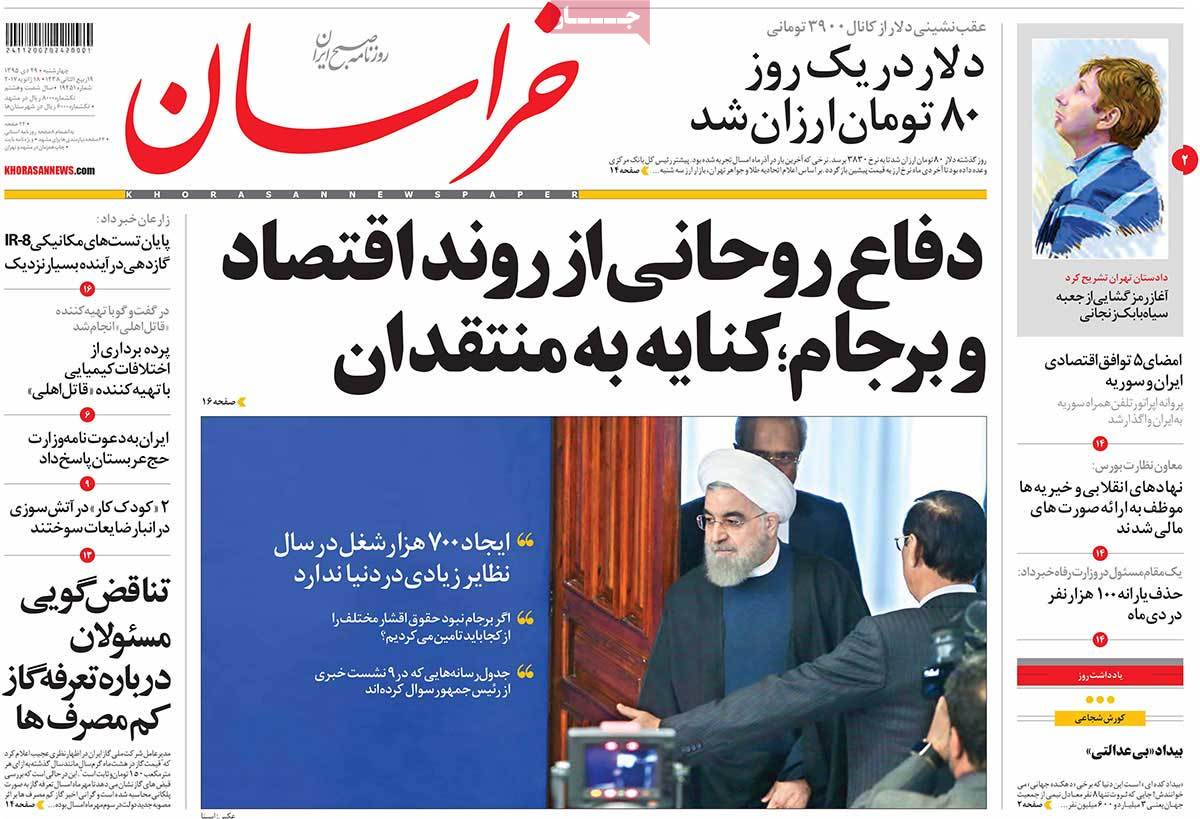
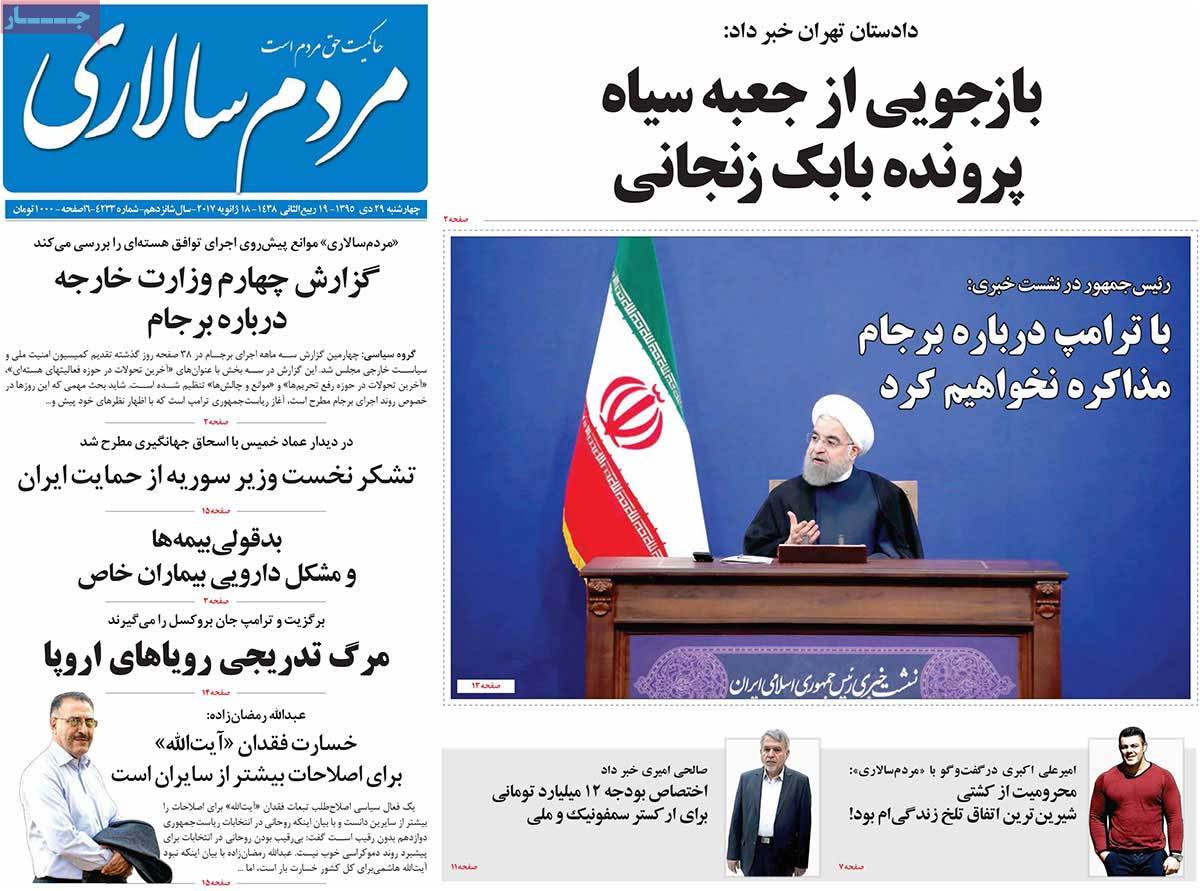
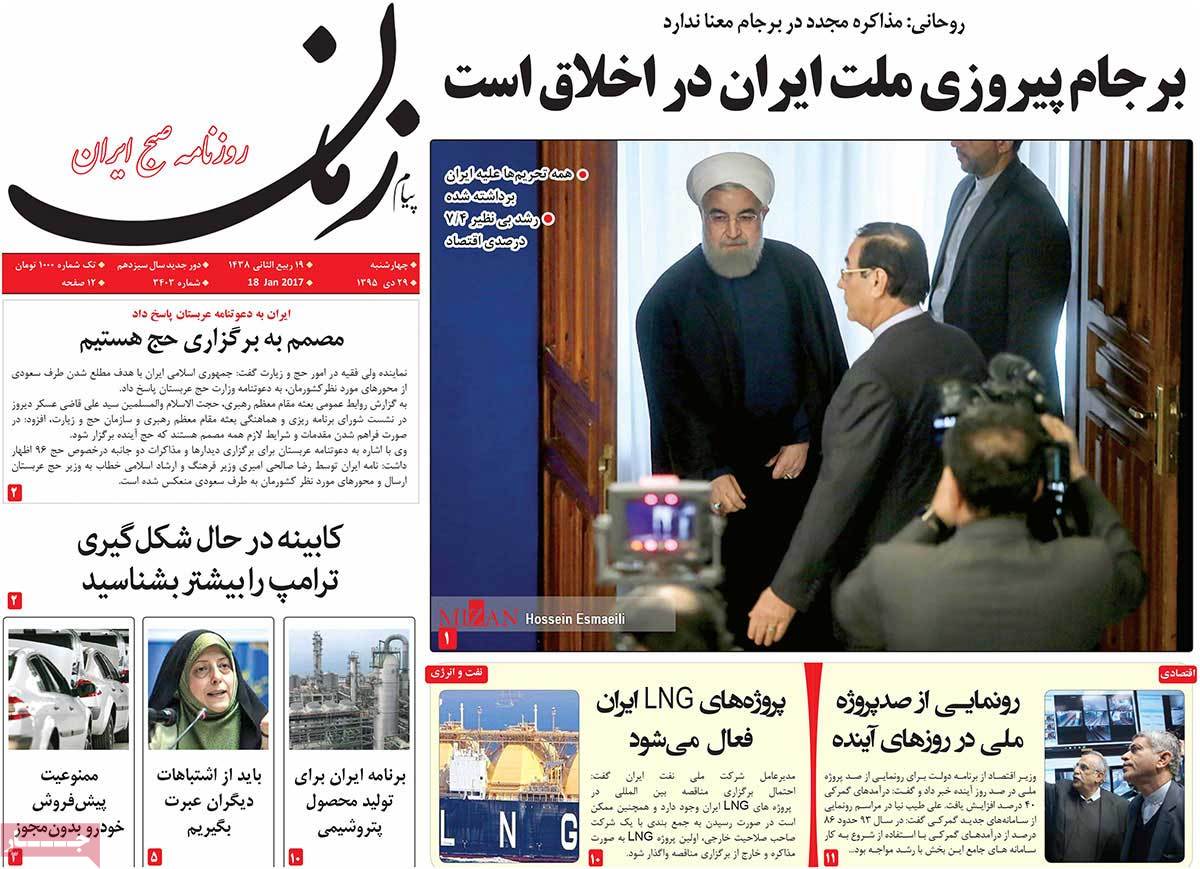
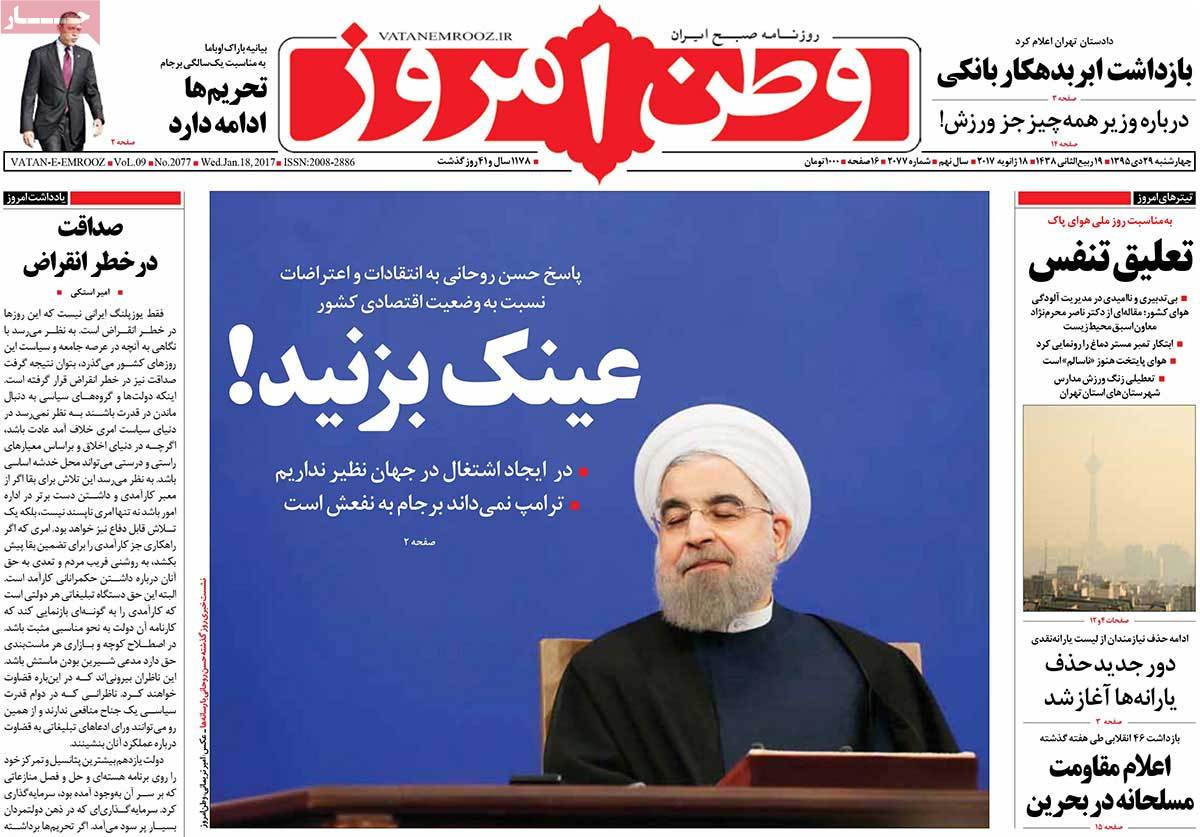
Almost all newspapers covered the Iranian President Hassan Rouhani’s press conference, where he answered several questions and attacked his opponents for not seeing the achievements of nuclear deal.

They also highlighted Foreign Minister Mohammad Javad Zarif’s remarks about Iran’s opposition to the US presence in the upcoming Astana talks on Syrian crisis.

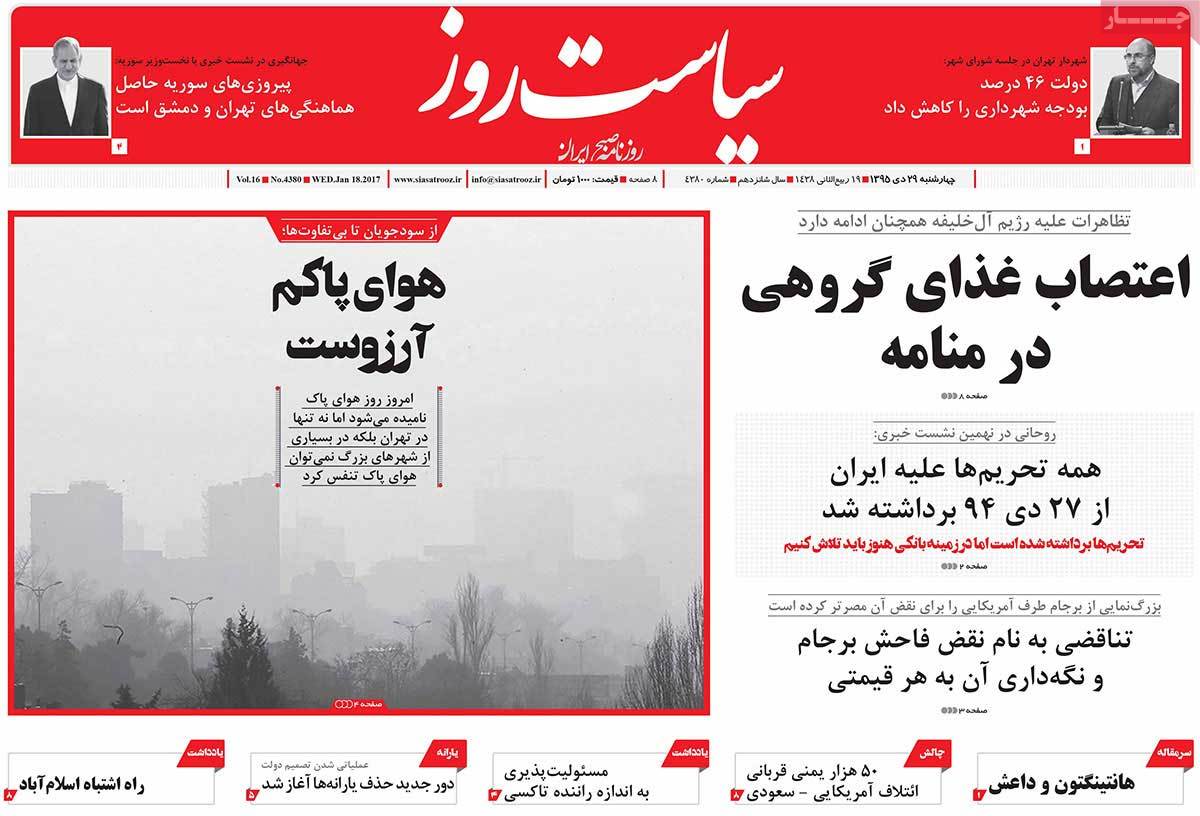
National Day of Clean Air also received great coverage, as Tehran and other big cities of Iran are experiencing severe air pollution these days.

The above issues, as well as many more, are highlighted in the following headlines:


Abrar:

1- Rouhani: We Shouldn’t Lose Our Patience in Dealing with Problems of Implementing Int’l Agreements

2- 20 Former US Officials to Trump: Start Talks with MKO Terrorist Group!

3- Saudi FM: I Hope Trump Will Be Successful in Controlling Iran

4- Istanbul Nightclub Attacker Confesses to His Crime after Being Arrested

A Look at Iranian Newspaper Front Pages on January 18


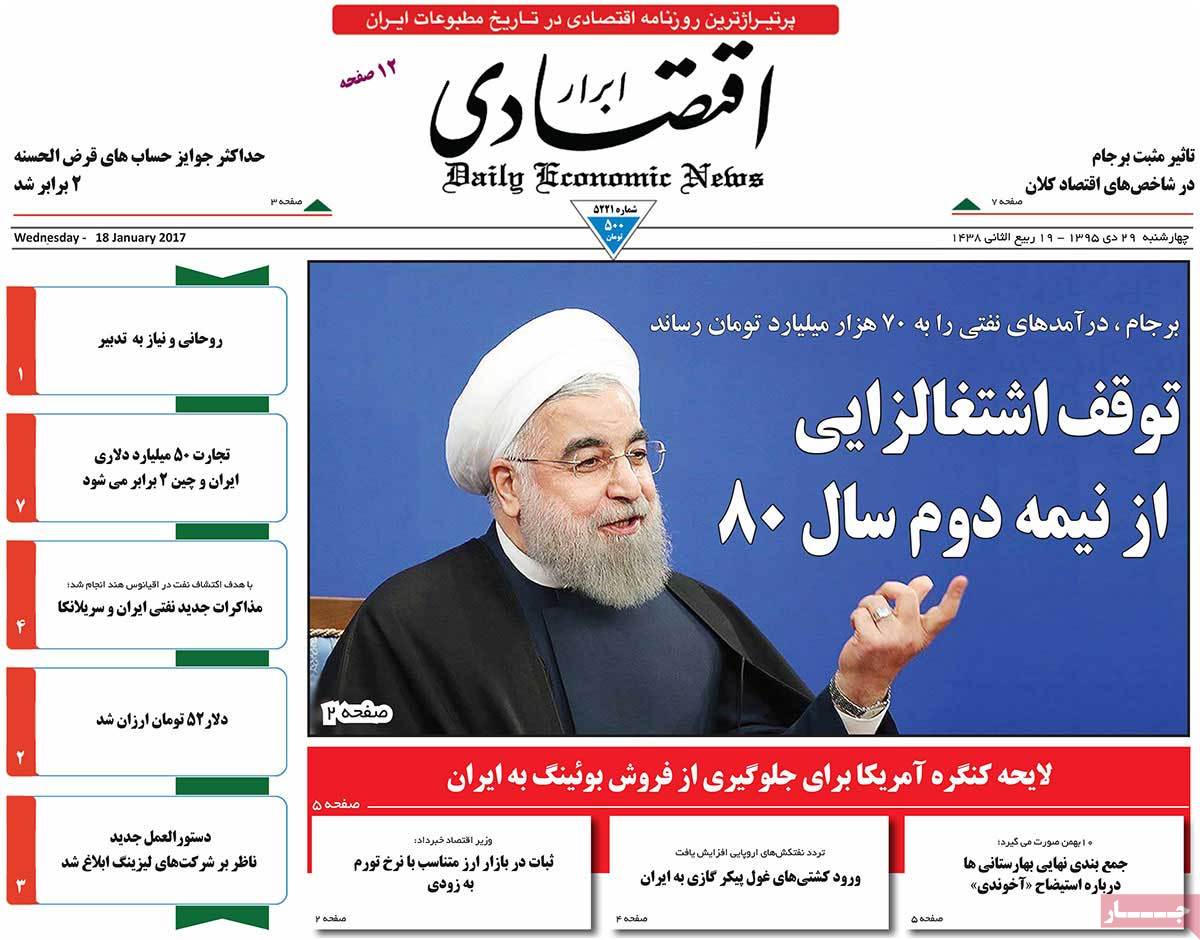
Abrar-e Eqtesadi:

1- Iran-China $50 Billion Trade Will Be Doubled

2- US Congress Bill to Prevent Boeing Sale to Iran

A Look at Iranian Newspaper Front Pages on January 18


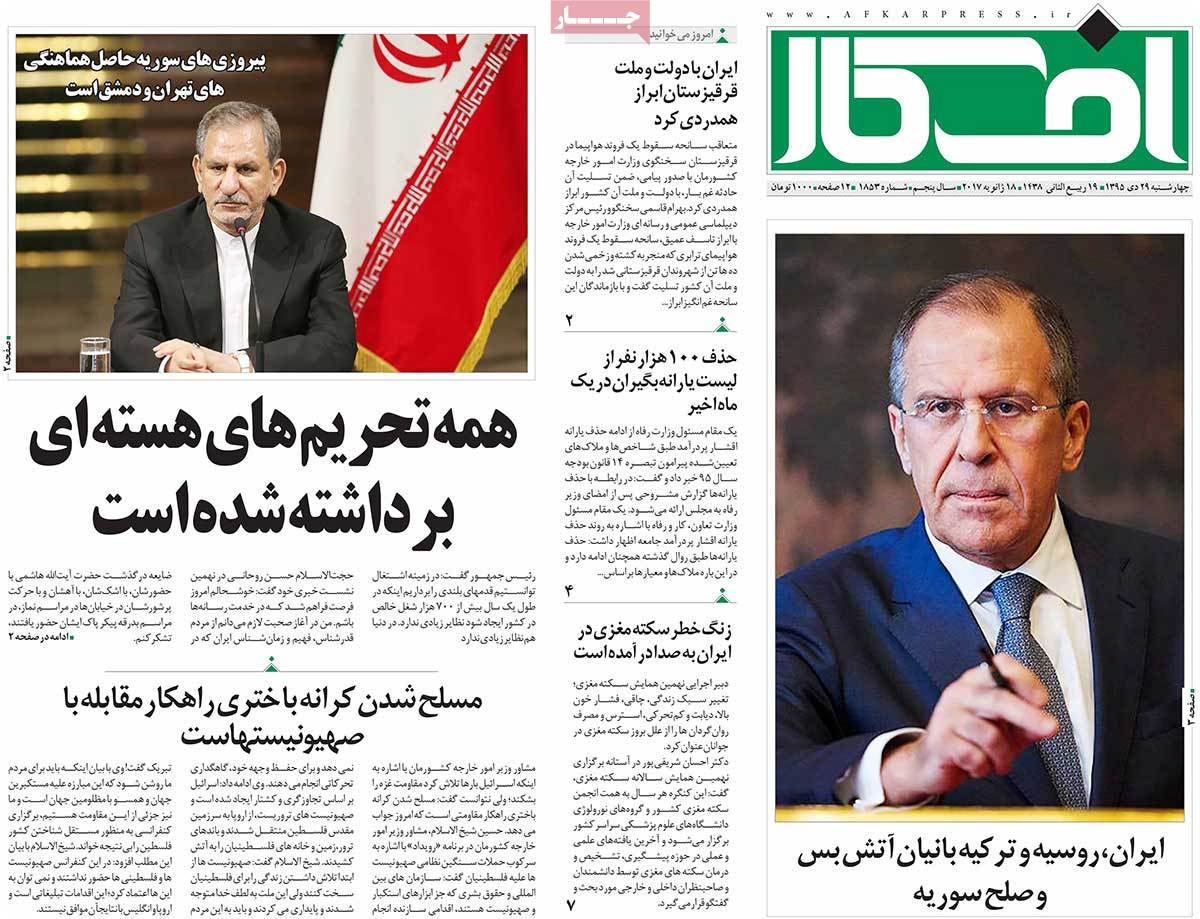
Afkar:

1- Rouhani: All Nuclear-Related Sanctions Are Removed

2- First VP: Syria Victories Are Result of Tehran-Damascus Coordination

3- Russian FM Lavrov: Iran, Russia, and Turkey Are Sponsors of Ceasefire and Peace in Syria

A Look at Iranian Newspaper Front Pages on January 18


Aftab-e Yazd:

1- President to Hardliners: Wear Glasses to See Results of JCPOA

2- JCPOA Results Observed in Employment

3- Will Iranian Society Accept a Female President?

A Look at Iranian Newspaper Front Pages on January 18


Arman-e Emrooz:

1- Rouhani in Press Conference: We Put 11 Million People Living in Slums under Cover of Insurance

A Look at Iranian Newspaper Front Pages on January 18


Besharat-e Now:

1- Rouhani in Reaction to His Disqualification from Running for Presidency: Don’t Set Government and Guardian Council by the Ears

2- Reformist Government Spokesman’s Regret for Democracy: Rouhani Will Win Presidential Votes without Any Rival and This Is Not Good for Democracy

A Look at Iranian Newspaper Front Pages on January 18


Ebtekar:

1- Government of Middlemen: Political Analysts and Lawmakers Talks about Trump’s Policies

2- Saudi FM Welcomes Trump’s Positions: Relations with Iran Need Mutual Efforts

A Look at Iranian Newspaper Front Pages on January 18


Emtiaz:

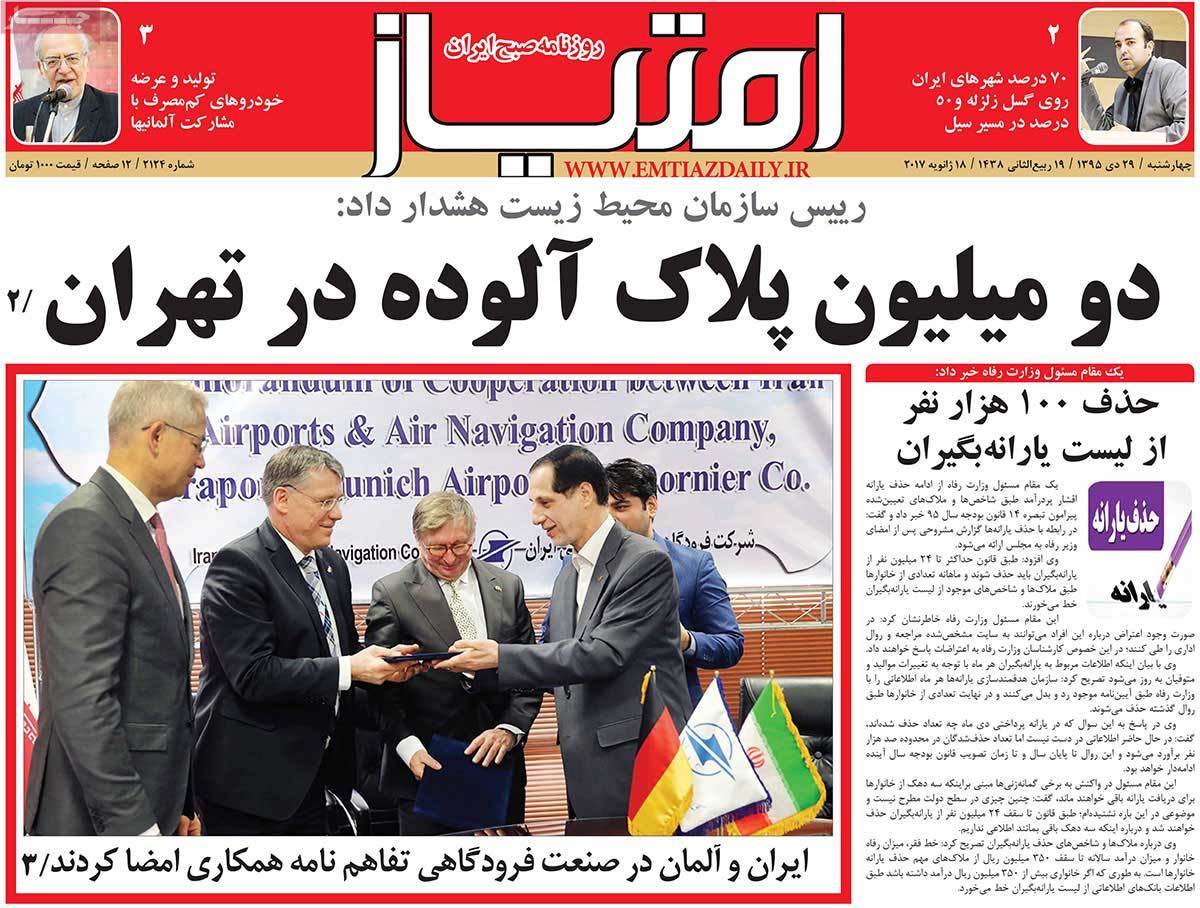
1- Iran and Germany Sign MoU on Airport Industry

A Look at Iranian Newspaper Front Pages on January 18


Etemad:

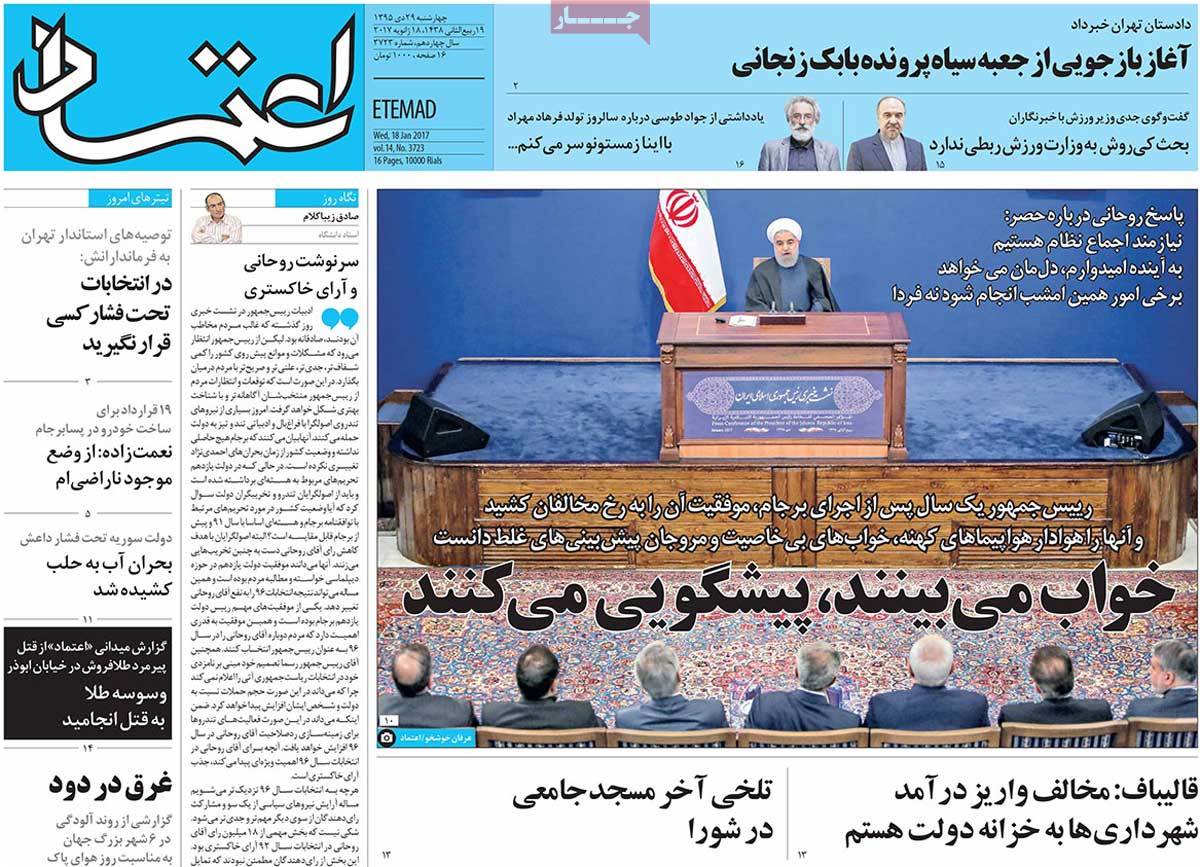
1- They Dream and Make Predictions; President Rouhani Bragged about JCPOA Achievements One Year after Its Implementation, and Referred to Opponents as Fans of Old Airplanes and Useless Dreams, and Propagators of False Predictions

2- Water Crisis in Aleppo: Syrian Government under ISIS Pressure

A Look at Iranian Newspaper Front Pages on January 18


Ettela’at:

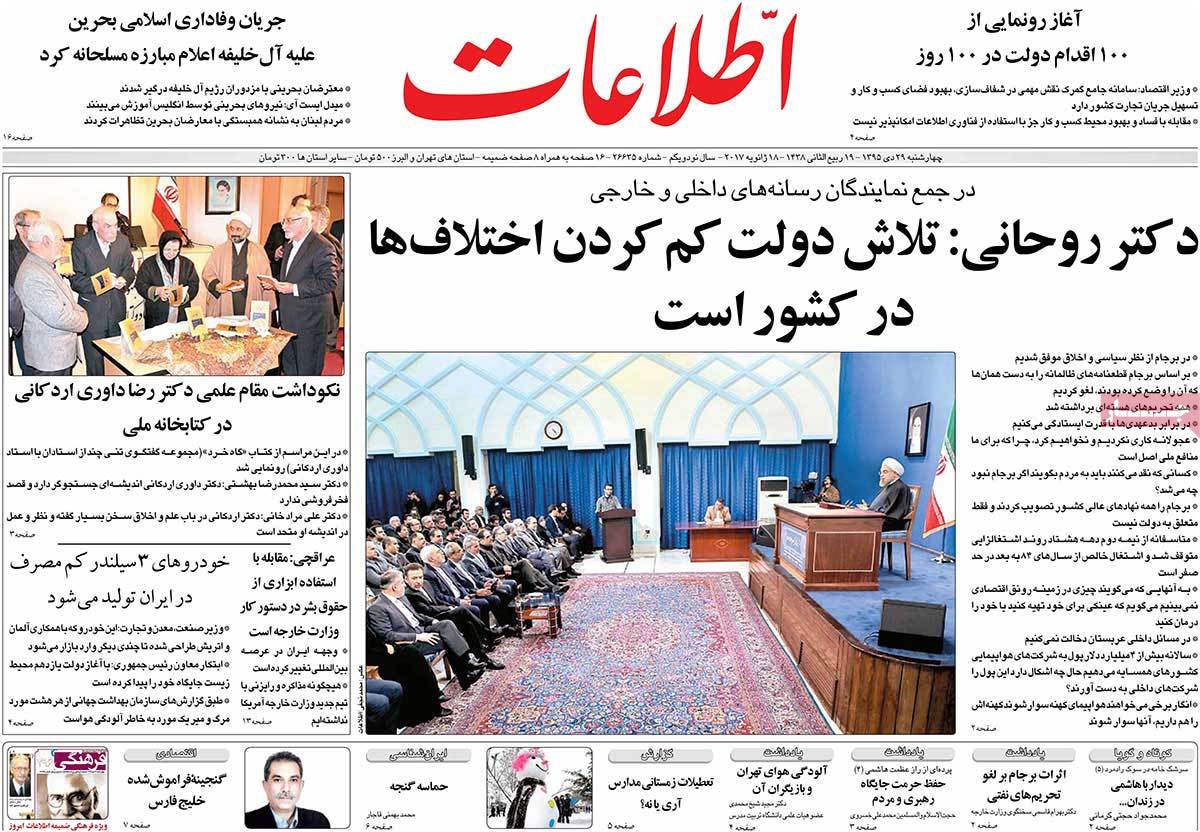
1- Government Trying to Decrease Differences in the Country: Rouhanu

2- Islamic Movement in Bahrain Declares Armed Struggle against Al Khalifa

3- Government Starts Unveiling 100 Measures in 100 Days

A Look at Iranian Newspaper Front Pages on January 18


Hemayat:

1- Iran Human Rights Office Chief: Iran Ready to Respond to Human Rights Attacks

2- Syrian PM: We Owe Iran for Its Strong Support

A Look at Iranian Newspaper Front Pages on January 18


Iran:

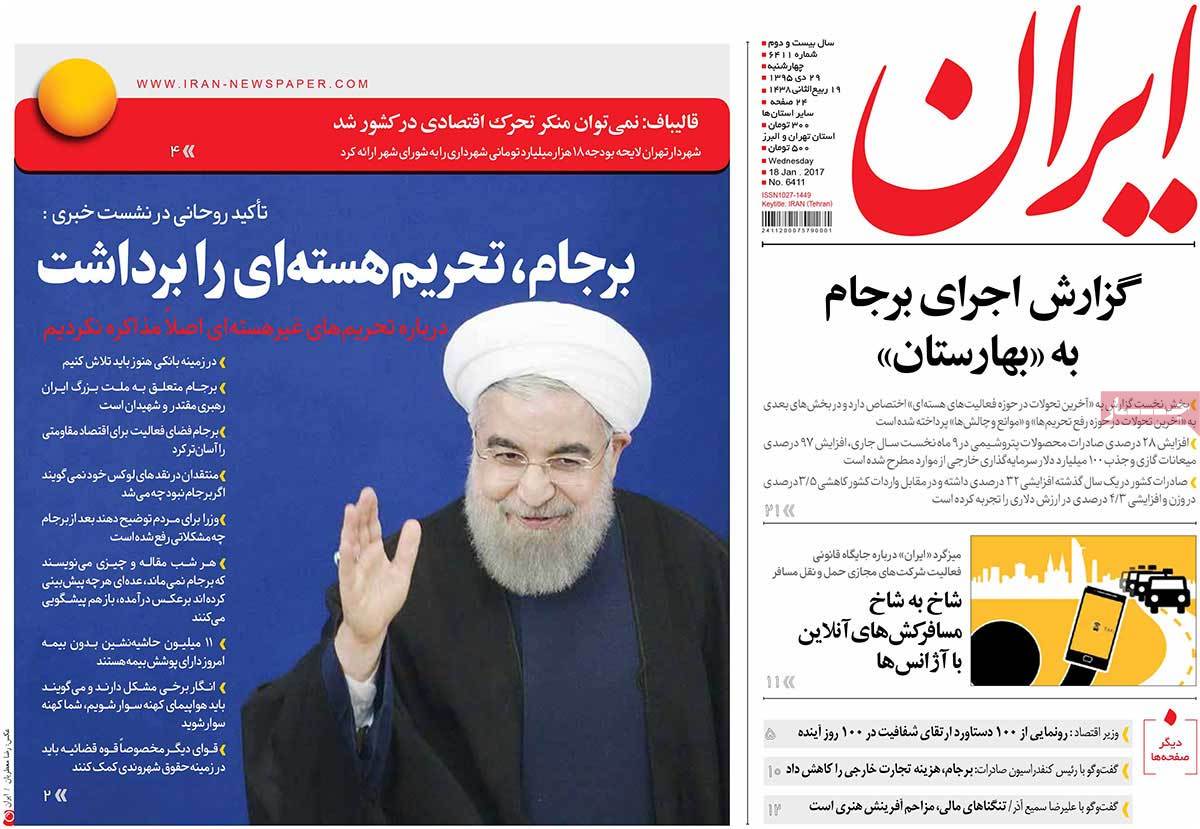
1- Rouhani: JCPOA Lifted Nuclear-Related Sanctions; We Didn’t Negotiate Non-Nuclear Sanctions

A Look at Iranian Newspaper Front Pages on January 18


Jame Jam:

1- President Rouhani: US Violates Its Commitments

A Look at Iranian Newspaper Front Pages on January 18


Javan:

1- Rouhani: JCPOA Benefits the US, but Trump Doesn’t Understand It

A Look at Iranian Newspaper Front Pages on January 18


Jomhouri Eslami:

1- Rouhani: JCPOA and Its Results Belong to Entire Nation and Is a National Issue

2- French Presidential Candidate: Trump’s Remarks Are Declaration of War on Europe

A Look at Iranian Newspaper Front Pages on January 18


Ka’enat:

1- JCPOA Opponents Pretending to Be Blind; Rouhani: Those Who Can’t See JCPOA Achievements Should Better Wear Glasses or Treat Themselves

A Look at Iranian Newspaper Front Pages on January 18


Kayhan:

1- President: Sanctions Were Lifted Last Year and We Put an End to Economic Downturn!

2- Zarif: We’re Opposed to US Presence in Astana Talks on Syria

A Look at Iranian Newspaper Front Pages on January 18


Khorasan:

1- Rouhani Defends Iran’s Economy and JCPOA, and Make Sarcastic Remarks against His Opponents; 700,000 Jobs Created in Iran Don’t Have Much Parallel in the World

2- Two Child Labourers Die in Waste Storage Fire

A Look at Iranian Newspaper Front Pages on January 18


Mardom Salari:

1- Gradual Death of Europe’s Dreams: Brexit and Trump Will Kill Brussels

A Look at Iranian Newspaper Front Pages on January 18


Nasl-e Farda:

1- Rouhani: Renegotiation Is Meaningless in Case of JCPOA; Nuclear Deal Is Iranian Nation’s Victory in Ethics

A Look at Iranian Newspaper Front Pages on January 18


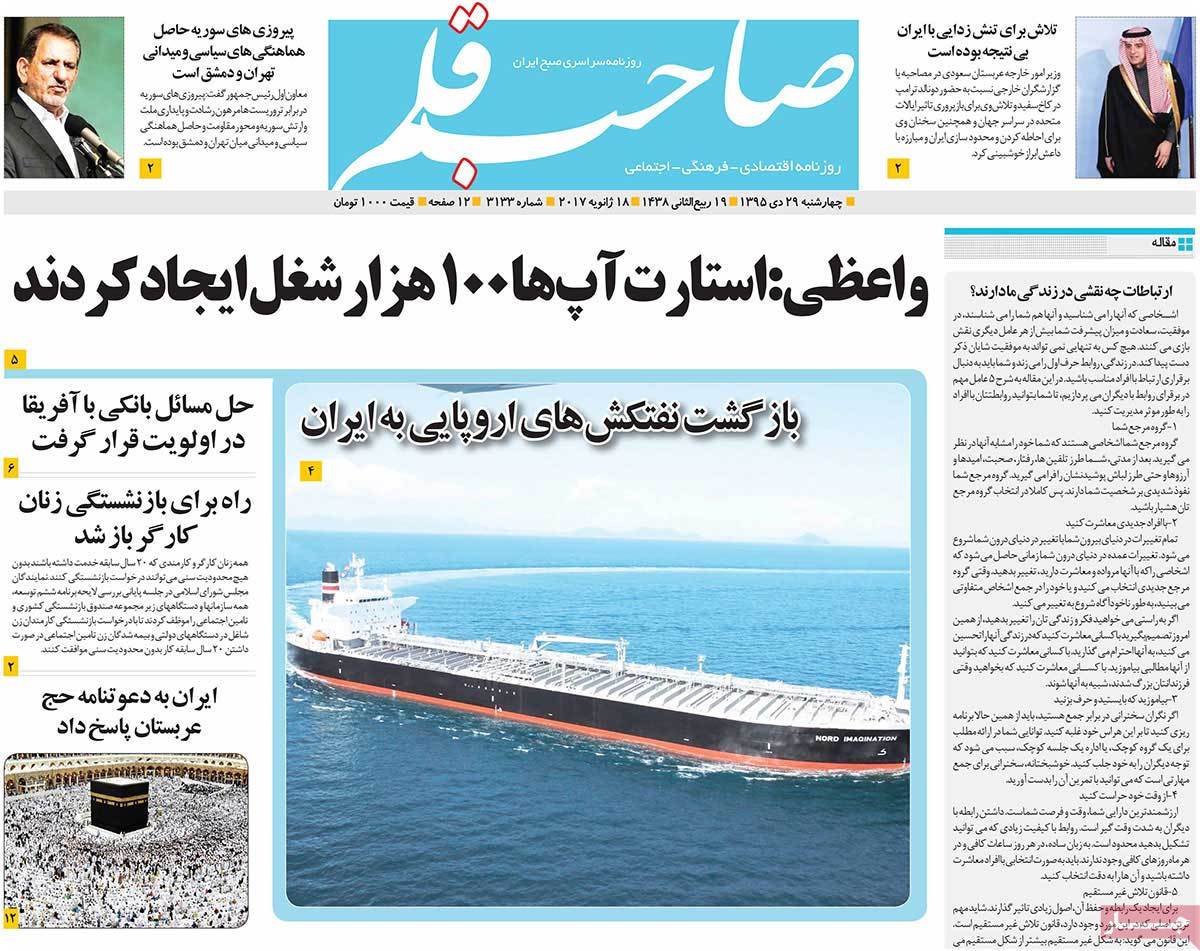
Saheb Qalam:

1- Return of European Oil Tankers to Iran

A Look at Iranian Newspaper Front Pages on January 18


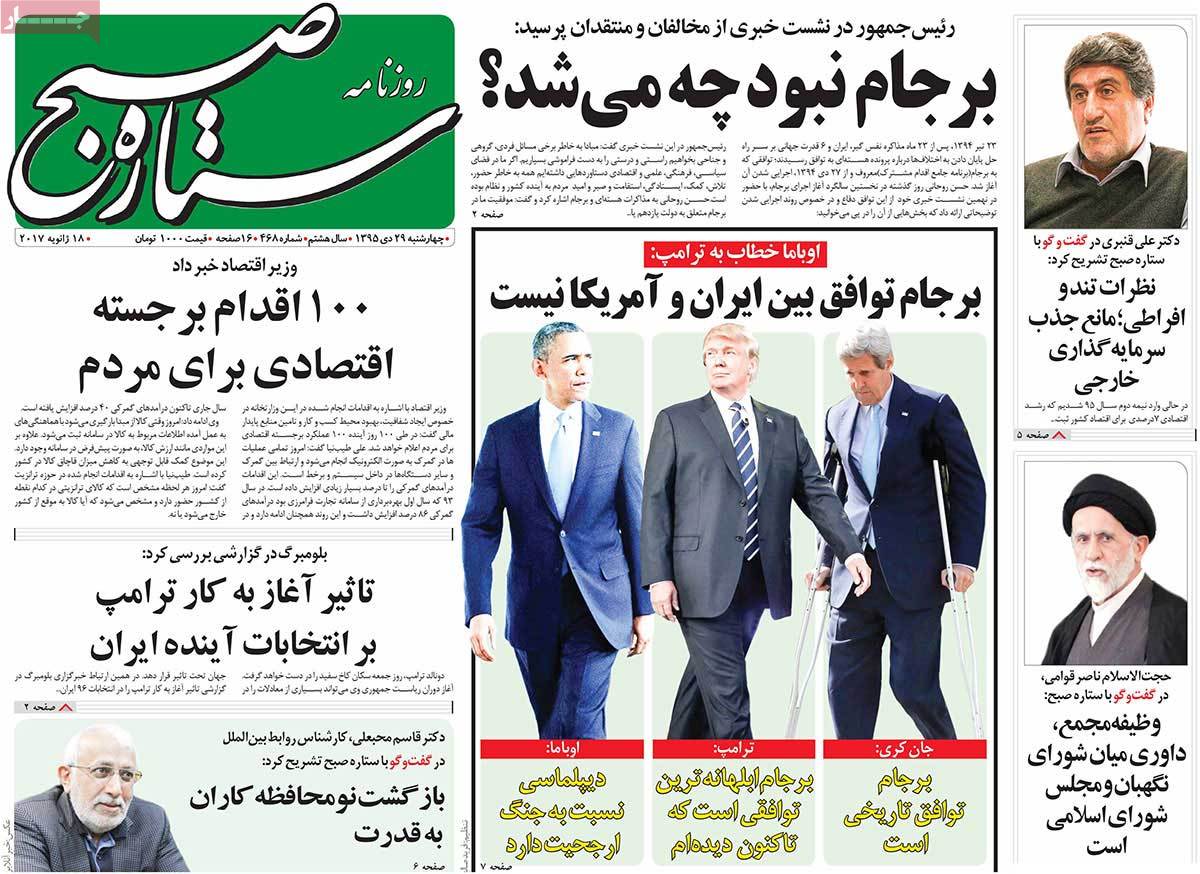
Setareh Sobh:

1- Obama to Trump: JCPOA Is Not a Deal between Iran and US

2- Kerry: JCPOA Is a Historic Deal

3- Trump: JCPOA Is Most Stupid Deal I’ve Ever Seen

4- Obama: Diplomacy Is Preferred to War

5- Bloomberg Discusses Impact of Trump’s Presidency on Iran’s Election

A Look at Iranian Newspaper Front Pages on January 18


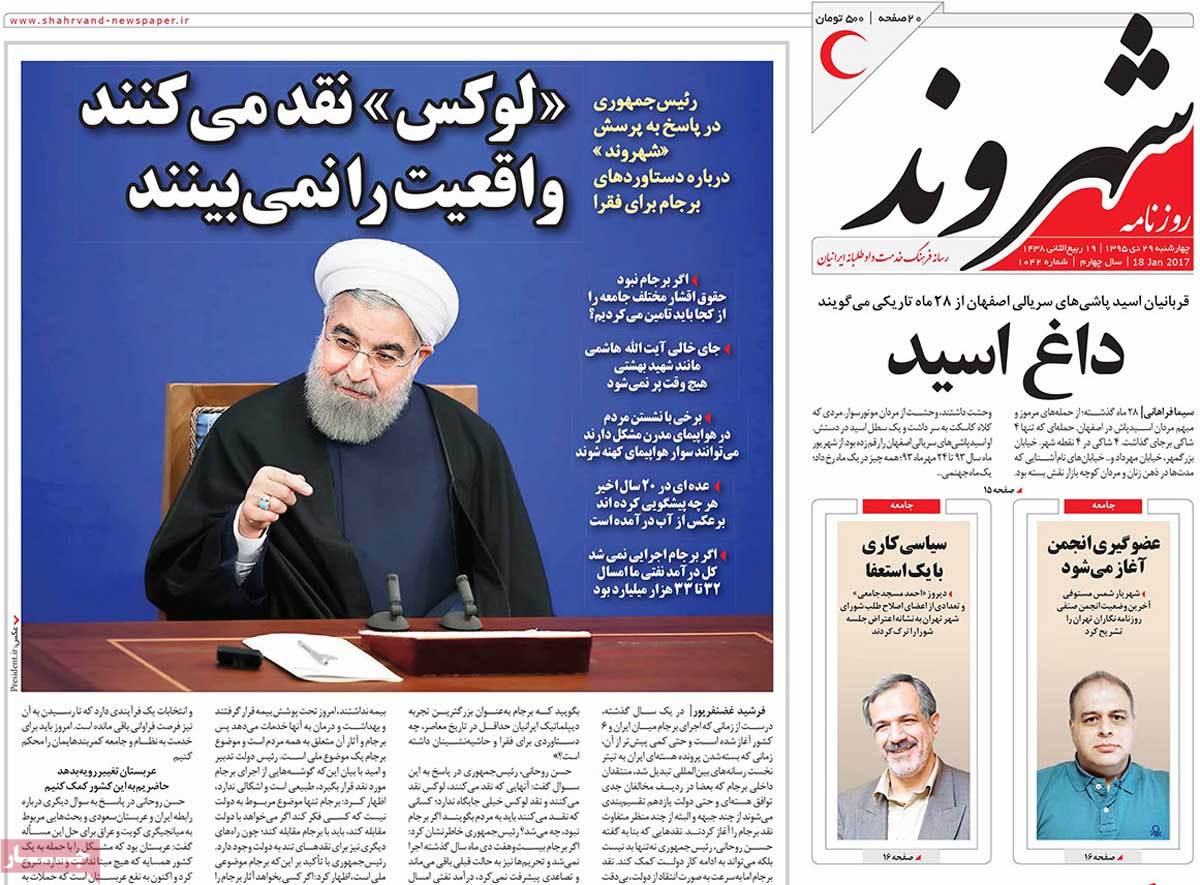
Shahrvand:

1- Rouhani: Their Criticism Is Based on Luxuries, They Don’t See the Realities

2- Wounds of Acid Attack; Serial Acid Attacks Victim in Isfahan Talks about 28 Months of Darkness

A Look at Iranian Newspaper Front Pages on January 18


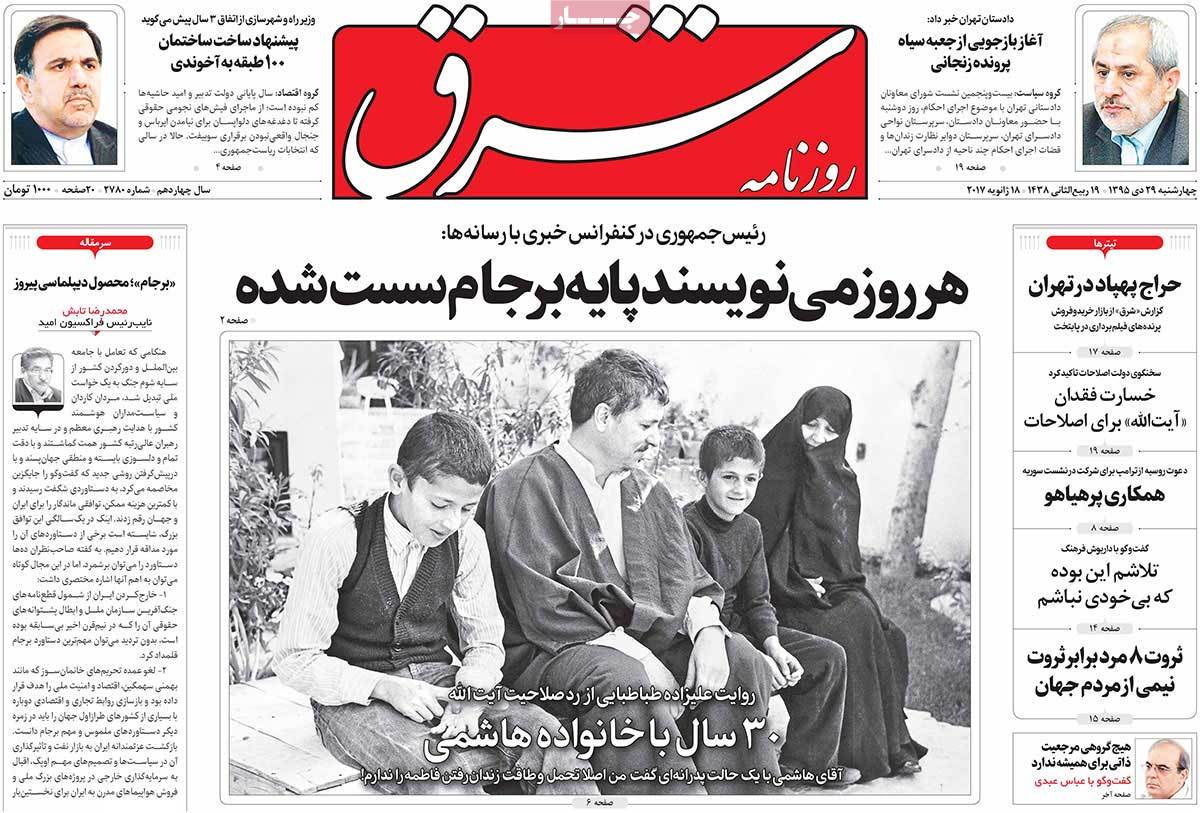
Shargh:

1- President: Every Day They Keep Writing the Foundations of JCPOA Have Become Loose!

2- Controversial Cooperation: Russia Invites Trump to Attend Syria Talks

A Look at Iranian Newspaper Front Pages on January 18


Siasat-e Rooz:

1- I Wish We Could Breathe Clean Air: Today Is Named the Day of Clean Air, but There’s No Clean Air Not Only in Tehran but Also in Many Big Cities

A Look at Iranian Newspaper Front Pages on January 18


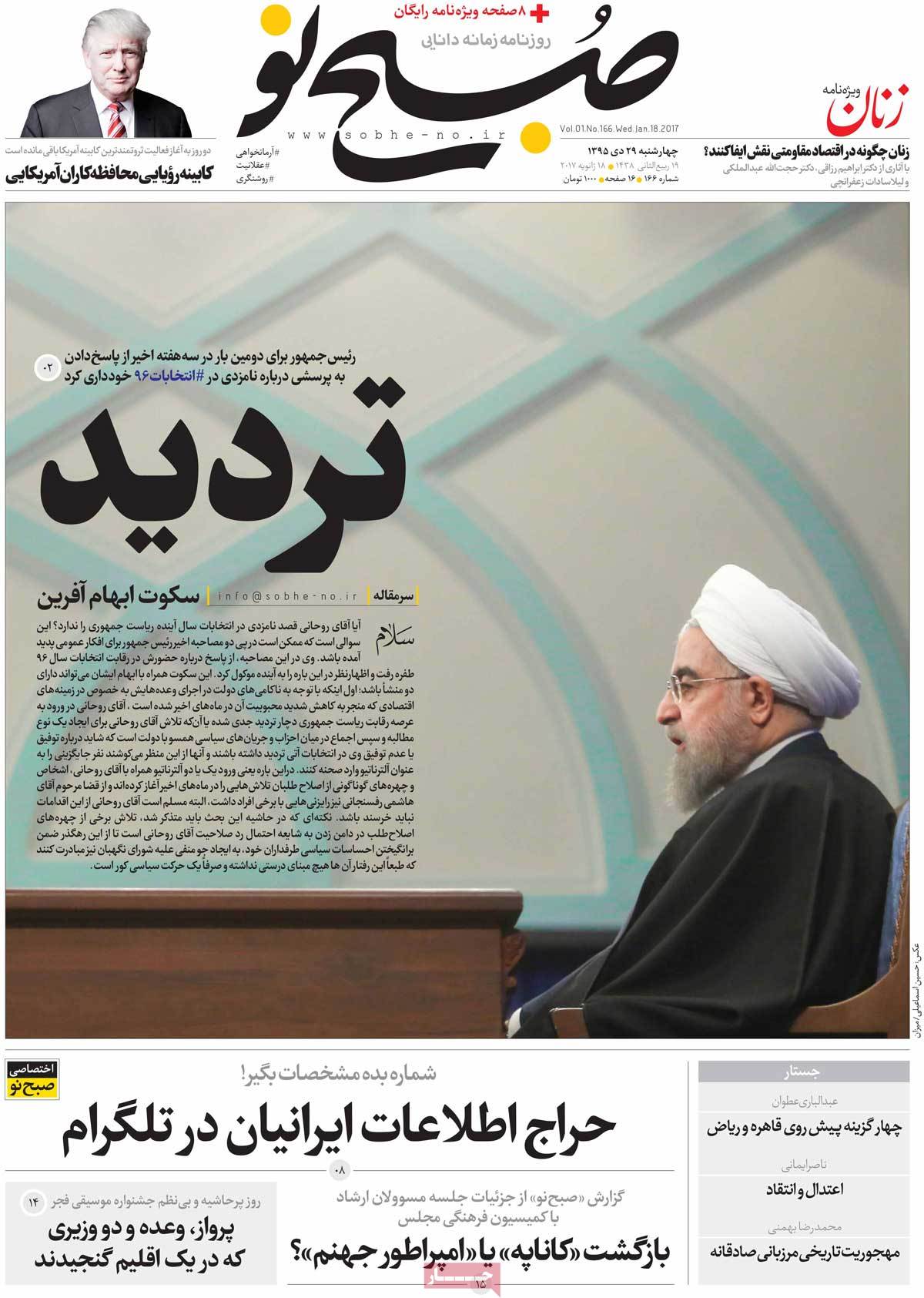
Sobh-e Now:

1- Doubt: For Second Time in 3 Weeks, President Refused to Answering a Question about Running for Next Year’s Presidential Votes

A Look at Iranian Newspaper Front Pages on January 18


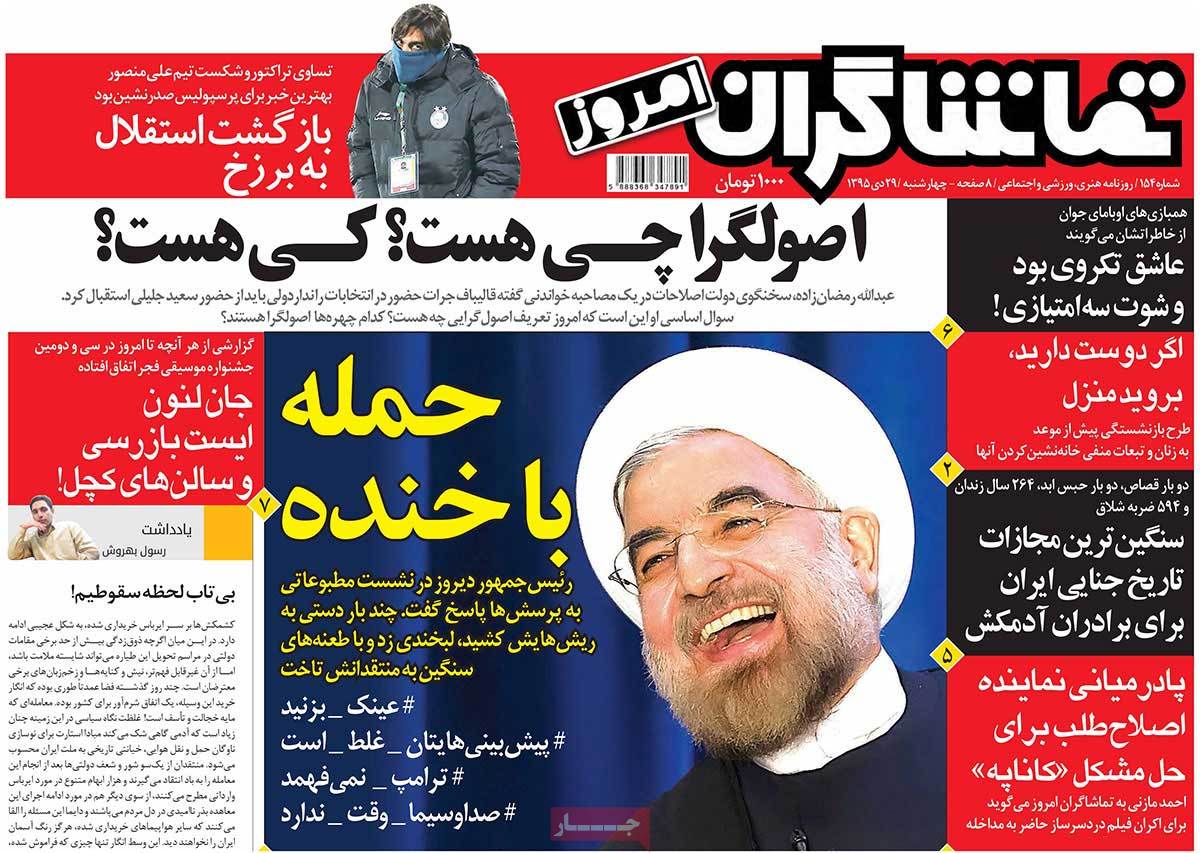
Tamashagaran:

1- Attacking While Smiling: President Answered Questions in Tuesday Press Conference, Smiled, and Attacked His Opponents with Sarcastic Remarks

A Look at Iranian Newspaper Front Pages on January 18


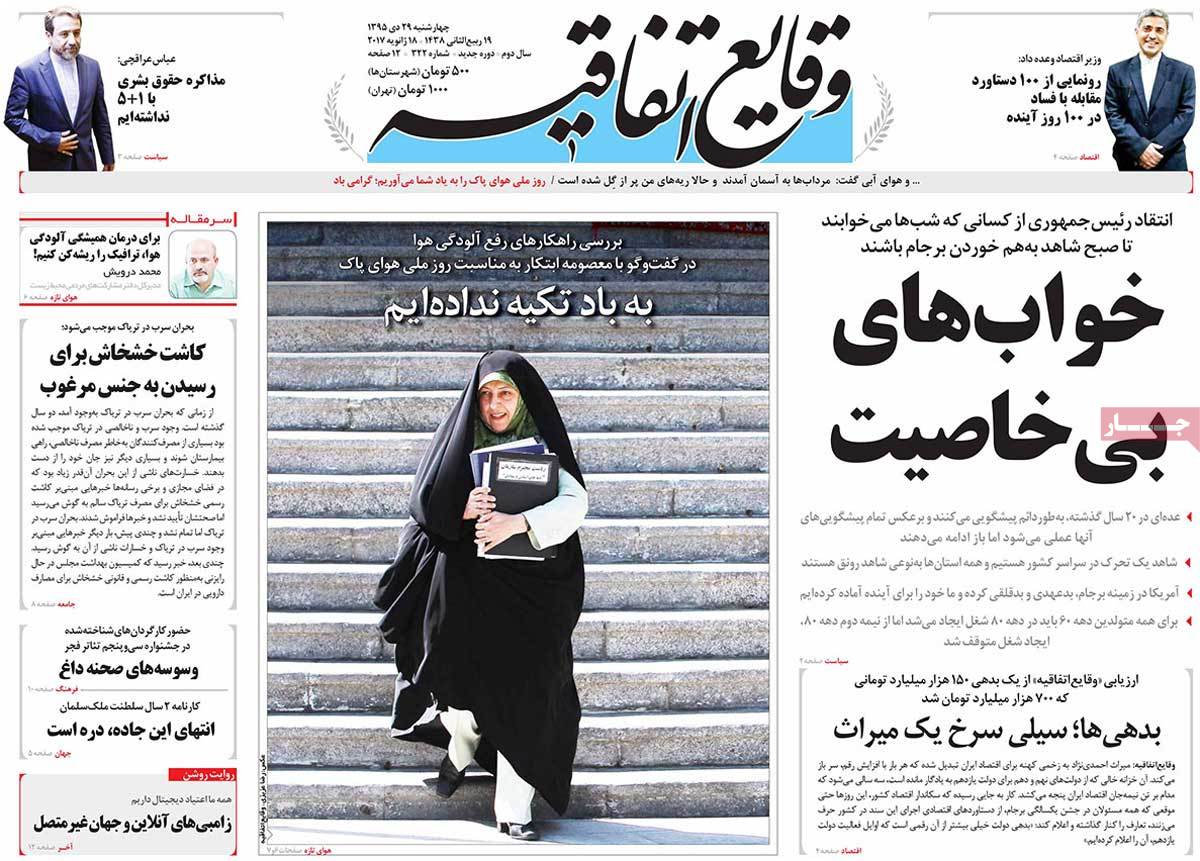
Vaghaye Ettefaghieh:

1- Useless Dreams: President Criticizes Those Who Sleep and Dream of Seeing JCPOA Scrapped

2- We’re Not Relying on Wind: Interview with Environment Chief Ebtekar on National Day of Clean Air

A Look at Iranian Newspaper Front Pages on January 18


Vatan-e Emrooz:

1- Rouhani’s Reaction to Criticisms and Protests about Iran’s Economic Conditions: Wear Glasses!

A Look at Iranian Newspaper Front Pages on January 18

Saudi Arabia Has No Choice but to Revise Its Iran Policies: Analyst

Sabah Zangeneh

Will recent regional developments, particularly the liberation of Syria’s Aleppo and imminent recapture of Iraq’s Mosul, force Saudi Arabia to change its policies towards Iran? Can Oman’s mediation between Tehran and Riyadh contribute to the reduction of the two countries’ tensions? Will Saudi Arabia respond to Iran’s demands?

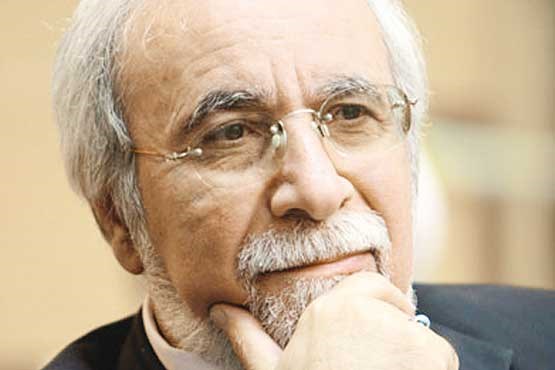
Nasl-e Farda newspaper has sought answers to these questions in an interview with Sabah Zanganeh, a Middle East expert and a former Iranian envoy to the Organization of Islamic Cooperation (OIC).

He believes anything is possible in politics.

“In case, despite its will, Saudi Arabia becomes convinced that these developments are truly taking place, we will witness a change in the Al Saud’s approach to Iran.”

Zanganeh also maintains that Muscat has always favoured regional cooperation in serious crises.

“Therefore, it is quite probable that Oman would help adjust Saudi Arabia’s policies towards Iran. The Oman Sultanate can act as a link between Iran and other members of the [Persian] Gulf Cooperation Council ([P]GCC). Muscat has a high potential for acting as a mediator.”

The full text of the interview follow:

Q: Can regional developments, particularly the Syrian army regaining full control over Aleppo and the imminent liberation of Mosul, enforce Saudi Arabia to stop pursuing its tension-creating policies towards Iran?

A: Anything is possible in politics. In case, despite its will, Saudi Arabia becomes convinced that these developments are truly occurring, we will witness a change in the Al Saud’s approach to Iran. This is while Riyadh has failed to achieve most of its regional targets since the onset of Syrian crisis and Iraqi developments. This might persuade the Al Saud to review its policies.

Nevertheless, this alteration is only expected in case Saudi officials and statesmen primarily believe in political rationality. In case they react towards regional countries and developments based on their baseless demands, the present behaviour and policies will be pursued until the country’s treasury is fully empty. Only then, they would realize that their adopted policies had been ineffective, for, despite spending lavishly, they have only aroused neighbouring countries’ animosity towards themselves and have failed to achieve their goals.

Q: How do you evaluate the Oman Sultanate’s recent move to join the Saudi-led so-called anti-terrorism coalition?

A: Oman and all other [P]GCC countries highly fear the expansion of terrorism in their territories. Thus, they are required to propagate that they are against terrorists. Nevertheless, Oman’s accession to the coalition can have other dimensions. Primarily, it can be a quid pro quo. Oman is assisting Saudi Arabia to publicize the coalition, and in return expects other favours from the country such as financial aid. In case Oman had not become a member of the coalition, it could have expected Saudi Arabia’s intrigues against its government. In fact Muscat’s accession to the coalition was an effort to protect itself against such policies of the Al Saud. Oman’s membership will not lead to an increase in Riyadh’s power. The move is also aimed at controlling Saudi Arabia’s militarism and belligerent strategies in the region.

Q: What would be the outcomes for Iran in case Muscat opts to maintain a distance with Tehran and works closer with Riyadh? Would it be better if Iran could prevent the fostering of such relations between the two countries?

A: Iran believes in other countries’ independence and freewill and holds that any state can pursue its own favoured policies. Iran has no problem with other nations’ anti-terrorism slogans and approves of efforts to combat terrorism. Such moves and measures are in line with Iran’s goals.

Tehran seriously believes in fighting terrorist groups and acts. It will be unlikely that Muscat’s decision to fight terrorism would lead to any negative consequences for Iran.

Q: Can Oman act as an intermediary between Iran and Saudi Arabia to ease their tensions given the country’s effective role in helping Washington and Tehran settle some of their differences over the latter’s peaceful nuclear program?

A: Omani officials’ consultations with their Saudi counterparts can, to some extent, change the latter’s political attitude towards Iran and push them towards expanded regional cooperation. Oman has always been Saudi Arabia’s advisor in regional issues. Sometimes, the Al Saud takes Muscat’s advices and sometimes it does not.

Nevertheless, Oman has always favoured regional cooperation in serious crises. It is likely that it would convince Saudi Arabia to revise its policies towards Iran. The Oman Sultanate can act as a link between Iran and other members of the [P]GCC. Although Riyadh is doing its best to maintain pressure on Iran using all of its tools and diplomatic levers, Muscat has a high potential for acting as a mediator.

Q: Is it possible that Saudi Arabia gives in to Iran’s demands and change its policies and strategies towards the country?

It is highly likely in view of the situation in the region and Saudi Arabia’s financial condition. Most people in regional countries hold Saudi Arabia responsible for the destructions, bloodshed, wars and promotion of terrorism in the region. Alteration of policies seems inevitable for Riyadh in case the Al Saud seeks to improve its tarnished image.

Late Filmmaker Kiarostami to Be Commemorated at Art Basel

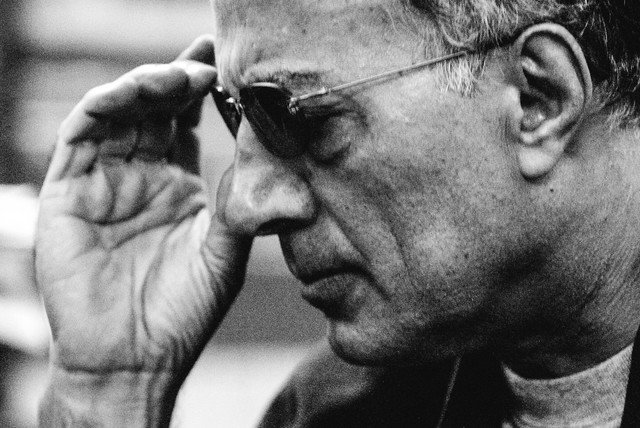
The late Iranian filmmaker Abbas Kiarostami

Though the auteur was best known for his work in cinema, he was also active in other media ranging from poetry to installation art.

This year, Art Basel: Hong Kong is going to exhibit Kiarostami’s final photography series.

When Kiarostami passed away on July 4 of last year, he left an unfillable void in the film community. In his self-conscious manipulation of and inquiry into the thin line separating documentary from fiction, the filmmaker demonstrated a profound understanding of the limits and potential of cinema as both a form of artistic expression and a mode of social and political engagement.

Normally, such self-reflexivity creates distance between the viewer and the characters/documentary subjects, but with Kiarostami, the opposite occurs. By foregrounding the camera’s role in helping us know the characters and identify with them, Kiarostami reveals his filmmaking to be an active attempt at empathy, and invites us to respond with similar compassion.

Through his work, Kiarostami has touched so many people. It only feels right that he will be commemorated at an art event as high-profile as Art Basel.
Art Basel: Hong Kong will run from March 23-25, Variety reported.photo

Top Security Official Voices Iran’s Support for Political Initiatives on Syria

Shamkhani and Syria

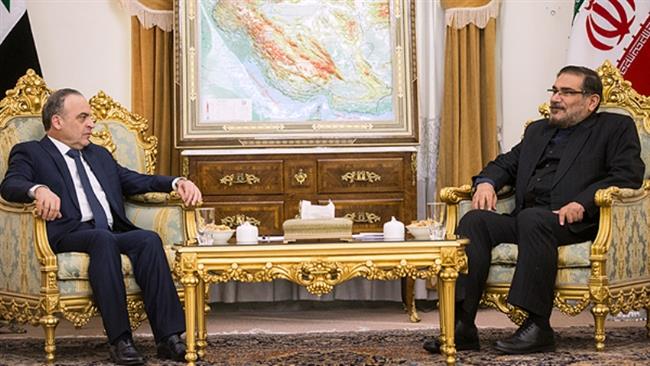
In a meeting in Tehran on Tuesday, Secretary of Iran’s Supreme National Security Council (SNSC) Ali Shamkhani and Syrian Prime Minister Imad Khamis discussed the latest developments in the Middle East, particularly in Syria, in addition to politico-economic cooperation between the two sides.

“The continuation of all-out efforts to liberate areas under the control of terrorists in order to restore security and peace to Syria and the simultaneous pursuit of Syrian-Syrian talks in order to achieve national unity will guarantee successful management of the existing crisis in the country,” Shamkhani said.

He added that enemies of Syria must not be allowed to take advantage of the current ceasefire and political negotiations as a tactic to revive, rearm and regroup terrorist groups.

The Iranian official also stressed the importance of remaining vigilant in the face of plots that seek to undermine cooperation among Iran, Syria and Russia in the fight against terrorism.

Shamkhani, who acts as Iran’s senior political, security and defense coordinator with Russia and Syria, said playing a dynamic and influential role in political issues requires constant cooperation among Tehran, Moscow and Damascus in all decision-making and executive processes.

The SNSC secretary further urged a relentless campaign against Takfiri terrorism, saying, “Unfortunately, Western countries and the US, instead of fighting terrorist elements who are threatening their own national security as well, are imposing sanctions on Syrian officials and the resistance front, and this shows their double-standard approach to the issue of terrorism.”

Khamis, for his part, said the Syrian government has always negotiated with unarmed opposition groups that are keen to preserve the country’s unity.

The Syrian premier said sustainable peace and security will be achieved in Syria if certain countries change their policy of supporting terrorists.

Senior Iranian and Syrian officials have recently exchanged visits and views ahead of the planned intra-Syrian peace talks in the Kazakh capital city of Astana.

The Astana negotiations will be held between representatives from the Damascus government and foreign-sponsored opposition groups on January 23.

The negotiations, which exclude the Daesh and Jabhat Fateh al-Sham Takfiri terrorist groups, are mediated by Russia, Turkey, and Iran. The three countries successfully implemented a similar accord in December after militants were defeated in Syria’s northwestern city of Aleppo.

The Astana talks would be held in the wake of a nationwide ceasefire in Syria, which was endorsed by the United Nations Security Council on December 31.

Aleppo, Syria’s second-largest city, was fully liberated in December, less than a month after the Syrian army started to drive foreign-backed militants out of their stronghold in the eastern side of the strategic city.

Iran’s FM Arrives in Switzerland to Attend World Economic Forum

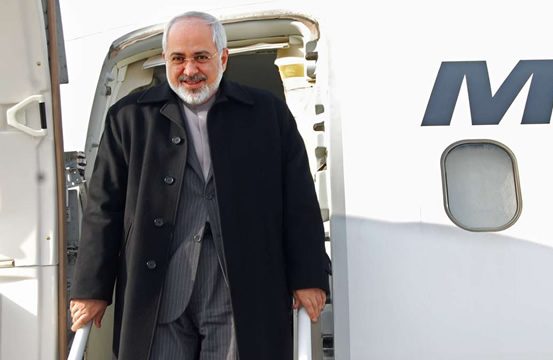
Zarif was welcomed by Iranian Charge d’affaires in Bern Mehdi Abedi.

Foreign Minister Zarif is scheduled to deliver a speech at World Economic Forum meeting in Davos on Wednesday.

The WEF meeting will last for four days at the presence of world’s political and economic leaders in the Ski resort city of Davos.

Zarif will leave Switzerland for Kuala Lumpur, Malaysia, to attend the extraordinary meeting of the foreign ministers of the Organization of Islamic Cooperation (OIC) on the conditions of Muslims in Myanmar.

Iran Opposed to US Presence in Astana Talks on Syria: FM Zarif

“We are opposed to US presence (in the Astana meeting)” Zarif told Tasnim on Tuesday.

“We have not invited the US and are against their presence,” he added.

The remarks came after Zarif and his Russian counterpart Sergei Lavrov exchanged views on the Syria peace talks in a phone call on Monday night.

The two diplomats asked for coordinated efforts by Iran and Russia ahead of the talks.

Syria has been gripped by civil war since March 2011 with various terrorist groups, including Daesh (ISIL), currently controlling parts of it.

Diplomatic efforts to end fighting in Syria have gained momentum in recent weeks with the announcement of a ceasefire in the Arab country earlier this month.

The truce, which has been negotiated between Russia, Iran, Turkey, the Damascus government and the Syrian opposition, excludes terrorist groups such as Daesh and Jabhat Fateh al-Sham.

It will be followed by a new round of peace talks between the Syrian government and foreign-sponsored opposition groups in Astana on January 23.