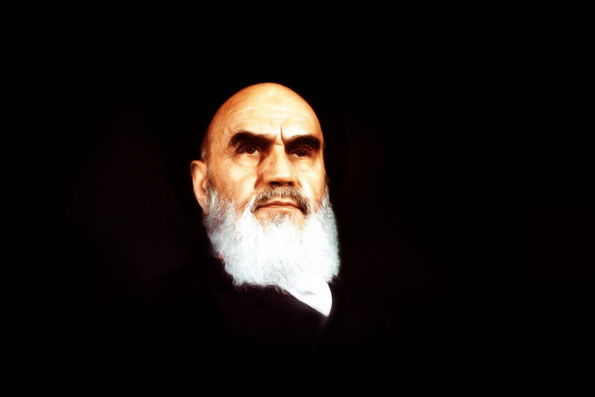
Iran commemorates Imam Khomeini’s death anniversary
Imam Khomeini, the founder of Islamic Revolution of Iran, passed away on June 4, 1989. He founded the Islamic Revolution in Iran in 1979 with a massive support of Iranians.
A large number of people and officials annually gather at Imam Khomeini’s shrine in the south of Tehran for a commemoration ceremony. Millions of Iranians from around the country travel, some on foot, to pay tribute to the late architect of the Revolution.
Leader of the Islamic Revolution Ayatollah Sayed Ali Khamenei, who was elected the Leader of the Islamic Revolution by Iran’s Assembly of Experts will be the chief speaker in the gathering this year. Also Iran’s president of the time, Dr Rouhani will give a speech on the occasion.
Imam Khomeini’s grandson, who is Reverend Custodian of Imam Khomeini’s shrine, Hojjatoleslam Sayed Hassan Khomeini, also delivers a speech during the ceremony every year.
With cooperation of some organizations and ministries and Iran’s Football Federation the book will be a gift to the Brazilian children via Iranian football players.
The Portuguese translation will be unveiled today with some officials attending the introduction ceremony.
Ice Who Fell in Love with the Sun, written by Reza Mozouni and illustrated by Meisam Mousavi, narrates a story of a piece of ice who falls in love with the Sun; a love which lives longer till the coming of spring pleasant sunny days.
The story propagates themes of friendship and affection. In a part of the story the ice whispers “what is the benefit of a life without loving others? What is the benefit of a life loving someone and not looking at the beloved?”
The Portuguese version will be sent to Brazil as a gift to the Brazilian children.
Back cover text in Portuguese addresses the Brazilian children. “My dear friend, I know what you are thinking about. I am also thinking about you and the sun which is smiling to the whole world. We are distant lovers and cannot shake hands; so let’s think a lot about one another,” it reads.
Institute for the Intellectual Development of Children and Young Adults published the book and invited the Brazilian ambassador to Tehran to attend the unveiling ceremony of the book.
The Spanish version of the book had been already published.
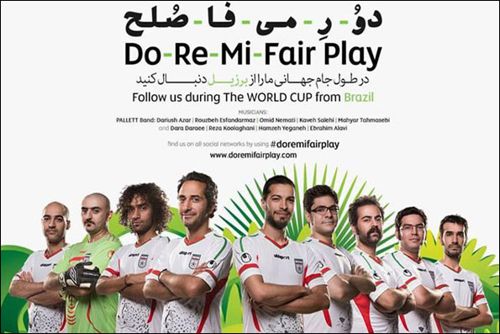
doremifairplay - Iranian musicians in Brazil for cultural ‘adventurism’
Dara Daraie is one of these groups. He provided some details to Mehr News of the project. “The musical project includes some of the country’s popular music bands such as Kaveh Salehi, Mahyar Tahmasbi, Omid Nemati, Rouzbeh Esfandarmaz, Reza Kolqani, Darioush Azar, Ebrahim Alavi, Hamzeh Yeganeh and myself in the framework ‘Do Re Mi Fair Play’ to a cultural adventure in Brazil,” he told Mehr News.
“The soccer-musical project will be part of a documentary film focused on peace and cultural activities to establish a dialogue between us and composers from countries in Group F,” he said.
“However, the project has not yet finalized; but it would suffice to say that it will focus on representation of Iranian culture and art in the world cup,” he added, and that “the initial plan for the documentary will be detailed in the few coming days. It is surprising enough that we ourselves could not predict how the cultural adventurism would turn out to be.”
Daraie predicted that the audience would enjoy influential documentary. “Given the wider scope of the world cup and the publicity it enjoys, cultural elements such as music would attract the public attention to Iranian national team,” he said.
The members of the project had already posed with Iran’s national kit. A poster of them reads “follow us during the world cup from Brazil” and “cultural adventurism for playing for global peace.”
The project reportedly was inspired by Lionel Messi’s refusing to recognize Iran in the aftermath of the Iranians’ swarming of his Facebook page to “do its quota to introduce Iran’s art and culture in the world Cup.”
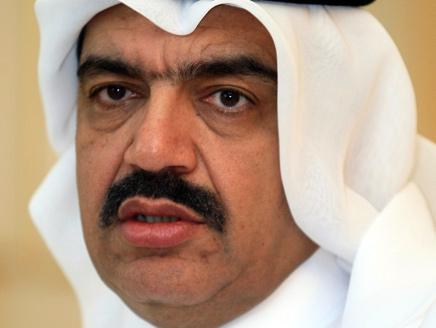
Qatari Foreign Minister Mohammad Bin Abdullah Bin Mutib al-Rumaihi
Speaking in a press conference at the end of a visit by Qatari economic and trade delegation to the Southern Province of Bushehr on Sunday, al-Rumaihi announce that the aim of his visit was economic development between private sectors of Iran and Qatar.
He voiced Doha’s enthusiasm for utilizing Iran’s valuable experiences in different industrial, commercial, and economic domains.
The Qatari official further added that in the trip, the delegation got more acquainted with the economic and trade capacities of Bushehr province.
Both Iran and Qatar have recently augmented efforts to further expand ties and cooperation in all the different political, economic, defense, security and cultural fields.
The two Persian Gulf littoral states recently signed several protocols to increase mutual cooperation.
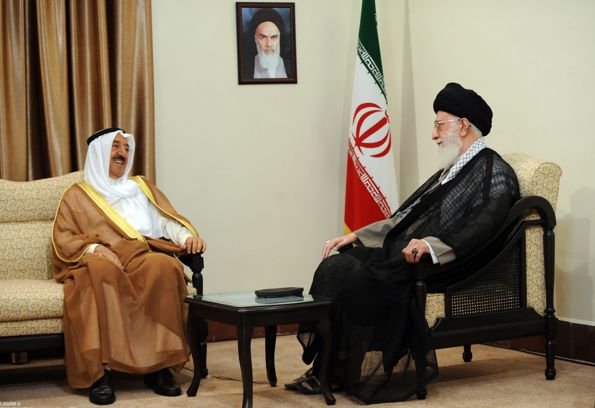
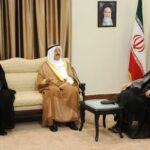
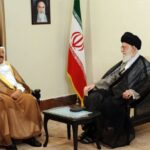
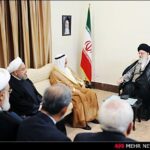
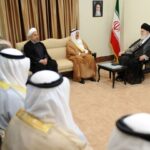
Leader of the Islamic Republic of Iran- Kuwait Emir Sheykh Sabah
Kuwaiti Emir Sheikh Sabah Al-Ahmed Al-Sabah arrived in Tehran on Sunday evening to explore ways of strengthening ties with the Islamic Republic of Iran.
Ayatollah Khamenei described the security of the region and the Persian Gulf as very crucial, which hinged upon ‘healthy’ relations between the countries. “The Islamic Republic of Iran pursued the same policy with his neighbors,” the Leader added, and that “healthy relations between countries in the region are salubrious for all; however, if the principle is abandoned, the resulting rifts will make happy our common enemies and distant the neighbors.”
The Leader described the brazen conduct of the Zionist regime as a result of the lack of the healthy ties. “The Islamic Republic of Iran had been tolerant in its relations with neighbors,” he asserted, believing that expansion of ties with Iraq and Kuwait as ‘in the interest of the whole region.’
“The Islamic Republic of Iran will accept and confirm what Syrian people decide,” he told the Kuwaiti delegation.
Ayatollah Khamenei also pointed to the threat of Takfirist groups to the stability of the whole region. “Some countries in the region underestimate the threat of these groups, and continue their support for Takfirist terrorists,” he said.
The Leader of the Islamic Republic believed that countries pouring fuel to the fire of violence and mass murders in Syria would soon face the inevitable plight of these groups, only to be inflicted with heavy costs of extirpating them.
He also pointed to Iran’s support for Kuwait in ‘critical times of the past’ and expressed gratitude for Kuwait’s ‘benevolent and wise’ position on the developments in the region.
On economic relations, the Leader believed that grounds for improving economic ties were on place, and that “a new chapter should be written in Iran-Kuwait economic relations.”
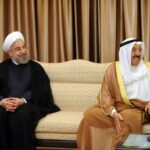
The meeting was also attended by Iran’s President Hassan Rouhani. Kuwaiti emir congratulated the Leader on the birth anniversary of Imam Hussein and praised the Leader as ‘the sage and the guide for the entire region.’
“Kuwait is willing and prepared to open new chapter in bilateral relations,” said Emir. He praised the Leader’s remarks on the necessity of a sort of convergence among the countries and Kuwait’s relations with Iraq, and believed that his country had a ‘very good relation’ with Iraq and that expressed hope that Syrian crisis would be solved according to what Syrian people demanded peacefully.
The meeting also agreed on boosting the current level of trade between the two countries.
Leader of the Islamic Republic of Iran- Kuwait Emir Sheykh Sabah
Leader of the Islamic Republic of Iran- Kuwait Emir Sheykh Sabah
Leader of the Islamic Republic of Iran- Kuwait Emir Sheykh Sabah
Leader of the Islamic Republic of Iran- Kuwait Emir Sheykh Sabah
Leader of the Islamic Republic of Iran- Kuwait Emir Sheykh Sabah
Leader of the Islamic Republic of Iran- Kuwait Emir Sheykh Sabah
Leader of the Islamic Republic of Iran- Kuwait Emir Sheykh Sabah
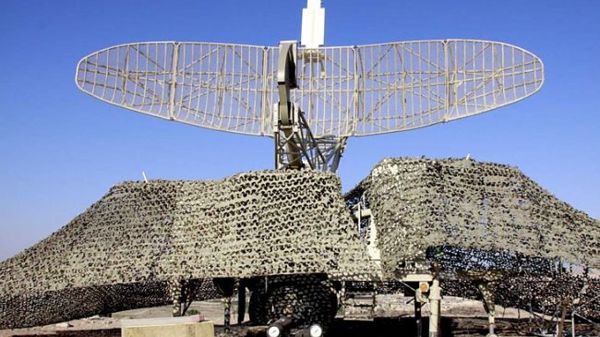
The advanced radar system, named Ghadir, was unveiled in a ceremony attended by military top brass, including Commander of Khatam al-Anbiya Air Defense Base Brigadier General Farzad Esmaeili on Monday.
The state-of-the art radar system uses three-dimensional (3-D) technology to detect airborne targets, including radar-evading aircraft, cruise and ballistic missiles, and satellites in low Earth orbits.
The system was first unveiled during the Great Prophet 6 military drills in 2011. It was later mass produced by the IRGC’s Aerospace Division and underwent several tests in recent months
The Phased Array radar can monitor targets within a radius of 1,100 kilometers at a maximum 300-km altitude.
In November 2013, Iranian navy unveiled an indigenous state-of-the-art array radar system, dubbed Asr (Age), which can detect long-distance targets.
In recent years, Iran has made major breakthroughs in its defense sector and attained self-sufficiency in producing important military equipment and systems.
Despite its great defense achievements, the Islamic Republic has repeatedly said its military might poses no threat to other countries, insisting that its defense doctrine is merely based on deterrence.
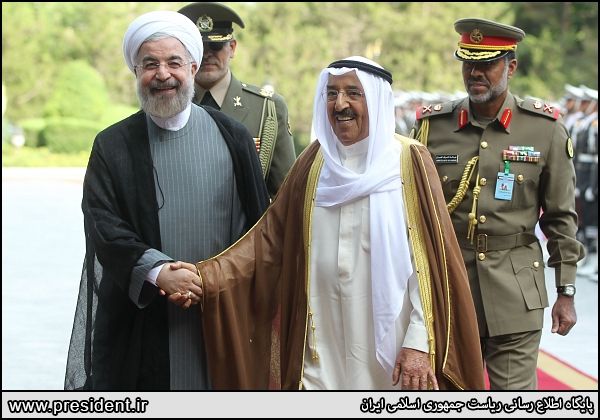
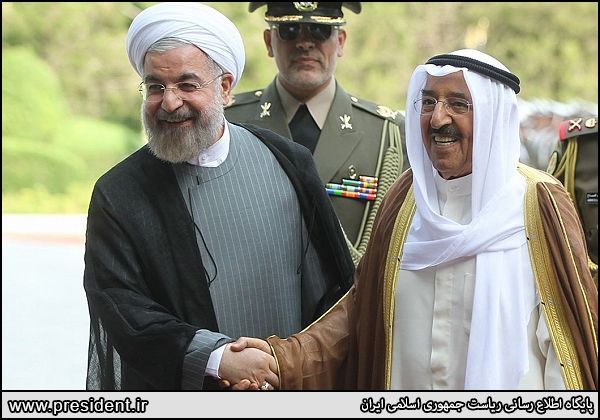
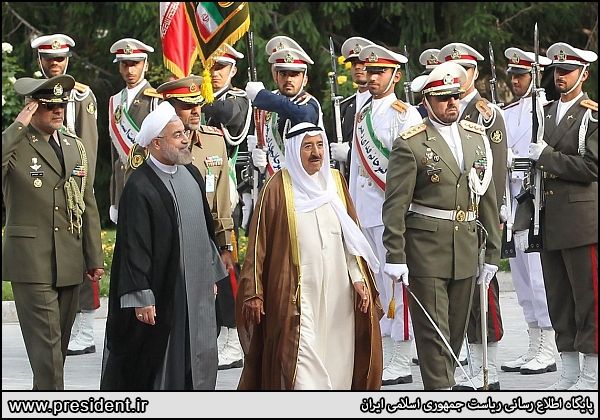
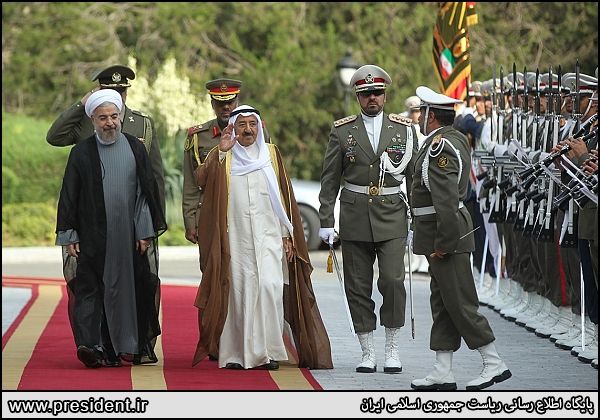
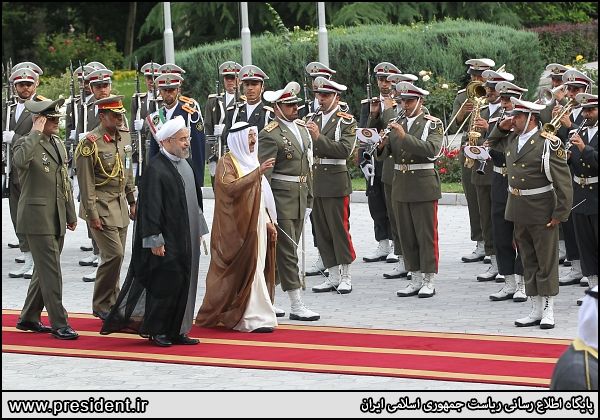
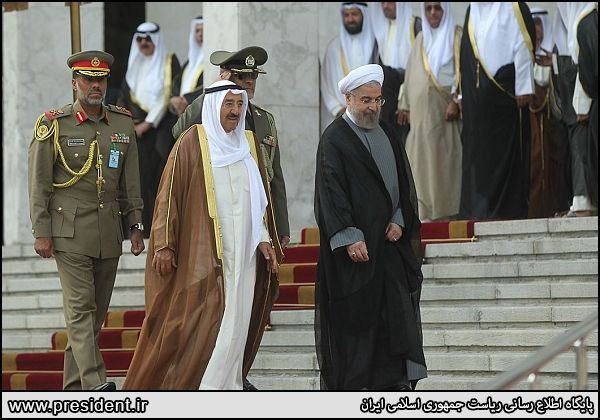
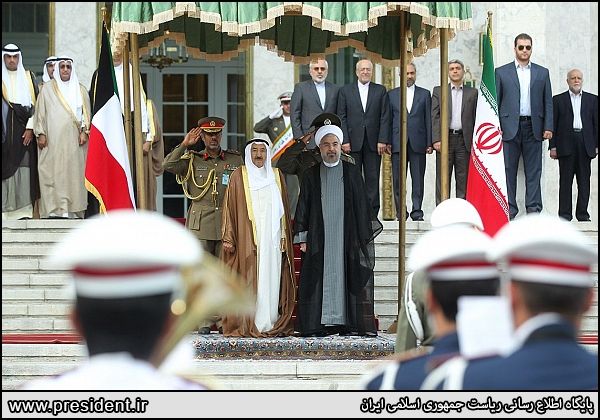
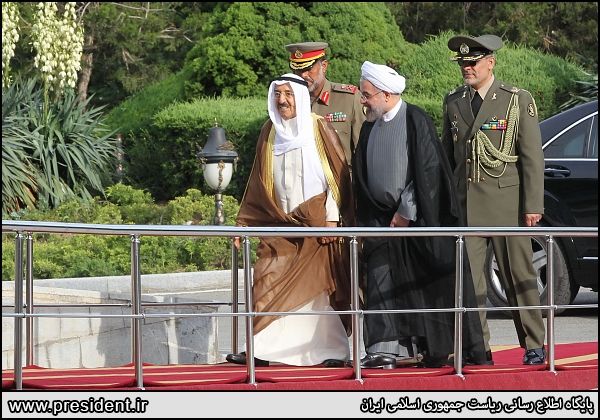
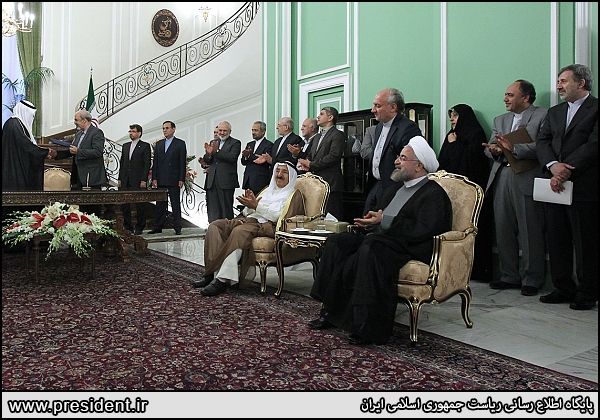
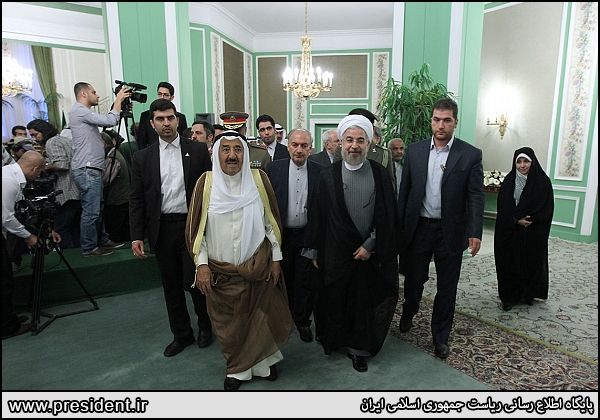
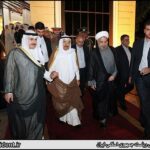
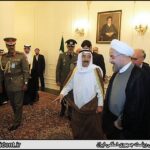
President Hassan Rouhani here on Sunday officially welcomed Kuwaiti Emir Sheikh Sabah al-Ahmad al-Jaber al-Sabah at Saadabad Historical Cultural Complex.
The Emir of Kuwait, heading a high-ranking delegation, arrived in Tehran Sunday morning for a two-day visit.
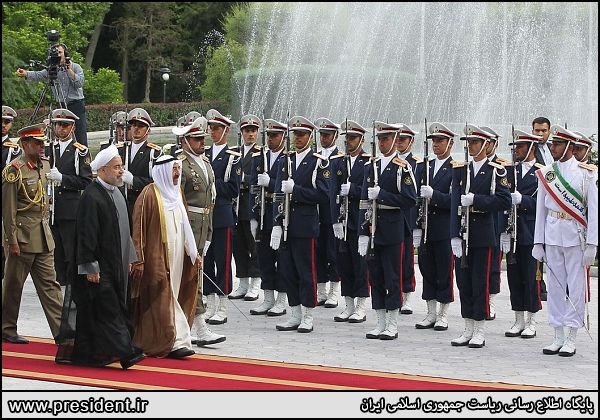
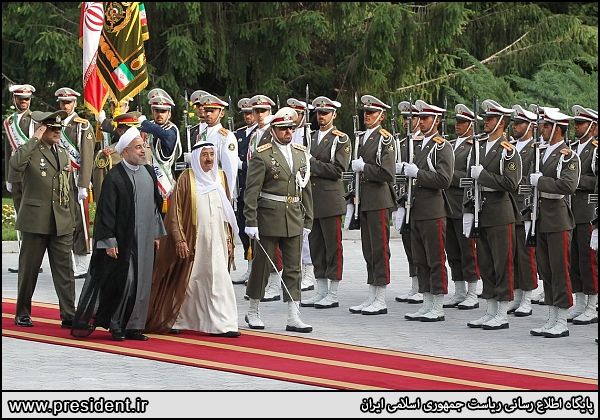
Formal ceremony was held and President Rouhani and the Kuwaiti Emir reviewed the guard of honor while national anthems of Iran and Kuwait were played.
Dr.Rouhani and Sheikh Sabah Al-Ahmad are expected to discuss the most important issues on key bilateral issues, ways of expanding mutual ties and important regional and international issues.
Iran president-Kuwaiti Emir Sheikh Sabah
Iran president-Kuwaiti Emir Sheikh Sabah
Iran president-Kuwaiti Emir Sheikh Sabah
Iran president-Kuwaiti Emir Sheikh Sabah
Iran president-Kuwaiti Emir Sheikh Sabah
Iran president-Kuwaiti Emir Sheikh Sabah
Iran president-Kuwaiti Emir Sheikh Sabah
Iran president-Kuwaiti Emir Sheikh Sabah
Iran president-Kuwaiti Emir Sheikh Sabah
Iran president-Kuwaiti Emir Sheikh Sabah
Iran president-Kuwaiti Emir Sheikh Sabah
Iran – Kuwait signed 6 cooperation documents
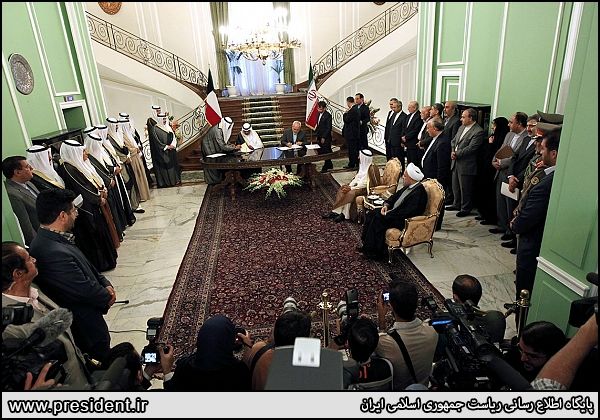
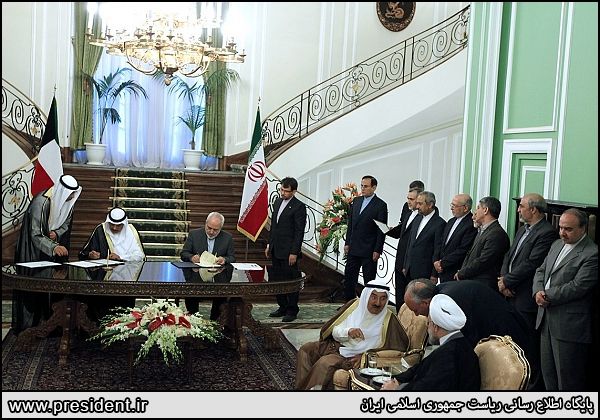
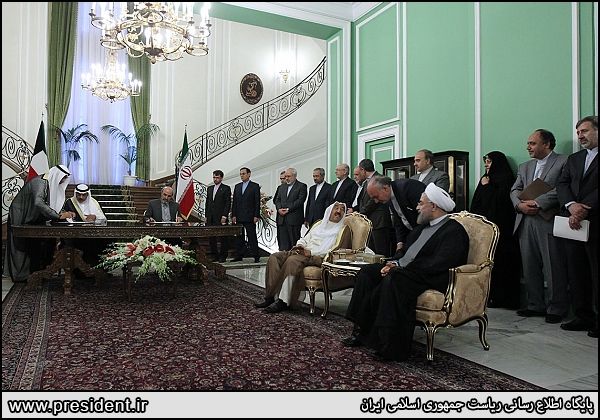
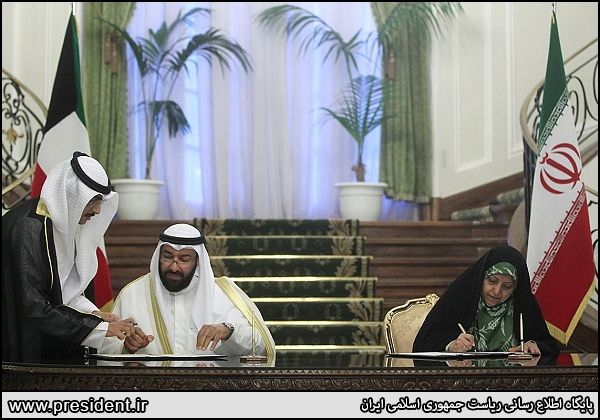
Iran and Kuwait signed six agreement documents on Sunday, aiming to further develop the comprehensive strategic partnership between the two countries.
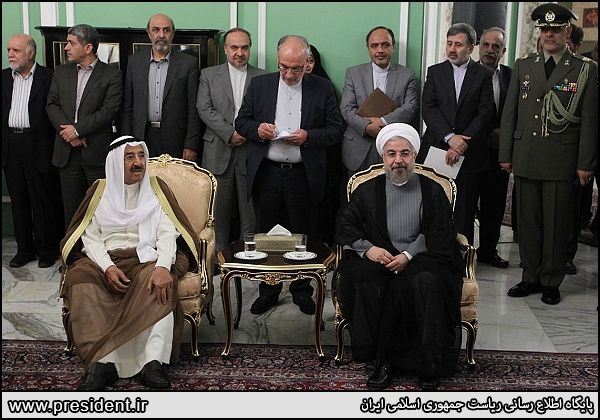
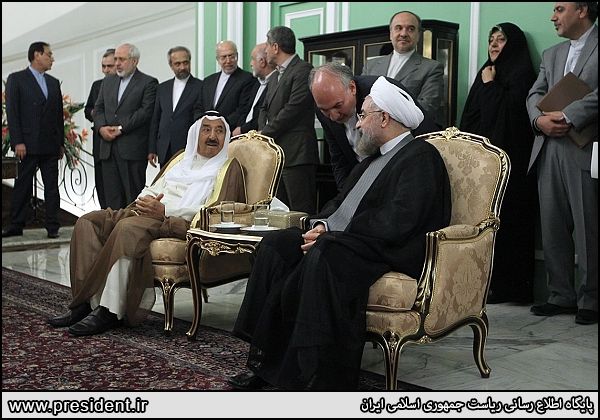
Dr. Hassan Rouhani and Sheikh Sabah al-Ahmad al-Jaber al-Sabah met each other and reviewed bilateral relations and ways to broaden and deepen relations between Iran and Kuwait then attended the signing ceremony of documents and collaboration.
At the ceremony 6 cooperation documents in various sectors was signed by ministers and senior officials of the two countries.
The documents included the memorandum of understanding on air Transportation, the memorandum of understanding on customs, the memorandum of understanding on security agreements, the memorandum of understanding on partnerships , the memorandum of understanding on sports, the memorandum of understanding on tourism ,the memorandum of understanding on environmental.
rouhani and Emir of kuwait in Iran
rouhani and Emir of kuwait in Iran
rouhani and Emir of kuwait in Iran
rouhani and Emir of kuwait in Iran
rouhani and Emir of kuwait in Iran
rouhani and Emir of kuwait in Iran
rouhani and Emir of kuwait in Iran
rouhani and Emir of kuwait in Iran
rouhani and Emir of kuwait in Iran
rouhani and Emir of kuwait in Iran
Kuwaiti Emir welcomed by president
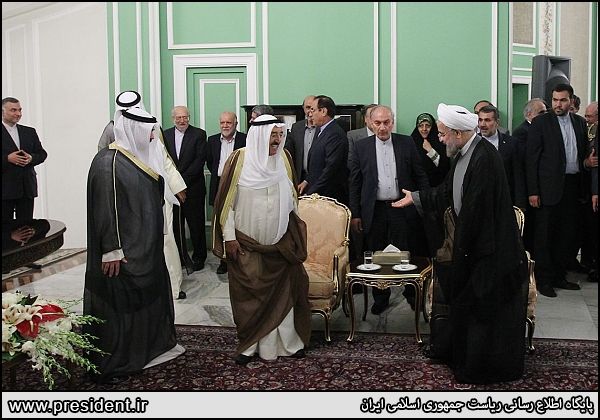
Kuwait Emir Sheykh Sabah in Iran
Kuwait Emir Sheykh Sabah in Iran
Kuwait Emir Sheykh Sabah in Iran
Kuwait Emir Sheykh Sabah in Iran
Kuwaiti Emir attends president Rouhani’s banquet
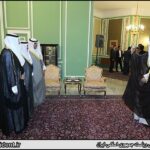
Emir of Kuwait Sheikh Sabah al-Ahmad al-Jaber al-Sabah, who is in Tehran to discuss issues of mutual interest with Iranian senior officials, attended a dinner banquet on Sunday evening.
Sheikh Sabah discussed cooperation development and bilateral ties as well as international and regional issues with President Hassan Rouhani and Iranian senior officials on Sunday.
On the second day of his visit, Emir of Kuwait will meet and talk with other Iranian high ranking officials on Monday.
<< In photos: President Rouhani and Kuwaiti Emir Sheikh Sabah >>
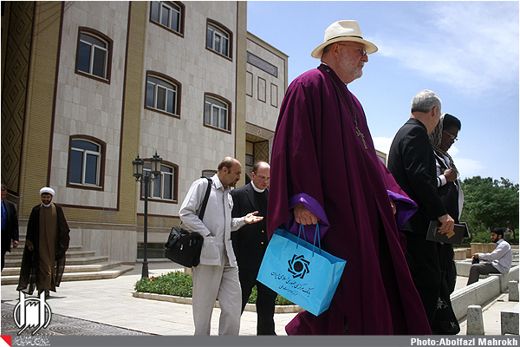
The US religious figures met with Ayatollah Abdollah Javadi Amoli, a prominent Shiite leader, in Qom city on Thursday, and discussed issues of mutual interest.
Ayatollah Javadi Amoli told the US religious leaders that Iran has no problem with the American people but it is necessary that the US statesmen change their attitudes toward Iran.
Responding to a question by Dr. Joel Hunter, a senior Pastor of Northland Church, concerning the role of religious leaders of the both countries in improving relations between Iran and the US, he said that Iran has always lived peacefully with all nations and has tried to be fair and wise in its interactions with other countries.
The US delegation who met with Ayatollah Javadi Amoli included Dr. Joel Hunter, Dr. Barbara Skinner, Head of National Network of US-African Priests, Dr. James August Kovalevsky, Professor Anthony Destro from Faculty of Washington Catholic University, and Dr. Alex Roy Medley, the Head of the National Council of US Churches.
US religious have traveled to Iran to confer with a number of Iranian religious and cultural officials.
The United States and Iran broke diplomatic relations in April 1980, after Iranian students seized the United States’ espionage center at its embassy in Tehran. The two countries have had tense relations ever since, but have shown willingness to attend talks to help resolve regional issues, including security in Iraq. Yet, the two countries have avoided talks on bilateral issues for the last thirty years.
Washington and its Western allies accuse Iran of trying to develop nuclear weapons under the cover of a civilian nuclear program, while they have never presented any corroborative evidence to substantiate their allegations. Iran denies the charges and insists that its nuclear program is for peaceful purposes only.
In a meeting between Deputy Head of Iran’s Cultural Heritage, Handicrafts and Tourism Organization (ICHHTO) Mohammad Hassan Talebian and Italian Ambassador to Tehran Luca Giansanti on Saturday, the two sides discussed expansion of cooperation on museums, carpets and Iranian traditional costumes.
Describing the pace of cooperation as positive, the Italian ambassador underlined the need to sign a memorandum of understanding (MoU) on museum cooperation.
Earlier this month, the former Italian Minister of Heritage, Cultural Activity and Tourism Massimo Bray, in an interview, said that Iranian culture and civilization is unique and unparalleled in the world.
When Massimo Bray visited Iran in January this year, he was a member of the Italian cabinet and the second Italian minister after the Foreign Minister Emma Bonino who traveld to Iran in the last 10 years. However, following the resignation of Enrico Letta as the Prime Minister and the reshuffling of the cabinet, he was automatically removed from his post and replaced by Dario Franceschini in the Matteo Renzi cabinet.
Massimo Bray came to Iran to broaden and expand the cultural ties between Italy and Iran, the two countries that have historically maintained close and amicable ties. Mr. Bray was thrilled with his experience of visiting the tourism magnets and cultural attractions of Iran and said that Iran’s contributions to the world culture have been outstandingly important and indispensable. He traveled to different Iranian cities such as Isfahan, Kashan and Kerman and took a tour of the historical buildings and attractions of these cities.
“I believe that whoever will have – as I’ve had – the opportunity of visiting Iran couldn’t possibly disagree with me about Iran’s cultural, historical identity history being one of the most important of the world. Iranian civilization has had a huge impact on the history of mankind,” said Massimo Bray.
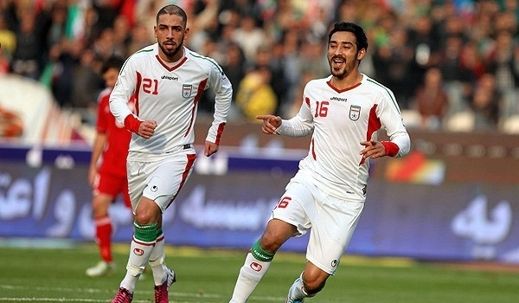
Iran, playing in the World Cup finals for the fourth time after 1978, 1998 and 2006, have been drawn in Group F alongside Argentina, Nigeria and Bosnia-Hercegovina, and will open their campaign against the Nigerians on 16 June.
Squad:
Goalkeepers: Daniel Davari (Eintracht Braunschweig/GER), Rahman Ahmadi (Sepahan Isfahan), Alireza Haqiqi (Sporting da Covilha/POR)