Wednesday, December 24, 2025
Home Blog Page 3769

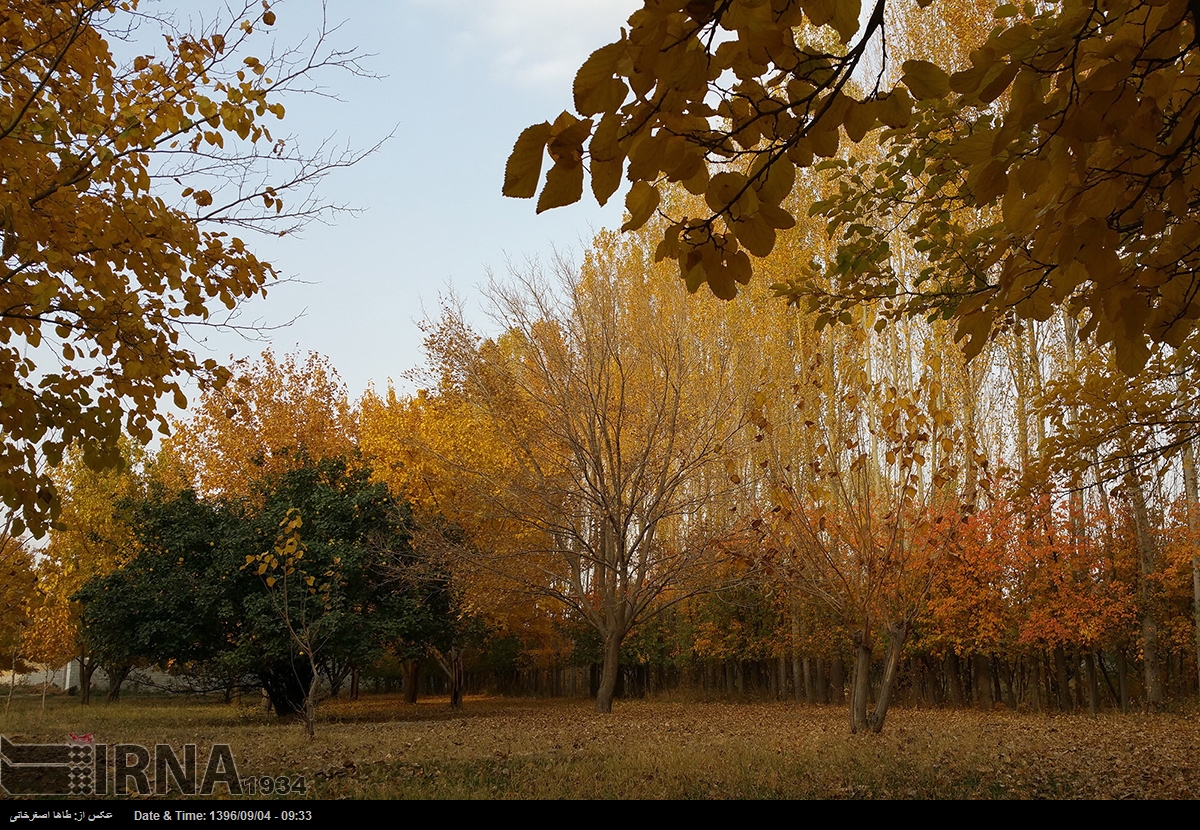
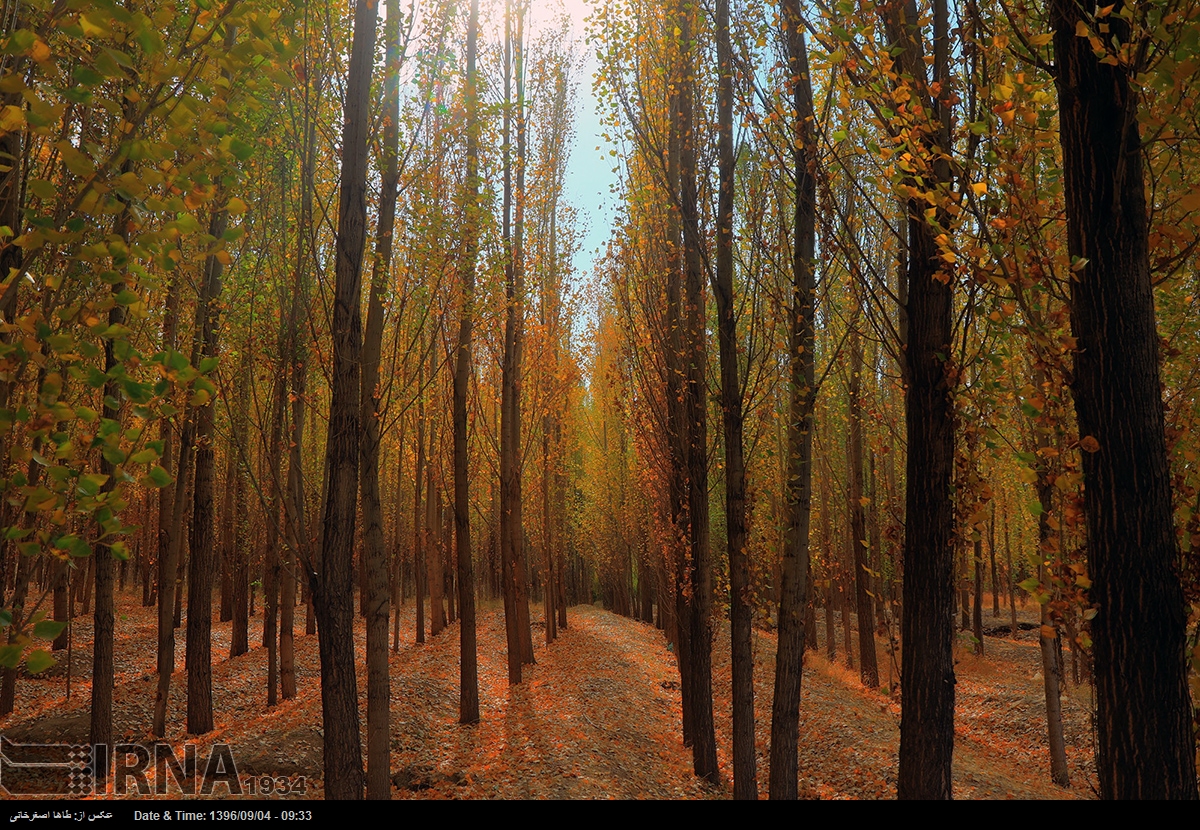
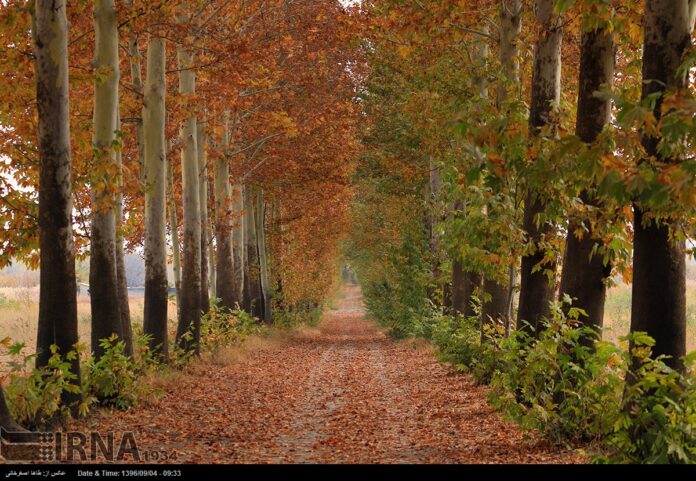
Beauties of Iran in Autumn

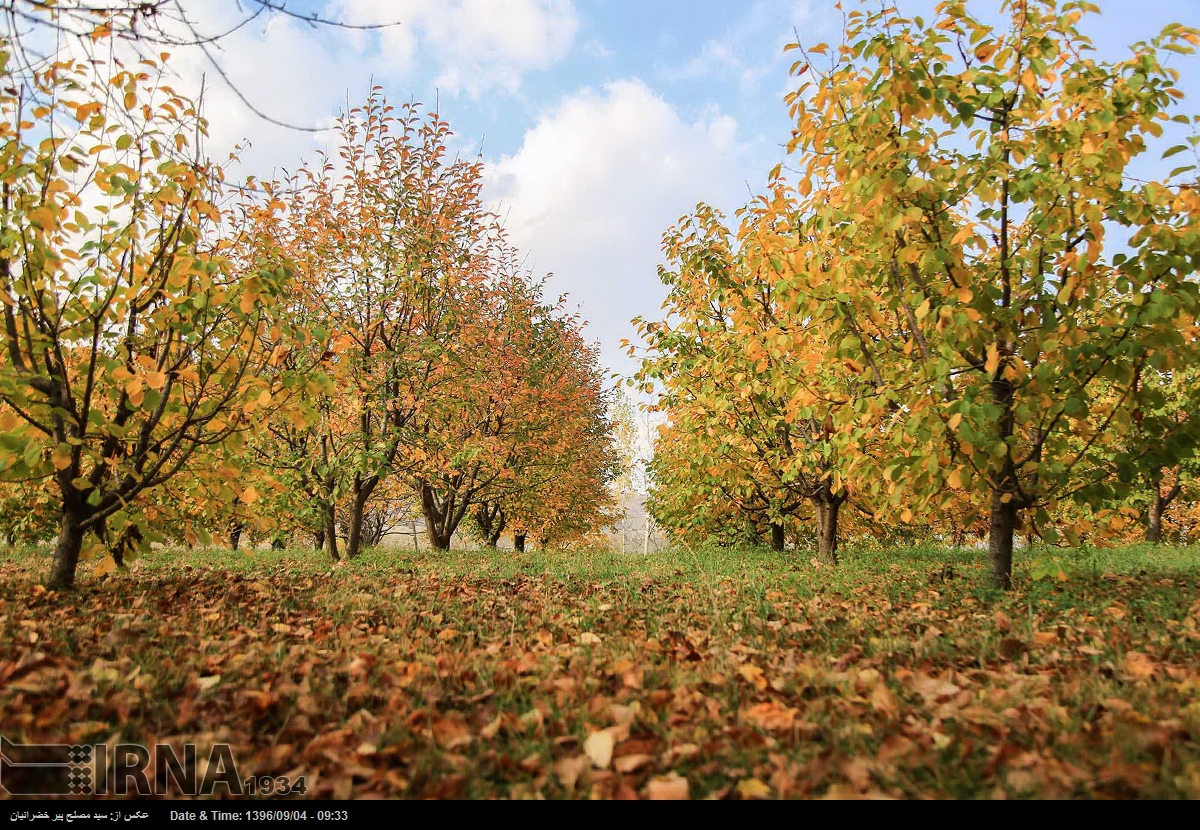
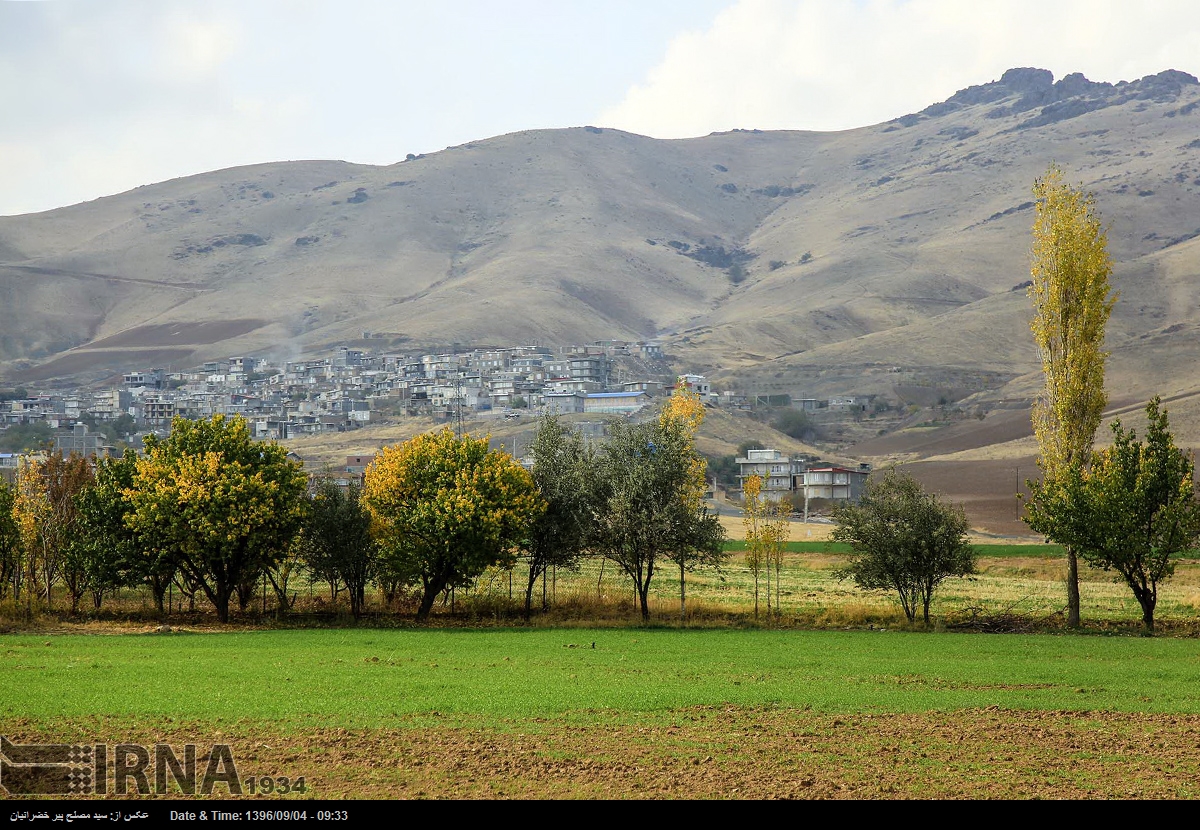
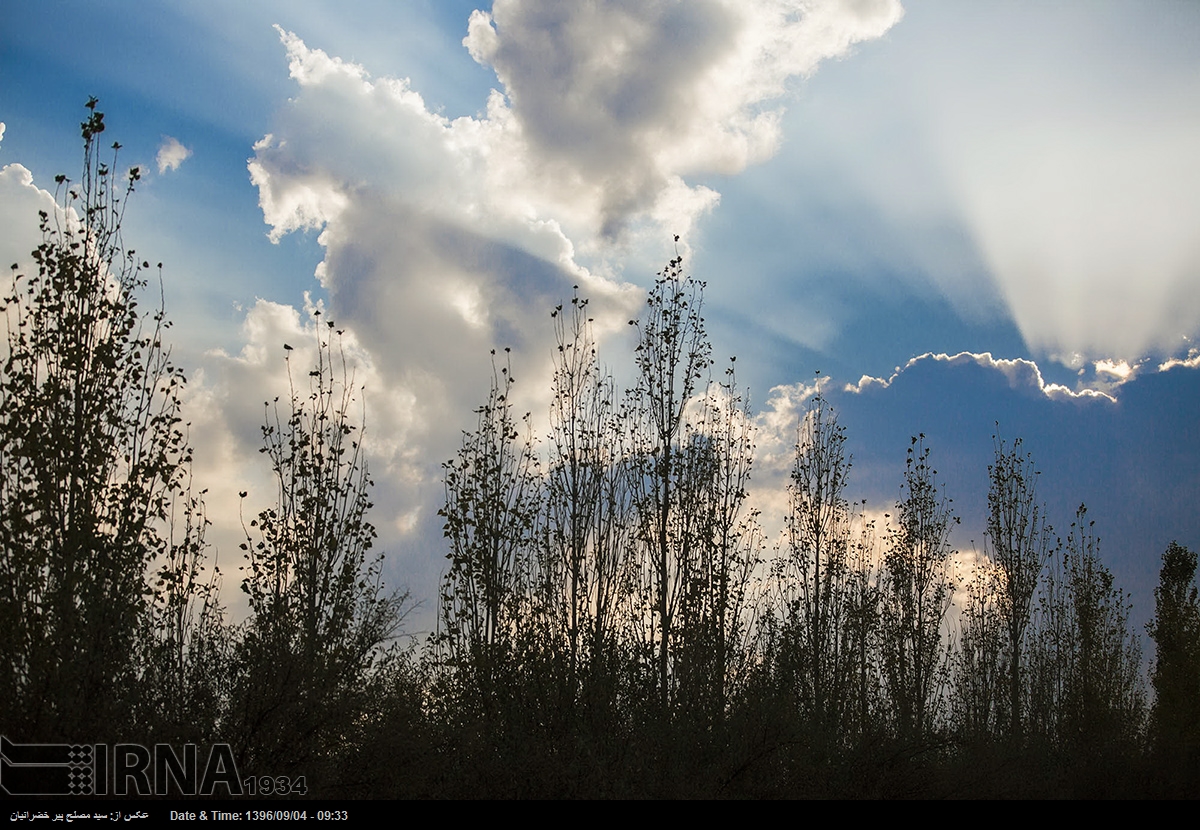
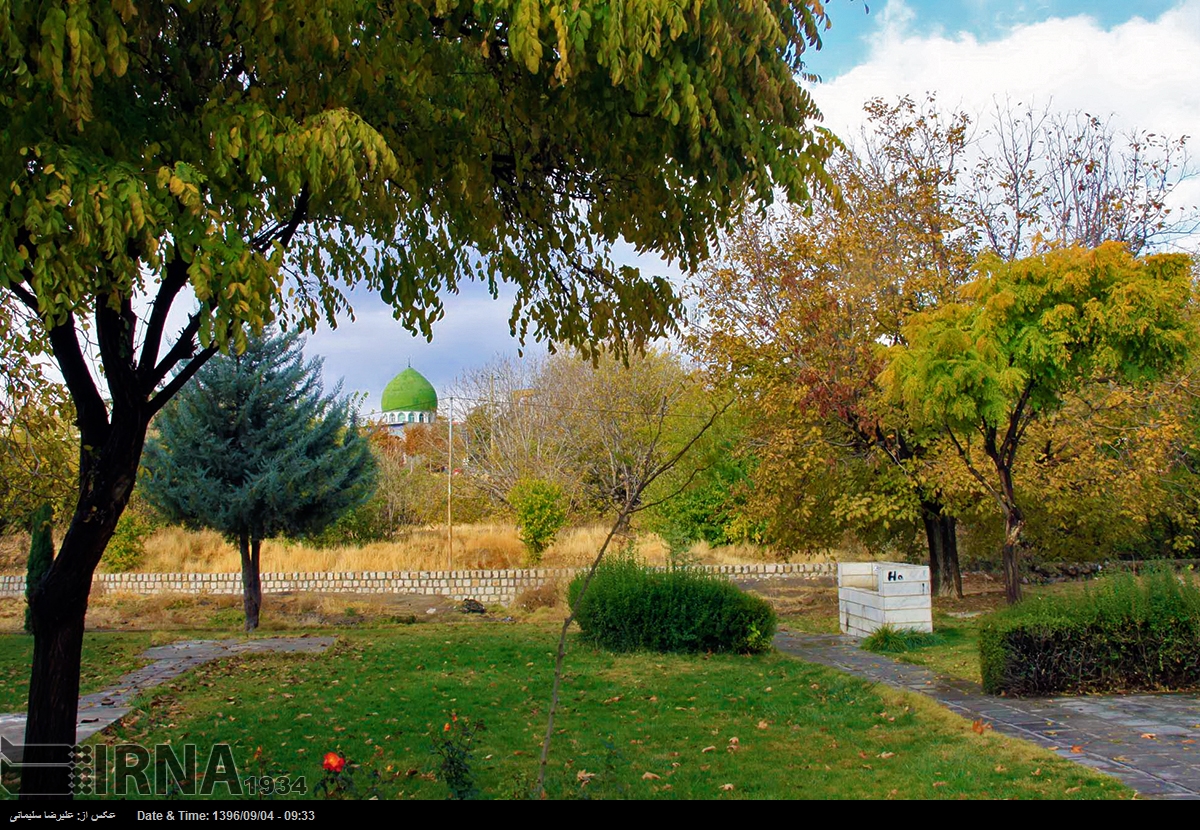
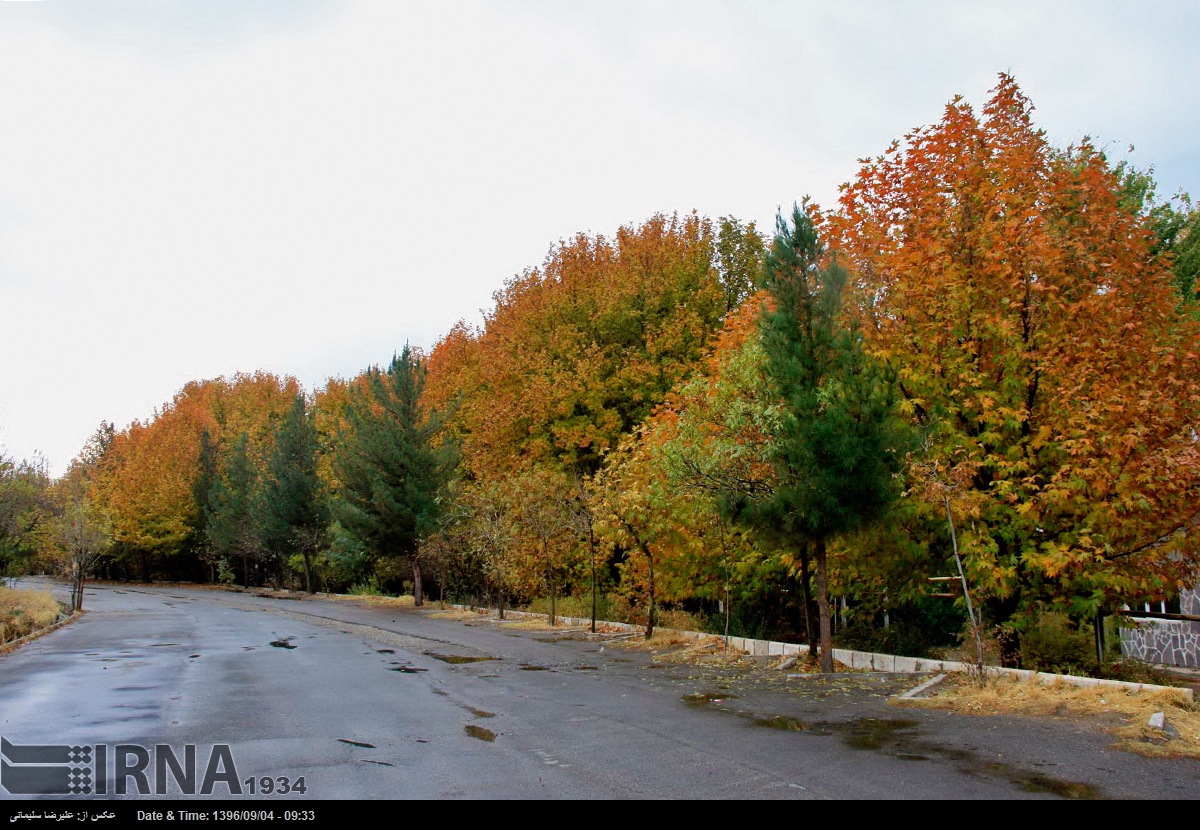
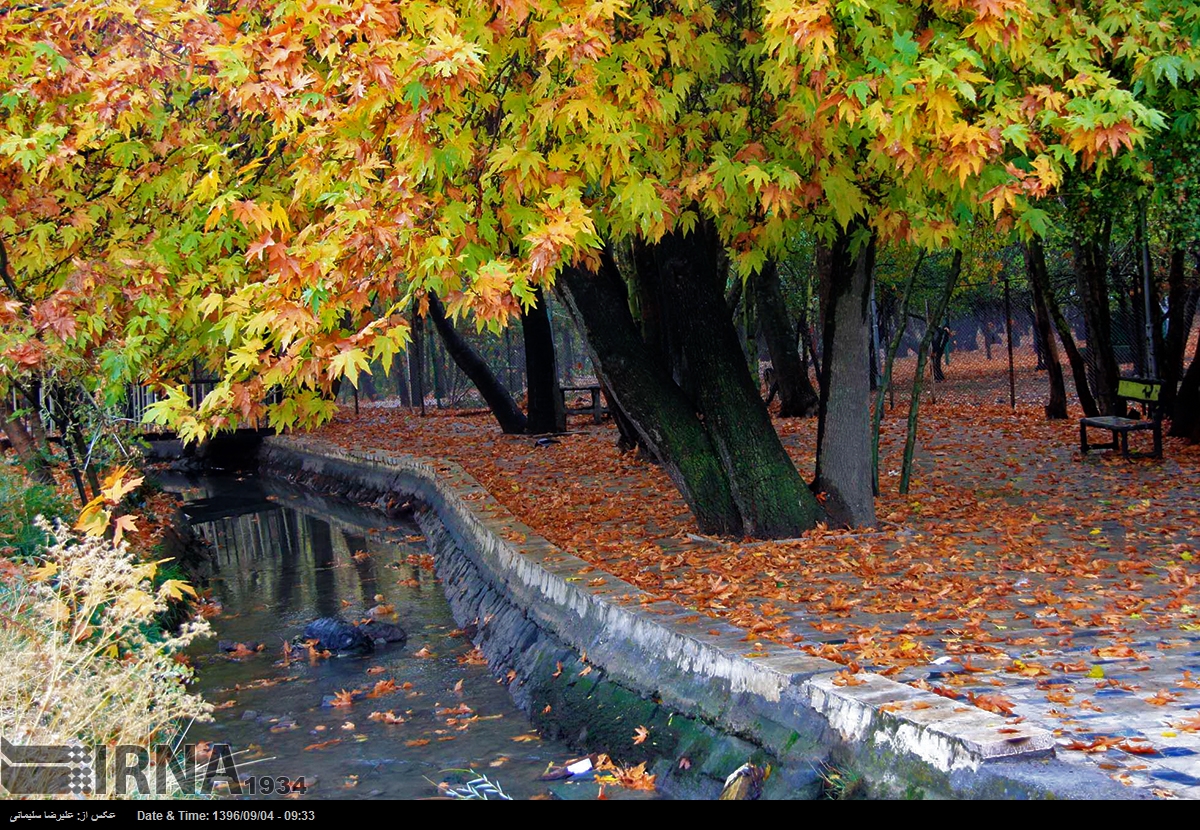
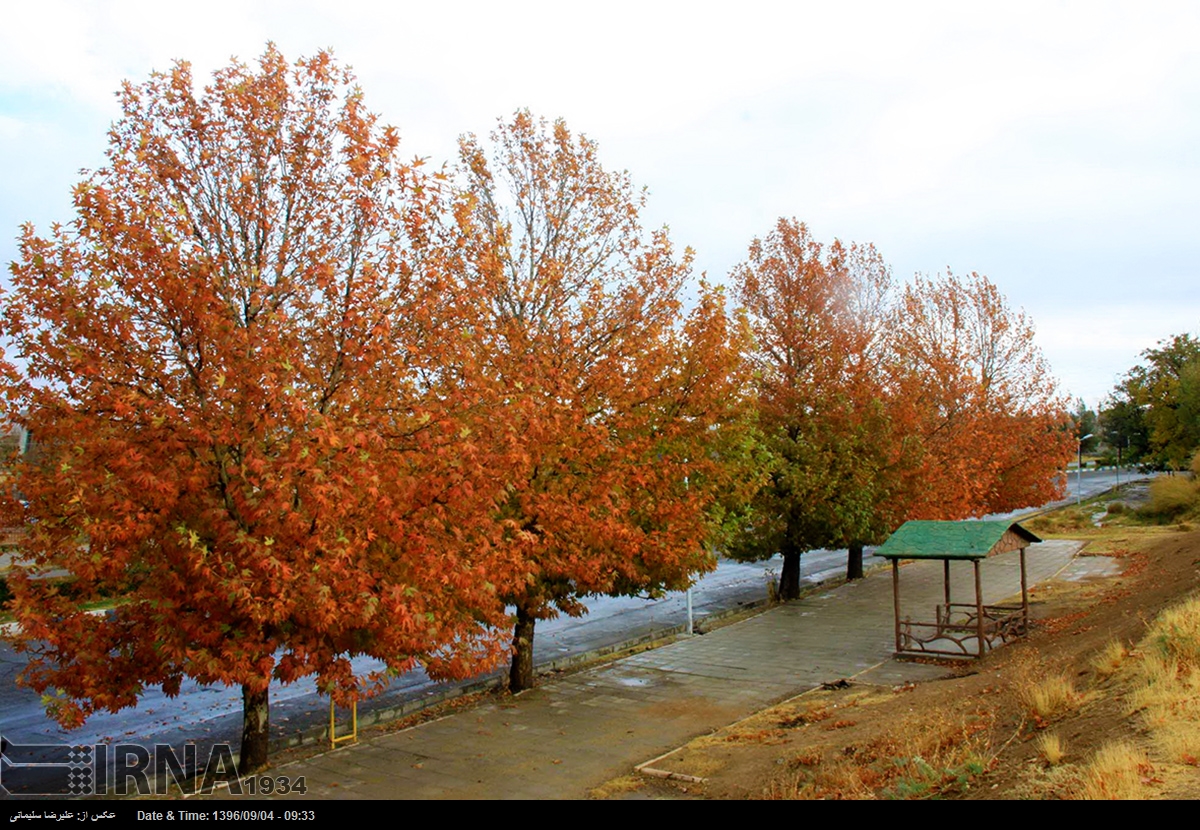
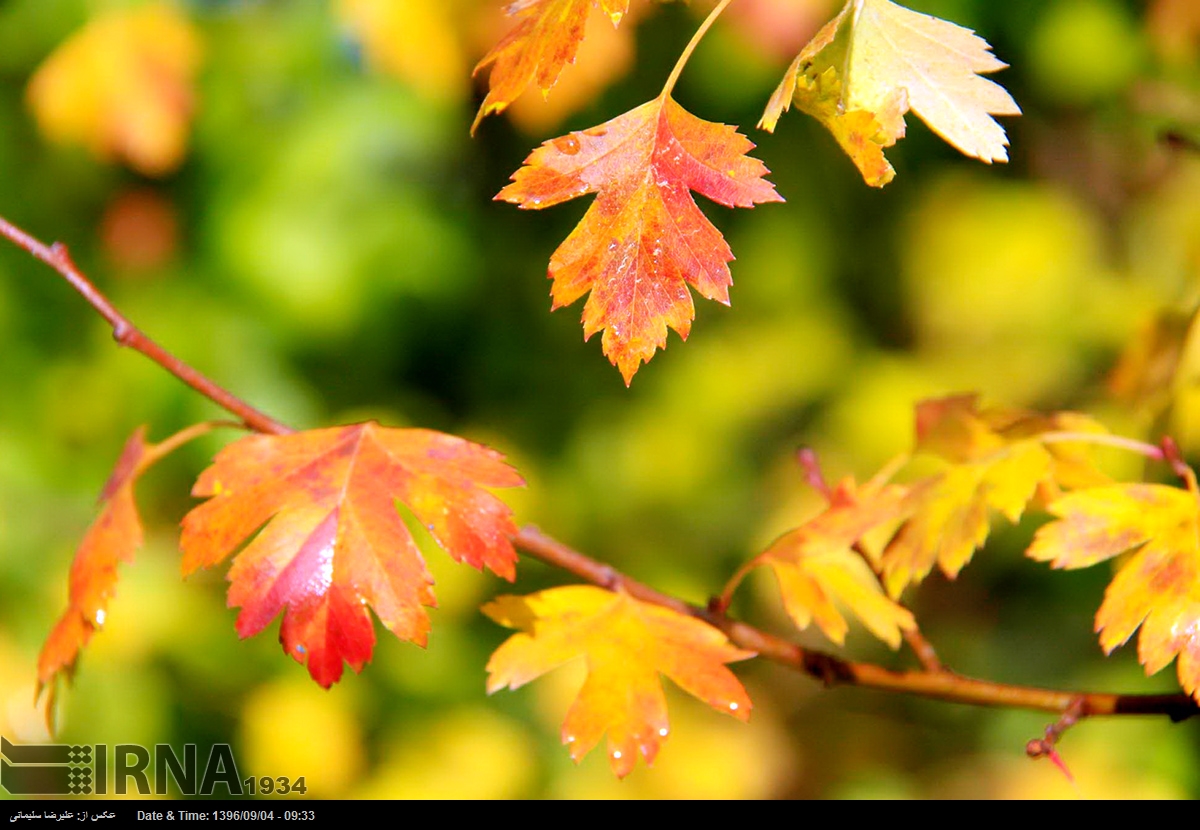
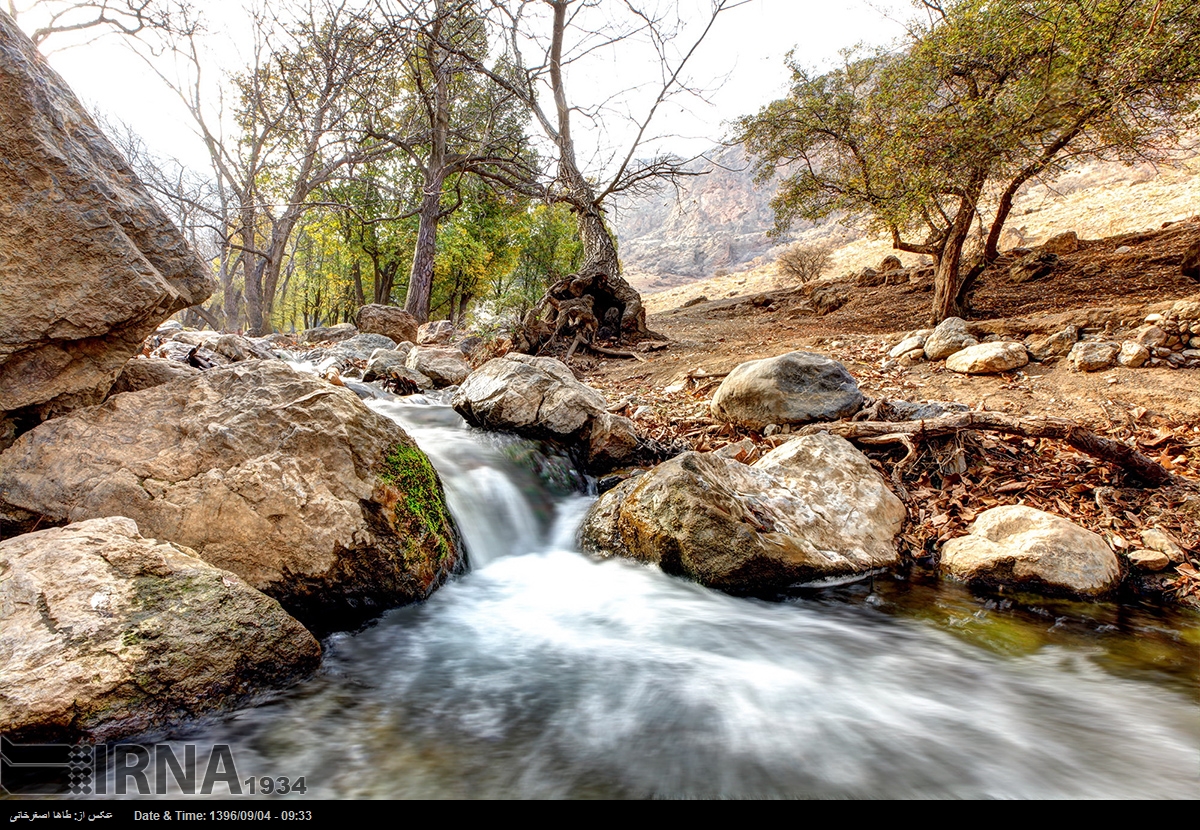
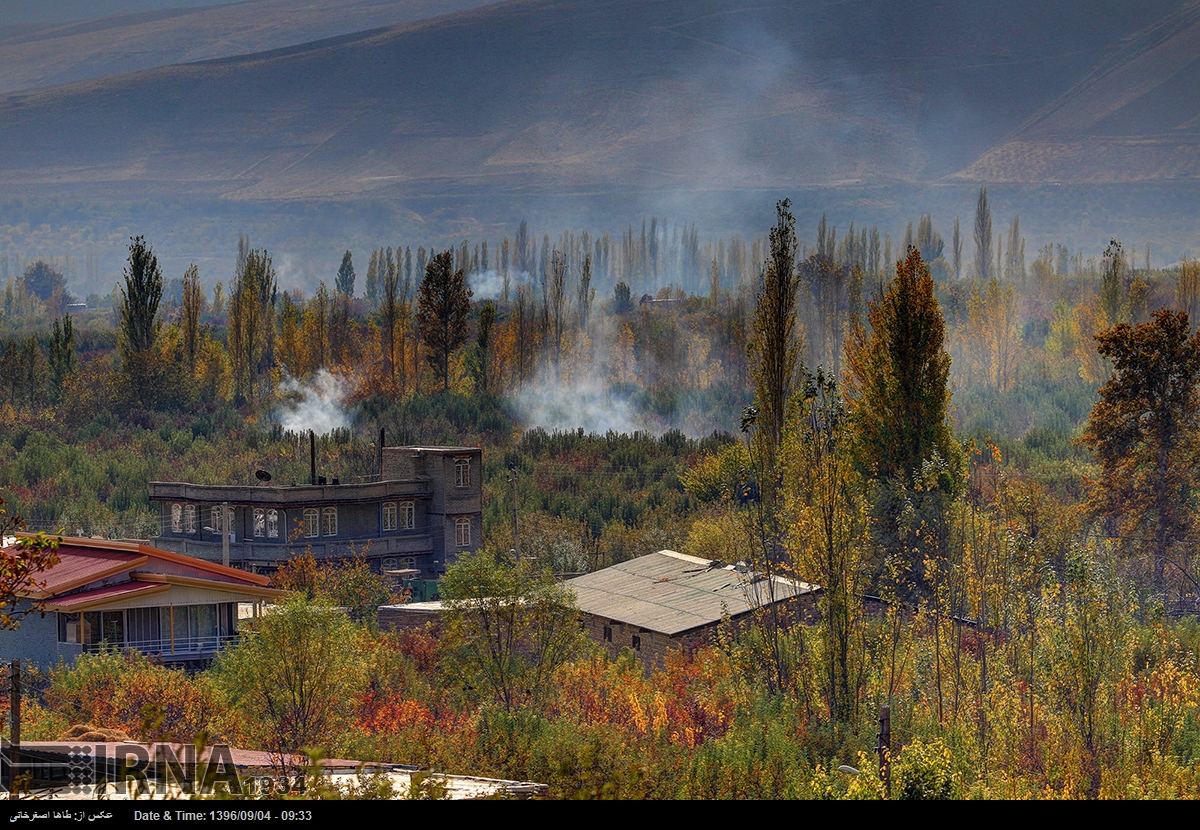
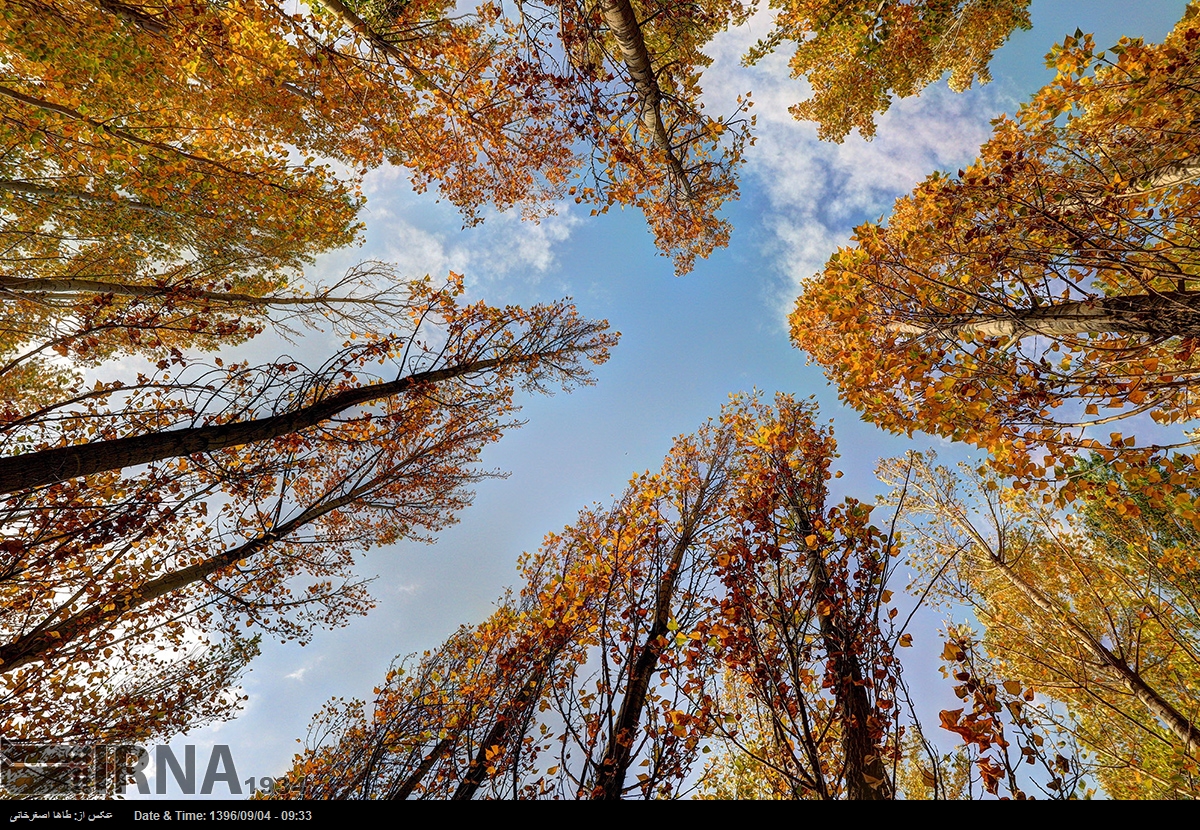
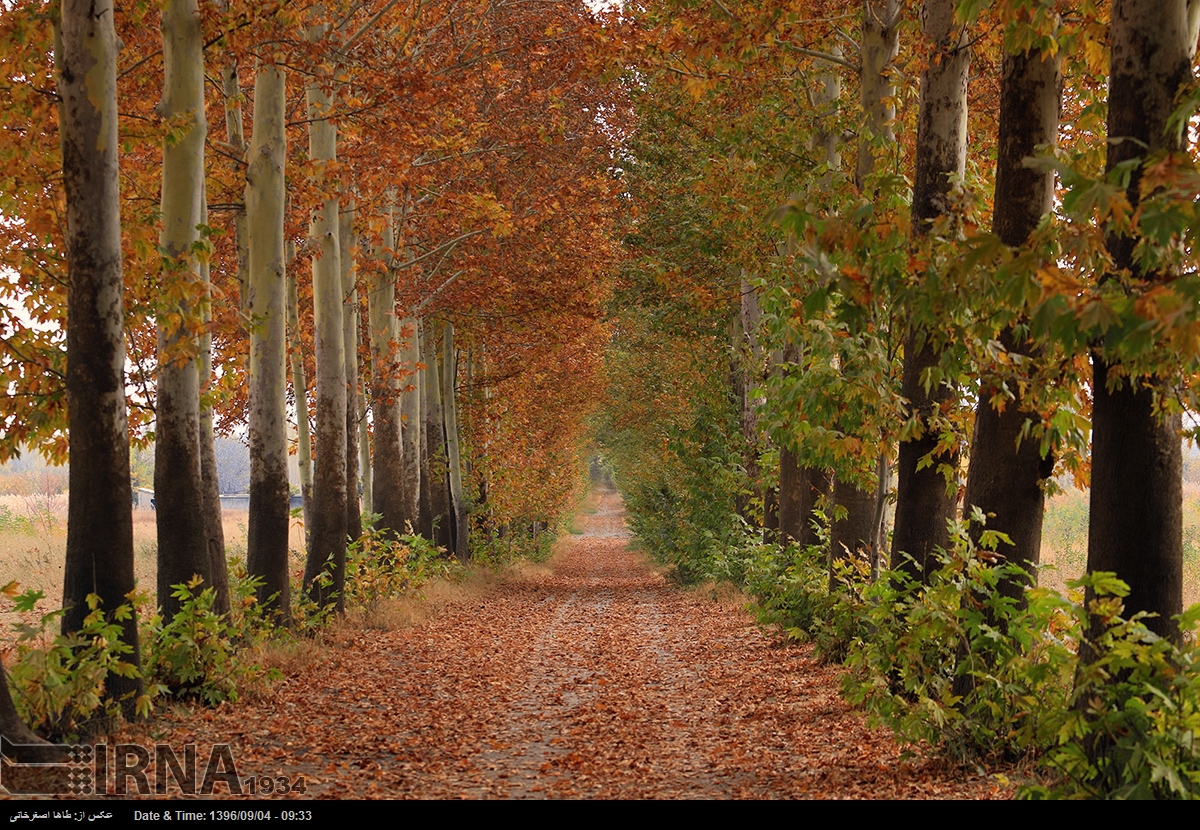
Autumn is the season when the nature wears its most fascinating gown consisting of red, gold, orange, purple, brown, and green colours. These beautiful colours can attract every tourist in October, November and December.

What follows are IRNA’s photos of autumn in Oroumiyeh in West Azarbaijan province, Boroujerd in Lorestan province, and Sanandaj in Kurdistan province:

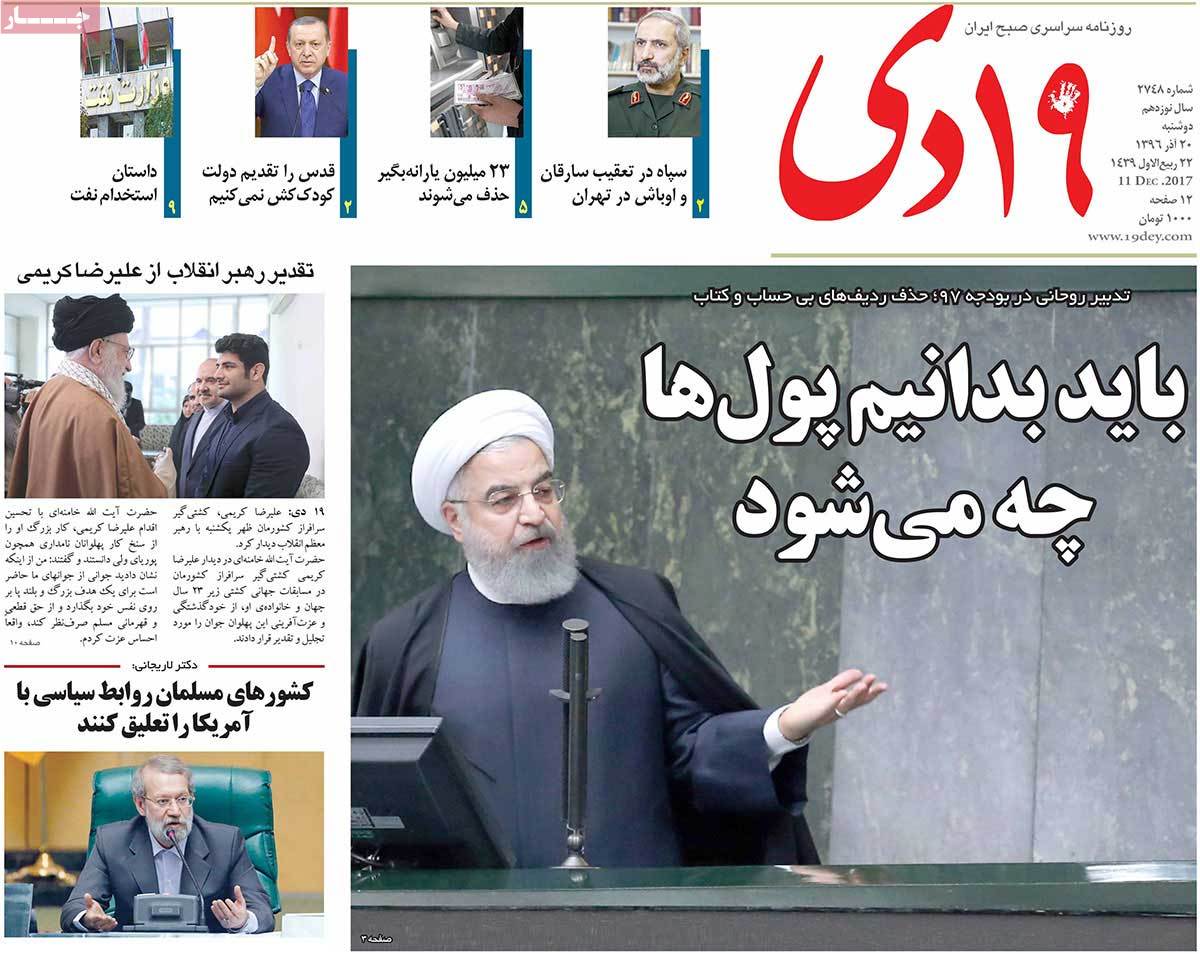
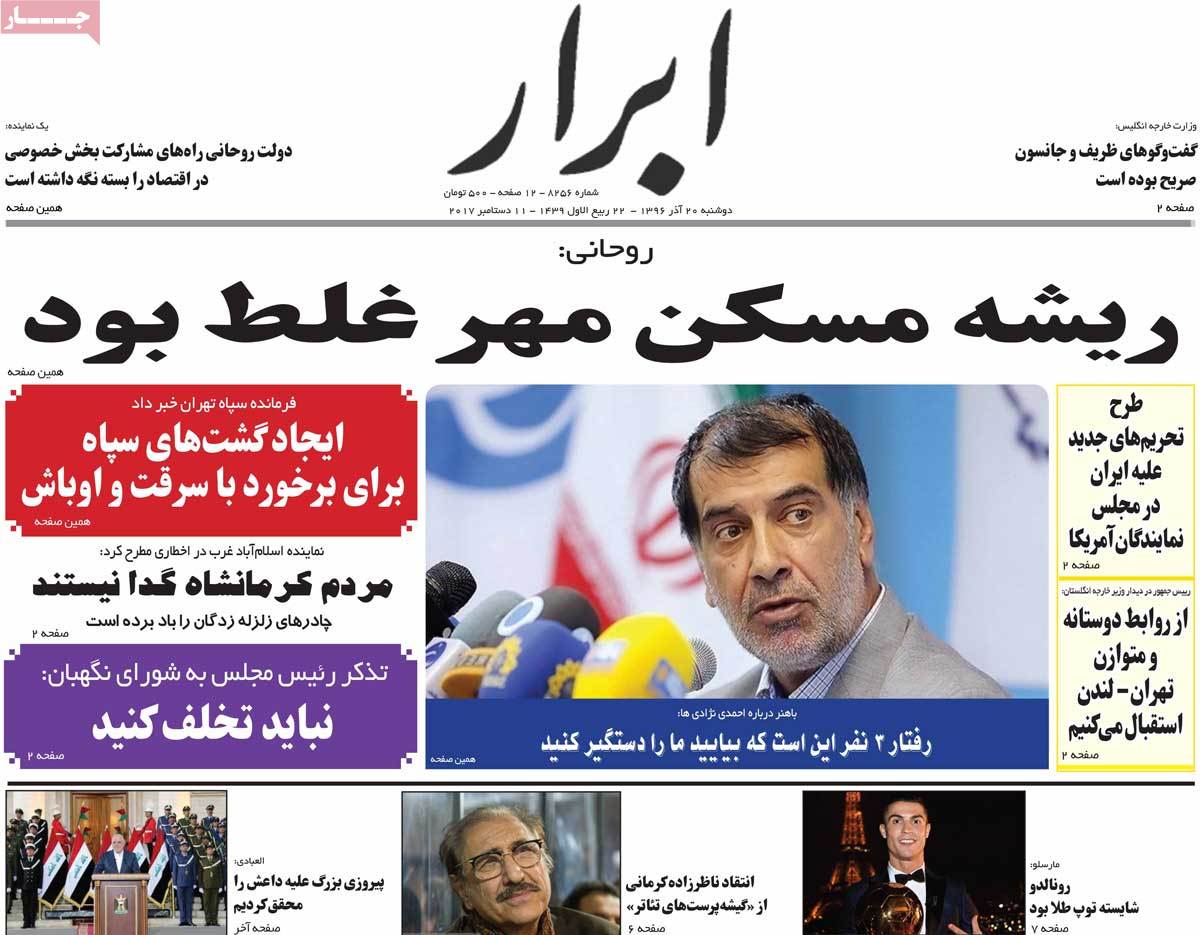
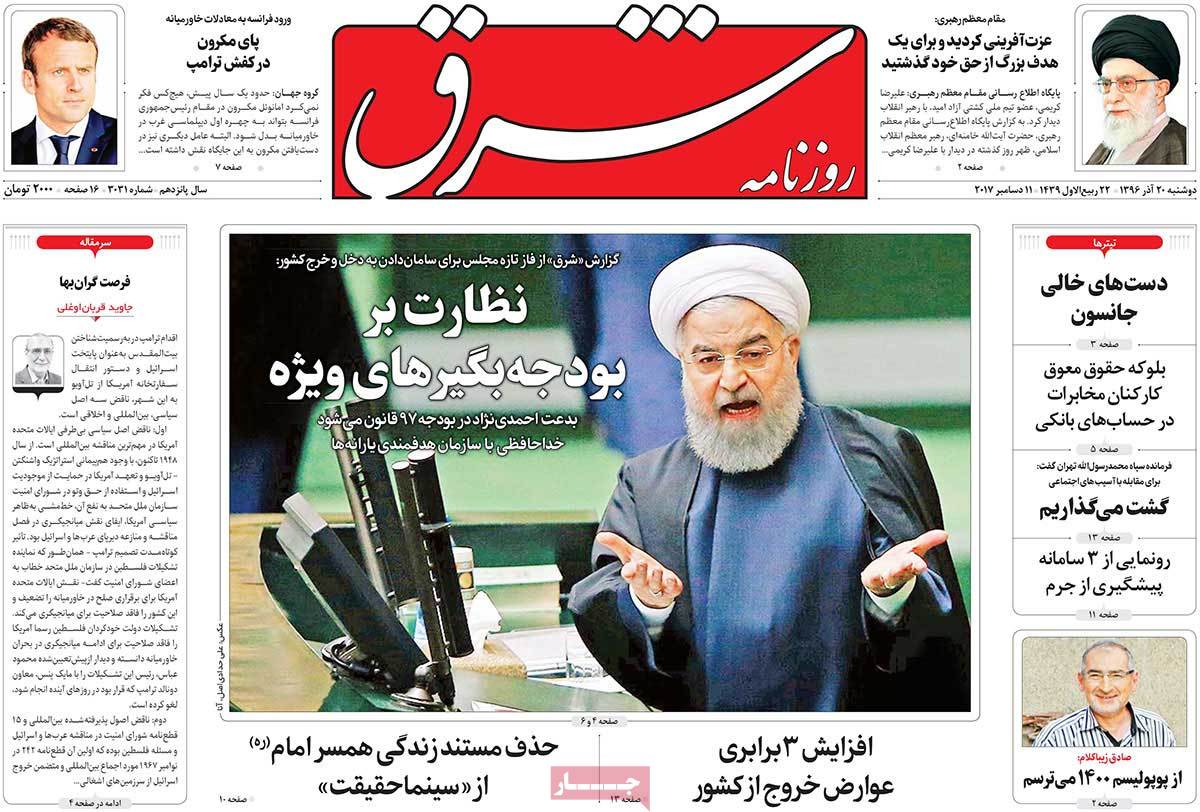
A Look at Iranian Newspaper Front Pages on December 11

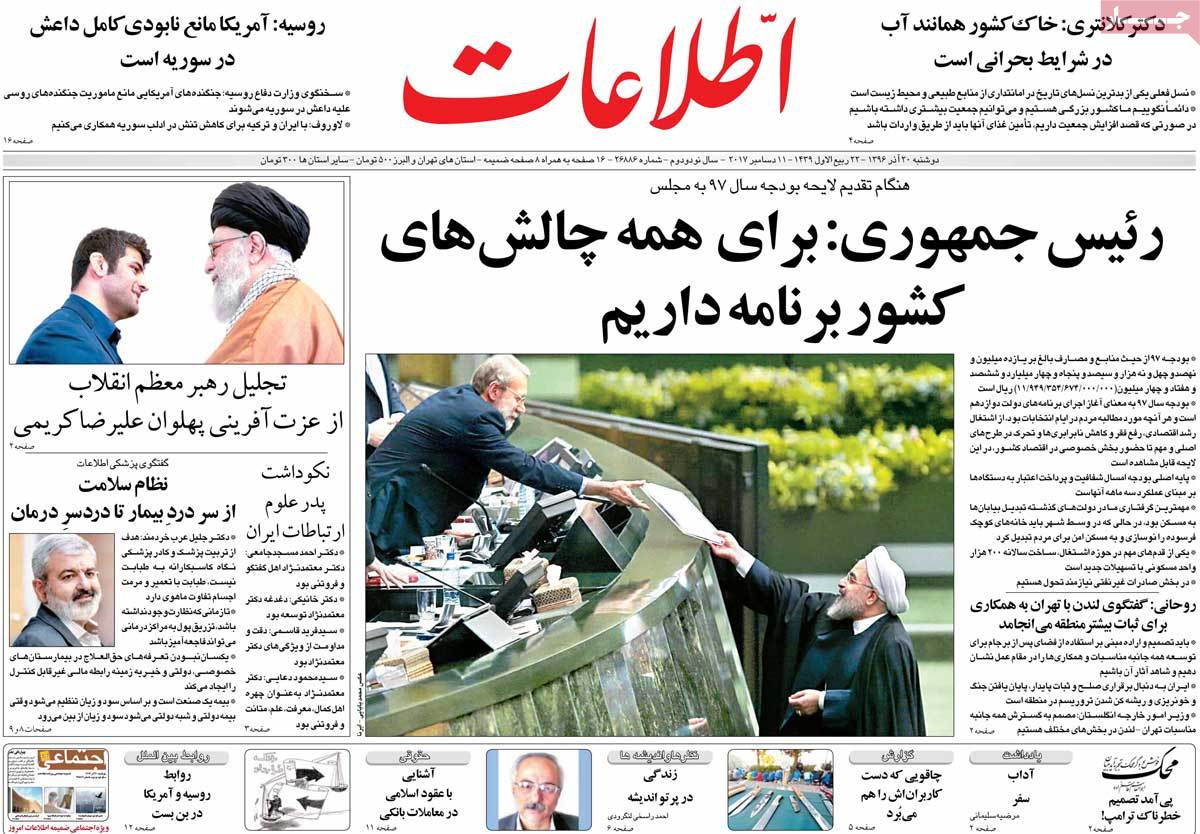
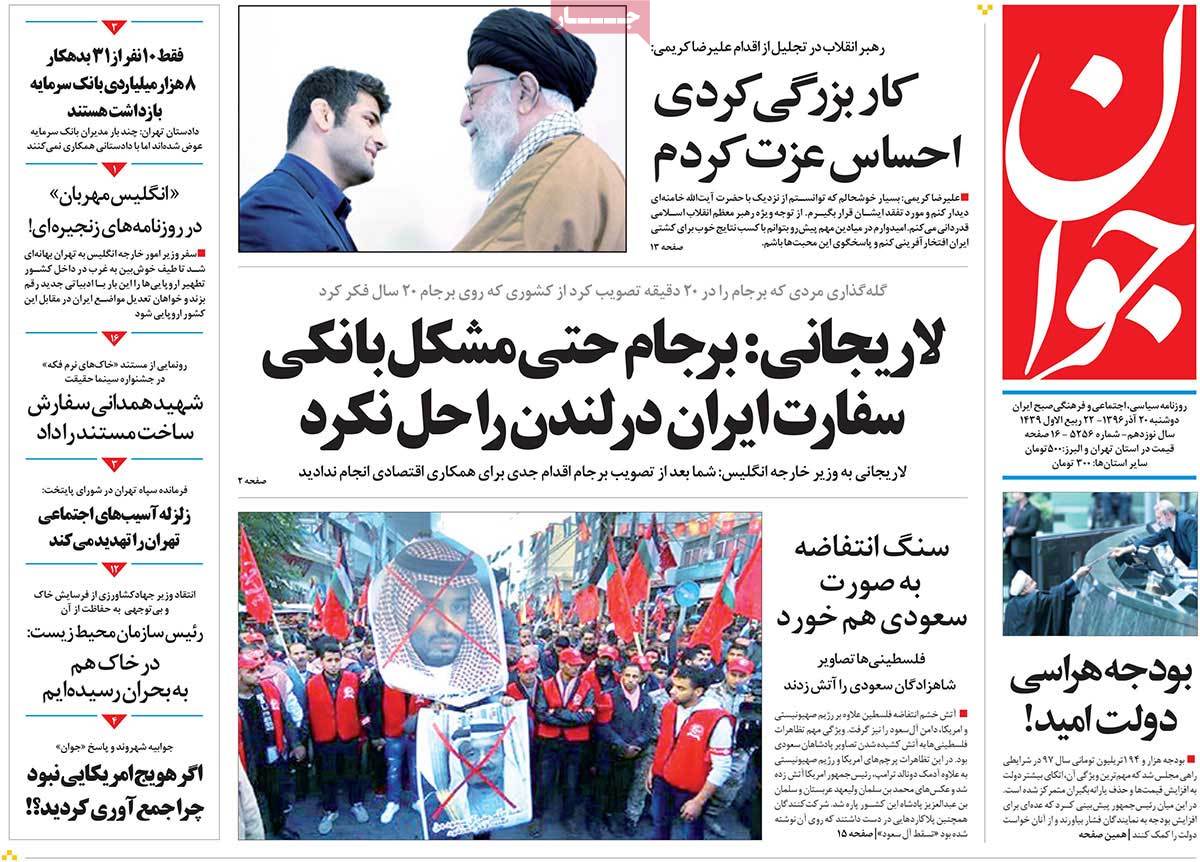
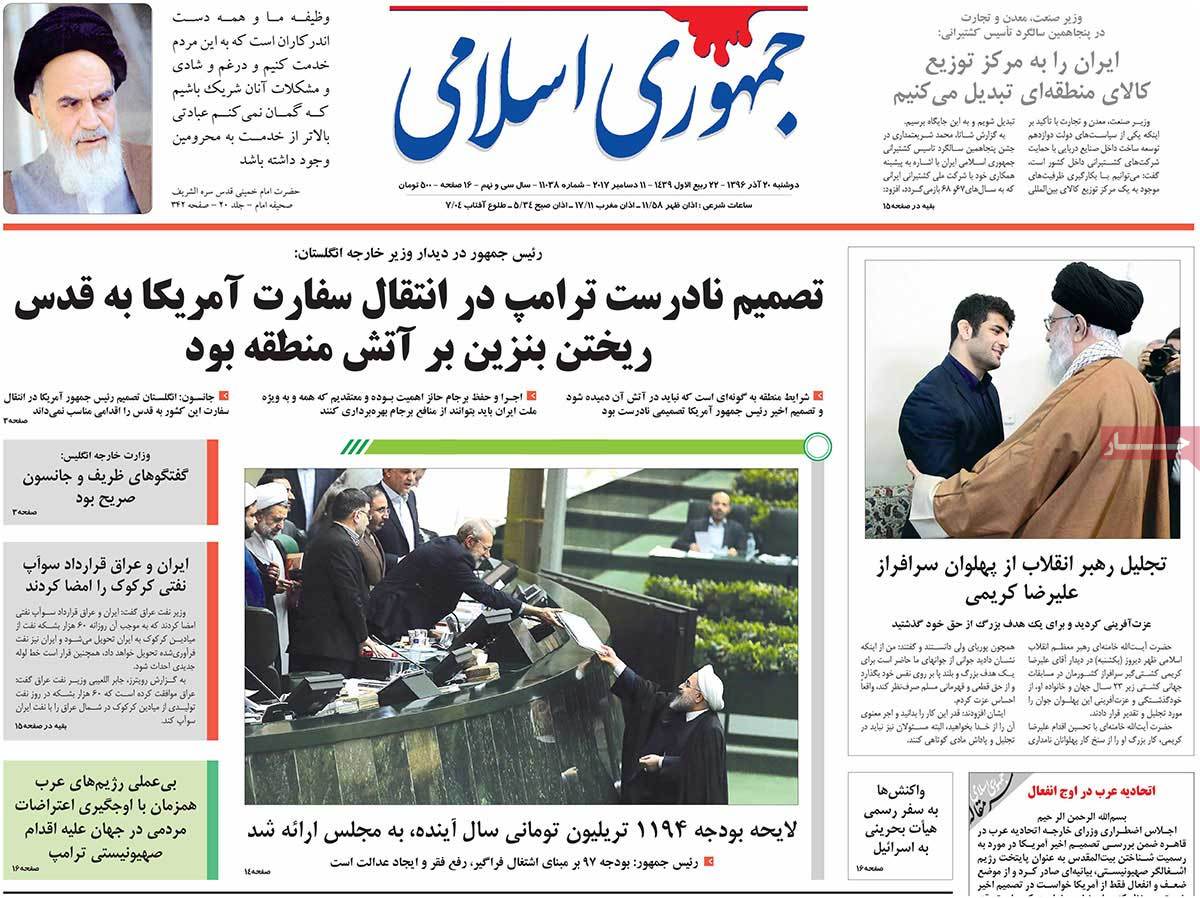
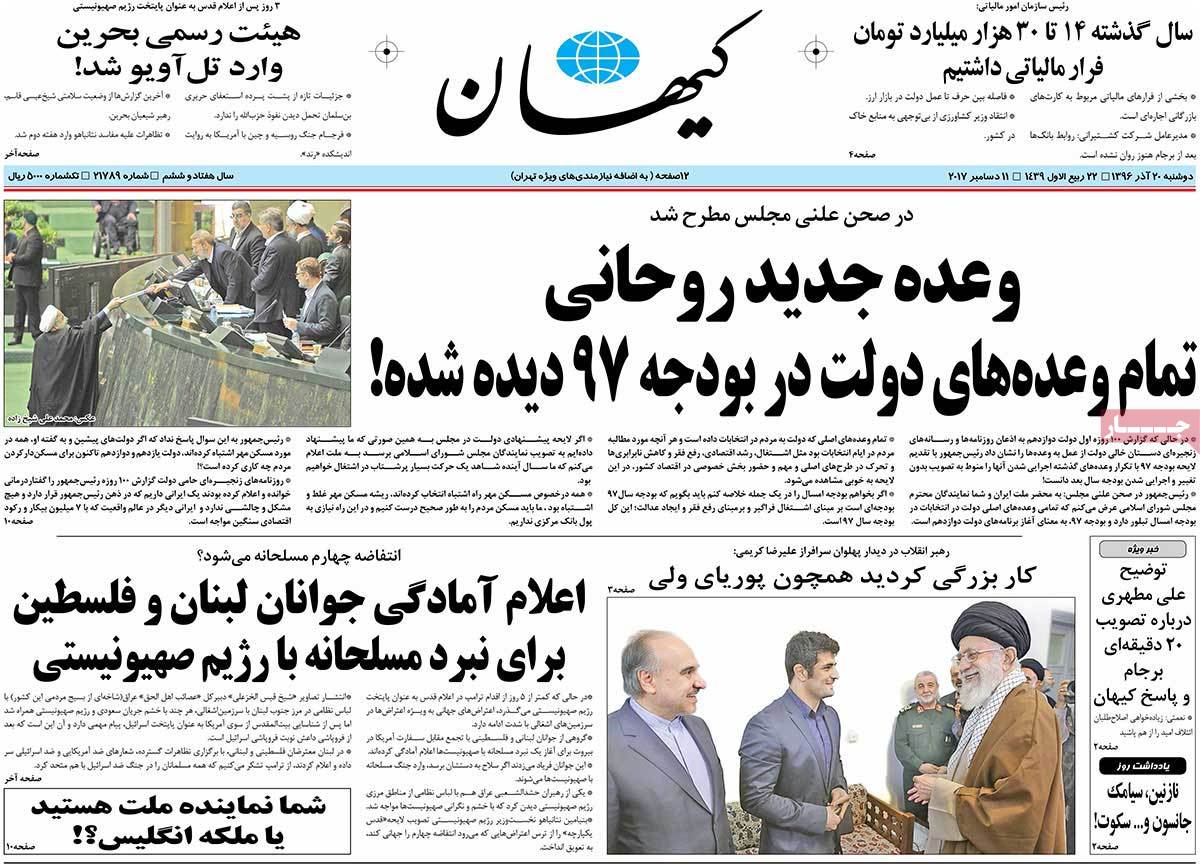
Almost all Iranian newspapers today covered the remarks made by the Leader of Iran’s Islamic Revolution Ayatollah Seyyed Ali Khamenei in a Sunday meeting with Alireza Karimi, the wrestler who intentionally lost his match against the Russian rival in order to avoid facing an Israeli wrestler. The Leader praised Karimi for what he did, and said he felt proud that the wrestler gave up on his right to defend the high cause of Palestine.

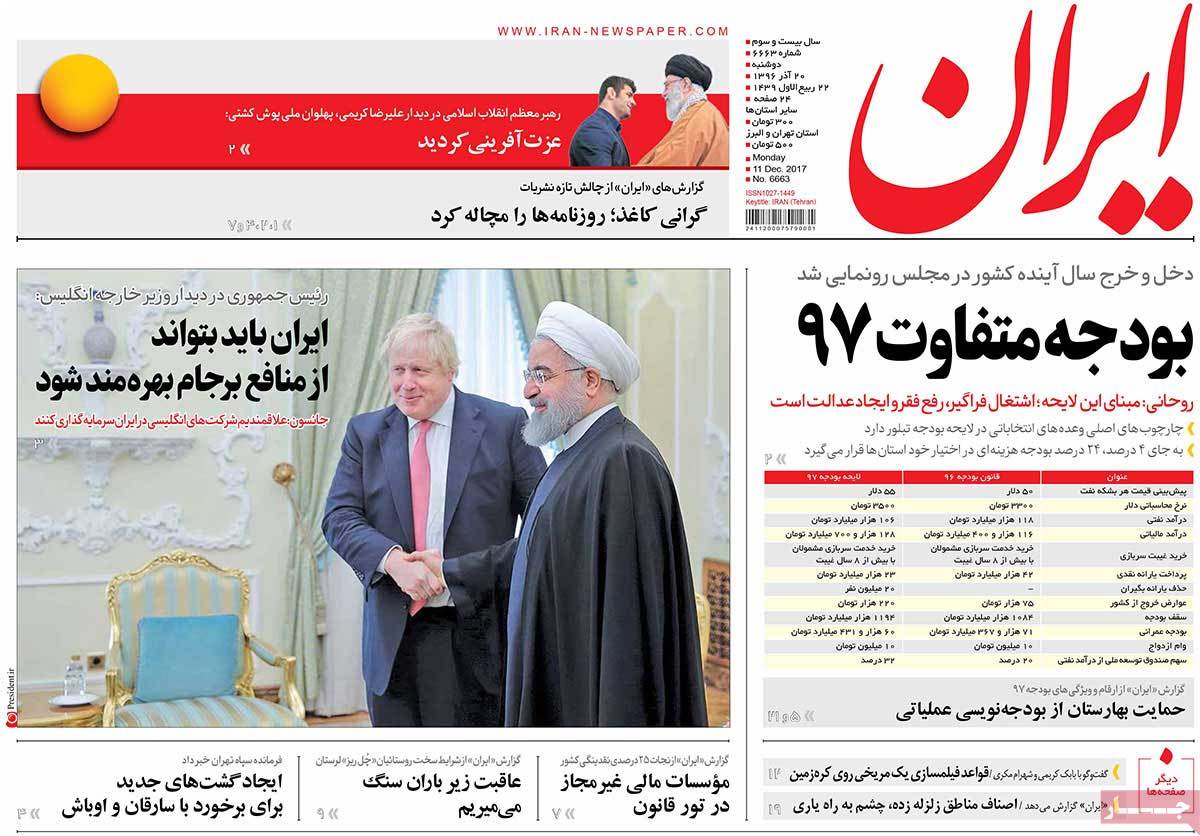
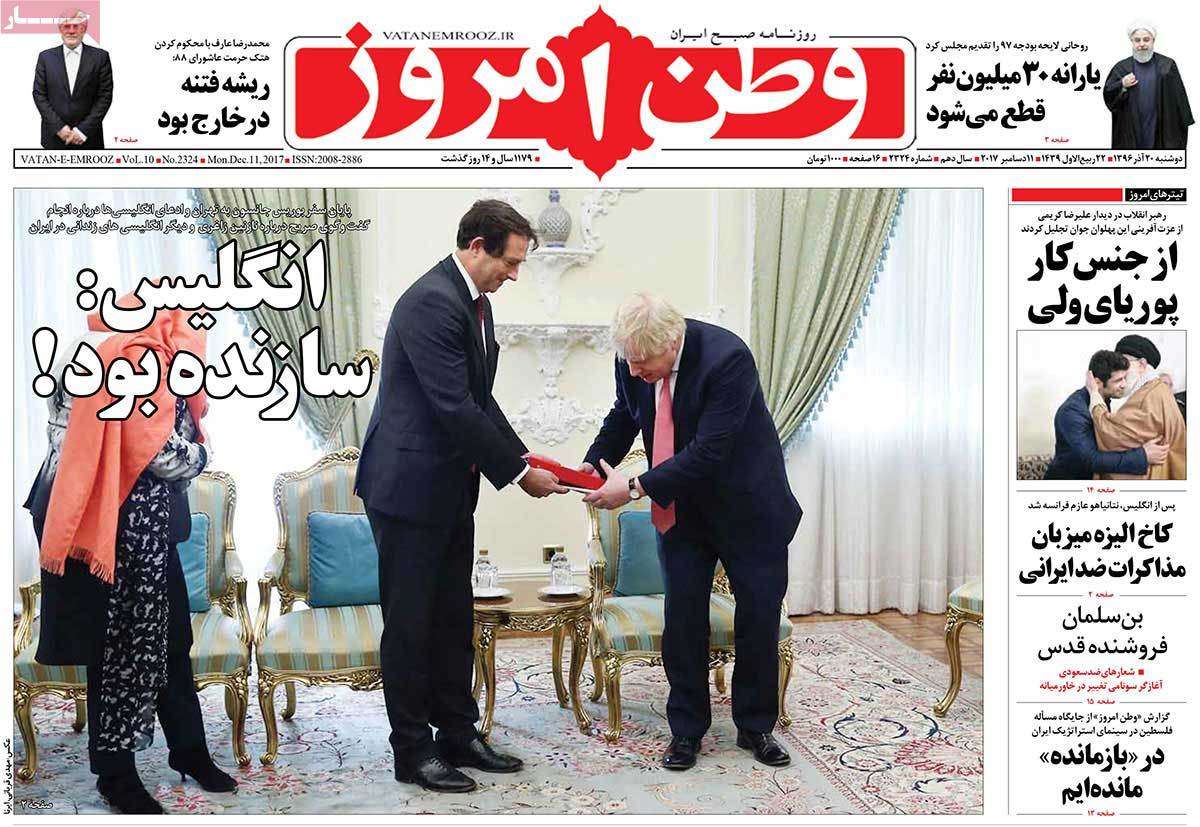
The visit of UK Foreign Secretary Boris Johnson to Tehran and his meetings with top Iranian officials also received great coverage.

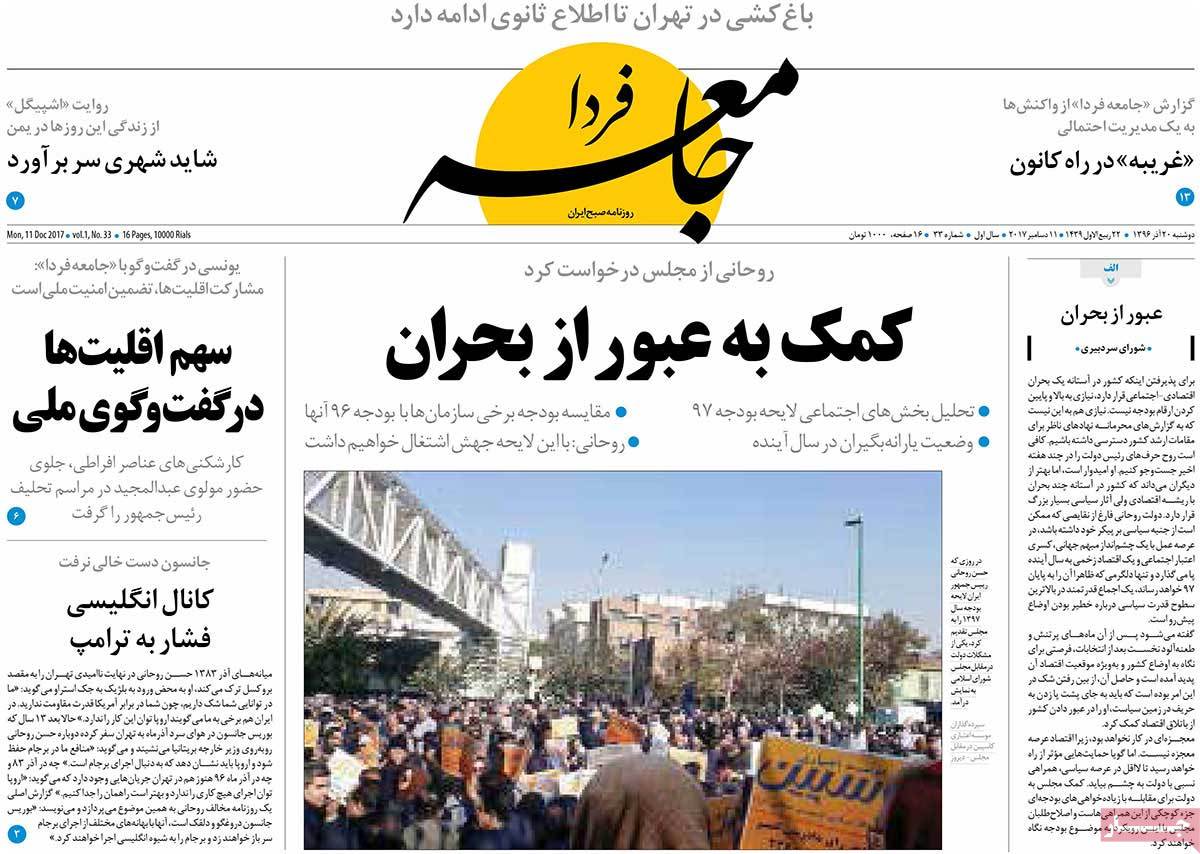
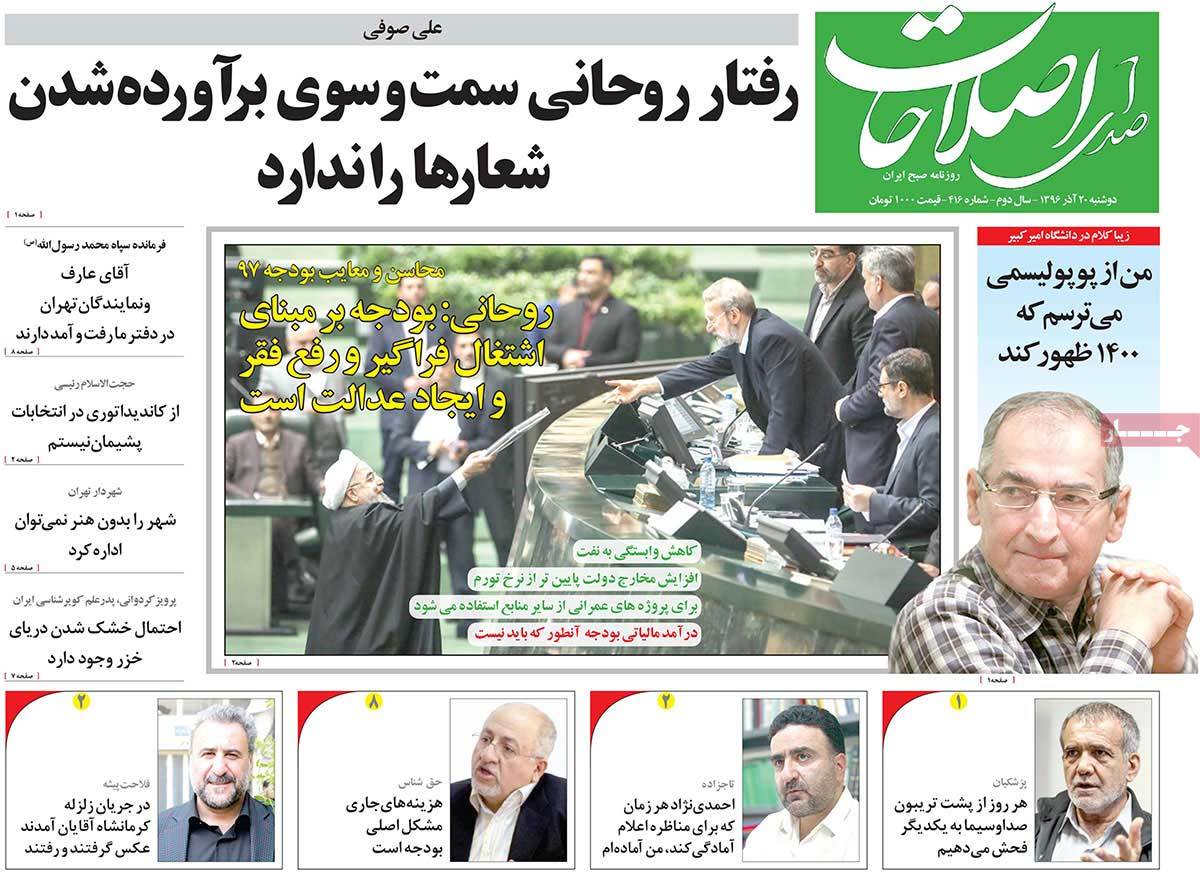
Meanwhile, the top story today was President Hassan Rouhani’s submission of his proposed budget for the next fiscal year. The details of the budget have been widely discussed, praised, and criticized by both reformists and conservatives.

The above issues, as well as many more, are highlighted in the following headlines and top stories:


19 Dey:

1- IRGC in Pursuit of Tehran’s Bullies, Thieves

2- Iran Leader Praises Wrestler Who Avoided Facing Israeli Rival

A Look at Iranian Newspaper Front Pages on December 11


Abrar:

1- US Congress to Discuss New Anti-Iran Sanctions

A Look at Iranian Newspaper Front Pages on December 11


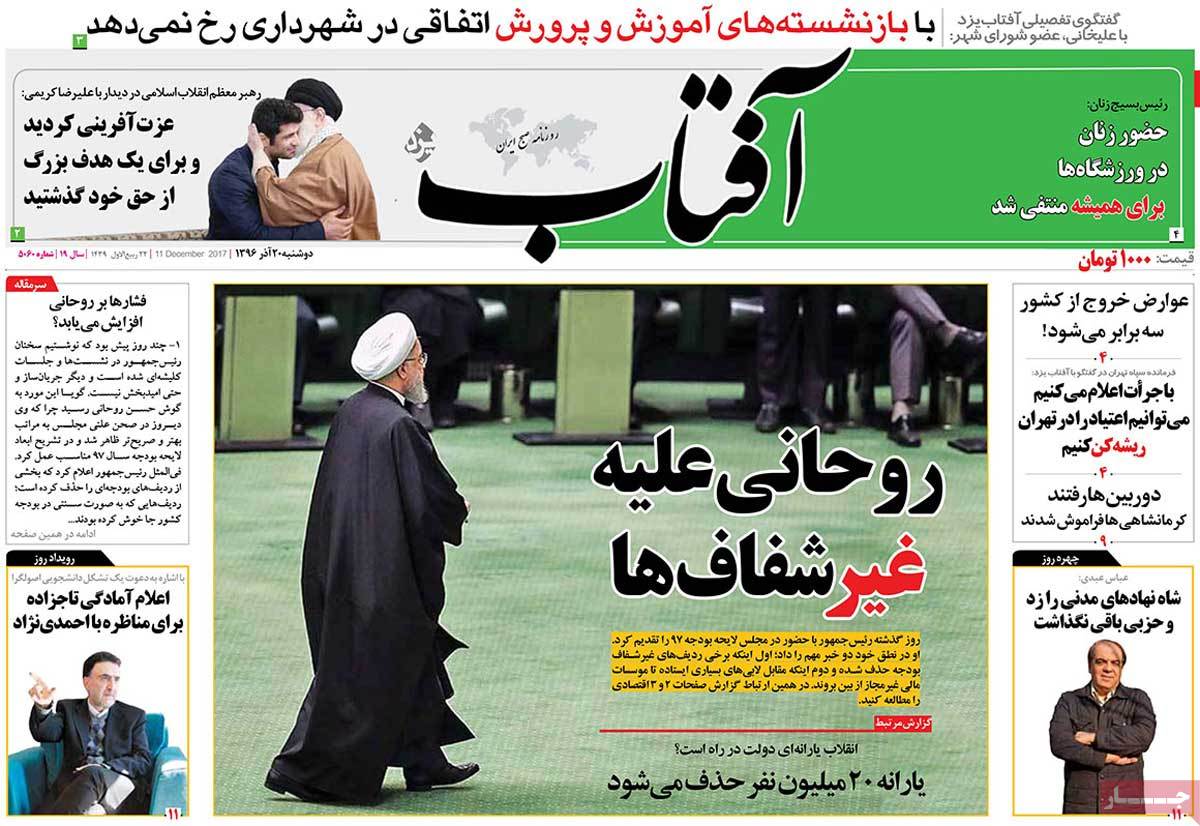
Aftab-e Yazd:

1- Rouhani against Those Who Are Not Transparent

2- Chief of Women’s Basij: Women’s Presence in Stadiums Cancelled Forever

A Look at Iranian Newspaper Front Pages on December 11


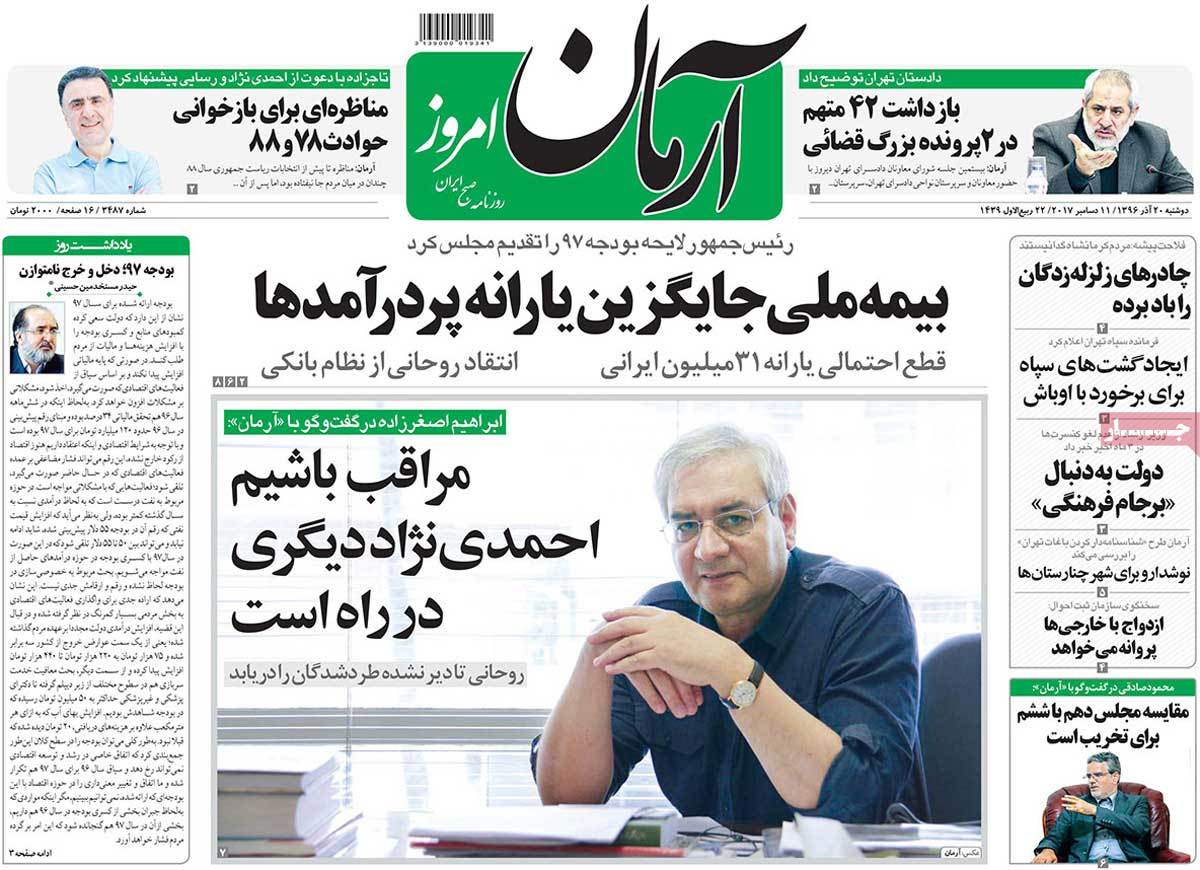
Arman-e Emrooz:

1- Earthquake-Hit People’s Tents Destroyed by Storm

A Look at Iranian Newspaper Front Pages on December 11


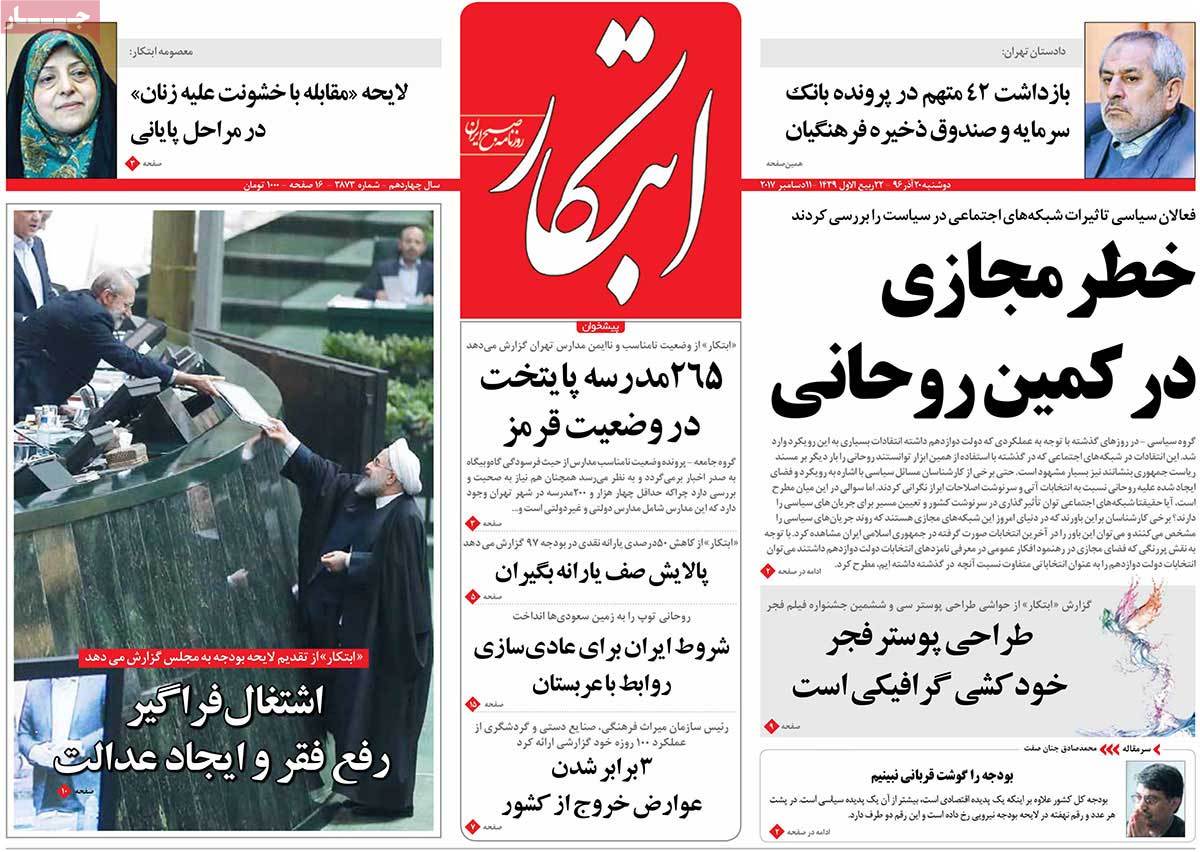
Ebtekar:

1- 265 Schools of Tehran in Red Situation

2- Departure Taxes to Be Tripled

3- VP: “Eliminating Violence against Women” Bill in Final Stages

A Look at Iranian Newspaper Front Pages on December 11


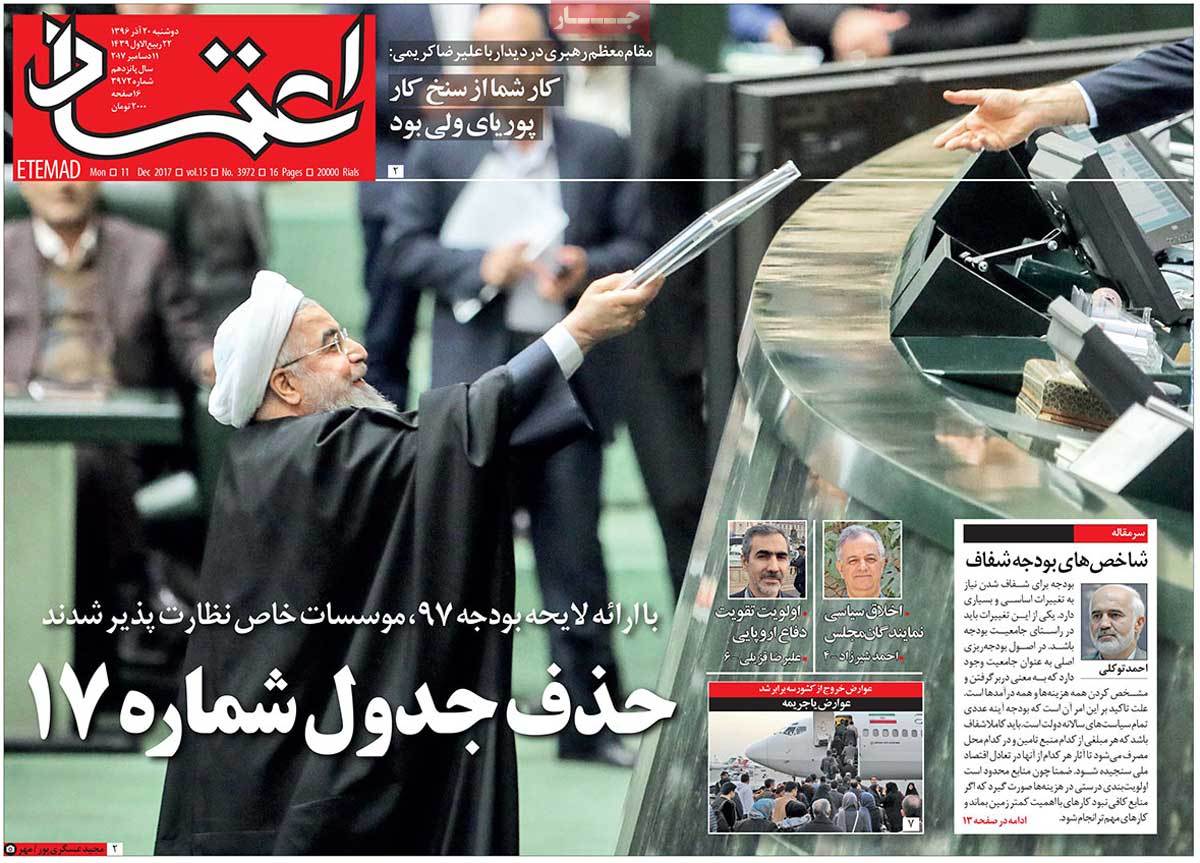
Etemad:

1- “Special” Institutions Can Now Be Monitored with Government’s New Budget

2- Iran Leader: What Alireza Karimi Did Was like Pourya Vali’s Deeds (mythical Iranian champion)

A Look at Iranian Newspaper Front Pages on December 11


Ettela’at:

1- Rouhani: We Have Plans for All Challenges

2- Russia: US Preventing Full Eradication of ISIS in Syria

3- Rouhani: Tehran-London Dialogue Will Lead to Further Regional Stability

A Look at Iranian Newspaper Front Pages on December 11


Iran:

1- Rouhani: Iran Should Be Able to Reap Benefits of Nuclear Deal

A Look at Iranian Newspaper Front Pages on December 11


Jame’eh Farda:

1- Rouhani Urges Parliament to Help Gov’t Overcome Crisis

A Look at Iranian Newspaper Front Pages on December 11


Javan:

1- Larijani: JCPOA Even Failed to Resolve Banking Problems of Iran Embassy in London

2- Environment Chief: We’re in Critical Conditions Both on Water and Soil

A Look at Iranian Newspaper Front Pages on December 11


Jomhouri Eslami:

1- Trump’s Wrong Decision on Jerusalem Fans Fuel of Mideast: Rouhani

A Look at Iranian Newspaper Front Pages on December 11


Kayhan:

1- Rouhani’s New Promise: Budget for New Fiscal Year Includes All Previous Promises!

A Look at Iranian Newspaper Front Pages on December 11


Seda-ye Eslahat:

1- Rouhani’s Behaviours Show He’s Not Going to Fulfil His Promises

2- Rouhani: New Budget Based on Inclusive Employment, Eliminating Poverty, Promoting Justice

A Look at Iranian Newspaper Front Pages on December 11


Shargh:

1- Parliament to Oversee “Special” Budget Receivers

2- France Enters Middle East Equations

A Look at Iranian Newspaper Front Pages on December 11


Vatan-e Emrooz:

1- End of Boris Johnson’s Visit to Tehran: Britain Says It Was Constructive!

2- France Hosting Anti-Iran Negotiations: Bibi in Paris after Visiting UK

A Look at Iranian Newspaper Front Pages on December 11

US Responsible for Potential Escalation of Tension in Mideast: Iran

Iran’s DM Vows Firm Response to Enemy’s Moves

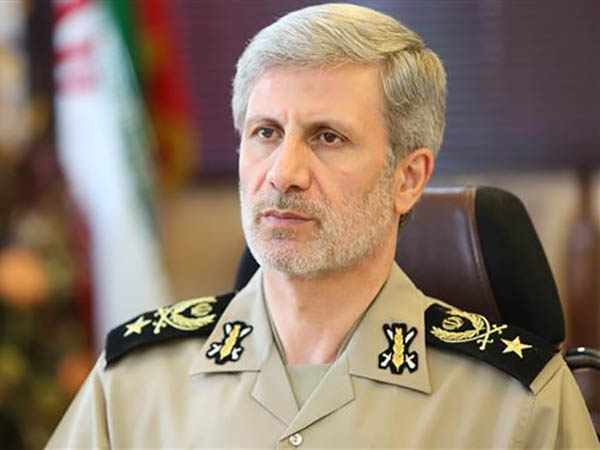
Iran’s Defence Minister Brigadier General Amir Hatami says the US recognition of Jerusalem al-Quds as the Israeli regime’s capital constitutes a seditious move aimed at trampling the rights of Palestinians underfoot.

“The move (recognition of Jerusalem al-Quds as Israel’s capital) will expedite the annihilation of the Zionist regime [of Israel] and further consolidate unity among Muslims,” said the top general while addressing a host of military top brass.

After they suffered defeat in Syria and Iraq, he said, hegemonic powers are now seeking to hatch plots and launch a new wave of adventurism against regional nations.

“The [Israeli] regime which has occupied al-Quds knows that such illegitimate moves by the US government will not lead to any changes in the situation of al-Quds, and the Palestinian nation and freedom-seeking people around the world will become more determined than ever to close ranks and remain united for the liberation of al-Quds and the Palestinian land,” said the defence chief, according to a Farsi report by ILNA.

The top general condemned Washington’s provocative and unwise move, saying occupiers will never savour the taste of calm and will have no way, but to leave the occupied territories.

“Muslims will never allow part of the body of the Muslim world to be separated from it.”

He said the US and Israeli regime will be responsible for any rise in tension and bloodshed in the region.

“The US government must accept responsibility for the anti-security decision it has made,” said the defence minister.

He underlined that Iran has always pursued the policy of supporting the Palestinian nation, contributing to regional stability and security, and condemning the divisive and unilateral moves adopted by the US and the Israeli regime.

“We are warning against Washington’s move,’ he said.

Elsewhere in his remarks, the top general referred to the elimination of the ISIS terror group from the region.

“If ISIS had not been uprooted in the region, the Israeli regime would have been able to survive for a long time while enjoying security and tranquility, and the regional nations would be fighting one another rather than fighting Israel and terror groups,” he said.

The general underlined that ISIS was not the enemy’s last tool in the region, adding the enemy will continue to hatch plots.

He also stressed that Iran will continue to combat terrorism.

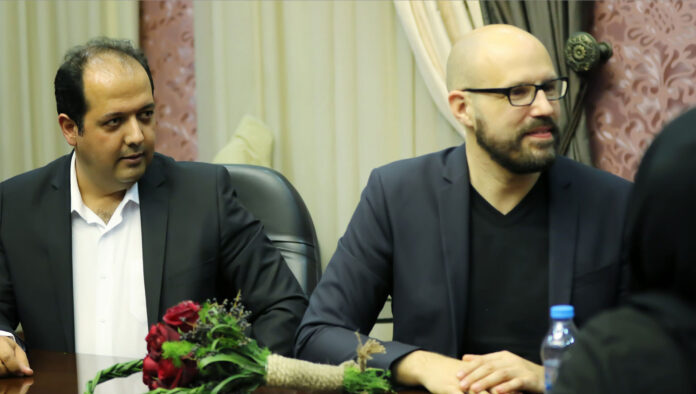
German Electronic Band Schiller in Tehran for Rare Performance

German Electronic Band Schiller in Tehran for Rare Performance

Schiller, named after the German poet and dramatist Friedrich Schiller (1759-1805), was formed by von Deylen and Mirko von Schlieffen in 1998. Their first single ‘Glockenspiel’ was a great success in Germany. Around 2001 or 2002, von Schlieffen left, leaving von Deylen the only permanent member.

Slated for December 11-15, the concerts will cover a selection of the memorable hits created by the band. “I also have a little surprise for my Iranian fans,” von Deylen said after arriving in Tehran on Dec. 9, Mehr News Agency reported.

“I’ve got a good feeling. We had come to Iran some 10 years ago, when we visited Tabriz (capital of East Azarbaijan Province), Isfahan (capital of Isfahan Province) and Tehran. All members have this good feeling. We’re eager to see how people will receive our concerts. I’ve always believed that when you compose a poem or a musical piece, you can take it around the world and share it with all people,” von Deylen, 47, said.

The concerts are organized by Ritmeno.ir, a local music website, in collaboration with the Tehran-based cultural institutes of Nay-o-Ney and Tanin-e Roya-e Pars directed by Mehdi Kashi and Mostafa Kabiri respectively.

“On the internet, I’ve always received positive feedback from Iranian fans. On many occasions, they requested me to come over and perform in Iran. Last year, following a correspondence with Mostafa Kabiri, we decided to hold a concert in Iran,” von Deylen said. “I really am happy for this invitation.”

On each of the five nights, Schiller is going to entertain audience for two hours with his selected hits.

Von Deylen does not provide any vocals for Schiller productions himself. Vocals are sung by guest artists. However, for the Tehran concert Von Deylen will only perform the instrumental pieces.

The concert venue is located at Shahid Gomnam St., Fatemi Square. Tickets are available at Tik8.com. The first two concerts on December 11-12 are already sold out.

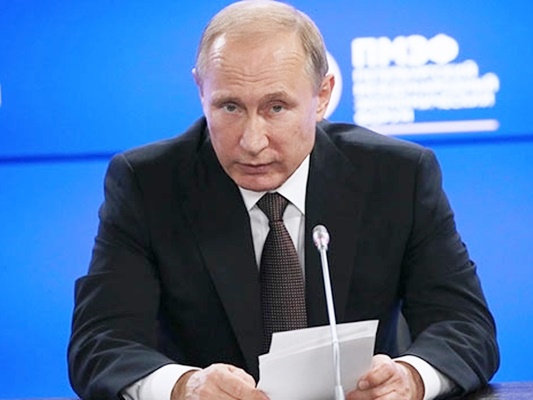
Putin Orders Withdrawal of Russian Forces from Syria

Putin

According to Russian state news agencies, Putin made the announcement at the Hemeimeem air base in Syria’s coastal province of Latakia.

Accompanied by defence minister Sergey Shoygu, Putin said Russian and Syrian armies had destroyed “one of the most capable groups of international terrorists” in just over two years.

He said the two countries’ forces would respond with power strikes if “terrorists raise their heads” in Syria, The Independent reported.

Putin is expected to meet Syrian President Bashar Assad during his stay in Latakia.

The visit marks Putin’s first trip to Syria and comes as Syrian forces have retaken control over most of their country under Russian air cover.

The air base has served as the main foothold for the air campaign Russia has waged since September 2015 in support of Assad.

Trump’s Decision on Jerusalem to Spark Huge Intifada: Iran

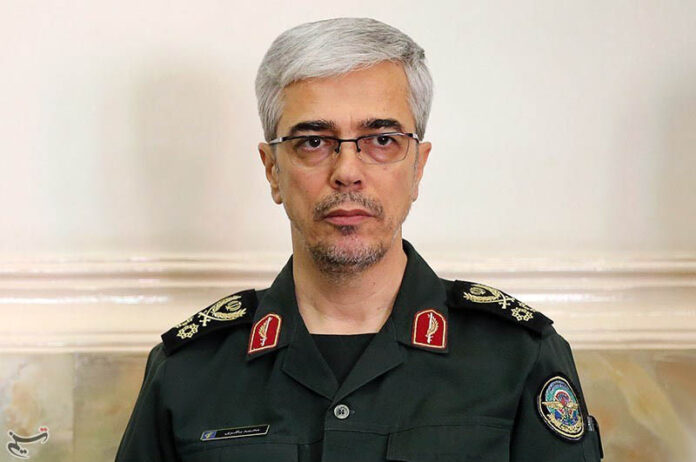
In an address to a national seminar on “Big Powers and Regional Security of West Asia”, General Baqeri elaborated on the Zionist regime’s occupation of the Palestinian territories and said during its short lifetime, the occupying regime of Israel has adopted the policy of oppression, abuse and child-killing.

“Now with the US move on Jerusalem al-Quds, a new and big uprising is imminent,” he warned, according to a Farsi report by ISNA on Monday.

US President Donald Trump’s recognition of Jerusalem al-Quds on December 6 has sparked protests in different cities across the region and the whole world. In the latest case, a protest rally in Beirut outside the US embassy turned violent with injures and arrests reported.

Meanwhile, tensions remain high in the Palestinian territories with sporadic protests in the West Bank and Gaza Strip continuing. Earlier, the Fatah Movement called on the Palestinians to continue their protests against US decision.


West Asia, New Heartland of World: Iranian Commander

Elsewhere in his remarks, the Iranian general said that the West Asia has turned into a new heartland of the world given its history and resources.

General Baqeri referred to the developments of the Middle East during the past decades, and said, “The emergence of the Islamic Revolution in 1979, the Iraqi imposed war on Iran in the 1980s, the collapse of the Soviet Union in early 1990s, and the political fallouts of the 9/11 attack, all in all, have turned West Asia into the Heartland of the world.”

“The region hosts 70 percent of fossil reserves of the world, an energy which is the main industrial engine of today’s world. So, such geostrategic regions as Bab-el-Mandeb Strait, Hormuz Strait, Dardanelles Strait and the trio Iranian islands (Greater Tunb, Lesser Tunb, and Abu Musa) are of great importance,” he added.

The major general also said given the rich resources of the region, the world powers have been hardly competing to impose their hegemony on the region and take advantages of them.

Iran FM Warns Europe against Repeating History

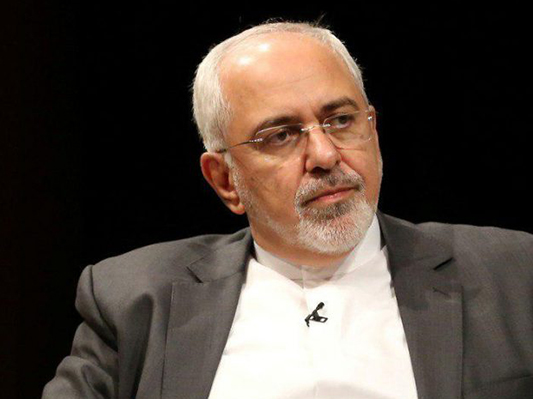
Here is the full text of Zarif’s opinion piece published in The New York Times on Monday:

On a crisp morning in Vienna two summers ago, hours before concluding the nuclear deal with the United States, the European Union and five other world powers, I took to Twitter to write that the landmark accord was “not a ceiling but a solid foundation.”

Unfortunately, for the past 11 months, the response to Iran’s good faith has been tantrums from the Trump administration. But the unreliability of the United States — from climate change to Palestine — has become predictable. Our main concern now is cautioning European countries against wavering on issues beyond the scope of the nuclear agreement and following in lock step behind the White House. As the nuclear deal and the Middle East enter uncharted and potentially combustible territory, it is imperative that Europe helps ensure that we don’t soon find ourselves repeating history.

More than a decade before the talks that led to the 2015 nuclear deal, Iran held similar negotiations with Britain, France and Germany. European diplomats, seeking to persuade George W. Bush’s administration to give diplomacy a chance, asked us for a temporary, voluntary freeze on uranium-enrichment-related activities as a confidence-building measure. We agreed.

But placating the Americans proved difficult, and the Europeans took another wrong turn. After two years of negotiation — and under pressure from the United States — Britain, France and Germany suddenly demanded that we abandon all enrichment activities. The talks fell apart and the Europeans ended up neither stopping our nuclear program nor appeasing Washington.

Sporadic talks in the intervening years went nowhere, and by 2013, when we sat down again to negotiate — this time directly with the United States, as well — Iran had increased its number of centrifuges to 20,000 from fewer than 200 in 2005. There was no longer talk of an end to uranium enrichment on Iranian soil.

The nuclear deal is a rare triumph of diplomacy over confrontation. Undermining that would be a mistake. Europe should not pander to Washington’s determination to shift focus to yet another unnecessary crisis — whether it be Iran’s defensive missile program or our influence in the Middle East. This would repeat the very dynamics that preceded the nuclear deal.

Let me reiterate: Iran’s military capabilities comply with international law and are entirely defensive. Our defensive posture stems from sober geostrategic calculations, as well as moral and religious convictions. Our military doctrine is also based on historical experience: During the Iran-Iraq War, Saddam Hussein rained Soviet-made missiles on our cities, some of them carrying chemical components provided by the West. The world not only kept silent, but also no country would sell Iran weapons to enable us to at least deter the aggressor.

We learned our lesson. We have honed missiles as an effective means of deterrence. And our conscious decision to focus on precision rather than range has afforded us the capability to strike back with pinpoint accuracy. Nuclear weapons do not need to be precise — conventional warheads, however, do.

Our commitment to self-defense is not a slogan. We have deployed our missiles against only a few equally heinous adversaries: Saddam Hussein’s regime and its terrorist allies, and the so-called Islamic State. And our strikes came in response to their merciless killing of Iranians.

No Iranian administration will leave our people defenseless. The international community — and Europe in particular — should realize this and instead focus its efforts on tackling real threats to the world, like the wars engulfing the Middle East

Iran is proud of taking the lead in trying to bring an overdue end to the bloodshed in Syria. In 2013, I presented a plan to end the conflict there through a cease-fire, the formation of a national unity government, constitutional reform and free and fair elections. But this plan fell on deaf ears. Still, we have continued our efforts. Just last month, our president, Hassan Rouhani, joined by his Russian and Turkish counterparts, took an important stride toward peace at their summit meeting in Sochi, Russia, paving the way for more aid, de-escalation and the convening of a Syrian people’s congress.

In the case of Yemen, only two weeks after Saudi Arabia began its brutal bombing campaign in April 2015, Iran put forward a plan urging an immediate cease-fire and humanitarian assistance, followed by national dialogue to establish an inclusive government. The perpetrators of the humanitarian crisis, and their Western allies, choose war instead.

As Iran and its partners labour to put out fires, the arsonists in our region grow more unhinged. They’re oblivious to the necessity of inclusive engagement. And yet, despite the huge stakes, important stakeholders remain reluctant to hold the arsonists to account.

We urge responsible parties to recognize the need to look forward. And so, let us find hope in a shared vision of a more peaceful future and be brave enough to take tangible action to make it happen. In these pages in 2015, I presented a proposal for a regional dialogue forum, a way to bring Iran and its neighbors together to work toward peace. We’re hopeful that responsible actors outside the Middle East will focus their efforts on urging their allies in our region to take seriously our proposal. We believe it can be a good start, and we once again invite all of our neighbors to participate.

 

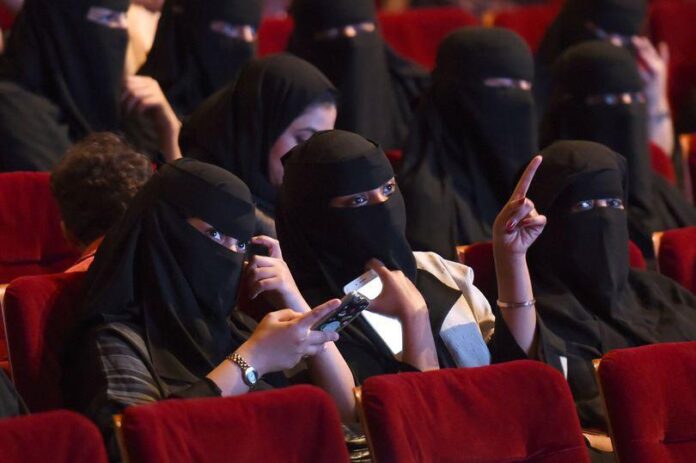
Cinemas to Open in Saudi Arabia for First Time in 35 Years

“As the industry regulator, the General Commission for Audiovisual Media has started the process for licensing cinemas in the Kingdom,” Minister of Culture and Information Awwad bin Saleh Alawwad said in a statement on Monday.

“We expect the first cinemas to open in March 2018.”

A ban on movie theatres was made in the 1980s in response to Islamist extremism with religious hardliners arguing that cinemas were un-Islamic and corrupted morals.

“Motion pictures may broadcast shameless, immoral, atheistic or rotten films,” said the grand mufti, Sheikh Abdulaziz al-Sheikh, on his weekly television programme in January this year.

The rules on film screenings have been relaxed in recent weeks with some screenings taking place as a precursor to the official lifting of the ban, according to Gulf News.

Religious hardliners see cinemas as a threat to cultural identity.

But in the age of YouTube it is increasingly difficult to maintain the ban, artists have argued, as directors use the internet to get around the problem.

In 2013 Saudi received its first ever Academy Award nomination with Wadjda, by Saudi female director Haifaa Al Mansour.

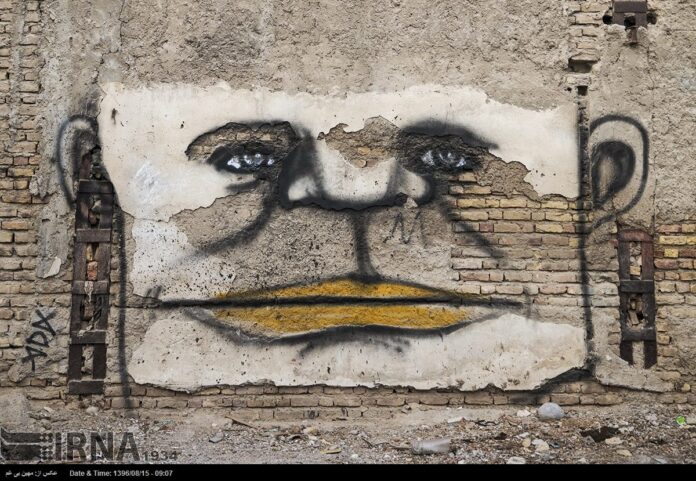
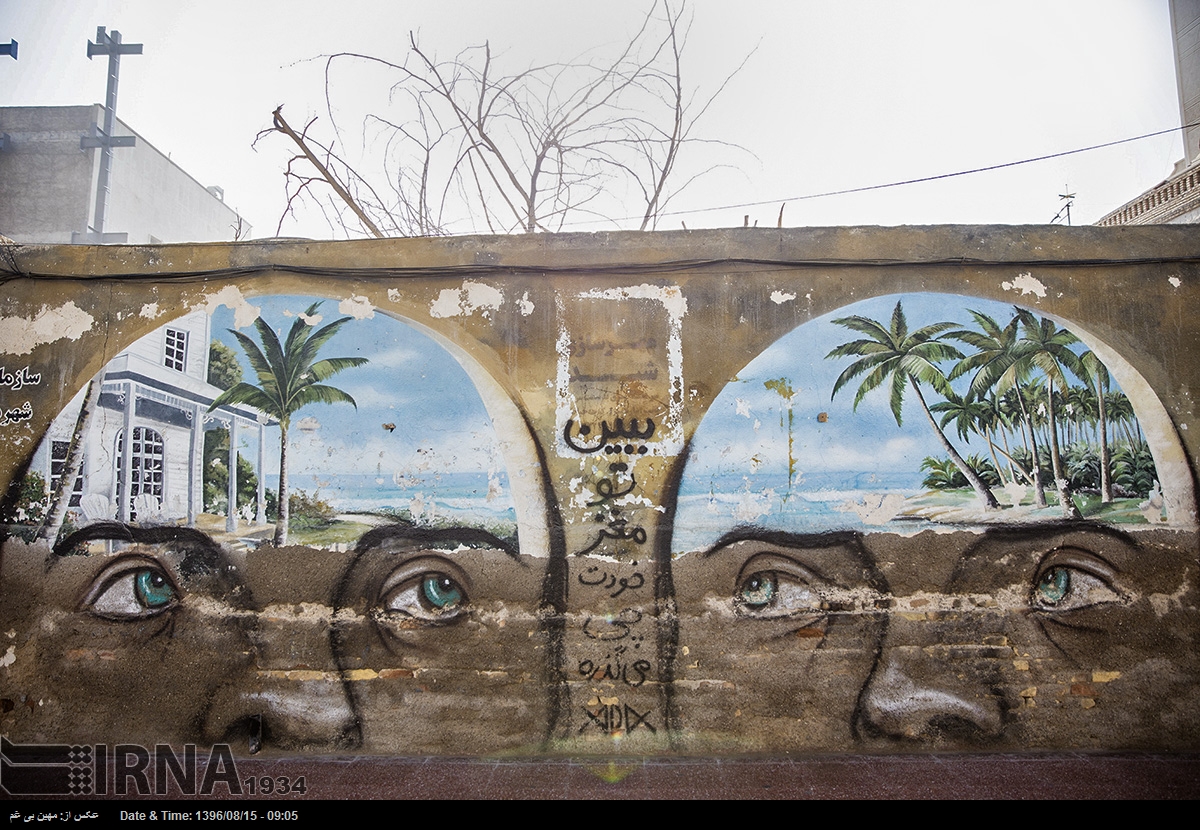
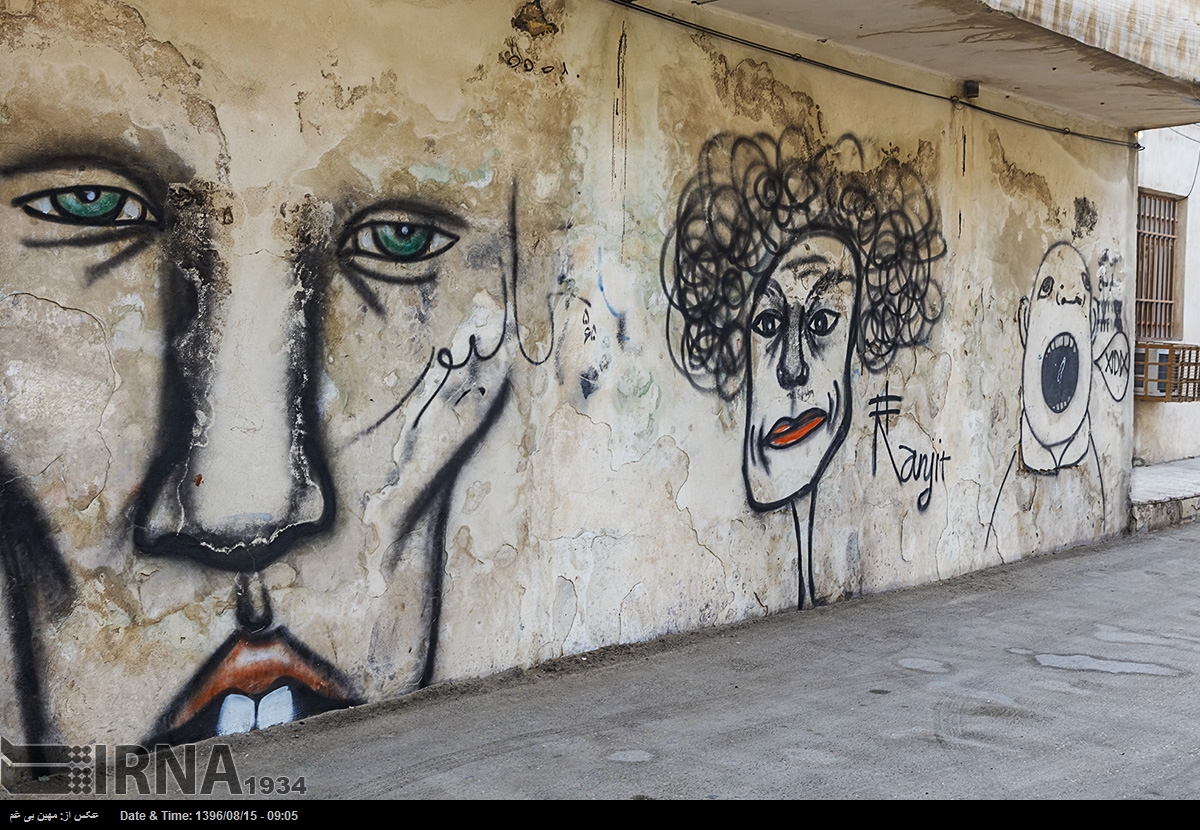
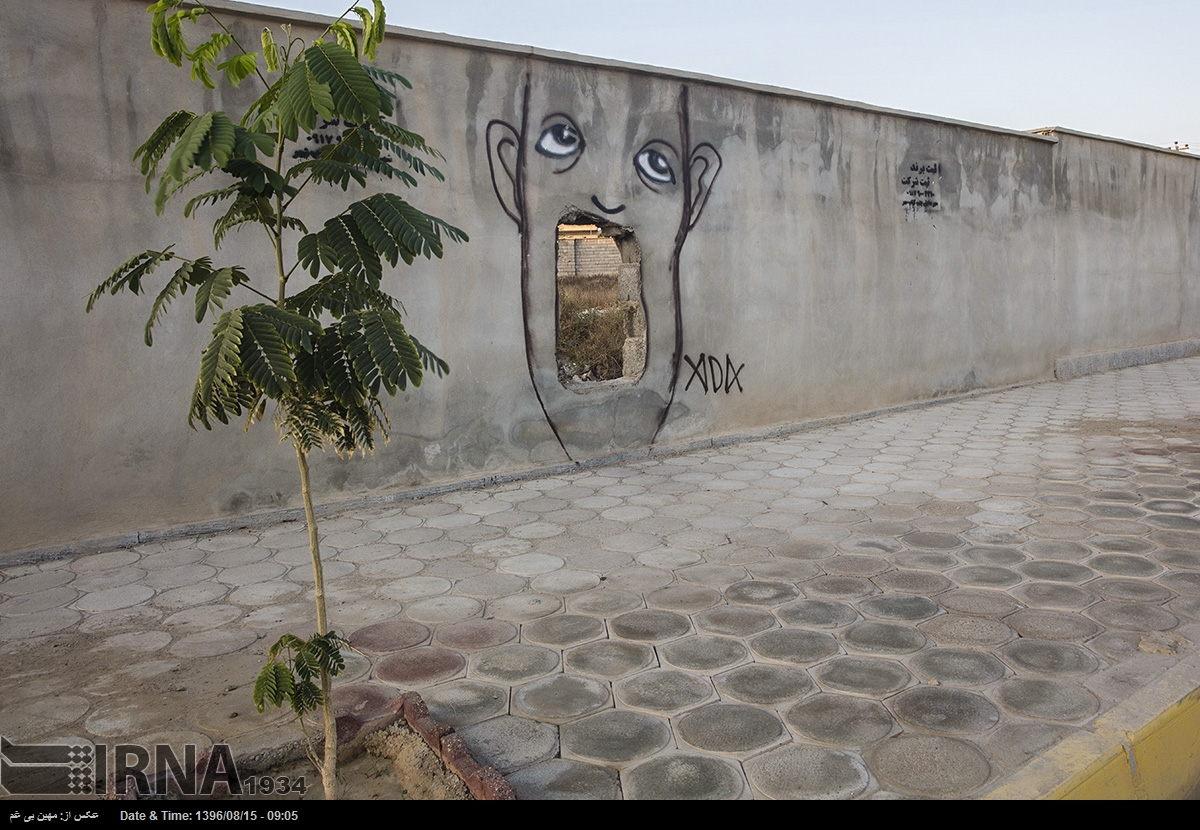
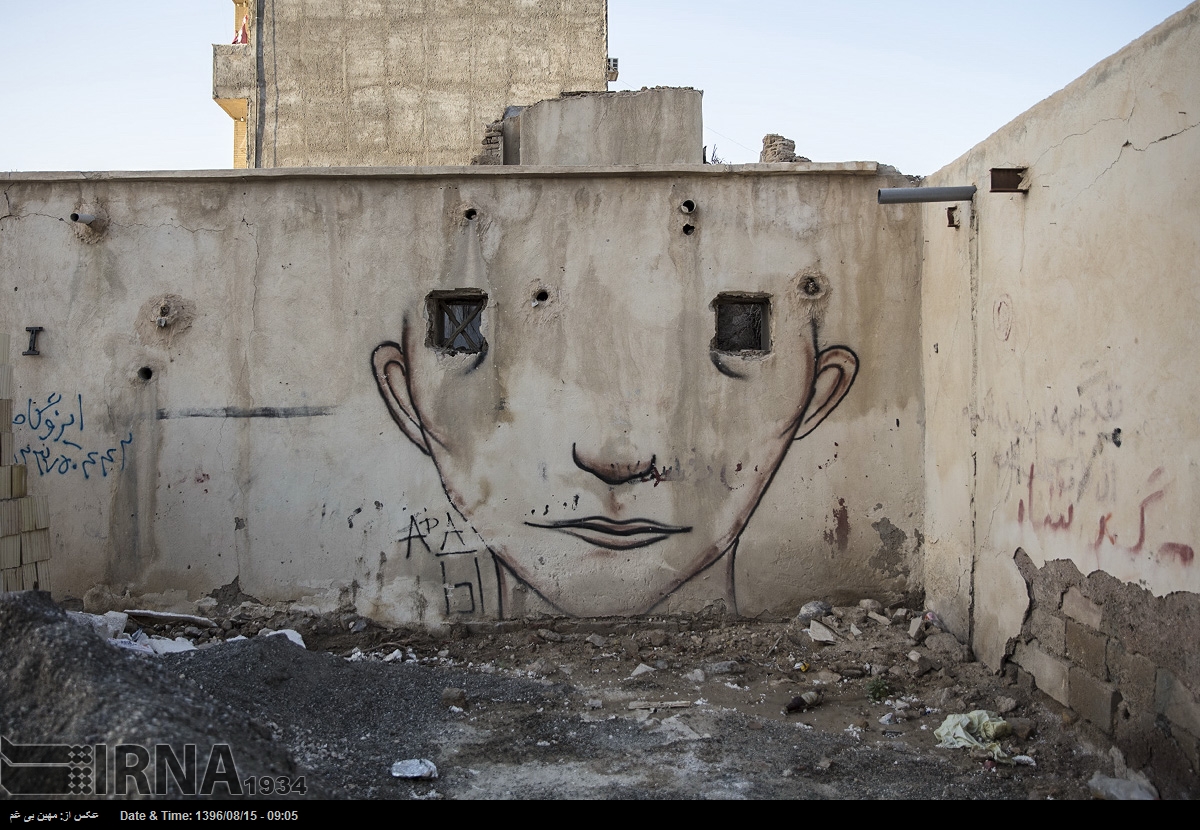
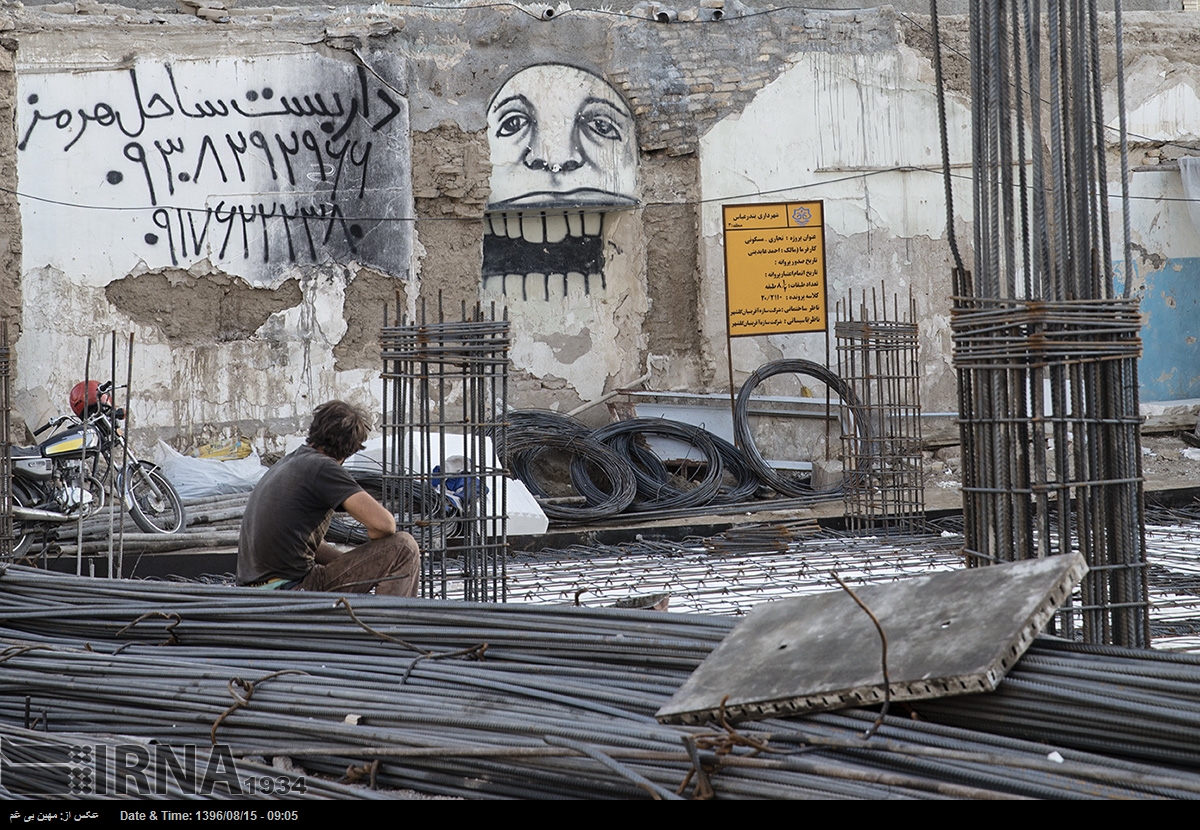
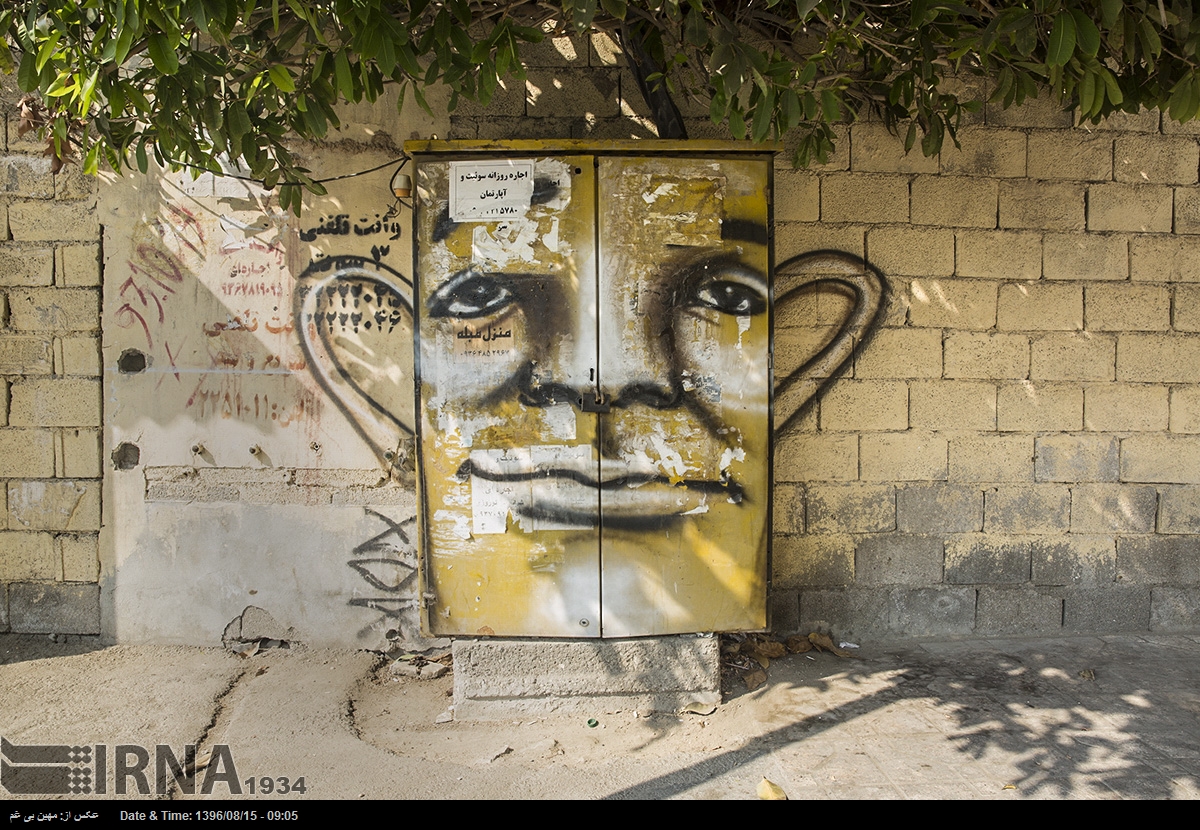
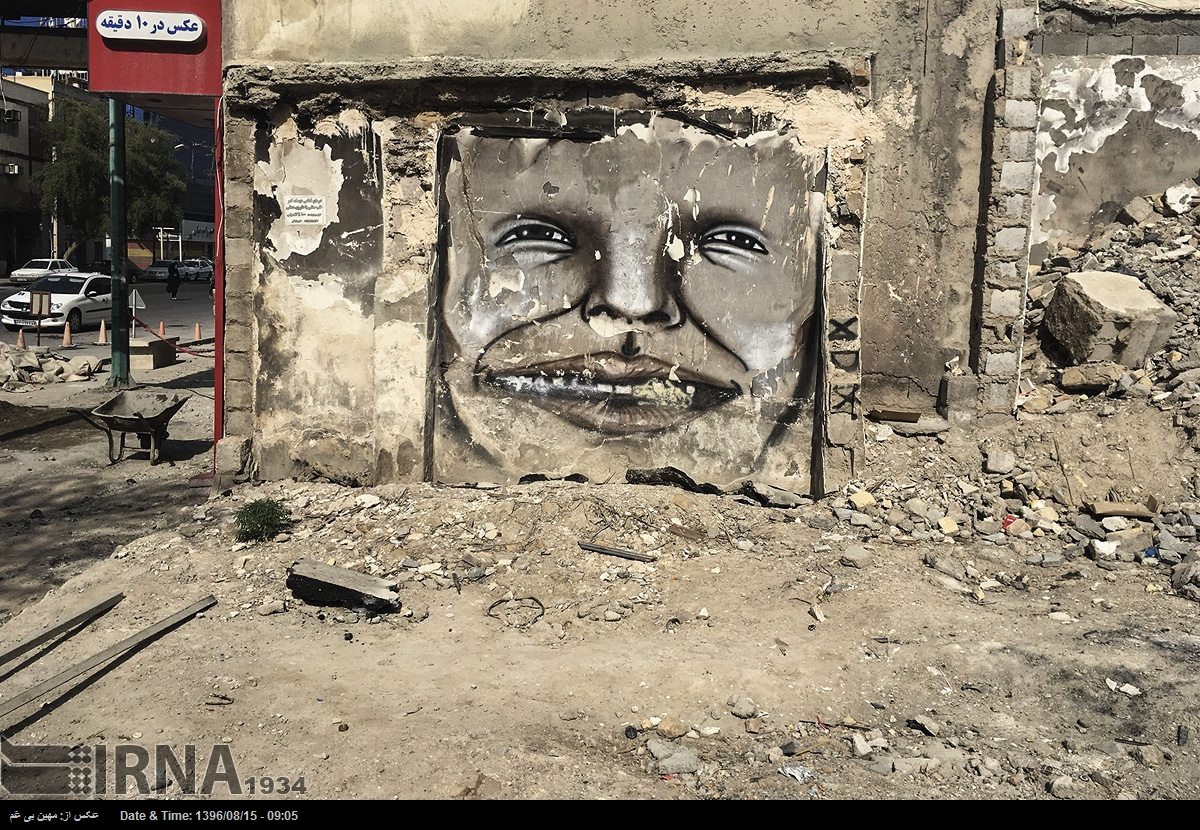
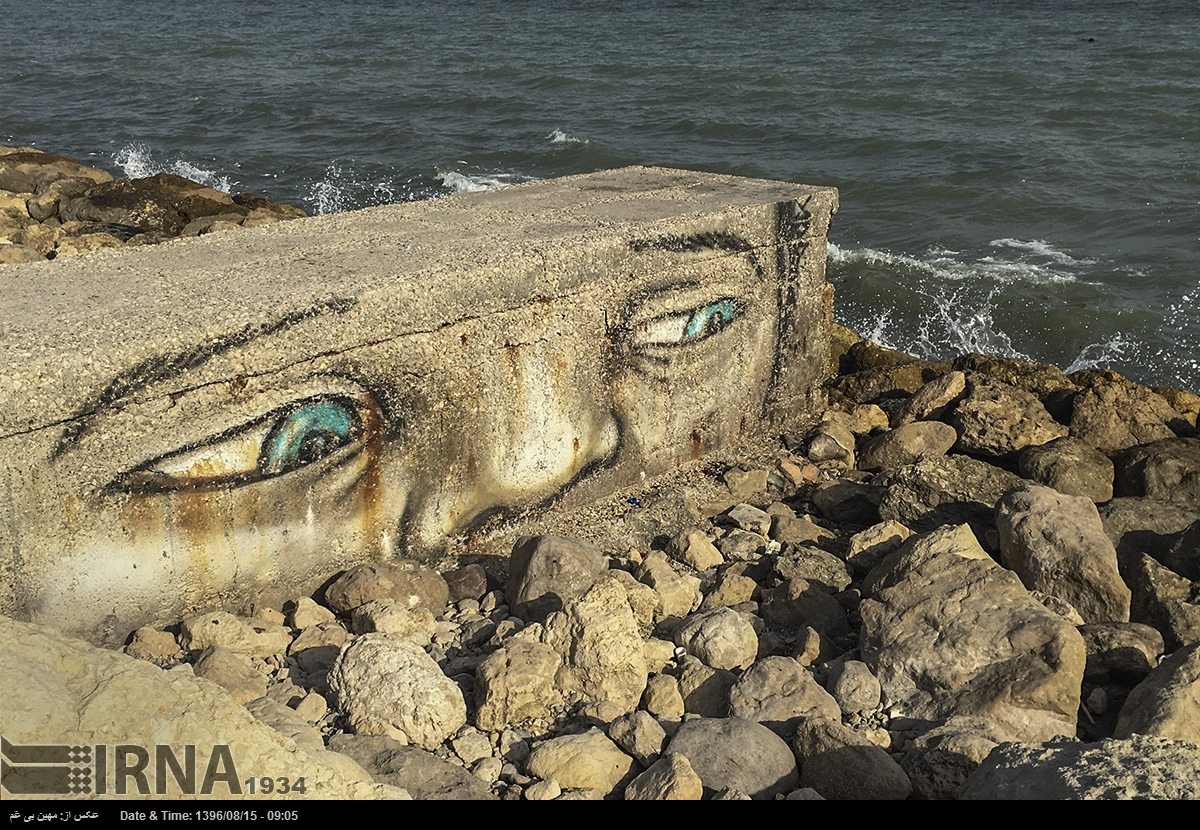
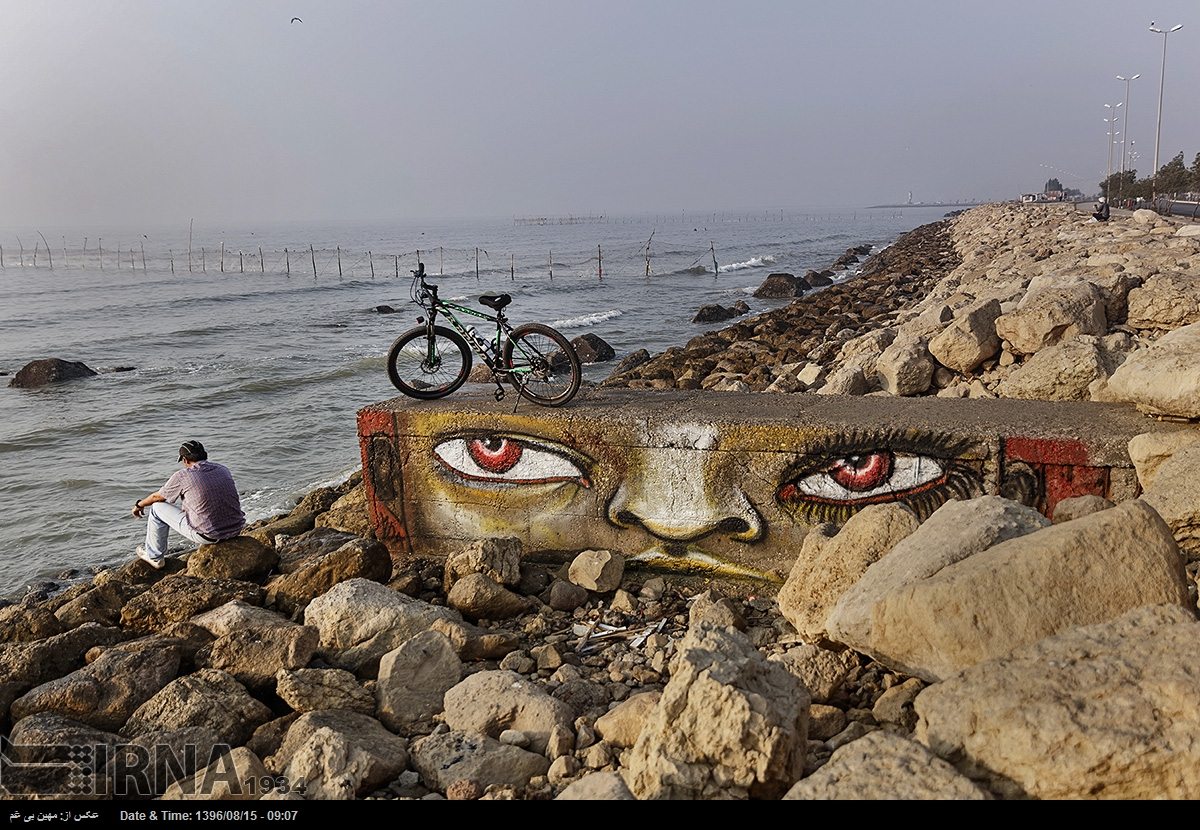
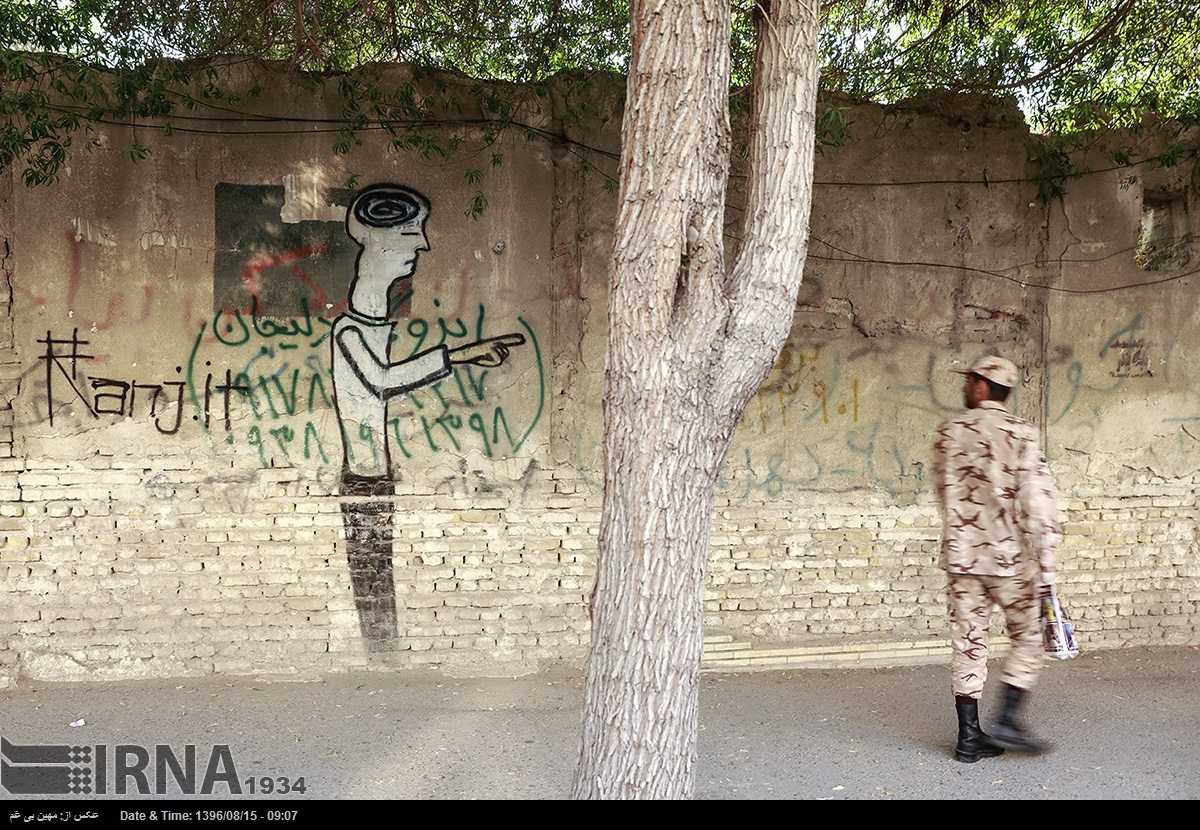
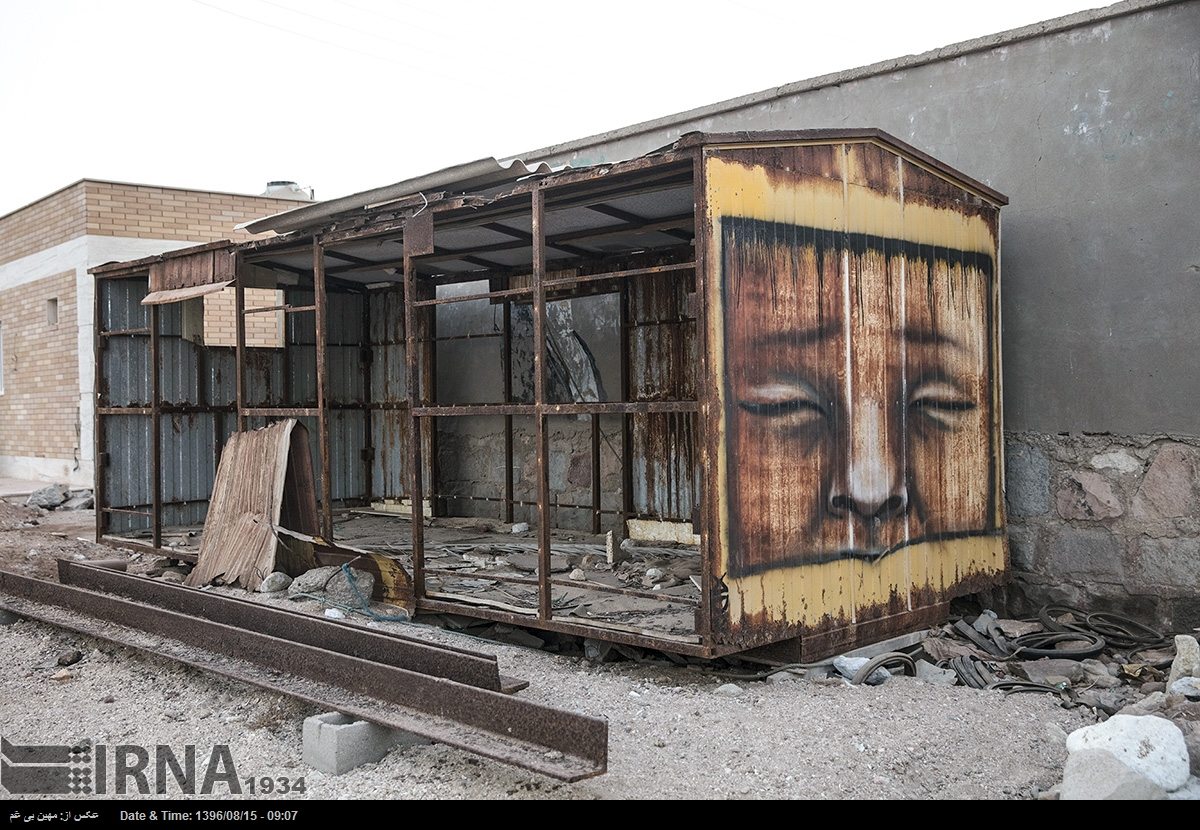
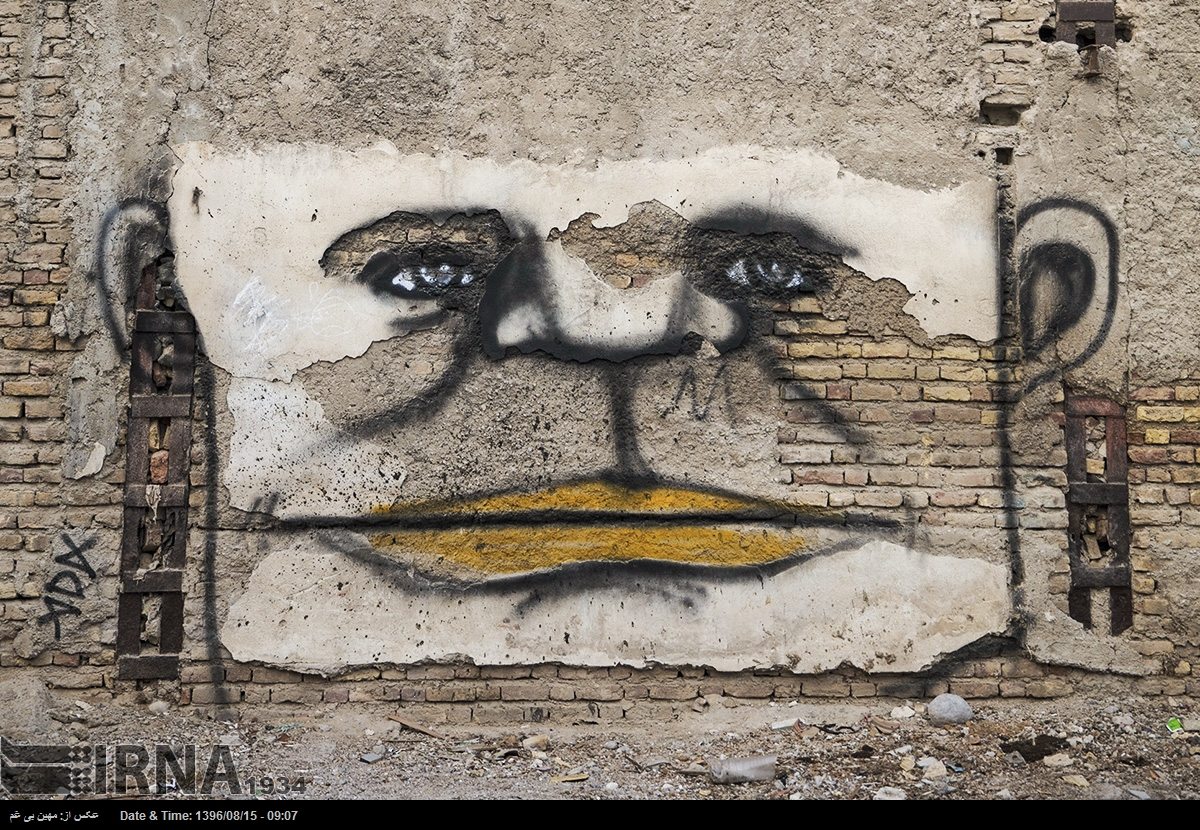
Growing Popularity of Street Arts, Graffiti in Iran’s Bandar Abbas

Graffiti ranges from simple written words to elaborate wall paintings, and has existed since ancient times. In most countries, marking or painting property without the property owner’s permission is considered defacement and vandalism, which is a punishable crime.
Controversies that surround graffiti continue to create disagreement amongst city officials, law enforcement, and writers who wish to display and appreciate work in public locations.
The port city of Bandar Abbas in southern Iran is a city with many of these graffiti.

Here are IRNA’s photos of some of these artworks:

Stanford to Establish Fellowship in Memory of Late Iranian Math Genius

The School of Humanities and Sciences has received an $800,000 gift from engineers and entrepreneurs Rouzbeh Yassini-Fard and Anousheh Ansari to establish the fellowship.

According to a Farsi report by ISNA, The Maryam Mirzakhani Graduate Fellowship will support graduate students in the Department of Mathematics.

Yassini and Ansari said that Mirzakhani was an inspiration to them and an embodiment of the contributions that the Iranian community has made globally throughout history across the humanities, arts and sciences.

Mirzakhani was an Iranian mathematician and a professor of mathematics at Stanford University. Her research topics included Teichmüller theory, hyperbolic geometry, ergodic theory, and symplectic geometry.

In 2014, she was honored with the Fields Medal, the most prestigious award in mathematics. Thus, she became both the first woman and the first Iranian to be honored with the award.

Mirzakhani was born on 3 May 1977 in Tehran, Iran. She attended Tehran Farzanegan School there, part of the National Organization for Development of Exceptional Talents. In 1994, she achieved the gold medal level in the International Mathematical Olympiad, the first female Iranian student to do so. In the 1995 International Mathematical Olympiad, she became the first Iranian student to achieve a perfect score and to win two gold medals.

She obtained her BSc in mathematics in 1999 from the Sharif University of Technology in Tehran. She then went to the United States for graduate work, earning her PhD in 2004 from Harvard University.

On 14 July 2017, Mirzakhani died of breast cancer at the age of 40.