Saturday, December 27, 2025
Home Blog Page 3616

Iran Designs Smart Shoes for Diabetic Patients

Mohammad Mojarradi, a member of a scientific project named “The Laboratory for Shoes or Smart Shoes”, said the newly designed shoes are equipped with a number of sensors for measuring the energy that the patients spent during walking as well as their speed.

“Given the fact that each person has their own pattern for walking and the pattern plays a key role in our health, we began to design new smart shoes equipped with some sensors to explore the patterns of walking,” he was quoted as saying in a Farsi report by Mehr News Agency.

According to Mojarradi, those healthy people who are suffering from misbalance during walking can also use the new smart shoes.

He underlined that the shoes have been designed to measure the physical features of the walkers to provide them with an appropriate pattern of walking.

For a brief review of Iran’s achievements in various fields of science and technology, check the book “Science and Technology in Iran: A Brief Review

“The data are transferred to the physicians through a wireless system so that they can make some prescription for improving the patients’ walking patterns,” he noted.

Mojarradi said the shoes are equipped with a software system for measuring all features of the owners’ feet during walking.

The member of the project also said this is the first smart shoes which have been designed for the diabetic patients in Iran and added to promote the new product, the scientific team is going to install a GPS on the shoes as well.

The project is sponsored by the Physical Education Research Centre at Tarbiat Modares University.
IRGC General Urges Assad to Pursue Political Solution to Syria Crisis

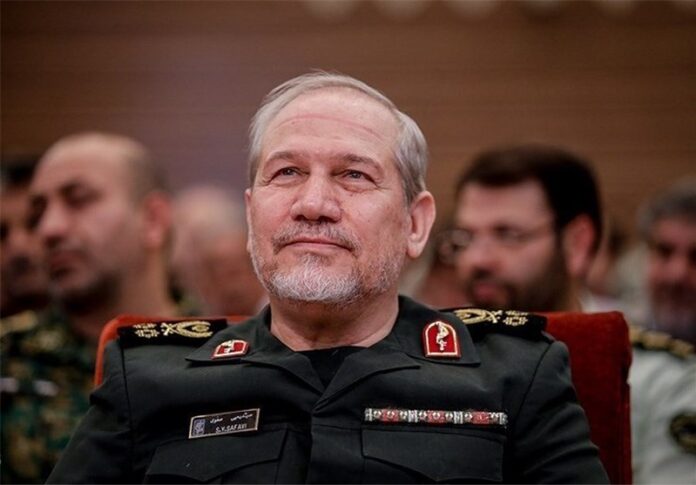
General Rahim Safavi

Major General Yahya Rahim-Safavi, a top aide to Commander-in-Chief of the Armed Forces Ayatollah Seyyed Ali Khamenei, reiterated that the Syrian army and the resistance front should press ahead with their victorious operations, but at the same time the Syrian people, military and government should seek a political solution as well.

Under the international law, he said, both the US and Turkey have violated Syria’s national sovereignty by launching aggression on the Syrian soil.

“The United States’ strategy is based on force, but the policy has failed in West Asia,” said the general.

He said the conspirators that intended to topple the Syrian government have failed to achieve their objectives.

“From the outset, the key goal of the US, Zionist regime [of Israel], European Union, Saudi Arabia, United Arab Emirates, Jordan and Turkey was to create a crisis in the region and to target the independence, national identity and territorial integrity of Syria and destroy all the country’s infrastructure, but their plan suffered maximum failure,” said General Rahim-Safavi.

He said the US has sent troops to Syria on their own disregarding international law and the UN Security Council.

Elsewhere in his remarks, the top military official touched upon Iran’s achievements in the field of aerospace.

“In the missile attack by the Islamic Revolution Guards Corps (IRGC)’s Aerospace Division on the headquarters of ISIS Takfiri terrorists in Deir ez-Zor [in Syria], drones of the IRGC’s Aerospace Division flew at night and spotted the specifications of the targets, and our missiles hit the projected targets precisely, which shows the power and precision of our missiles are high,” he noted.

UAE Attracting Tourists by Showing Off Persian Architecture

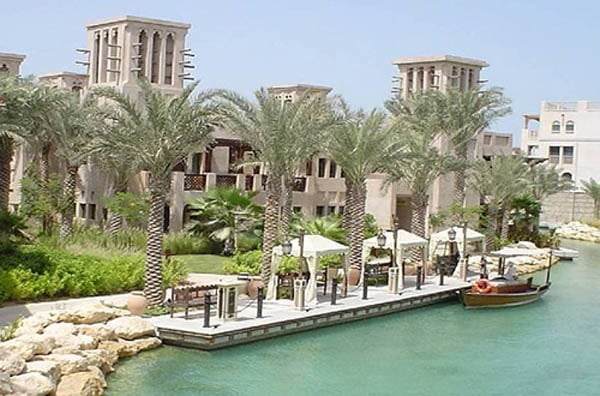
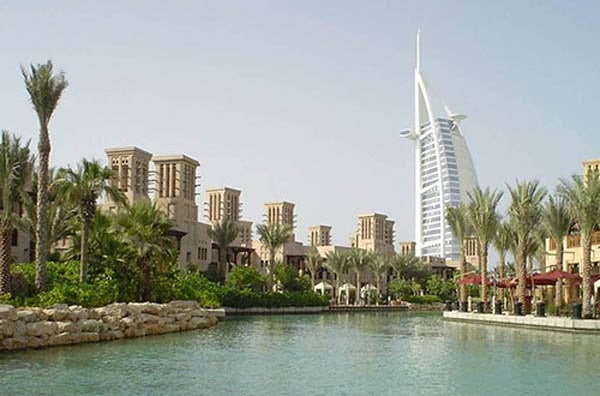
Dubai is one of the main Arab cities which have reproduced and set up Iranian wind-catchers mainly used in cities with hot climate like Yazd province and Bastak city in Hormozgan province in southern Iran.

Over the past years, the UAE and some other Persian Gulf states have attempted to draw on different architectures from across the world to create artificial tourist attractions for their cities, a Farsi report by ISNA said.

“The Iranian wind-catchers from Yazd and Bastak are now turning into a familiar scene in Dubai attracting millions of foreign tourists annually,” the report added.

UAE Attracting Tourists by Showing Off Persian ArchitectureBastakieh Replete with Iranian Wind Towers
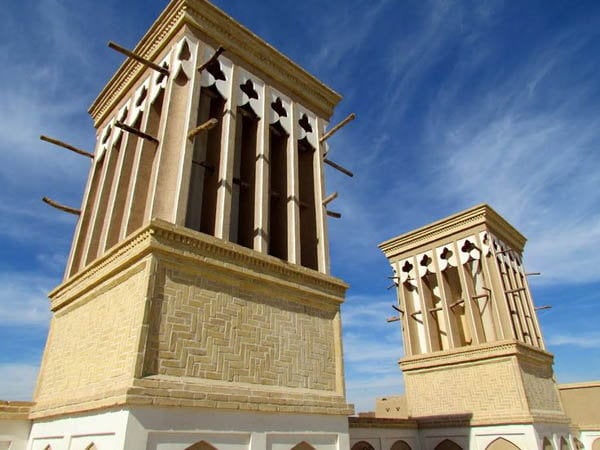
Bastakieh neighbourhood in eastern Dubai located along Dubai Waterway is dotted with a large number of Iranian wind-catchers.

With a 300m length and 100m width, the neighbourhood accommodates lots of houses decorated with wooden doors and Iranian-Islamic stucco-works attracting thousands of foreign tourists each year.

The neighbourhood was established in 1890 by Iranian migrants from the cities of Bandar Lengeh and Bastak in Hormozgan province, and is named after Bastak.

Most of the houses in Bastakieh are two-storey buildings. The main feature of all houses in the neighbourhood is their Persian architecture, including the wind-catchers.


Growing Number of Wind-catchers in Persian Gulf

Following the spread of Iranian wind towers in Dubai, other emirates of the UAE like Abu Dhabi, Sharjah and Ajman have also begun to establish Iranian wind-catchers in different parts of their cities to attract foreign tourists.

UAE Attracting Tourists by Showing Off Persian ArchitectureUAE Registering Wind-catcher as Its Own Cultural Heritage?
Interestingly enough, the UAE has registered the Iranian wind-catchers, which are called Barjil in Arabic, as its own cultural and historical heritages in the country’s school books.

French FM to Arrive in Tehran Sunday Night

“Le Drian will meet and negotiate with the foreign minister of the Islamic Republic of Iran as well as other senior officials of our country on Monday,” added Qassemi.

He noted that the two sides would discuss the ways to expand bilateral relations and exchange views on the most important regional and international issues.

Le Drian is expected to reassure Tehran about Paris’s full commitment to the nuclear deal signed between the P5+1 and the Iranian side.

The deal has been called into question by US President Donald Trump, who has refused to certify it, but the other five parties who signed the deal with Iran are keen to keep it.

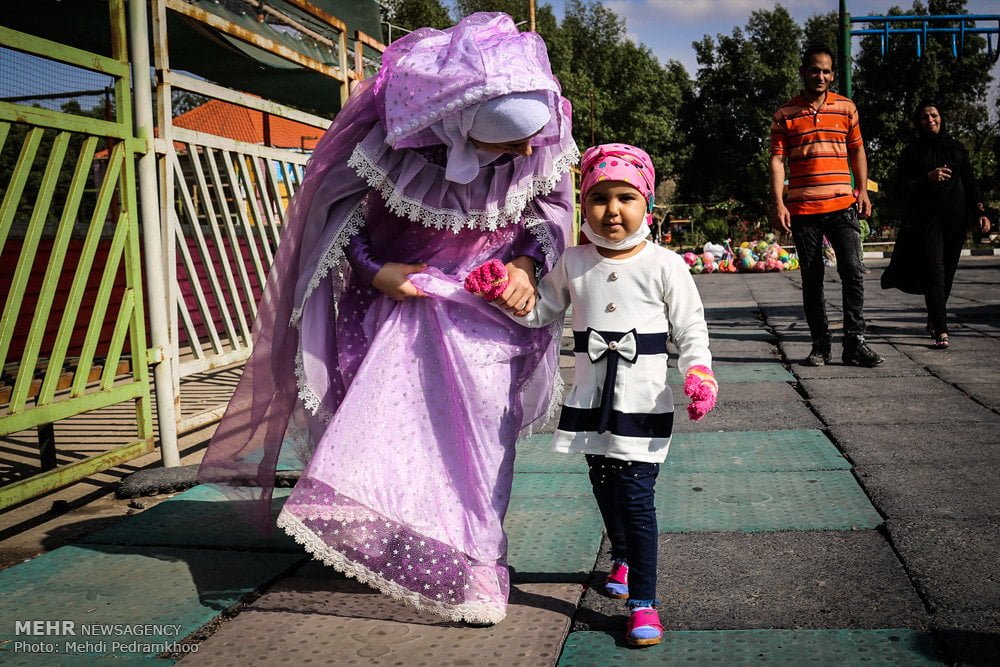
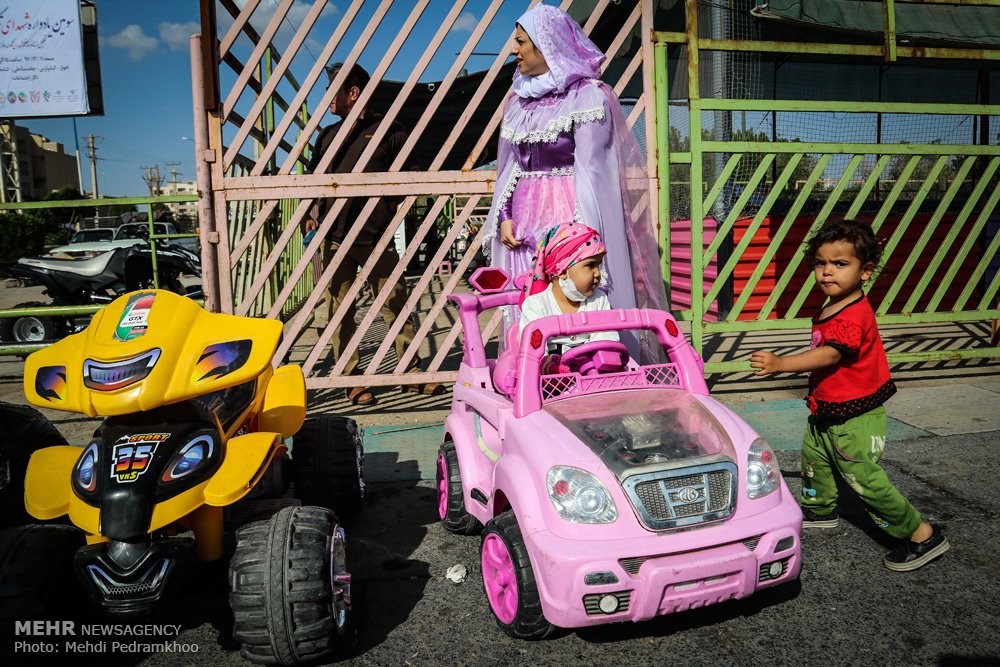
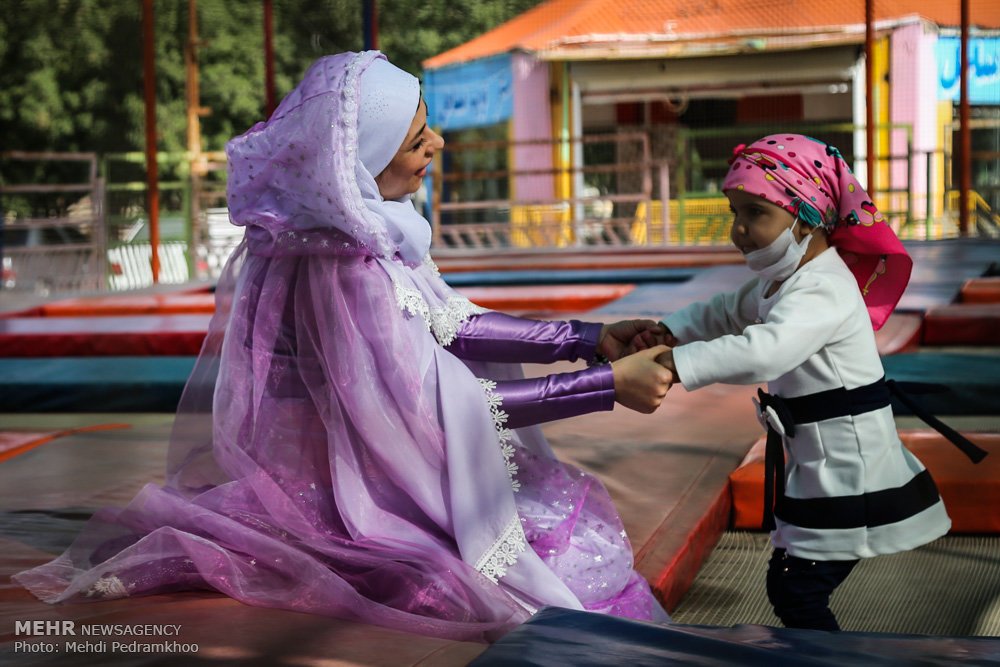
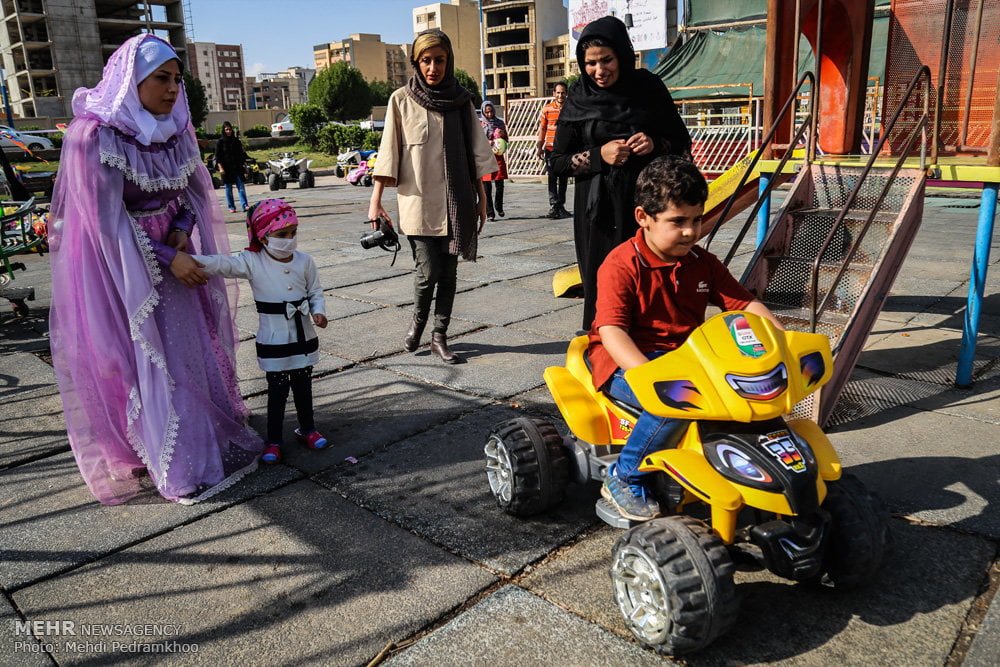
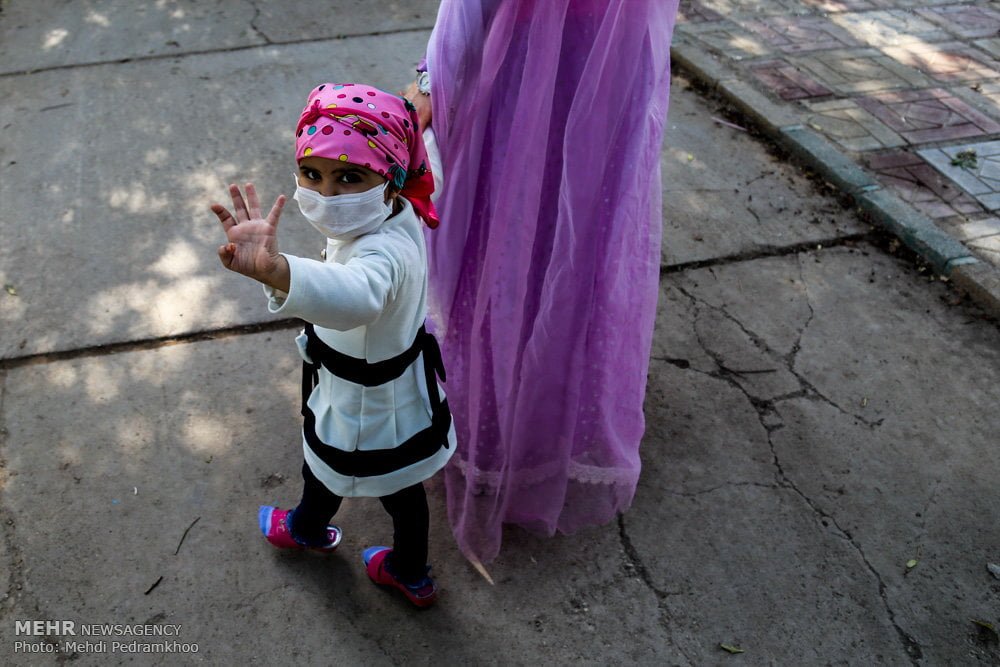
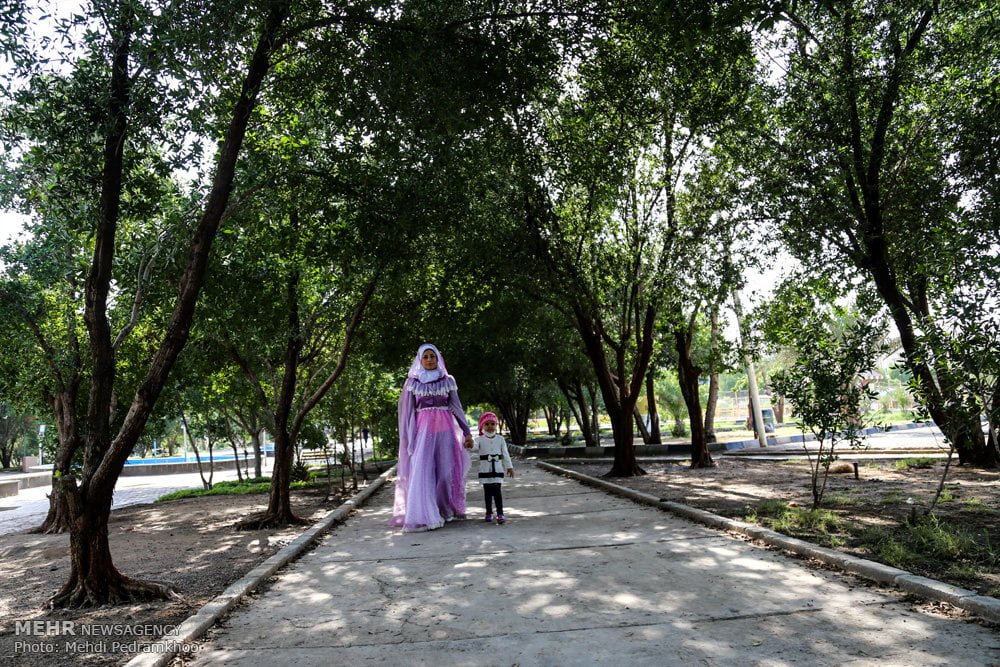
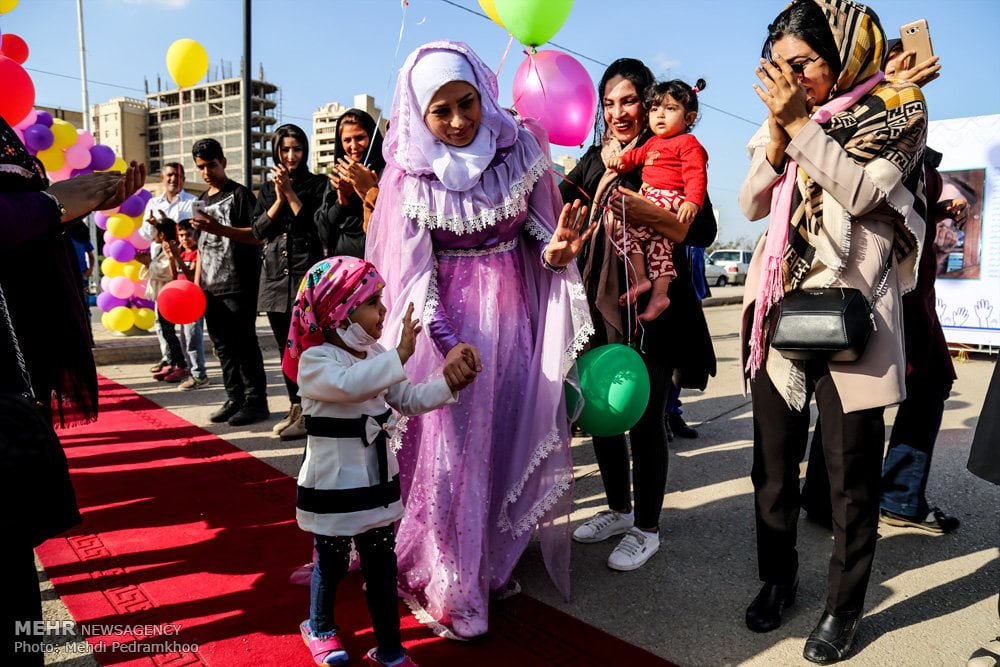
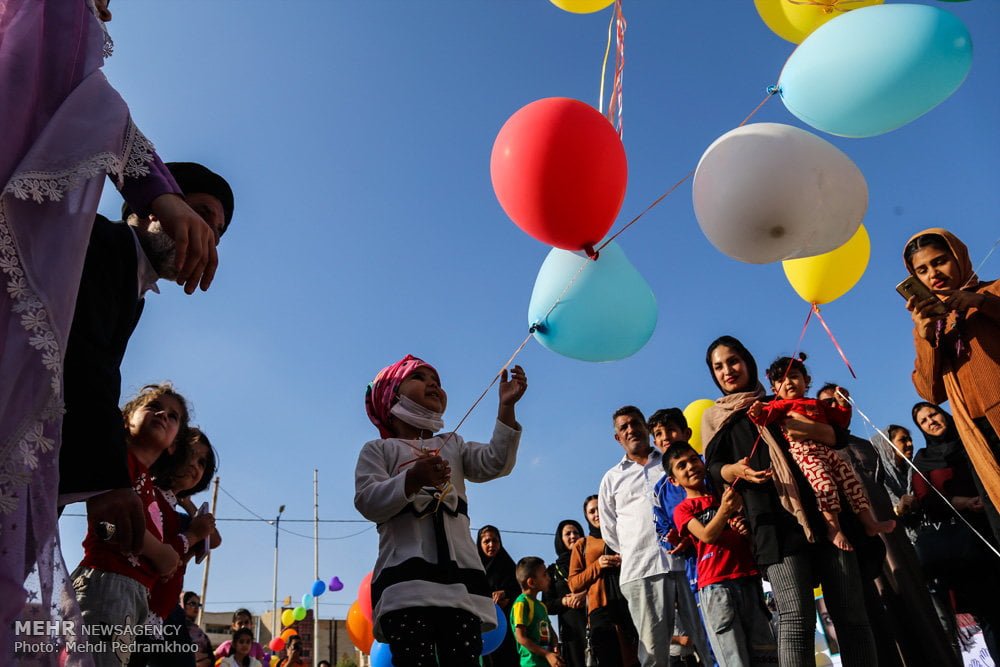
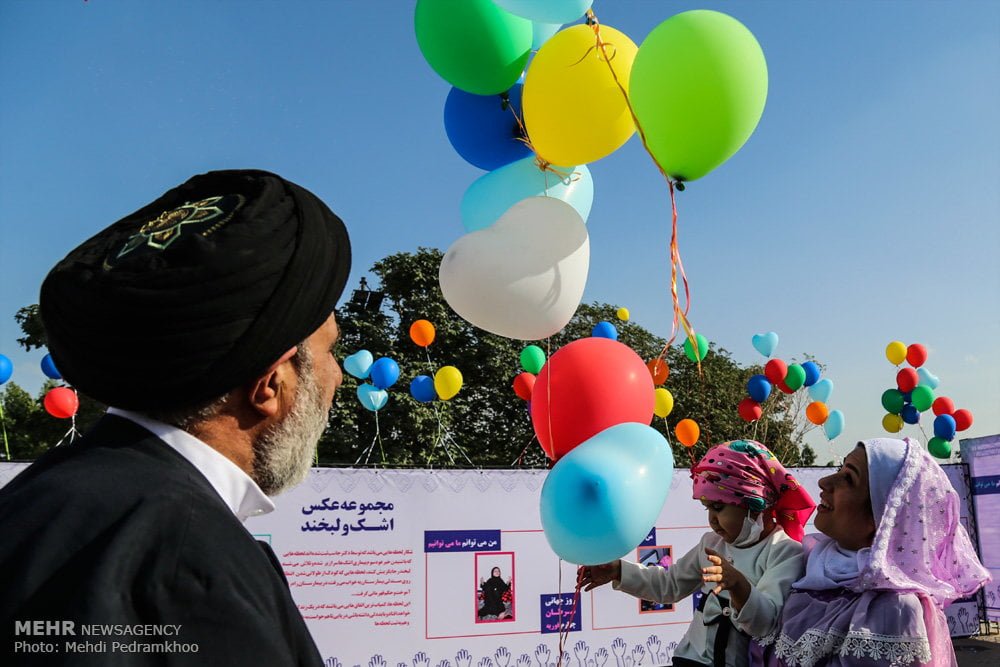
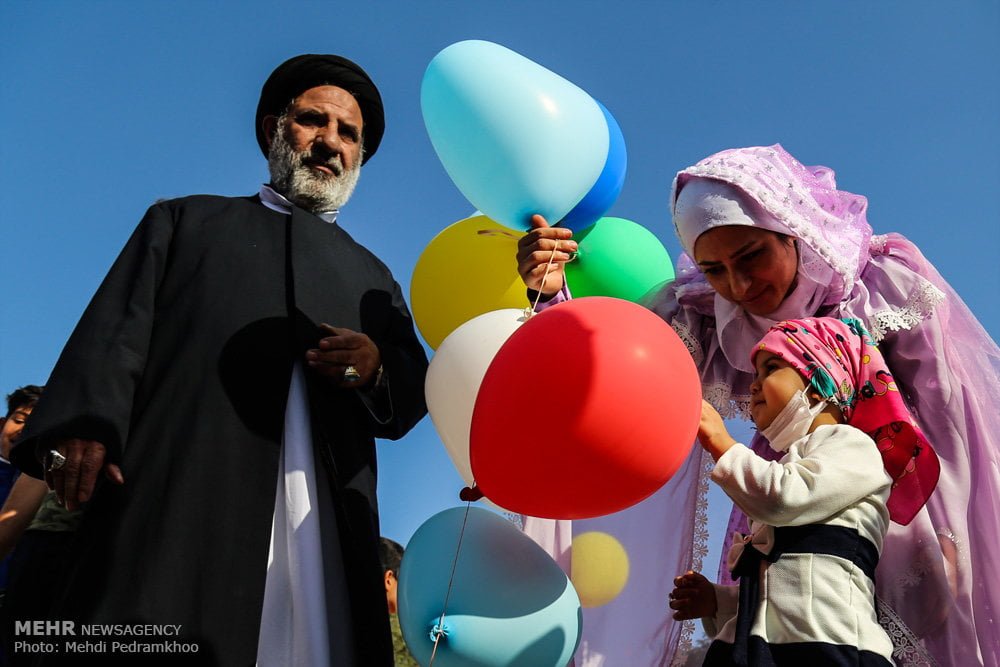
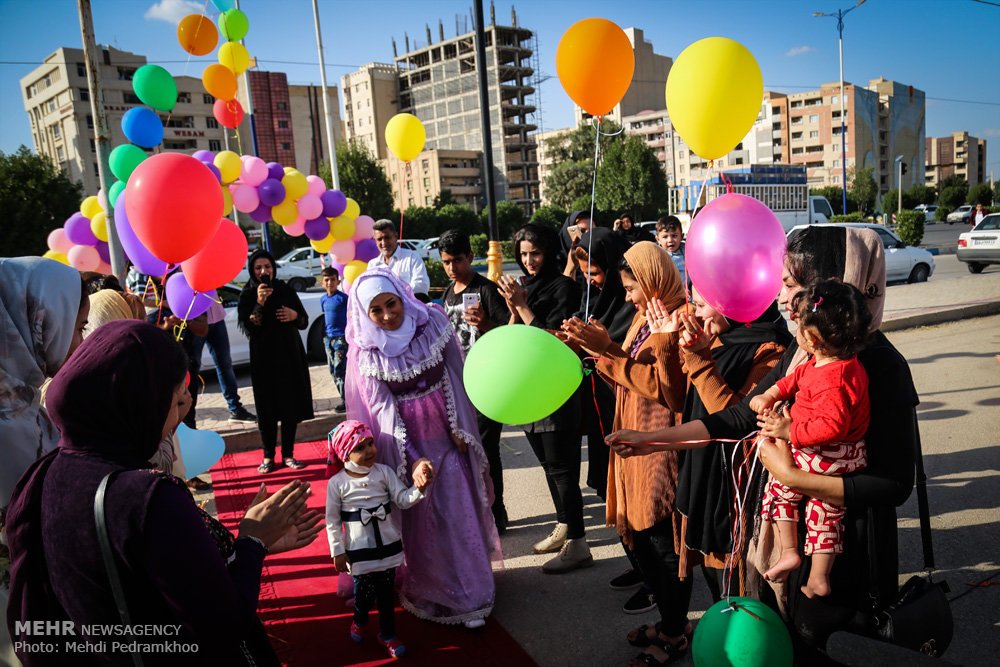
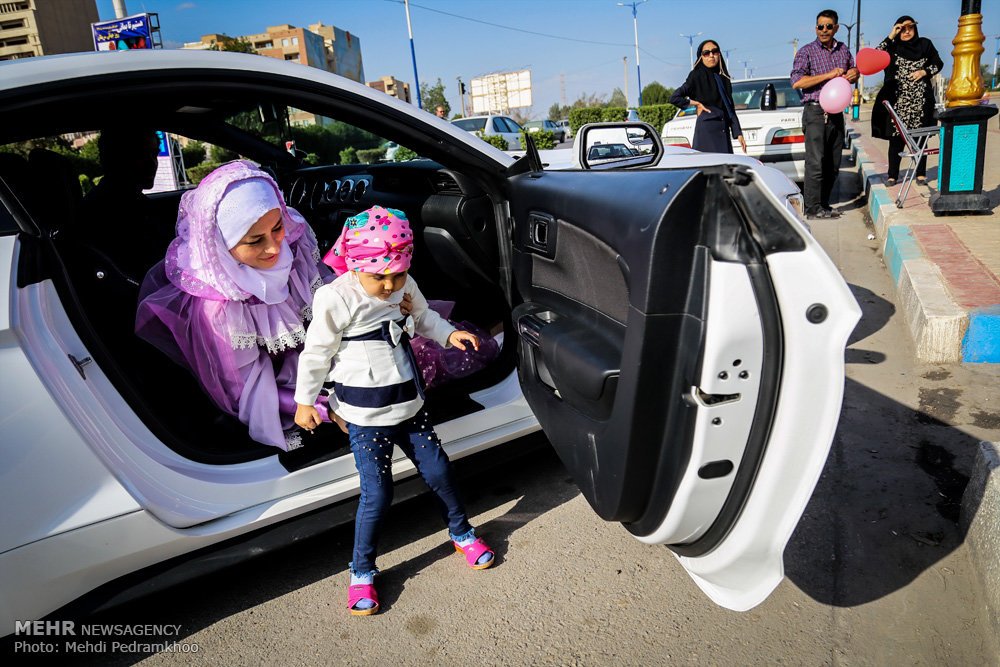
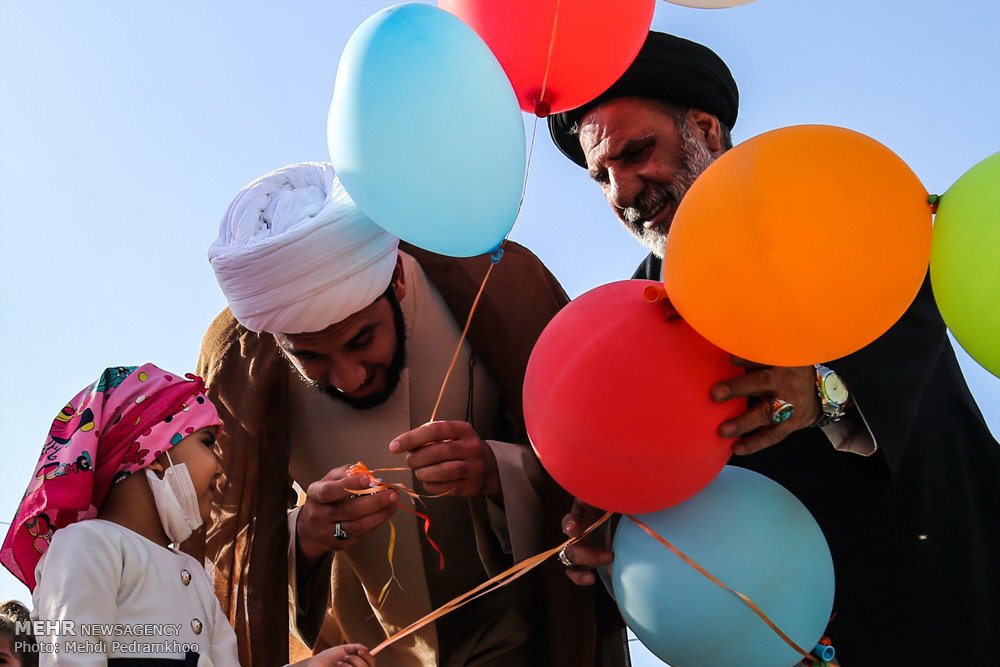
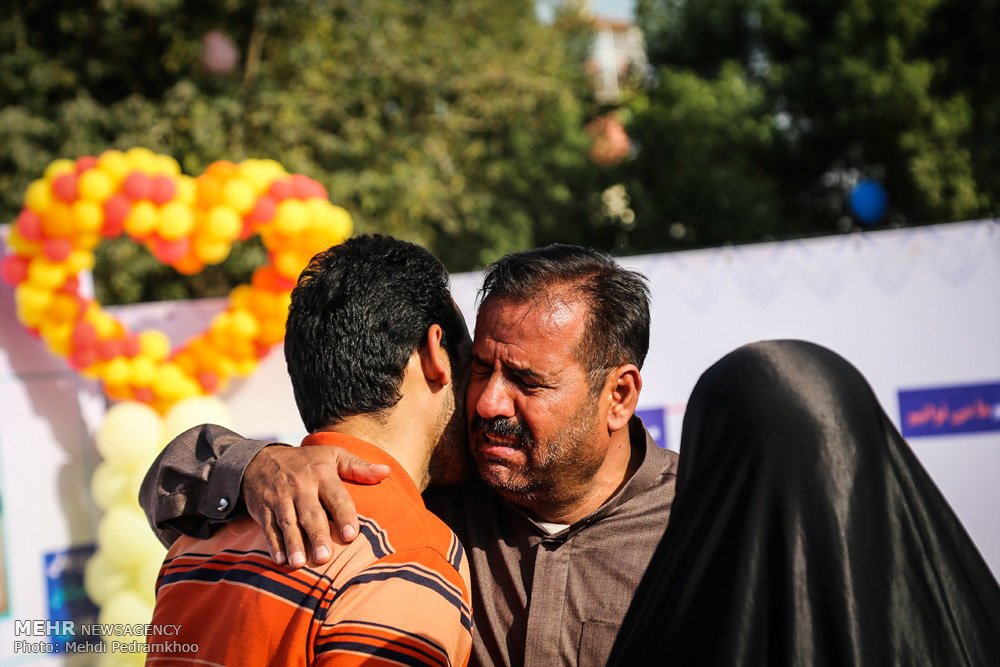
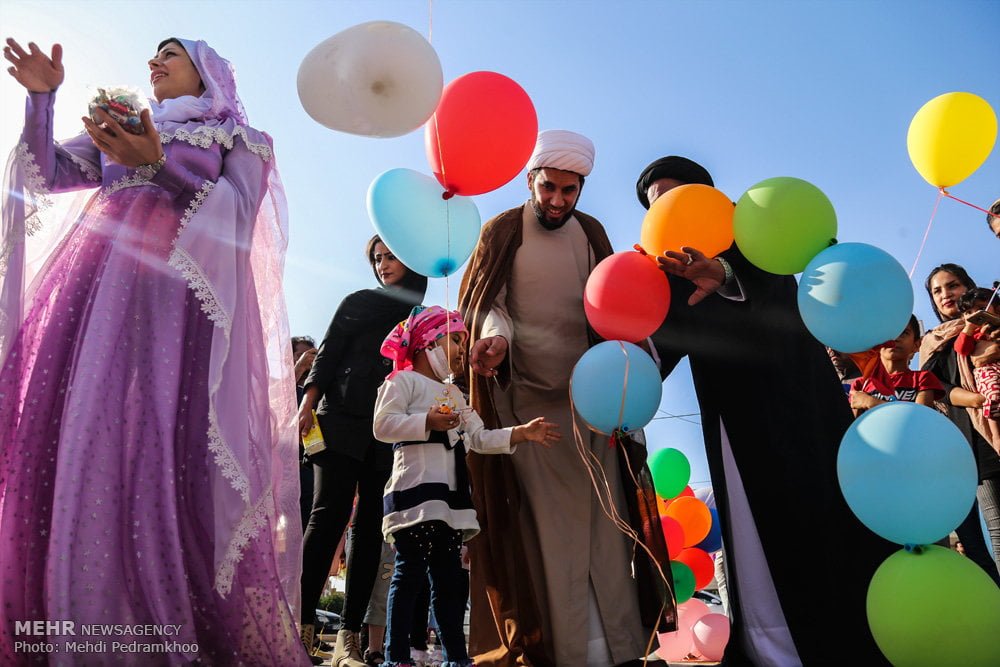
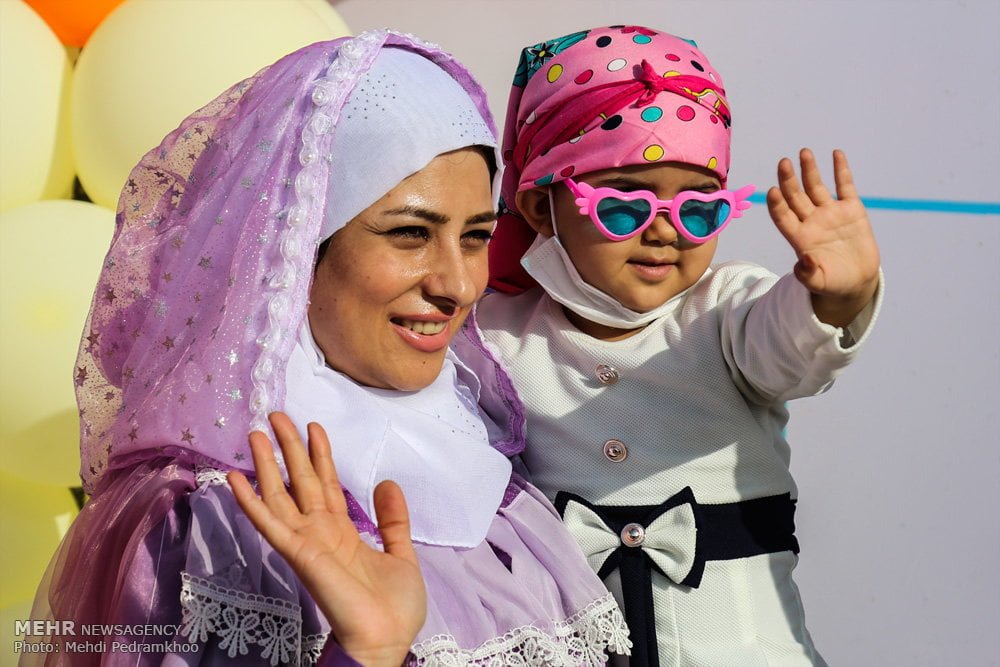
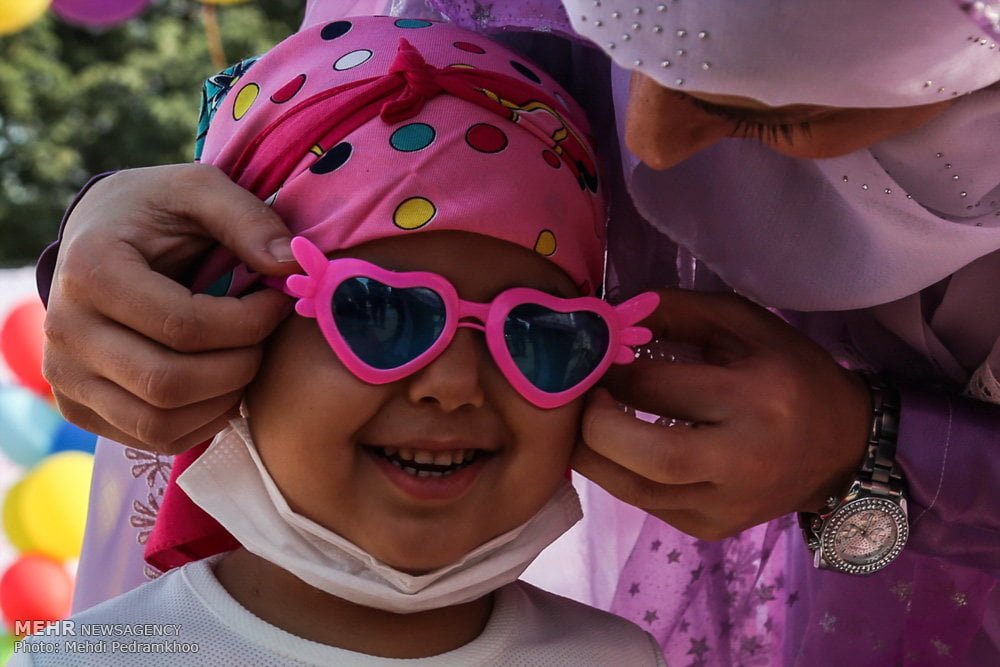
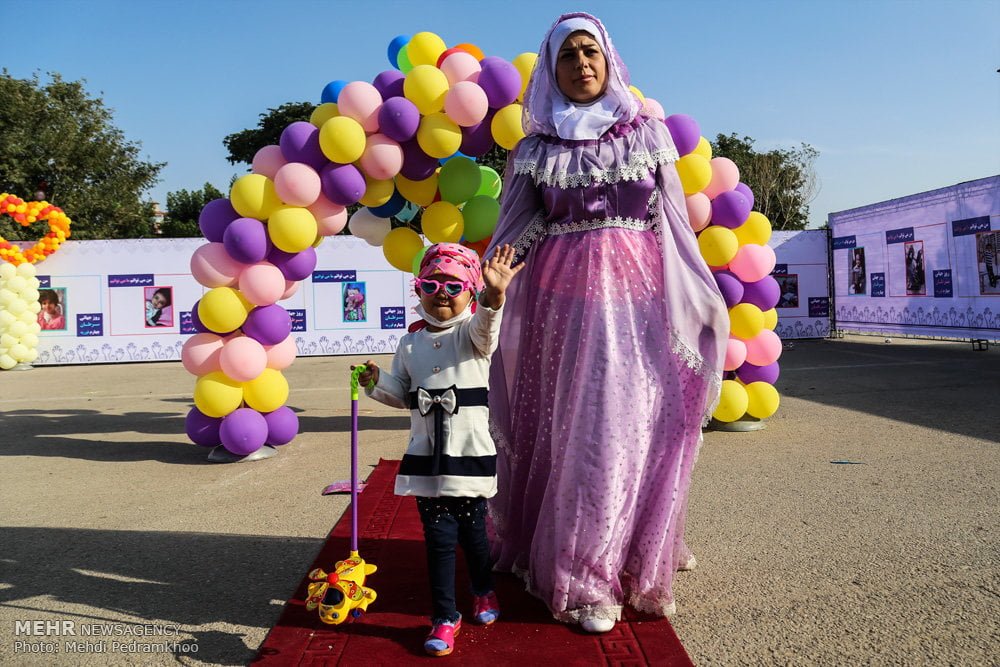
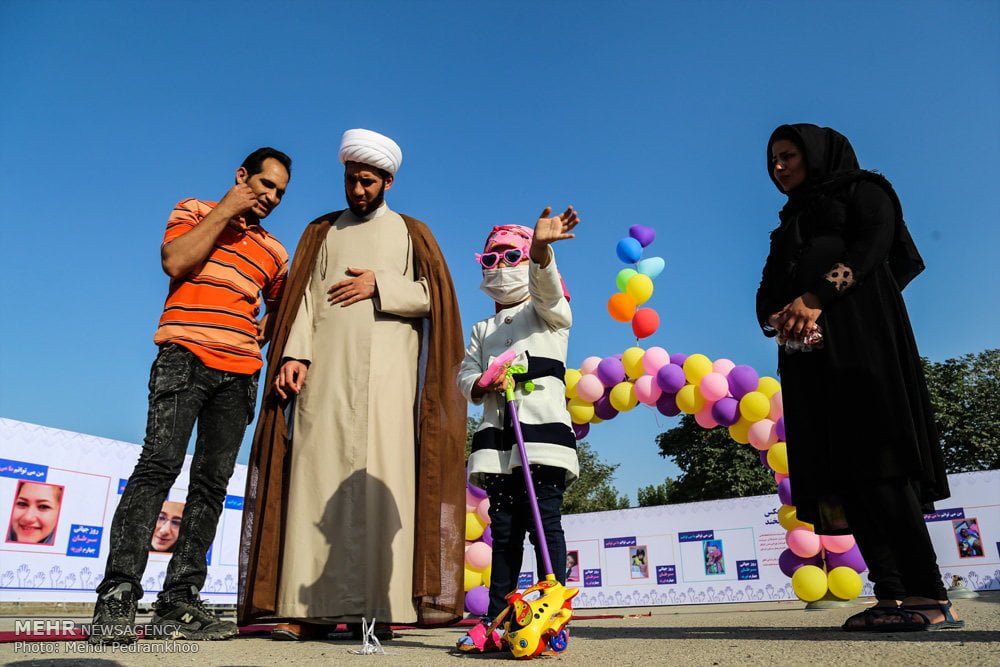
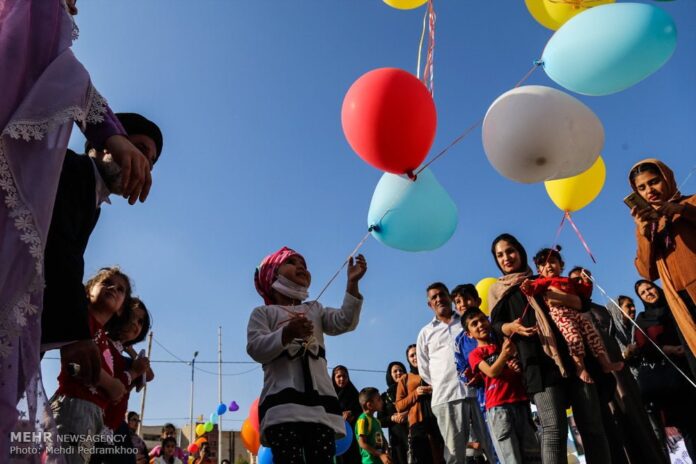
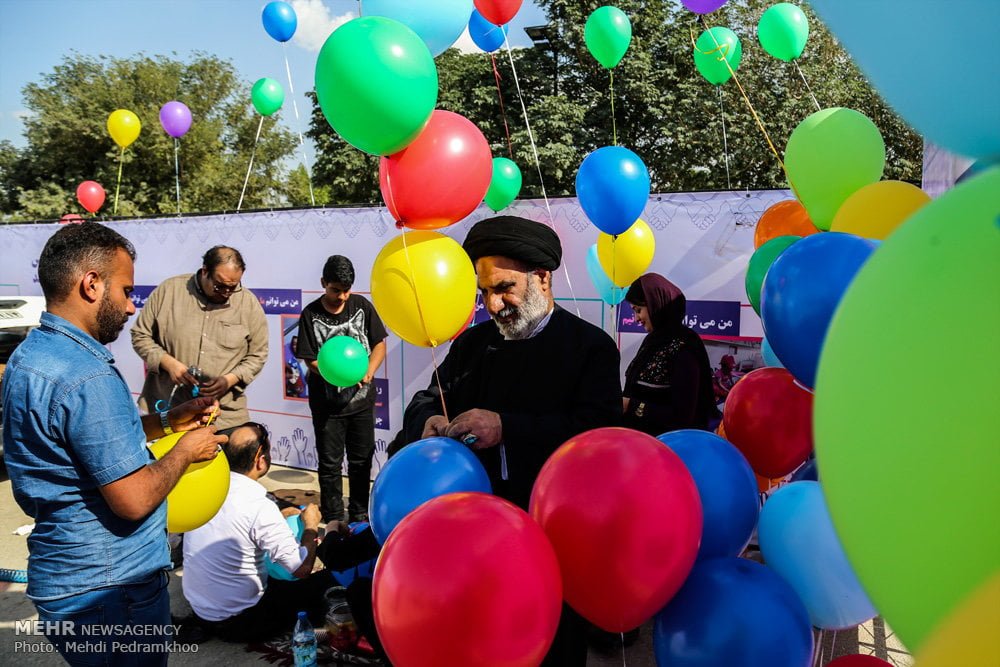
Dream of Cancer Kid Fulfilled with Thousands of Balloons

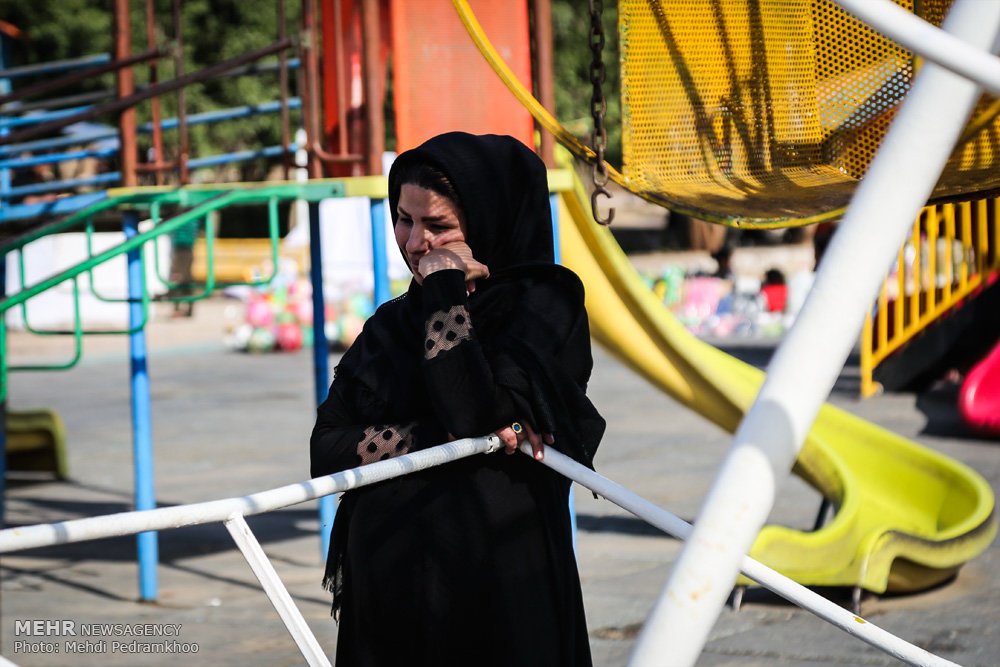
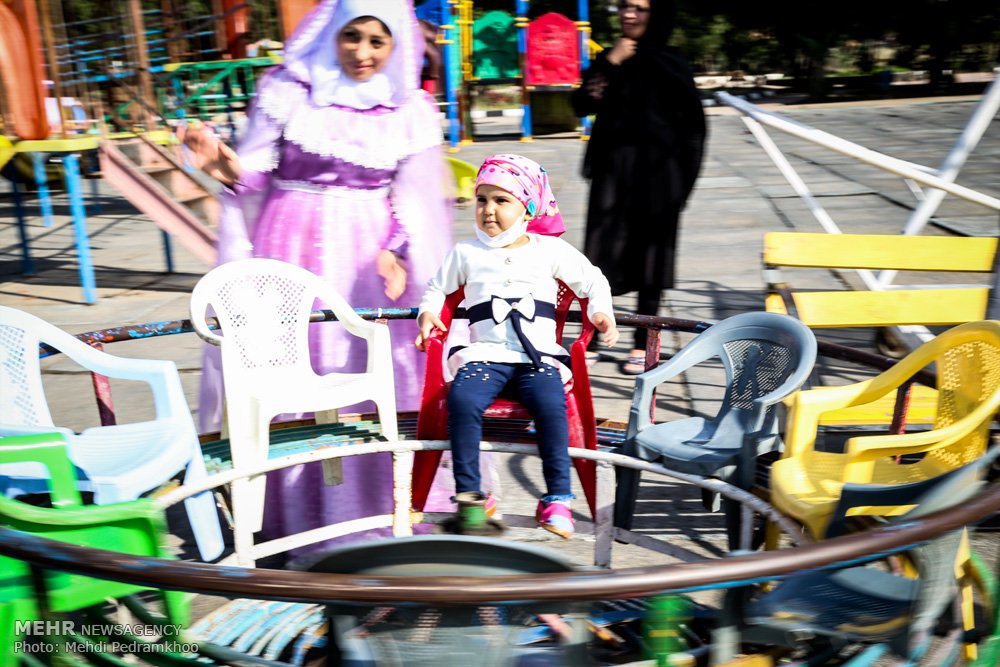
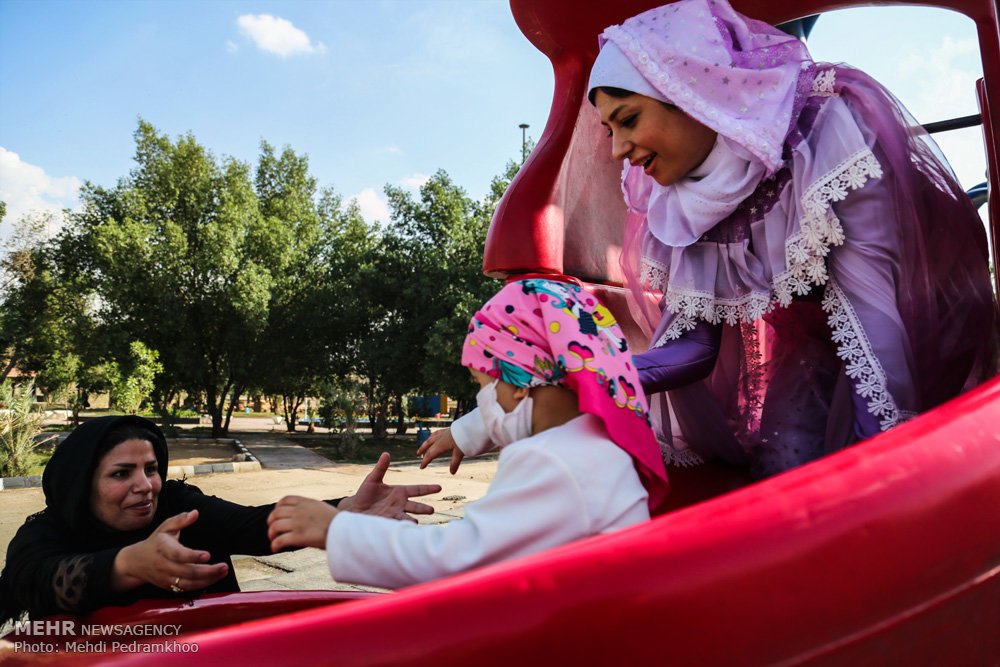
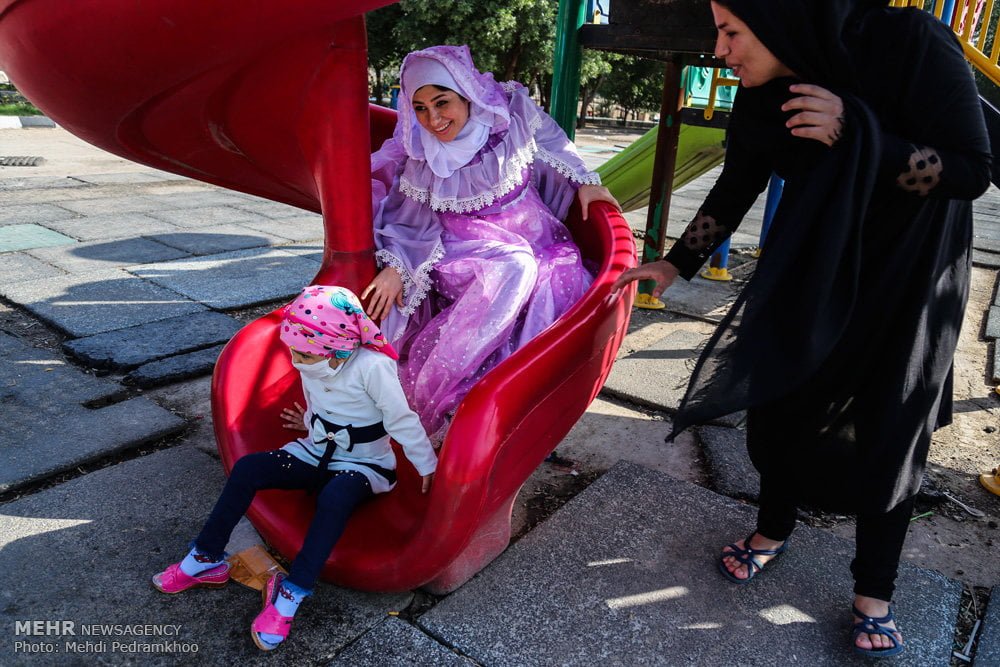
The people released a huge number of balloons in the 42-hectare park of Ahvaz to help the dream of three-year-old Mayam come true.

Here are the photos of the event retrieved from Mehr News Agency:

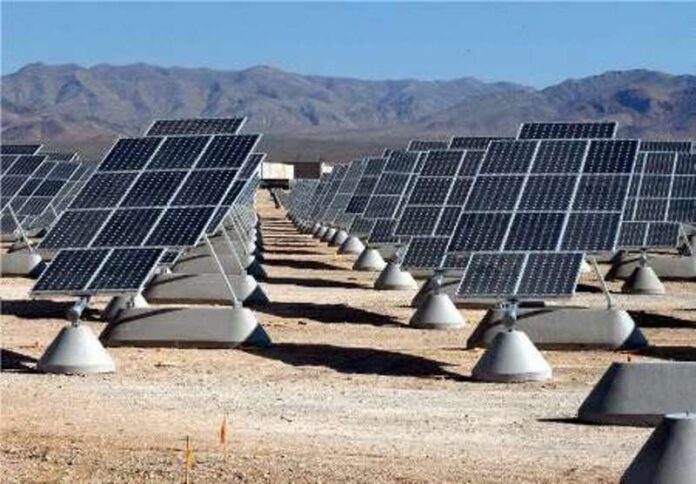
Tehran, Rome Seal Deal on Building Solar Power Station

The agreement was signed between Iran’s Industrial Development and Renovation Organization (IDRO) and the Italian Carlo Mascar Company in Tehran on Saturday, March 3.

The 100-megawatt power plant is to be built in Garmsar Special Economic Zone around 90 kilometres east of the Iranian capital, Tehran.

The zone can be reached via major highways, roads and rail, which is an ideal opportunity for the optimum development of the area.

Iran’s Deputy Energy Minister had recrntly noted that Iran plans to develop a capacity of more than 1.1 thousand megawatts in renewable sources of energy.

He said renewable forms of energy are inexpensive in Iran, so much so that the generation of one kilowatt hours of solar power costs only four cents. He noted the figure is expected to drop to three cents by 2020 and two cents and less in the following years.

The official also touched upon Iran’s potential in the domain of renewable sources of energy. He said many parts of Iran receive constant sunlight for more than 300 days a year, adding the country has very good potential to generate electricity from wind power as well.

With the first largest gas reserves and the fourth oil reserves in the world, Iran is a global hydrocarbons giant. The Iranian policymakers, however, are very eager to develop renewable energies to increase energy security, reduce the country’s dependence on hydrocarbons, and realize its growth targets in electricity demand.

Iran’s topography is quite appropriate for renewables and that makes the fulfillment of these objectives pretty realistic and probable for the Iranian government.

Iran enjoys a great diversity in its climate and vast arid regions. The southern, northwestern and southeastern regions of Iran receive around 300 days of sun per year, and thus are uniquely suitable for solar energy production.

According to the data released by Iran’s Vice-Presidency for Science and Technology, the government has given particular priority to the country’s central regions, including Yazd, due to its climate and proximity to the national power grid.

With the recent removal of sanctions, Iranian companies now have greater access to a wider range of increasingly sophisticated solar technologies and financing to purchase and develop them. The immediate benefits will be rapid installation of technologies and, in the long-term, the country is likely to gain the ability of producing a significant amount of its solar infrastructure domestically.

Iran Rejects Reports on Tehran-EU ‘Negotiation’ over Regional Issues

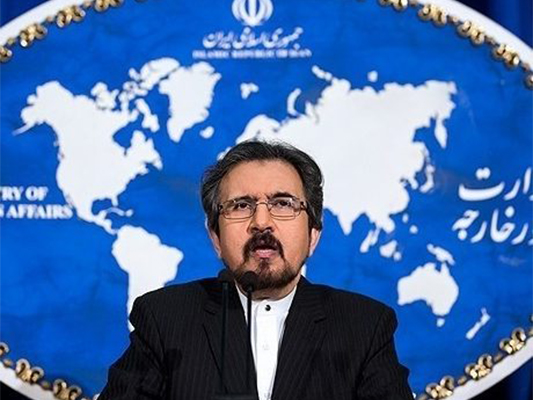
In response to reporters on Sunday, Qassemi underlined that Iran and the EU have been exchanging views at different times over different issues since a long time ago.

“The two sides have faced no obstacles at all in holding meetings, exchanging views and understanding each other’s stances towards different issues,” he added.

The spokesman referred to the recent Munich Security Conference, and said on the sidelines of the event, the Iranian delegation headed by Deputy Foreign Minister for Political Affairs Abbas Araqchi held meetings with deputy foreign ministers of some European states – Italy, France, the UK and Germany – on the dire humanitarian crisis in Yemen.

“Yemen has been the scene of a humanitarian catastrophe as well as a deadly siege, drought and chronic diseases because of a destructive war imposed on it,” he said, adding throughout its diplomatic contacts, the Islamic Republic of Iran has always sought to put an end to the war and violence, restore peace and pave the way for sending humanitarian aid to the plight-stricken nation of Yemen.

The spokesman said Iran hopes its political and diplomatic attempts would relive the countless sufferings and problems of the innocent and defenceless people of Yemen, put an end to the airstrikes on the impoverished nation and finally lead to a return to the political solutions already raised for the crisis in Yemen.

Qassemi rejected the reports published by some western media over the past days on Iran-EU negotiations on regional issues, saying the media have been begging the question in this case.

“Basically, in line with the wise and principled policies of the Islamic Republic of Iran, the two sides can hold meetings and exchange views on all bilateral, regional and international issues but these talks are not necessarily ‘negotiation’ in political or legal sense of the word.”

Qassemi said it goes without saying that holding talks between Iran and the EU is not new and strange at all. “But we don’t confirm any claim about the two sides’ agreement to hold negotiations on certain issues within a certain mechanism and frame.”

The spokesman also said over the past decades and on certain occasions, the Islamic Republic of Iran has held talks with many of the region’s states as well as its neighbours and others including European countries based on its principles of dignity, wisdom and expediency.

“The talks have been going on both in an era known as critical negotiations and the following era known as comprehensive and constructive talks. These talks can also continue on mutual and multi-lateral issues within the general principles of the Islamic Establishment. But they have fundamentally nothing to do, neither today nor in the future, with the negotiations which certain western media have portrayed in their false reports over the past days,” he concluded.

Iran-Russia Joint Economic Commission to Meet in Moscow

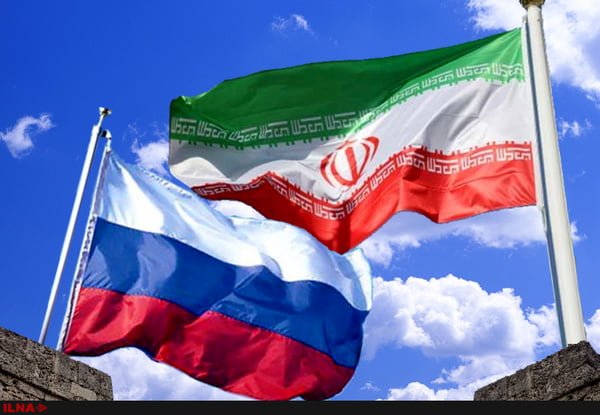
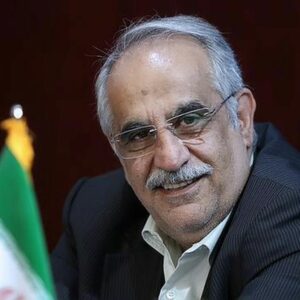
Masoud Karbasian is due in Moscow on March 4, 2018, heading a 90-strong delegation to attend a meeting of the 14th Iran-Russia Joint Economic and Trade Cooperation Commission.

According to a Farsi report by IRIB News Agency, the commission will meet on March 5-6, and several memoranda of understanding on cooperation with Russia will be signed on the sidelines of the event.

Karbasian, the Iranian co-chair of the commission, and Russian Energy Minister Alexander Novak will, within the framework of several working groups and expert meetings, discuss the current and future economic, trade and investment projects in the fields of energy, transportation, road construction, commerce, customs, health and agriculture.

Moreover, meetings will be held on the fringes of the event with officials of the Russian Federation, namely the country’s prime minister, ministers of energy and economic development, the Russian president’s special representative for Caspian Sea affairs and the minister for North Caucasus affairs.

Iran-Russia Joint Economic Commission to Meet in Moscow
Masoud Karbasian

The two-day event will also feature a meeting of businesspeople and tradesmen from both countries’ private sectors scheduled to be held at the Russian Chamber of Commerce.

The 14 committees of the commission are also scheduled to finalize 14 memoranda of understanding on cooperation in the fields of electricity, nuclear energy, cultural exchanges, transportation, sports and the youth, higher education, the Eurasian Economic Union, industry and trade, customs, health and treatment, banking transactions and media.

Iran-Russia trade, economic, political, scientific and educational relations have been growing in recent years.

With the arrangements being made, the legal ground is prepared for the conclusion of agreements and memoranda of understanding between Tehran and Moscow on areas of mutual interest. The public and private sectors of both countries are also establishing links and contacts with each other.

Over the past few years, Russia has made its presence felt in investment projects in Iran, and Russian banks have also made it clear by signing financing agreements that they will fund the projects.

“France in No Position to Dictate Iran’s Defence Policy”

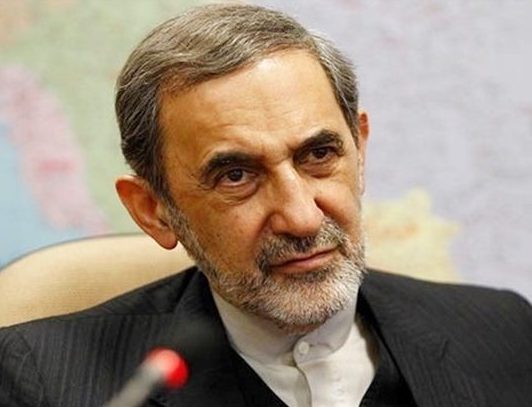
“It’s not France’s business to tell us what kind of missiles we should have,” Ali Akbar Velayati said Wednesday.

“Do we tell France how should it defend itself?” he asked rhetorically.

France, along with other European powers, Germany and Britain, has for a while been requesting Iran to stop developing ballistic missiles.

They argue curbs on Iran’s missile program and regional activities will convince US President Donald Trump not to “terminate” the 2015 nuclear deal.

French Foreign Minister Jean-Yves Le Drian is expected to arrive in Iran for an official visit Monday, during which he is expected to raise Iran’s missile program.

Velayati said statements by French officials regarding Iran’s missile work will do them no good, urging the French foreign minister to avoid repeating them.

“Le Drian should refrain from adopting negative positions, if his trip is aimed at boosting relations with Tehran,” he said after a meeting with Japanese Deputy Foreign Minister Takeo Mori in Tehran.

Velayati said Iran will devise its defence policy independently, adding it cannot remain indifferent to mass weapons purchases by governments in the region.

“No country can give orders to other states. It’s our right to decide how we should defend ourselves, either by missiles or other defensive weapons”, ISNA quoted him as saying in a Farsi report.

The advisor was apparently referring to Saudi Arabia, a major buyer of arms and the US arms dealers’ top client.

Just last year, Saudis agreed to buy over $110 billion worth of US weapons during Trump’s visit to Riyadh.

IRGC Chief Says Resistance Fighters Will One Day Say Prayers in Quds

In a speech on Saturday, Major General Jafari praised recent military achievements of the anti-Israeli Resistance Front and said, “We have witnessed divine assistance in Syria, Iraq, and Yemen.”

The recent shooting down of an Israeli fighter jet, which occurred for the first time, was one example of the divine assistance,” the commander said.

He further expressed the hope that the victories of the Resistance fighters would continue in future, saying that, with the help of God, all those who are fighting for Islam, would hold prayers in the holy Quds one day.

Last month, the Syrian military downed an intruding Israeli F-16 warplane returning from a bombing raid on an army base in central Syria.

The Israeli military confirmed that one F-16 had gone down in northern Israel and that its two pilots had ejected and had been located and transferred to hospital. It later announced that one of the pilots was in serious condition.

Over the past years, Israel has frequently attacked targets in Syria, often claiming that it hit positions or convoys belonging to Iran. This is while Iran has no military presence in Syrian territory, only offering advisory military assistance to the Syrian government fighting an all-out foreign-sponsored militancy.