Saturday, April 25, 2026
Home Blog Page 3560

Trump’s Policies to Lead to Multipolar World: British Analyst

Trump finally travelled to Britain, Washington’s key ally, one and a half years after he took office as president. During his stay, Trump meet with Queen Elizabeth, British Prime Minister Theresa May and other UK officials.

Trump was originally scheduled to visit Britain in June 2017, but Britons were opposed to his trip because of his anti-Muslim policies and his executive order that banned migrants of some Islamic countries from entering the US.

Objections to Trump’s trip to Britain did not stop there, and those opposing his immigration and other racist policies such as his support for supremacists or right-wing extremists in Britain staged a protest rally in early 2017. They threatened to stage the largest demonstration in the UK’s history if Trump travelled to their country.

Afterwards, Trump’s trip to the UK was postponed several times. Now, as Trump was visiting Britain, people across the country came to London to stage a protest rally.

Trump’s Policies to Lead to Multipolar World: British AnalystRodney Shakespeare, a British political commentator, has, in an interview with Fars News Agency, weighed in on Trump’s trip to Britain and its ramifications.

He referred to the massive protest rallies against his visit, saying British people are fed up with Trump.

Shakespeare said Trump reneged on Washington’s commitments under the Iran nuclear deal, breached the Paris Climate Agreement and has dragged the world into a trade war. He said Trump is an anti-Muslim figure as well.

Therefore, the commentator noted, the UK government has arranged Trump’s trip in such a way that he will visit anywhere, but London.

He said the UK and the US had special relations in the past, but now the US is not reliable. There is no way London can trust the Trump administration when it comes to having good trade relations with the US, added the analyst.

According to the commentator, Trump is selfish and unwise, so the US and Britain are unlikely to have special relations in the future.

Shakespeare said the Trump administration has affected and harmed transatlantic relations permanently. He said the US definitely has a lot of political and military power at the moment, but its political power is diminishing to a great extent. He noted the United States’ economic power is deteriorating as well. He said the world is changing, and a multipolar world will soon emerge.

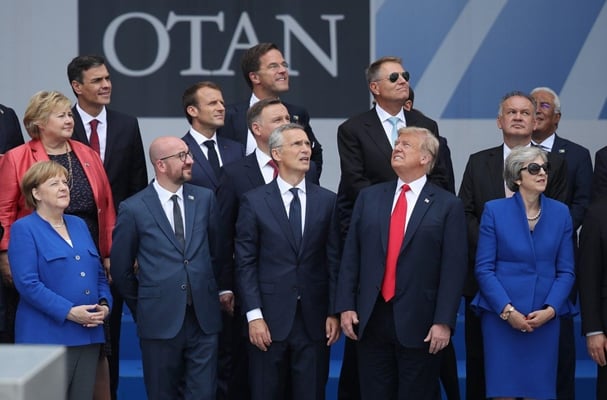
He said Trump has clearly announced that NATO members in Europe must allocate more spending to the organization, and added Trump will likely go ahead with his demand. He said Europe will probably decide to form its own army, in which case NATO could be greatly weakened.

The commentator also touched upon Britain’s plan to leave the European Union. He said London plans to have better trade relations with the US after the Brexit goes into effect, but this is a far-fetched idea. He said Britain favours free trade relations, but Trump is unlikely to be happy with it.

Shakespeare also touched upon the Iran issue. He said negotiations over Iran have no chance of success. The analyst said Trump intends to bring Iran’s oil exports to zero.

According to the commentator, there is only one way that Washington can do this, and that is to station vessels in the Persian Gulf, so that Iranian oil tankers will not be able to leave ports.

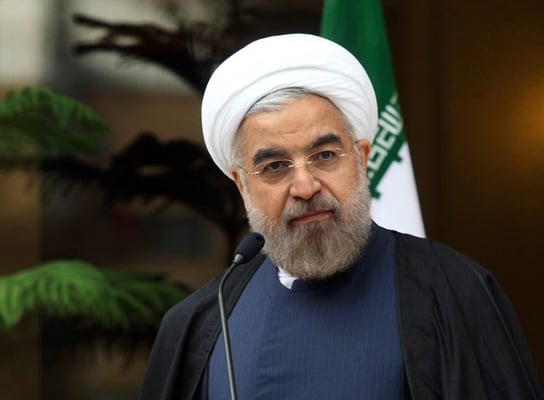
He said President Rouhani has also announced that if Iran’s petroleum exports are stopped, there will be no replacement for it.

He further noted that Trump not only wants to wreck the Iran nuclear deal, but is determined to shatter Iran. Shakespeare said he believes there is no chance for talks over Iran, and even if negotiations take place, they will result in no change.
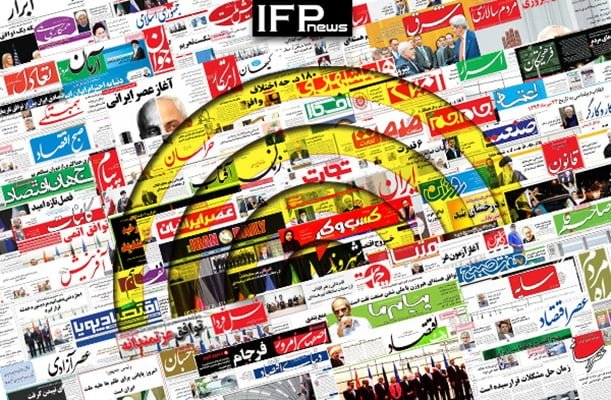
A Look at Iranian Newspaper Front Pages on July 14

A Look at Iranian Newspaper Front Pages on November 19

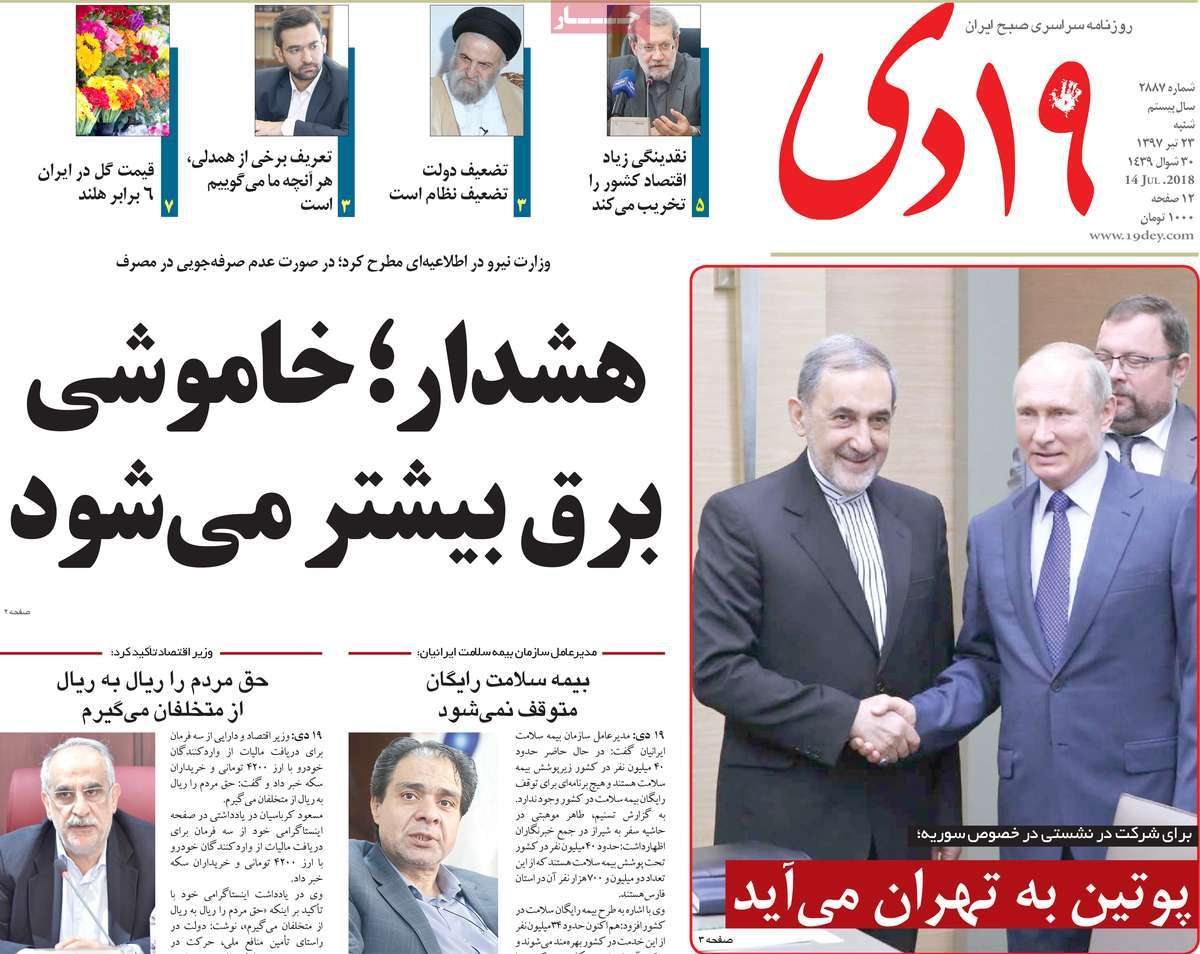
The top story in all newspapers today was the visit of Ali Akbar Velayati to Moscow as the special envoy of Iran, who delivered messages from Iran’s Leader and President to Vladimir Putin. His comments after meeting the Russian president particularly received great attention, and were the focus of headlines in a number of papers.

Also a top story was US President Donald Trump’s visit to London, which outraged many Britons who took to the streets to hold protest rallies against the trip.

A meeting of the North Atlantic Treaty Organisation (NATO) and Trump’s comments during the summit also received great coverage.
The above issues, as well as many more, are highlighted in the following headlines and top stories:


19 Dey:

1- Putin to Visit Iran

A Look at Iranian Newspaper Front Pages on July 14


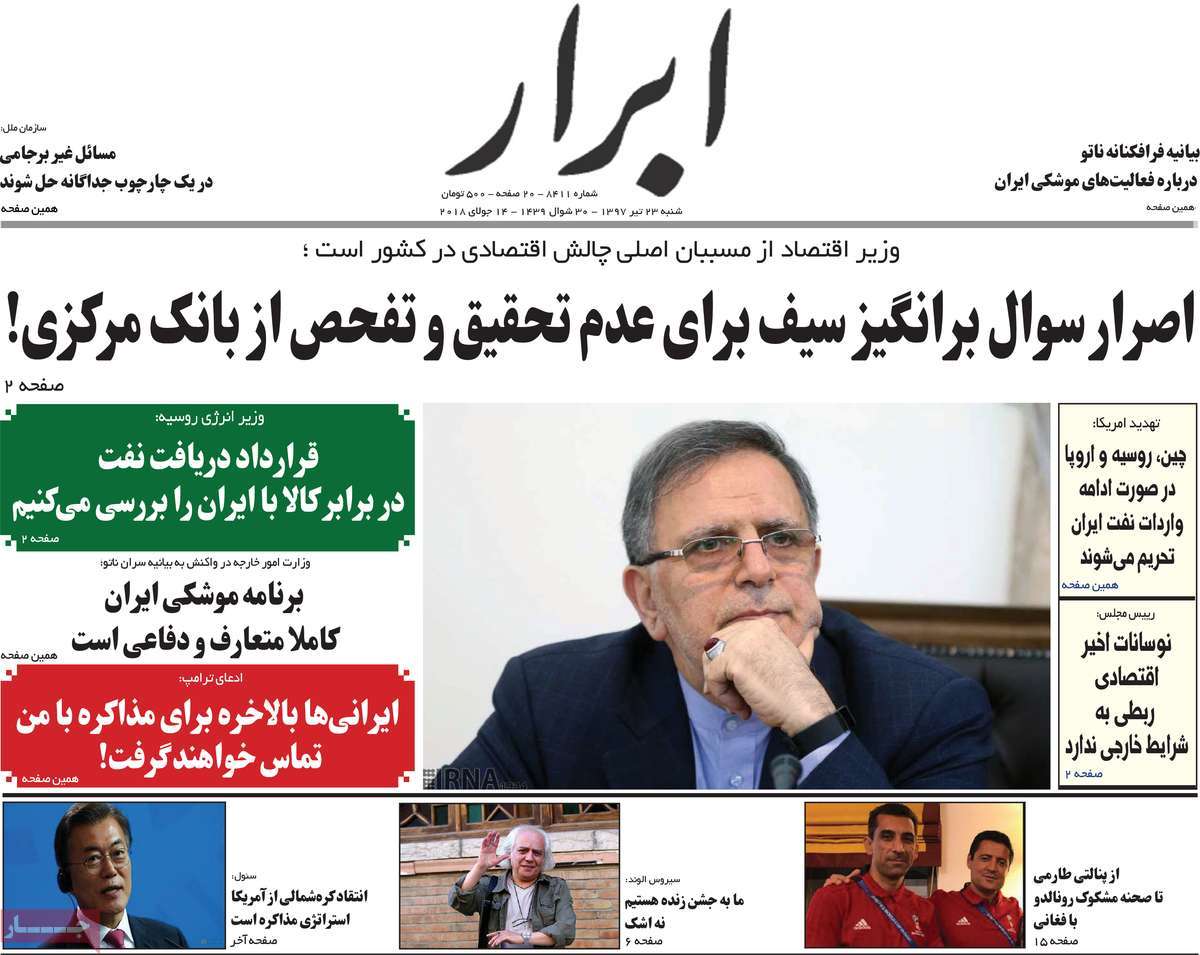
Abrar:

1- US Threatens to Impose Sanctions on China, Russia, Europe If They Keep Importing Iran’s Oil

2- Foreign Ministry: Iran’s Missile Program Totally Defensive, Conventional

A Look at Iranian Newspaper Front Pages on July 14


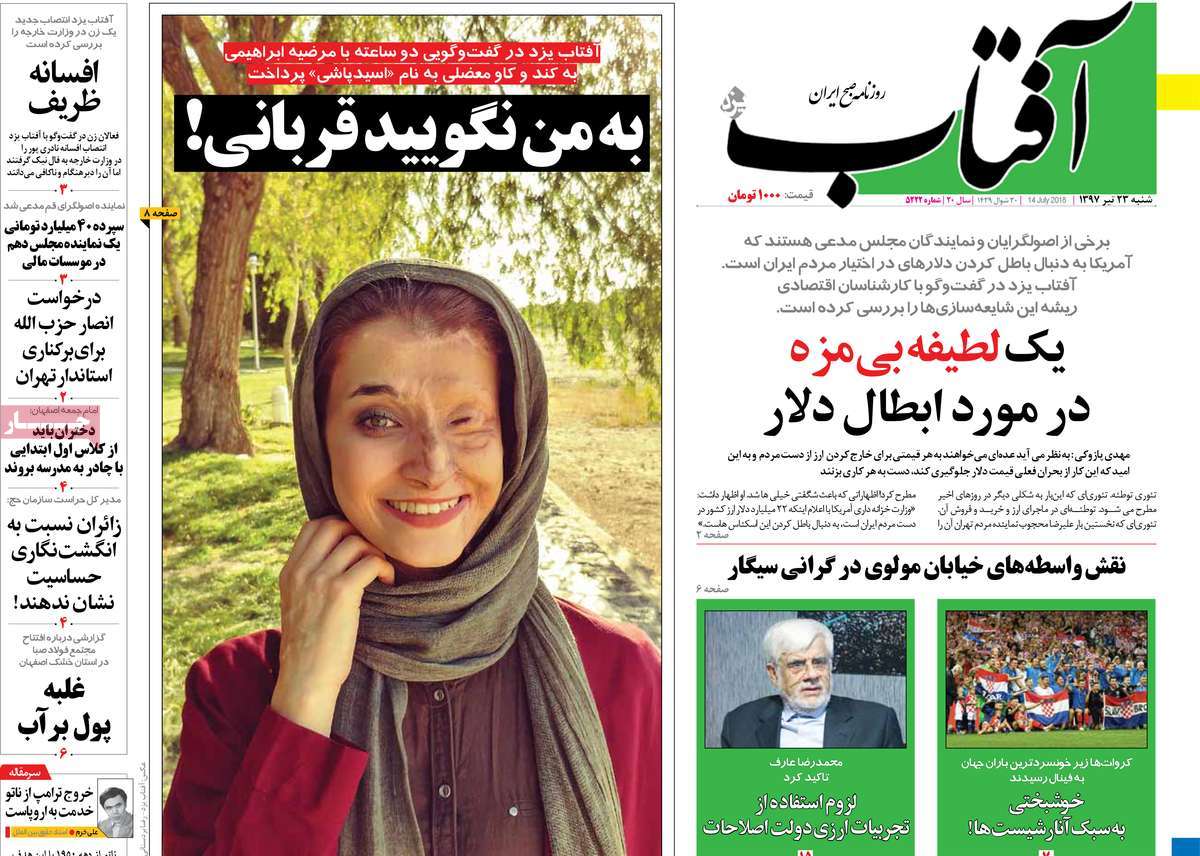
Aftab-e Yazd:

1- Afsaneh Nadipour Appointed as Zarif’s Senior Assistant

  • Experts Believe Her Appointment Is Good, but Late, Insufficient

A Look at Iranian Newspaper Front Pages on July 14


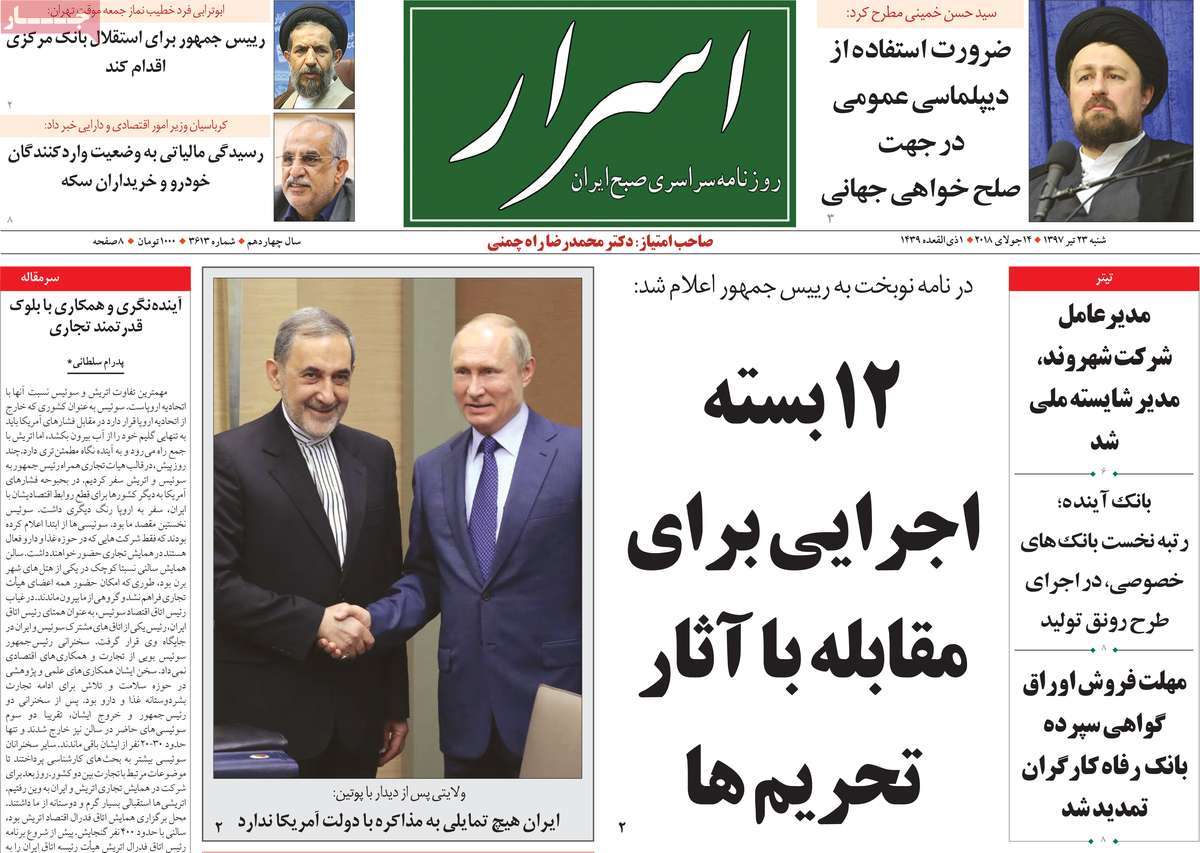
Asrar:

1- Imam Khomeini’s Grandson Highlights Necessity of Using Public Diplomacy to Achieve Global Peace

A Look at Iranian Newspaper Front Pages on July 14


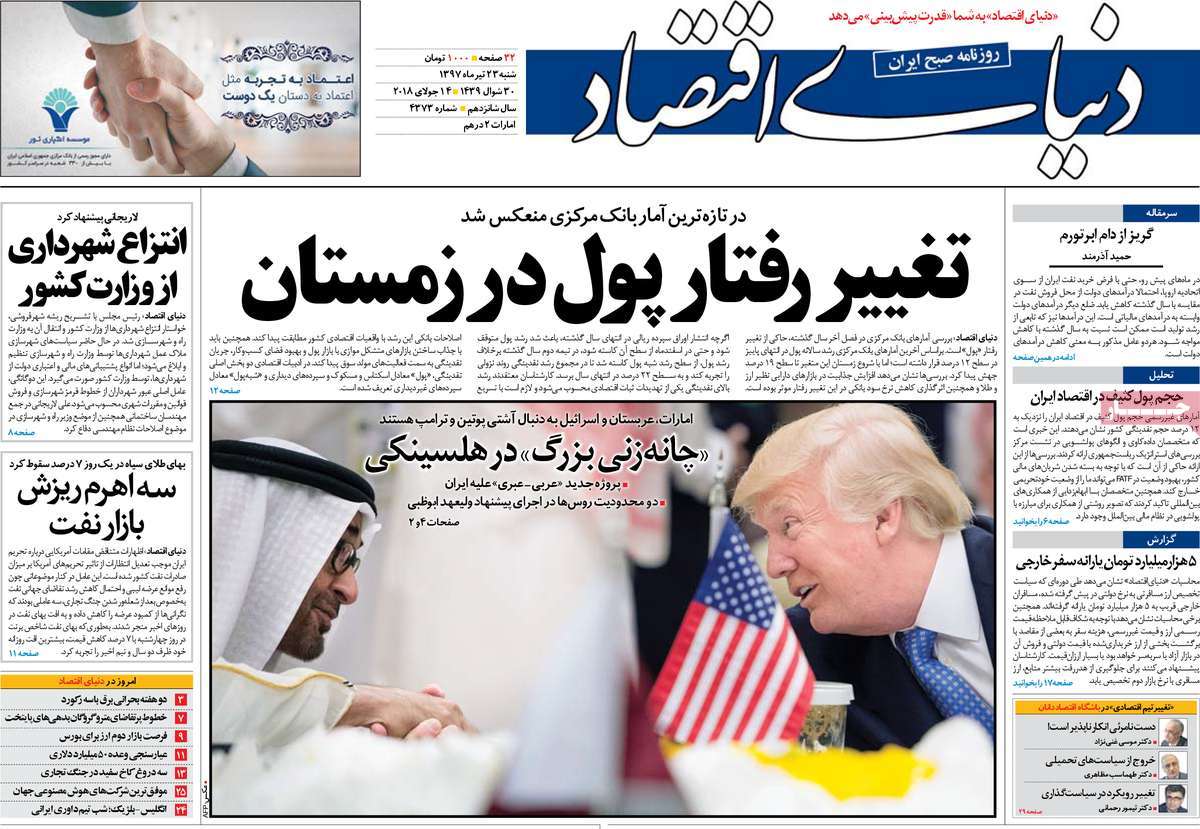
Donya-ye Eqtesad:

1- Great Bargaining in Helsinki: UAE, Saudi Arabia, Israel Trying to Mediate between Putin, Trump

A Look at Iranian Newspaper Front Pages on July 14


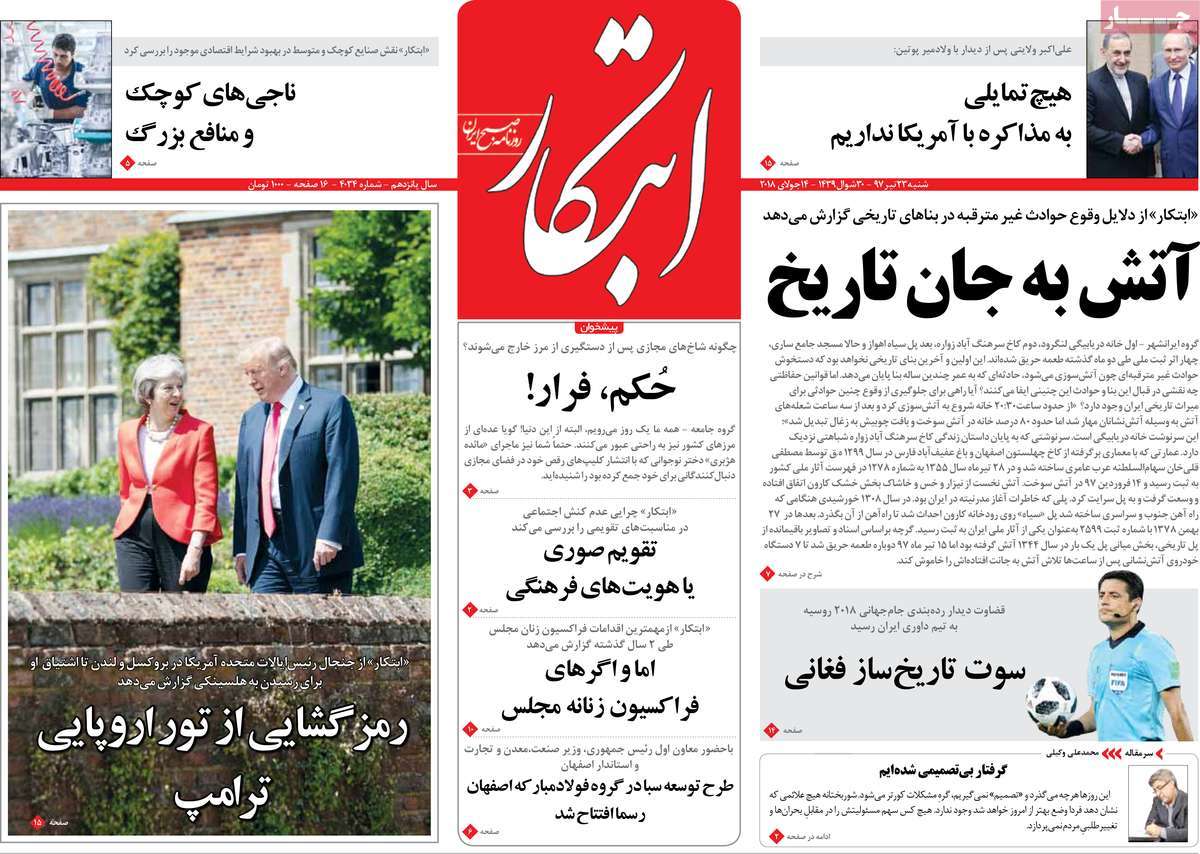
Ebtekar:

1- A Report on Trump’s European Tour

  • From Controversies in Brussels, London to Trump’s Eagerness to Arrive in Helsinki

2- Faghani to Make History by Officiating Third-Place FIFA World Cup Match

A Look at Iranian Newspaper Front Pages on July 14


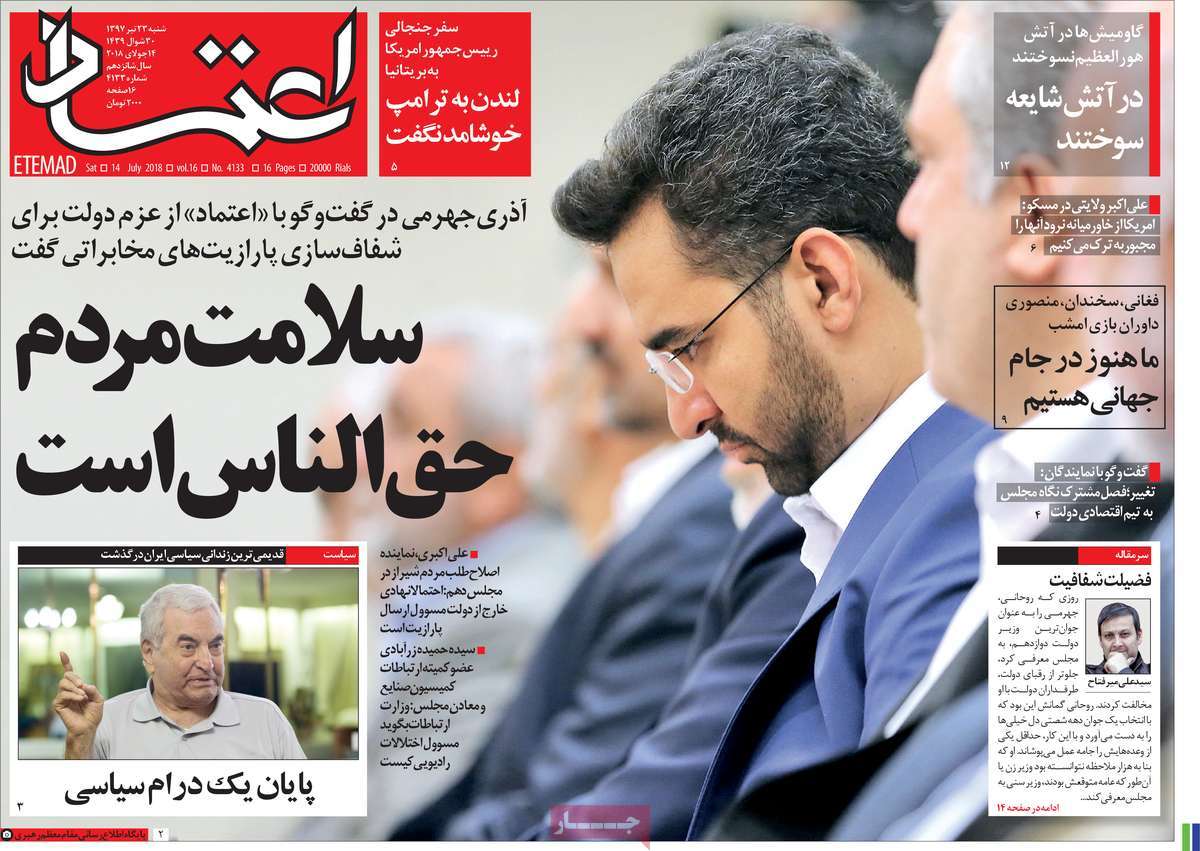
Etemad:

1- Health Is People’s Right: Gov’t Resolved to Fight Signal Jamming

2- London Did Not Welcome Trump

A Look at Iranian Newspaper Front Pages on July 14


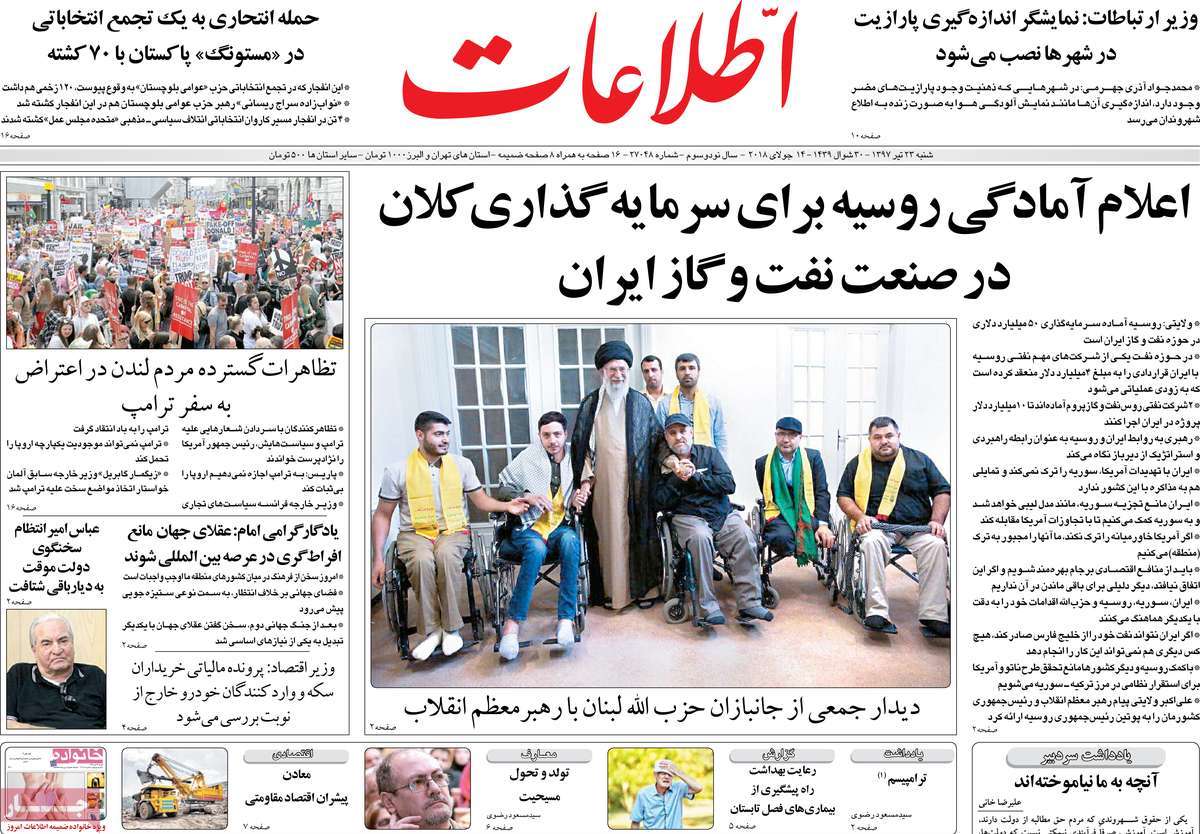
Ettela’at:

1- Russia Ready to Make Macro-Investment in Iran’s Oil, Gas Industries

2- People in London Hold Massive Protest Rallies against Trump’s Visit

A Look at Iranian Newspaper Front Pages on July 14


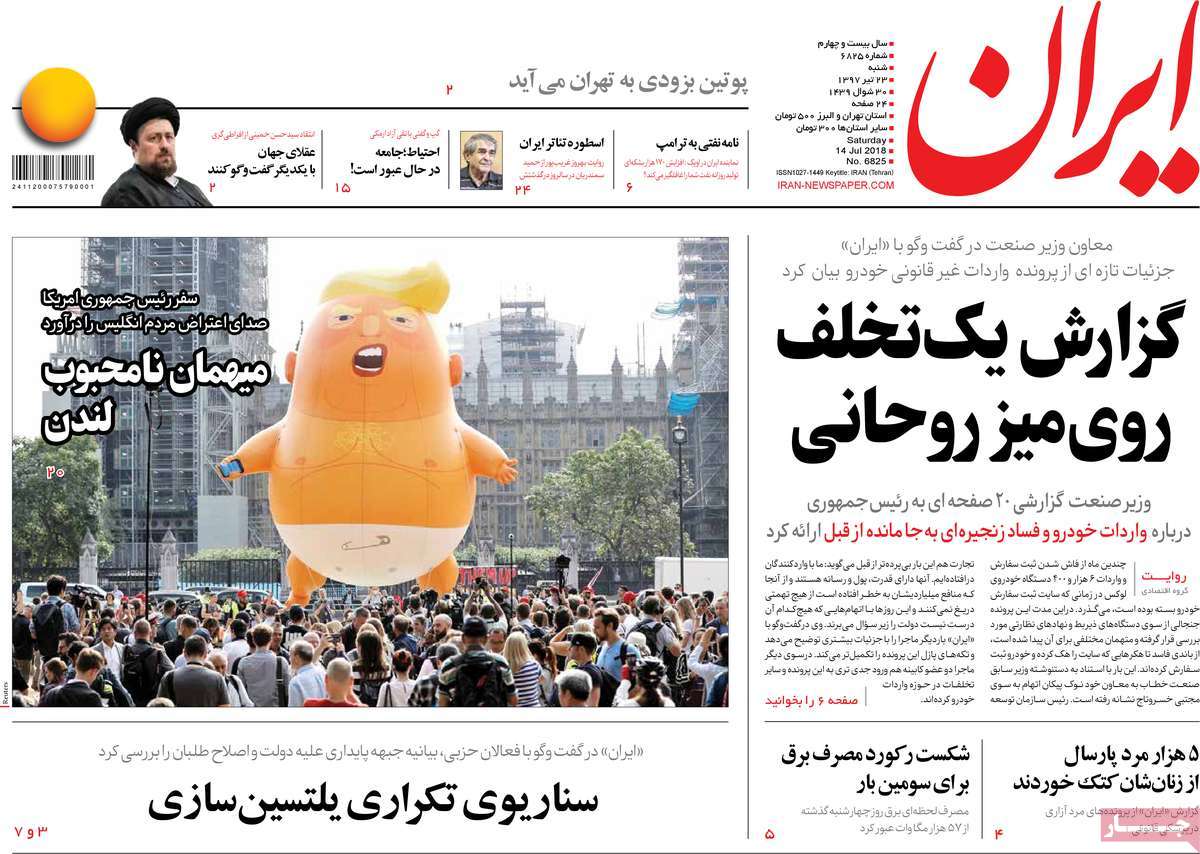
Iran:

1- London’s Unpopular Guest: US President’s Visit Outrages Britons

2- 5,000 Men Beat by Their Wives in Iran Last YearA Look at Iranian Newspaper Front Pages on July 14


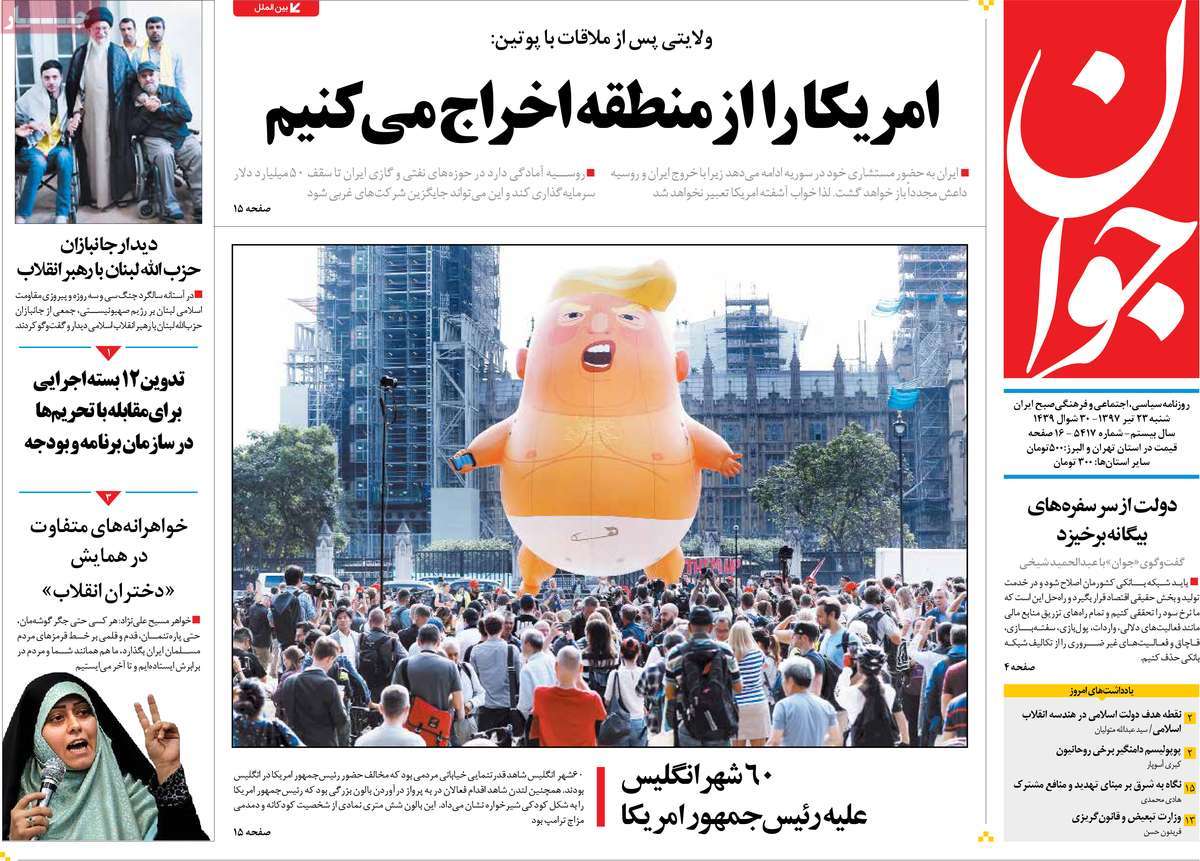
Javan:

1- Velayati after Meeting Putin: We’ll Expel US from Middle East

2- 60 Cities in Britain against US President

A Look at Iranian Newspaper Front Pages on July 14


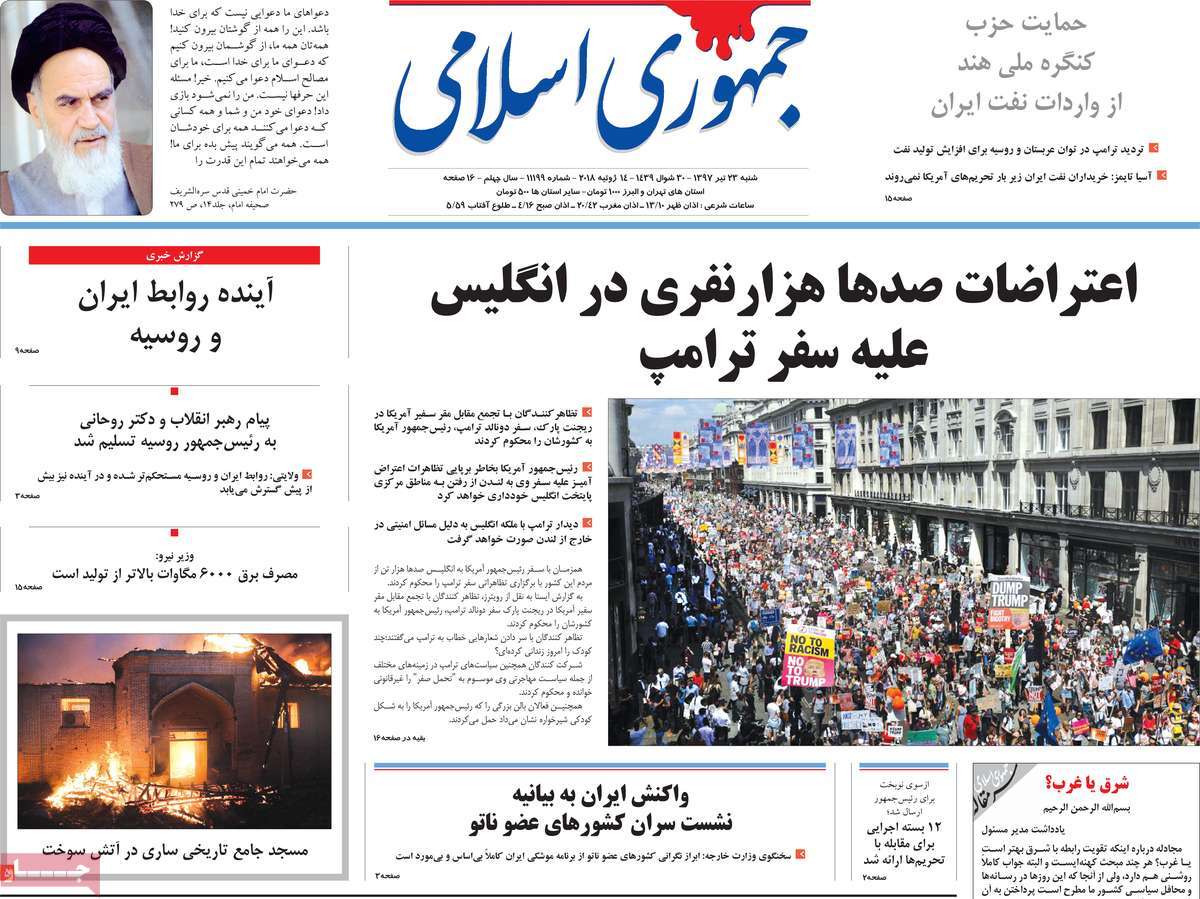
Jomhouri Eslami:

1- Indian National Congress Party Supports Oil Imports from Iran

A Look at Iranian Newspaper Front Pages on July 14


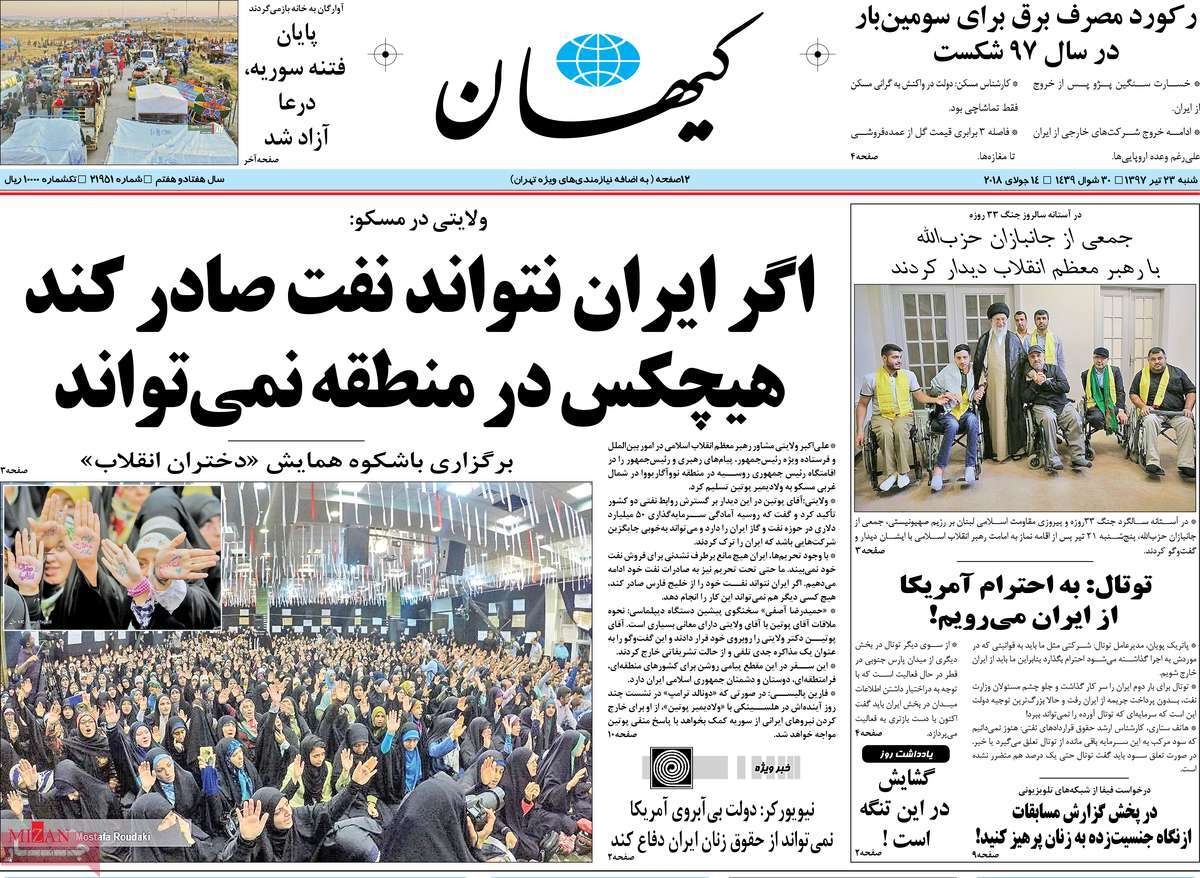
Kayhan:

1- Velayati in Moscow: If Iran Can’t Export Oil, No One in Region Can Do So

2- Total Says It Respects US’ Decision and Leaves Iran!

A Look at Iranian Newspaper Front Pages on July 14


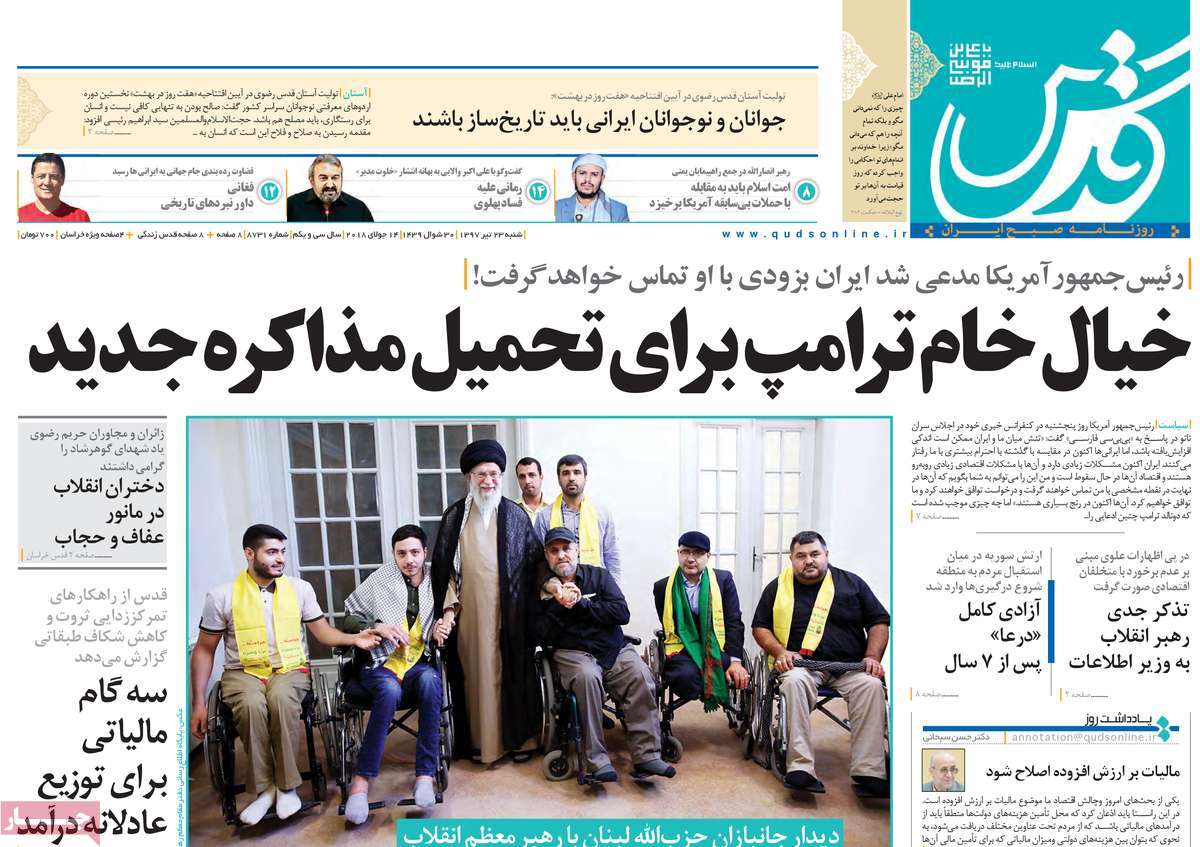
Quds:

1- Lebanese Hezbollah’s Wounded War Veteran Meets with Iran Leader

A Look at Iranian Newspaper Front Pages on July 14


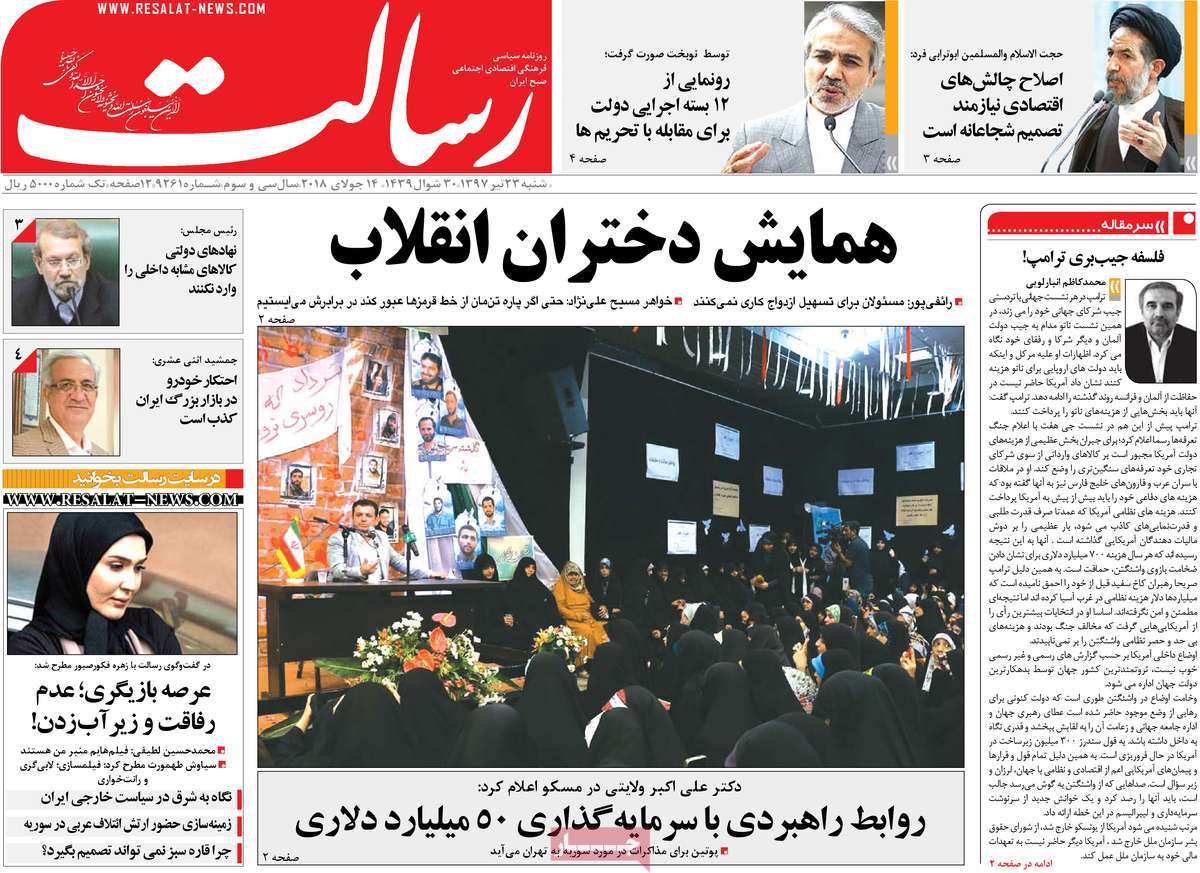
Resalat:

1- Government Unveils 12 Plans to Counter US Sanctions

A Look at Iranian Newspaper Front Pages on July 14


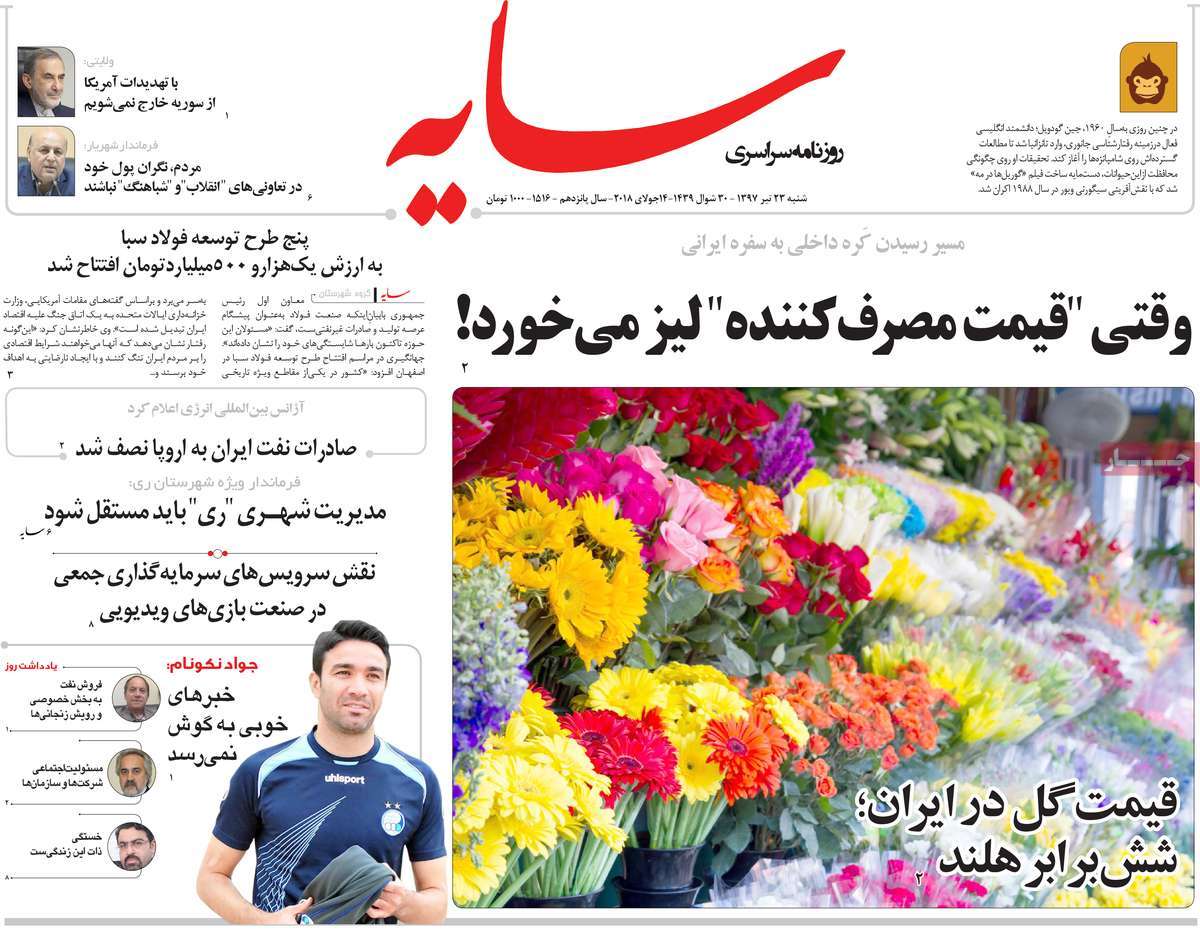
Sayeh:

1- Price of Flower in Iran 6 Times Higher than Netherlands

A Look at Iranian Newspaper Front Pages on July 14


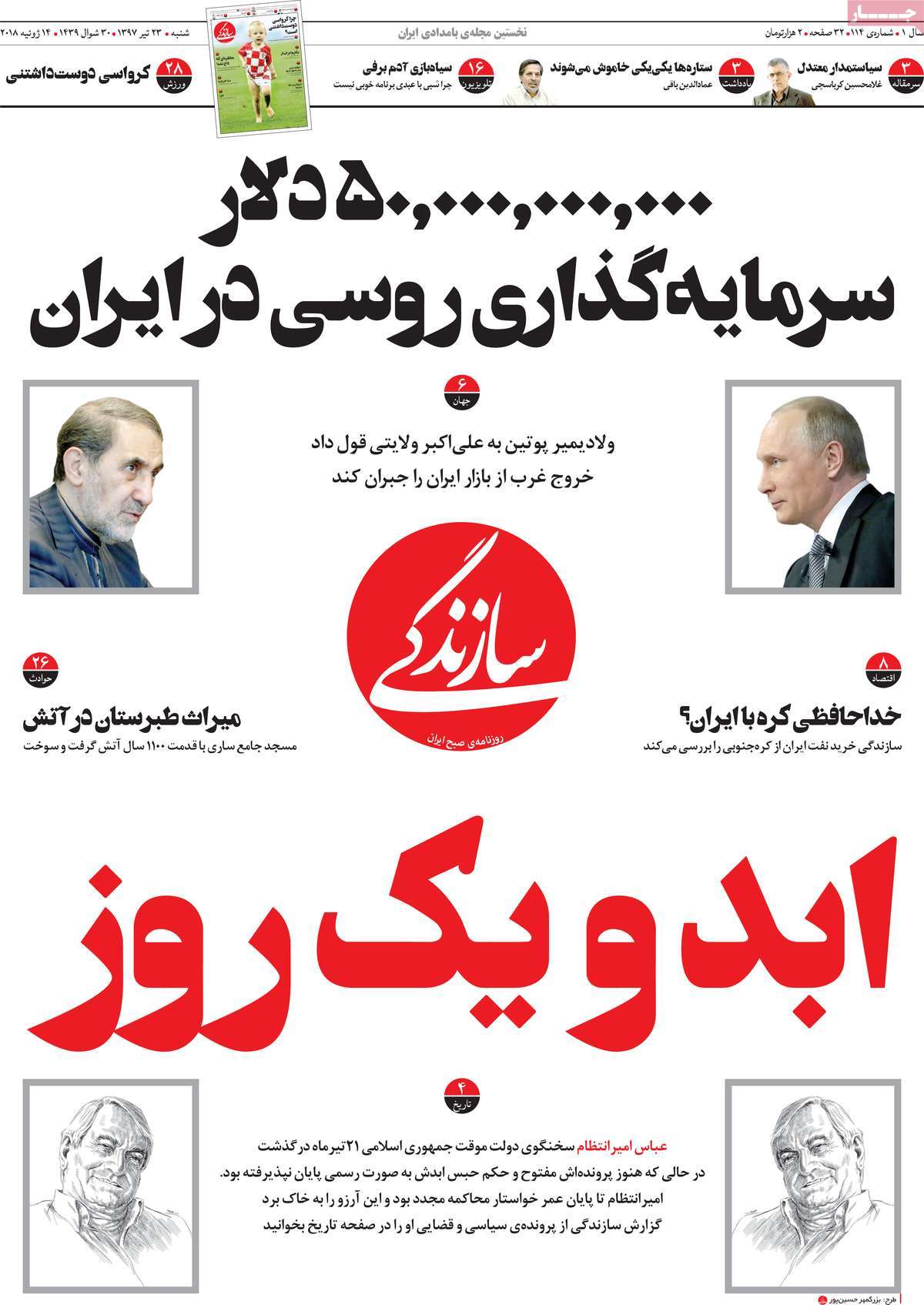
Sazandegi:

1- Russia to Make $50 Billion Investment in Iran

  • Putin Promises Velayati to Compensate for West’s Withdrawal from Iran Market

A Look at Iranian Newspaper Front Pages on July 14


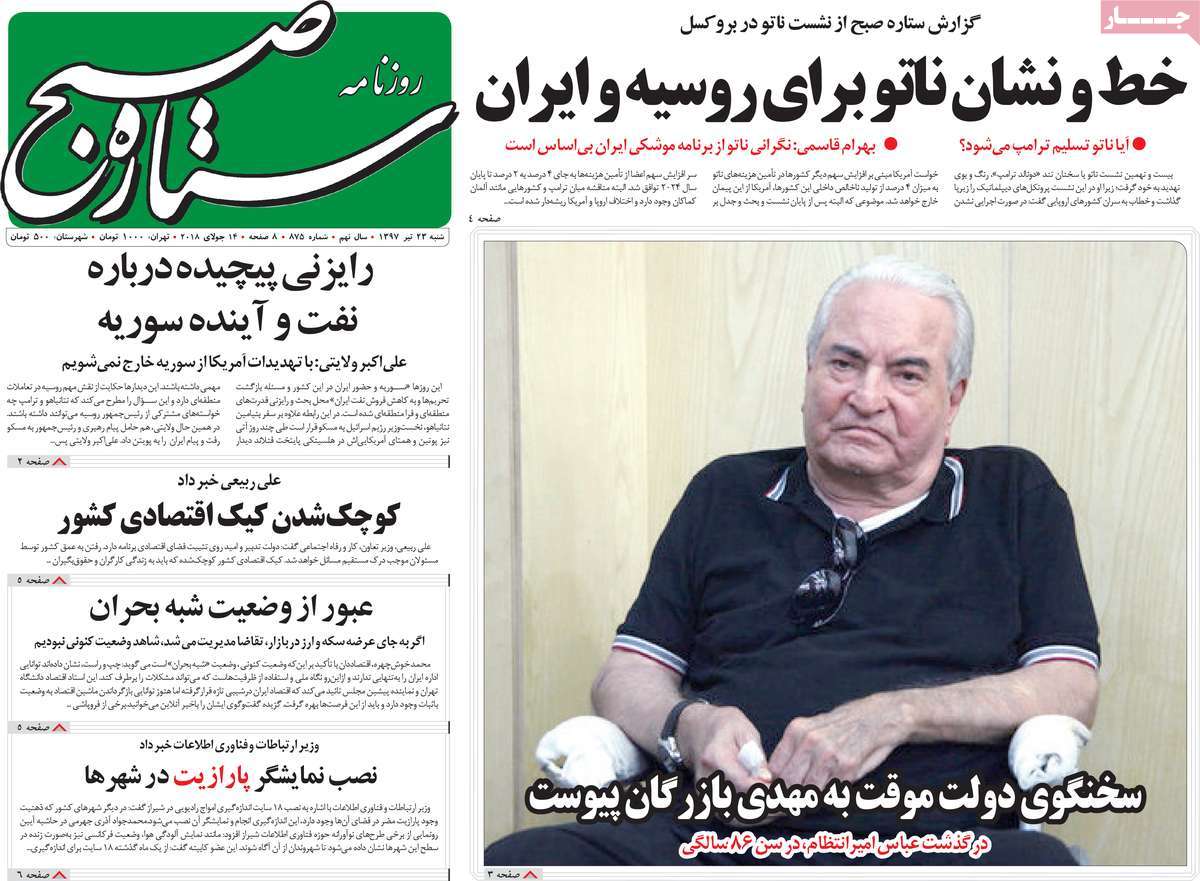
Setareh Sobh:

1- NATO Threatens Iran, Russia

  • Will NATO Submit to Trump?

A Look at Iranian Newspaper Front Pages on July 14


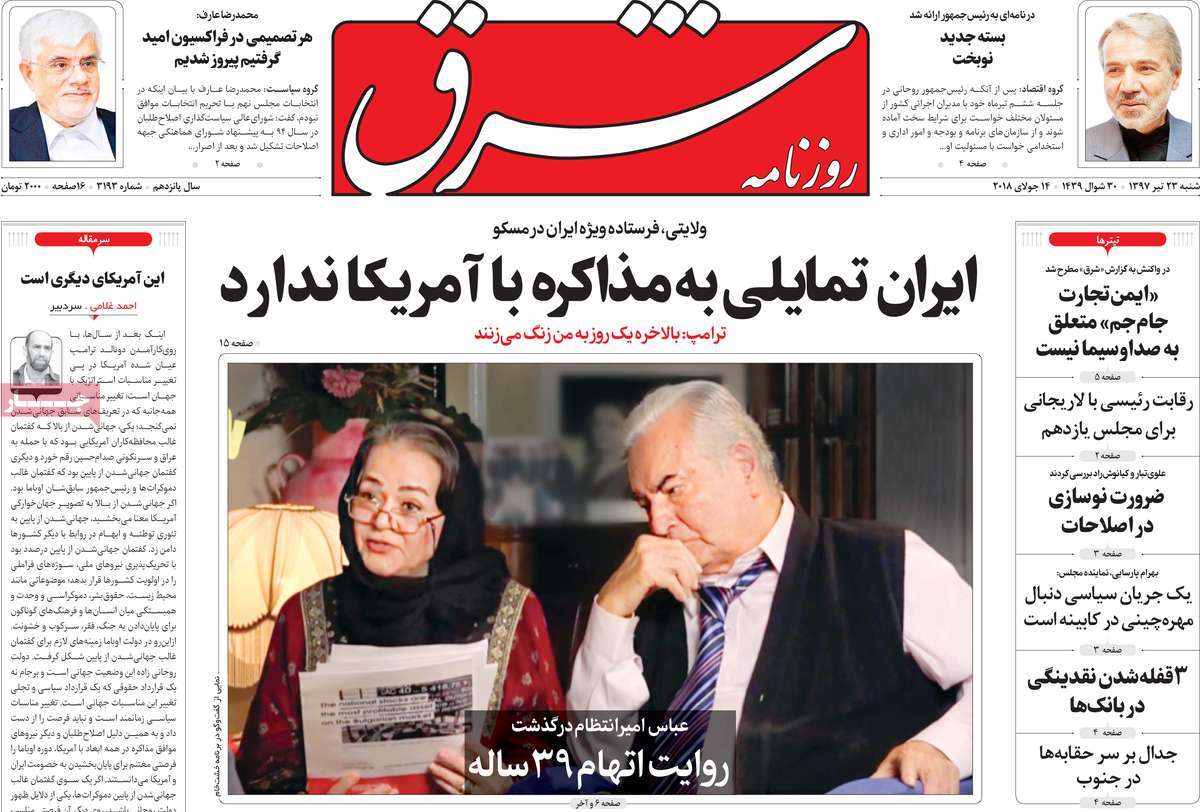
Shargh:

1- Velayati: Iran Not Interested in Holding Talks with US

2- Trump: Iranians Will Finally Call Me

A Look at Iranian Newspaper Front Pages on July 14


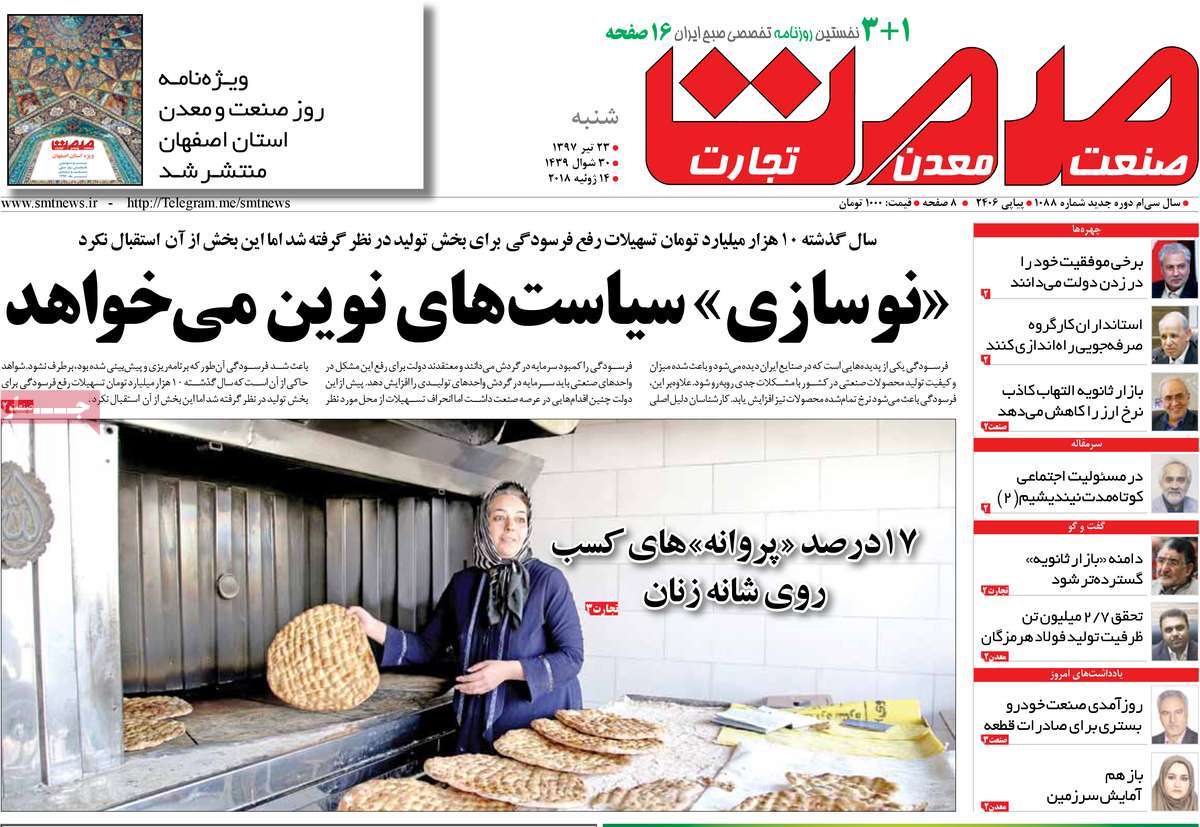
SMT:

1- 17% of Business Licences Issued for Women

A Look at Iranian Newspaper Front Pages on July 14


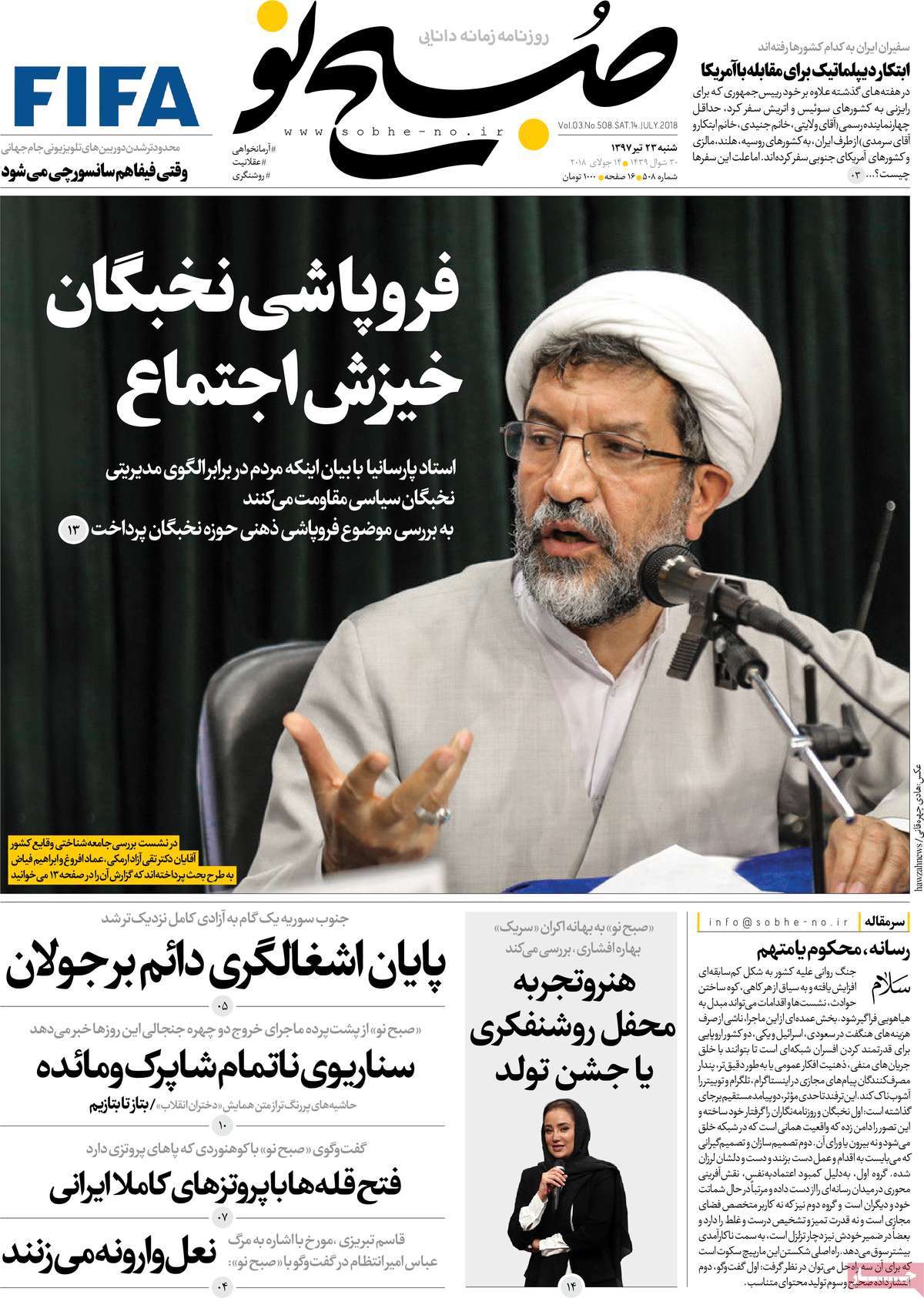
Sobh-e Now:

1- Diplomatic Initiative to Counter US

  • Which Countries Iranian Ambassadors Visited?
  • Iran Sends Special Envoys to Russia, Netherlands, Malaysia, Latin America
  • Rouhani Also Visited Switzerland, Austria

A Look at Iranian Newspaper Front Pages on July 14

Legislation Watchdog Rejects FATF Amendments to Iran’s CTF Law

Foreign Ministry Condemns FATF’s Blacklisting of Iran

Speaking in a presser in Tehran on Saturday, Abbasali Kadkhodaei said the council’s members have found the legislation to be in violation of Iran’s Constitution,

According to a report by Tasnim News Agency, Kadkhodaei said the members believe introducing such amendments are not within the area of responsibility of the parliament and they should instead be presented by the Judiciary.

Kadkhodaei also said the Guardian Council has also rejected legislation to join the United Nations Convention against Transnational Organized Crime known as Palermo Convention.

The spokesman said the council has found three faults with the legislation, including that it is against Resistance Economy principles and also against security policies of the country.

The two sets of legislation have been sent back to the parliament to be modified, the spokesman said.

If lawmakers do not accept the Guardians Council’s view, the legislation will be sent to the Expediency Council, which is entrusted with acting as an arbiter between the two bodies.

Iran’s implementation of FATF standards has become highly controversial in recent months. Iran has for many years found itself in a blacklist of countries not doing enough to combat money laundering and terrorism financing by the G7-created FATF.

Following the January 2016 implementation of the JCPOA, the FATF suspended countermeasures against the country and entered into talks with the Iranian government that led to an action plan.

Opponents of FATF argue joining the organization makes the country vulnerable to outside meddling and it could hamper Iran’s support for allies such as Hezbollah.

But advocates believe the return of Iran to the FATF’s blacklist will isolate Iran from the global economy and provide support for those who seek to undermine JCPOA.

Moreover, the advocates, including Iran’s Deputy Foreign Minister Abbas Araqchi, believe that joining the FATF will pose no security threat against the country.

In its last meeting held on June 29, the FATF lamented that “Iran’s action plan has expired with a majority of the action items remaining incomplete” and gave Iran until October to implement necessary reform.

This is while Iran’s Leader Ayatollah Seyyed Ali Khamenei recently suggested that Iran did not have to join international conventions such as FATF when the consequences are not clear.

Speaking on June 20, the Leader said the parliament should pass legislation to combat money laundering according to its own criteria.

Iran Says US Sanctions Great Opportunity for Domestic Producers

Rouhani made the comment at the end of a joint meeting of the heads of three branches of government on Saturday.

He said the current situation will also be a good chance for exporters to offer domestically-produced goods on foreign markets.

Rouhani noted that the government has set aside the foreign currency needed to provide basic commodities for people in the country.

He said US sanctions will not cause major problems for Iran in the fields of energy, transportation, basic goods and production.

The president underlined that Washington’s sanctions are aimed at pressuring Iranian people.
He said the policies adopted by the White House vis-à-vis Iran, Middle East countries and even its own allies cannot continue.

President Rouhani underscored that the Iranian government and people will continue to work in tandem to foil enemy plots through resistance, planning and engagement with friendly states.

The president said the Iranian government will press ahead with plans to create jobs.

He said plans have also been set in motion to hand over unfinished projects to people and the private sector.

President Rouhani underlined that the US is isolated in the eyes of world nations, and is “more isolated than ever among Iranian people” over the sanctions it is imposing on the country.

He said the US government is hated in the Muslims world while facing problems at home, too.

Tehran Urges Paris to Stand against US’ Unilateralism

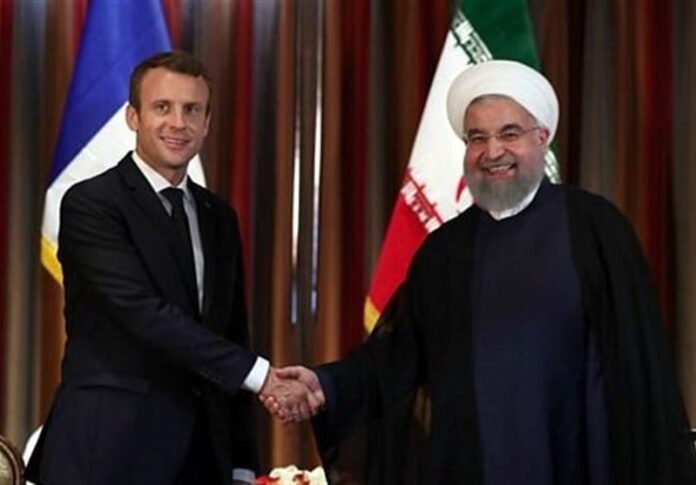
In a message to his French counterpart on Saturday, President Rouhani congratulated France’s government and nation on the Bastille Day, the national day of France which is celebrated on July 14 every year.

In the congratulatory message to Emmanuel Macron, the Iranian president has expressed the hope that mutual cooperation between Tehran and Paris and using the common views and the existing capacities would strengthen their age-old relations at the bilateral, regional and international levels.

President Rouhani also hoped that joint efforts could help to counter the policy of unilateralism pursued by certain countries and to uphold multilateralism.

Bastille Day is the French national holiday, which marks the storming of the Bastille in the 1700s and the beginning of republican democracy and the end of tyrannical rule.

In the 18th century, France was in deep economic and political crisis and people were unhappy with King Louis XVI’s reign, which was dominated with food shortages and high taxes.

The Bastille was a medieval fortress and prison, which held many political dissidents, and had become a symbol of oppression and injustice in Paris.

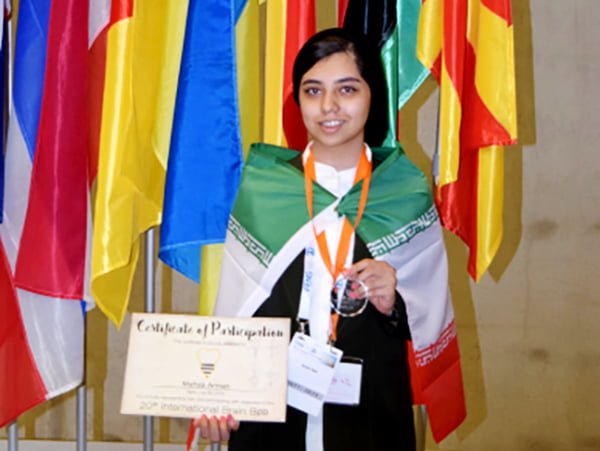
Iran Finishes 4th at Int’l Brain Bee Contests

Mahsa Arman managed to secure the fourth place at the event which brought together participants from 25 countries.

The contest was held in parallel with a conference of the Federation of European Neuroscience Societies.

The IBB contests are held every year in a different country in conjunction with a neuroscience conference, ISNA said in a Saturday report.

For a brief review of Iran’s achievements in various fields of science and technology, check the book “Science and Technology in Iran: A Brief Review

It brings together ingenious school students from around the world and prepares the ground for the promotion and development of disciplines associated with cognitive sciences.

National Brain Bee competitions are also held in Iran. The contests are organized by the Iranian Neuroscience Society in cooperation with the Education Ministry. The competitions are held every year in two phases in all provinces.

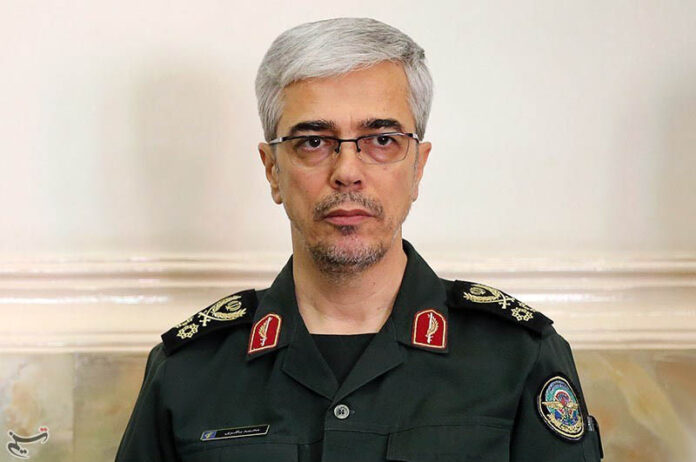
Iran’s Top General to Visit Pakistan

The visit will be made upon invitation by Chief of Army Staff of the Pakistan Army General Qamar Javed Bajwa, Fars News Agency reported on Saturday.

During the visit, Baqeri and his Pakistani counterpart will discuss latest developments in the region and explore ways of strengthening bilateral defence ties, border cooperation and anti-terror coordination.

The two generals will also follow up on agreements made during the visit of Bajwa to Iran last year.

The visit comes against a backdrop of improved border cooperation among the two countries, which has led to reduced attacks against Iranian troops in southeastern Sistan and Baluchestan Province by terrorists residing in Pakistan.

The border was a source of considerable tensions between Tehran and Islamabad, with Iran complaining Islamabad is lax in controlling the border.

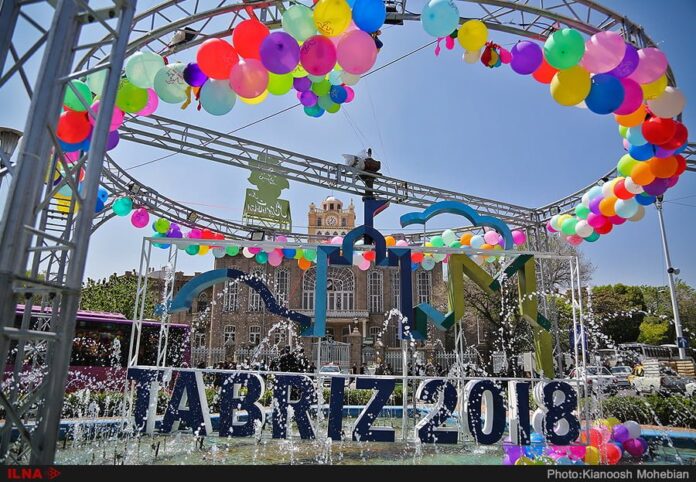
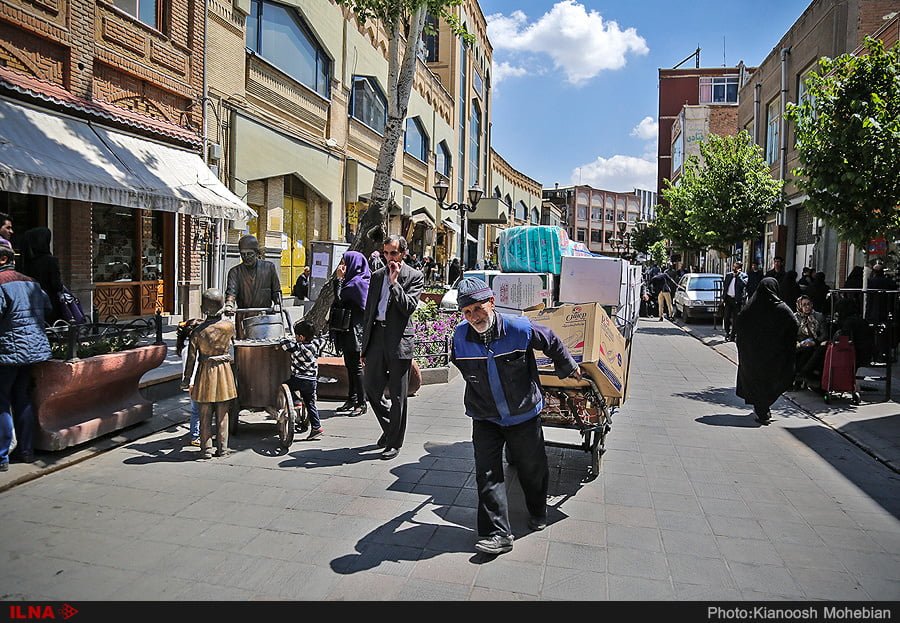
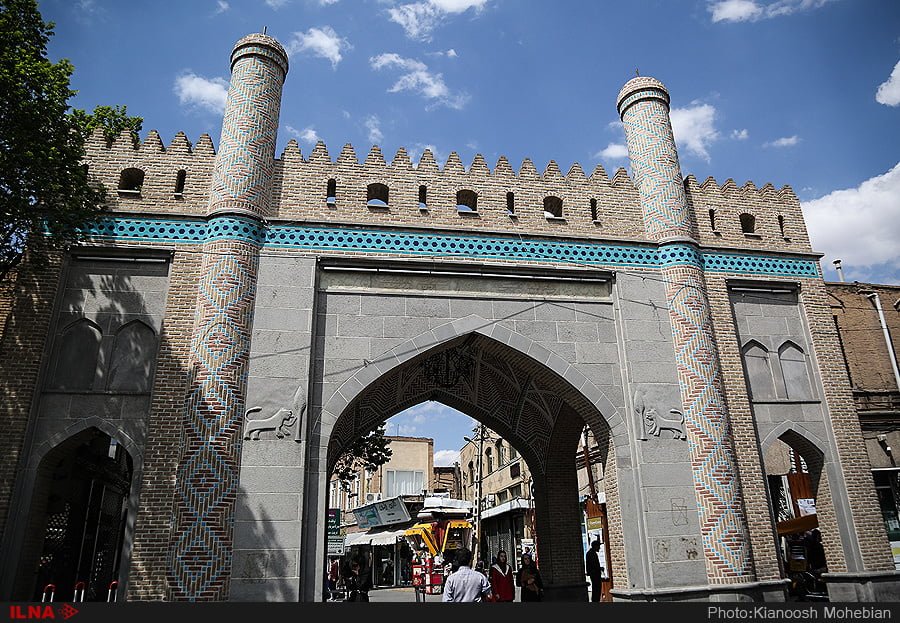
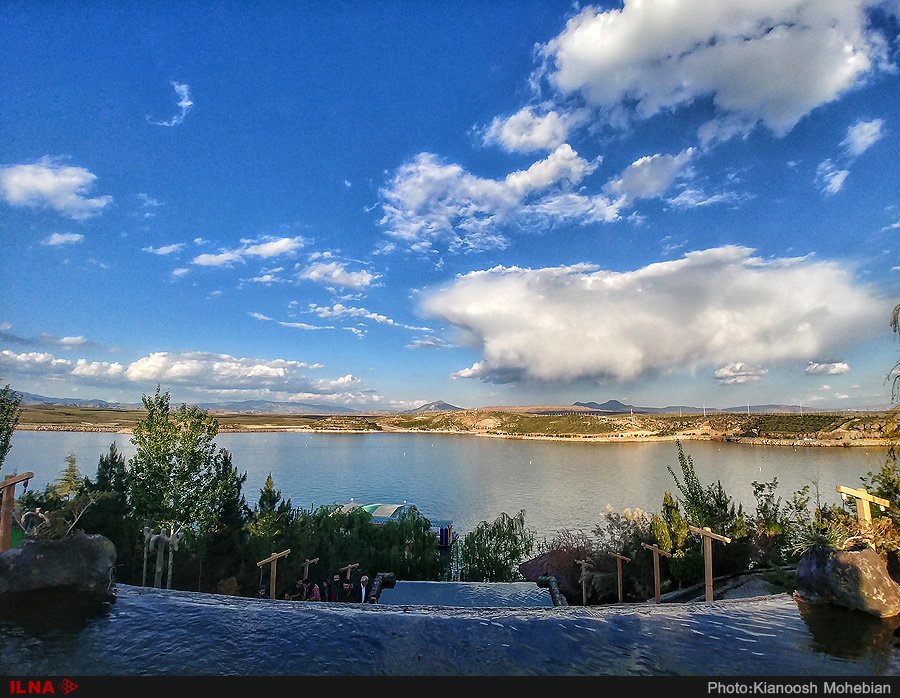
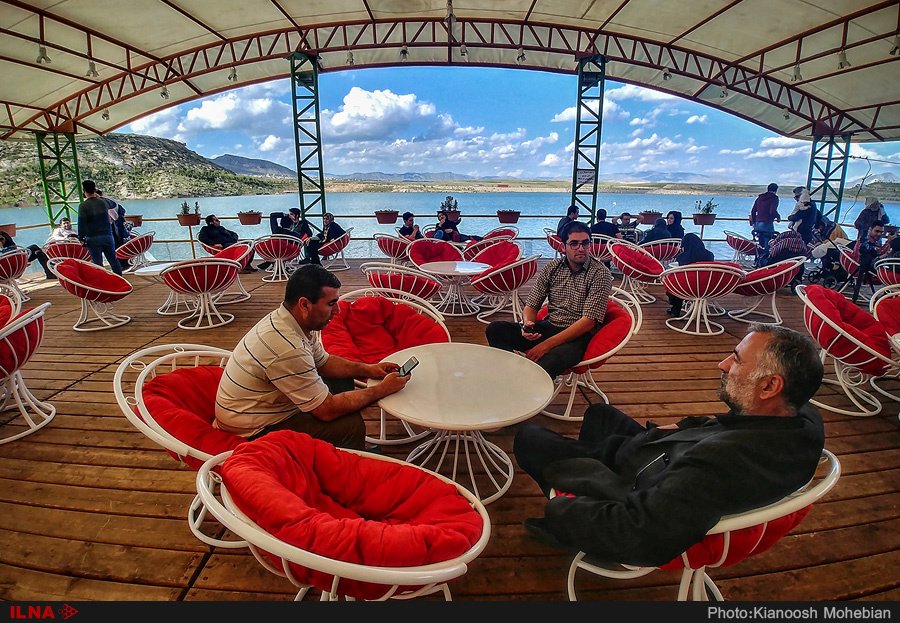
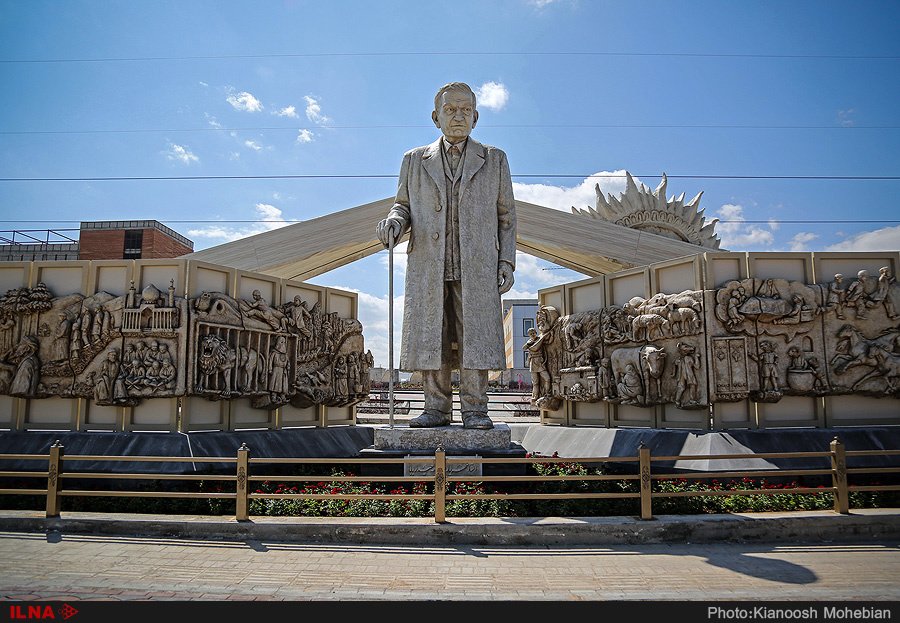
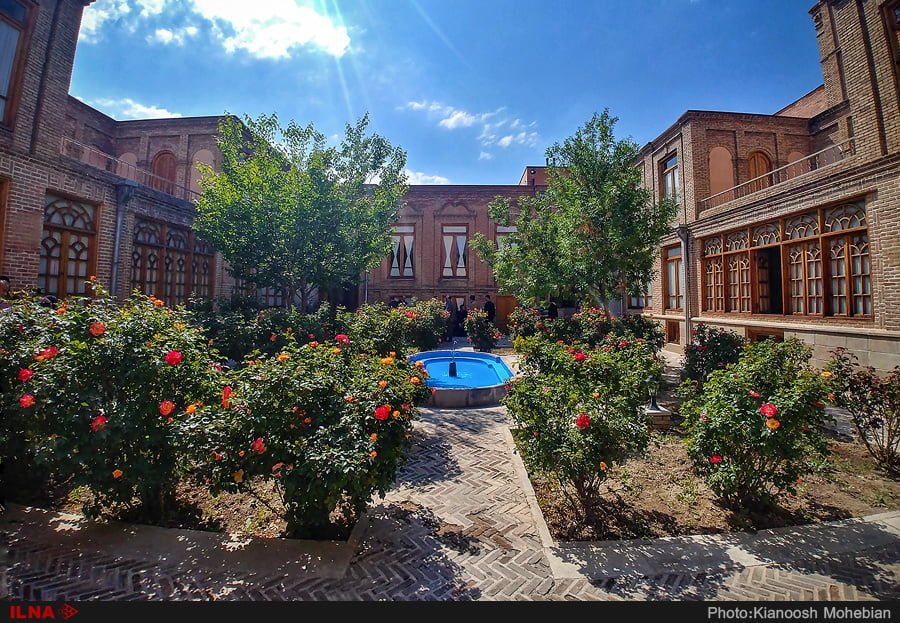
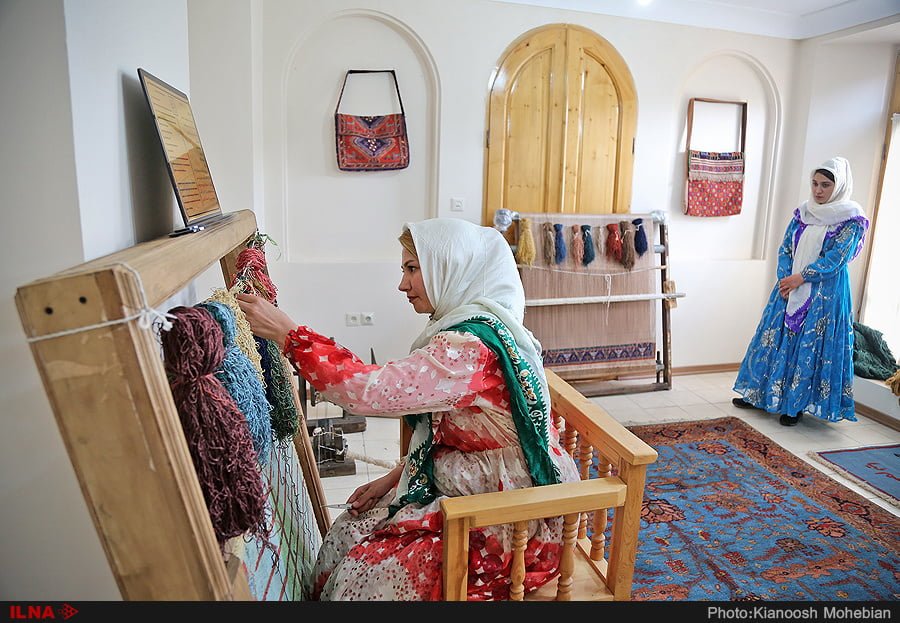
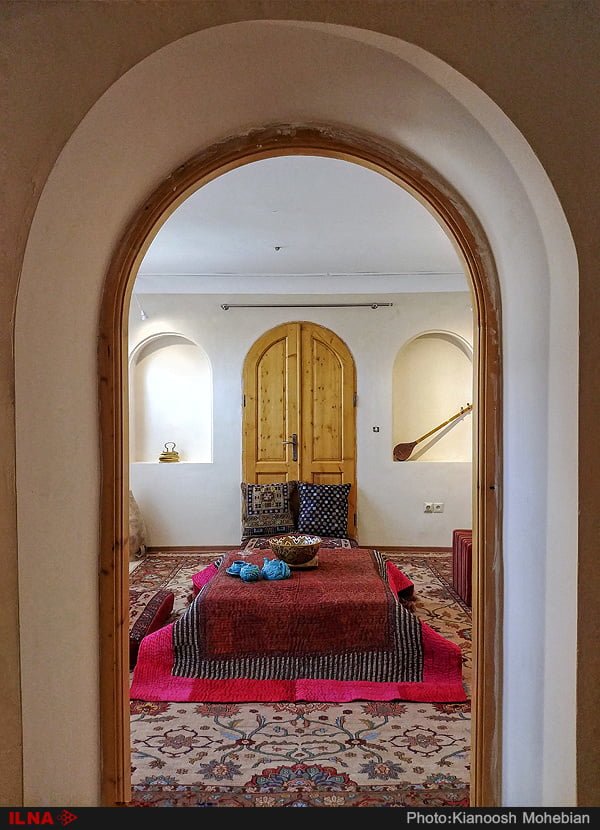
Tabriz; Must-See Capital of Islamic Tourism in 2018

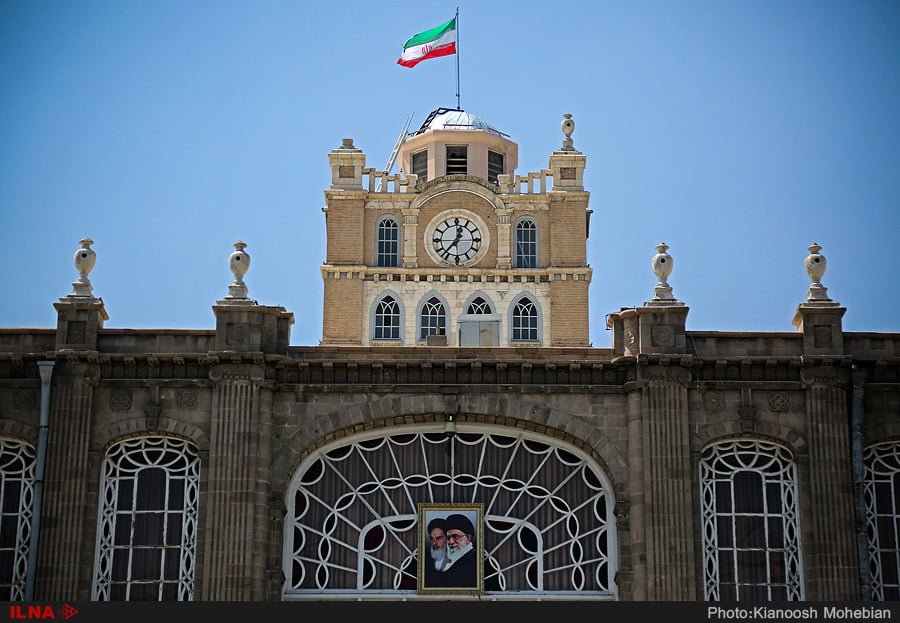
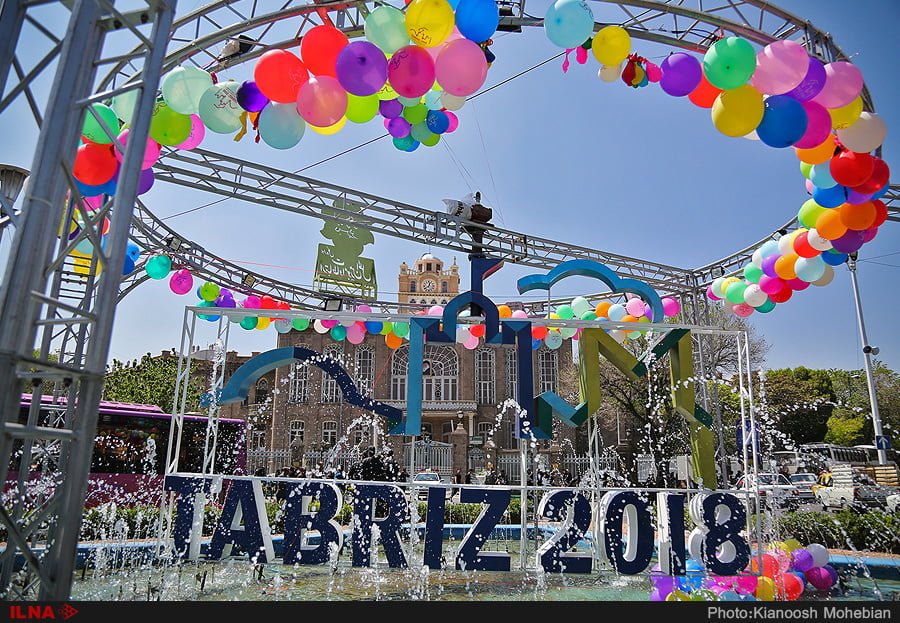
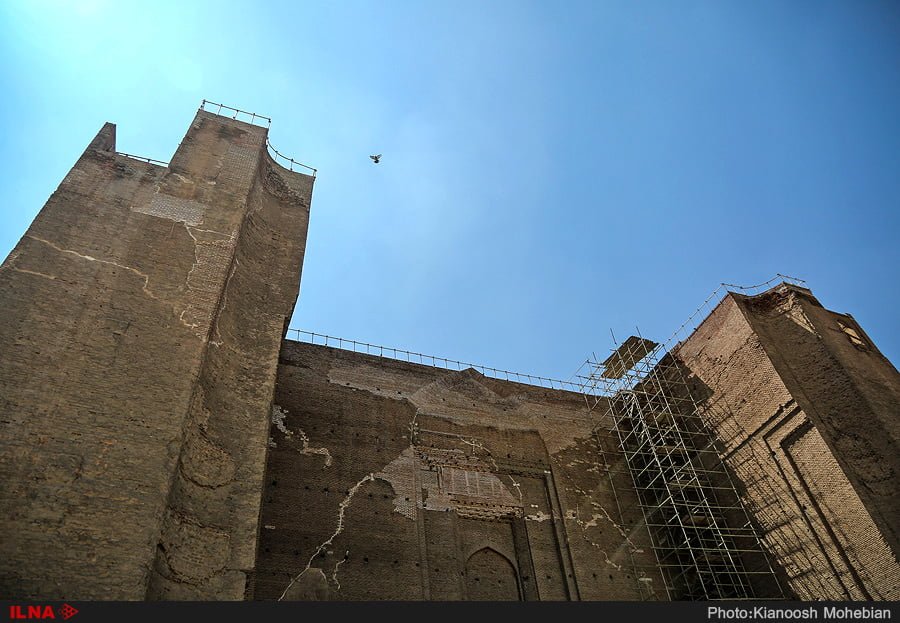
The Municipality (Clock) Square located in front of the Municipality Palace also known as the Clock Building

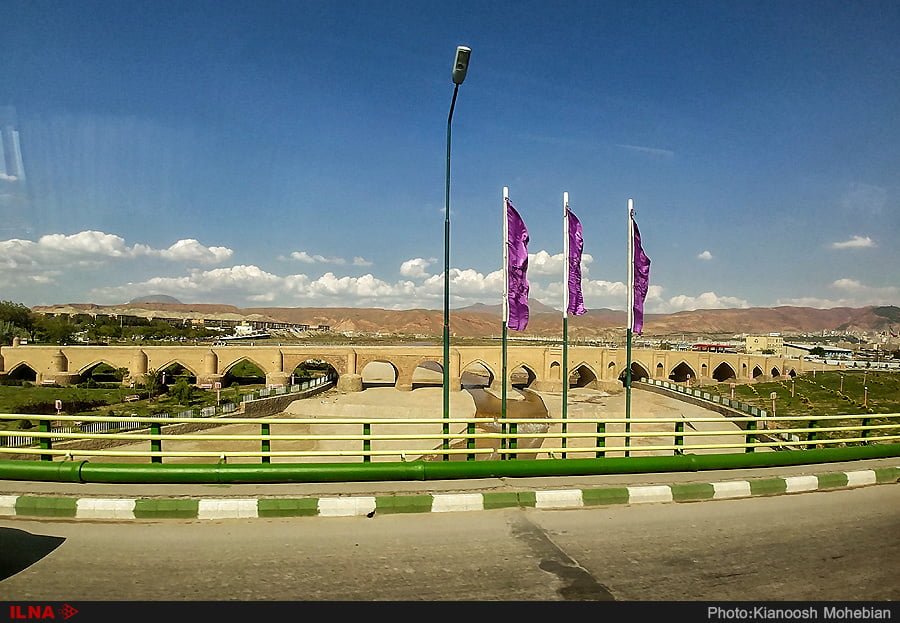
Tabriz is the largest city in northwest of the country and regarded as the administrative, industrial, trade, military, communications, commercial and cultural hub of that region. Tabriz used to be one of the longest-serving capitals of Iran. It was Iran’s political capital during the rules of Atabaks, Khwarazmians, the Ilkhanate, Safavids, etc., and was the capital of crown princes during the Qajar era.

Tabriz’s development and progress peaked during the Ilkhanate rule when the city served as the capital of a vast territory spanning all the way from Nile to Central Asia. Tabriz was the world’s fifth most populated city in 1500 BC during the Safavid era when its population was as large as that of Istanbul, the capital of the Ottoman empire.

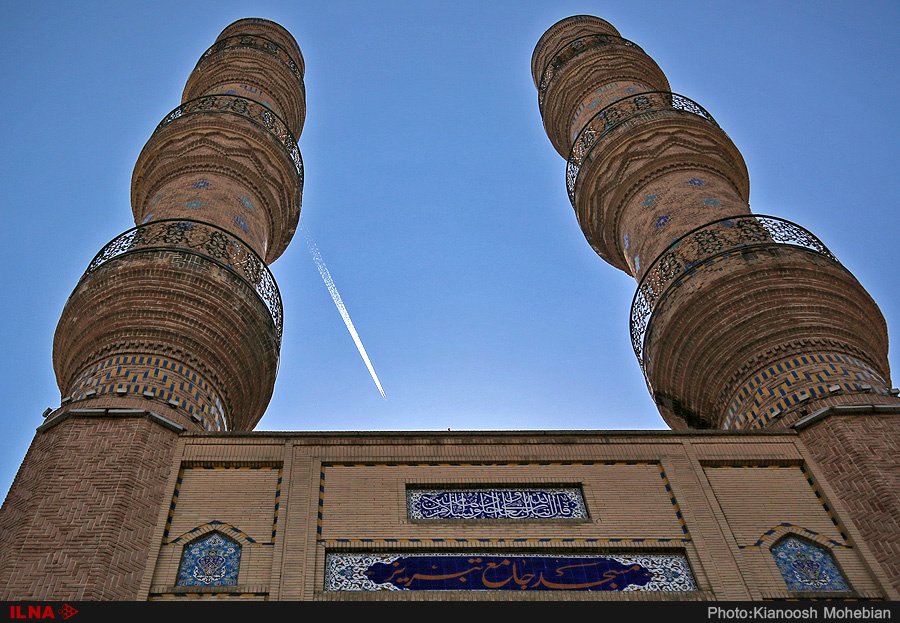
Tabriz was named by the OIC as the tourism capital of Muslim World in 2018.

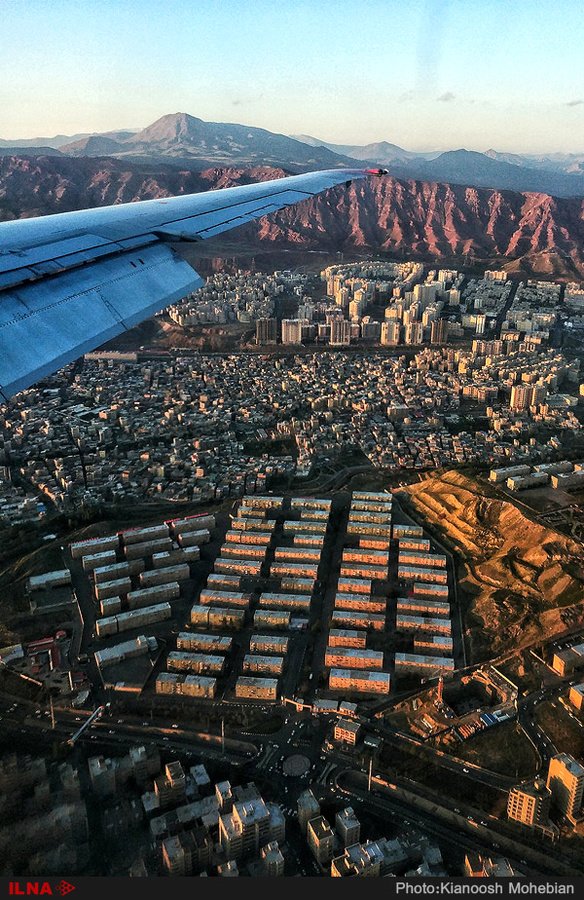
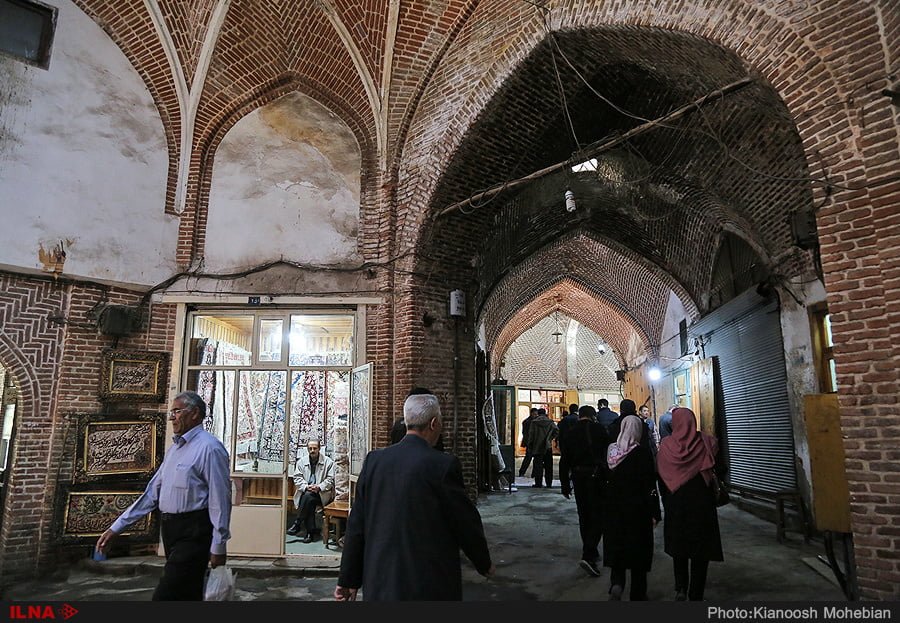
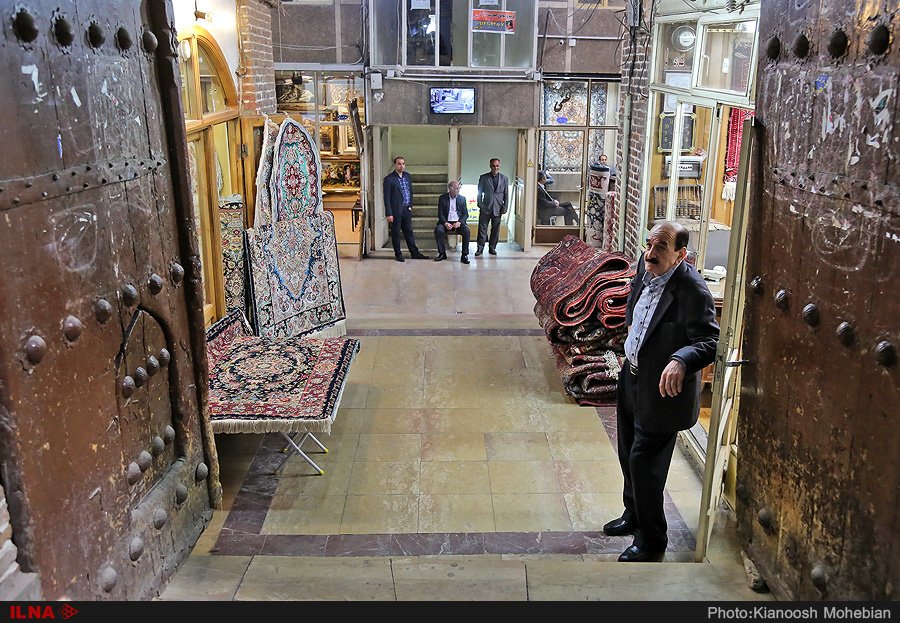
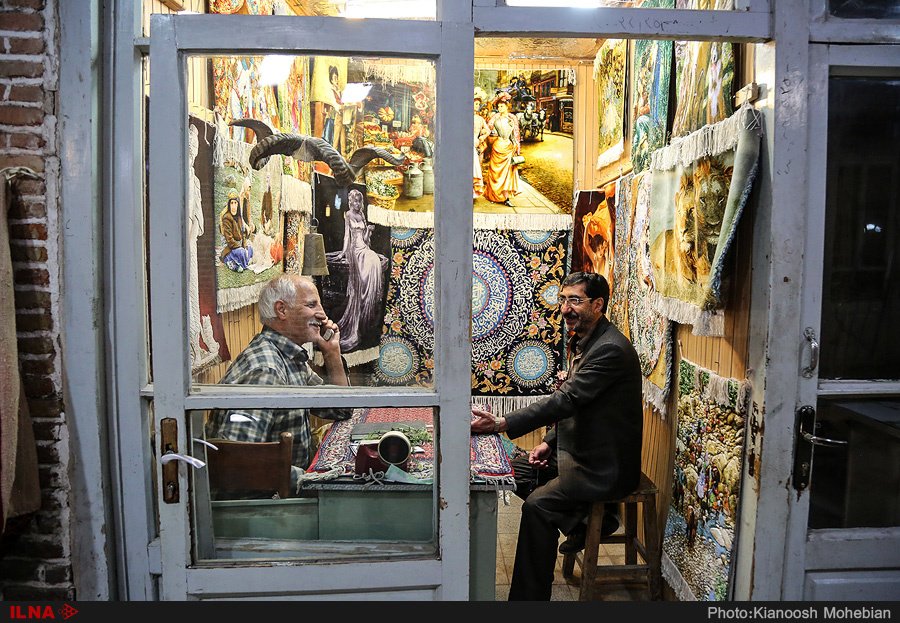
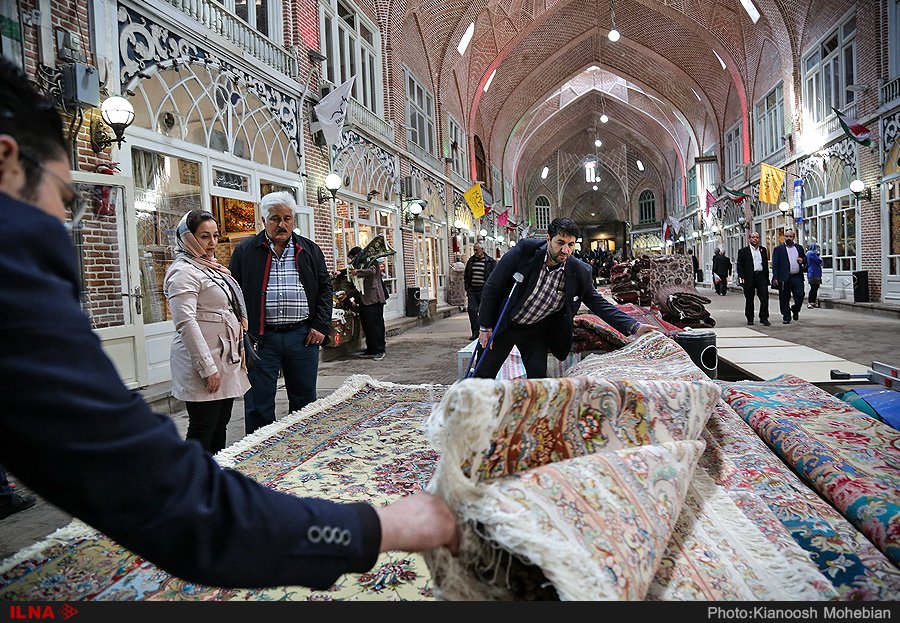
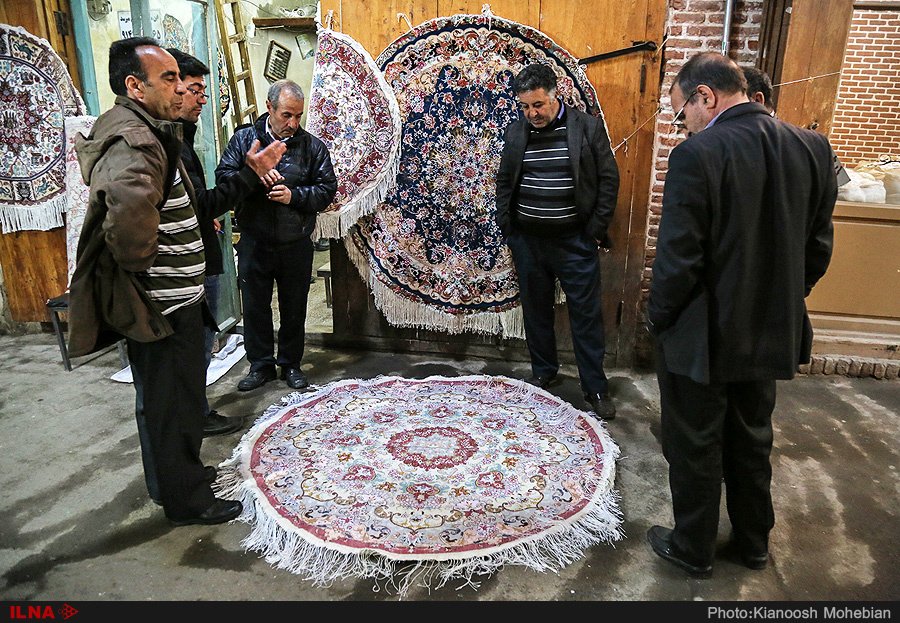
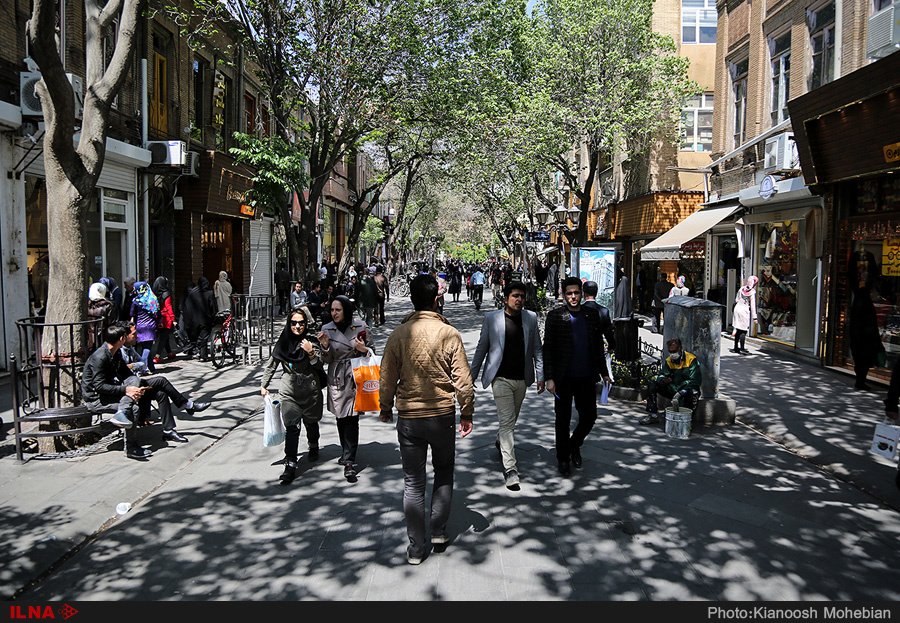
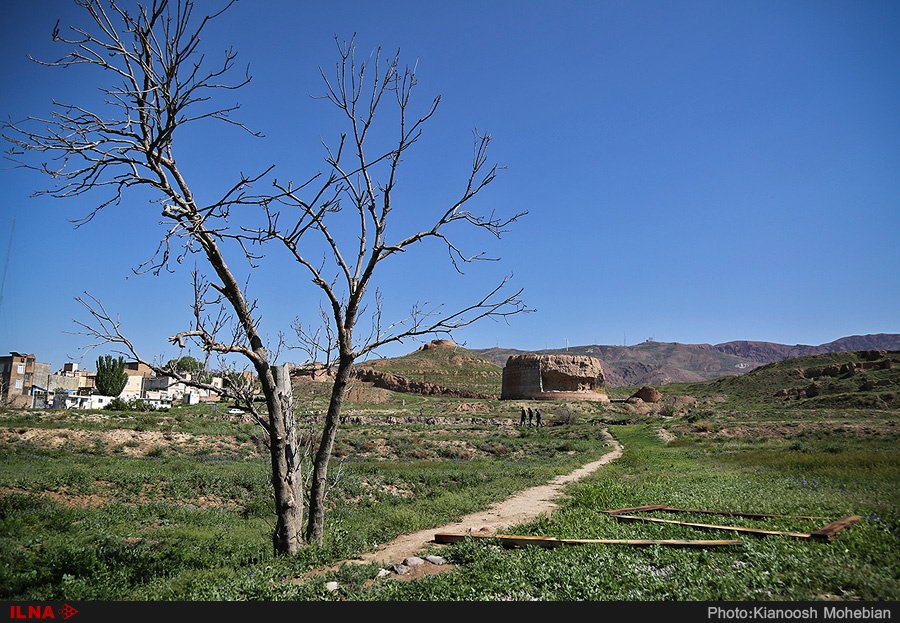
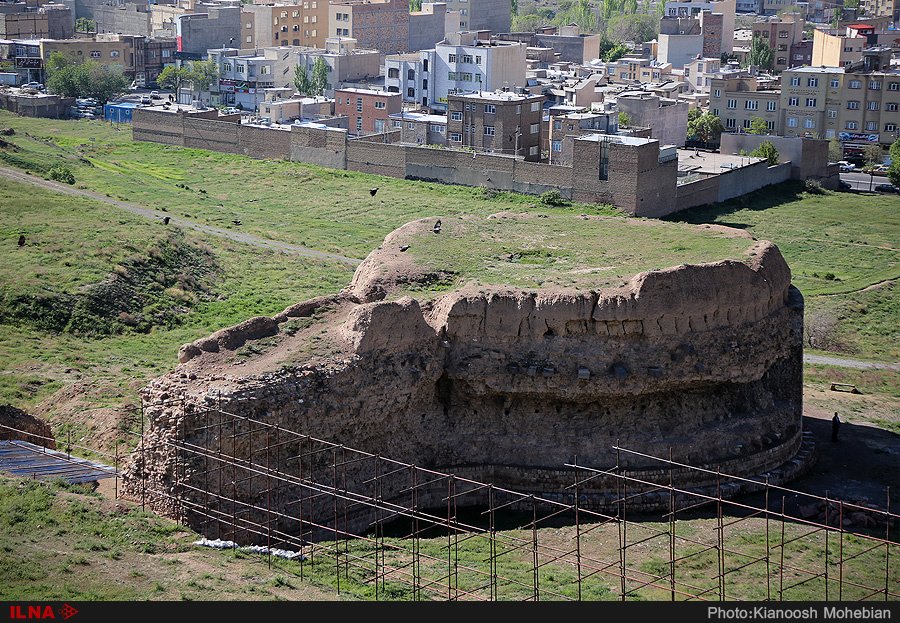
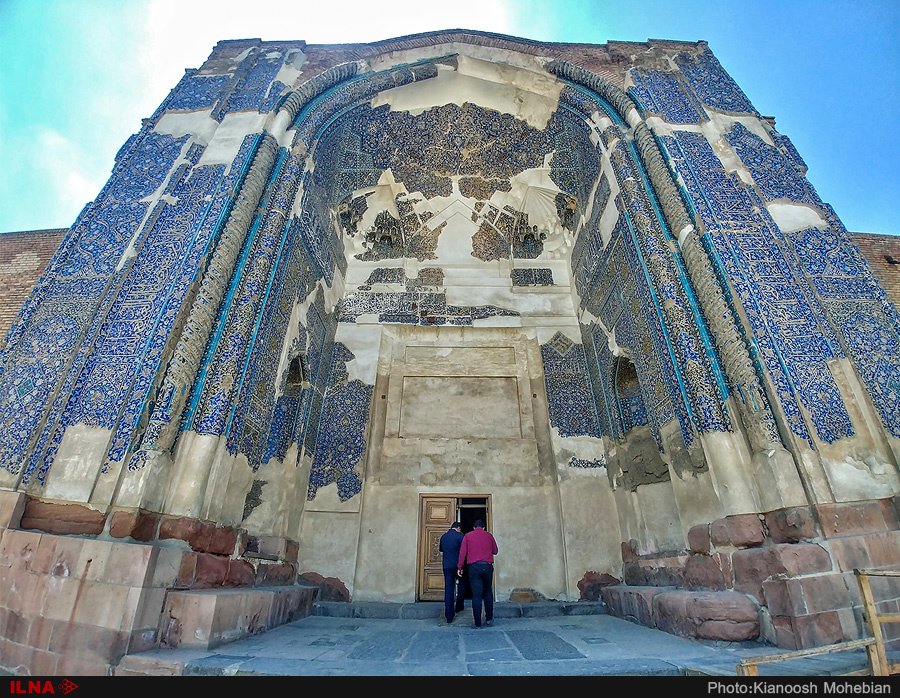
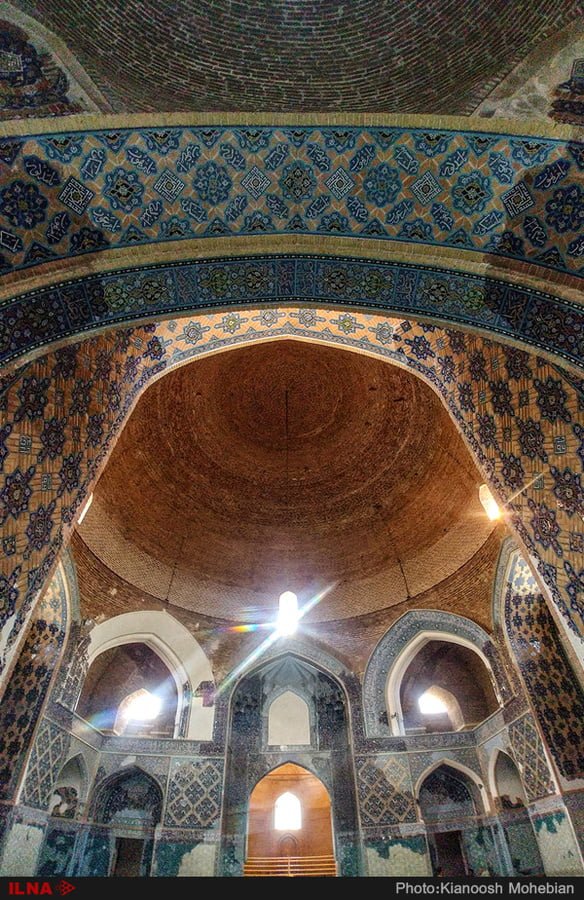
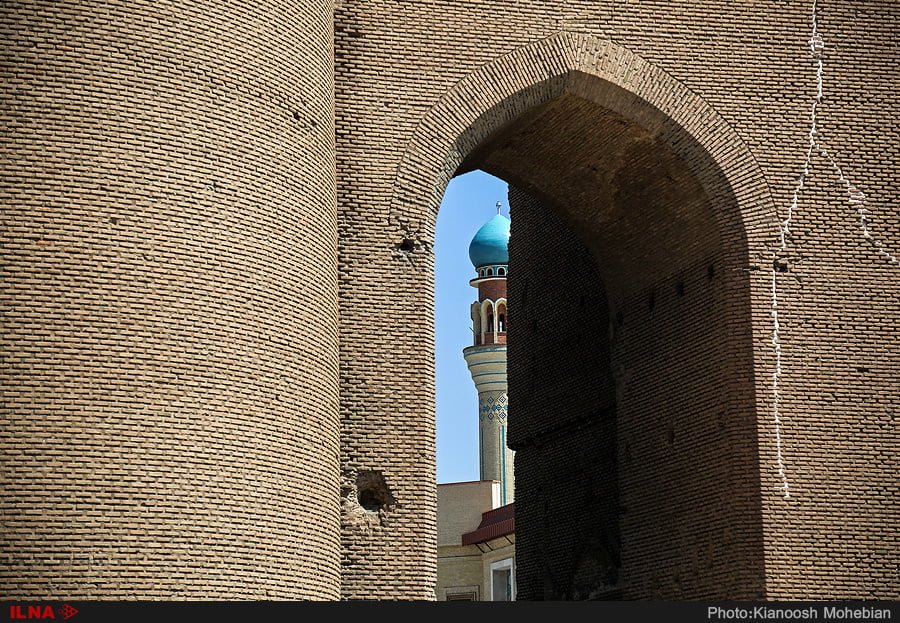
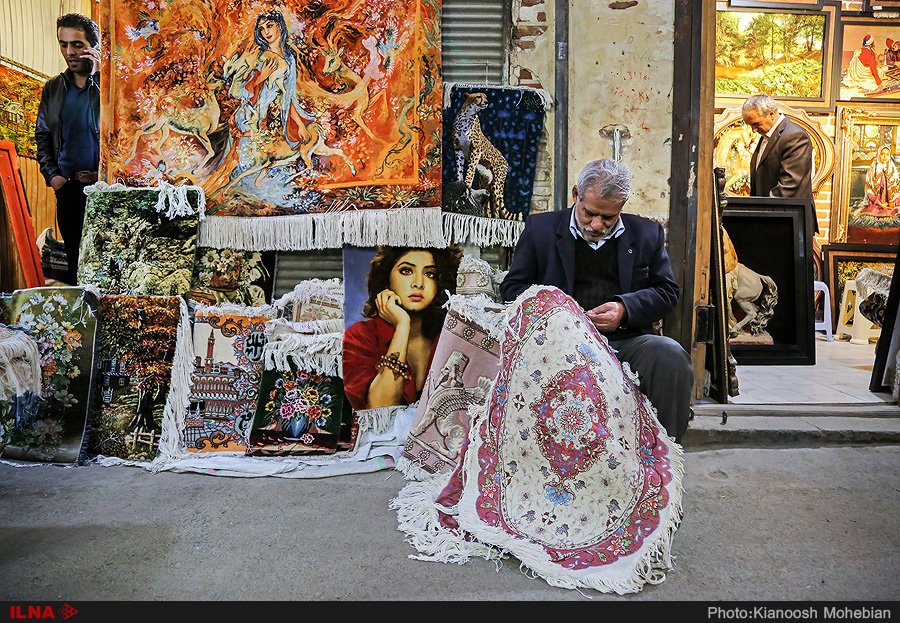
The following pictures retrieved from ILNA depict some of the city’s historical and natural tourist attractions as well as the city’s bazaar.

Iran to Implement “Comprehensive Plan” for Countering US Sanctions

The package, named the Comprehensive Plan for Countering Sanctions, was delivered by Mohammad-Baqer Nobakht, the head of Planning and Budget Organization of Iran

According to a report by IRNA, the package, comprising 12 sections, outlines different scenarios for the imposition of US sanction and discusses how government bodies should work together to nullify their effect.

The plan contains measures for boosting domestic production, creating jobs and fighting extreme poverty.

It also offers solutions for supplying basic goods and energy to the nation, transferring goods, assisting industries and boosting trade under sanctions.

The plan has been devised by experts at the Planning and Budget Organization in consultation with academics and economists.

The remaining parts of the plan will be delivered to the president soon, Nobakht said.

The plan should be ratified by the supreme council for economic coordination of the three branches of power.

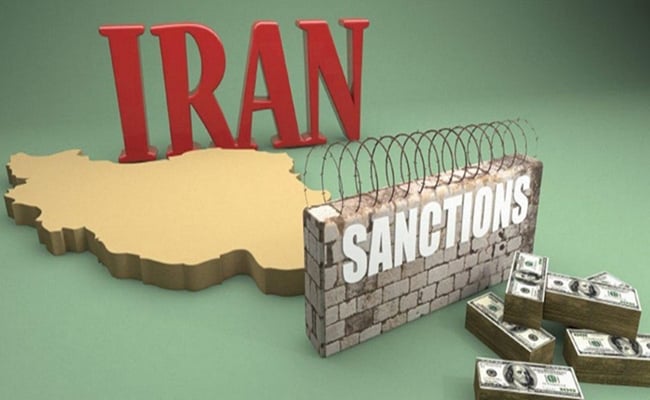
US President Donald Trump has vowed to return anti-Iran sanctions suspended under the nuclear deal, and push Iran’s oil exports to zero in the upcoming months.

Some sanctions take effect after a 90-day “wind-down” period ending on August 6, and the rest, notably those affecting the petroleum sector, after a 180-day period ending on November 4.

Senior US officials are pressing allies in Europe, Asia and the Middle East to adhere to the sanctions and reduce their oil supplies from Iran.

US Secretary of Treasury Steven Mnuchin on Friday threatened the US considers imposing sanctions on China and other countries if they keep up purchasing Iranian oil.

“Iran to Immediately Leave Iraq, Syria Once Their Governments Ask”

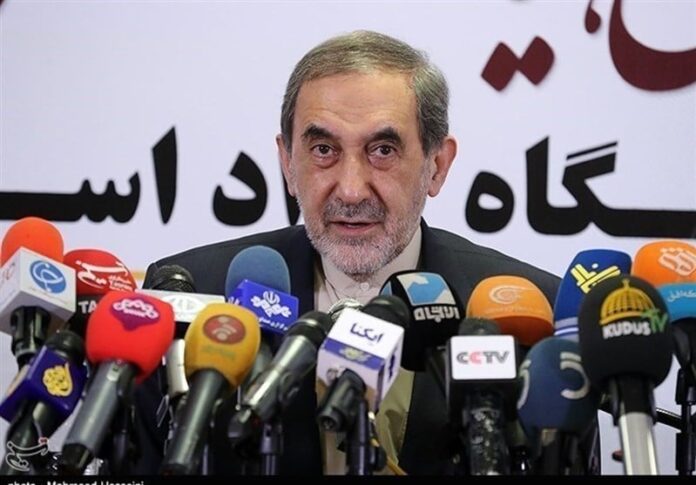
“Iran’s presence in Syria and Iraq is advisory and if their respective governments want it, we will leave (the Arab countries) immediately,” Velayati said on Friday, according to the Arabic-language al-Mayadeen TV Network.

He further referred to demands by US officials that Iranians should exit from Syria and Iraq, saying that the Islamic Republic is not present in the Arab countries upon the US’s request so as to leave at Washington’s demand.

“Iranian military advisers will leave Syria if the Syrian officials say they do not need their presence,” he added.

However, he warned that if Iran and Russia were to leave Syria in the current situation, terrorism would return to the Arab country again.

Elsewhere in his remarks, Velayati highlighted a plot hatched by the US to disintegrate Iraq and Syria and said, “The US is seeking to divide Iraq into three parts and Syria to five.”

In recent years, the Middle East has been plagued with Takfiri terrorist groups like Daesh (ISIL or ISIS), which are believed to have been created and supported by the West and some regional Arab countries.

The terrorist groups, which claim to be Islamic but whose actions are anything but, have been committing heinous crimes not only against non-Muslims but mostly against Muslims in the region.

Iraq and Syria have been among the countries gripped by terrorism.

Iran, a close ally of the two countries, has supported their legitimate governments in their campaign against foreign-backed militancy and terrorism.