Thursday, December 25, 2025
Home Blog Page 3225

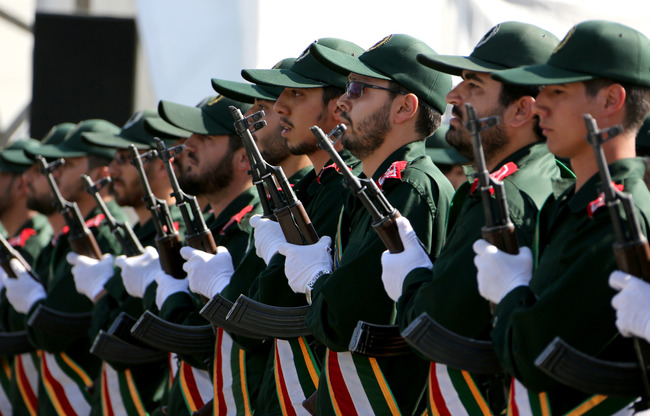
Iran to Reciprocate If US Designates IRGC as Terror Group

Iran to Reciprocate If US Designates IRGC as Terror Group

Chairman of the National Security and Foreign Policy Commission of the Iranian Parliament Heshmatollah Falahatpisheh said Iran will go for a reciprocal move if Washington announces the IRGC as a terrorist organisation.

In an interview with Tasnim News Agency, Falahatpisheh announced that a plan has been drafted at the Iranian parliament to retaliate the possible measure by the US.

Earlier, in a tweet, Fallahatpisheh warned that “if the IRGC is placed on America’s list of terrorist groups, we will put that country’s military on the terror blacklist alongside ISIS.”

On April 5, Reuters quoted three US officials as saying the Trump administration is to designate the IRGC a foreign terrorist organisation.

This is not the first time the US threatens to designate the IRGC a terrorist organisation. It was in October 2017 that there were rumours about such a decision. By that time, Iranian President Hassan Rouhani said such a move would be a “grave mistake.”

If Washington approves the measure, it will be the first time that a country’s military is labelled as a terrorist group.

A number of people and entities were blacklisted by the US administration for their ties with the IRGC, but the organisation has not been blacklisted as a whole yet.

Veteran Iranian Actor Laid to Rest after Massive Funeral

Thousands of people from every walk of life attended a mass funeral in the capital Tehran to pay homage to the celebrated actor. Mashayekhi began his career in theater in 1957. During his six-decade-long career, he acted in nearly a hundred films and some sixty TV series.

Mashayekhi rose to fame in 1980s when he played several lead roles, including famous Iranian painter Kamal-ol-Molk in a feature film and Reza the gunman in highly popular TV series Hezar Dastan. He won the best-actor award for Kamal-ol-Molk from Iran’s International Fajr Film Festival in 1985.

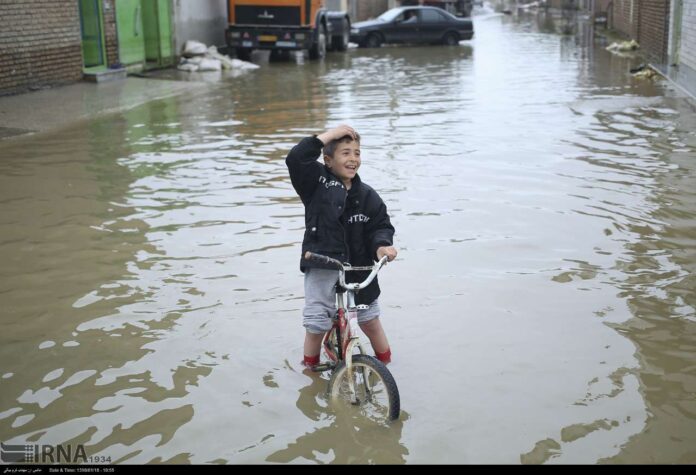
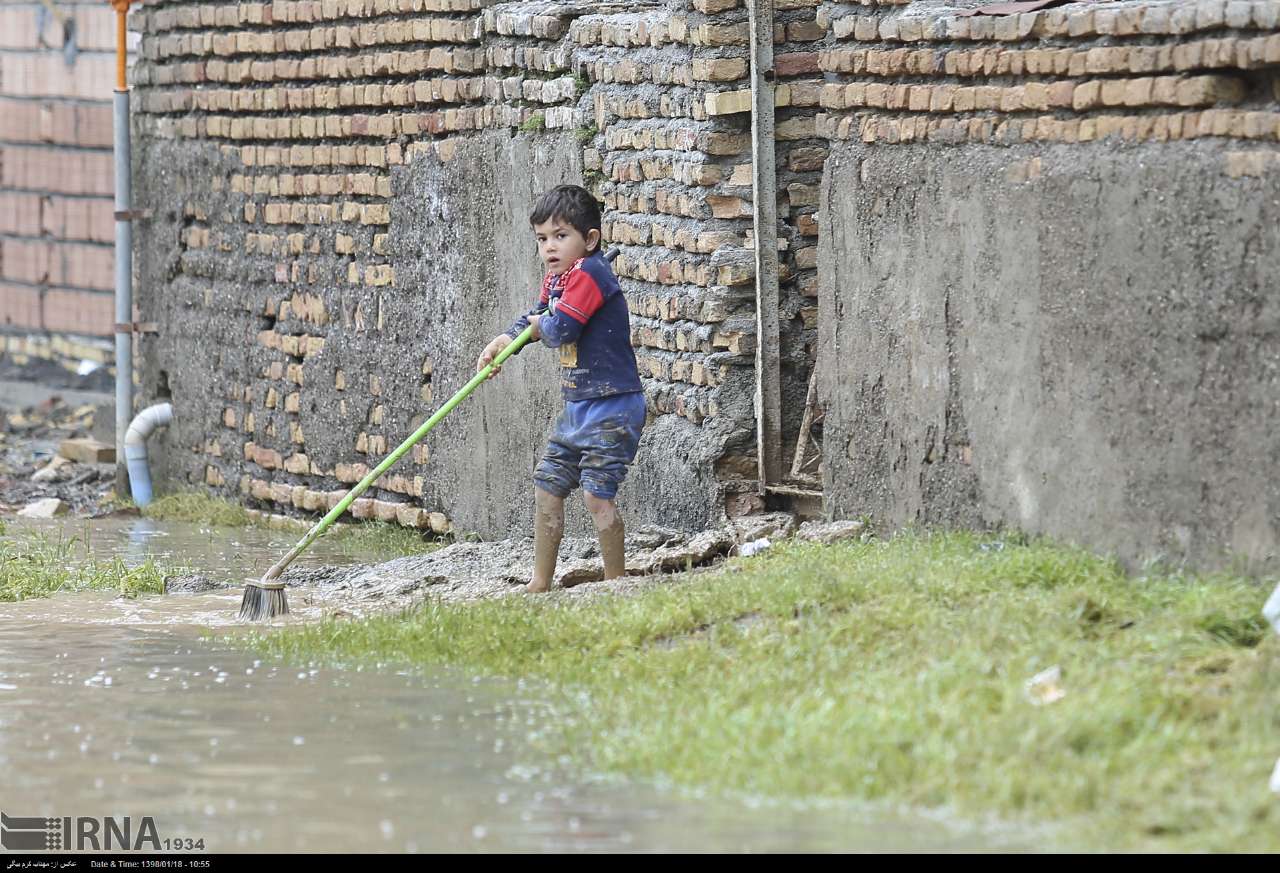
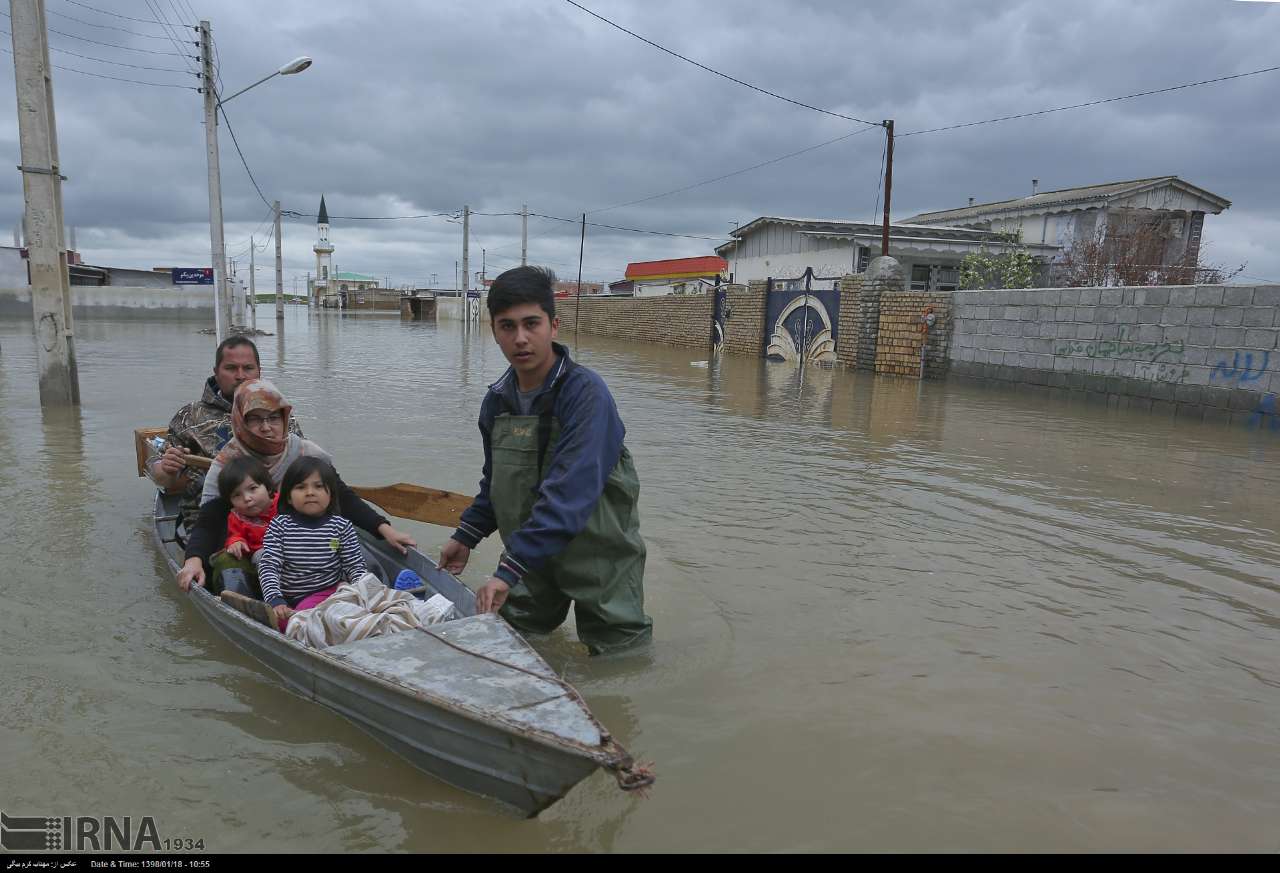
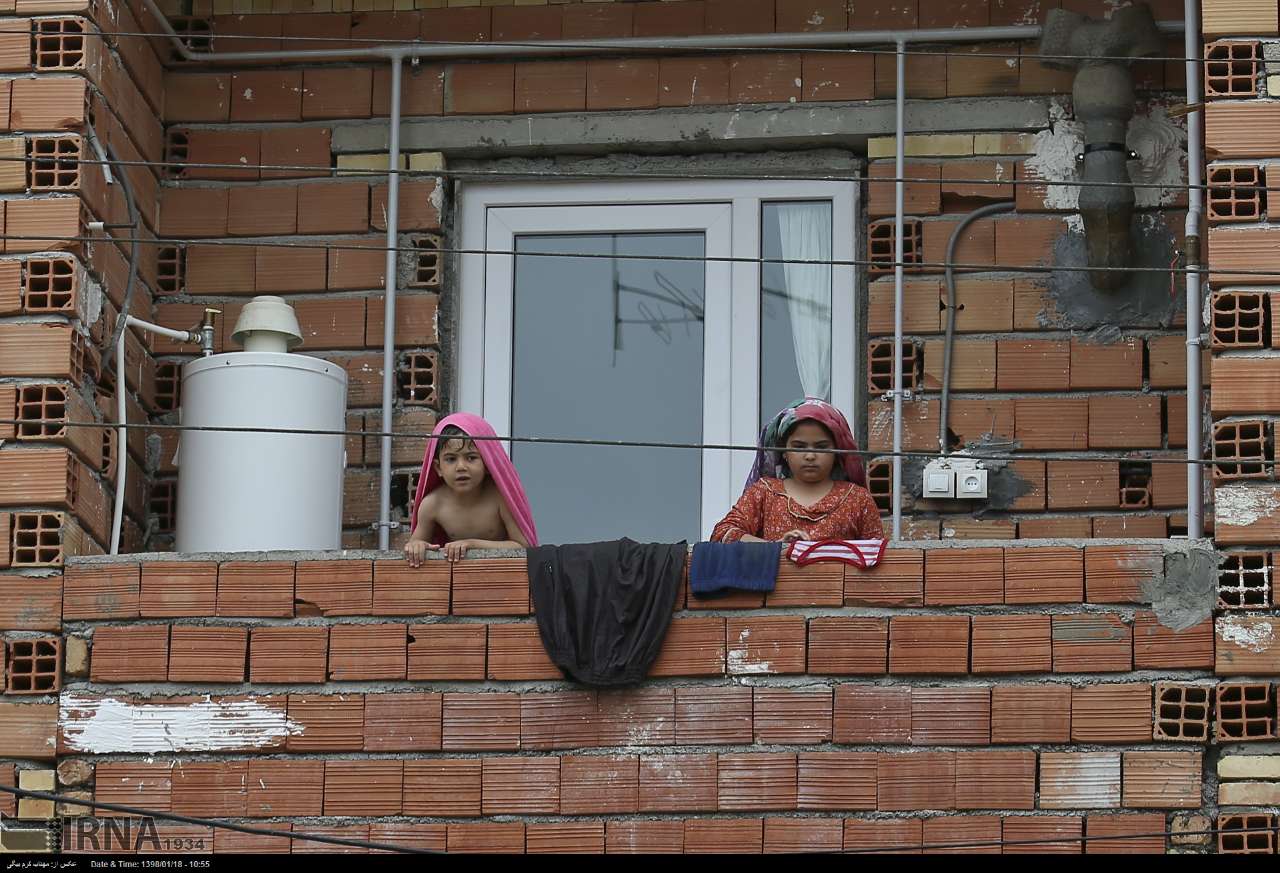
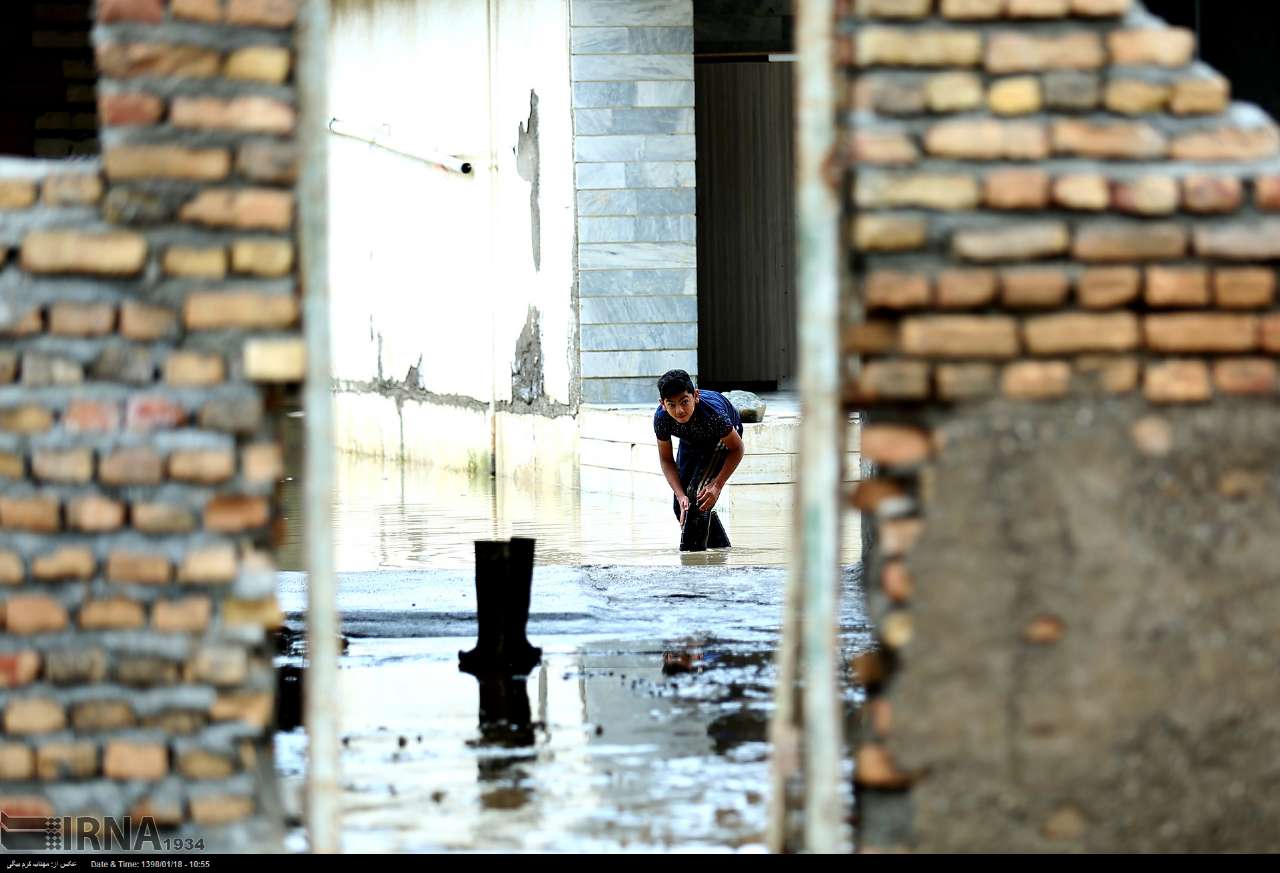
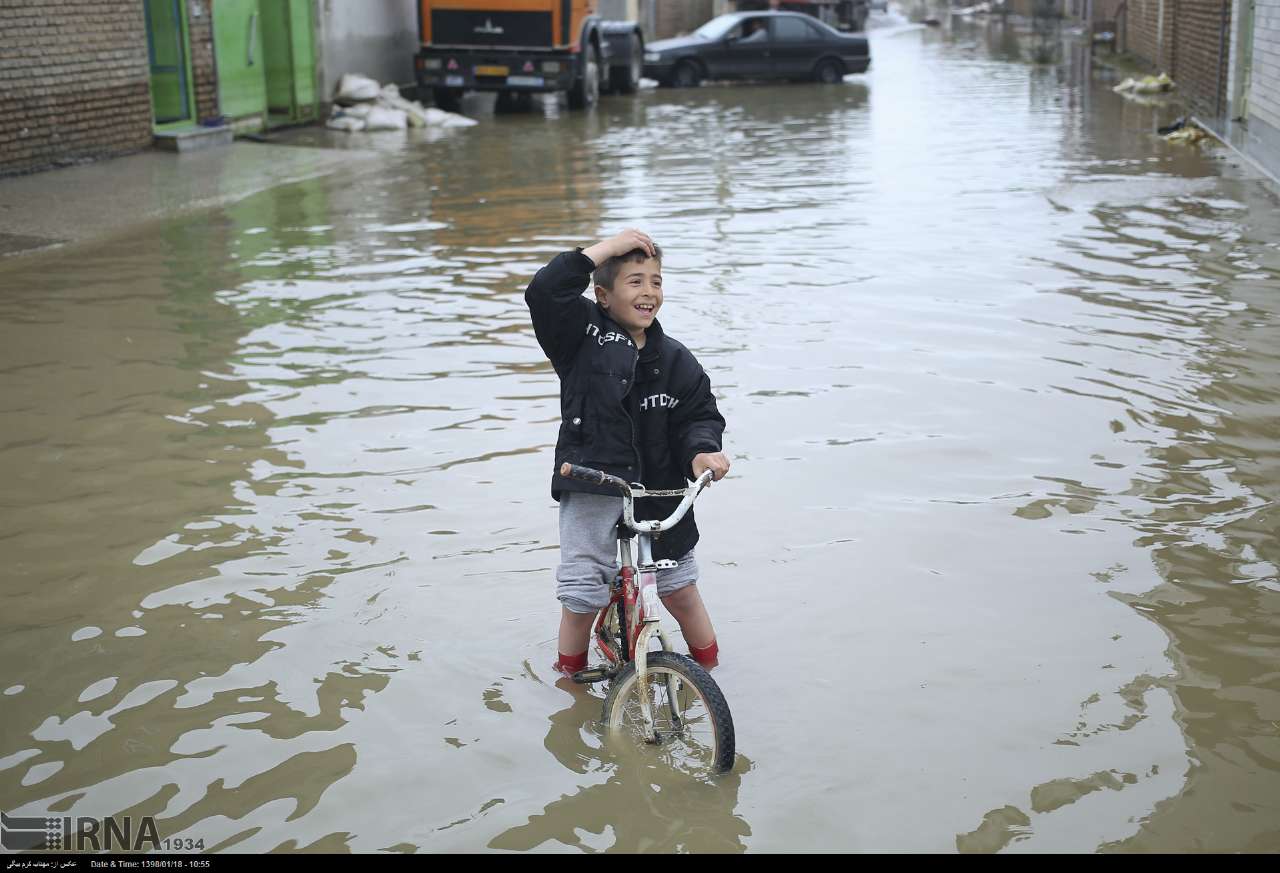
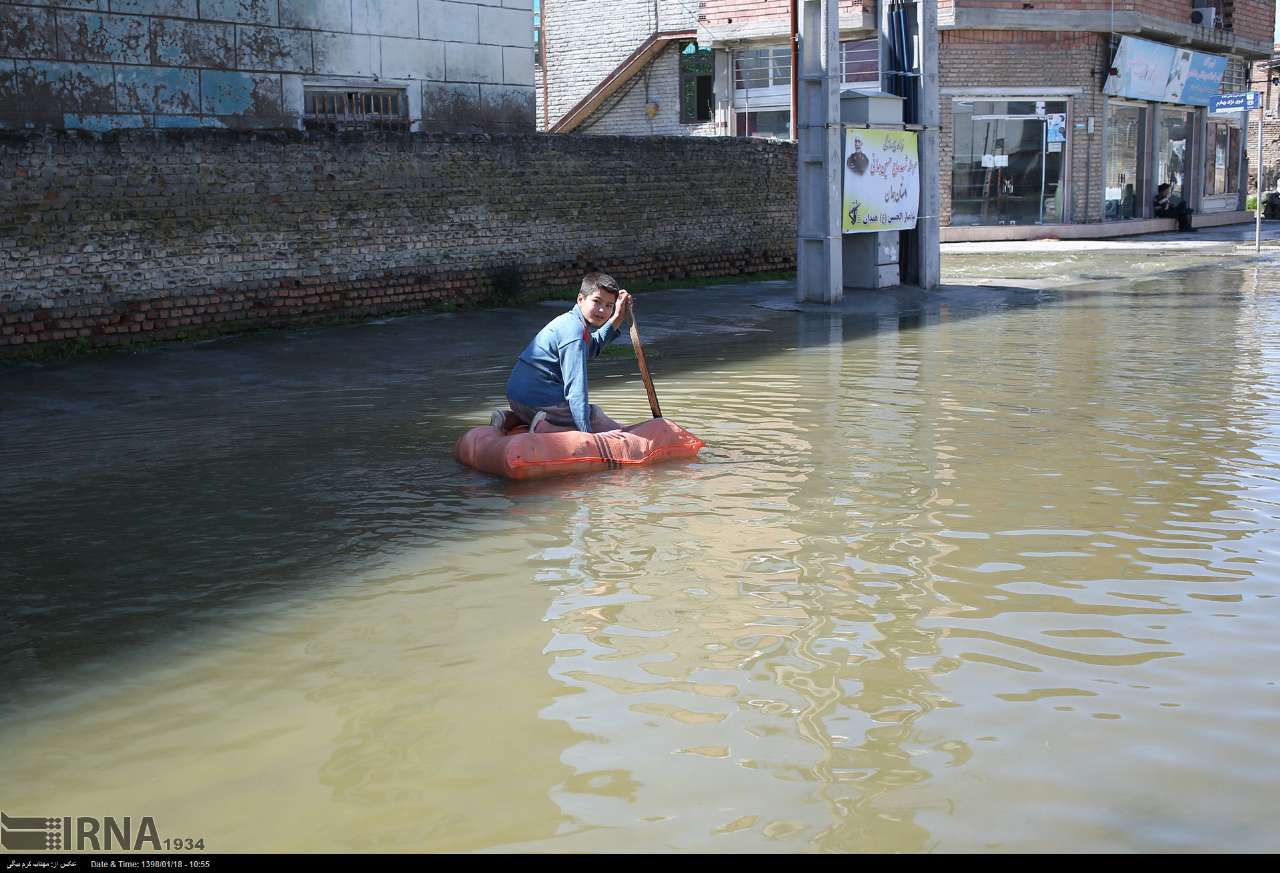
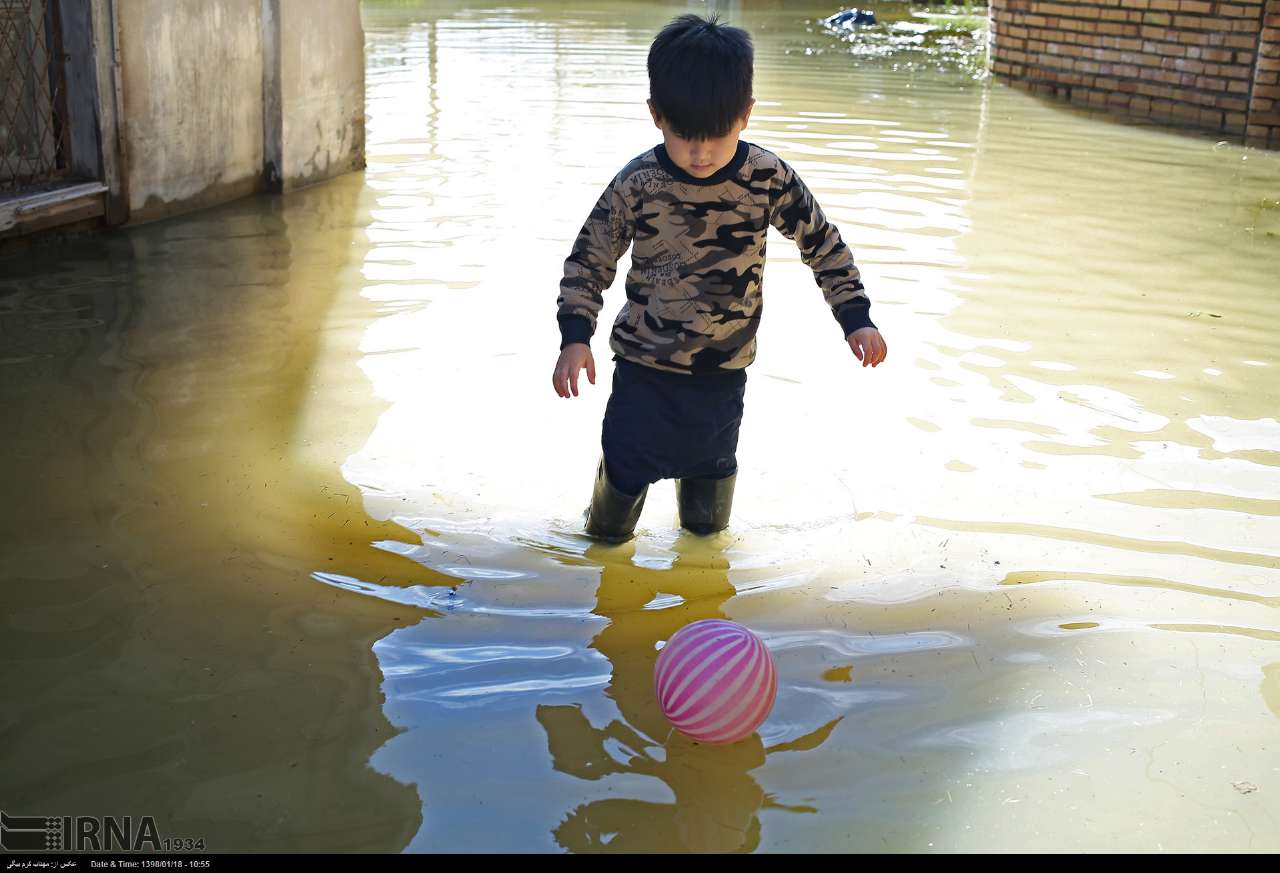
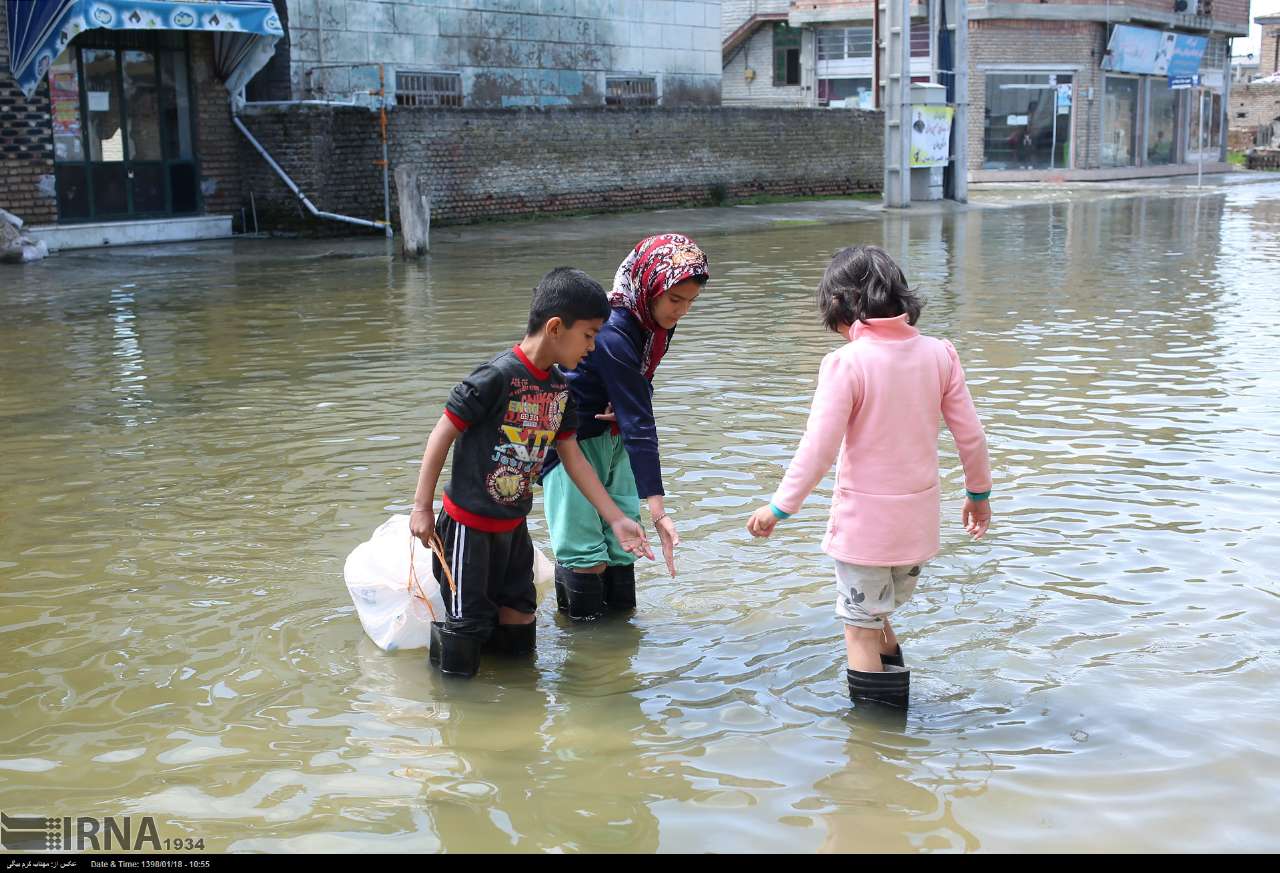
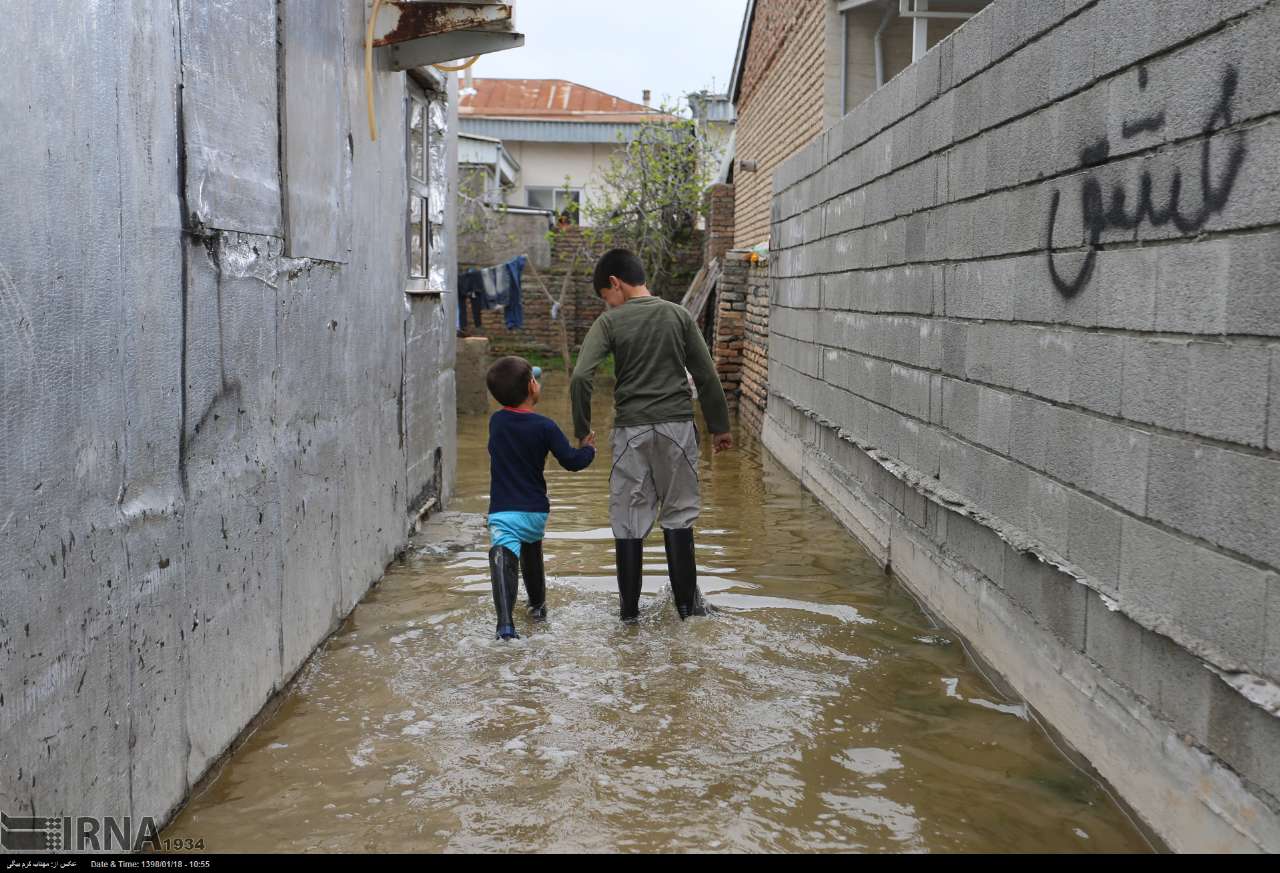
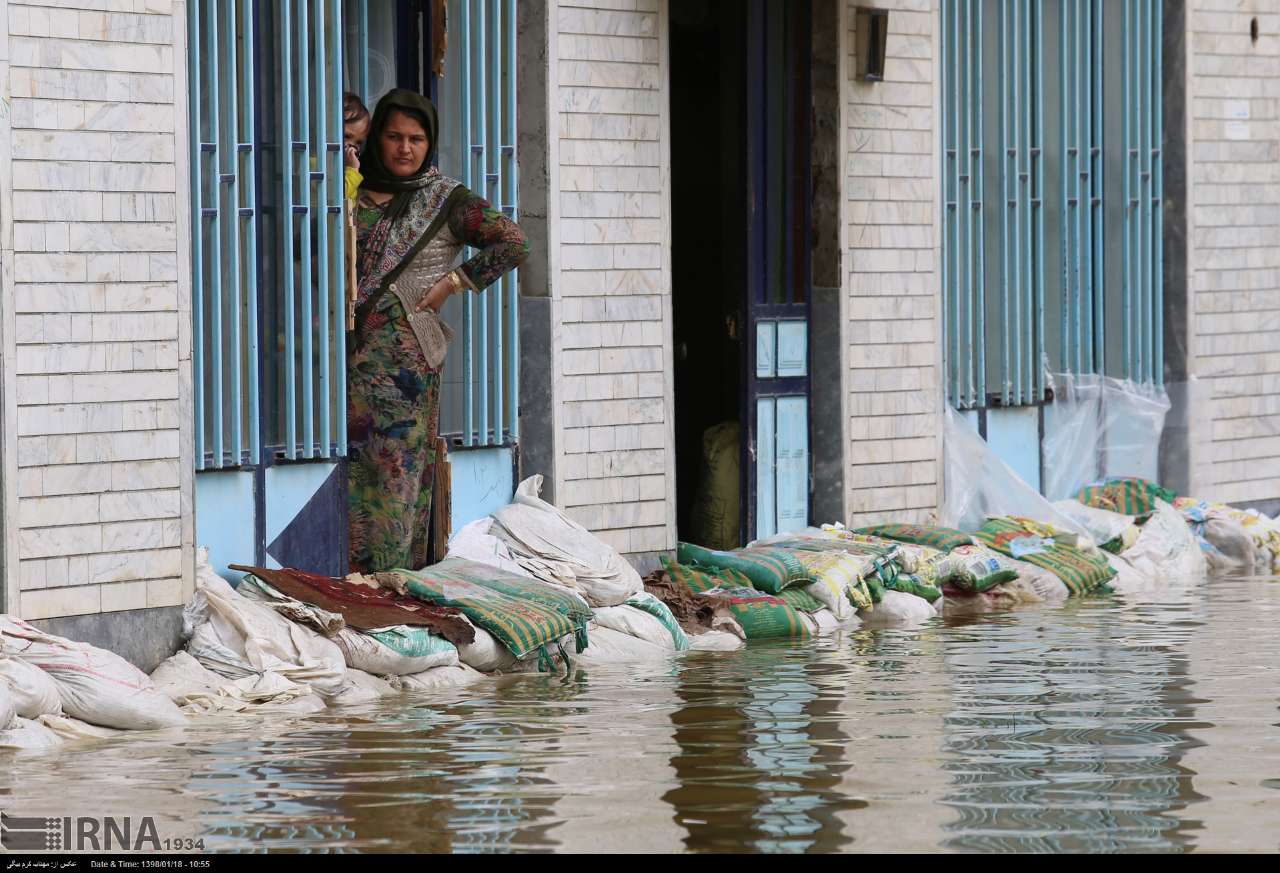
Life Goes on for Children despite Deadly Floods in Iran

What follows are IRNA’s photos of some of these children coping with the crisis in Golestan province, north-eastern Iran:

Leader Pardons, Commutes Sentences of over 1,000 Inmates

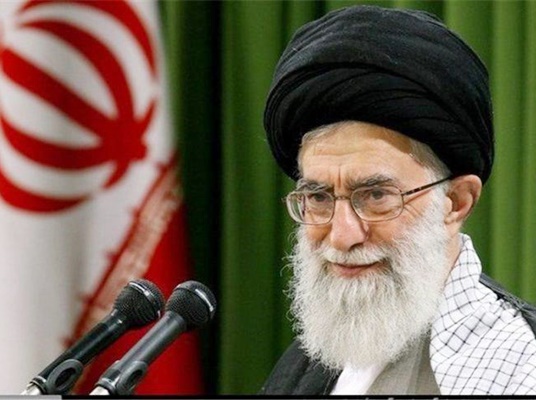
Ayatollah Khamenei made the decision on Saturday based on a request by Iran’s Judiciary Chief Ebrahim Raisi.

The inmates had been convicted at the country’s court of common pleas and Islamic Revolution tribunals, the Judicial Organization of the Armed Forces, and the State Discretionary Punishment Organization.

Article 110 of the Constitution grants the country’s Leader the right to pardon or reduce the sentences of convicts upon a recommendation from the head of the Judiciary.

The clemency, however, does not apply to all types of convicts, including those who have been sentenced for their role in armed struggle against the country, armed or organized drug trafficking, rape, armed robbery, arms smuggling, abduction, bribery and embezzlement.

Eid al-Mab’ath, which is a public holiday in Iran, is a day when Muslims gather at holy cities and sites to mark the occasion, which falls on the 27th of the month of Rajab on the lunar calendar.

Prophet Muhammad (PBUH) often retreated to the Hira cave outside the holy city of Mecca, Saudi Arabia, to pray to God, to reflect on life.

He was nearly 40 on August 10, 610 CE when the angel Gabriel descended and asked him for three times to read the holy Quran revealed to him. Muhammad, who did not know how to read and write, was then able to read in full and began to teach others the holy words of God.

April 1 also marks a historic referendum in which Iranians overwhelmingly voted for the establishment of an Islamic Republic following the overthrow of the monarchy of the US-backed Pahlavi regime.

In the two-day referendum held on March 30-31, 1979, more than 98.2 percent of eligible Iranians voted “yes” to the establishment of an Islamic Republic in the country.

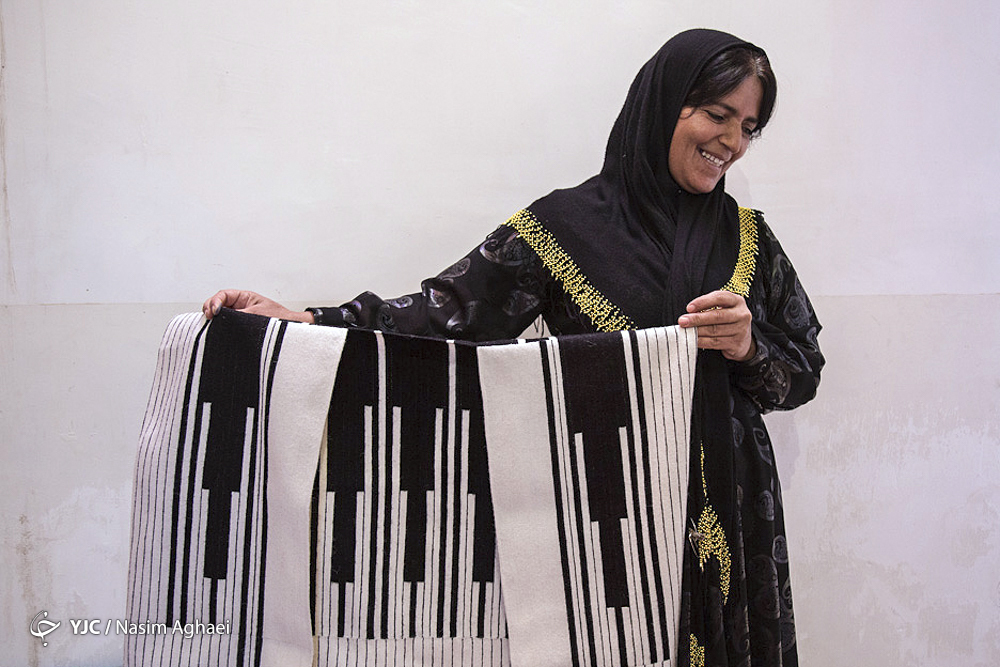
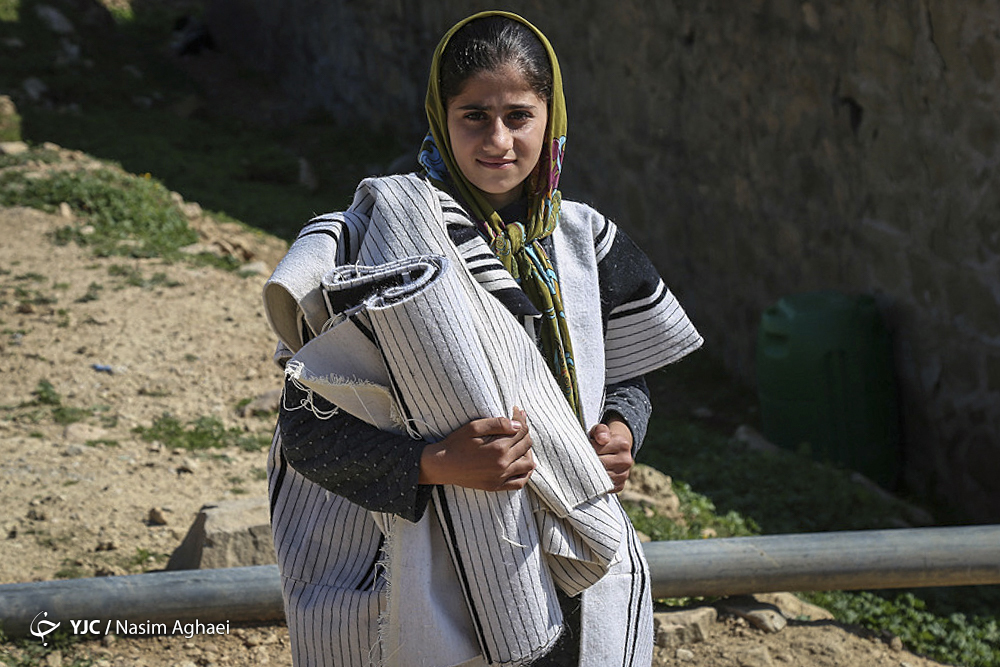
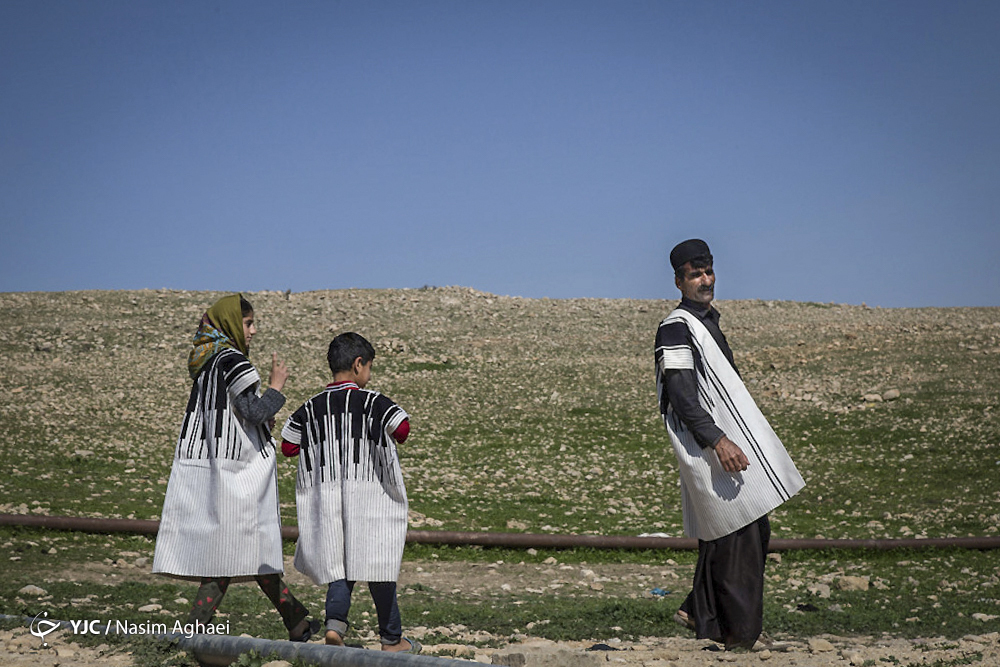
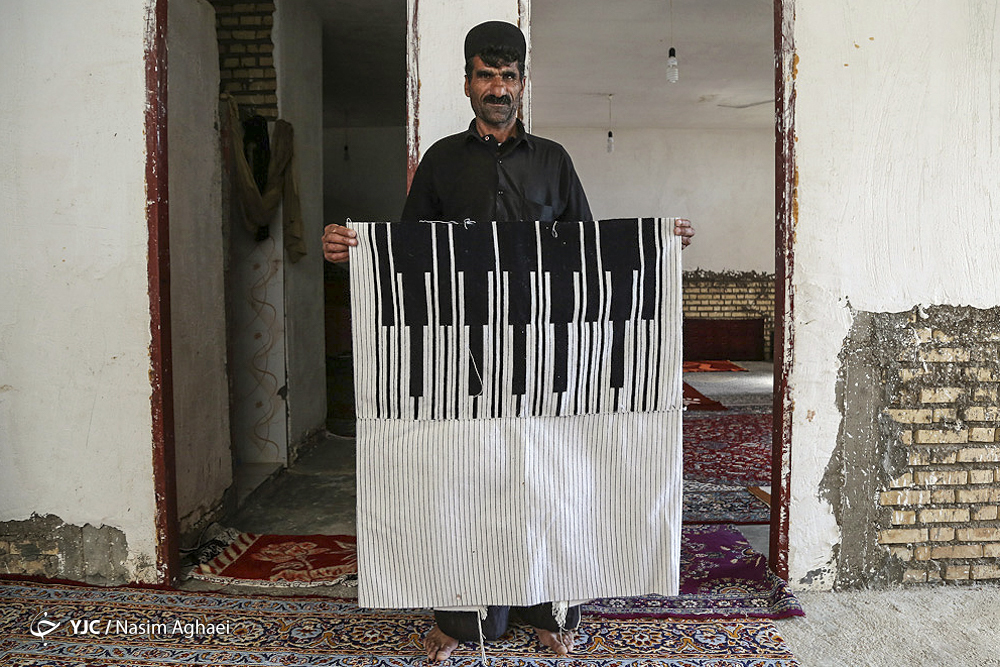
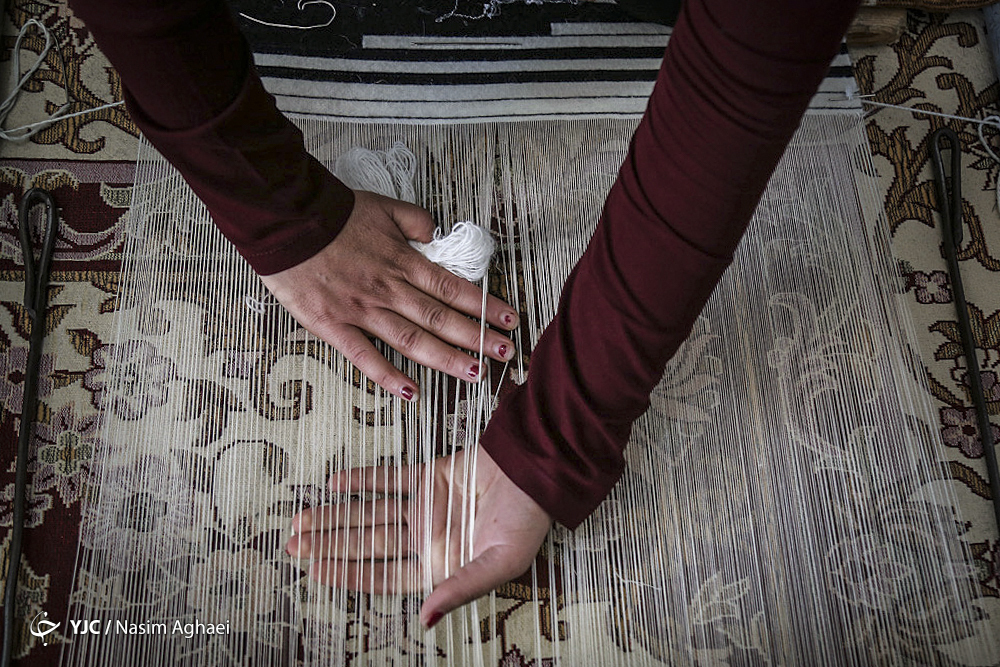
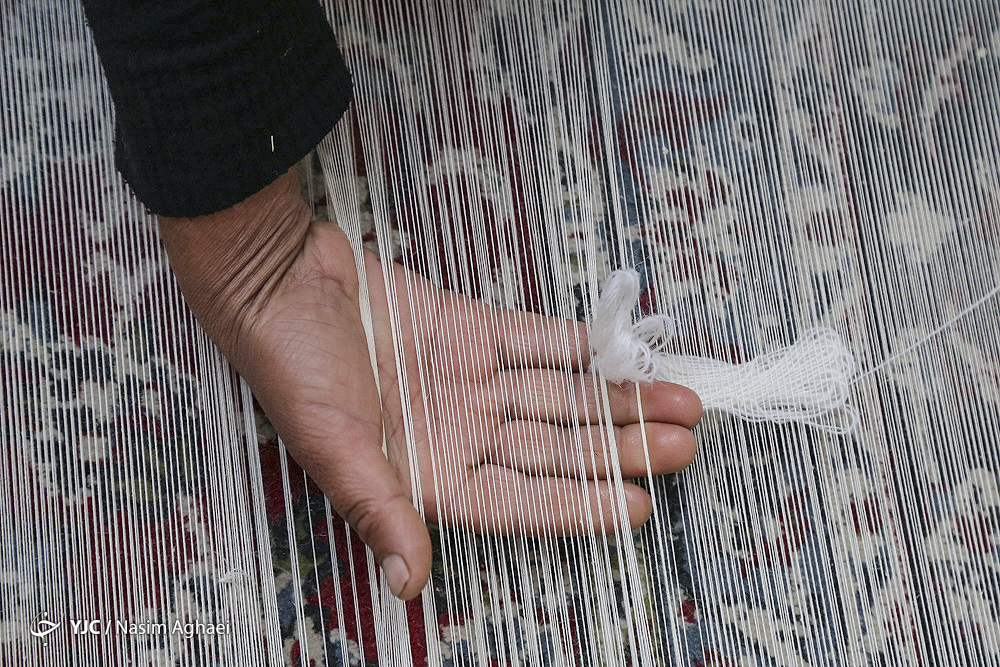
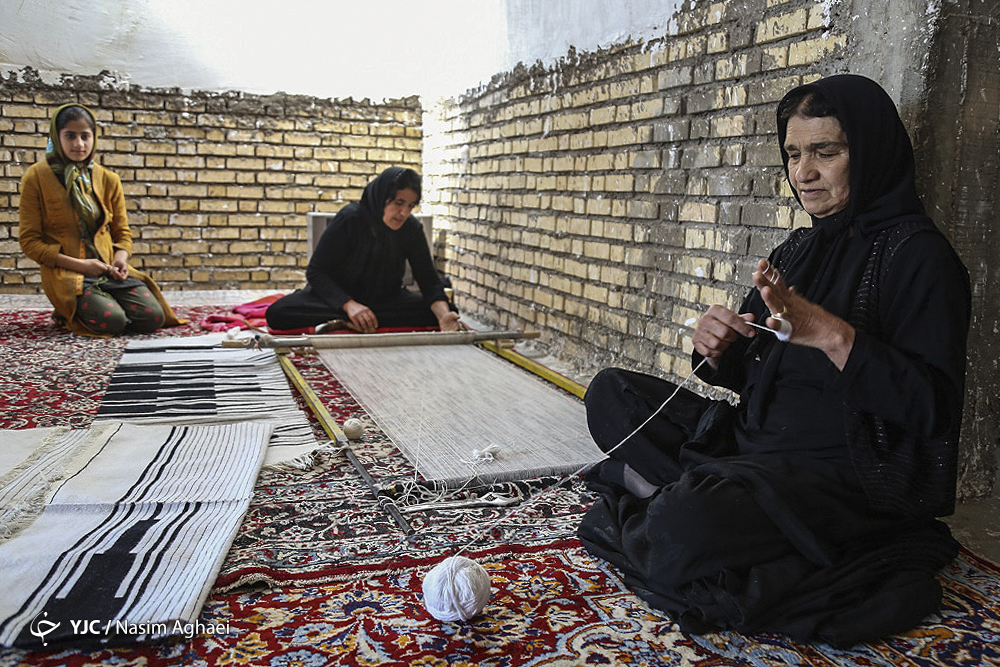
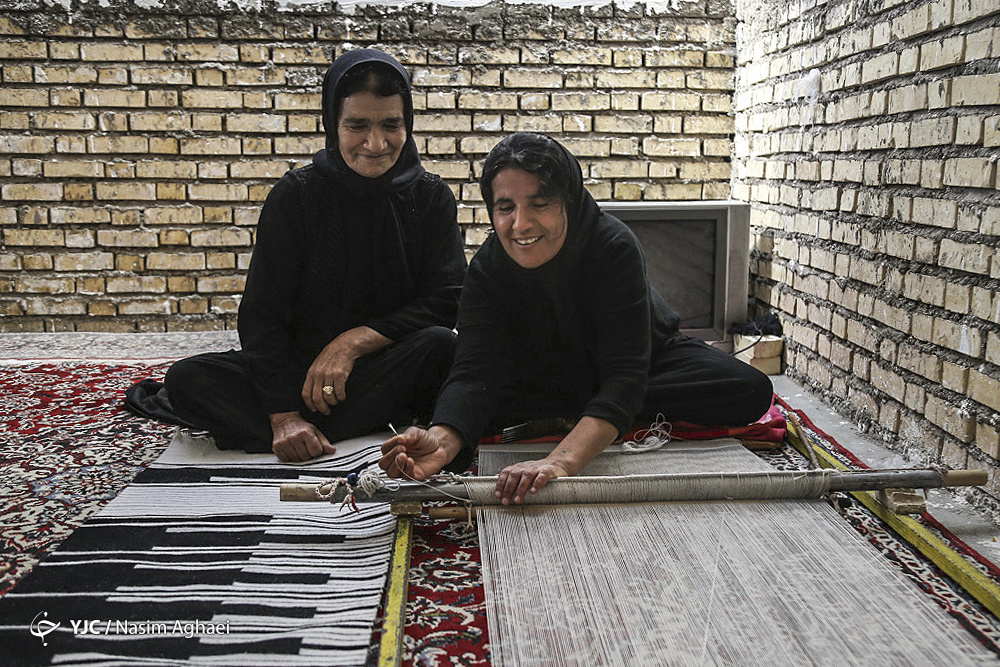
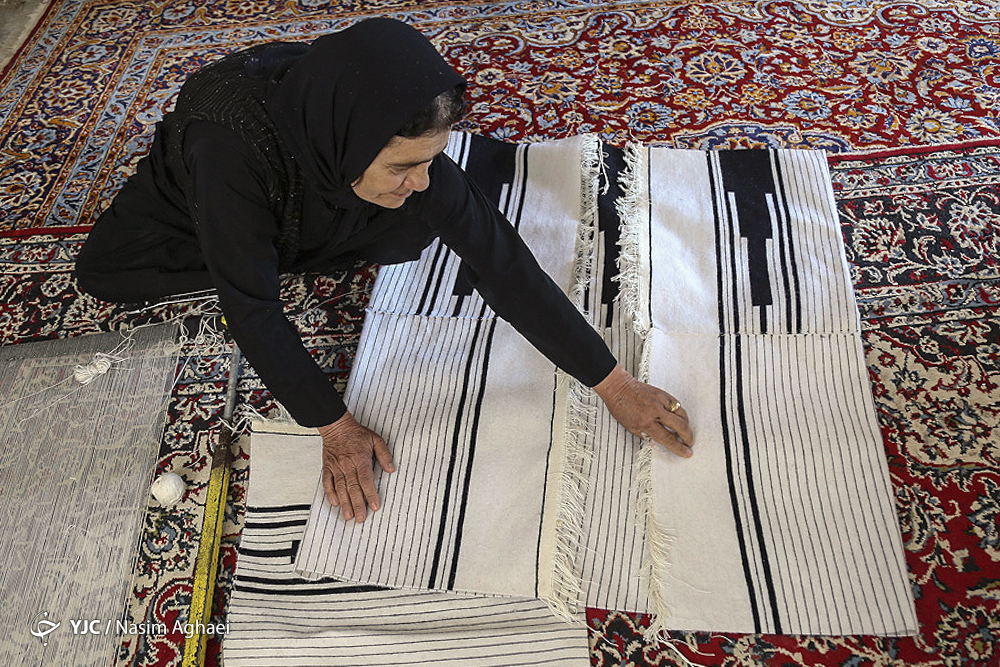
Chugha; Hand-Woven Sleeveless Coat for Iranian Nomads

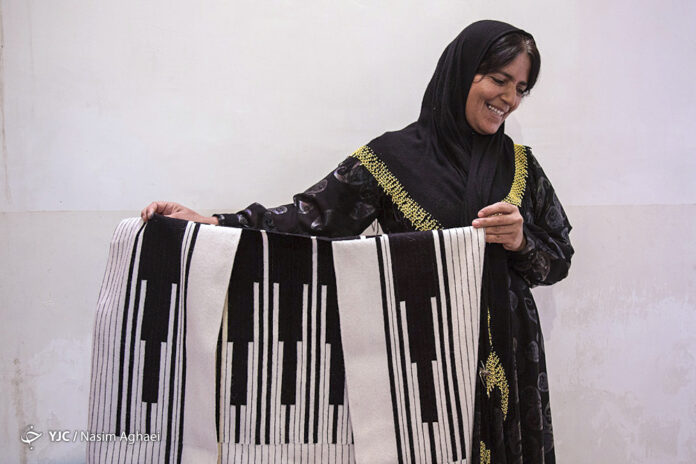
Chugha is for men and usually worn by the Bakhtiari people in various festivities. They wear shirts and warm clothes under Chugha during summer and winter respectively. The coat is much common among the nomads, and the Lurs of Lorestan province show less interests in the coat.

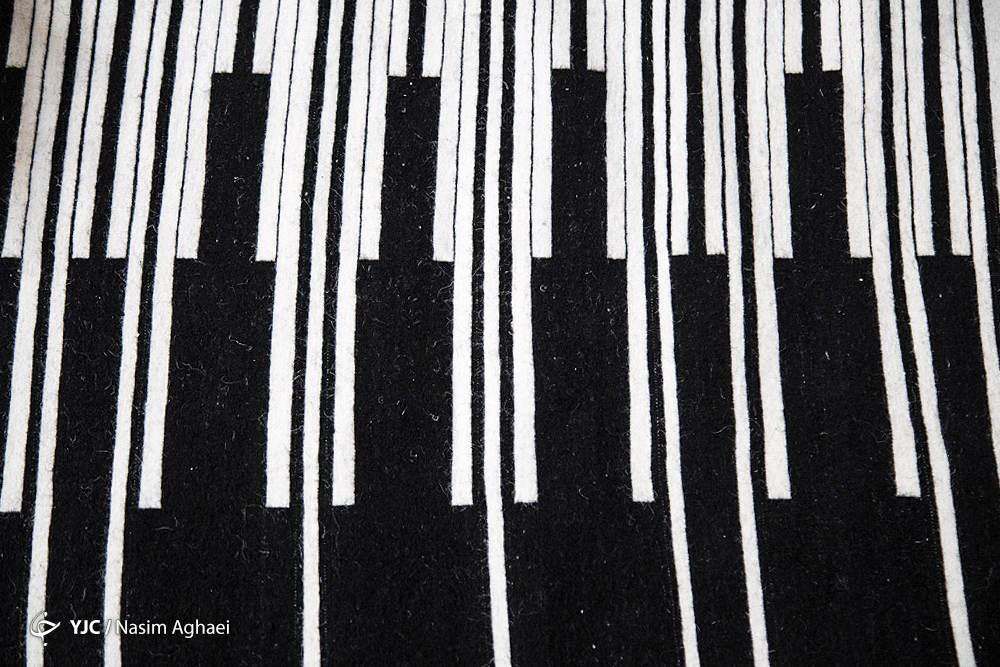
Chugha is neither completely white nor black but a two-coloured coat including both. The length of Chugha should be long enough to cover the areas below the knee. The black lines cross the white lines vertically in Chugha’s texture. The short sleeves of Chugha are decorative and mainly used as pockets.

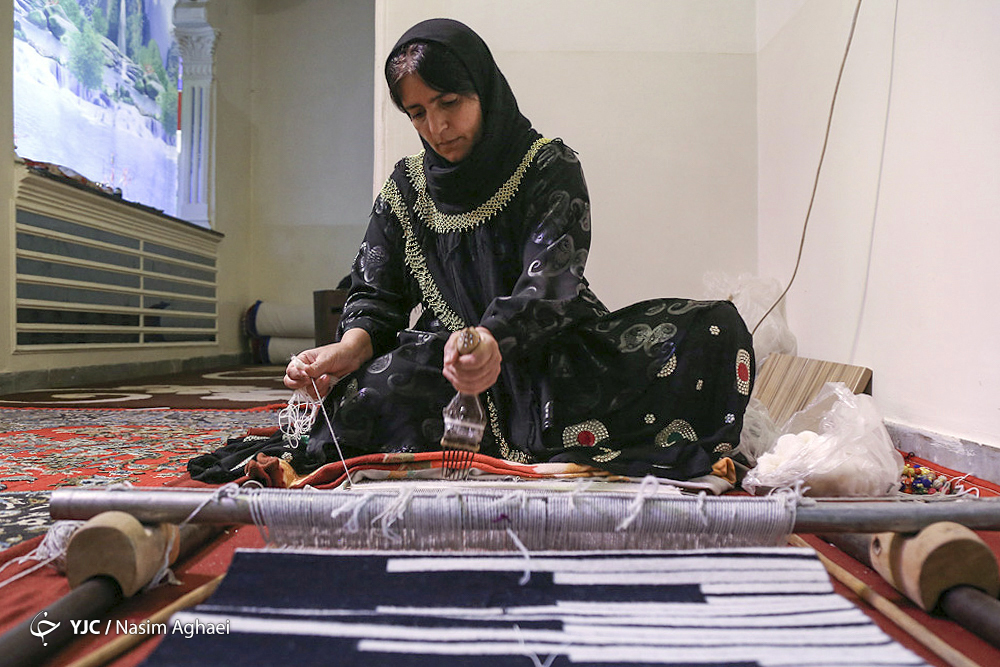
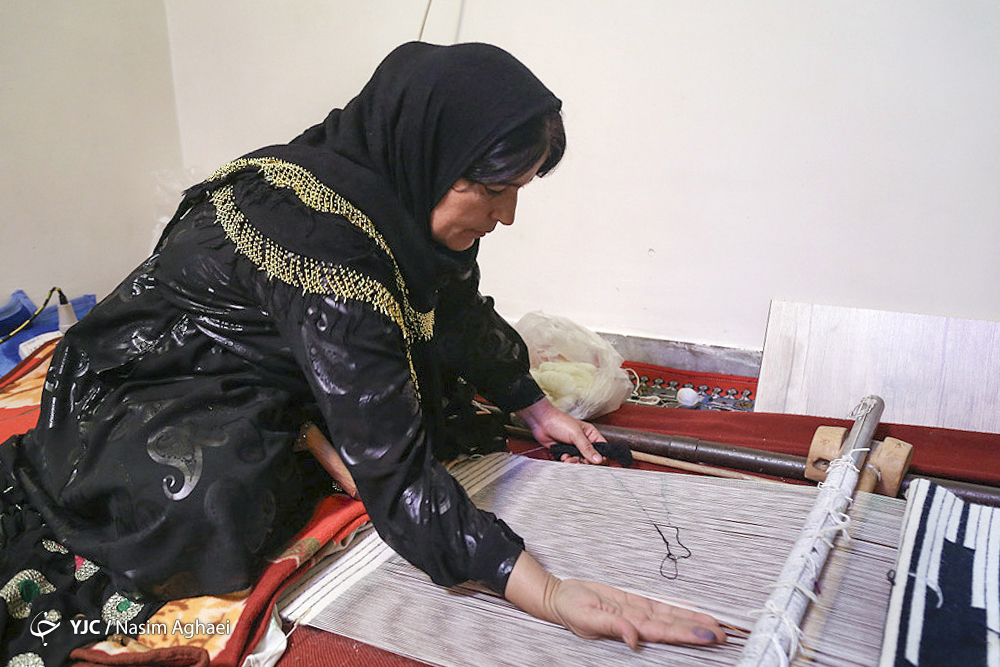
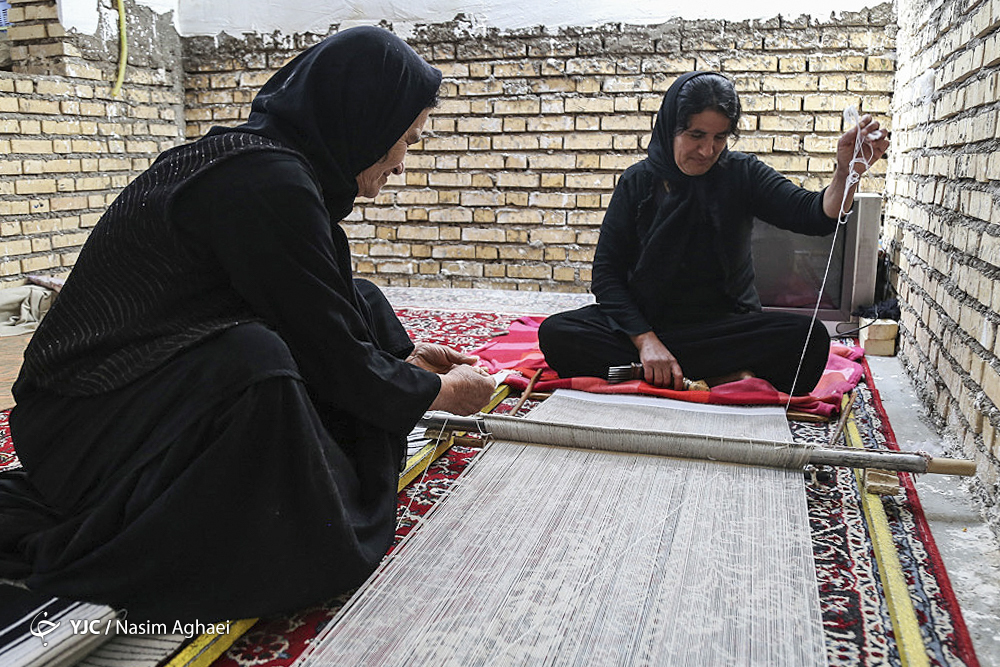
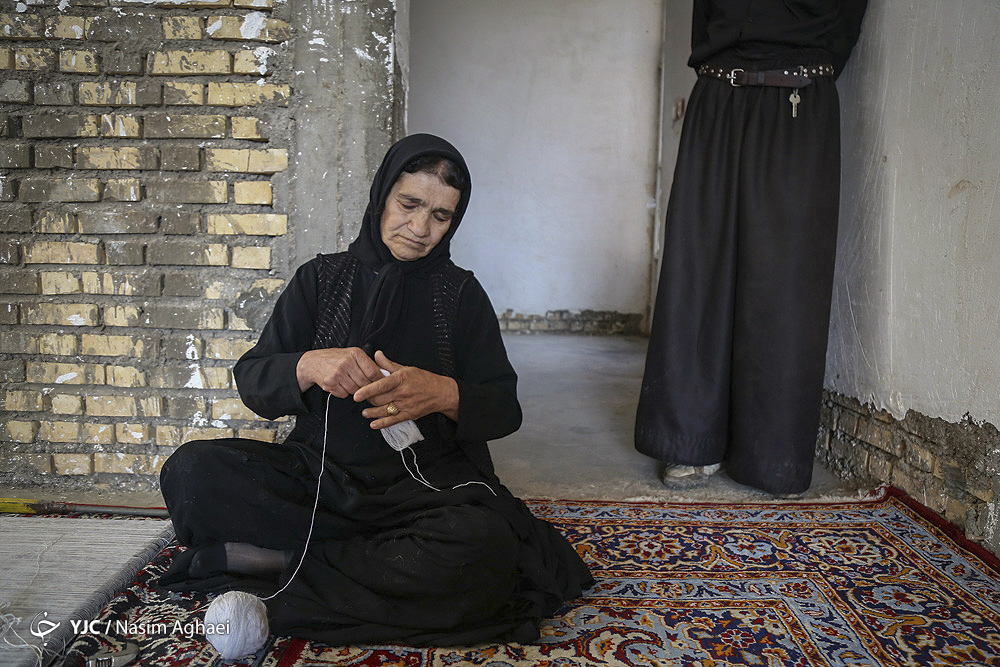
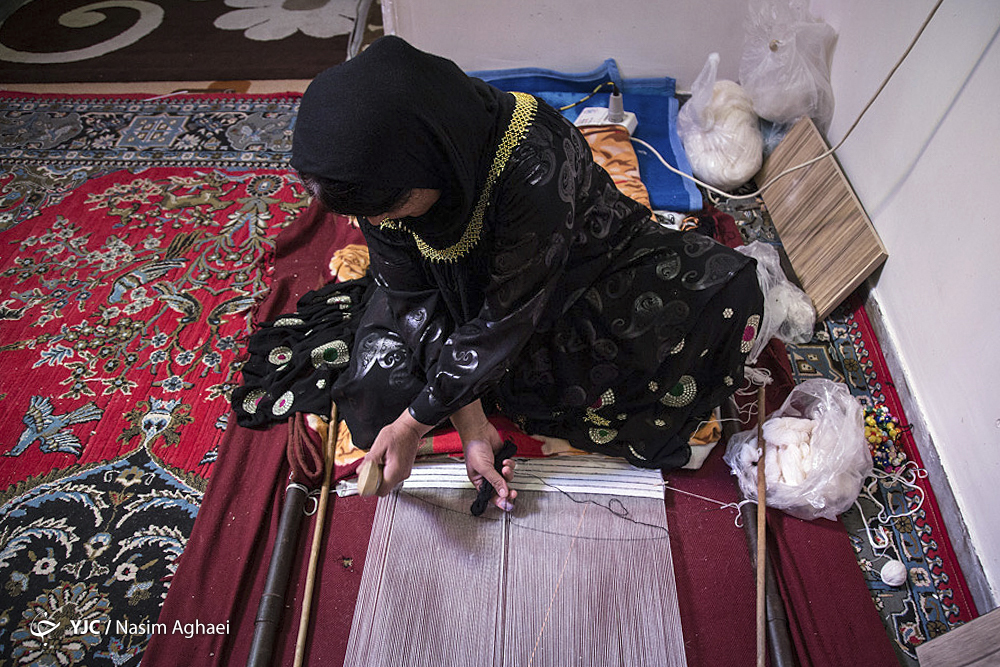
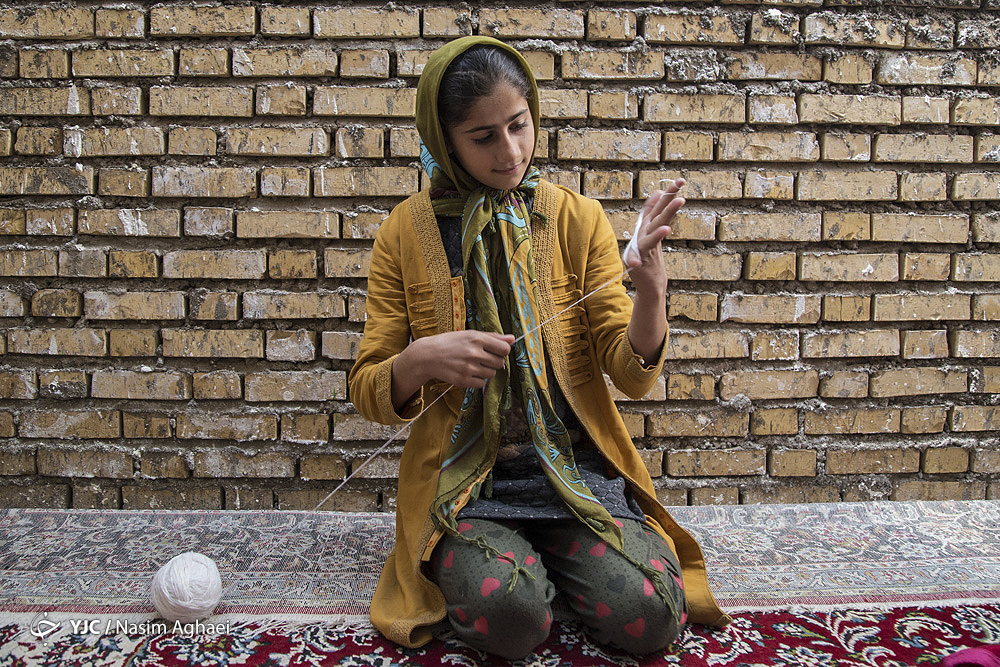
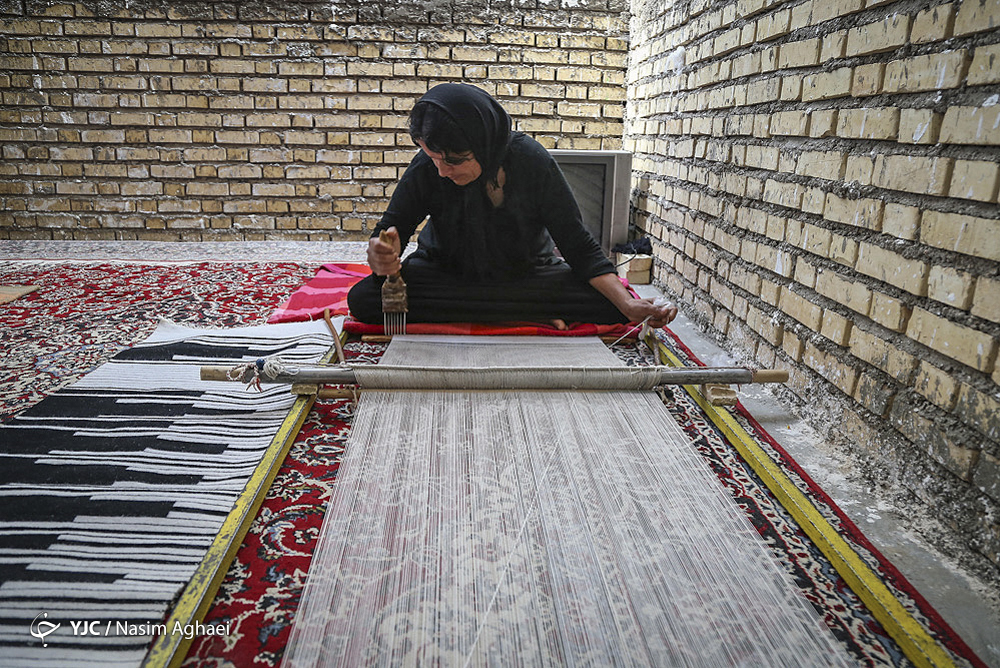
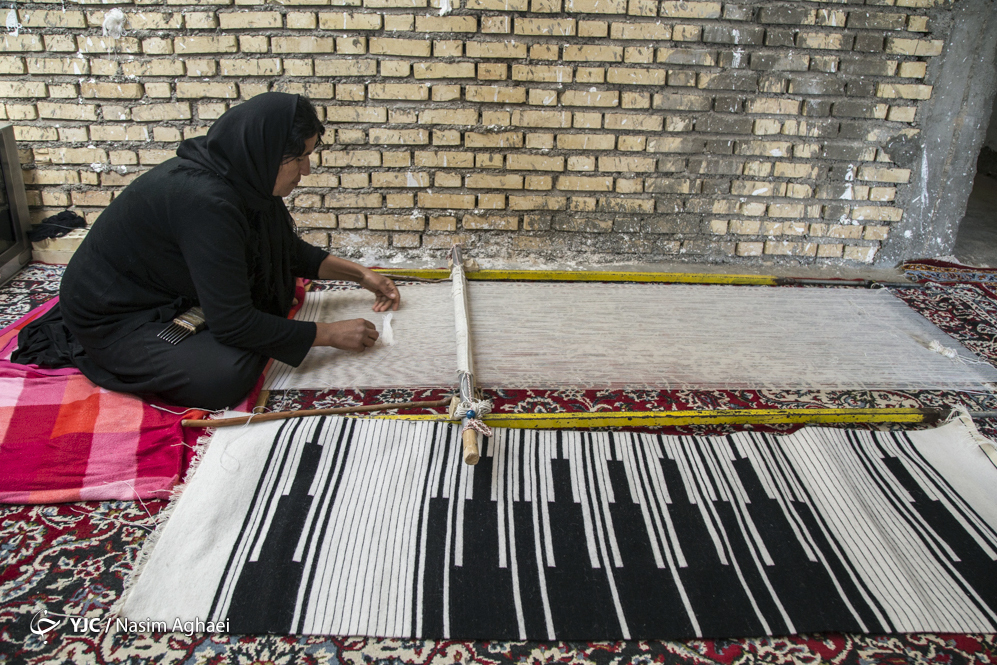
To weave the male coat, women use lying frame. Its weaving technique is similar to that of the carpet weaving but it has very delicate textures woven with thinner threads. The length of the fiber used for weaving a Chugha stands at 2.5 to 3.5m and width at 50 to 70 cm. It is woven with a thread of cotton (sometimes wool).

The photos below depict Chugha weaving in Andika city, north of the southern province of Khuzestan retrieved from YJC.

Iran, Iraq to Establish Air Cooperation against Potential Threats

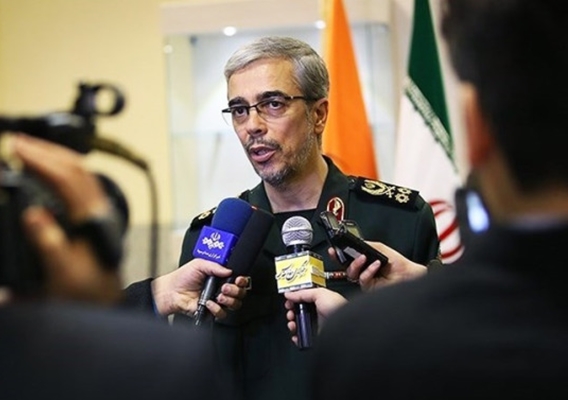
Briefing reporters on his Saturday meeting with his Iraqi counterpart in Tehran, Major General Mohammad Baqeri said Iran and Iraq have warm relations in military areas.

“Iran and Iraq have deep commonalities. Our relations with Iraq are different from those with other countries because Iran and Iraq enjoy common interests and are exposed to common threats,” he said.

He then referred to the great number of Iranian religious tourists visiting Iraq each year and said the armed forces of two sides need to establish further cooperation to preserve regional security and achieve their common goals.

The commander then referred to his latest visit to Damascus to take part in a trilateral meeting with his Iraqi and Syrian counterparts on the regional security and added during the meeting, he held some discussions on military cooperation between the three countries.

“During my meeting with the Iraqi commander in Tehran, we discussed border issues. Based on an agreement reached by the two sides’ high-ranking officials, Iran and Iraq are set to dredge the border river of Arvand Rud in the near future. The security of the project is expected to be provided by two sides’ armed forces.”

“We also exchanged views on Iran-Iraq cooperation in Arvand Rud to strengthen the Persian Gulf’s security,” he noted.

Elsewhere, the top general said during the meeting, he also urged the reopening of Khosravi border checkpoint for Iranian religious tourists.

“The Iraqi official promised to provide Iranian religious tourists with a safe road through Diyala province and reopen Khosravi border checkpoint in the near future so that Iranian religious tourists could also travel to Syria through Iraq,” he said.

“The Iraqi side also expressed his country’s preparedness to prepare the border routes. Meanwhile, the Syrian side has already announced its basic readiness to take part in the project,” he said.

The Iranian commander also said other issues of mutual interest were discussed during the meeting including Iran and Iraq air defence cooperation.

“We feel some air threats from our western borders. To cope with any potential attack, we feel that Iran and Iraq should establish air defence cooperation,” he added.

Holding training courses and joint maneuvers to share experiences were among other issues discussed during the meeting.

The top general also referred to the presence of American forces in Iraq and said the Iraqi officials have given assurance to the Islamic Republic that they won’t cooperate with the US sanctions against Iran.

“So far, they have had good cooperation with Iran and the Iraqi commander gave us assurance that his country would have more controls over US forces. He maintained that the US forces are stationed in Iraq for training purposes only,” he concluded.

Iran Leader Urges Iraq to Make US Troops Leave ASAP

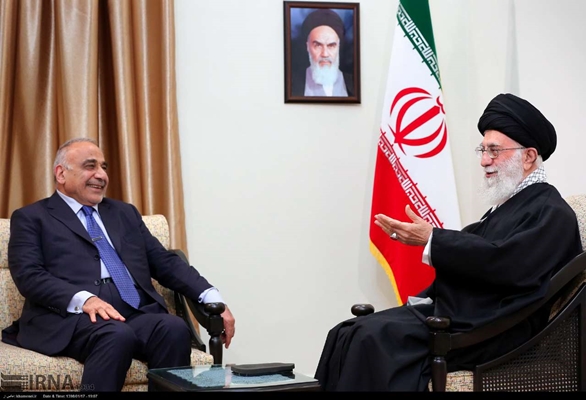
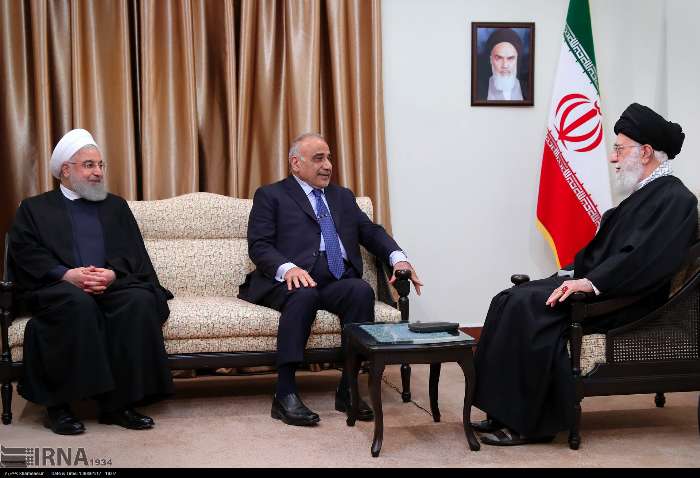
“Relations between the Islamic Republic of Iran and Iraq are beyond relations between two neighbouring countries and the Iranian government and nation regard progress and prosperity of Iraq as beneficial to themselves,” the Leader said in a meeting with Iraqi Prime Minister Adel Abdul-Mahdi and his accompanying delegation in Tehran on Saturday.

“But despite their remarks, the Americans regard democracy and Iraq’s current political activists to their detriment and based on this, the Iraqi government should do something [to ensure] that American military troops will leave Iraq as soon as possible,” Ayatollah Khamenei added.

The Leader emphasized that Iraq could turn into the Arab world’s most influential country thanks to its human capacities and rich underground resources.

The US and its stooges in the region oppose the current democratic process in Iraq and believe that it would be against their interests, the Leader stated.

Ayatollah Khamenei added that the Iraqi government, parliament and current political activists were not favored by the US and therefore it was hatching plots to eliminate them from the political scene of Iraq.

The Leader pointed to contradictory remarks and intentions of American and Saudi officials and said, “They funneled money, weapons and equipment to Daesh at a time that they [the terrorists] had occupied Mosul, and now that Iraq has overcome Daesh, they are expressing friendly words.”

The Leader hailed Abdul-Mahdi’s wise and prudent stance on regional issues, particularly the developments in Iraq, and said the Iraqi youths were among the country’s human capacities that had passed the exam of the fight against Daesh terrorists in a good and admirable way and marked a historical event.

Ayatollah Khamenei added that scientists and elites were among Iraq’s other human capacities and said the US had killed many Iraqi scientists because it was aware of the significance of “this important asset.”

The Leader stressed the importance of maintaining full vigilance against the Daesh remnants “because they will once again embark on their crimes, if they feel a moment of weakness among the Iraqi government and nation.”

Ayatollah Khamenei said the presence of US troops in the region could harm the interests of any country where they had established a long presence.

The Leader further said that the Iranian and Iraqi nations had common beliefs and cultural and historic bonds.

During the meeting, which was also attended by Iranian President Hassan Rouhani, the Iraqi prime minister said the Iranian government and nation had always supported the Iraqis in difficult times, particularly in the fight against Daesh.

Abdul-Mahdi hailed his country’s relations with Iran and emphasized that Iraq would never join US sanctions against Tehran.

Speaking at a joint press conference with the Iraqi prime minister earlier in the day, Rouhani said Iran and Iraq were keen to expand their cooperation in the fight against terrorism and smuggling while seeking stronger ties in the power, gas and oil sectors.

“Border cooperation to fight terrorism, narcotics and smuggling will become stronger between the two countries,” Rouhani said.

Iran Leader Urges Iraq to Make US Troops Leave ASAP

Iranian, Iraqi FMs Hold Talks in Tehran

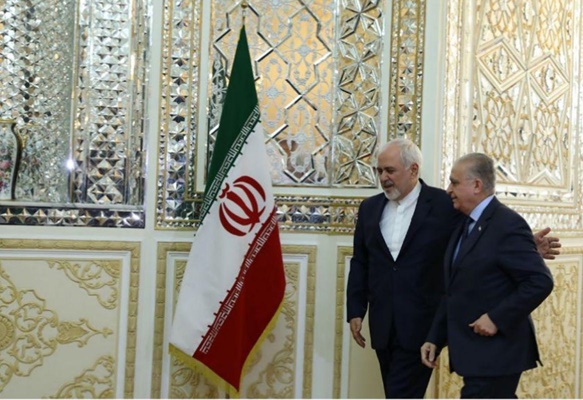
During the Saturday meeting, the two sides expressed satisfaction with the current trend of ties between Iran and Iraq and called for further strengthening of the relations of the two brotherly nations in various political, economic and border areas.

The two top diplomats also exchanged views on the most significant regional issues.

The Iraqi foreign minister arrived in Tehran on Saturday as part of a high-ranking Iraqi delegation headed by Prime Minister Adel Abdul Mahdi for a two-day stay in Iran.

The visit comes a few weeks after the historic visit of Iranian President Hassan Rouhani to Iraq back in March.

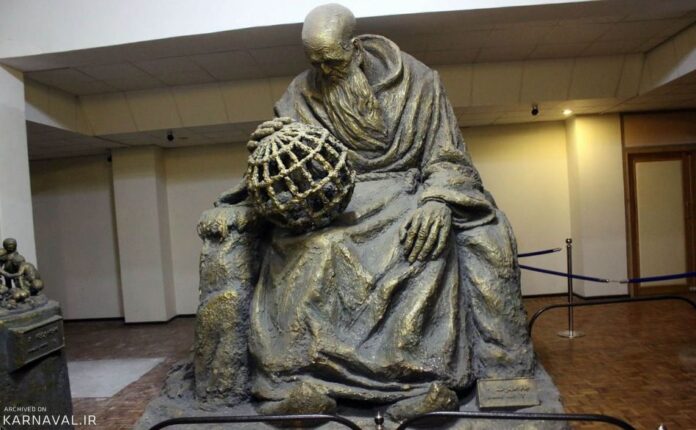
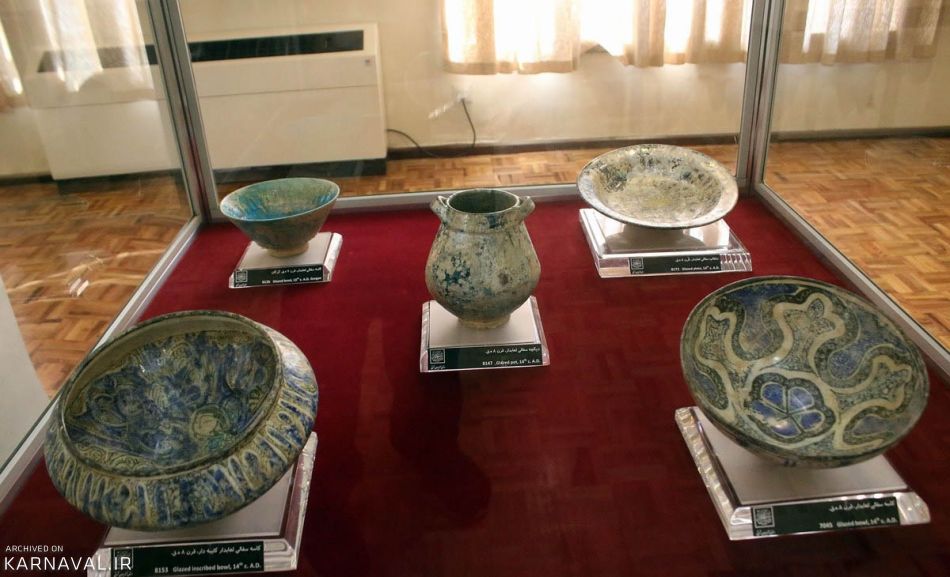
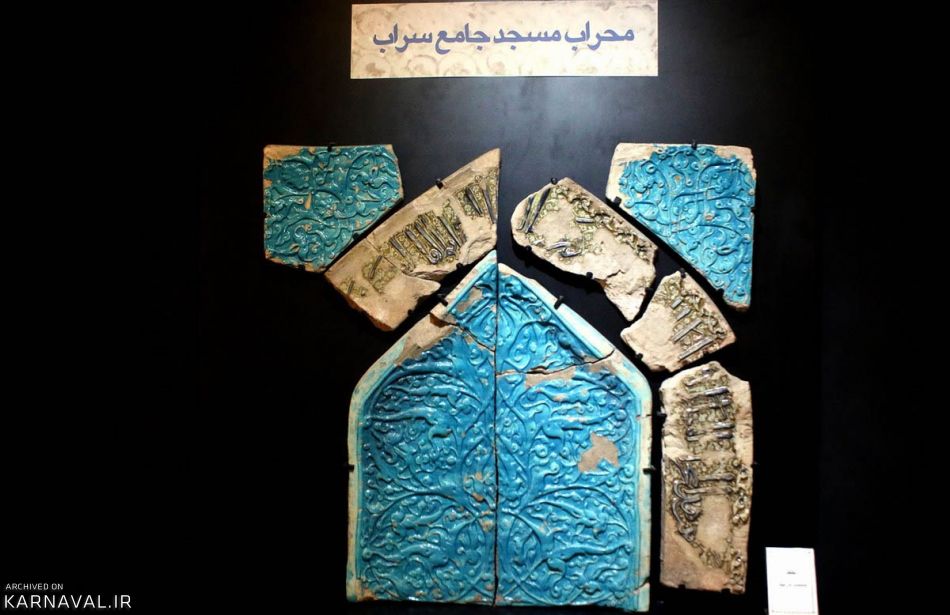
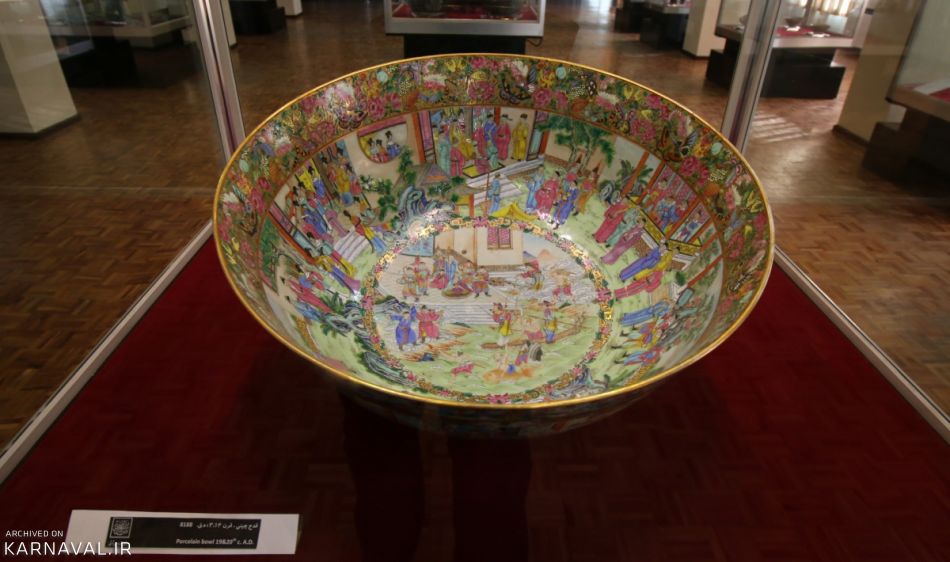
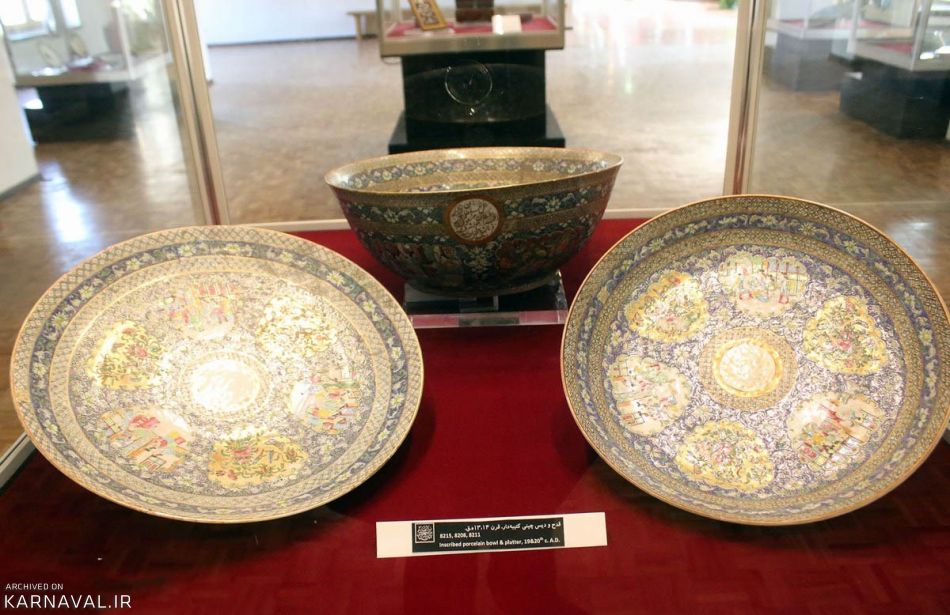
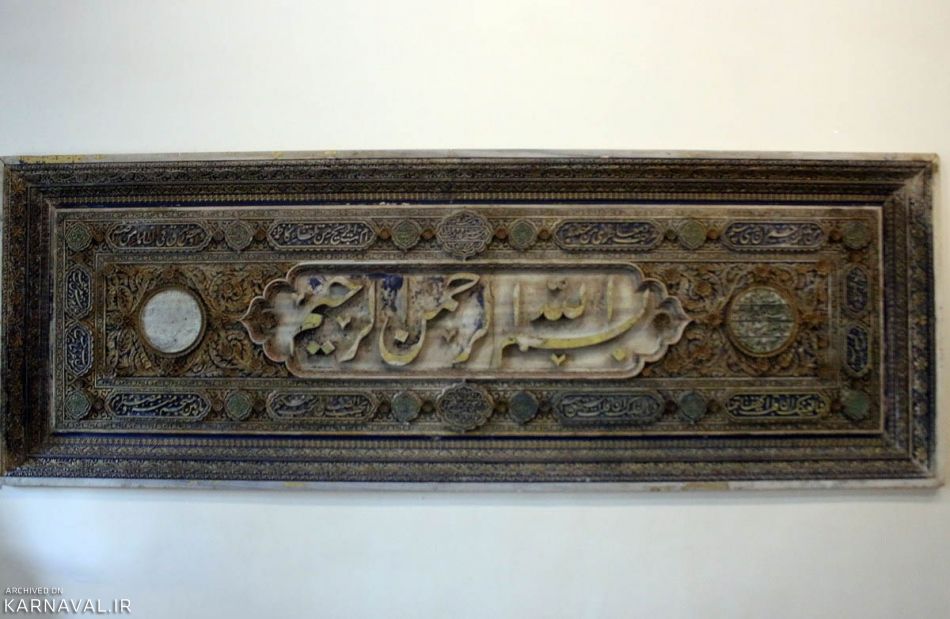
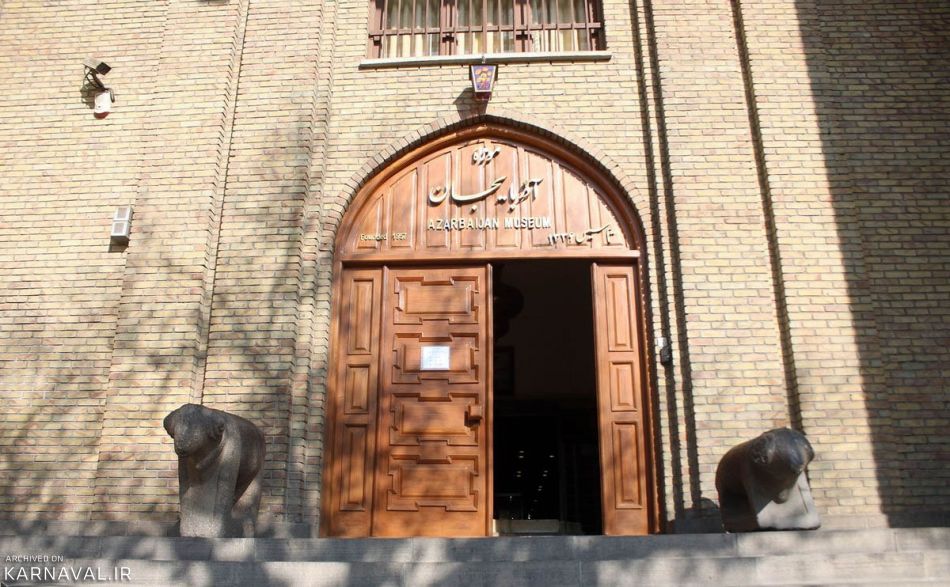
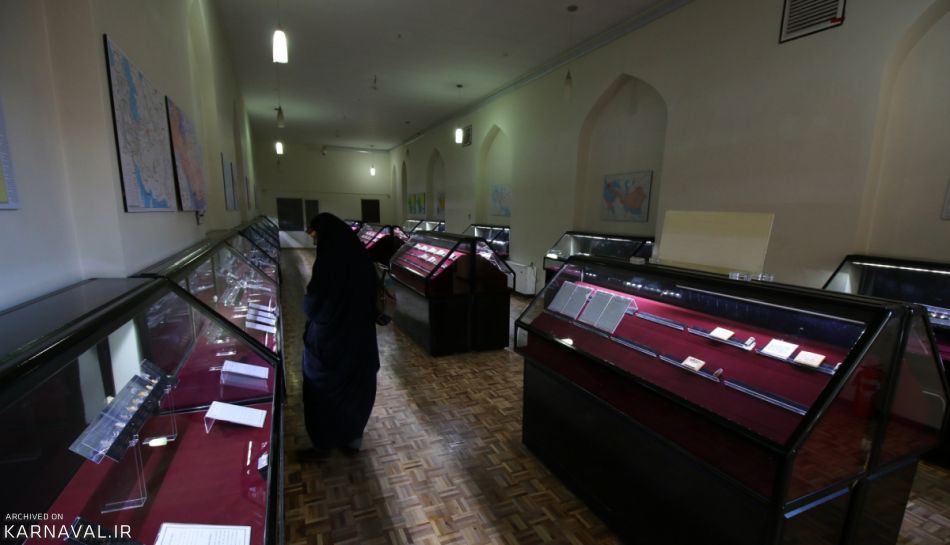
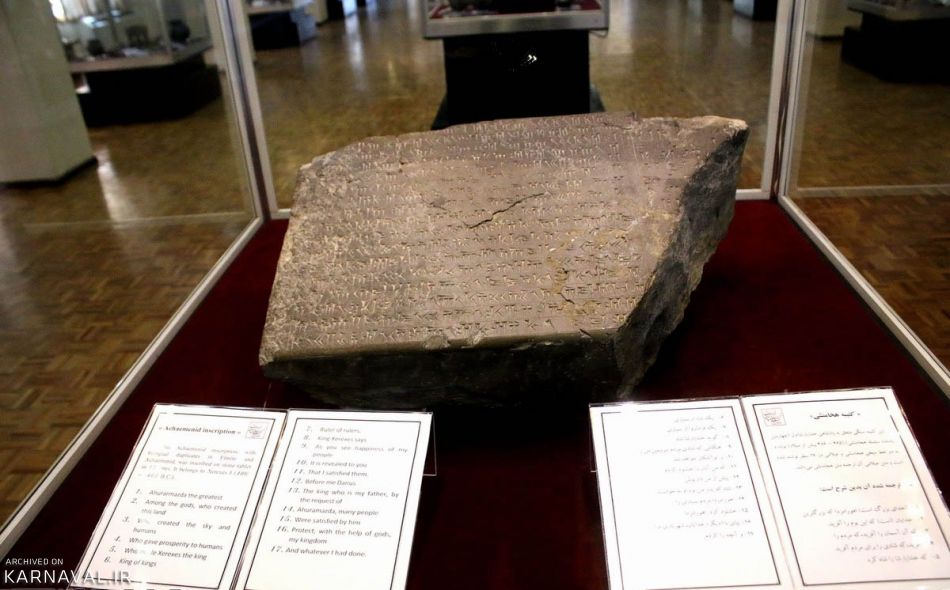
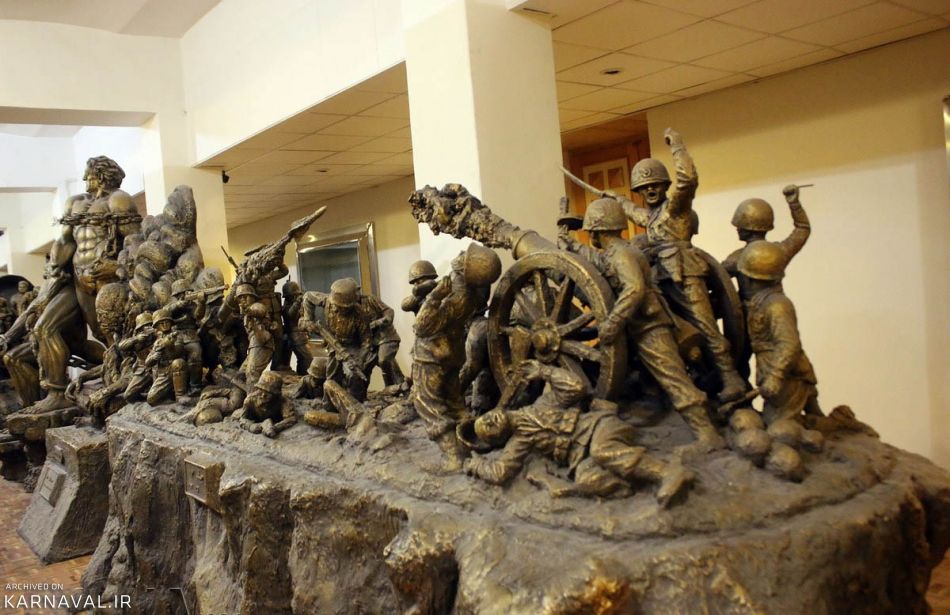
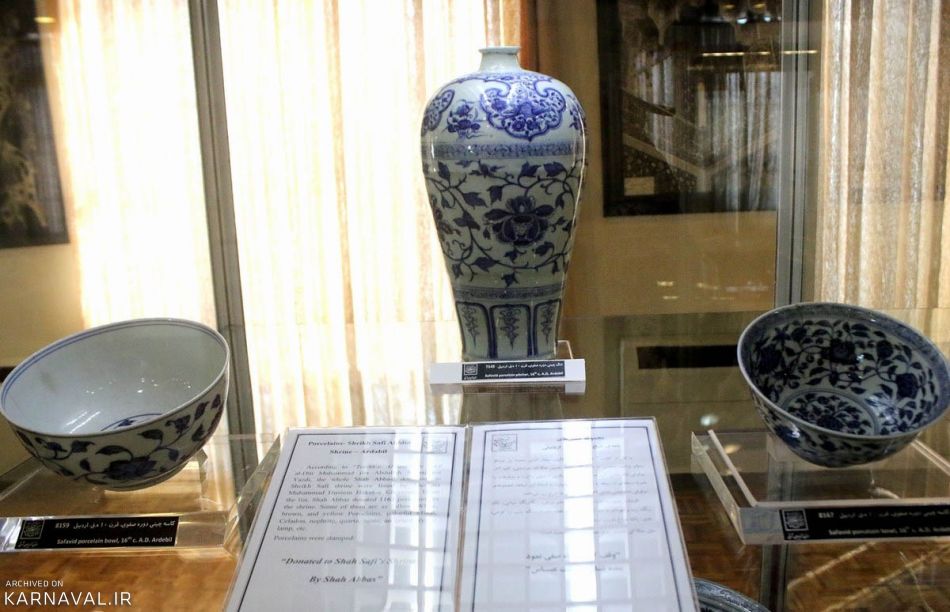
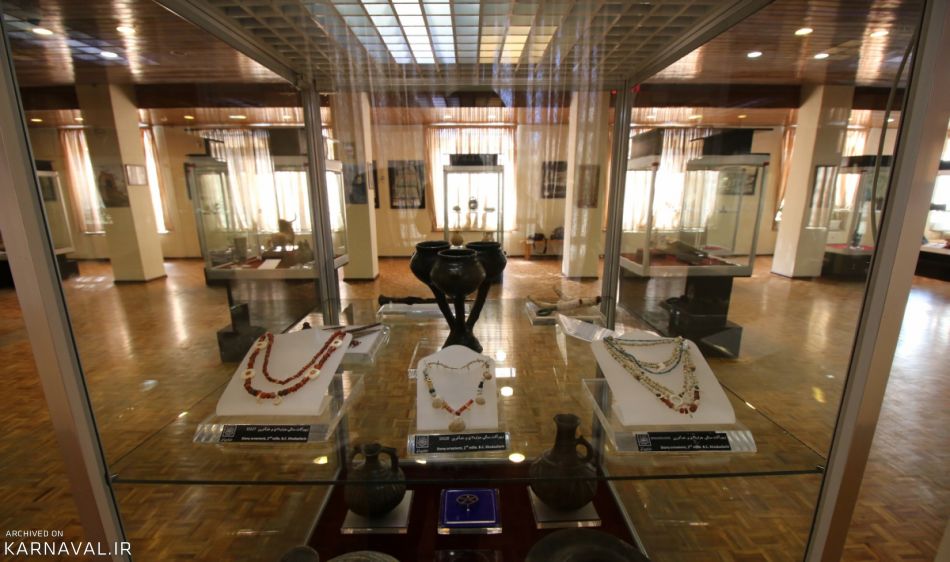
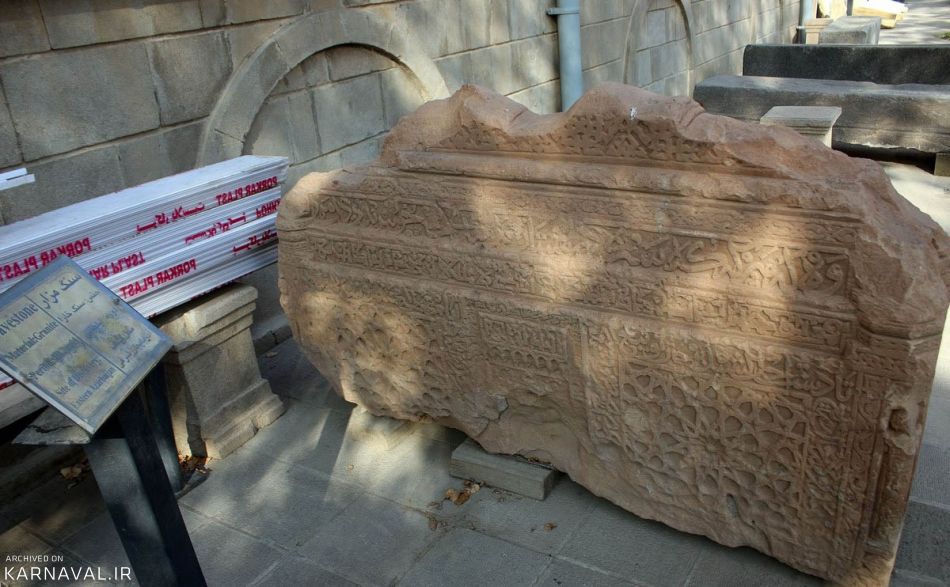
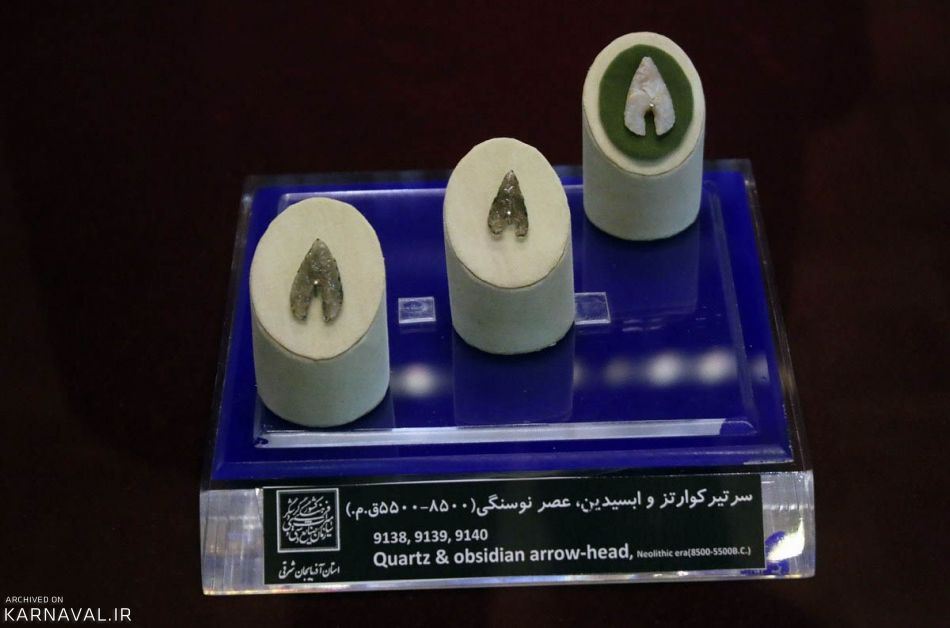
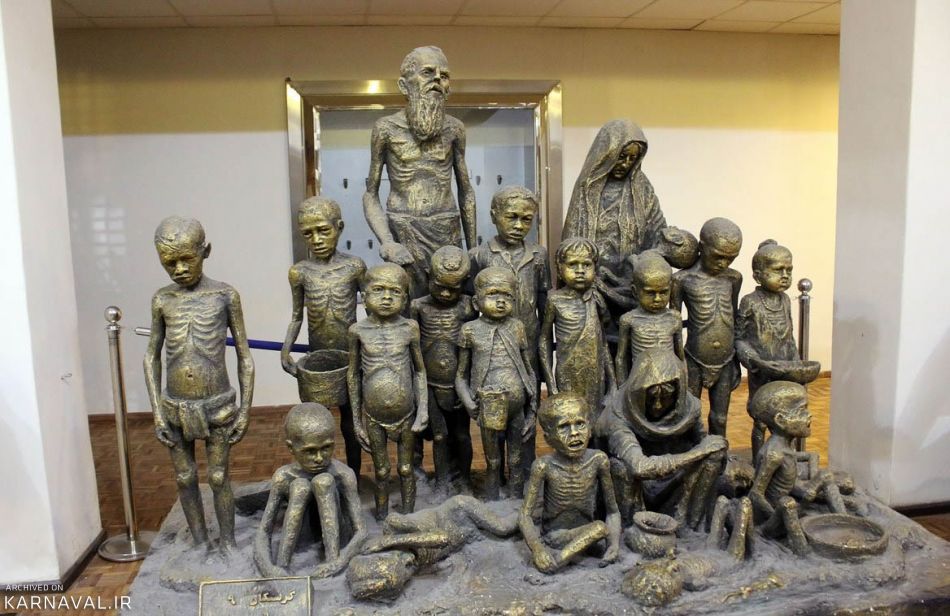
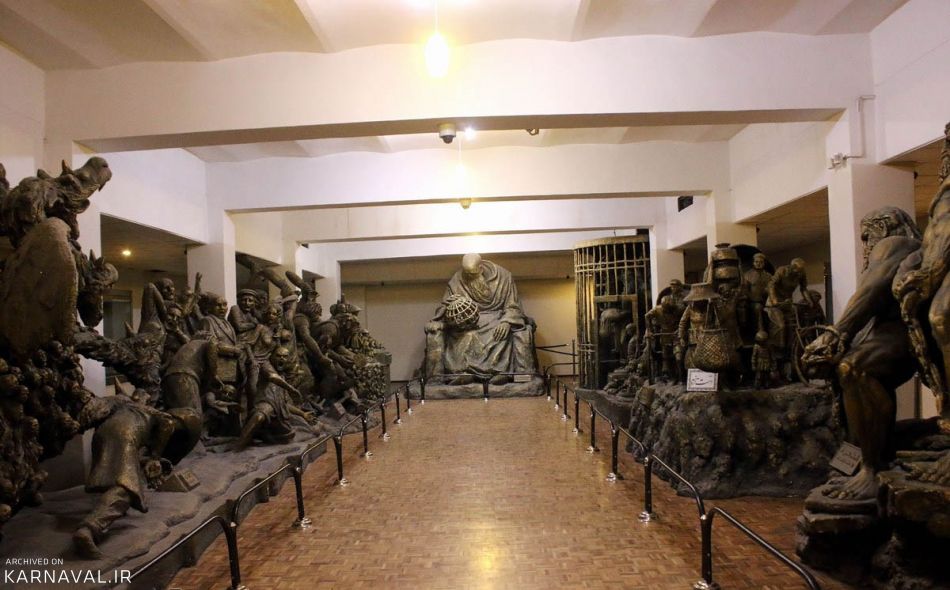
Azarbaijan Museum: Second Archaeology Museum of Iran

It is located in Tabriz and is one of the must-see attractions of this historical city.

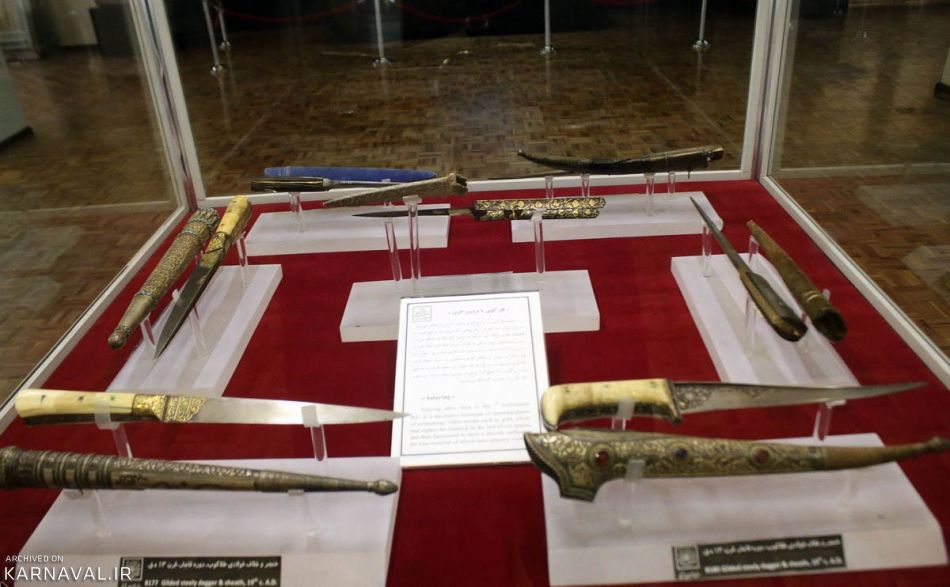
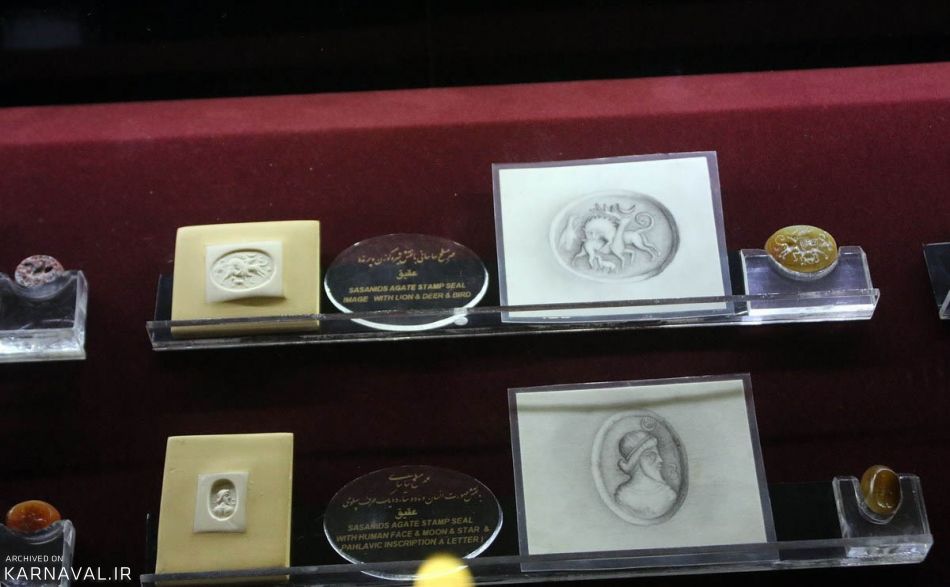
The museum houses important artifacts representing the history and civilization of ancient Iran. Domestic and foreign tourists call the museum one of the best tourist attractions of Tabriz.

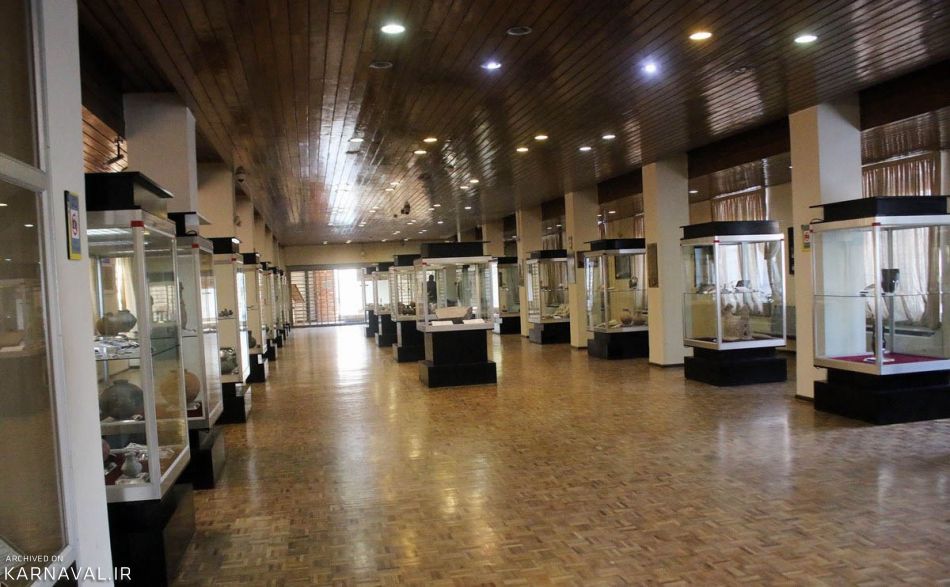
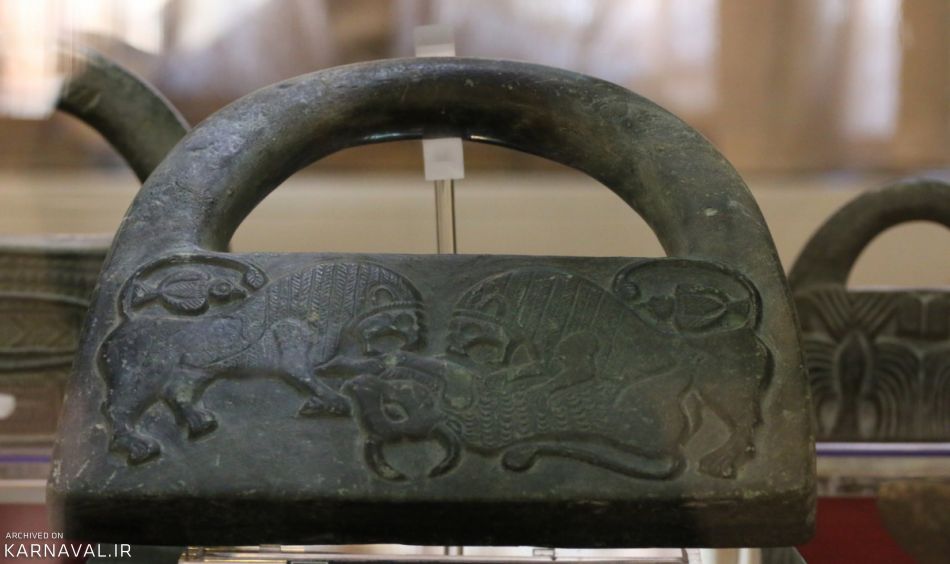
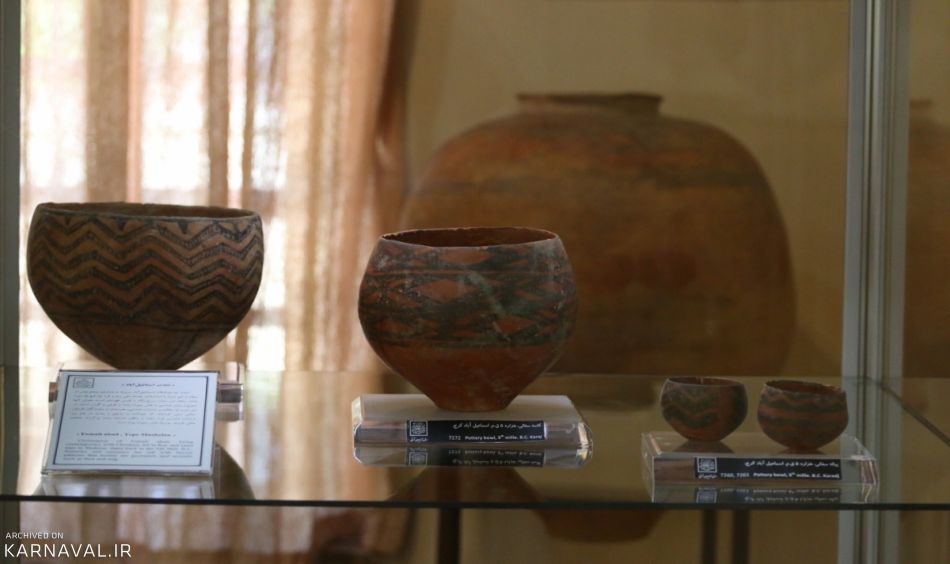
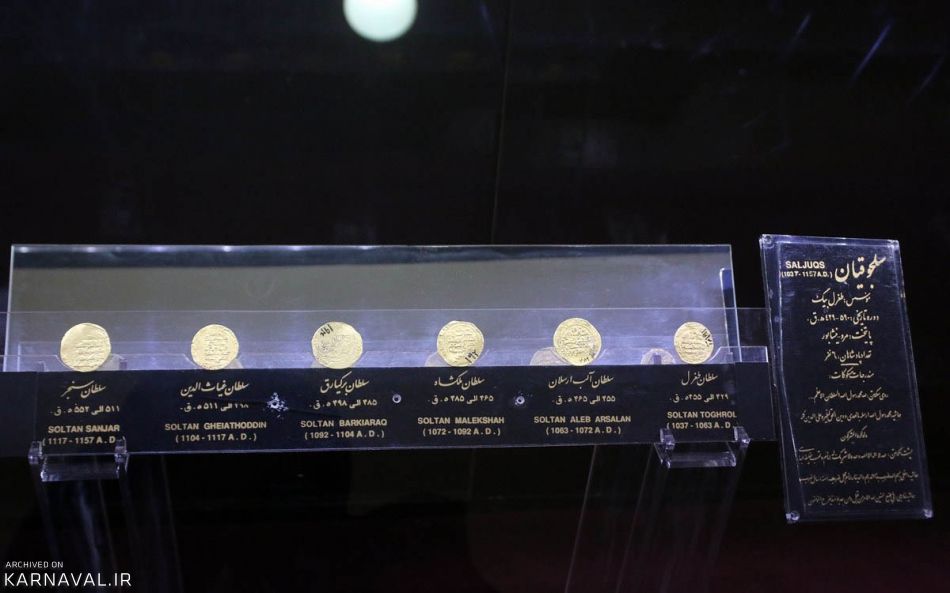
A whole range of unique items dating back to ancient Persia are on display at the museum, including old coins and a library with three thousand volumes of books as well as conceptual and artistic statues. Also on show are clayware items dating back seven thousand years, making them the oldest antiquities on display at the museum.

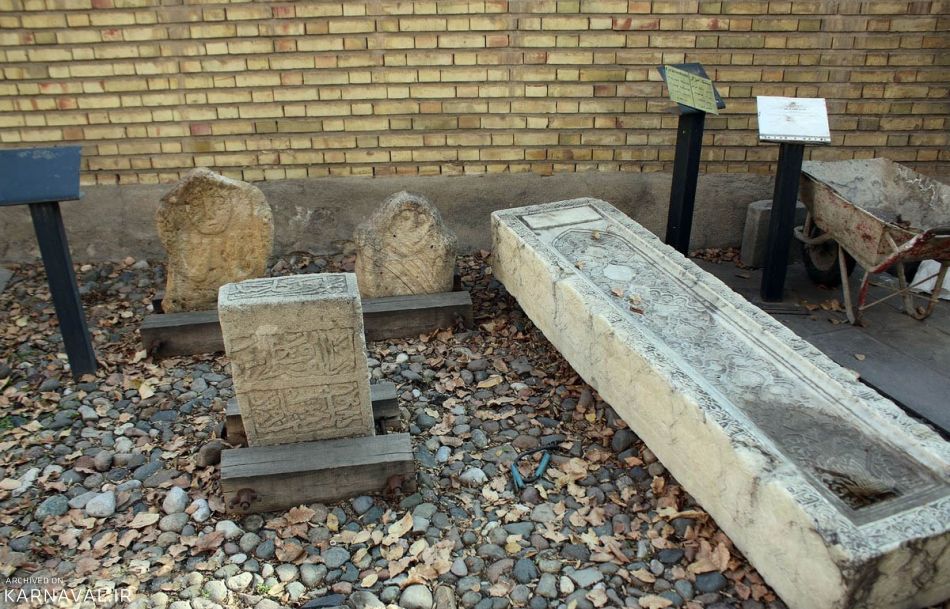
The museum also houses ancient treasure troves containing items which belong to the historical town of Nishapur and date back to 4 AH (Anno Hegirae). The artifacts bear kufic handwriting and arabesque designs. They are also covered with white coating. Ground was broken for the museum near the Kabood Mosque of Tabriz in 1957 and was inaugurated in 1962. Documents suggest the building of the Azerbaijan museum was modeled after an initial plan by André Godard (1881-1995) and inspired by the local architecture of Iran’s Azerbaijan.

It is worth mentioning that André Godard was an archaeologist, architect and historian of French and Middle Eastern Art. He also served as the director of the Iranian Archeological Service for many years.

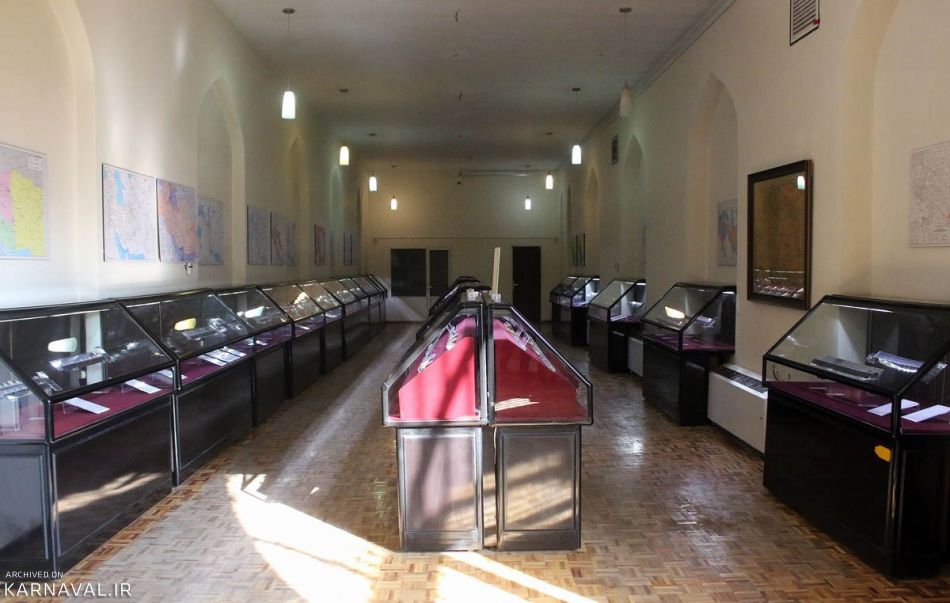
The plan for the Azerbaijan Museum was drawn by Esmail Dibaj, the representative of the General Department of Archaeology, and received final approval by Godard. Then the museum was constructed in three floors in an area measuring 3000 square metres. The museum’s building is comprised of different sections, namely four halls where antiquities are displayed, administrative and technical sections (laboratories and depots) as well as a specialized library. It is one of Iran’s largest museums.

Below you see images of the Azerbaijan Museum presented by different media outlets.

International Aid Pouring in for Flood-Hit People of Iran

A high representative of the European Union Commission said the commission is set to donate €1.2 million for the flood-hit people.

In a tweet, Christos Stylianides, European Commissioner for Humanitarian Aid and Crisis Management, expressed sympathy with the Iranians hit by the floods and said, “Following the severe floods in Iran we are allocating an initial amount of €1.2 million in emergency support to assist the most vulnerable communities. We stand in full solidarity with the Iranian people at this difficult time.”

On the other hand, the European Commission Spokesman Carlos Martin Ruiz said the EU’s aid convoys will be sent to Iran through the International Federation of Red Cross and Red Crescent Societies. He underlined that unlike other EU’s humanitarian aid, the convoys don’t serve as a political aid.

German Red Crescent Society Sends Rescue Boats, Equipment

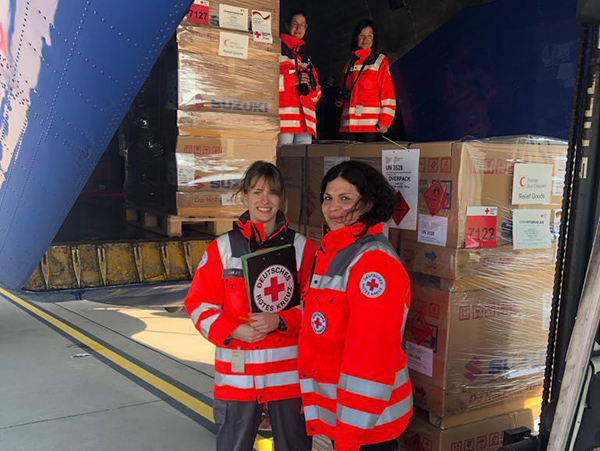
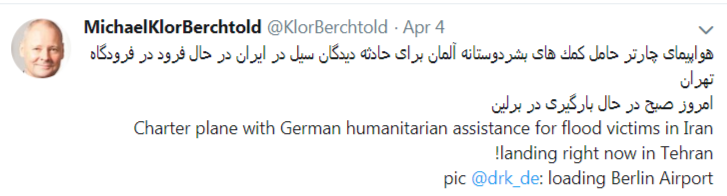
Germany’s ambassador to Iran said on his Twitter account that a charter flight carrying humanitarian aid has landed in Tehran. The aid from Germany includes 40 rescue boats as well as other safety equipment.
 

International Aid Pouring in for Flood-Hit People of IranFrance Prepared to Dispatch Aid to Flood-Hit Iranians

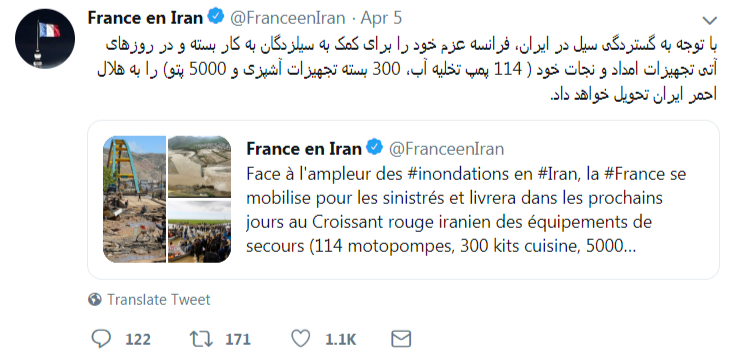
The French embassy in Tehran said given the severity of the recent floods in Iran, France is determined to contribute to efforts to cope with the disaster by delivering rescue equipment to the Iranian Red Crescent Society in the coming days.

In a post on its twitter account, the embassy said the equipment includes 114 water pump, 300 cooking tools and 5,000 blankets.
International Aid Pouring in for Flood-Hit People of Iran

Armenia Prepared to Send Aid to Friendly Nation of Iran

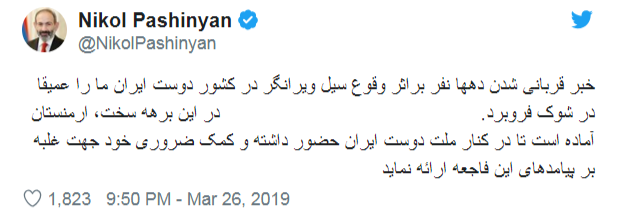
Armenian Prime Minister Nikol Pashinyan also expressed his sympathy with Iranian government and nation in a tweet, saying the casualties of the latest deluges in the friendly country of Iran has deeply shocked the Armenians. He also said Armenia ready to send aid to Iran.
International Aid Pouring in for Flood-Hit People of Iran


Switzerland to Send Two Water Purifiers

Switzerland Foreign Ministry said the country will dispatch two water purifiers to flood-hit areas in Iran. Each one of the purifiers enjoys the capacity to purify water for at least five thousand people.


Norway Says Sanctions Hampering Aid Operations

Norwegian ambassador to Tehran Lars Nordengren expressed his sympathy with the flood-hit Iranians. During his visit to a Red Crescent branch in northern Tehran, the ambassador held talks with the Iranian and international figures involved in aid efforts for flood-hit areas.

During the talks, he said his country is seeking to send humanitarian aid to Iran through Norwegian humanitarian associations.

He also touched on the impacts of the US sanctions on humanitarian aid to Iran and said the sanctions have hampered the flow of aid. He underlined that this is the people of Iran particularly the flood-hit people who are bearing the burden of the restrictions.


British Red Crescent Ready to Help Flood-Hit Iranians

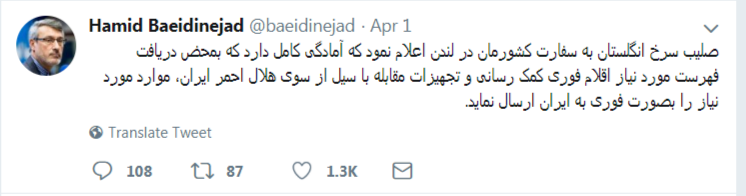
In a post in his twitter account, Iran’s ambassador to UK, Hamid Baeidinejad, said the UK Red Crescent Society has expressed its preparedness to contribute to aid efforts in Iran.

He said the society has told Iran’s embassy in London that it is totally prepared to immediately dispatch basic goods for flood-hit people of Iran after receiving the list of needed items.
International Aid Pouring in for Flood-Hit People of Iran


Turkey Expresses Sympathy with Flood-Hit Iranians

Turkey’s Red Crescent Society is among other Red Crescent centres in the world which expressed solidarity with the survivors of the floods and expressed its readiness to play a role in the current aid operations.

In a message, the society said it has already dispatched at least five trucks of humanitarian aid including blankets, make-shift tents, cooking tools and so on to Iran. The trucks arrived at Iran’s border on Friday.

Azerbaijan, Afghanistan Rush to Help Iranians

In a message, Novruz Aslanov, Head of Azerbaijan’s Red Crescent Society, expressed condolences over the deaths of tens of Iranians in the deadly floods. Meanwhile, Afghanistan’s Red Crescent Society also expressed sympathy with the Iranian nation, even though his own country had been hit by a severe flood, which killed dozens of people.

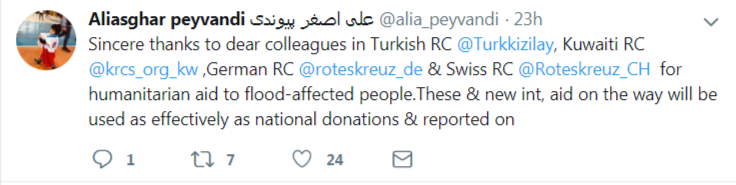
In a tweet, Iranian Red Crescent Society Chief, Ali Asghar Peyvandi, paid gratitude to his Kuwaiti, German and Swiss counterparts over their contributions to humanitarian aid in flood-hit areas, and vowed to brief the Iranian nation of the way in which the aid is distributed among the people.

International Aid Pouring in for Flood-Hit People of Iran