Saturday, December 27, 2025
Home Blog Page 3136

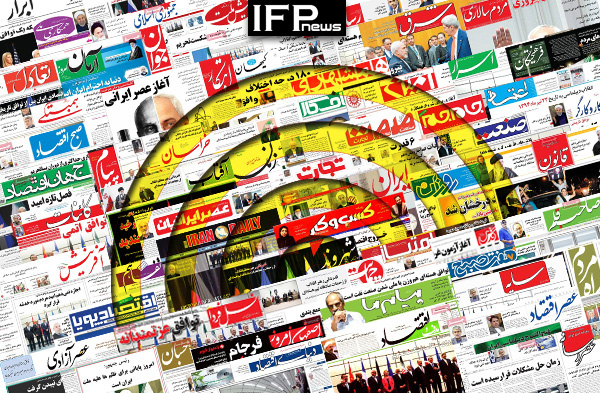
A Look at Iranian Newspaper Front Pages on August 17

A Look at Iranian Newspaper Front Pages on November 5

19 Dey:

1- Nasrallah Expresses Solidarity with Zarif

2- Rouhani’s Chief of Staff: UK’s Release of Iranian Tanker a Diplomatic Victory for Entire Establishment

A Look at Iranian Newspaper Front Pages on August 17


Abrar:

1- Araqchi: We’re Not after War, but Will Respond to Any Aggression Strongly

2- US Threatens Crew of Grace-1 Tanker with Sanctions

A Look at Iranian Newspaper Front Pages on August 17


Aftab-e Yazd:

1- Britain Backs Off: Iran’s Diplomatic, Military Moves Work

2- UK Humiliated US by Releasing Iran’s Tanker: Analyst

A Look at Iranian Newspaper Front Pages on August 17


Ebtekar:

1- Fate of Piracy

2- Corbyn against Johnson: Labour Leader Seeking to Oust New PM

A Look at Iranian Newspaper Front Pages on August 17


Etemad:

1- Military Might, Diplomatic Victory

2- Between Tehran and Washington [Editorial]

A Look at Iranian Newspaper Front Pages on August 17


Ettela’at:

1- Judiciary Chief: It’s End of Life of Those Involved in Financial Corruption

2- Forex Market in Iran Getting Stable, Predictable: Chief Banker

3- Any Attack on Iran to Set Region Ablaze: Nasrallah

A Look at Iranian Newspaper Front Pages on August 17


Hamshahri:

1- Adrian, Free in the Sea

* Grace-1 Tanker Renamed to Adrian Darya after Release

A Look at Iranian Newspaper Front Pages on August 17


Javan:

1- Iran Dictates Its Might; UK Defeated by Logic of Resistance

2- IRGC Chief: All Border Peaks in Northwestern Iran under IRGC’s Control

A Look at Iranian Newspaper Front Pages on August 17


Jomhouri Eslami:

1- US, UK’s Piracy Failed

2- Nasrallah in Letter to Zarif: Your Presence Strengthened with US Sanctions

A Look at Iranian Newspaper Front Pages on August 17


Kayhan:

1- Nigerian Shiites’ Leader Declines Treatment with Humiliation

2- Nasrallah: Israel’s Destruction to Be Aired Live

3- Iran’s Oil Tanker Released: Resistance 20 – 0 Negotiation

A Look at Iranian Newspaper Front Pages on August 17


Khorasan:

1- Trump’s Economy Shaken

* Is US Entering Economic Recession after Downfall of Wall Street Stock Exchange Market?

A Look at Iranian Newspaper Front Pages on August 17


Shargh:

1- Release of Iran’s Tanker in Defiance of Trump

2- From Tanker Seizure to Deployment in Strait of Hormuz

3- Release of Tanker: De-Escalation or Political Compromise?

A Look at Iranian Newspaper Front Pages on August 17

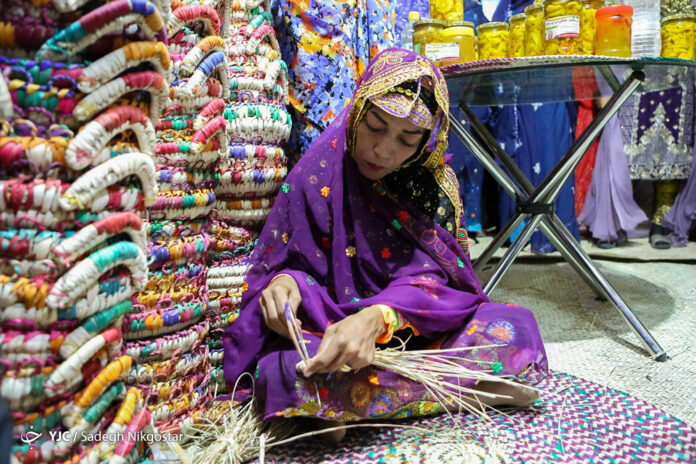
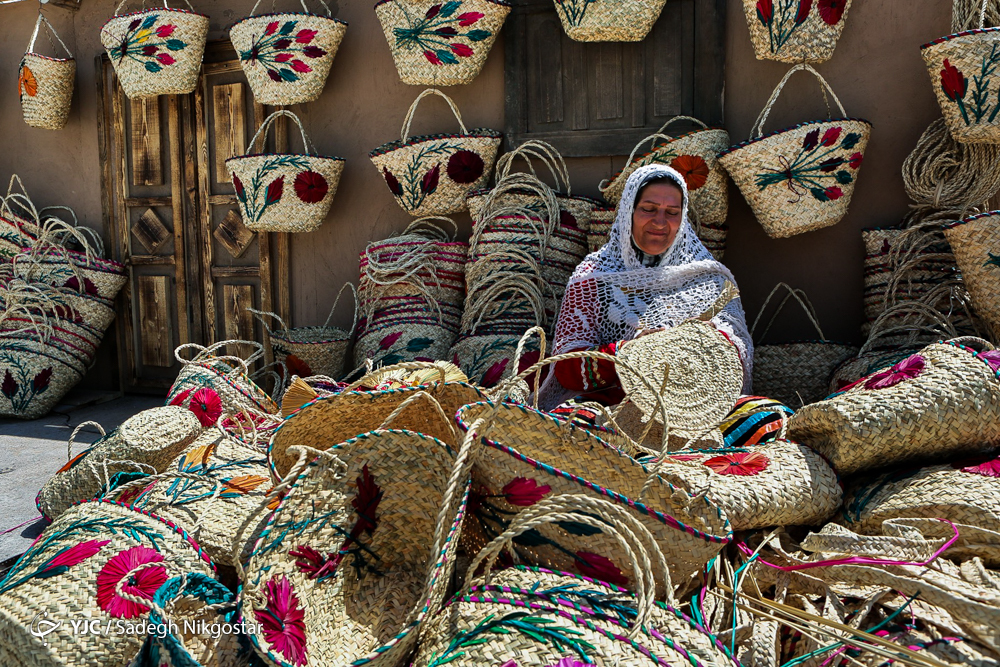
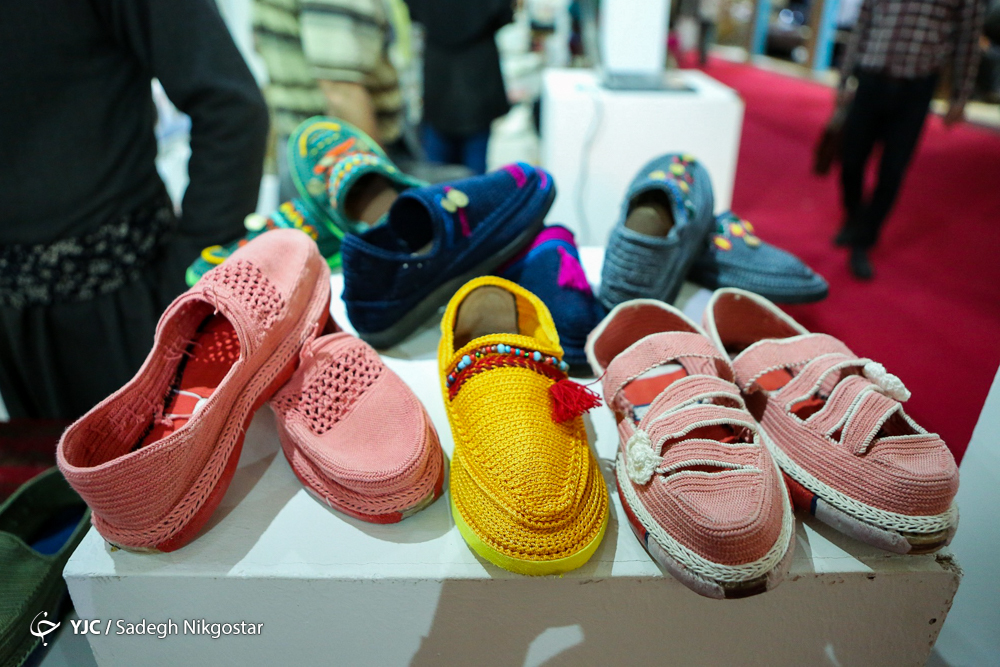
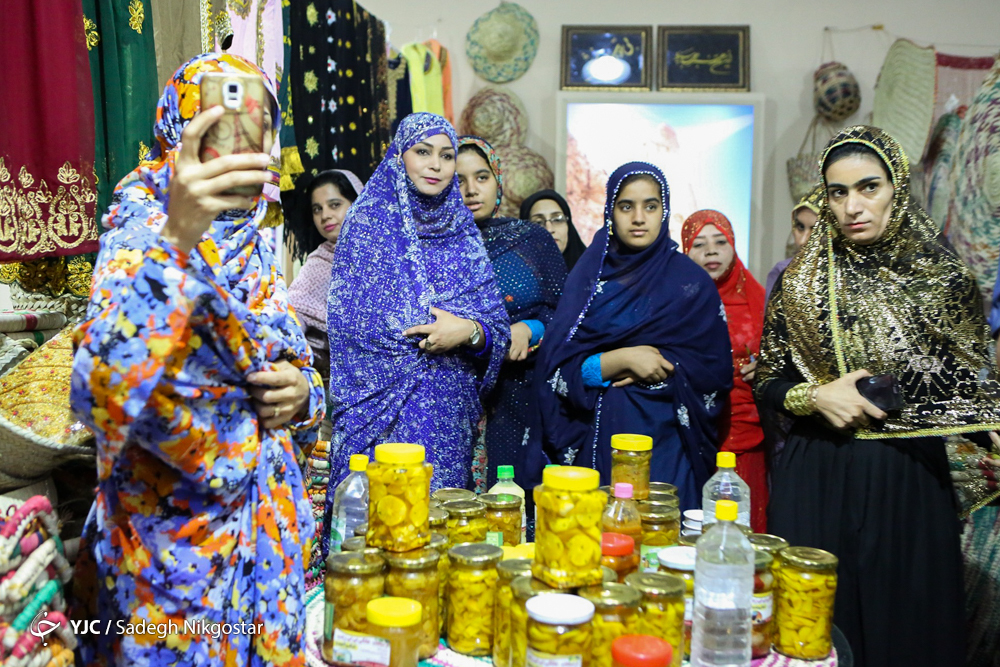
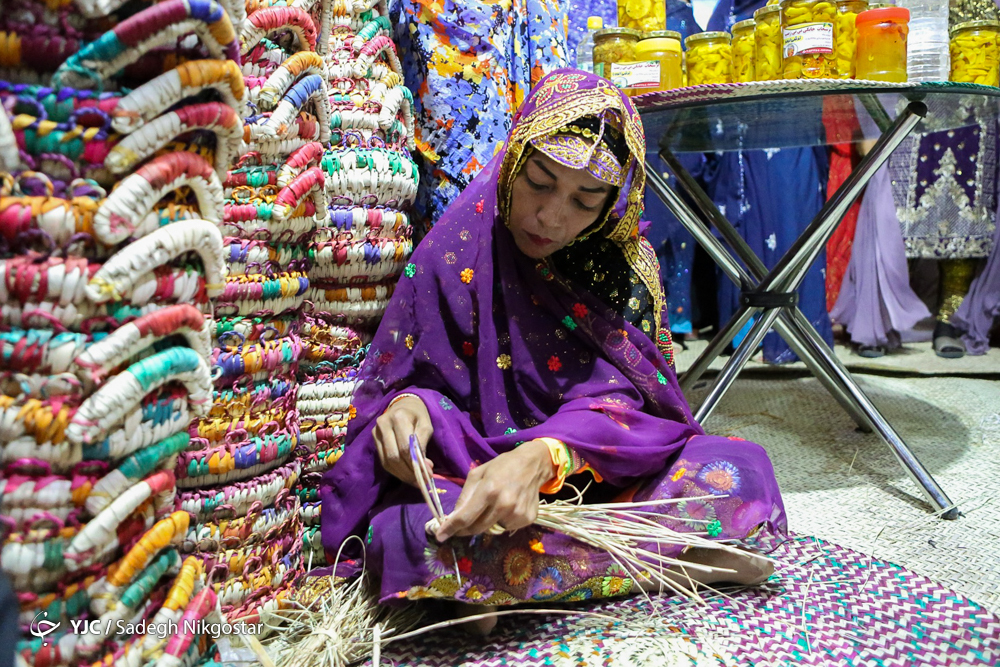
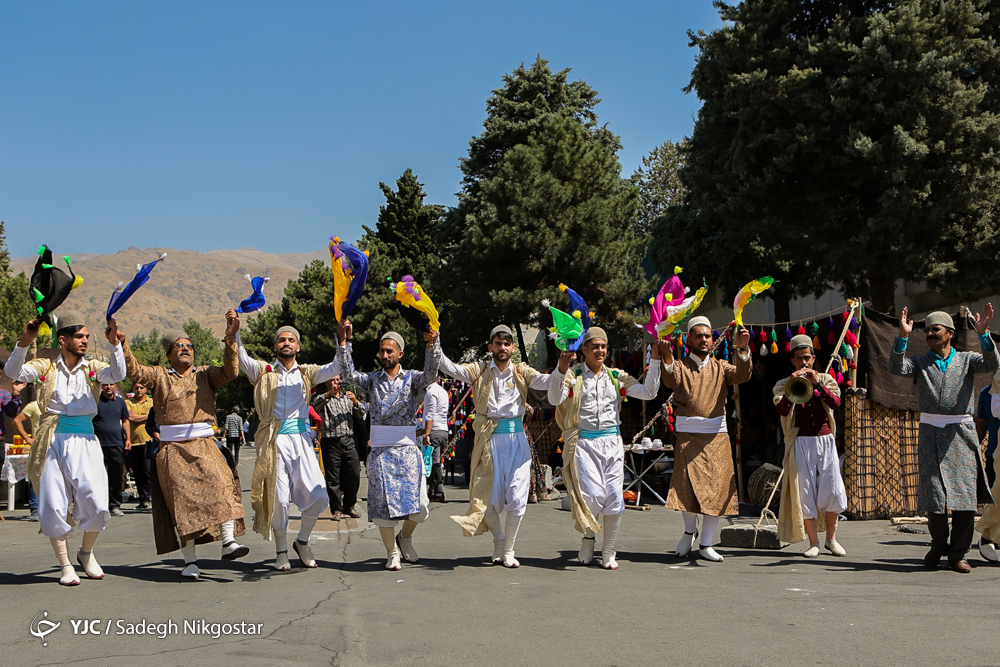
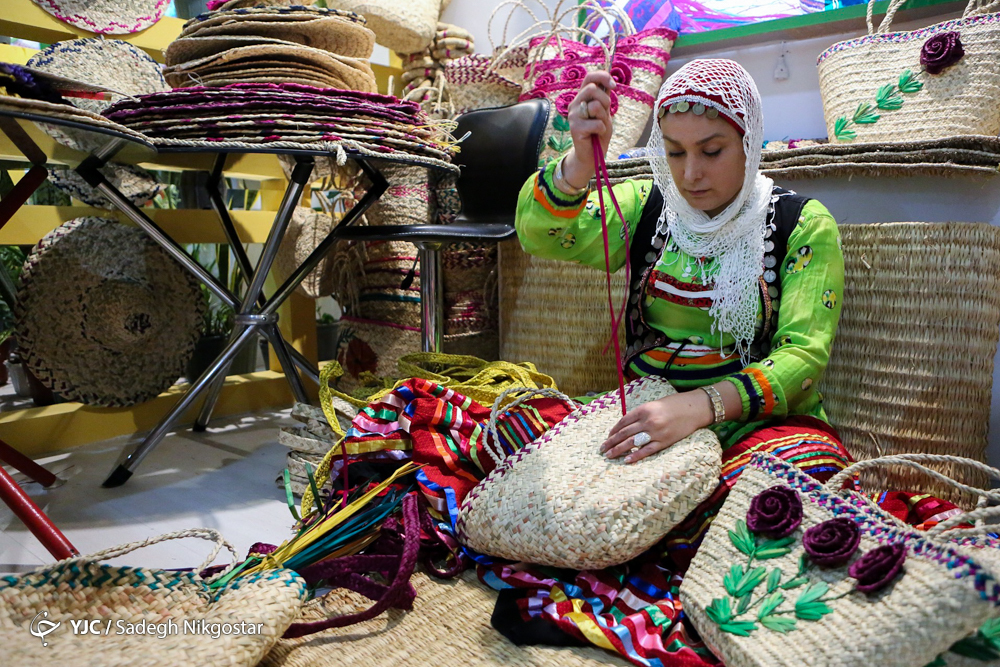
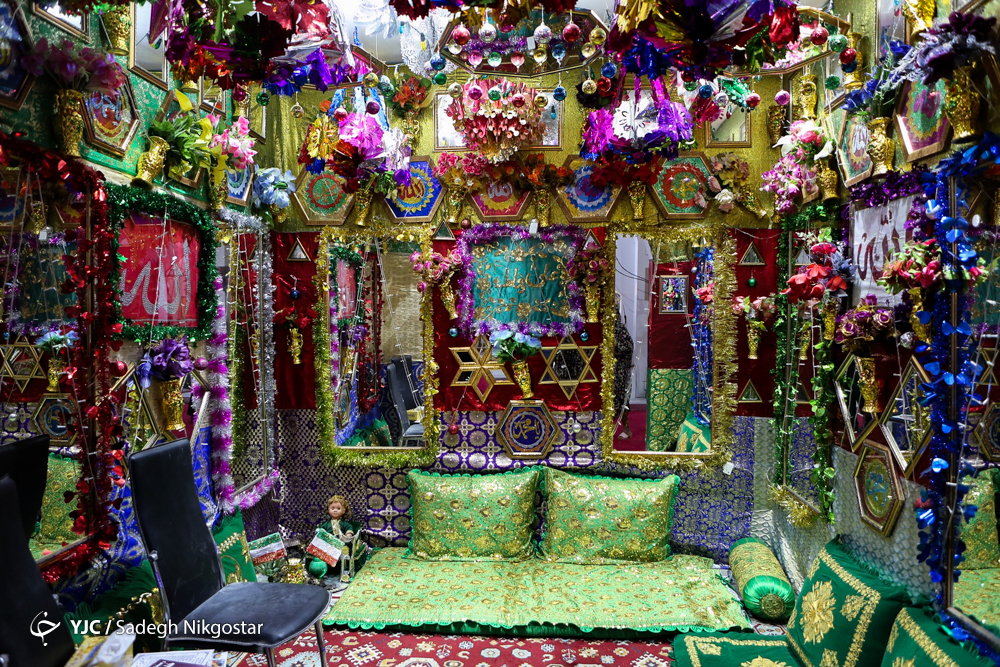
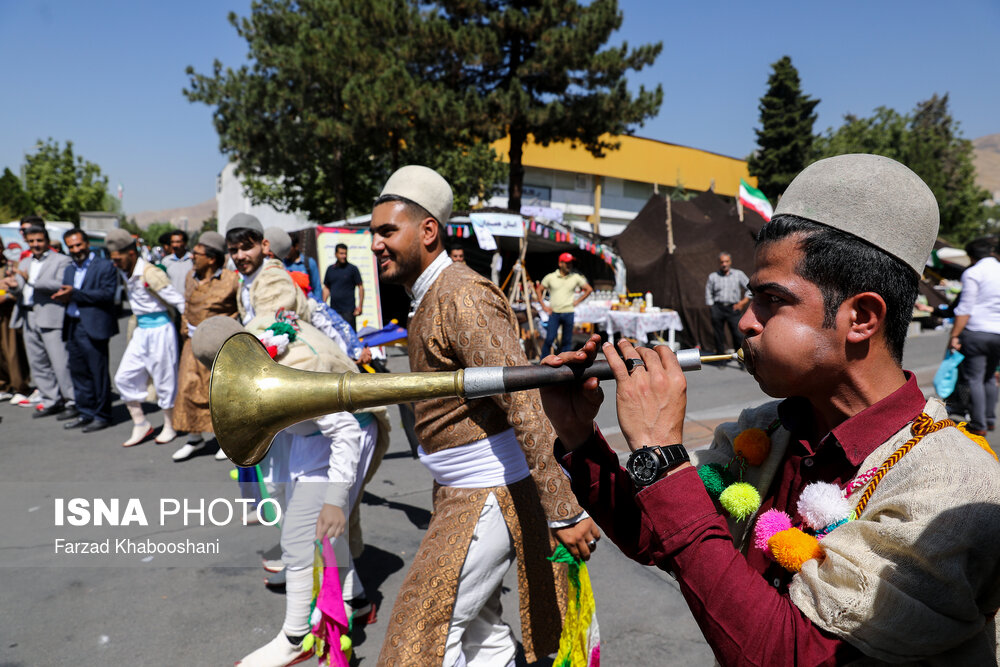
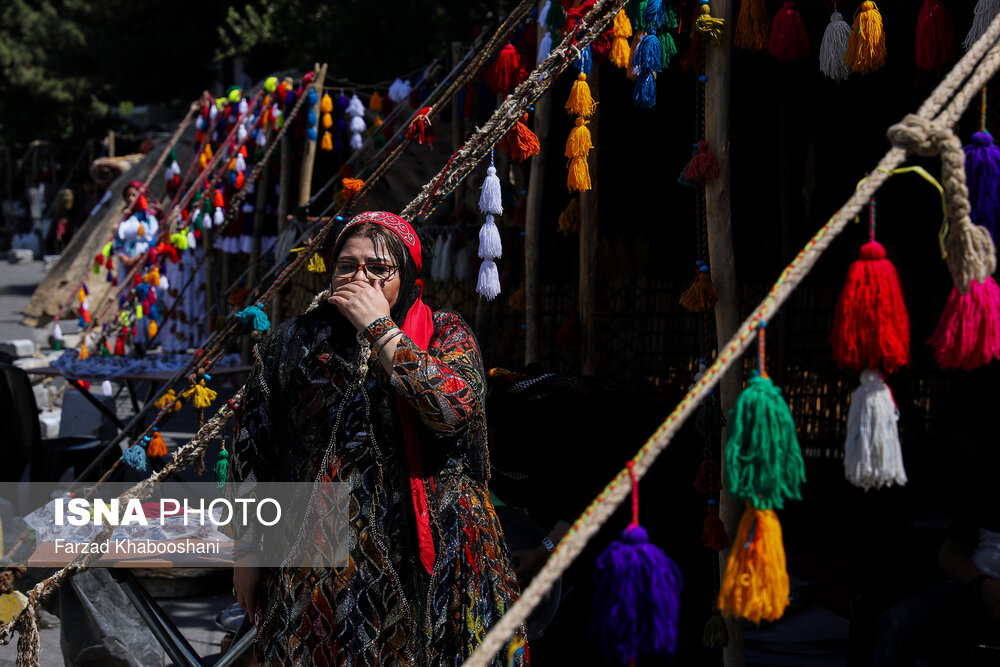
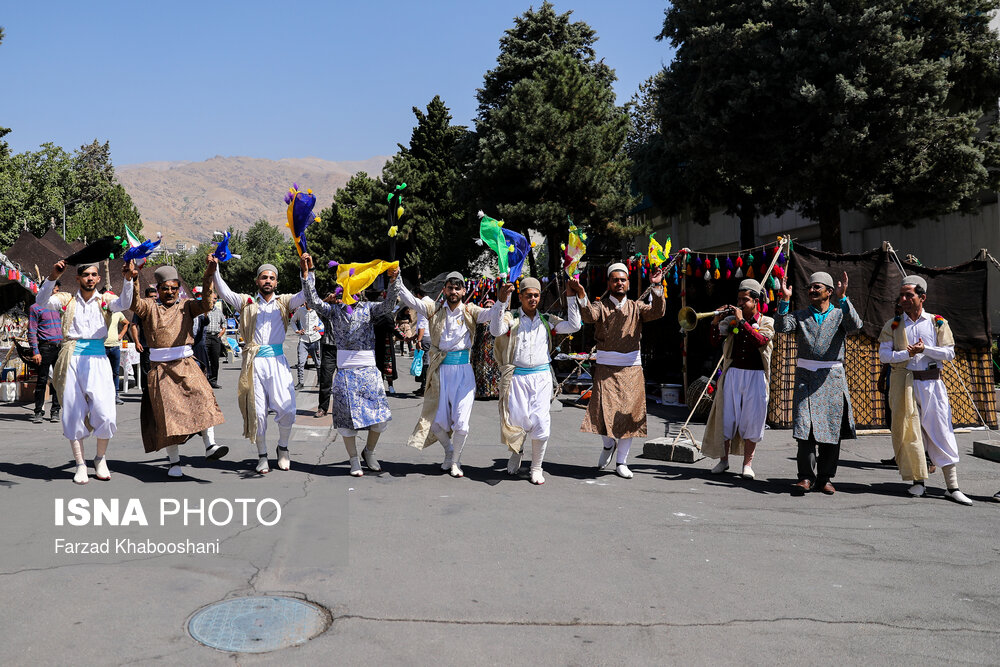
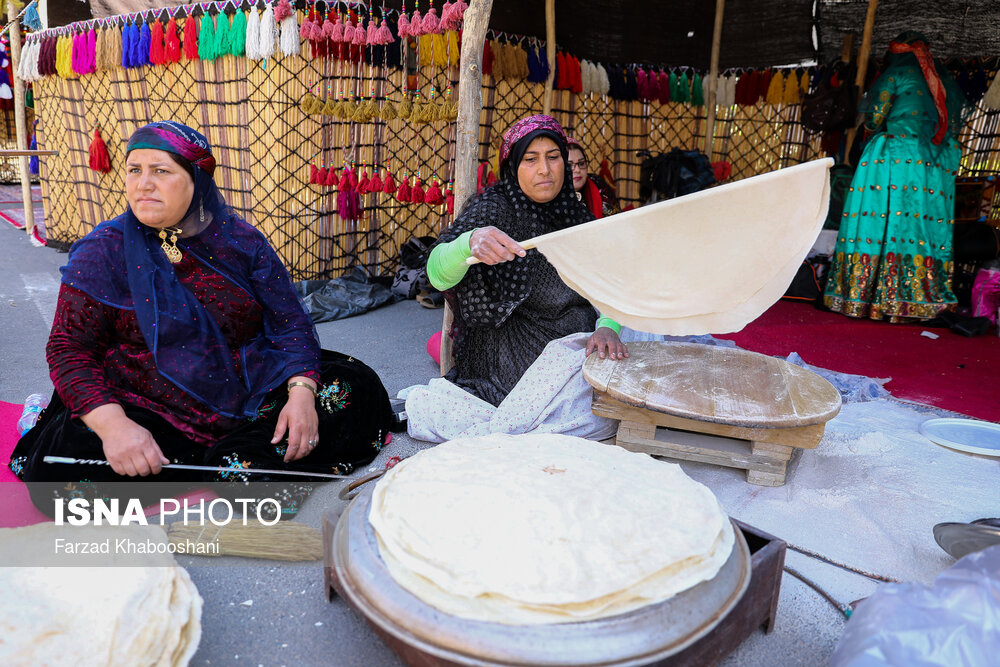
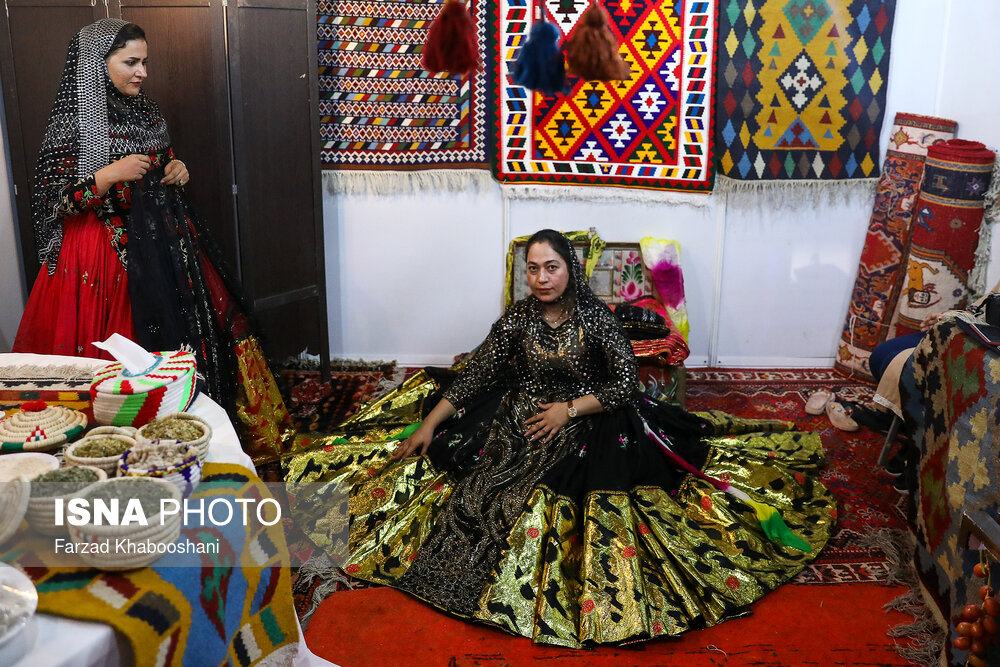
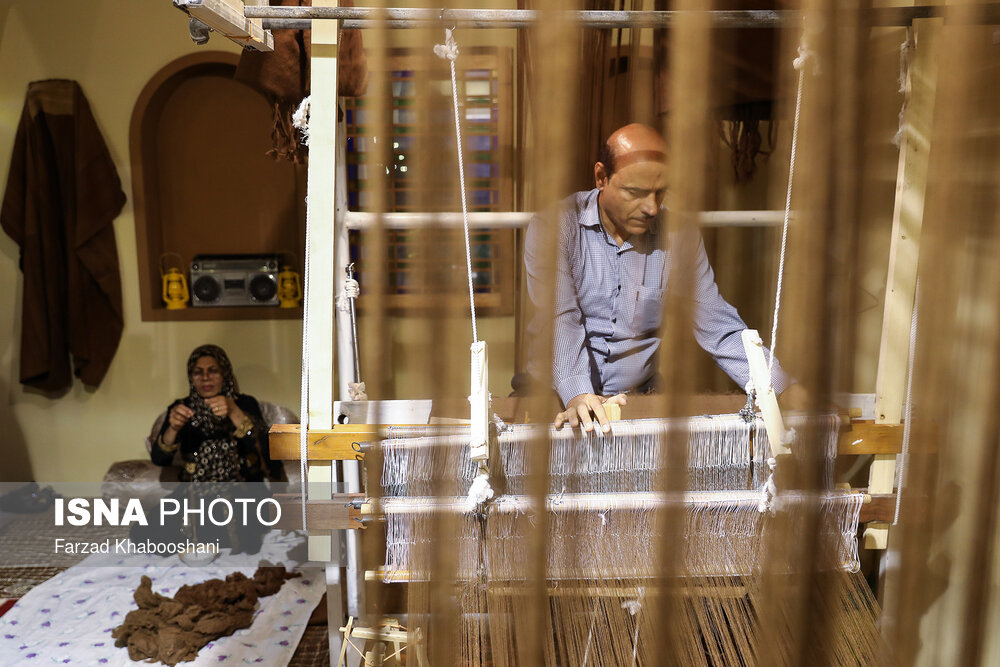
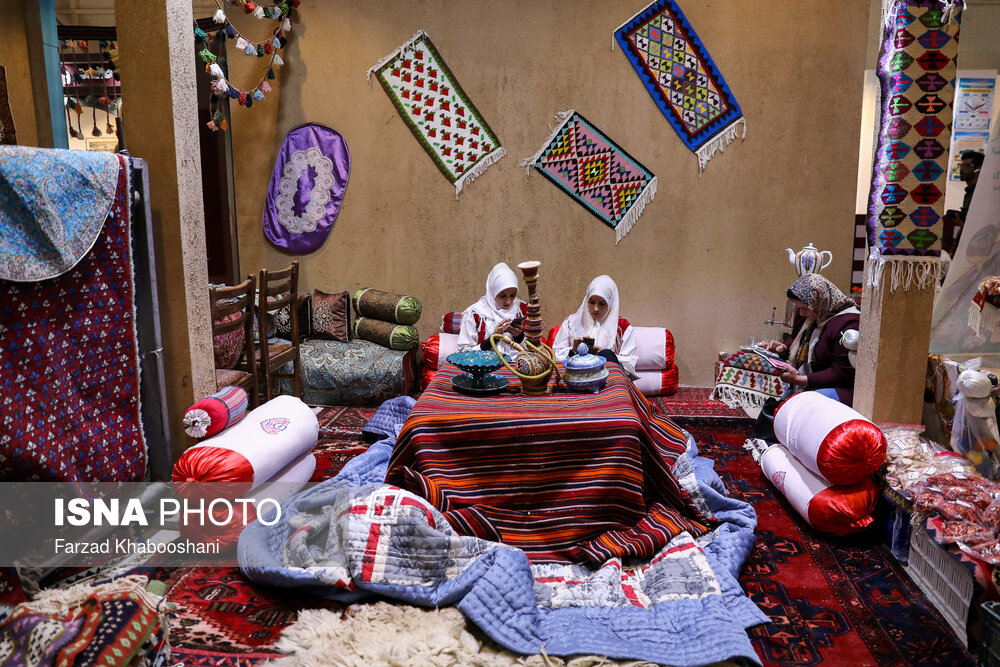
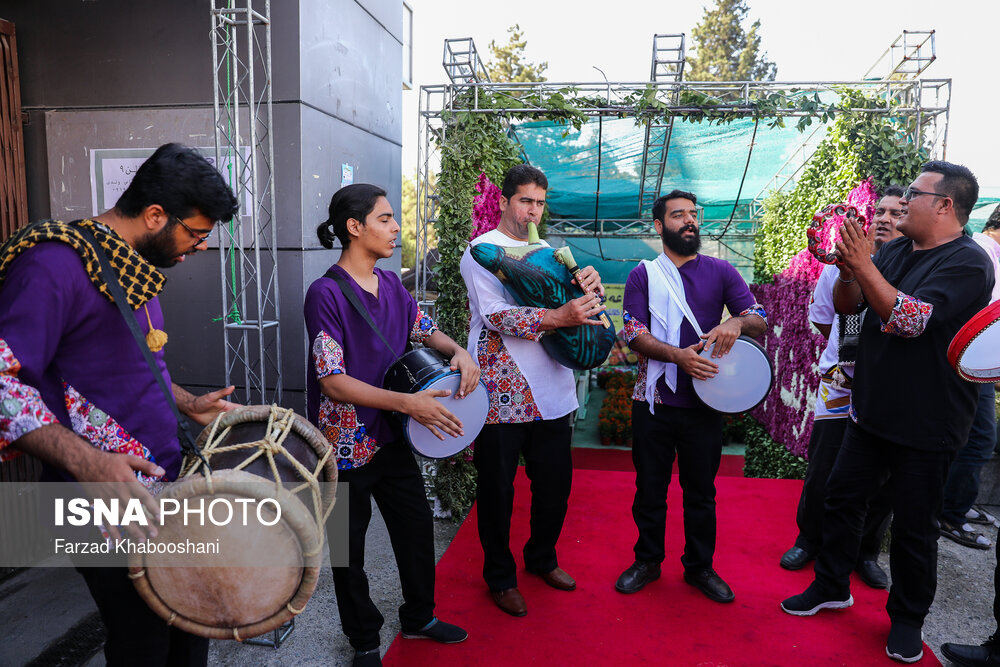
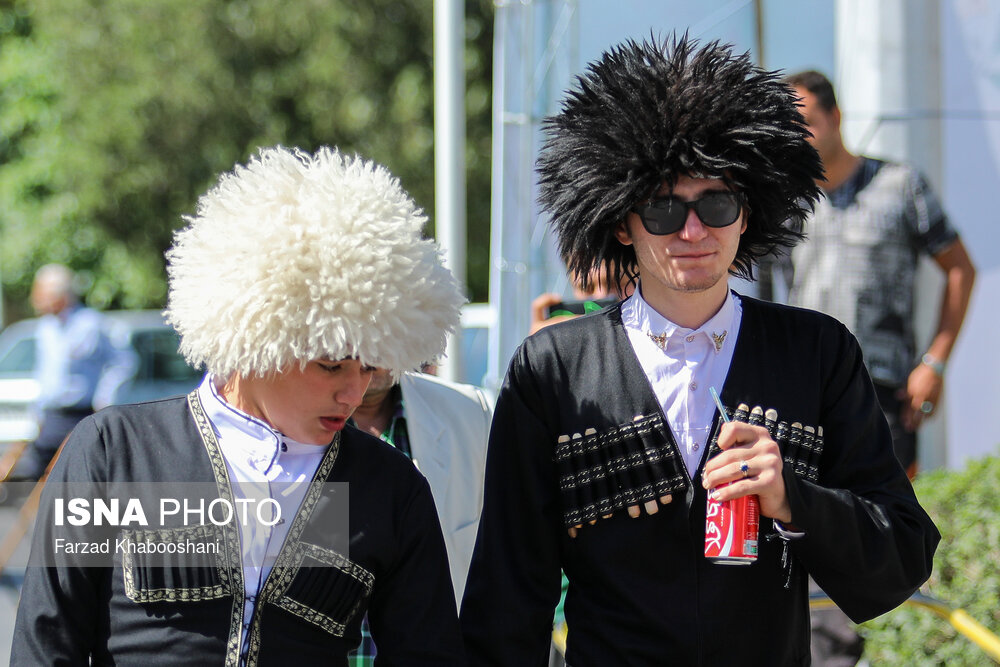
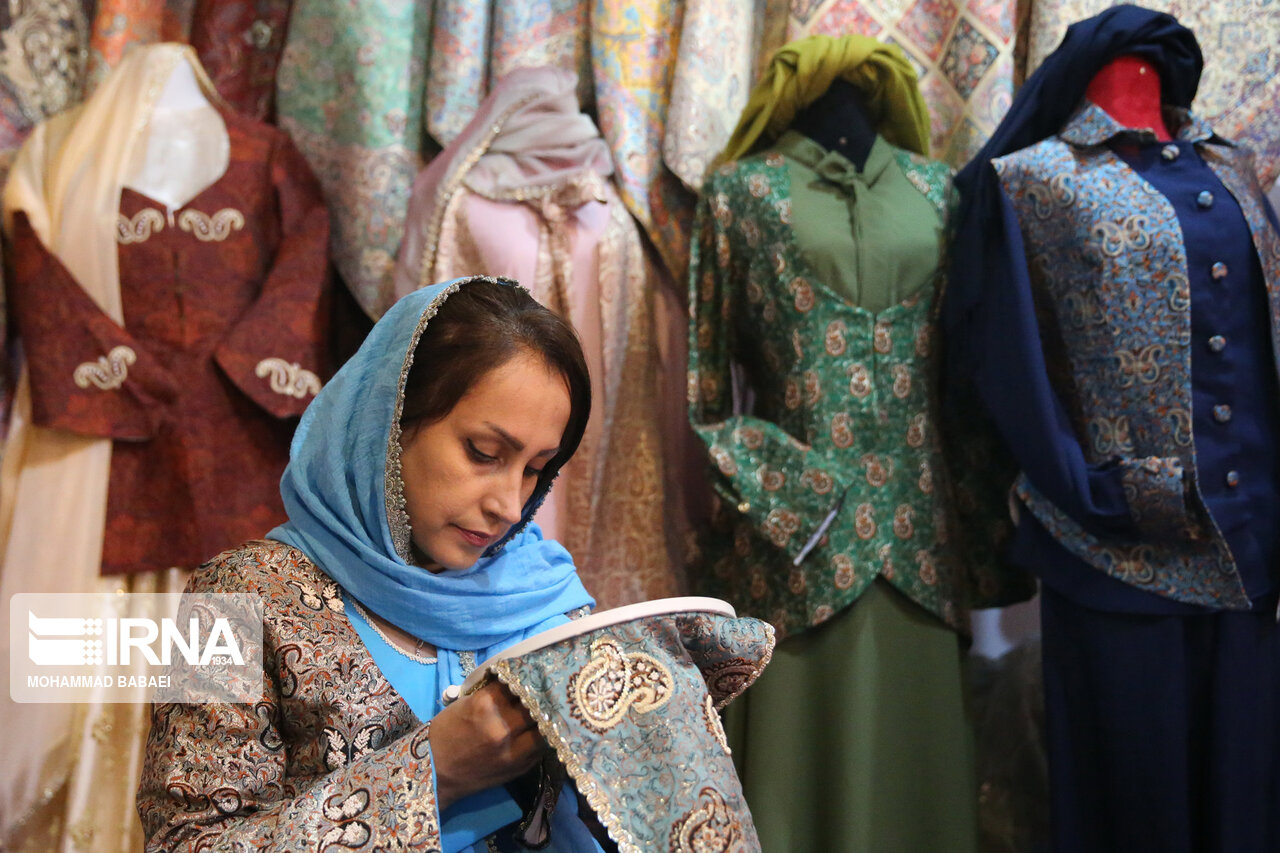
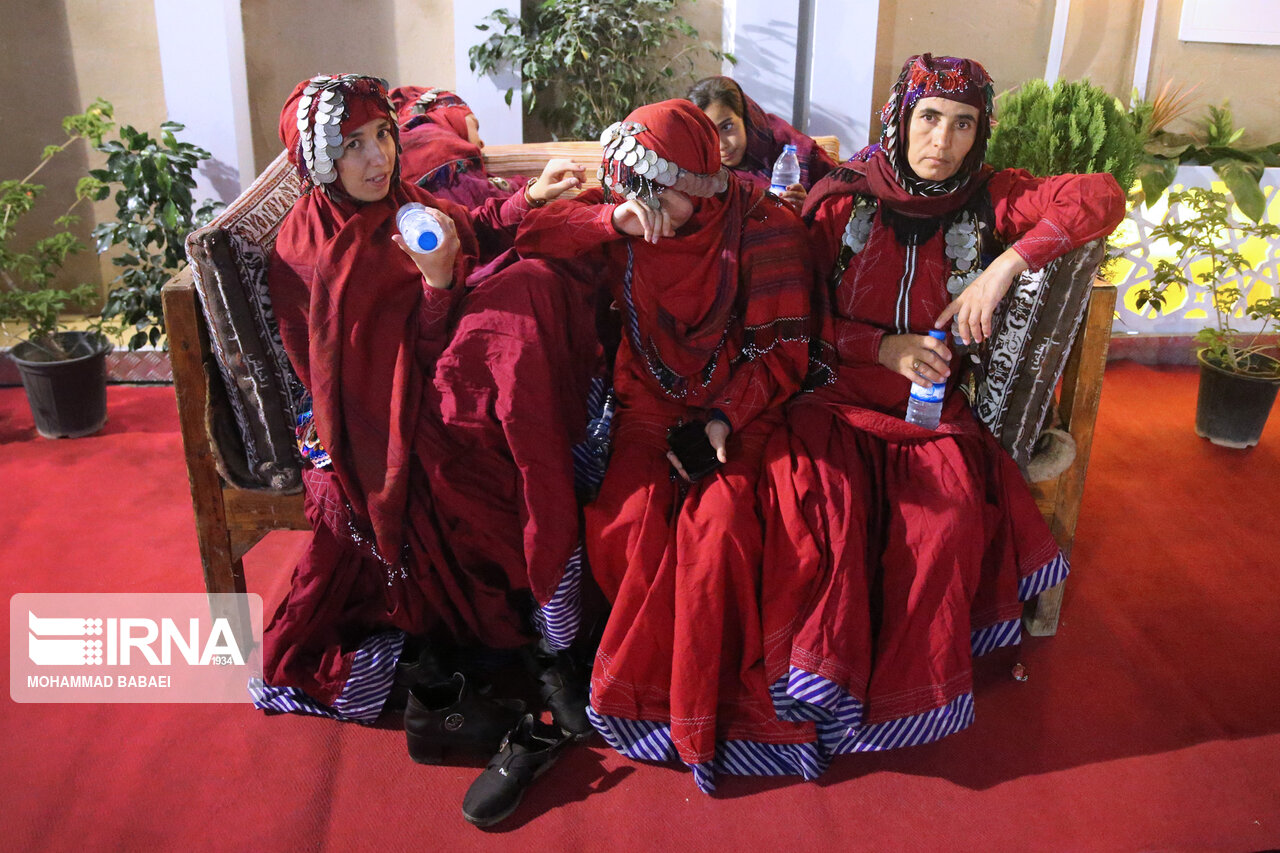
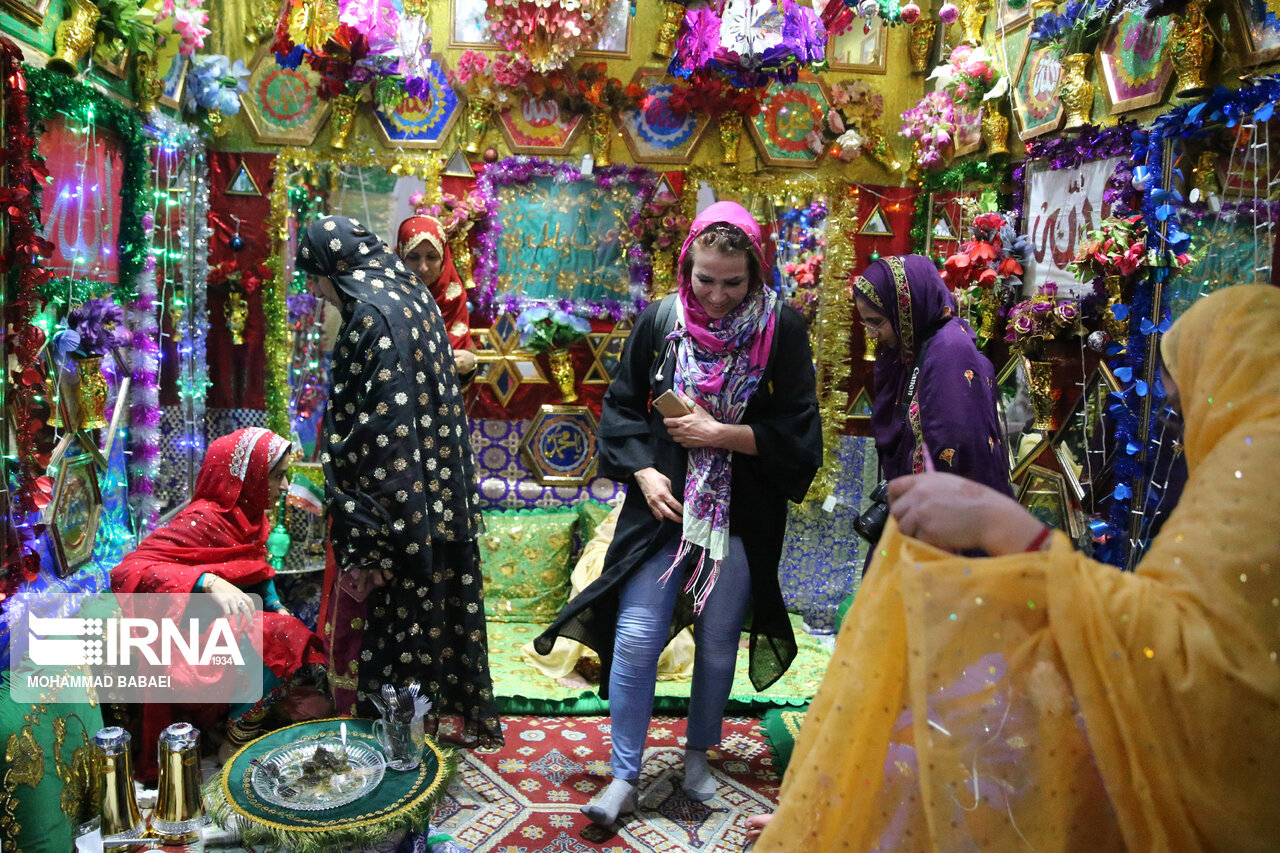
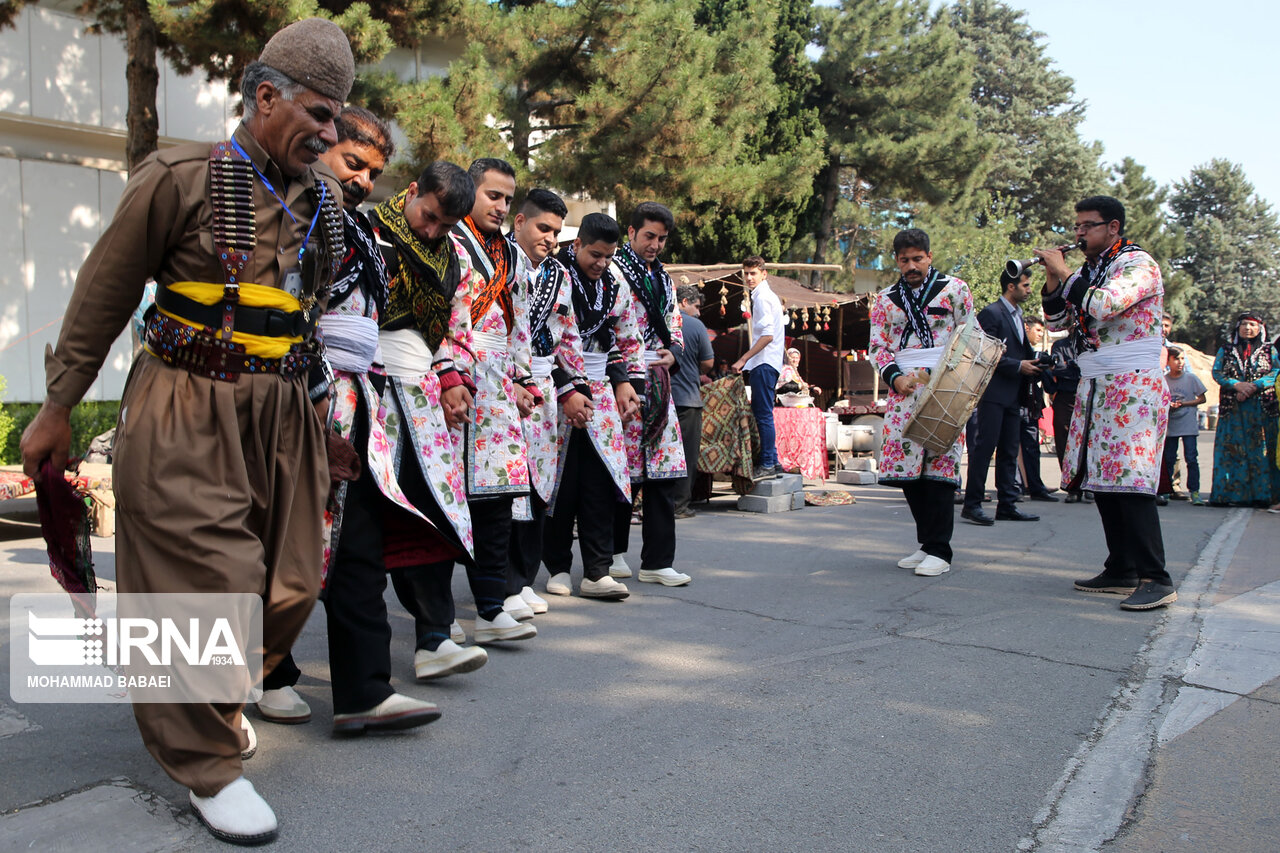
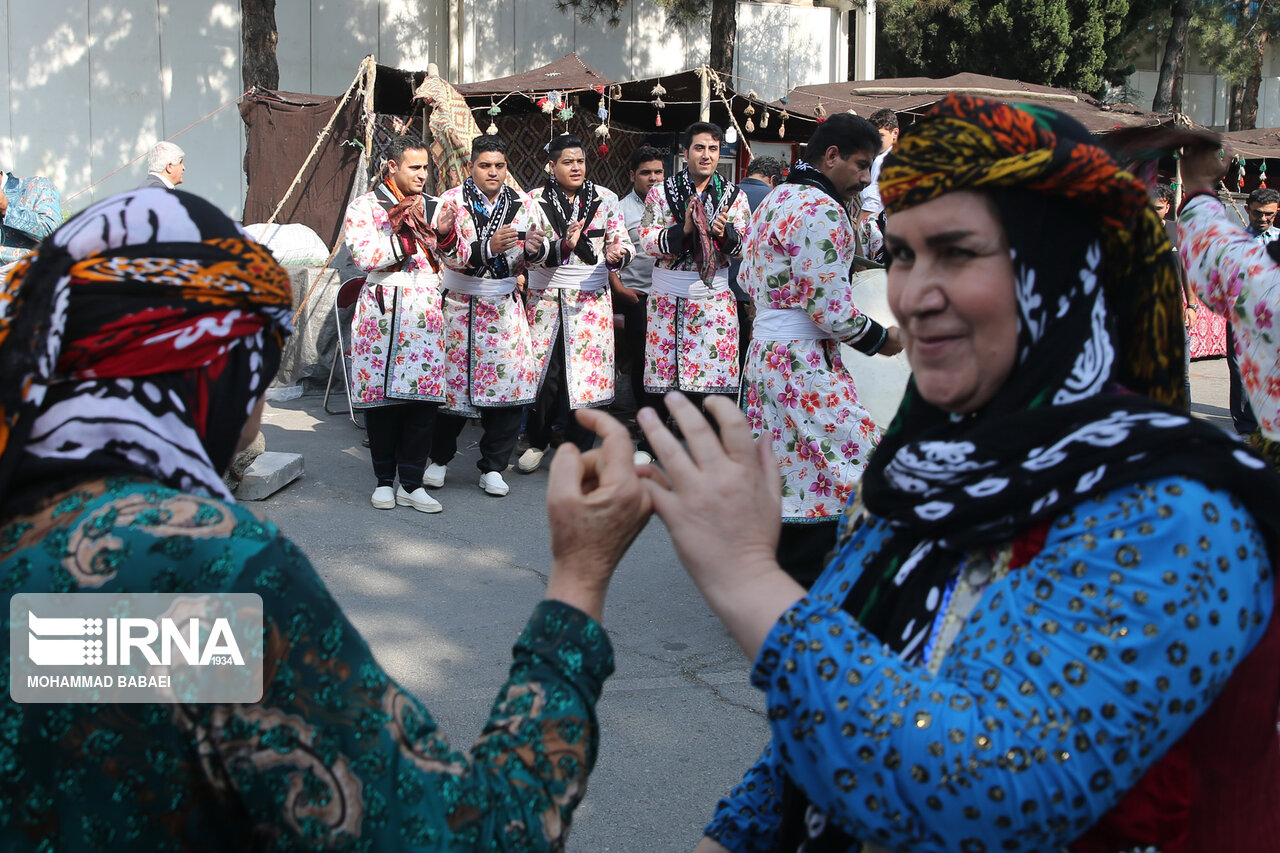
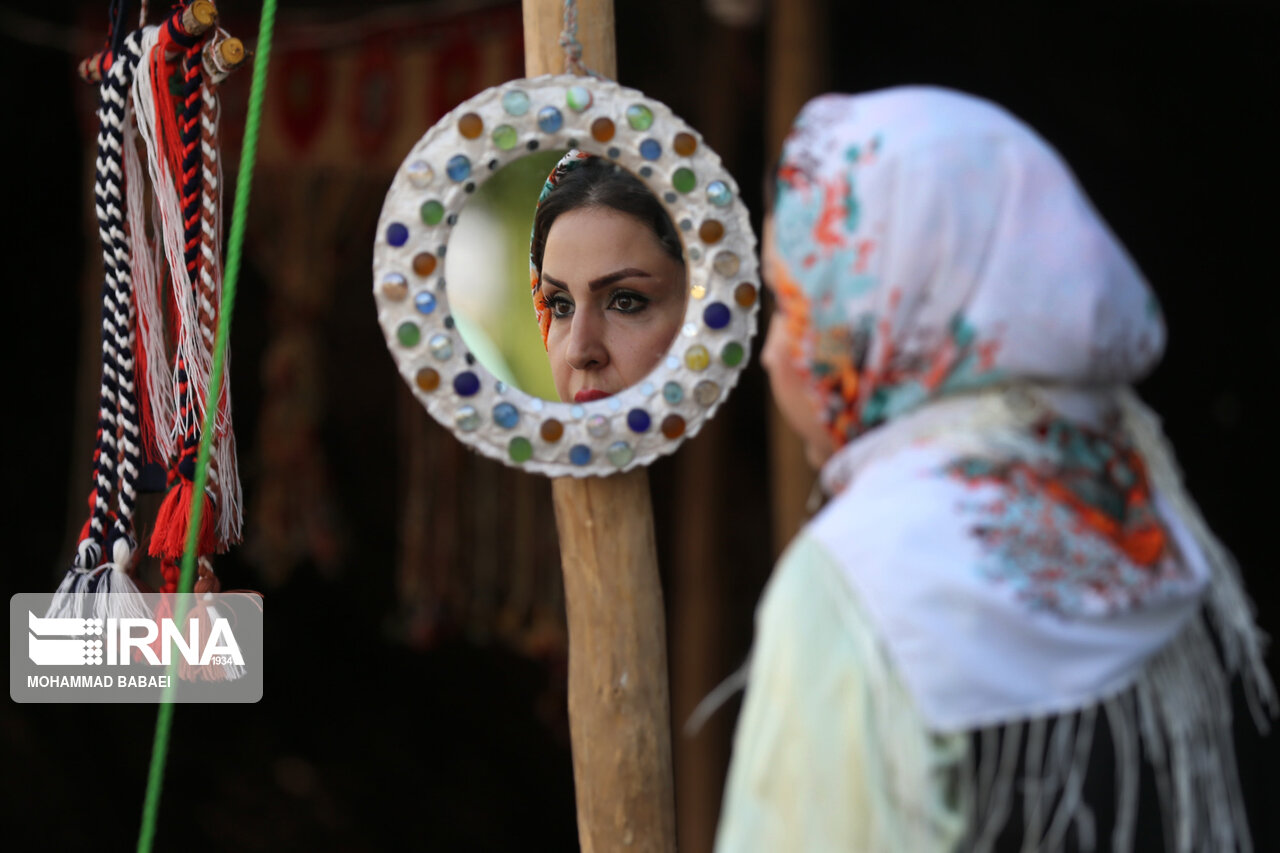
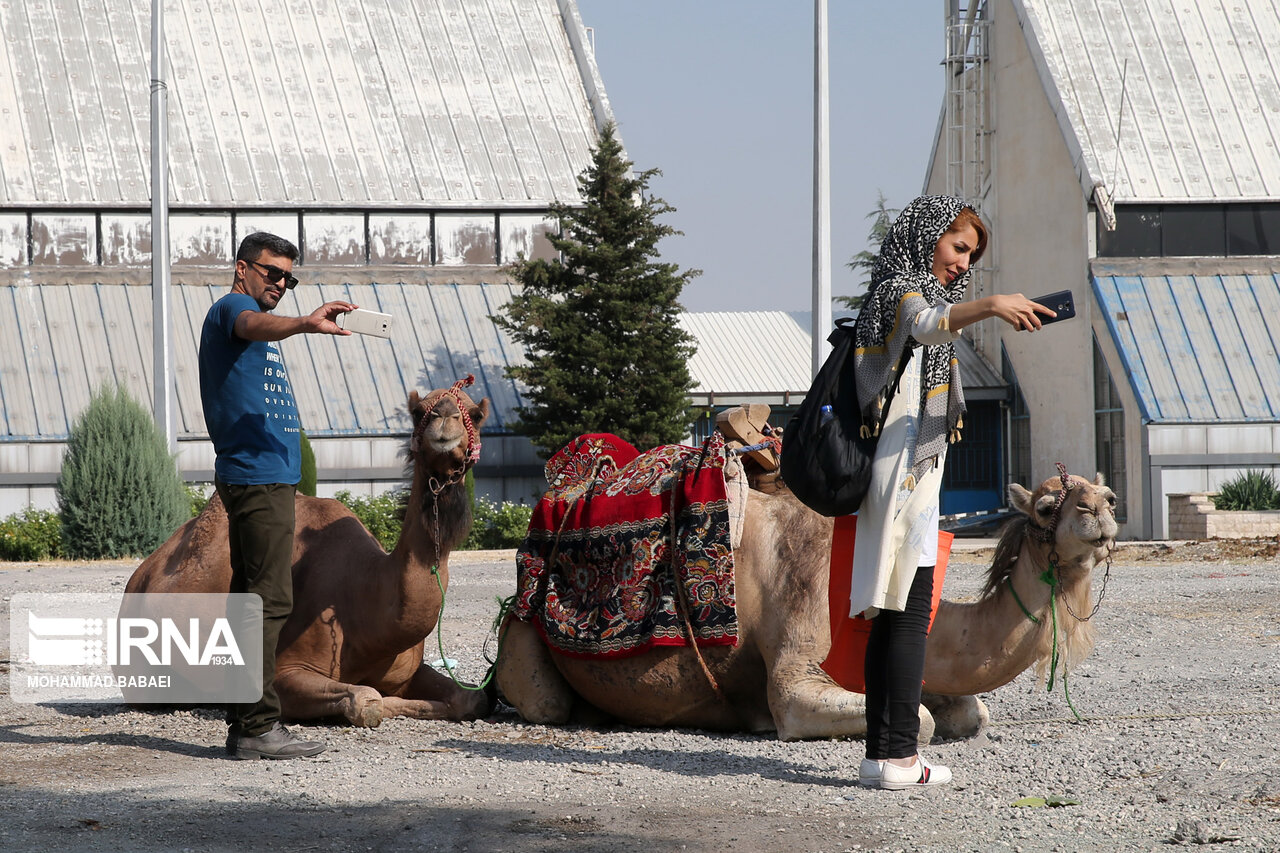
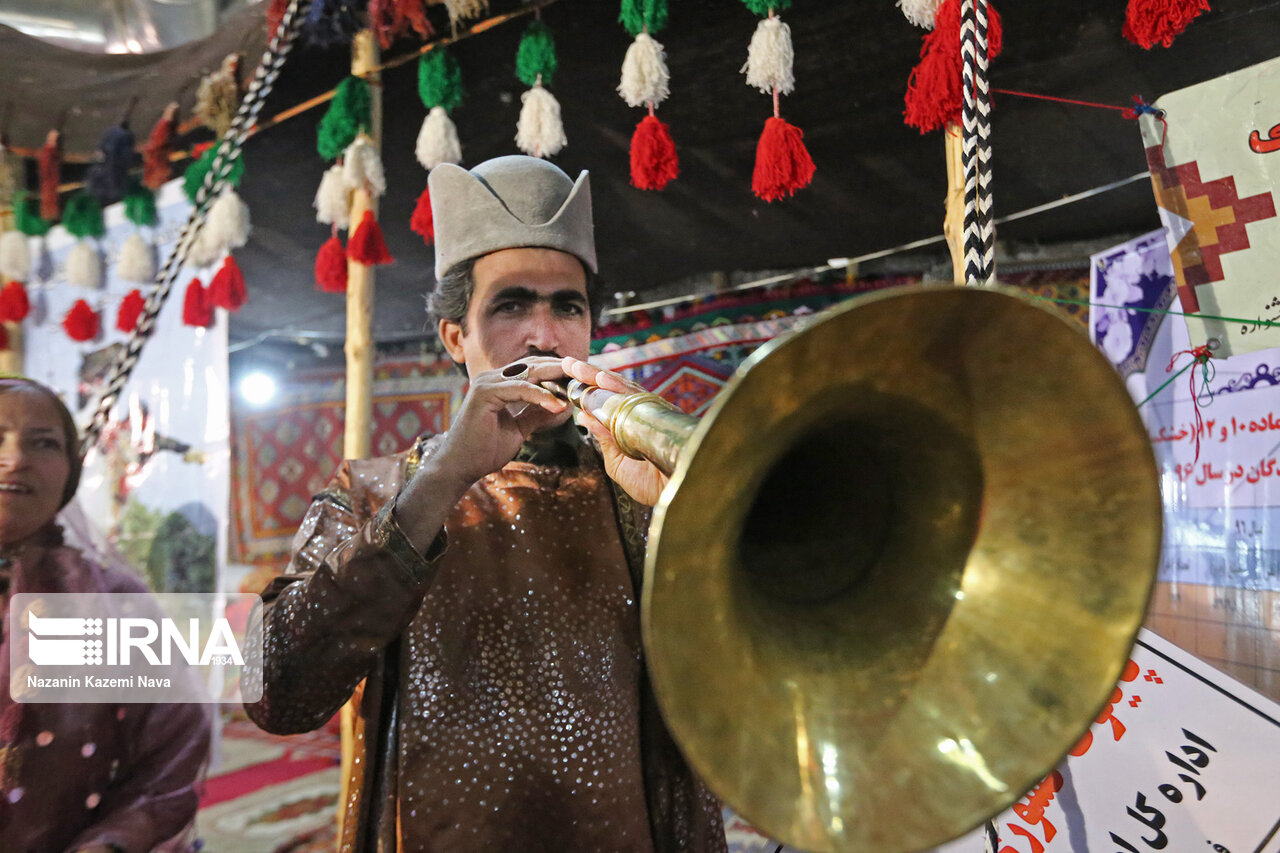
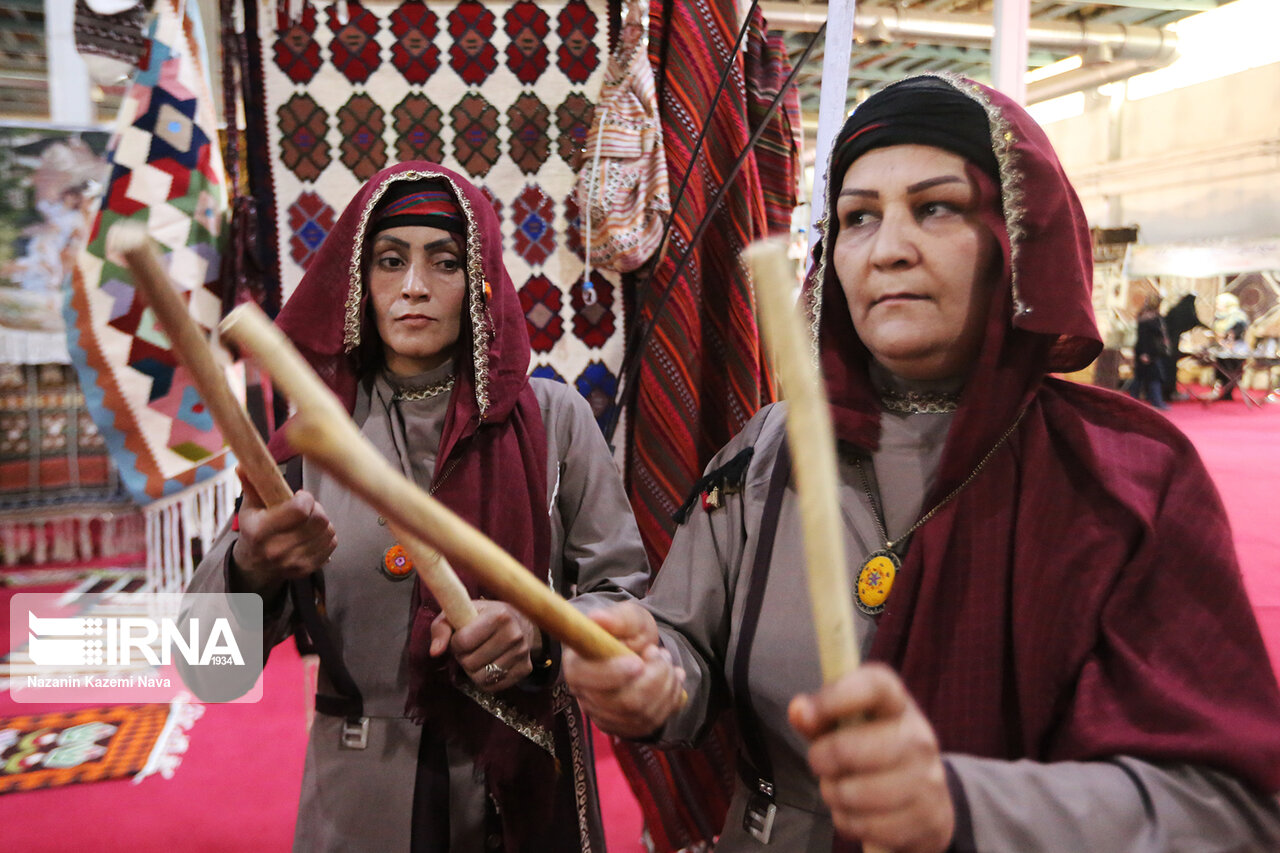
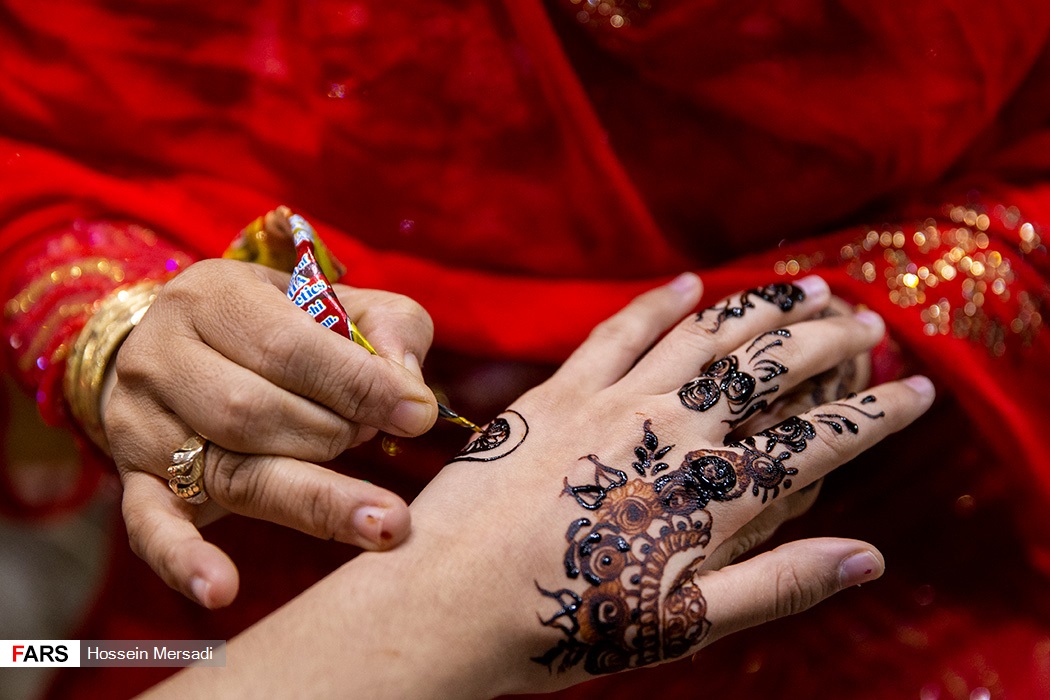
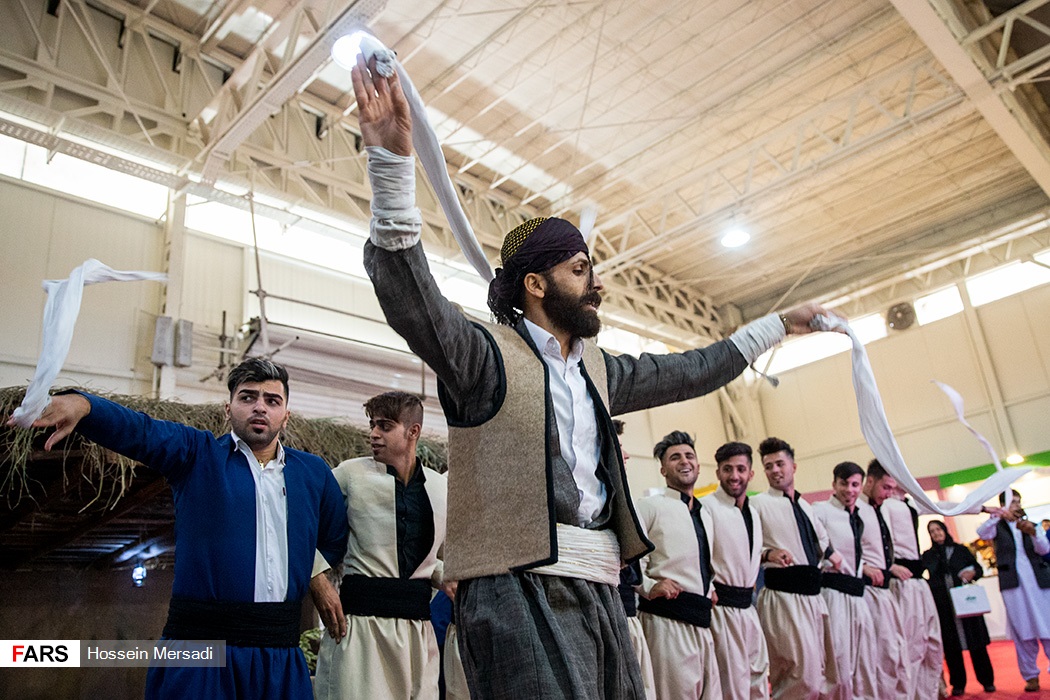
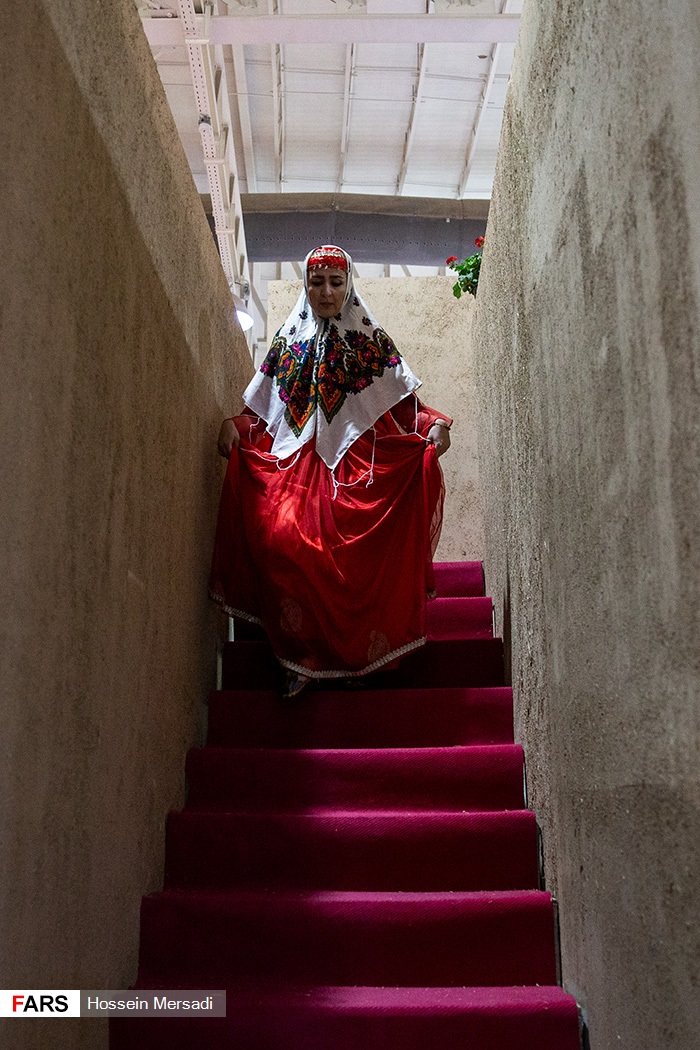
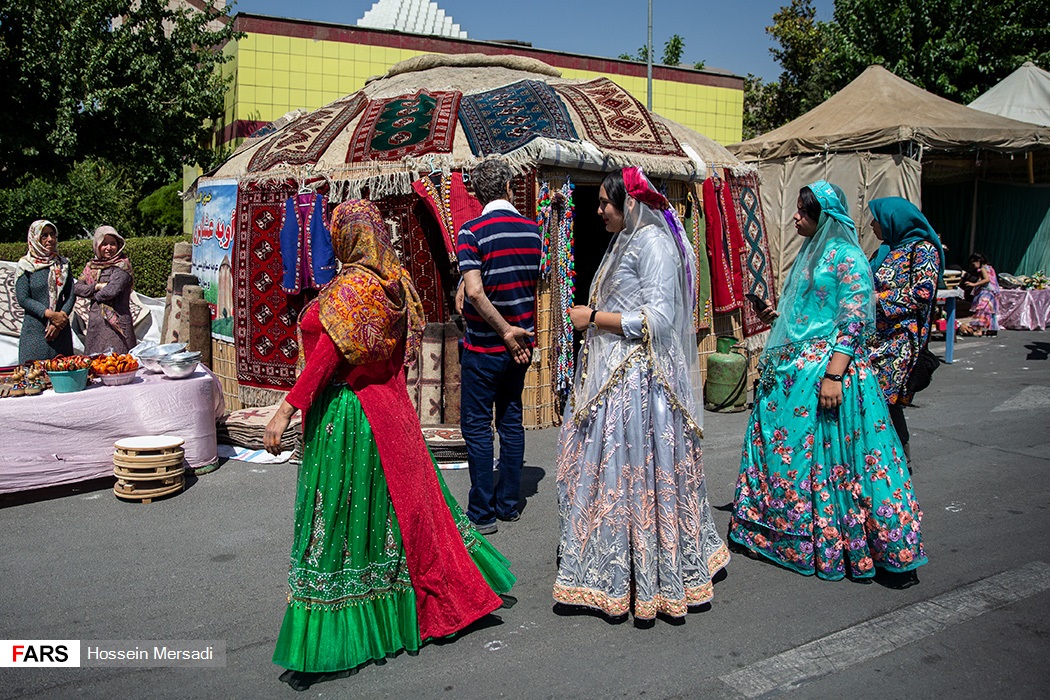
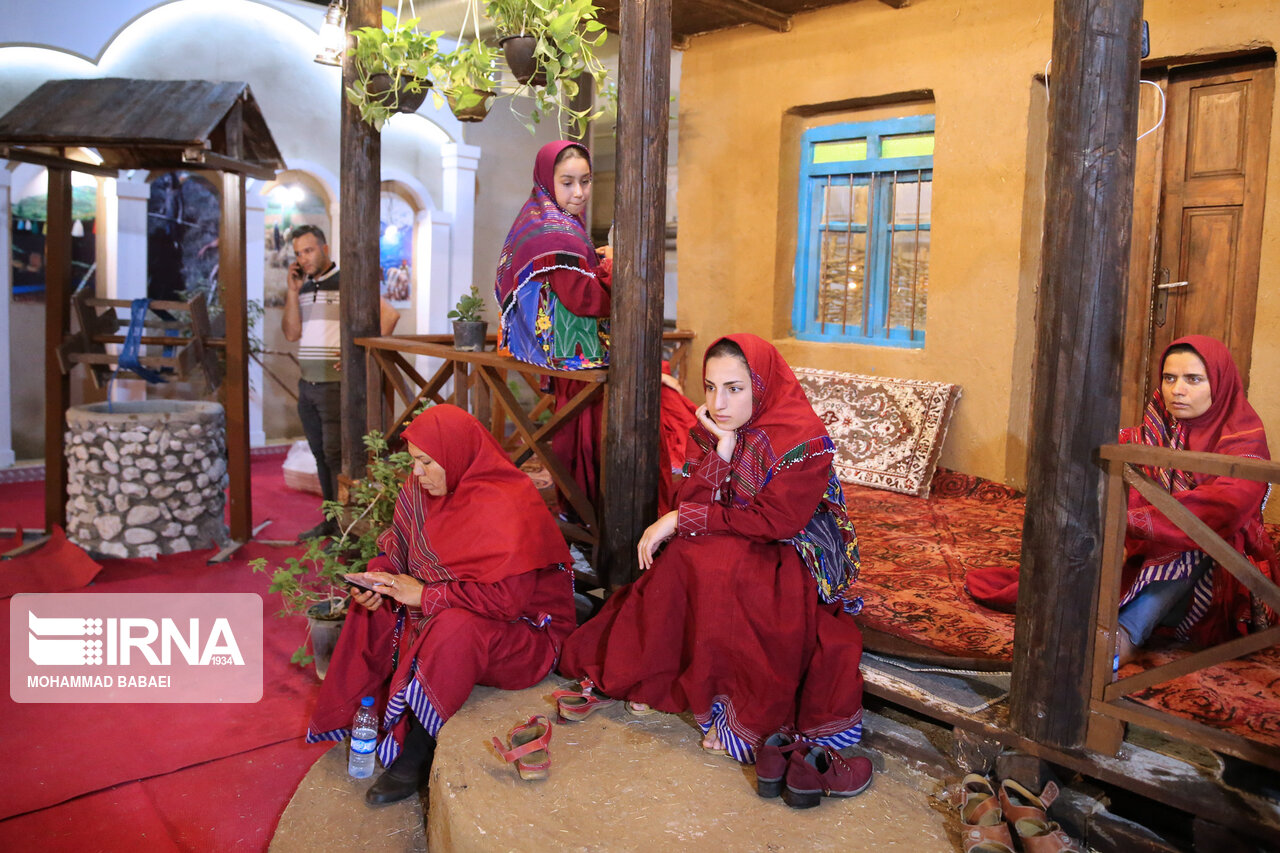
Tehran Hosting Exhibition of Villagers, Nomads’ Capabilities

The exhibition focuses on local rituals and ceremonies, puppet theatre, various rural and nomadic programs, and rural start-ups. Folklore music and dance is also a popular part of the event.

Moreover, the villagers and nomads seize the chance to offer their products directly to the costumers in the fair.

The exhibition was inaugurated on August 15 in the presence of senior officials including First Vice-President Es’haq Jahangiri, Vice-President for Women Affairs Massoumeh Ebtekar, and Mohammad Omid, who is Jahangiri’s deputy for Development of Rural Affairs and Deprived Areas.

What follows are photos of the exhibition, which will be open to visitors until August 18:

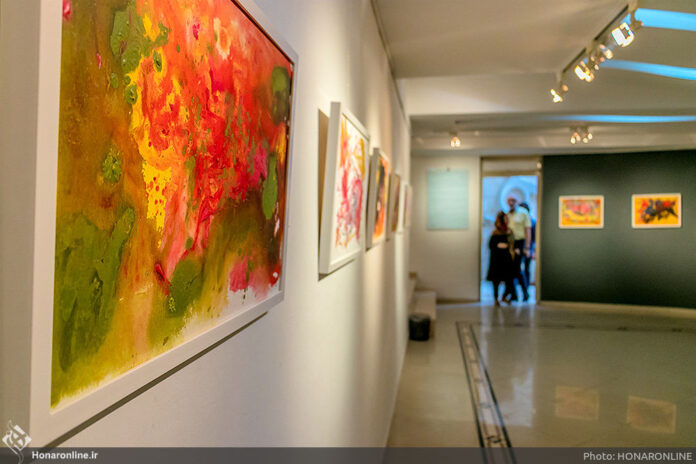
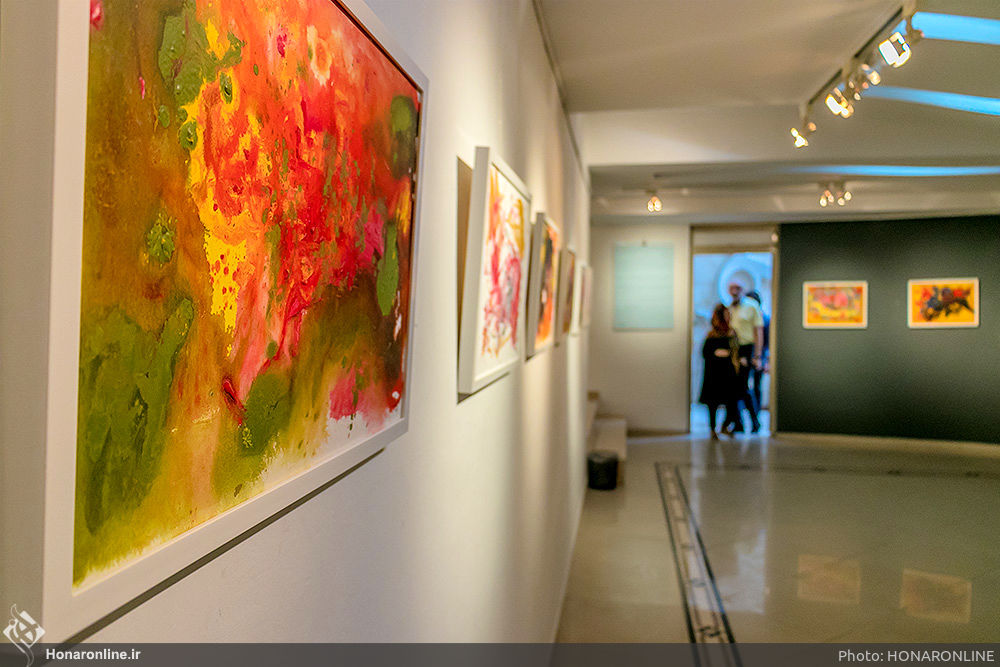
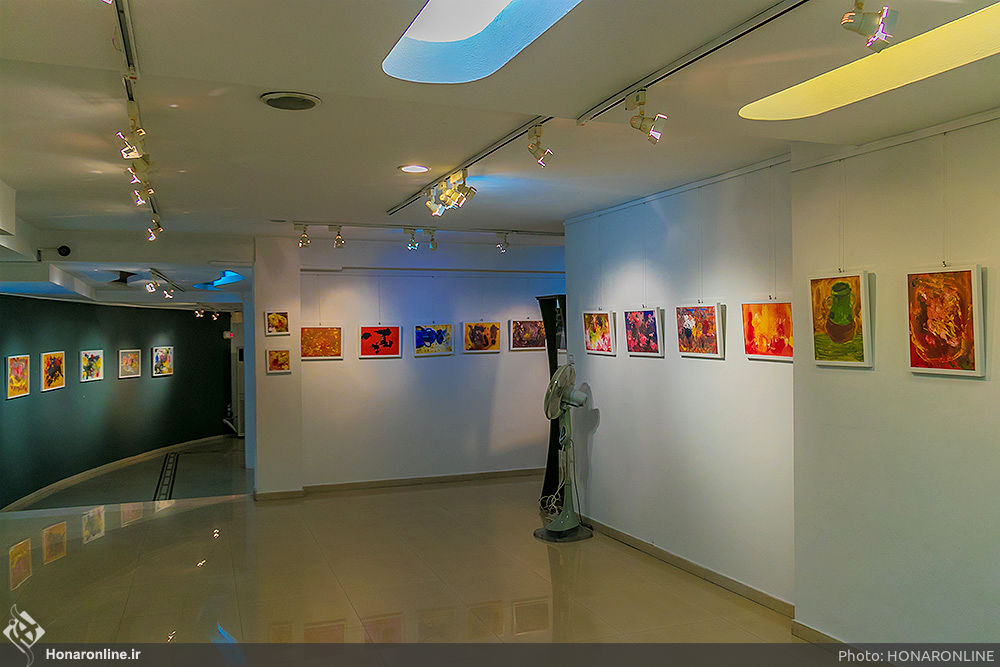
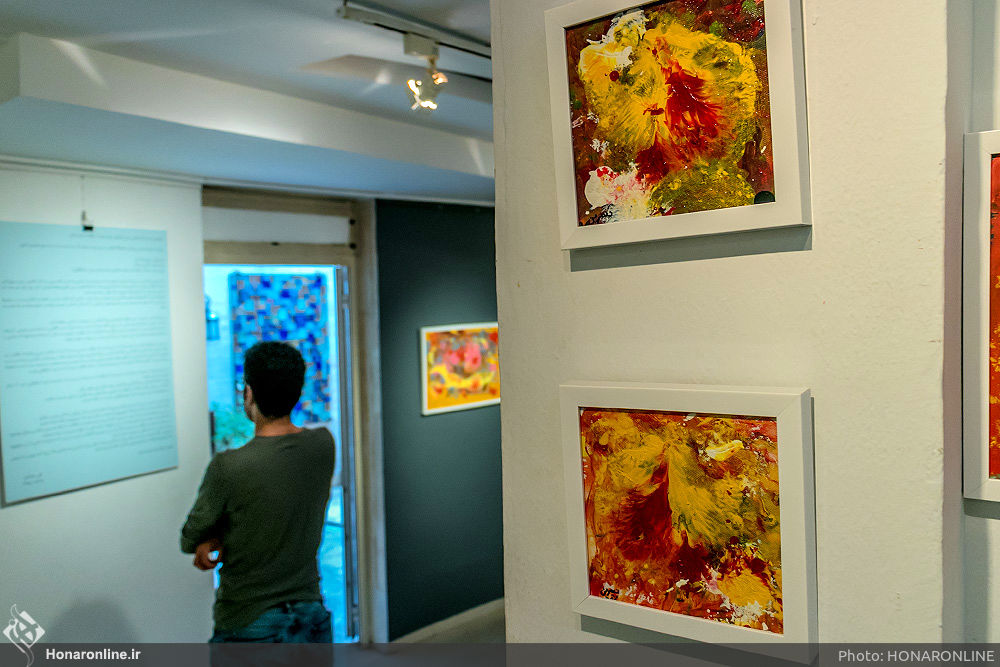
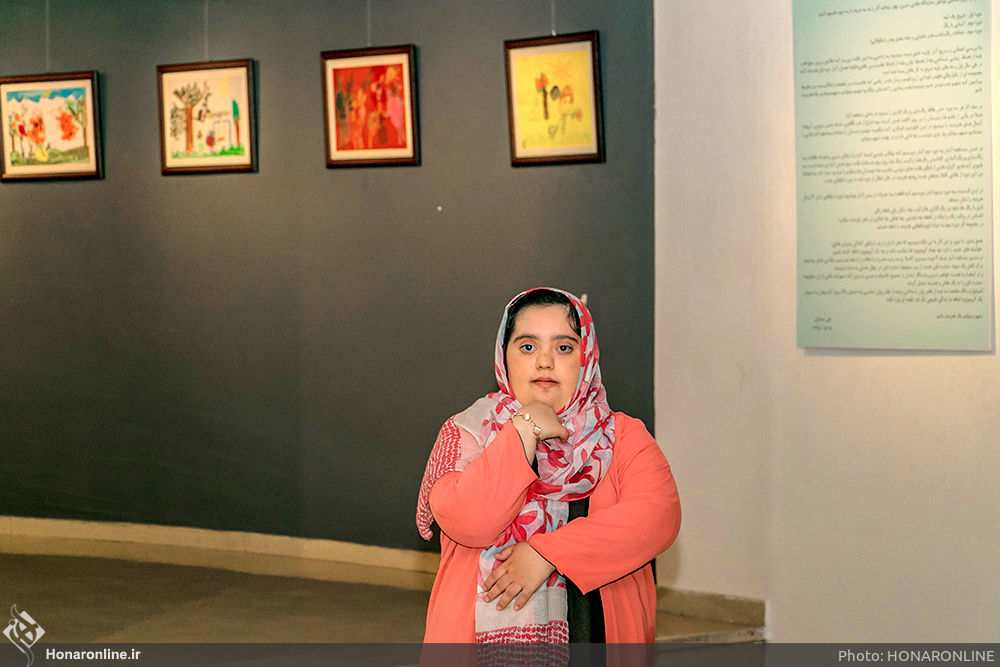
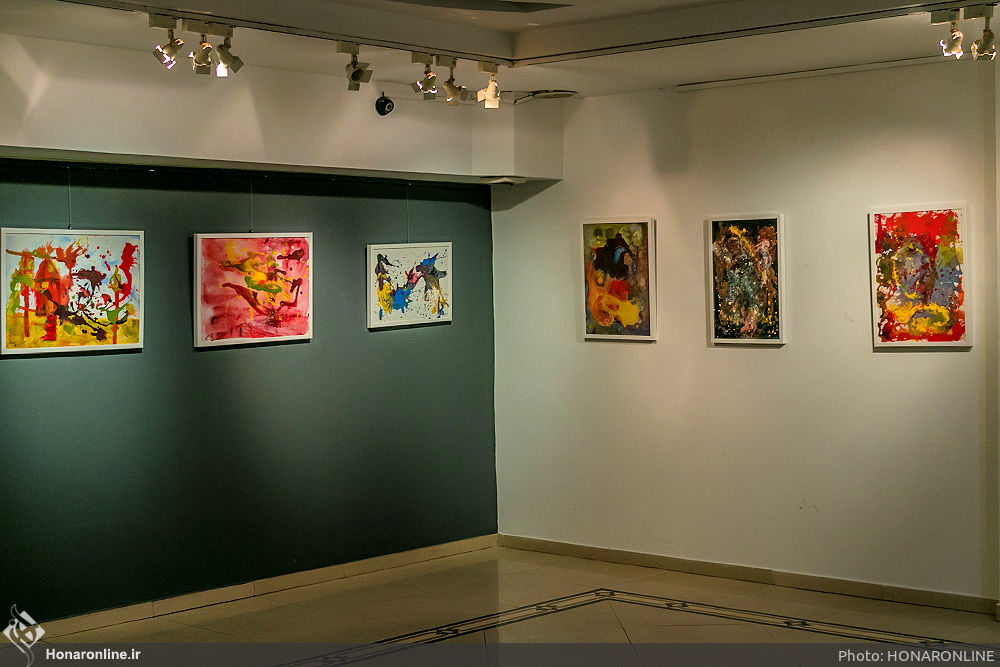
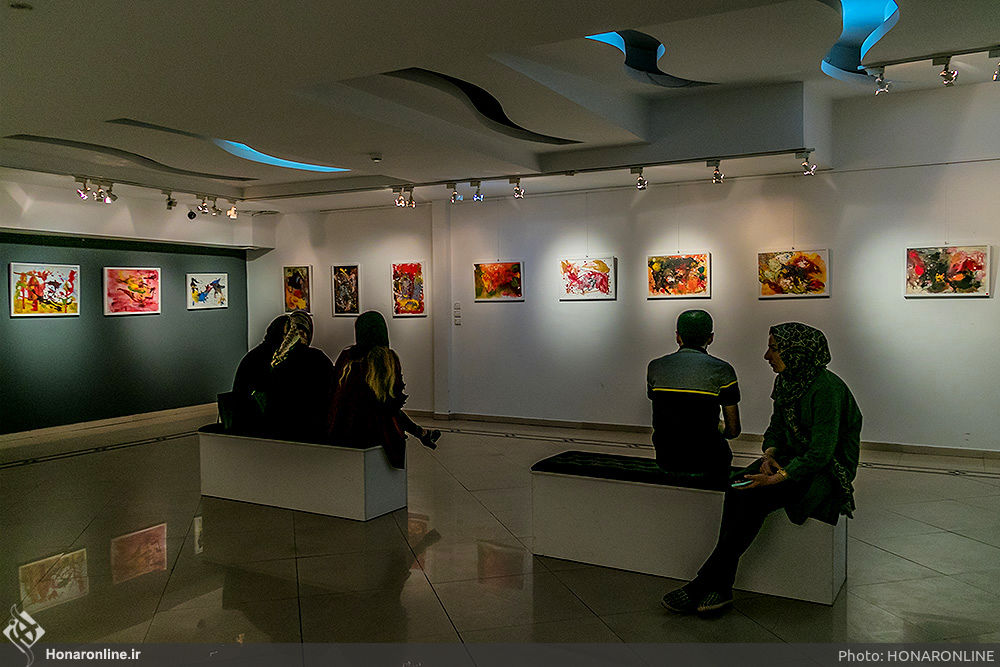
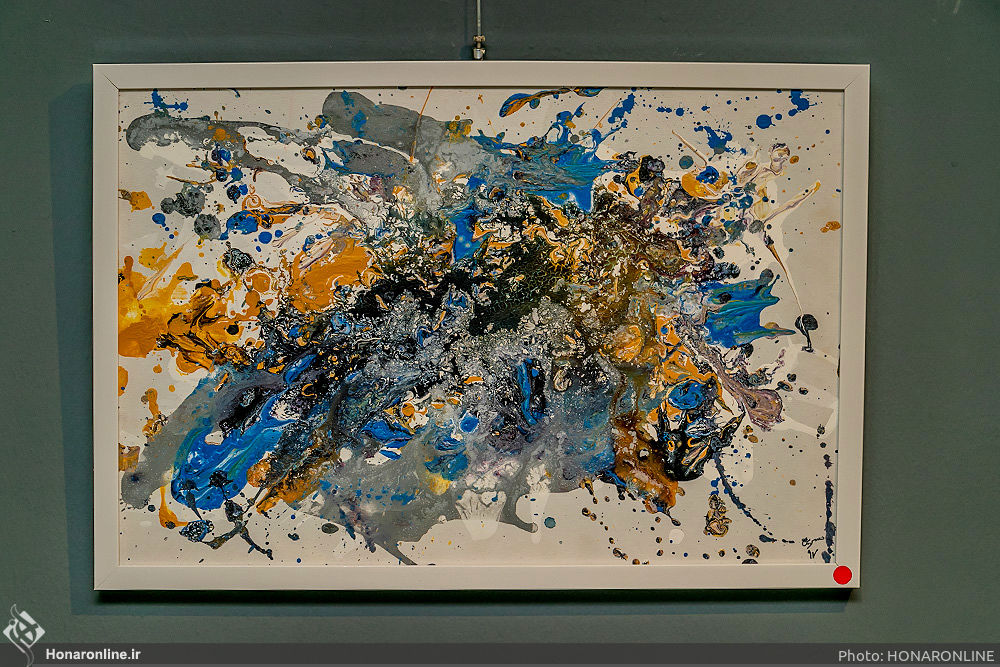
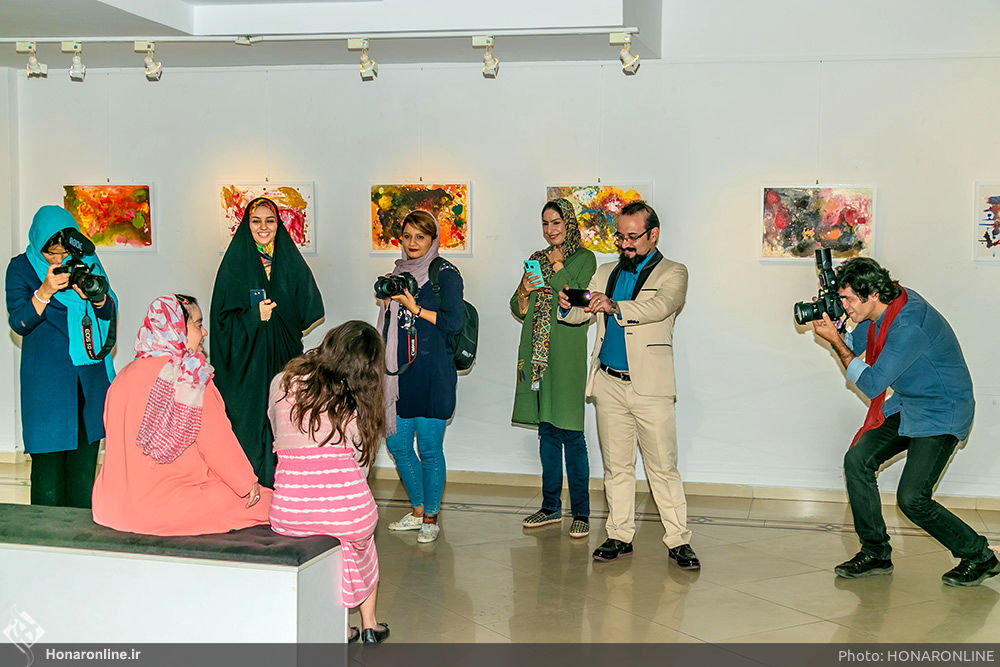
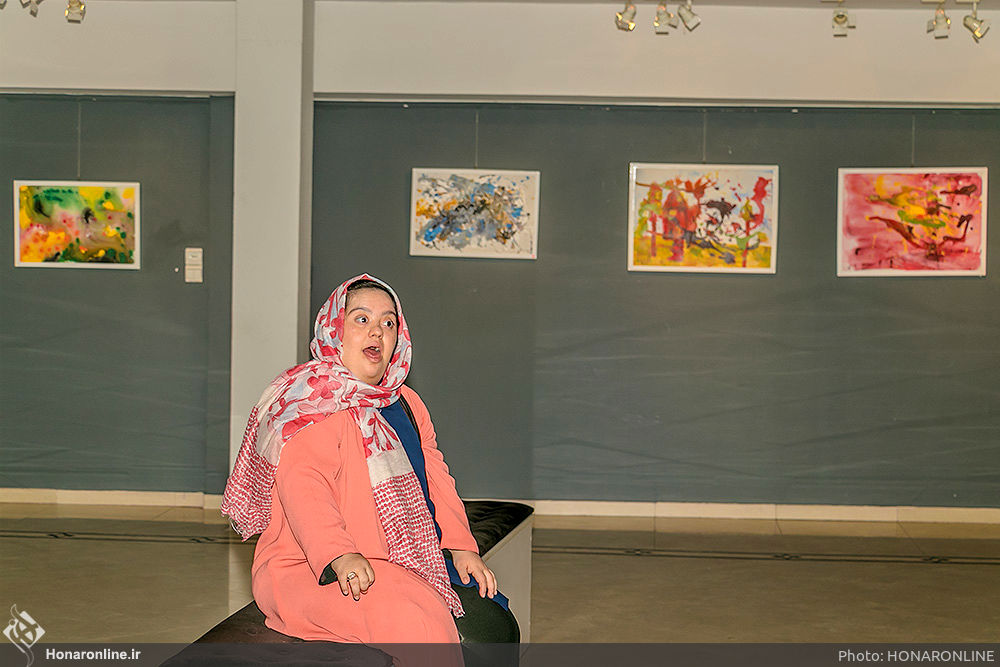
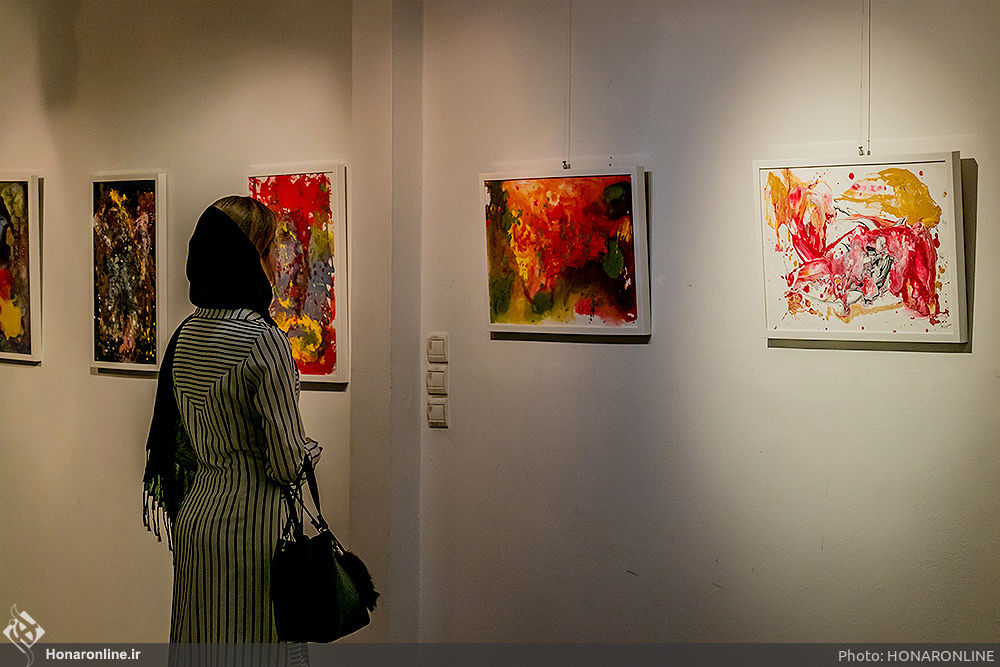
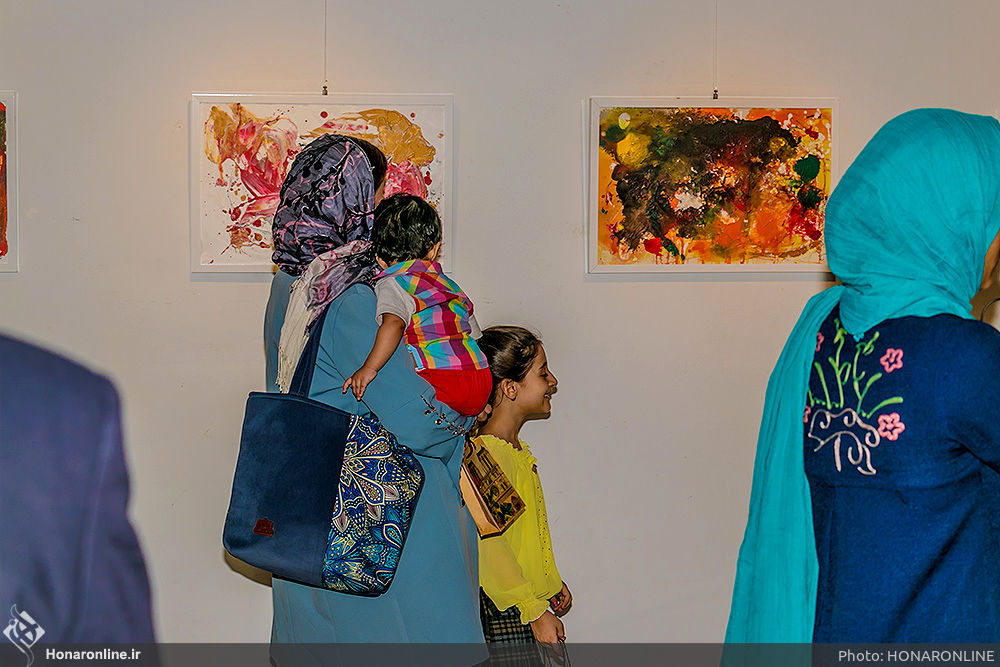
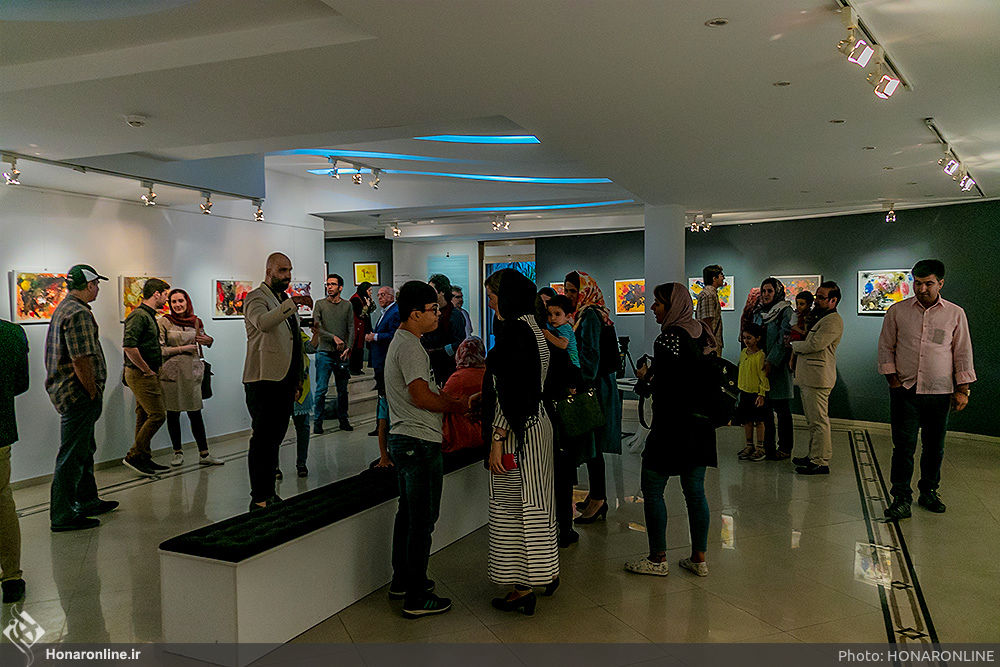
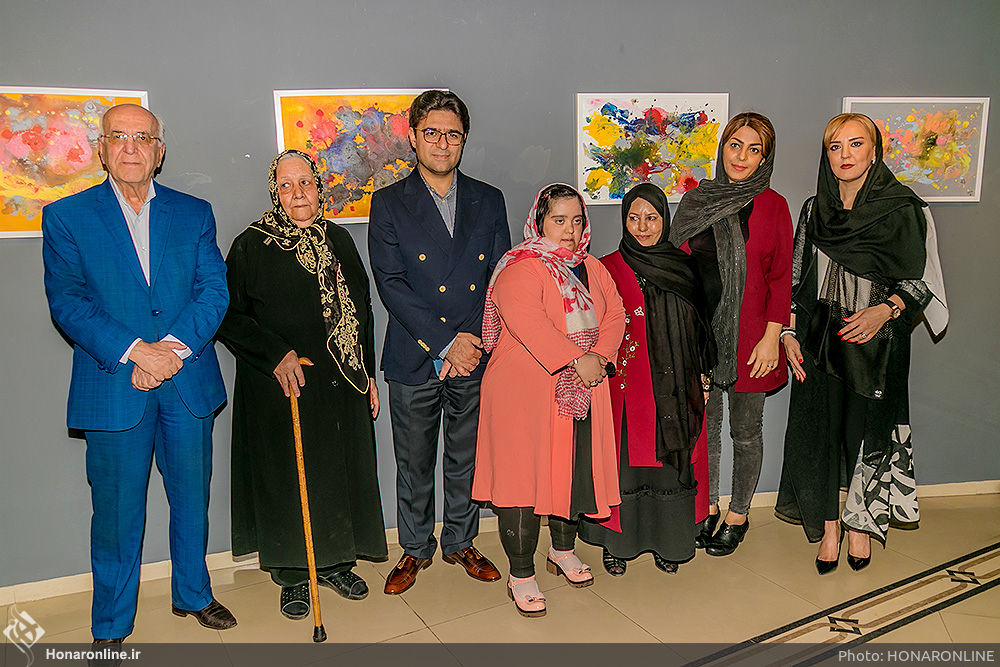
Colourful Fantasies of Down Syndrome Patient Displayed in Tehran

Kishani started painting three years ago. Now she is a fairly experienced artist. The paintings of Down syndrome patients exclusively root in their inner lives: it is more of a tool to pour out their emotions.

Without any education in art basics and artistic styles, Kishani has created various paintings in different phases of her work. Some are childlike images that show the artists’ perception of her surroundings: people, animals, cities, plants- the elements of daily life depicted simply and purely as seen with an innocent eye.

Some other paintings are far from reality, illustrating Kishani’s explorations in the realm of colour and form, like abstract paintings shaped by colour stains or colour poured on the canvas. Although the majority of these paintings contain no precious forms of external stuff, sometimes you can recognize an object, a flower pot for example.

The artists’ painting, coming out directly from her heart and subconscious, can be considered primary figures that exist in anybody’s spirit: one just needs to make an effort to express them.

What follows are Honar Online’s photos of the exhibition which wrapped up on August 14:

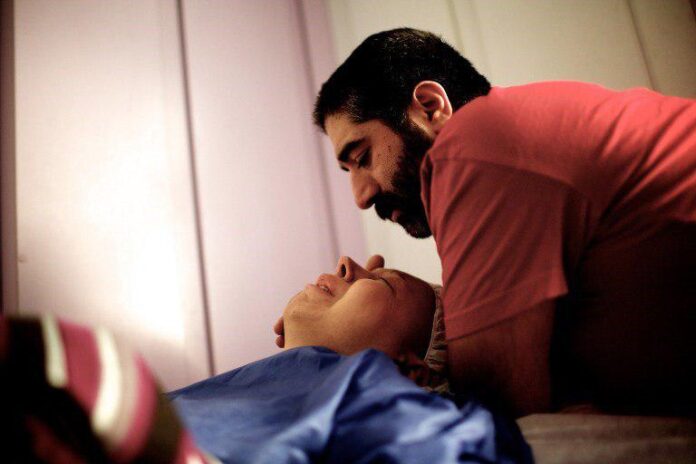
US Sanctions Killing Cancer Patients in Iran: Report

Iranian kid suffering from cancer / Photo by Getty Images

Last month, the US Department of State released a video addressed to the people of Iran. In the video, Trump administration official Brian Hook claims that it is a “myth” that sanctions target Iran’s access to medicine. For more than a decade, my fellow Iranian medical professionals and I have been struggling to protect patients from the fallout of US sanctions. We have studied sanctions impacts on Iran’s health care sector and advocated for better responses from our own government. Our findings make clear that the harms being inflicted on Iranian patients are not mythology.

Today’s integrated and interconnected world depends on banking systems and trade networks that are dominated by the United States. Consequently, the US government is able to use economic sanctions to cause harm to economic, political, and even social relations in target countries with relative ease.

Although US sanctions are engineered in a way that may appear not to target humanitarian access to food and medicine, in practice US sanctions function as a tool of economic war. Officials in Washington continue to insist that they maintain “exemptions” to their sanctions to protect humanitarian trade, even after the International Court of Justice has ruled that these exemptions are insufficient, leaving “little prospect of improvement” in the “serious detrimental impact on the health and lives” of Iranians individuals. At the end of the day, it is incumbent on the United States to heed this humanitarian warning.

Under US President Donald Trump, the situation has gotten worse. Census Bureau data shows that the United States exported an average of $26 million of pharmaceutical products to Iran annually during the Barack Obama-era sanctions. Exports have averaged just $8.6 million a year in the last two years under the more draconian sanctions policies of Trump.

The Trump administration has also made it more difficult for European countries to export medicine to Iran. Swiss pharmaceutical exports to Iran fell 30 percent from 235 million Swiss francs ($240 million) in 2017 to 163 million francs ($167 million) last year, according to Swiss customs data. Even though sanctions were only fully re-imposed in November 2018, Swiss exports that year fell below the 173 million francs ($178 million) annual average observed from 2008 to 2015.

Similarly, French pharmaceutical exports to Iran fell 25 percent from 194 million euros ($218 million) to 146 million euros ($164 million) last year, slipping below the 2008 to 2015 average of 150 million euros ($168 million), according to data from Eurostat.

In response to such pressures, and as part of its post-revolution policies of self-sufficiency, Iran has made important strides in safeguarding its people’s access to medication. Iran is a world leader in the production of generic drugs, helping significantly lower the cost of health care. According to Akbar Barandegi, director general of Iran’s Food and Drug Administration, almost 97 percent of the country’s needed pharmaceutical doses are provided by about 100 local pharmaceutical companies, most of which belong to the private sector. Just 3 percent of demand is met with imports, purchased from many of the world’s largest pharmaceutical companies.

These purchases may form only just a small proportion of total demand, but they relate to specific medications vital for the well-being of many patients, particularly those with advanced or chronic diseases.

Last year, several of my colleagues who work in the field of paediatric oncology published a note in the Lancet showing that chemotherapy drugs such as asparaginase, the leukaemia treatment mercaptopurine, and even the basic pain killer paracetamol had run out of stock, threatening the treatment of thousands of children. Access to these medications is being significantly disrupted as a result of US sanctions against Iran. This disruption takes three primary forms.

First, sanctions impact the availability of imports. While imports represent just 3 percent of Iran’s total demand by unit, they account for 39 percent of the country’s needs by value, reflecting the fact that imported medicines are typically five times more expensive than domestically-made equivalents and the fact that Iran tends to import specialized drugs, which are generally more expensive.

Just as with raw materials, banking restrictions have made it more difficult for Iranian importers to pay European and Asian suppliers for medicine. Shortages of imported medicines and skyrocketing costs are putting the most vulnerable patients—those with rare or advanced diseases—at the greatest risk.

There is particular concern over the risk to paediatric cancer patients. In this face of these import disruptions, opportunists have begun smuggling counterfeit and low-quality medicines into Iran through routes from Pakistan, Turkey, and the United Arab Emirates. Should disruptions grow worse, it could also lead to introduction of counterfeit or impure ingredients to domestically-manufactured medications, leading to not only low-quality drugs, but also new public health risks.

Second, sanctions interrupt domestic production by interrupting supply chains. Iran’s pharmaceutical manufacturers use over 10,000 different compounds in their production processes. The pressure of US sanctions and the chilling effect on international banks have already made it impossible for many suppliers to reliably receive payment for raw materials sold to Iran. Some medications require 15 substances from different manufacturers in various countries in order to be produced. The absence of even one substance brings the production of that medicine to a halt.

Finally, the impact of sanctions on Iran’s economy hurts health care providers and consumers alike by reducing purchasing power. Lower government revenues and reduced access to foreign currency put a strain on health care spending, making imported drugs more difficult to afford for patients even when hospitals have them in stock.  According to data released by the Central Bank of Iran, the cost of health care in Iran rose nearly 20 percent between November 2017 and November 2018.

Declining output will also create unemployment. The Iranian Pharmaceutical Industries Syndicate estimates that pharmaceutical manufacturers employ approximately 25,000 staff, while a further 100,000 workers are employed in distribution companies, pharmacies, and aftersales support. These workers are some of Iran’s best and brightest, and around 20 percent of those employed are university graduates. Their futures are at stake.

What may seem like sterile banking sanctions are truly much more dangerous. These sanctions disrupt the access of the Iranian public—especially the poor, the elderly, children, women, and patients suffering from chronic diseases—to the medications they require.

Medicines become more expensive and of worse quality. An unreliable supply chain leads to incomplete treatment of diseases and their becoming chronic. The crisis deepens when the slowdown in domestic production increases the country’s need to import drugs. All this is happening against the backdrop of the Iranian government’s strained resources as it is forced to import medicines at a higher price tag in those instances when a banking channel is available.

Responsible leaders in the United States recognize that there is little to gain by smothering humanitarian trade. European governments have sought clarity on humanitarian trade, only to be rebuffed. This forced France, Germany, and the United Kingdom to establish a special purpose vehicle, called INSTEX, to try to facilitate humanitarian trade. Iranians welcome this move, but the United States should not shirk its moral responsibilities. The Swiss government is negotiating directly with the Trump administration on a banking channel for humanitarian trade, but its efforts have so far been blocked by officials who are seeking the most extreme interpretation of “maximum pressure.” Iran’s European suppliers understand that this situation is dire, but the Trump administration remains unaccommodating.

During the Iran-Iraq War, the United States turned a blind eye to Saddam Hussein’s use of chemical and biological warfare against Iranian and Kurdish soldiers and civilians. Most damningly, the United States not only refused to place sanctions on Iraq to deter use of nerve agents, but it also refused to aid Iran’s access to the antidotes required to treat the victims of chemical attacks.

I happen to be one of those victims; Saddam’s chemical weapons burned my lungs and eyes, causing lifelong injuries for which I continue to take medication, and which have gotten progressively worse in my old age. Seared in my memory are the hundreds of victims I saw in warzone emergency facilities near the Iran-Iraq border who had little or no access to treatment equipment, especially antidotes.

Nearly 40 years on, the US government continues to suffer from the same moral failures, and I continue to witness the results up close. Though I have survived this unconventional war, many of my countrymen and my patients have not—and their sanctions-induced deaths are not a myth.


* Article by Abbas Kebriaeezadeh, a professor of pharmacology at the Tehran University of Medical Sciences. He is vice chairman of the Iranian Pharmaceutical Industries Syndicate and chairman of Baran Chemical and Pharmaceutical Company.

US Issues Warrant to Seize Iranian Tanker Released by Gibraltar

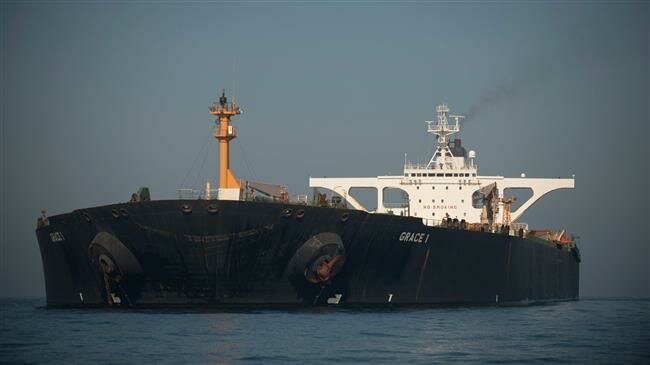
This picture shows the Iran-operated Grace 1 off the coast of Gibraltar on August 15, 2019. (AFP photo)

On Thursday, Gibraltar’s government announced it was releasing the supertanker seized by British Marines in the Strait of Gibraltar despite pressure from the US for the vessel’s continued detainment.

The warrant unveiled on Friday read, “A seizure warrant and forfeiture complaint were unsealed today in the US District Court for the District of Columbia alleging that Oil Tanker “Grace 1,” all petroleum aboard it and $995,000.00 are subject to forfeiture based on violations of the International Emergency Economic Powers Act (IEEPA), bank fraud statute, and money laundering statute, as well as separately the terrorism forfeiture statute.”

The DOJ also alleged that there had been “a scheme to unlawfully access the US financial system to support illicit shipments to Syria from Iran.”

Britain’s naval forces unlawfully seized the Grace 1 and its cargo of 2.1 million barrels of oil in the Strait of Gibraltar on July 4 under the pretext that the supertanker had been suspected of carrying crude to Syria in violation of the European Union’s unilateral sanctions against the Arab country.

Tehran, however, rejected London’s claim that the tanker was heading to Syria, slamming the seizure as “maritime piracy.”

Following the incident, Spain’s Foreign Ministry reported that the UK had seized the vessel at the request of the US, which has been trying to trouble Iran’s international oil vessels as part of its campaign of economic pressure against the Islamic Republic.
The Gibraltar government had also said the US applied to seize the oil tanker after a report by British media that the vessel’s release was imminent.

Iran’s Ports and Maritime Organization said Tuesday that Britain was expected to soon free the Grace 1, after the two sides exchanged certain documents to pave the way for the supertanker’s release.

Iranian Lab Doing Tests on Monkeys to Treat Ocular Diseases

According to the laboratory manager, it seeks to provide an interdisciplinary environment for educational and research activities and collaborations to expand the activities of professors and researchers in various fields of cognitive neuroscience. It is also necessary for the development of young and capable human resources in this field.

To this end, laboratory studies have been conducted on a monkey investigating the neural mechanisms of controlling visual perception and eye movements.

Researchers conducting cognitive studies on these monkeys hope they can acquire a better understanding of the animal’s brain. Such cognitive behaviours will also provide effective strategies for treating diseases in the systems of perception and eye movement disorders.

Iran recently hosted a conference for researchers and professors in the field of cognitive neuroscience to present solutions to transform challenges into effective opportunities in a bid to facilitate research and educational activities and to make use of potentialities for more useful cooperation.

At another meeting, a neuroscientific research was conducted at the Ferdowsi University of Mashhad’s vision and eye-movement laboratory to better understand the brain and cognitive motions of this type of monkeys.

Iran Says Gave No Promise for Oil Tanker Release

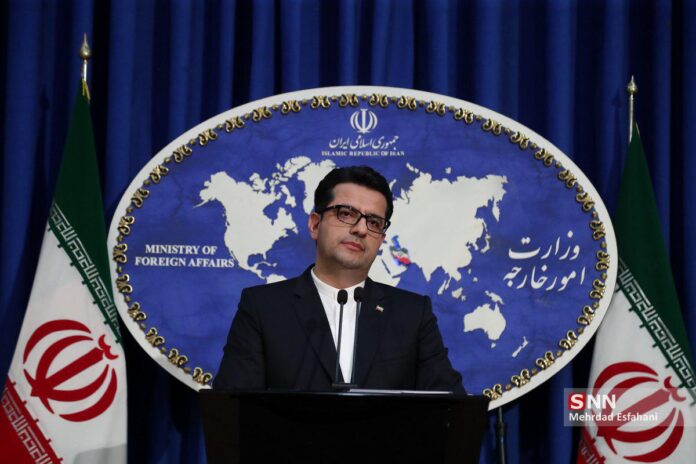
“Iran has made no commitment for the release of the Grace 1 tanker,” Mousavi said on Friday, denying reports that Tehran has given written promise that the Grace-1 oil tanker will not berth at a Syrian port in violation of the EU sanctions.

“As we said earlier … Syria was not its destination and we have upheld the same … and reiterated that it was nobody’s business even if it was Syria,” Mousavi said.

His comments came after Fabian Picardo, chief minister for the British territory, said the detention order was lifted after written assurances from Tehran that the ship would not discharge oil in Syria in violation of European Union sanctions.

“They have made such claims in order to save face,” Mousavi said.

He also stressed that the country will continue to sell its oil to any of its old and new customers.

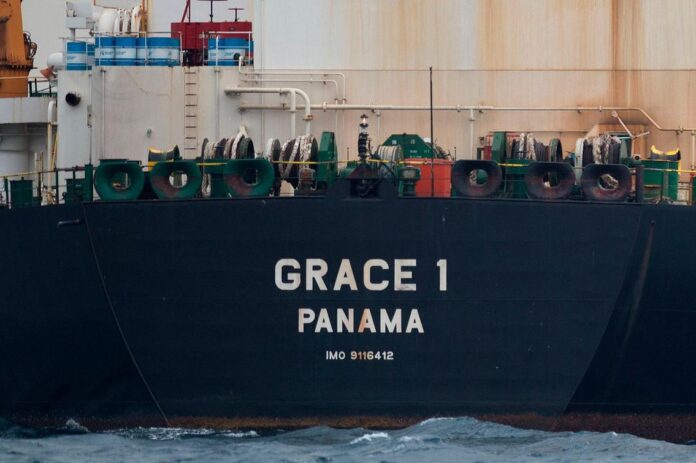
On Friday, the supertanker Grace-1 was renamed to “Adrian Darya” and reflagged under the Iranian flag upon the ship owner’s request, a senior Iranian official said, as the vessel prepares to leave Gibraltar.

“Based on the owner’s request, the oil tanker Grace 1 will depart for the Mediterranean after being reflagged under the Iranian flag and renamed Adrian Darya after preparing for the journey,” Iran’s state TV quoted Jalil Eslami, deputy head of Iran’s Ports and Maritime Organisation, as saying.

“The 25-member crew will start their journey after preparations, including refueling,” Eslami said.

The Grace-1 was seized by British Royal Marine commandos off the coast of the territory at the western mouth of the Mediterranean on July 4 on suspicion of violating European Union sanctions by taking oil to Syria, a claim Iran has denied.

Britain’s Mediterranean territory Gibraltar decided on Thursday to free the Panama-flagged tanker, and announced that the vessel can set sail on Friday.

The release came after the United States launched a new, last-minute legal bid to hold it, but to no avail.

Grace-1 Tanker Renamed to ‘Adrian Darya’, Ready to Leave Gibraltar

“Based on the owner’s request, the oil tanker Grace 1 will depart for the Mediterranean after being reflagged under the Iranian flag and renamed Adrian Darya after preparing for the journey,” Iran’s state TV quoted Jalil Eslami, deputy head of Iran’s Ports and Maritime Organisation, as saying.

“The 25-member crew will start their journey after preparations, including refueling,” Eslami said.

The Grace-1 was seized by British Royal Marine commandos off the coast of the territory at the western mouth of the Mediterranean on July 4 on suspicion of violating European Union sanctions by taking oil to Syria, a claim Iran has denied.

Britain’s Mediterranean territory Gibraltar decided on Thursday to free the Panama-flagged tanker, and announced that the vessel can set sail on Friday.

The release came after the United States launched a new, last-minute legal bid to hold it, but to no avail.

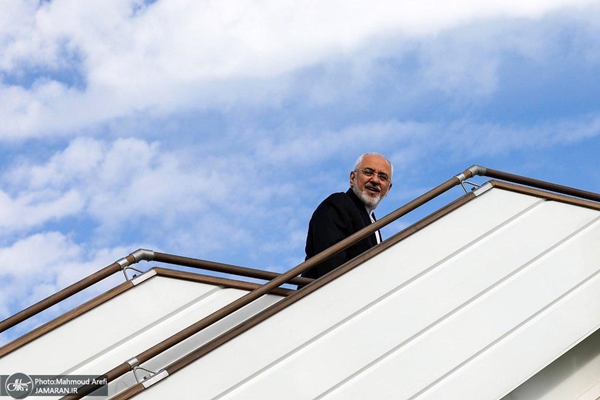
Iran said the ship would sail shortly and Foreign Minister Mohammad Javad Zarif characterized the US bid to prevent it from leaving as “piracy”.

Iran FM to Visit Kuwait, Finland, Sweden, Norway

The Iranian foreign minister will first pay a one-day visit to Kuwait on Saturday.

After returning to Iran, Zarif will then depart for the Finnish capital of Helsinki late Sunday, and hold talks with the Scandinavian nation’s president, Sauli Niinistö, and foreign minister, Pekka Haavisto, on Monday.

The Iranian top diplomat will also meet Finland’s minister for Development Cooperation and Foreign Trade Ville Skinnari.

The ongoing tensions in the Persian Gulf will be a focus of talks between Zarif and Finland officials, the Finnish foreign ministry told Euronews.

Helsinki seeks to know more about Tehran’s ideas to ease tensions in the region during Zarif’s trip, the foreign ministry said.

“Tensions in the Persian Gulf have an impact on the entire world. The importance of maintaining a dialogue is emphasised in this situation.”

“Discussion topics in the meetings will include bilateral relations, international and regional issues, human rights issues and Finland’s Presidency of the Council of the European Union,” the foreign ministry said in a statement.

Finland, the rotating president of the European Union, will elaborate on its goals and plans during its presidency during talks with the Iranian foreign minister.

Zarif will later leave Helsinki for Stockholm and Oslo, where he is going to hold talks with top Swedish and Norwegian officials.

Planning for Financial Challenges We All Face

In the tough economic times, we live in today the financial challenges are becoming tougher month by month and we are all looking for different answers to each challenge. Our finances are stretched more today than ever before, so what can one do?

Buying time

The one thing nearly everyone would like is more time. We can’t make time; we can manage our time better to give the illusion of more time but there are very few people who do not have more money than month. Salaries and wages just don’t seem to go as far as they did and small loans provider HittaSMSLan knows this very well.  They know a secret to managing financial challenges that may not seem clear, they understand how to buy time with a small short-term loan.

Borrowing to improve cashflow

Short term loans, especially so-called payday loans that are borrowed over relatively short periods of time have become a financial tool that savvy people understand. A small loan in the middle of the month can help stretch your money. The interest and fees are not massive in the big picture of things when managing your personal cashflow these clever, instant loans become extremely useful. When planned payday loans become a management tool not something to get you out of the position where you don’t have enough income. Payday loans improve cashflow not income and this is vital understand and is perhaps where these loans have been tarnished a little.

Saving by cutting back

Another way to plan for the financial challenges we face is to look at your lifestyle and start saving. Our grandparents and great grandparents all lived happy lives, they lived on less material items that we ever did, and they didn’t have to spend money to be happy. We can all do this today and yet we buckle to peer pressure and never-ending marketing messages that tell us what we think we need. If you take a close look at your life you can cut back significantly. Look at your spending habits and begin to consider what you really need not so much what you want. It may be that you take a short payday loan to stabilize things, when used cleverly this is very possible and you can begin to plan f your finances better.

Small Savings

Saving needs to become a habit for it to become of value. We all think we need to save a big amount each month, but this is not true. The fact we live in an instant gratification society has hidden the value of time when saving. Saving for a rainy day may seem hard and what we want may be what everyone else has and by the time we have saved, it will be out of date. Stop worrying and take 2 years and learn to save. Set a goal of just saving 1% of your income per month and grow it by a percent each month. Before you know it, you will be on 24% and not feeling it. You will have started a habit that makes you see money and finance very differently.