Friday, April 24, 2026
Home Blog Page 2741

Saudi-led Coalition Recruits Afghan, Pakistani Hirelings to Fight Yemen War

Saleh Ali al-Samad, the President of Yemen’s High Political Council, says over the past nine months, the Saudi-led coalition invaded a number of Yemeni cities including Sana’a, Sa’ada, Hudaydah and many others but Yemeni forces backed by popular committees thwarted their plots.

“The fourth phase of the Saudi-led coalition’s war on Yemen has already begun after recruiting new forces from Afghanistan and Pakistan,” he was quoted as saying in a Farsi report by Mehr News Agency.

He said to defend themselves the Yemenis don’t need any help from other countries. “We don’t need to recruit any forces from abroad because there are enough skilled forces in our army and tribes.”

The Yemeni official then referred to the national reconciliation meetings held in Yemen and added the Yemenis have no way but to cope with the new targeting of the coalition.

Al-Samad underlined that Yemenis are completely prepared to defend themselves against the enemies and added “Yemeni leaders and nation are looking for peace. To this effect, we have already set forth many plans. We welcome peace but at the same time are ready to retaliated Saudi Arabia’s airstrikes.”

He then said the Saudi-led coalition uses the arms made by the US, the UK, France and Israel in its invasion of Yemen. “Saudi Arabia has been launching its airstrikes on Yemen over the past years despite heavy criticisms by the Arab League and the United Nations Security Council.”

The Yemeni official also slammed the West’s silence toward the invasion of Yemen and added if “the West as it claims is the true defender of human rights in the world, it needs to put pressure on Saudi Arabia to stop its airstrikes on Yemen.

Al-Samad then said Yemenis will strongly continue their retaliatory attacks against the Saudi-led coalition and added the attacks will gain momentum in the near future.

“We will stand up by whatever in our power against the enemy which has the full support of the US and Israel,” he concluded.
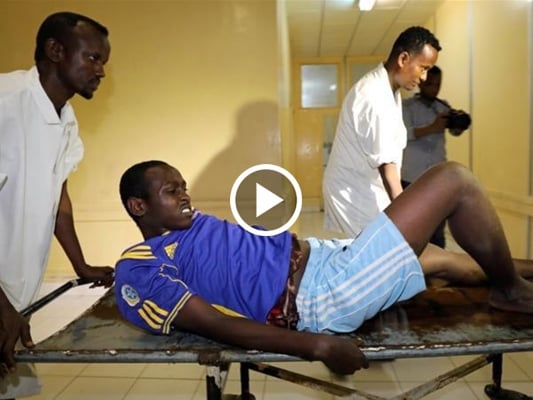
38 Killed in Twin Car Blasts in Somalian Capital (+Video)

The car bombings and subsequent gunfire also wounded 20 people, medical workers said.

A loud explosion reportedly took place on Friday, followed by a second blast and sustained gunfire which broke out near the president’s residence. The second blast took place beside a popular hotel.

The Aamin Ambulance service, which confirmed the death toll, transported victims to the hospital.

The armed group al-Shabab claimed responsibility for the attack, Al Jazeera reported.

“As far as we know, there has been one blast beside the presidential palace, and another close to a popular hotel,” Major Mohamed Ahmed, a police officer, told local media.

The attack comes a day after the Somali government had issued a “terror warning” in the capital.

The explosions shattered a months-long period of calm in Mogadishu, which is often the target of attacks by al-Shabab.

In December, 18 police officers were killed when an al-Shabab fighter blew himself up inside the country’s main police academy in Mogadishu.

The capital was also the target of a truck bombing in October that killed 512 people in the deadliest attack in Somalia’s history. The Somali government blamed that blast on the al-Qaeda linked al-Shabab.

Iranian, British Officials Reach ‘Major’ Decision on Yemen War

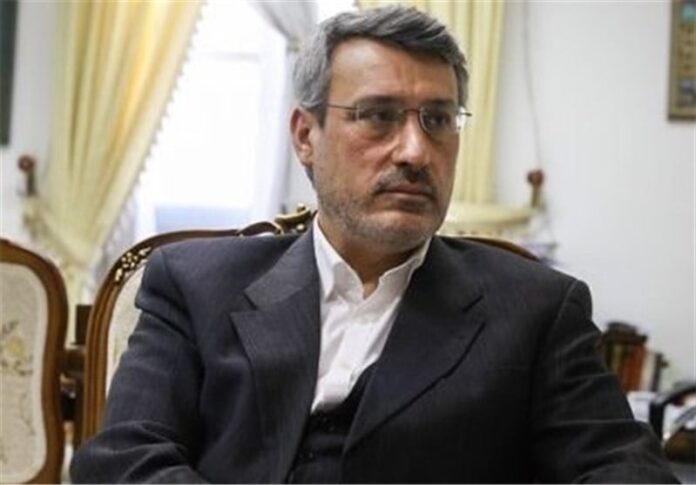
Hamid Baeedinejad

In an article published in his channel at a mobile messaging service on Friday, Hamid Baeedinejad hailed the successful results of Iranian Deputy Foreign Minister Abbas Araqchi’s visit to London for the second round of Iran-Britain comprehensive political talks.

Pointing to “considerable disagreement” and “lack of complete accord” between Tehran and London when it comes to the regional developments, the ambassador, however, said the two countries have made “major decisions” on the ways to resolve the conflicts in Yemen.

Tehran and London share views about the need for an immediate end to the war in Yemen, which has become a full-fledged inhuman war, the envoy added.

Baeedinejad also noted that Iran has voiced “strong opposition” to a UN Security Council draft resolution that is designed to condemn Iran for alleged violation of an arms embargo on Yemen.

“It is planned that the two parties (Iran and Britain) continue intensive consultations to resolve the problem,” the ambassador said of the draft resolution on Yemen.

As regards the Joint Comprehensive Plan of Action (JCPOA) and Washington’s attempts to scrap the deal, the Iranian envoy underlined that Tehran and London support the nuclear agreement and stand against any attempt to revise the deal, as proposed by US President Donald Trump.

“What is clear is that Britain and the European states have serious conflict with the US over the issue (JCPOA),” he added.

Iran and the Group 5+1 (Russia, China, the US, Britain, France and Germany) reached the 159-page nuclear agreement in July 2015 and implemented it in January 2016.

Since the historic deal was signed in Vienna, the International Atomic Energy Agency (IAEA) has repeatedly confirmed the Islamic Republic’s compliance with its commitments under the JCPOA.

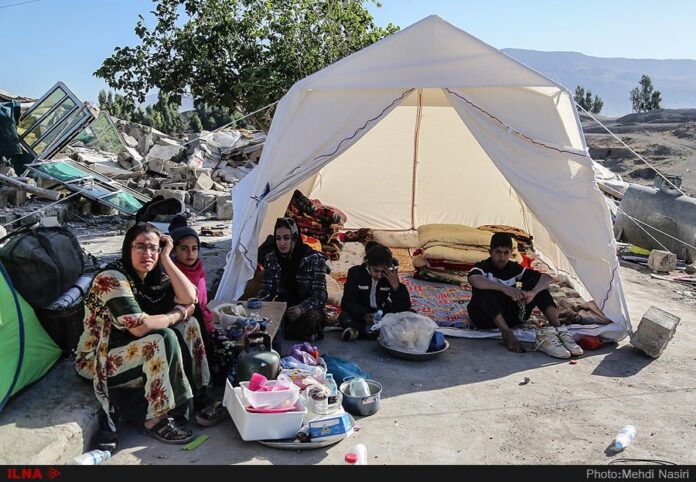
Iran’s ICT Ministry Launches Donation Campaign for Quake-Hit People

Iran’s ICT Minister Mohammad-Javad Azari Jahromi invited the IT companies in Iran to join the campaign and donate part of their budget for advertisement during the Nowruz (Persian New Year) holidays to the quake-hit people.

In a letter, the Director General of ICT Ministry called on the ministry’s departments to adopt the required measures to this effect, a Farsi report by ISNA said.

“In line with the order of the ICT minister for paying serious attentions to the conditions of the Kermanshah quake’s survivors, it is up to the departments’ managers to make the legal arrangements for launching the donation campaign,” the letter read.

So far, the Telecommunication Company of Iran (TCI), RighTel, and Mobinnet operators have joined the campaign, vowing to give their share of donation after making preliminary coordination with the ICT Ministry and Kermanshah governor-general.

A powerful 7.3-magnitude earthquake hit Kermanshah province back in November, killing about 630 people. The operations for restoring normal life to the quake-hit areas are still underway.

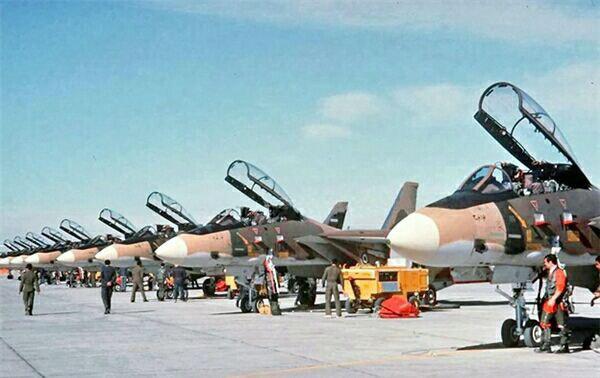
How F-14 Purchase from US Humiliated Iran’s Monarchy

Iranian historian and researcher Yaqoub Tavakkoli says the humiliation of the Shah, the former despotic ruler of Iran before the 1979 Islamic Revolution, before his American masters became all the more evident in the case of purchasing F-14 fighter jets from the United States.

Tavakoli says the Shah was afraid of Washington, according to a report by the Persian-language Khabar Online news website.

The highlights of Tavakkoli’s comments follow:

The Shah’s humiliation and fear in the face of the Americans was quite obvious in the case of Phoenix missiles. When sending Phoenix missiles, the US delivered them in the form of separated parts along with other army equipment. In other words, they delivered the F-14 warplanes to Iran, but did not supply Phoenix rockets, which were the most important component of the fighter jets. An F-14 aircraft without rockets is like a harmless bird. The effectiveness of F-14 jet fighters is due to its missiles.

An investigation was conducted and it became evident that the components of the rockets were being kept as separate parts in the depots of the army, and the US did it because Washington did not want Iran to have airplanes ready at all times.

A report was given to the Shah about what the Americans had done. In response, the former Iranian dictator said, “No problem. Just don’t complain to the Americans about it.”

They were trumpeting the idea that Iran had the largest refueling squadron. But the reality was that they were only a handful of scrapped American aircraft. They had been kept in the aircraft’s junkyard until a US general proposed that the planes be sold to Iran to join the country’s air fleet. After all, the idea that so many planes had been sold to Iran as refueling aircraft seems far-fetched because Iran did not need so many refueling planes given the limited number of the aircraft it had. For instance, you have 50 cars. It will be illogical and a waste of money to build 10 petrol stations for them because even one or two would do. However, the Shah issued purchase orders because it was what the Americans wanted.

In the case of purchasing F-14 fighter jets from the US, one can see a sort of humiliation in the former regime of the Shah (also known as Pahlavi regime). Back then, the Grumman company had manufactured F-14 fighter jets. The aircraft’s range was very short, around 150 miles only. As a result, the US Navy did not accept it. However, in order to save Grumman from insolvency, the Americans sold F-14 warplanes to Iran. Furthermore, Iran was well aware of the aircraft’s problems. It was a modern warplane, but had no practical applications for the Navy. Still, the Shah purchased them from the US. After the victory of the 1979 Islamic Revolution of Iran and during the eight-year Iraqi imposed war on Iran in the 1980s, Iran made almost 290 changes to the F-14 jet fighters to boost their capabilities and enable them to take part in operations during the Iraqi aggression. All in all, there were numerous instances where the Shah’s humiliation before the US was completely evident.

Measures Underway to Bring Back Ancient Artefacts from US to Iran

Ali Asghar Mounesan, the Head of Iran’s Cultural Heritage, Handicrafts and Tourism Organization (ICHTO), said that Americans injured in a 1997 suicide bombing in Jerusalem were to seize ancient Persian artefacts from a Chicago museum to satisfy a $71.5 million court judgment against Iran, which they had accused of complicity in the attack.

“Consequently, the ICHTO, in consultation with the foreign ministry and the Legal Department of the President’s Office, held several meetings with the Supreme National Security Council and finally recruited a native lawyer to pursue the case,” the Fars News Agency quoted Mounesan as saying in a Farsi report.

He added that Iran’s lawyer in the Chicago court filed a case on Iran’s opposition to the seizure of Achaemenid artefacts and the Islamic Republic formally entered the judicial process of returning the clay tablets and fragments.

“Our attorneys appealed to the Supreme Court’s ruling and fortunately with their efforts the US Supreme Court ruled that American defendants cannot seize the artefacts from the Chicago museum as compensation.”

Mounesan went on to say that this is a very big achievement and a great victory for Iran, which is the result of diplomatic and legal efforts made by the Islamic Republic’s government. He noted that after years of struggle this 84-year-old problem was resolved to bring back the Iranian Achaemenid tablets.

The US Supreme Court on Wednesday, in an 8-0 ruling, upheld a lower court’s decision in favour of Iran that had prevented the defendants from collecting on the judgment, which Tehran has not paid, by obtaining antiquities held at the University of Chicago’s Oriental Institute. The important Persian cultural artefacts, on loan from Iran to the museum since the 1930s, include clay tablets boasting some of the oldest writing in the world.

The lawsuit stems from a 1997 attack in which three members of Hamas movement blew themselves up at a crowded pedestrian mall in Jerusalem, killing five people and injuring about 200 others.

Several of the injured, including lead defendant Jenny Rubin, and their relatives, sued Iran in the Federal Court alleging it had provided material support for the attackers.

The court agreed, awarding them $71.5 million. Iran refused to pay, prompting the defendants to target precious artefacts, including the Persepolis Archive, thousands of ancient tablets and fragments, many inscribed with Elamite writing, on loan since 1937 and held at the Oriental Institute.

The Persepolis Fortification Archive and Persepolis Treasury Archive are two groups of clay administrative archives found in Persepolis dating to the Achaemenid Persian Empire. The discovery was made during legal excavations conducted by the archaeologists from the Oriental Institute of the University of Chicago in the 1930s.

Thousands of clay tablets, fragments and seal impressions in the Persepolis archives are a part of a single administrative system representing continuity of activity and flow of data over more than fifty consecutive years. These records can throw light on the geography, economy, and administration, as well as the religion and social conditions of the Persepolis region, the heartland of the Persian’ Great Kings from Darius I the Great to Artaxerxes I.

Persepolis administrative archives are the single most important extant primary source for understanding the internal workings of the Persian Achaemenid Empire. But while these archives have the potential for offering the study of the Achaemenid history based on the sole surviving and substantial records from the heartland of the empire, they are still not fully utilized as such by a majority of historians.

FATF Once Again Suspends Countermeasures against Iran

Foreign Ministry Condemns FATF’s Blacklisting of Iran

The Financial Action Task Force said on Friday that it would again extend the suspension of some penalties against Iran.

According to a Farsi report by Fars News Agency, the world’s financial watchdog has suspended its punitive measures against Iran until its next meeting as the Financial Action Task Force has recognized measures taken by Iran in line with addressing its deficiencies.

“Depending upon Iran’s progress in completing its action plan, the FATF will take further steps in June 2018,” the intergovernmental organization in charge of setting global standards on anti-money laundering and combating the financing of terrorism has announced in a press release published on its website.

“In June 2016, the FATF welcomed Iran’s high-level political commitment to address its strategic AML/CFT deficiencies, and its decision to seek technical assistance in the implementation of the Action Plan. Given that Iran provided that political commitment and the relevant steps it has taken, the FATF decided in November 2017 to continue the suspension of counter-measures,” reads the statement.

“Since November 2017, Iran has established a cash declaration regime and introduced draft amendments to its AML and CFT laws. However, Iran’s action plan has now expired with a majority of the action items remaining incomplete. Iran should fully address its remaining action items, including by: (1) adequately criminalising terrorist financing, including by removing the exemption for designated groups “attempting to end foreign occupation, colonialism and racism”; (2) identifying and freezing terrorist assets in line with the relevant United Nations Security Council resolutions; (3) ensuring an adequate and enforceable customer due diligence regime; (4) ensuring the full independence of the Financial Intelligence Unit and requiring the submission of STRs for attempted transactions; (5) demonstrating how authorities are identifying and sanctioning unlicensed money/value transfer service providers; (6) ratifying and implementing the Palermo and TF Conventions and clarifying the capability to provide mutual legal assistance; (7) ensuring that financial institutions verify that wire transfers contain complete originator and beneficiary information; (8) establishing a broader range of penalties for violations of the ML offense; and (9) ensuring adequate legislation and procedures to provide for confiscation of property of corresponding value.”

The statement reads that in a situation that Iran has draft legislation before Parliament, the FATF decided at its meeting this week to continue the suspension of counter-measures. It says that depending upon Iran’s progress in completing its action plan, the FATF will take further steps in June 2018. The FATF in its statement urgently asks Iran to proceed swiftly in the reform path to ensure that it addresses all of the remaining items in its Action Plan by completing and implementing the necessary AML/CFT reforms, in particular passing the necessary legislation.

“Iran will remain on the FATF Public Statement until the full Action Plan has been completed. Until Iran implements the measures required to address the deficiencies identified in the Action Plan, the FATF will remain concerned with the terrorist financing risk emanating from Iran and the threat this poses to the international financial system. The FATF, therefore, calls on its members and urges all jurisdictions to continue to advise their financial institutions to apply enhanced due diligence to business relationships and transactions with natural and legal persons from Iran, consistent with FATF Recommendation 19.”

“Iran to Withdraw from Nuclear Deal If Economic Benefits Not Gained”

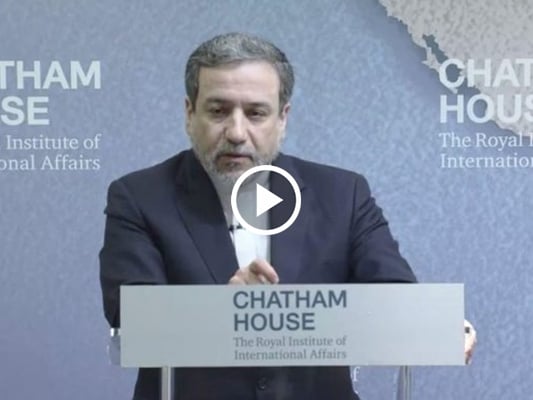
Delivering a speech at the Chatham House think tank in London, Iran’s senior nuclear negotiator noted that the nuclear deal between his country and the P5+1 is the “worst ever” for Iran.

Speaking on Thursday in the British capital, Araqchi stressed that US President Donald Trump’s persistent public vows to “destroy it, fix it, change it,” represented a violation of the terms of the accord that were damaging his country’s ability to secure much-needed international investment.

Araqchi held that the US has already failed to abide by the agreement, which may fall apart anyway because of an “atmosphere of poison” created by Trump.

“The deal would not survive this way even if the ultimatum is passed and waivers are extended. If the same policy of confusion and uncertainties about the Joint Comprehensive Plan of Action continues, with companies and banks not working with Iran, we cannot remain in a deal that has no benefit for us, and that’s a fact.”

“In Iran, people’s expectations from the JCPOA are not met. Most of it is because of this atmosphere of uncertainty which President Trump has created,” stated Iran’s deputy FM.

“If we lose the JCPOA, we will face another nuclear crisis. For the Europeans or the world community, when we talk about maintaining the JCPOA and saving it, it’s not a choice between Iranian or the US market, it’s not a choice for economic cooperation; it’s a choice between having security and insecurity.”

The Iranian diplomat further highlighted that “Iran’s commitment to not seek nuclear weapons is permanent and there is no so-called sunset clause in the deal. To make these restrictions permanent means killing the deal. We accepted 10 to 15 years of restrictions for the sake of confidence building.”

“It doesn’t mean we have to build confidence forever. It would be a big, big mistake now if people were to link the JCPOA to any other issues. This was what was agreed when it was signed. The nuclear deal is about security, other issues should be dealt with separately,” he added.

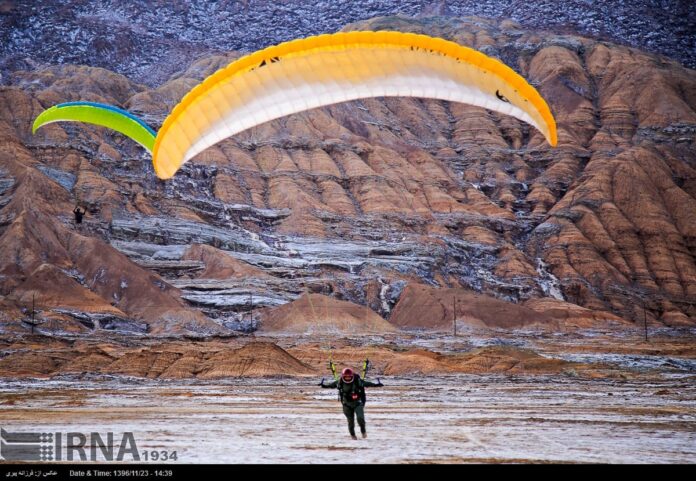
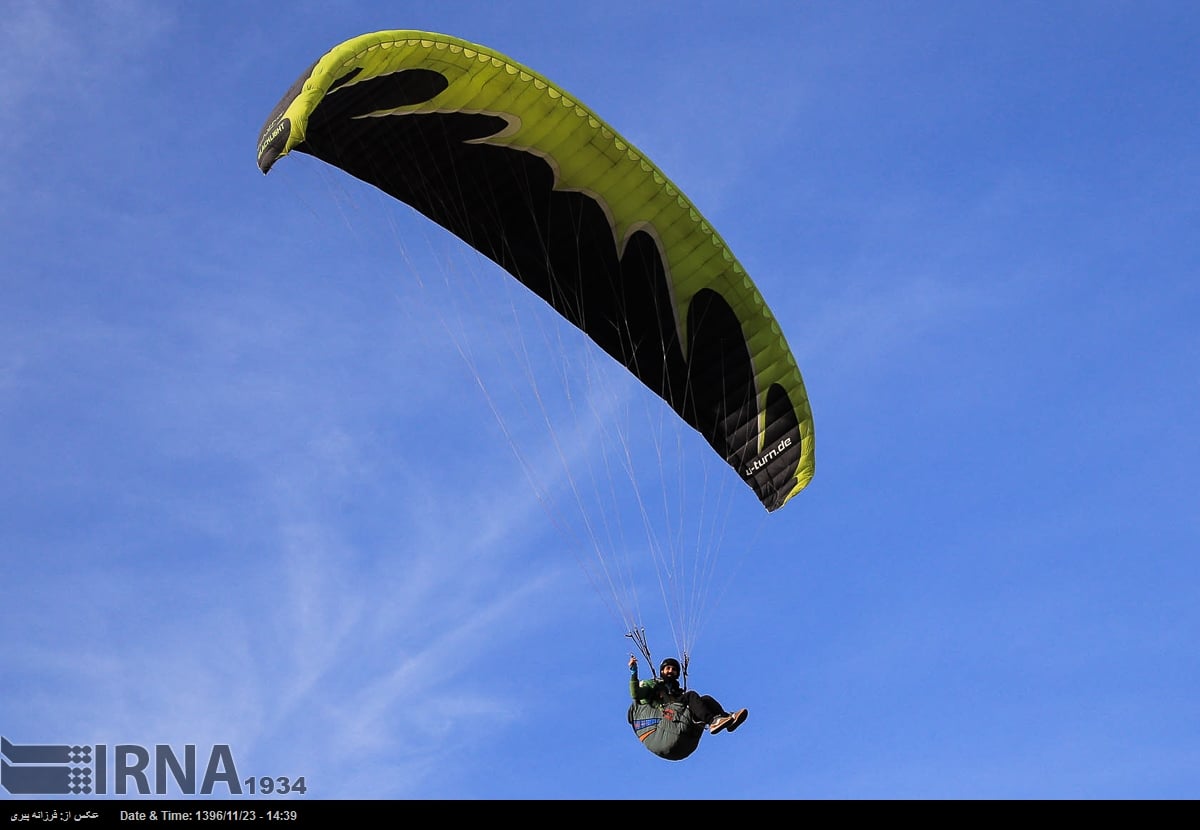
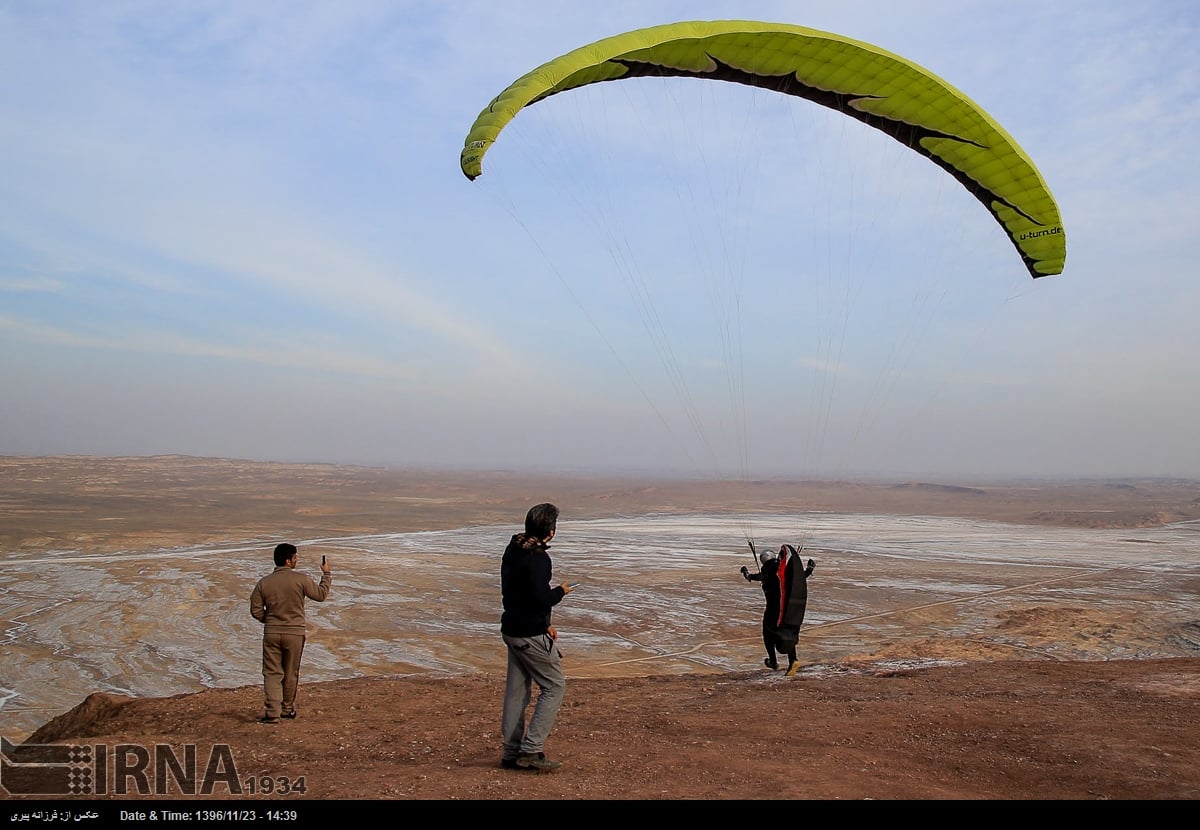
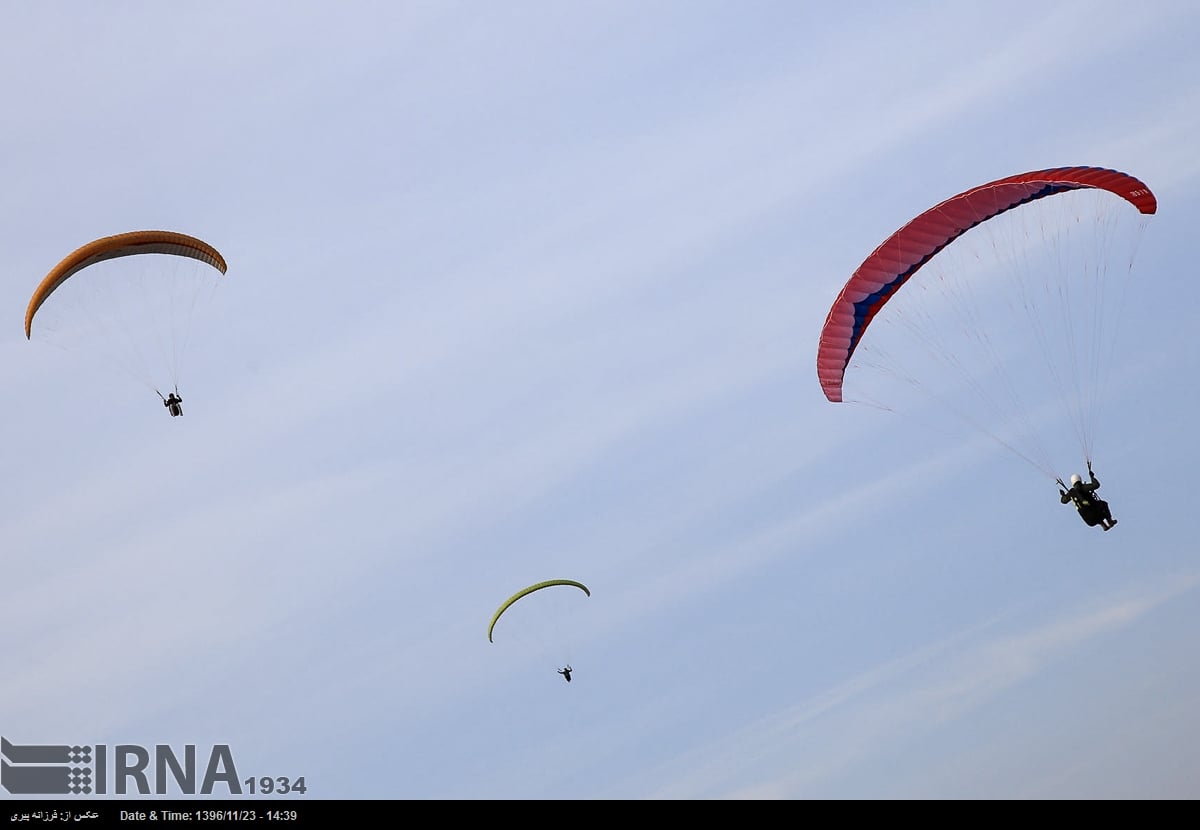
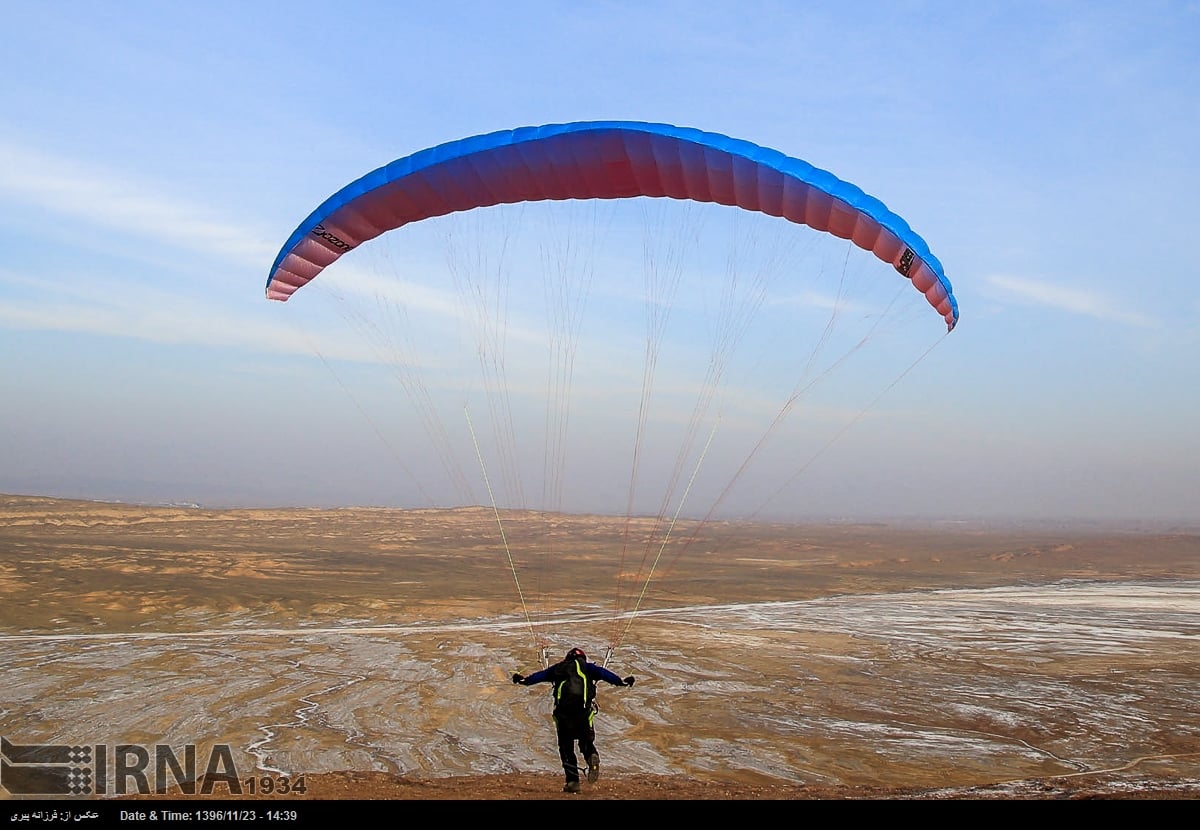
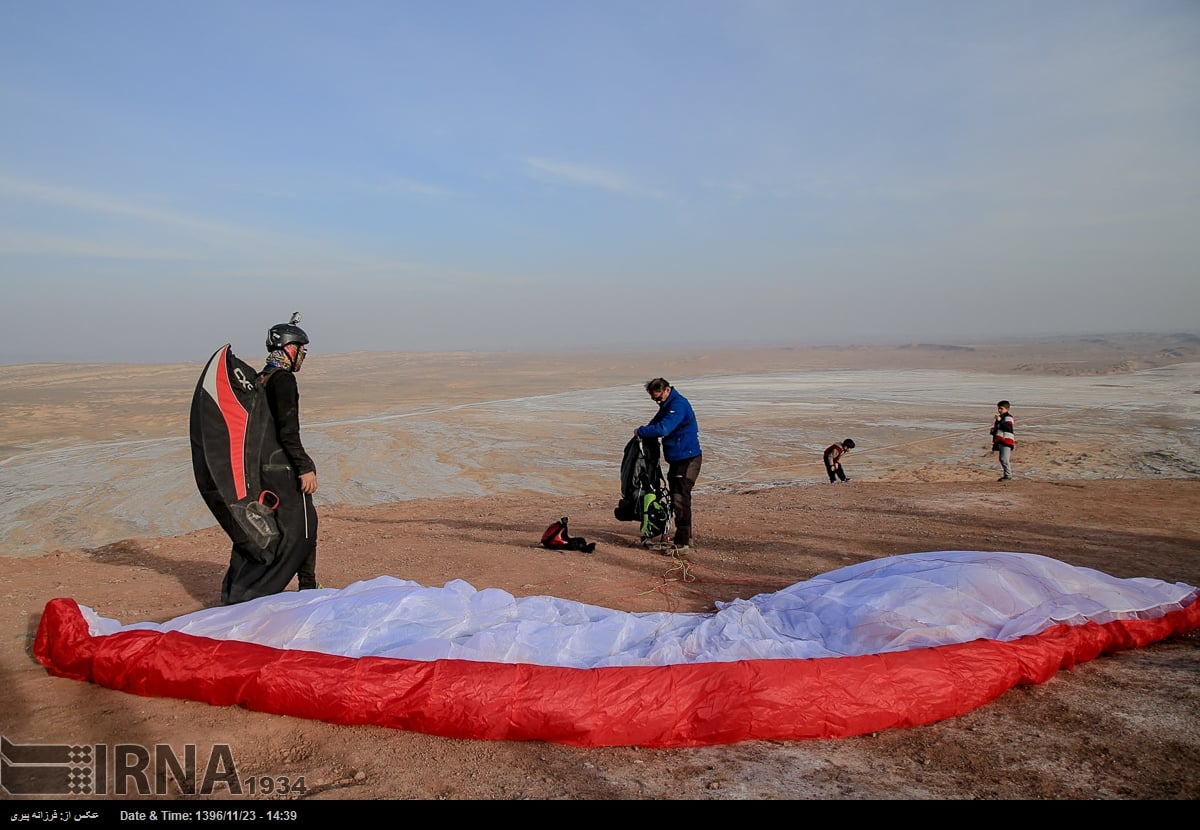
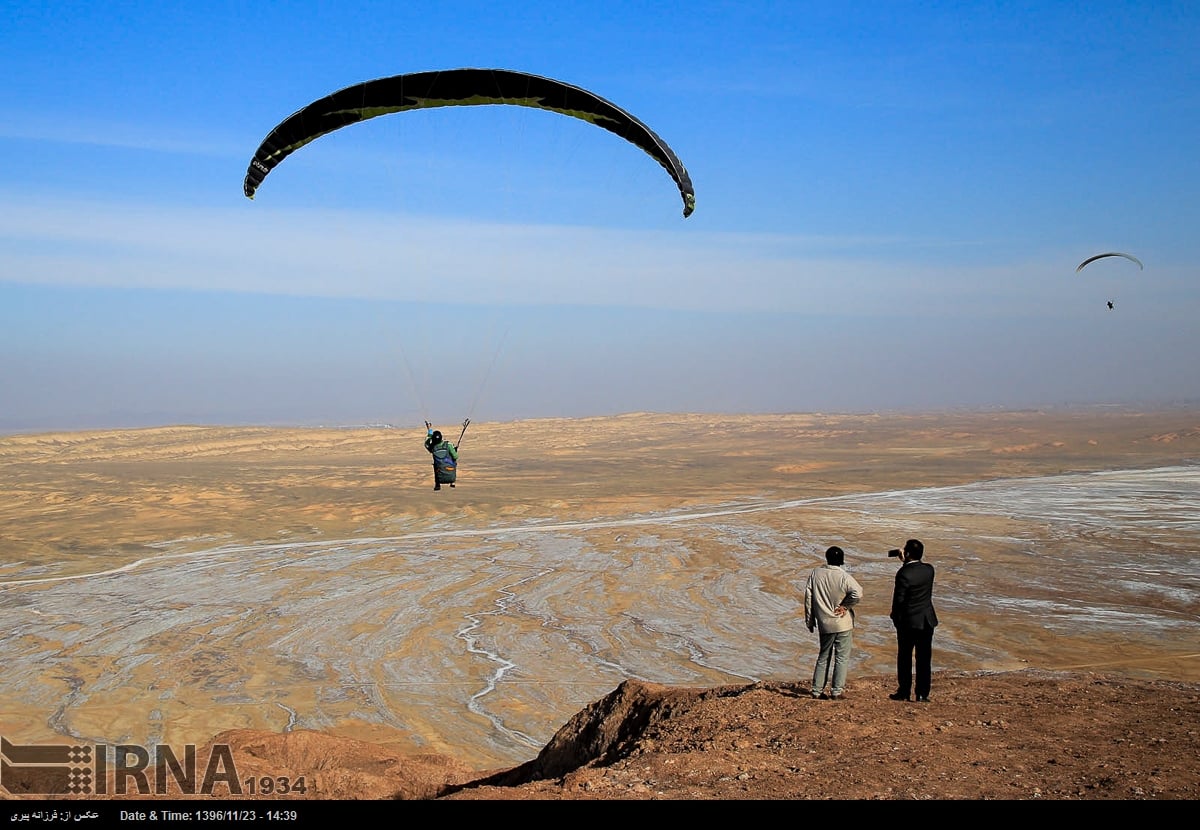
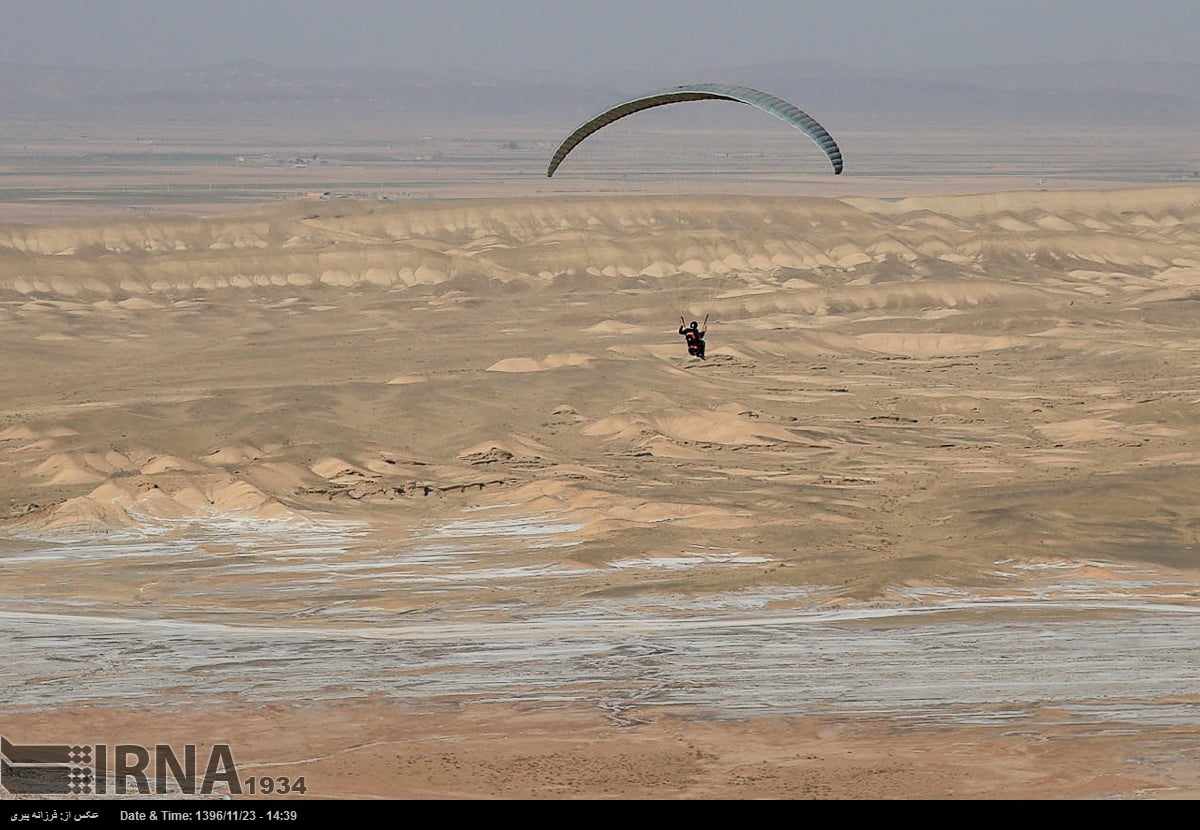
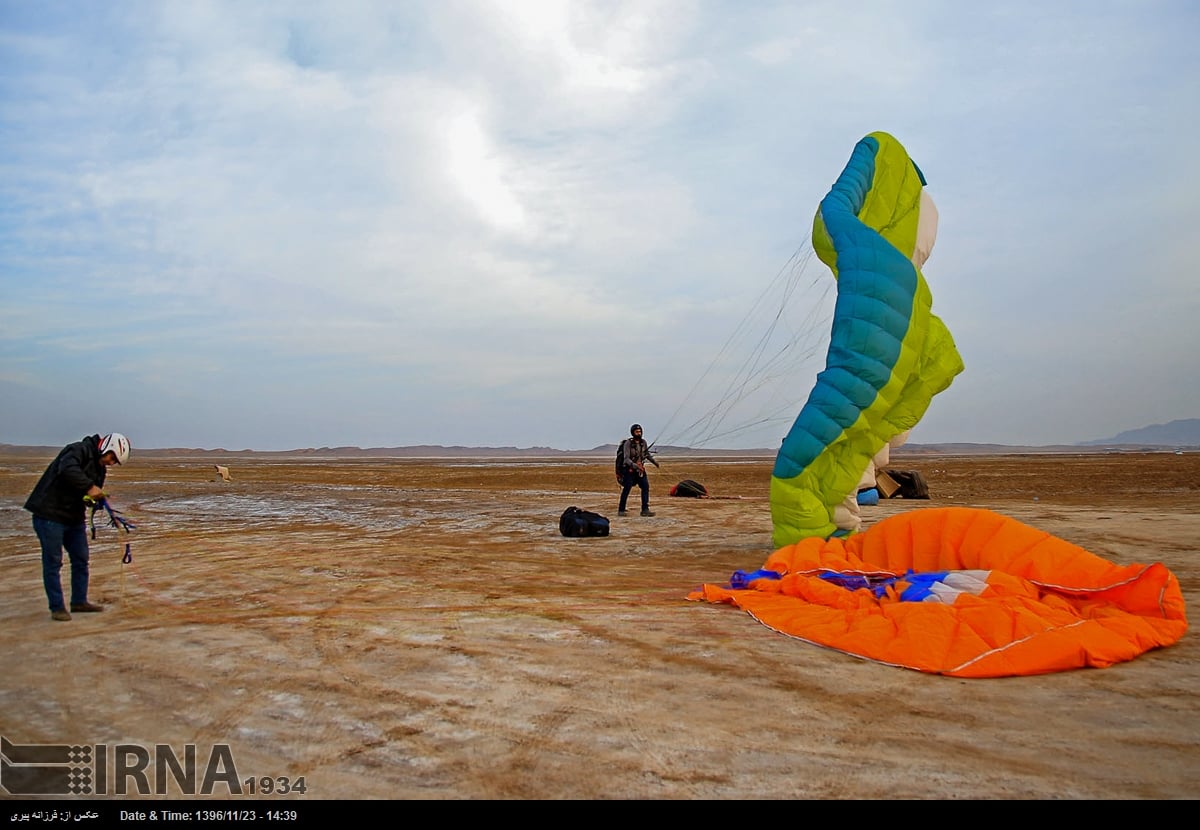
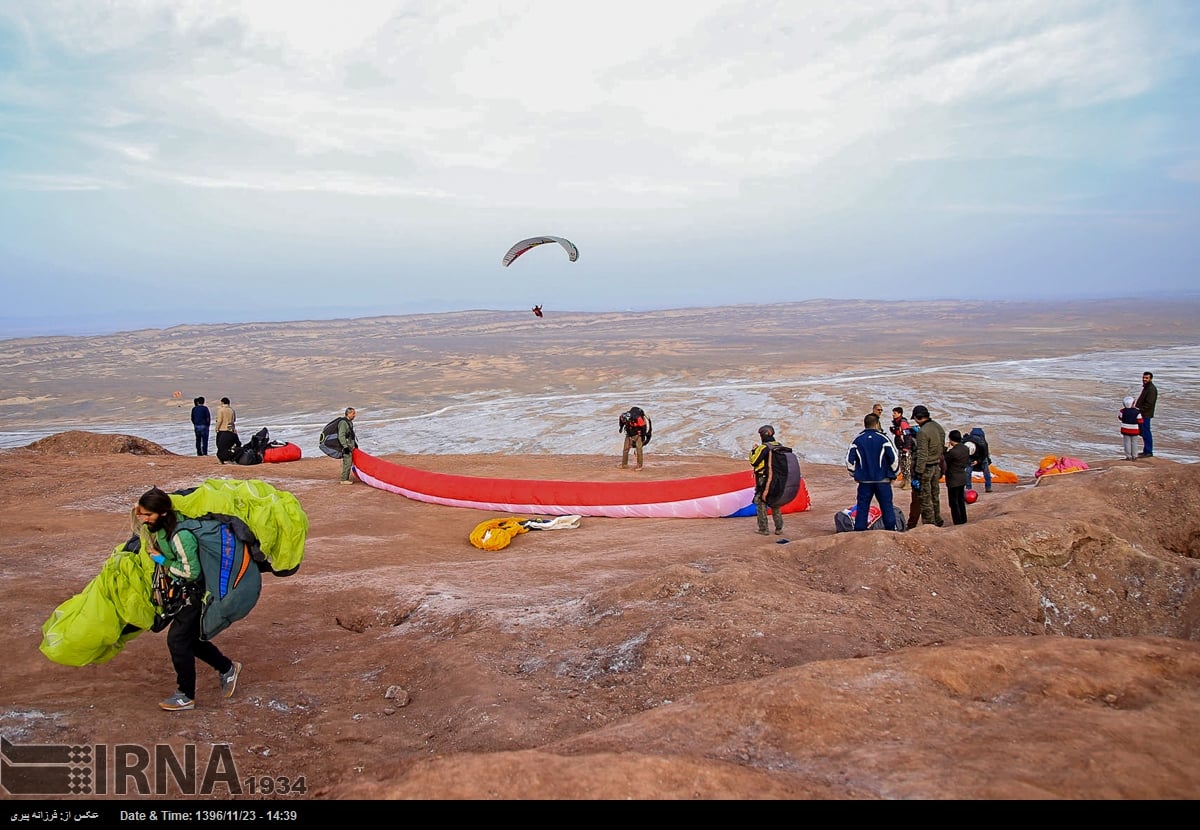
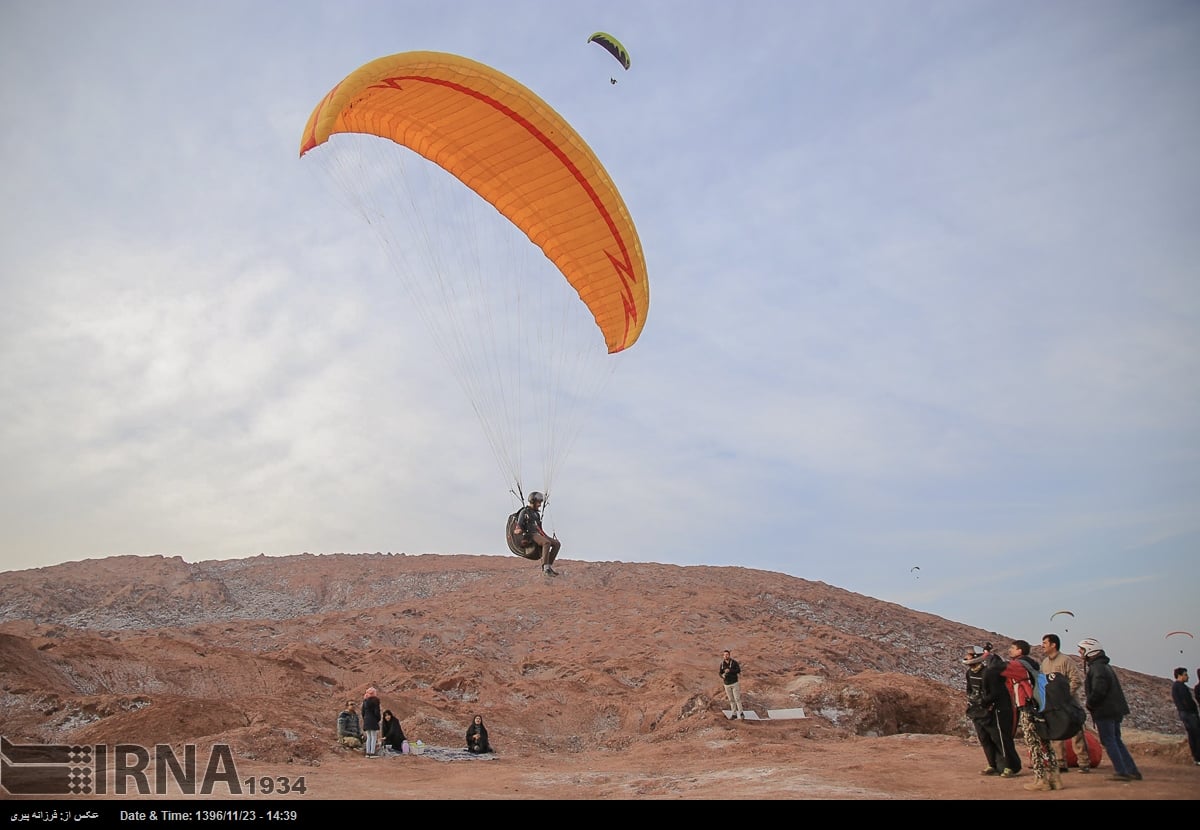
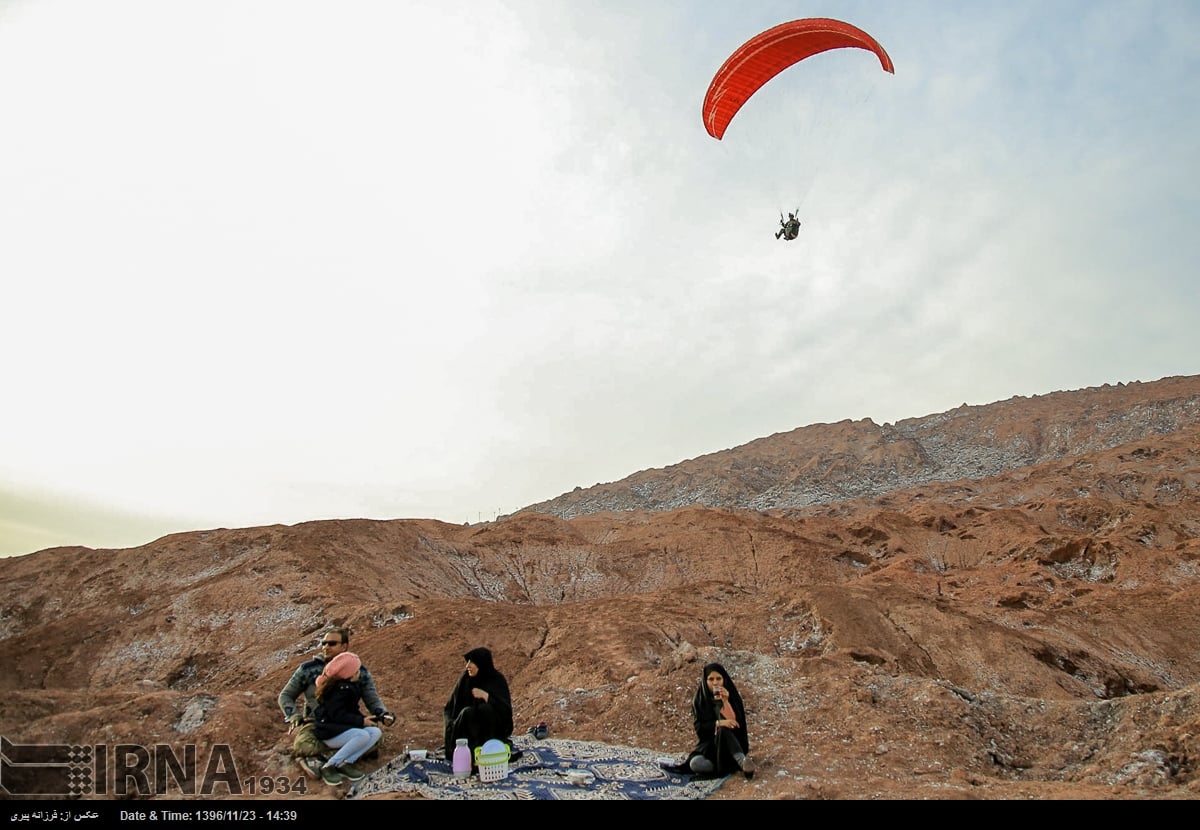
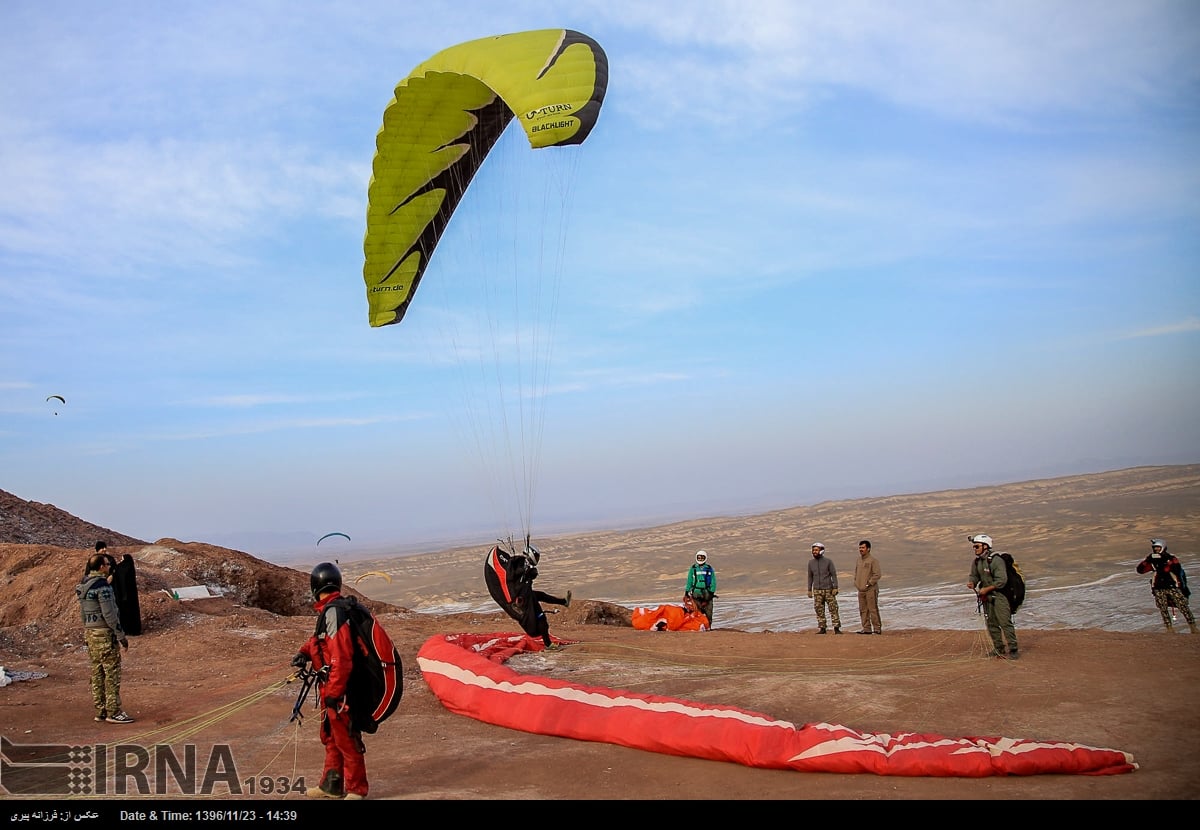
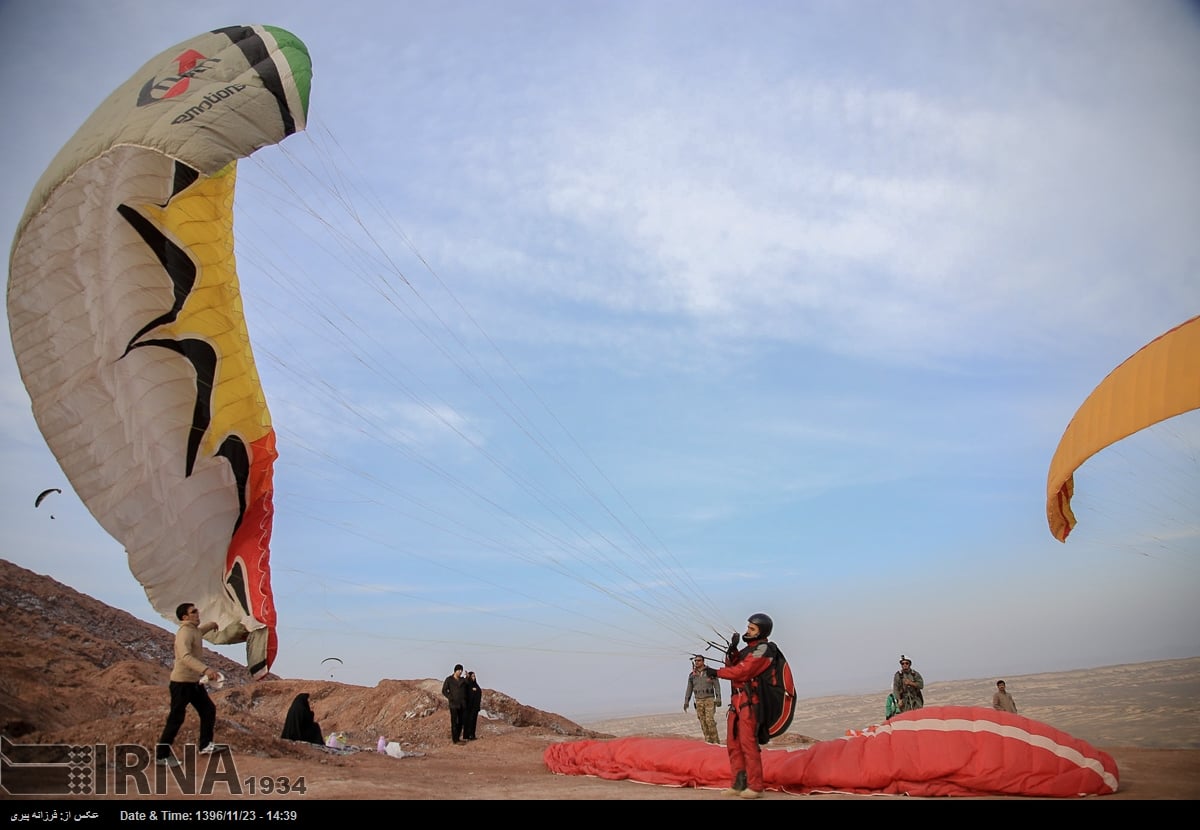
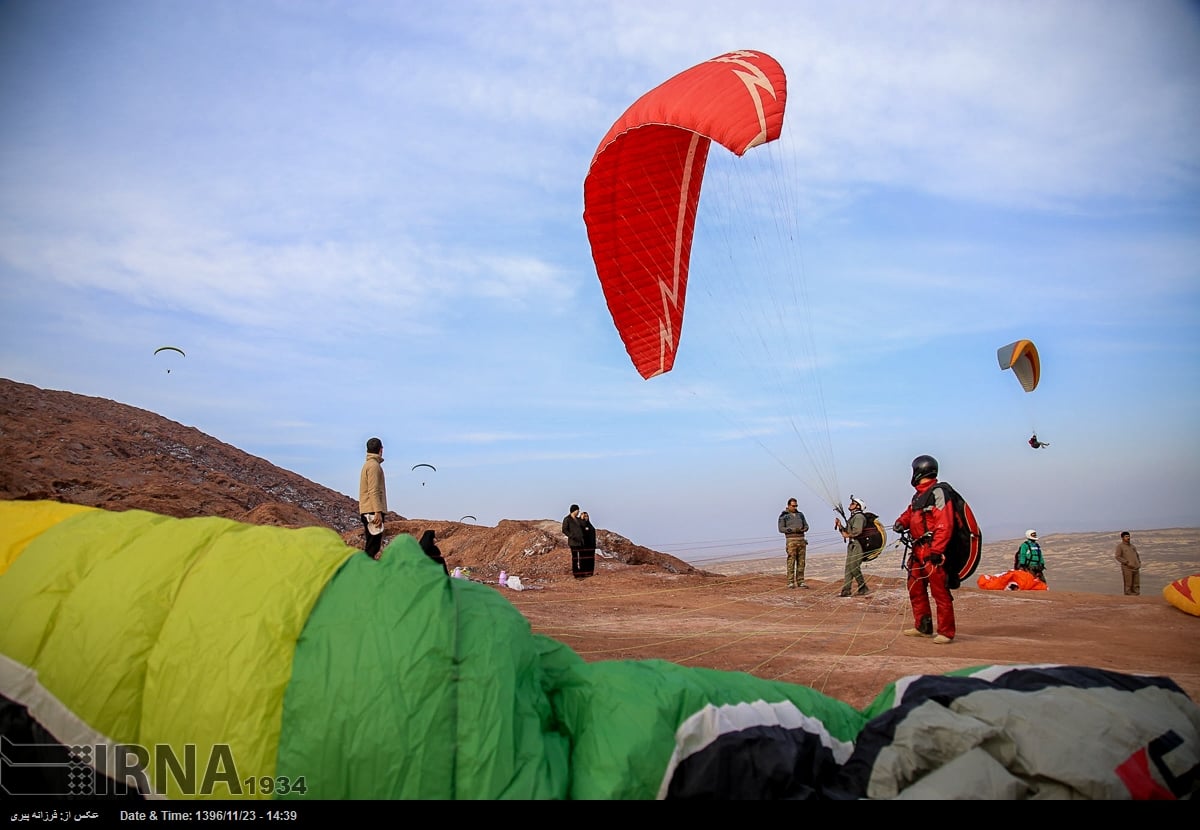
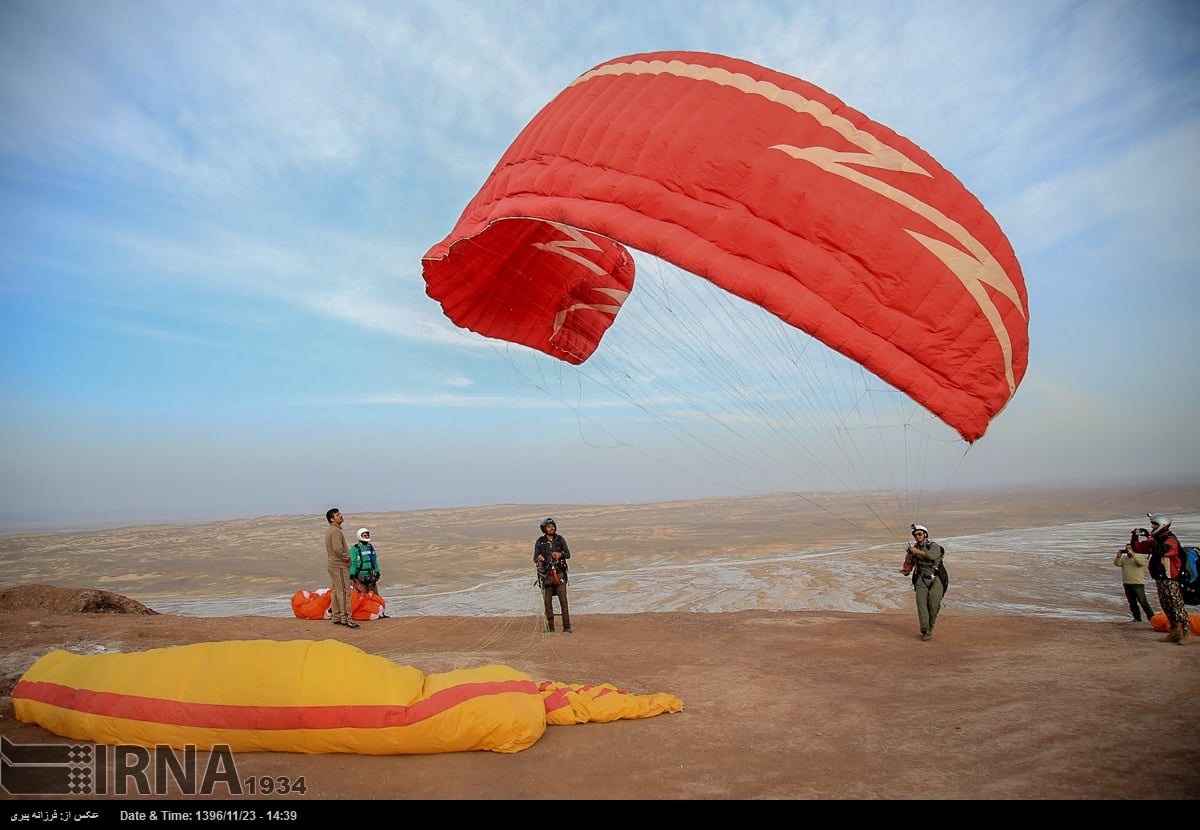
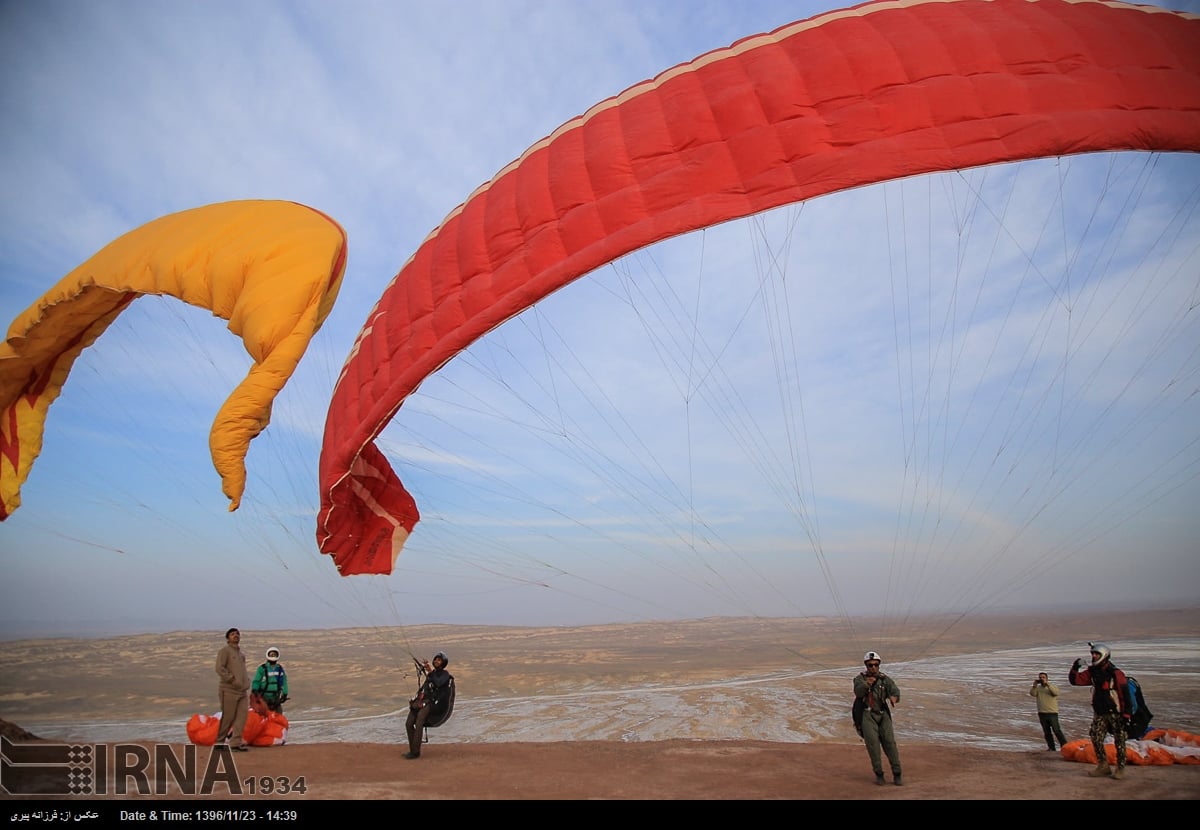
Thrilling Weekend at Qom Paragliding Site

Abbas Babaei site, near Qom Salt Rock, is located 15 kilometres from the city of Qom in the southwest of Tehran.

Paragliding is the recreational and competitive adventure sport of flying paragliders: lightweight, free-flying, foot-launched glider aircraft with no rigid primary structure. The pilot sits in a harness suspended below a fabric wing. Wing shape is maintained by the suspension lines, the pressure of air entering vents in the front of the wing, and the aerodynamic forces of the air flowing over the outside.

Despite not using an engine, paraglider flights can last many hours and cover many hundreds of kilometres, though flights of one to two hours and covering some tens of kilometres are more the norm. By skillful exploitation of sources of lift, the pilot may gain height, often climbing to altitudes of a few thousand metres.

Here are photos of the site retrieved from IRNA:

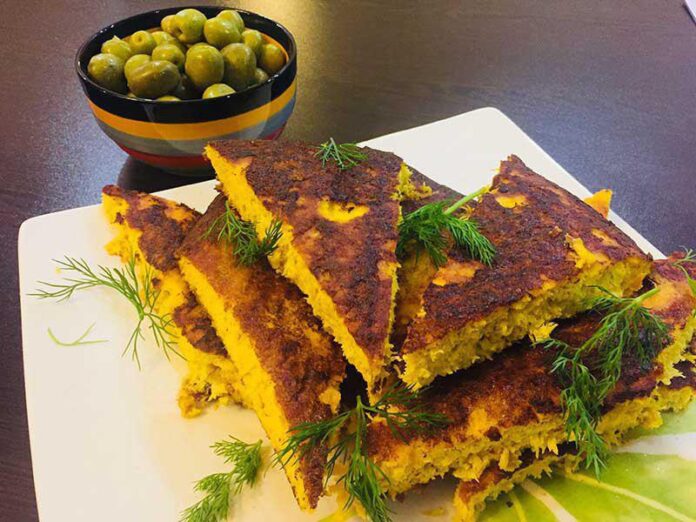
Badkoubeh Kookoo; Easily-Made Iranian Dish

You can make this delicious meal very quickly and easily in a very little time at home.


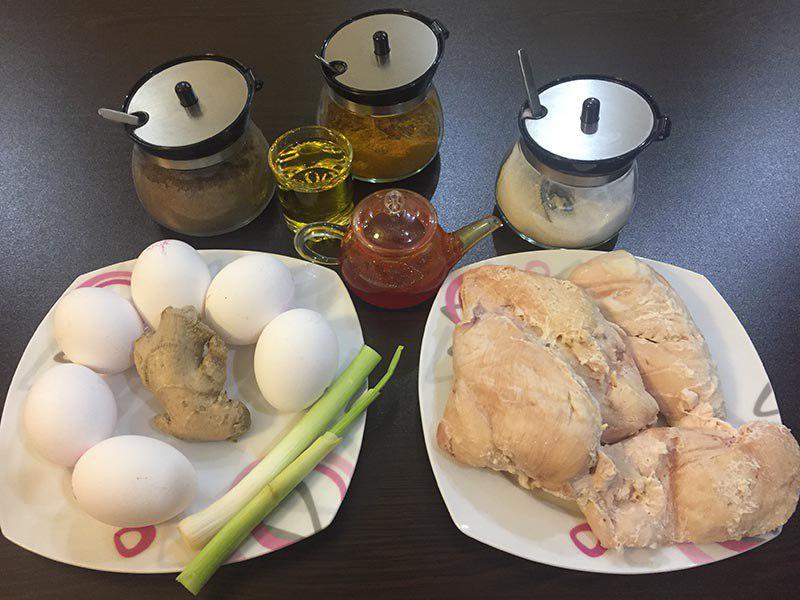
Ingredients:

Chicken’s breast: 500gr

Eggs: 9 ones

Sweet yogurt: 80gr

Cooking oil: 70gr

Salt, pepper, turmeric: as much as needed

Brewed saffron: as much as needed

Fresh garlic: ¼ of a head

Ginger: As much as needed

Baking powder: ½ tbs

 Badkoubeh Kookoo; Easily-Made Iranian Dish

Recipe:

First cook the chicken breast and shred its meat. Then add the yogurt to the chicken breast and mix well. Add saffron, salt, pepper and turmeric. Then add the chopped garlic and 2 tablespoons of oil to the mixture. Put the eggs in a bowl and stir until it gets firm.

At the end, add grated ginger and baking powder to the eggs and add it into the stuff. Leave the mixture aside for five minutes to have a delicate Kookoo.

Heat the rest of the oil in a pan. Pour Kookoo stuff. Flatten it and let it fry. Without putting the cap fry the other side as well. Cut the Kookoo and serve it.