Saturday, May 2, 2026
Home Blog Page 2663

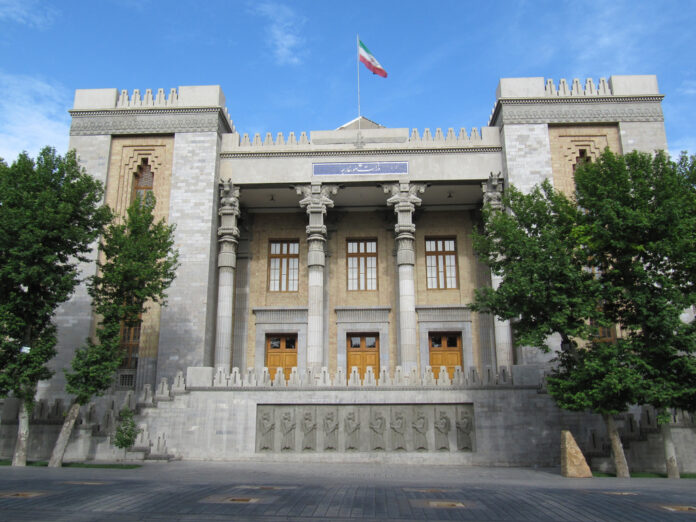
Iran Summons Italian Ambassador over Canada’s Anti-Tehran Stance

Iran Condemns Bahrain’s Plan to Normalize Relations with Israel

In a meeting on Tuesday, the director general for US affairs at the Iranian foreign ministry conveyed to the top Italian diplomat Iran’s strong protest at the Canadian government’s anti-human rights behaviour and its hypocrisy with regards to the civil and consular rights of Iranian nationals living in Canada.

The Italian ambassador was reminded that more than 400,000 Iranian expatriates in Canada have been deprived of receiving consular services over the past few years following the severance of ties between Iran and Canada.

The Iranian official also dismissed as unacceptable and contrary to Ottawa’s human rights claims the Canadian government’s continued disregard for Iran’s requests for the establishment of a consular office or an interests section, and Canada’s dodging this humanitarian responsibility.

The Iranian official also expressed Iran’s strong protest at other actions taken by the Canadian government.

“Moreover, the Canadian government has turned this country into a safe haven for economic and financial offenders of the world, and keeps shirking the responsibility for prosecuting, arresting and extraditing criminals such as Mahmoud-Reza Khavari, who lives in Canada like an ordinary citizen despite having embezzled $2.6 billion,” said the Iranian official.

“This comes as Khavari is on the Interpol’s Red Alert List, and the Canadian government is obliged to cooperate with Interpol to look into the issue and extradite Khavari,” he added.

The Italian ambassador was also reminded that these are only two examples of the Canadian government’s anti-rights actions, and that Canada’s continued politically-motivated approaches will question its competence as a country which claims to advocate human rights while criticizing the status of human rights in other countries.

First Iranian ID Card Issued for Child Born to Iranian Mother, Foreign Father

Tt“After years of efforts and ups and downs, finally the first child born to an Iranian mother managed to obtain the Iranian residency through the mother,” Ali Rabiei said in a weekly press briefing on Tuesday.

“We congratulate all Iranian mothers, either those with a non-Iranian spouse or others, as this is a kind of social protection for the community of women,” he noted.

The spokesman also noted that the move indicates the government’s serious resolve to protecting citizens’ rights for Iranian women.

In October 2019, the Guardian Council ratified a bill proposed by the government of President Hassan Rouhani to amend the law on passing citizenship to the children born to an Iranian mother and a foreign father regardless of where they are born.

According to article one of the law, children of Iranian mothers and non-Iranian fathers who were born before or after the law can obtain the Iranian citizenship upon the mother’s request, provided that they have no security problem before the age of 18.

These children, after reaching the age of 18, can apply for the Iranian citizenship themselves, if not requested by the mother, and will then be granted the Iranian citizenship in case of no security problem.
The United Nations High Commissioner for Refugees has welcomed the law as a step toward reducing statelessness around the world.

COVID-19 Outbreak in Iran: 482 Die in 24 Hours

In her press briefing on Tuesday, Sima-Sadat Lari reported 13,352 new cases of COVID-19 infection, raising the total number of cases to 788,473.

So far, she added, 570,774 patients have recovered from the disease or been discharged from the hospital.

Lari said 5,691 patients are also in critical conditions caused by more severe infection.

The spokeswoman noted that 5,586,141 COVID-19 tests have been taken across the country so far.

She said the high-risk “red” zones include Tehran, Qom, Mazandaran, East Azarbaijan, Isfahan, Yazd, Ardabil, Khorasan Razavi, Khuzestan, Hamadan, West Azarbaijan, Bushehr, Chaharmahal and Bakhtiari, Kohgiluyeh and Boyer-Ahmad, Alborz, Lorestan, Markazi, Ilam, South Khorasan, Kermanshah, North Khorasan, Semnan, Gilan, Zanjan, Qazvin, Kurdistan, and Kerman provinces.

The “orange” and “yellow” zones also include Golestan, Hormozgan, Fars, and Sistan-and-Baluchestan provinces, she added.

A Look at Iranian Newspaper Front Pages on November 17

A Look at Iranian Newspaper Front Pages on November 18

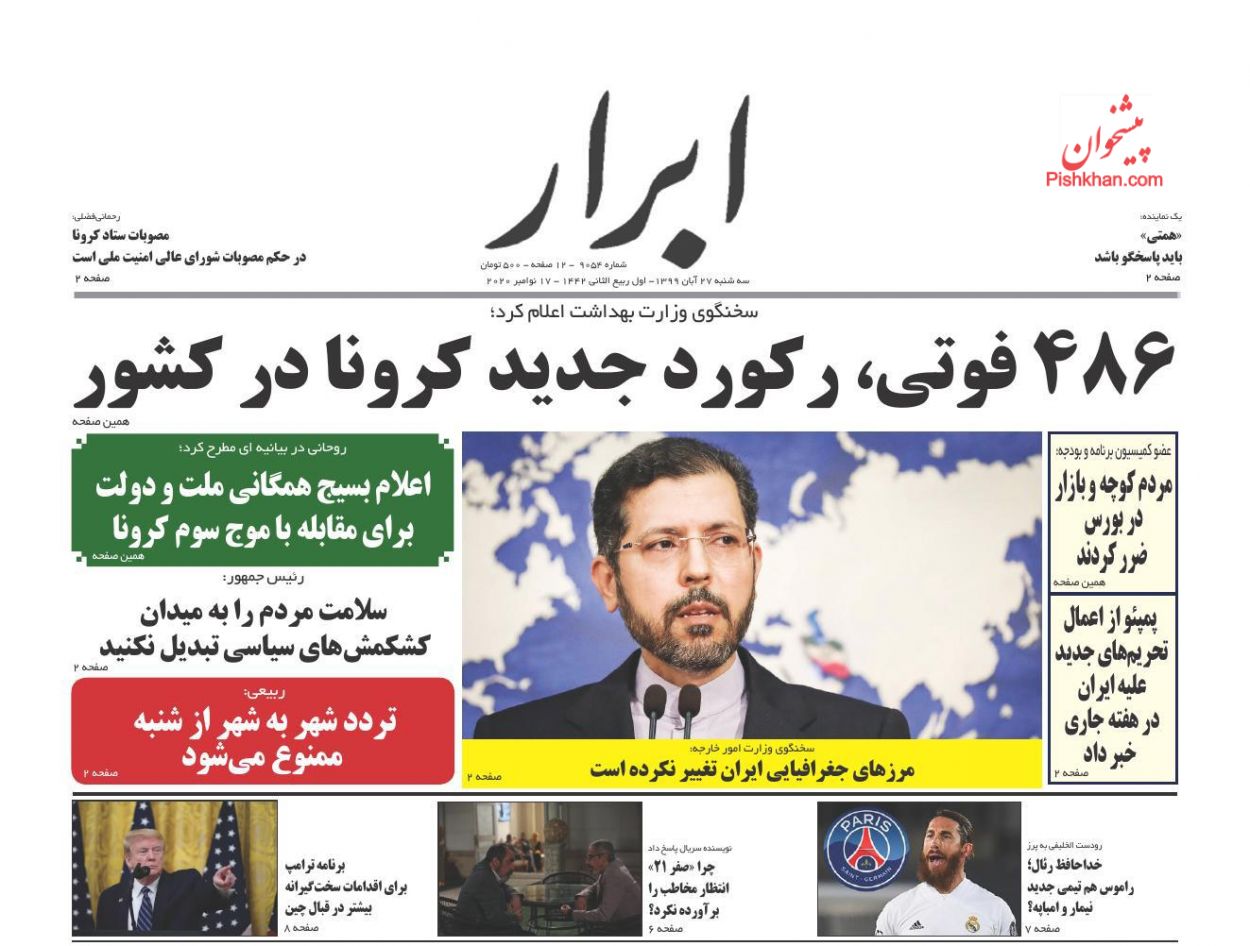
Abrar Newspaper:
1- No Change in Iran’s Geographical Borders: Foreign Ministry

A Look at Iranian Newspaper Front Pages on November 17


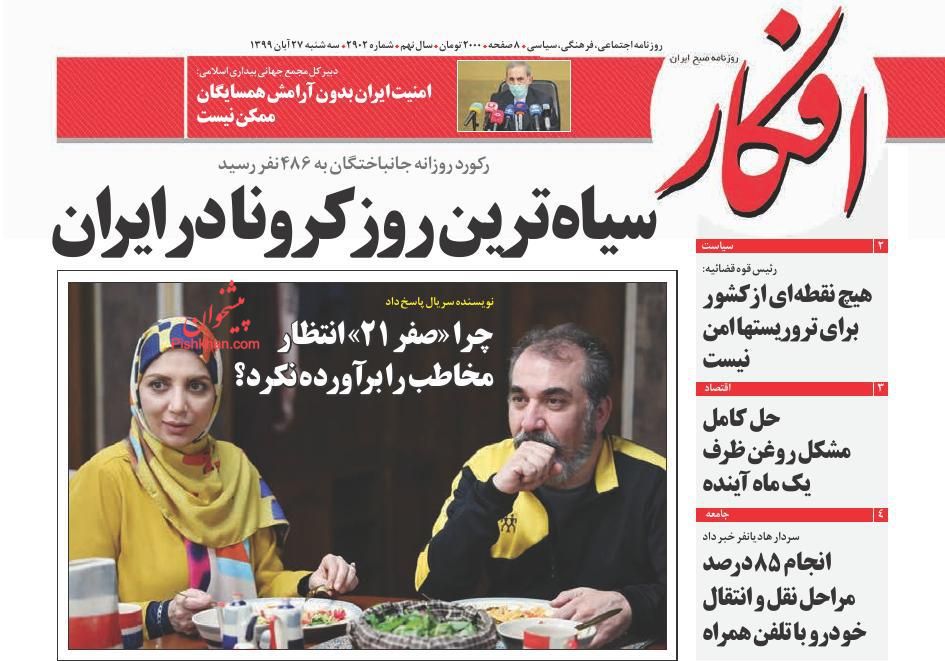
Afkar Newspaper:
1- Raisi: Nowhere Safe for Terrorists in Iran

A Look at Iranian Newspaper Front Pages on November 17


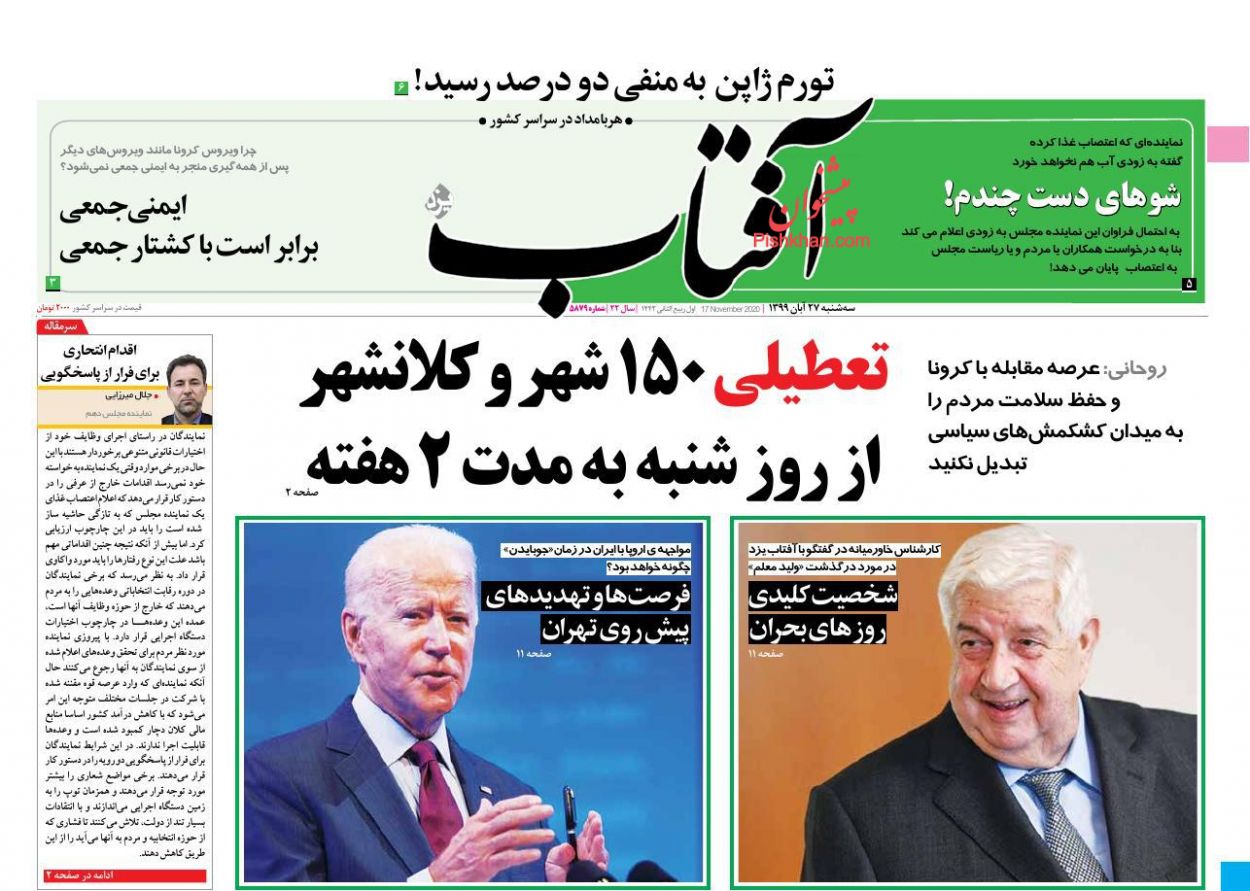
Aftab-e Yazd Newspaper:
1- Two-Week Lockdown in 150 Cities, Towns as of Saturday
2- Opportunities and Threats Facing Tehran

A Look at Iranian Newspaper Front Pages on November 17


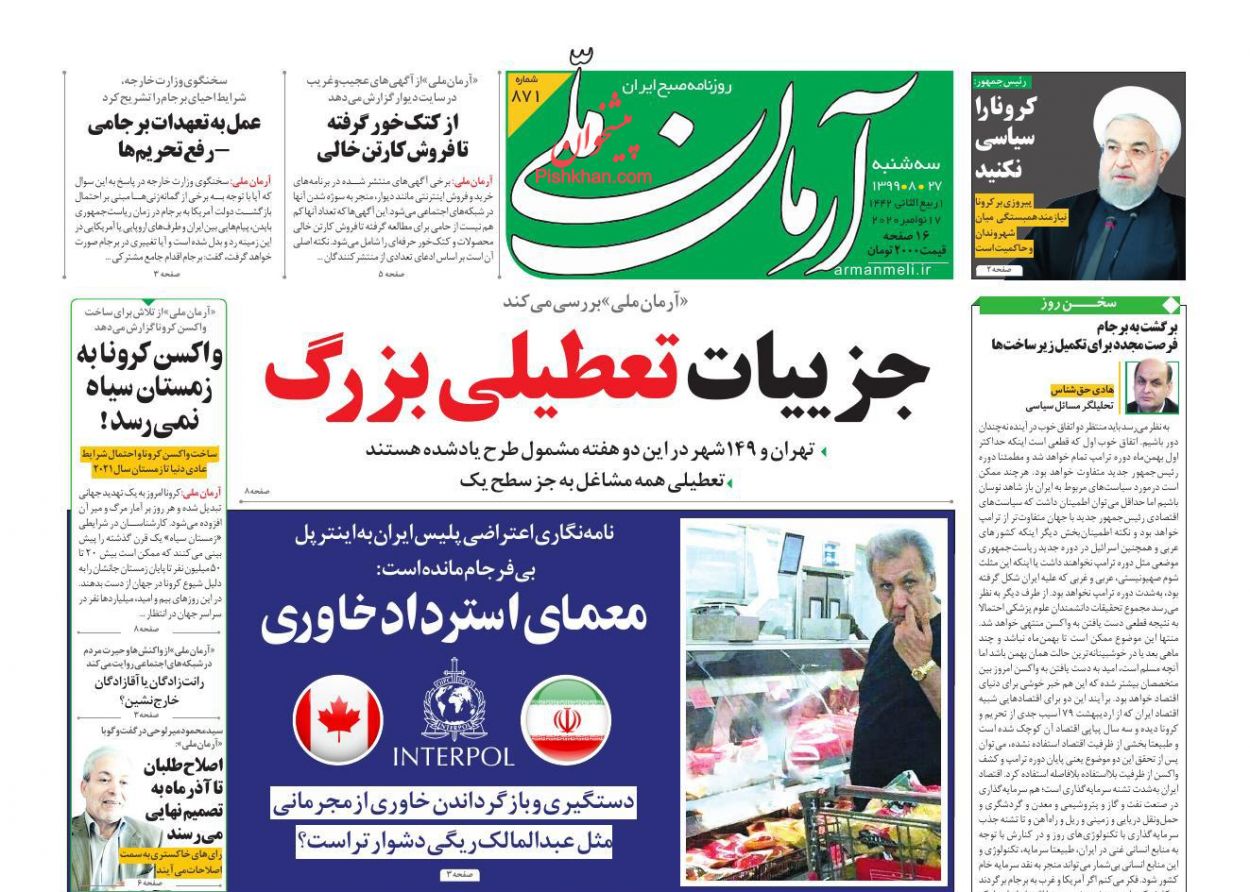
Arman-e Melli Newspaper:
1- Rouhani: Don’t Make Coronavirus Outbreak Political
2- COVID-19 Vaccine Not to Be Released in Winter

A Look at Iranian Newspaper Front Pages on November 17


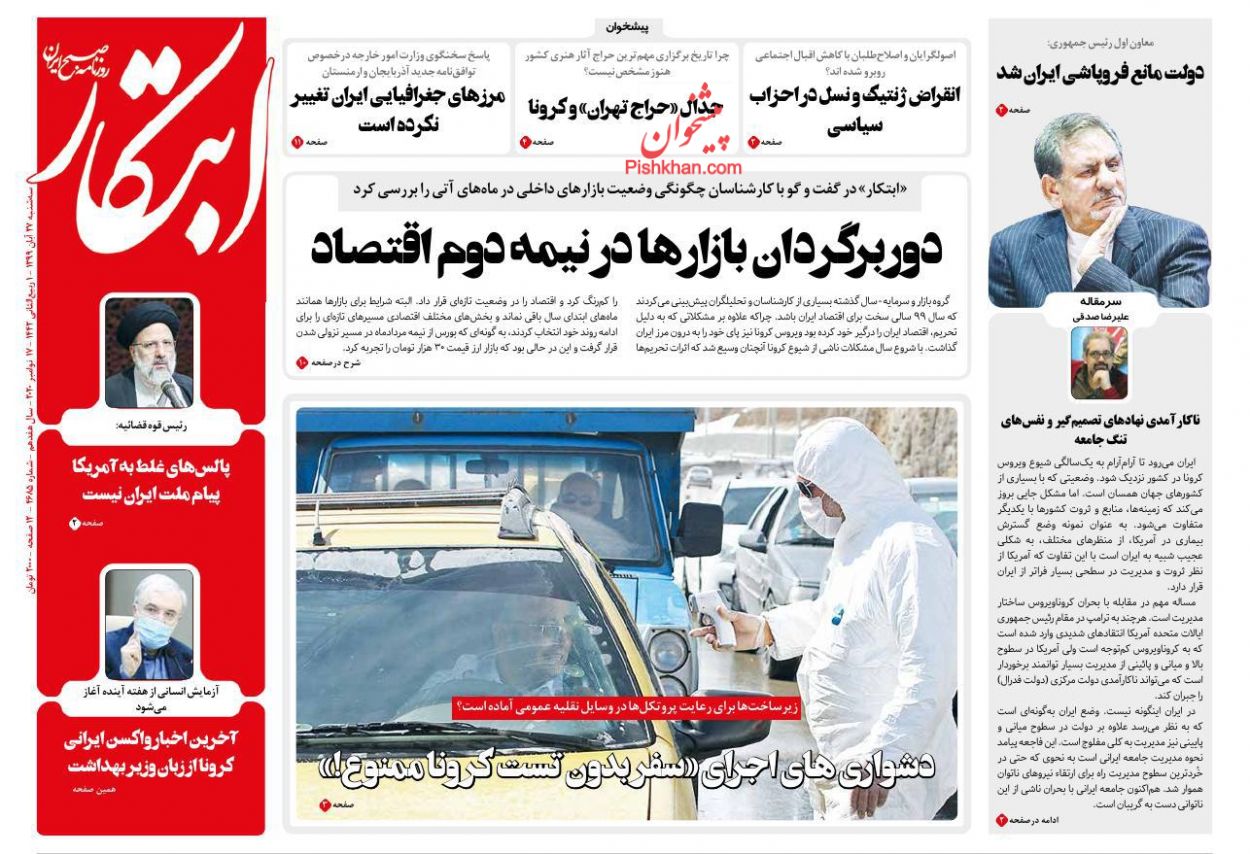
Ebtekar Newspaper:
1- Judiciary Chief: Wrong Signals Given to US Not Message of Iran Nation
2- Health Minister: Iranian Vaccine for COVID-19 to Undergo Human Trial
3- Difficulties of Implementing Travel Restriction without COVID-19 Test

A Look at Iranian Newspaper Front Pages on November 17


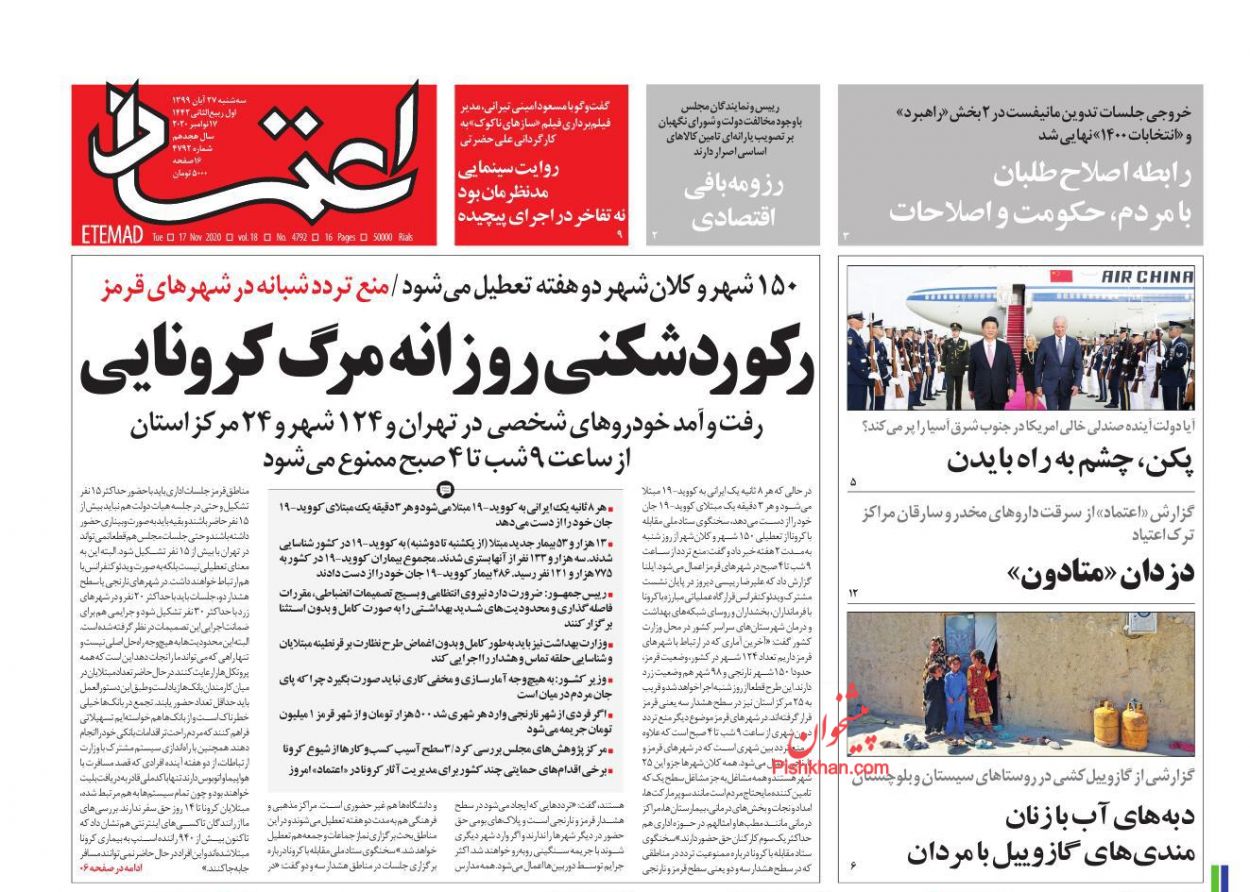
Etemad Newspaper:
1- COVID-19 Deaths Break Records Every Day
2- Beijing Waiting for Biden

A Look at Iranian Newspaper Front Pages on November 17


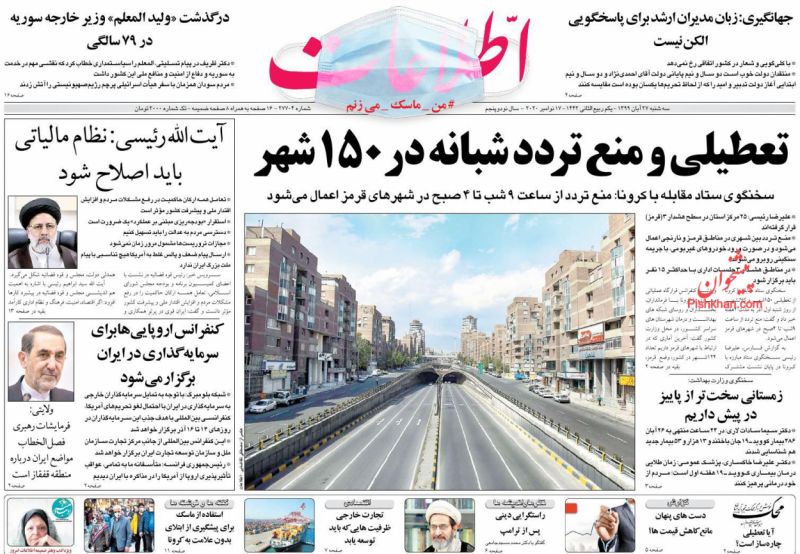
Ettela’at Newspaper:
1- Lockdown and Ban on Travelling Inside 150 Cities Overnight

A Look at Iranian Newspaper Front Pages on November 17


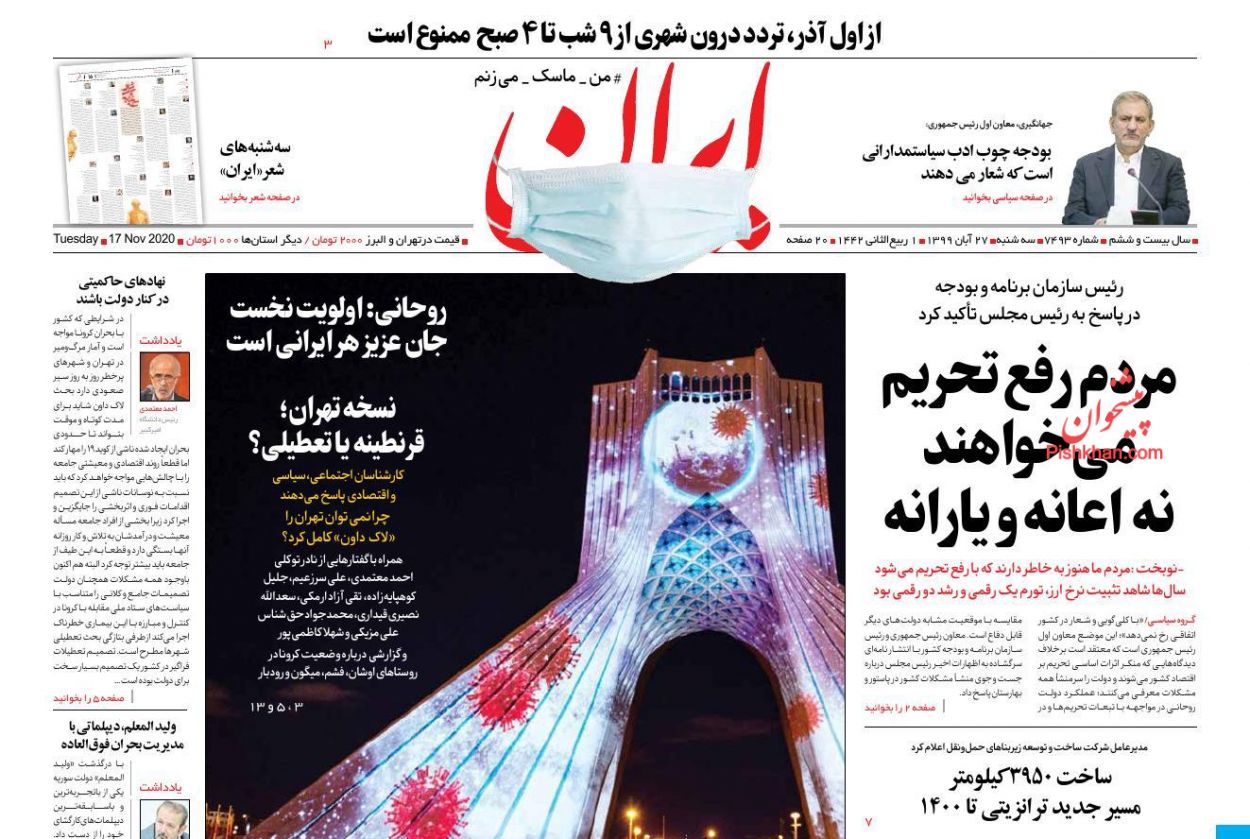
Iran Newspaper:
1- Tehran Prescription: Quarantine or Shutdown?
2- Rouhani: Our Top Priority Is to Protect Every Iranian Life
3- People Want Removal of Sanctions, Not Donations and Cash Subsidies: VP

A Look at Iranian Newspaper Front Pages on November 17


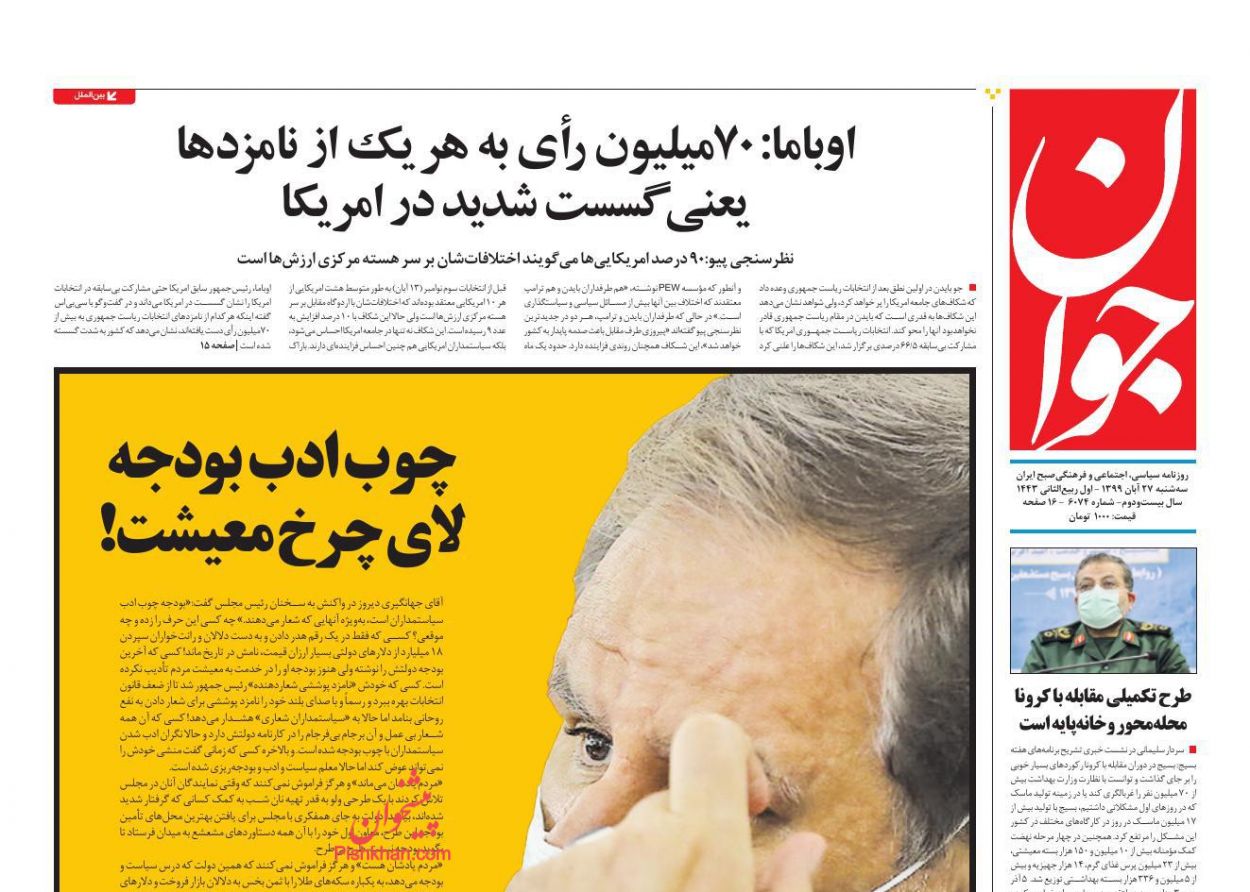
Javan Newspaper:
1- Obama: 70 Million Votes for Each of Candidates Mean Strong Division in US

A Look at Iranian Newspaper Front Pages on November 17


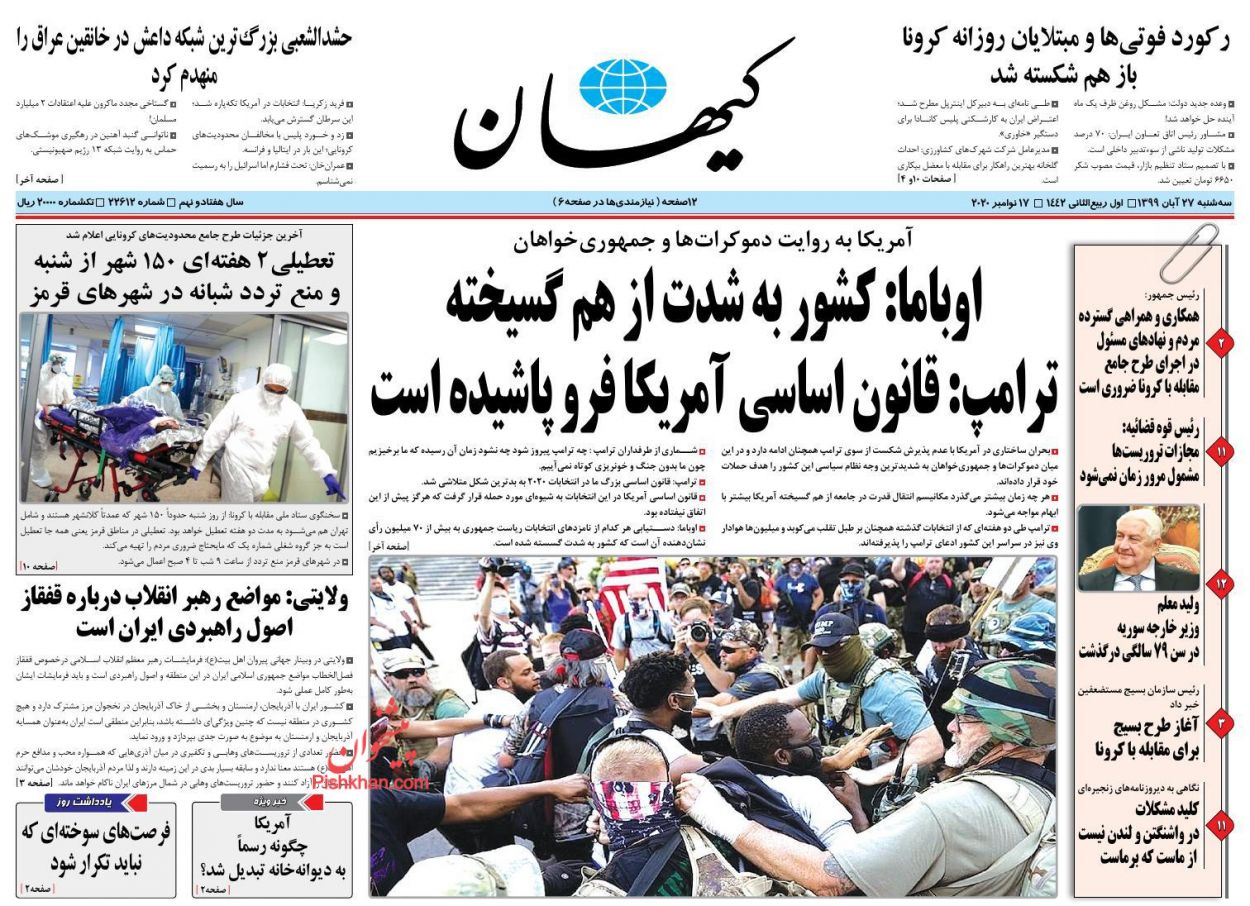
Kayhan Newspaper:
1- Trump: US Constitution Broken
2- Velayati: Iran’s Principled Policy on Caucasus Is Based on Leader’s Stances
3- Iran’s COVID-19 Fatalities, Infections Once Again at Record-High

A Look at Iranian Newspaper Front Pages on November 17


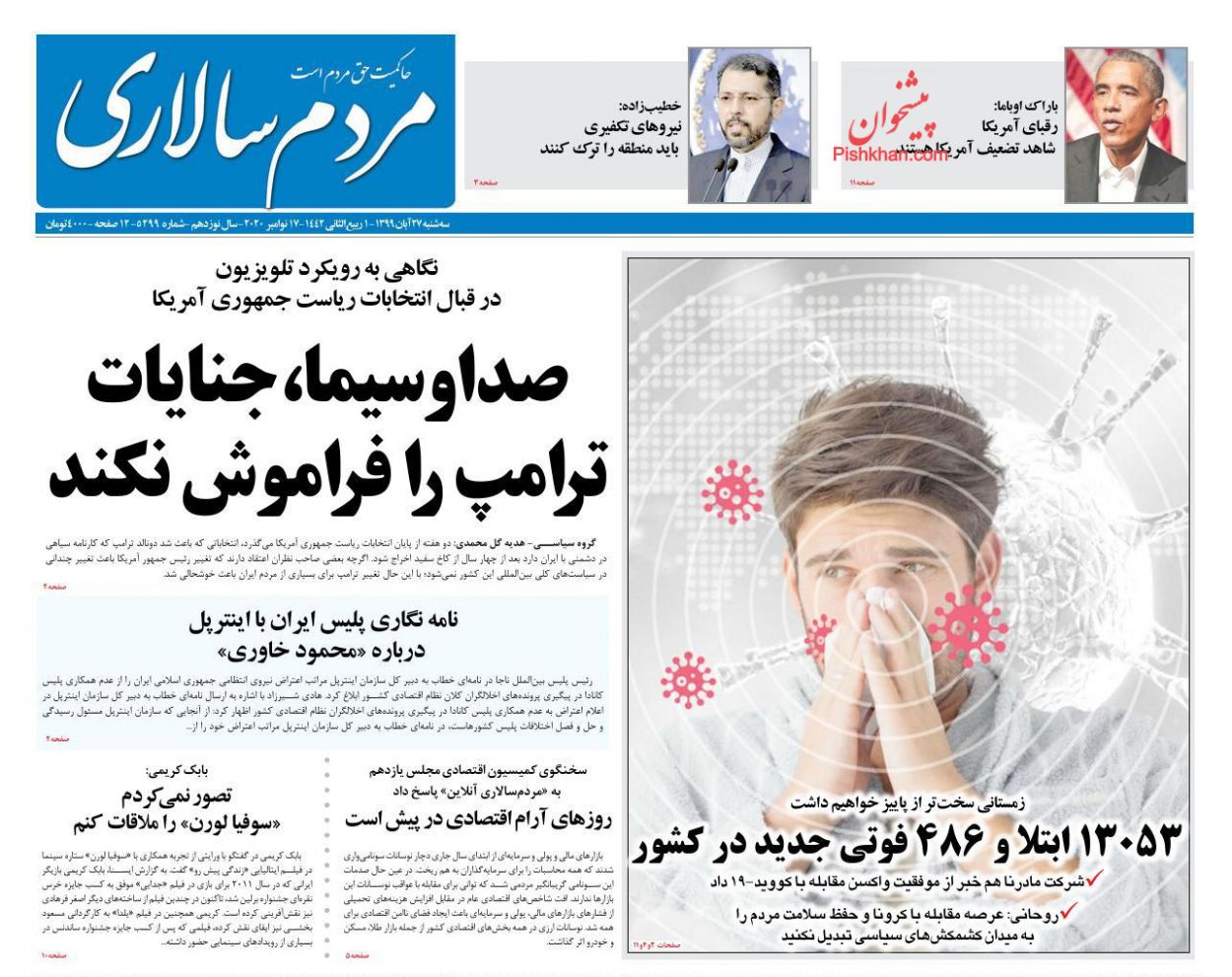
Mardom Salari Newspaper:
1- Former US President: America’s Rivals Are Witnessing Its Decline
2- Foreign Ministry Spokesman: Takfiri Forces Must Leave the Region

A Look at Iranian Newspaper Front Pages on November 17


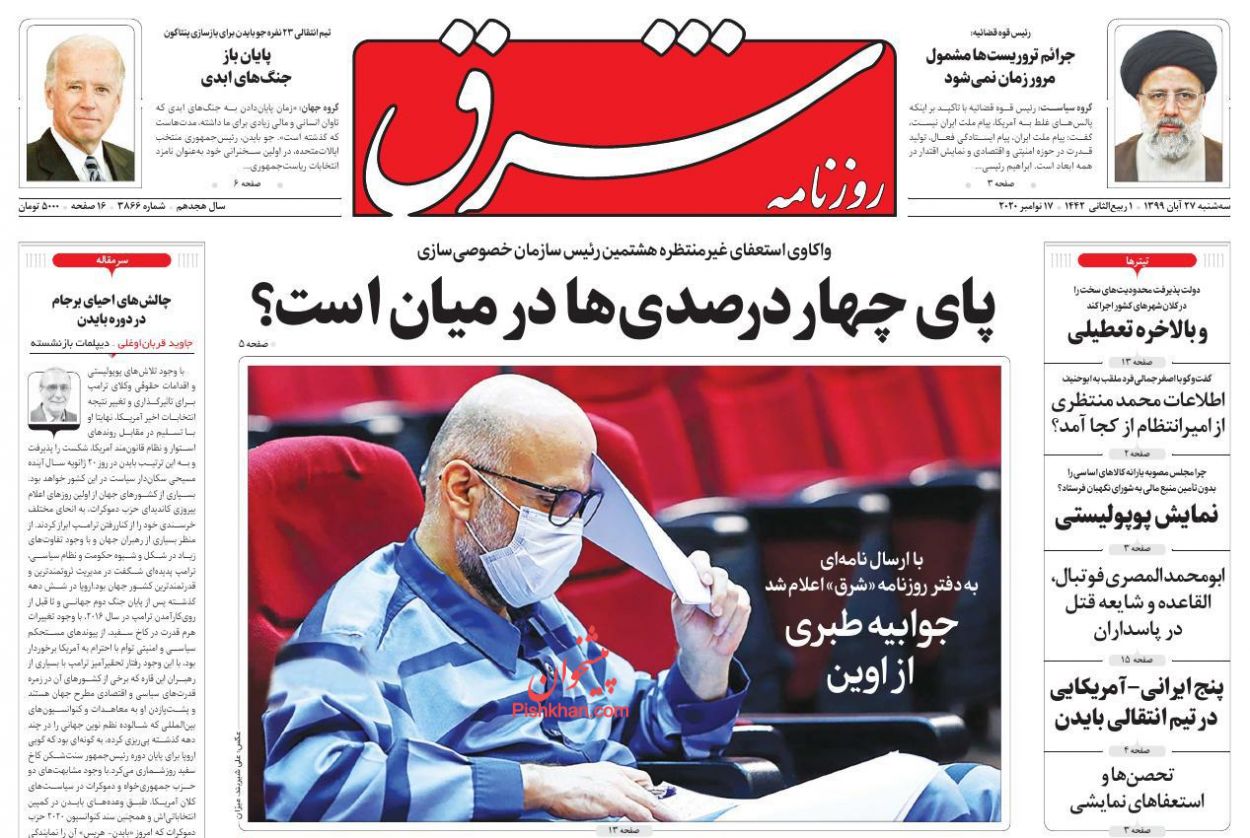
Shargh Newspaper:
1- Biden Vows to Put End to Eternal Wars
2- Judiciary Chief: Passage of Time Won’t Clear Charges against Terrorists
3- Five Iranian-Americans in Biden’s Transition Team
4- Challenges of Reviving JCPOA in Biden’s Time [Editorial]

A Look at Iranian Newspaper Front Pages on November 17

Iran Starts Mass Producing 20-Minute COVID-19 Test

Iran Starts Mass Producing 20-Minute COVID-19 Test

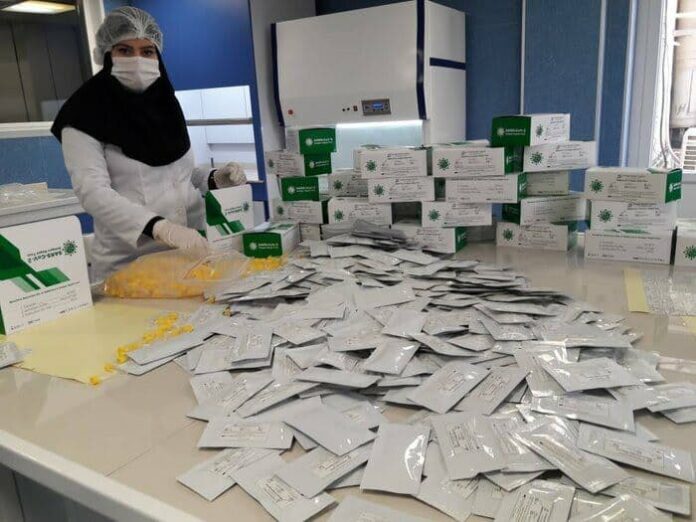
The mass production of the new tests, which can show on-the-spot results in 15-20 minutes, was started in a Tuesday ceremony attended by Iranian First Vice-President Es’haq Jahangiri in Tehran.

As in the PCR tests, a nasopharyngeal swab sample is collected from the potential patient in order to diagnose any infection with the novel coronavirus using these new tests.

However, the rapid test does not need the special standards, specialized labs, complicated and expensive equipment, and more importantly skilled and experienced technical staff required in the PCR tests.

The antigen test for rapid diagnosis of COVID-19 requires much simpler and cheaper equipment and facilities.

The standards of the sampling centre are usually enough for taking these new tests, according to Siamak Samiei, the director general of Health Reference Laboratory Research Centre of the Iranian Ministry of Health and Medical Education.
Sajjad Moravveji, the managing director of Salamat Electronic Barkat company, said on the margins of the Tuesday ceremony that the new kits are expected to slow down the outbreak as they play a significant role in identifying the patients.

He said the performance of the new test is similar to that of the PCR, however it is more affordable for the people living in remote and underprivileged areas.

“The new kit costs only 30% of the PCR tests, and can help the country save a considerable amount of foreign currency,” he added.

The new test is expected to be released in the market soon, and be used in the Health Ministry’s nationwide screening programs.

Future of Transportation Industry during COVID-19 Pandemic

Future of Transportation Industry during COVID-19 Pandemic

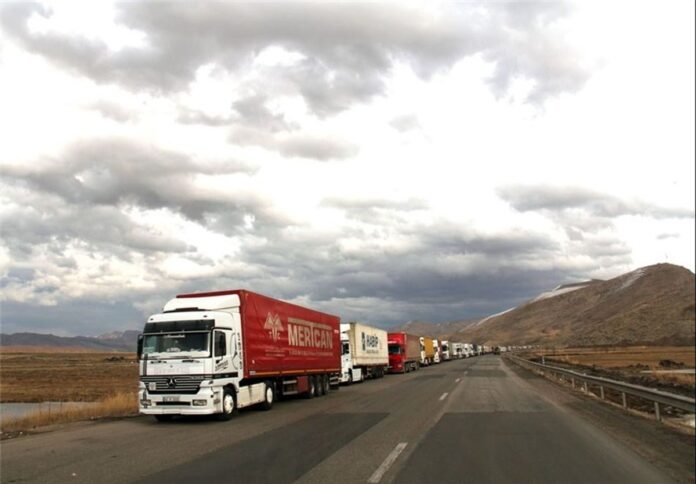
“A drop in demand in different sectors of the industry and an increase in vacancies, the need for healthy and trained workforce, unpredictable transportation restrictions in certain countries and an increase in the length of time spent on inspecting the transportation fleet will be among the major challenges facing the transportation industry until the end of the year 2021,” said the entrepreneur on the effects of the COVID-19 virus on the future of the pandemic.

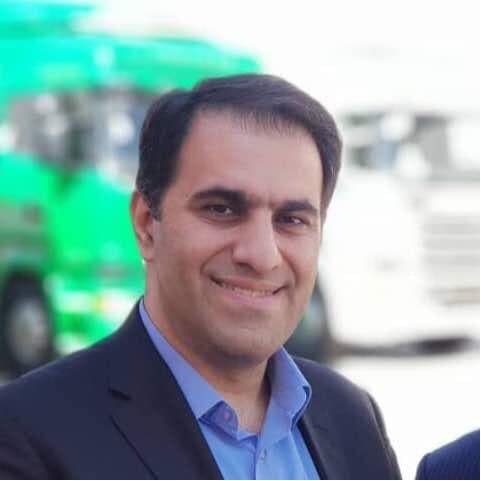
“Moreover, the transportation industry is one of the world’s most important industries during the coronavirus pandemic. The need for providing the main supplies needed by factories as well as timely and prompt distribution and supply of products, namely medicines, hygienic items and foodstuff, to consumers across the world via online shopping, makes the need for utilizing the best fleets and workforce and easing regulations all the more necessary,” Dezfulian added.Future of Transportation Industry during COVID-19 Pandemic 1

At a time when some countries have introduced special transportation regulations, the prompt supply of raw materials for companies producing foodstuff, medicines and hygienic items requires a dynamic fleet and the prediction of the situation in critical conditions, says Dezfulian.

“Trained workforce and transportation fleet are two key contributors to the success of logistics and transportation during the coronavirus pandemic,” he said.

“As for the fleet and equipment, logistics and transportation firms should be able to improve their fleet and resources management skills; however, the bigger challenge exists on the human front as drivers, in particular, are very much exposed to coronavirus infection because of travelling to various areas,” the entrepreneur added.

“Human resources in the logistics and transportation industry, especially drivers, are at the frontline of fighting the coronavirus pandemic because, on the one hand, they shoulder the important responsibility of sending and distributing vital items, goods and medicines across the world and, on the other, they themselves as well as their families are highly likely to contact coronavirus as they travel to different locations,” Dezfulian said.

So, he noted, it is highly important to support drivers in the transportation industry.

“Whether we intend to send vital goods, namely medicines and basic commodities, to other parts of the world, or we want to maintain the chain of supplies to factories during the coronavirus pandemic, it is necessary to pay due regard to the drivers’ community and their health,” he added.

“Furthermore, illness and drivers’ infection with the COVID-19 virus not only stops the supply of goods and jeopardizes the chain of supplying commodities across the world, but can also further spread the disease as individuals working in this industry naturally travel a lot,” Dezfulian said.

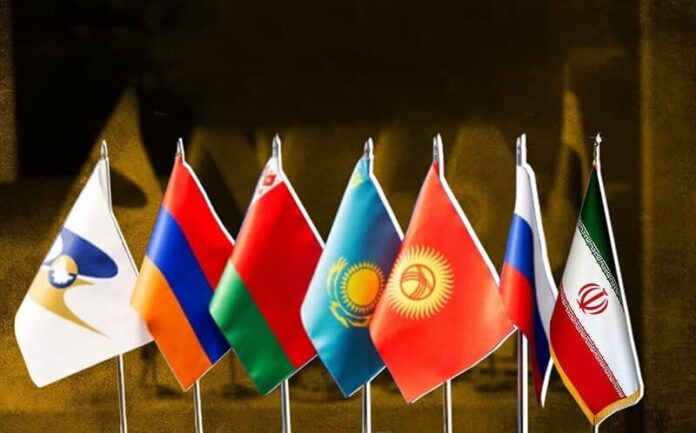
Iran Calls for Closer Cooperation Among Eurasian Nations

Iran Calls for Closer Cooperation Among Eurasian Nations

Reza Ardakanian added the EAEU is an emerging organization among regional bodies.

“If a higher level of regional unity, cooperation and convergence is reached at this union, it has the potential to turn into one of key economic and even political hubs of the world,” said Ardakanian, who is charged with coordinating the implementation of the temporary free trade agreement with the EAEU.

“If the Eurasian Economic Union boosts its performance, it can protect its members and trade partners against the negative effects of globalization, and can also help them improve their capabilities for global competition,” he noted.

He touched upon the conflict between Armenia and the Azerbaijan Republic near Iran’s norther borders, saying closer cooperation between regional countries and the EAEU as well as the enhancement of mutual trade can prevent further insecurity in the region.

“Given the new nature of threats and the vast number of security conflicts and challenges in the expansive Eurasia region, it is necessary to make more efforts to boost economic convergence among the regional countries; the EAEU has pave the way for this important measure,” he said.

He made the comments in a video message to an EAEU conference held in the northern Iranian port city of Anzali.

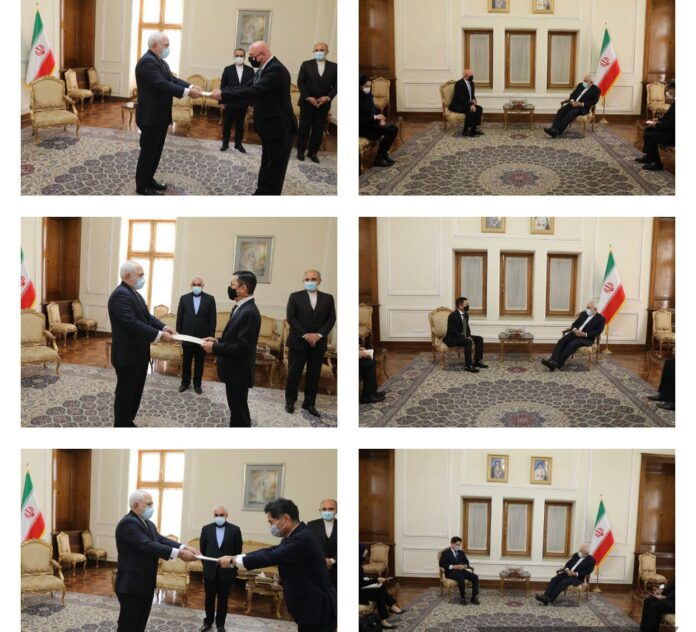
Iran’s Foreign Minister Meets New Envoys of Slovakia, Thailand, Japan

In these meetings, which were held on Monday at the beginning of their diplomatic missions in Iran, Slovakia’s Ladislav Ballek, Thailand’s Worawoot Pongprapapant, and Japan’s Aikawa Kazutoshi handed over copies of their credentials to the Iranian top diplomat.

Iranian, British Top Diplomats Hold Phone Talks

In this phone call, the two sides conferred on bilateral cooperation between Tehran and London within the framework of the Joint Comprehensive Plan of Action (JCPOA).

They also exchanged views on other issues of mutual interest including bilateral relations and certain humanitarian issues.