Sunday, April 26, 2026
Home Blog Page 2645

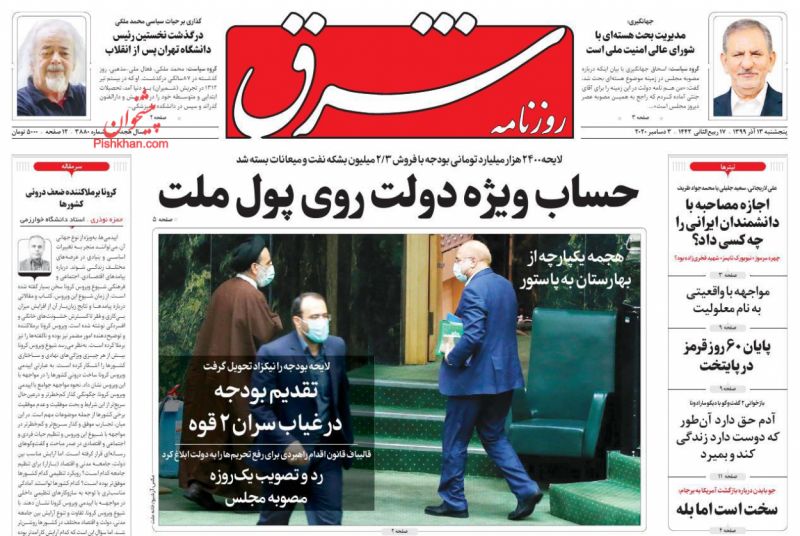
A Look at Iranian Newspaper Front Pages on December 3

Iranian Newspapers

Iranian Newspapers

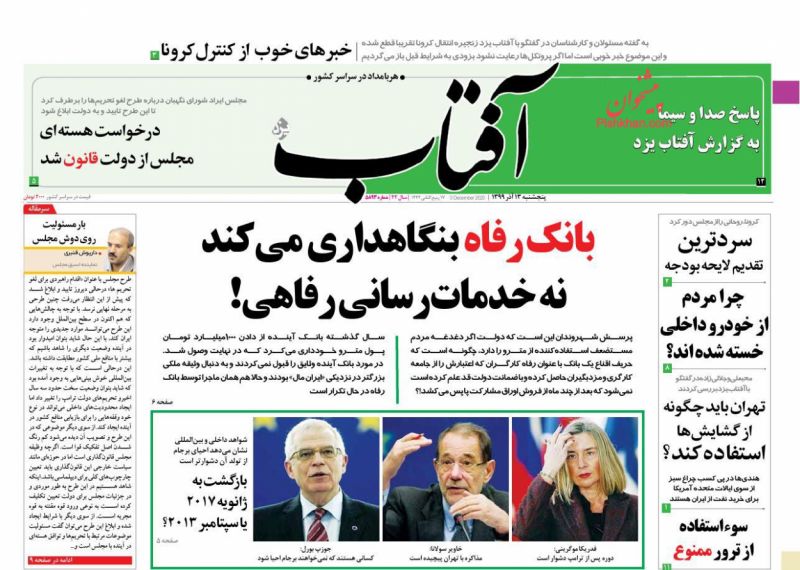
Aftab-e Yazd Newspaper:

1- Return to January 2017 or September 2013?

2- Parliament’s Request from Gov’t Signed into Law

A Look at Iranian Newspaper Front Pages on December 3


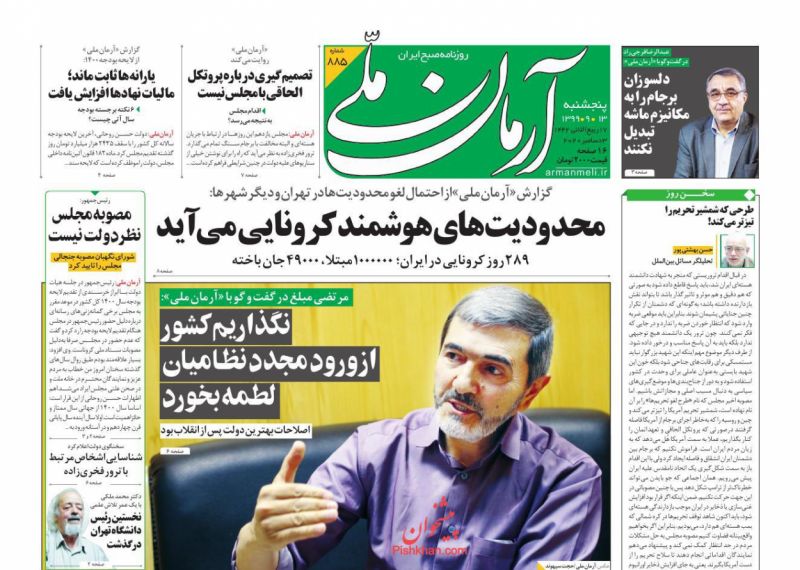
Arman-e Melli Newspaper:

1- Those Who Claim to Be Advocates of National Interests Shouldn’t Turn JCPOA into Trigger Mechanism

A Look at Iranian Newspaper Front Pages on December 3


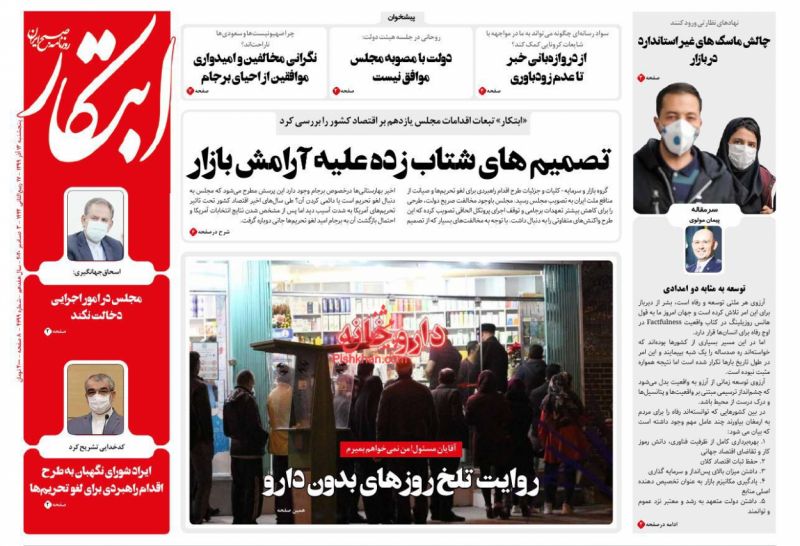
Ebtekar Newspaper:

1- Bitter Accounts of Days without Medicine

2- Why Did Guardian Council Reject Parliamentary Bill on Lifting of Sanctions

A Look at Iranian Newspaper Front Pages on December 3


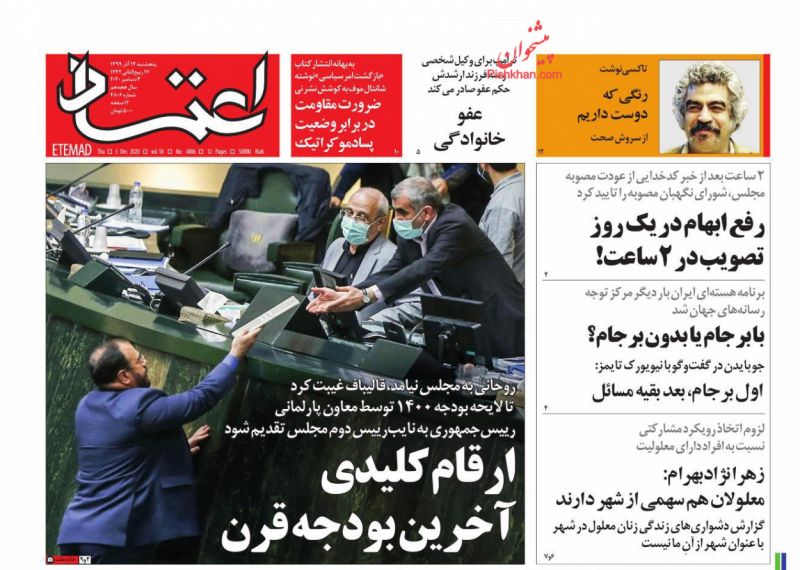
Etemad Newspaper:

1- With or Without JCPOA?

A Look at Iranian Newspaper Front Pages on December 3


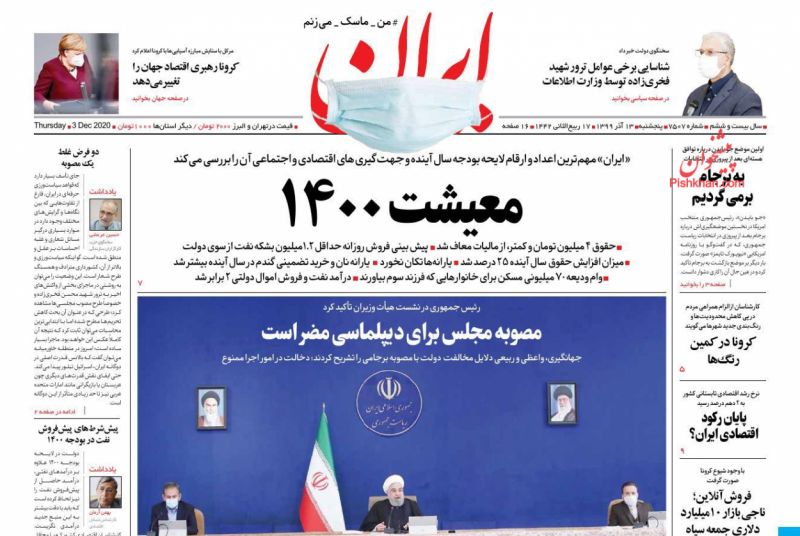
Iran Newspaper:

1- Rouhani: Parliament’s Bill Detrimental to Diplomacy

2- Some Elements Involved in Fakhrizadeh Assassination Identified

3- Merkel: Corona to Change World’s Economic Leadership

A Look at Iranian Newspaper Front Pages on December 3


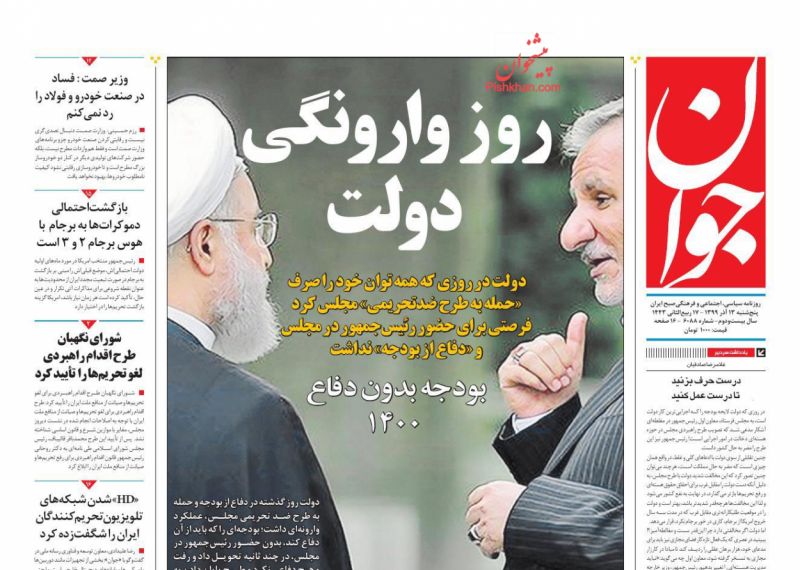
Javan Newspaper:

1- Day of Government Inversion

2- Democrats Will Return to JCPOA with Intention of Securing 2nd, 3rd JCPOAs

A Look at Iranian Newspaper Front Pages on December 3


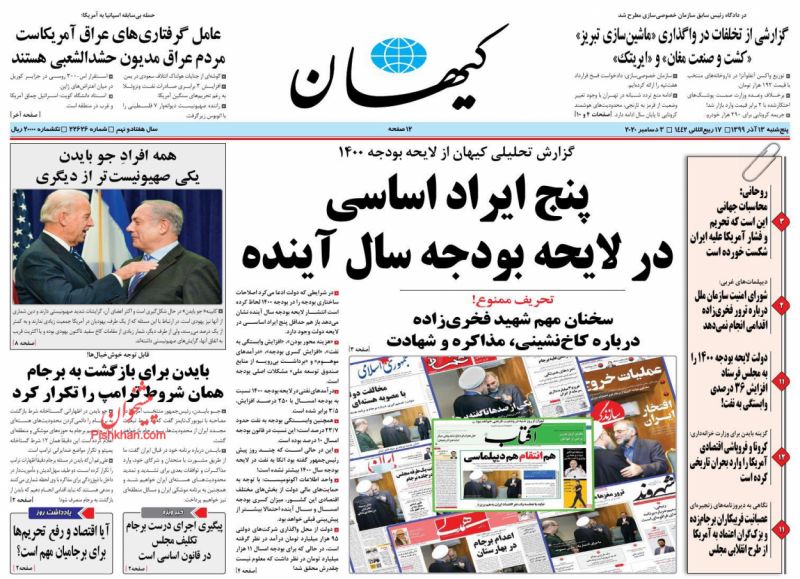
Kayhan Newspaper:

1- Five Major Problems with Next Fiscal Year’s Budget Bill

2- US Cause of Iraq’s Plights: Iraqi People Indebted to Hashd al-Sha’abi

3- Biden Repeats Trump’s Preconditions for Returning to JCPOA

4- All Members of Biden Team: All Zionists

5- UNSC Not to Take Any Action on Fakhrizadeh Assassination

A Look at Iranian Newspaper Front Pages on December 3


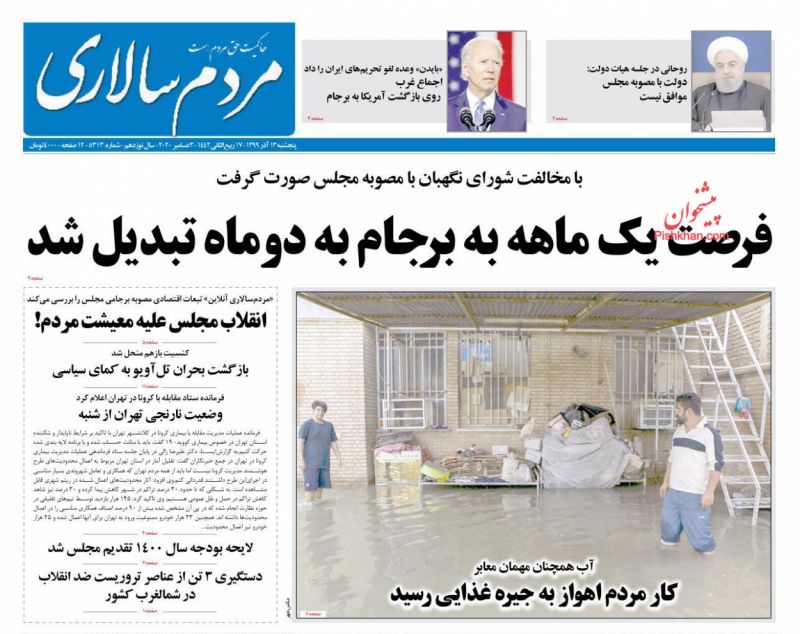
Mardom Salari Newspaper:

1- One-Month Deadline for JCPOA Extended to Two Months

2- Food Rationing in Ahvaz

3- Western Consensus on US Return to JCPOA

4- Gov’t Doesn’t Agree with Parliament’s Bill

5- Crisis in Tel Aviv Turns into Political Coma Again

A Look at Iranian Newspaper Front Pages on December 3


Shargh Newspaper:

1- Gov’t Presents Next Year’s Budget Bill While Neither Rouhani, Nor Qalibaf Were Present

2- Coronavirus Revealing Internal Weaknesses of Countries

A Look at Iranian Newspaper Front Pages on December 3

How to Celebrate Special Days during Quarantine

Do what you love the most.

If you love Keira Knightley or Timothy Chalamet, organize a movie marathon of the best films with your friends or family – turn on the videoconference and exchange your impressions and comments with them. Create a playlist of your greatest hits in advance to cheer you up and enjoy it throughout the day.

Order delivery from your favorite restaurant for a festive dinner, or prepare delicious meals yourself with our online tutorials. Set the table, light the candles, pour the wine, and call your friends at Zoom.

Throw a house party.

Plan a gala evening: send your friends Zoom invitations, create a dress code, and have an online party with congratulations and toasts. Stay tuned for updates from your favorite DJs and bars – many of them, in self-isolation, conduct DJ sets on live broadcasts not only on weekends but also on weekdays.

What about a wedding anniversary?

Quarantine also made traditional ways of celebrating a wedding anniversary impossible. But he cannot cancel the main family date. Check out the list of wedding anniversaries, perhaps the upcoming date symbolizes something.

What can you do to make this day memorable? Let’s start with memories – don’t neglect preserving them. Digitize and describe the birth and development of your relationship – for yourself, for children, for loved ones. This is an important chapter in family history. A fixed artistic answer to the frequent question “How did you meet?”, “How did you get married?”, “What happened next?” Relatives and friends got to know our love story better, were surprised at the bizarre threads of fate, and the children only have to read it on their own.

Plan a romantic dinner.

Perhaps the most commonplace of all, but also the most familiar way to celebrate an important event. By the way, you can cook food together, sometimes it brings people closer and strengthens relationships. Browse the internet for recipes for affordable and simple meals, or cook something that both of you like.

Play sports together.

To do this, you do not have to go outside and run around the perimeter of the fenced playground. You can also do pair yoga – the web is full of materials, pictures and different poses that even not very plastic people can perform. And in principle, what could be more pleasant than playing sports together? Try speed push-ups, abs, squats. At the same time, it will help to stretch the muscles, bring them into tone, which they probably lost during the quarantine.

Arrange a general cleaning.

So what? Combine business with pleasure (or not). Sometimes this way of spending time helps to relax, and for some people, cleaning generally calms down. It will also help to rally as a shared activity fosters team spirit. And the family is a small team.

Iran, Turkey Can Turn into Role Model for Friendly Ties in Region: Vaezi

Iran, Turkey Convene Transportation Commission

In a Thursday phone conversation with Turkey’s new Finance Minister Lutfi Elvan, Vaezi congratulated him on his new position and expressed hope that Tehran-Ankara collaborations will continue and further develop during this term.

Vaezi underlined the necessity of expanding and reinforcing economic relations and business cooperation and exchange of goods between Iran and Turkey.

“By tapping into the new international conditions and removing the obstacles to business cooperation between countries, the two states can further deepen their ties,” he said.

Considering the effective role played by the Iranian and Turkish private sectors in enhancing business ties between the two countries, it is necessary for both to further support private sector investments, the Iranian official added.

Vaezi also highlighted the significance of the great role played by the two countries’ joint economic commissions in improving business relations, saying, “With the efforts to the Joint Economic Commission, Iran-Turkey relations can and should turn into a role model for ties between two neighbours and friends in the region.”

The Turkish minister, in turn, described Iran as a friend and neighbour of Iran, hailing the developing relations between the two sides.

He said he would do his best during his term in office to further deepen business ties with Iran, especially now that the grounds are prepared considering the change in the international conditions.

Elvan also expressed hope that once the coronavirus outbreak is over, Iran and Turkey would be able to quickly restore their transit exchanges, both through land and air, so as to tap into all existing capacities.

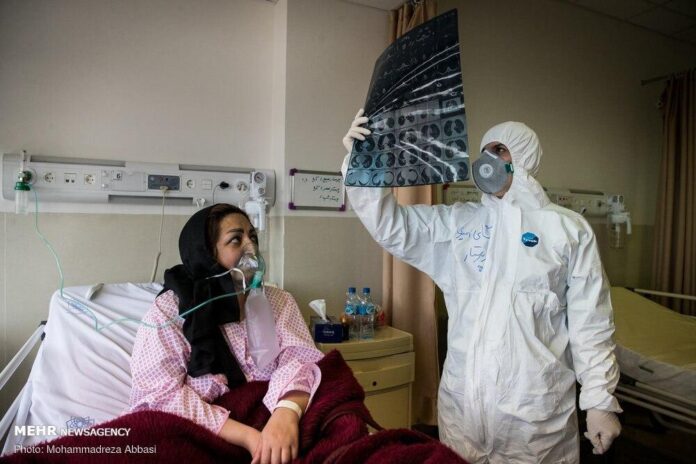
Iran Surpasses One Million COVID-19 Cases: Ministry

COVID-19 in Iran

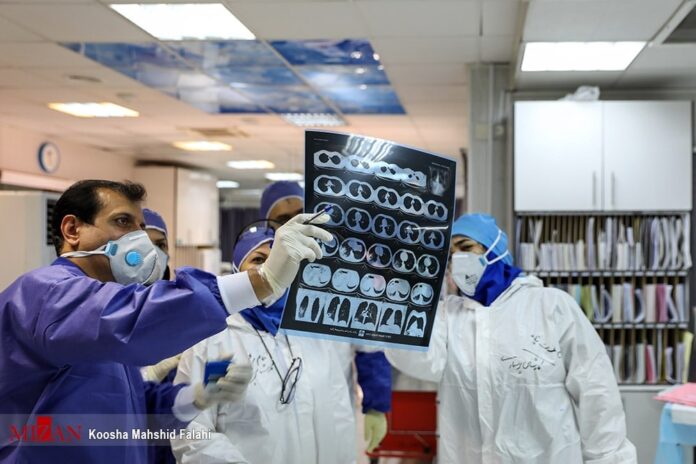
In a press briefing on Thursday, Sima-Sadat Lari said the virus has also killed 358 patients since Wednesday noon, increasing the overall death toll to 49,348.

She said so far 699,315 patients have recovered from the disease or been discharged from the hospital.

Lari went on to say that 5,824 patients are also in critical conditions caused by more severe infection.

The spokeswoman noted that 6,256,715 COVID-19 tests have been taken across the country so far.

She said currently 64 cities are in the “red zone”, 278 in the “orange zone”, and 106 in the “yellow zone” in terms of coronavirus outbreak.

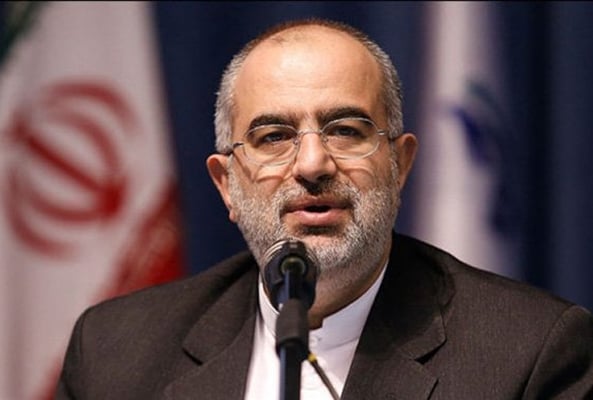
MPs Seeking to Hijack Outcome of Cabinet’s Policies: Rouhani’s Aide

In a post on his Twitter account on Wednesday, Hesameddin Ashena said he sees hidden motives behind the recent parliamentary motion on strategic action for lifting of the sanctions and safeguarding national interests.

According to the article VI of the motion, the government is required to suspend the voluntary implementation of the Additional Protocol of the Nuclear Non-Proliferation Treaty (NPT) and block inspections beyond the Safeguards agreements within two months under certain conditions.

Under the new plan, the Iranian administration will be bound to withdraw from the Additional Protocol in case the remaining parties to the Joint Comprehensive Plan of Action (JCPOA) – France, the UK, Germany, Russia and China- fail to honor their commitments in full within two months after the new law comes into force, if Iran’s banking relations are not normalized, if the obstacles to the Iranian oil export and sale are not removed, or if the revenues from the sale of crude are not repatriated in that period.

In his tweet, Ashena said it is a “cunning game to raise a possibility”, noting that the lawmakers presume that Iran will win a series of economic concessions within the first month after inauguration of US president-elect Joe Biden.

“According to the Parliament’s motion, we will have two months to prevent a suspension of the Additional Protocol. Let’s suppose that it (the motion) comes into force on December 21. The deadline will be February 19 (2021), namely one month after the beginning of Biden’s tenure! In other terms, they (MPs) will be hijacking the definite concessions under Biden in the name of the parliamentary plan and the pressure of threats, not in the name of the administration and the Ministry of Foreign Affairs’ correct analysis and three years of national fortitude,” Ashena added, noting that the parliamentarians will then link the improvement of economic conditions to the righteousness of their own interpretations.

The adviser finally stated that initiators of the proposal might also take advantage of such game to advance their campaigns in the upcoming presidential election in Iran.

A Bill to Help Lift Sanctions

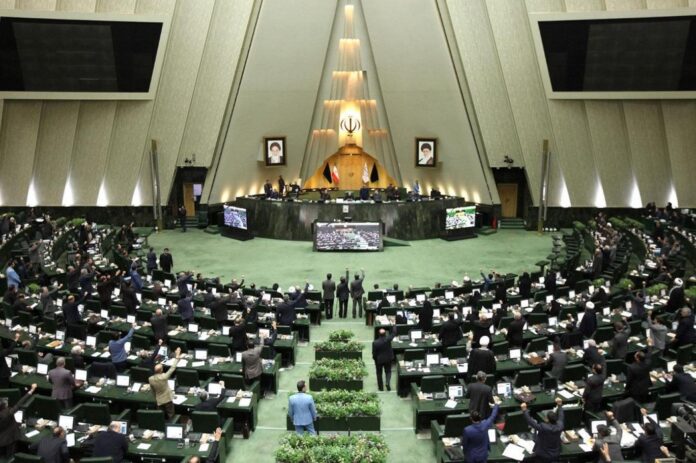
Following the approval of the generalities of the bill, Spokesman for the Parliament’s Foreign Policy and National Security Commission Abolfazl Amooi said the Strategic Action to Lift Sanctions Motion is aimed at removing sanctions and safeguarding the Iranian nation’s interests, and follows several objectives.

Its first goal, he added, is to “open the locks put on the country’s nuclear industry” and pursue the objectives of other slain Iranian nuclear scientists who sacrificed their lives for the sake of the country’s development and progress.

“The country’s nuclear program should move forward in accordance with our country’s needs and we expect this bill to be reinforced and expanded after being adopted and to move full steam ahead,” he said.

The MP also touched upon other objectives of the plan.

“Countering sanctions imposed by Western countries on the Islamic Republic of Iran is another objective of this plan. We should make their sanctions bring costs upon them,” he added.

“Imposing sanctions on the Iranian nation cannot be without costs [for them]. Moreover, the Strategic Action to Lift Sanctions Motion is aimed at changing the enemies’ calculations. We should move forward so as to make the imposition of sanctions costly for them, and at the same time show that disrupting people’s security and killing our scientists and the deputy defense minister for political affairs will not come without costs.

“The enemies shouldn’t think that if they commit acts of terror, their action will go unanswered. Part of their definitive punishment will be followed up outside this parliament and at security and military institutions, which is the Parliament’s demand,” he said.

In comments on Tuesday, Spokesman for the Iranian Administration Ali Rabiei said the cabinet is opposed to the parliamentary bill as it would not provide any help in lifting the sanctions.

The administration believes that the matter comes within the purview of the Supreme National Security Council, as no branch of power is allowed to make decisions about the JCPOA and Tehran’s nuclear program independently, he added.

Rabiei said while the main concern for the Parliament has been to remove the sanctions with the new bill, a rise in the storage of enriched uranium with 20 percent purity level and withdrawal from the Additional Protocol would make the sanctions permanent.

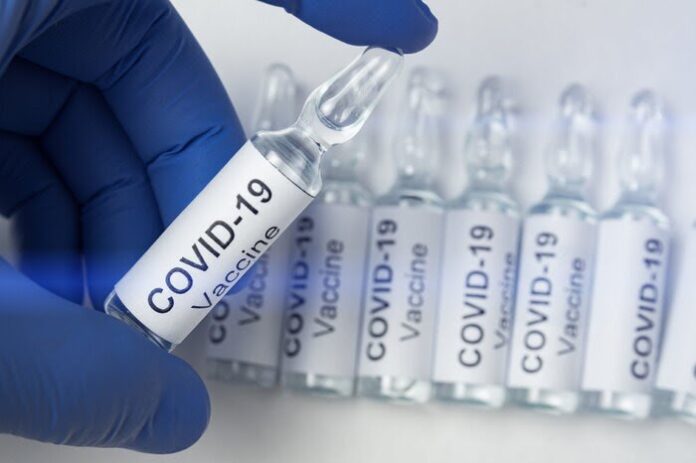
First Iranian Coronavirus Vaccine Enters Clinical Studies Phase

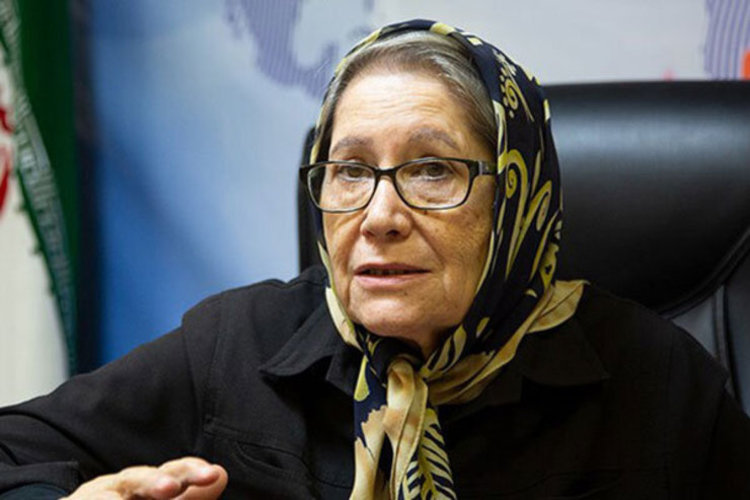
The health ministry announced that the ShafaPharmed pharmaeceutical company has developed the vaccine, identifying the main researcher as Minoo Mohraz.

First Iranian Coronavirus Vaccine Enters Clinical Studies PhaseThe researcher is an infectious disease specialist, a member of the Scientific Committee of the National Coronavirus Task Force, and a seasoned physician with a long record of contribution to research activities in the field of infectious diseases.
Years ago, Mohraz conducted a study on an Iranian-made drug for AIDS, which later came to be known as IMOD. The drug was used as a complementary medicine in treating HIV-positive patients.

Iran’s First Consignment of Exports Arrives in Afghanistan via Rail

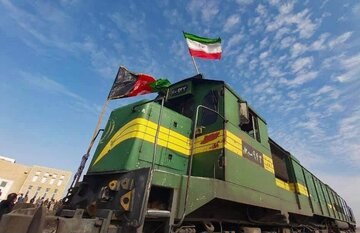
The shipment which contained 500 tonnes of cement was dispatched on a trial basis to detect possible problems and challenges on that route.

The railway will be officially inaugurated in the coming days by officials of both countries.

The construction of the railway got underway in 2007. The railway connects the city of Herat in Western Afghanistan to Iran’s rail network. When completed and inaugurated, the route is predicted to transport two million tonnes of goods and 200 thousand passengers annually.

The Khaf-Herat railway is significant not only in terms of transportation of commodities and passengers, but also because it links northern Afghanistan to Iran and the high seas and even European countries. Moreover, the railway will also facilitate the transportation of goods to East Asian nations via Afghanistan.

Iran Urges Int’l Community to Build Consensus against Coercive Measures

The top diplomat said among the specifications of the contemporary era is that a few countries, especially the US, tend to impose unilateral coercive measures against target countries to serve their foreign policy objectives.

He said such measures directly impacts on the right of sovereignty of affected countries as well as other nations.

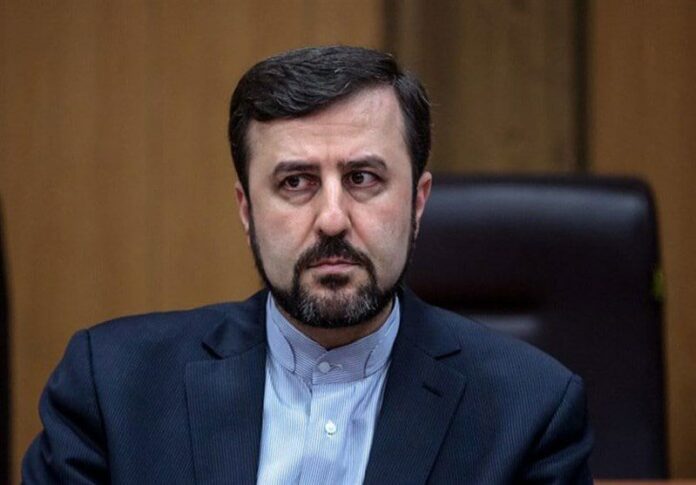
“The Islamic Republic of Iran is among the countries subjected to such inhumane moves,” said Gahribabadi at the virtual Diplomatic Seminar “Unilateral Coercive Measures in the coronavirus Framework.” Organized by Iran, Cuba and Venezuela’s permanent representatives to Vienna and attended by more than 38 countries.

“This situation coupled with the rapid and unrestrained spread of coronavirus across the world has proven its adverse consequences on such countries with regards to some challenges,” he said.

“In fact, in this arena, no nation can tackle these challenges alone, and the only available tool to achieve that end is cooperation and solidarity, not intensifying inhuman coercive measures against other nations to achieve malevolent political goals,” he said.

Gharibabadi noted the unilateral anti-human coercive measures adopted by the US are the reason for restricting capabilities to maintain and boost potential for the prevention and control of the spread of COVID-19.

“These inhumane measures seriously affect the health and lives of Iranians and other nations,” the top diplomat noted.
“The Islamic Republic of Iran has tried its utmost and used all its power to prevent and control the further spread of this highly contagious virus. Still, the United States’ unilateral coercive measures, which have led to severe international banking restrictions on Iran, has highly circumscribed our ability to finance the imports of humanitarian items, including drugs and medical equipment,” he noted.

“At a time when the US government claims it has incorporated exemptions into its sanctions regime for importing humanitarian items, this claim is contrary to reality, and these exemptions have practically failed to make up for companies, banks and businessmen’s reluctance to accept risks for exports and funding humanitarian commodities,” he noted.

“Such measures have a negative impact on target countries’ ability to give adequate response to the ever-increasing health consequences of the coronavirus pandemic,” he said.

Elsewhere in his remarks, the top diplomat touched upon the assassination of eminent Iranian scientist Mohsen Fakhrizadeh, and addressing participants in the seminar, said, “At a time when Iran is under such inhuman sanctions by the US, a prominent Iranian scientist called Dr.

Mohsen Fakhrizadeh was assassinated, which runs counter to international law, including the principles of the UN Charter and fundamental human rights,” he said.

He praised efforts by the slain scientist, including his development of the first domestically-made kit for the coronavirus test.

“We categorically condemn this heinous terror act and call on countries and relevant international organizations to clearly and strongly condemn this terrorist act,” he noted.

He said it is time the international community denounced such criminal act and asked the US to immediately lift its illegal sanctions, so that target countries would be able to tackle this virus.

Iran Gov’t Obliged to Implement Law on Strategic Action to Lift Sanctions

In a letter to President Hassan Rouhani, Parliament Speaker Mohammad-Baqer Qalibaf announced the law which would seek to have anti-Iran sanctions lifted and safeguard national interests.

“The letter obliges the government to implement the law,” said Ahmad Amirabadi, a member of the Parliament’s Presiding Board.

Earlier, the Guardian Council had approved the plan after corrections were made to it, and sent the legislation back to the Parliament.

Article one of the law instructs the Atomic Energy Organization of Iran (AEOI) to, immediately after the ratification of the act, produce 20%-enriched uranium for peaceful purposes and stockpile at least 120 kilogrammes of it annually, and fully and promptly meet domestic need for uranium enriched above 20-percent purity level for peaceful purposes.

Article two of the act also instructs the AEOI to increase, by at least 500 kilogrammes a month, the capacity for uranium enrichment and producing uranium enriched at purity levels suitable for each of peaceful purposes in the country, and to maintain and stockpile the enriched material.

Moreover, the law obliges the government to, two months after the legislation becomes binding in parliament, stop allowing inspections which go beyond the Safeguards Agreement, including the voluntary implementation of the Additional Protocol if the other signatories to the Iran nuclear deal fail to fully make good on their commitments toward Iran and banking relations are not normalized and obstacles to exports and Iran’s sale of oil products are not fully removed and forex proceeds from sales are not immediately and fully returned to the country.

It is stipulated in the law that anyone refusing to implement the law or blocking the implementation of the legislation will be subject to discretionary punishment under the Islamic Penal Code.

Iran Reports Lowest Number of Single-Day COVID-19 Fatalities Since Oct. 29

In her press briefing on Wednesday, Sima-Sadat Lari said the new deaths increase the overall death toll to 48,990.

Lari also reported 13,621 new cases of COVID-19 infection, raising the total number of cases to 989,572.

So far, she added, 688,054 patients have recovered from the disease or been discharged from the hospital.

Lari said 5,828 patients are also in critical conditions caused by more severe infection.

The spokeswoman noted that 6,212,694 COVID-19 tests have been taken across the country so far.

She said the high-risk “red” zones include Tehran, Qom, Mazandaran, East Azarbaijan, Isfahan, Yazd, Ardabil, Khorasan Razavi, Khuzestan, Hamadan, West Azarbaijan, Bushehr, Chaharmahal and Bakhtiari, Kohgiluyeh and Boyer-Ahmad, Alborz, Lorestan, Markazi, Ilam, South Khorasan, Kermanshah, North Khorasan, Semnan, Gilan, Zanjan, Qazvin, Kurdistan, and Kerman provinces.
The “orange” and “yellow” zones also include Golestan, Hormozgan, Fars, and Sistan-and-Baluchestan provinces, she added.