Tuesday, December 30, 2025
Home Blog Page 2538

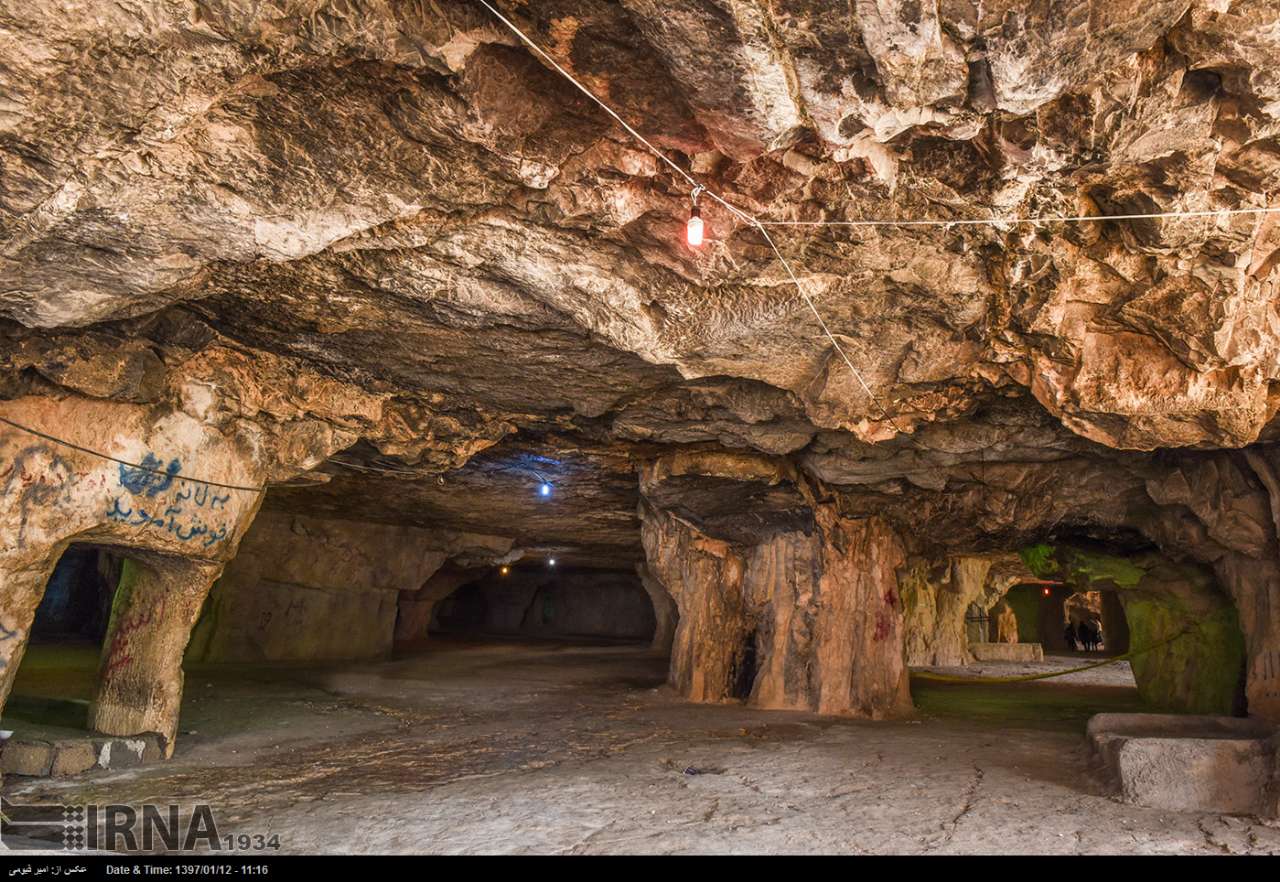
Man-Made Cave Created by Love in Southern Iran

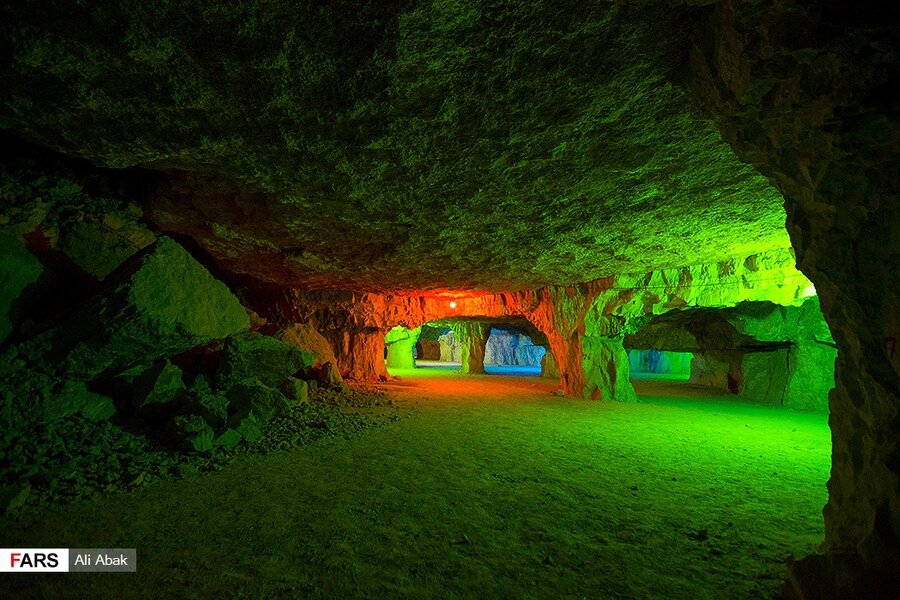
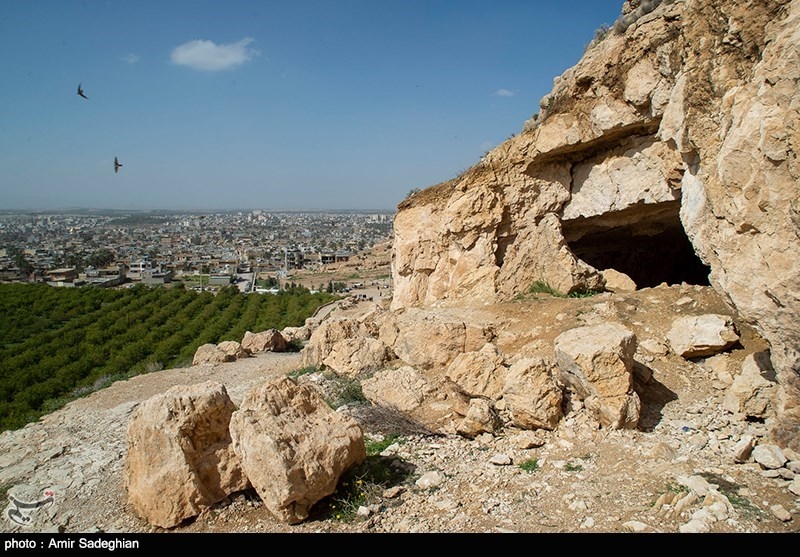
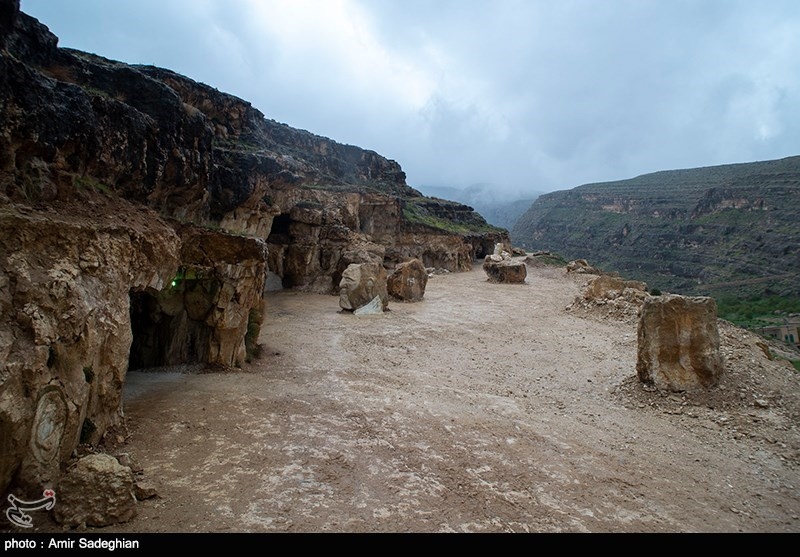
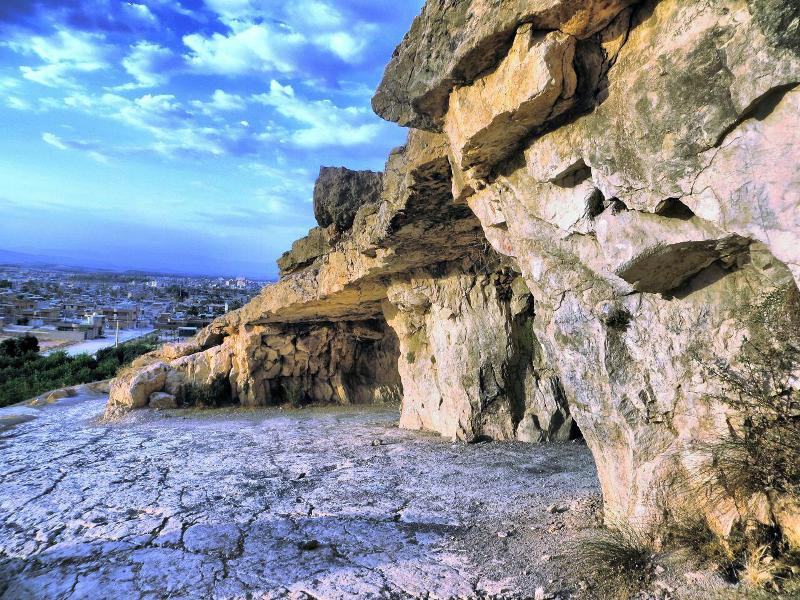
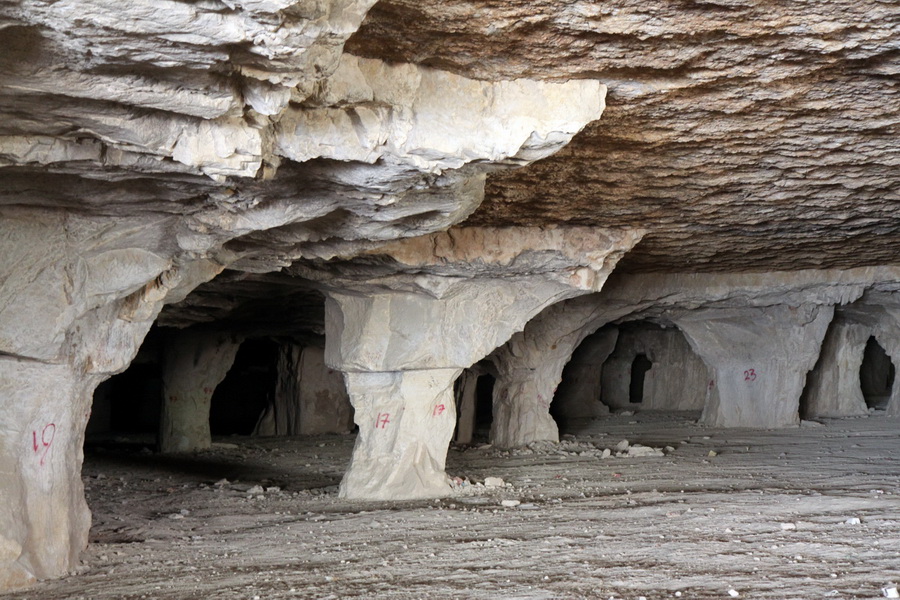
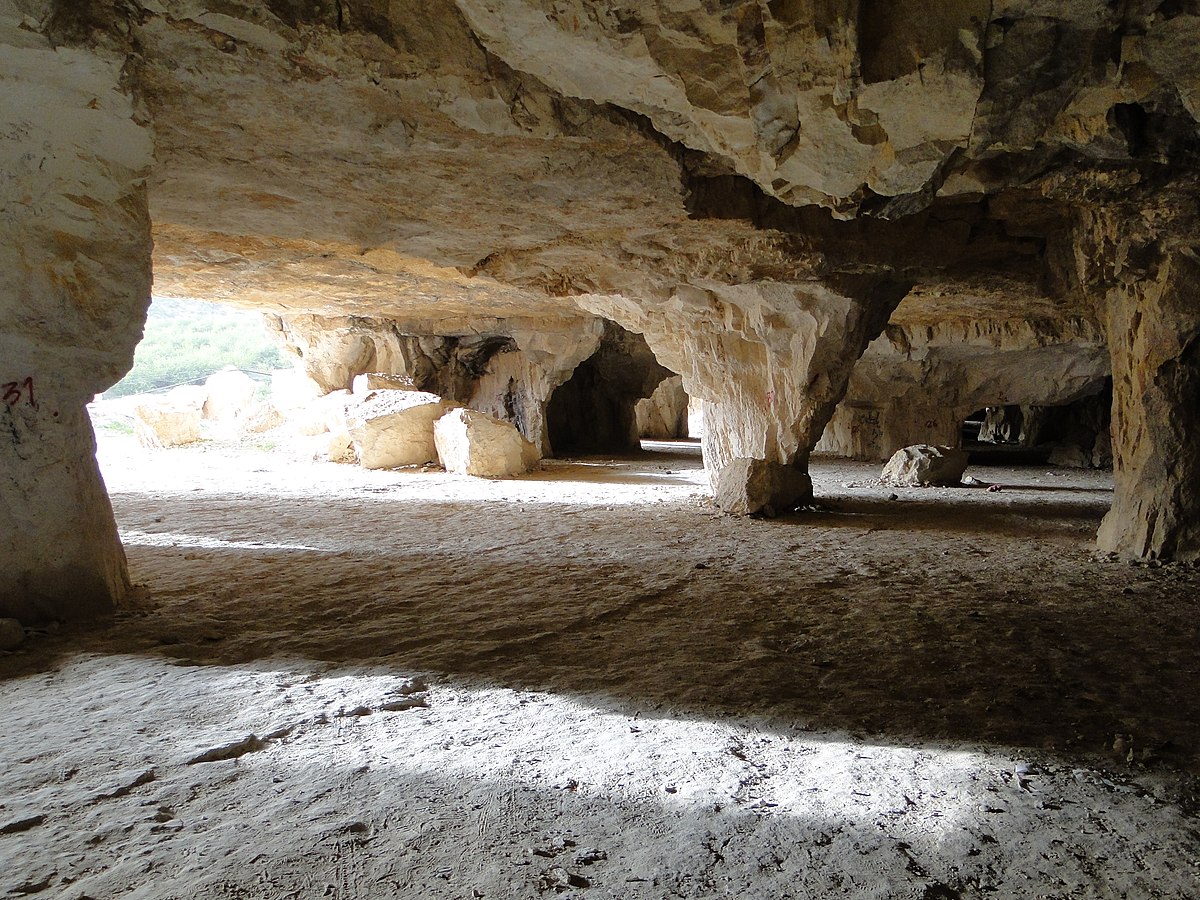
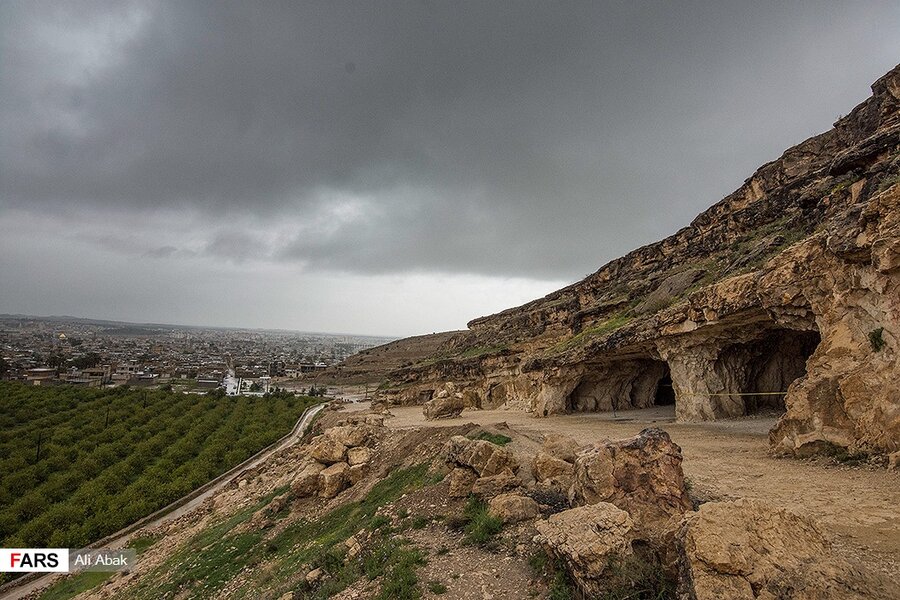
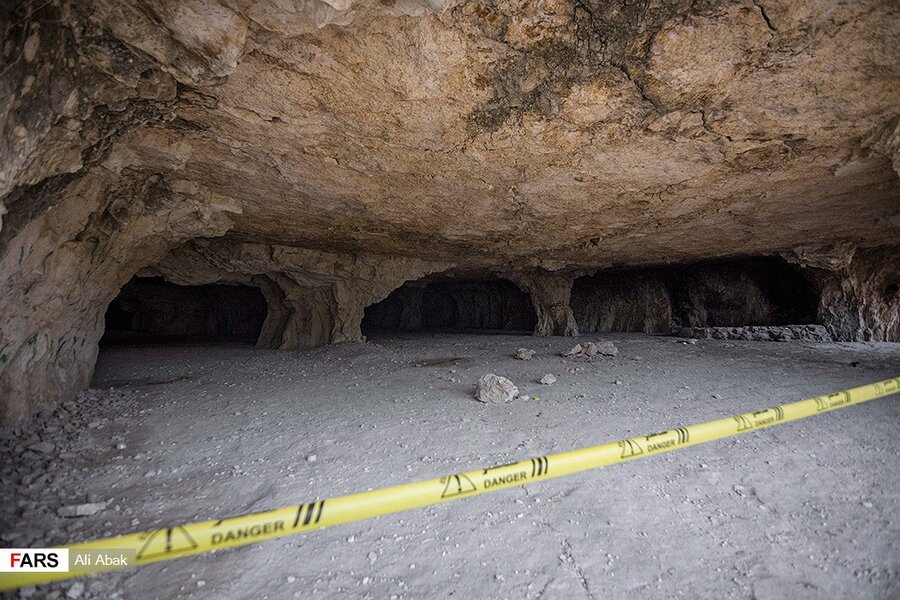
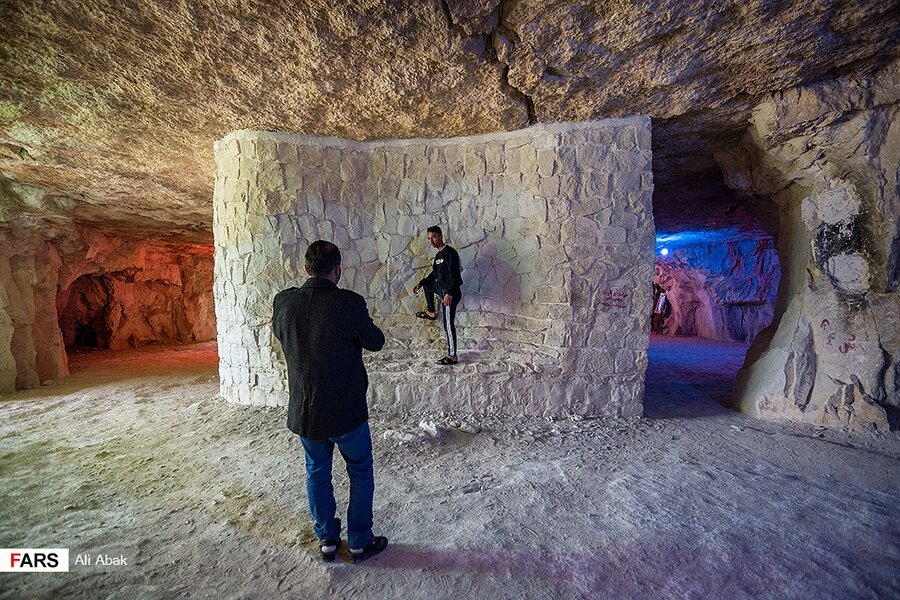
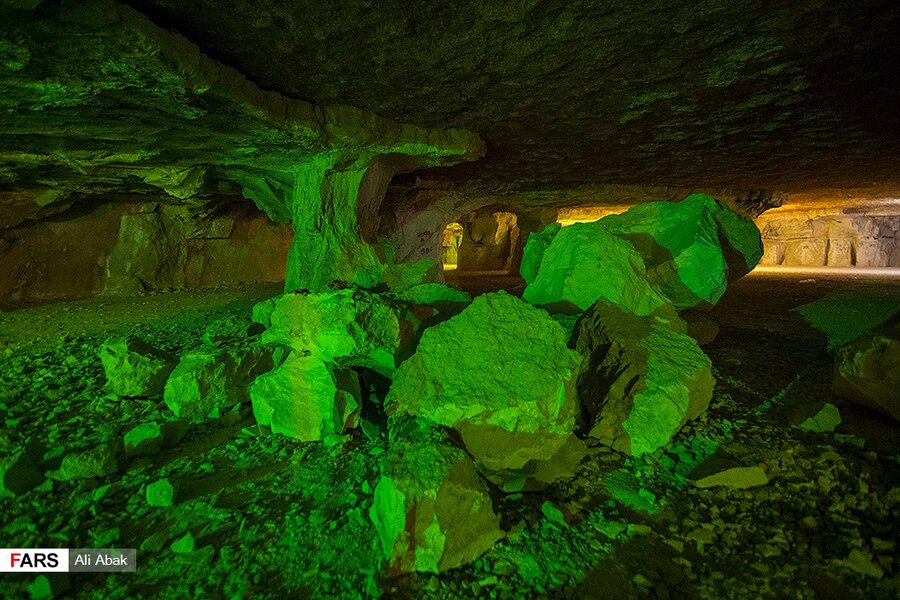
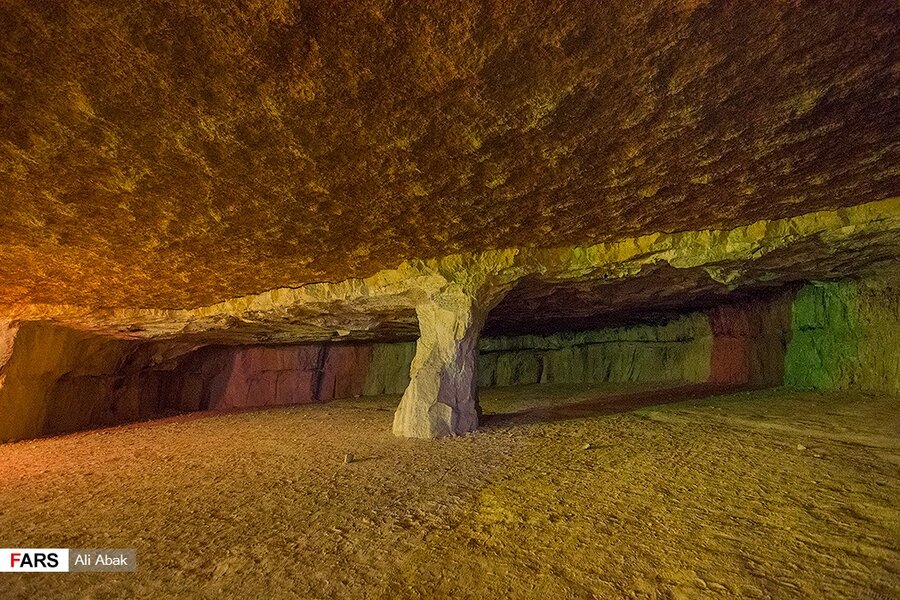
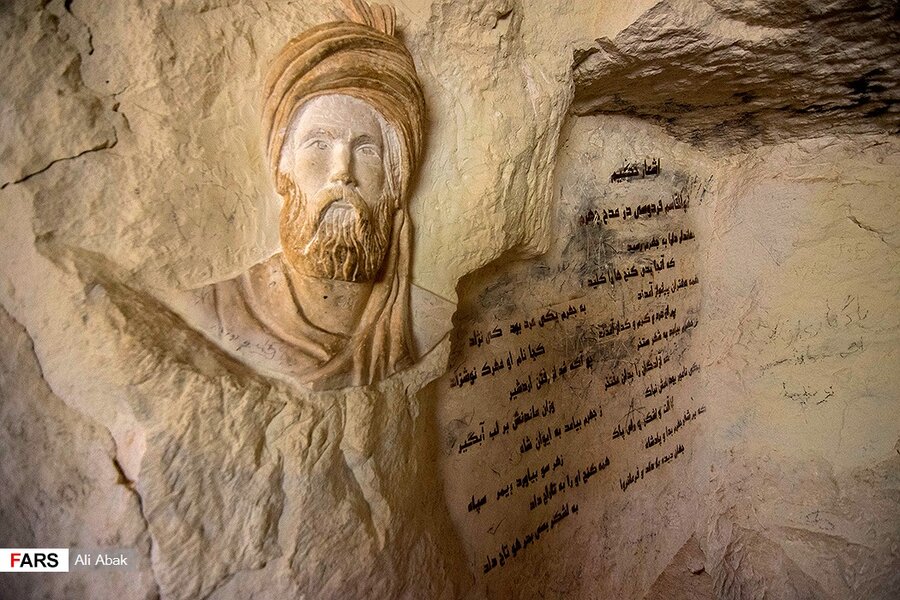
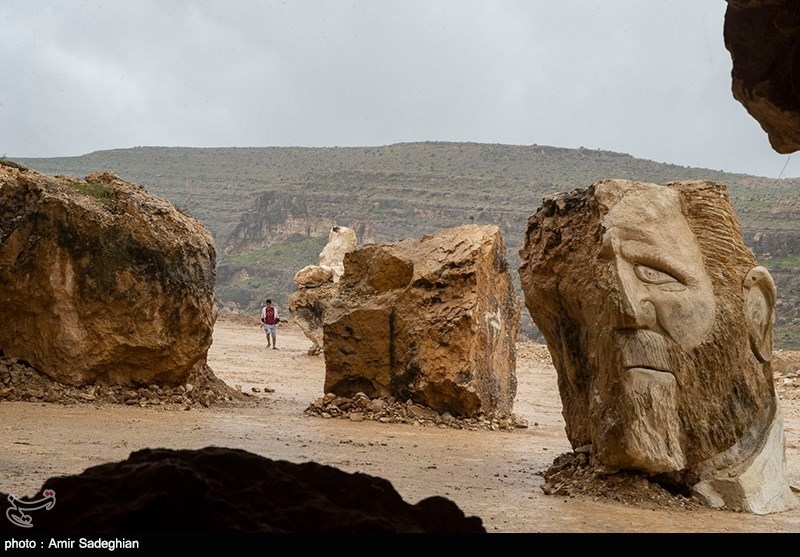
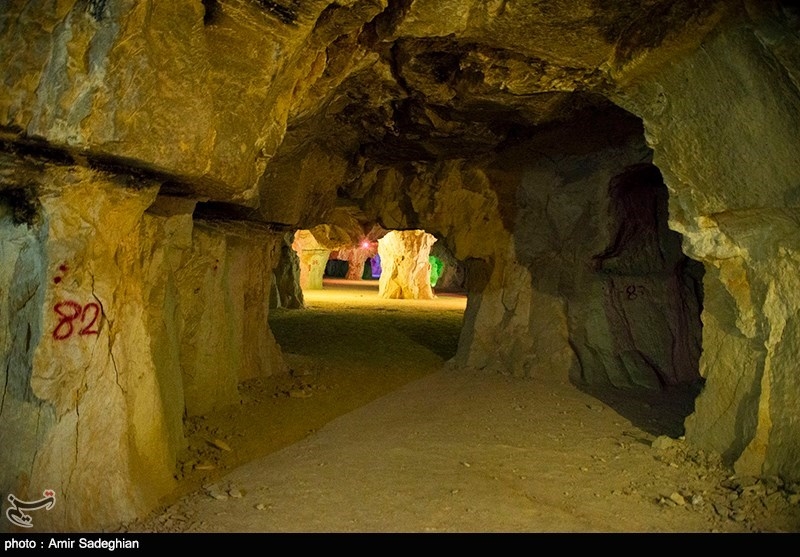
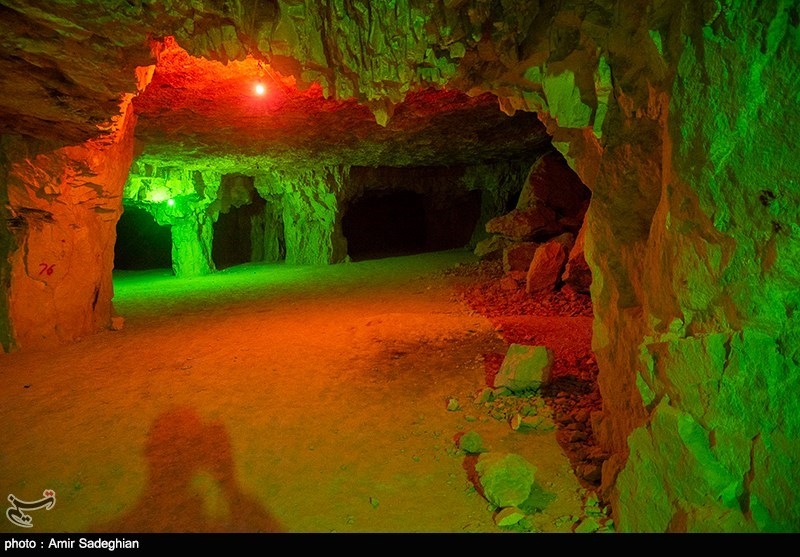
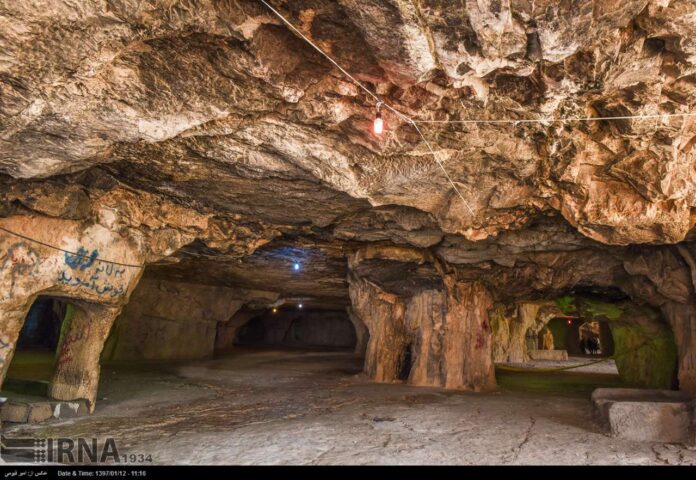
Sang Shekan cave is located in Alborz Hills in Jahrom, a city in Fars Province, and is over 150 years old. Those who used to work in this cave sought to extract rock from the cave to make a living. There are over 100 stone columns and 12 cave mouths which turn the cave into a beautiful hall.

People in Jahrom associate the man-made Sang Shekan Cave with on old story. They say that one day Khajeh Kazem, an aristocrat, was riding a horse along a river in Jahrom when he heard the thuds of a sledgehammer. When he tried to locate the sound, he came across an old man who was cutting stone.

The noble young man struck up a conversation with the old stonecutter and they had a meal together. Their friendship later saw the young man fall in love with the old man’s daughter. However, the aristocratic family of the young man disapproved of their marriage, citing the fact that a boy born into a noble family should not marry a serf’s daughter.

Eventually he convinced his family to accompany him on a visit to the old man’s house when he wanted to pop the question. The old man conditioned their marriage on the young man living with them and working with him in the mountain.

The young man who was in love took up the old man on his offer and abandoned his luxury life. Years later, the young man made a name for himself as Master Kazem. Irandeserts.ir reports that the story took place around 300 years ago.

After Master Kazem, the Sangtarashan cave was handed down to his children and grandchildren each of whom chipped away at the rock there for around 70 to 80 years.

Some of their apprentices working in the cave became its shareholders who are known as “the lesser heirs.”

White ductile limestone extracted from the cave at the time was used to decorate lintels and elegant mansions which belonged to either aristocrats or the ruling elite.

The cave measures around 350 metres in length and 150 metres in width, covering an area of approximately 4 hectares. It measures between 3 and 4 metres in height, which drops to less than a metre at the end of the cave.

Sangtarashan is the Middle East’s largest man-made cave and one of the most beautiful artificial caves in the world.

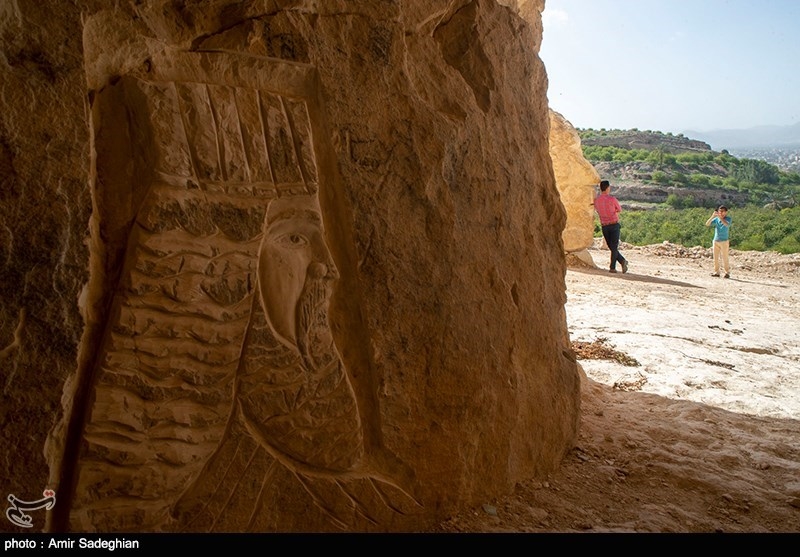
The precise calculations made to build the columns to prevent a collapse of the rock are amazing. Some of the entrances inside the cave are so large that a car can pass through them. One can see the whole town from the main entrance to the cave.

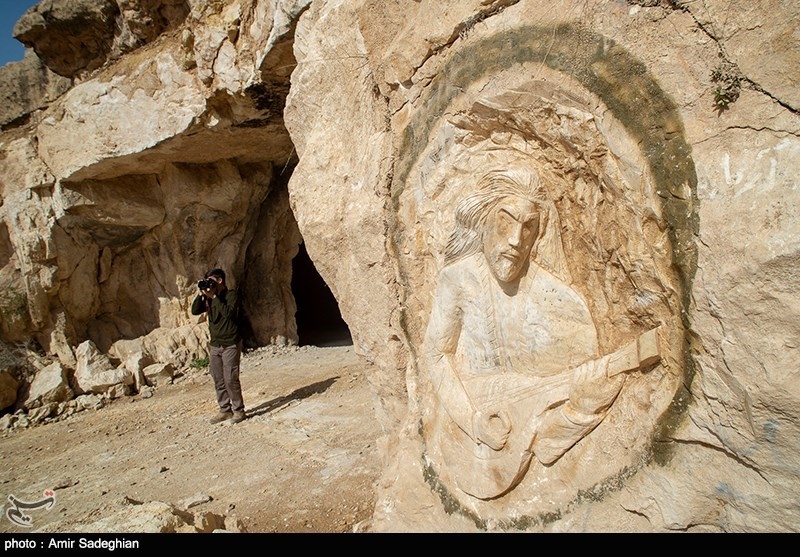
The Sangtarashan cave was registered on the list of National Heritage Sites in 2011 when work got underway to beautify the cave.

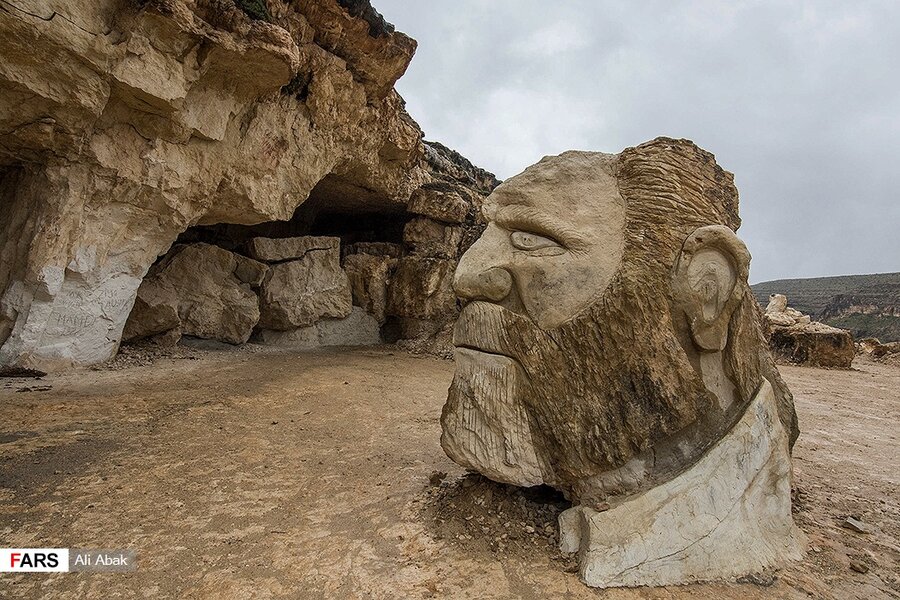
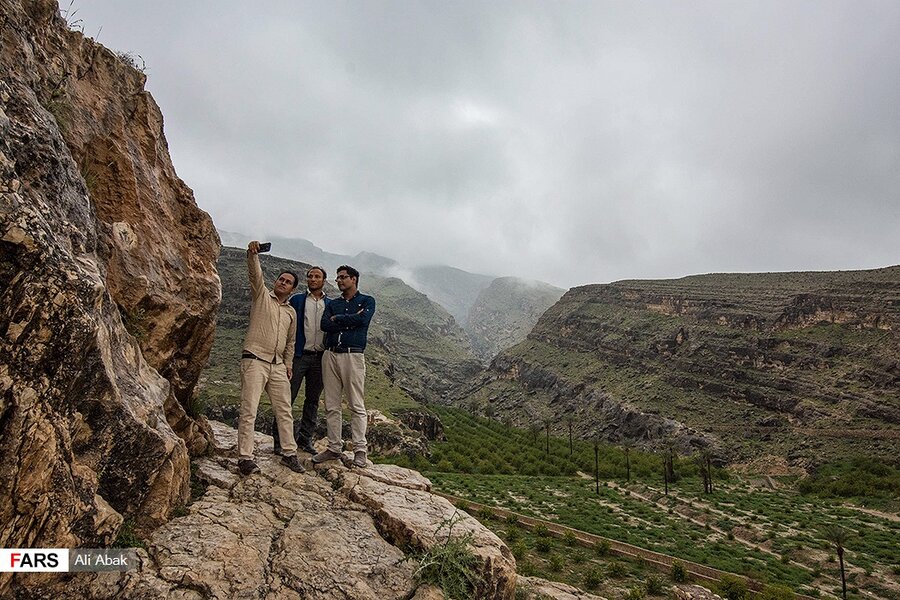
What follows are photos of the beautiful cave:


Iran Can’t Trust US Promises, Ayatollah Khamenei Says

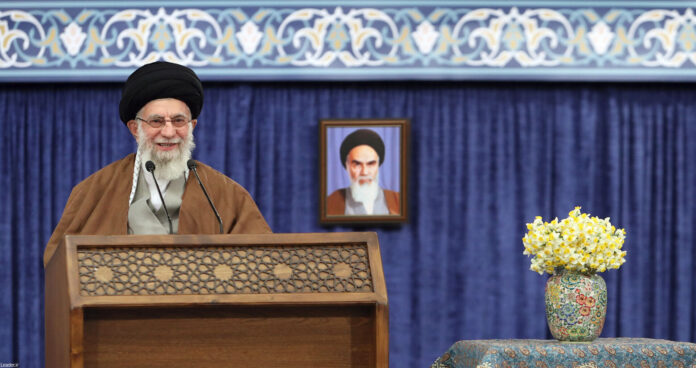
Ayatollah Seyyed Ali Khamenei made the remarks in his New Year speech on Sunday one day following his Nowruz congratulatory message during which the Leader designated the new Iranian calendar year as the year of “Production: Support and the Elimination of Obstacles.”

Reflecting on the current standoff between Iran and the US over the implementation of a nuclear deal clinched by Iran and six world powers, officially known as the Joint Comprehensive Plan of Action (JCPOA), the Leader emphasized that the so-called “maximum pressure” policy adopted by the former US administration of President Donald Trump toward Iran after leaving the JCPOA has totally failed.

“The previous fool had designed the ‘maximum pressure’ [policy] in order to corner Iran and take Iran to the negotiating table and impose his arrogant demands on a [presumably] ‘weak’ Iran. However, he disappeared [from the political scene] in such a way that both himself and his country were disgraced while the Islamic Iran is standing fast and proud,” Ayatollah Khamenei said.

“They must know that the enemy’s ‘maximum pressure’ [policy] has failed and if the current American government wants to pursue the maximum pressure [policy] again, it will also fail and disappear [from the political scene],” the Leader emphasized.

The Leader stated that Iran’s policy for interaction with other parties to the JCPOA has been announced clearly and Tehran will never give up that policy, because there is consensus on it inside the country.

“Americans must lift all sanctions first and then we will verify and if they are truly lifted, then we will return to our [JCPOA] commitments without any problem. We cannot trust the Americans’ promise,” the Leader said.

Referring to recent claims by some American officials that the JCPOA and its conditions must change for the US to return to it, the Leader said, “Yes, conditions are now different from what they were [during Iranian calendar years 13]95 and 96; however, they have not changed in favor of the United States, but in our favor. Iran has become much stronger since 94 (2015). Therefore, if the JCPOA is going to change, it must be in Iran’s favor.”

“You have been facing increasing problems and the fate of this new [US] president is not clear either. We are in no hurry. Yes, we also believe that opportunities must be taken advantage of, but we will show no hurry, because in some cases its risks outweigh the benefits. We acted hastily on the JCPOA,” Ayatollah Khamenei said.

“We are patient and we are doing our job. If they accept the policy that we have explained, well, everything will be alright; if not, this existing situation will continue and there is no problem with it,” the Leader noted.

“We trusted Americans during [tenure of former President Barack] Obama and we took steps that we had to take under the JCPOA, but they did not fulfill their commitments. On paper, they said sanctions were lifted, but any company that wanted to enter into a contract with us was alarmed by their agents that this could be risky… Therefore, we do not trust them and their promise is of no value to us,” Ayatollah Khamenei said.

The future of the JCPOA has been in doubt since the US pulled out of the agreement and imposed the “toughest ever” sanctions on Iran as part of his so-called “maximum pressure,” which tried in vain to force Iran back to the negotiating table for talks on a “better deal.”

Despite throwing verbal support behind the JCPOA, the European parties to the deal — France, Britain and Germany — have succumbed to Washington’s pressure and failed to fulfill their contractual commitments under the agreement to protect Tehran’s economic interests.

That promoted Tehran to begin a set of retaliatory measures in several stages as part of its legal rights stipulated in Articles 26 and 36 of the JCPOA. The latest such measure was the halt in the implementation of the Additional Protocol, which was required by the parliament-adopted law.

Joe Biden, the current president of the United States, has spoken of a willingness to return his country to the Iran deal, but, in practice, his administration has so far been sticking with Trump’s futile pressure campaign. Washington says Tehran should return to full compliance with the deal before the US does so.

Iran says the US needs to take the first step to lift the bans to prove its good will as it was Washington that quit the agreement in total disregard for the international law.

Iranian officials say if Iran can verify the sanctions removal, it will stop its measures taken based on Article 36 of the JCPOA.

An informed security source told Press TV earlier this month that there will be no negotiations between Iran and the United States on any matter before Washington removes all illegal sanctions it has unilaterally imposed on Tehran.

“The idea of a step-by-step plan for starting talks between Iran and the United States has been rejected at the highest levels of the Islamic Republic and there will be no contact between Iran and the US before sanctions are removed,” the security official added.

Leader: Sanctions, economic blockade crime against countries 

In another part of his remarks, the Leader stated that sanctions and economic blockade imposed on various countries by certain world powers are criminal acts, which have nothing to do with diplomacy and real politics.

Ayatollah Seyyed Ali Khamenei made the remarks in his New Year speech on Sunday one day following his Nowruz congratulatory message during which the Leader designated the new Iranian calendar year as the year of “Production: Support and the Elimination of Obstacles.”

Sanctions that prevent import of drugs, foods, and medical supplies are really a crime, which can only be committed by some powers, especially the United States, which has killed thousands of people in a single day, the Leader said.

“Although the US economic sanctions were a crime against the Iranian nation, they caused Iran to reduce dependence on other countries,” the Leader said, emphasizing that the Iranian youth have already managed to turn sanctions into an opportunity, by taking steps and producing needed goods inside the country.

“Sanctions turned into a lesson for us as they prompted us to find a way to thwart the impact of economic bans,” Ayatollah Khamenei said.

The Leader also advised the current and future state officials not to link the country’s economic problems to removal of sanctions, adding that they “should not leave the country’s economy in limbo awaiting decisions to be made by others.”

“Suppose that sanctions will remain in place, and plan the country’s economy on the basis [of the assumption] that sanctions will remain and it is possible to make such a plan,” the Leader emphasized.

Ayatollah Khamenei noted that one of the problems nagging the Iranian economy in the past couple of years was making economic planning conditional on lifting of sanctions or attracting foreign investment, which has kept the country’s economy in a state of confusion.

‘Correct planning, strong management needed to boost domestic production’

The Leader also explained the year’s slogan of “Production: Support and the Elimination of Obstacles,” noting that although last year’s slogan, which was growth in domestic production, was not achieved in full, the goal was relatively realized as production of various kinds of essential goods produced in the country really increased.

The Leader stressed that one of the most important steps to be taken for the promotion of domestic production was removal of the existing hurdles to production, including banking obstacles, while the fight against corruption, which the Leader described as “a very important issue,” must continue.

Ayatollah Khamenei further noted that in addition to the above steps, measures must be taken to boost people’s purchasing power, so they would be able to buy domestic productions, and cut the hands of middlemen who raise price of various products for their own benefit.

The leader mentioned powerful anti-corruption management as a major factor to pave the way for domestic economic boom.

The Leader then quoted international experts and reports released by international economic organizations, including the World Bank, as saying that despite all difficulties, the Iranian economy ranks 18th among world economies and if a number of obstacles are removed, it could even rank 12th.

Ayatollah Khamenei then added that Iran enjoys huge territorial and human resource capacities by relying on which the country would be able to achieve its deserved standing among global economies, “in the event of correct economic planning and powerful management.”

Leader warns of US, Israeli plot to undermine Iran’s forthcoming election

Elsewhere in his remarks, Ayatollah Khamenei warned that intelligence services of some countries, particularly the United States and the Zionist regime (Israel), have been plotting to undermine the upcoming presidential election in Iran and reduce its vibrancy.

“From a domestic viewpoint, holding election serve to renovate the country. People enter the arena and the country’s executive body is renovated, which is very important…. From a foreign viewpoint, holding election and people’s turnout shows [the country’s] power. People’s participation will boost the country’s power and election symbolizes the people’s presence [in the political arena],” the Leader said.

Ayatollah Khamenei said enemies are leveling accusations against officials in charge of holding the election and also the Constitutional Council while making efforts to discourage the Iranian nation, adding that they are taking advantage of the cyberspace to achieve their goals.

“It is no cause of honor [for us] to leave the cyberspace to enemies. All countries take measures to manage the cyberspace, but we take honor in having let it loose! The enemy takes advantage of this [virtual] space to reduce people’s participation in elections through psychological methods,” the Leader noted.

Ayatollah Khamenei added, “The cyberspace must be managed. There is no doubt that this possibility must be used by people and it brings freedom to people. It is also very good. However, this means must not be made available to the enemy to hatch plots against the country and against the nation.”

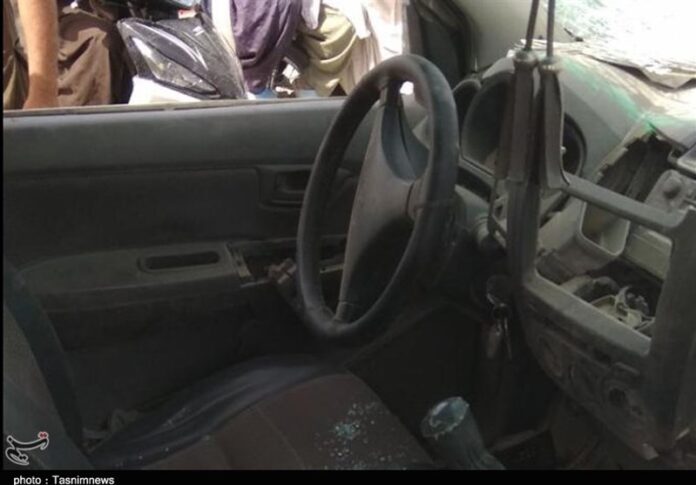
Terrorist Explosion in Iran’s Saravan Kills One, Injures Three

The explosion took place at 9:30 a.m. local time (0600 GMT) in Razi square of the town, and was attributed by the IRGC local headquarters to “terrorist groups affiliated with global arrogance.”
The state of health of all the three injured people is “satisfactory,” according to Abolhassan Safdari, the head of the local Razi hospital.

One of the injured has already been released from hospital, and another one is a pregnant woman whose life is not in danger, Safdari added.

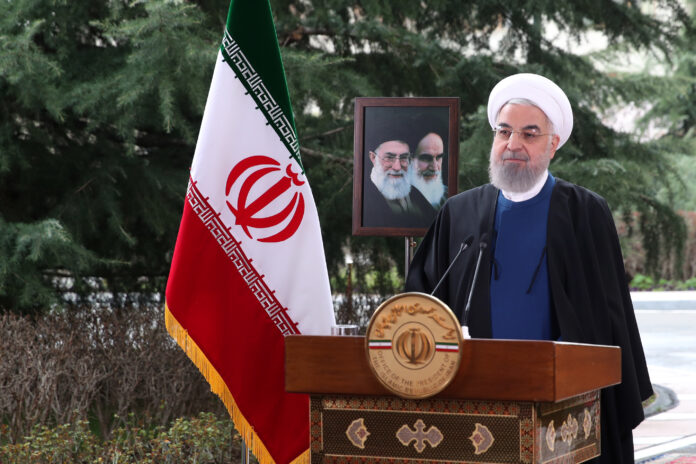
Rouhani Sends Congratulatory Messages to Heads of State on Nowruz

In his message, Hassan Rouhani touched upon the coronavirus pandemic and the numerous ensuing economic and social challenges gripping countries across the world.

He expressed hope that “In the new year, through interaction and closer cooperation among our countries, and by bringing the coronavirus disease under control, … happiness, blessings, health and tranquility will return to all countries in the world.”

“Spring, like a highly accomplished painter, breathes life and freshness into the heart of the earth by drawing paintings on the canvas of nature, and spreads across this earthly planet a drawing filled with verdure,” his message read.

The president added the ancient Nowruz festival heralds hope, happiness and emancipation from sadness and sorrow, and serves as an opportunity to become new, rethink one’s views and revive life.

He expressed hope that humans, like Mother Nature, will be able to revive themselves with the arrival of spring.

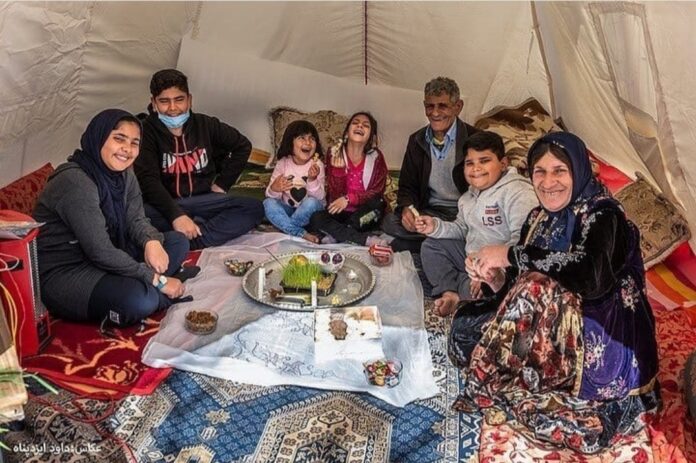
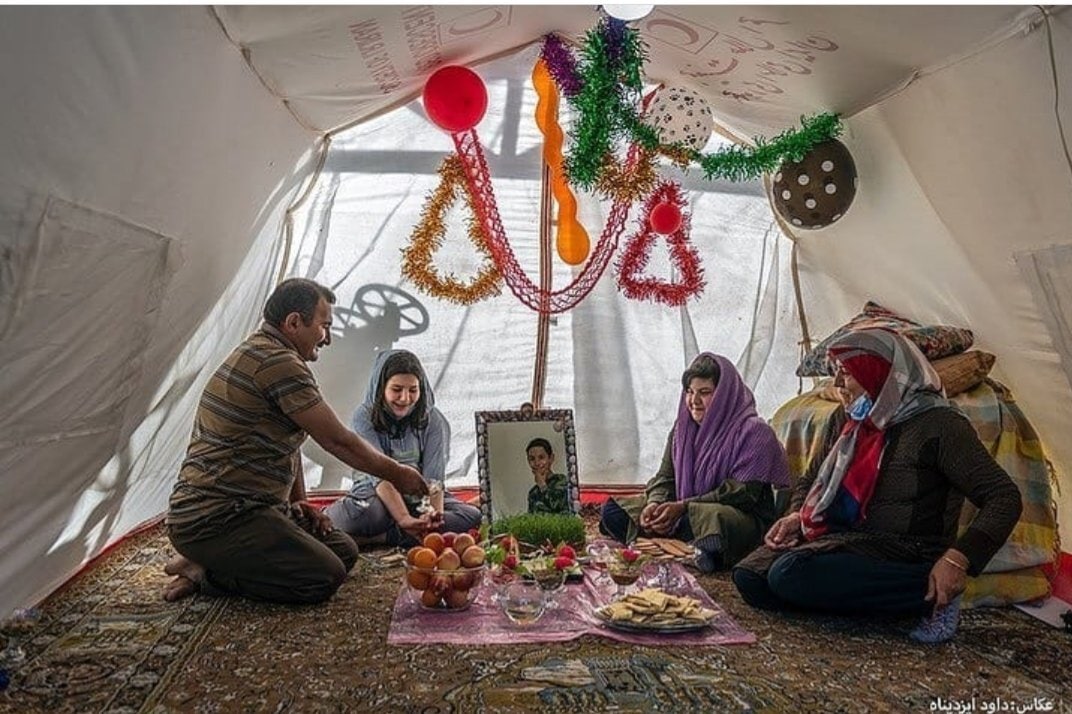
Quake-Hit People of Sisakht Celebrate Nowruz in Tents

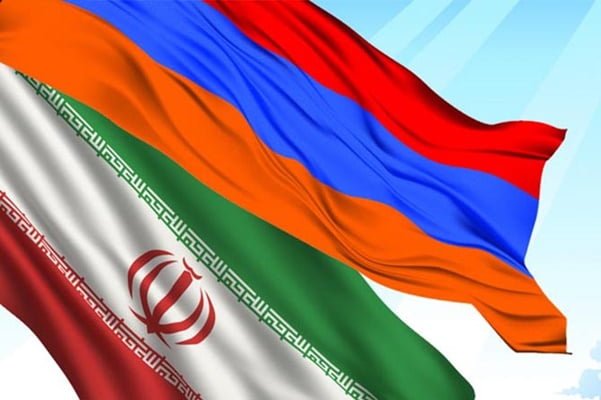
Iran, Armenia Discuss Closer Cooperation on All Fronts

Iran Congratulates Armenia on National Day

The top Iranian diplomat also visited the southernmost Armenian province of Syunik on the border between the two countries.

During a meeting between Baharvand and Armenian Deputy Foreign Minister Armen Ghondyan, the two sides discussed the enhancement and promotion of bilateral ties, including in the domains of legal cooperation, continuing work on the documents being reviewed by the two sides and updating some other documents, as well as the status of the Aras river.
The two officials also exchanged views on regional issues where they rejected the presence of terrorist groups in the region and stressed they should leave the region.

Baharvand also held talks with Armenian Deputy Foreign Minister for International Affairs Artak Apitonian on Tehran-Yerevan cooperation in international circles.

Also on the agenda of the talks were regional affairs, human rights issues, cultural cooperation and war on terror.

Meanwhile, in a meeting between the senior Iranian diplomat and Armenian Deputy Minister of Territorial Administration and Infrastructure Armen Simonyan, the two sides discussed issues related to the ministry in light of recent regional developments, especially provisions pertaining to the removal of the blockade of communications routes in the region highlighted in a trilateral statement issued by Russia, Armenia and Azerbaijan Republic.

The two side also exchanged views on mutual cooperation on the construction of a North-South route on Armenian soil, plans drawn up by regional countries to establish a suitable route linking the Persian Gulf to the Black Sea, transportation and infrastructure.

On his way back home from Armenia via road, Baharvand had a stopover in the town of Kapan where he met Syunik Governor Melikset Poghosyan.

They discussed issues such as the status of communications roads between the two countries, the inauguration of a free zone and the enhancement of economic cooperation between the border provinces of the two sides.

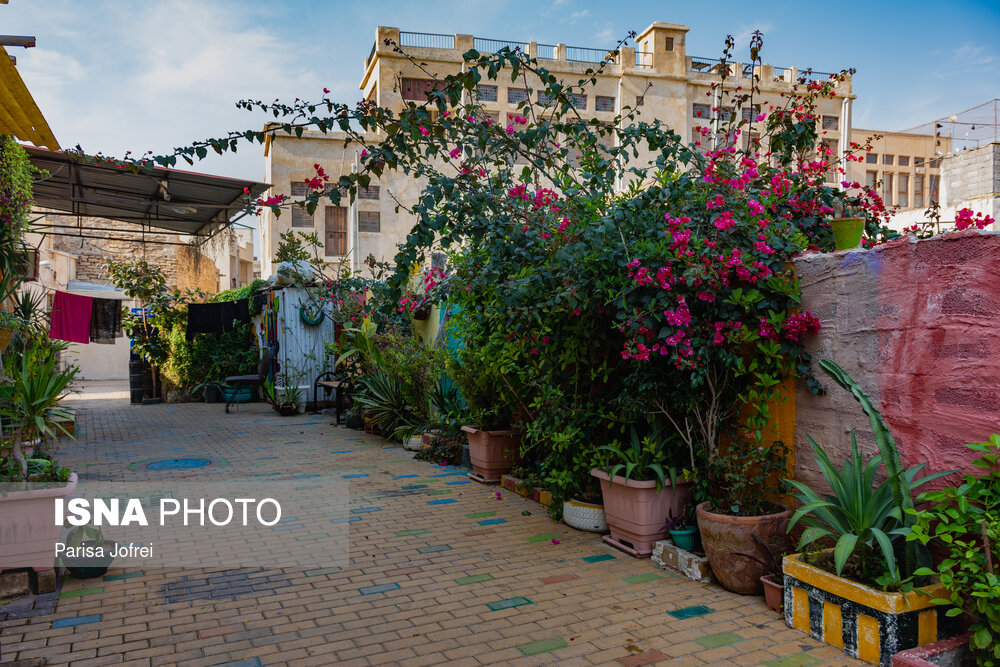
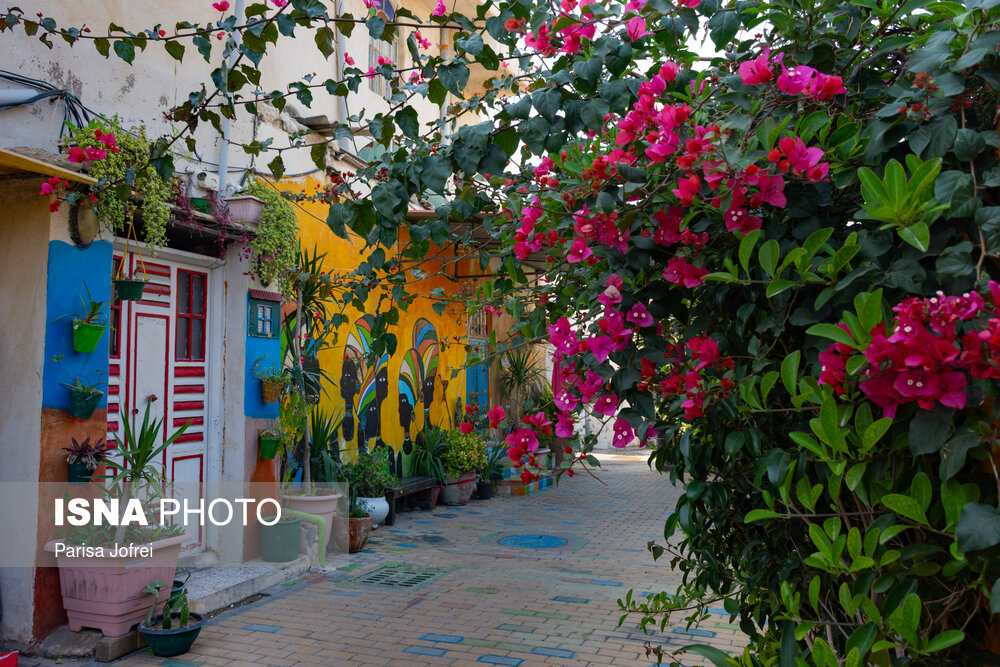
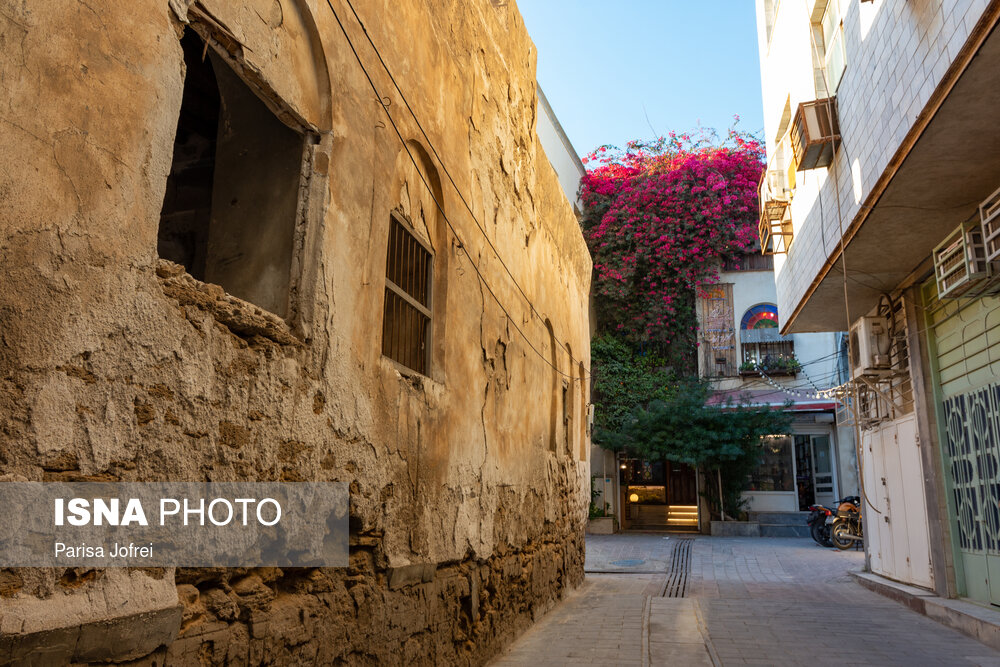
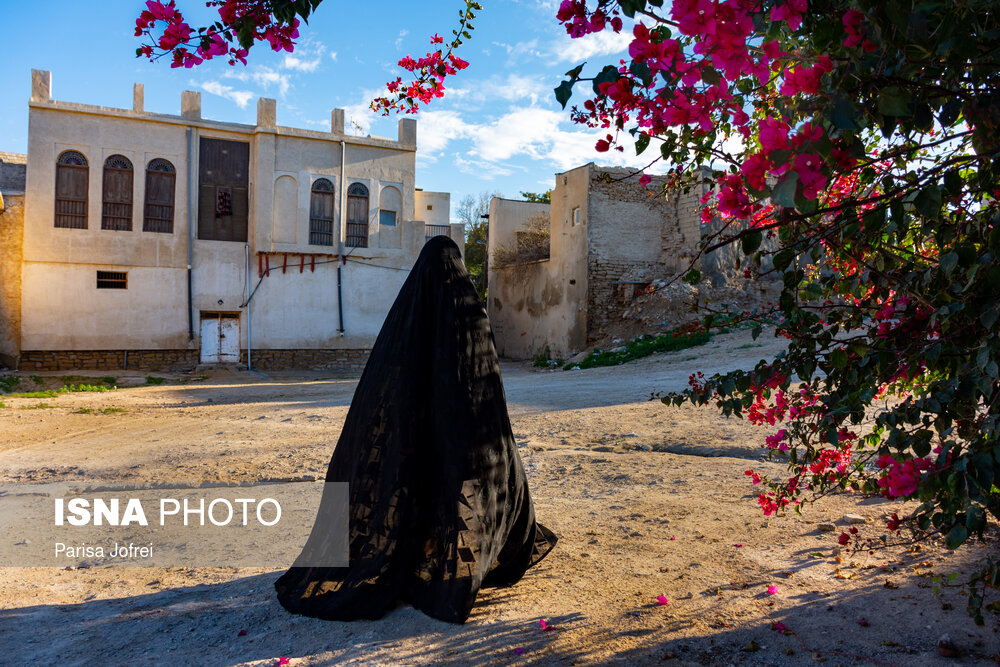
Bushehr: A City of Mesmerizing Flowers in Southern Iran

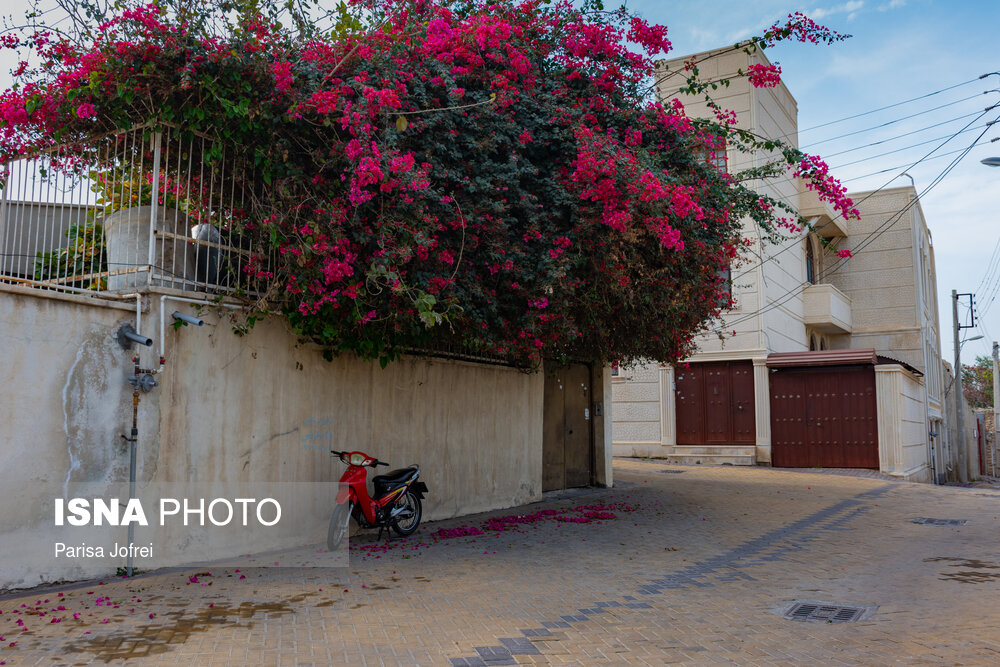
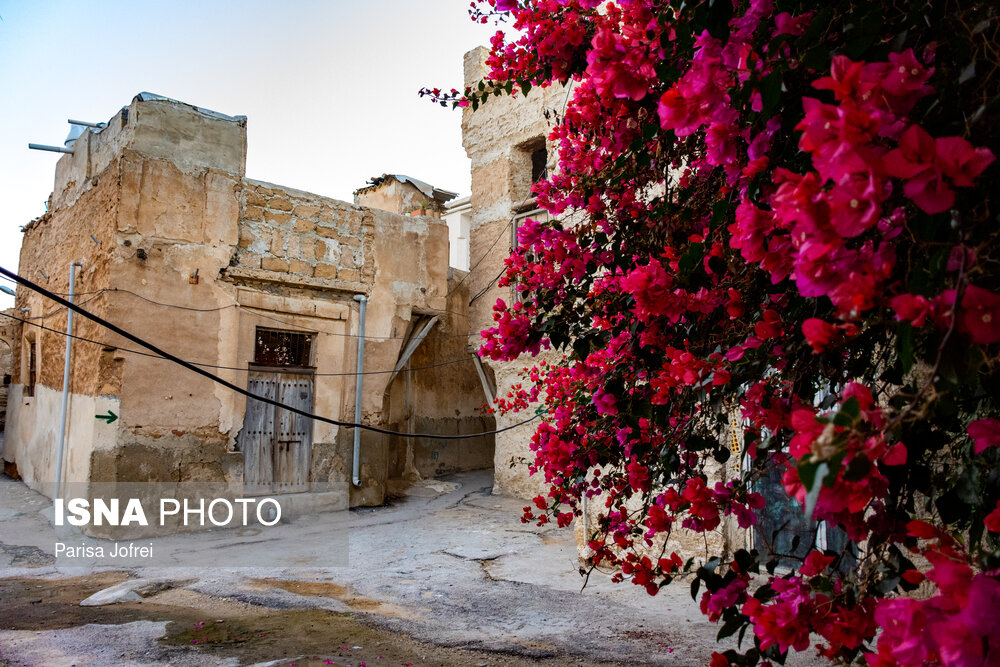
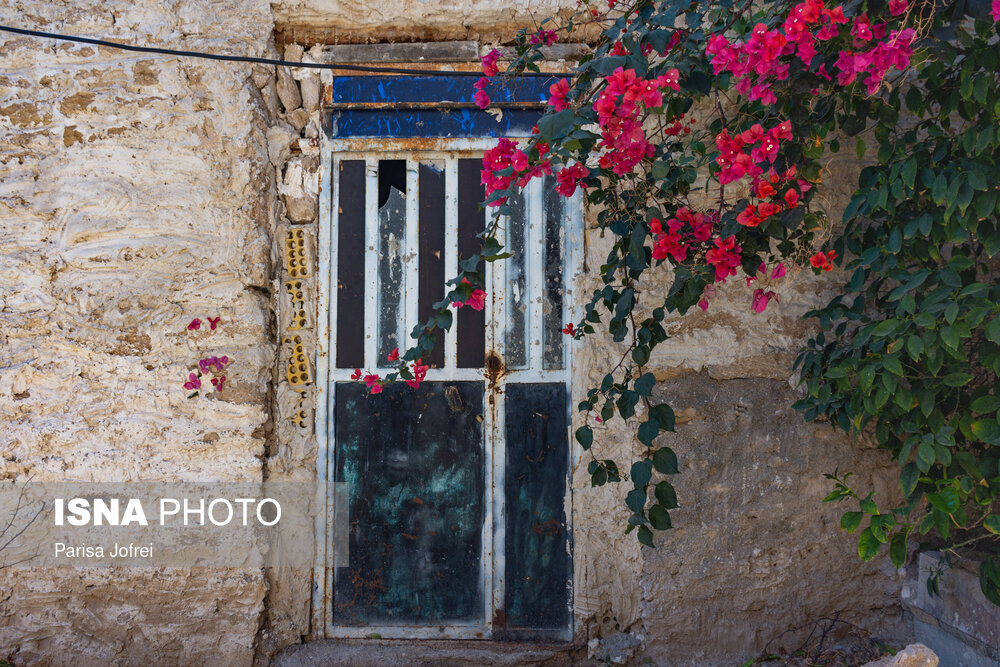
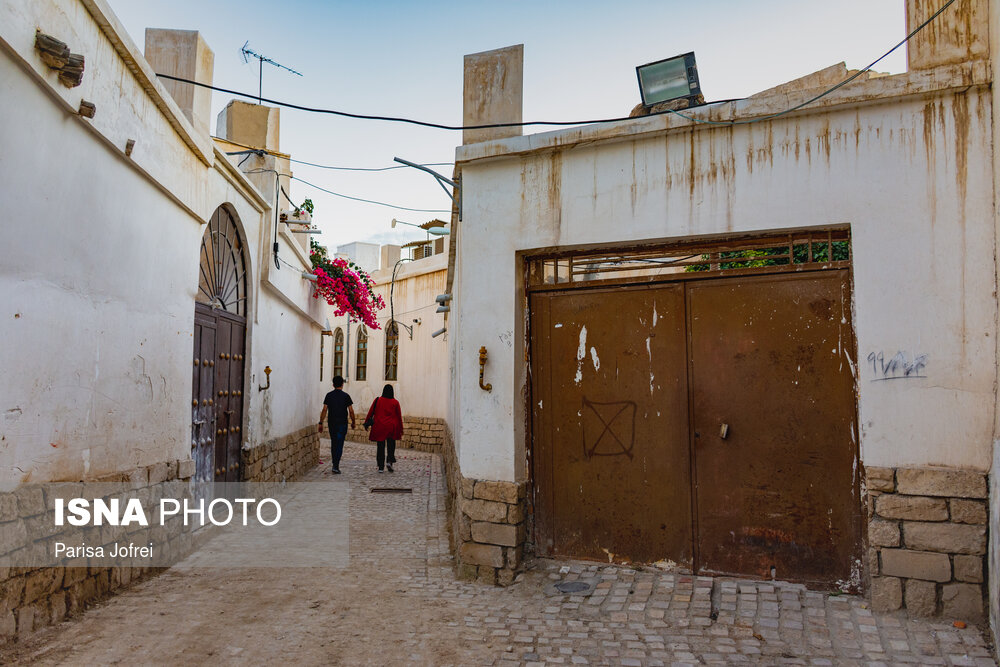
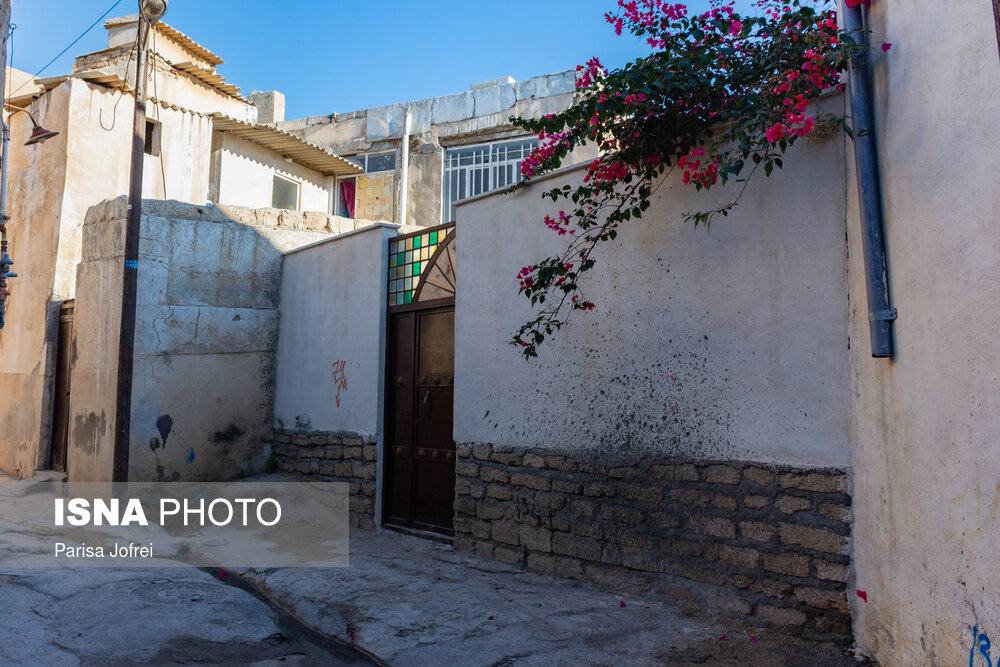
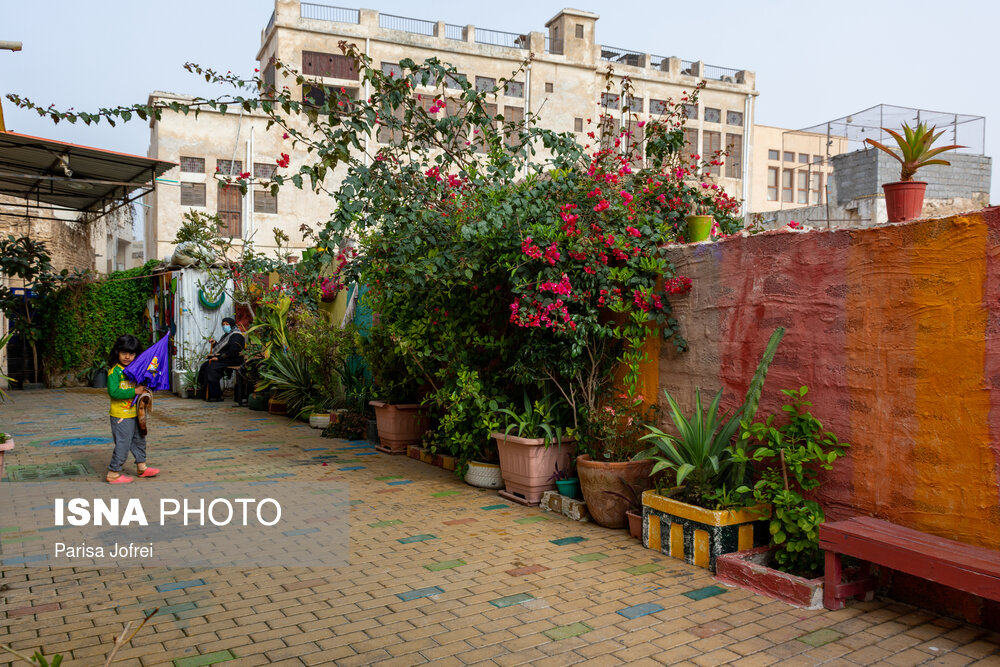
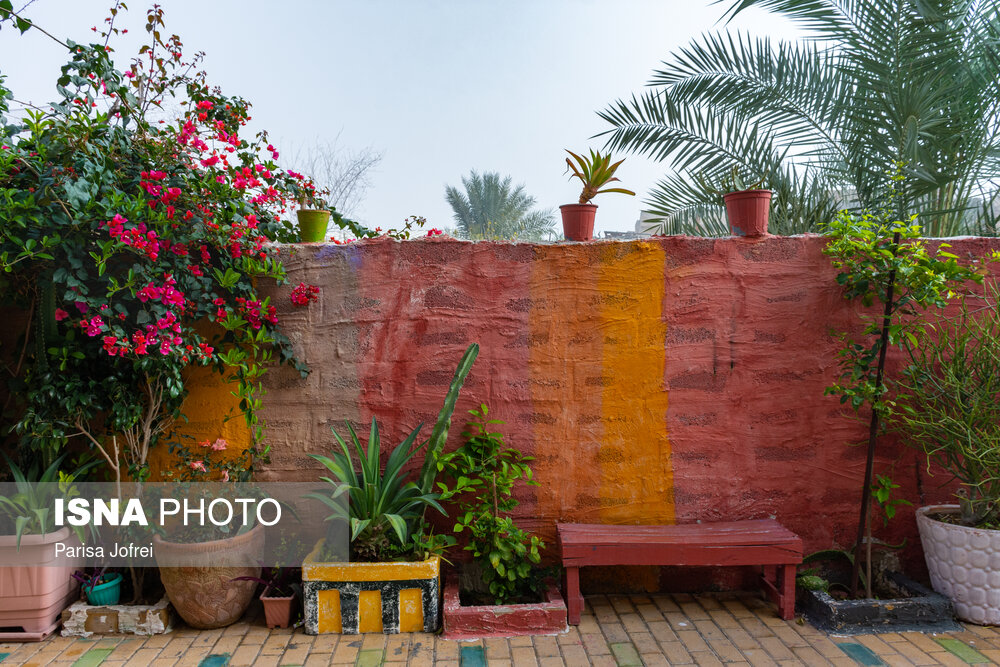
The old quarter of the city pleases every passerby’s eye with its historical buildings and cafés as well as red- and pink-coloured bougainvillea glabra flowers.

You cannot miss the colourful bougainvillea glabra flowers lying on wooden mantelpieces, in flower pots, on railings, on the ground or even on the walls of houses. It looks as if a permanent flower festival is underway in the historical quarter of Bushehr all year round.

Bougainvillea glabra (also known as the lesser bougainvillea or paperflower) is a type of ivy native to South America.

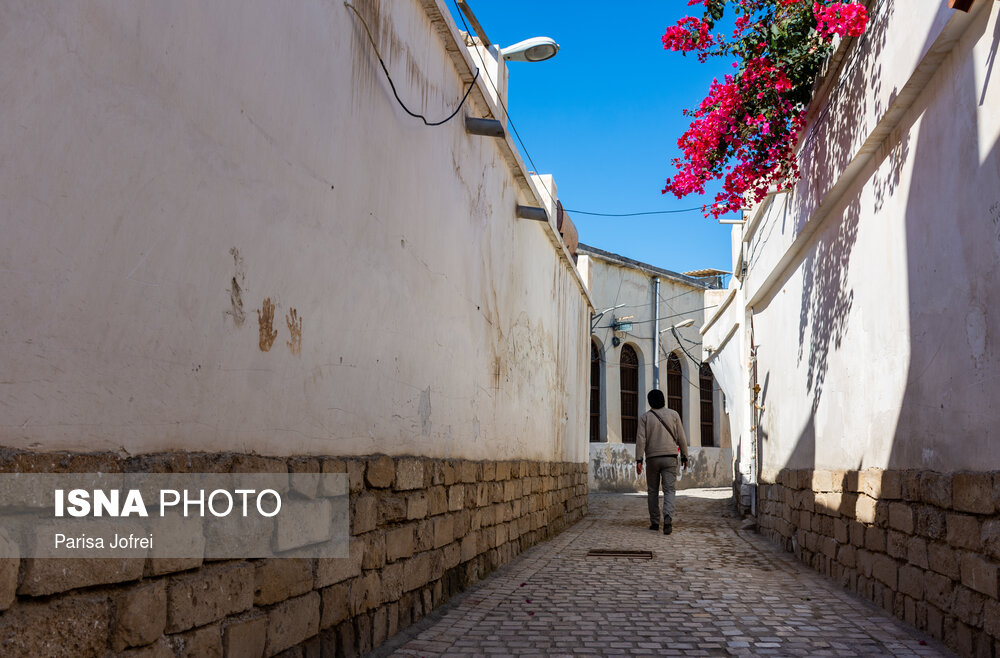
Kiss-and-Make-Up Alley
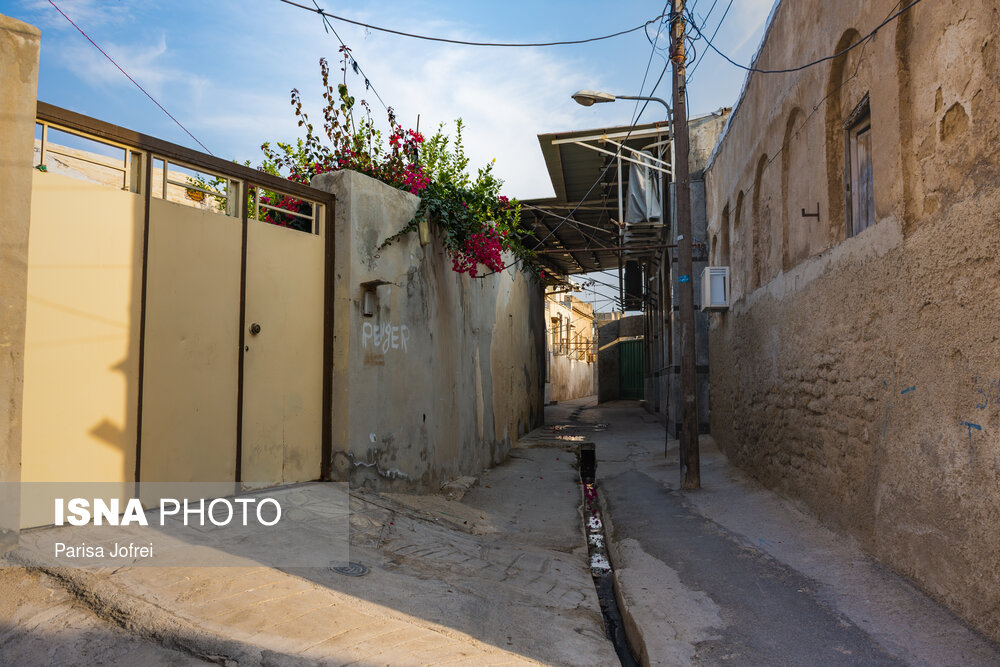
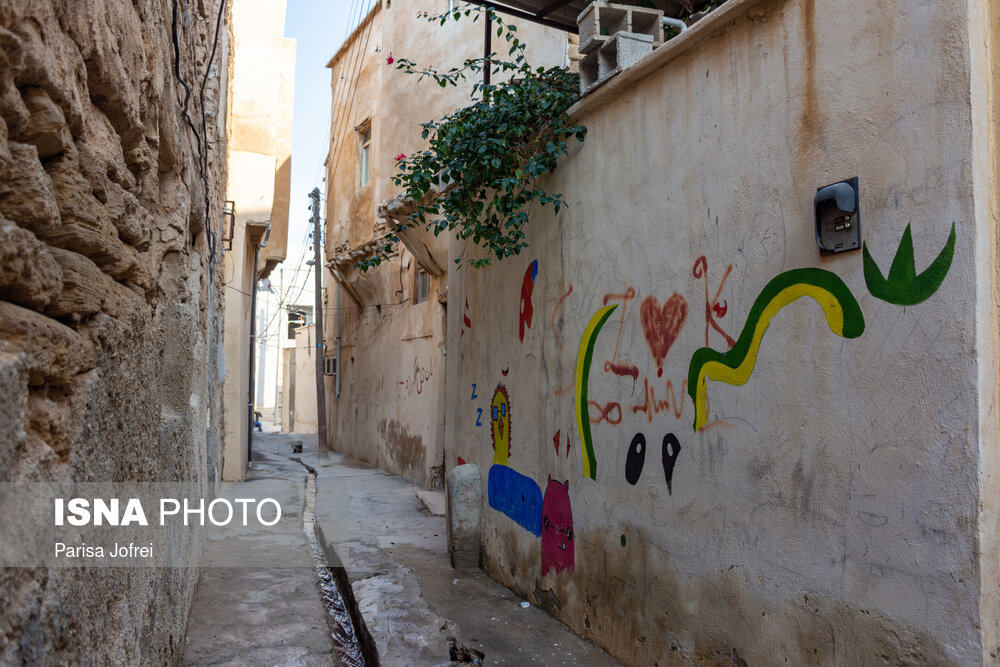
Old kiss-and-make-up alleys are narrow alleys with cob walls where passersby have but to come face to face.

If negibours or locals are not on speaking terms, they are made to pass through those alleys to make up.

Kiss-and-make-up alleys exist in the older quarters of most Iranian cities located in hot climates, including Yazd, Shiraz, Kashan and Bushehr.

Iranian People Begin ‘Year of Production, Support, Removal of Barriers’

In his televised message on Saturday, the Leader of the Islamic Revolution extended his felicitations to the Iranian nation on the occasion of Nowruz, calling on the government and the nation to support production in the country and remove related obstacles.

The Leader lauded the Iranian nation’s proven capabilities both in the face of the coronavirus pandemic and sanctions imposed on the country.

He said the enemies openly acknowledge that their “maximum pressure” campaign against the Islamic Republic has failed.

What follows is the full text of his message:

In the Name of Allah, the Beneficent, the Merciful

All praise is due to Allah, the Lord of the Worlds, and peace and greetings be upon our Master Muhammad, and upon his pure household

O’ Conqueror of hearts and sights

 O’ Planner of night and day

 O’ Transformer of power and conditions

 Transform our condition to the best of conditions!

I wish to congratulate all our dear compatriots, in particular the esteemed families of martyrs and of disabled war veterans, the disabled war veterans themselves, and all veterans on the arrival of Nowruz and the new year. I also wish to congratulate all the nations who celebrate Nowruz and the arrival of this Eid. This year, our Eid coincides with the auspicious occasions of the month of Shaban. I hope that this coincidence will have many worldly and otherworldly blessings for our new year.

The year 1400 is blessed with two 15th of Shaban celebrations as our people will be celebrating the birthday anniversary of the Imam of the Age (may our souls be sacrificed for his sake) twice in this year.

1399: Confronting big test, maximum pressures

The year 1399 ended with various incidents, some of which were unprecedented. One of those incidents, which was really unprecedented and unfamiliar to our nation, was the phenomenon of the coronavirus which affected the lives of all people. It had an impact on different businesses, the educational environment and religious gatherings as well as on trips, sports events and various other matters in the country. It delivered a hard blow to employment in our country.

Of course, the most bitter event was the demise of tens of thousands of our dear people and this means that tens of thousands of families had to mourn the loss of their dear ones. I wish to benefit from this opportunity to express my condolences and my sympathy to all those dear families. I hope that God will give them patience and bestow His mercy and forgiveness on the deceased.

In one sense, the year 1399 was the year in which the Iranian nation demonstrated it capabilities including in confronting the big test – that is to say, the coronavirus. To be fair, our dear people – ranging from the medical personnel of the country, researchers and scientists to the masses of the people and jihadi groups, displayed great capabilities in handling that bitter incident despite the enemy’s “maximum pressures”. Despite the enemy’s sanctions and although the path of foreign resources was blocked, our nation, our scientists, our physicians, our nurses, our medics, our laboratory experts and our radiologists – the people in charge of the people’s health – really managed to engender a great experience and to display a great feat.

The Iranian nation also displayed its capability in confronting the enemy’s maximum pressures. Our enemies, headed by the US, were after bringing the Iranian nation to its knees with their maximum pressures. Today, they and their European associates explicitly say that the maximum pressure policy failed. We knew that it would fail and were therefore determined to defeat the enemy in that area. We knew that the Iranian nation would stand firm. Today, they are acknowledging that their maximum pressure policy has failed.

Surge of production realized to an acceptable degree

Well, the slogan of the year 1399 was “A surge in production”. If I were to make a general assessment on the basis of many popular and governmental reports – we receive reports from various organizations and places – I would say that this slogan was realized to an acceptable degree. In other words, the surge in production materialized in some areas and affairs of the country. Of course, it did not materialize to the desired degree. In other words, even in those areas where it materialized – mostly in infrastructural and construction areas – the results were not tangible in the general economy of the country and in the people’s economic situation. In other words, the movement was not felt. That was while we had expected that the surge in production would in some ways solve some of the people’s problems.

Of course, the slogan of bringing about a surge in production is a completely revolutionary and important slogan. If the slogan is truly achieved in the country, and hopefully it will, it will exert a deep economic impact on the country – on the value of national currency and other fundamental economic matters – and it will also lead to national self-confidence, public satisfaction and national security. If the surge in production is attained – I hope that it will happen, God willing – it will have these important results and advantages.

Certain obstacles hamper production

Well, why did it not completely materialize in the year 1399? Because on the one hand, there were certain obstacles and on the other hand, production was not supported in all areas. Production needs certain instances of essential legal and governmental support as well as the elimination of the obstacles on the path of production. For example, when a dysfunctional production center which works with 30, 40 percent of its capacity or which is completely non-functional, begins to work again and to engage in production thanks to the determination of a number of youth and the encouragement of others, if the same products are imported into the country, either by criminal smuggling hands or through legal ways and due to legal shortcomings, then production will naturally not be boosted like this. This is a barrier in the way of production. This means that what has already been achieved will fail later on.

Another obstacle is lack of incentives, such as the lack of investment incentives. Investment in production requires certain incentives. In other words, those who can invest should be encouraged to do so. The business environment in the country should have the power to encourage them to invest, and the cost of production should not increase for them. However, these things have not been done. This means that the necessary measures have not been adopted. There have not been noteworthy incentives, nor has a solution been found for production costs. In one year – it was not the year 1399, it was perhaps before the year 1398 – the producers’ expenses exceeded those of consumers. Well, these are things that prevent the progress of production.

1400: An important, sensitive year 

So we started this revolutionary movement in the year 1399. The Iranian nation has welcomed the surge in production to a certain extent. This should continue. The year 1400, which is beginning now, is in fact the entrance into a new century. A new century is actually beginning. Therefore, we should adopt a long-term outlook towards the issues of the country. We should evaluate them with a long-term approach.

The year 1400 is an important and sensitive year because of the elections that will be held in the beginning of the year. In the month of Khordad, we have important elections which can exert an important influence in the conditions, affairs and future of the country because there will be new managers which most probably will be energetic and which will have strong motivation. They will undertake the executive management of the country. Therefore, the upcoming elections will make this year very important and sensitive. In my New Year speech, I will raise more points about the elections. Today, this much is enough.

Another reason why this year is important is because production was boosted in the year 1399 and the surge in production has created a movement. So, in the year 1400, there is good ground for blossoming the surge in production. We should make the most of this opportunity. This movement should be pursued seriously. Most importantly, legal and governmental support – of all kind – should be directed to the surge in production. Whether this administration, as long as it continues to hold office, or the future administration, from the beginning of its formation, should focus all its energy on eliminating the obstacles and providing the necessary support so that the surge in production will be completely realized this year in the true sense of the word, God willing.

Therefore, I have chosen this slogan for this year: “Production: support and the removal of barriers.” This is the slogan: “Production: support and the removal of barriers.” We should give a pivotal role to production, offer the necessary support and eliminate the obstacles. I hope that by Allah’s favor, this slogan will be realized. In my New Year speech, I will raise more points about this issue as well as about the elections.

I hope that the immaculate soul of our magnanimous Imam and the pure souls of our great martyrs will be satisfied and pleased with us, that this year will prove to be an auspicious one for the Iranian nation, that the Imam of the Age (may our souls be sacrificed for his sake) will pray for the Iranian nation, the officials of the country and the masses of the people, that he will bestow his blessings on the Iranian nation, and that he will continue to pay attention to the Iranian nation as he has done so in the past.

Greetings be upon you and Allah’s mercy and blessings.

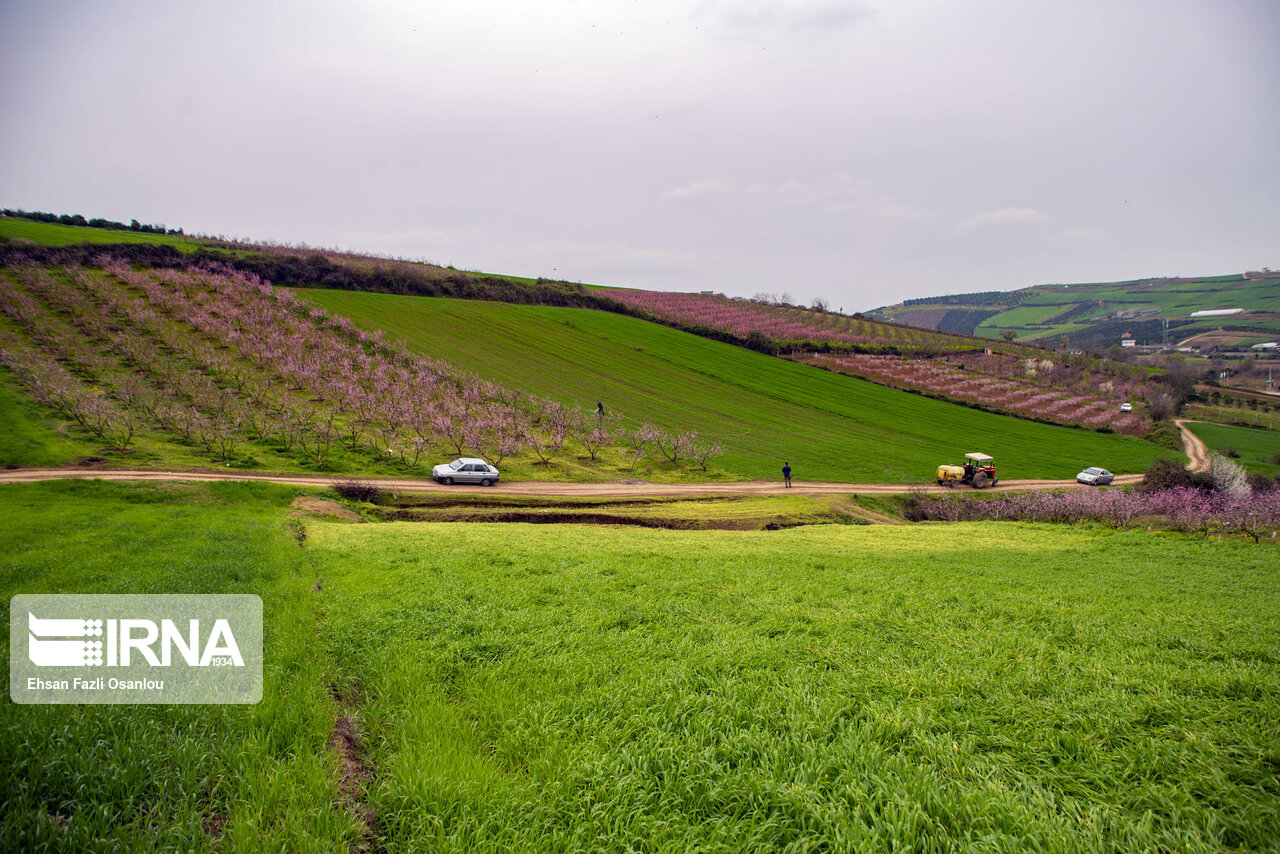
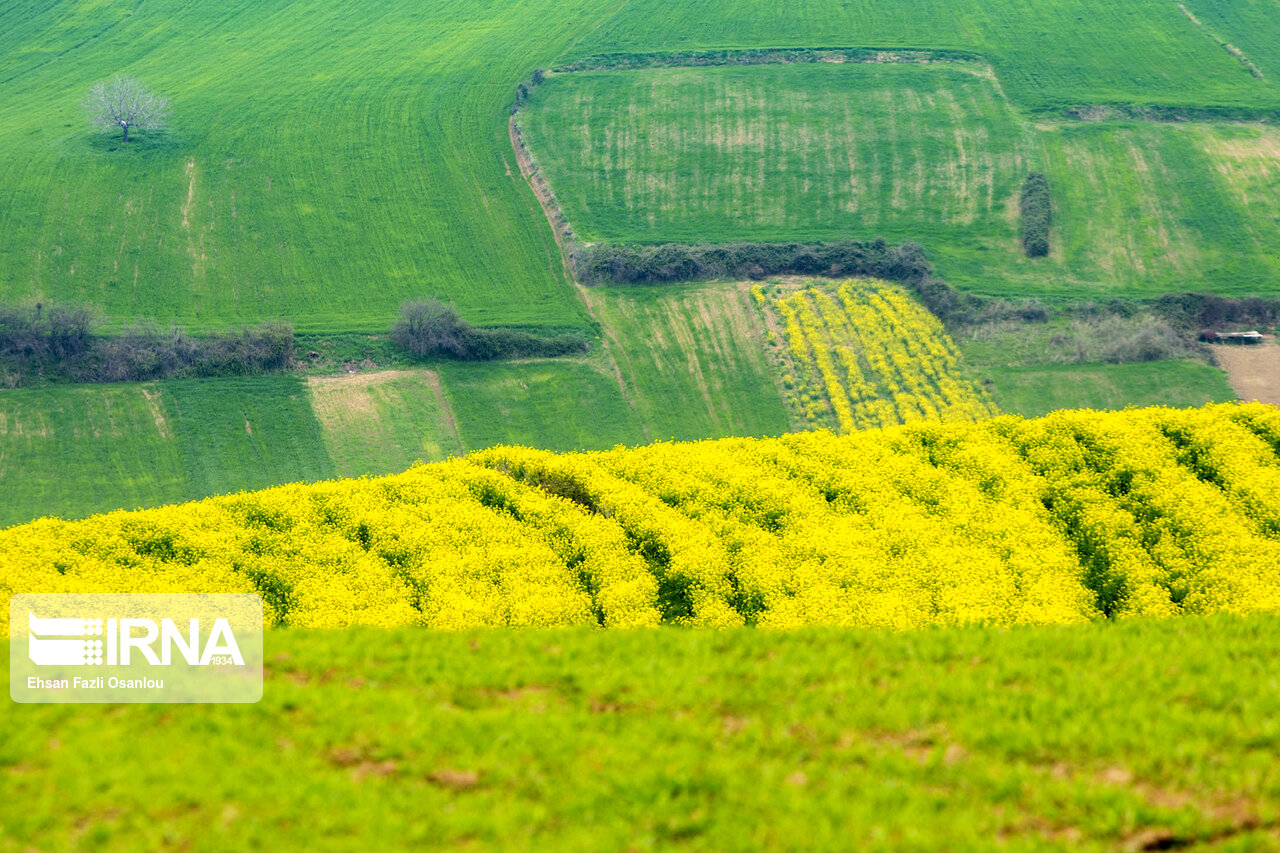
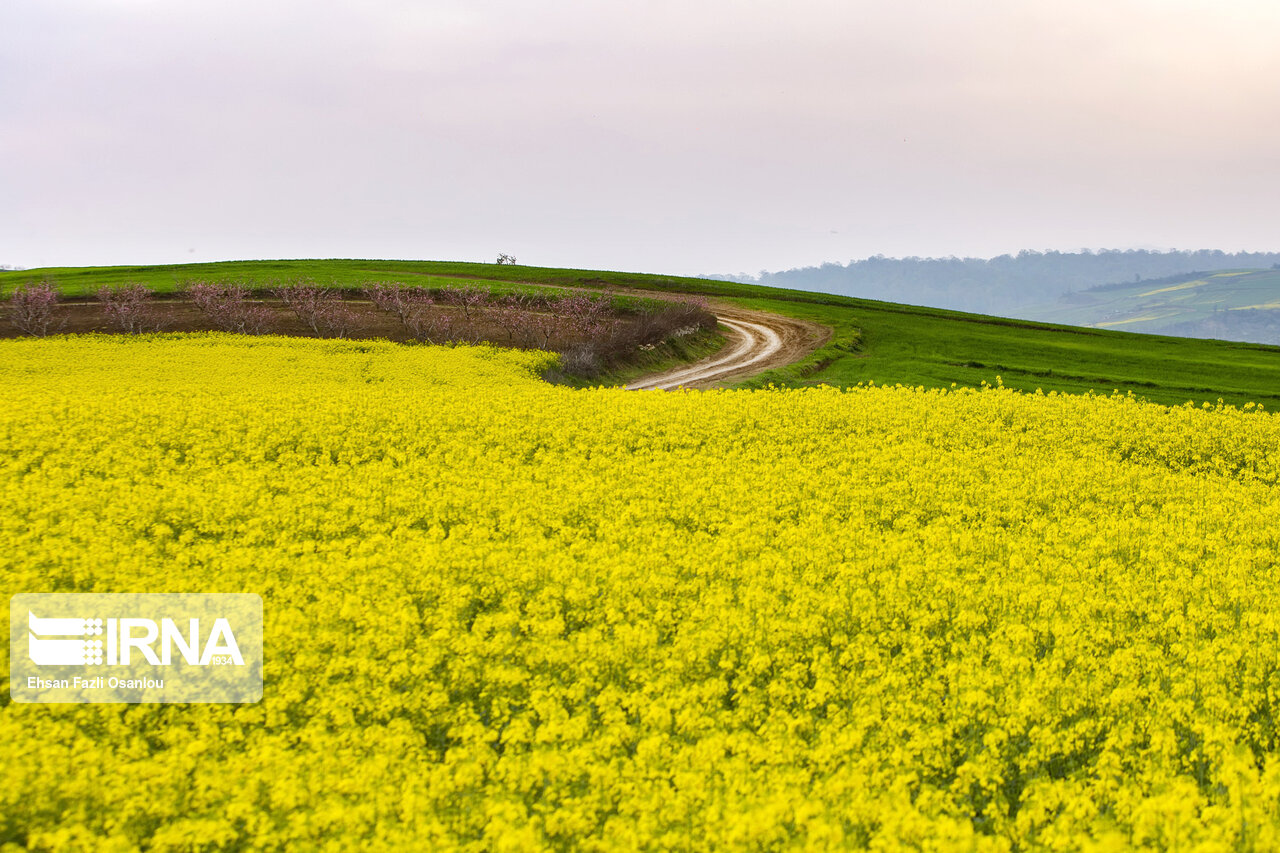
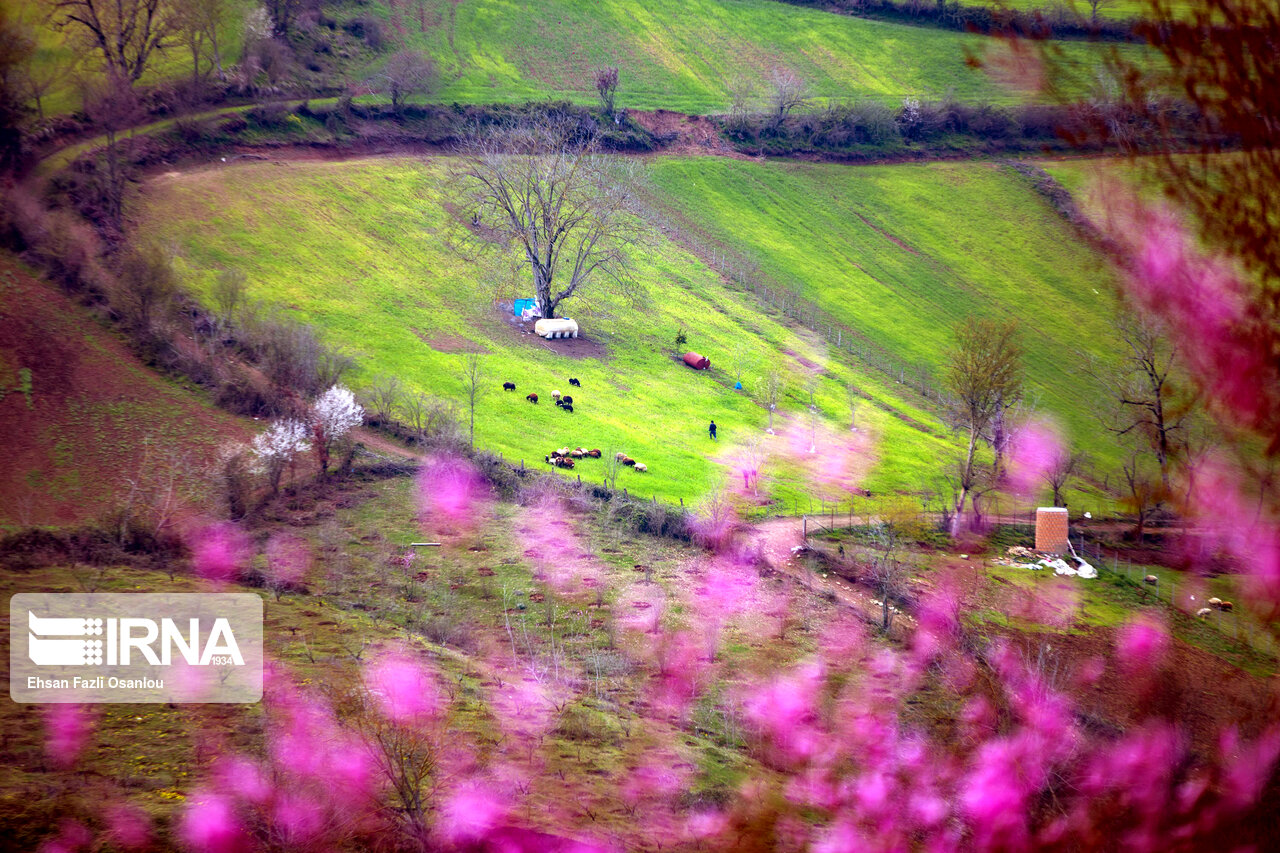
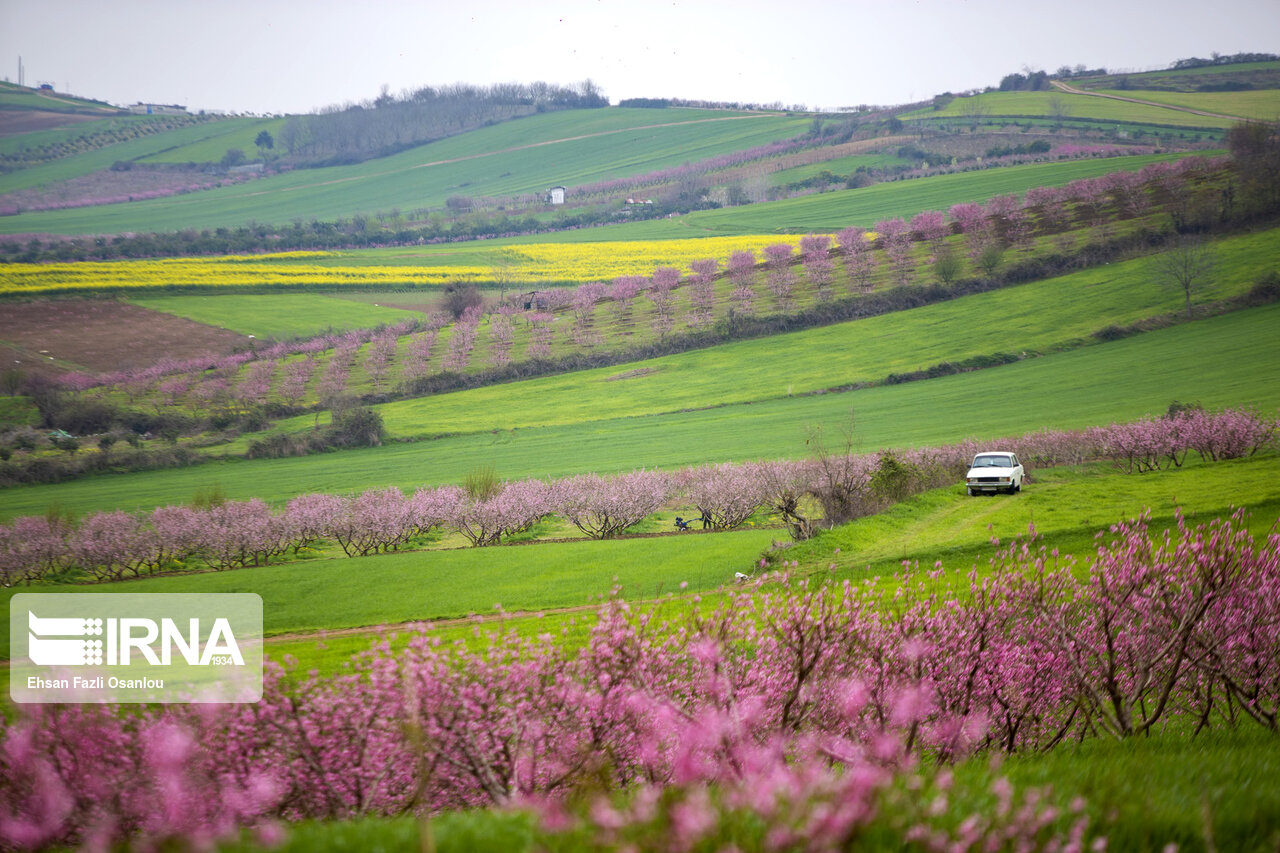
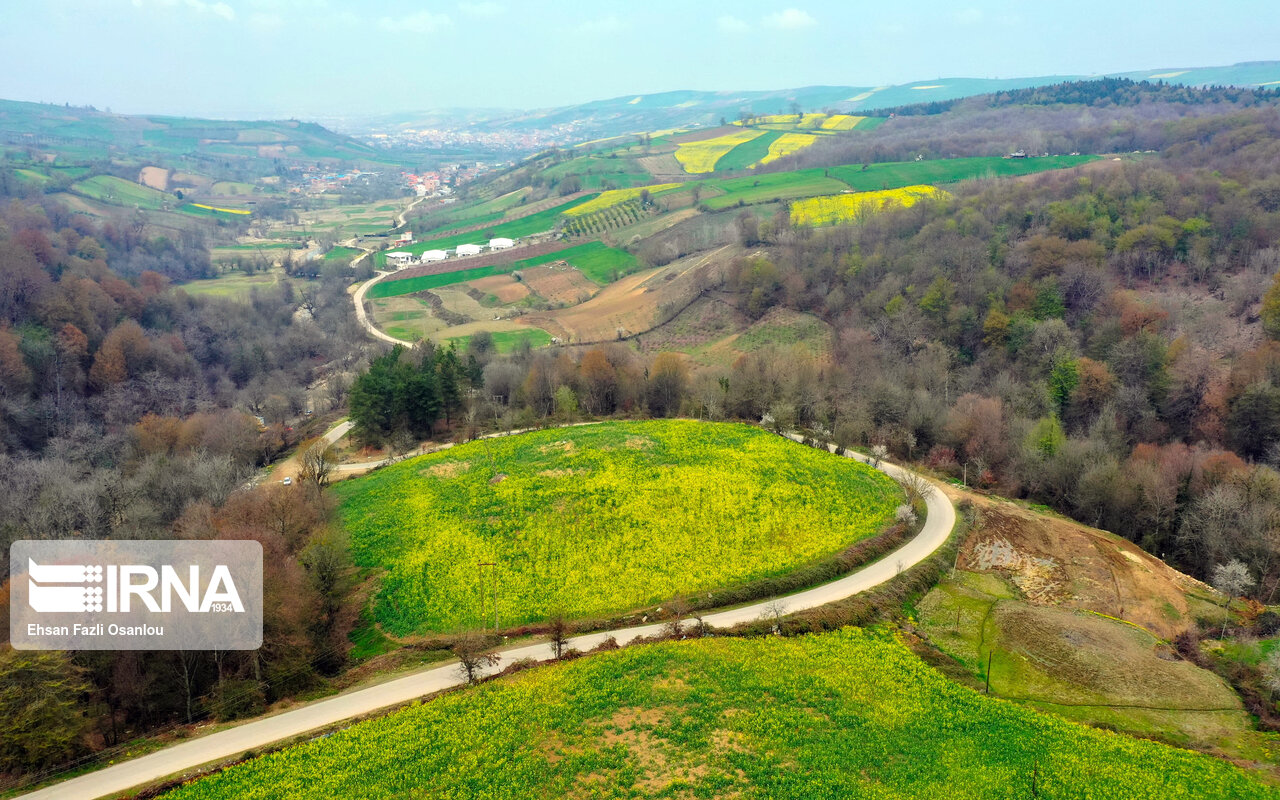
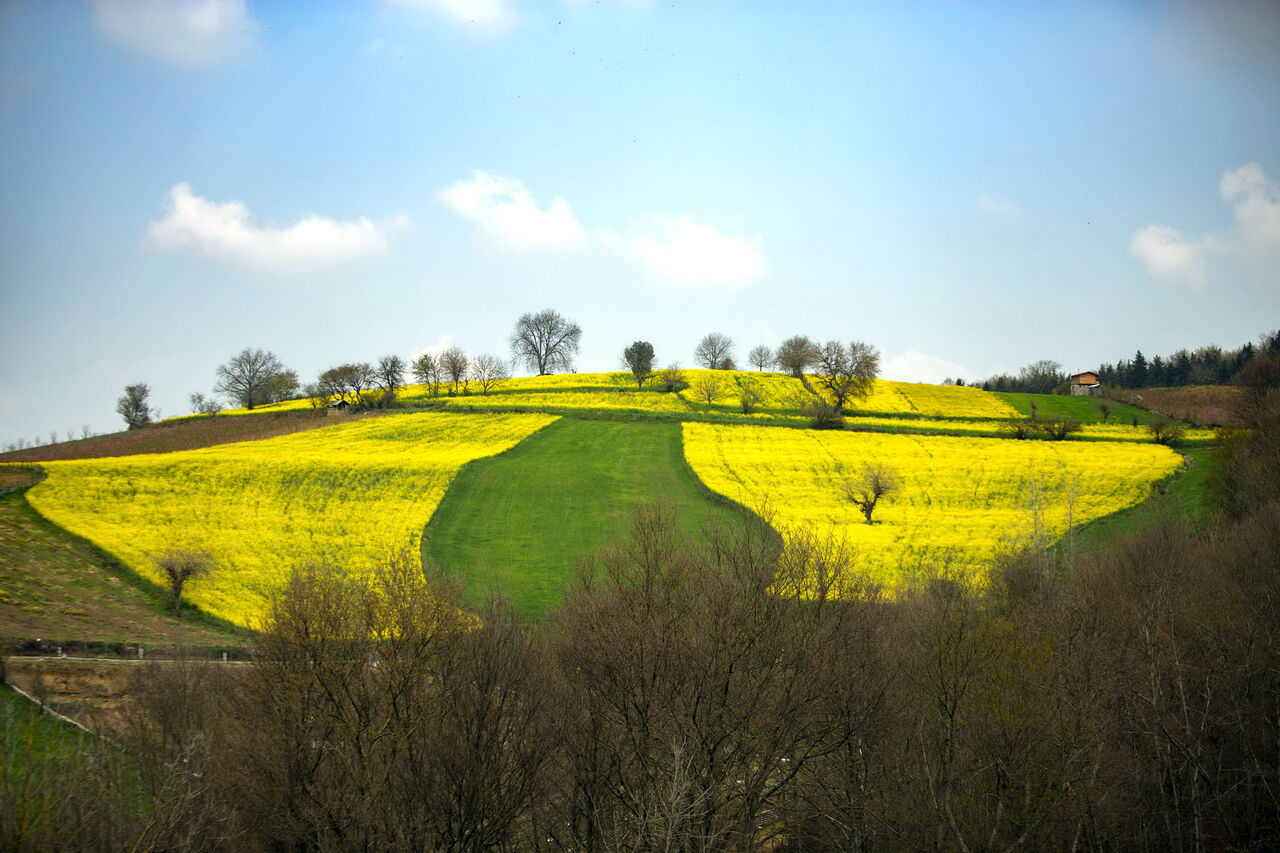
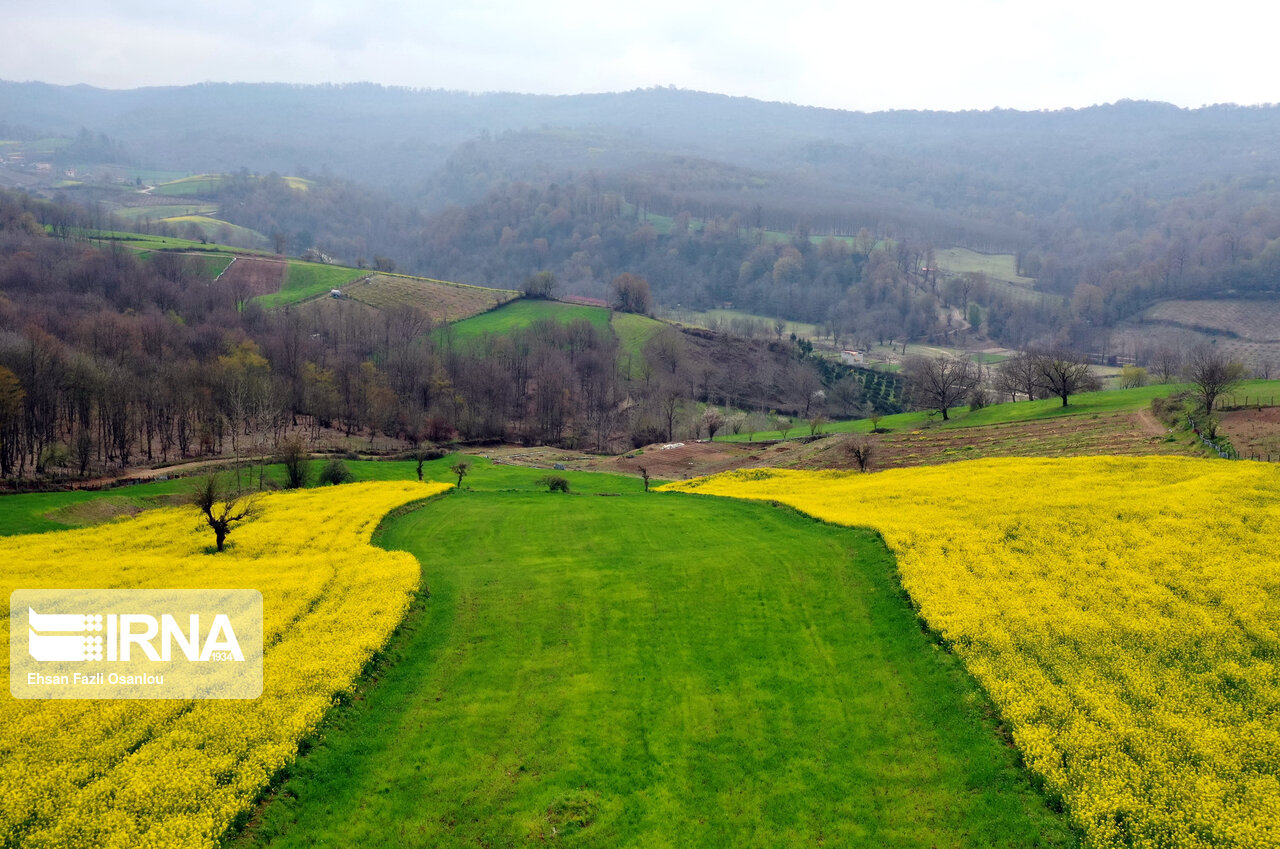
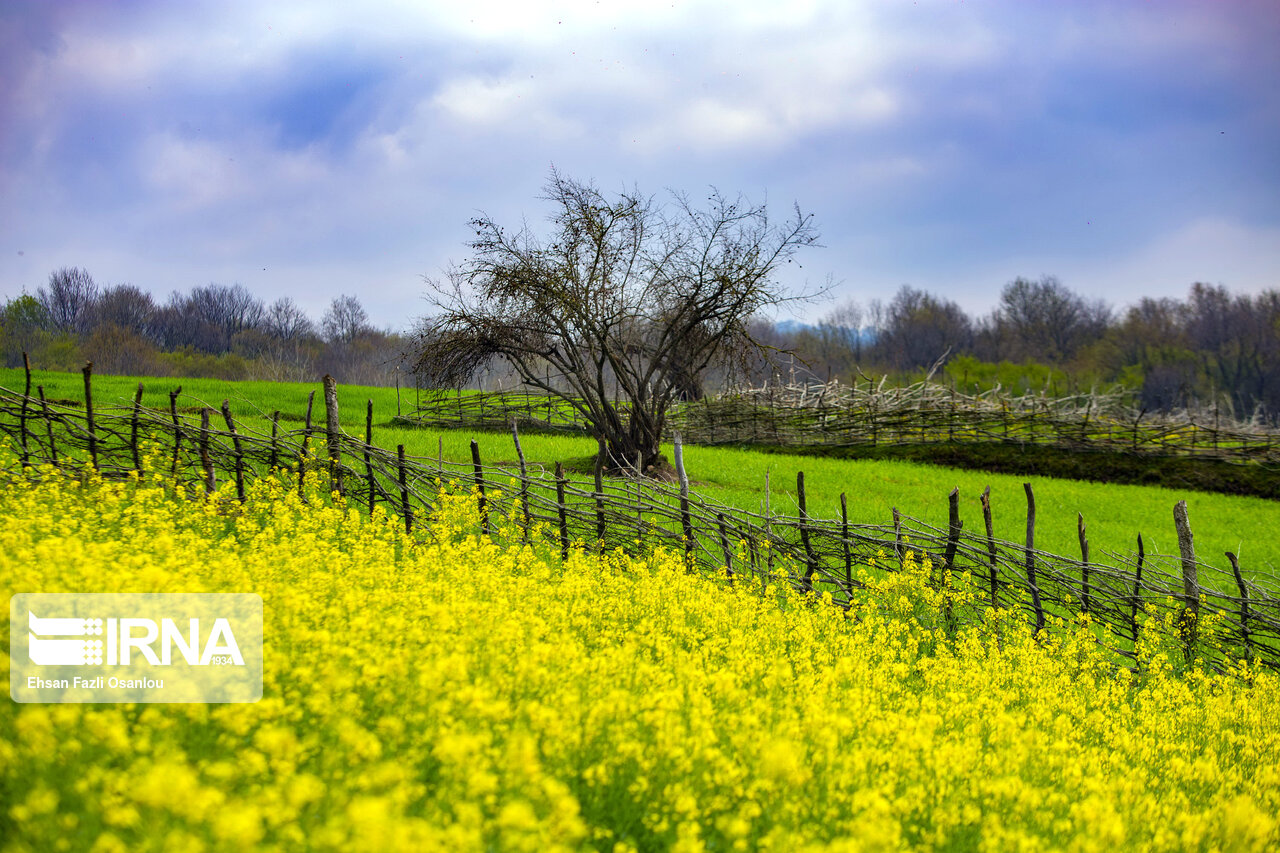
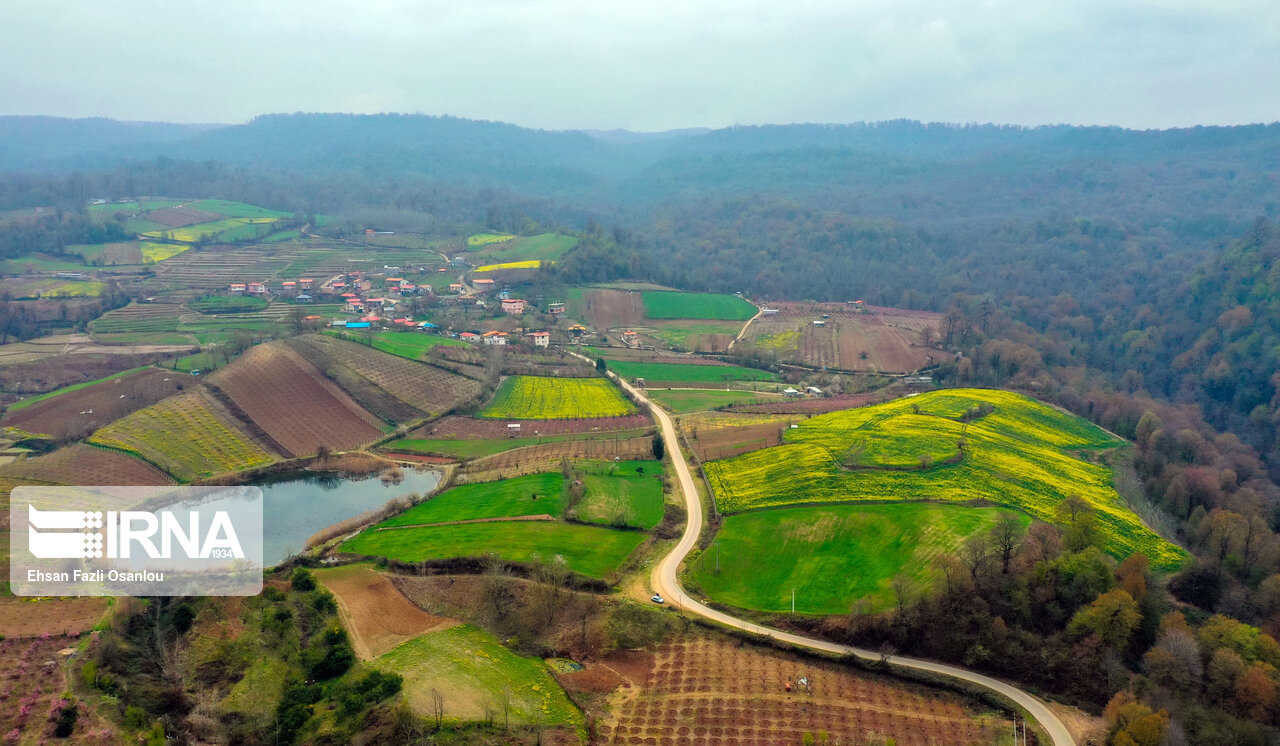
Mazandaran: A Province of Picturesque Landscapes, Scenic Beauty

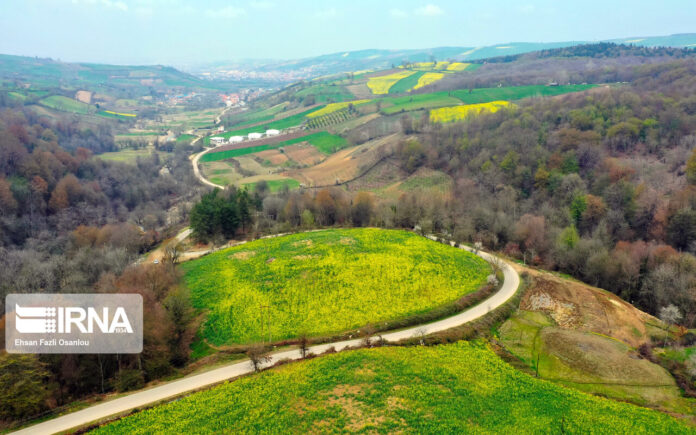
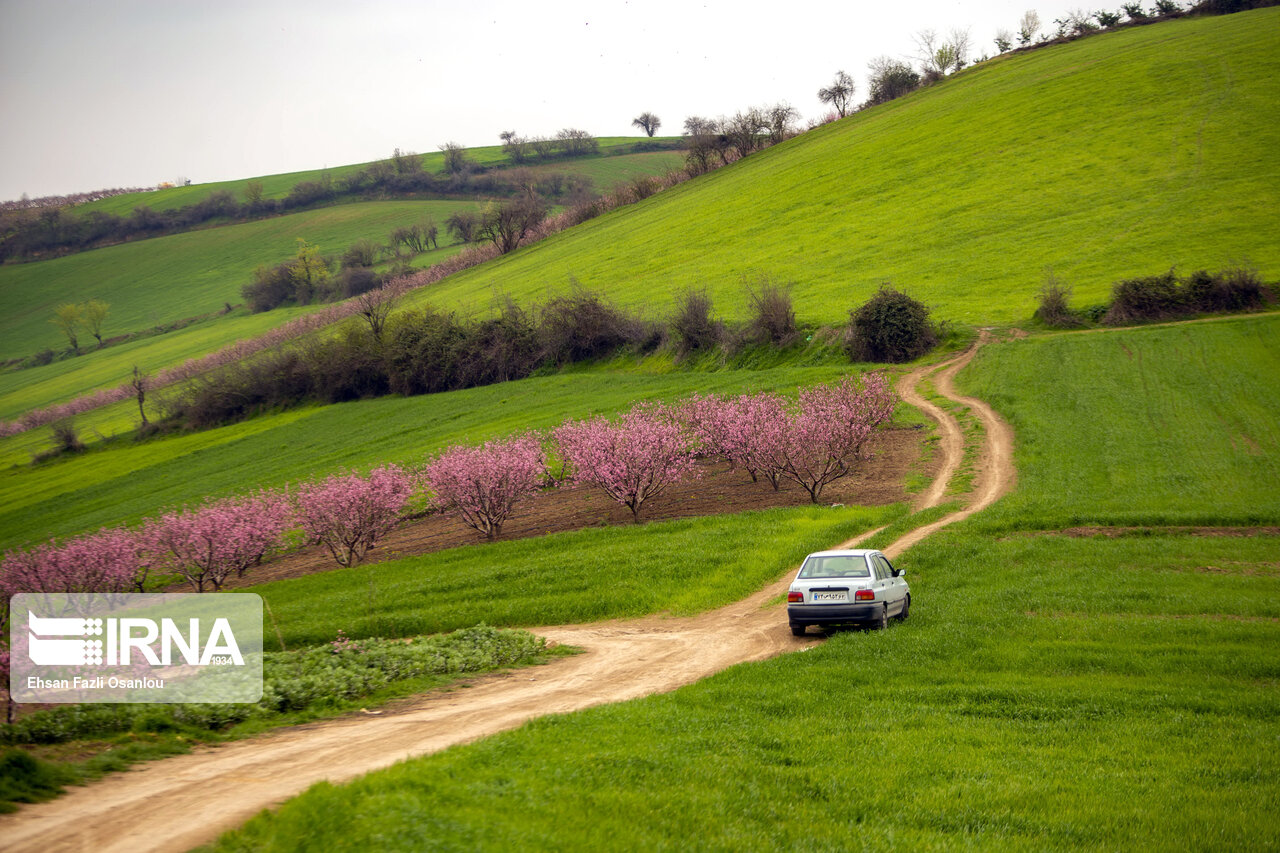
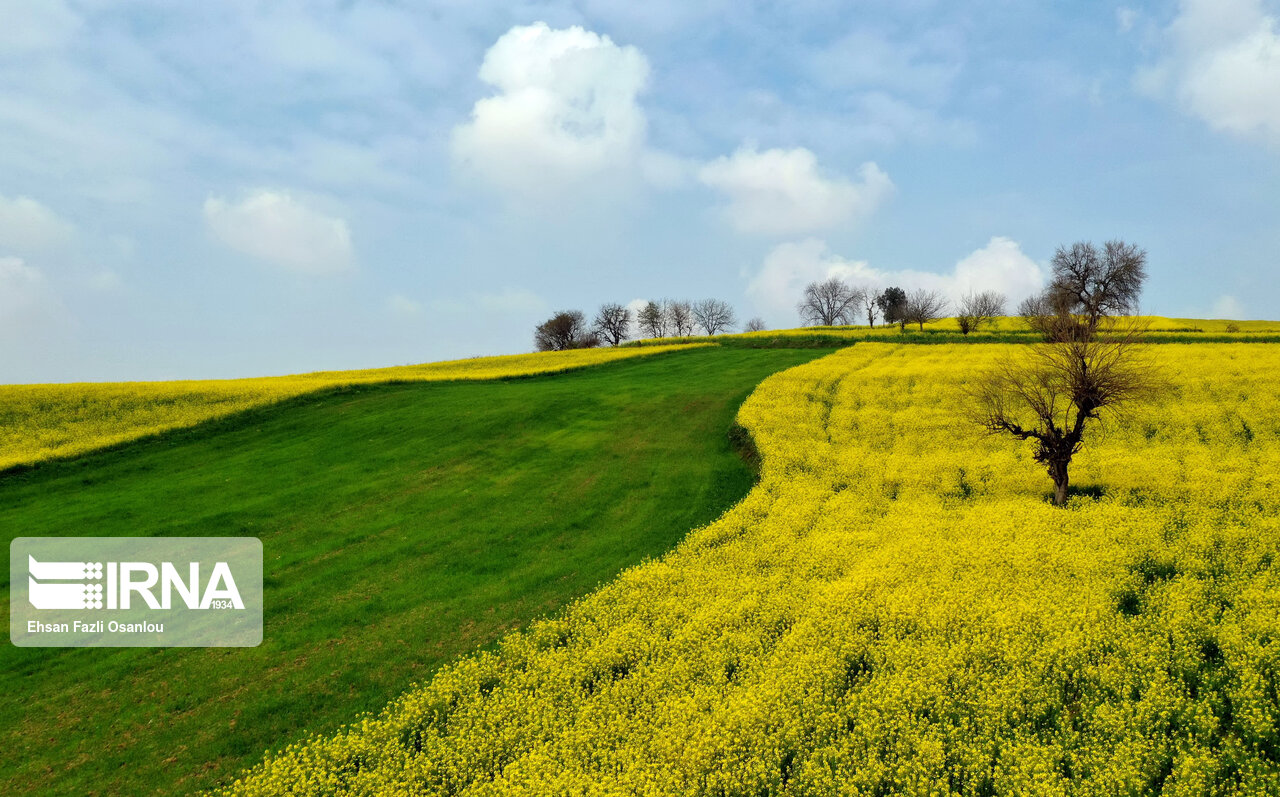
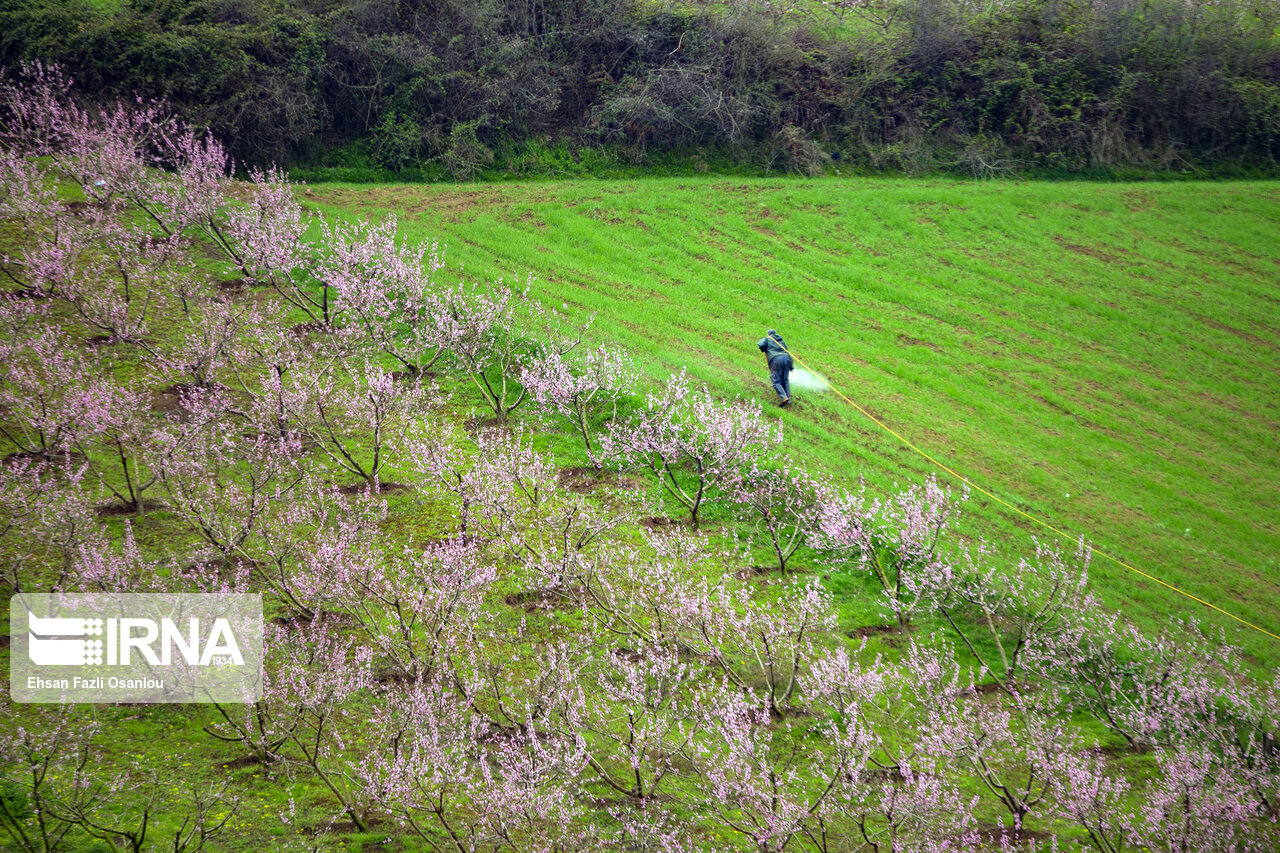
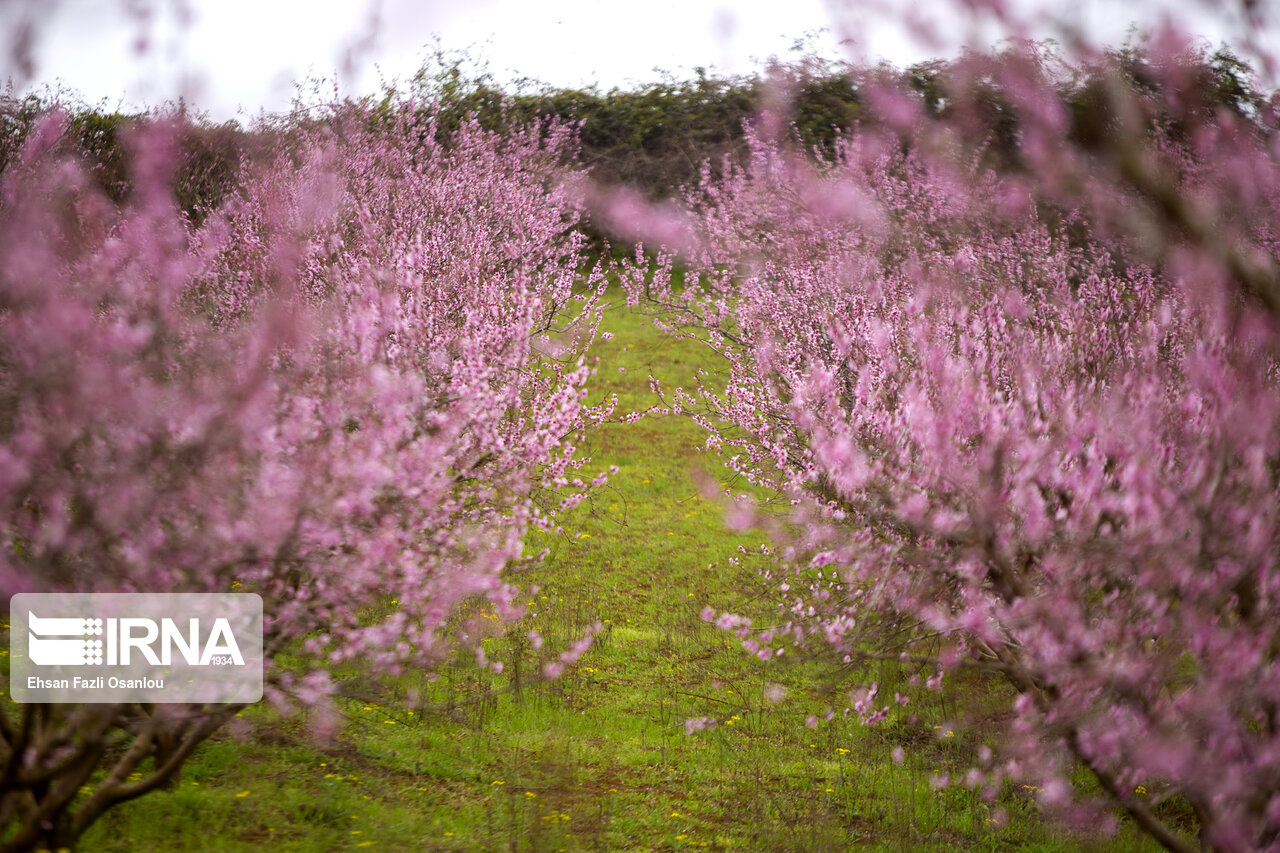
Orchards in the east of the province with peach and nectarine trees, among others, along with wheat, barley and rapeseed fields have made the scenic beauty of Mazandaran all the more spectacular.

What follows are IRNA’s photos of Mazandaran in spring:

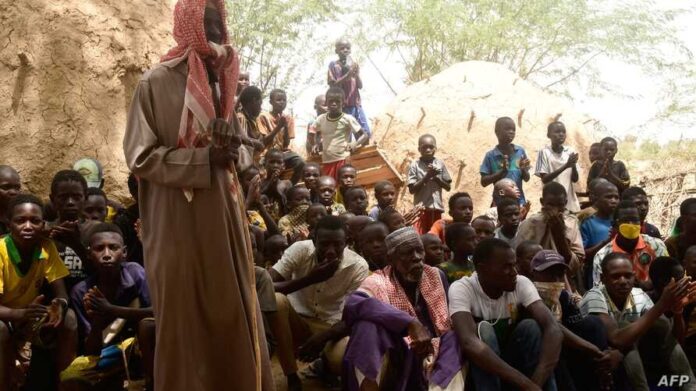
Iran Condemns Deadly Attack in Niger, Condoles with Survivors

In a statement on Friday night, Khatibzadeh also offered sympathy to the Nigerien nation and government, especially the victims’ survivors.

Gunmen on motorcycles attacked a group of civilians returning from market day in a volatile corner of Niger, leaving at least 58 people dead and then burning granaries to the ground, the government said Tuesday.

There was no immediate claim of responsibility for Monday’s massacres, though extremists belonging to the Islamic State in the Greater Sahara group are known to be active in the Tillaberi region where the villages were attacked.

The victims were returning home from a large livestock market in Banibangou, near Niger’s troubled border with Mali. The suspected extremists also destroyed nearby granaries that held valuable food stores.

The announcement was read on Niger state television Tuesday evening by government spokesman Abdourahmane Zakaria, who declared three days of national mourning for the victims.
Monday’s attacks underscore the enormous security challenges facing Niger’s new president, Mohamed Bazoum, who won the election in late February to succeed outgoing leader Mahamadou Issoufou.