Monday, April 27, 2026
Home Blog Page 240

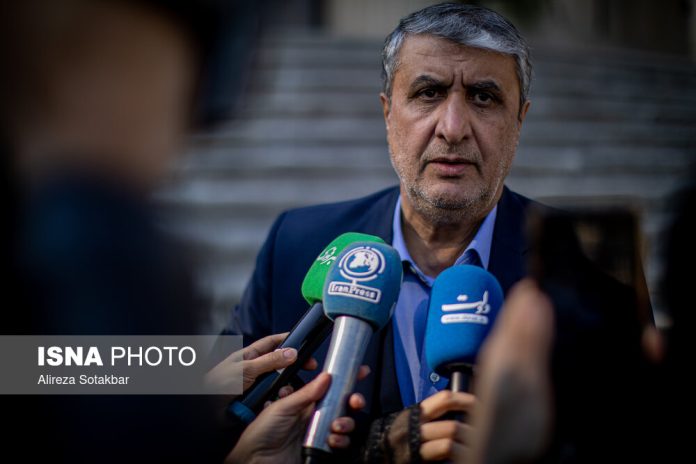
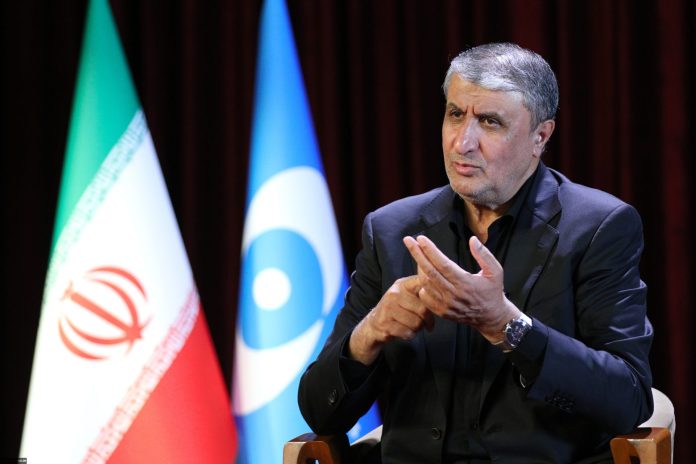
AEOI Chief: Nuclear power can resolve Iran’s energy imbalances

Mohammad Eslami

He emphasized the AEOI’s capacity to turn scientific knowledge into technology and consumer-ready products through an indigenous innovation cycle.

Describing the AEOI as a leading organization in domestic research and innovation, Eslami said the institution has matured into a reliable body capable of producing around 150 technological and scientific achievements annually.

He went on to say that in 2023, 156 new accomplishments were registered, including cutting-edge technologies in nuclear medicine, agriculture, and industry.

Eslami referred to the organization’s strategic roadmap unveiled in 2022, noting that its implementation has led to sustained progress. Highlighting recent advances, he said that during this year’s National Nuclear Technology Day, seven new nuclear achievements were unveiled—three of which are advanced radiopharmaceuticals on par with global standards.

Eslami stressed that these technologies are already improving public life and underscored nuclear power’s long-term strategic role in ensuring energy security and national development.

Russia and US conduct another prisoner swap

Moscow reportedly released Ksenia Karelina, a US-Russian dual national jailed over donations to a charity that supports the Ukrainian military, while Washington freed Arthur Petrov, a German-Russian citizen arrested for allegedly exporting sensitive microelectronics. Karelina’s lawyer confirmed her release to RIA Novosti.

The new exchange comes as Russian and US delegations have convened in Istanbul, Türkiye, for closed-door talks to discuss the normalization of bilateral relations, including removing obstacles to the operations of diplomatic missions.

Karelina, a 34-year-old ballet dancer, was sentenced to 12 years in prison for treason last year after she was found guilty of donating around $50 to a US-based charity supporting Ukraine. Petrov, 33, was arrested in Cyprus in 2023 at the request of the US, and was accused of smuggling, wire fraud, and money laundering.

The US Justice Department also said Petrov “allegedly participated in a scheme to procure US-sourced microelectronics subject to US export controls” which were intended for the Russian military.

“Today, [US President Donald] Trump brought home another wrongfully detained American from Russia,” CIA Director John Ratcliffe said in a statement to the WSJ.

“I’m proud of the CIA officers who worked tirelessly to support this effort, and we appreciate the government of UAE for enabling the exchange.”

A CIA spokeswoman was as quoted by the WSJ as stating that “the exchange shows the importance of keeping lines of communication open with Russia, despite the deep challenges in our bilateral relationship.” She added that while Washington is “disappointed that other Americans remain wrongfully detained in Russia, we see this exchange as a positive step and will continue to work for their release.”

The previous prisoner swap between the two countries took place in February, when Moscow released Marc Fogel, a former employee of the US embassy in Russia and teacher at an Anglo-American school in Moscow, who was arrested for possessing marijuana and hashish oil. In exchange, the US released Russian crypto businessman and computer programmer Aleksandr Vinnik, who was accused of hacking, fraud, and money laundering.

Hamas launches legal challenge against UK terror designation: MEE

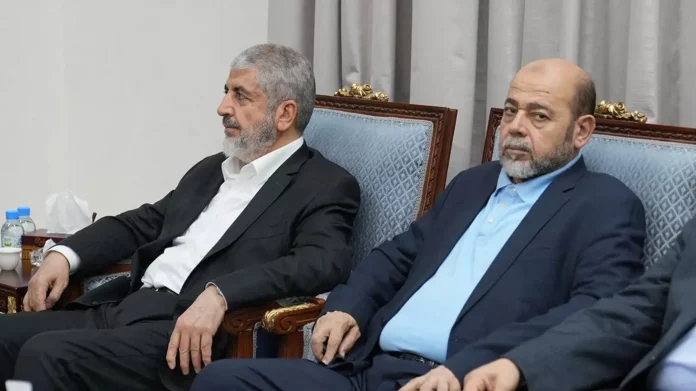
Legal papers seen by MEE show that Mousa Abu Marzouk, the head of Hamas’ foreign relations office, instructed lawyers to appeal a controversial decision by former UK Home Secretary Priti Patel to proscribe the group in its entirety.

Hamas’ military wing, the Qassam Brigades, was proscribed by the UK more than two decades ago, but Patel decided to extend the ban to the whole organisation, arguing there was no longer a distinction between the political and military wings of the group.

Fahad Ansari, the director of Riverway Law, which is leading the challenge; Daniel Grutters, a barrister at One Pump Court Chambers and Franck Magennis, a barrister at Garden Court Chambers, submitted a 106-page application to Home Secretary Yvette Cooper on Wednesday which claimed the 2021 decision “pursued explicitly political objectives by a politically compromised Secretary of State”.

The lawyers involved in the case stressed that Hamas did not pay them or the experts and lawyers who provided evidence for its submission, as it is illegal to receive funds from a group designated as a terrorist organisation.

In Wednesday’s legal submission, Hamas said the proscription hindered the group’s ability to broker a political solution to the conflict, stifled conversations in securing a long-term political settlement and criminalised ordinary Palestinians residing in Gaza.

Using the example of the African National Congress (ANC) in South Africa and the Irish Republican Army (IRA) in Northern Ireland, the application “asserts that proscription undermines the possibility of a peaceful settlement”.

The group also argued that the prescription infringes fundamental rights and has a disproportionate impact on freedom of speech, freedom of assembly and open debate and political expression, which is creating a chilling effect on academia, journalism and public discourse on Israel’s actions in Palestine.

Proscribing a group as a terrorist organisation under Britain’s Terrorism Act automatically creates several criminal offences for anyone who is a group member, wears or publishes the group’s symbols, expresses or invites support for the group, or organises a meeting in support of it.

“Hamas does not deny that its actions fall within the wide definition of ‘terrorism’ under the Terrorism Act 2000. Instead, it notes that the definition also covers all groups and organisations around the world that use violence to achieve political objectives, including the Israeli armed forces, the Ukrainian Army and, indeed, the British armed forces,” Hamas announced in its legal submission.

“Of course, not all such groups are proscribed as ultimately that is a question of discretion for the Secretary of State… Transition to a political process is hindered by the terrorism label, as talking with terrorists is a taboo,” it added.

The group also noted that the proscription impacts the delivery of humanitarian aid into the Gaza Strip, as any form of assistance can be labelled “terrorism” if it is “seen as supporting a group that has been labelled a terrorist [organisation].”

“There is an urgent need for honest, intelligent, and nuanced conversations about the situation in Palestine,” said Grutters, one of the three barristers.

“Regardless of your opinion on Hamas, a policy which has the effect of stifling discussion is unhelpful and acts as a substantial hurdle to reaching a long-term political settlement.”

The home secretary has 90 days to respond to Hamas’ application. Under section 4 of the Terrorism Act, any group proscribed as a terrorist organisation can appeal to remove its name from the government’s list of banned organisations.

Cooper also has the discretion to add or remove any group engaged in armed conflict from the list of proscribed organisations.

If the home secretary rejects the application, Hamas could launch an appeal to the Proscribed Organisations Appeal Commission, where the decision can be challenged on judicial review grounds.

Official: Iran loses $140 million daily to fuel smuggling as tracking systems fail

Iran fuel station

The staggering losses, revealed during a government economic panel, could theoretically provide every Iranian citizen with 4 million tomans in annual subsidies if recovered.

The figures emerged as officials reviewed the failed implementation of Iran’s SIPAD and SEPHTAN fuel monitoring systems, approved in 2014 but still not fully operational over a decade later.

Jafar Jamili, deputy of traffic safety at Iran’s Road Maintenance and Transportation Organization, acknowledged technical and security issues have prevented proper installation, with only 110,000 of 320,000 vehicles currently equipped with the tracking devices.

Energy experts estimate total annual losses from fuel smuggling and diversion at 9 billion, including 450-500 million liters of diesel smuggled each year.

Officials have pledged to revive the tracking systems while calling for fuel price liberalization and consolidation of vehicle monitoring programs to curb losses that now represent a significant drain on Iran’s sanctioned economy.

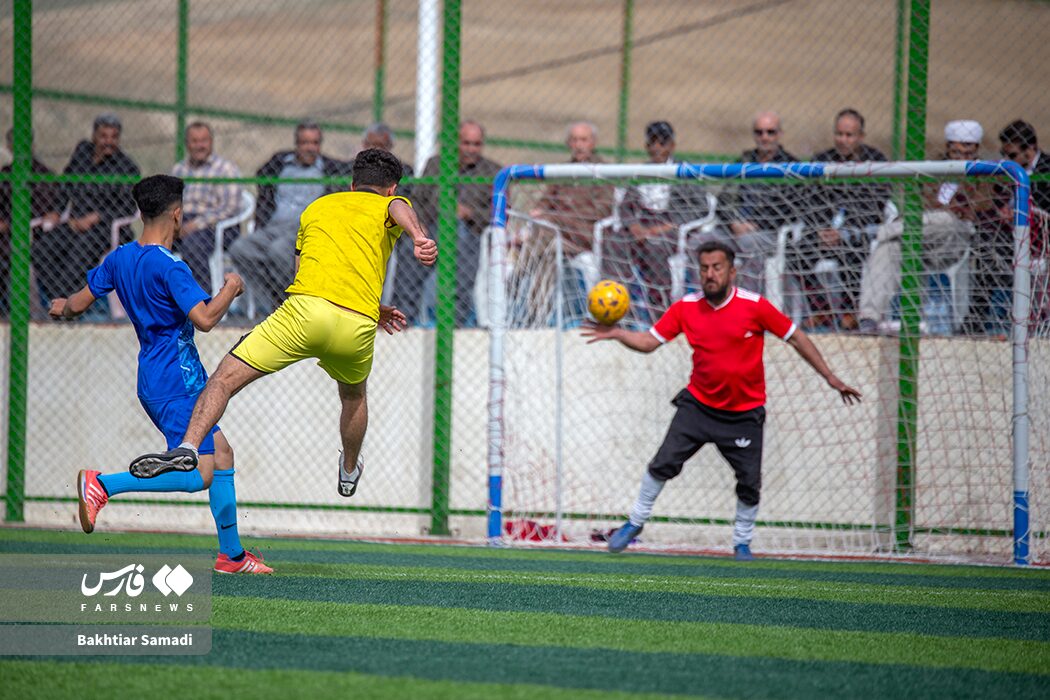
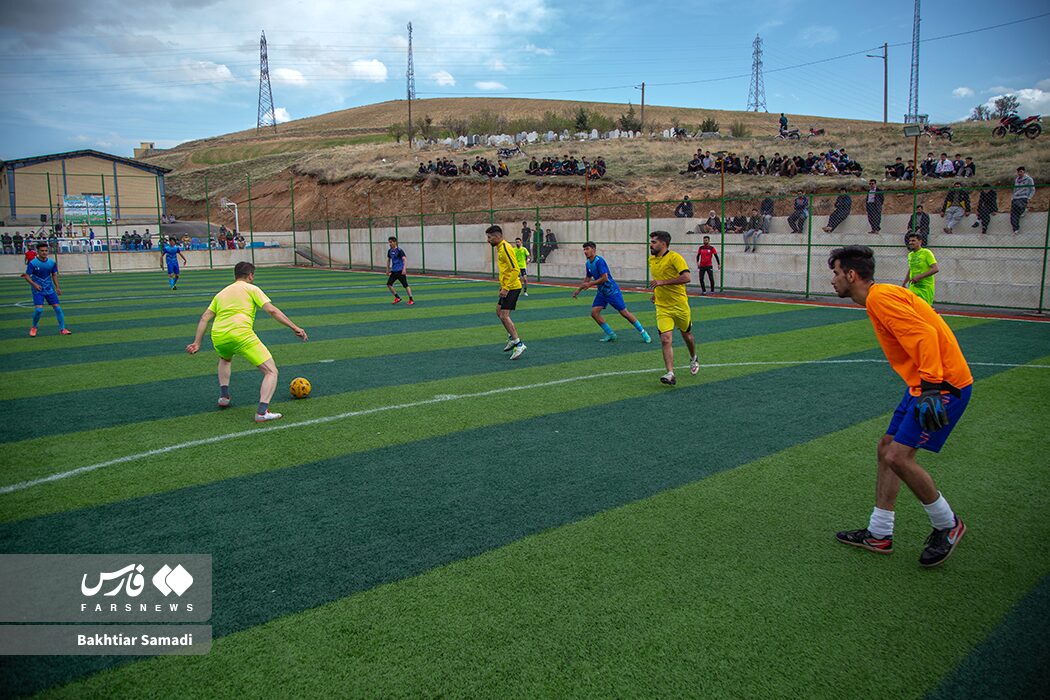
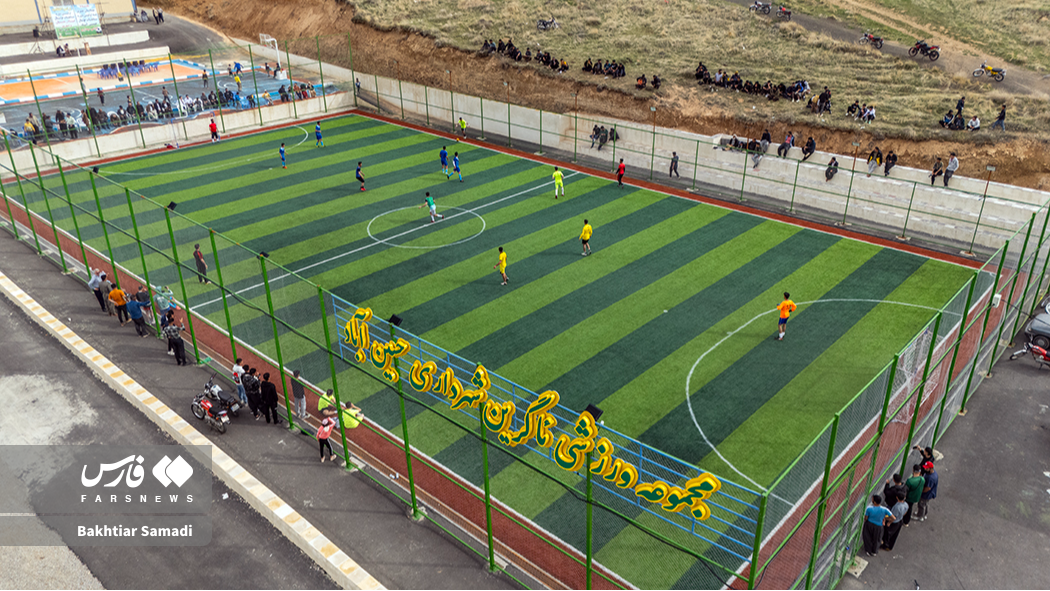
A football oasis in nature’s crown in Iran’s Kordestan

Surrounded by rugged, mountainous terrain, this field stands out as one of the most extraordinary sports grounds set amidst breathtaking natural beauty.

This rare blend of modern sports infrastructure and untouched wilderness continues to attract attention, shining as an example of how sports and nature can coexist harmoniously.

More in pictures:

Kazan becomes Isfahan’s 16th sister city in historic ceremony

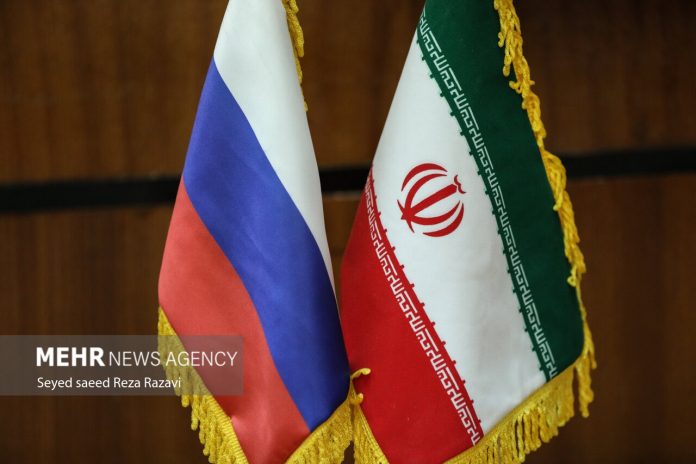
Iran Russia Flags

Isfahan Mayor Ali Ghasemzadeh and Kazan Mayor Ilsur Metshin inked the agreement to strengthen cultural and economic ties between the two historic cities.

Isfahan and Kazan share remarkable similarities as regional cultural capitals, both renowned for their stunning Islamic architecture, diverse ethnic populations, and status as important university centers.

Kazan, the capital of the Russian Republic of Tatarstan with 1.2 million residents, is twinned with 68 cities from various countries around the world, among which three cities—Samarkand (Uzbekistan), Xi’an (China), and Saint Petersburg (Russia)—are also sister cities of Isfahan.

The partnership focuses on promoting cultural exchanges, tourism development and sustainable urban initiatives between the two historic centers.

The choice of venue for the signing ceremony – the 17th century Safavid-era Chehel Sotoun Palace – underscores both cities’ commitment to preserving their shared architectural heritage.

Isfahan was designated as the 2025 tourism capital of Asia, potentially opening new avenues for cultural and academic exchanges between Iran and Russia.

Official links undocumented Afghans to tuberculosis spread in Iran, announces border crackdown

Iran-Afghanistan border crossing

The comments by Ali Akbar Pour-Jamshidian follow recent health ministry reports about disease control challenges posed by uncontrolled border crossings.

Pour-Jamshidian confirmed that irregular migration complicates disease surveillance, particularly for TB, as migrants bypass medical screening.

While stating that repatriation of 2 million undocumented Afghans remains a priority, the official admitted lacking current deportation statistics.

He said Iran is installing smart surveillance systems, traffic cameras and violation tracking at borders to monitor crossings, especially for Arbaeen pilgrimage in Iraq in August.

Pour-Jamshidian announced plans to facilitate transit for legal pilgrims from Afghanistan, Pakistan and other neighbors during Arbaeen, when Iran serves as a transit route for pilgrims from the eastern neighbors to Iraq.

Iran hosts over 10 million Afghans, according to unofficial figures, which is a huge burden on the country’s resources.

According to official data, the TB rate among Afghans in Iran is reportedly three times higher than host communities.

Poll shows majority of Americans hold unfavourable view of Israel amid Gaza war

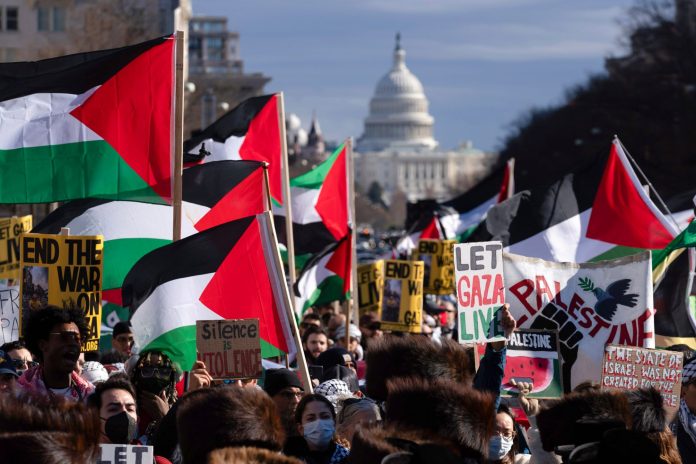
Gaza Rally

According to a Pew Research poll published on Tuesday, 53 percent of Americans now express an unfavourable opinion of Israel, up from 42 percent in March 2022 – before the 7 October 2023 Hamas-led attack on southern Israel and Israel’s decimation of the enclave.

Democrats are still more likely than Republicans to express a negative opinion of Israel by 69 percent to 37 percent, respectively. But the number of Republicans who hold negative opinions on Israel has increased 10 percentage points since 2022.

Young Republicans, those under the age of 50, especially, are now more likely to have an unfavourable view of Israel, with 50 percent polling in that direction. That gap underscores the rise of popular alternative conservative media voices like Candice Owens and Tucker Carlson, who have become more open to challenging Israel.

Among Democrats, those with a negative view of Israel has also grown. The 69 percent of Democrats with that view marks a 16 percent increase since 2022, when 53 percent of Democrats viewed Israel unfavourably.

A majority of Americans across every demographic on both sides, with the exception of Republicans aged 18-49, agree that Israel’s war on Gaza was both “personally” important to them and US interests.

Jewish Americans have been moving away from Israel in recent years. This trend picked up over domestic differences within Israel over the Supreme Court but has been turbocharged since the war in Gaza erupted. However, at least 73 percent of Jewish Americans still hold a favourable view of Israel.

After them, White evangelicals hold the highest favourable view of Israel at 72 percent. Notably, more White Protestants and Catholics now hold unfavourable views of Israel at 50 percent and 53 percent, respectively.

Muslim Americans hold the strongest unfavourable views of Israel, with 81 percent against and just 19 percent viewing Israel favourably.

The poll was conducted just before Israeli Prime Minister Benjamin Netanyahu visited the White House earlier this week. His trip came amid rising tensions between the US, Israel and Iran, and with a Gaza ceasefire process that is stalled as Israel continues to pummel the Gaza Strip.

US President Donald Trump’s handling of Israel’s war on Gaza garnered mixed results among those polled, with 31 percent saying he is favouring the Israelis too much and 29 percent saying he’s striking the right balance. Just three percent said he was favouring Palestinians too much, with the highest chunk of respondents, 37 percent, saying they were unsure.

More than half of Americans think that a two-state solution “cannot be found for Israel and an independent Palestinian state to co-exist peacefully”, while 46 percent still think it can be done.

Trump also reiterated his previous plan to “take over” the Gaza Strip during his meeting with Netanyahu, an idea that 36 percent of Americans think Trump will not pursue, according to the Pew poll.

Polling showed the idea is unpopular with Americans, with 62 percent opposing the US “taking over Gaza”, including 49 percent who strongly oppose it. Just 15 percent support the plan.

Trump also announced during Netanyahu’s visit that the US would begin “direct talks” with Iran on a nuclear deal on Saturday. Tehran says the talks will be indirect.

Netanyahu is seen as an advocate for military strikes on Iran. One of Trump’s top advocates in the US media, conservative podcaster Carlson, wrote ahead of Netanyahu’s visit how “now is the worst possible time for the United States to participate in a military strike on Iran”.

“We can’t afford it. Thousands of Americans would die. We’d lose the war that follows. Nothing would be more destructive to our country,” he said.

According to the survey, a slim majority of Americans, 52 percent, have little or no confidence in Netanyahu to “do the right thing regarding world affairs”.

Among Jewish Americans, 53 percent have little to no confidence in Netanyahu.

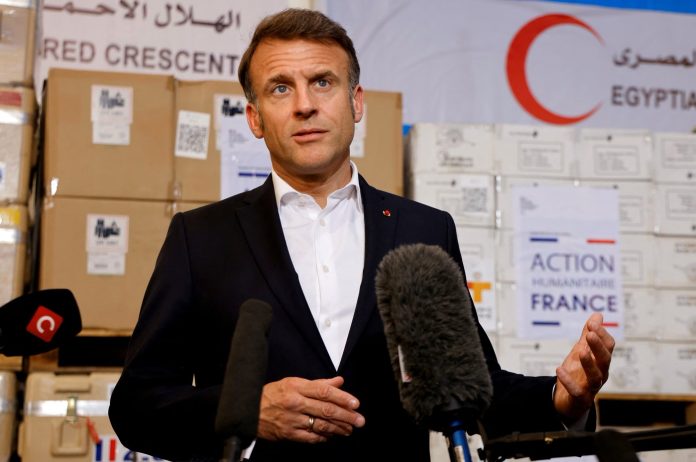
France could recognise Palestinian state within months: Macron

“We need to move towards recognition (of a Palestinian state). And so over the next few months, we will. I’m not doing it to please anyone. I’ll do it because at some point it will be right,” he said during a interview on France 5 television.

“And because I also want to take part in a collective dynamic that should also enable those who defend Palestine to recognise Israel in their turn, something that many of them are not doing.”

Even though Palestine has been recognized as a sovereign state by almost 150 countries, most major Western powers have not, including the United States, Britain, France, Germany and Japan.

Among countries that do not recognize Israel are Saudi Arabia, Iran, Iraq, Syria and Yemen.

“Our objective is somewhere in June, with Saudi Arabia, to chair this conference where we could finalise the movement towards reciprocal recognition by several countries,” Macron added.

Iran touts nuclear progress amid tensions with West, confirms IAEA chief’s visit

Mohammad Eslami

Eslami, who also serves as vice president, stated that Iran has entered the “third phase” of nuclear development, achieving industrial-scale uranium enrichment and mastering the full nuclear fuel cycle.

He said over the past three years, the country has recorded 150 nuclear-related achievements, including expanded enrichment capabilities, with indigenous centrifuge production now operating at an industrial level.

Breakthroughs were also made in radiopharmaceuticals, including three new cancer-treatment drugs that Eslami pointed out are among the world’s first.

He also said Iran remains committed to its long-term goal of 20,000 megawatts of nuclear power capacity by 2041, with the Bushehr plant already generating 7 billion kilowatt-hours annually.

Eslami confirmed that IAEA Director General Rafael Grossi will visit Tehran later this month, though the agenda remains unsettled.

He stressed that 120 IAEA inspectors are currently approved to monitor Iran’s nuclear sites, calling their access “unprecedented in scope.”

However, he said that the West is distorting IAEA reports for political leverage, particularly as the tenth year of the JCPOA nuclear accord approaches, when nuclear-related UN sanctions are set to expire under the deal’s terms.

As for the nuclear talks between Iran and the US scheduled for Saturday, the nuclear chief dismissed demands for zero enrichment as a ‘joke’ and rejected any comparison to Libya’s disarmament model, vowing Iran would never dismantle its nuclear infrastructure.