
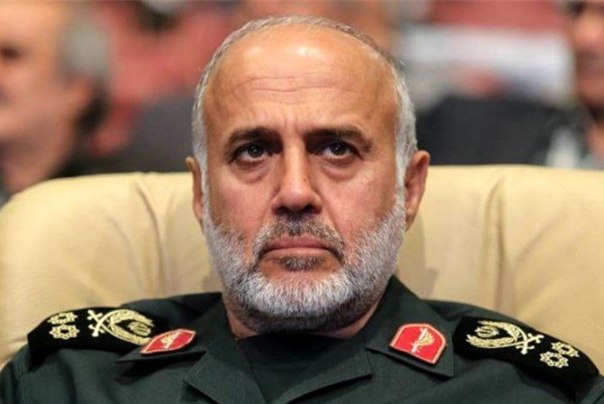
According to Nour News website that is close to Iran’s Supreme National Security Council, Commander of the Khatam-al Anbiya Central Headquarters Major General Gholam Ali Rashid issued the warning on Monday during military drills by the Islamic Revolution Guards Corps.
“Any threat against the nuclear and military sites of the Islamic Republic by the Zionist regime is impossible without a green light by the US and its support,” he said.
“If such threats are materialized, the armed forces of the Islamic Republic of Iran will not hesitate and will launch crushing attacks on all centers, bases, the routes and the airspace used for passage in the attacks as well as the source of the attacks based on previously exercised operational plans.”
His comments come after the Israeli minister of military affairs said in September that the regime is preparing a strike on Iran. American and other Israeli officials have also made similar suggestions over the past months even as Iran engaged in the Vienna talks on revival of the 2015 nuclear deal.
Iran warning: Crushing response to Israel attack on nuclear sites
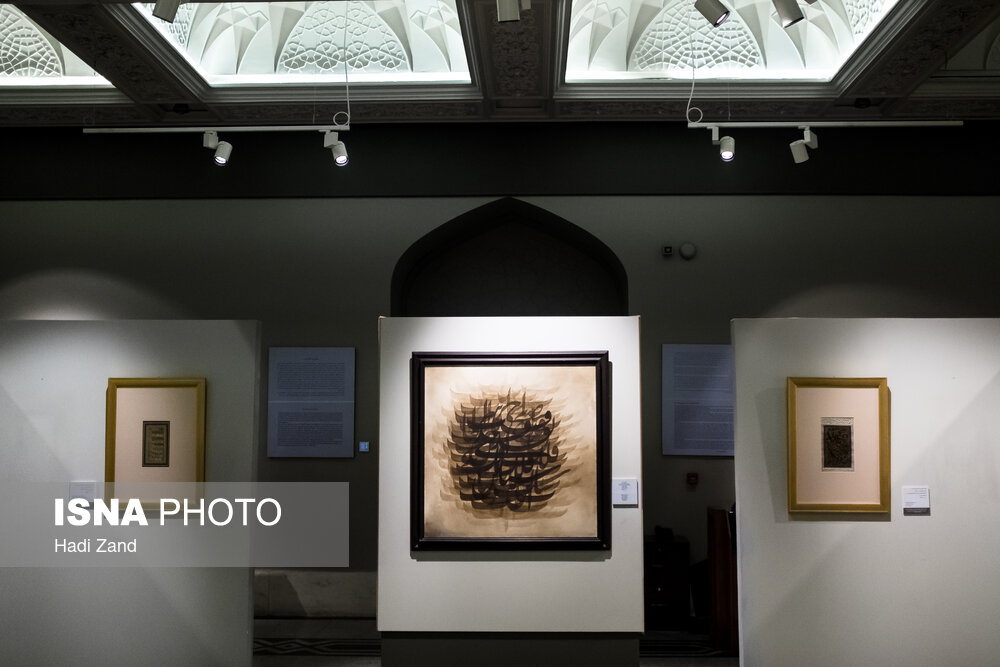
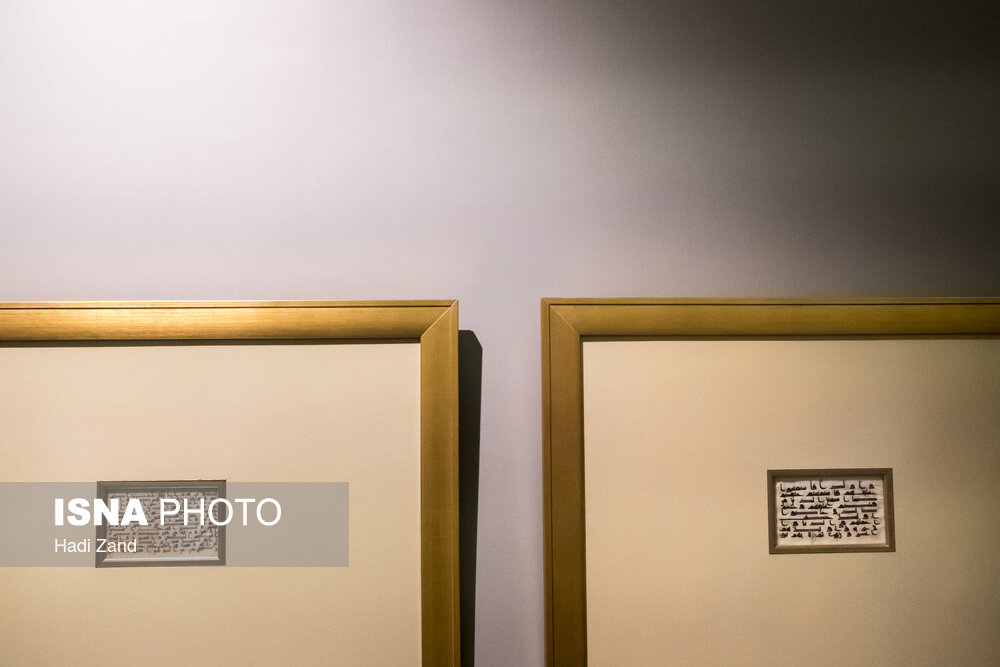
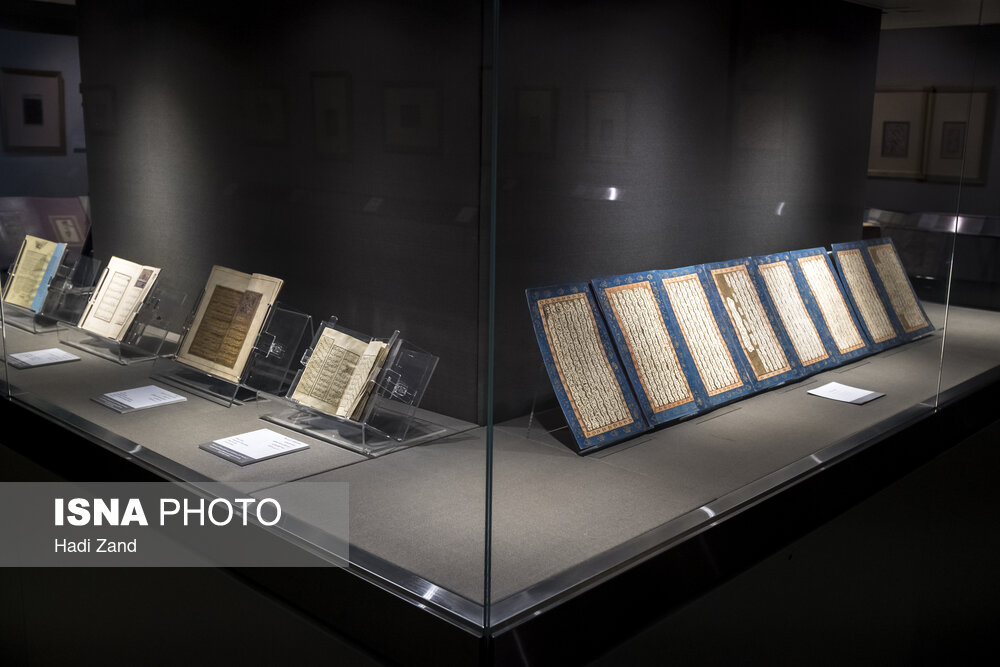
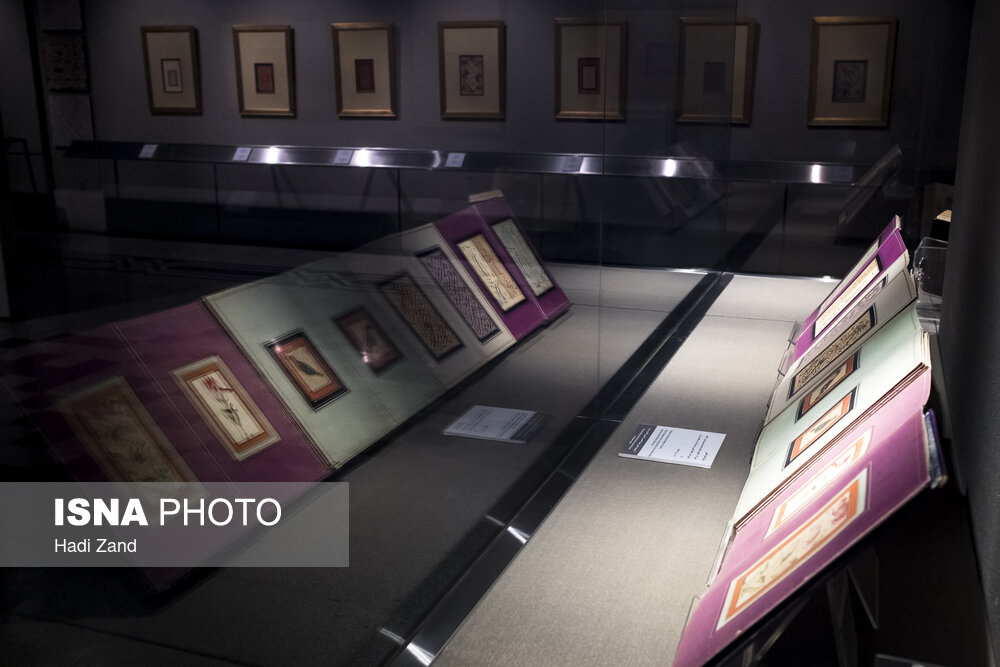
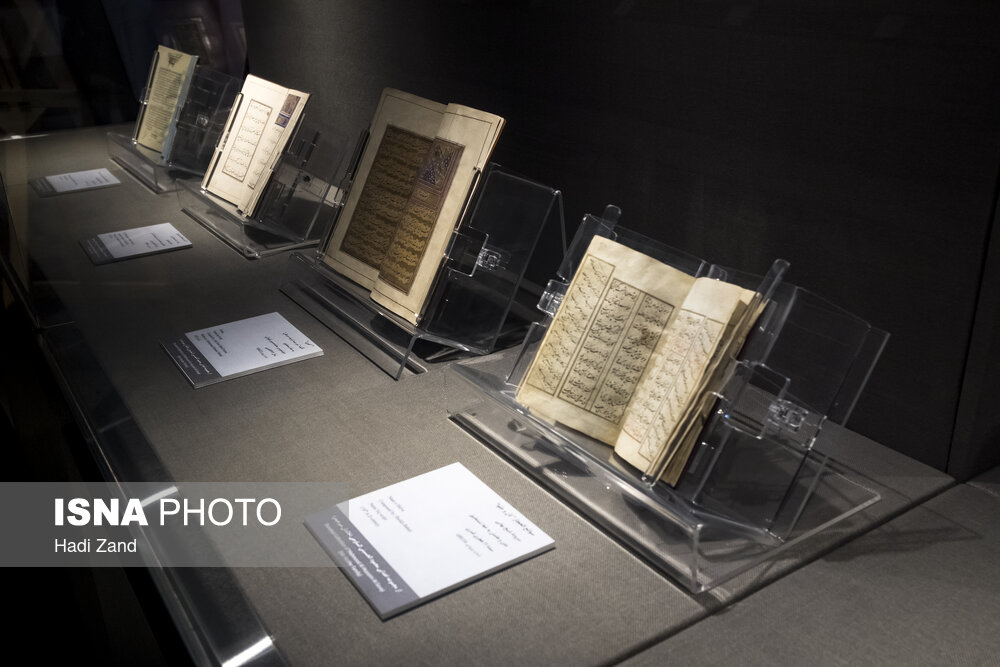
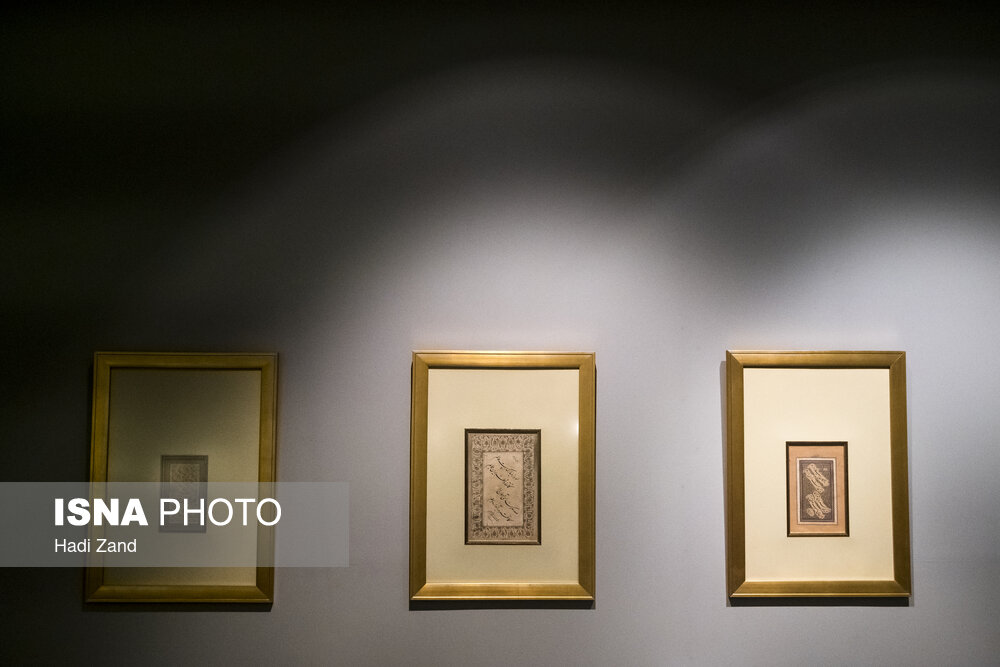
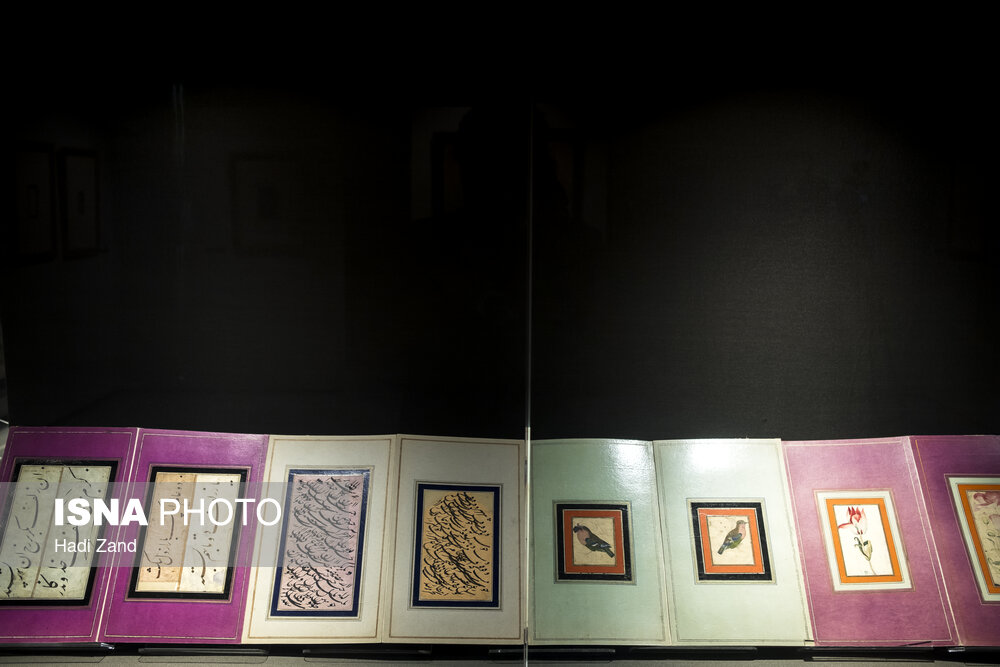
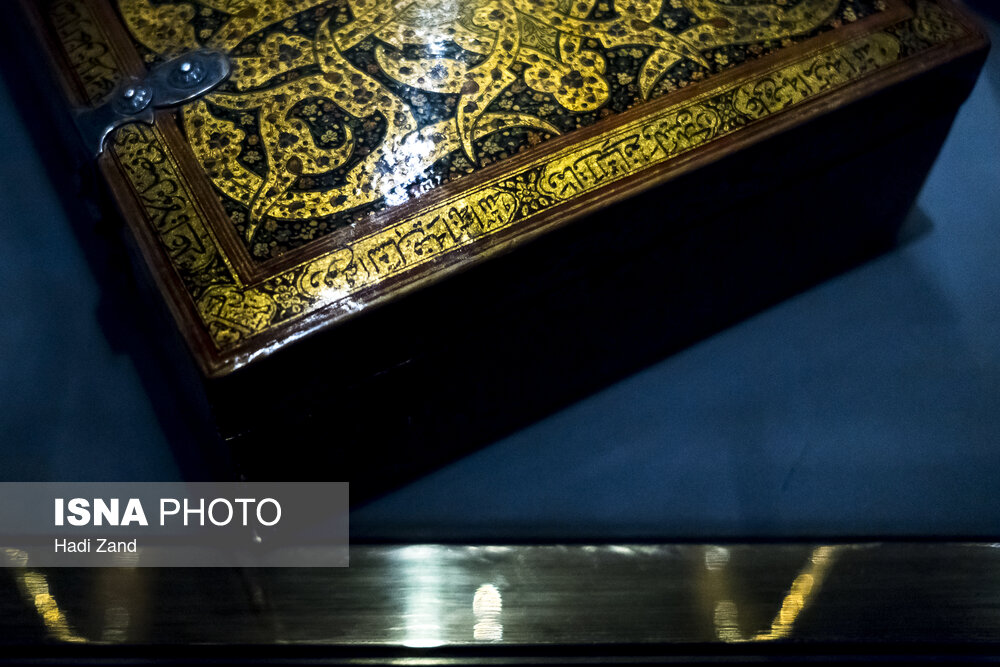
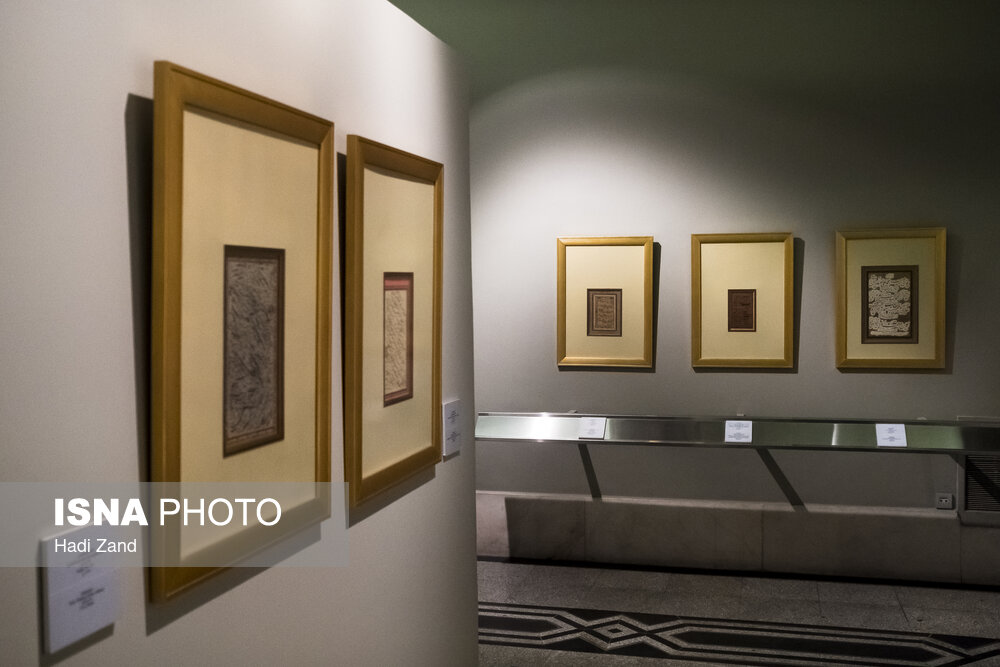
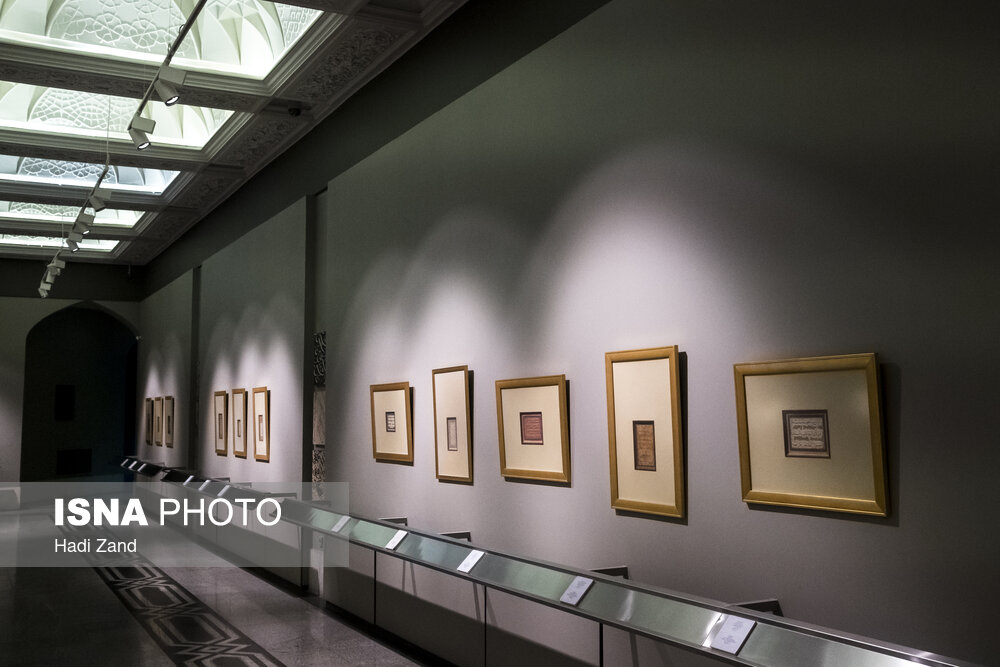
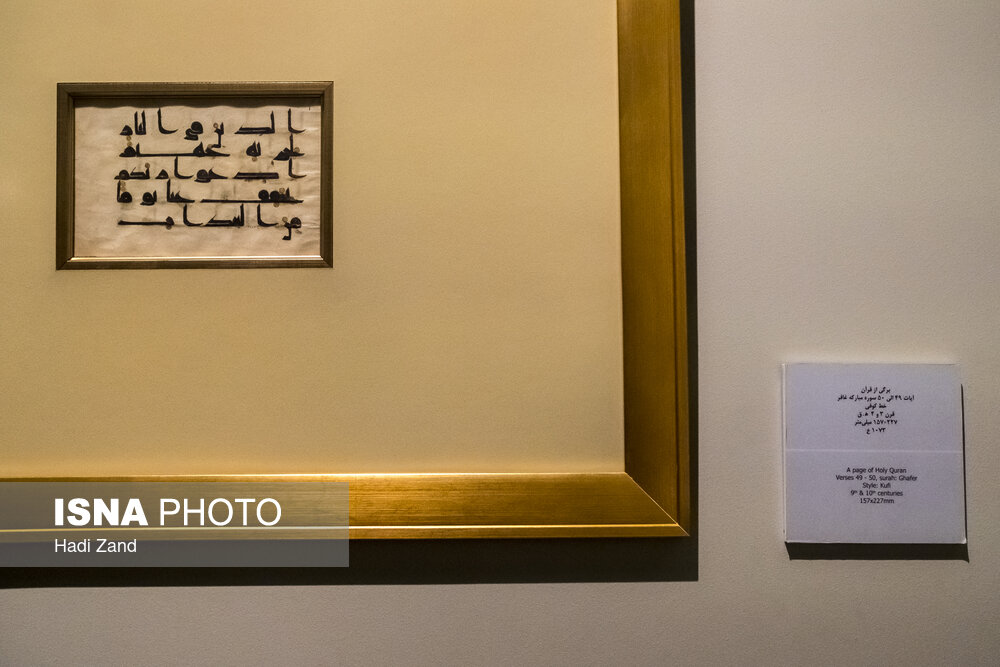
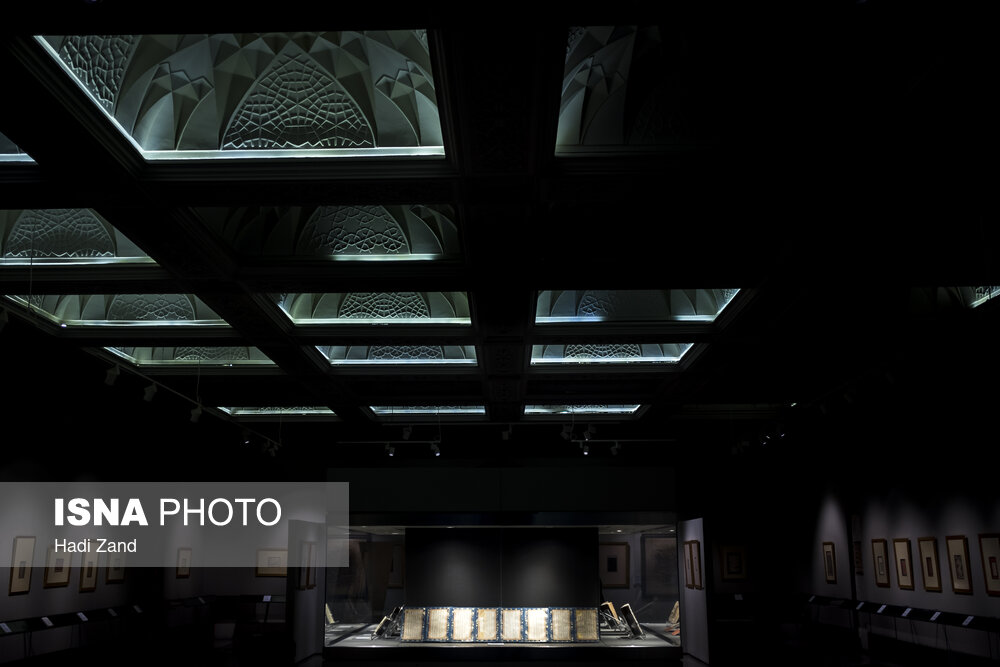
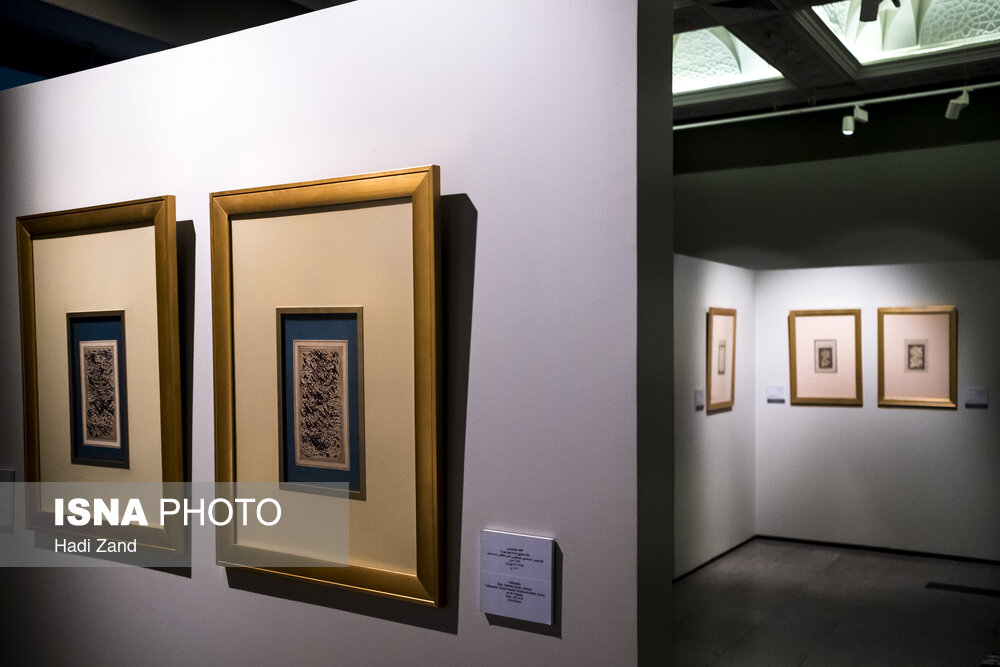
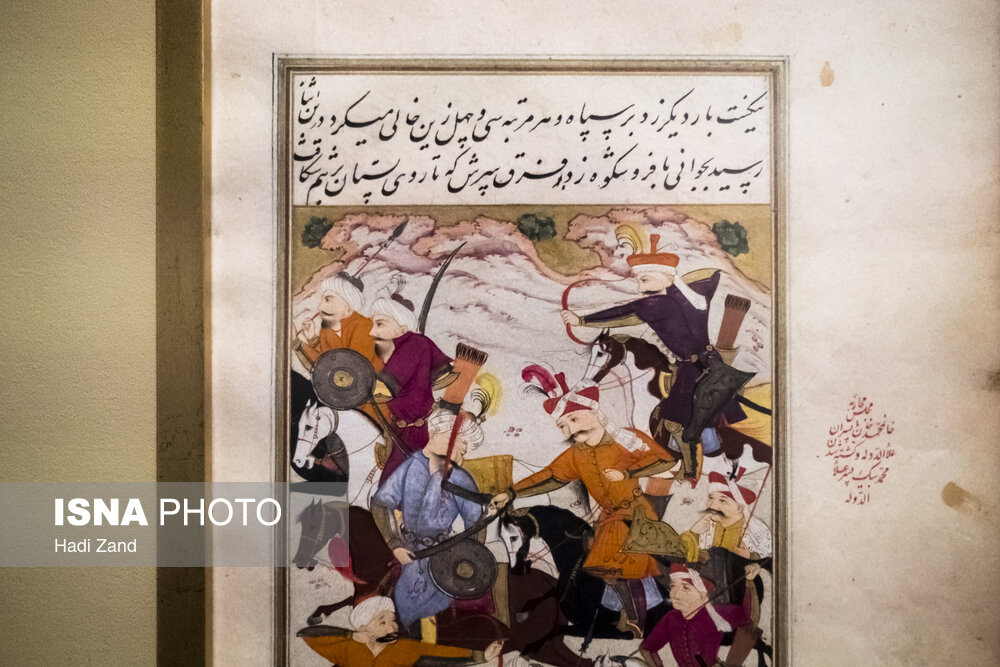
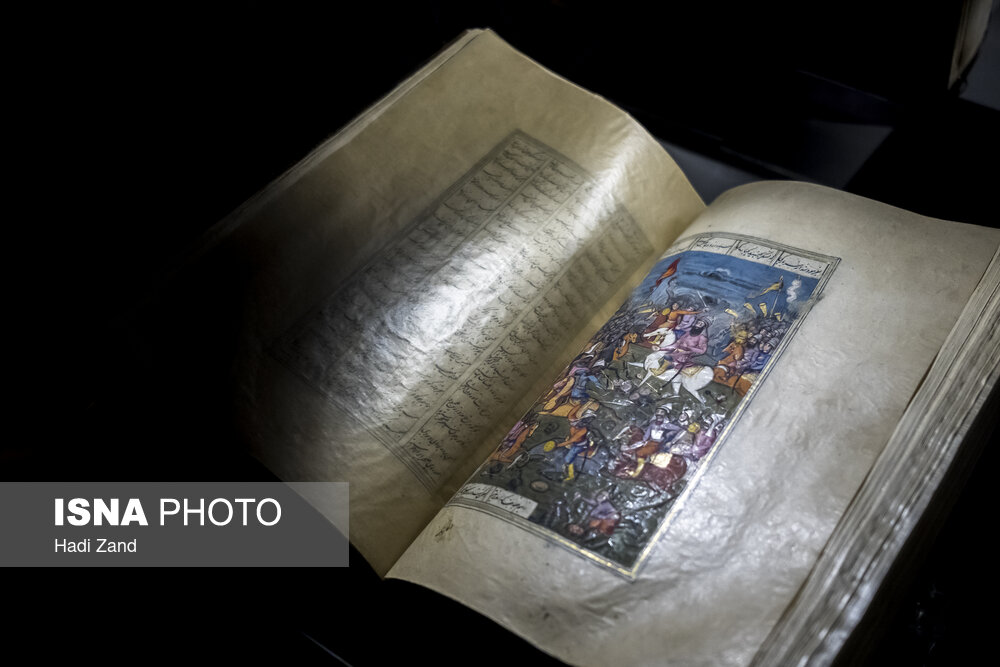
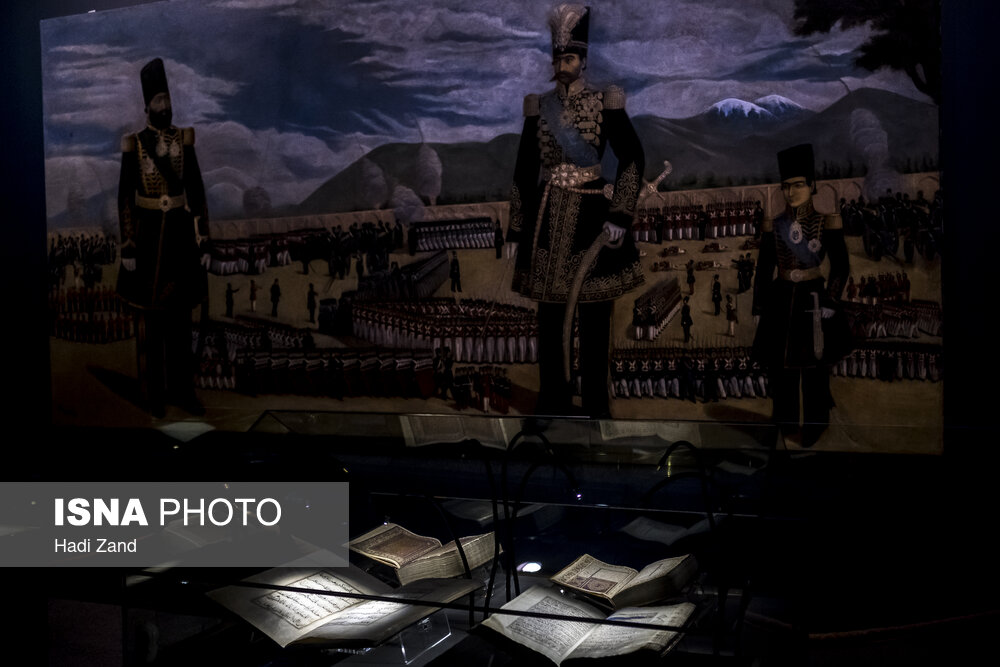
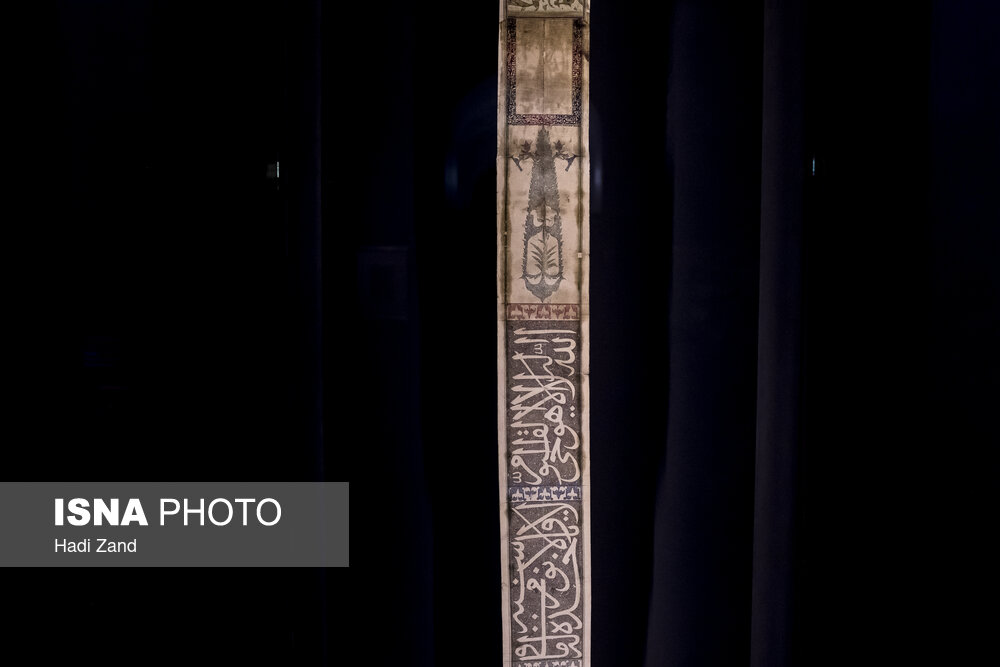
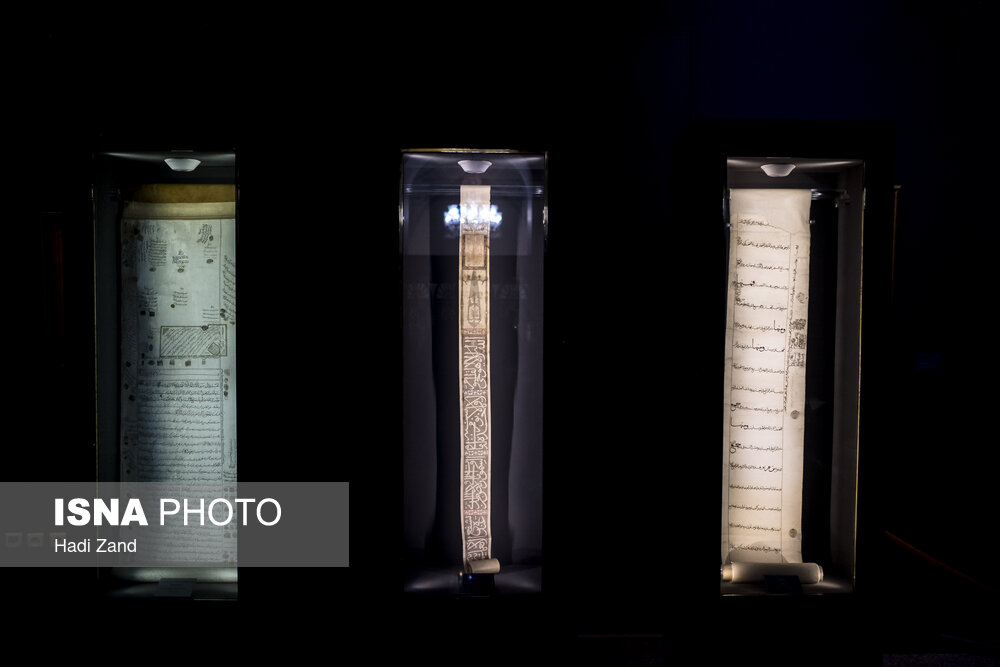
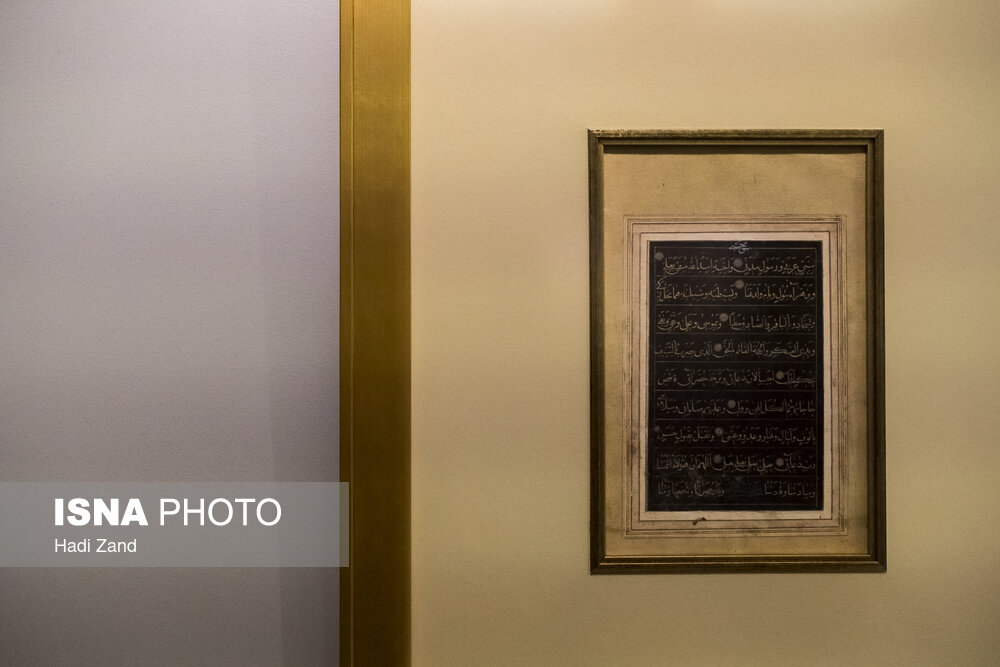
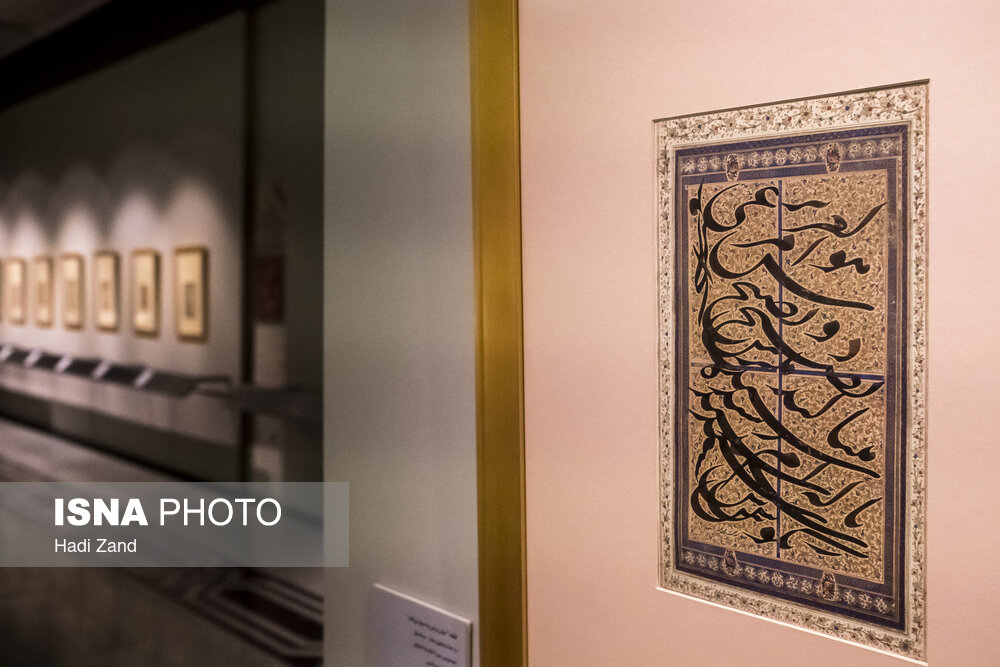
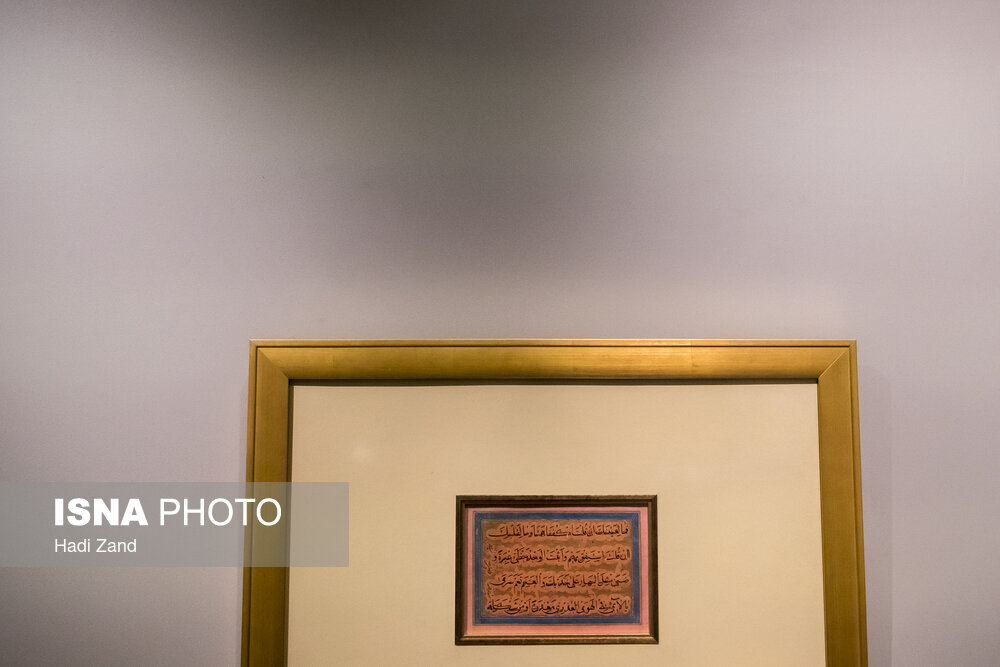
Iran Calligraphy Heritage in Malek Musuem
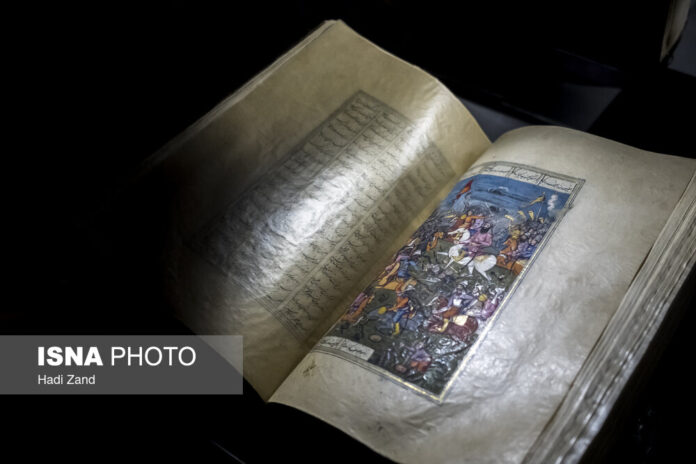
The 16th session of the United Nations’ Intergovernmental Committee for the Safeguarding of Intangible Cultural Heritage in Paris has recognized the “National Program to Safeguard Traditional Art of Calligraphy in Iran” as an intangible heritage.
This program aims to expand informal and formal public training in calligraphy, publish books and pamphlets, hold art exhibitions, and develop academic curricula while promoting appropriate use of the calligraphic tradition in line with modern living conditions.
The Iranian calligraphic art is well-represented in Malek National Library and Museum in the capital Tehran, where a special hall has been allocated to calligraphy since a few years ago.






‘Europeans should pay cost of Iran hosting illegal migrants’
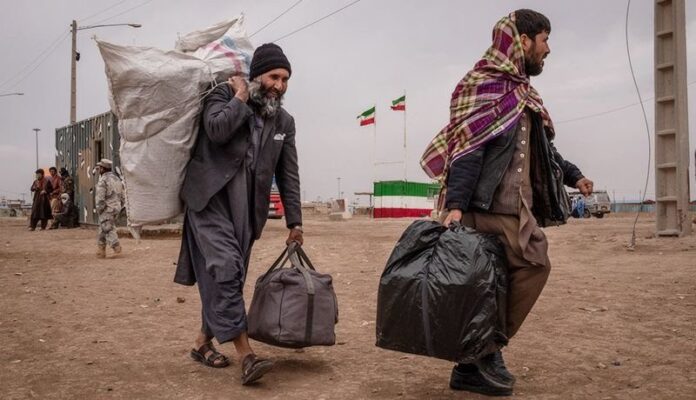
The ministry’s deputy for security Hossein Zolfaghari said after a meeting with the UN High Commissioner for Refugee Filippo Grandi in Tehran that Iran can no longer pay the heavy cost of hosting such migrants.
“We have 2,000 kilometers of borders only with Afghanistan and Iran also pays a hefty price to prevent narcotics, terrorist groups, etc., from entering its territory. But the Europeans has paid no compensation for all of these even as they are the beneficiaries here.” he said.
“The truth is that assistance [by the international community] accounts for less than 5 percent of the costs incurred on Iran,” he added.
“As long as there is instability in the region, there will be no reduction in the number of refugees. The result of the wrong policies of some western countries is the refugees whose number rise every single day,” he said.
The official added that some 4 million Afghans including refugees and illegal migrants live in Iran. He said 700,000 have only entered Iran this year, most of them after the recent developments in Afghanistan.
Zolfaghari said Iran has tried to prevent unnecessary illegal migration. But he said hundreds of such people are now residing in refugee camps set up in eastern Iran and are refusing to return to their country.
He said Iran even did not discriminate between its own and other nationals when administering coronavirus vaccines, adding that these people have received 3.4 million doses of COVID jabs.
UN: Afghanistan economy in “free fall”
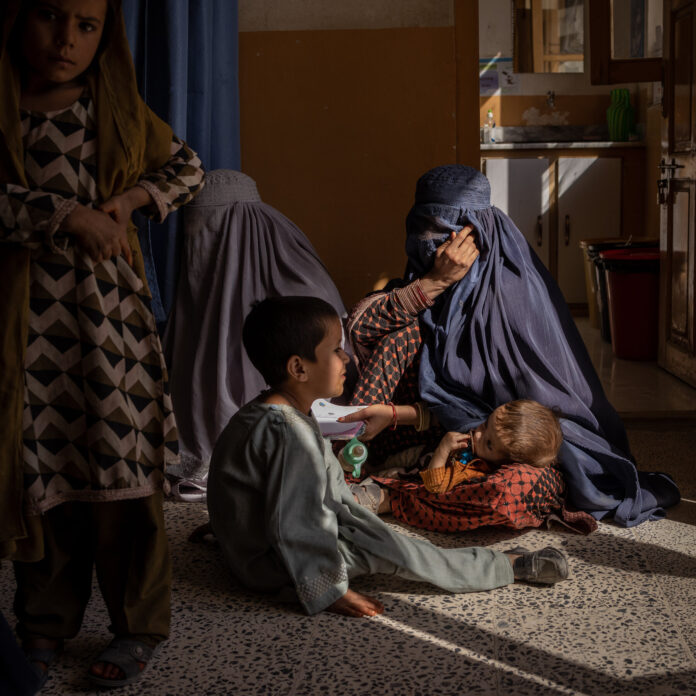
Afghanistan’s economy is in “free fall”, the UN Emergency Relief Coordinator announced, warning that if decisive and compassionate action is not taken immediately, it may “pull the entire population with it”.
Speaking virtually to the 17th Extraordinary Session of the Organization of Islamic Cooperation (OIC) Council of Foreign Ministers in Islamabad, Pakistan, Under-Secretary-General for Humanitarian Affairs Martin Griffiths painted a grim picture of 23 million people facing hunger; malnourished children overflowing in health facilities; 70 per cent of teachers working without salaries; and millions of students – Afghanistan’s future – out of school.
Moreover, this is occurring as the value of the Afghani currency plummets, a lack of confidence in the financial sector destroys trade and the space for borrowing and investment dramatically constricts.
“The need for liquidity and stabilization of the banking system is now urgent – not only to save the lives of the Afghan people but also to enable humanitarian organizations to respond”, he added.
The UN official welcomed the decision by the World Bank’s Afghanistan Reconstruction Trust Fund to transfer $280 million by the end of December to the UN Children’s Fund (UNICEF) and the World Food Programme (WFP).
“This step should be followed by reprogramming of the whole fund to support the Afghan people this winter”, he continued, saying, “Families simply do not have the cash for everyday transactions, while prices for key commodities continue to rise”.
The cost of wheat and fuel are up by around 40 per cent and food now accounts for more than 80 per cent of the average household expenditure.
And as international development support has frozen up, basic social services that all Afghans depend on are collapsing.
Griffiths cautioned that by the middle of next year, universal poverty – reaching 97 per cent of the population – could be “the next grim milestone”.
“Within a year, 30 per cent of Afghanistan’s gross domestic product could be lost altogether, while male unemployment may double to 29 per cent,” he spelled out.
The OIC met to express their willingness to help avert disaster and contribute to the humanitarian endeavour.
“The United Nations stands firmly with you, and in solidarity with the people of Afghanistan,” stated the Relief Coordinator, explaining that next year, the UN would seek its largest-ever funding appeal of $4.5 billion “to help the most vulnerable in Afghanistan”.
The plan is a stopgap measure for over 21 million people who need lifesaving assistance and must be funded as “a matter of priority”.
“The crisis is huge. Our humanitarian response is effective and continues to scale up, thanks to generous donor support and your sustained engagement,” he noted.
Afghanistan will not get through the winter on emergency aid alone, the UN official flagged, stressing the need for “flexible donor funding” that can be used to ensure salaries for public sector workers and support to basic services, such as health, education, electricity and livelihood.
And going forward, continued constructive engagement with the de facto authorities is imperative to “clarify what we expect of each other”.
“The consequences of inaction on these three fronts are clear: Afghanistan will collapse, people will run out of hope, and the region – and indeed the world – will see destabilization increase,” he underscored.
Noting that the meeting was being held at “a moment of exceptional gravity for the people of Afghanistan”, the senior UN official pointed out that “we have the advantage of being forewarned of the fate that awaits them if we do not act”. Acknowledging that the meeting has provided both a chance and an opportunity to do so, he warned that “if we do not act with urgency and with a collective will, then there will be a terrible reckoning”.
“We cannot fail to do what we know is right, and what we know is possible,” concluded the Emergency Coordinator.
Pakistani Army chief: Terrorism Tehran and Islamabad’s common enemy
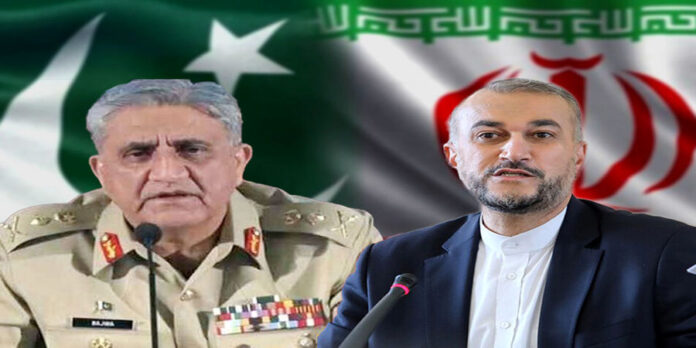
General Bajwa was speaking during a meeting with Iran’s Foreign Minister Hossein Amir Abdollahian in Islamabad on Sunday.
Pakistan’s Chief of Army Staff also stressed the need for closer cooperation with Iran on Afghanistan, especially in the fight against terrorism.
He described terrorism as a common enemy of Iran and Pakistan.
Iran’s Foreign Minister Hossein Amir Abdollahian also referred to cooperation between Tehran and Islamabad in border areas and called for mutual cooperation to further increase border security.
The Iranian foreign minister said fighting terrorism is an area of cooperation between Iran and Pakistan.
Amir Abdollahian is in Islamabad to attend the meeting of the foreign ministers of the Organization of Islamic Cooperation.
Iranian FM: Iran ready to help form inclusive govt. in Afghanistan
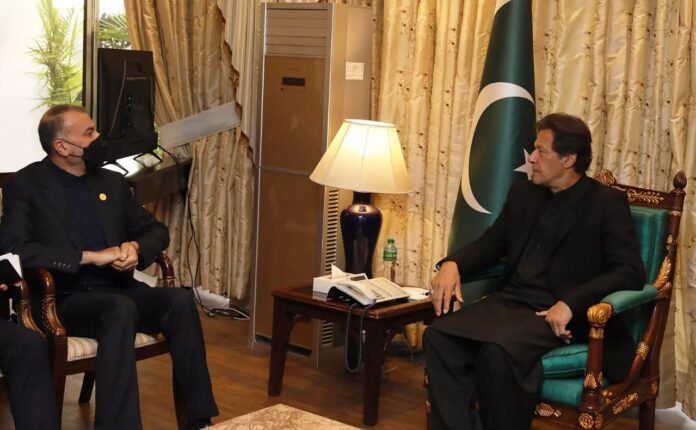
Amir Abdollahian made the comment in a meeting with Pakistani Prime Minister Imran Khan in Islamabad on Sunday.
He said the only pathway to final peace and stability in Afghanistan is the formation of a broad-based government representing all ethnic groups.
He also stressed the need for cooperation between all Islamic countries to swiftly deliver humanitarian aid to Afghanistan.
Amir Abdollahian added that the Islamic Republic of Iran has supported the sending of humanitarian aid to the country.
He said Iran has also kept its borders open and is ready to cooperate with all countries to deliver aid to the Afghan people.
The prime minister of Pakistan also supported the formation of an inclusive government in Afghanistan and stressed the need to help the Afghan people in the current situation given that winter has arrived and Afghans lack fuel and food. Imran Khan also spoke about ties between Iran and Pakistan. He referred to different areas of cooperation, underlining the need for cross-border cooperation, especially cross-border trade, and the formation of border markets.
Amir Abdollahian is in Islamabad to attend an emergency meeting of the foreign ministers of Islamic countries.
Iranian FM: Afghanistan crisis can be solved through inclusive government
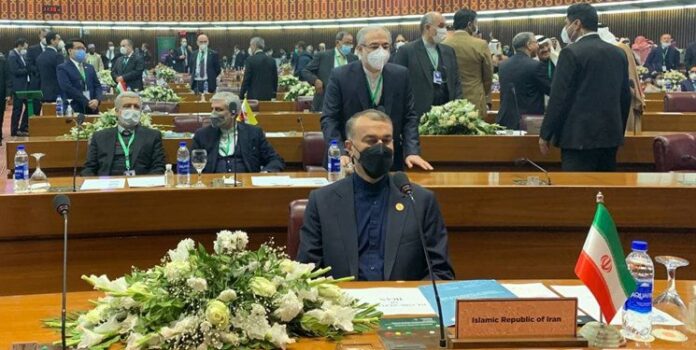
Amir Abdollahian was speaking the at the ministerial meeting of the Organization of Islamic Cooperation in Islamabad on Sunday.
He added that security and stability in Afghanistan is possible only through the formation of an inclusive and effective government representing all ethnic and religious groups.
Amir Abdollahian warned that a delay in the formation of a broad-based government will give the enemies of the Afghan people the opportunity to create chaos, poverty and famine in Afghanistan through the spread of terrorism.
The Iranian foreign minister also spoke of Iran’s efforts to help Afghan refugees. He said the Islamic Republic has hosted millions of displaced Afghans for the past 40 years, adding that more than 5,000 Afghans enter Iran daily.
Amir Abdollahian urged the international community to give assistance to Iran for the Afghan refugees.
He further slammed the US move to freeze Afghanistan’s assets, saying Washington must unlock them to help meet the humanitarian needs of Afghans.
The foreign minister said since the beginning of the recent developments in Afghanistan, Iran has tried to facilitate human and commercial traffic by opening its borders and has provided extensive assistance to the government and people of Afghanistan in the fight against Covid 19, including vaccination of Afghan nationals residing in the Islamic Republic of Iran.
Amir Abdollahian also touched on the Palestinian issue. He said the return of all Palestinians to their ancestral land and the formation of a Palestinian state throughout their historic homeland with al-Quds as its capital should be emphasized by the OIC.
He added that the experience of the so-called peace process with the fake Israeli regime and the normalization of relations with Tel Aviv show that the Palestinian issue can only be resolved with a complete and real end to the illegal occupation of this Islamic land.
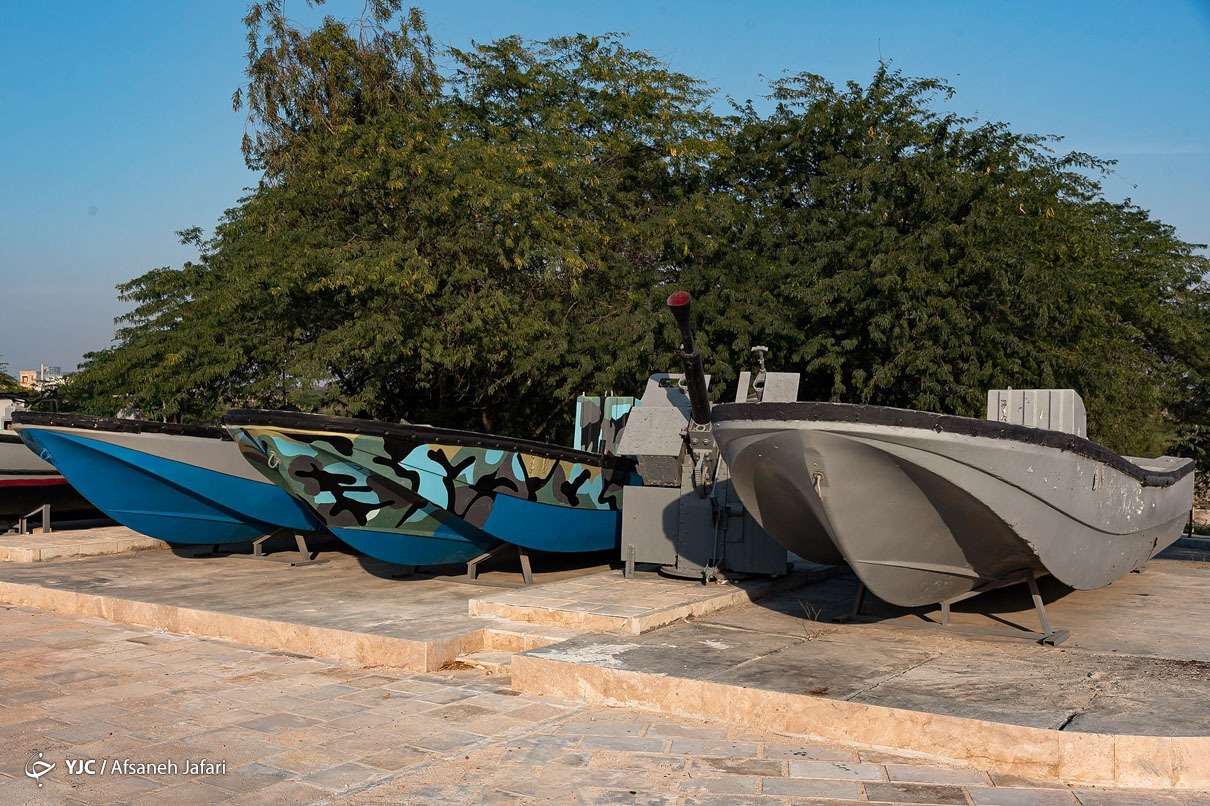
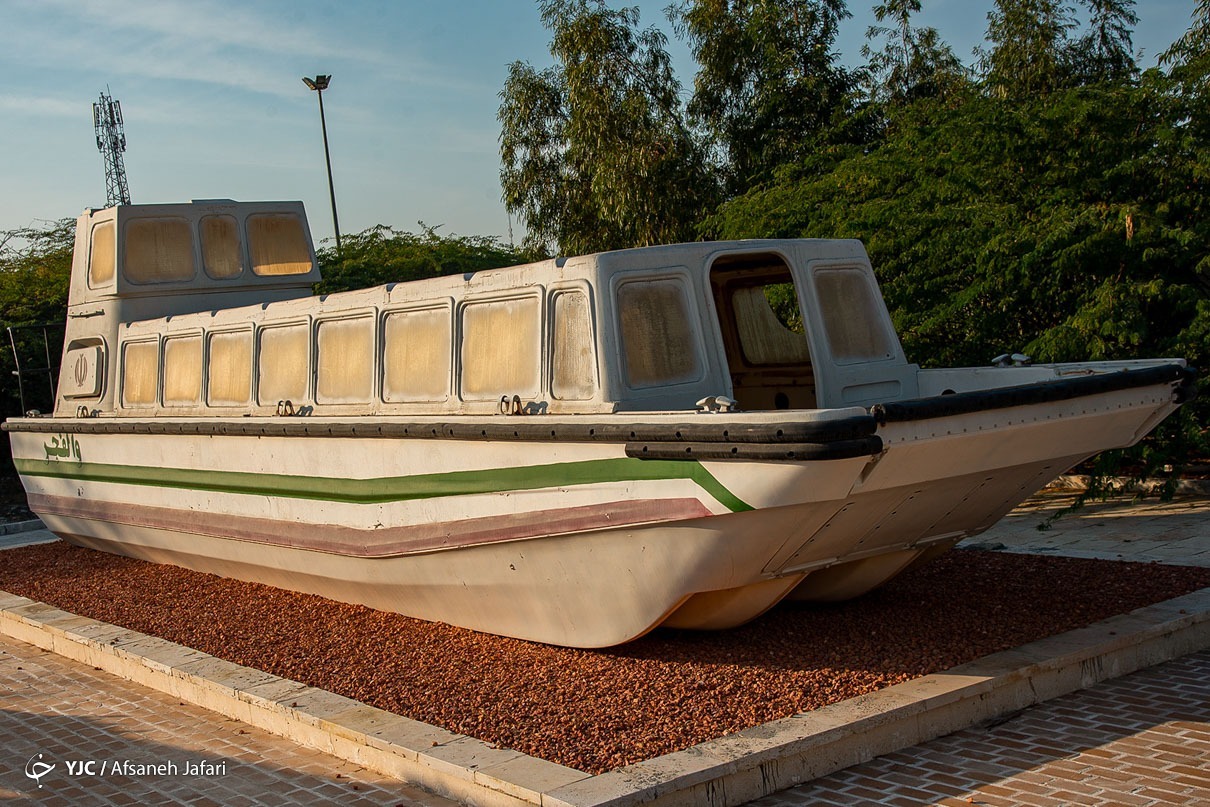
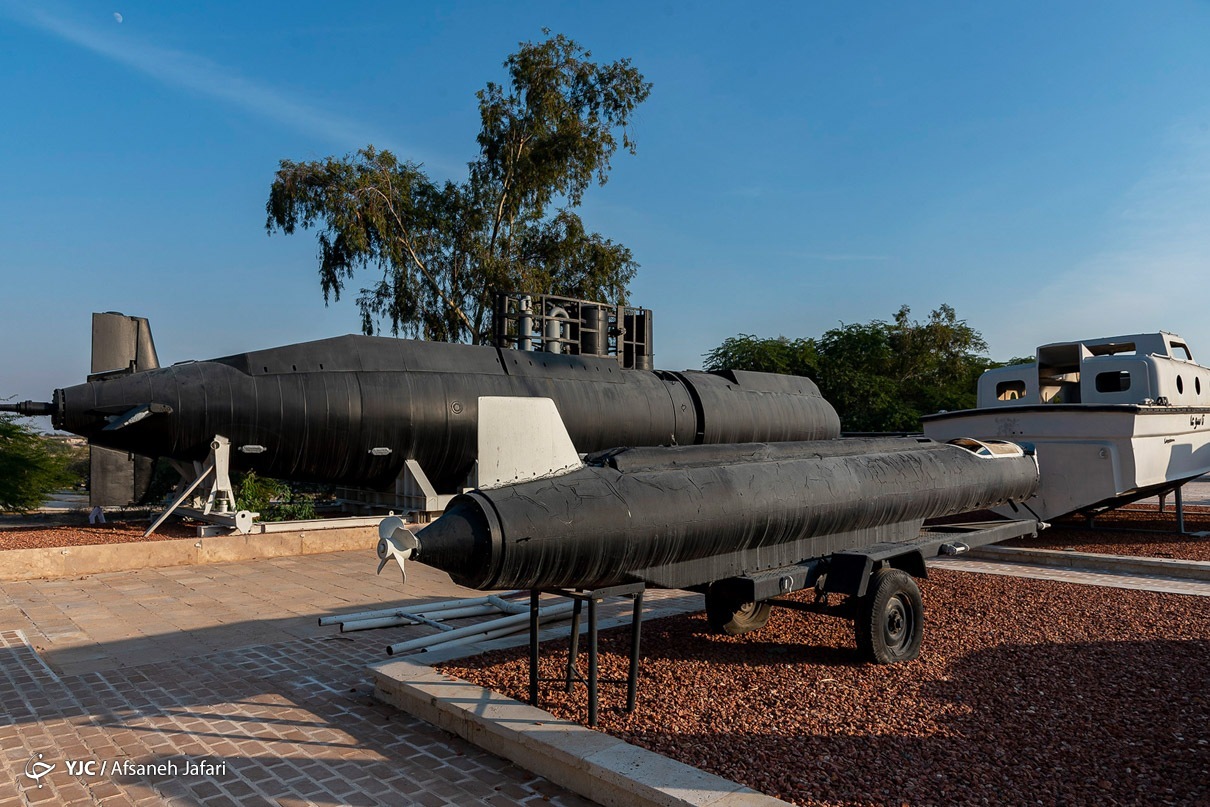
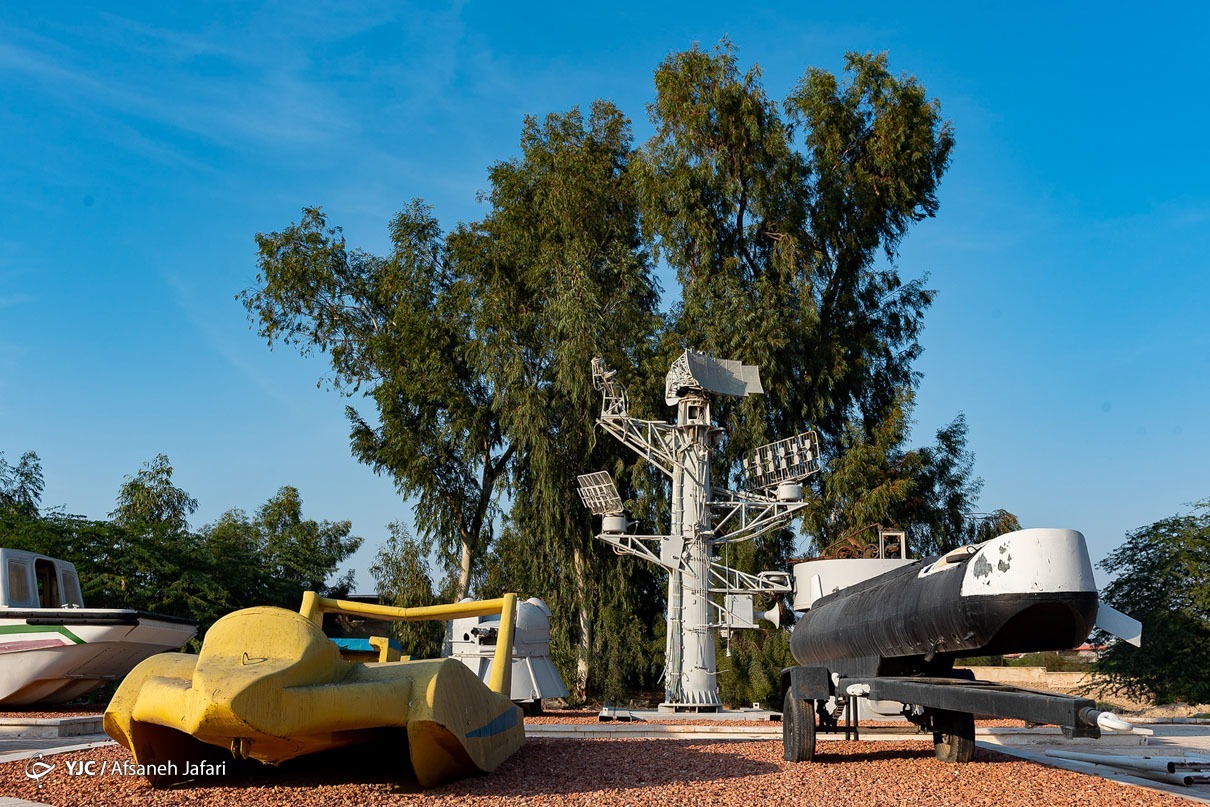
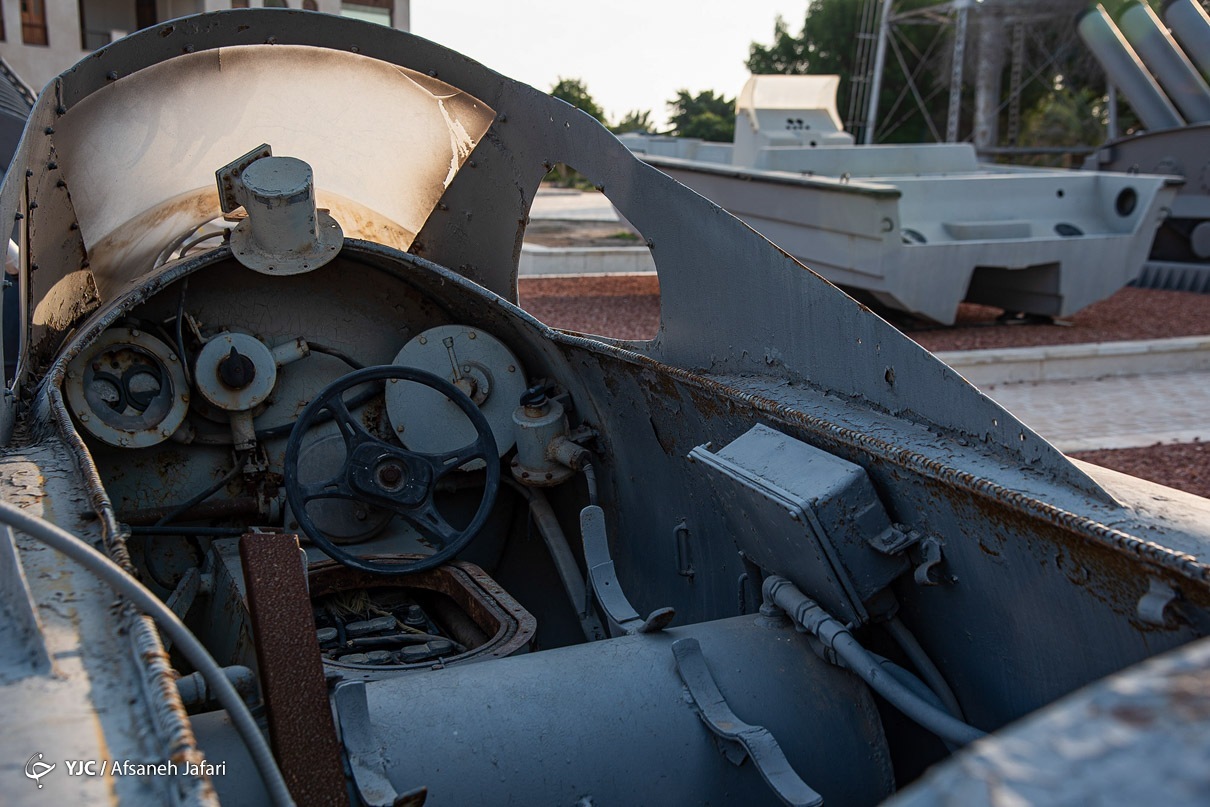
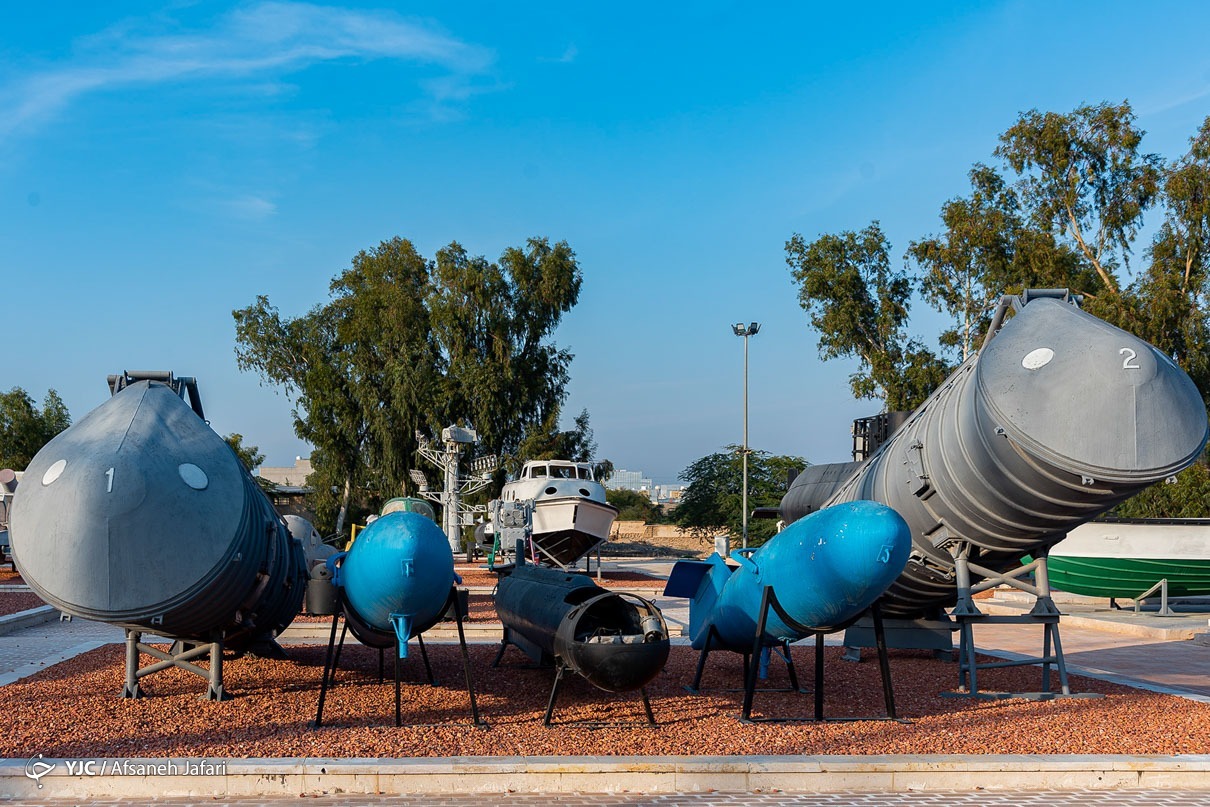
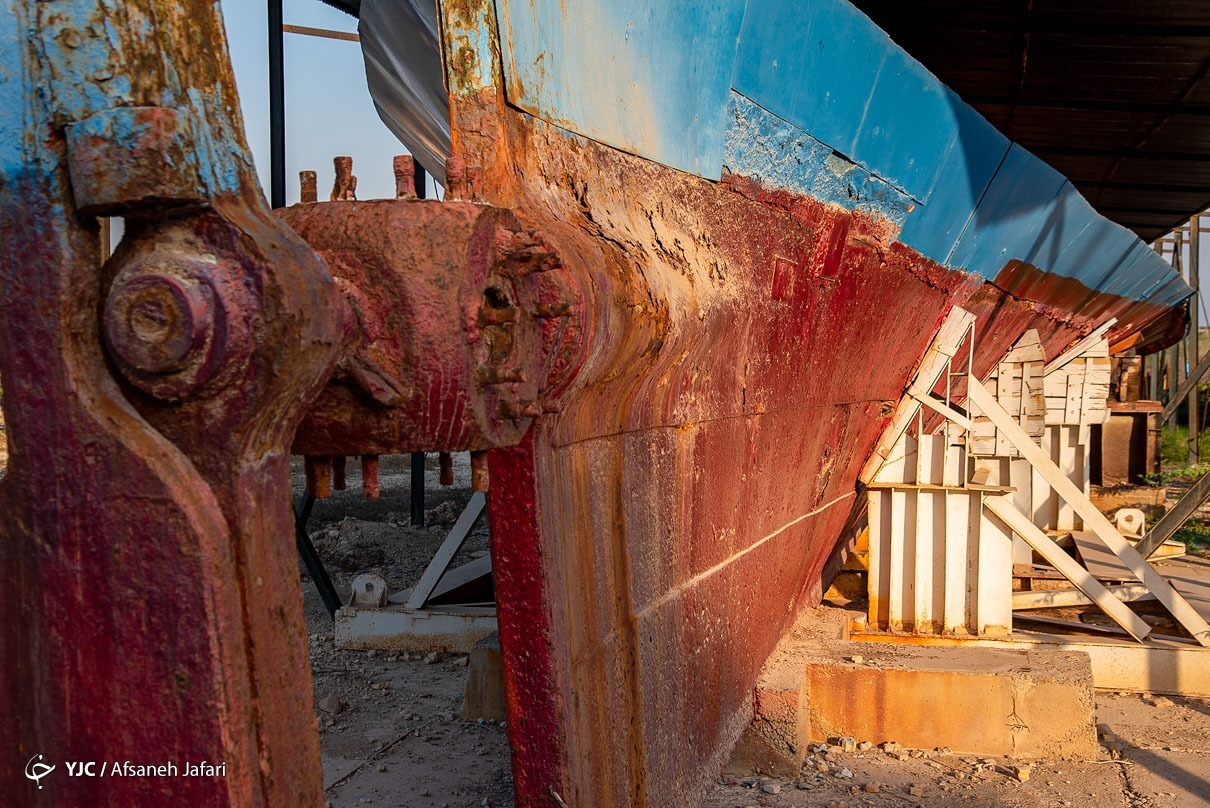
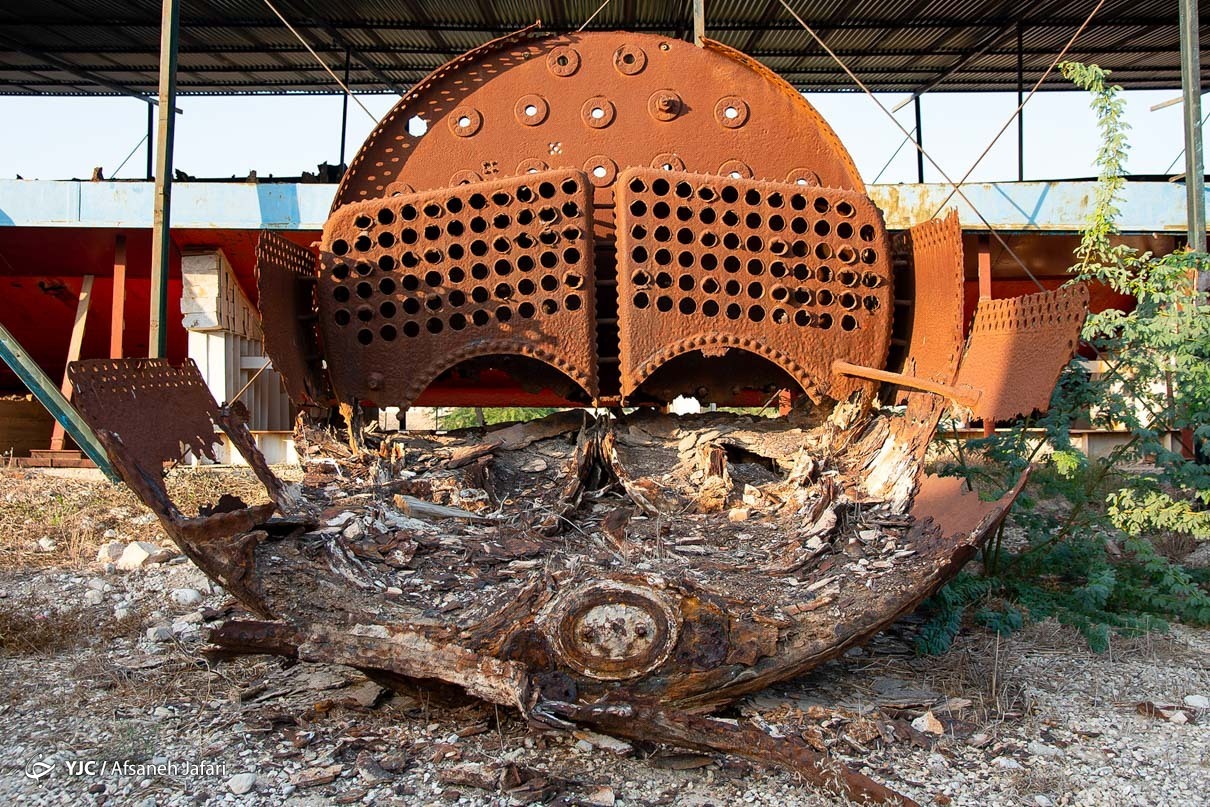
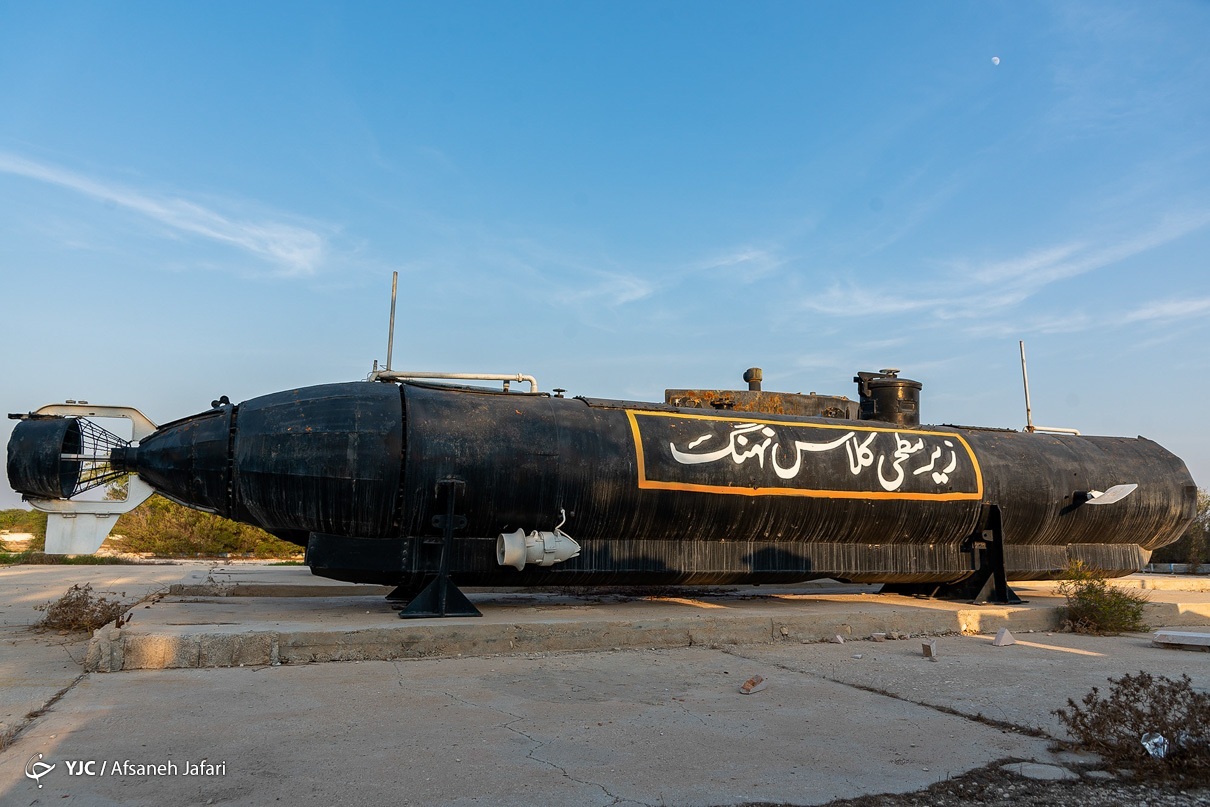
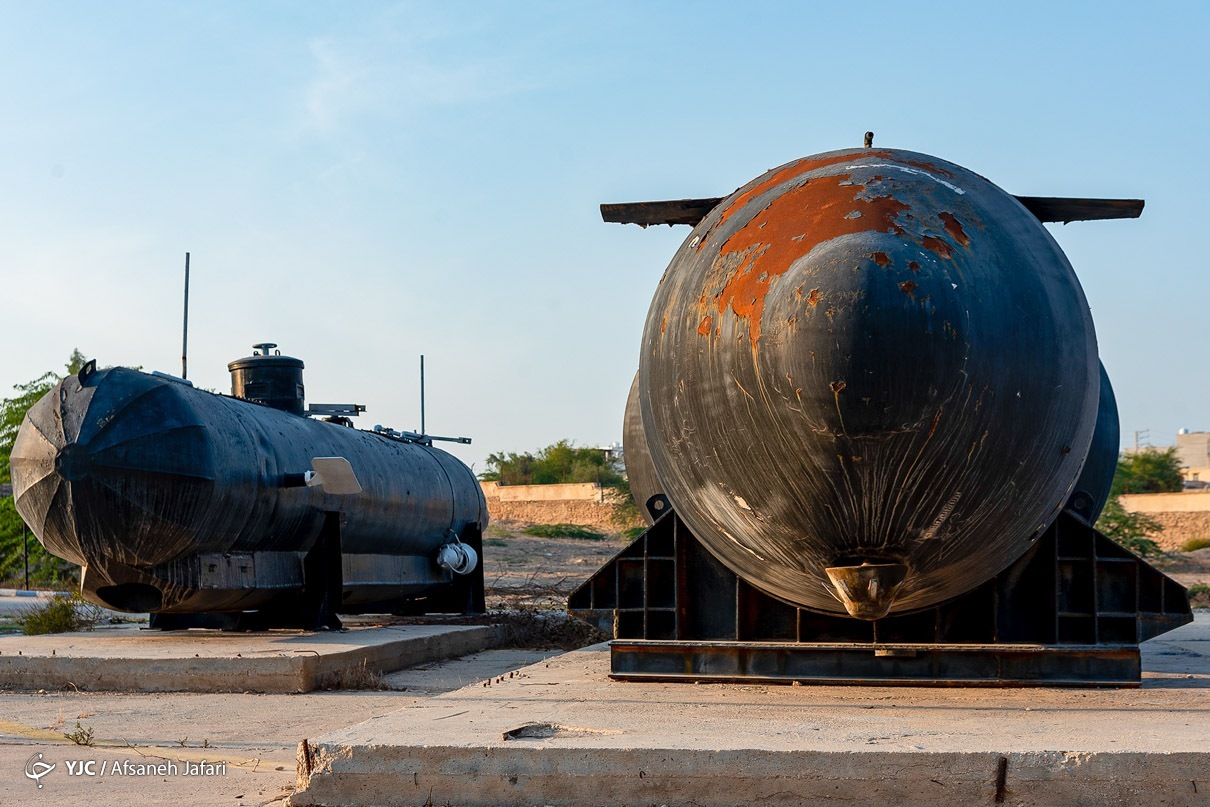
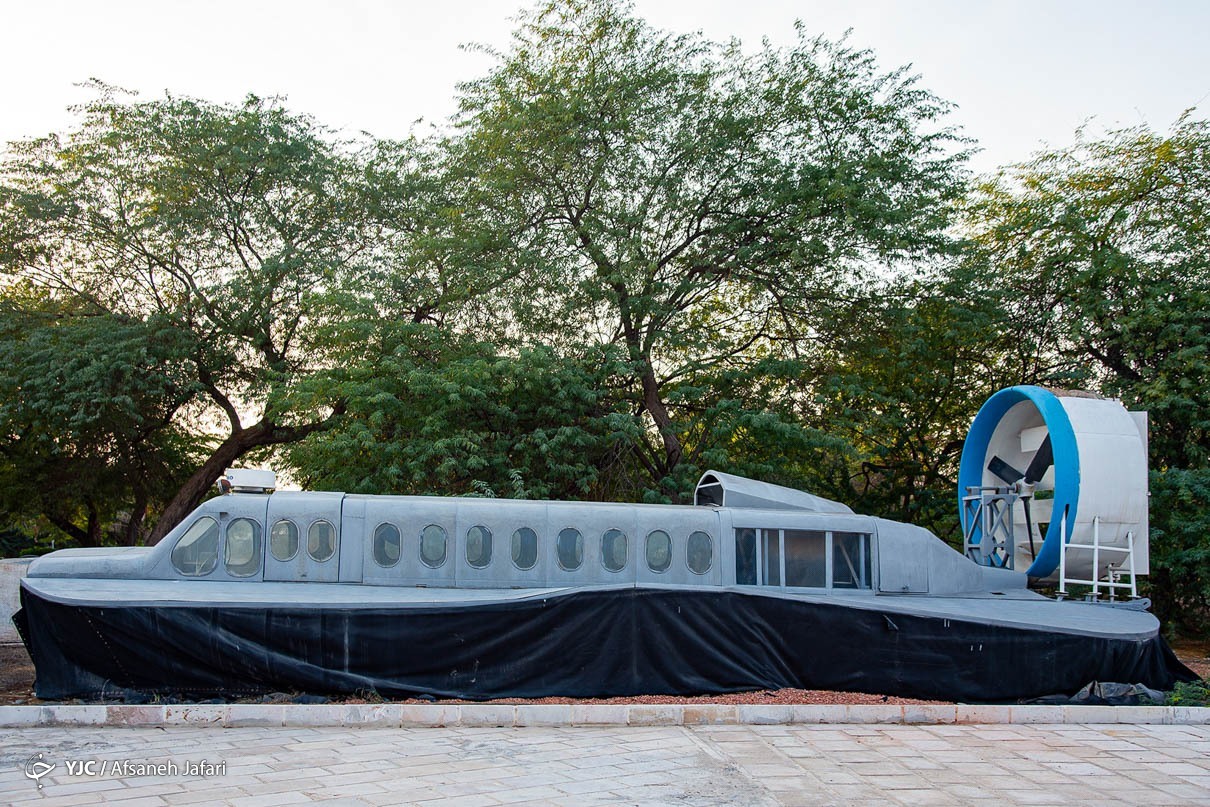
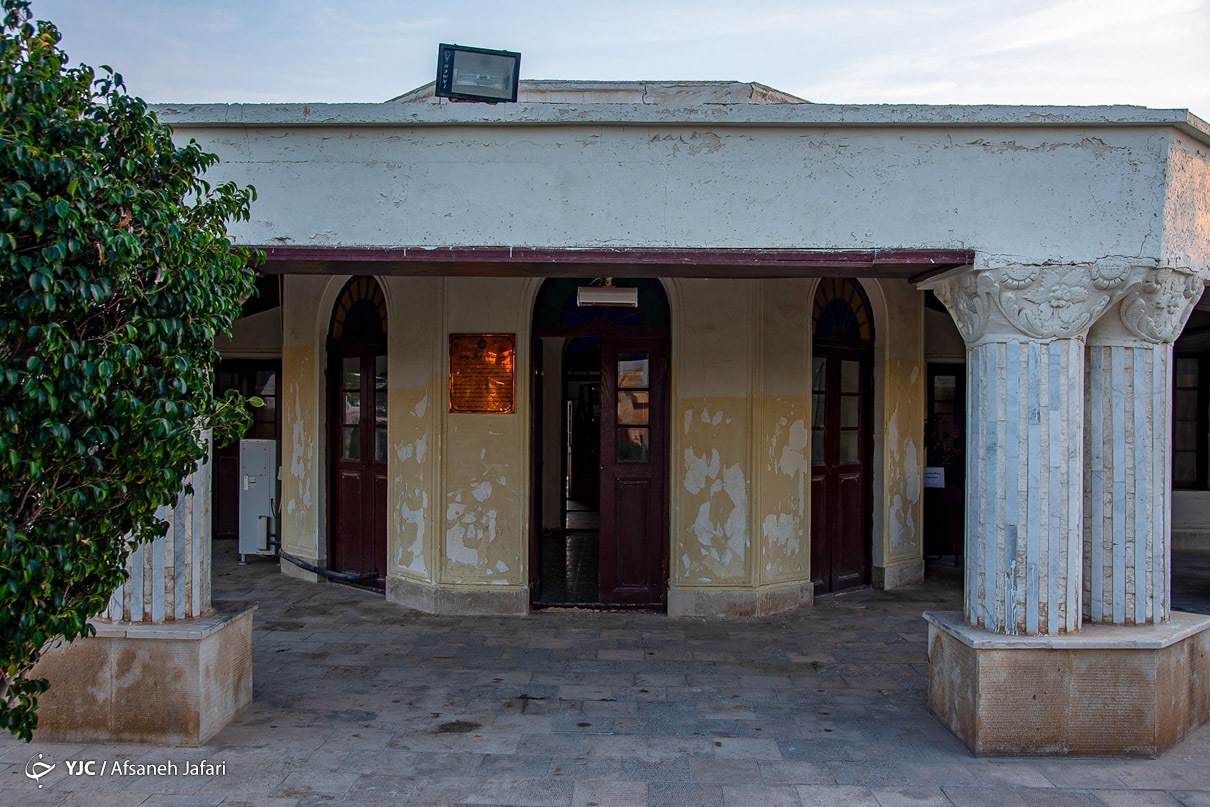
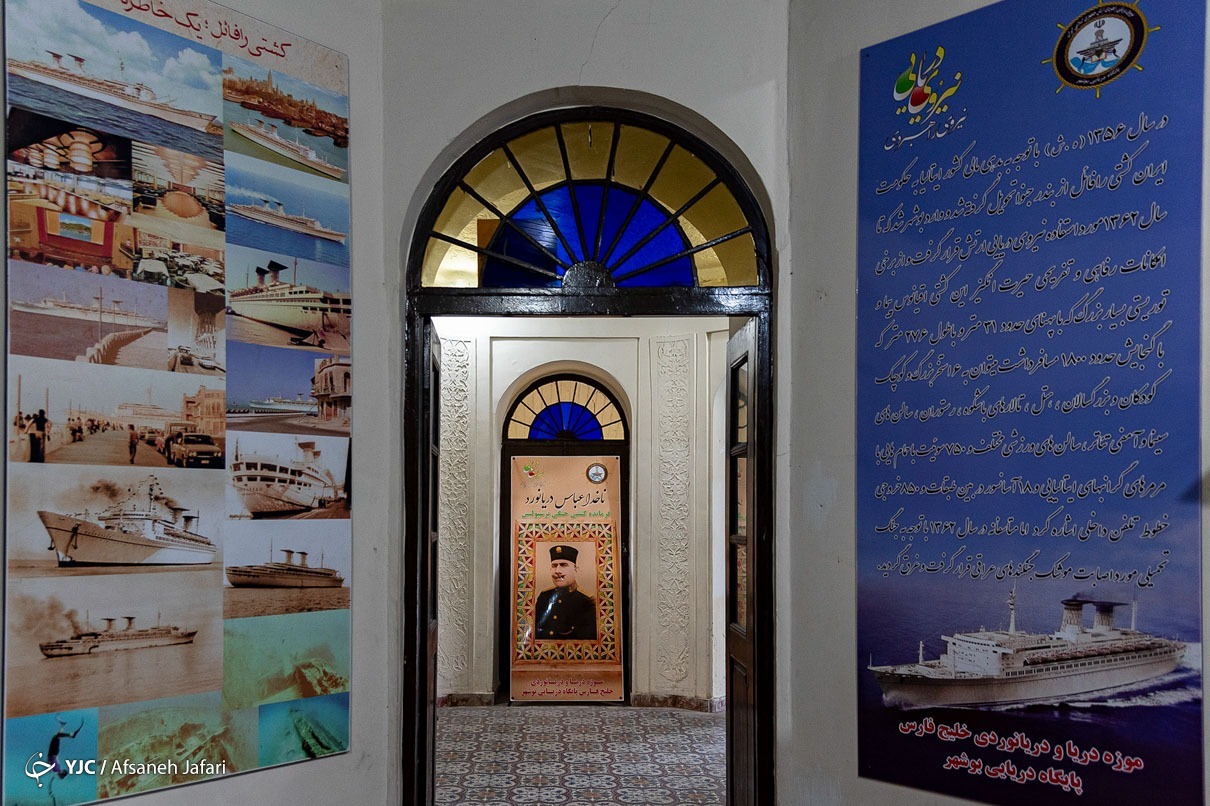
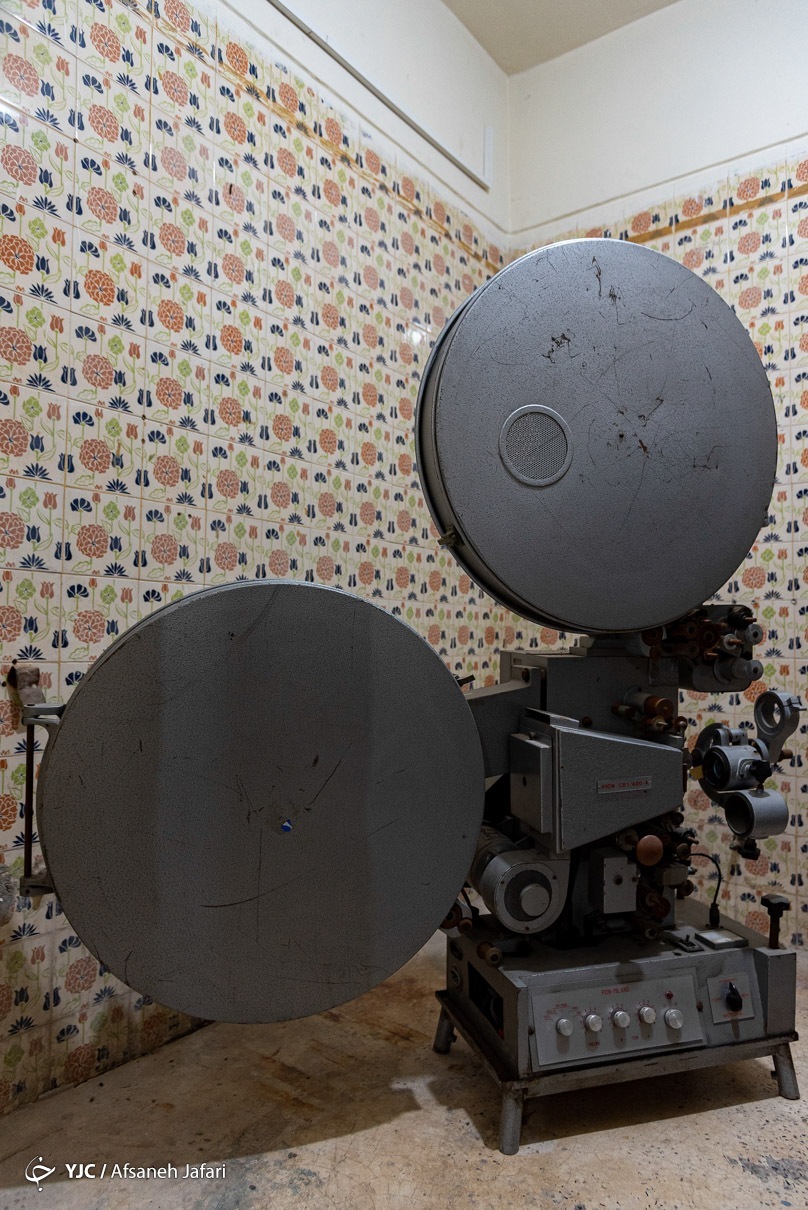
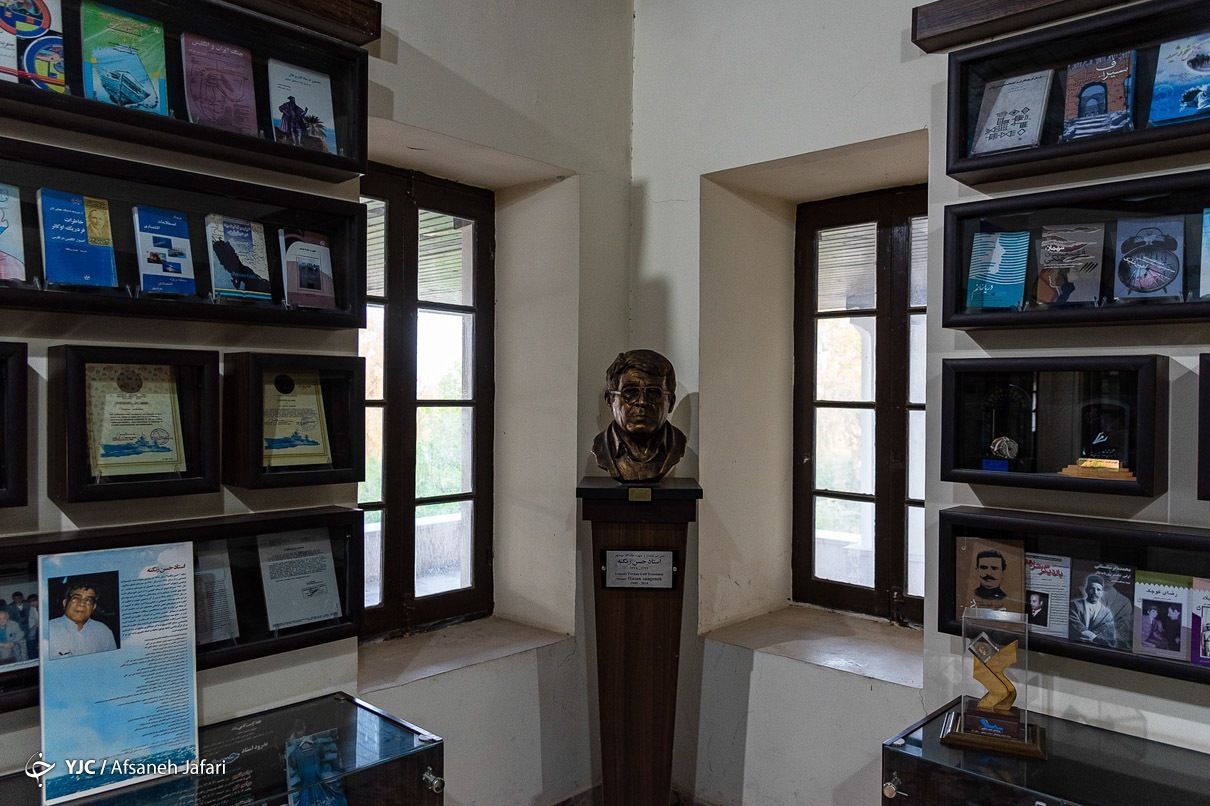
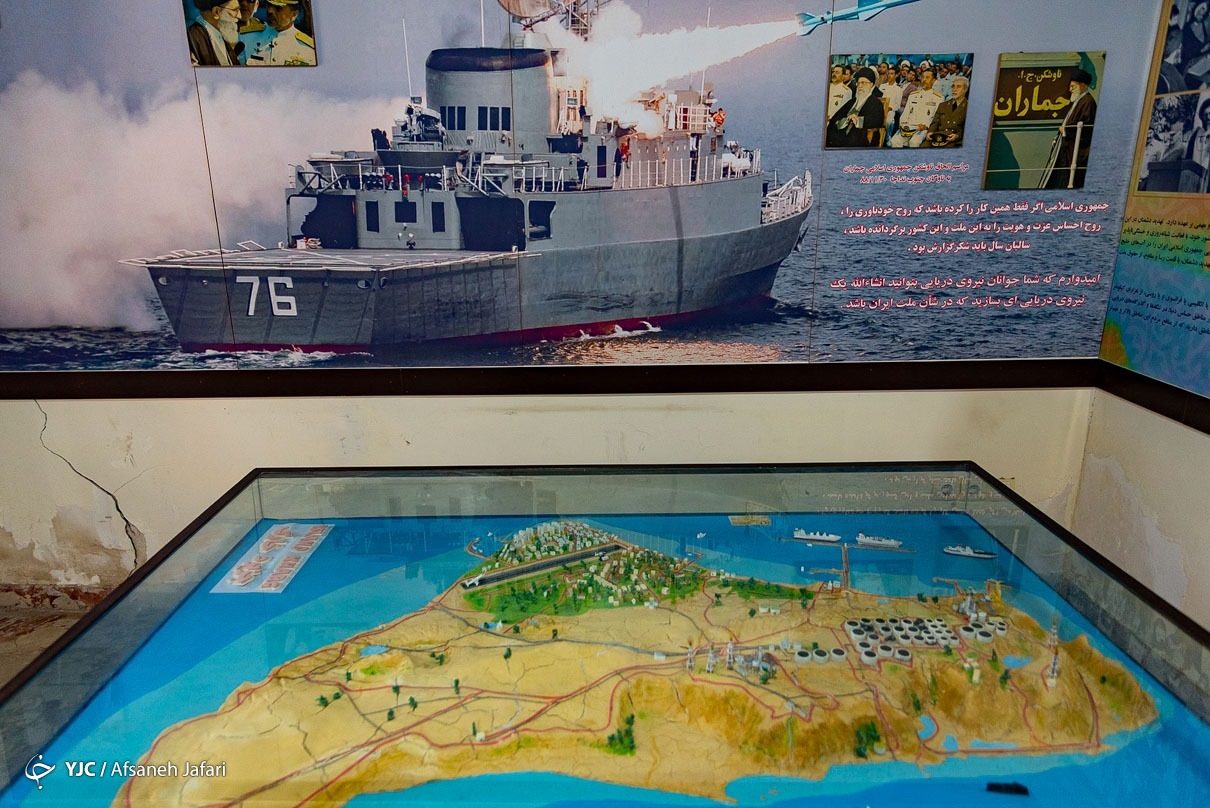
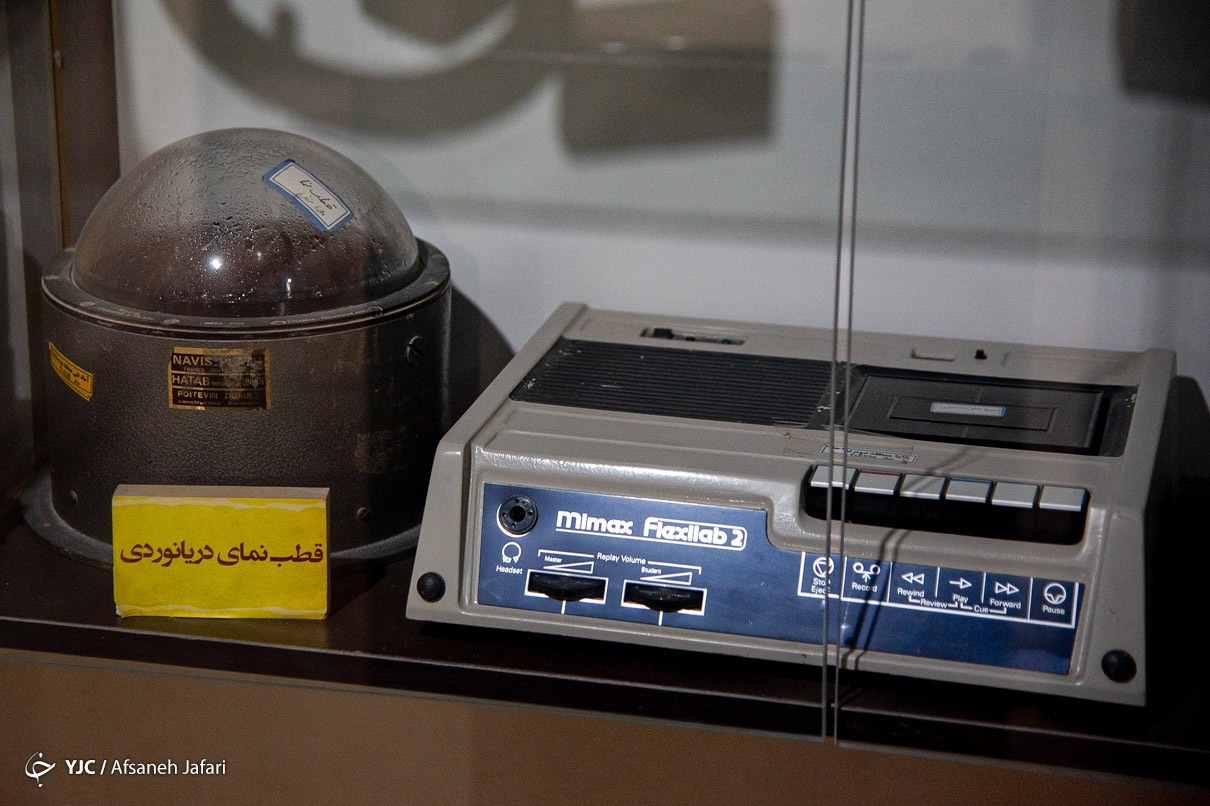
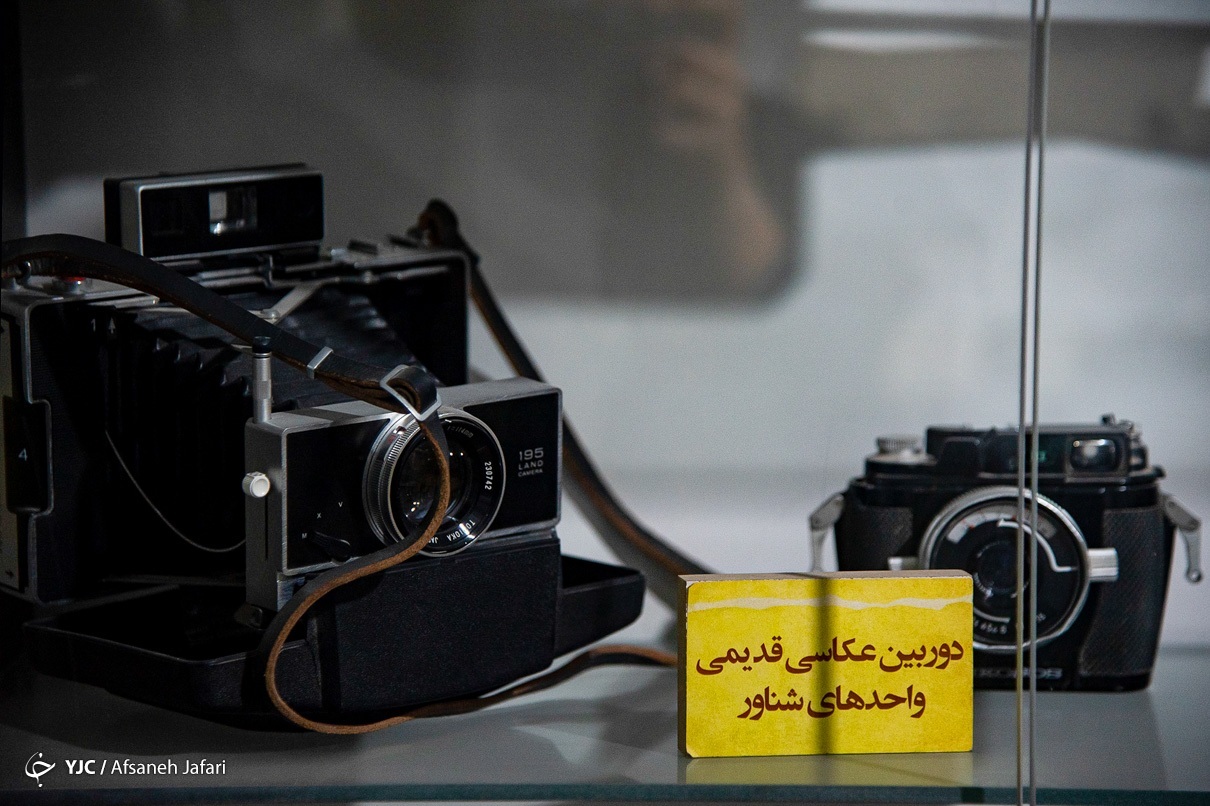
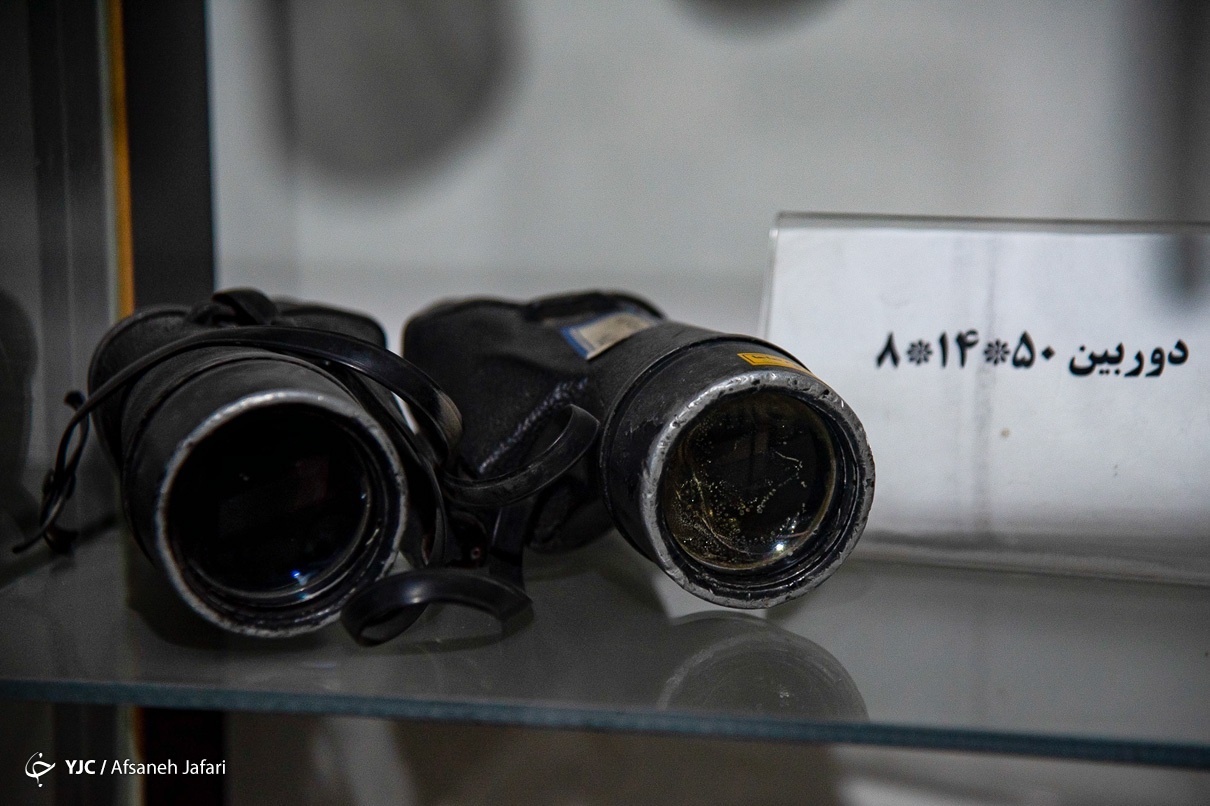
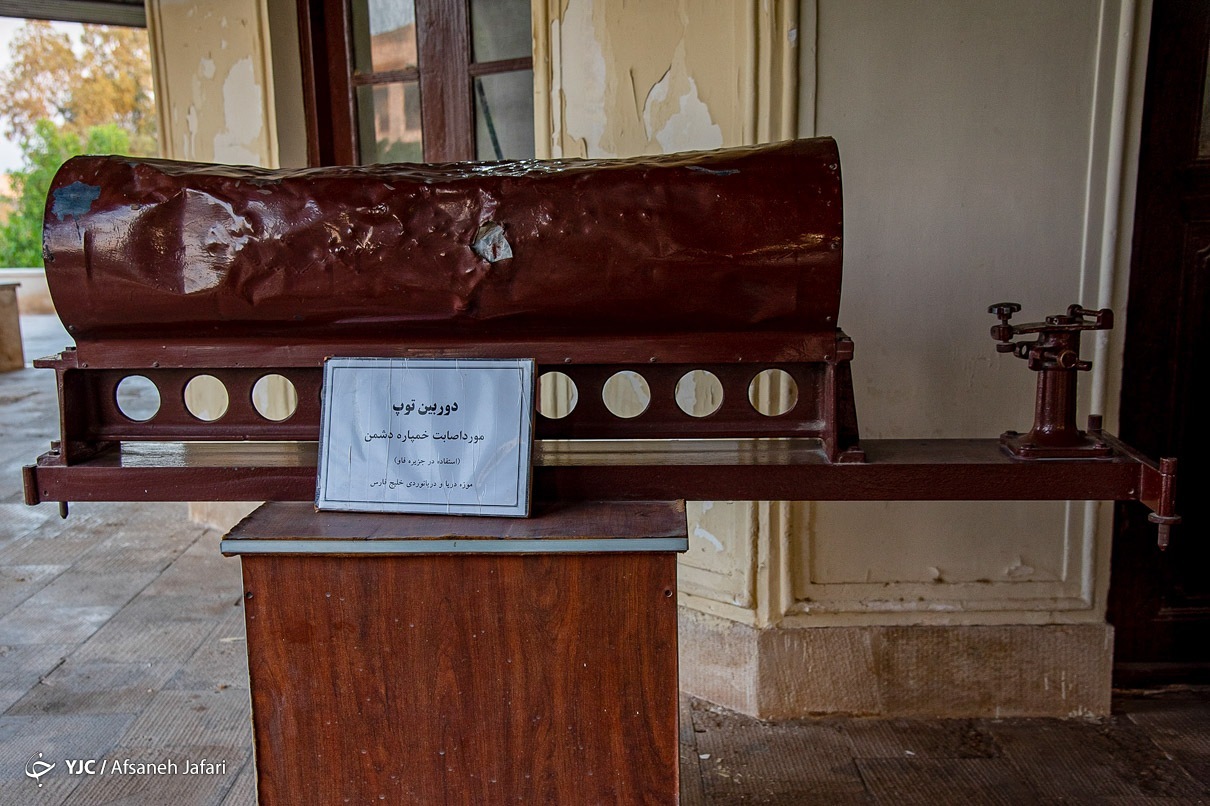
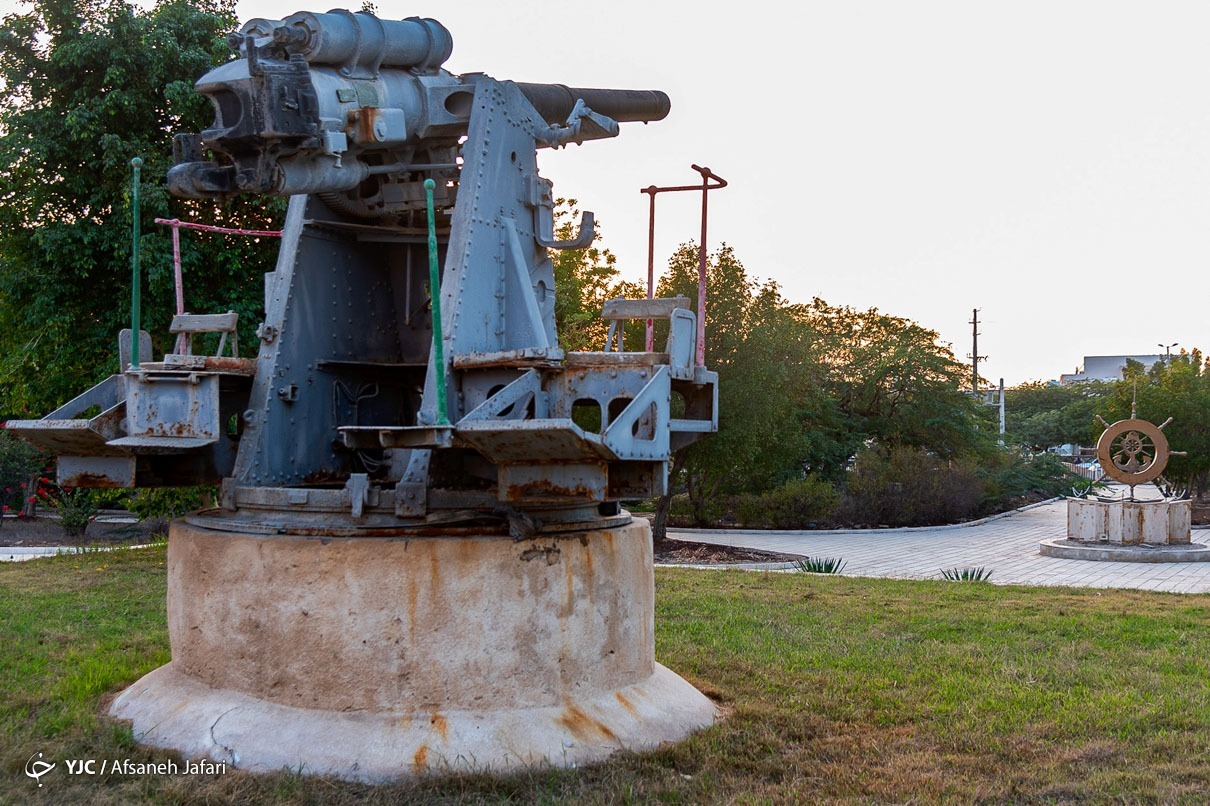
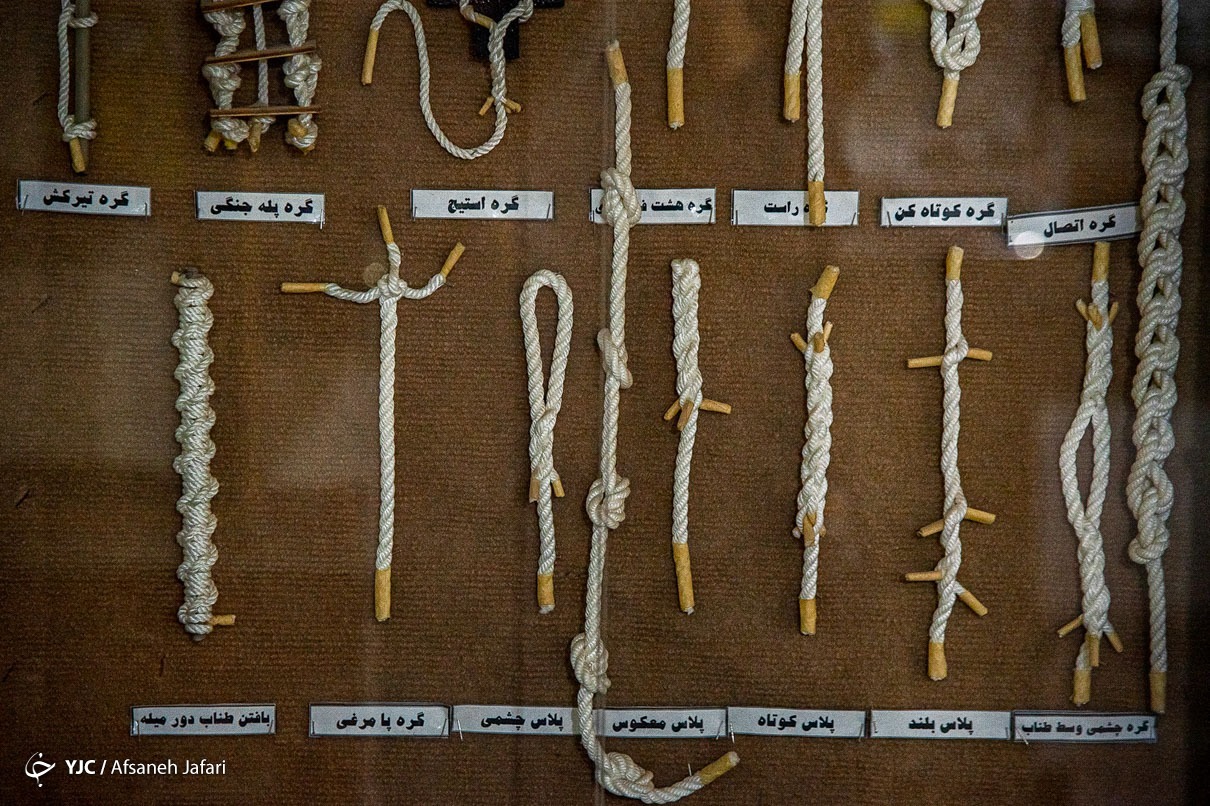
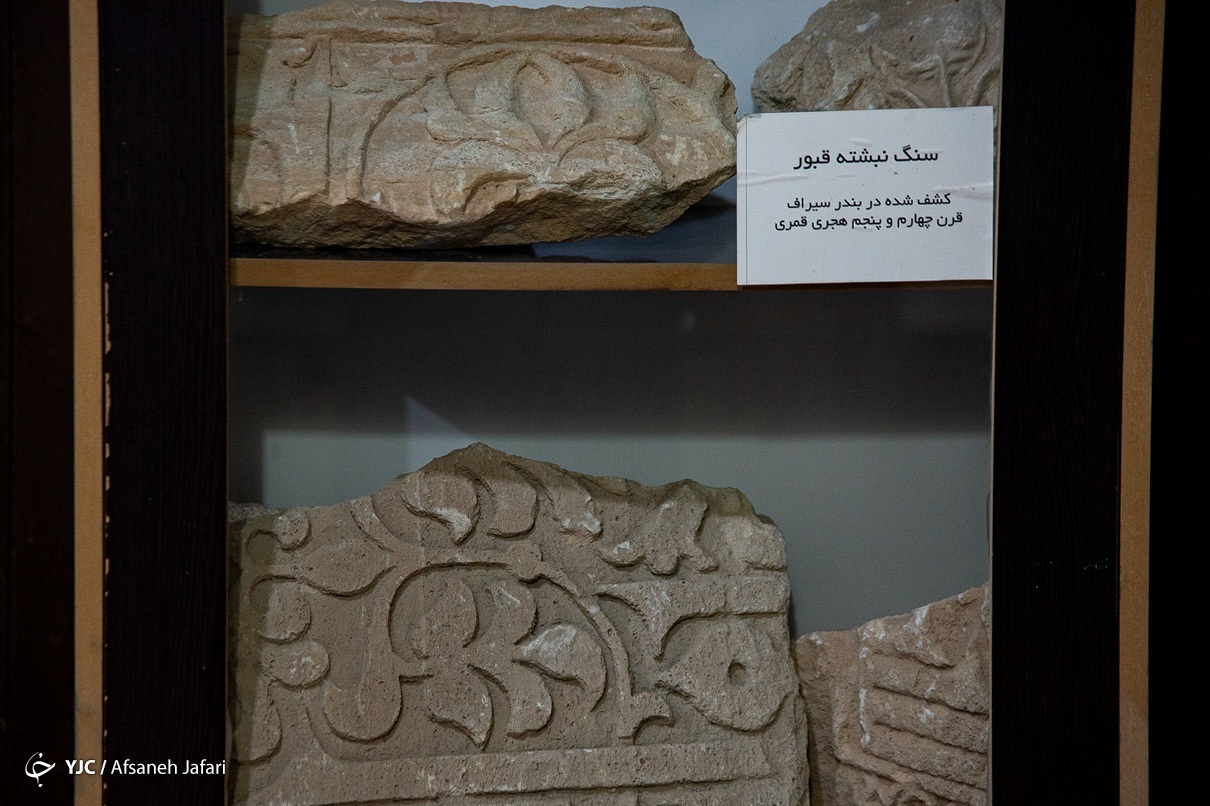
Old mansion and maritime museum side by side in Bushehr
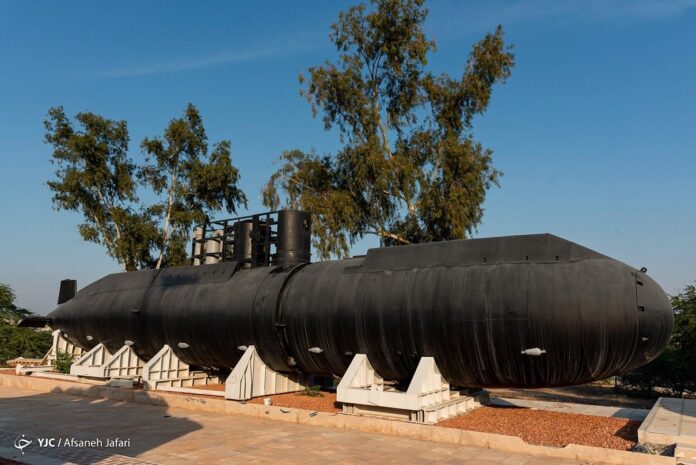
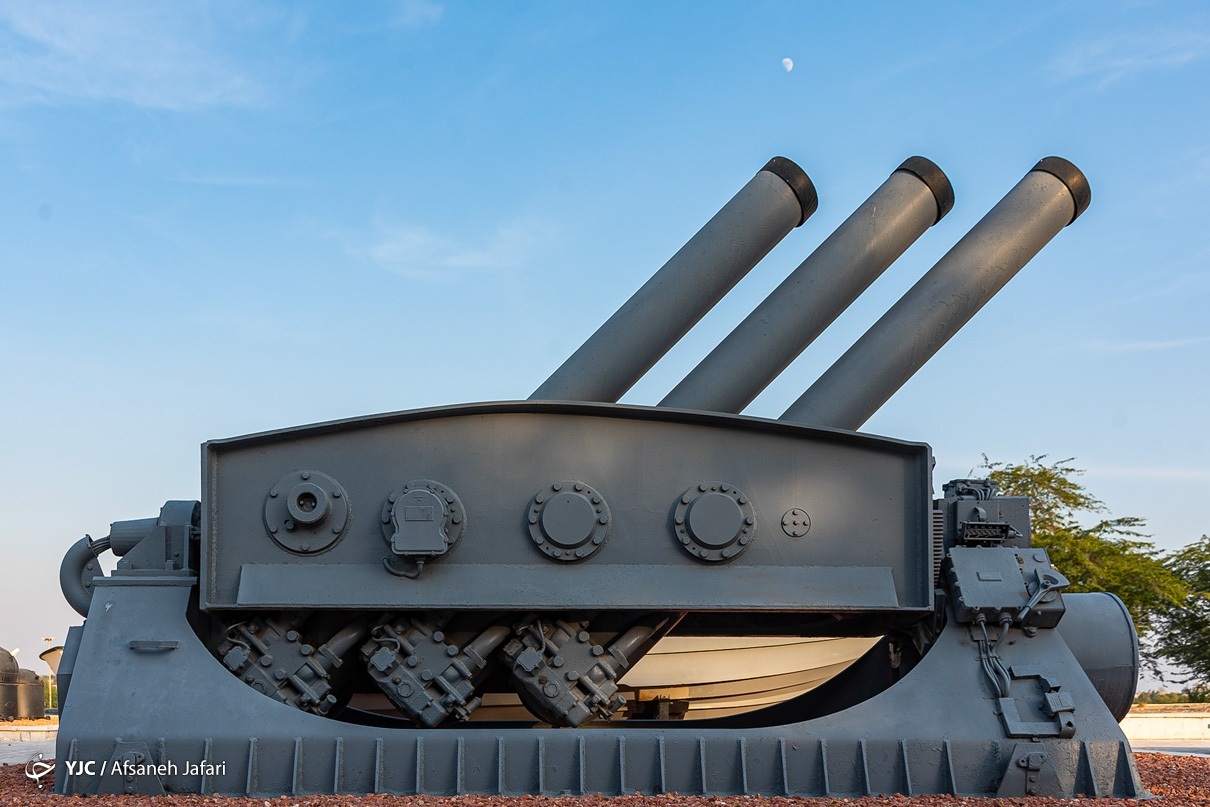
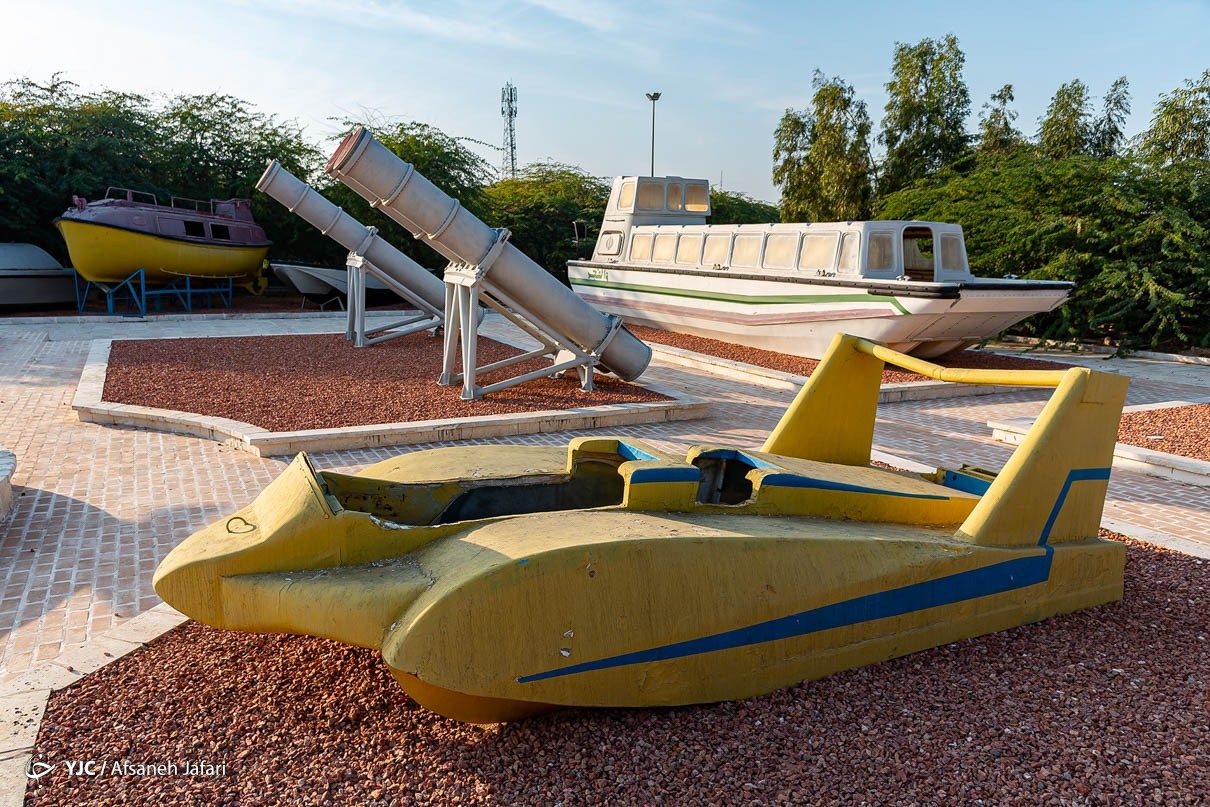
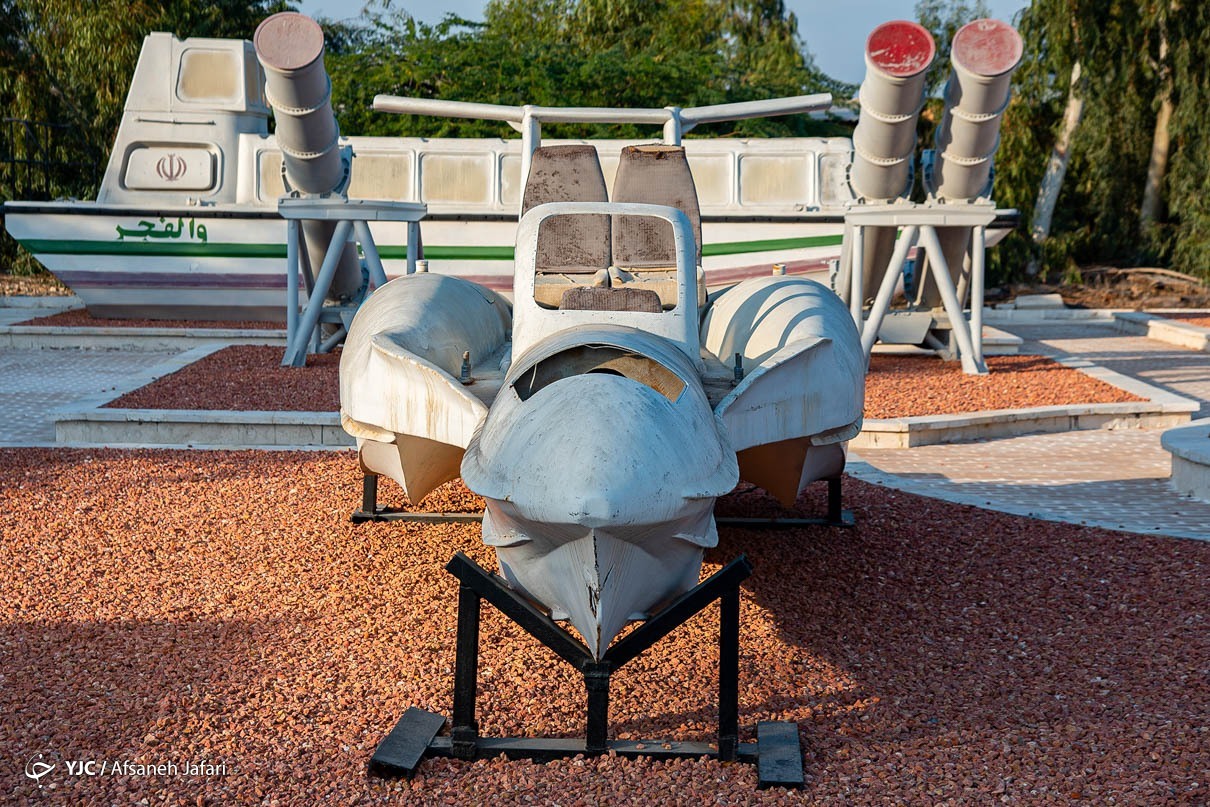
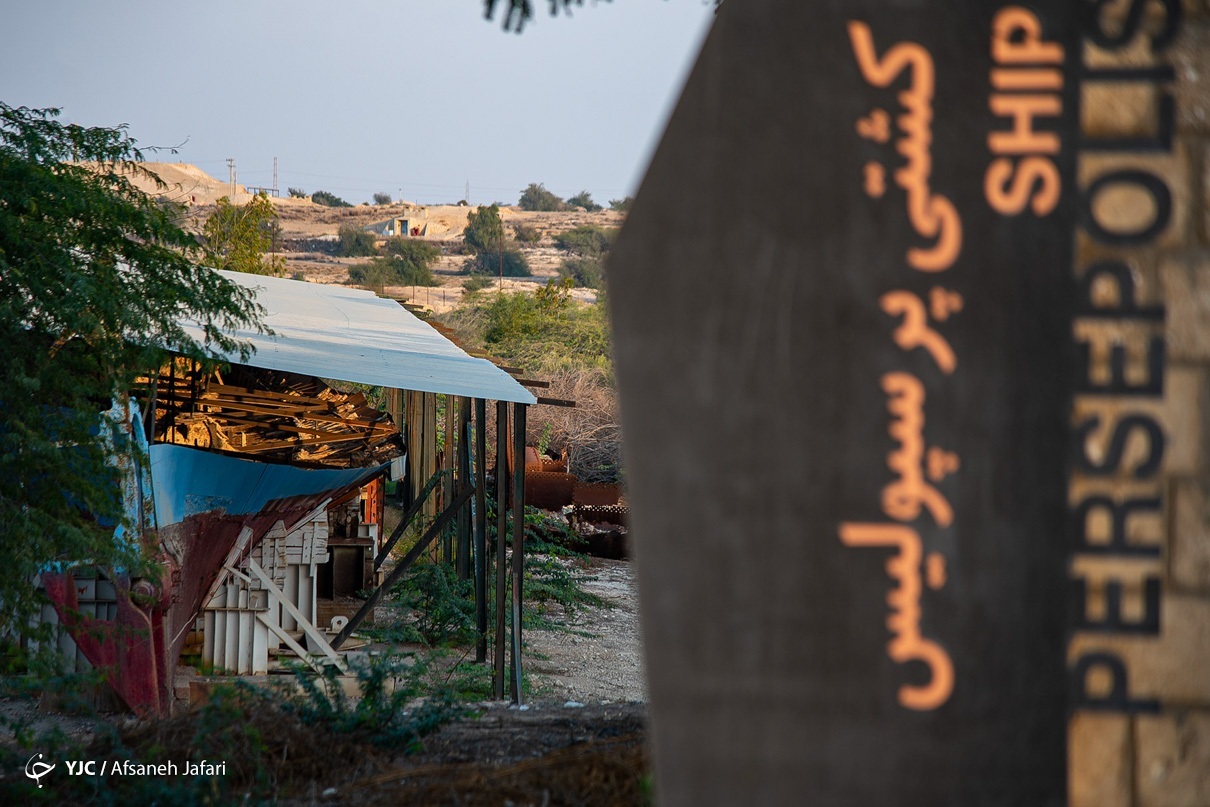
The mansion, in Bushehr’s Sabzabad district, was used by the British as a summer resort for their representatives as early as 1858. It was later turned into the permanent residence of the British consular general in Bushehr. Outside the Kolah Farangi mansion now lie various military boats, submarines and other vessels equipped with military hardware.
They are on display as part of the military equipment designed and built by Iranian engineers during the 8-year war Iraq imposed on Iran in the 1980’s.
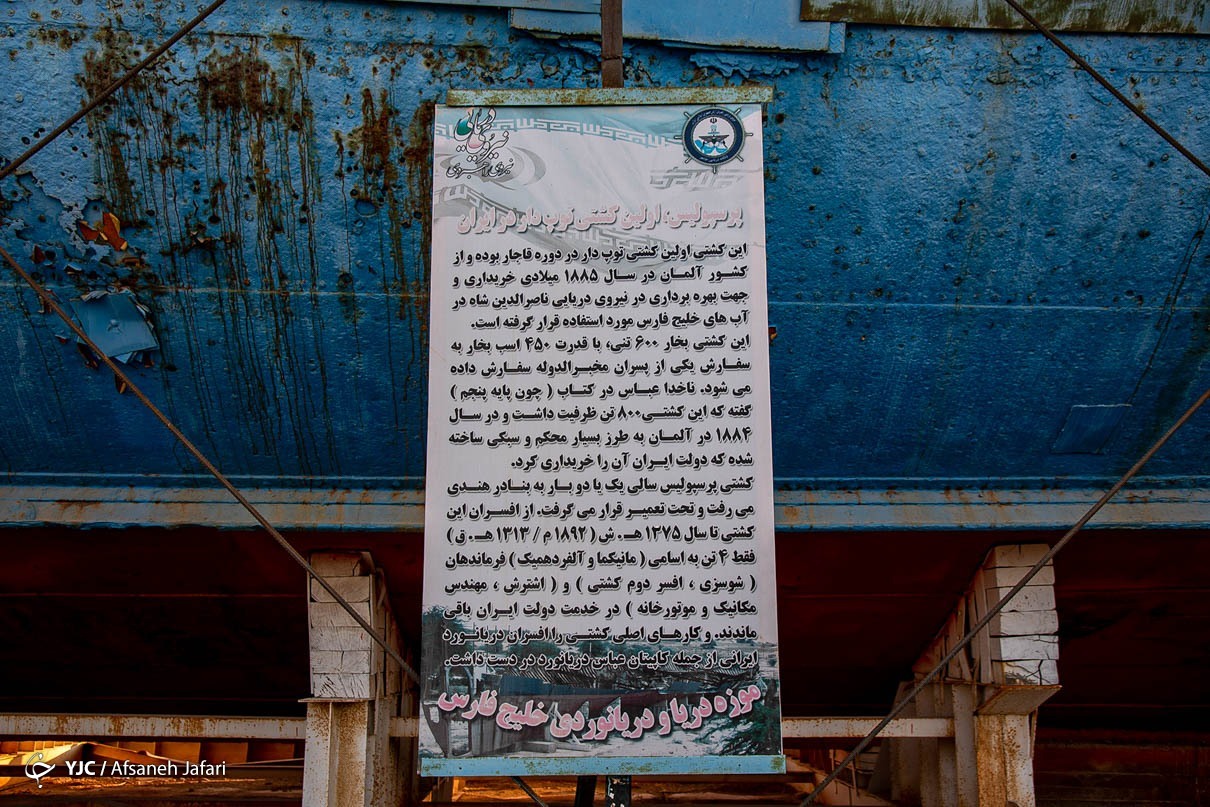
Also on display in the museum is the famous Persepolis vessel.





Iran Covid: 50 new deaths, 1,900 more cases
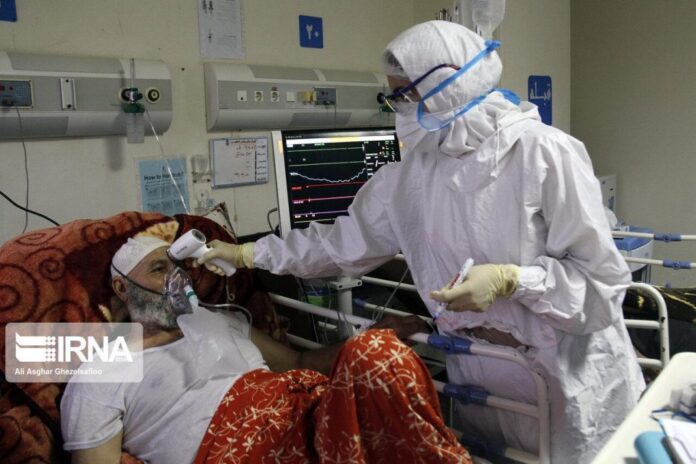
There were also more than 1,900 new infections on Saturday, December 18, 2021, which takes the overall caseload to more than 6,170,000.
Upwards of 6,000,000 COVID patients have recovered across the country so far, with over 2,800 people currently hospitalized in the ICU.
Iran has been pressing ahead with the vaccination drive to help contain the spread of the disease.
Over 59,000,000 people have received their first doses of the vaccine, more than 50,000,000 have got their second jabs, and over 3,700,000 have received the third doses.
This comes as authorities have confirmed the first cases of the Omicron variant of COVID-19 in the country. Citizens have been urged to observe health protocols more seriously to help contain the virus.
Iran confirms Omicron cases in country
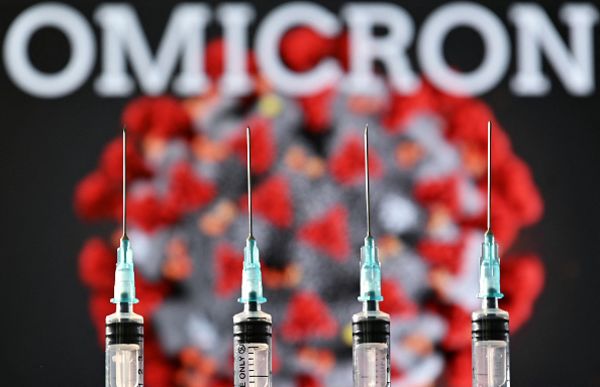
“In an emergency meeting of the Coronavirus Task Force held at the health ministry, it was confirmed that cases of the Omicron variant of COVID-19 have been observed in Iran,” said the ministry’s Public Relations Office.
In the meeting, participants also exchanged views on drawing up new health protocols.
They stressed the necessity of the injection of the third dose of the coronavirus vaccine as well as wearing face masks and observing other health protocols in order to contain the spread of the new strain of the virus.
Meanwhile, a member of the task force reiterated that Omicron turns into the predominant variant of COVID-19 in 17 days while the Delta strain took 100 days to become the dominant breed of the virus.
He said the Omicron variant is likely to have entered Iran as borders are open and flights are running.
“Observations show the number of Omicron infections is increasing in different countries day by day, and there is a possibility that it is present Iran,” said he task force member.
“If observed in the country, Omicron can change the situation from blue to red; so, health directives should be taken more seriously,” he said.
