Tuesday, December 30, 2025
Home Blog Page 1058

Thousands of Israeli soldiers got mental health treatment since start of Gaza war

Israeli Army

“Since Oct. 7, thousands of soldiers, about 3,000 regular and reserve soldiers, have been examined by mental health officers in the Israeli army deployed in all sectors,” Yekhiel Levechitz, the head of the clinical department for mental illnesses in the Israeli army, told the Israeli Broadcasting Authority.

She added that “more than 2,000 individuals have been treated by the combat response teams on the ground near the combat zone,” while others received treatment in units inside Israel.

“Over a thousand regular and reserve soldiers showed symptoms of post-traumatic stress and were transferred to the intensive care unit at the Tzrifin military base (central Israel).”

Israel launched a deadly offensive on the Gaza Strip on Oct. 7, killing at least 27,100 Palestinians and injuring 66,300. Nearly 1,200 Israelis are believed to have been killed in the Hamas attack.

The Israeli offensive has left 85% of Gaza’s population internally displaced amid acute shortages of food, clean water, and medicine, while 60% of the enclave’s infrastructure has been damaged or destroyed, according to the UN.

Hundreds of Western officials sign scathing criticism of Gaza policy

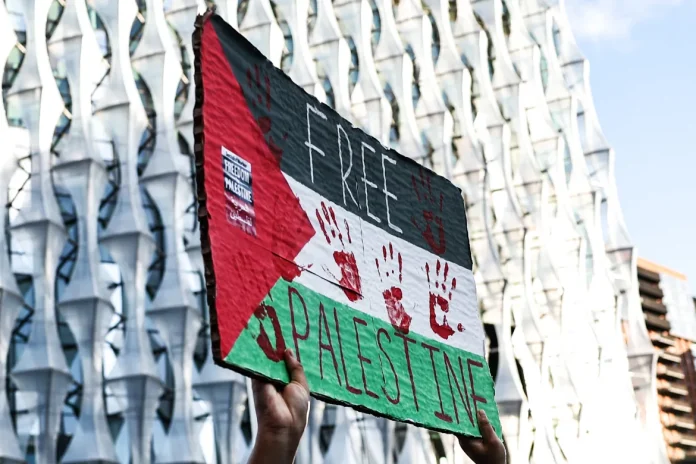
Pro-Palestine Rally

In a statement obtained by CNN, the officials say there is a “plausible risk that our governments’ policies are contributing to grave violations of international humanitarian law, war crimes and even ethnic cleansing or genocide”.

They accuse their governments of failing to hold Israel to the same standards they apply to other countries and weakening their own “moral standing” in the world.

Among them are around 80 United States officials and diplomats, a source told CNN.

In an unprecedented display of coordinated dissent since Israel’s war against Hamas began nearly four months ago, the signatories call on their governments to “use all leverage” to secure a ceasefire and to stop saying that there is a “a strategic and defensible rationale behind the Israeli operation”.

The public letter, released Friday, comes a week after the International Court of Justice (ICJ) found South Africa’s claim that Israel is committing genocide in Gaza to be “plausible”, and ordered Israel to “take all measures” to limit the death and destruction caused by its military campaign, prevent and punish incitement to genocide, and ensure access to humanitarian aid.

The statement “shows the depths of concerns and outrage and just horror that all of us are witnessing”, a US official with more than 25 years’ experience, who signed the letter, told CNN on Friday.

“The talking points that keep being delivered day after day are not cutting it.”

The US official told CNN that the signatories were motivated by their shared experience of having their concerns be ignored by their governments and by “the appropriateness” of public dissent by civil servants when ignored internally.

The official added that the ICJ’s decision to hear a genocide case lodged against Israel was validation for the authors’ concerns. Israel has strenuously denied accusations of genocide in Gaza.

“What was really important for those of us on the US side was to link arms with the people in Europe who believe their governments are following the US lead, and feel constrained by that,” the official said, adding, “So we thought it was important that US officials continue to make clear their concerns with government policy on this.”

The statement, which does not list its signatories, says that it was “coordinated” by civil servants in European Union institutions, The Netherlands, and the United States, and endorsed by civil servants in Belgium, Denmark, Finland, France, Germany, Italy, Spain, Sweden, Switzerland, and the United Kingdom.

Despite the letter not listing its authors, the US official told CNN many colleagues feared losing their jobs, and that the lower number of US signatories reflected stronger protections for official dissents in Europe.

A senior British civil servant told CNN of the letter: “We feel that politicians have responded to the evolving situation, evinced by the Foreign Secretary’s words this week.”

The Dutch Foreign Ministry, in a statement to CNN, announced that while civil servants are entitled to freedom of expression, they are subject to some limitations under Dutch law.

“It is only natural that the debate in society about the conflict between Israel and Hamas also exists within our ministry. We feel that there should be scope for this debate and we encourage staff to enter into dialogues internally. And these dialogues are taking place.”

In the letter, the officials say that they raised concerns internally within their governments and institutions, but their professional concerns have often been overruled “by political and ideological considerations.”

“We are obliged to do everything in our power on behalf of our countries and ourselves to not be complicit in one of the worst human catastrophes of this century,” they write.

Israel’s policies, they argue, are counterproductive to its own national security goals.

“Israel’s military operations have disregarded all important counterterrorism expertise gained since 9/11; and that the operation has not contributed to Israel’s goal of defeating Hamas and instead has strengthened the appeal of Hamas, Hezbollah and other negative actors.”

They say that Western support for Israel has come “without real conditions or accountability.”

“Our governments’ current policies weaken their moral standing and undermine their ability to stand up for freedom, justice, and human rights globally and weaken our efforts to rally international support for Ukraine and to counter malign actions by Russia, China and Iran,” they add.

Finally, they call on their governments to “develop a strategy for lasting peace that includes a secure Palestinian state and guarantees for Israel’s security, so that an attack like 7 October and an offensive on Gaza never happen again”.

Iraq condemns US air raids as ‘breach of sovereignty’

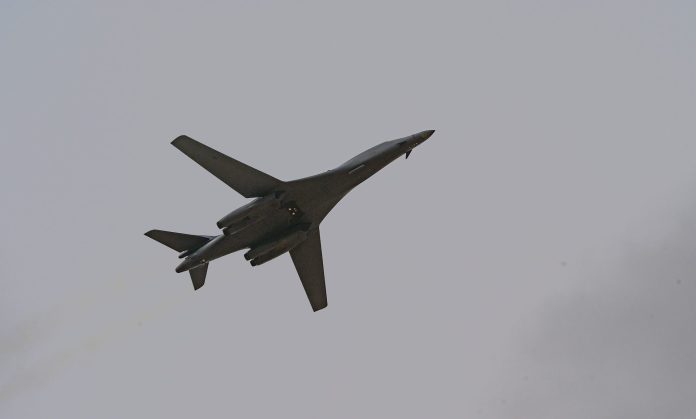
US Air Force

“These airstrikes constitute a violation of Iraqi sovereignty,” General Yehya Rasool, a spokesman for Prime Minister Mohamed Shia al-Sudani, said in a statement.

He noted that the actions taken by Washington will have “disastrous consequences for the security and stability of Iraq and the region”.
The White House has announced that the United States had notified Iraq prior to Friday’s strikes on three locations within the country.

US Central Command (CENTCOM) said its military forces struck more than 85 targets in the two countries “with numerous aircraft to include long-range bombers flown from the United States”.
“The air strikes employed more than 125 precision munitions,” it added in a statement.

US President Joe Biden stated in a statement on Friday that the strikes were the first in a series of actions by Washington in response to a drone attack that killed a number of soldiers at a remote US base in Jordan.

“Our response began today,” Biden continued, adding, “It will continue at times and places of our choosing.”

Three US soldiers were killed and about 40 others injured in the assault on the military base known as Tower 22 near the Jordan-Syria border on Sunday.

The Islamic Resistance in Iraq, an umbrella group of anti-terror fighters, in a statement published on its Telegram channel claimed responsibility for the drone strike.

UN Satellite Centre reveals 30% of Gaza destroyed or damaged

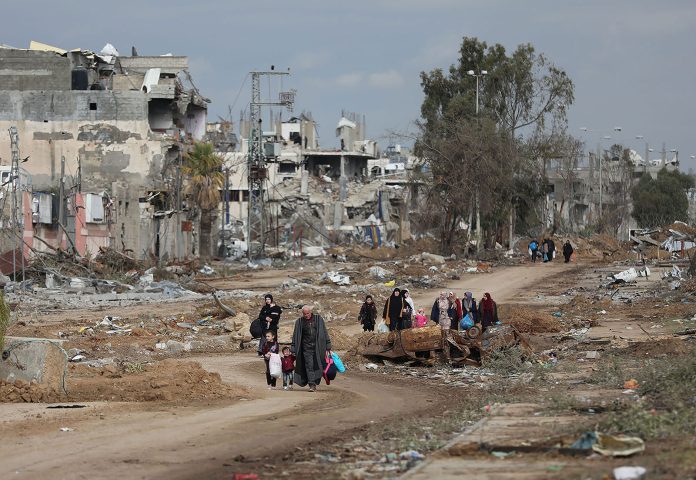
Gaza War

“In total, a staggering 69,147 structures, equivalent to approximately 30 percent of the Gaza Strip’s total structures, are affected,” UNOSAT said.

The UN centre added that Gaza City and Khan Younis have seen the most significant increases in damage, with 10,280 and 11,894 damaged structures respectively, since their previous analysis on 26 November.

According to UNOSAT, an estimated 93,800 housing units have been damaged in Gaza.

The World Health Organization (WHO) also said on Friday more than 8,000 people in the Gaza Strip need medical evacuation and the vast majority of them have war-related injuries.

“Medical referrals for critically injured and sick patients outside Gaza remain ad hoc and insufficient. An orderly, safe and sustained transfer of patients to Egypt and possibly to other locations via Egypt is needed,” Richard Peeperkorn, WHO representative in occupied Palestinian territories, told a press conference in Geneva via video link.

Peeperkorn added that 6,000 of those people who need referrals have war-related injuries, while 2,000 have other medical conditions.

Since the war began, he said that a total of 1,243 patients – 790 injured and 445 ill – along with 1025 companions were sent abroad through Rafah.

The WHO added that more than 100,000 Gazans are injured, missing or presumed dead as the situation deteriorates in the enclave. The figure makes up 4.3 percent of Gaza’s 2.3 million population.

Peeperkorn cautioned the rest of the population faces dire circumstances, struggling to secure their basic needs of safety, food, health and warmth.

Israel has killed more than 27,000 people in the Gaza Strip in response to the Oct. 7 cross-border offensive by Hamas, which took the lives of 1,200 people and took 250 as hostages.

The military onslaught has caused mass displacement and destruction and created conditions for famine.

Pentagon confirms airstrikes against dozens of targets in Middle East

US Air Force

Washington’s latest air raids began around midnight on Saturday and hit more than 85 targets in Syria and Iraq, the US Central Command (CENTCOM) said in a statement. The operation involved “numerous aircraft”, including long-range bombers flown from the US, which dropped over 125 precision munitions on their targets.

Those targets included command and control centers, intelligence sites, weapons caches, and supply-chain facilities of Iranian-backed militias, as well as “their IRGC (The Islamic Revolutionary Guard Corps) sponsors who facilitated attacks against US and coalition forces”, CENTCOM added.

The bombings follow a series of assaults on American military bases in the Middle East, including a drone attack that killed three American soldiers and wounded more than 40 others at secretive US installation in Jordan. That base, called Tower 22, is located near the Syrian and Iraqi borders.

The attack on Tower 22 was “planned, resourced and facilitated” by the Islamic Resistance in Iraq, White House National Security Council spokesman John Kirby said on Wednesday. The group consists of multiple militias, including Kataib Hezbollah, which has launched multiple rocket and drone strikes against US forces in the region since the Israel-Hamas war began in October.

Kirby suggested that the US response would be carried out over multiple days. It “won’t just be a one-off”, he stated, adding, “As I said, the first thing you see will not be the last thing”. He noted that President Joe Biden is still trying to avoid a broader war with Iran.

In a statement issued on Friday, Biden said he personally ordered the Pentagon’s response to last weekend’s deadly drone attack on a Jordanian military base housing US troops.

“Our response began today,” Biden stated, adding that retaliatory strikes would continue “at times and places of our choosing”.

Media reports in recent days raised concern that Biden was telegraphing his plans and giving the militias too much time to take preparatory steps, such as vacating obvious targets. Pentagon chief Lloyd Austin tried to deflect those worries on Friday, denying that the administration was giving Iran too much warning. He said the US response will be “multi-tiered” and insisted that neither he nor Biden would tolerate attacks on American troops.

Biden has blamed Iran for supplying the weapons that militants have used in attacking US forces in the Middle East more than 160 times since the Israel-Hamas war started. He has faced political pressure to respond aggressively, including calls by Republican lawmakers to launch devastating strikes inside Iran.

Tehran has stressed that regional resistance groups do not take orders from Iran, nor does the Islamic Republic have a role in their decisions to carry out retaliatory operations in defense of Palestine.

“Iran is not involved in the resistance groups’ decisions about how to support the Palestinian people or defend themselves and the people of their countries in the face of any aggression and occupation,” Foreign Ministry Spokesman Nasser Kanaani stated.

He cautioned that leveling baseless accusations against Iran is a projection and a conspiracy by those who see their interests in dragging the US feet in a new conflict in the region to cover up their own problems.

“Iran monitors the developments in the region with readiness and vigilance and the responsibility for the consequences of provocative accusations against Iran rests with the perpetrators of such baseless claims,” he added.

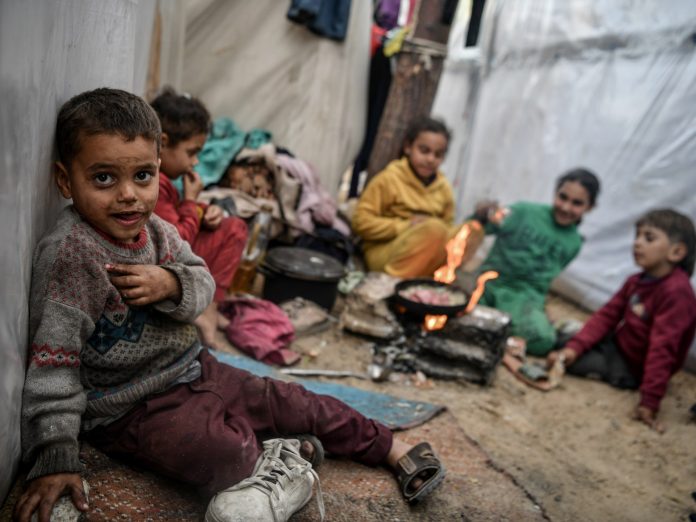
Almost all Gaza’s children need mental health support: UNICEF

Gaza War

“Each [child] has a heartbreaking story of loss and grief,” said Jonathan Crickx, UNICEF’s chief of communication for the occupied Palestinian territories.

“This [17,000] figure corresponds to 1 percent of the overall displaced population – 1.7 million people,” he told a media briefing via video-link from Jerusalem, stating the number was an estimation as it is near impossible to verify information under current conditions.

Each one “is a child who is coming to terms with a horrible new reality”, he added.

Crickx said that tracing who the unaccompanied children were was proving “extremely difficult”, as they were sometimes brought to a hospital wounded or in shock, and “they simply can’t even say their names”.

He added that during conflicts, it was common for extended families to take care of children who lost their parents.

However, in Gaza, “due to the sheer lack of food, water or shelter, extended families are themselves distressed and face challenges to immediately take care of another child as they themselves are struggling to cater for their own children and family”, Crickx continued.

Broadly, UNICEF terms separated children as those who are without their parents, while unaccompanied children are those who are separated and also without other relatives.

Crickx also said the mental health of children in Gaza was being severely affected by the offensive, and that a million children in the Gaza Strip require mental health support.

Children in Gaza “present symptoms like extremely high levels of persistent anxiety, loss of appetite, they can’t sleep, they have emotional outbursts or panic every time they hear the bombings”, he explained.

Before the assault erupted, UNICEF estimated that more than 500,000 children in Gaza needed mental health and psycho-social support.

Now, it believes that “almost all children are in need” of such help.

“That’s more than one million children,” Crickx stressed.

According to the Palestinian health ministry, Israeli attacks have killed more than 27,100 people in Gaza since the war began on October 7, around 11,500 of them children.

More than 66,200 others have been wounded amid a severe lack of medical supplies and functioning healthcare facilities. Thousands more are missing and are under the rubble.

With Israeli ground troops encircling most of northern, central, and eastern Gaza, families have been forced to flee their homes several times since the war began. Many are now crammed in the southern Rafah governorate, which Israel has said is its next target of attack.

Many who fled their homes have been shot at and arrested. Those who make it to the south often have no contact with their relatives or caregivers in other parts of the enclave, especially during times of communication blackouts.

“Children don’t have anything to do with this conflict. Yet they are suffering like no child should ever suffer,” Crickx continued, adding, “No child should ever be exposed to the level of violence seen on October 7 – or to the level of violence that we have witnessed since then.”

He called for a ceasefire so that UNICEF could conduct a proper count of children who are unaccompanied or separated, trace relatives, and deliver mental health support.

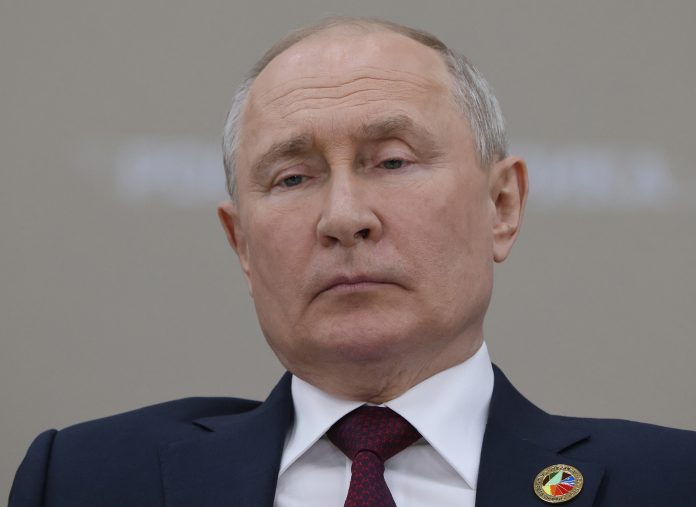
Putin claims Russia has better weapons than NATO

Vldimir Putin

Speaking at the ‘Everything for Victory’ forum in the city of Tula outside Moscow, Putin praised the role the country’s defense industry is playing in the conflict with Ukraine and in the national economy, as it provides jobs for millions.

The Russian leader acknowledged that while some Russian military equipment designed and produced in the twilight of the Soviet era is often – but not always – inferior in some respects to NATO hardware, this is not true of modern Russian weaponry.

“It is clear that [these arms] are superior… I mean both missiles, armored vehicles, everything that is being used on the battlefield.”

He added that for the army to be successful, it should be able to swiftly react to developments on the battlefield, suppressing the adversary’s artillery and reconnaissance assets. The military should also have its own such assets which should be more effective, Putin said.

“Whoever does it faster will win,” he concluded.

Last month, Russian Defense Minister Sergey Shoigu said that production of military hardware and materiel had been significantly ramped up. Manufacturing of artillery shells had been increased several times over, he added.

Meanwhile, on Friday Shoigu estimated Ukraine’s losses in January at 23,000 service members. In December, he said that Ukrainian casualties since the start of the conflict with Russia in February 2022 had reached 383,000.

Putin also stated the Russian economy keeps growing and has already become the largest in Europe and the fifth largest in the world in terms of purchasing power parity (PPP).

PPP is a metric popular with many economists that compares economic productivity and standards of living between countries by adjusting for the differences in the cost of goods and services.

According to the Russian leader, the country’s economy has demonstrated stability, unlike those of the US and the EU, which are currently in decline.

“The fundamental principles of the US’ and EU’s economies are good, they [economies] will rise, but today they are at the bottom, while we are rising,” Putin said.

According to the World Bank, in 2022 China was ahead of the US in terms of PPP, while India and Japan were a respective third and fourth. Russia rounded out the top five, while Germany was in sixth place. Meanwhile, Putin’s top economic adviser, Maksim Oreshkin, stated recently that Russia “is already breathing down Japan’s back in the race for fourth place”.

This week, the IMF significantly raised its growth forecast for the Russian economy, projecting that the country’s GDP will grow by 2.6% this year. The estimate is a sharp increase from its October forecast of 1.1% growth. The forecast for 2025 was also increased by 0.1 percentage point from the October estimate, to 1.1%.

The Russian Economy Ministry expects the country’s GDP to expand 2.3% this year, following 3.5% growth in 2023, according to the preliminary reading.

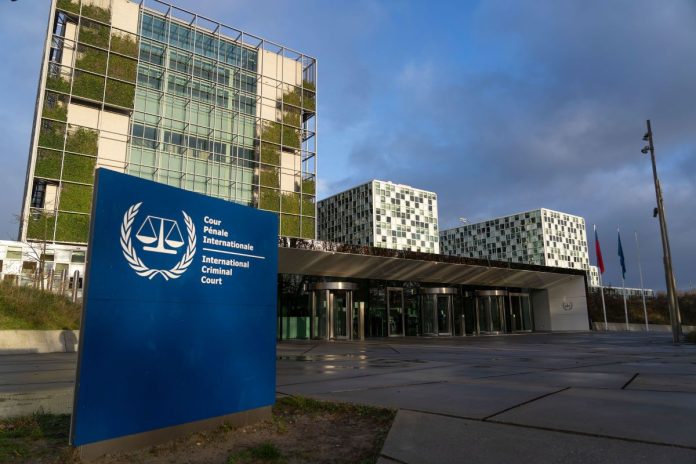
ICC dismisses Russia’s objections to Ukraine’s lawsuit

The International Criminal Court (ICC)

At a preliminary hearing in the Hague on Friday, the court announced that it considers the case to be under its jurisdiction and will hear it.

“The Court decided by 15 votes to one that it has jurisdiction to consider the case, based on Article 9 of the Convention on the Prevention and Punishment of Genocide,” Judge Joan Donohue said at a hearing that was broadcast life.

Kyiv filed a lawsuit against Russia in February 2022 after Moscow launched its “special military operation” in Ukraine.

In March 2022, the court called on Russia to suspend its military operation on the territory of Ukraine and also called on both sides to refrain from any actions that could delay the trial.

In October 2023, Russia raised preliminary objections to the jurisdiction of the court and the admissibility of Ukraine’s application.

Turkey says detained 7 suspected of selling information to Israel’s Mossad

Turkish Police

Turkey has previously warned Israel of “serious consequences” if it tries to hunt down members of the armed Palestinian group Hamas living outside Palestinian territories, including in Turkey. Turkish and Israeli leaders have traded public barbs since Israel’s war with Hamas began last October.

Turkey, unlike most of its Western allies and some Arab nations, does not classify Hamas as a terrorist organisation.

The security official, speaking on condition of anonymity, said Turkish police and the country’s MIT intelligence agency had conducted joint operations in Istanbul and Izmir as part of an investigation by the Istanbul chief prosecutor’s office.

The latest operations come a month after a round of suspected Mossad-related arrests in Turkey.

State broadcaster TRT reported on Friday that MIT had determined that Mossad was using private detectives to follow its targets.

The suspects are believed to have sought to monitor and photograph the targets, place tracking devices on them and gain other information for Mossad, TRT reported, citing unnamed security sources.

Last month, a senior Turkish official stated authorities had detained 34 people suspected of being linked to the Mossad service and of targeting Palestinians living in Turkey.

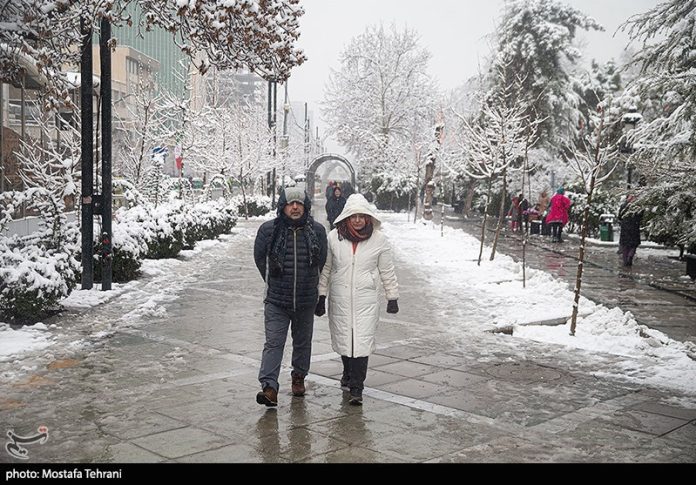
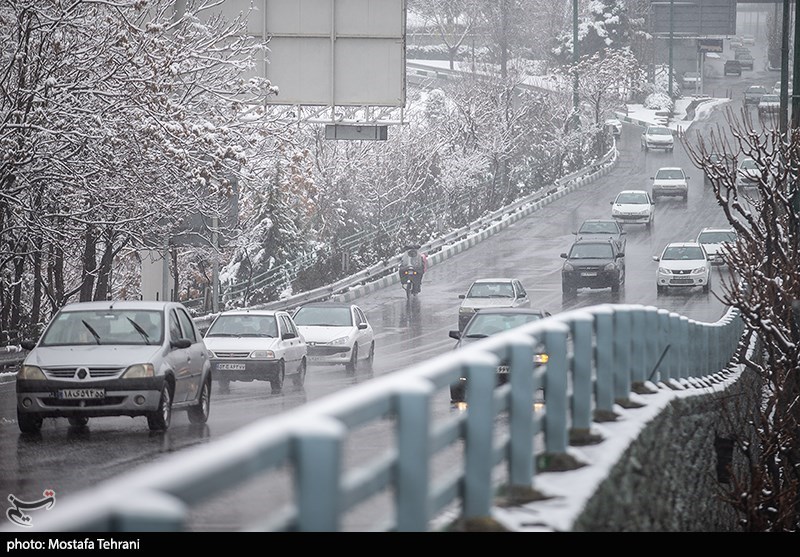
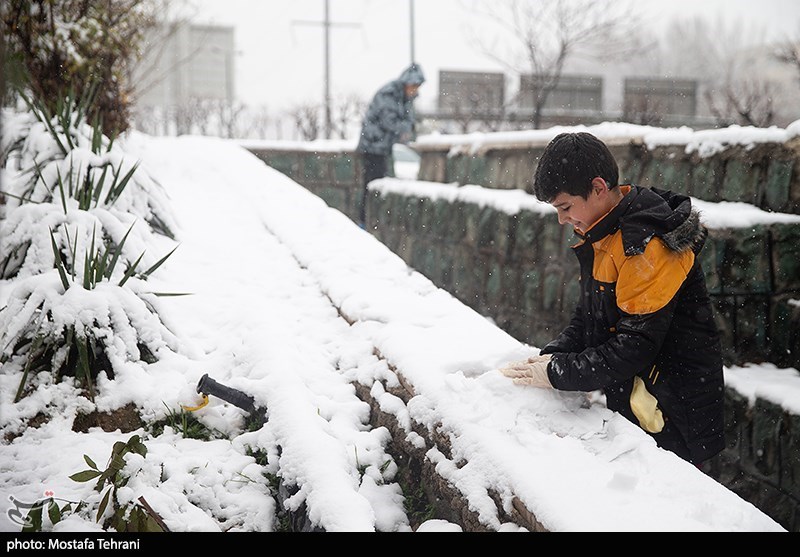
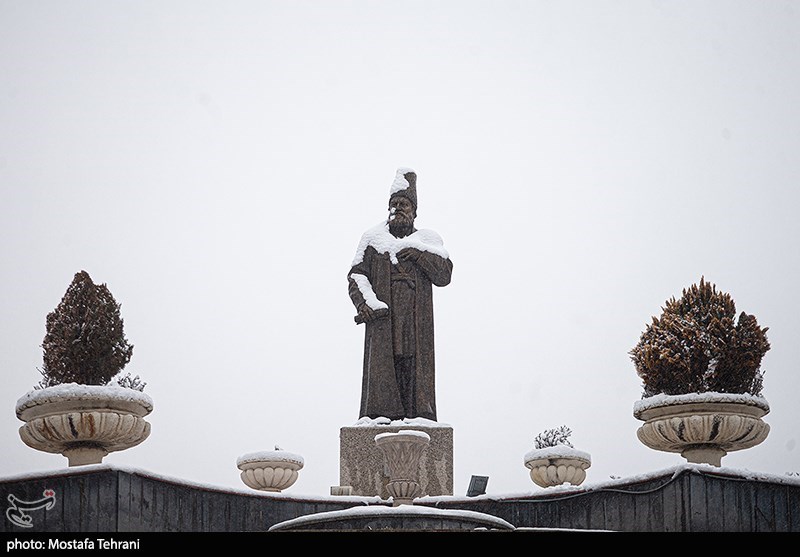
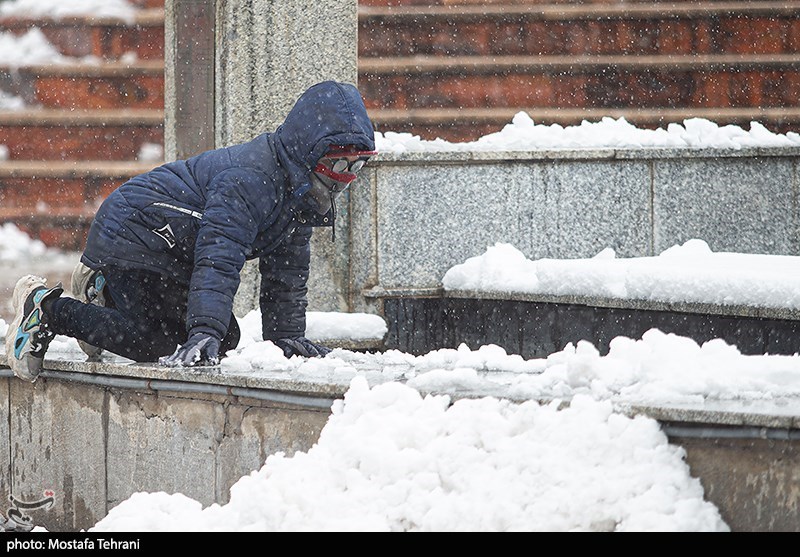
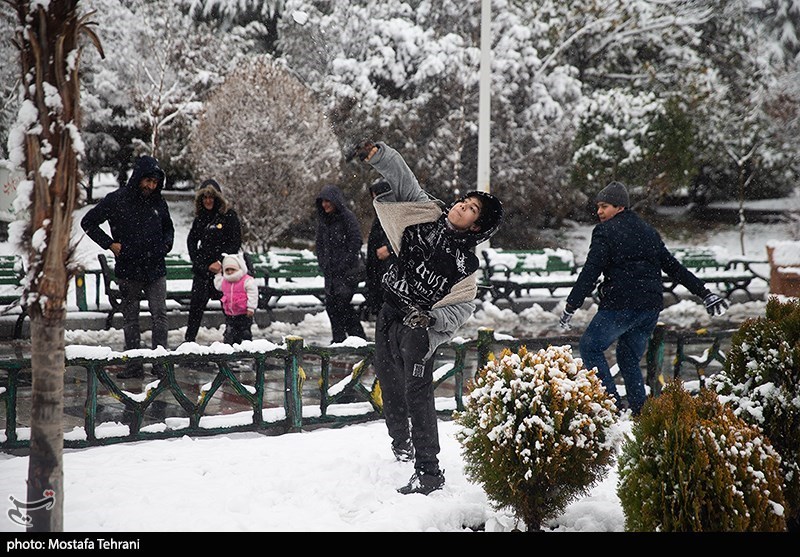
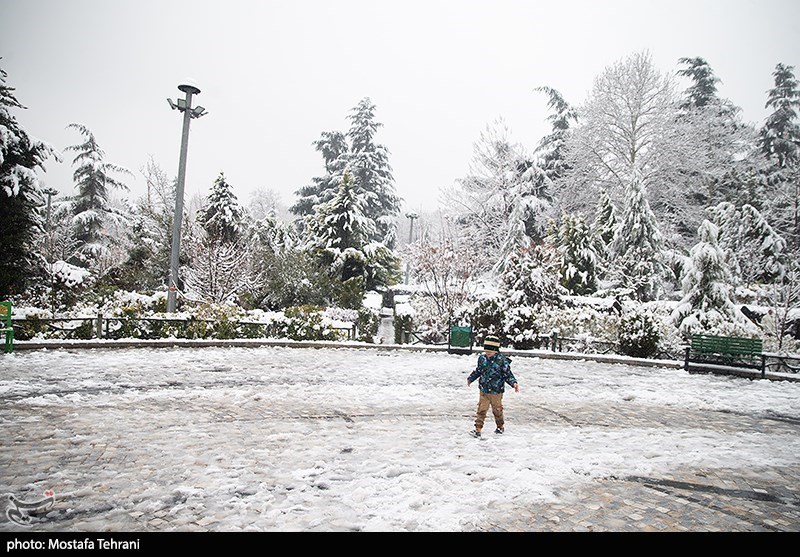
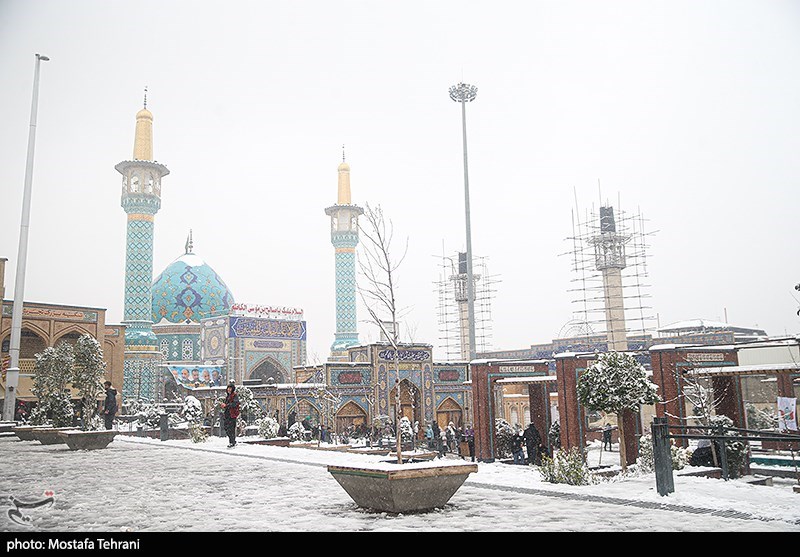
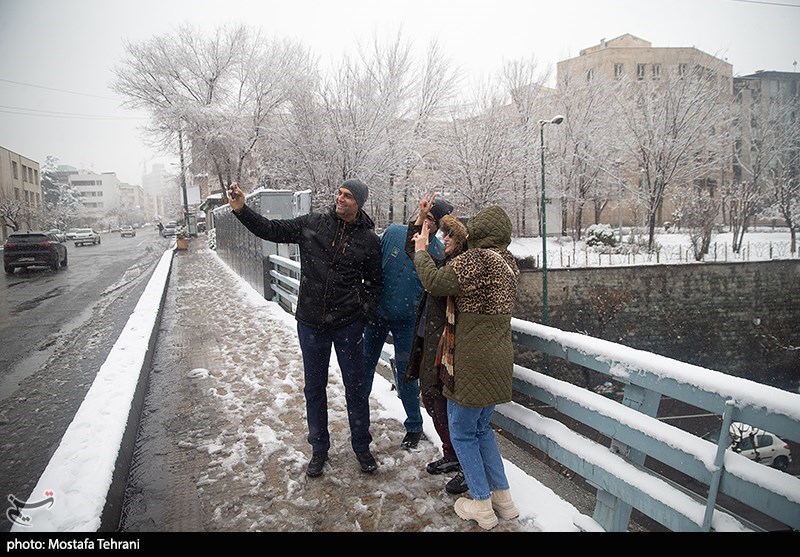
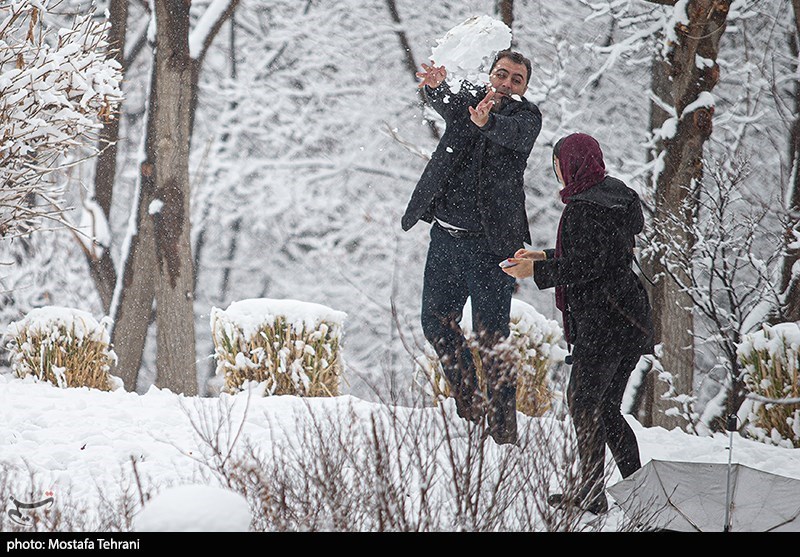
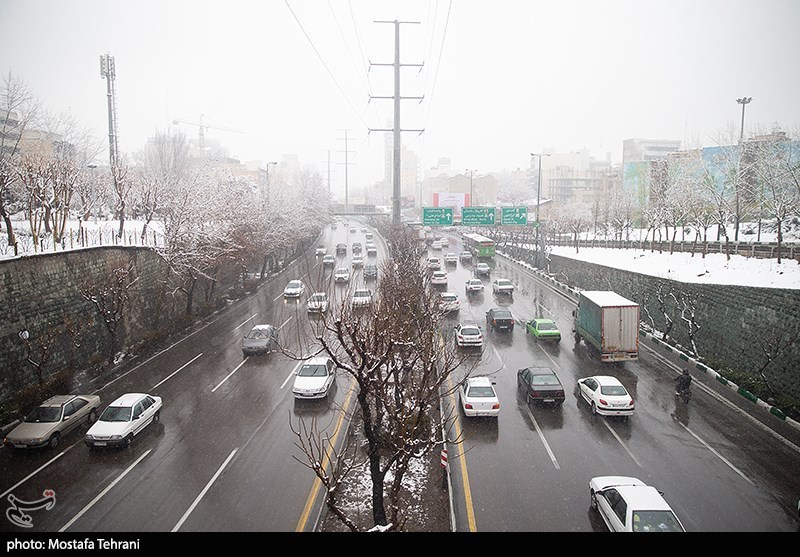
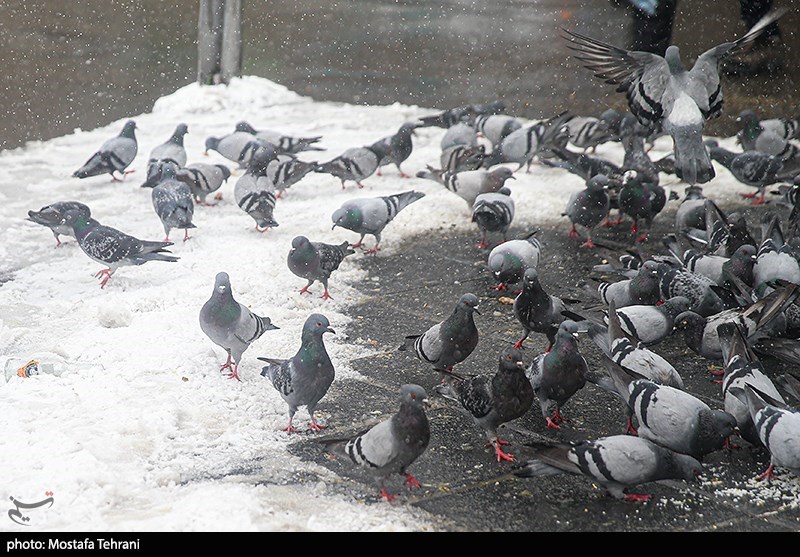
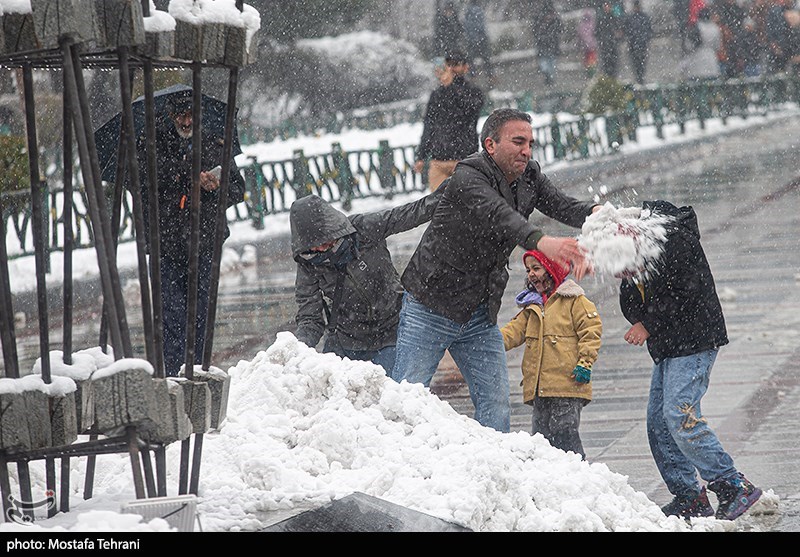
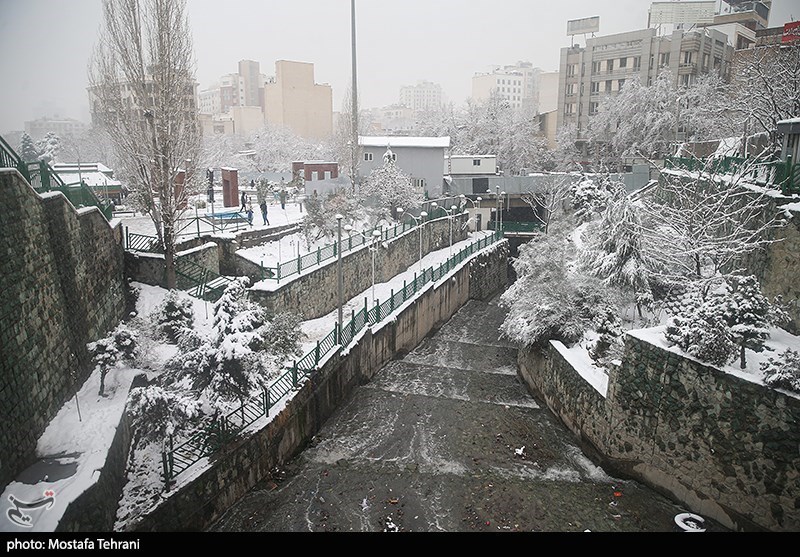
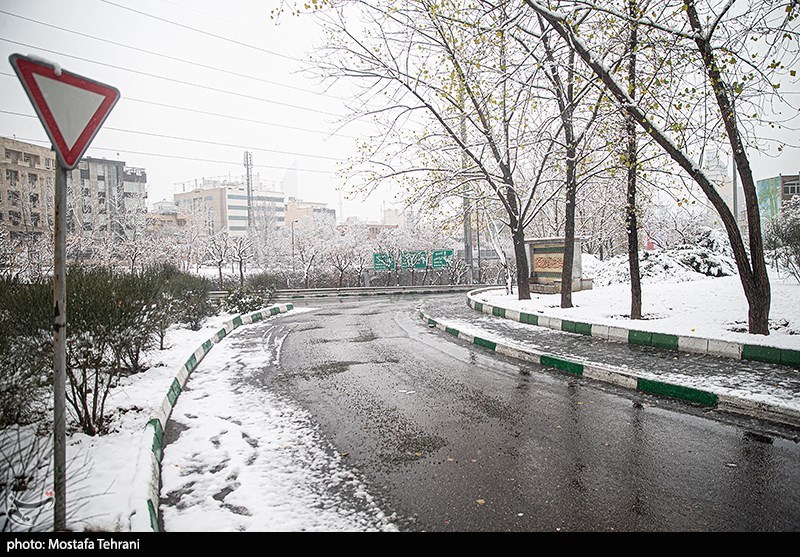
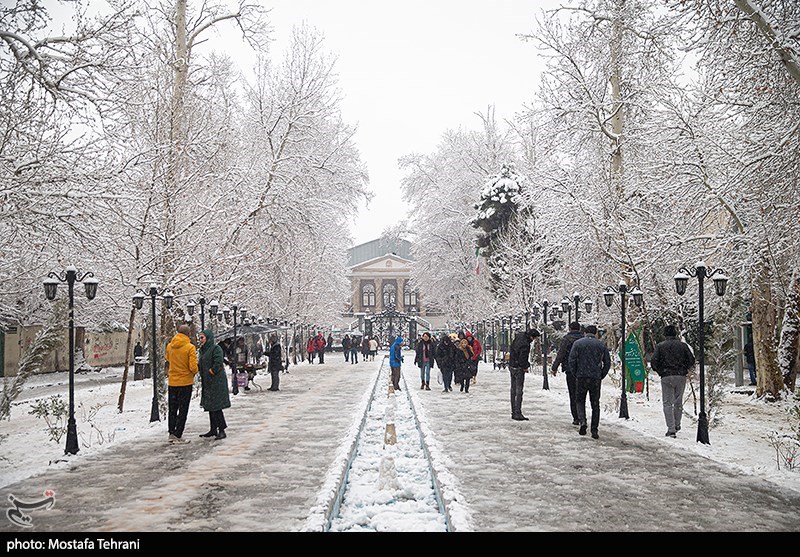
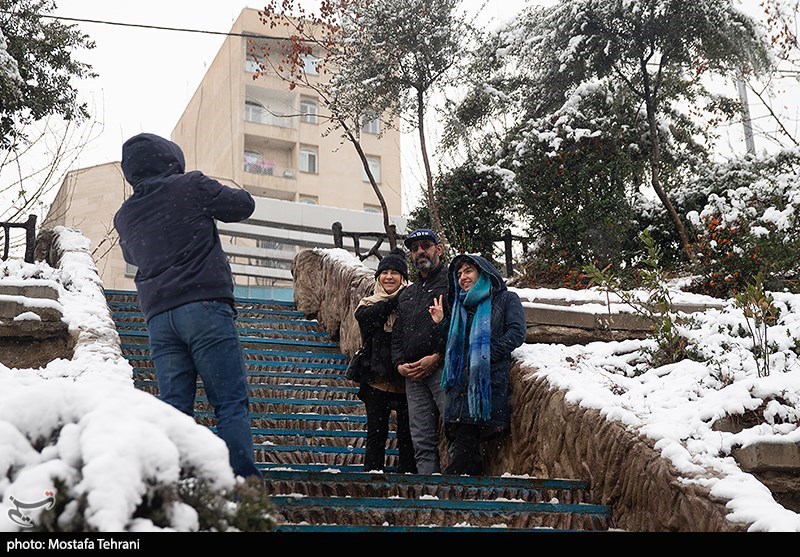
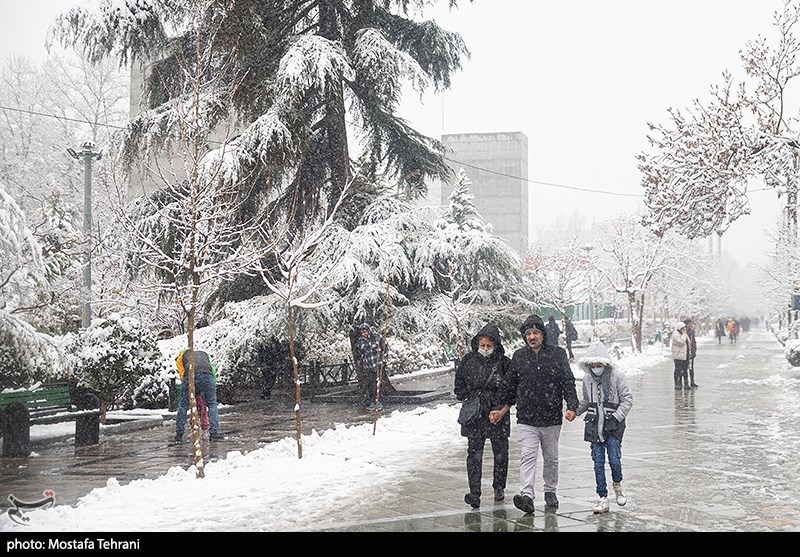
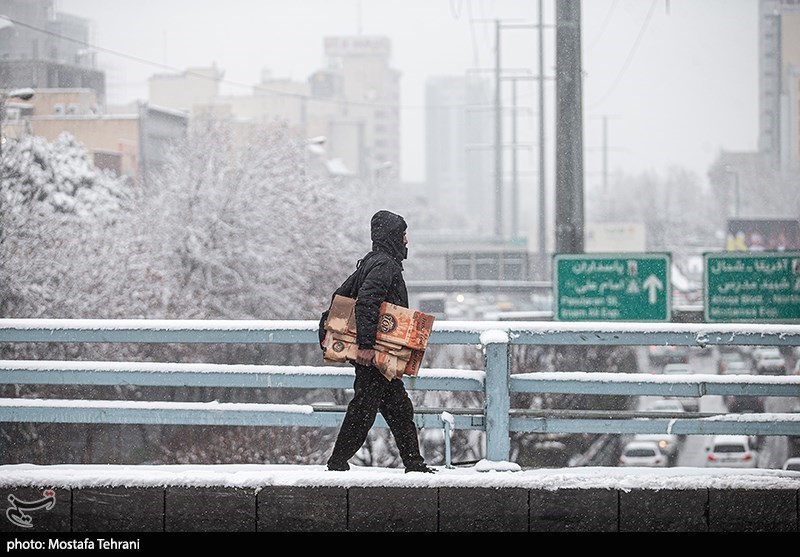
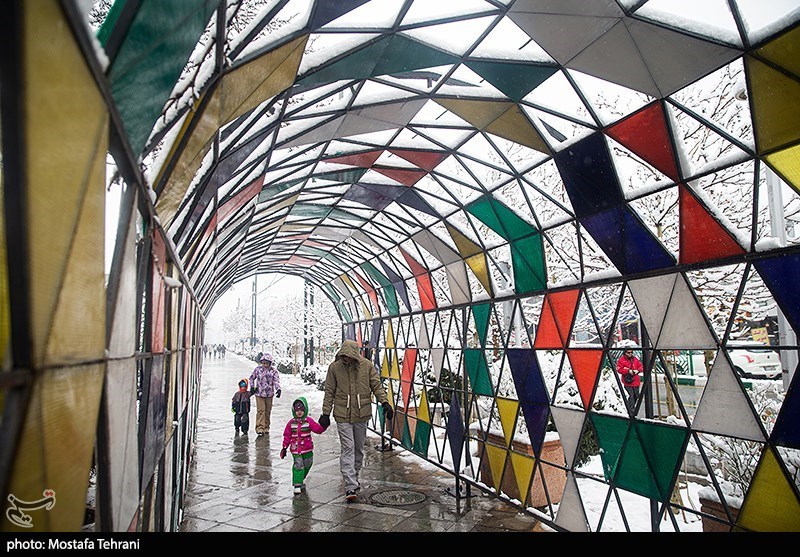
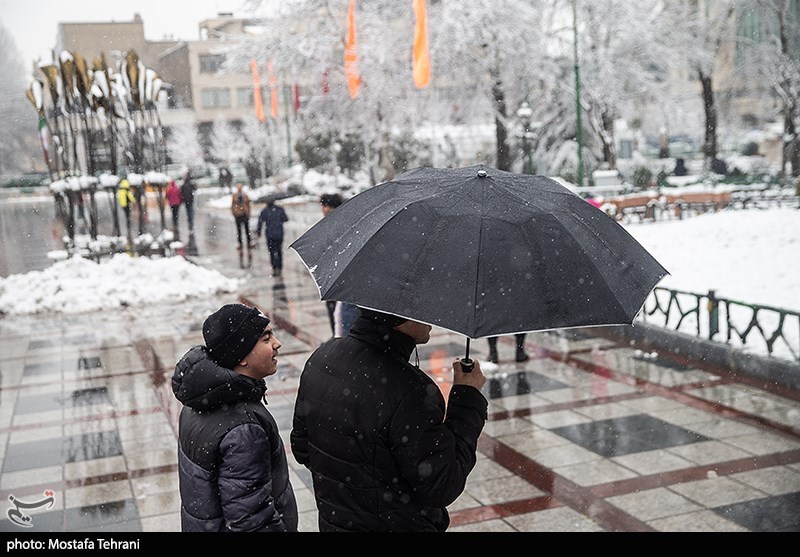
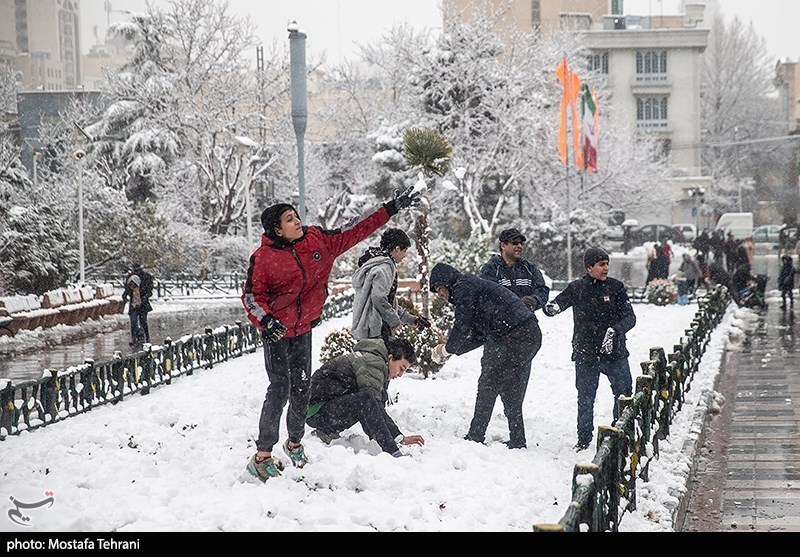
Snow covers Tehran, brings joy and relief

Iran Snow

People were out on the street on Friday, which is a holiday on the Iranian calendar, enjoying the beauty of the nature.

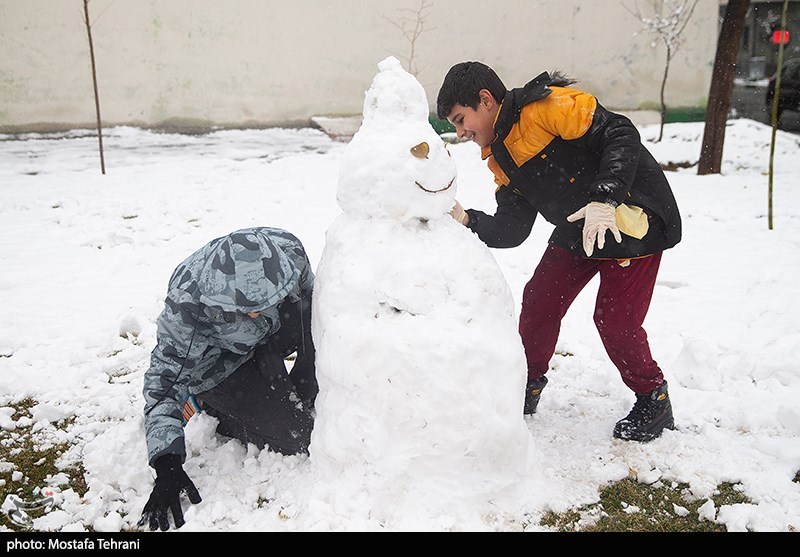
Children were making snowmen and pelting snowballs at each other.

Here are some of the pictures of the moments filled with fun: