
Farmers in Iran’s southern province of Fars still use traditional non-mechanized agricultural methods.
Here are Tasnim’s photos of some of these farmers:
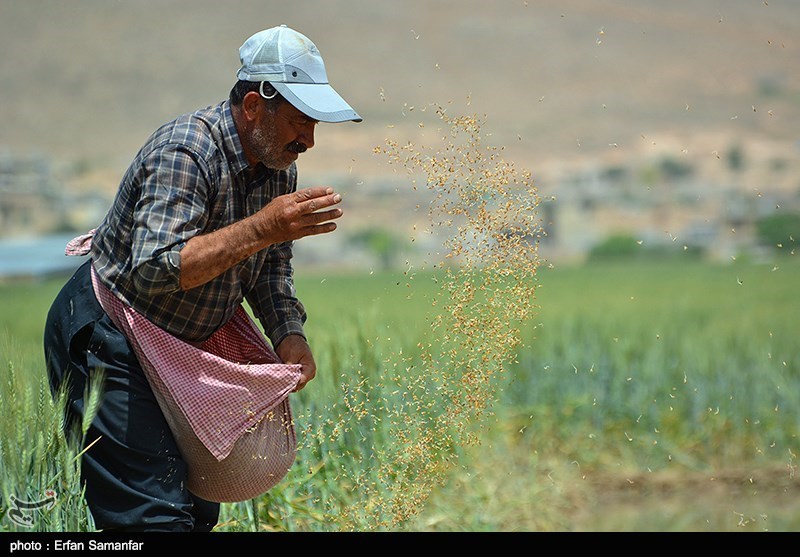
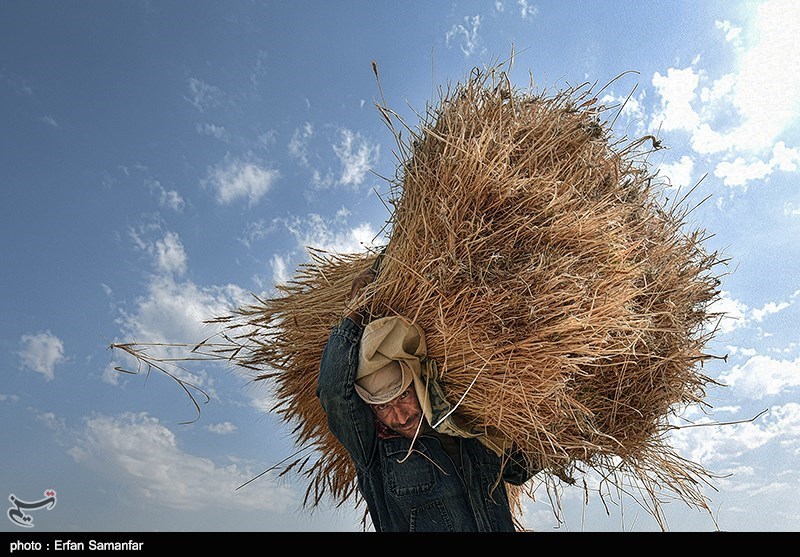
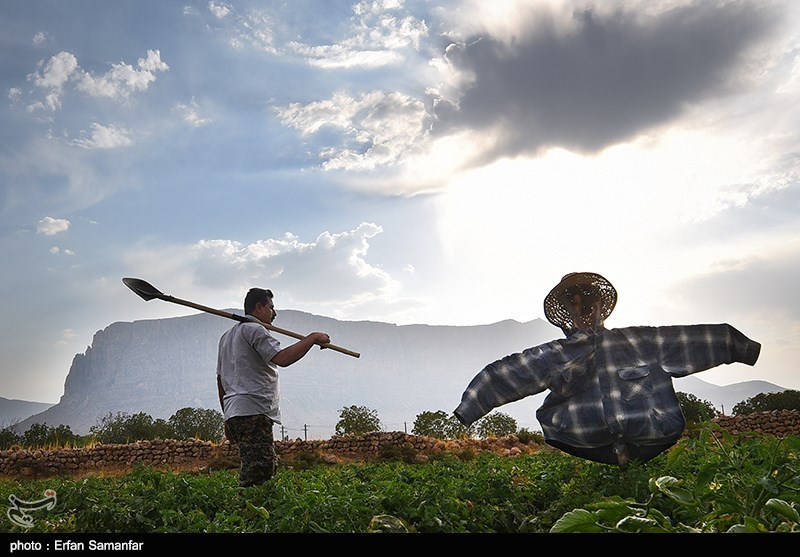
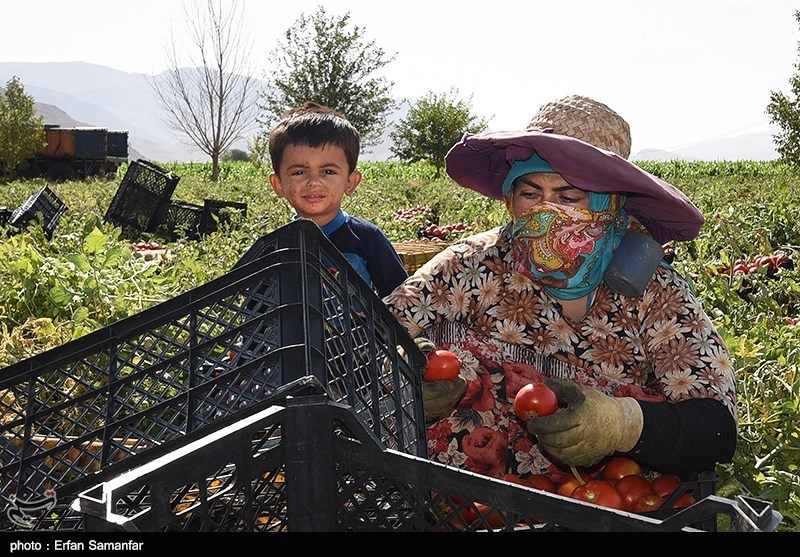

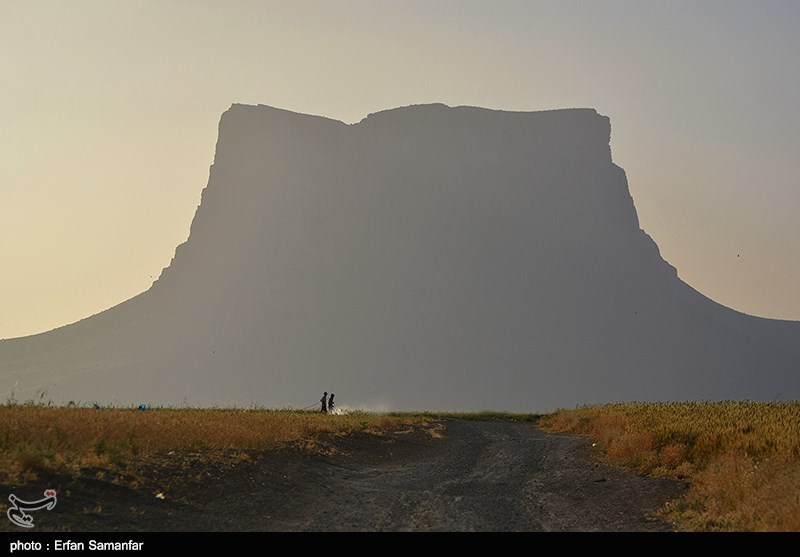

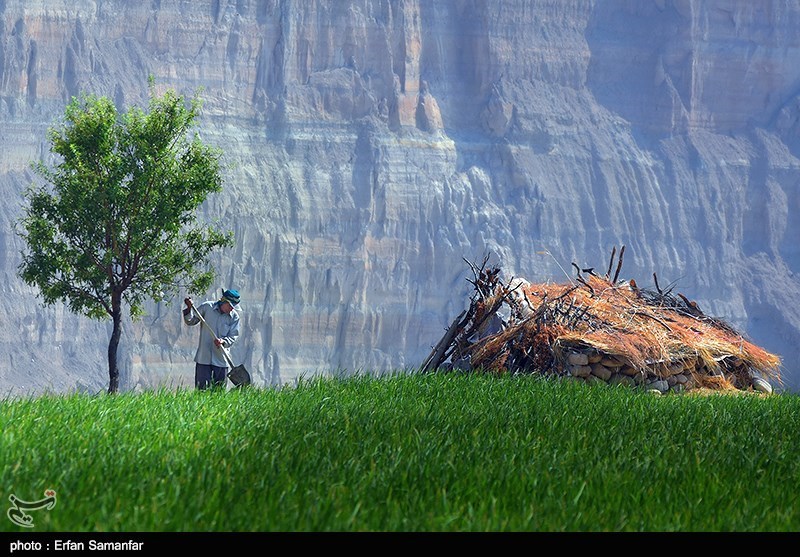


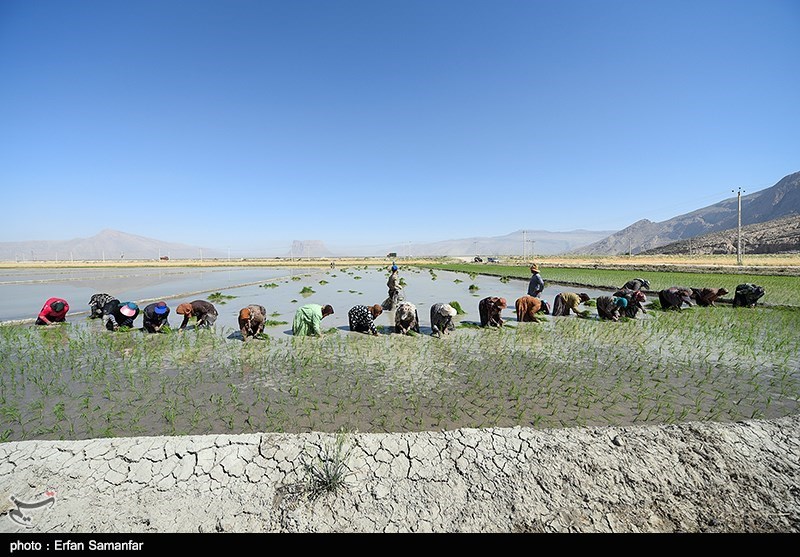
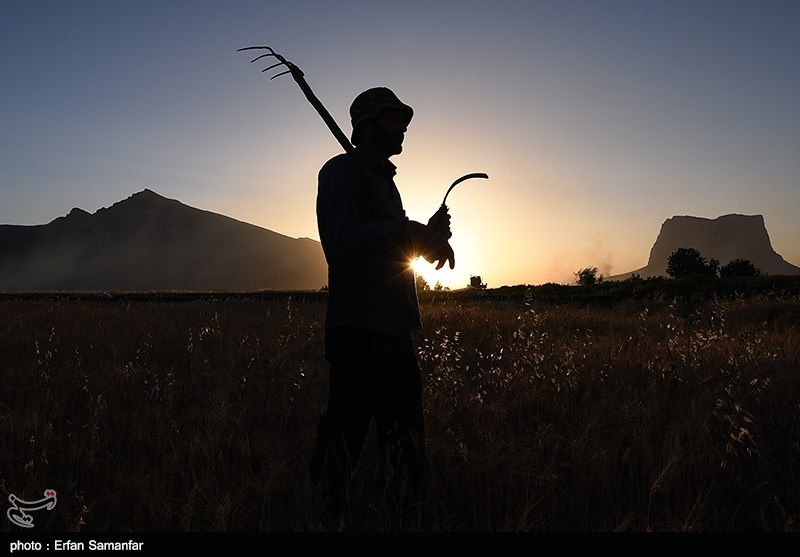
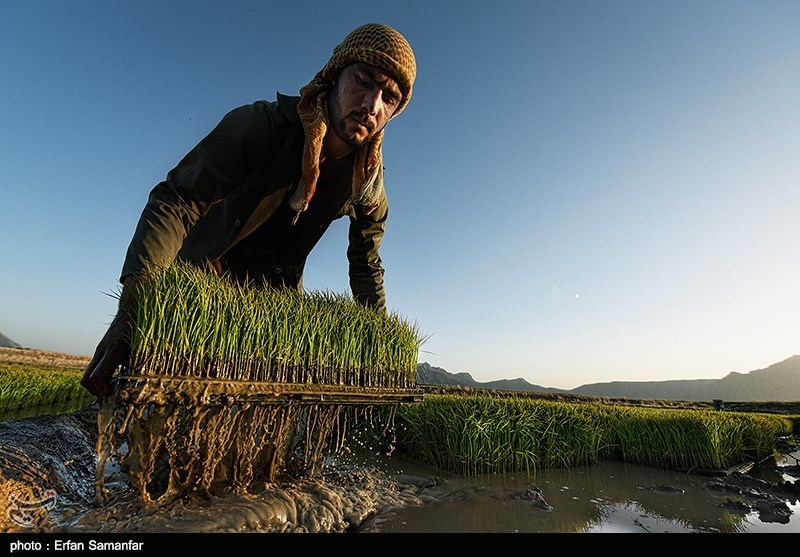
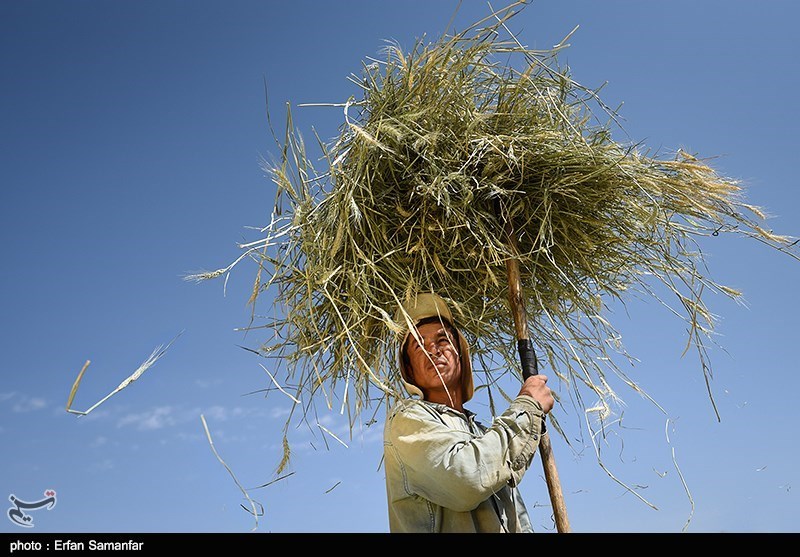
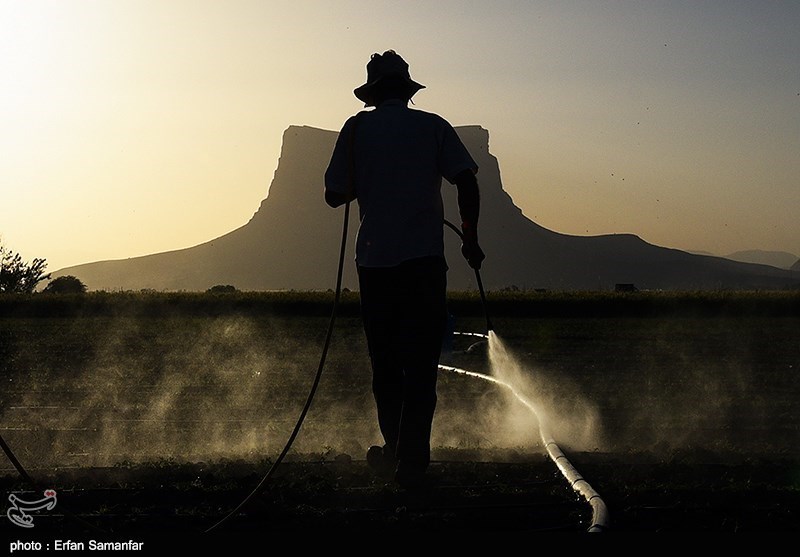
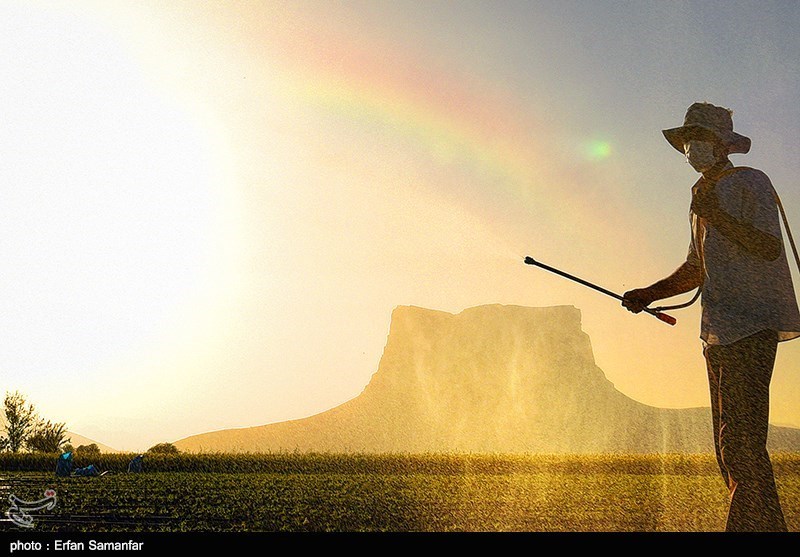
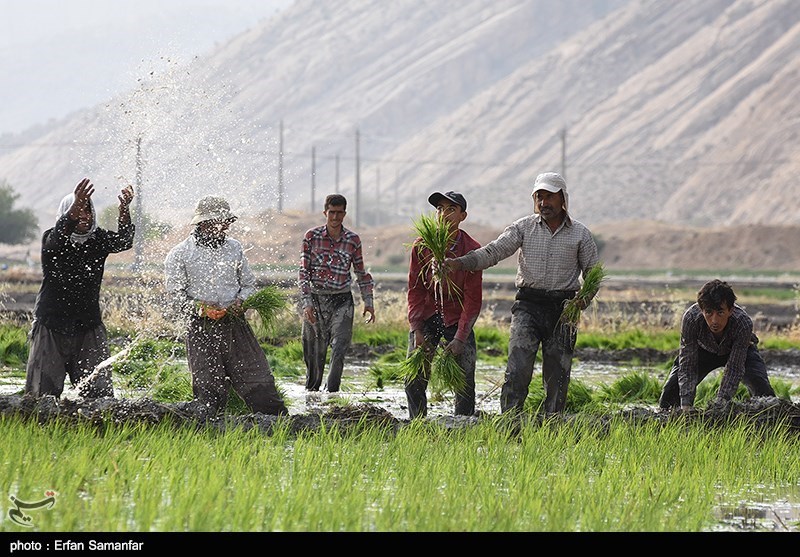
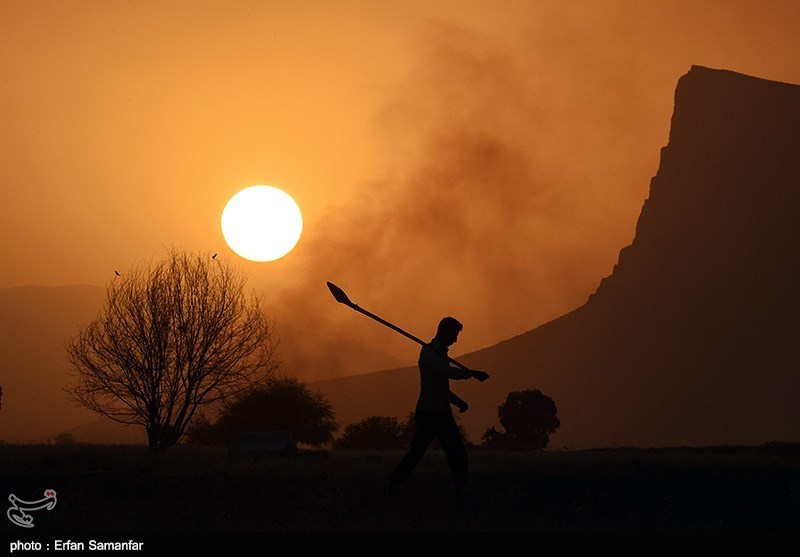
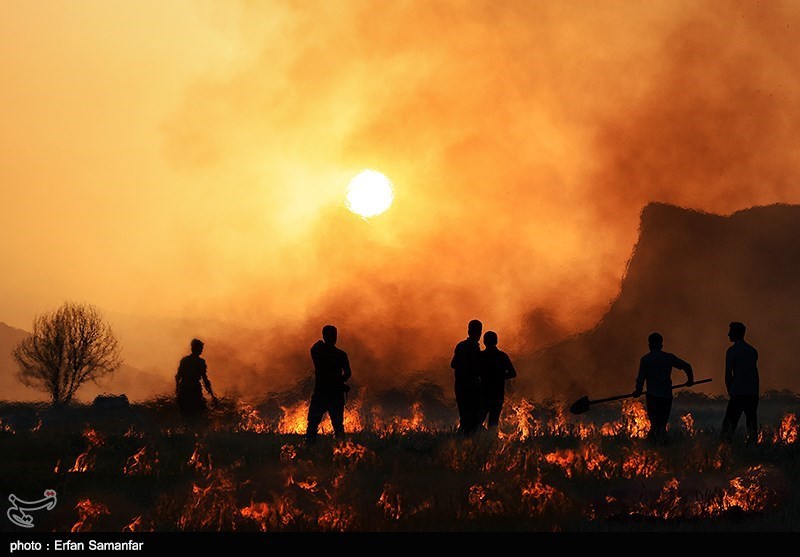
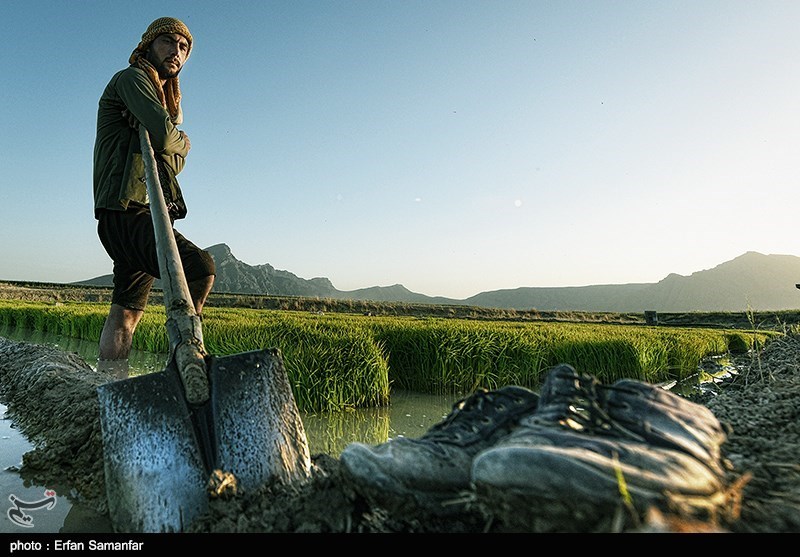
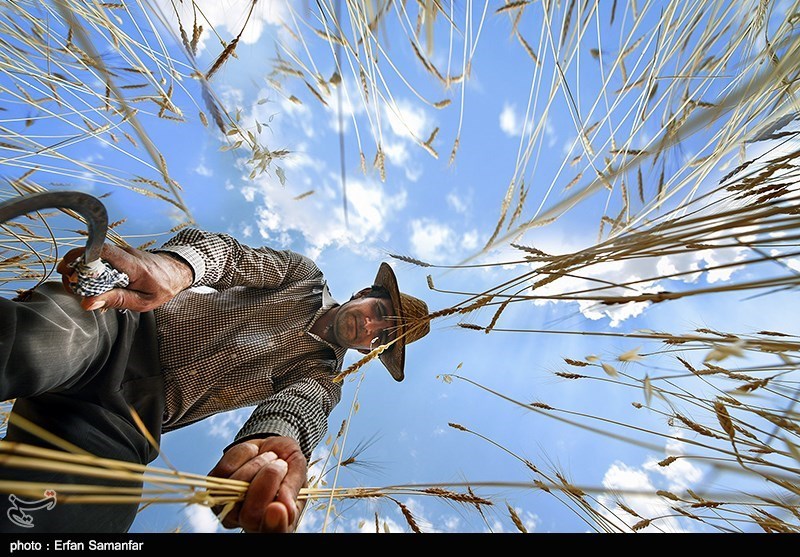

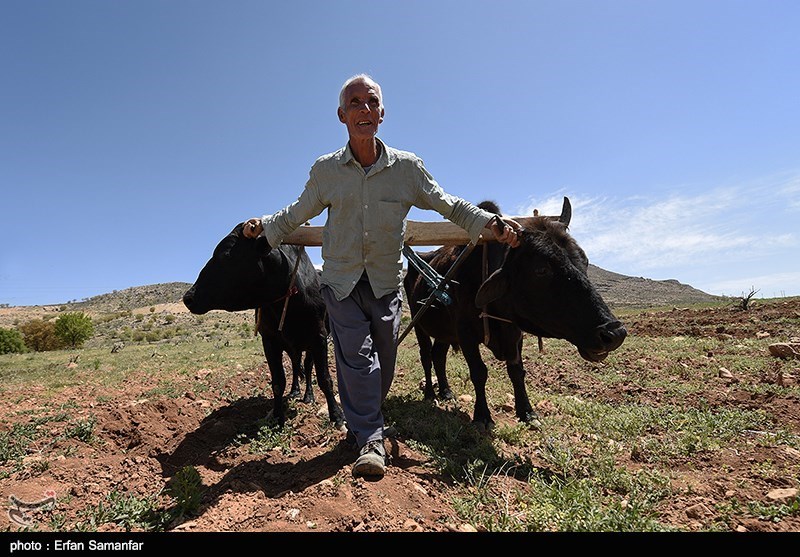
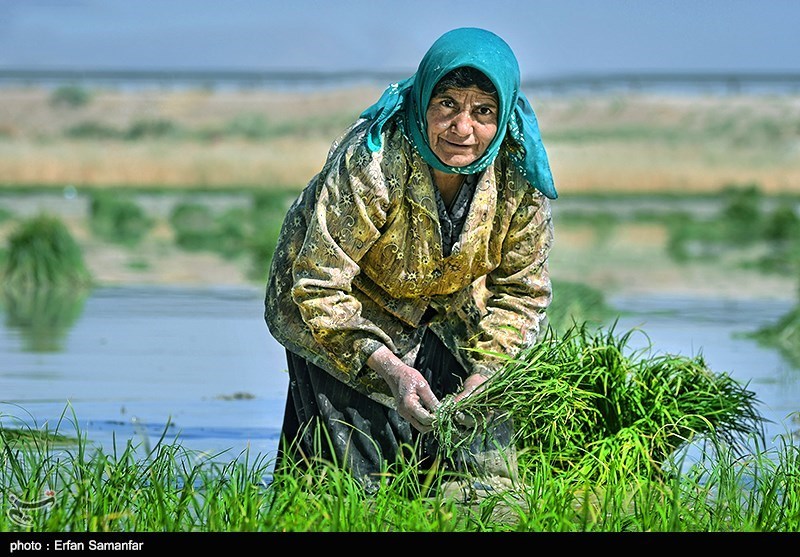
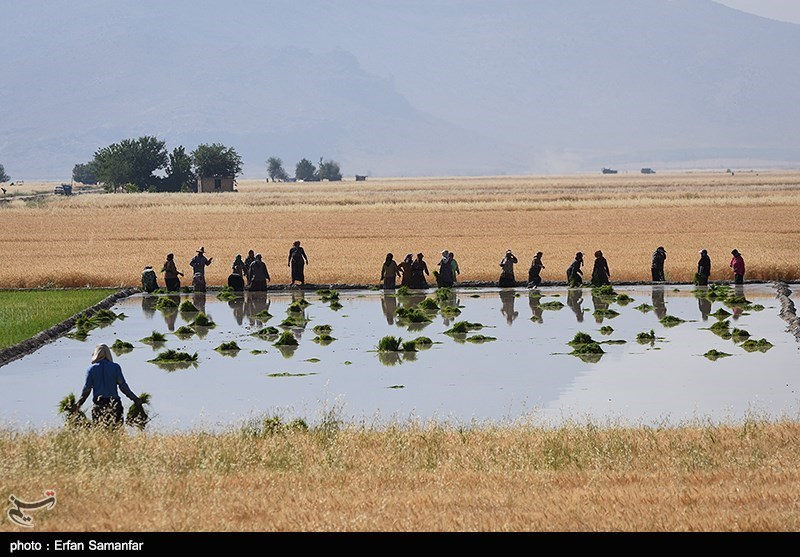
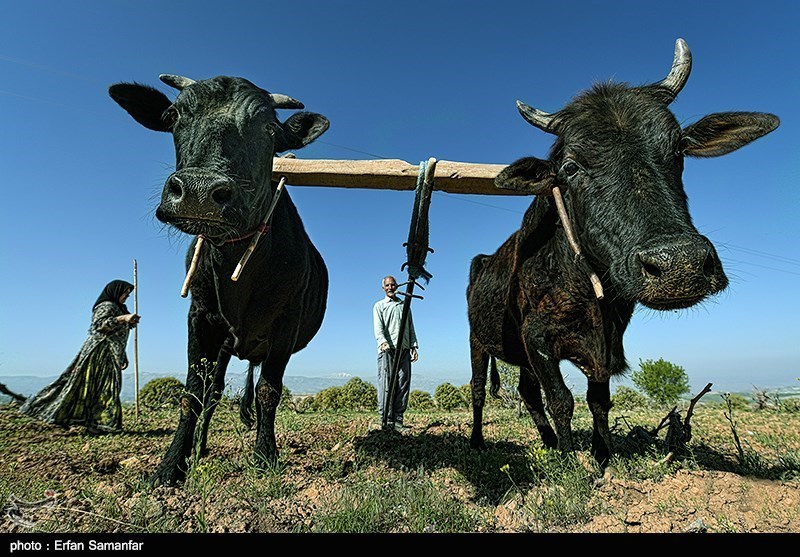

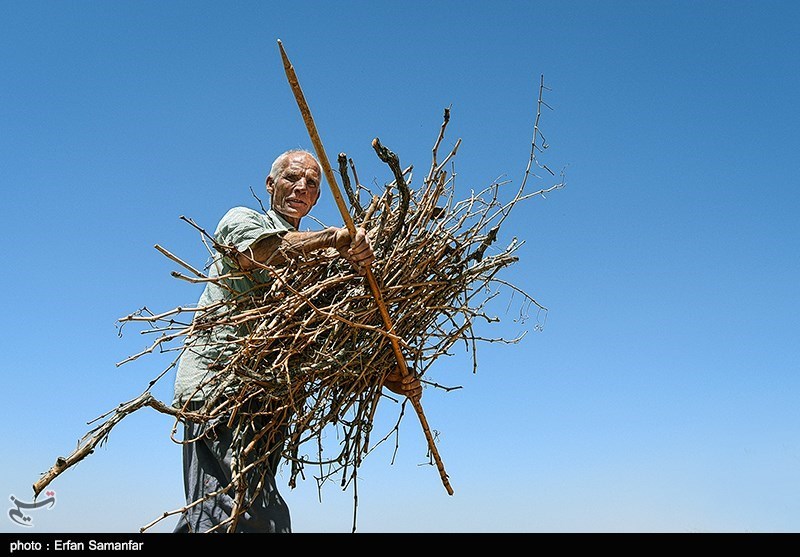
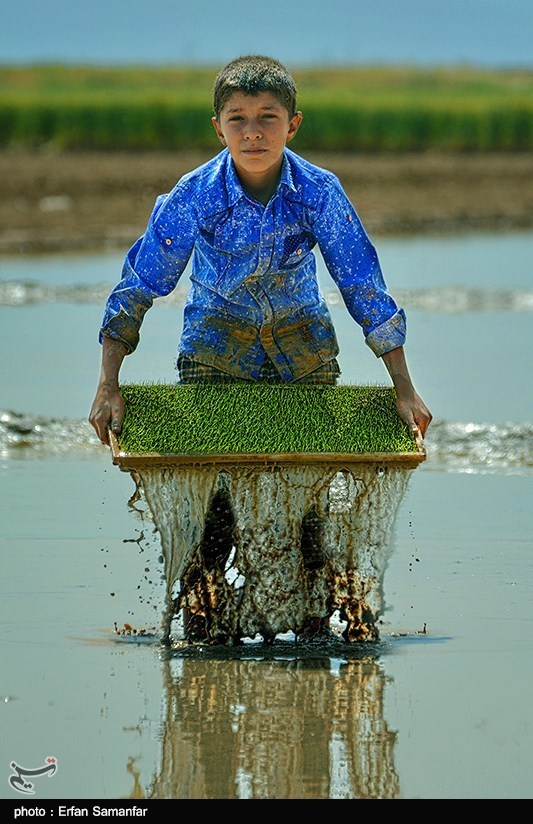
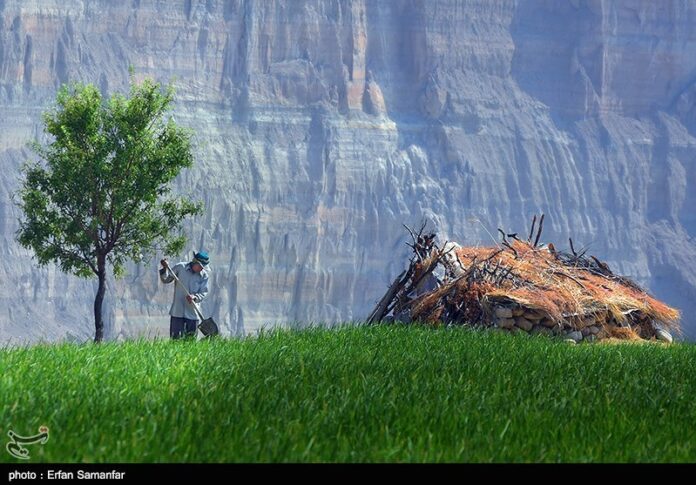
Farmers in Iran’s southern province of Fars still use traditional non-mechanized agricultural methods.
Here are Tasnim’s photos of some of these farmers:

More than 40 critically ill patients were in the ICU of a private hospital in the eastern state of Odisha when fire broke out Monday night, apparently after an electric short circuit.
Authorities said 19 people had died in the blaze, mostly from smoke inhalation.
More than 100 patients were rescued by firefighters who smashed windows to get them out of the burning building.
“Some patients were evacuated by breaking a window on the first floor and then they were lowered to the ground floor. And some of them were evacuated through the adjoining operation theater which was empty at that time,” said Odisha’s health secretary Arti Ahuja.
“There are about 106 people who are (now) in different private and government hospitals,” she told the NDTV news channel.
Two more people died early Tuesday morning when a high-rise luxury apartment block in the western city of Mumbai caught fire.
Firefighters said 11 people had to be rescued from the blaze and two died of asphyxiation after they became trapped in the stairwell. The cause of the fire was not immediately clear.
Such disasters are relatively common in India, partly because of poor safety standards.
In 2011 more than 90 patients were killed at a private hospital in the eastern city of Kolkata when a fire raged through a private hospital, trapping many patients inside the building.
Most died from inhaling toxic gases.
Ahuja said the hospital in Odisha had been sealed off and a detailed inquiry would be carried out to establish the cause of the disaster.
Local television stations showed images of firefighters wearing masks smashing glass panes to enter the building.
Sharat Kumar Sahu, a police officer at the site of the blaze, told AFP that the fire started in the dialysis ward in the four-storey building and quickly spread to the intensive care unit.
Sahu said more than 100 firefighters had battled the blaze for around five hours until it was brought under control.
Most of the critical patients were on ventilators and died in the blaze, he said.
The state’s chief minister Naveen Patnaik said Tuesday that he had visited the evacuated patients in hospital and ordered an inquiry into what he called a “tragic incident”.
A government relief fund would bear the cost of their treatment, he said on Twitter.
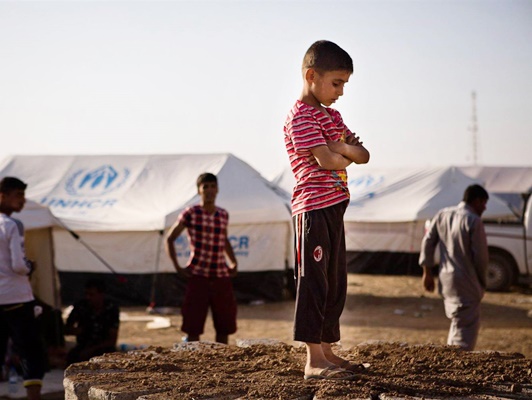
According to a report by Kurdish media, as covered by Tasnim, a Pentagon spokesman said last month that some 800,000 people were expected to be displaced by the ongoing battle between Iraqi forces and ISIS elements to liberate the last stronghold of the terrorist group.
Iraqi News reported that only 76,000 of the 300,000 tents expected to be in place for Mosul families fleeing the battle have so far been set up.
Iraqi media reported that at least 65,000 Iraqi soldiers in six divisions are taking part in the battle to retake Mosul from the ISIS forces that have made it their headquarters in Iraq for the past two years, Sputnik news agency reported.
Some 10,000 Kurdish Peshmerga fighters are also expected to join the battles that will bleed north and east of the city of over a million, Iraqi News reported, plus around 24,000 provincial police and members of the country’s National Mobilization Forces as support.
The fight to retake the city from the estimated 3,000-5,000 ISIS fighters still holding it is expected to start in weeks or days.
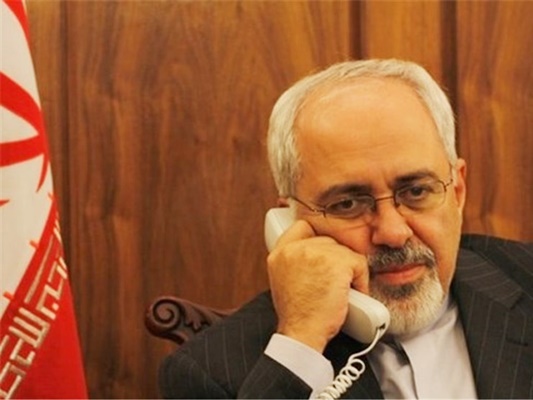
In a telephone conversation on Monday, Zarif and foreign minister of the Netherlands, Bert Koenders, discussed bilateral issues and the latest developments in war-torn Syria.
Separately, the top Iranian diplomat talked to European Union (EU) Foreign Policy Chief Federica Mogherini on the phone on Monday evening about the Syria crisis.
It came after a new round of diplomatic talks in the Swiss city of Lausanne, which was attended by nine nations, failed to break a deadlock on how to end fighting in Syria.
Syria has been gripped by civil war since March 2011 with various terrorist groups, including Daesh (also known as ISIS or ISIL), currently controlling parts of it.
Some 470,000 Syrians have been killed throughout the five years of bloodshed, 4.8 million have fled the country, and 6.6 million have become internally displaced by the violence.
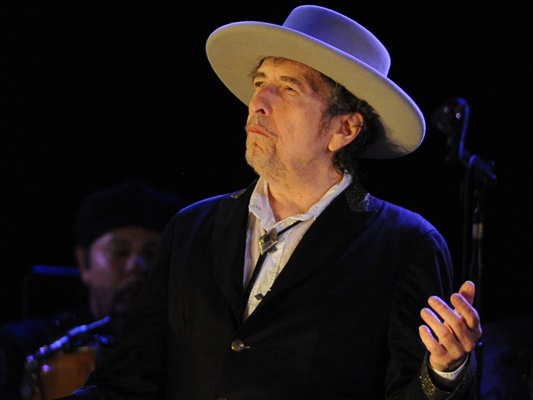
Yes! And you’re definitely not the only one who got quite a shock. The literati, writers and poets were also shocked to the core and expressed criticism and derisive comments when they heard the Nobel Prize in literature for 2016 was awarded to Bob Dylan. On the other hand, it was predictable that musicians, filmmakers and some of the politicians would advocate this unexpected, controversial decision made by the Swedish Academy.
Here is IFP’s translation of a report by DT Online news website about the recent Nobel Prize given to Dylan:
Undoubtedly, there is an important and clear message behind giving the Nobel Prize in Literature to Dylan who is more known as an icon of American folk and country music than a man of literature. The message implicates that the Swedish Academy is opening doors to new manifestations of art; classifying them as the elites of the art world. What’s going on? What happened to the contrast between the academic definitions and the popular ones or the alignments between the elites and common people? Have they faded away?
Nobel Prize is a significant award from several perspectives. It is not a Grammy or a door that opens to Rock and Roll Hall of Fame. Therefore, it is not easy for the literati, artists and historians to believe that Dylan has become a Nobel Laureate. This decision is a decisive factor in the future of songwriters and musicians as they will be expecting to be a winner of the prize under the title of literature.
They have practically set the precedent by choosing Dylan and certainly the world will see more musicians and songwriters among the Nobel Laureates in the years coming. The Academy delivered a clear message: From now on, songs are categorized as part of literature and the singers are classified as writers and poets!
It gets more interesting when we come to know that Dylan is in fact an artist of American country music who turned to Rock music in the sixties. He combined Rock and Roll with classical and literary poems; hence, his influence is more acceptable on the American culture and music rather than the world music.
Therefore, when the 2016 Nobel Prize goes to a Dylan who has been into music for over five decades, we can conclude that it’s somehow an appreciation of American culture and its influence.
Of course, it merits a mention that Dylan has a mastery over using literary devices, terms and elements in his songs. He is known by many of his contemporaries as the Shakespeare of music and song. He won the special citation of Pulitzer Prize in 2008 because of the profound impact of his works on American popular music and culture.
We can also look at it from a different perspective. We can assume that it was a rare occurrence that happened only once to an exceptional musician. An occurrence that attests to the unbreakable bond between literature and music.
We can also assume that the concept of literature in today’s world has expanded in the Swedish Academy’s view. At the time when the Academy was founded, literature, with regard to its elitist concept, was the most fertile ground for the promotion of human’s culture. Today, however, through the development of popular culture, other factors can also be effective on continuing the path of classical literature.
Therefore, it is not so far-fetched that someday we hear that Steven Spielberg or Stan Lee have won the Nobel Prize.
It seems that from now on, the influence, ingenuity and heritage that remain are the only things that matter. No matter which side of the line you are standing; just like Dylan.
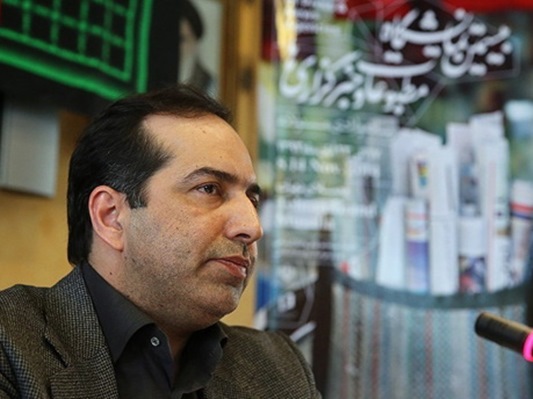
According to a report by Khabar Online, as translated by IFP, the chiefs of Iranian media outlets on Sunday, October 16, re-elected Hossein Entezami as their representative in a Board that monitors all Iranian news outlets.
Almost 52 percent of those eligible to vote, 1,565 media managers, visited the election’s website and voted for their representative.
Entezami received 72 percent of the votes and was re-elected as the representative of Iranian media chiefs with 1,126 votes.
It was the first time that such an election was being held electronically. In the previous similar election, only 15 percent of those eligible to vote had taken part in the non-electronic polls; however, this time 52 percent cast their votes.
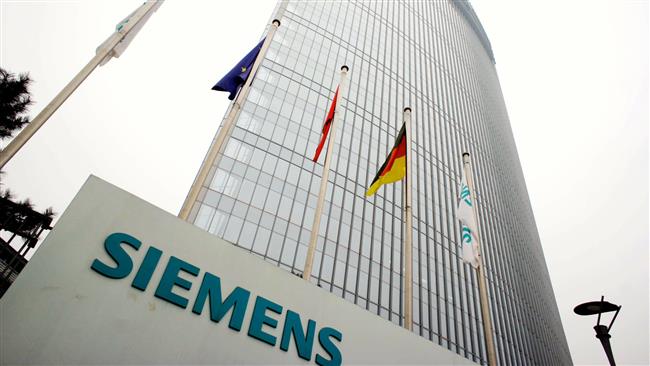
Reuters quoted an unnamed industry source as saying that top Siemens officials will arrive in Tehran on Friday to discuss the deal which is expected to be worth above €2 billion ($2.25 billion).
It will involve an order for track technology and ICE 3 trains, a model of intercity train in use in Germany.
Reuters added that Germany’s Transport Minister Alexander Dobrindt is also expected in Tehran on Friday.
Minister Dobrindt is expected to discuss the expansion of mutual cooperation over a variety of areas. He will head a major trade delegation during his meeting.
German Vice Chancellor and Economy Minister Sigmar Gabriel traveled to Iran at the start of the month and during that trip Siemens got an order to build parts for 50 locomotives, Reuters added.
The two countries during Gabriel’s visit signed a range of business deals in what was seen as a move which could take economic relations between the two countries to a new level.
Gabriel led a delegation of 160 businesspeople to Tehran. Siemens AG and automaker Daimler AG, as well as several others such as plant constructor Keller HCW, steelmaking plants constructor SMS Group and INTRA industrial solutions were also on board of the delegation.
This was his second visit to Iran since the country reached a deal in July last year to restrict certain aspects of its nuclear energy activities in return for the removal of some economic sanctions that had been imposed on it for several years.
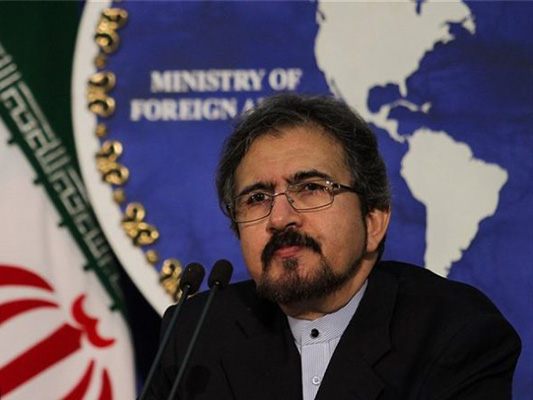
“We support any campaign by the Iraqi government against terrorists to drive them out from the country and as we have repeatedly announced, we will stand by the Iraqi government and nation until Iraq’s full liberation [from terrorists] and the establishment of stability in the country,” Bahram Qassemi said on Monday.
He added that Iran would strongly support any sincere campaign against terrorism and respect any decision by the independent Iraqi government, saying, “We have no intention whatsoever of interfering in the country’s internal affairs.”
He emphasized that Iran has always respected and attached great significance to Iraq’s territorial integrity and national sovereignty and said, “This is an unchangeable stance.”
Qassemi added that the fight against terrorism has always been among Iran’s “core and unchangeable” policies and emphasized that the Islamic Republic would always seriously play its role in the campaign against extremism.
Iraqi government forces launched an offensive on Monday to retake Mosul, the last Daesh terrorists’ major stronghold in the country, after the Takfiri group seized the city some two years ago.

The operations are advancing from three directions, namely the south, the east, and the northeast of the city.
In a televised address in the early hours of Monday, Iraqi Prime Minister Haider al-Abadi announced the beginning of the assault against terrorists in Mosul.
“Today I declare the start of these victorious operations to free you from the violence and terrorism of Daesh,” Abadi said.
Iraq’s al-Sumaria news website said the Daesh terrorists had begun transferring the group’s assets and cash money out of Mosul. It quoted local sources as saying that Daesh operatives were loading cash and valuables on trucks destined for the city of Raqqah, the de facto capital of the Takfiris in neighboring Syria.
The Takfiri group unleashed its campaign of death and destruction against the country in 2014, seizing the northern city of Mosul and declaring it as its so-called headquarters. A large and multi-faceted operation is due to liberate the city.
The Mosul operation comes as Turkey’s President Recep Tayyip Erdogan has again rejected calls by Baghdad for the withdrawal of Turkish troops from Iraqi territory. He said on Monday that it would be “unthinkable” for Ankara not to participate in the Mosul operation, stressing Turkey will certainly be part of the offensive to retake the city.
Senior Iraqi cleric Muqtada al-Sadr said on Monday that Turkey must not intervene in the operation to retake Mosul, stressing the Mosul operation “is exclusively within the domain of the Iraqi army” and Turkey and others have no right to use the battle as a way of settling scores with others.
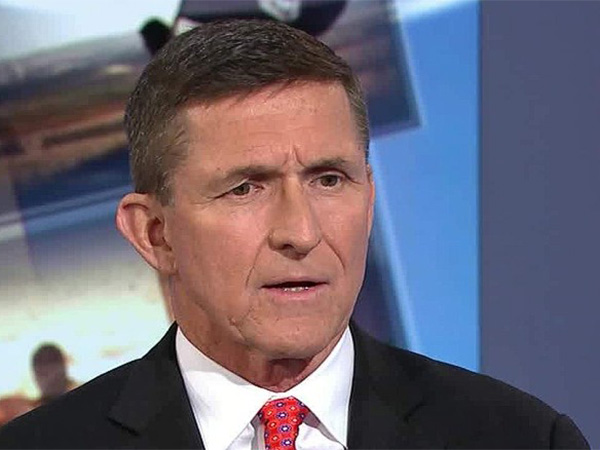
Retired Lt. Gen. Michael Flynn predicted Monday that Iran is going to be the real victor in the fight to take back Mosul from the ISIS terrorist group.
According to a report by Washington Examiner, as covered by Fars, Flynn told Fox News that “we have to work with the Arab nations as much as we’re working with NATO and Iraq, and I will tell you at the end of the day, the big victor here in Mosul is likely Iran.”
He went on to say that the Iran-backed Shiites are going to be the big winners here. […]
Elsewhere in his remarks, he said the US presidential candidate Donald Trump understands radical Islamic “infiltration” in the US and that means “we’re going to continue to see the rise of our own problems right here in the homeland.”
“The problem we’re facing is not going to be solved in the attack into Mosul over the next couple of days. We have to deal with this ideology for a long time and until we come to grips with it, I mean we’re going to be facing it,” he said.
“It’s beyond San Bernardino, Orlando, New York, Minneapolis, wherever, wherever this problem exists, and it exists here at home,” he added.
He made the remarks after the Iraqi government announced it was launching the long-awaited initiative to regain Iraq’s last ISIS stronghold.
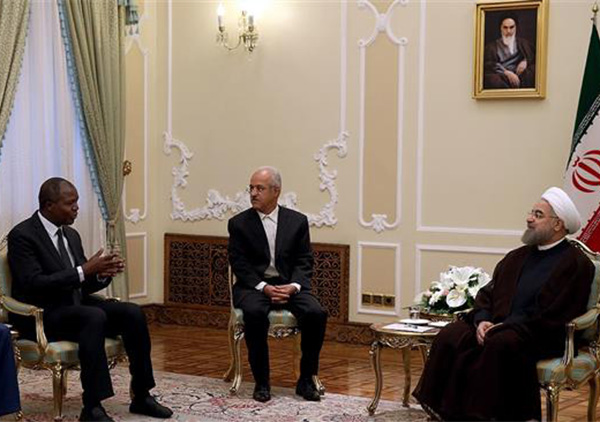
In a Monday meeting with visiting Ivory Coast Foreign Minister Abdallah Albert Toikeusse Mabri in Tehran, Rouhani expressed Iran’s readiness to enhance cooperation with Yamoussoukro in all fields, particularly in economic areas.
The Iranian chief executive said that the two countries should make use of their capacities to promote relations.
Rouhani highlighted the Islamic Republic’s progress in the fields of technology and engineering, saying Tehran is prepared to help the West African nation advance its development projects.
Elsewhere in his remarks, the Iranian president called for collective efforts by all countries to counter terrorism.
More than17, 000 Iranians have fallen victim to terrorist attacks since the victory of the 1979 Islamic Revolution, said President Rouhani, adding that Iran “will spare no effort” to help those countries seeking assistance and cooperation in their anti-terror fight.
Mabri, in turn, stressed the need for concerted efforts to counter terrorism, saying the growth and prosperity of all countries hinges on the establishment of peace and security.
He further voiced his country’s determination to enhance cooperation with the Islamic Republic in all areas, especially in the economic sector.
© All Content by IFP News ( Iran Front Page ) is licensed under a Creative Commons Attribution 4.0 International License.
