Thursday, April 23, 2026
Home Blog Page 3907

Iran, Russia, Turkey Hold Trilateral Meeting on Syria

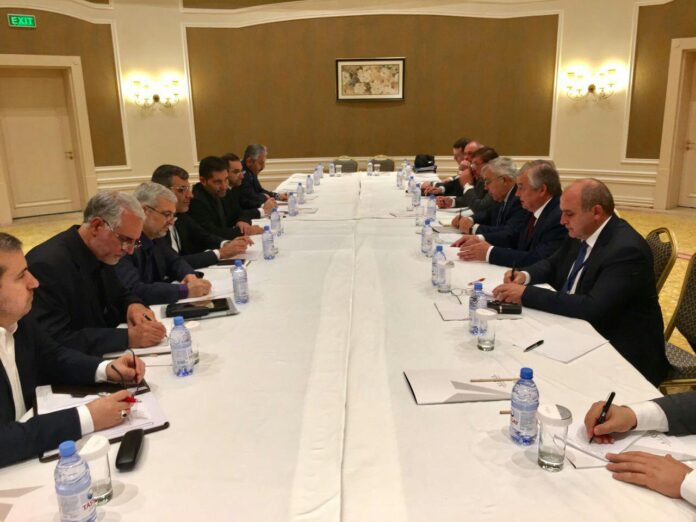
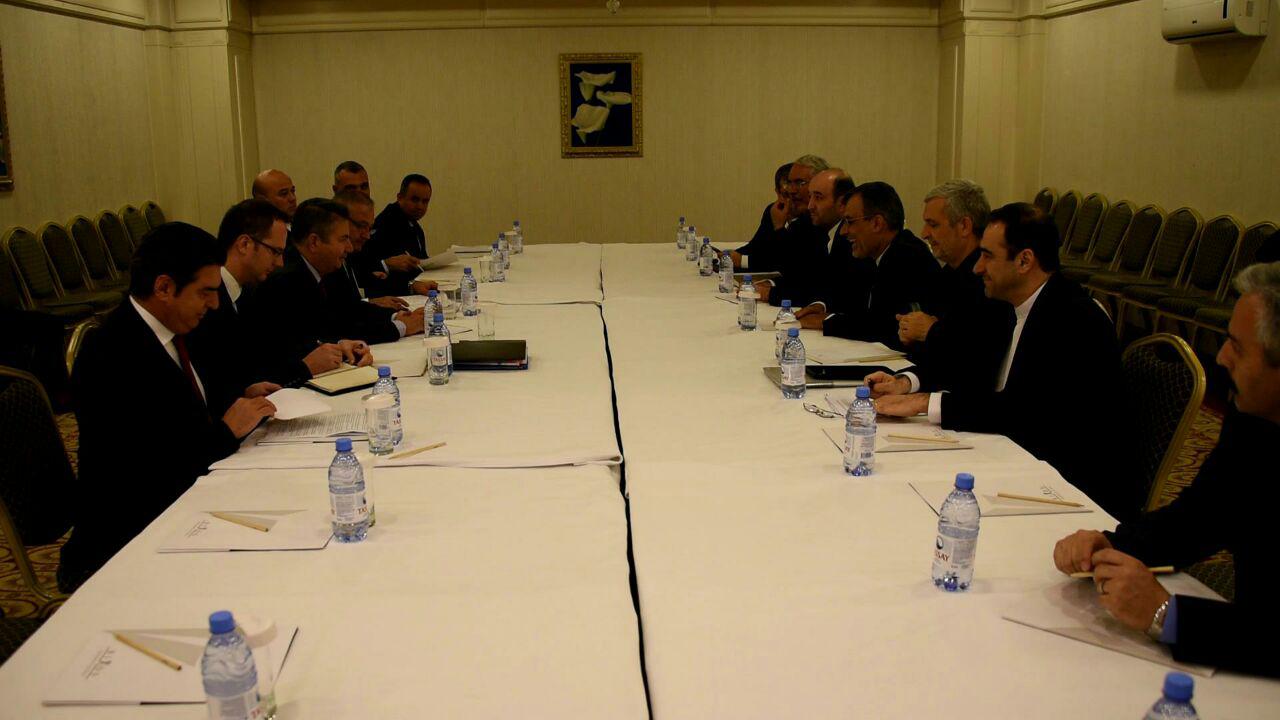
During the three-hour talks, Iran’s Hossein Jaberi Ansari, Russia’s Alexander Lavrentiev, and Turkey’s Sedat Ünal, the heads of the three guarantor states’ delegations, discussed the latest situation of talks on Syria peace.

They also conferred on the finalisation of expert-level agreements earlier made on the four documents of the sixth International Astana Conference on Syria and exchanged views on the text of the final statement of the conference.

During the meeting, it was also agreed that the 7th round of the Astana Conference would be held in late October, 2017.

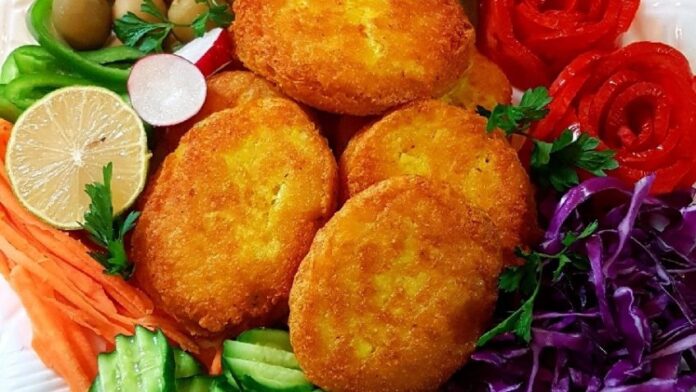
Kuku Sib Zamini; A Simple, Popular Iranian Dish

Kuku Sib Zamini; A Simple, Popular Iranian Dish

Here is the recipe for Kuku sib-zamini:

Ingredients

1 Kilogram of Potatoes

4 or 5 Eggs

2 Teaspoons of Baking Powder

Salt & Pepper: As much as needed

Instructions:

Cook potatoes in boiling water, remove the skins, and grate them. Then break the eggs in a separate bowl and beat them perfectly. Add salt, pepper and baking powder (or if you prefer Saffron) to the eggs. Then add the potatoes to the mixture and stir gently to combine.

You can fry the mixture in two ways:

Place a large non-stick frying pan on medium-high heat and add a few tablespoons of oil for shallow frying. In the first method, you can pour all the mixture into the pan and smooth it with the back of the spoon until all the surface of Kuku becomes smooth. Put the cap of the pan and lower the heat until you could easily cut the sautéed mixture.

First, cut the Kuku into four parts and then fry the other sides. You can cut each slice into two to get eight pieces of Kuku. Serve them in a round dish and design it with tomato slices.

In the second method, you sauté tablespoons of the mixture in the oil. Each time you drop the tablespoons of the mixture into the frying pan, smooth and form it. When one side is fried, you must sauté the other side.

Two sweet and salty flavors are chosen for this meal. Some people add nectar to the cooked potatoes and some others add salt to the mixture made from raw potatoes.

People from the central province of Isfahan call it Ghandi Kuku (Sugar Kuku) and pour sap on it.

To prepare and cook this meal, you should consider the following:

– If you cook Kuku with raw potatoes, you can add cooked chicken or scented vegetables, but adding these ingredients to a kuku with cooked potatoes is not recommended.

– The good thickness recommended for this Kuku is between 0.5 and 2 centimetres, which you can change according to the taste. Do not forget that excessive thickness prevents Kuku from being cooked well and excessive thinness makes it dry and even leads to being burned.

– Apart from the mint or coriander in the recipe, you can use fresh mint alone or fresh basil and even dry thyme. In this way, Kuku’s taste will be unique.

– The best spice you should not forget about is saffron for sweet Kukus and turmeric next to saffron for salty Kukus.

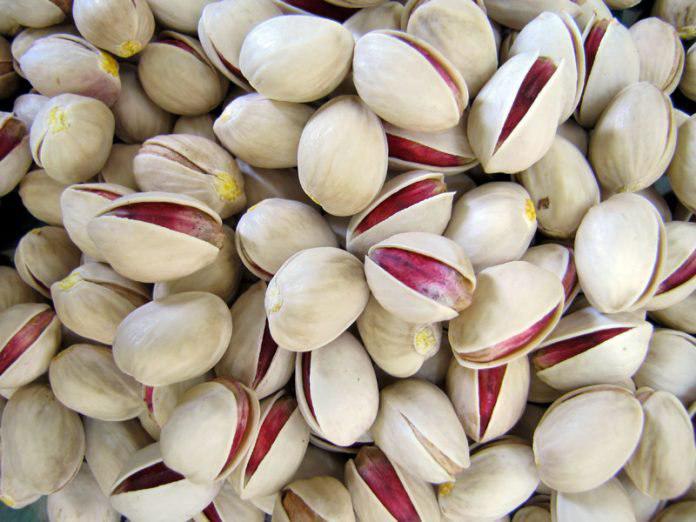
Iran to Surpass US to Become World’s Top Pistachio Producer Again

General Manager of the Department of Winter and Dry Fruits of Iran’s Agriculture Ministry, Shokrollah Hajivand says Iran produced 304,000 tonnes of pistachio in the past year and the figure is expected to increase by about 2 percent this year.

“According to a study, the pistachio production in the United States is estimated at 270,000 tonnes (in 2017), and Iran is predicted to produce 310,000 tonnes to stand first in production of pistachio once again.”

Elsewhere in his remarks, Hajivand referred to the export amount of this product saying that the volume of pistachio export in the four months leading to July 2017 is 16,660 tonnes, and since pistachio harvest has begun, exports will increase in the coming months.

“Last year, the export of pistachio stood at 138,000 tonnes, worth $1,271 million. But during the first four months of this year, there was a 40 percent decrease in the value of exports due to the lack of pistachio supply,” Hajivand concluded.

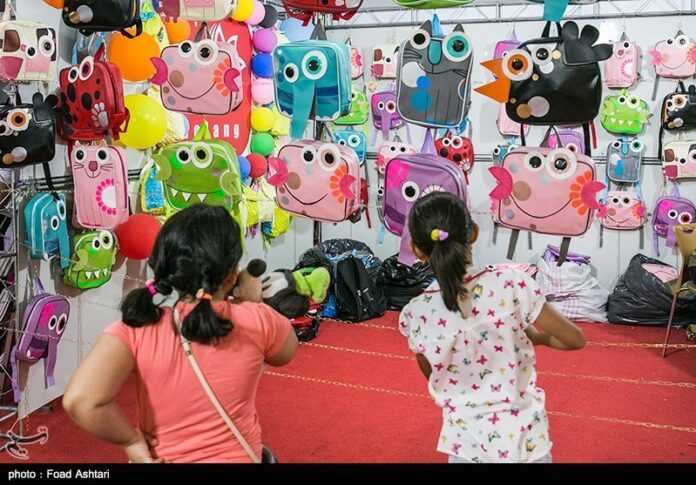
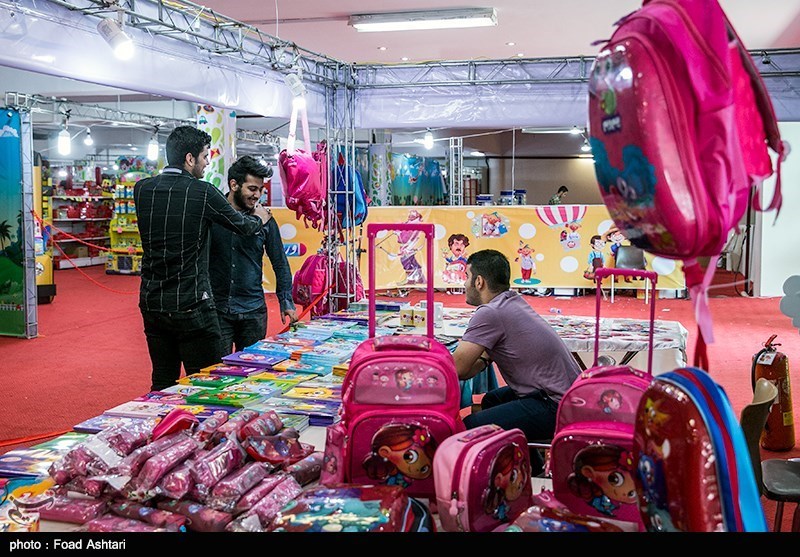
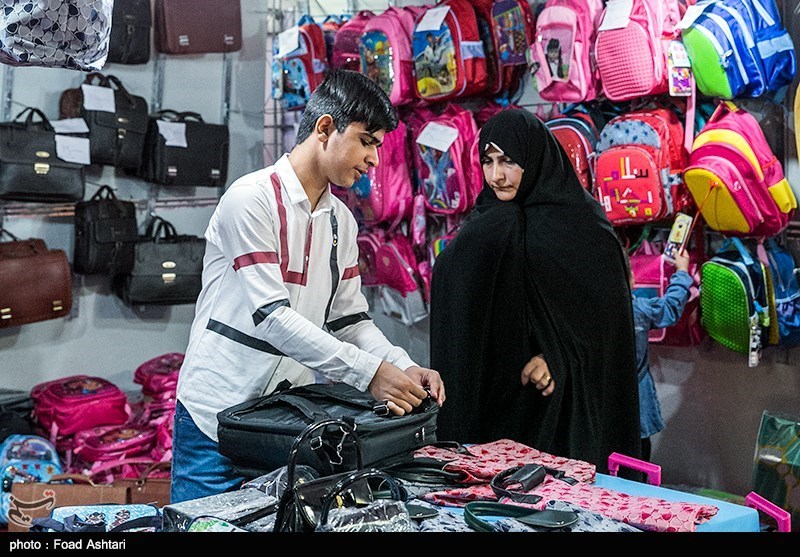
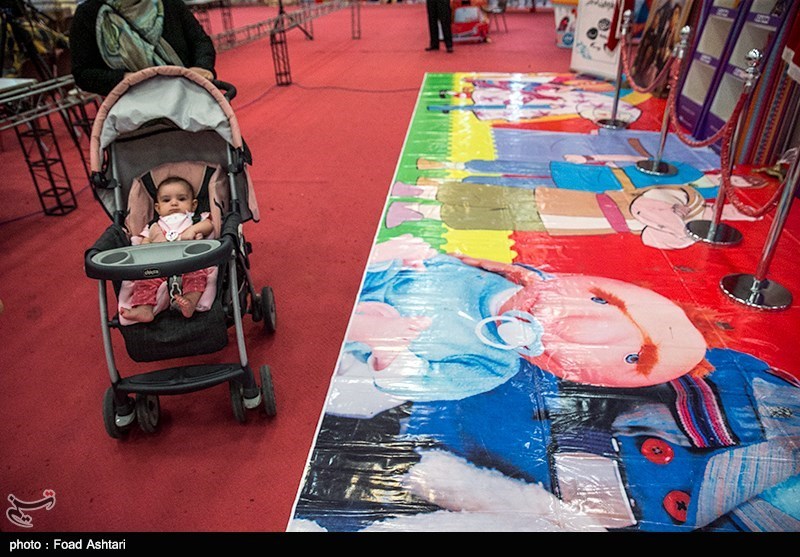
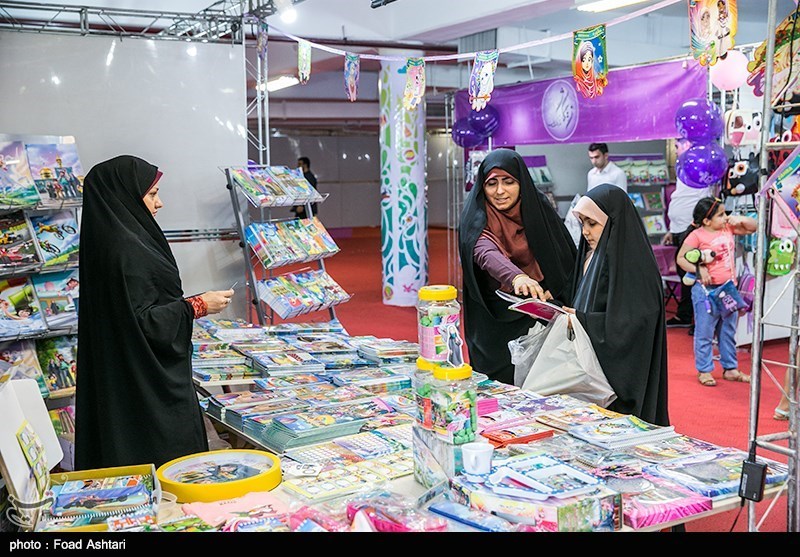
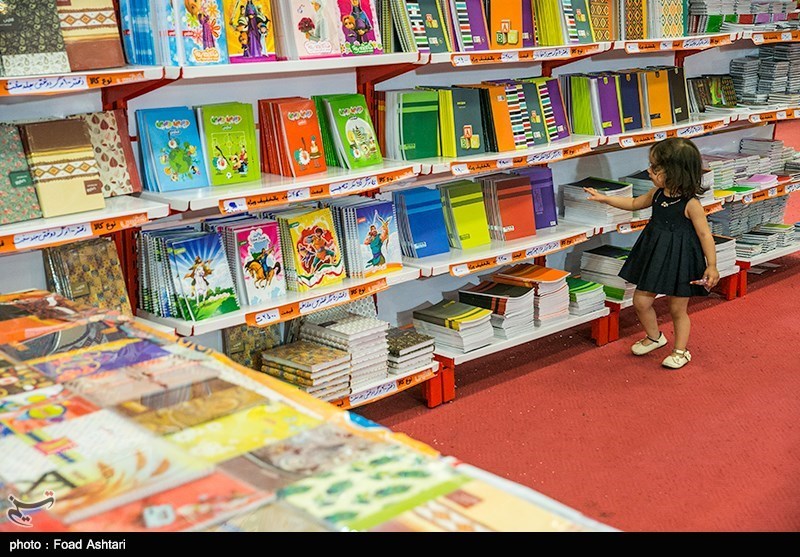
Exhibition of Islamic-Iranian Stationery Underway in Tehran

Exhibition of Islamic-Iranian Stationery Underway in Tehran 5

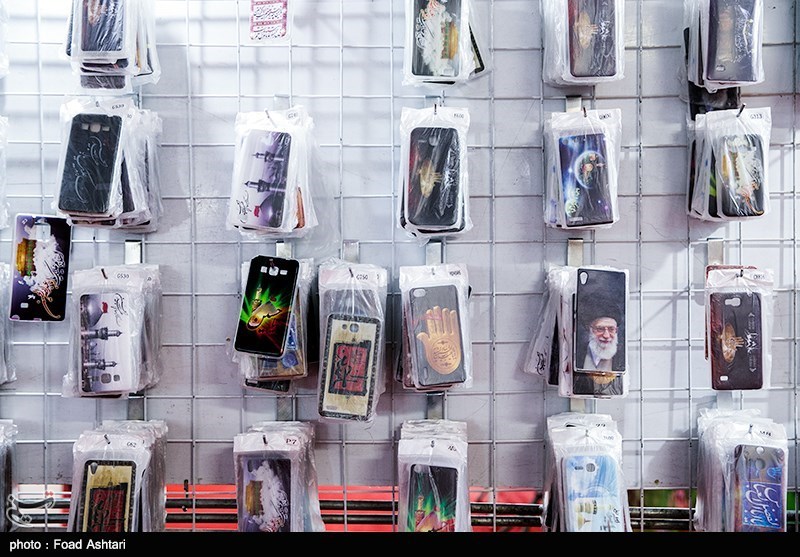
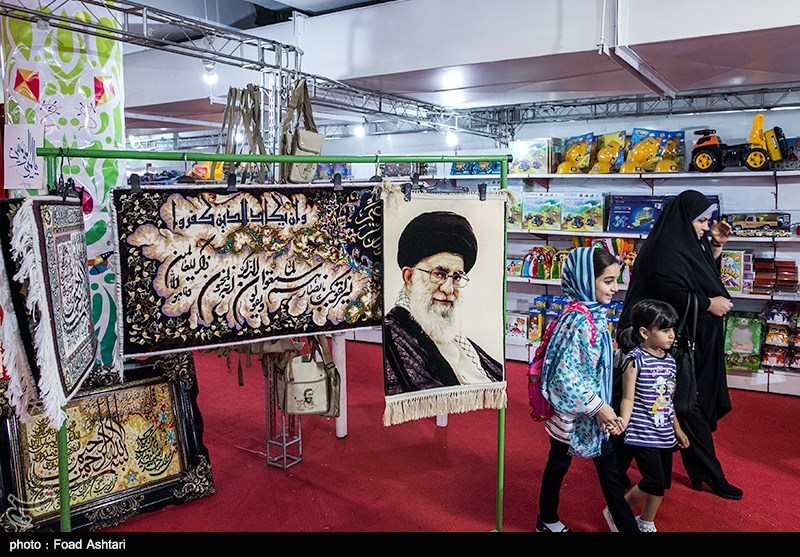
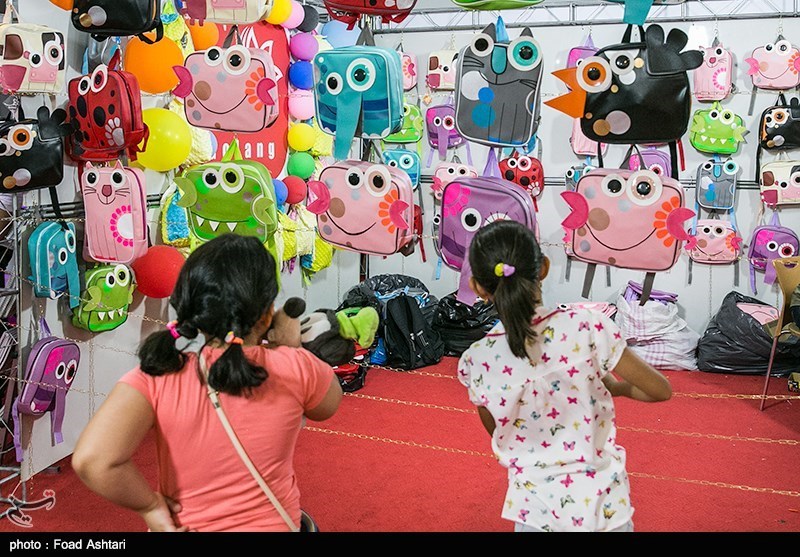
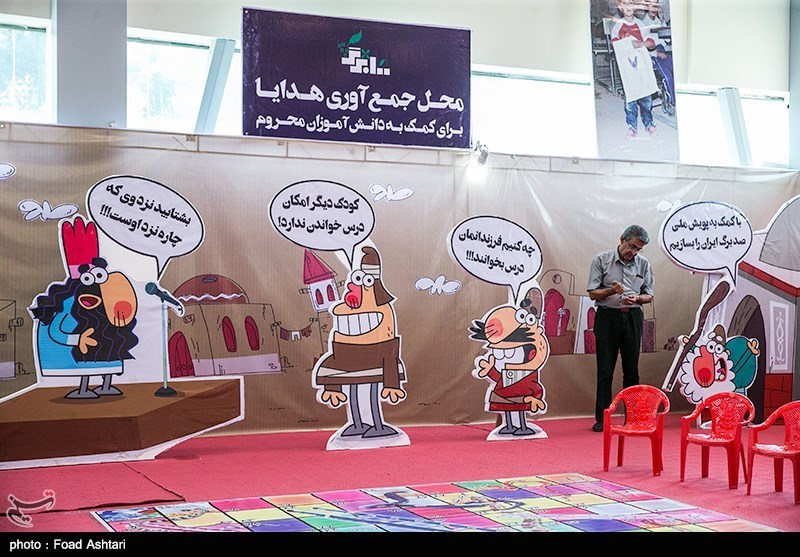
Here are Tasnim’s photos of the stationary exhibition which was kicked off on September 5 and will be open to visitors until September 22:

Iranian, Turkish Top Officers Discuss Kurdistan Referendum

In their Thursday talks, Chairman of the General Staff of the Iranian Armed Forces Major General Mohammad Baqeri and his Turkish counterpart General Hulusi Akar said a possible plebiscite on Kurdistan’s independence will affect regional peace, security and stability and will have negative and dangerous repercussions for the whole region.

They called for coordination among Iraq’s neighbouring countries to oppose the referendum and prevent the implementation of any secessionist plan which could bring political, social and security problems for the regional countries.

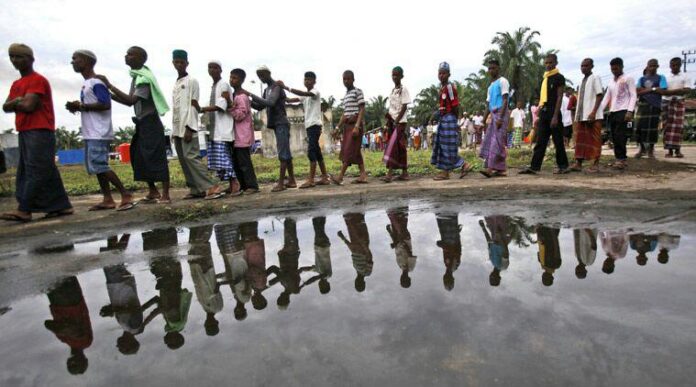
The two commanders also condemned the Myanmar government’s inhuman and brutal treatment of Rohingya Muslims there. They stressed that Islamic countries and international circles, especially the UN, should adopt serious measures to stop further massacre and displacement of Muslims in Myanmar and prevent violence against them.

They also underlined the need to immediately dispatch humanitarian aid to the oppressed Muslims in Myanmar and hoped for further consultations between the Iranian and Turkish armed forces in that regard.

Iran Condemns Deadly Terrorist Attacks in Iraq

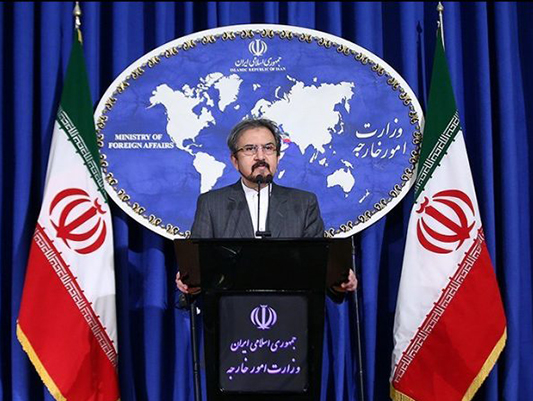
Bahram Qassemi

In a Thursday statement, Foreign Ministry Spokesman Bahram Qassemi condemned today’s terrorist blasts in southern Iraq, and offered condolences to the Iraqi government and people as well as the families of the victims.

He also expressed sympathy with the families of a number of Iranians who were killed or injured in the terror attacks.

“Relevant authorities, including Iran’s embassy in Baghdad, are studying the details of the incident and establishing the identities of the innocent people martyred or wounded in the act of terror.”

Iraqi security and medical sources say more than 50 people, including three Iranians, have lost their lives in twin gun and car bomb attacks striking the country’s southern province of Dhi Qar.
Abdel Hussein al-Jabri, deputy health chief for Dhi Qar province was quoted by AFP as saying that at 52 people lost their lives in the attacks, which left 91 others wounded.
One of the attacks occurred close to a restaurant near the city of Nasiriyah, the capital city of Dhi Qar province, situated about 370 kilometers (225 miles) southeast of the capital, Baghdad, on Thursday afternoon.
Local officials say the death toll could rise due to the critical condition of some of the wounded.
ISIS later claimed responsibility for the attacks.

“US Ban on Plane Sales to Iran Runs Counter to JCPOA”

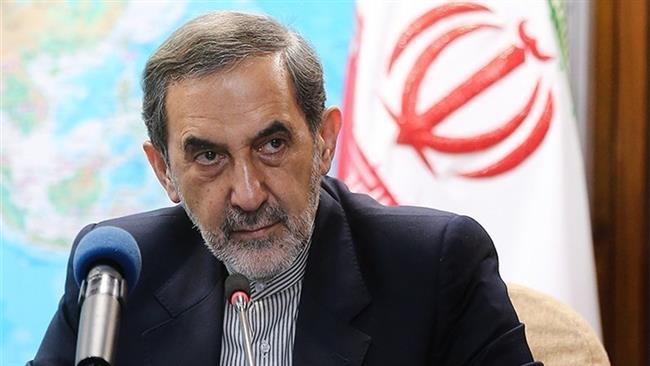
Senior Iranian official Ali-Akbar Velayati says Washington’s recent ban on sales of aircraft to Iran is another example of the United States’ breach of promises and runs counter to the Iran nuclear deal.

“[Washington’s] blocking sale of planes to Iran is another reason why we shouldn’t rely on the US and its allies. The Islamic Republic of Iran doesn’t need American aircraft to achieve its objectives.”

“During all the years since the [1979] Islamic Revolution, the West has never been kind to Iranian people, so what they did was not unexpected,” said Velayati, an advisor to Leader of the Islaimc Revolution Ayatollah Seyyed Ali Khamenei.

He once again said that Iran does not need American aircraft, and that it can meet its needs both locally and internationally without needing Washington’s help.

“So, we won’t get worried if they use pressure. We don’t regard such moves as pressure; rather, it’s just the Americans’ illusion, and they will get nowhere,” he said.

“The United States’ move is a violation of the Iran nuclear deal. America’s nouveau riche president or Congress adopt a new measure on Iran every day, which shows we shouldn’t rely on the US, and we don’t need them after all,” Velayati said.

The US House of Representatives has voted in favour of new measures that block sales of commercial aircraft to Iran, ignoring some lawmakers’ warnings that the hostile move would undermine the 2015 nuclear agreement between Tehran and the six world powers.

Iranian, Russian, Turkish Diplomats Discuss Syria Crisis in Astana

Jaberi Ansari on Thursday held negotiations with Russian President Vladimir Putin’s Special Envoy for Syria Alexander Lavrentiev within the framework of bilateral and specialized consultations of the 6th International Conference on Syria.

During the meeting, which was held one day after the meeting of Iran’s Foreign Minister Mohammad Javad Zarif and his accompanying delegation with the Russian President Putin, Jaberi Ansari and Lavrentiev discussed the latest developments in the Astana Process.

They also exchanged views on de-escalation zones as well as the latest status of documents prepared at the expert meetings.

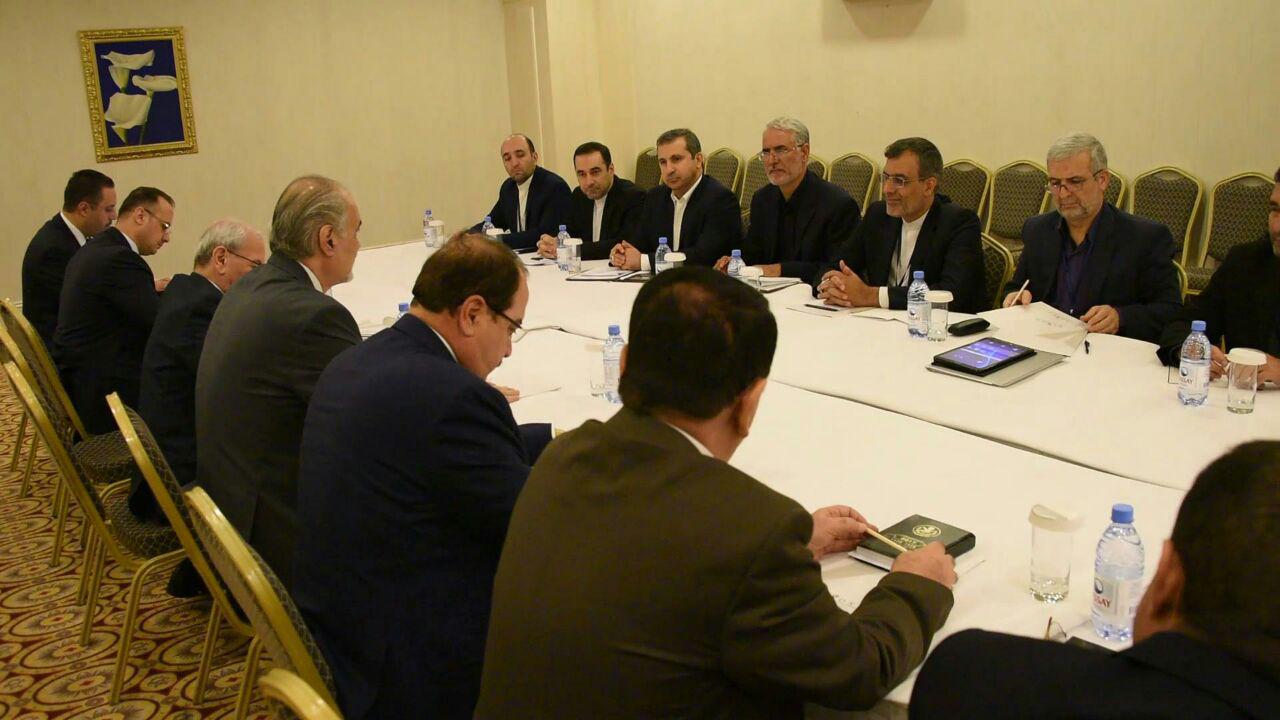
Iranian, Russian, Turkish Diplomats Discuss Syria Crisis in AstanaThe Iranian diplomat also met Syria’s permanent representative to the United Nations Bashar al-Jaafari, who is the head of the country’s mission to Astana Process.

During the meeting, which was held in the presence of the two countries’ delegations, the parties discussed the latest developments in Astana Syria Talks, the documents being negotiated, and the de-escalation zones in Idlib particularly.

Jaberi Ansari later held talks with Sedat Onal, the head of Turkey’s mission to Astana Talks on Syria.

During the meeting, which was held in the presence of the two countries’ delegations, the two senior diplomats exchanged views on the latest developments in Astana Process and the documents being negotiated at the 6th International Conference on Syria.

The 6th International Conference on Syria started at the expert level on Wednesday in Kazakhstan’s capital.

Iranian, Russian, Turkish Diplomats Discuss Syria Crisis in AstanaIt continued on Thursday, at a high level, with the participation of heads of negotiating delegations of the three guarantor states of the Astana Process (the Islamic Republic of Iran, the Russian Federation and the Republic of Turkey), delegations of the observer states, and the representatives of the Syrian government and -opposition groups.

Iran Sympathizes with Malaysia over Deadly Fire

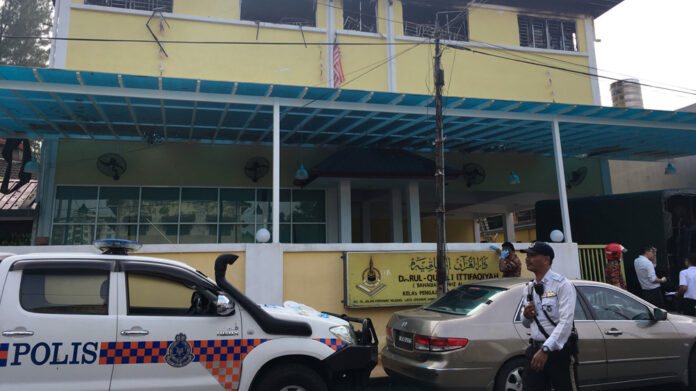
Police and fire department work at the religious school Darul Quran Ittifaqiyah after a fire broke out in Kuala Lumpur, Malaysia September 14, 2017. REUTERS

In his Thursday statement, Foreign Ministry Spokesman Bahram Qassemi offered sympathy to the Malaysian nation and government and the bereaved families of the victims over the early morning blaze at Darul Quran Ittifaqiyah School in Kuala Lumpur.

At least 23 students and two teacher were killed after the blaze broke out early on Thursday at a religious school in Kuala Lumpur – the deadliest fire in decades in Malaysia.

The fire at Darul Quran Ittifaqiyah – a “tahfiz” boarding school where students learn to memorise the Quran – was reported at 5:40am (21:40 GMT Wednesday), according to a statement from the Malaysian Fire and Rescue Department.

Seven people were taken to a nearby hospital for injuries, while 11 others were rescued.

Firefighters rushed to the scene and the blaze was out within an hour, but not before it wreaked terrible devastation – pictures in local media showed ash-covered, fire-blackened beds.

Kuala Lumpur Police Chief Amar Singh told reporters the boys who died were aged 13-17, and they probably suffocated due to smoke inhalation. The dormitory had only one entrance, leaving many of the victims trapped inside, he said.

“Crackdown on Myanmar Muslims Part of US Plot to Undermine Islam”

Mohammad-Ali Kashefi, an expert on international issues, has, in an interview with the Persian-language Basij Press website, expounded on Washington’s role in the catastrophe unfolding against Muslims in Myanmar.

He said it would be wrong to link the Myanmar disaster to the country’s historical events.

“We should accept that extremist Buddhists did not want to kill Muslims from the outset. If we look at the Americans’ performance after World War II, we’ll see that they had an extensive program for Southeast Asia, from the Vietnam War till now.”

“The Americans had predicted that if the growth of communism in the Asia-Pacific were not contained, two-thirds of the world population would become communists, which would jeopardize the US as a superpower.”

“Now, with this in mind, consider the danger posed by Islam to the liberalist ideology. You’ll see the only paradigm that can bring Washington to its knees is Islam, and that’s why they are seeking to reinforce the status of Buddhism, Hinduism and non-divine religions in Asia,” he noted.

“The United States’ biggest objective is to maintain its position and foothold in the region and across the world, so it seeks to break the chain of Islam which runs all the way from the Middle East to the Indian subcontinent. If North Korea was a Muslim country, it would have definitely been targeted by military action several times so far. However, Washington’s priority at this point in time is to cut off relations between Muslim countries in West and East Asia.”

Kashefi also touched upon Malaysia and Indonesia.

“Malaysia and Indonesia are considered major Muslim countries in East Asia. There is also a considerable number of Muslims in China. India, Pakistan and Iran have completed this chain. The US has planned to break this chain at the hands of extremist Takfiris in West Asia, and Buddhists and Hindus in the East.”

He said Malaysia and Indonesia are distancing themselves from true Islam and moving toward liberal democracy, which could risk creating rifts in the Muslim world.

The political analyst noted that a gloomy future is awaiting Muslims in Myanmar.

“If the international community takes no action to stop the killing of Muslims in Myanmar, the Muslims are in for a bitter destiny.”

He said the US has planned to form small, isolated communities of Muslims in 50 years’ time, and is seeking this objective by strengthening non-divine religions in Asia.