Saturday, December 27, 2025
Home Blog Page 3277

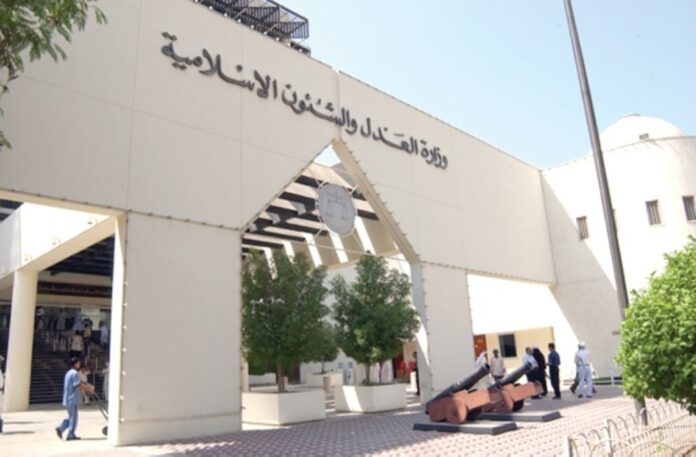
Iran Condemns Bahrain for Levelling ‘Unfounded’ Accusations

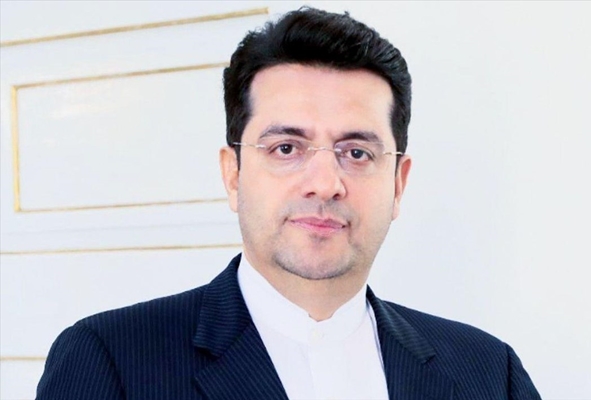
In a Wednesday statement, Mousavi said the government of Bahrain cannot cover up its stark human rights violations and brutal crackdown on Bahraini protesters by playing the blame-game, raising absurd accusations, issuing brutal sentences and pointing fingers at others.

“Instead of devising security scenarios, it is better for Bahraini officials to launch efforts to establish security not by joining defeated alliances or paying a hefty price but by building confidence with others and initiating reforms in their ties with their own people and meeting their legitimate demands,” he said.

Mousavi also underlined that the Arab country’s officials should put an end to their brutal sentences for Bahraini protesters.

The Bahraini regime has revoked the citizenship of 138 people while sentencing them to between three years and life in prison.

A Bahraini prosecutor accused the defendants of establishing a terror cell with support from Iran. A local NGO says, this is the largest sentencing since the regime began revoking the nationalities of dissidents in 2012.

Amnesty international has also slammed the ruling as outrageous and a blatant violation of international law. The Manama regime has been clamping down on political and rights activists as well as anti-government protesters since a popular uprising engulfed the kingdom, eight years ago.

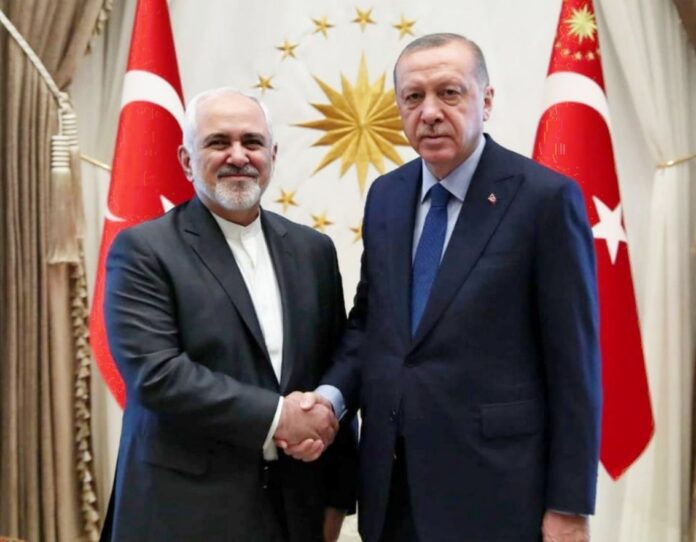
FM Zarif, Turkish President Stress Closer Cooperation

In their Wednesday meeting, the two sides discussed bilateral relations, regional issues and international developments.

The Turkish president expressed regret over the tragic incidents following the recent floods in some parts of Iran and condoled with the families of the victims.

For his part, FM Zarif congratulated Turkey on successfully holding its local elections and the high turnout of Turkish citizens.

During the meeting, the two sides stressed the expansion of bilateral relations within the framework of the two countries’ agreements on five areas to boost mutual economic ties.

Zarif and Erdogan also expressed their opposition to the US-led sanctions and the labelling of the IRGC as a terrorist group.

They also exchanged views on the latest developments in Syria, Yemen, North Africa and Venezuela.

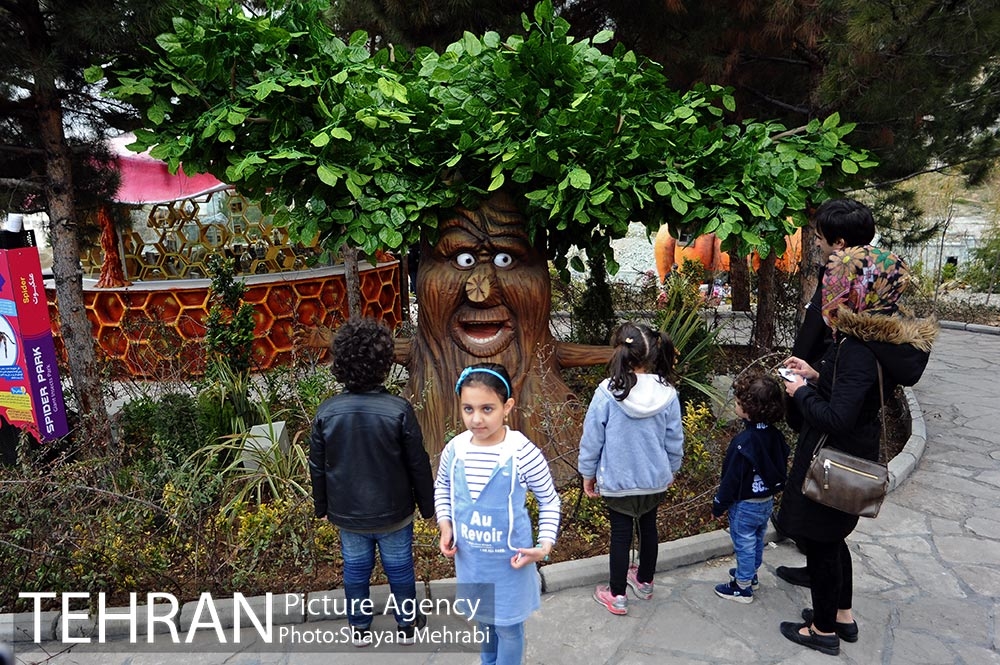
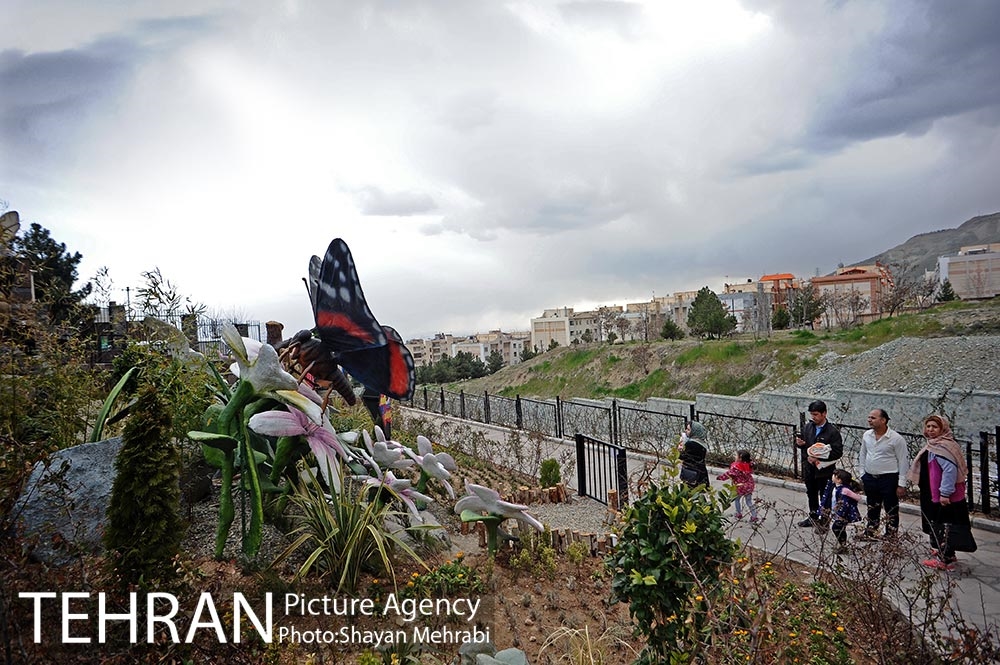
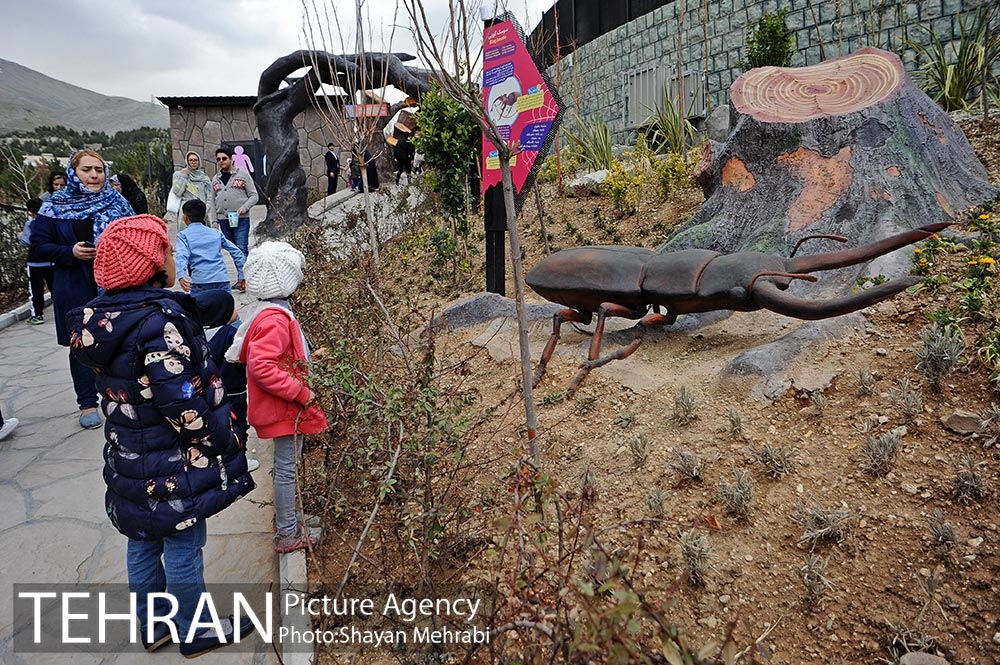
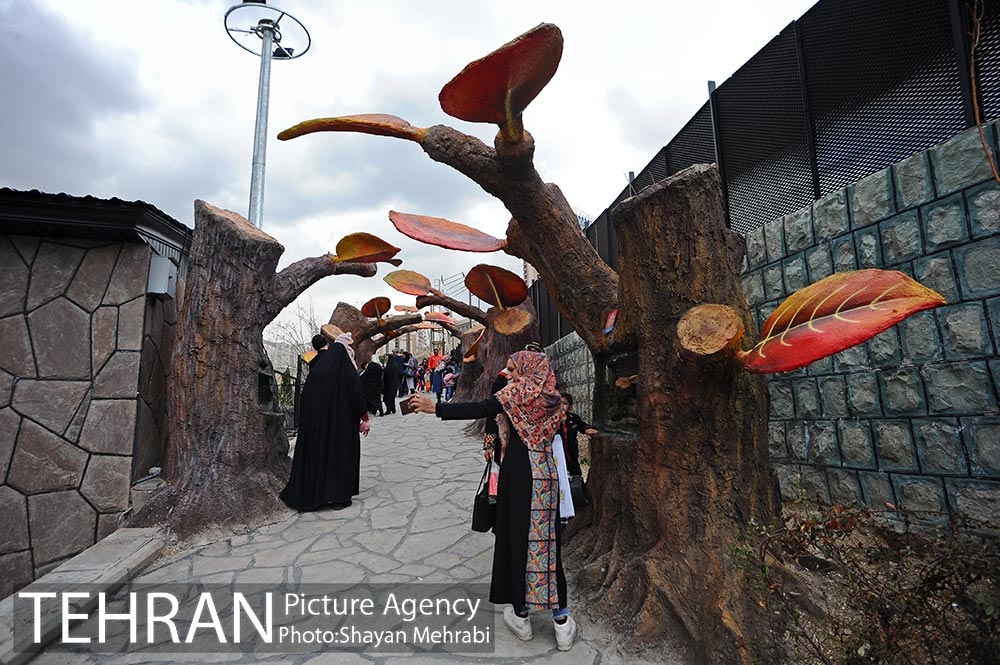
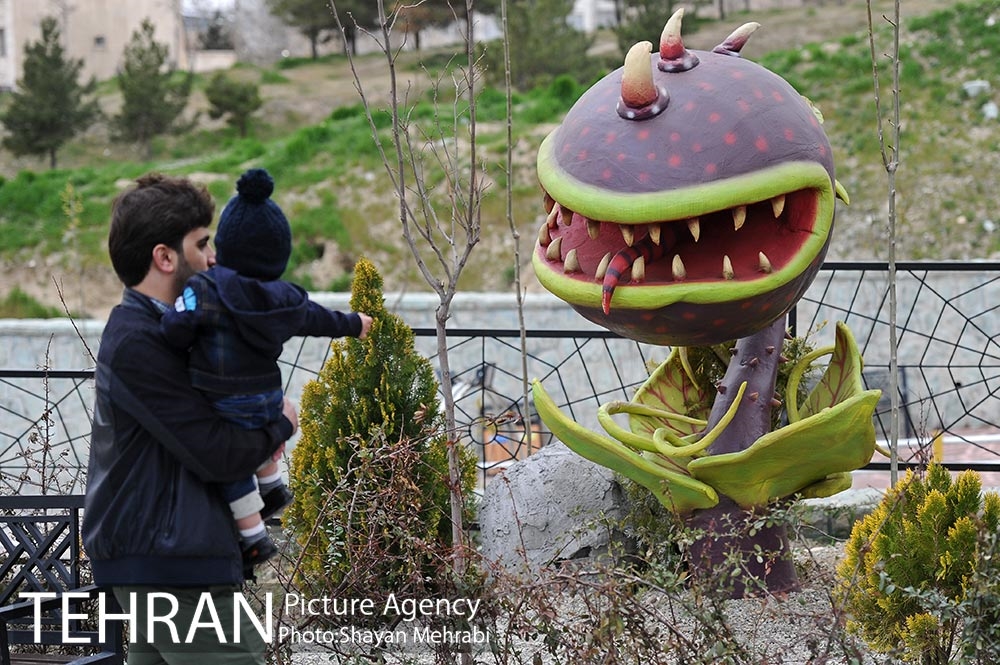
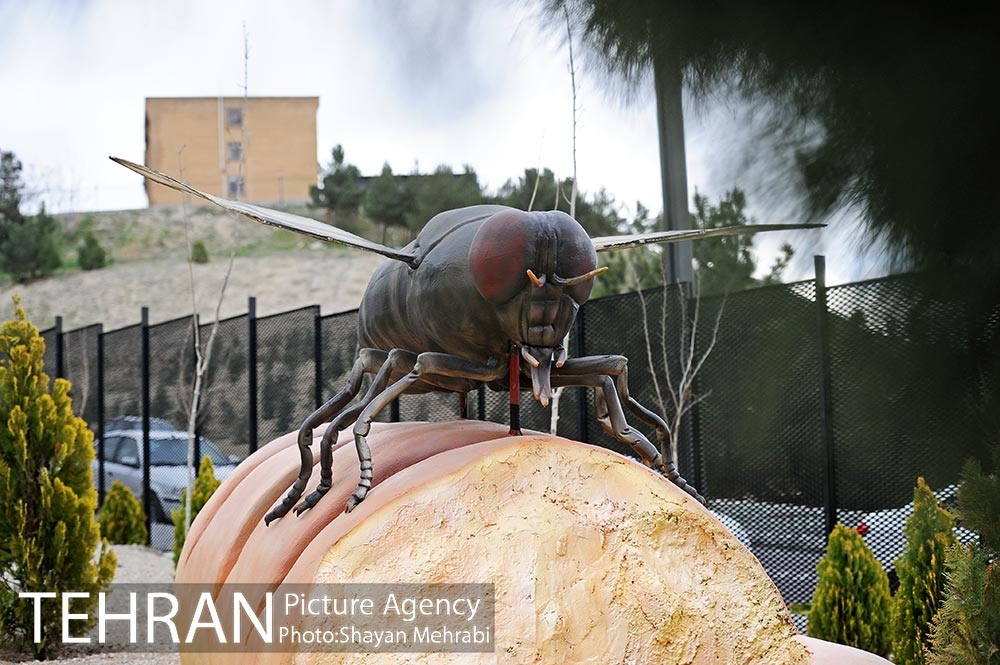
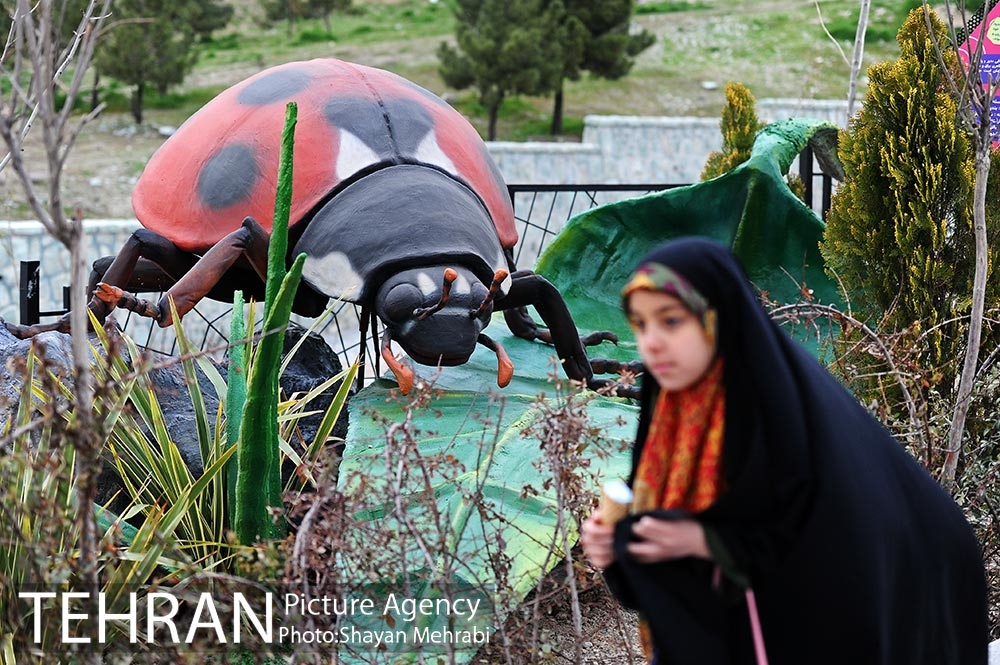
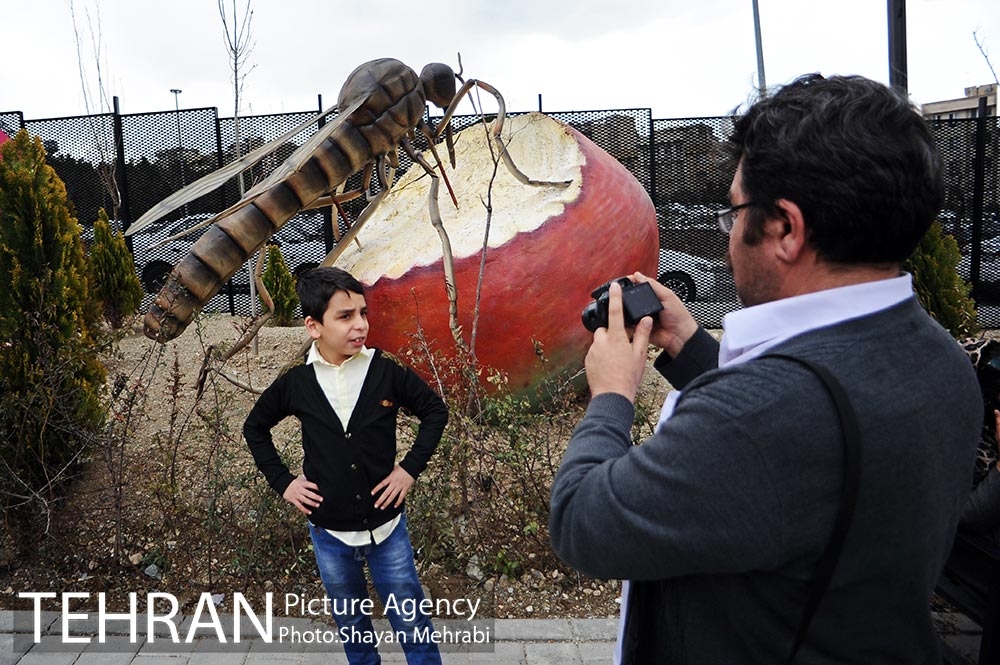
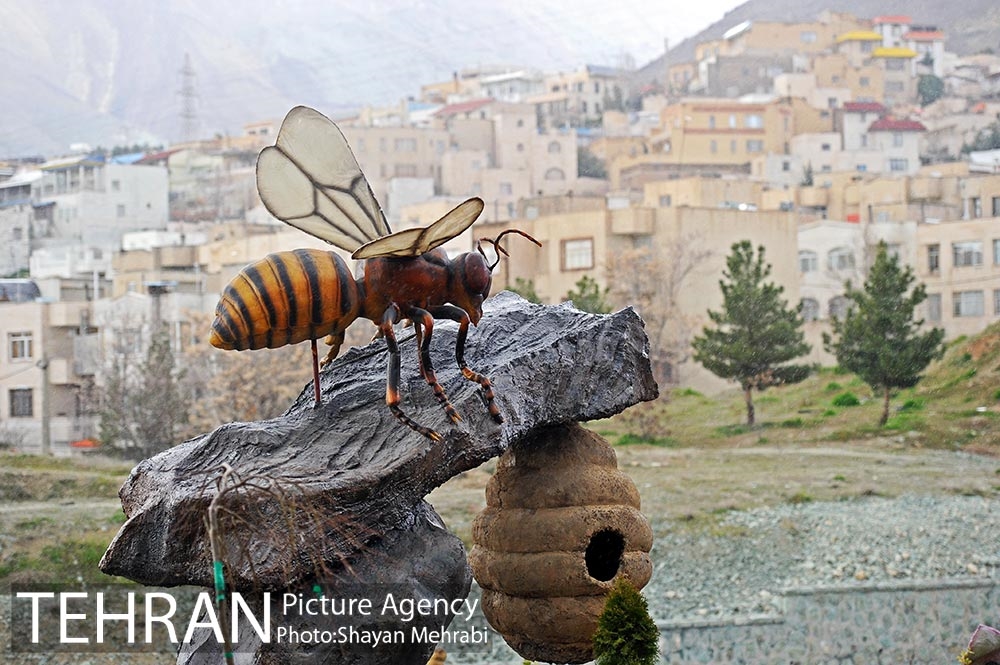
Giant Insects Park Launched in Tehran

Theme parks are recognised as the newest method of combining education and recreation in different countries. These parks are new projects, which have been built in a limited number of developed countries, but they are the most attractive leisure spots in these countries.

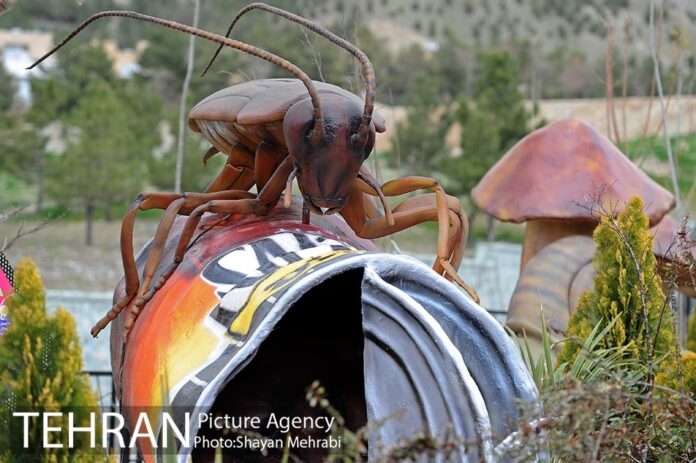
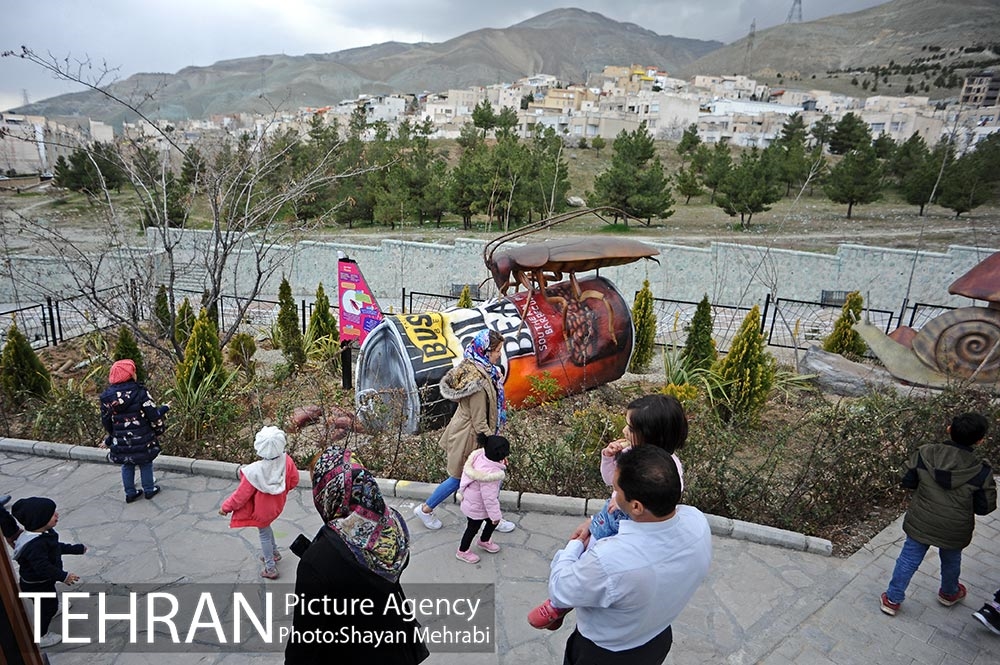
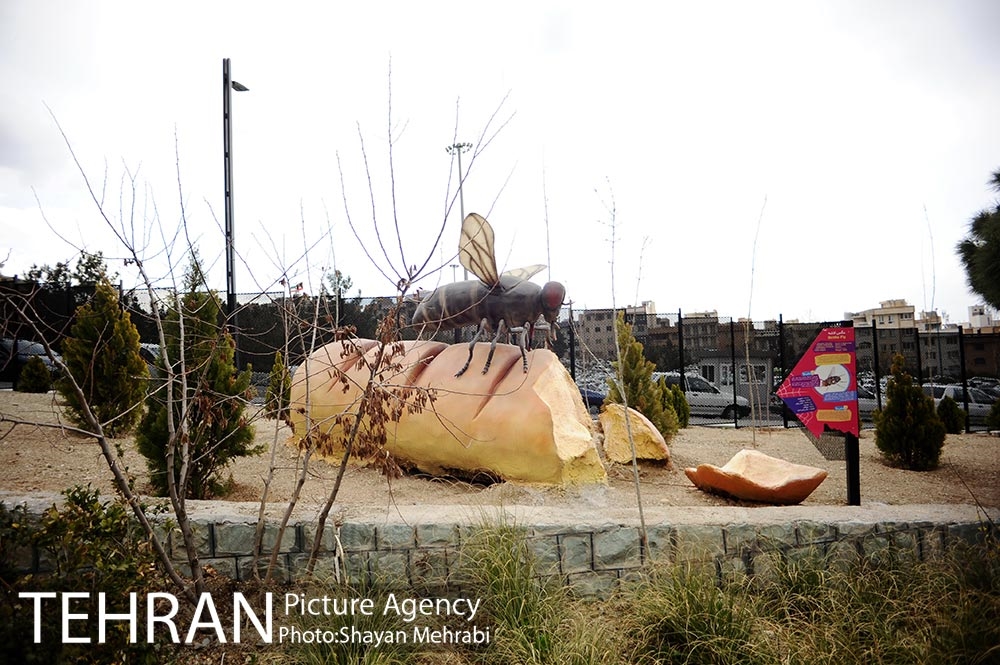
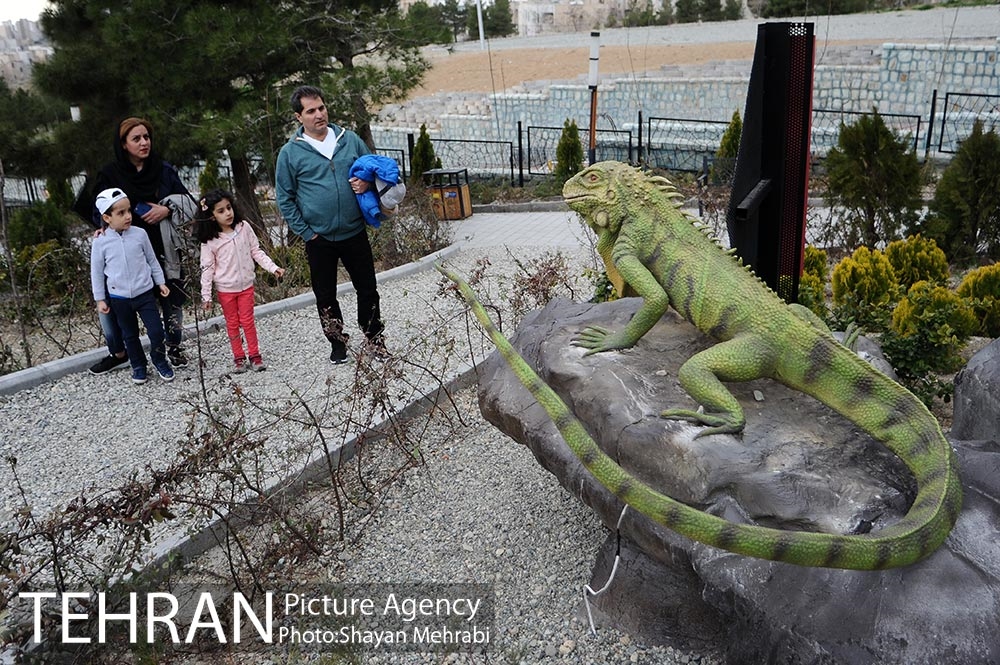
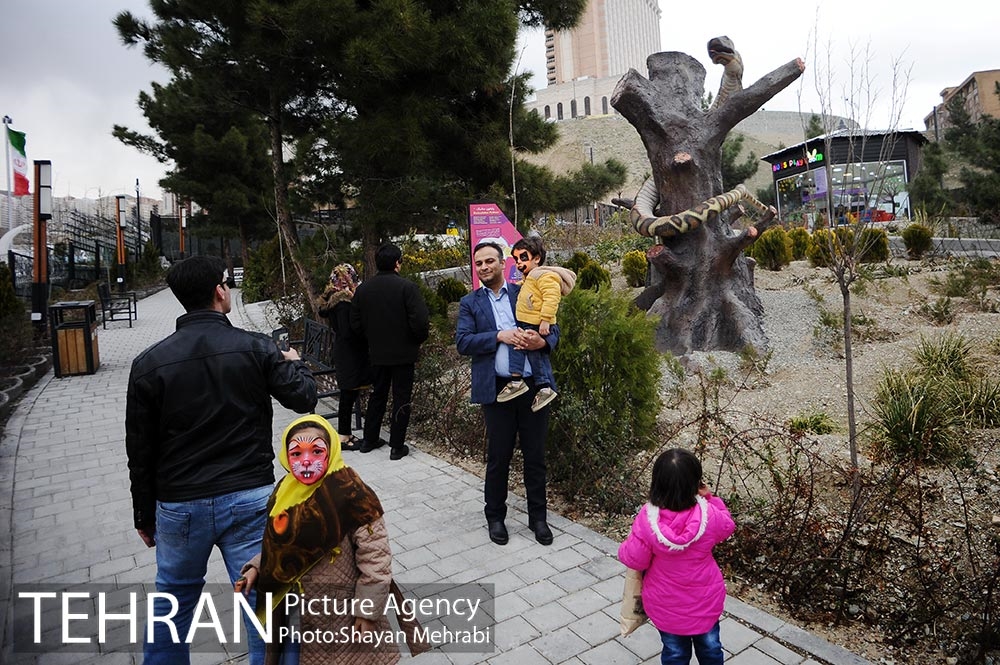
The Insects Park of Tehran has been designed and built in an area of 7,000 square metres in District 2 of the capital.

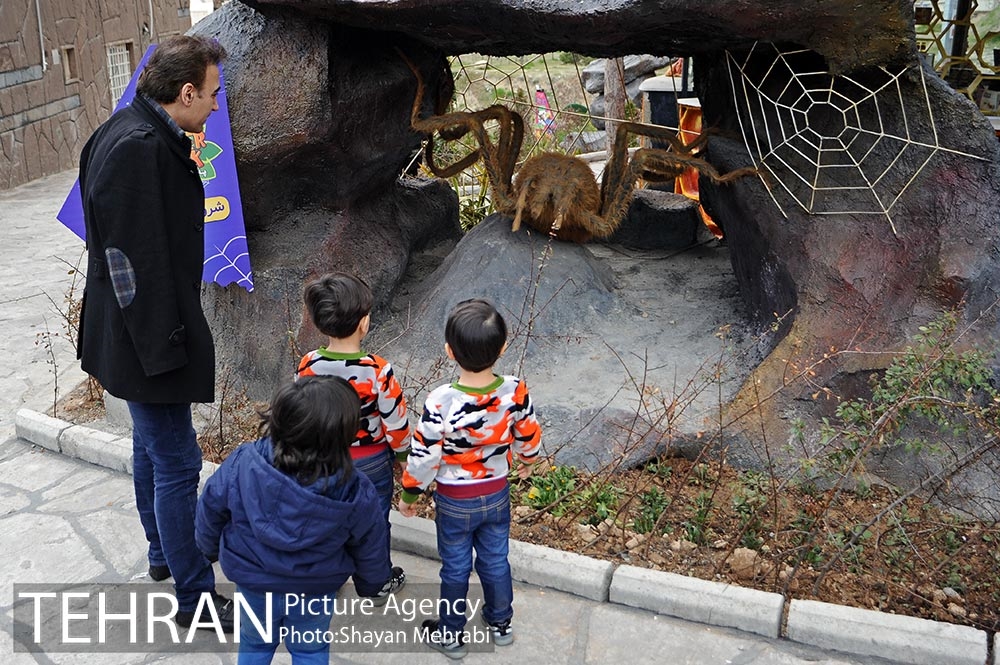
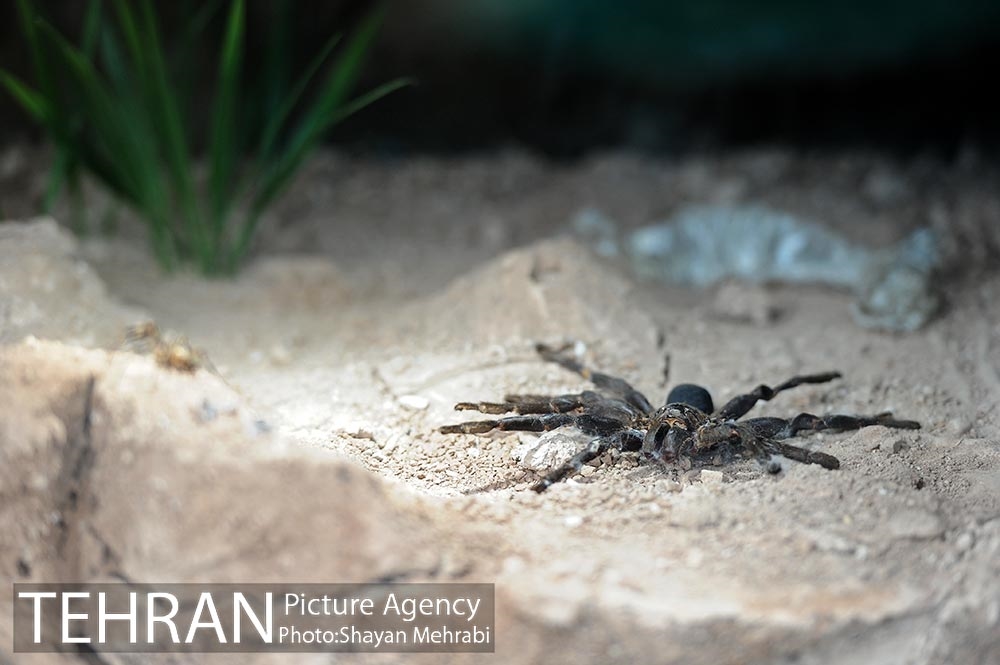
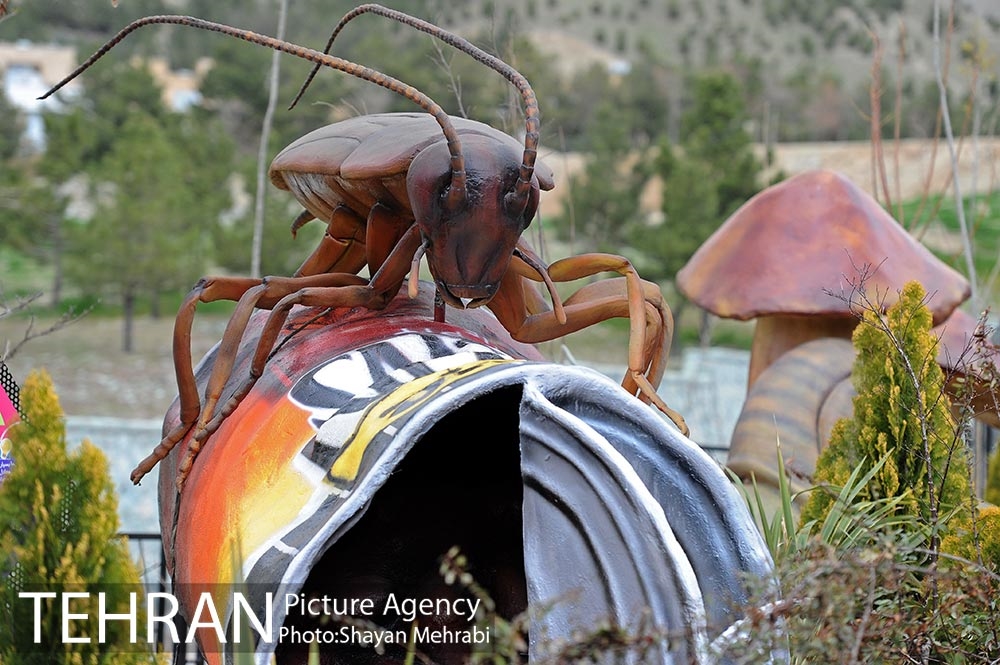
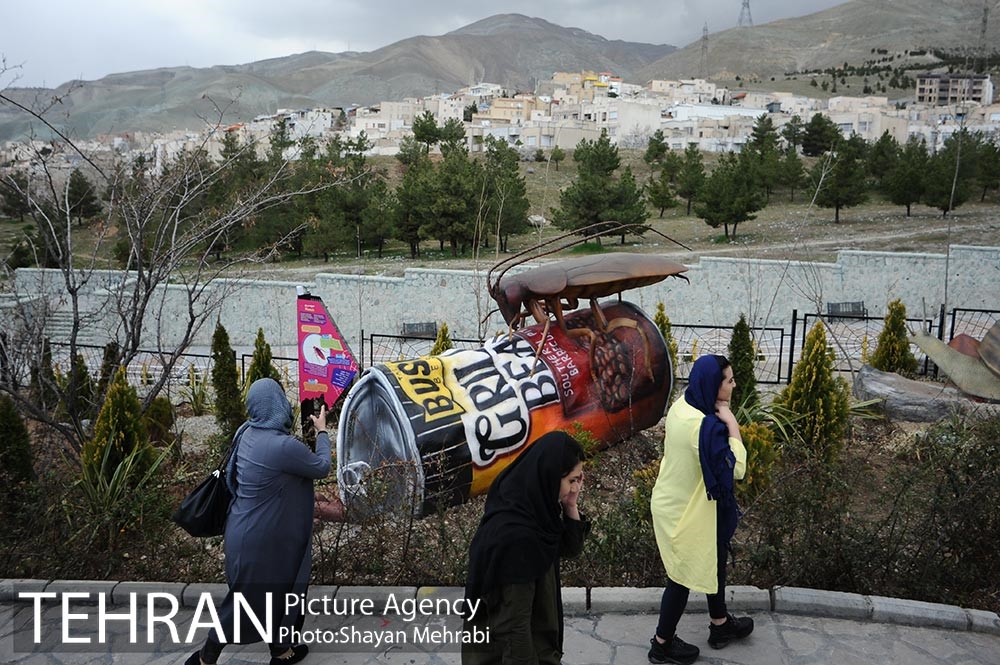
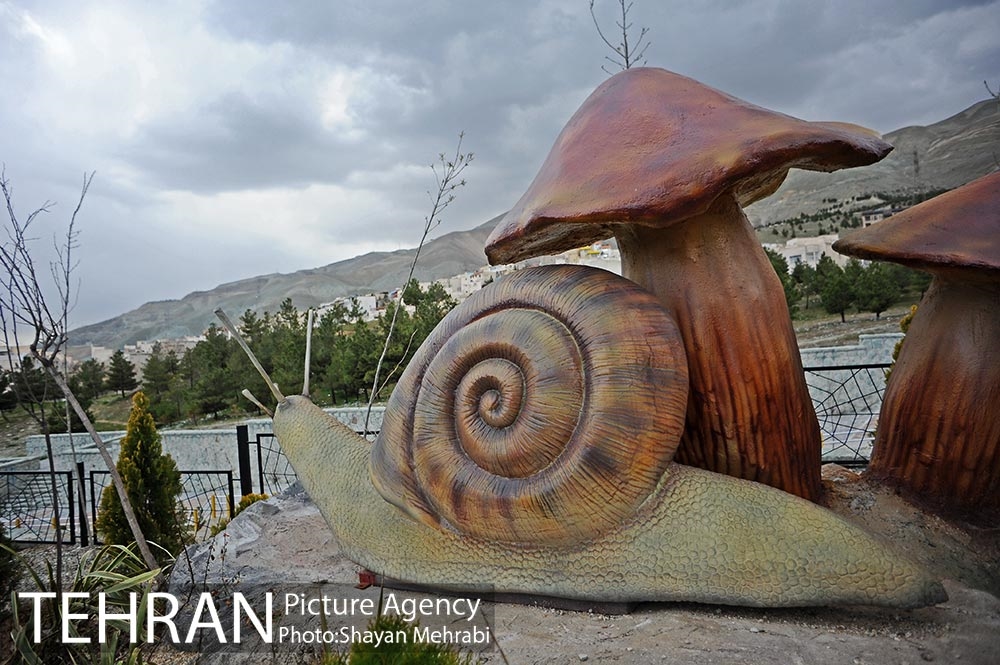
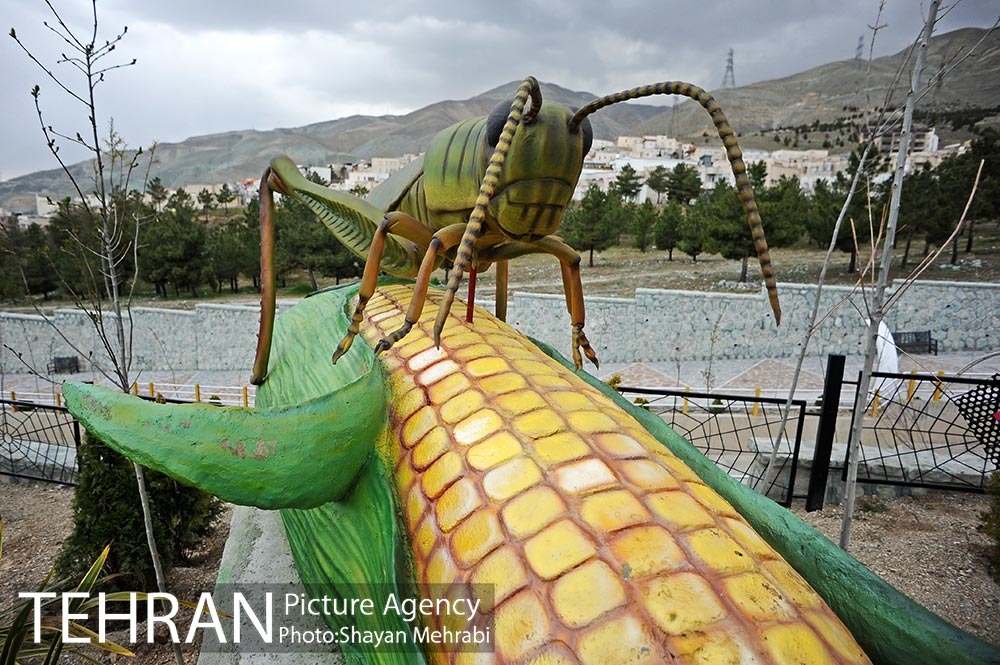
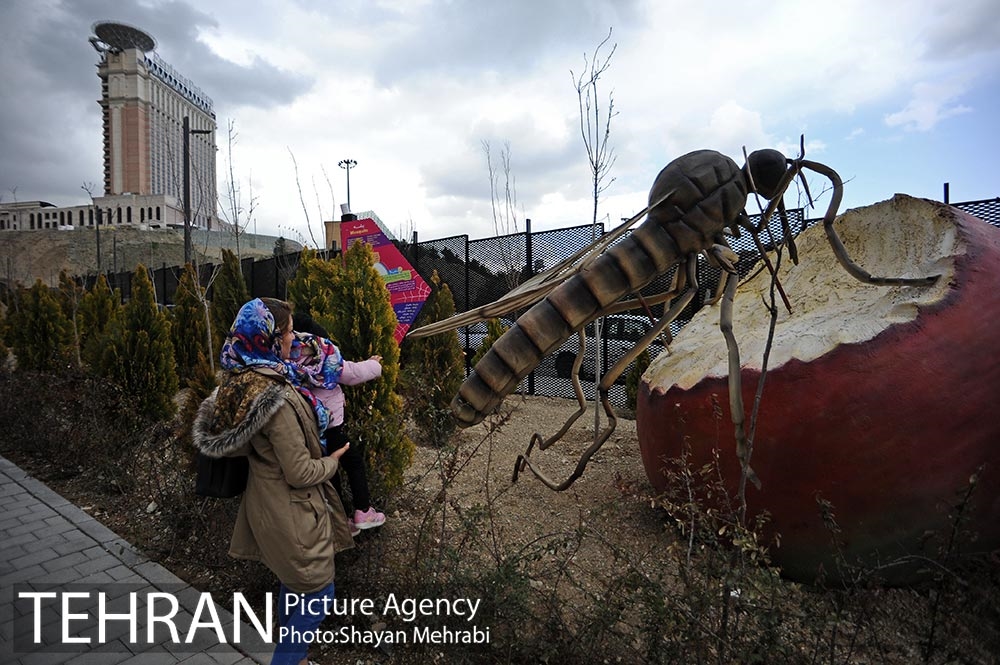
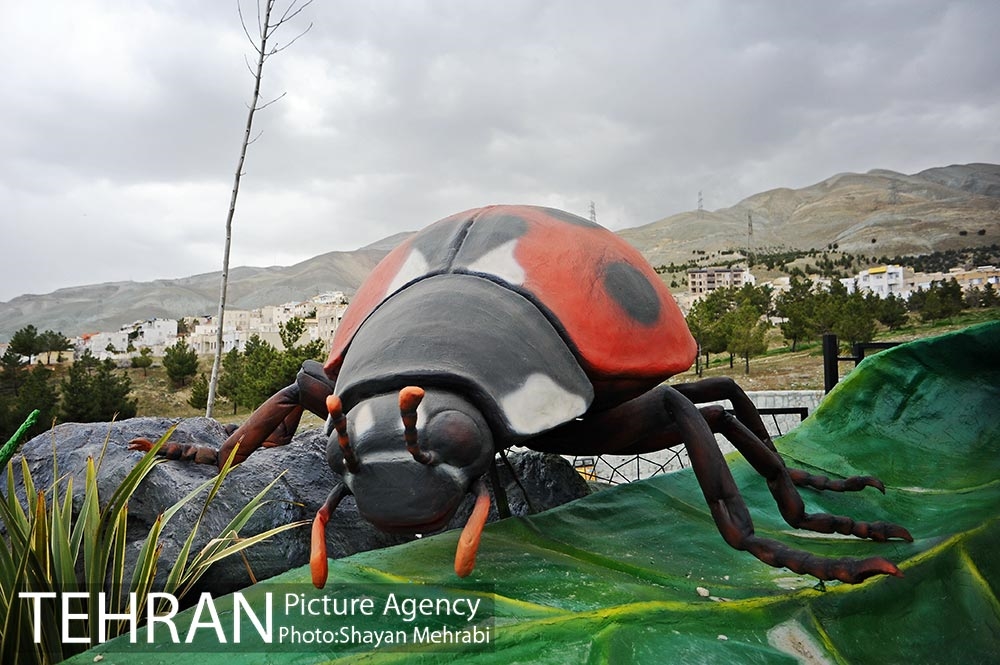
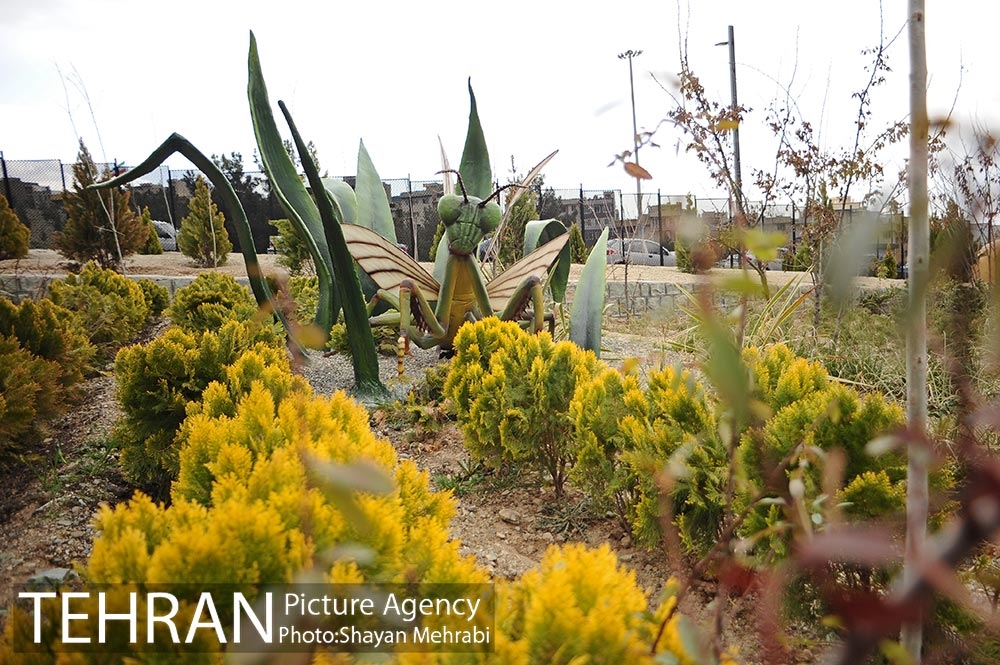
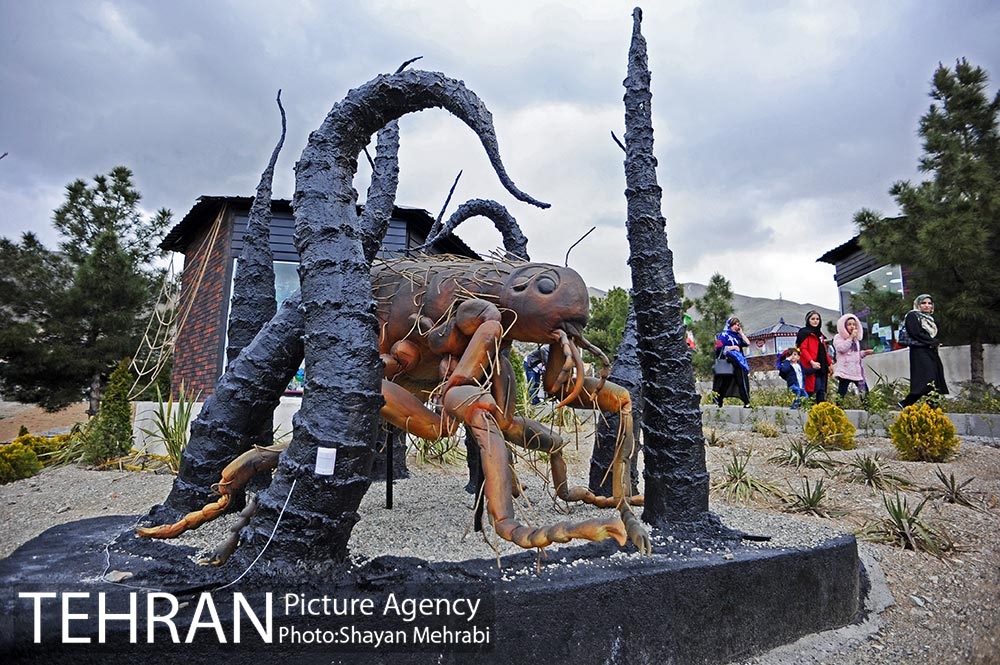
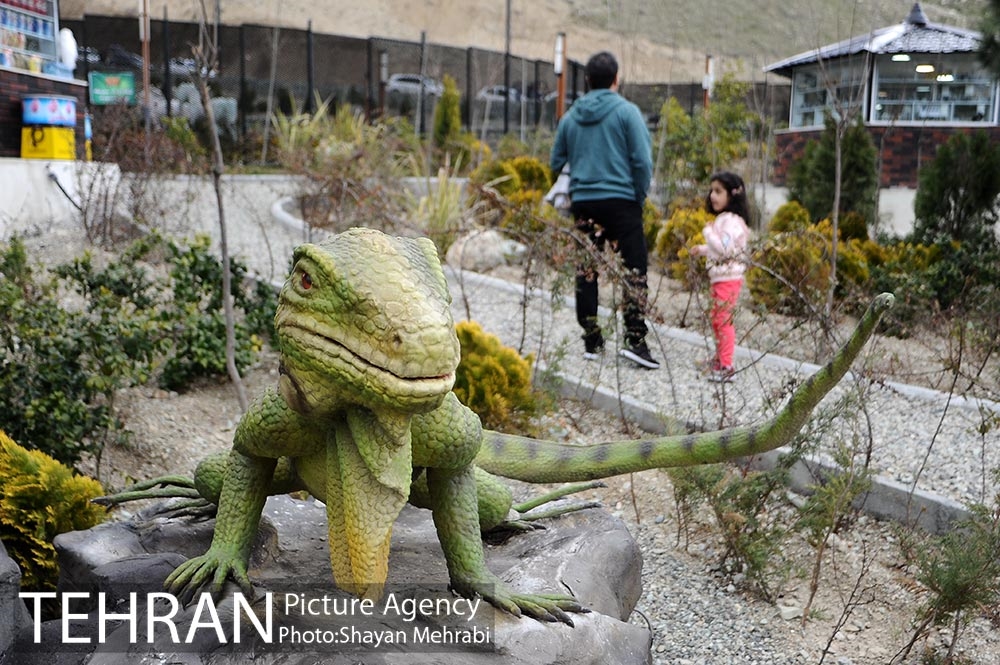
In this park, insects have been built on a very large and completely animated scale.

Iranian officials say dozens of engineers, scientific and research experts, artists and designers worked on the huge designs for insect and reptile habitats.

They also claim that the park is the first, largest and most inclusive insect park in the Middle East, and visitors can get acquainted with the most important types of insects and reptiles on a very large and fully animated scale.

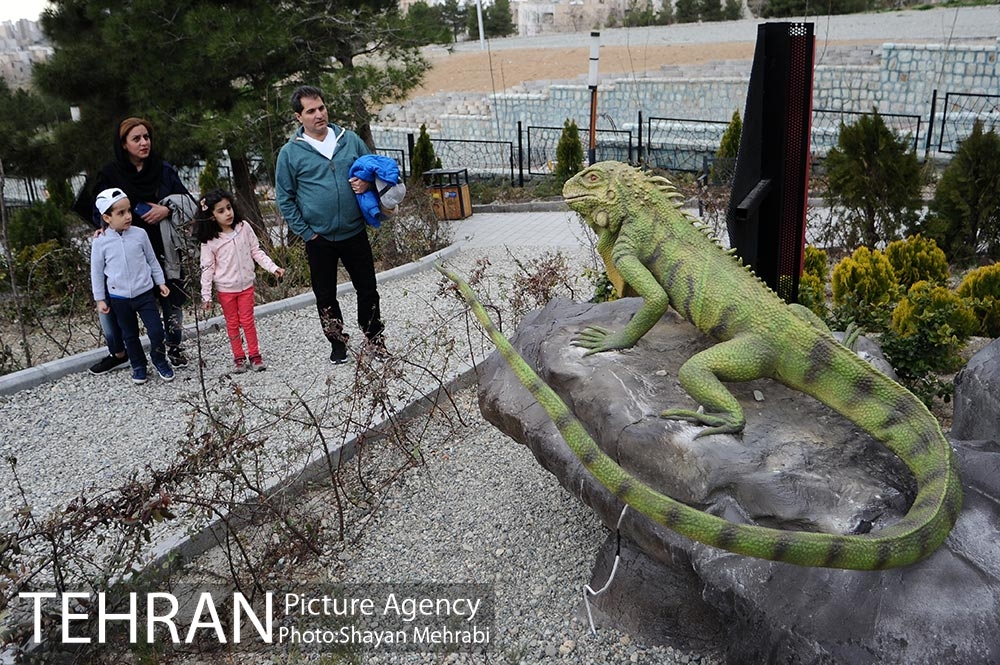
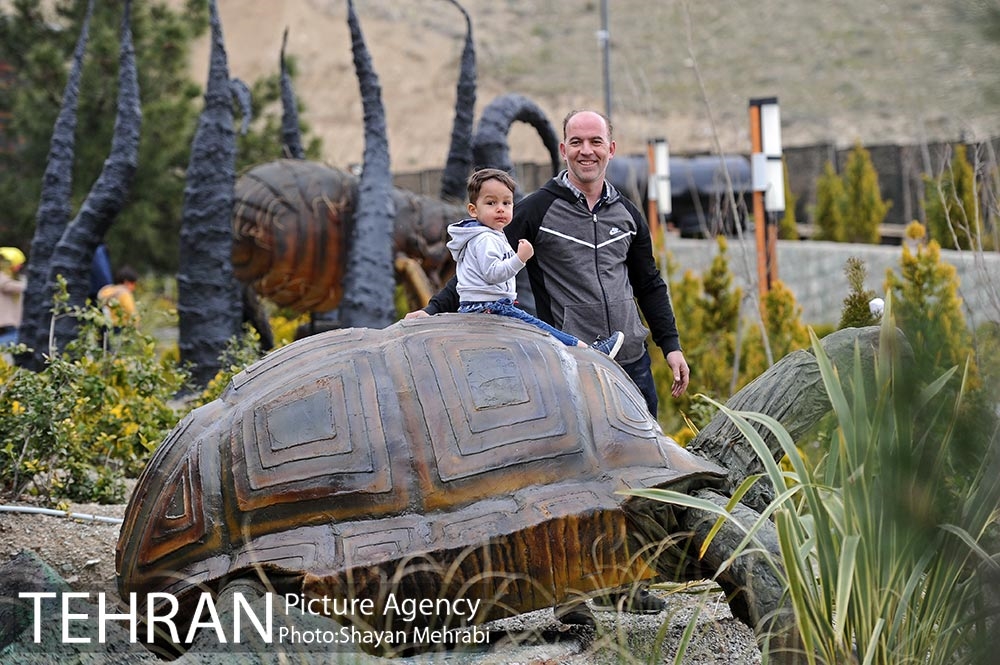
30 insects and reptiles are displayed in the park, the most important of which are spiders, dragonflies, beetles, grasshoppers, snails, mosquitoes, ladybird beetles, flies, turtles, fleas, iguanas, pythons, crocodiles, crabs, centipedes, among others.

Interestingly, all these insects and reptiles are displayed in very large dimensions, and they are made so carefully as if they are placed under the microscope. Insects and reptiles are made of flexible silicone material to look more animated.

In the construction of structures, reinforced concrete and polypropylene fibers have been used in order to make samples resistant to wind, rain, and sunlight.

The giant Insects Park is located in Sa’adatabad, northern Tehran, next to the Jurassic Park.

Deployment of Iraq’s Hashd al-Shaabi in Iran for ‘Flood Relief’ Sparks Controversy

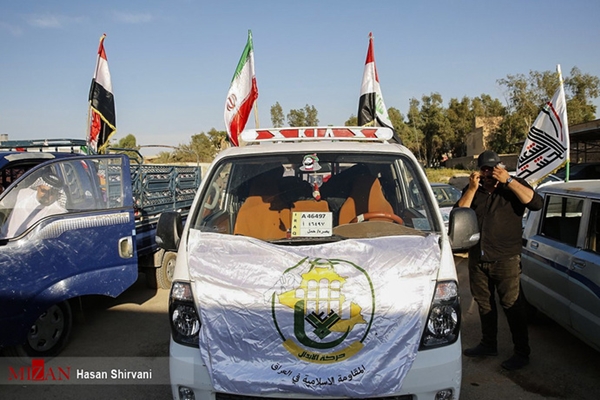
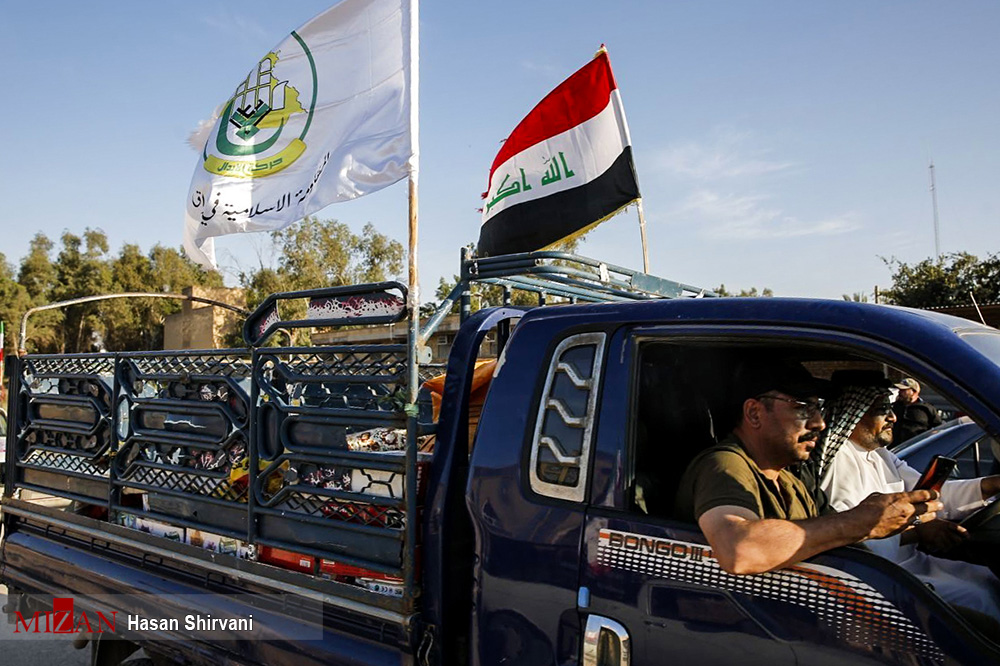
Since last week, the arrival of “relief” convoys with Iraq’s flags hoisted over them in western Iran has triggered mixed reactions among the Iranian people about the real intention behind the presence of Hashd al-Shaabi and al-Nujaba movement in Iran.

In a report, Iranian reformist paper Mardom Salari (Democracy) has discussed the issue from various viewpoints. Excerpts of the report are as follows:

A few days ago, the Hashd al-Shaabi hashtag went viral in twitter and the Iranian users showed mixed reactions to the presence of Iraqi forces in their country. In a statement, Hashd al-Shaabi said the engineering units of the group have arrived in Iran to divert the flow of floods which have hit Iran since March 19. “The presence of Hashd al-Shaabi in Iran is aimed at protecting special parts of Iraq against possible deluges flowing from Iran to the country.”

According to the statement, the Iraqi popular mobilization units are seeking to divert the flows of the deluges which might hit Iraqi cities including al-Amarah city, the centre of Maysan province.

But, Kayhan newspaper offered another account saying that the military unit arrived in Iran at the invitation of the popular Iranian Commander Major General Qassem Soleimani to contribute to relief operations in flood-hit areas.

According to Kayhan, the Iraqi forces have already established over 20 relief centres along routes connecting Ilam to Khuzestan provinces which suffered the most during the latest deluges hitting the country.

Iran’s ambassador to Iraq Iraj Masjedi said last week that over 200 Iraqi youths and tribesmen arrived in Iran on tens of vehicles. According to Fars news agency, Hashd al-Shaabi forces entered Iran on the same vehicles.

Deployment of Iraq’s Hashd al-Shaabi in Iran for ‘Flood Relief’ Sparks ControversyIt’s not clear yet whether or not, the entrance of Hashd al-Shaabi has been coordinated with any governmental body in Iran. Ali Sari, an Iranian lawmaker says coordination for issues like this are usually made by the Quds Force, a unit of the IRGC. “But I don’t know yet with which body such a coordination has been made.”

Hashmatollah Falahatpisheh, Chairman of the Iranian Parliament’s National Security and Foreign Policy Commission, has put his weight behind the presence of Hashd al-Shaabi in Iran, saying the spiritual value of the group’s presence in Iran is very high. Their presence has become possible through legal channels. As a matter of routine, such moves are coordinated with Iran’s Interior Ministry.”

Along with the entrance of Hashd al-Shaabi, some members of Iraq’s Fatemiyoun and some other movements arrived in the flood-hit areas in Iran.

Though it is not yet declared officially with which governmental body the coordination has been made, the presence of the Iraqi forces has already sparked mixed reactions in Iran’s social media.

The Hashd al-Shaabi hashtag has gone viral over the past days. Some Iranian users have strongly protested the presence of Iraqi forces. They referred to the eight-year war between Iran and Iraq and said during the war, former Iraqi dictator Saddam failed to hoist Iraq’s flag in southern city of Ahvaz but today, Hashd al-Shaabi has managed to accomplish the mission.

Some others dealt with the story from another point of view and said Iran is equipped enough with machinery and human resources to cope with the deluges and there is no need for Hashd al-Shaabi presence.

But on the other side, some Iranian users supported the presence of Iraqi forces on Iran’s soil and said the protesters are the very users who complained that neither Iraqis, nor Syrians have helped Iran during its harsh days in return for Iran’s unconditional support for them. “Now that Hashd al-Shaabi has rushed to help us, they say that outsiders have entered Iran,” they argued.

The controversy over the issue has also gained momentum in Iraq. In a tweet, Iraqi Shiite cleric Muqtada al-Sadr reacted to Hashd al-Shaabi statement on its presence in Iran for relief operation in the neighbouring country and said while Iraqi people are in dire need of aid operations, it’s better to offer services to them rather than neighbouring Iranians.

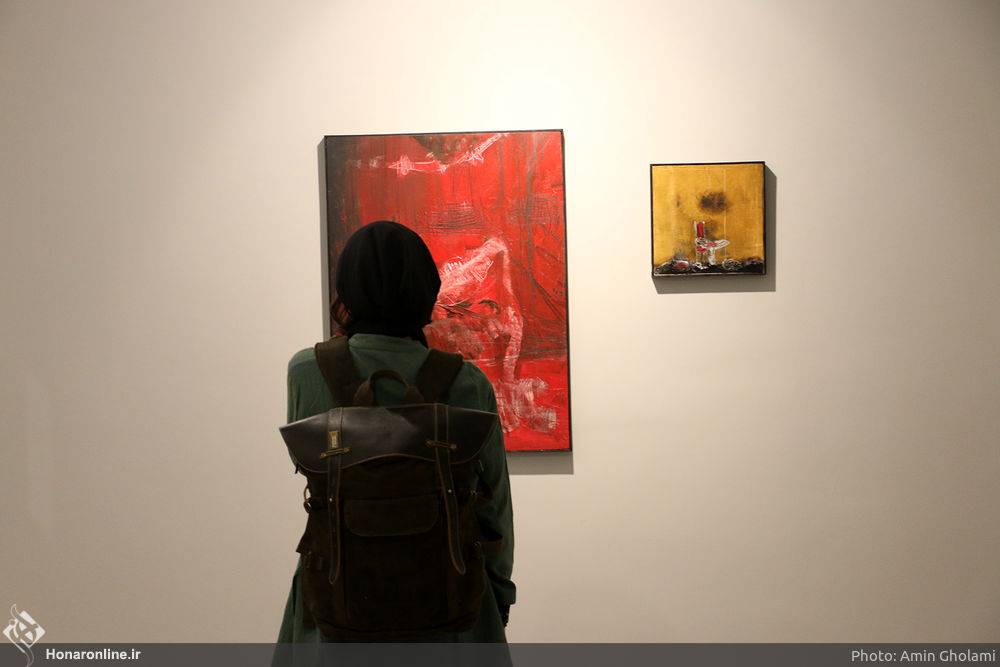
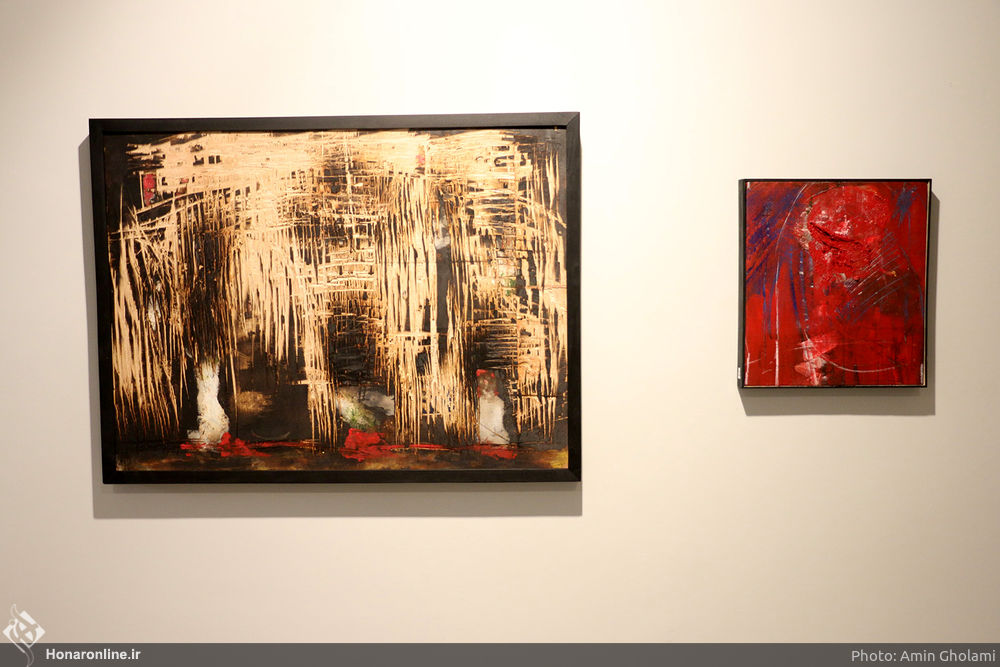
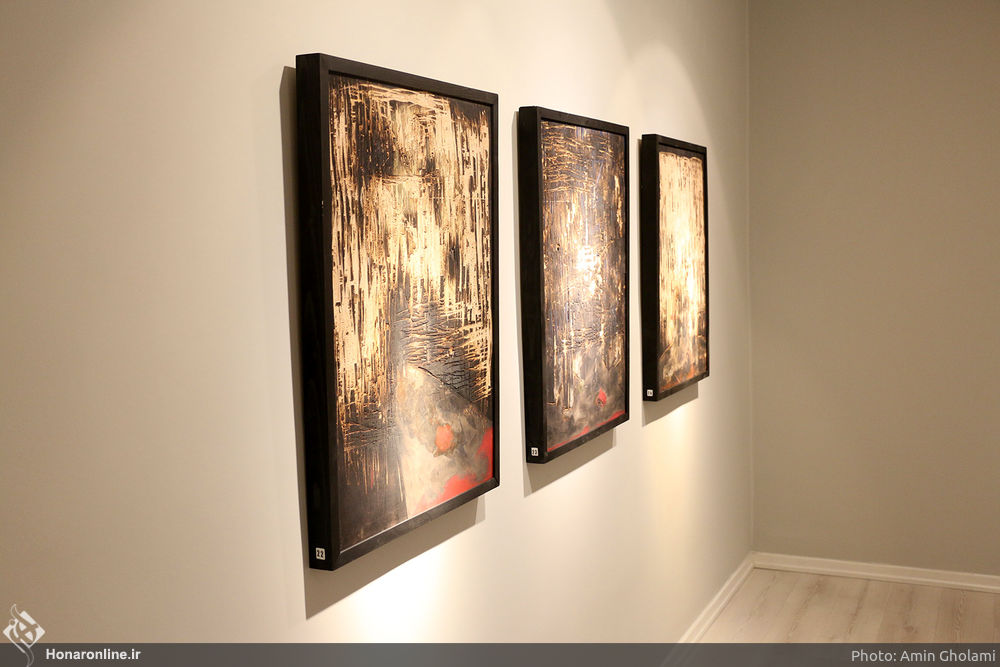
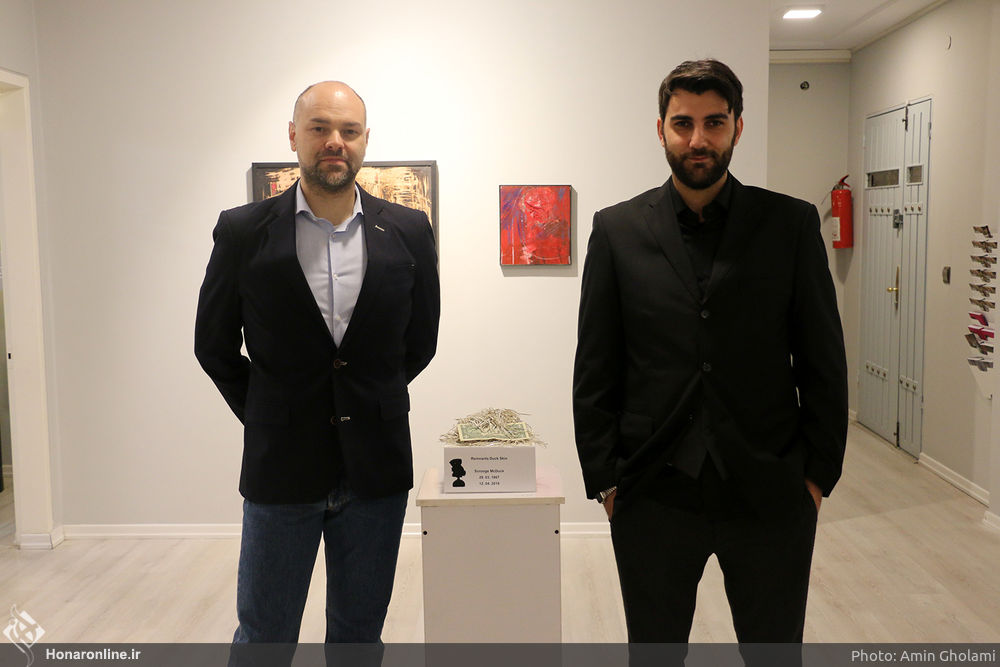
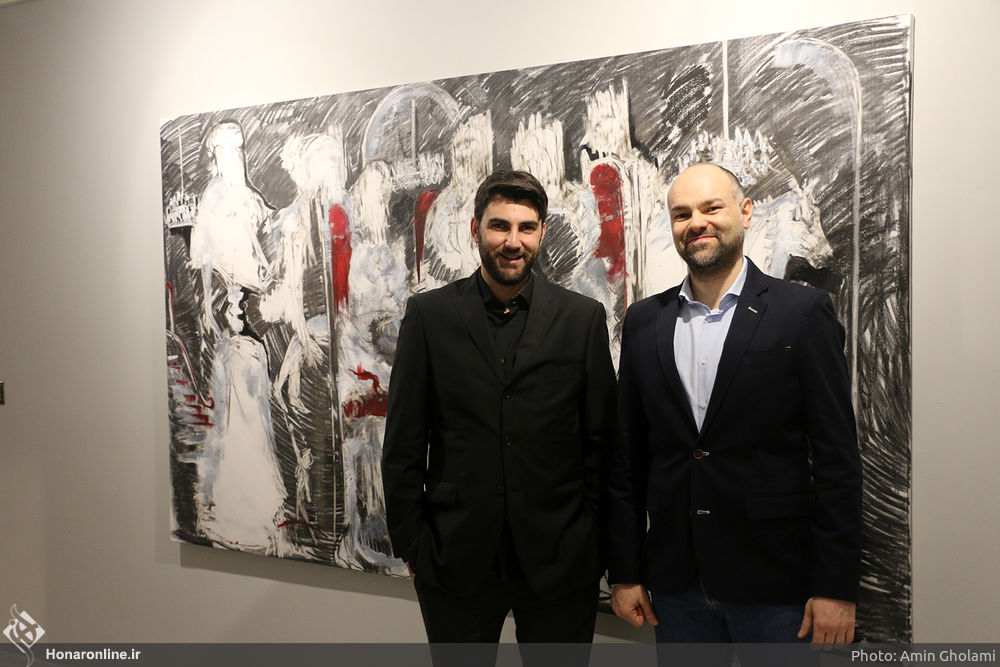
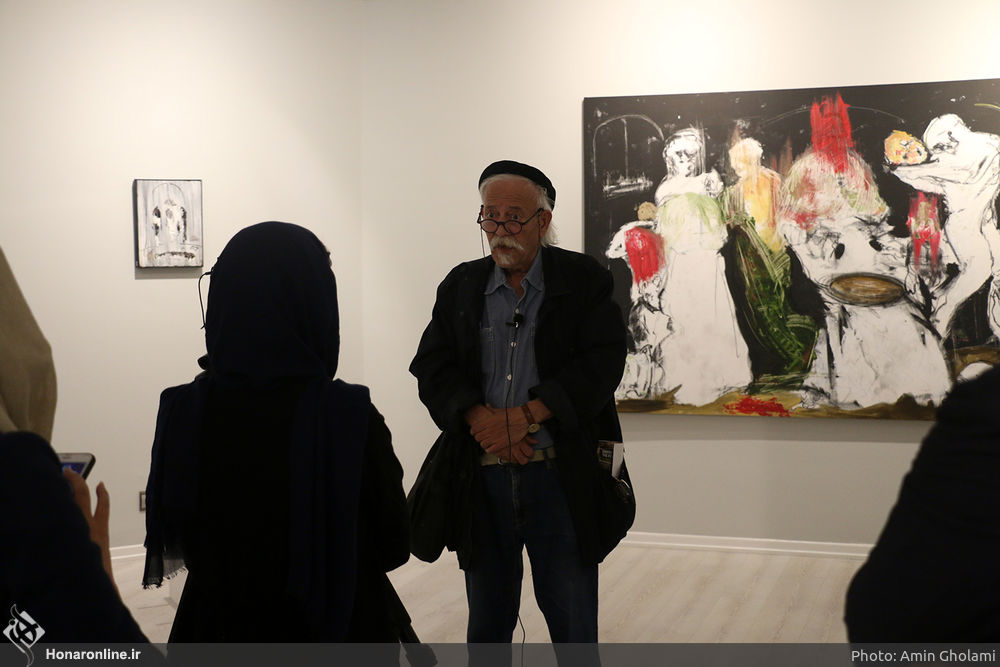
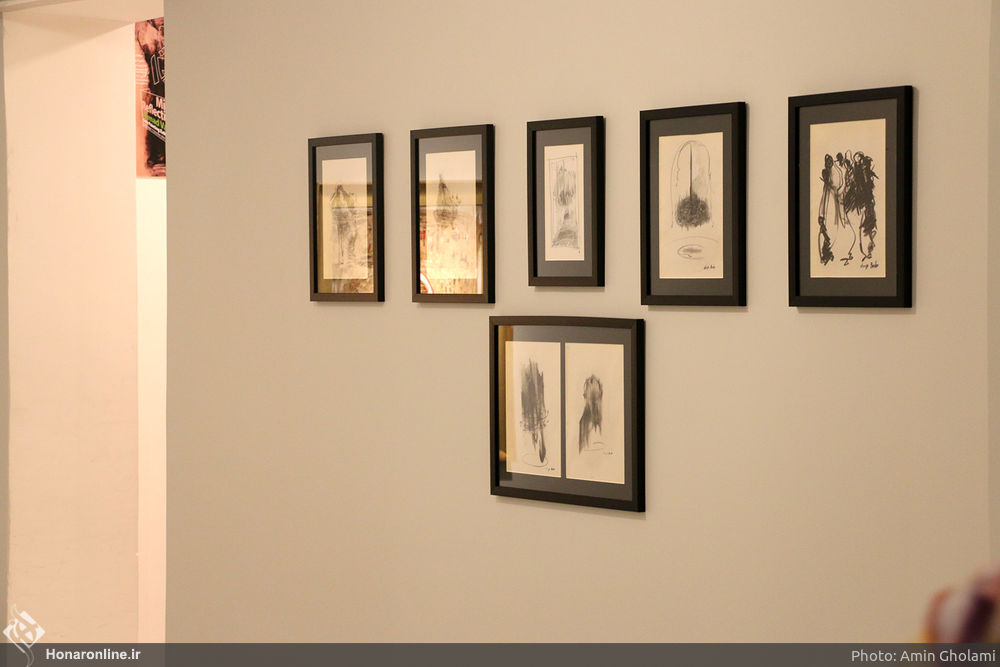
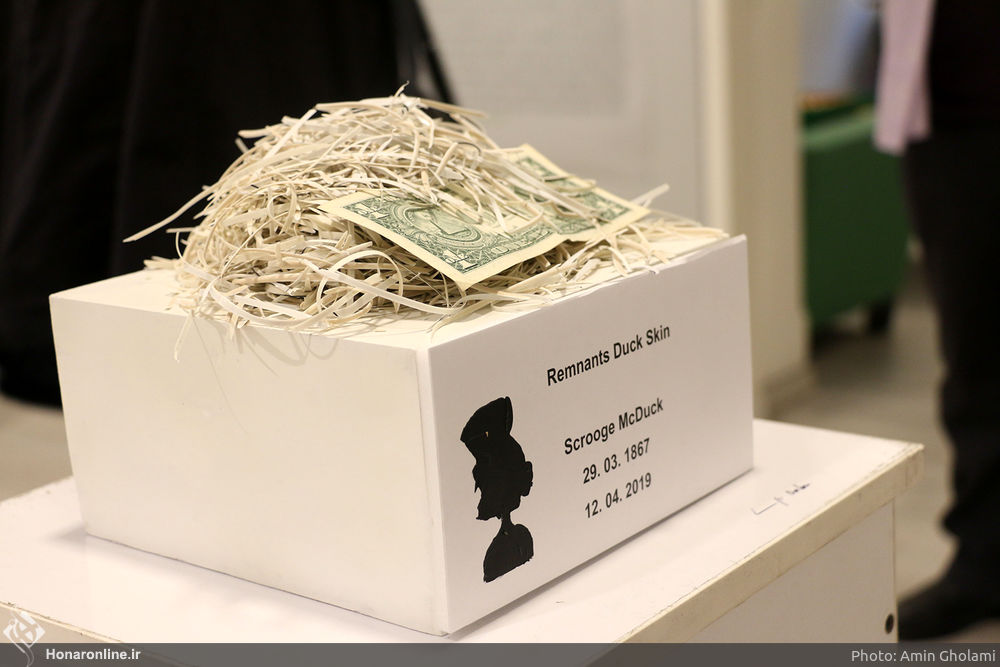
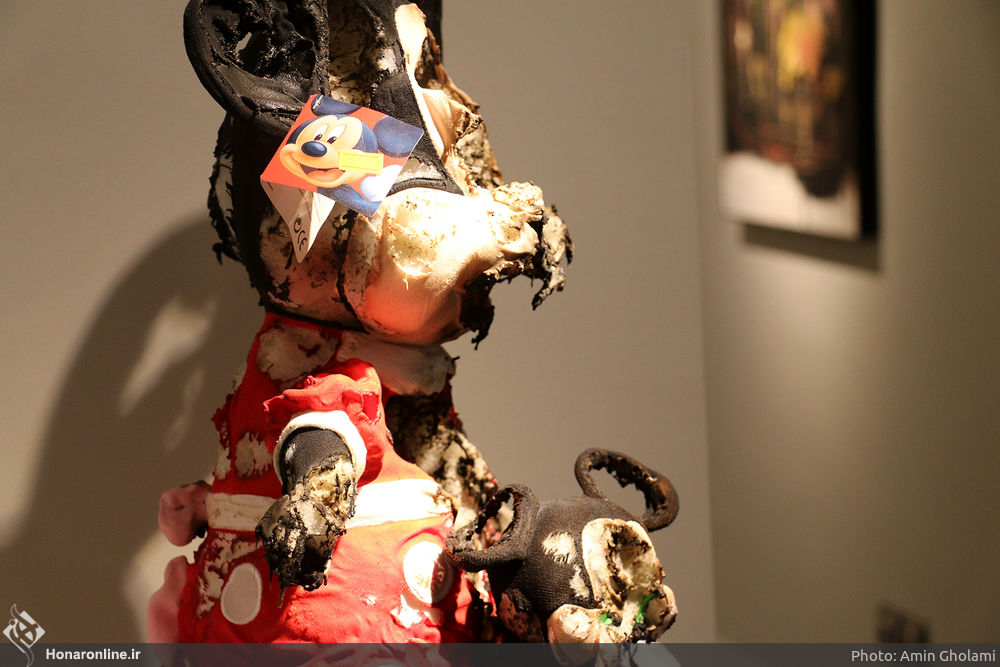
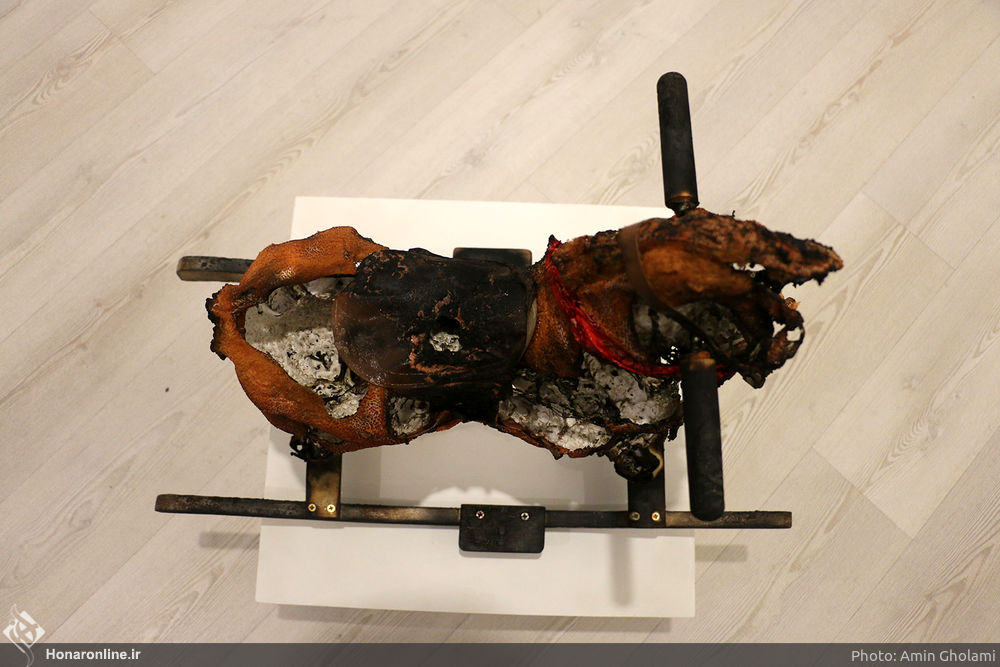
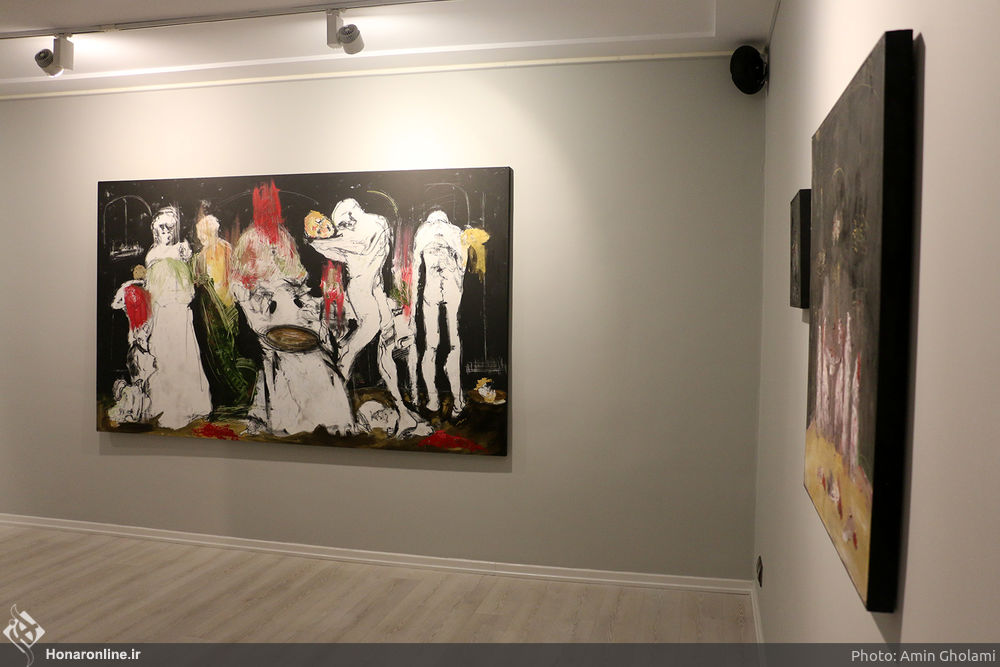
Italian Artist’s Works on Show in Tehran

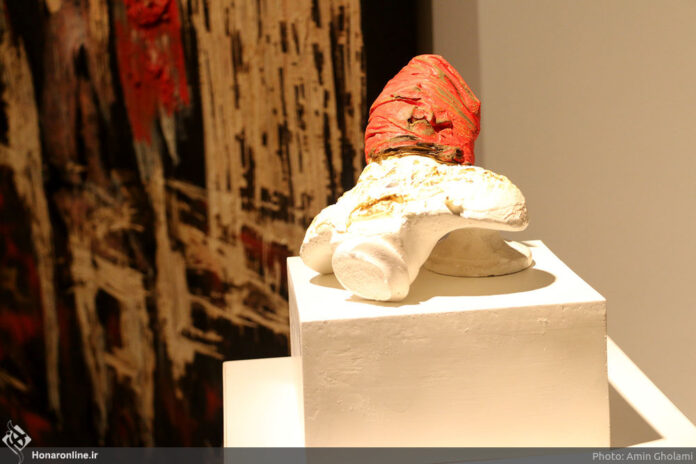
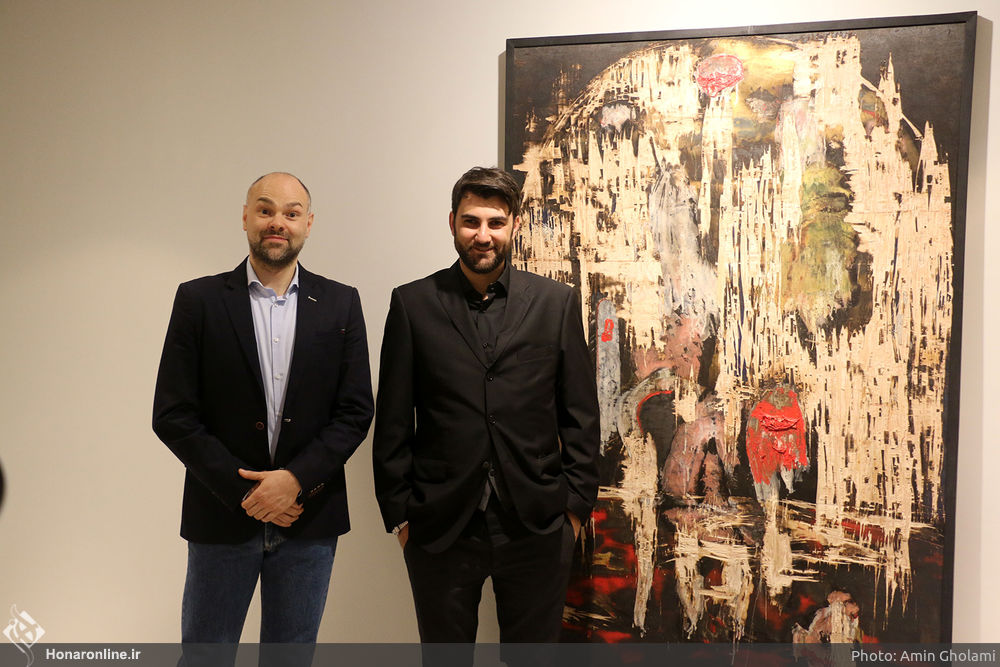
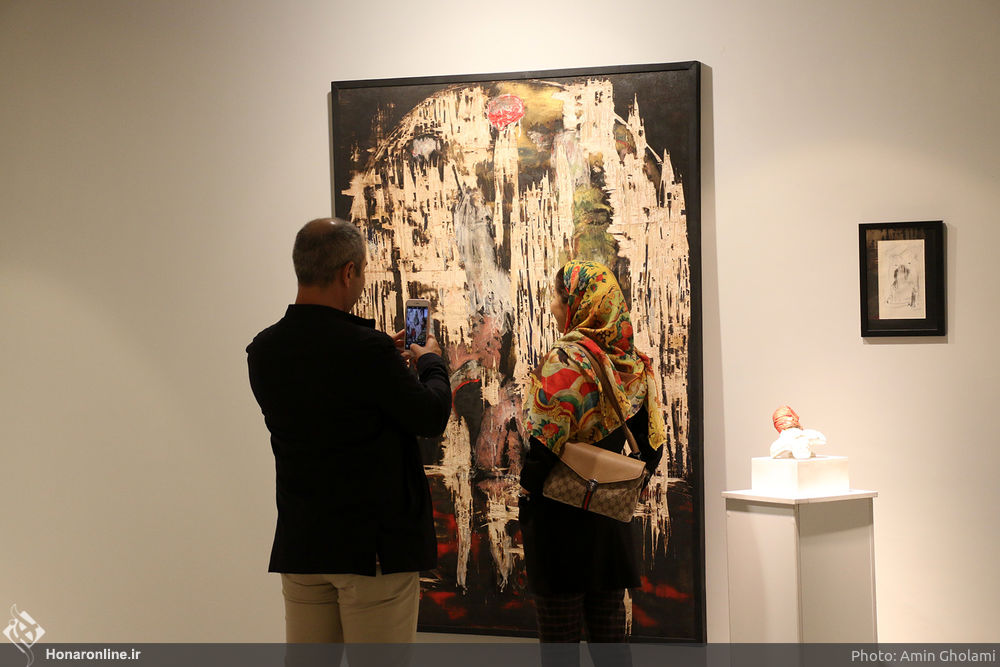
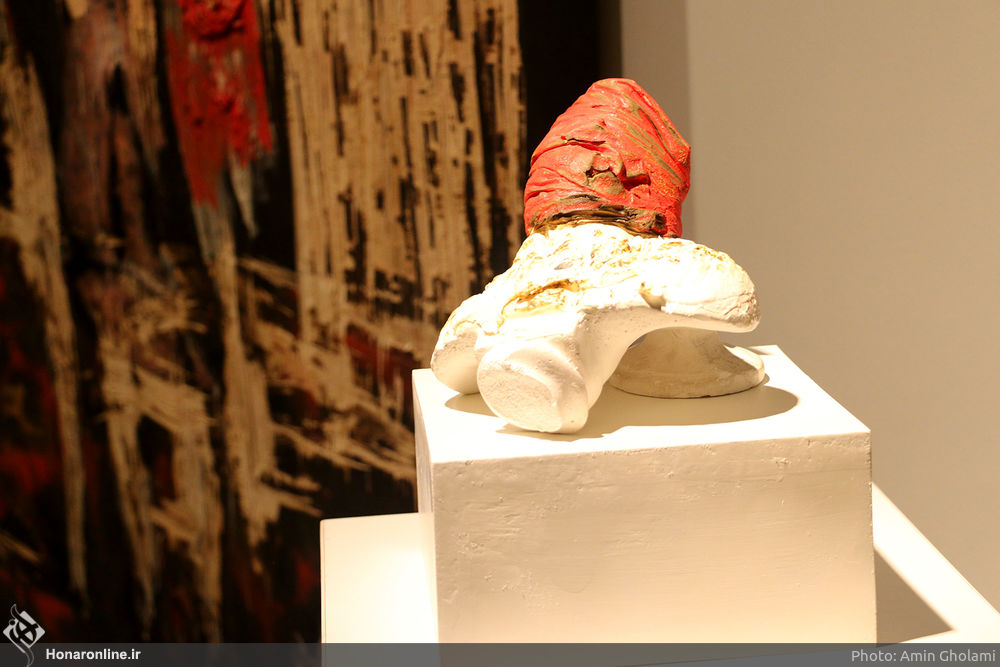
Giuseppe Barilaro was born in 1988 in Catanzaro and graduated from the Academy of Fine Arts of Catanzaro.

Burning of wood, splitting and scratching it and covering it with burned acryl is the artist’s technique in presenting his works.

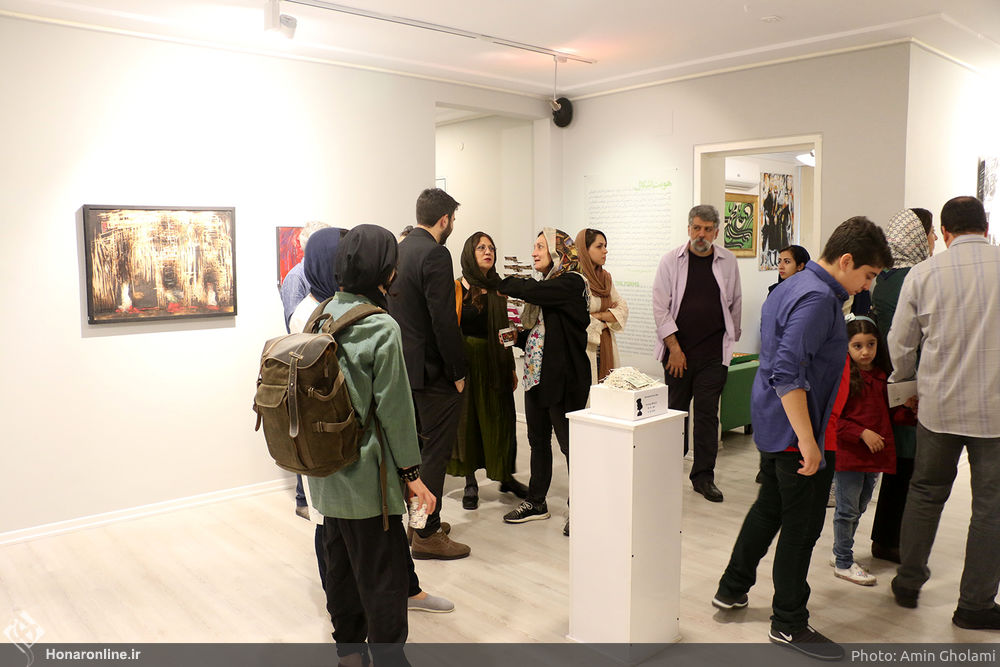
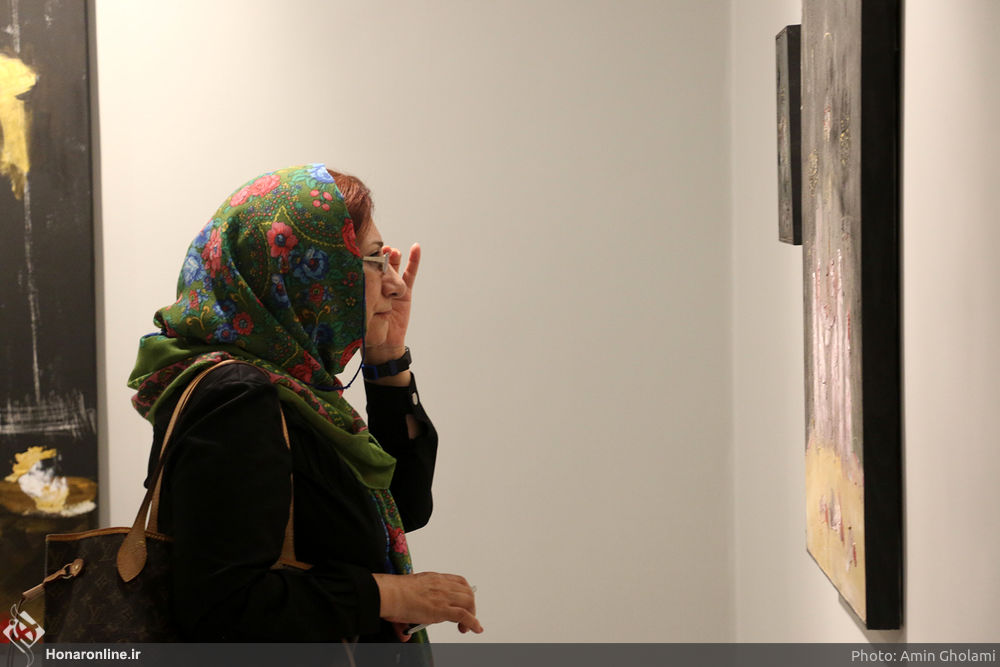
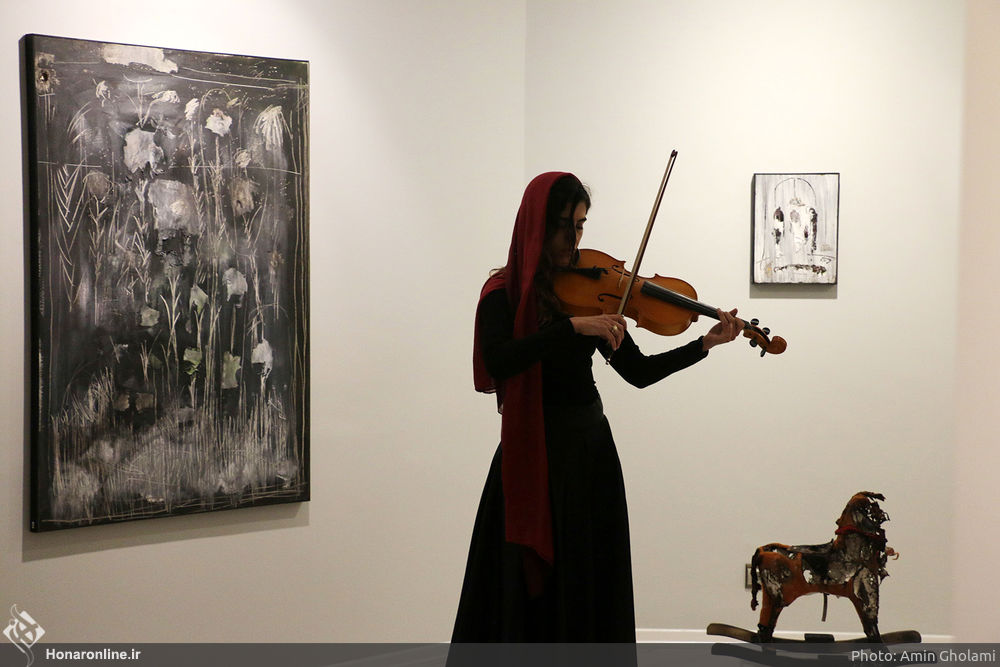
The exhibition will be open to visitors until April 22 at Sareban Gallery.

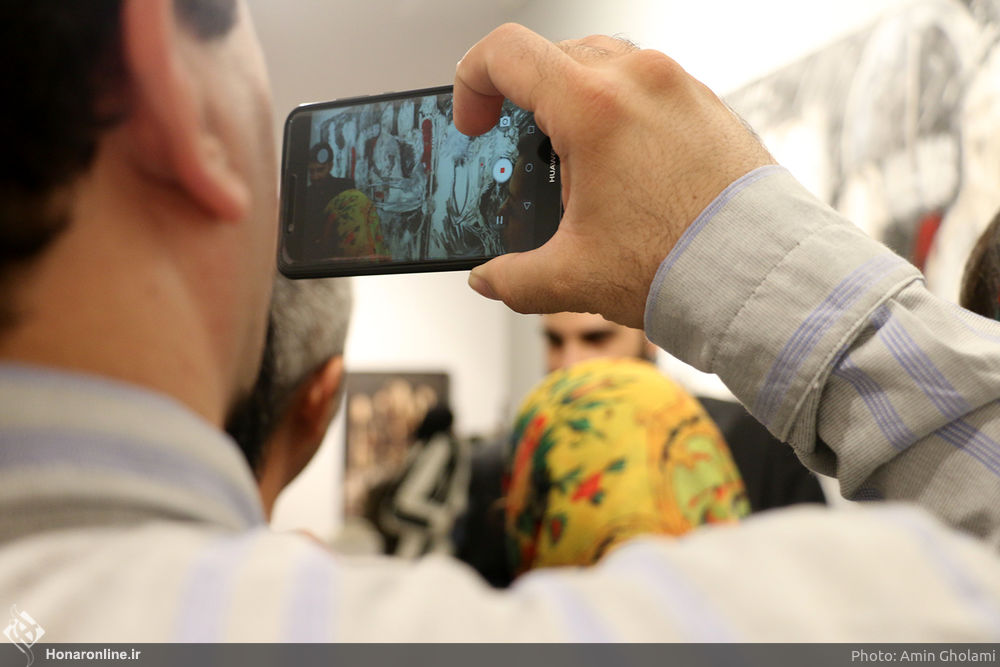
What follows are photos of the event retrieved from Honar Online:

Devastating Floods Reinforced Shiite-Sunni Unity in Iran

Abdolhai Mirza-Ali made the comment with regards to volunteers, both Shiites and Sunnis, who went into action to help flood-hit victims in Aq-Qala village and other flood-stricken areas in northern Golestan province.

“It had already been proven to us that unity between Shiites and Sunnis is not just a slogan, but is a principle,” he said.

Devastating Floods Reinforced Shiite-Sunni Unity in Iran“However, our Shiite brothers proved this matters more than before during flooding in Aq-Qala,” said the cleric, who is the director general of public libraries in Golestan as well as the Friday Prayer leader of Aq-Qala.

“Flooding might be a disaster, but this very disaster could bring with it a major blessing, that is unity and brotherhood. The recent floods further strengthened this unity,” he added.

He appreciated efforts by all people, including military personnel, people and Shiite clergy, who came from across the country to help flood victims in Golestan.

“Such moves are vital for the strengthening of unity between Shiites and Sunnis,” he said.

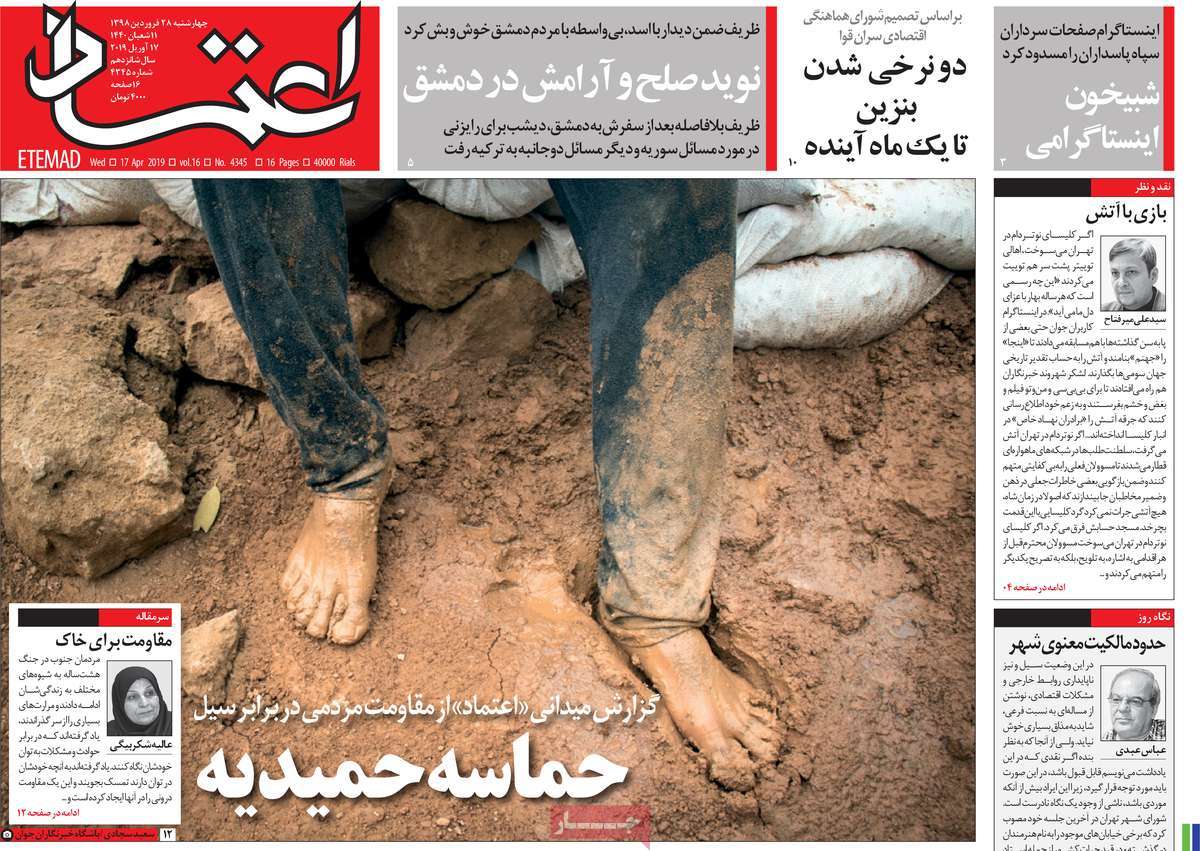
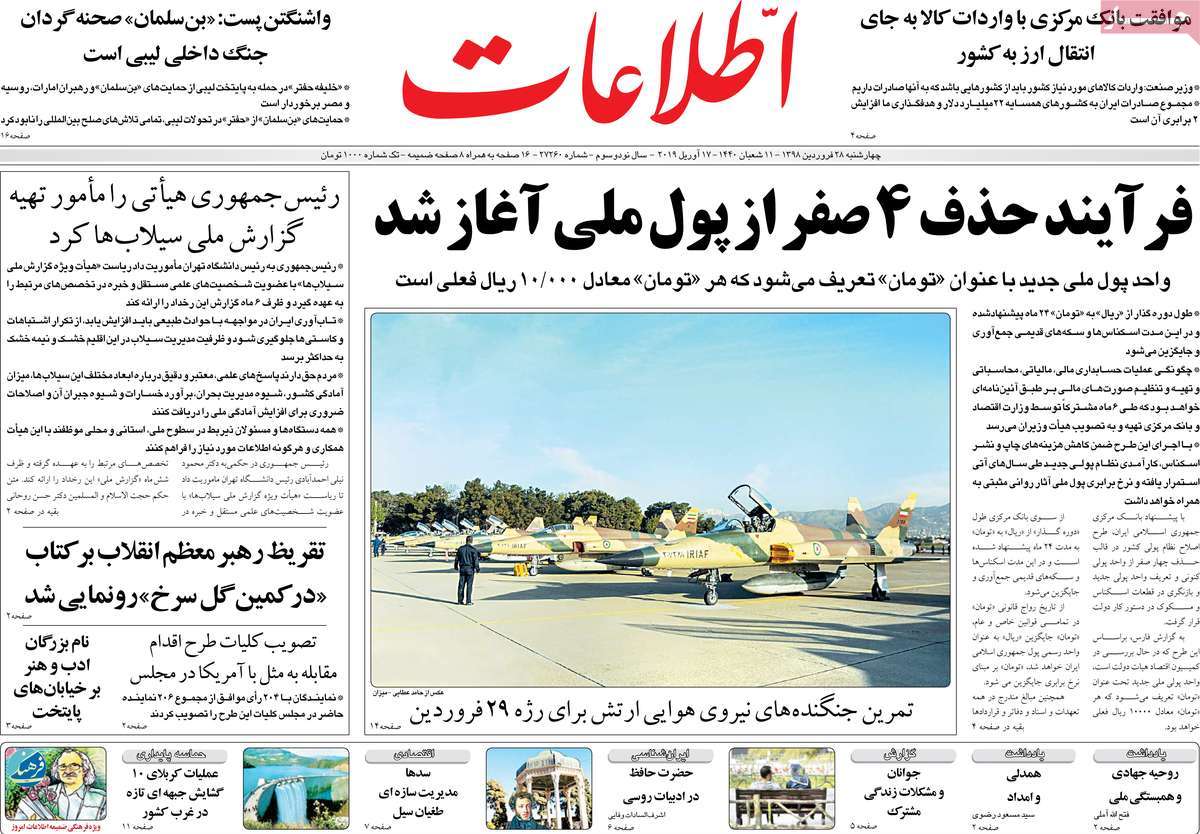
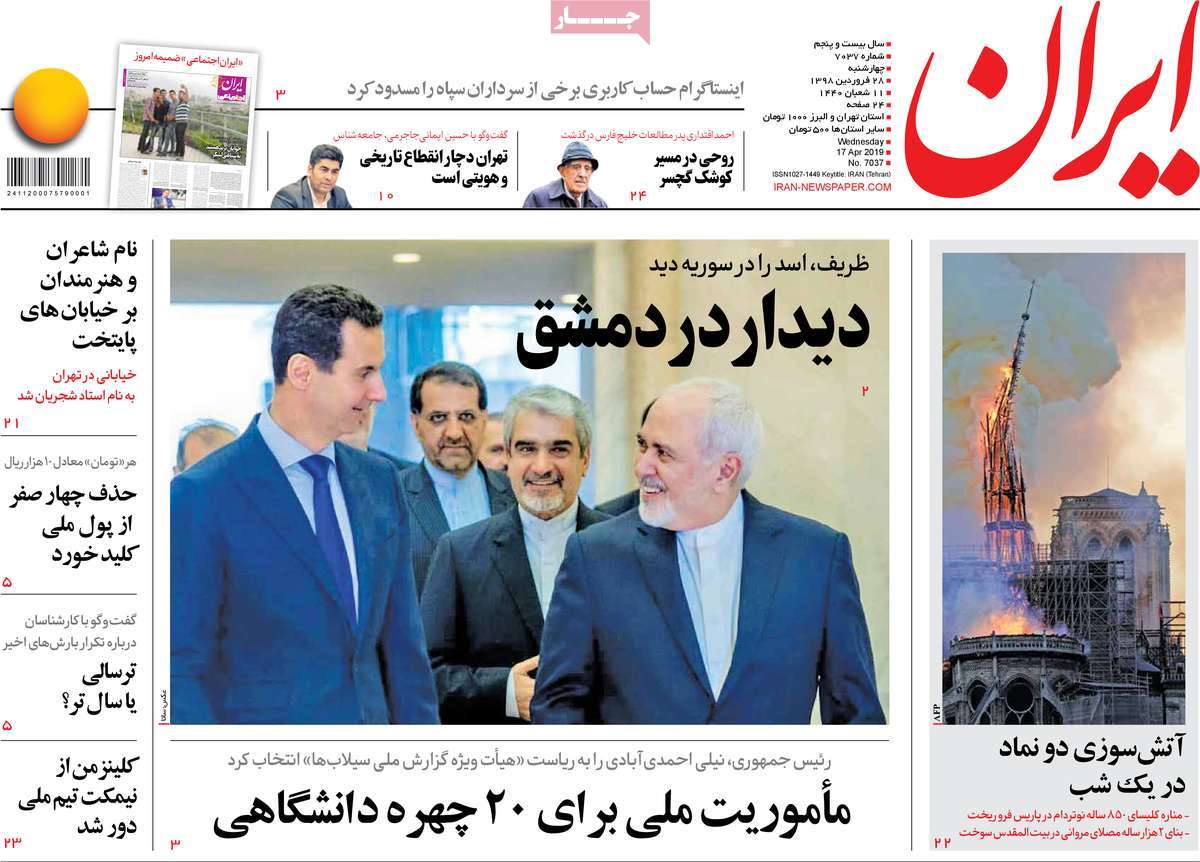
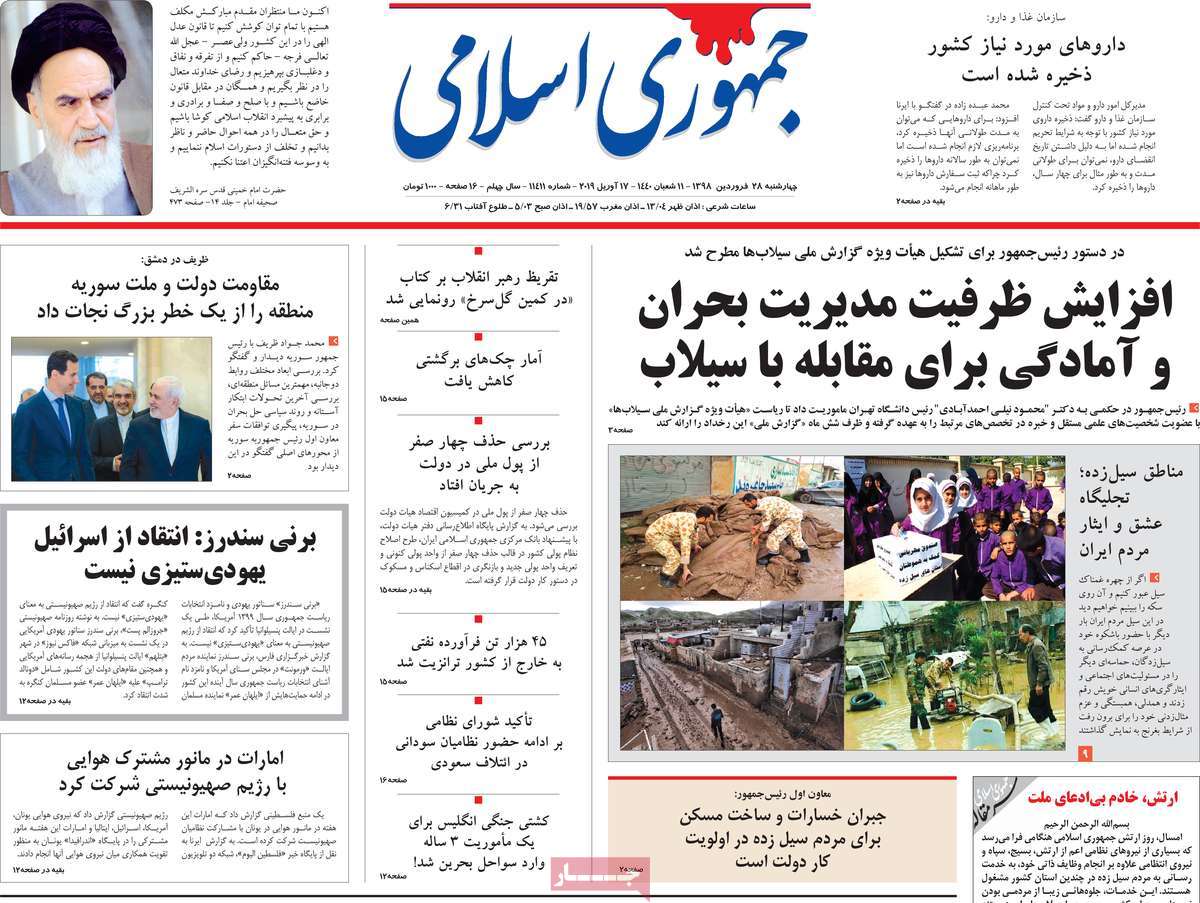
A Look at Iranian Newspaper Front Pages on April 17

A Look at Iranian Newspaper Front Pages on November 19

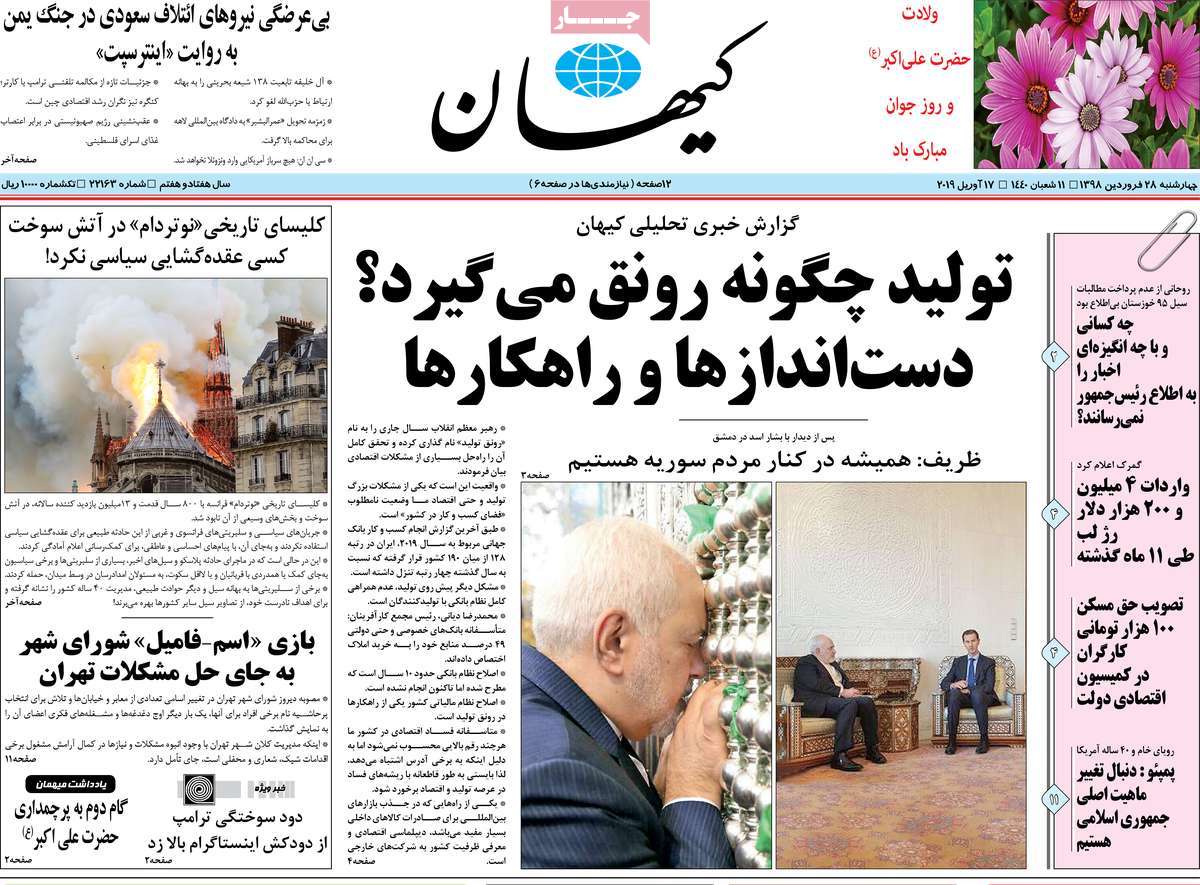
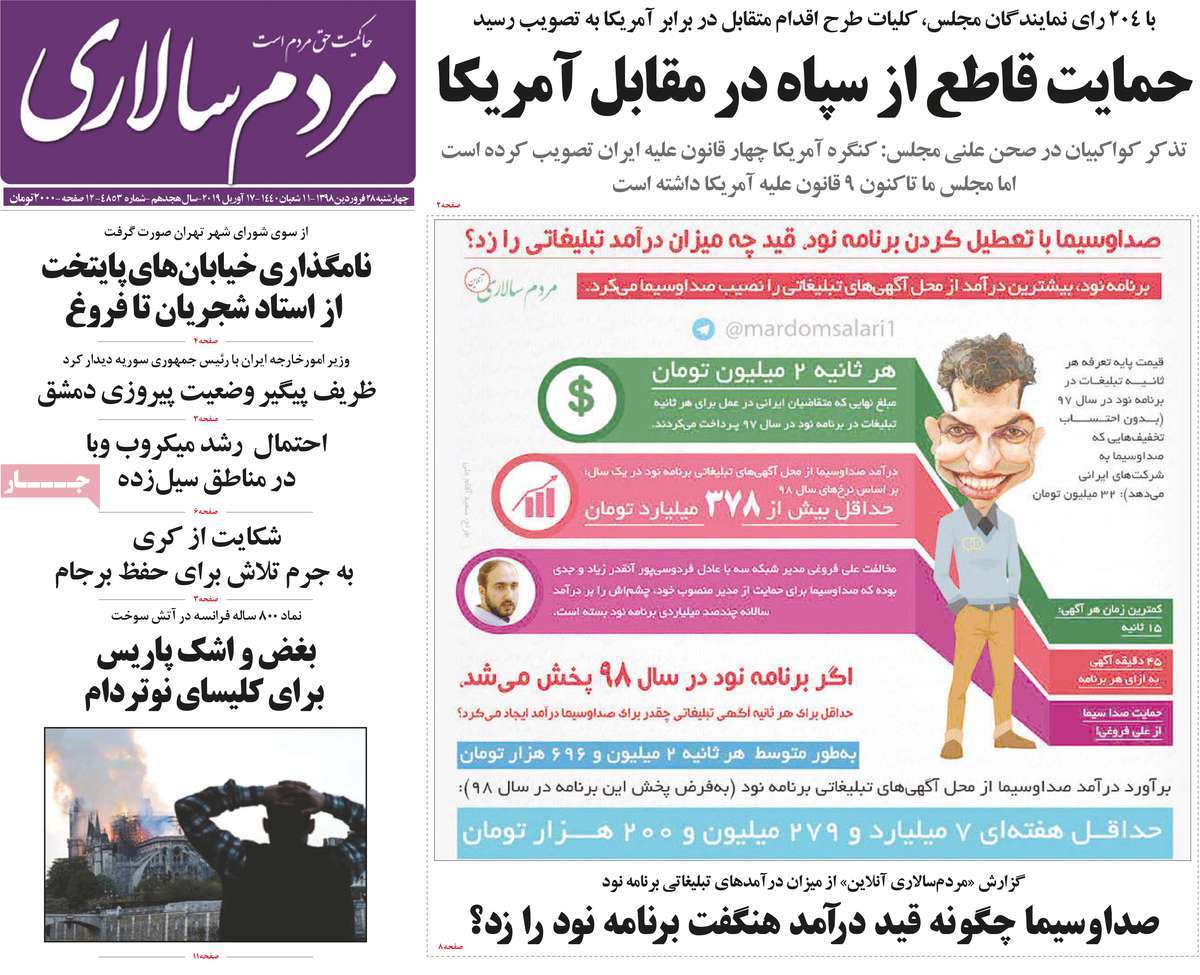
The top story in all papers today was the visit of Iranian Foreign Minister Mohammad Javad Zarif to Syria, and his meeting with Syrian President Bashar al-Assad.

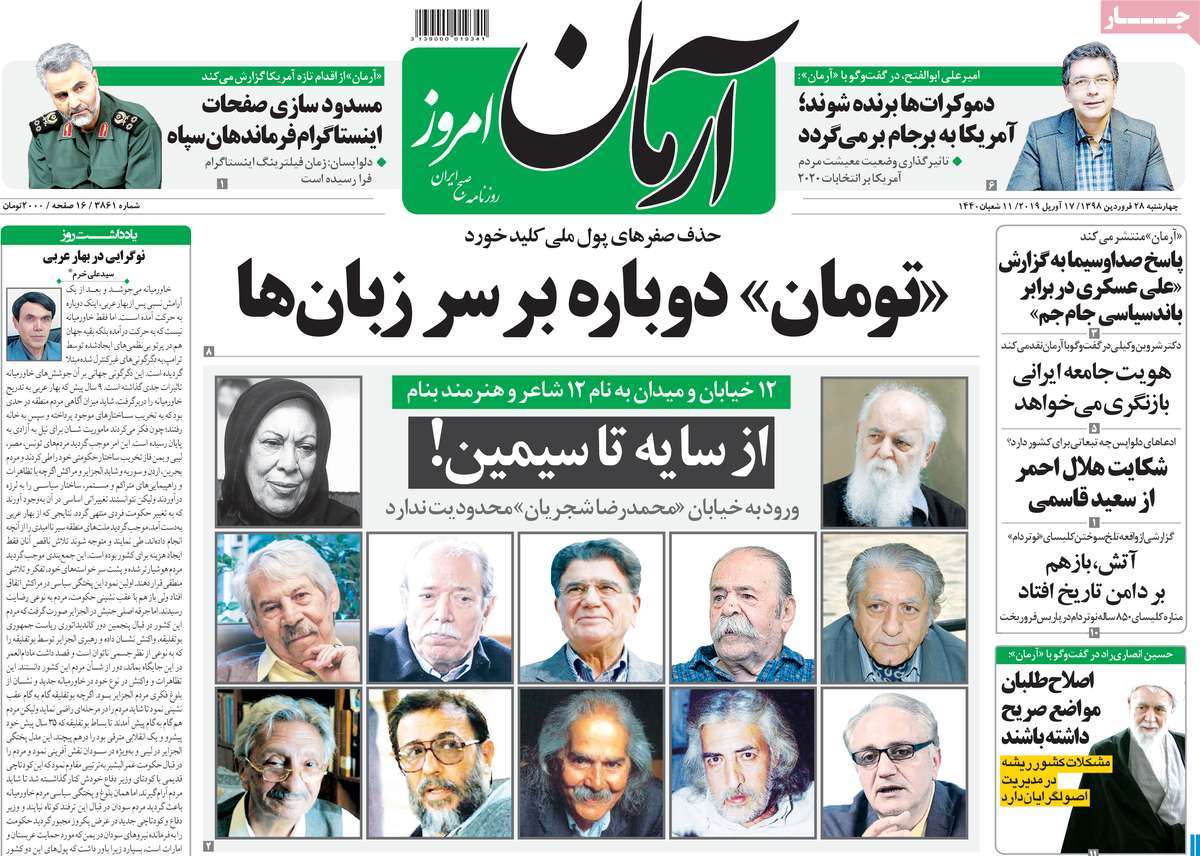
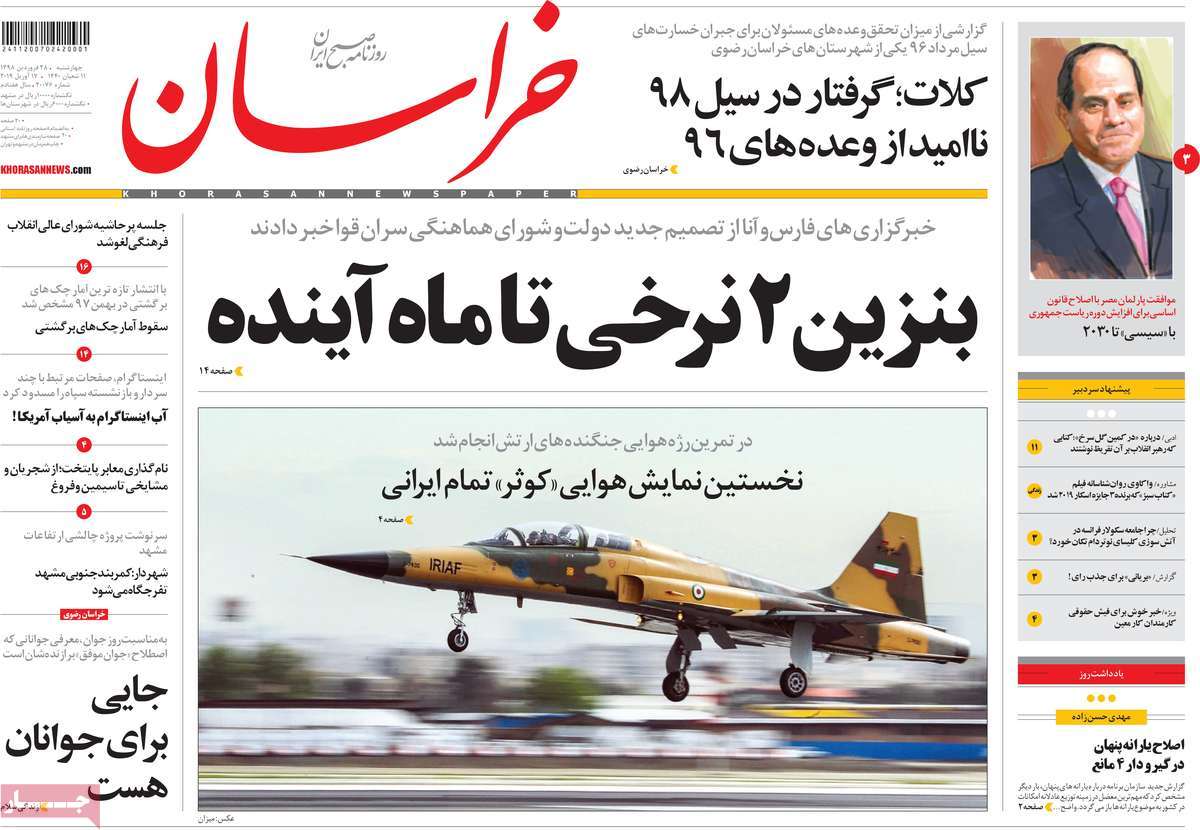
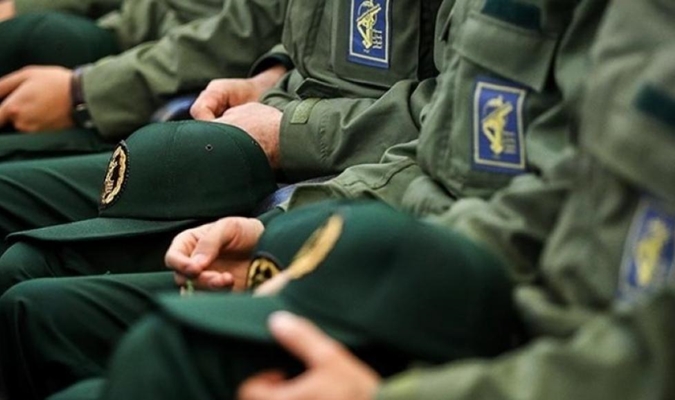
Also a top story was Instagram’s move to block the pages of several incumbent and former commanders of the Islamic Revolution Guards Corps after the Trump administration’s blacklisting of the IRGC.

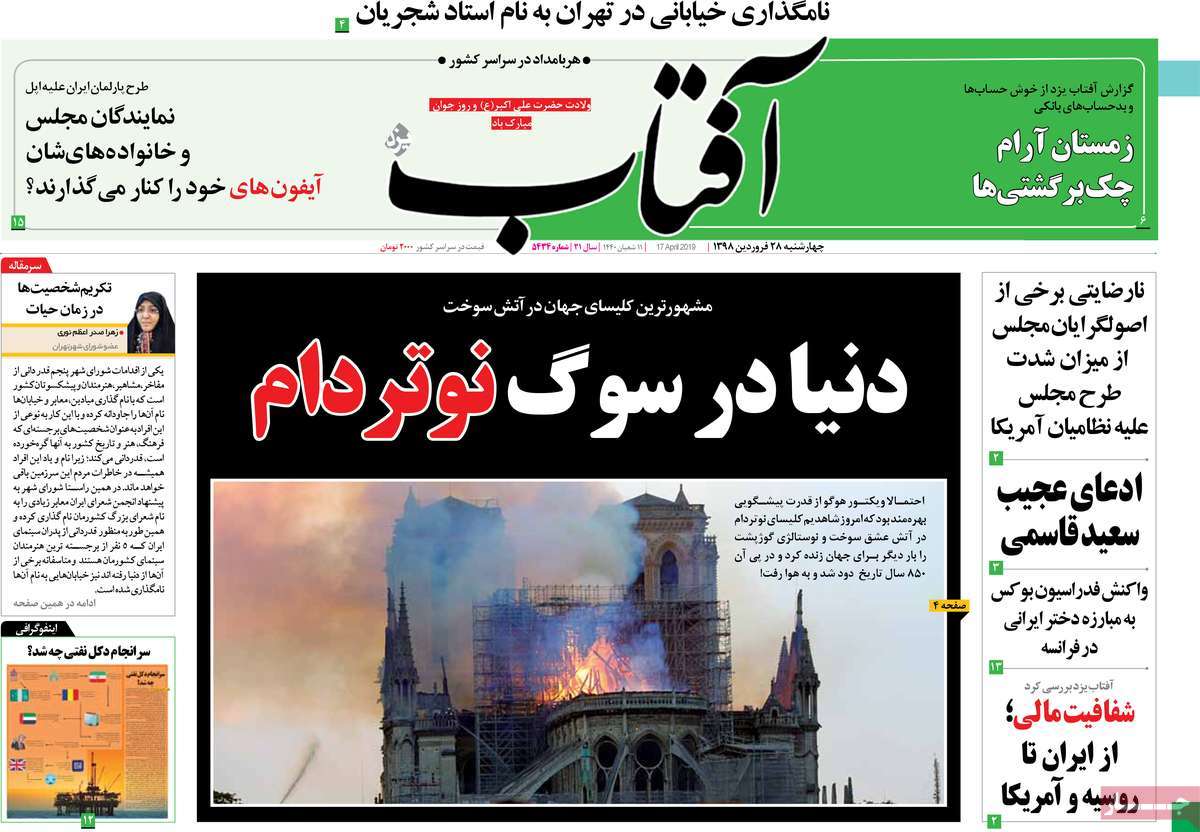
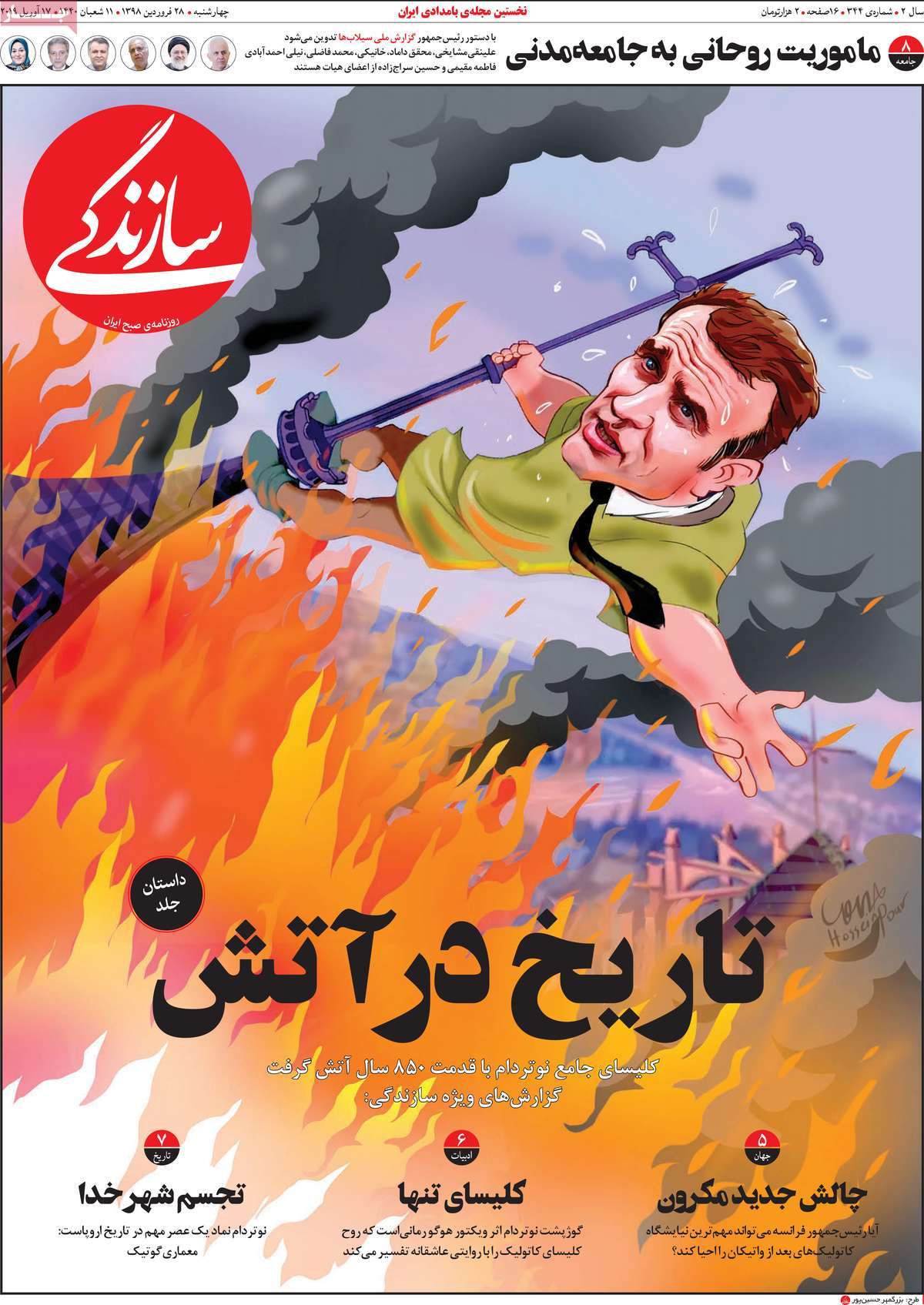
The fire at the iconic Notre-Dame Cathedral in Paris also received great coverage today.

The above issues, as well as many more, are highlighted in the following headlines and top stories:


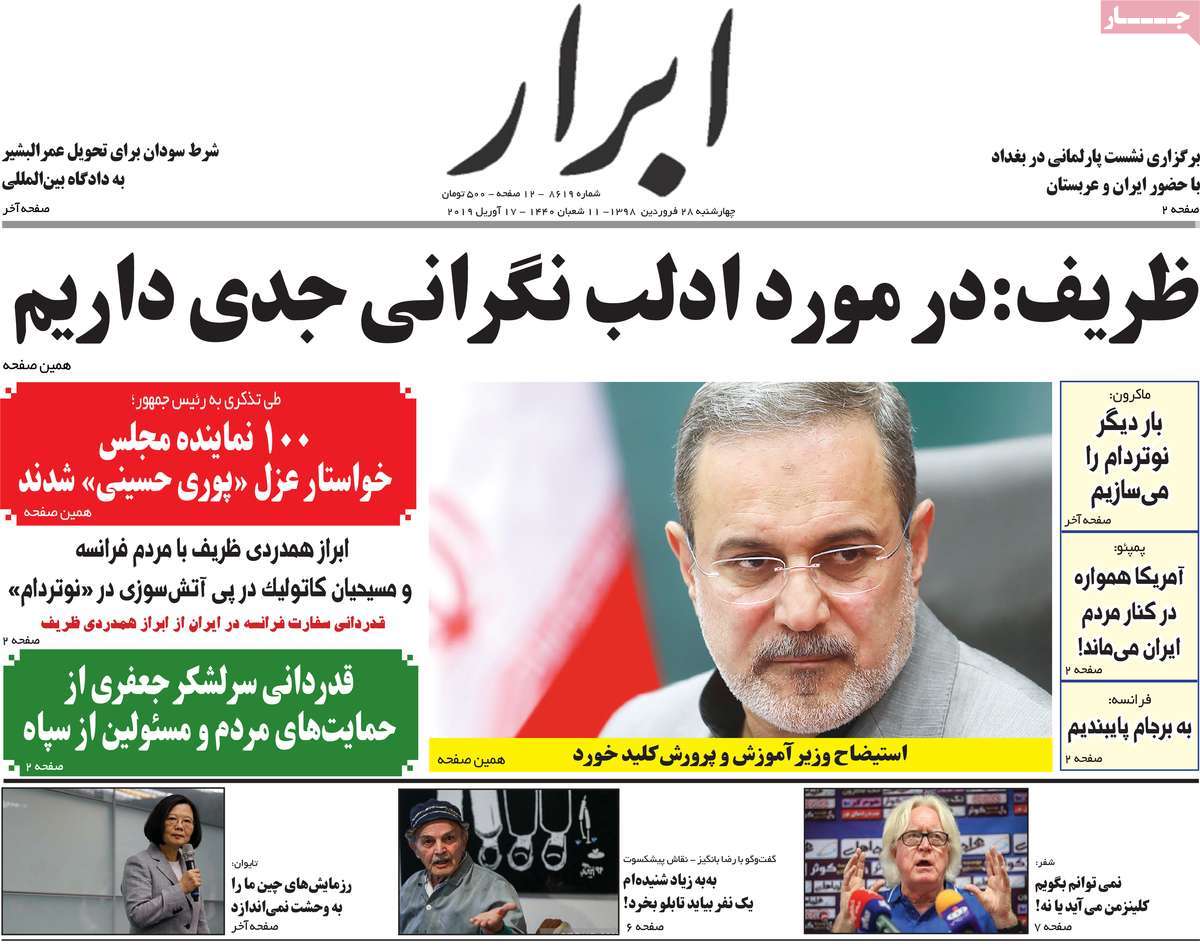
Abrar:

1- Parliamentary Meeting in Iraq with Iran, Saudi in Attendance

2- Sudan Sets Condition for Extraditing Bashir to ICJ

3- Zarif: We Have Serious Concerns about Idlib

4- Iran Offers Sympathy to France, Catholics over Cathedral Fire

* French Embassy Thanks Iran for Zarif’s Sympathy

A Look at Iranian Newspaper Front Pages on April 17


Aftab-e Yazd:

1- World Mourning for Notre Dame: World’s Most Famous Cathedral Burns

2- Financial Transparency from Iran to Russia, US

A Look at Iranian Newspaper Front Pages on April 17


Arman-e Emrooz:

1- US to Return to JCPOA If Democrats Win

2- History Once Again Engulfed by Fire: How Did Notre Dame Cathedral Burn?

A Look at Iranian Newspaper Front Pages on April 17


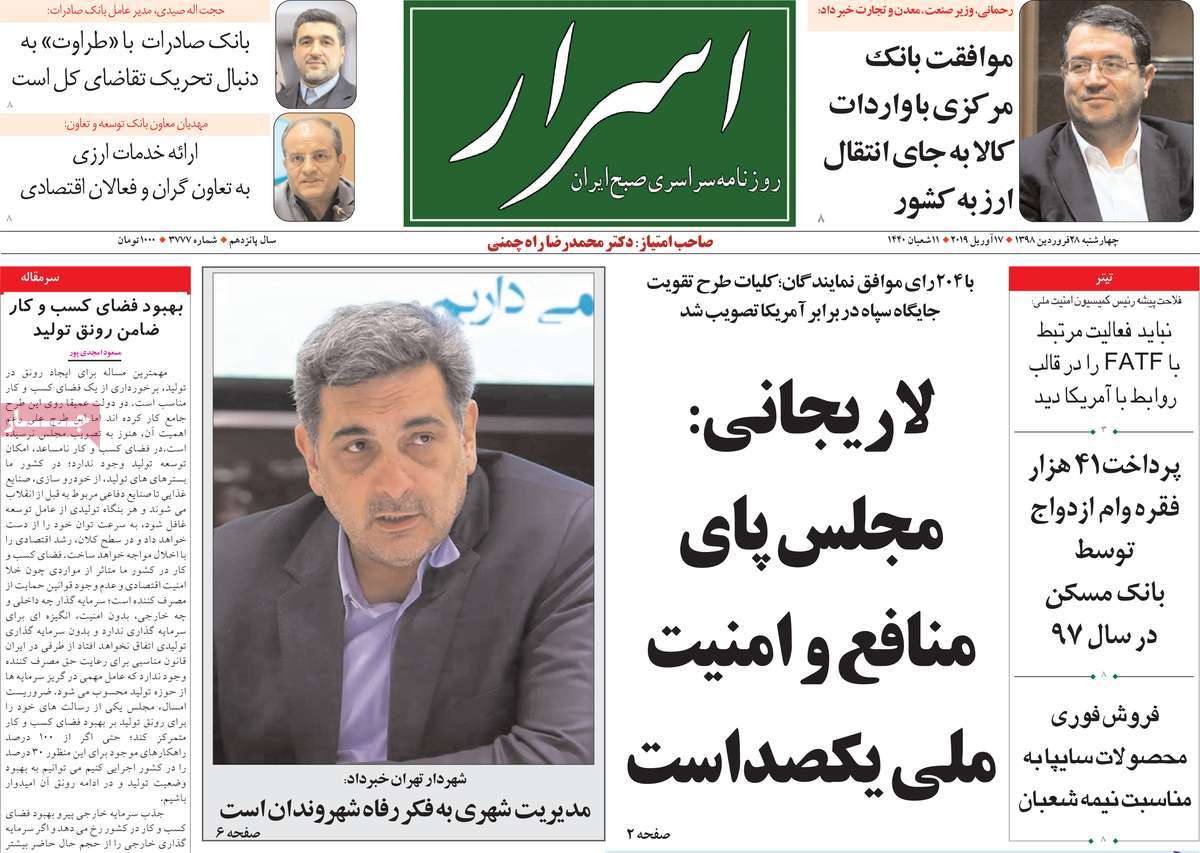
Asrar:

1- FATF-Related Activities Should Not Be Viewed in Form of Ties with US: Top Lawmaker

A Look at Iranian Newspaper Front Pages on April 17


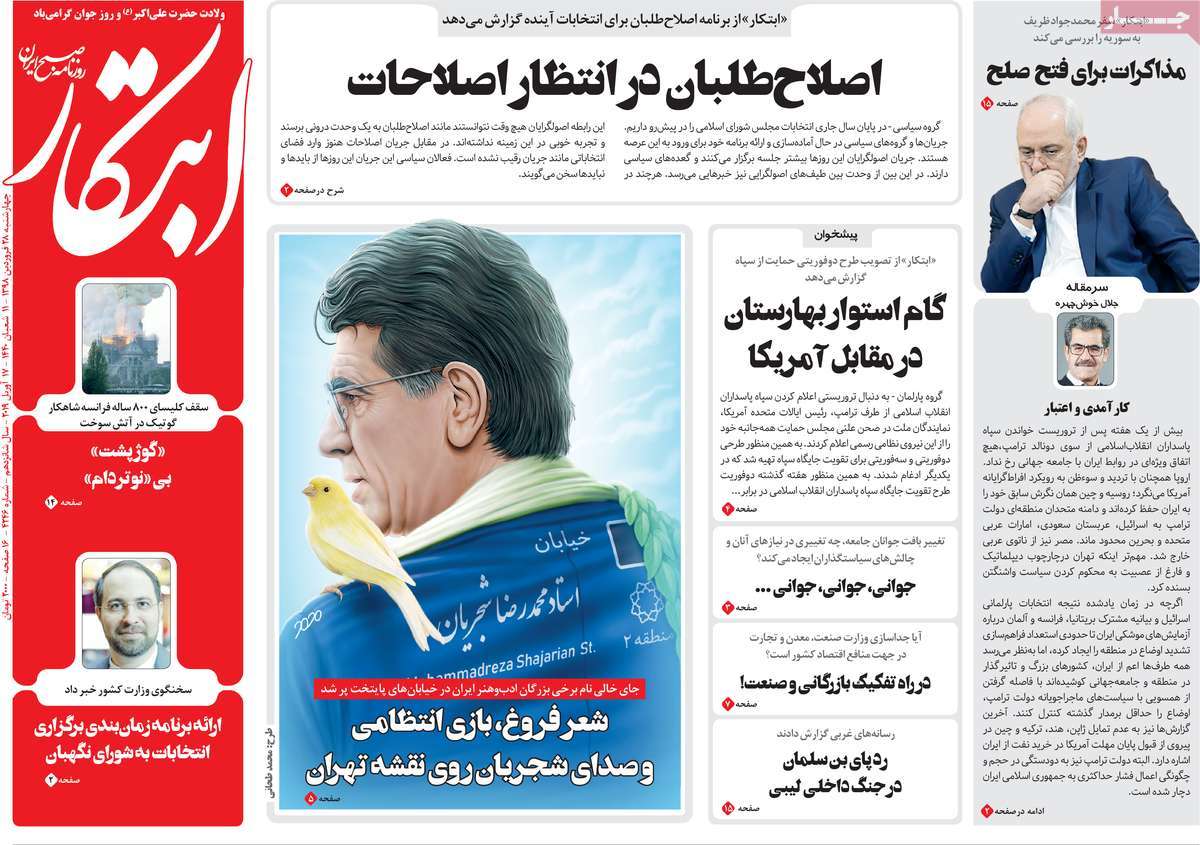
Ebtekar:

1- Negotiations to Achieve Piece: Why Zarif Visits Syria

2- Bin Salman’s Role in Libya War, Western Media Reveals

3- Hunchback without Notre-Dame: Gothic Masterpiece of Paris Burns in Fire

A Look at Iranian Newspaper Front Pages on April 17


Etemad:

1- Instagram Blocks Pages of IRGC Commanders

2- Harbinger of Peace, Calm in Damascus: Zarif Meets Assad, People of Damascus

A Look at Iranian Newspaper Front Pages on April 17


Ettela’at:

1- Washington Post: Bin Salman behind Libya Civil War

2- Parliament Passing Law to Reciprocate US’ Measure

A Look at Iranian Newspaper Front Pages on April 17


Iran:

1- Meeting in Damascus: Zarif Meets Assad in Syria

2- Two Iconic Monuments Burn in One Night

* 850-Year-Old Notre-Dame Cathedral, 2,000-Year-Old Aqsa Mosque in Jerusalem al-Quds Burn

A Look at Iranian Newspaper Front Pages on April 17


Jomhouri Eslami:

1- Iran Has Saved the Pharmaceuticals It Needs: Official

2- Zarif in Damascus: Syrian Nation, Gov’t Saved Region from Big Danger

3- UK Warship Enters Bahraini Waters for 3-Year Mission

4- UAE Takes Part in Joint Aerial Drill with Israel

A Look at Iranian Newspaper Front Pages on April 17


Kayhan:

1- Zarif after Meeting Assad: We’ll Always Stand by Syrian People

2- Pompeo: We Seek to Change Nature of Islamic Republic

A Look at Iranian Newspaper Front Pages on April 17


Mardom Salari:

1- Zarif Pursuing Victory of Damascus

2- Kerry Sued for Trying to Save JCPOA

A Look at Iranian Newspaper Front Pages on April 17


Khorasan:

1- Iranian Homegrown Jet Fighter Officially Operated in Army Parade

2- Instagram Blocks Pages of Several IRGC Commanders

A Look at Iranian Newspaper Front Pages on April 17


Sazandegi:

1- History on Fire: Notre-Dame Cathedral Burns with 850 Years of History

2- Macron’s New Challenge: Will Macron Manage to Revive Most Important Church of Catholics after Vatican?

A Look at Iranian Newspaper Front Pages on April 17


Shargh:

1- Zarif: We’re Pursuing Field Victories in Syria

2- Iran-China Trade Ties May Be Halted for Short Time

3- Russia Cancels All Its Cooperation with NATO

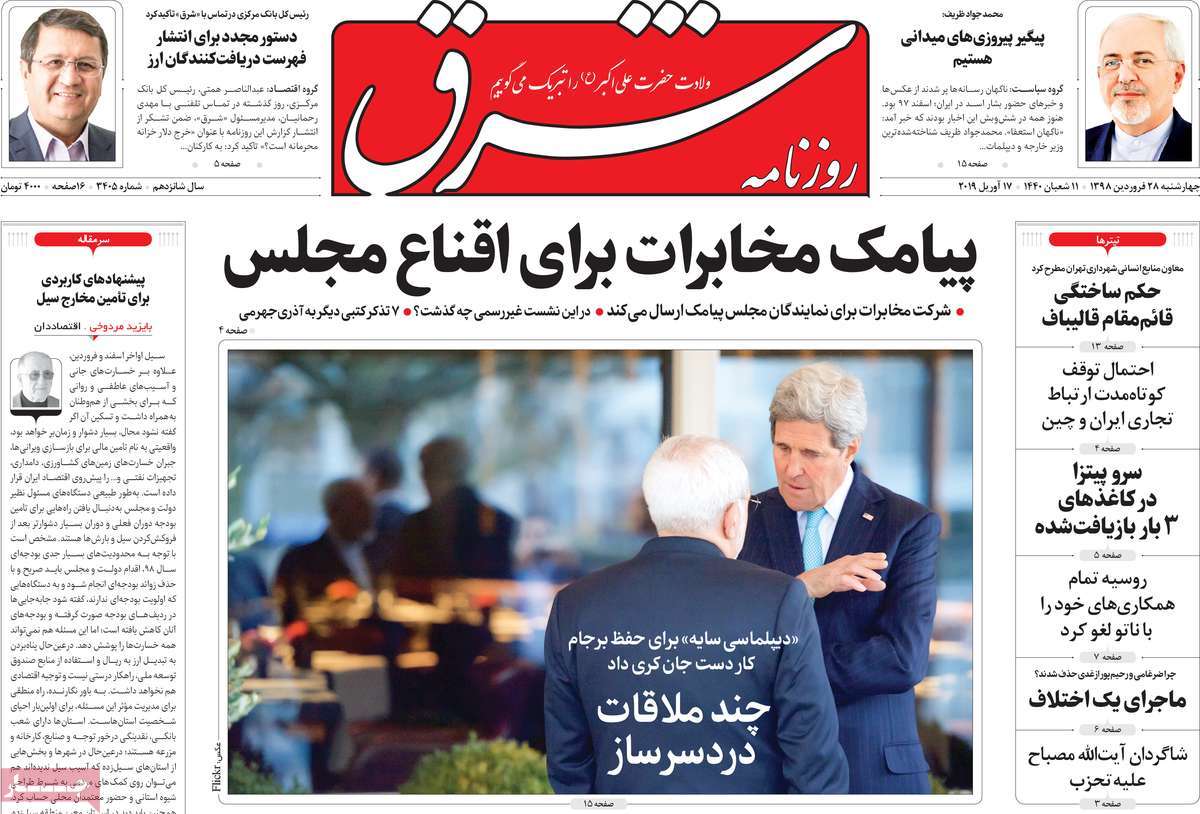
4- Troublesome Meetings: Shadow Diplomacy to Save JCPOA Puts Kerry in Trouble

A Look at Iranian Newspaper Front Pages on April 17

Big Names to Attend Iranian Film Festival despite US Bans

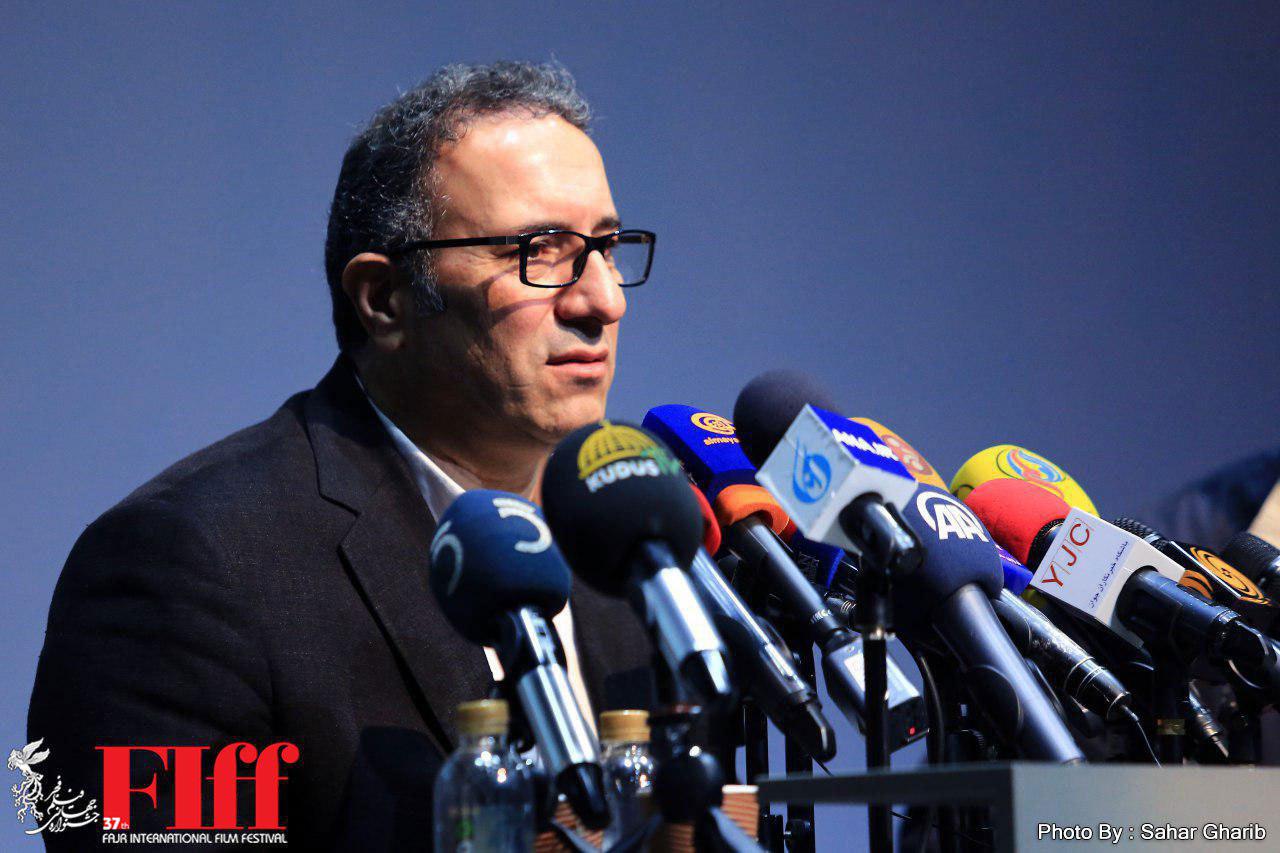
Seyyed Reza Mirkarimi, the award-winning director and secretary of the festival, said Washington’s bans have created problems in terms of encouraging film-makers to attend or present their movies at festivals, buying tickets for guests, mailing packages, etc.

“This year, too, an organized campaign was trying to dissuade our guests from attending the 37th International Fajr Film Festival, but those attempts were fortunately not very effective,” said Mirkarimi at a news conference.

“We have more than 250 guests from 58 countries who have clear backgrounds, and are not just tourists!” he said.

He noted around 2,000 movies registered to take part in the event, adding 163 of those films from 64 countries will be screened.

He said two short films as well as 10 feature films are being screened at the festival for the first time in the world.

“Undoubtedly, we are the most important festival in southwest Asia and can be among the top three ones in Asia,” said Mirkarimi.

Big Names to Attend Iranian Film Festival despite US BansPaul Joseph Schrader along with five other critics are among the special guests of this cinematic event. Previously, nine other guests were named as the festival’s special guests.

Schrader is an American scriptwriter, film director, and critic. Schrader wrote screenplays for four Martin Scorsese films: Taxi Driver, Raging Bull, The Last Temptation of Christ, and Bringing Out the Dead. Schrader has also directed 18 feature films, including his crime drama, Blue Collar.

Schrader’s script about an obsessed New York City taxi driver became Martin Scorsese’s film Taxi Driver, which was nominated for the Oscar for Best Picture and won the Palme d’Or at the Cannes Film Festival. Besides Taxi Driver, Scorsese also drew on scripts by Schrader for the boxing tale Raging Bull, co-written with Mardik Martin, The Last Temptation of Christ, and Bringing Out the Dead.

Schrader directed his first feature, Blue Collar in 1978. Among Paul Schrader’s films in the 1980s one can refer to Mishima: A Life in Four Chapters (1985). Inspired by Japanese writer Yukio Mishima, the film was nominated for the top prize at the Cannes Film Festival.

Other special guests of the 37th FIFF include Dimitri Alips, international sales manager of Courant 3d Film Festival; Julie Bertucelli, who worked as assistant Director to a series of well-known directors including Krystof Kieslowski, Bertrand Tavernier, and Rithy Panh; Turkish writer and film critic Rıza Oylum, Romanian director and screenwriter Adina Pintilie, and Chinese producer and director Liu Xuan.

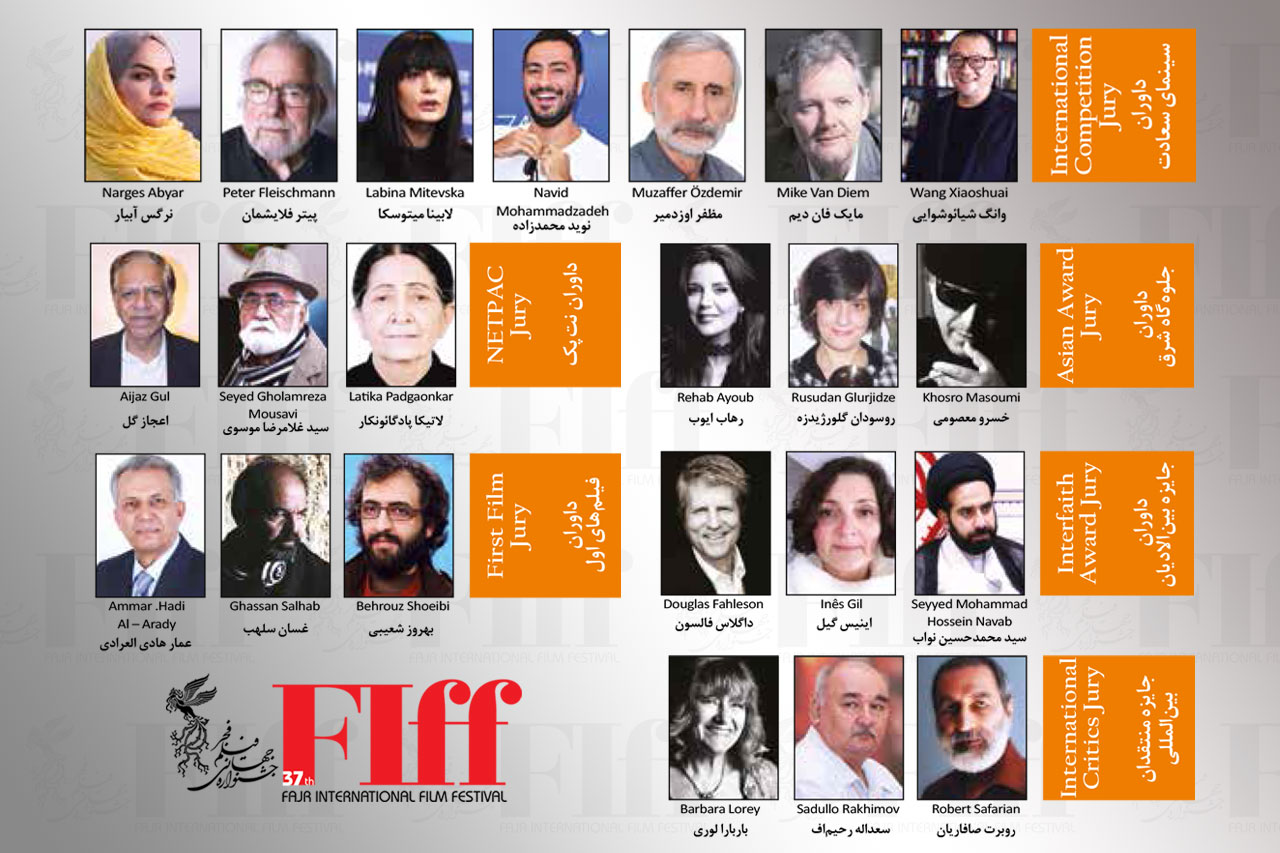
This year’s jury members are filmmakers, scholars, researchers, organisers, writers, actors, and critics from Iran and across the world.

Turkish actor and director Muzaffer Özdemir, Iranian actor Navid Mohammadzadeh, and Chinese director Wang Xiaoshuai, as well as Oscar-winning Dutch director and screenwriter Mike van Diem are among those to decide winners of International Competition.
Big Names to Attend Iranian Film Festival despite US BansProceed from Ticket Sales to Go to Flood Victims

In his press conference, Mirkarimi condoled with the victims of flash floods which hit much of Iran in the past weeks.

He said all the proceeds from ticket sales at the festival will go to flood-stricken people.

The 37th edition of Fajr International Film Festival would be kicked off in Tehran on April 18 and will run through April 26.

Founded in 1982, Fajr International Film Festival (FIFF) is Iran’s largest annual film festival held in Tehran. Since its establishment, Fajr International Film Festival has played a vital role in the development of the Iranian Cinema. Every year, veteran directors and new filmmakers devotedly present their works in the festival.

Over the years, Fajr has been honored by numerous great film figures who have also worked closely with the festival as respectable Jury members.

Moreover, a few of the most innovative films made by great filmmakers were awarded in different sections of the festival.

During different editions, brilliant filmmakers have participated in the festival and have been presented with awards.

Big Names to Attend Iranian Film Festival despite US Bans

‘US, Not Iran, Is the One that Must Change Its Nature’

Mousavi made the comment in response to recent remarks by US Secretary of State Mike Pompeo regarding Washington’s attempts to change the nature of the Islamic Republic of Iran.

“Fortunately, the more time elapses, the more the leaders of the current US regime reveal their [real] objectives, even more than their predecessors,” Mousavi said in a Wednesday statement.

“They admit that they have changed their words from [calling for] a ‘change of behaviour’ to a ‘change of the system’ and, now, to a ‘change of the nature’ of the Islamic Republic of Iran,” said the spokesman.

“The one that should change is the American regime, not Iran,” he said.

“Growing international opposition to the [US] behaviour and actions that run counter to international regulations have resulted in a global call for a change in the nature of the US regime,” the spokesman said.

“A change should take place in the nature of a regime which has hijacked free global trade by resorting to economic terrorism and bullying, threatens governments to act based on this country (the US)’s illegitimate demands and policies, exports billions of dollars’ worth of deadly weapons to the Middle East and the Persian Gulf to murder civilians, prevents the administration of justice with regards to war criminals and murderers of journalists, and supports them, does not respect the environment and human rights and the values of the international community and international law, and keeps threatening international order, peace and stability,” he added.

In his recent remarks, the US secretary of state called for a change in the nature of the Iranian government and system.

Syrian President Condemns US Blacklisting of IRGC

Speaking in a Tuesday meeting with Iranian Foreign Minister Mohammad Javad Zarif in Damascus, Assad said the US blacklisting of the IRGC is in line with Washington’s policies to destabilise the region.

US President Donald Trump announced last week that Washington is designating Iran’s Islamic Revolution Guards Corps a foreign “terrorist organisation”. It was the first time Washington formally branded another country’s military a “terrorist group”.

Responding to the move, the Islamic Republic immediately declared the US a “state sponsor of terrorism” and the US forces in the region a “terrorist group”.

In the Tuesday comments, President Assad also expressed condolences to the Iranian people and the families of the victims of the recent floods in Iran.

For his part, FM Zarif reiterated his country’s support for Syria. He said the US recognition of Israeli sovereignty over the occupied Syrian Golan Heights shows the failure of the US policies in the region and the weakness of the Trump administration. He further mentioned that this decision is in line with its decisions on relocation of the occupying regime capital to Jerusalem al-Quds and the IRGC labeling.

Meanwhile, the two sides exchanged opinions on regional developments, with President al-Assad asserting that adhering to national principles and positions and making the people’s interests a priority are enough to protect any country, preserve its unity, and confront any foreign conspiracies.

Both sides also exchanged views on the upcoming round of Astana talks on Syria and underlined the importance of continuing consultations between Tehran and Damascus.
“We had a very good discussion with President Bashar al-Assad. We discussed both regional issues as well as how we will continue with the discussions in the Astana process and the bilateral cooperation between Iran and Syria. We have always been on the side of the Syrian people and we will continue to be working with the Syrian government and people in order to improve the economic situation both here and in Iran,” the Iranian top diplomat told reporters.

Zarif also said the recent US decision shows Washington’s policies are based on serving Israel’s interests. Before this visit, the Iranian foreign minister also held talks with his Syrian counterpart Walid Muallem.

In the meeting, Zarif expressed grave concern over the situation in Idlib province and underlined the necessity of having all sides committing to all agreements particularly disarming terrorists and expelling them from Idlib. He once again called for political process and a peaceful solution to Syria’s crisis.

“I also had a very good discussion with my colleague minister Walid Muallem and we discussed with him how we could continue the political process, what should happen in the constitutional committee within the Astana process,” underlined Zarif.

The two sides also highlighted that the West, particularly the United States, must resort to diplomacy instead of waging war and employing economic terrorism.

The top Iranian official also met with Syrian Prime Minister Imad Khamis, and decisions were made to increase economic cooperation in both public and private sectors. They reviewed the already signed agreements and overcoming difficulties for their implementation.

Zarif arrived in the Syrian capital Damascus on Tuesday, and left the country for Turkey later in the day.