Wednesday, December 24, 2025
Home Blog Page 2857

“Send Me to Jail”, Iranian Judge Asks Prosecutor after Mistaken Ruling

“Send Me to Jail”, Iranian Judge Asks Prosecutor after Mistaken Ruling

The adjudicator who chairs courts hearing cases on armed robberies in the district 34 of Tehran has been so filled with remorse after a session that he has asked the prosecutor general of Tehran to indict him for a wrong verdict against a defendant.

The judge has called on the prosecutor general to impose a fine on him, to be subtracted from his next month’s salary, to introduce him to the special court dealing with charges against the judges, and keep him in custody for one day, so that he could have the experience of being held in detention.

At the conclusion of his most recent ruling, the conscientious adjudicator has confessed that he has failed to obey the orders of God defined in holy Quran, which says “Indeed, Allah orders justice and good conduct”.

“My judicial independence and justice has been tainted after the unreasonable detention of the defendant,” the judge has noted.

He has also asked the prosecutor to make arrangements to have the criminal Police arrest him and hold him in custody for 24 hours, “so that I will realize the conditions in detention and be more careful about issuing the orders from now on.”

The adjudicator has finally noted that the defendants against whom he has issued a ruling are workers that have been unable to earn a wage after being held in custody. He has asked the prosecutor to invite the defendants to the court and pay them a sum equivalent to his one day salary in order to make up for the mistake.

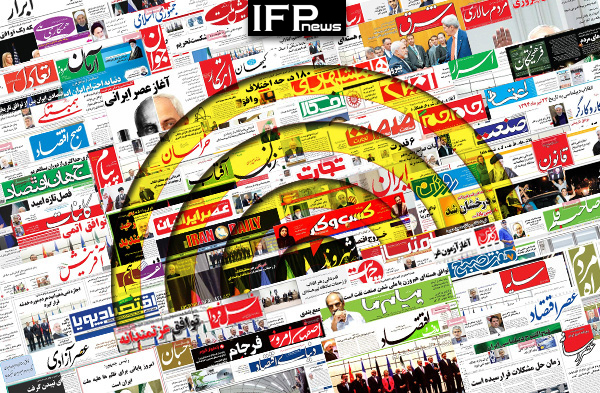
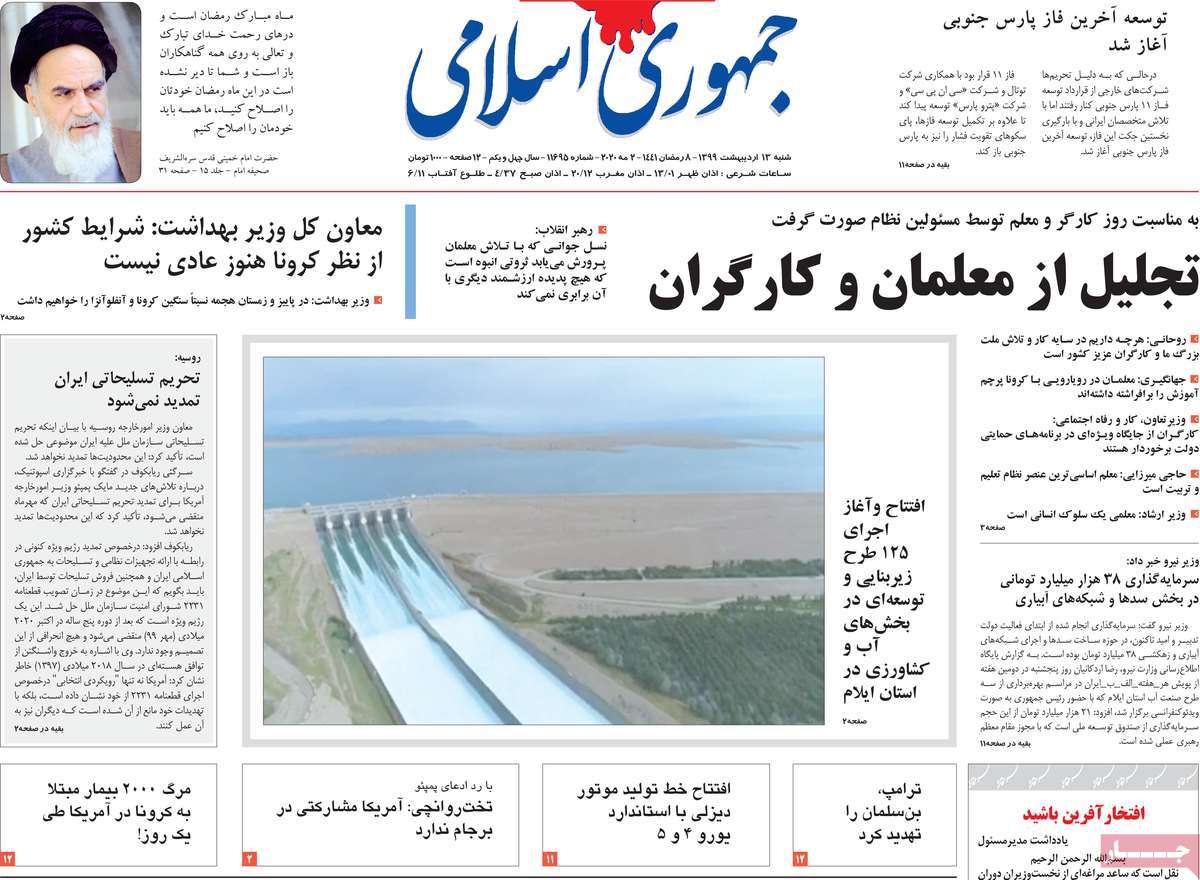
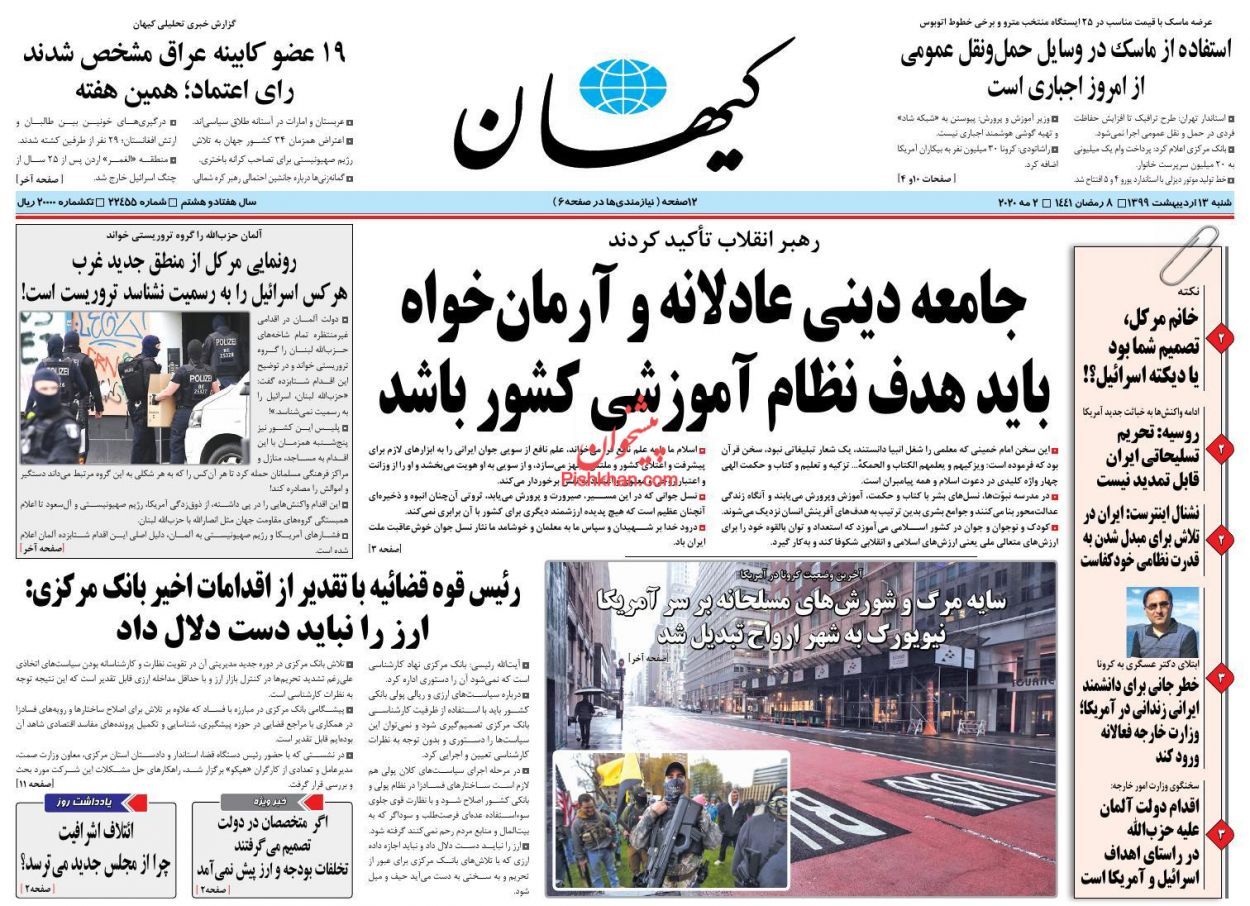
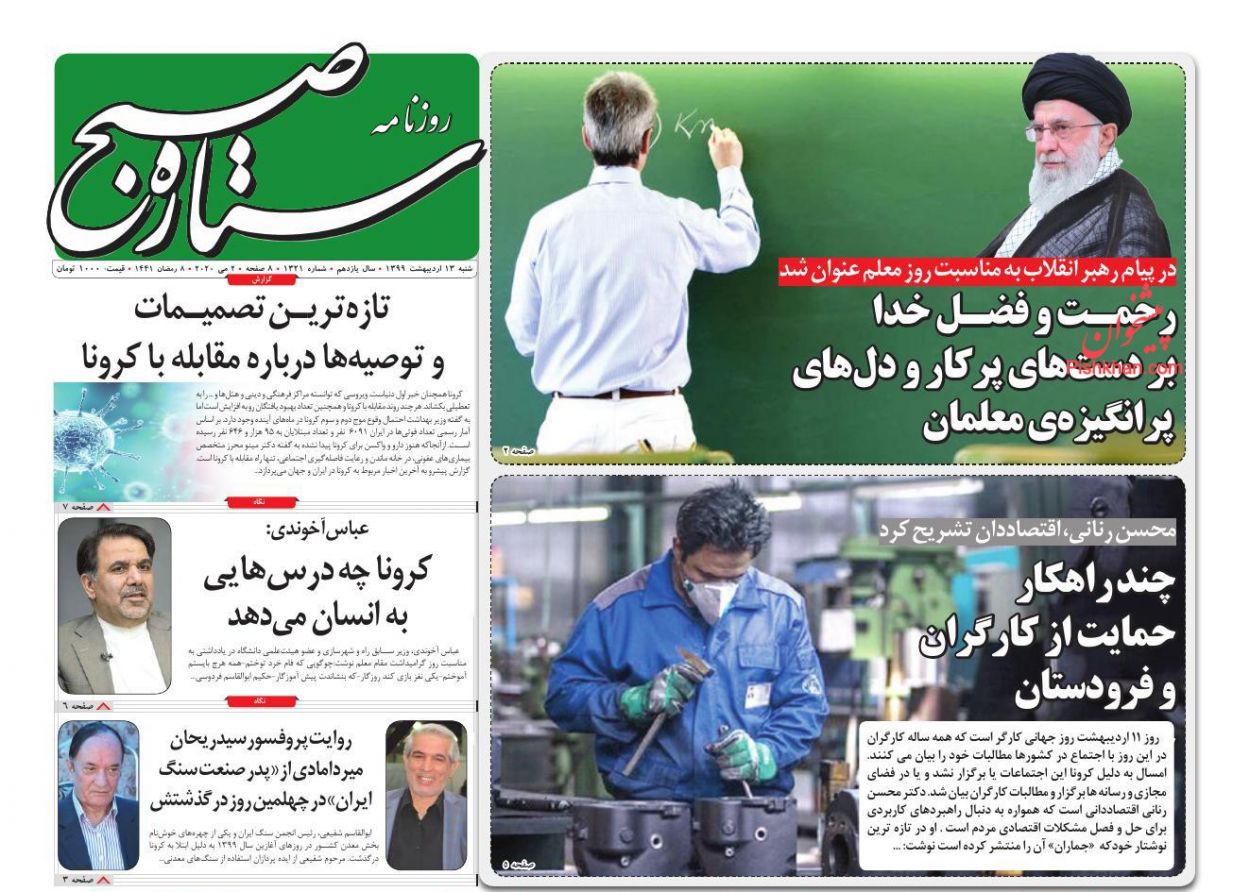
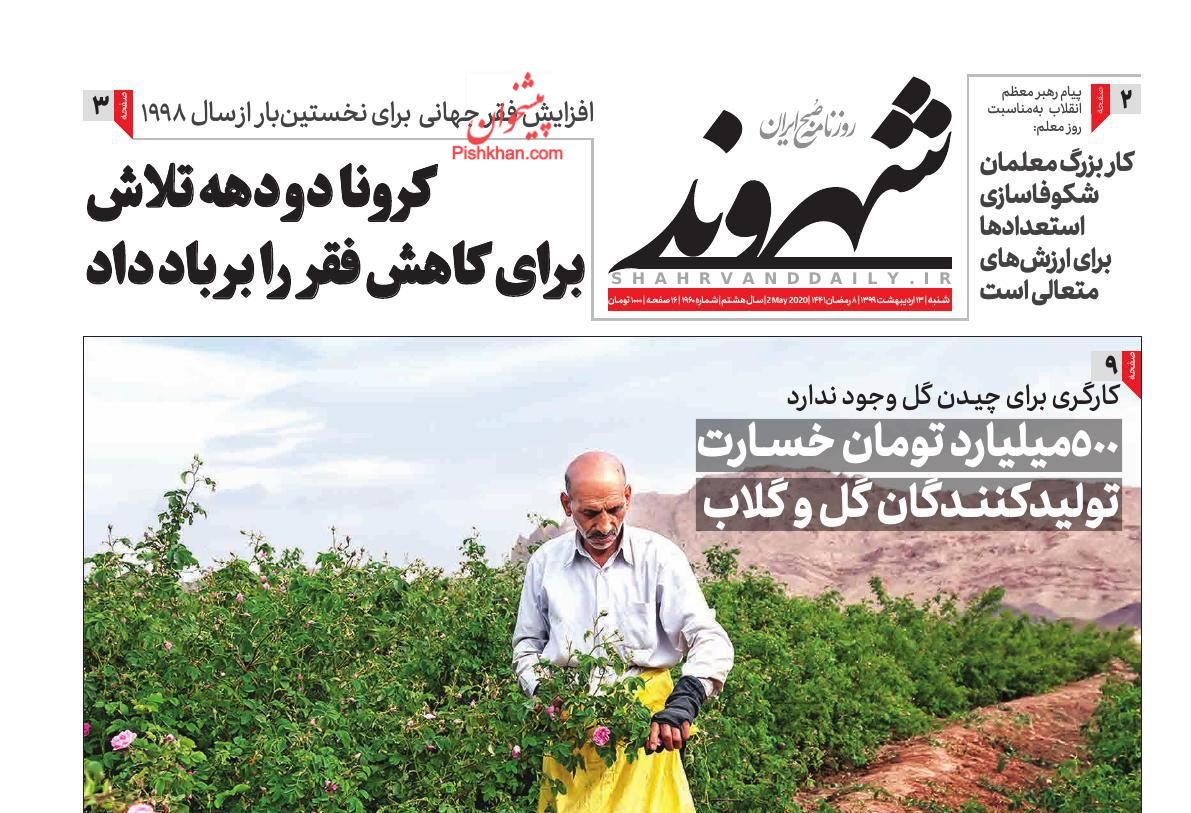
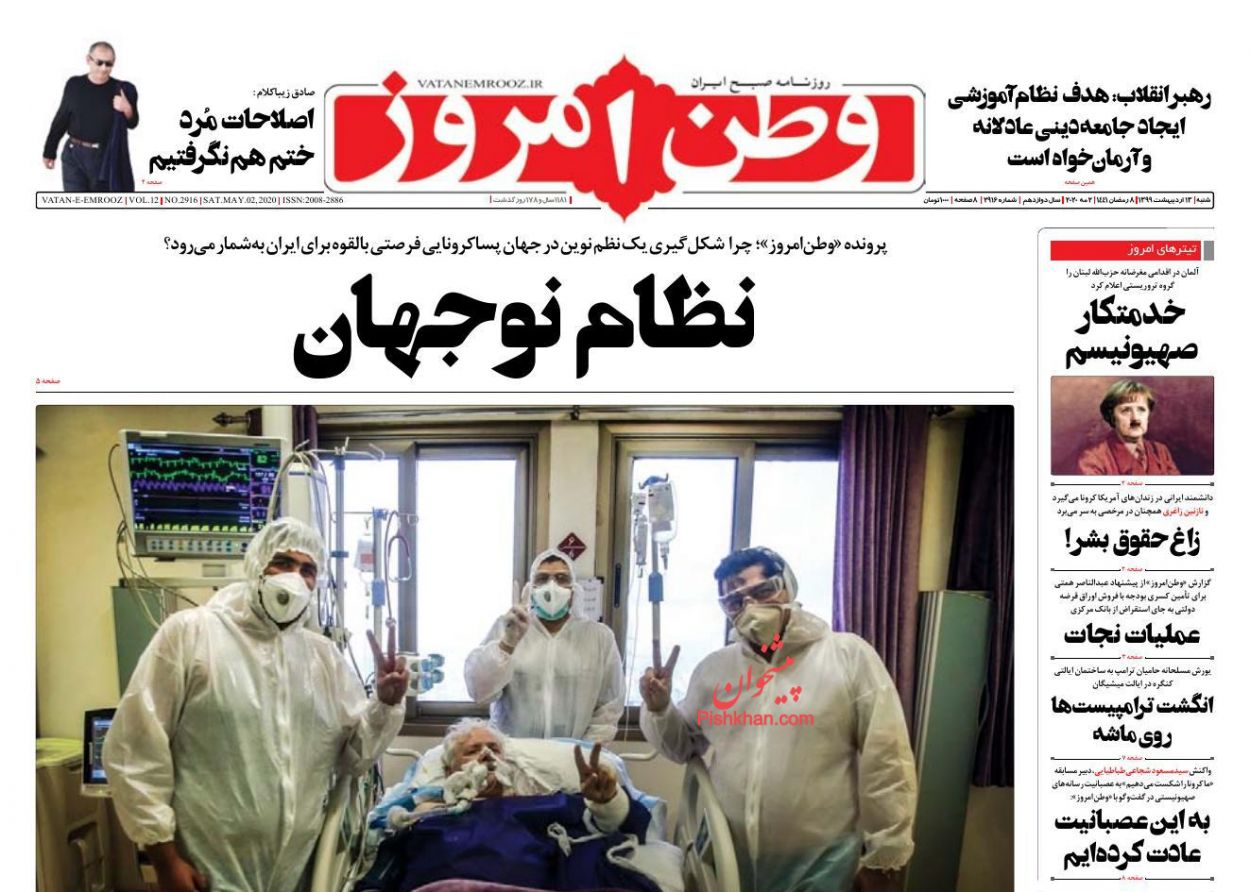
A Look at Iranian Newspaper Front Pages on April 12

A Look at Iranian Newspaper Front Pages on November 5

Iranian Newspapers

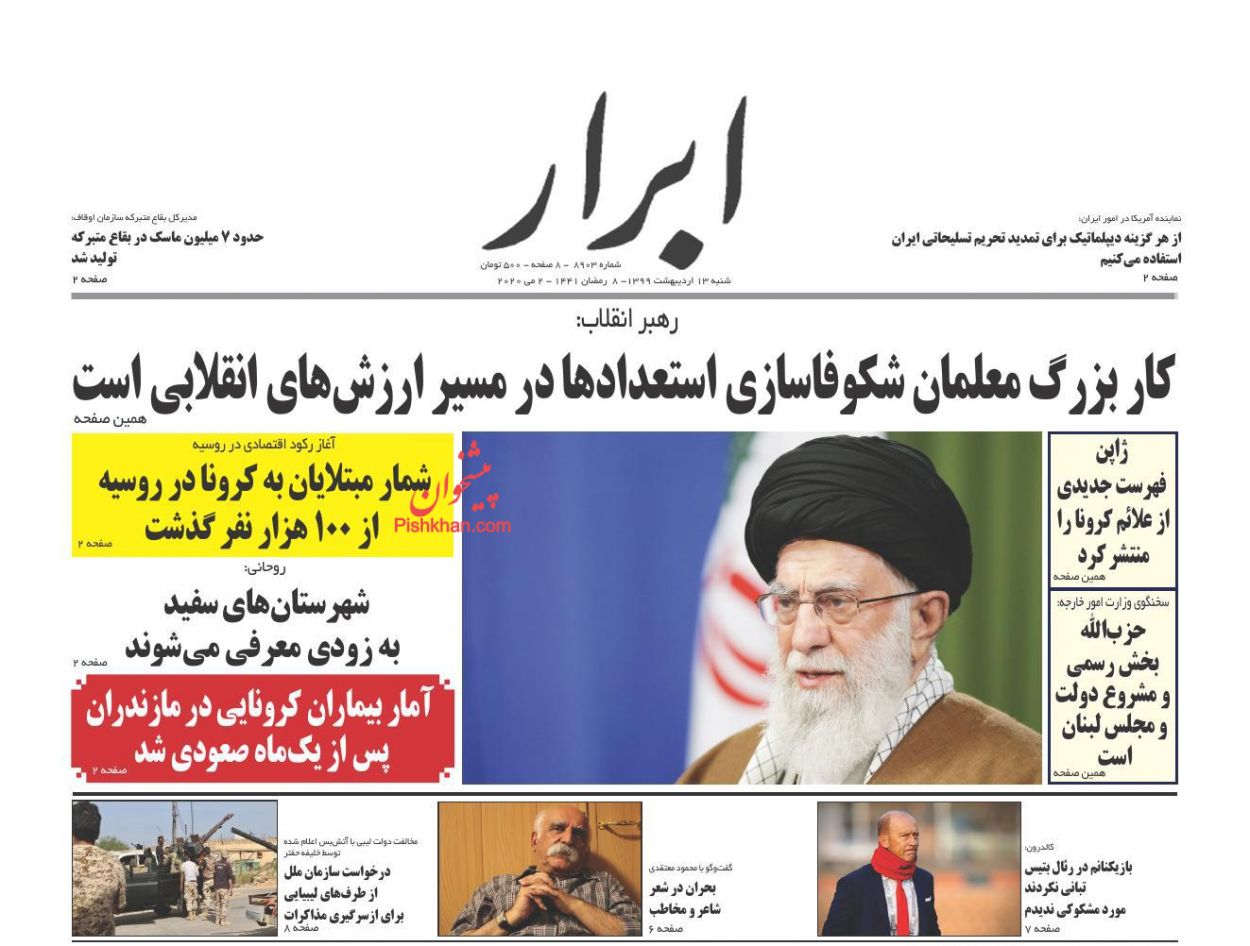
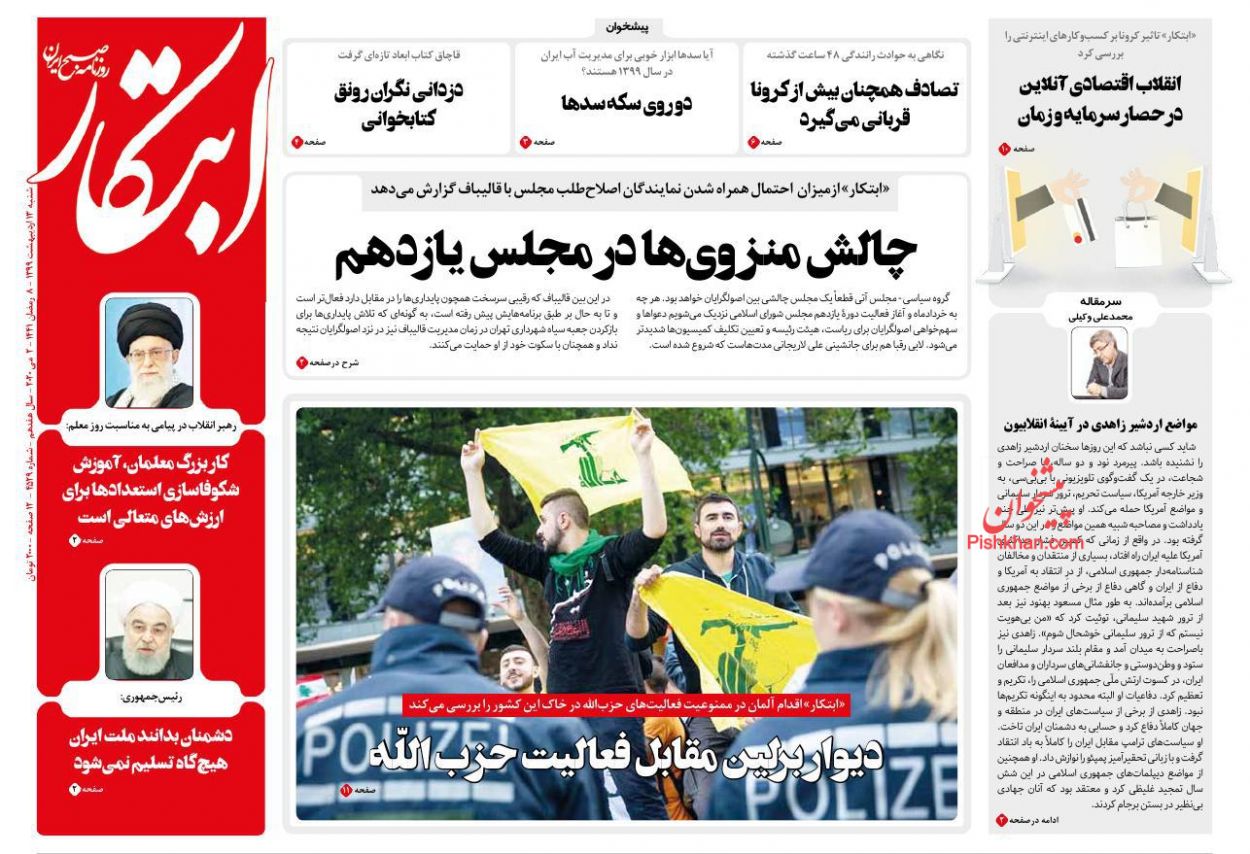
Abrar:

1- Travel Restrictions in Karbala Extended Until April 20
2- First VP: COVID-19 Will Definitely Have Economic Consequences for Iran

A Look at Iranian Newspaper Front Pages on April 12


Afkar:

1- Iran Will Become Exporter of Corona Testing Kits

A Look at Iranian Newspaper Front Pages on April 12


Aftab-e Yazd:

1- Canada to Sell Weapons to Saudi Once Again!
2- Corona Kills Poor People More

A Look at Iranian Newspaper Front Pages on April 12


Ebtekar:

1- Impact of COVID-19 Outbreak on World Elections
2- Corona, Iran and Issue of Tolerance [Editorial]
3- Quarantine Under Roof of Violence
* Increased Domestic Violence Caused by Quarantine

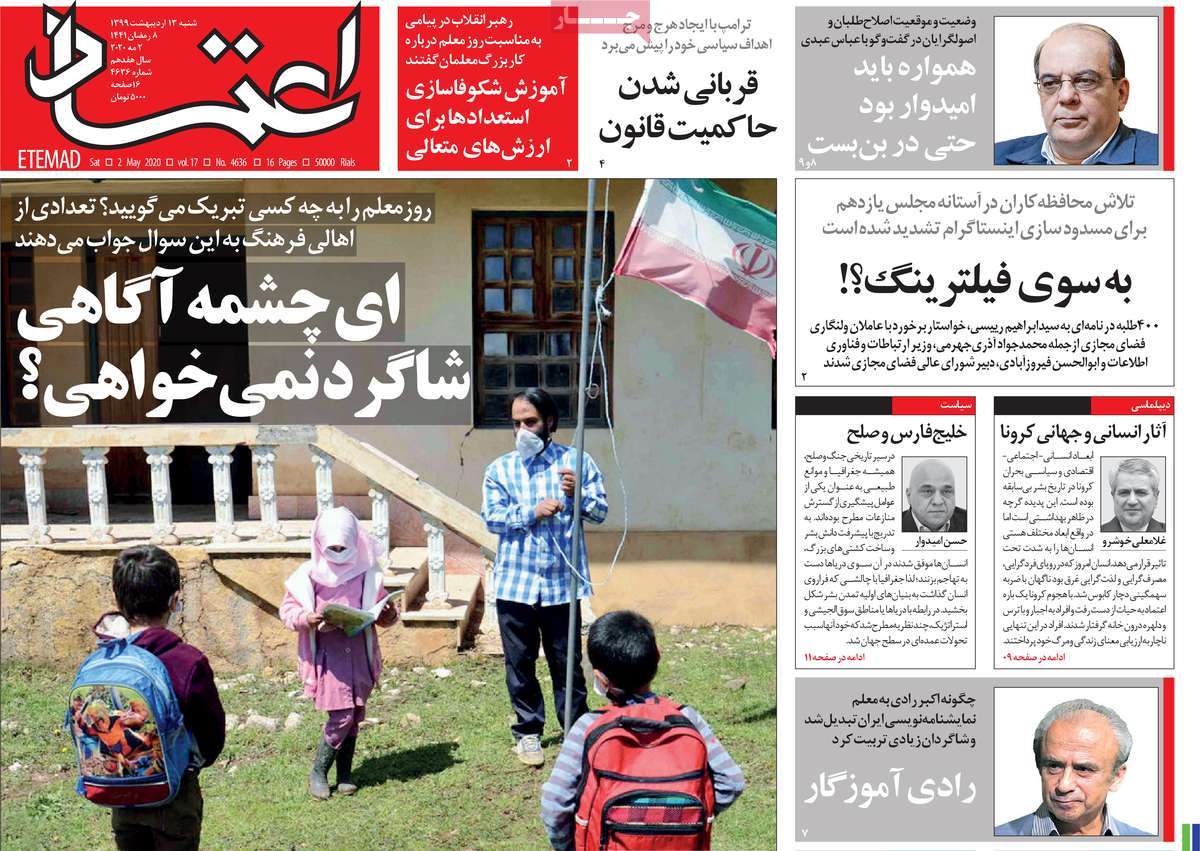
A Look at Iranian Newspaper Front Pages on April 12


Etemad:

1- Empty Pockets: What World Will Look Like after COVID-19
2- Corona and Poor Countries [Editorial]

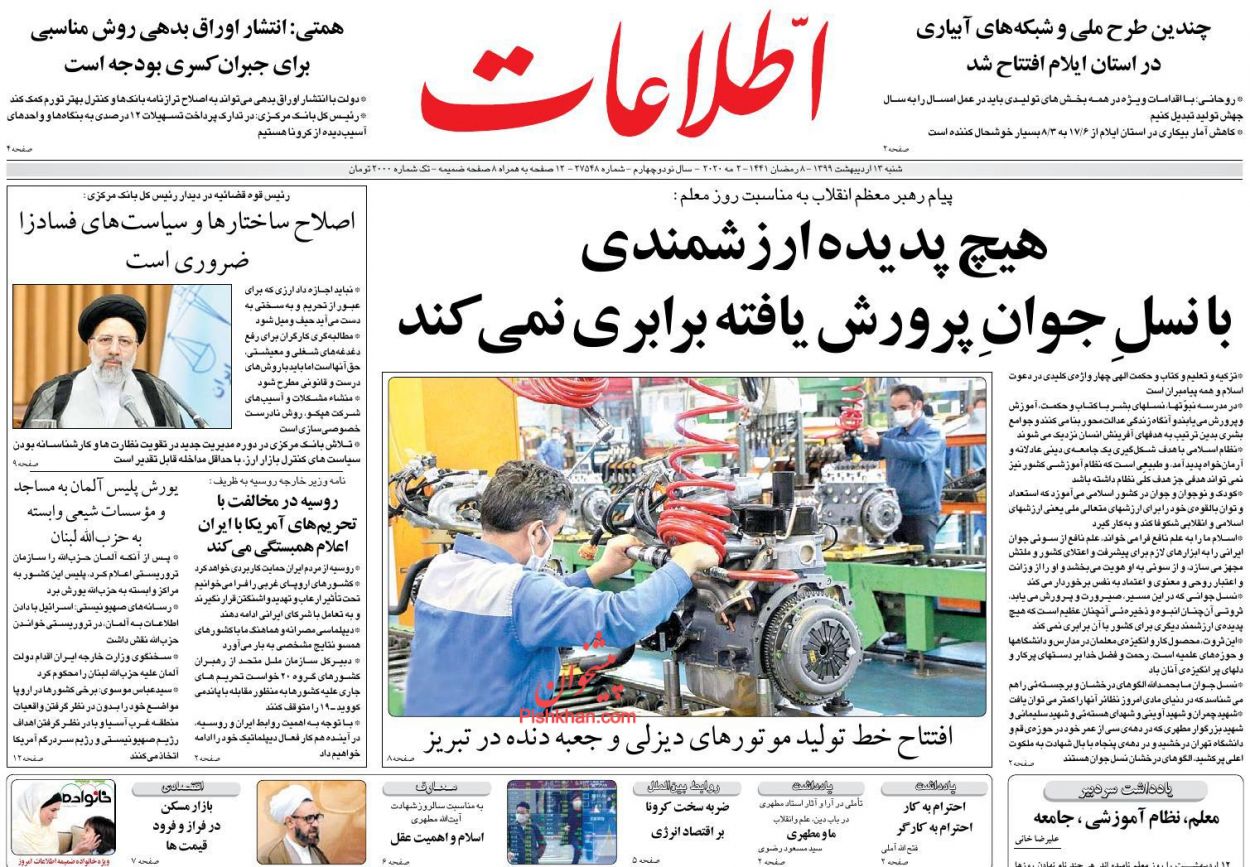
A Look at Iranian Newspaper Front Pages on April 12


Ettela’at:

1- Rouhani: We’ll Reach Reliable Conditions in Cooperation with People?
2- Spokesman: Government’s Priority Is to Protect People’s Lives, Livelihood
3- Guterres: Increased Possibility of Link between COVID-19, Biological Terror

A Look at Iranian Newspaper Front Pages on April 12


Jame Jam:

1- Regional Developments in Favour of Iran
* Former CIA Officer: US Has No Choice but to Leave Region

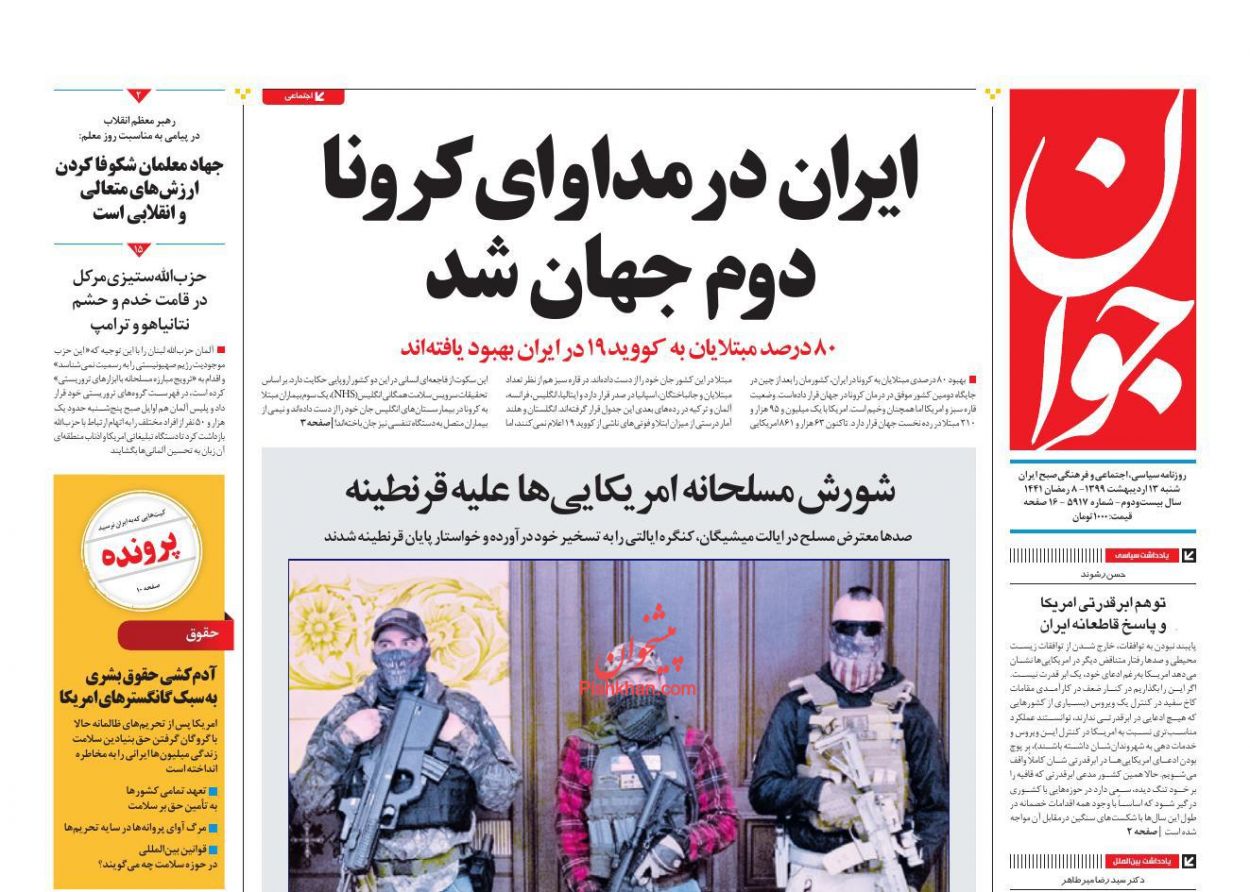
A Look at Iranian Newspaper Front Pages on April 12


Javan:

1- Wage Challenge in Year of Jump in Production

A Look at Iranian Newspaper Front Pages on April 12


Jomhouri Eslami:

1- Health Ministry Spokesman: Corona Patients Recovering in Fast Pace
2- Deputy Minister: COVID-19 May Be Contained by Mid-May

A Look at Iranian Newspaper Front Pages on April 12


Kayhan:

1- Haas: Coronavirus to Accelerate US’ Decline
2- Iran Unveils Production Line for Two Types of Iranian Kits
3- Barzani: Gen. Soleimani First One to Help Us on Day of ISIS Attack

A Look at Iranian Newspaper Front Pages on April 12


Shahrvand:

1- How Nomads Live under Quarantine

A Look at Iranian Newspaper Front Pages on April 12


Shargh:

1- Biden and Issue of Iran: A Look at Joe Biden’s Stances towards Tehran-Washington Challenges

A Look at Iranian Newspaper Front Pages on April 12

Persian-Speaking Foreign Media Carrying ‘Biased’ Reports on COVID-19 Outbreak in Iran

Persian-Speaking Foreign Media Carrying ‘Biased’ Reports on COVID-19 Outbreak in Iran

This is the key question: Will Iranian people be swayed by the propaganda campaigns launched by Persian-speaking foreign media outlets which are often established and funded by governments opposed to Iran, or are Iranians smart enough to doubt the good intentions of producers working for these media? Experience over the past four decades show the Iranian nation has, at determining and sensitive junctures, disappointed and embarrassed foreign media moguls?

No wonder most Persian-speaking foreign media have, over the past forty years, adopted the same double-standards with regards to Iran and sought to paint a black picture of events in Iran.

The death toll from the coronavirus as well as the number of infections is on the rise the world over, and Iran is no exception. Governments’ ways of handling this pandemic has been different from each other and have sometimes been criticized. Every country and territory has made decisions in that regard based on the existing circumstances and adopted measures accordingly. As a result, it seems that various local models have emerged in different countries in the fight against the coronavirus. Still, facts pertaining to the COVID-19 pandemic are roughly the same all around the world, by the way that certain media report realities on the ground in Iran is studded with many contradictions and differences. Reports by some foreign media paint a deplorable picture of the situation in Iran while describing the situation in other parts of the world as stable. This comes as fatality figures from the coronavirus pandemic are grim in all parts of the world, and the COVID-19 crisis has paralyzed many economies and government resources even in countries such as the United States.

Coronavirus: Single Subject Beset by Double Standards

Decisions, measures, damage and fatalities pertinent to the coronavirus, and even officials’ contracting the disease, are all common subjects now when the world is gripped by the coronavirus pandemic; nevertheless, certain foreign media outlets, whether Persian-speaking ones or others, seek to create the impression that the above-mentioned parameters in Iran are critical, dangerous, inefficient, insufficient, on the rise and growing, to the detriment of people and against their interests, while the situation outside Iran is calm, under control and in people’s interest.

Despite the coronavirus crisis in the world, some of these media outlets have focused more than 90 percent of their activities on the COVID-19 outbreak in Iran. They have allocated hours and hours of their airtime to programs aimed at fueling people’s concerns by spreading rumours, reporting untrue comments attributed to authorities, painting a black picture of measures adopted, distorting figures pertaining to the losses and death toll from the disease, and aggrandizing the performance of foreign governments while downplaying the measures adopted by Iran to fight the disease.

Fabricating News

The Performance of the Iranian government has been acceptable in comparison with that of many other countries, and that is why foreign media resort to spreading rumours and making outrageous comments in order to hit out at Iran. The report news about meetings that were never held, fabricate scenarios about Iran’s decisions and measures that were never adopted, and make analyses accordingly. As a case in point, one of foreign Persian-speaking media outlets made a false claim recently. It falsely quoted Iranian President Hassan Rouhani as saying that economic activities should not stop even if millions of Iranians die! Or that some 30 million hungry people will take to the streets if economic activities are halted! In response, Iran categorically rejected the story as a sheer lie.

Objectives of Psychological-Media Warfare against Iran

Among the major goals pursued by Persian-language foreign media are to make Iranian people disappointed with government measures, shattering their trust in the government’s decisions, and, finally, weaken the Iranian ruling system in countering the coronavirus. This is not something new and, at the same time, is a blatant violation of the principles that these very media outlets and international circles claim should be observed. These media outlets seek to intensify people’s sufferings at a time when Iranians are grappling with and economic crisis which is the fallout from the coronavirus pandemic and US sanctions.

Now, local media should make every effort to disseminate the right information and tell people the reality about the false reports carried by foreign media in order to neutralize this media campaign.

Tips on How to Become a Top Student in Statistics Class

Top 10 Tips on How to Score Good Grades in Mathematics

Approximately 96% of the general population struggles with solving statistics and probability.

If you can attest to experiencing similar struggles, it would be good to know that millions of people, students included, surmount their struggles and go on to perform well in the subject.

Often, you find that making a few changes to how to approach a course can make a huge difference in how you understand the material. Ultimately, this translates to better performance.

Would you like to move from an uninspiring performance to the top of your class? These tips will help you do just that.

  1. Distributive vs. Massed Practice

The distributive practice is a study strategy where you break up learning sessions into several short periods. In massed practice, you have fewer sessions, and each goes on for hours at a time.

Distributive practice, once a preserve of cognitive psychology, is increasingly gaining popularity in education.

Used correctly, this method of studying will help you with long term retention of information.  Long term retention means what you have studied is easily accessed in your memory.

This makes it easier for you to recall information during exams, which boosts your performance.

  1. Learn Systematically

Stats is much like a math course.

Your coursework will begin from the basics, and you will build on that with each subsequent topic and chapter.

Essentially what this means is that if you move on to a subsequent topic without fully internalizing a current one, you will run into problems.

Work systematically and move at pace with your professors. This is the only way you will be able to flag challenging concepts and topics.

When you run into these difficulties, talk to your instructor, a bright student in your class, or attempt to go over it again in your individual study time to see if you can get a better understanding.

If you fail to do this, you will understand previous topics less and less, and what was once a small issue will snowball into something more complex for you to handle.

  1. Study in an Effective Group

Form a group of 3 to 5 people and ensure to study every week without fail, so it becomes a habit.

A verbal interpretation and exchange of concepts with other students go a long way in cementing a better understanding.

This has to be a serious, committed group, however. The duration of group study matters as well.

Less than an hour is considered too rushed to achieve anything meaningful, and more than three hours, people tend to start losing focus and concentration.

In these settings, always take the chance to explain concepts you know and to ask for clarifications for things you have not grasped well. This should help you engage with material better, and in turn, perform that much better.

  1. Do Things Practically

Stats is not a course you can learn by reading a textbook start to finish; it’s practical.

Find a good workbook or a textbook that has problems at the end of each topic or chapter and use these to test your knowledge.

Practice everything you learn practically and go back to a topic or chapter whose problems you can’t solve and revise until you get things right.

This ensures not only that you internalize concepts, but that you understand formulas as well.

If you get into the habit of doing this, you will find assignments much easier to complete and that you are able to score highly as well.

  1. Be Consistent

Some students set their sights on the final exam, and forget that CATS, assignments and mid-semester exams and quizzes also contribute to their final grade.

Doing this places a lot of pressure on your final exam performance, and should something go wrong, it’s very easy to flop or end up with a grade that pulls your GPA down.

To be on the safe side, bring you’re A-game to all assessments relating to your statistics class. The best thing about these semester-long assessments is that you are not in an exam setting.

This means you have ample time to finish the work. You also have all the time to get a professional to help you attain a guaranteed high grade.

If the latter sounds like something you should be interested in, visit Homeworkdoer.org for more resources.

  1. Find Avenues to Engage With Content

If you attempt to learn statistics on the surface of it, chances are you will not get to internalize its content as you should.

This is why it’s important to find ways to engage more with everything you study.

For statistics, look into applications. Applications are how the information you learn is useful outside the classroom.

Doing this brings ideas and concepts into life, so you are not just trying to memorize abstract information.

Try to understand how statistics is important and even how you can use it in your student life.

When you understand information in this way, you find that it negates the need to cram and memorize information.

  1. Take Good Care of Yourself

In all your studies, this will be an important point to have in mind.

Your performance and productivity are tied in with how well you are feeling emotionally, mentally and physically.

Research has shown that something as simple as getting enough sleep can significantly improve one’s ability to focus, their levels of alertness as well as their ability to recall information. The opposite is also true.

Excessive, on the other hand, helps release feel-good hormones. If you tend to get exam anxiety, you will find that exercising at around exam time will ease some of this anxiety.

This means you are in a better state of mind as you sit your exams, which might translate into better performance.

Ultimately…

Approaching stats positively and finding ways to unlock your potential is really the secret to performing better in stats.

It might not be easy, but every step you tale towards improving how you study, your productivity and your wellbeing will go a long way in ensuring you gradually improve your performance.

Strive to remain focused on the end goal: graduation, and a long, successful career awaits.

IRGC Commanders Donate Part of Salaries to Corona-Hit People

IRGC Commanders Donate Part of Salaries to Corona-Hit People

IRGC Spokesperson General Ramezan Sharif announced on Sunday that the IRGC commanders have taken part in a countrywide exercise launched by Basij, codenamed “devout help”, after Leader of the Islamic Revolution Ayatollah Seyed Ali Khamenei stressed the need for helping the needy ahead of the holy month of Ramadan.

Sharif said all IRGC commanders have decided to donate 20 percent of their salaries to the people who have lost their jobs due to the outbreak of the coronavirus.

The donation of 20% percent of the monthly incomes will continue until the coronavirus crisis ends in Iran, the spokesman noted.

The spokesperson for the Iranian administration, Ali Rabiee, has warned that a long-term shutdown of businesses amid the coronavirus outbreak and the government’s non-intervention in the labor market policies could result in the unemployment of more than 4 million people in the country.

According to Rabiee, the outbreak of COVID-19 has directly harmed the activities of around 3.3 million official workforces and caused the closure of more than 1.5 million official and unofficial workshops across the country.

Iran Confirms 117 New Deaths from COVID-19

Iran COVID-19

According to Kianoush Jahanpour, 1,657 new cases of infection were confirmed in the past 24 hours, raising the overall number to 71,686.

He said 43,894 patients have so far recovered and been discharged from the hospital.
3,930 patients are in severe conditions, Jahanpour said, adding that 263,388 COVID-19 tests have been taken in the country so far.

Iran Says Won’t Ask for Anyone’s Help in Meeting Its Defence Needs

Iran Says Won’t Ask for Anyone’s Help in Meeting Its Defence Needs

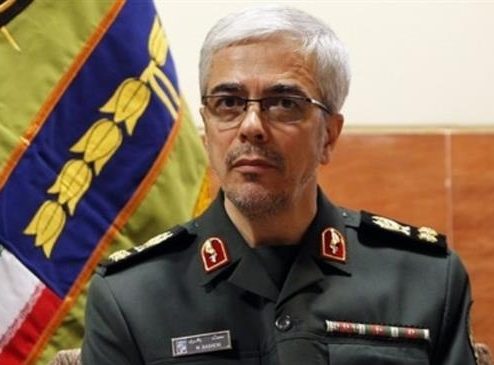
“We have produced what we needed in the defence sector, and we won’t ask for anyone’s help in the region in order to meet our defence needs,” Sayyari said on Sunday.

He further noted that the Armed Forces and Army of the Islamic Republic of Iran have always been pioneers in realizing the goals set by the Leader of Islamic Revolution at the beginning of every Iranian calendar year.

“For instance, during the past year which was named as the Year of Boost in Production, we were at the forefront of production and made great progress in productive industries, especially at the Defence Ministry and the Research Organization of Army, among others,” he noted.

“The Armed Forces will once again be the frontrunners of production this year, which has been named as the Year of Jump in Production.”

He vowed that the Armed Forces of the Islamic Republic of Iran will unveil new achievements in coming months.

Envoy Says Iran Supports Any Iraqi PM Elected by Parliament

Envoy Says Iran Supports Any Iraqi PM Elected by Parliament

In a post on his Twitter account, Iran’s Ambassador to Baghdad Iraj Masjedi underscored that the Islamic Republic of Iran respects the law and political system in Iraq.

“Any figure who would be elected as the prime minister (of Iraq) in a legal process and with the vote of confidence of this country’s parliament will receive our support,” the ambassador noted.

His comments came after Iraqi President Barham Salih nominated head of intelligence Mustafa al-Kazemi as Iraq’s new prime minister-designate.

The nomination on Thursday came moments after predecessor Adnan al-Zurfi ended his bid to form a government.

Al-Kazemi now has 30 days to submit his cabinet lineup to the 329-member parliament for a vote of confidence.

Iran Lifts Some Travel Bans Earlier Imposed for COVID-19

Iran Lifts Some Travel Bans Earlier Imposed for COVID-19

President Rouhani said on Saturday that low-risk businesses will resume work in the capital, Tehran, as of April 18.

These businesses can start work while abiding by relevant health protocols, he said at a meeting of the National Coronavirus Headquarters.

As part of the smart social distancing plan, low-risk businesses have already resumed work in all provinces other than Tehran as of April 11, he added.

He said businesses which are resuming work are required to register on a website specified for the same purpose by the health ministry.

President Rouhani added discussions were also held on the resumption of work for high-risk

Coronavirus online test
If you are worried that you may have contracted the Coronavirus, take this test right now.

businesses.

“In a meeting we had with heads of committees [of the National Coronavirus Headquarters], it was decided that they draw up plans for high-risk businesses as well in coordination with the Ministry of Health and Medical Education as well as the Ministry of Industries, Mine and Trade, and that the decisions be implemented whenever the plan is ready in compliance with relevant protocols and directives,” he added.

The president also urged citizens to preferably use their personal cars rather than public transportation as part of social distancing measures.

New Economic Plans Needed to Counter Fallout from COVID-19 Outbreak: Iran VP

New Economic Plans Needed to Counter Fallout from COVID-19 Outbreak: Iran VP

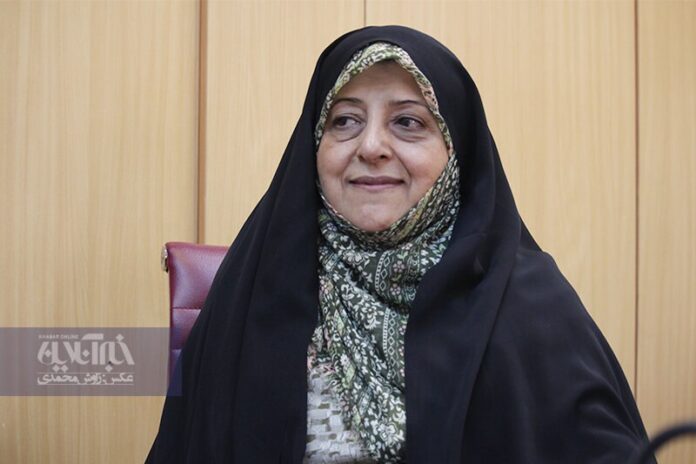
Es’haq Jahangiri said Saturday the COVID-19 epidemic affects people’s health and has economic and social consequences.

“The most important responsibility of the Ministry of Economic Affairs and Finance is to adopt policies consistent with the current situation in order to ease economic pressure on people and affected enterprises,” he said in a meeting with senior economic authorities.

He said the government had to change some of its economic policies after the US imposed its sanctions.

“Unfortunately, we have been gripped by effects and consequences of the coronavirus in the country in recent weeks, making it all the more necessary to adopt new economic policies and plans through consultations with the country’s experts and economists,” Jahangiri noted.

“One of the government’s most important policies wat to boost people’s resistance against the pressure of the United States’ unfair sanctions. Today, we should be able to boost that resistance against the pressure caused by fallout from the coronavirus outbreak,” he said.

The vice president underlined that all government institutions and people are required to abide by the directives issued by the National Coronavirus Headquarters.

“The enforcement of the social distancing plan and other programs resulted in domestic enterprises getting closed and affected. Moreover, people making a living though day-to-day work also suffered [financially], and solutions should be presented to solve these problems,” he said.

Jahangiri underscored that sanctions restricted the government’s ability to access its financial resources.

“Still, at the very beginning of the coronavirus crisis, the government made the necessary planning to grant 12-percent loans to affected institutions and has been trying to create conditions to meet the needs of low-income families,” he added.

He said one of the key measures of the Ministry of Economic Affairs and Finance at this juncture is to help people not feel the pinch from economic pressure.

He called on institutions which are satellites of the Ministry of Economic Affairs and Finance to focus on efforts to resolve the problems of small and medium-sized enterprises to prevent their collapse in the midst of the coronavirus crisis.

He noted another mission of the ministry is to draw up plans to revive economy in the post-coronavirus era.

“As part of its objectives, this ministry should set targets with regards to job creation, sustainable development, curbing inflation and swelling the resources of the national budget,” he said.

Coronavirus online test
If you are worried that you may have contracted the Coronavirus, take this test right now.

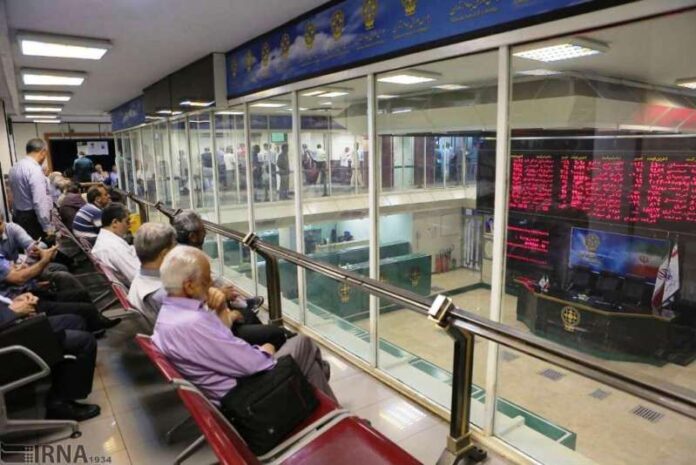
He underlined that the country’s budget is now less dependent on oil revenues, adding the budget should be provided through other sources such as selling shares of state companies on the stock market and selling banks’ assets.

The vice president said the government plans to empower the private sector affected by the coronavirus outbreak in the domains of industry, agriculture and services.

He urged the privatization of state institutions, and added the private sector can own major industries, shipping companies and banks as well.