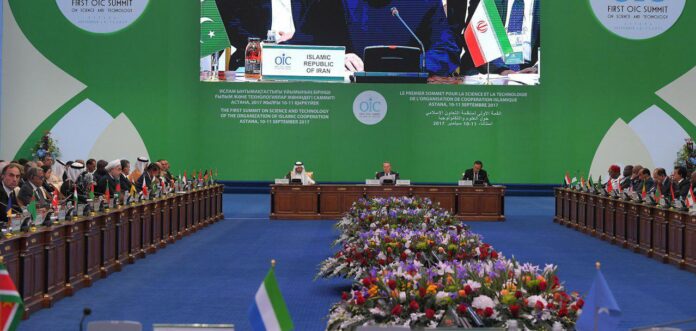
The head of the Iranian delegation to the Organization of Islamic Cooperation (OIC) Summit on Science and Technology held in the Kazakh capital, Astana, has proposed that Muslim countries set up a forum comprising women who have secured accomplishments in the domain of technology.
“A new cultural and civilizational movement is taking shape in the Muslim world,” said Abdolhossein Fereydoun, who is also an advisor to the Iranian minister of science, research and technology.
“Iran specifically welcomes the development of scientific diplomacy and technology in Muslim countries, and to that end, embraces major joint scientific projects in the fields of satellite technology, super computers and oceanic studies,” he added, according to a Farsi report by Mehr.
He said figures show Islamic countries’ share of world scientific articles has risen from 2% to 8% over the past 16 years, which, he noted, is regarded as a considerable growth.
“Moreover, the rate of publishing scientific materials in OIC member states is eight times higher than the average global rate,” he added.
He said Iran is working closely with OIC members in the field of education, science and technology, and added regional as well as international centers are contributing to the development of Sci-Tech parks and a regional oceanography center.
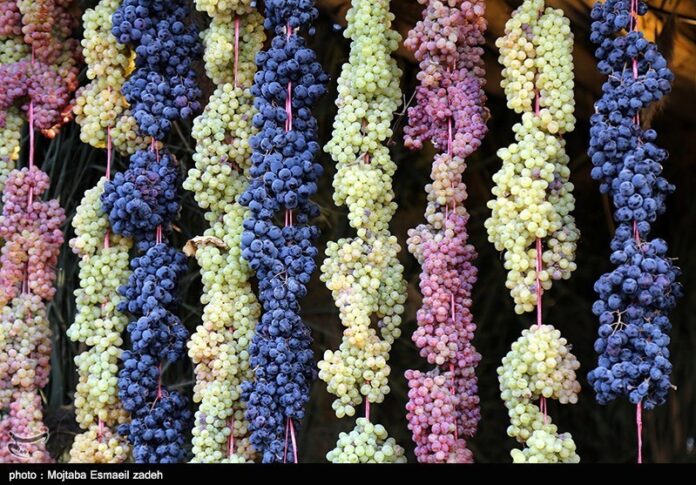
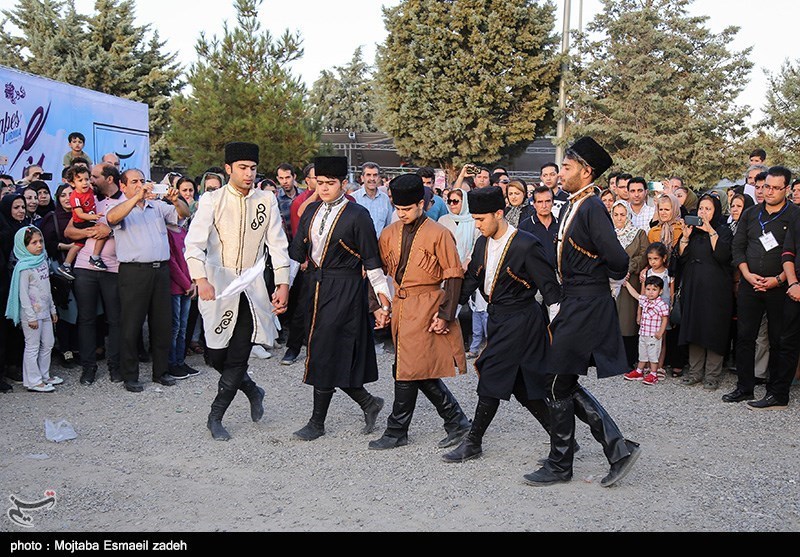
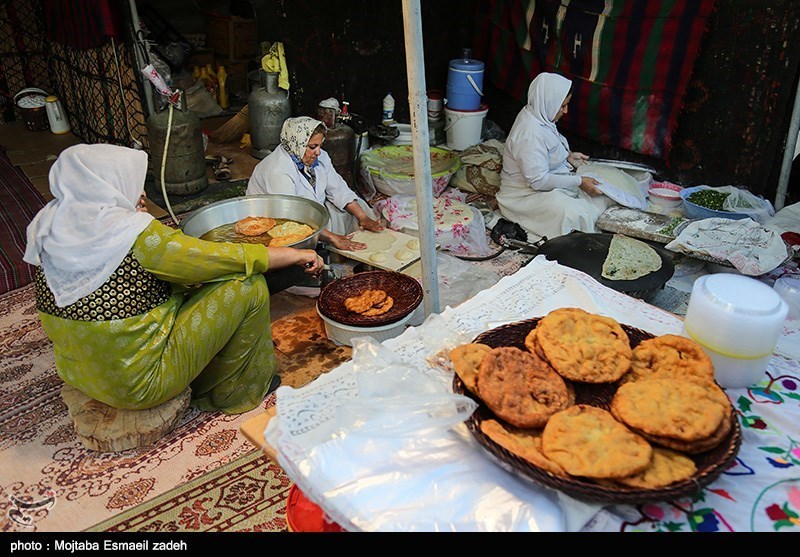
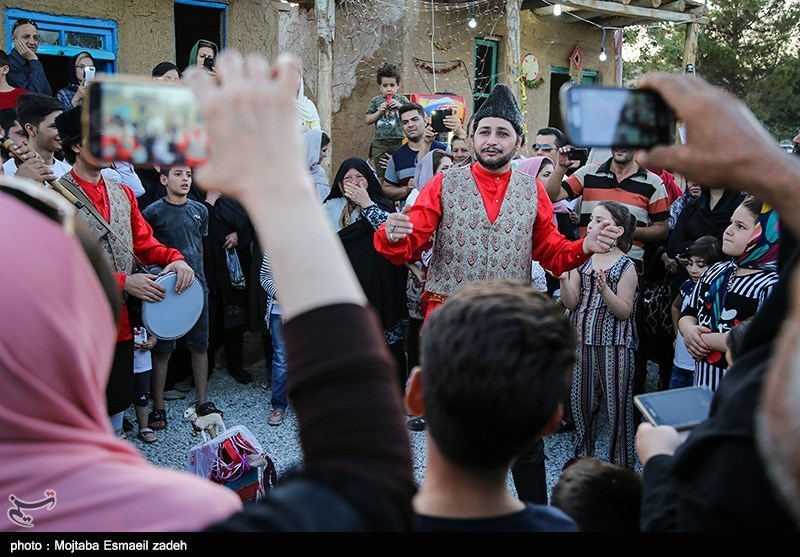
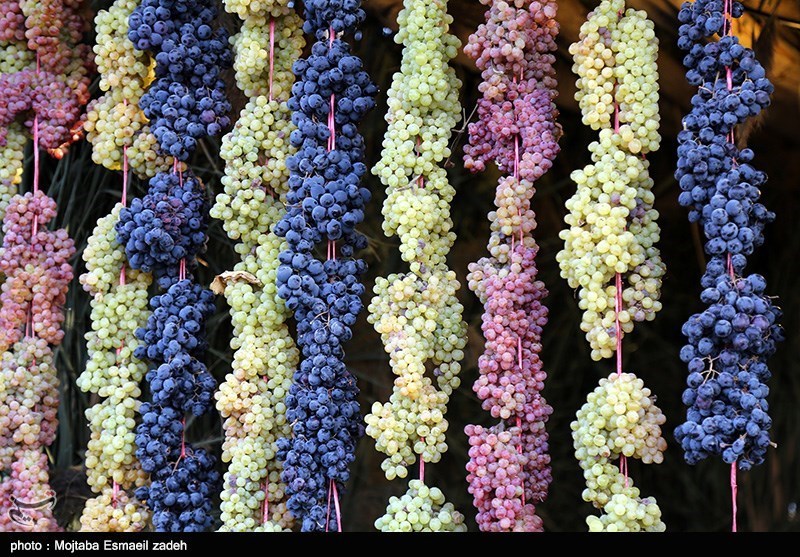
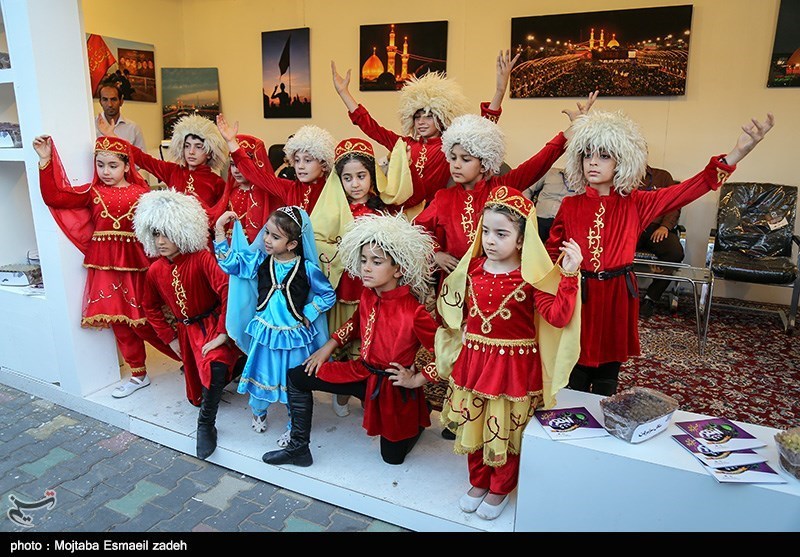
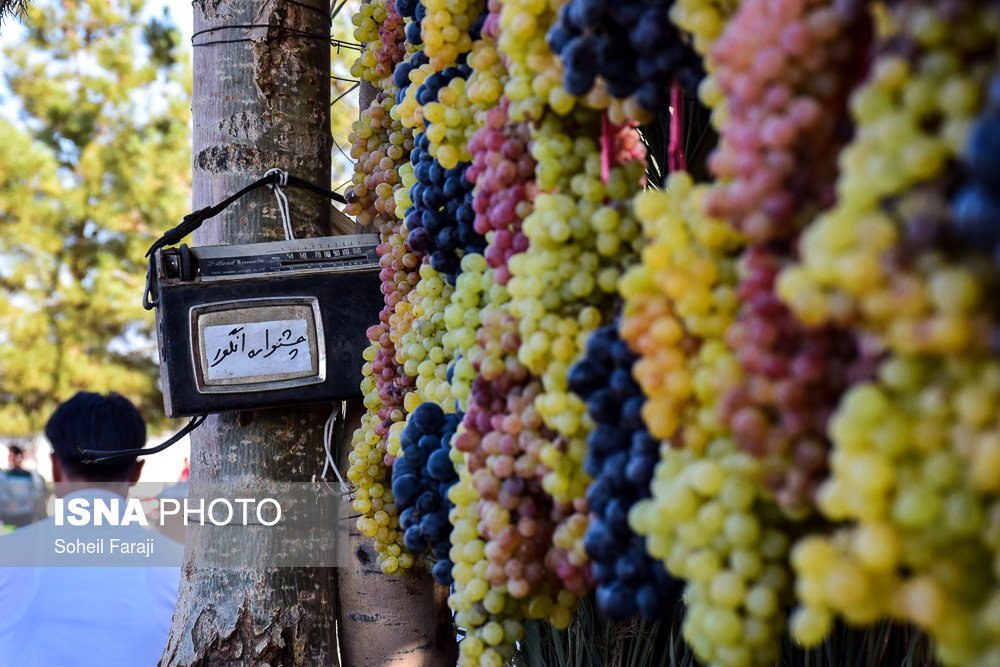
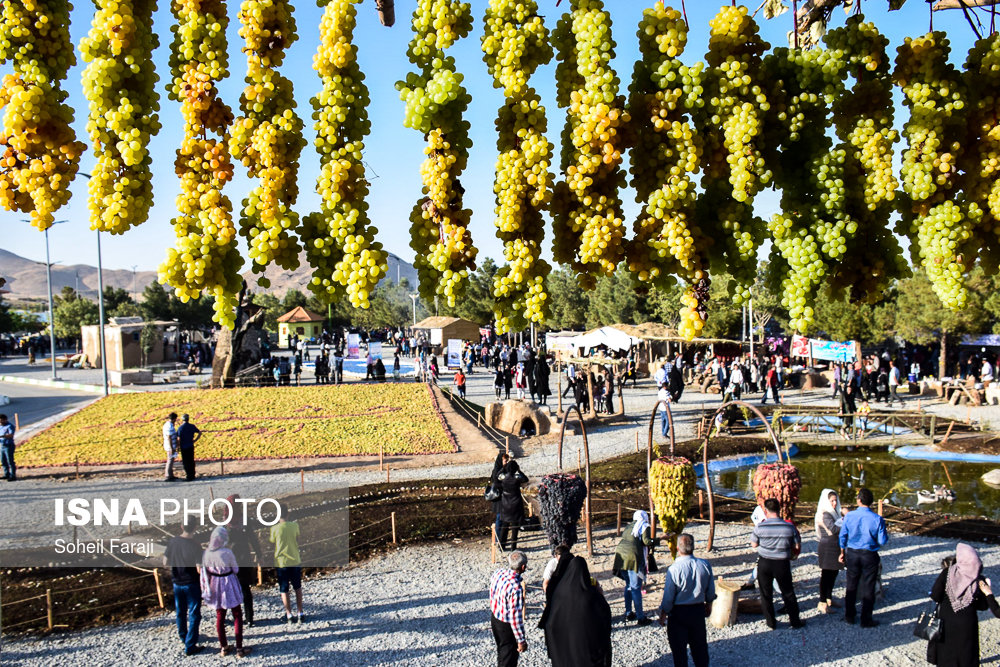
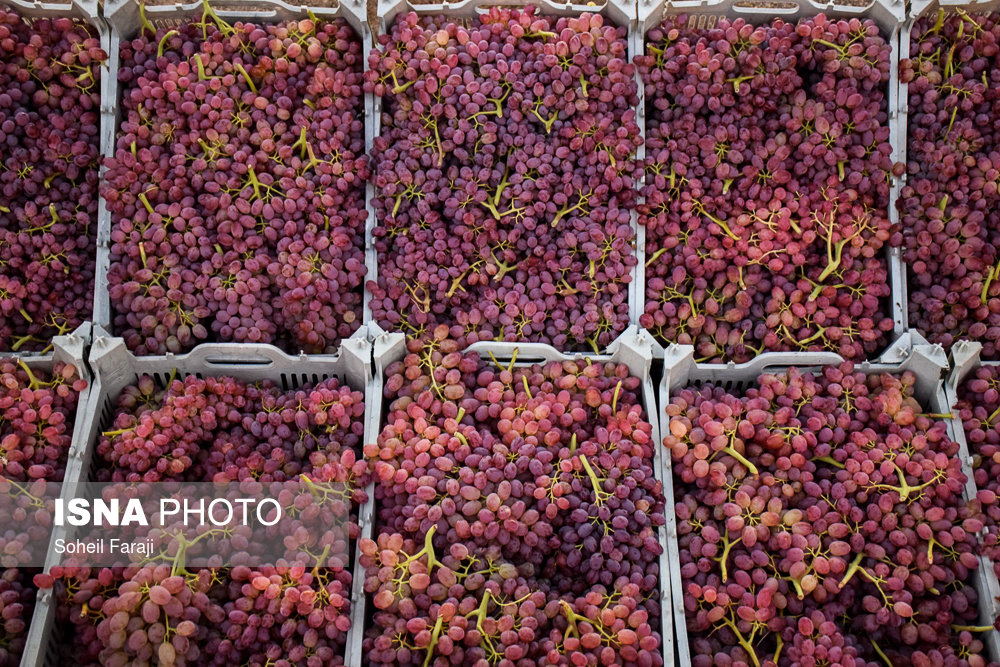
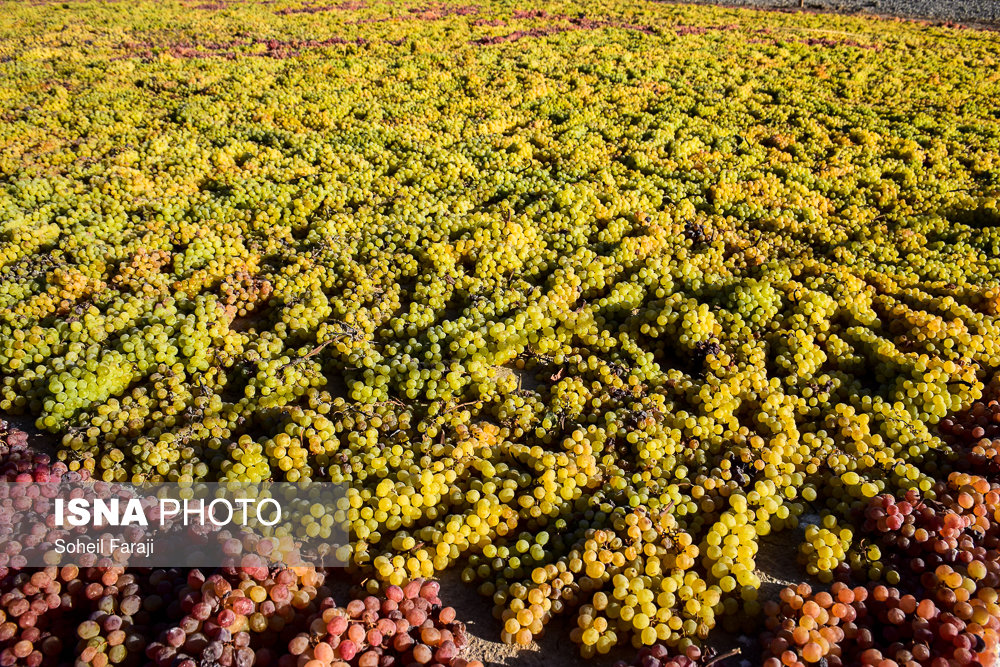
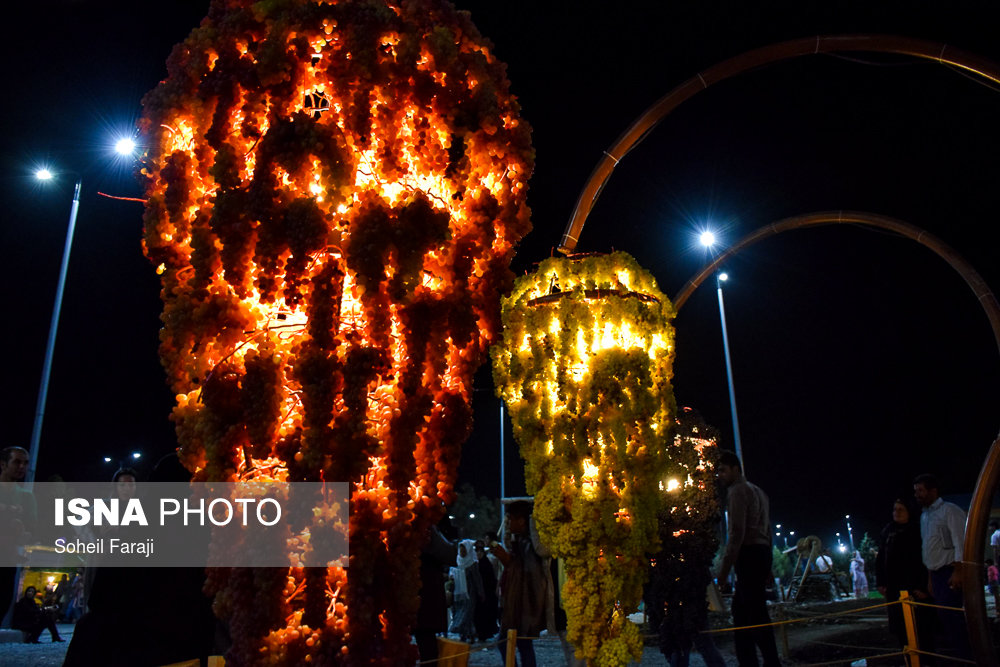
Chi Chest coastal village in West Azarbaijan Province, northwestern Iran, is currently playing host to the Fifth Urmia Grape Festival which was inaugurated on September 7 and will be open to visitors until September 15.
Earlier, commenting on the festival, Jalil Jabbari, the director general of the Cultural Heritage, Handicrafts and Tourism Organization of East Azarbaijan, said the event is aimed at expanding the province’s tourism industry.
He added holding such festivals helps attract tourists and create investment opportunities for those interested in development of tourism industry in the province.
Jabbari said the holding of the festival is an outcome of collective efforts by all domestic apparatuses and a fruit of their favourable interactions with each other.
“Like the previous editions of the fest, a handicraft exhibition consisting 30 pavilions will present the province’s tourist attractions to visitors in this year’s event.”
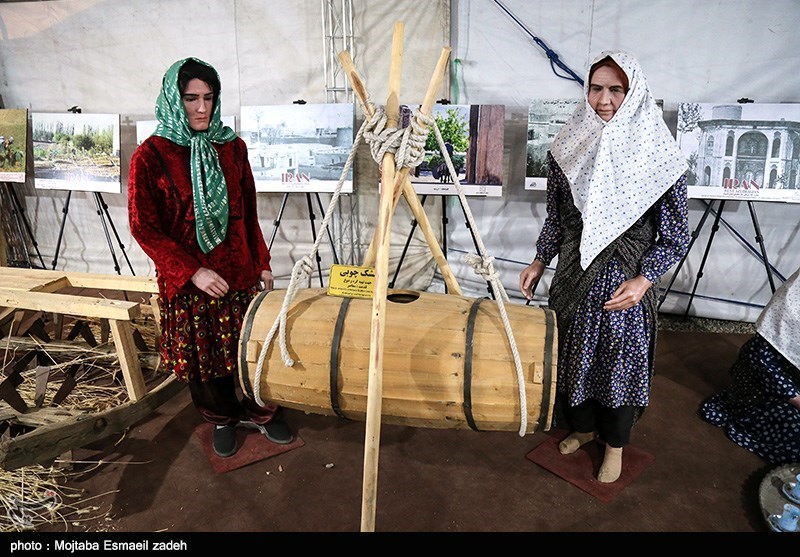
In addition, he said, this year’s festival will feature a number of pavilions providing visitors with anthropological information about the province’s old and deep-rooted traditions and customs with a focus on grape as well as the culture of people in Urmia.
Commenting on the properties of grape and its health benefits, Jabbari noted that throughout the history, people of the province have found out about the nutritional values of the fruit and have included it in their food basket.
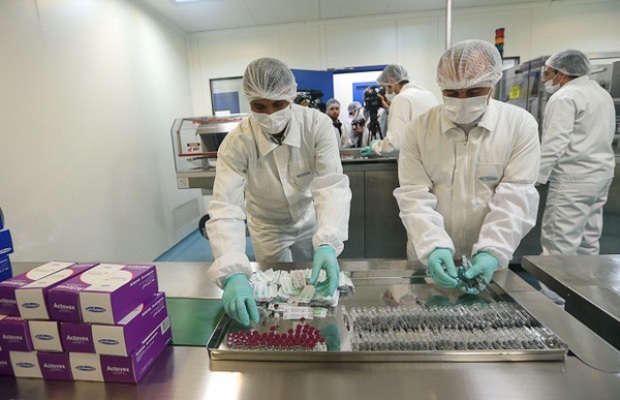
Iran’s National Elites Foundation says Iranian biomedicines have taken 100 percent of Russia’s market. “The biopharmaceuticals have completely replaced the American ones in Russia,” it said in a statement.
Registration of any type of medicine in any country requires some clinical trials by the officials there. Iranian biomedicines have been going through various clinical trials by Russian-related organizations over the past three years.
Now, two Iranian biopharmaceuticals are being registered in Europe for the first time. In Russia, 5 Iranian pharmaceuticals, including MS medicines, have already been registered. Iran has also exported anti-cancer pharmaceuticals to Russia which are taking the last stages of their registration in the country. Meanwhile, Iran has begun to export its medicines to some regional countries like Iraq and Turkey.
The statement by Iran’s National Elites Foundation added that moving towards a knowledge-based economy and industry is one of the main pillars of achieving objectives of Resistance Economy.
According to a Farsi report by the Mehr News Agency, before the announcement of Resistance Economy policies by the Iranian government, there were only 10 knowledge-based companies in Iran but today the number has reached 3,119 companies.
Iran’s Ranking Promoted in Global Innovation Index
Iran’s status in innovative and knowledge-based economy has improved significantly compared with previous year. According to official reports, Iran’s rank in this field has promoted from 120 in 2014 reaching 78 in 2016.
Meanwhile, Iran’s rank in knowledge and technology production, market boom and business improvement has raised respectively by 48, 19 and 25 steps.
Knowledge-Based Market Promotes Significantly
According to the statement by Iran’s National Elites Foundation, the market of knowledge-based production is expected to have a $266m profit by the end of Iranian calendar year (March 20th). Meanwhile, the market is expected to pave the way for full implementation of knowledge-based plans and creation of a profitable business.
On the other hand, one of the main indices of raising the economic strength of the country against the global shocks is increasing the number of exported goods with high added value. Most of the knowledge-based productions have double added value.
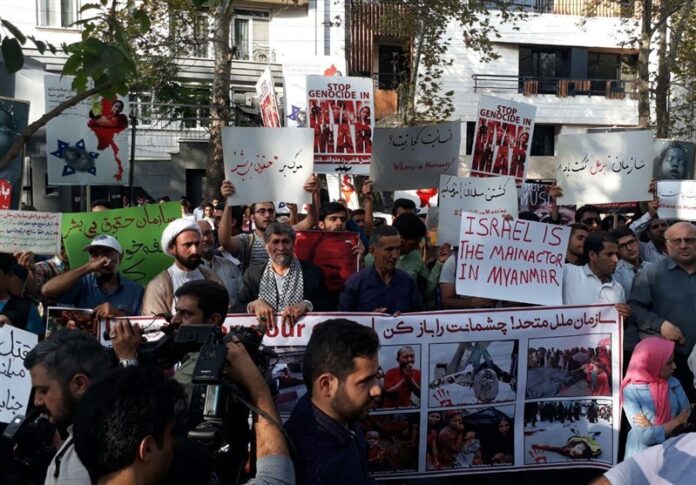
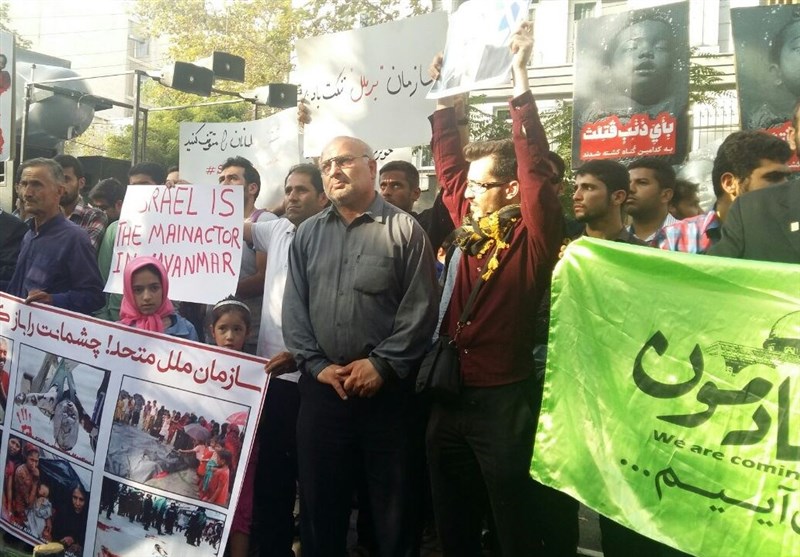
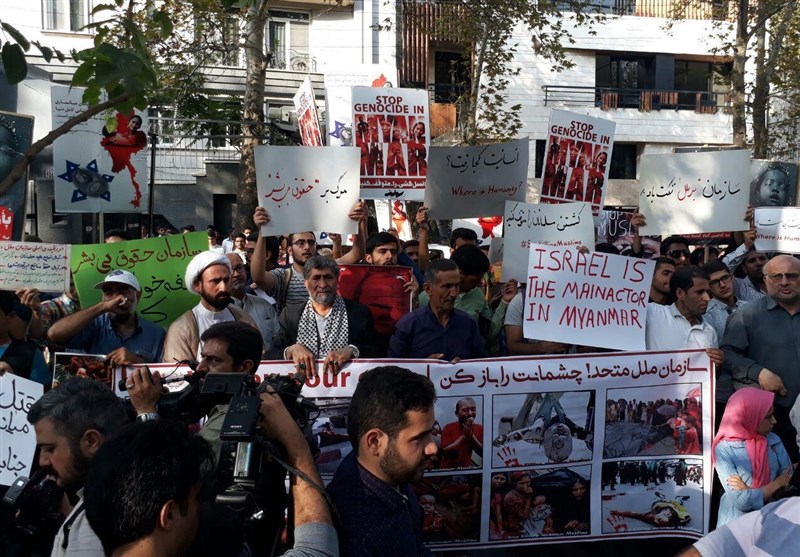
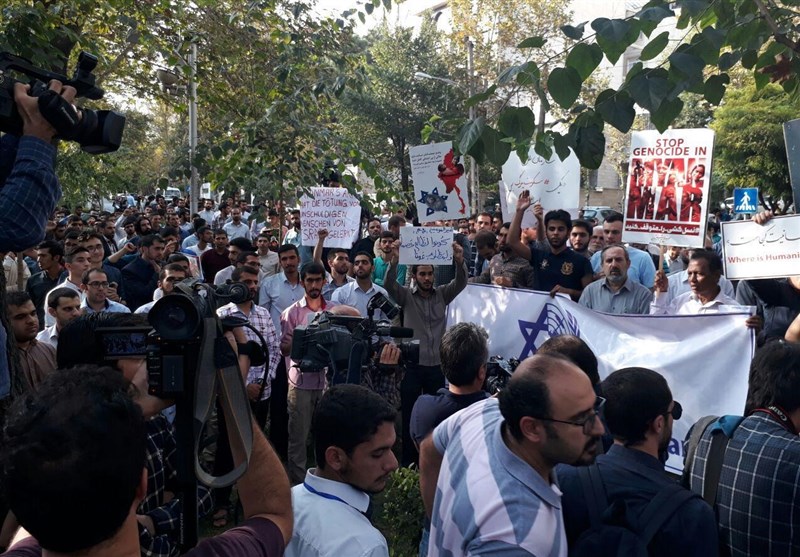
The protesters expressed regret over the cruel killing of Muslims in Myanmar amid the silence of international bodies, the United Nations in particular.
Carrying placards “Stop genocide in Myanmar”, “Israel in the Main Actor in Myanmar”, and “Where is Humanity”, the demonstrators chanted slogans and called on the international community to put an end to the plight of Rohingya Muslims in the Southeast Asian country.
The Rohingya Muslims in Myanmar have long faced severe discrimination and were the targets of violence in 2012 that killed hundreds and drove about 140,000 people from their homes to camps for the internally displaced.
Over the past days, intensifying clashes between security forces and insurgents in western Myanmar have sent about 270,000 terrified civilians scrambling toward the Bangladesh border in a desperate search for refuge.
A United Nations report in February said the military crackdown on the Rohingya had led to gang rape, the killing of hundreds of civilians and the forced displacement of people.
“I think we need to create a forum, like G-20, an informal group for the development of science and economy in the Islamic world,” Nazarbayev said at the first OIC Summit on Science and Technology in Astana.
“From the advanced 15 states of the Organization of Islamic Cooperation, we could create an OIC-15. Because the development of science and technology is very important for us and in this regard, we must continue to develop fruitful cooperation with Western countries,” he added, as reported by Kazinform.
“This will facilitate the development of the entire Islamic world. We must develop relations between the Islamic religion and representatives of other religions, therefore, we should hold such forums regularly, as these meetings bring the Islamic world closer to the West,” the Kazakh president added.
Nazarbayev also urged the participants to abandon stereotypes that lead to misunderstanding.
Astana is hosting the first OIC Summit on Science and Technology with the participation of the heads of several states. The Summit determines priorities, goals, and objectives in the field of science, technology and innovation development in the OIC member states.
The Summit’s theme is “Science, Technology, Innovation and Modernization in the Islamic World”.
Official statistics suggest around 300,000 Rohingya Muslims have been forced to flee their homes in Myanmar and move toward Bangladesh since the latest bout of violence by the government against the religious Minority.
Rohingya activist and blogger Ro Nay San Lwin has, in an interview with the Fars News Agency, weighed in on the plight of the Rohingya and the Myanmar government’s persecution of the religious minority. The following are excerpts from the interview:
The Myanmar government is committing ethnic cleansing. We are natives to the Rakhine state, but the government wants to force us to leave here one way or another.
The latest bout of violence erupted after the Myanmar army targeted civilians under the pretext of dealing with a group of youngsters carrying cold weapons.
Local reports indicate more than 4,000 people have been killed in attacks by the military and extremists against Rohingyas.
Government forces show no mercy even toward children and the elderly. Reports suggest many of them have been tortured, paralyzed or killed by government forces’ fire.
In the recent attacks on the Rohingya minority, 1,000 people alone were killed in a single village, and another 1,500 in another village. We put the number of those killed at 4,000 at least, but the real figure is definitely higher. This is while no one is allowed to enter villages and find out about the exact number of casualties.
So far, roughly 300,000 Rohingya Muslims have entered Bangladesh so far, and another 200,000 are either waiting at the border or seeking a way to get to the border.
The people who are still in their villages in Rakhine state are not allowed to buy items from nearby shops, and their food supplies are running out; in the coming days, whey will be starving.
The government does not need to massacre these people because the villagers will starve to death if this trend continues.
If Muslim countries simply continue to issue statements and condemn the violence against the Rohingya [without taking any practical steps], that will be of no help.
The Organization of Islamic Cooperation (OIC) has 57 members all of which should put pressure on the Myanmar government and remind its officials that all Muslim countries will sever their trade ties with Myanmar if the crackdown against the Rohingya continues.
It is only a trade embargo that can make the Myanmar government stop acts of violence against Muslims. The Myanmar government is really scared of the consequences of a trade embargo.
The Maldives issued a strongly-worded statement a few days ago and cut off its trade relations with Myanmar. This can set a good example to other Muslim countries.
Other Islamic states should follow suit and not restore their trade ties until all the Rohingya reclaim their rights. This is the only option available to Muslim countries.
Touraj Saberivand, an internationally renowned graphic designer, had been invited to receive the A Design Award for one of his artworks, but he returned it after failing to receive his visa on time from the Italian embassy to take part in a ceremonial event in Italy.
In a letter of criticism to the Italian cultural attaché in Iran, Saberivand said he has changed his mind about travelling to Italy.
Saberivand has already received some prestigious international prizes including Graphis from the US, A Design from Italy, International Design Award, and Silver Cedar from Iran.
According to a copy of the letter retrieved by ISNA, Sabervan said, “Back in April, I was invited to receive A Design Award in Italy. But when I referred to the Italian embassy, I was faced with their disrespectful behaviour. So, I decided to cancel my travel to Italy.”
He went on saying the organizers of the competition in Italy “have sent me the award by post, so I return it to you in protest at your behaviour.”
A Design is one of the leading and most prestigious competitions in graphics across the world which is held annually in Italy.
Earlier, in a piece published by the Shargh daily newspaper in Iran, Saberivand said, “When you refer to the Italian embassy in Tehran, you are faced with a written announcement on the wall saying that for taking an interview appointment, you need to refer to our website. But when you go to their website, you will find that there is no chance to take any time.”
He went on saying that many believe this is the dealers working with the Italian embassy who manage the embassy’s time in return for money. This comes as the embassy says any appointment taken by the dealers would be cancelled,” he added.
Saberivand blamed the management of the embassy for such “disrespectful and illegal behaviour,” saying such behaviours are far from diplomatic principles and stand in stark contradiction with the humanitarian principles boasted by the European Union.
Meanwhile, another Iranian sculptor, Jamshid Moradian, who was recently expected to travel to Europe to take part in an art festival, also expressed his dissatisfaction with the French embassy’s delay in issuing visa for him. He also criticized the embassy’s officials for the black market created for taking appointment from the embassy.
Rouhani made the remarks in a meeting with Uzbekistan’s President Shavkat Mirziyoyev on the sidelines of the first Organization of Islamic Cooperation (OIC) summit on science and technology in the Kazakh capital, Astana, on Sunday.
He said the exchange of visits between senior Iranian and Uzbek officials revealed the two countries’ resolve to establish closer and broader relations.
The Iranian chief executive welcomed further expansion of Tehran-Tashkent cooperation in all fields, particularly in trade and economic sectors, emphasizing that no obstacle could hinder the development of the two countries’ ties.
Rouhani stressed the importance of making joint investment and said improving banking cooperation was the cornerstone for the promotion of economic and trade exchanges between Iran and Uzbekistan.
He said the two countries had necessary potentialities to bolster cooperation in the energy sector, adding that Tehran could meet Tashkent’s energy needs.
The Iranian president further pointed to successive losses of terrorists in Iraq and Syria over recent months and said, “Today, extremism and terrorism are threatening the entire region and we are ready to cooperate with the Central Asian countries in the fight against terrorism.”
Transport corridor vital for Uzbekistan
Mirziyoyev, for his part, said Uzbekistan attached special significance to a transport corridor connecting his country to the Persian Gulf and other parts of the world, adding that common interests of Tehran and Tashkent could be served through cooperation in this area as Iran could also export its products to Central Asian states through Uzbekistan.
He called for the strengthening of the two countries’ cooperation in academic and energy sectors as well as the campaign against terrorism and extremism.
The Uzbek president also stated that his country supported Iran’s membership in the Shanghai Cooperation Organization (SCO) and invited his Iranian counterpart to pay an official visit to Tashkent.
The SCO was formed in 2001 in Shanghai by the leaders of Kazakhstan, China, Kyrgyzstan, Russia, Tajikistan, and Uzbekistan to curb extremism in the region and enhance border security.
The SCO previously had six observer members, namely Iran, Afghanistan, Belarus, India, Mongolia and Pakistan. Pakistan, however, was accepted as a full member of the organization on Friday, June 9, 2017. The organization also has six dialogue partners, which include Azerbaijan, Armenia, Cambodia, Nepal, Turkey and Sri Lanka.
‘Iran-Kazakhstan in constructive cooperation on global issues’
Meanwhile, in a meeting with his Kazakh counterpart, Nursultan Nazarbayev, the Iranian president said the two countries always had constructive cooperation on issues of mutual interest and international developments.
Rouhani added that Iran welcomed further expansion of cooperation with Kazakhstan in different fields.
Nazarbayev, in turn, praised great achievements made by Iran despite international sanctions against Tehran and expressed his country’s keen interest in developing ties with the Islamic Republic.
The Iranian and Kazakh presidents also called for enhanced cooperation in economic, transit and energy sectors and urged joint efforts to improve the conditions of the global oil market.
Iran, Azerbaijan potentialities must serve their interests
In a separate development on Sunday, Rouhani said Iran and the Republic of Azerbaijan enjoyed great potentialities to expand their relations in economic, scientific, technological, transportation, energy and trade fields, urging both sides to make use of those potentialities in the service of their common interests.
In a meeting with his Azeri counterpart, Ilham Aliyev, on the sidelines of the first OIC summit on science and technology in Astana, the Iranian president also referred to terrorism as a regional and international problem.
Terrorism is nearing its full collapse in the region and intelligence, economic and cultural measures as well as further consultations among regional states are necessary to uproot it, he said.
For his part, Aliyev noted that his country’s relations with Iran were at the highest level, expressing confidence that both sides would further develop those relations in the future.
He added that Baku regarded terrorism as a common threat against all regional countries and was interested in more effective cooperation with Iran to fight the ominous phenomenon.
Head of Fars Province Police Department for Monitoring Public Places, Colonel Ali Jokar, said the culprit who introduced himself as Iran’s Foreign Minister, Mohammad Javad Zarif, to issue fake European and American visas for applicants has been arrested in the province.
“The culprit had criminal record for forging governmental and security documents,” he said, as quoted in Farsi by the Tasnim News Agency.
The arrested man also abused some official titles of the Public Prosecution Office, Judiciary, Police and Intelligent units, he added.
He also received tens of millions of dollars from European and American visa applicants in return for issuing (fake) visas for them.
The man used to imitate the sound of Foreign Minister Zarif or to introduce himself as Dr. Zarif on the phone to gain the trust of the applicants to receive money in return for issuing fake visas.
Head of Public Relations of Kermanshah Public Prosecution Office, Mehdi Qannadi, says the prisoners who take part in the cleaning operations of Bisotoon monument compound in the city of Kermanshah in Western Iran will be given an alternative sentence.
“Bisotoon Court began to study the idea of alternative sentences for prisoners after receiving massive public demands and publishing of great number of reports on the accumulations of construction waste near the compounds of the historical monuments in the province,” Qannadi said, as quoted in a Farsi report by ISNA.
He went on saying the court has already issued a new ruling saying any prisoner taking part in the cleaning operations will be subjected to the new ruling.
According to Qannadi, the ruling has already been implemented for some prisoners.
Safavid Bridge and Parthian Slope are two historical monuments which have been registered as national heritage in Kermanshah province. But unfortunately, the two monuments have recently turned into places for disposal of construction waste.




 The Myanmar government is committing ethnic cleansing. We are natives to the Rakhine state, but the government wants to force us to leave here one way or another.