


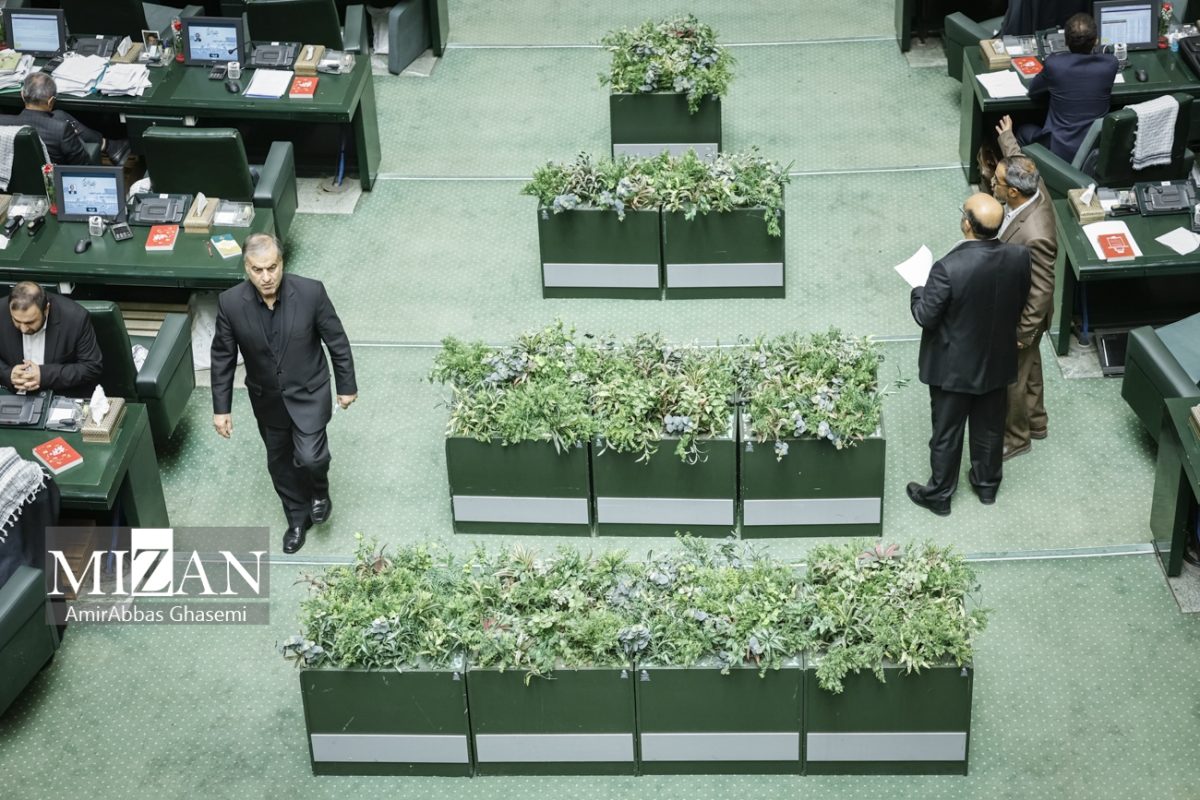
The piece, published on Thursday, argues that such a move would send a “clear and proactive” message to European nations contemplating the restoration of UN sanctions.
The snapback mechanism, outlined in Article 37 of the 2015 nuclear deal (JCPOA) and UN Security Council Resolution 2231, allows any participant to unilaterally trigger the reimposition of international sanctions if Iran is found to be non-compliant. This process is not subject to veto and could lead to the automatic return of all pre-2015 sanctions within 30 days.
Kayhan warns that a passive response would only embolden Europe, which may perceive there is no cost to reactivating sanctions.
Instead, it recommends that the Iranian Parliament pass a law that obliges the government to exit the NPT and halt all voluntary cooperation with the International Atomic Energy Agency (IAEA) if snapback is triggered.