


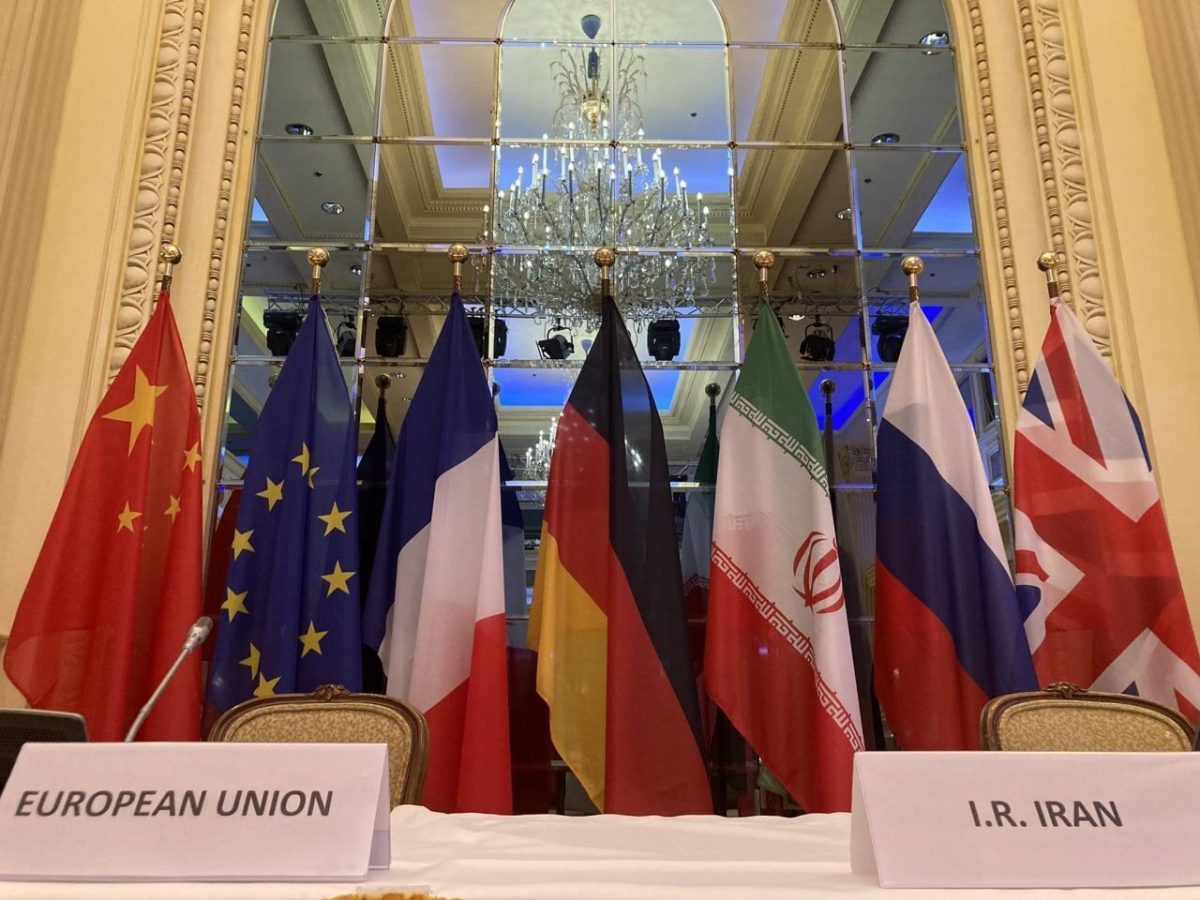
The sanctions, which came into effect late on Saturday and three months after Israel and the US bombed Iran, bar dealings related to Tehran’s nuclear and ballistic missiles program and are also expected to have wider effects on its troubled economy.
European and US diplomats stressed immediately after the resumption of sanctions that diplomacy was not over.
The US secretary of state, Marco Rubio, urged Tehran to “accept direct talks, held in good faith”.
He also called on UN member states to “immediately” implement sanctions to “pressure Iran’s leaders to do what is right for their nation and best for the safety of the world”.
The British, French and German foreign ministers said in a joint statement they would continue to seek “a new diplomatic solution to ensure Iran never gets a nuclear weapon”.
They also called on Tehran “to refrain from any escalatory action”.
An 11th-hour effort by Iran’s allies Russia and China to postpone the sanctions until April failed to win enough votes in the security council on Friday, leading to the measures taking effect at midnight on Sunday GMT.
The sanctions are a “snapback” of measures frozen in 2015 when Iran agreed to major restrictions on its nuclear program under a deal negotiated by former US president Barack Obama.
The US already imposed massive sanctions, including trying to force all countries to shun Iranian oil, when Donald Trump withdrew from the accord in his first presidential term.
Iran and the US had held several rounds of Omani-brokered talks earlier this year before they collapsed in June when first Israel and then the US attacked Iranian nuclear facilities.