


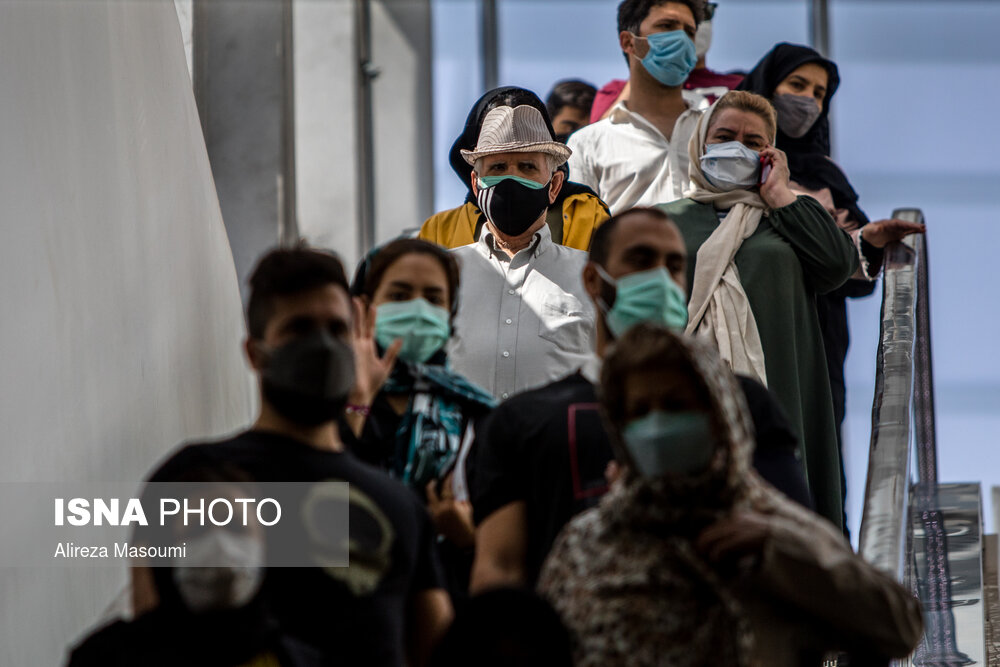
According to the Ministry, all age groups are affected, but children and adolescents account for the highest share of infections.
High fever has been the most common reason for pediatric hospital visits, and in a small number of cases where fever remains uncontrolled, febrile seizures have been observed.
Despite increased transmission, the Ministry emphasized that most cases recorded so far have been mild, and no deaths have been reported among children without underlying conditions.
The pattern of infections in Iran mirrors recent reports from several Southeast Asian countries—including Japan, China and Indonesia—as well as parts of Europe such as the United Kingdom.
In the current wave, influenza A and the H3N2 subtype account for the majority of cases.
Citing international findings, the Ministry noted that while vaccine effectiveness against the circulating subtype may be relatively reduced, influenza vaccines continue to provide strong protection against severe illness and hospitalization.