


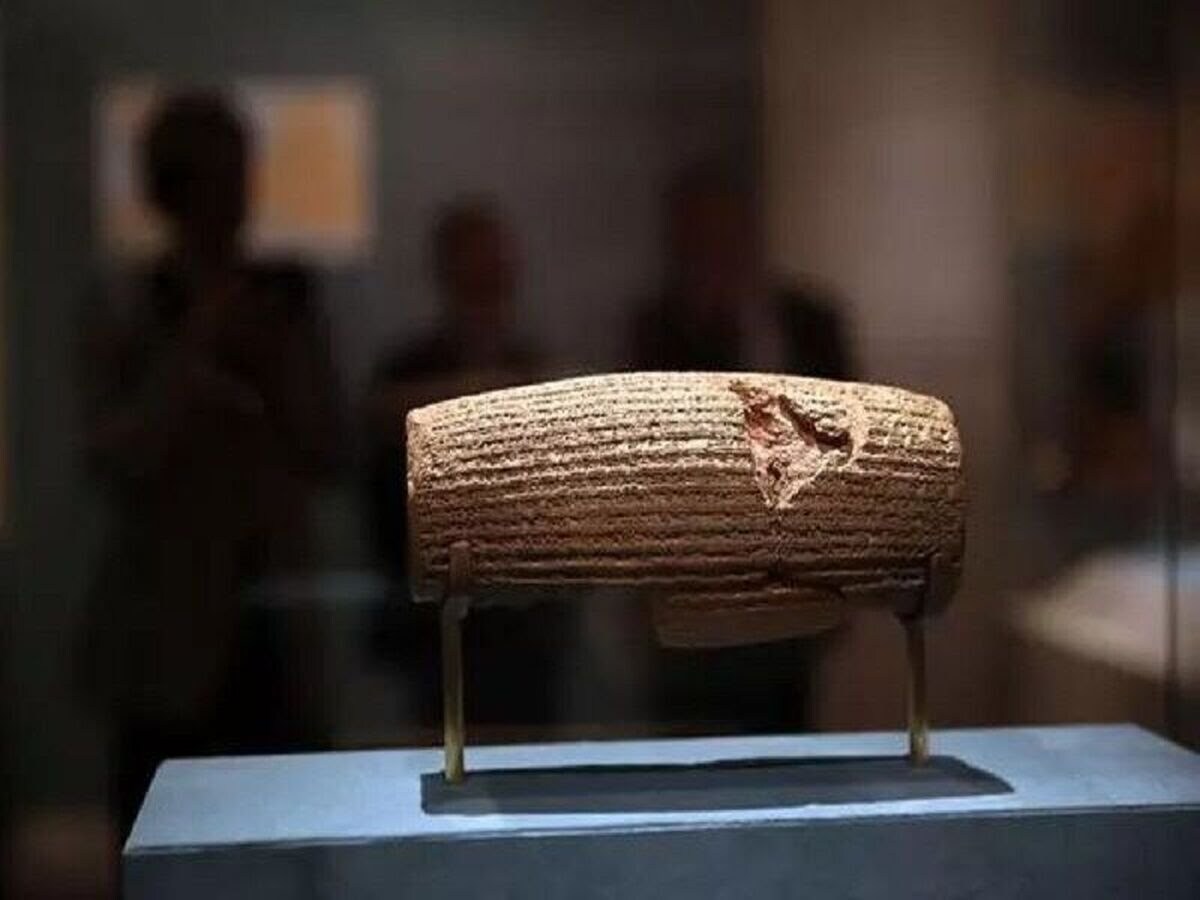
The resolution, adopted by consensus, describes the ancient artifact as a foundational document in the history of human civilization that emphasizes justice, tolerance and respect for cultural diversity.
The initiative was jointly proposed by Iran, Tajikistan and Iraq, and received support from a number of member states, including Egypt, India, Colombia, Nigeria, Algeria, Pakistan, Kenya, Senegal, Armenia and Poland.
According to the resolution, UNESCO will integrate the teachings and values highlighted in the Cyrus Cylinder into its educational, cultural and human rights programs.
Iran’s Permanent Representative to UNESCO, Ahmad Pakatchi, and Hassan Fartousi, Secretary-General of the UNESCO National Commission in Iran, played key roles in advancing the proposal, with support from Iran’s Minister of Science Hossein Simaei.
Officials stated that the decision underscores Iran’s longstanding contribution to global heritage and reinforces UNESCO’s mission of promoting peace, intercultural dialogue and inclusive societies.
It also aligns with the UN Sustainable Development Goals, particularly goals 16 and 17 related to justice and international cooperation.