


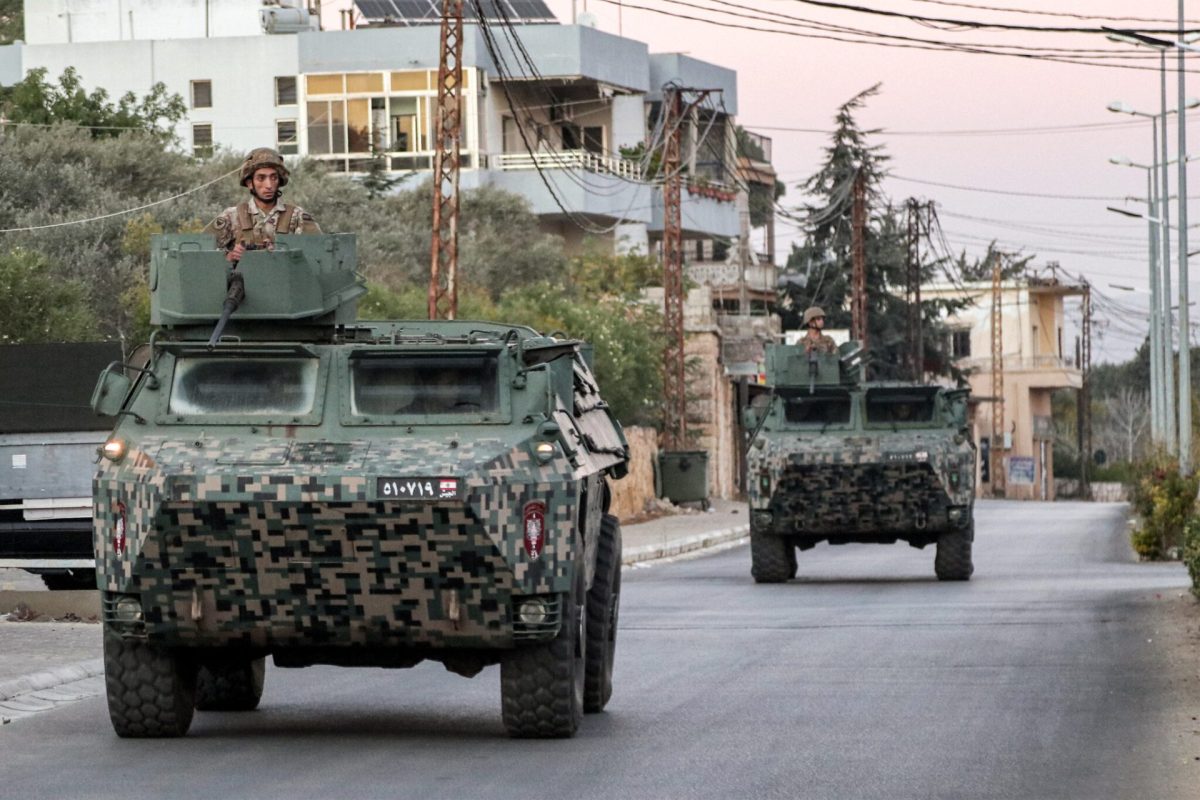
The talks will focus on mechanisms to support the Lebanese army in its security duties, the implementation of the southern deployment plan, the presentation of maps related to border demarcation, and Lebanon’s role in maintaining stability.
The meeting is also seen as a test of the Lebanese state’s seriousness in implementing reforms, curbing illegal weapons, and outlining a roadmap for future international support.
A ceasefire agreement reached in November 2024 ended a war that lasted more than a year between Hezbollah and Israel.
However, Israel has continued to carry out air attacks on various areas in Lebanon, claiming they are aimed at preventing Hezbollah from rebuilding its capabilities after suffering heavy losses during the war.
The ceasefire deal stipulated an end to hostilities, the withdrawal of Hezbollah north of the Litani River, ultimately leading to its disarmament across Lebanon, as well as the withdrawal of Israeli soldiers from positions they advanced to during the latest conflict.
Israel has nevertheless maintained five strategic positions inside Lebanese territory, while Hezbollah has refused to disarm, arguing that the agreement applies only to the area north of the Litani River near the border.
In August, Lebanese authorities approved a plan to disarm Hezbollah as part of the agreement. The army has begun implementing the plan, with the first phase, covering the border area with Israel south of the Litani River, set to be completed by the end of the year.