


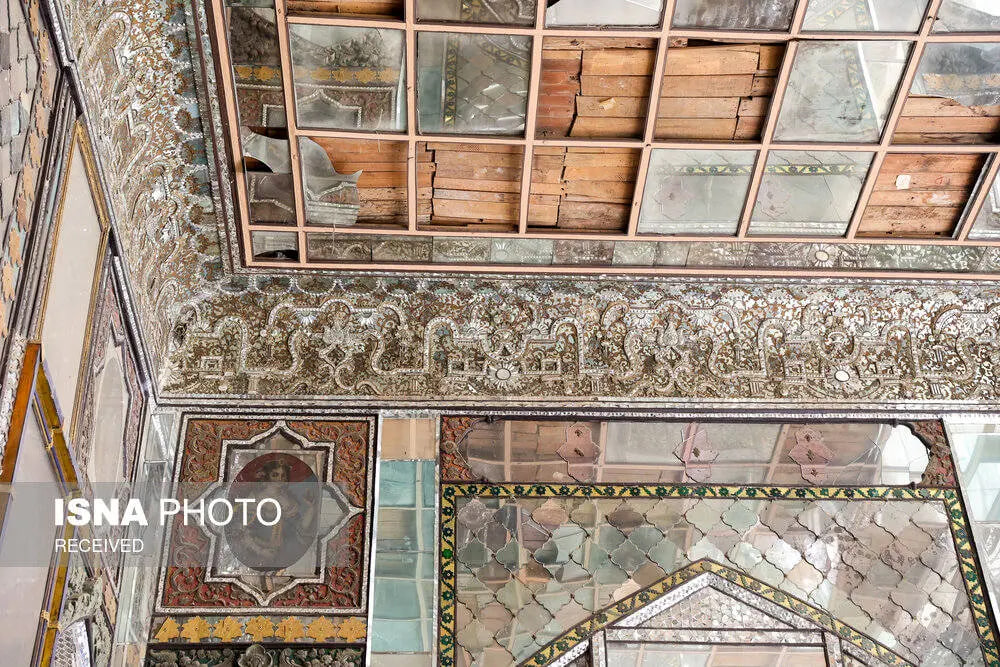
The Deputy Minister of Cultural Heritage, Tourism and Handicrafts said that the recent attack by the Zionist and American regimes on Tehran has seriously damaged the World Heritage complex of Golestan Palace, even though protection protocols such as installing a Blue Shield had been observed.
According to the Ministry of Cultural Heritage, Tourism and Handicrafts, Ali Darabi, along with Mehdi Chamran ,Chairman of the Tehran City Council, and a group of ministry officials, visited Tehran’s Golestan Palace on Monday, March 1, to assess the extent of damage to this World Heritage site after the attack by the United States and Israel.
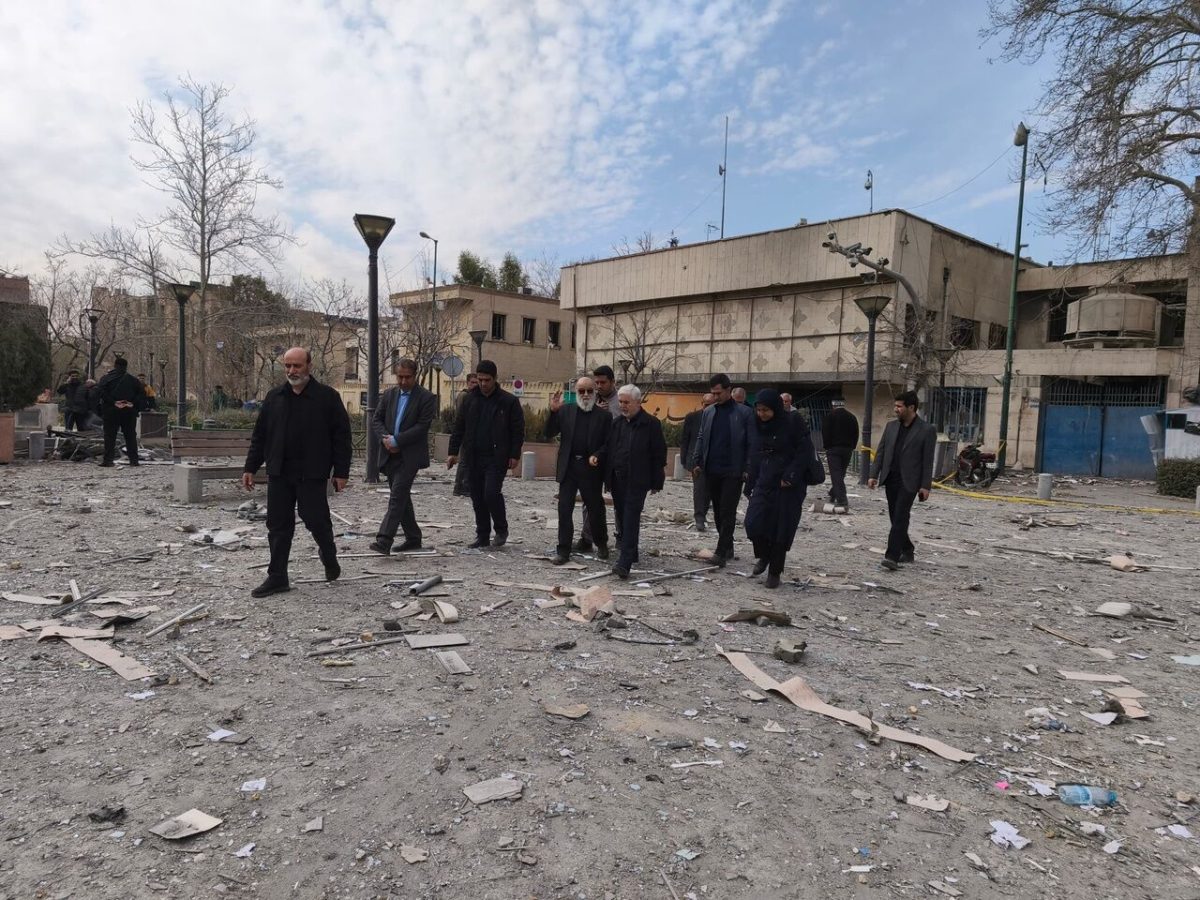

The Deputy Minister added: “International organizations and communities such as UNESCO are expected to fulfill their inherent duty in this regard.”
During this visit, Darabi raised points such as documenting the damage, preparing a detailed report and sending it to global bodies including UNESCO, ICOM and ICOMOS, increasing the safety factor of the Golestan Palace World Heritage Complex, and using heritage veterans in assessing the damage and restoration.
He noted: “Iran has been a civilized land throughout history. We are trying with all our might to restore the Golestan Palace World Heritage Complex and all cultural and historical sites.”
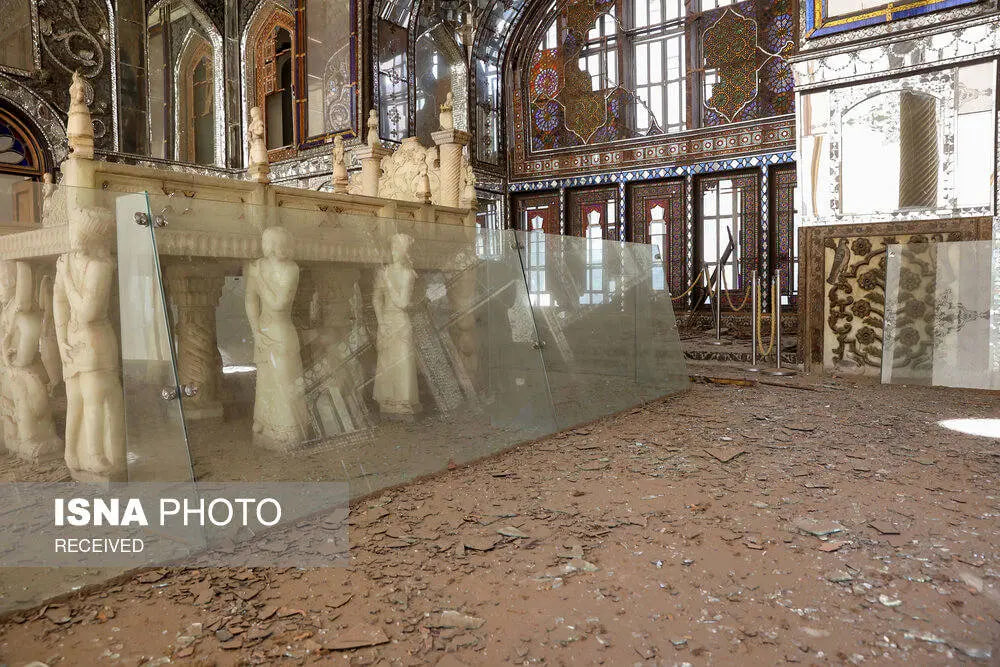

Afarin Emami, the director of Golestan Palace, also presented a report on the extent of the damage during this visit and said: “Most of the damage is due to the blast wave, which broke windows and doors. The extent of damage to the structures and buildings requires further investigation.”
Golestan Palace in Tehran
Golestan Palace is the only remnant of Tehran’s historical citadel, a collection of erstwhile royal buildings that were once enclosed within large thatched walls. The citadel was built during the time of Shah Tahmasb I of the Safavid Dynasty (1501-1722). It was rebuilt in the time of Karim Khan (1705-1779) of the Zand Dynasty and was later turned into a residence and court for the Qajar rulers (1785-1925).
Read more: